

Submitted:
22 January 2026
Posted:
26 January 2026
You are already at the latest version
Preprints on COVID-19 and SARS-CoV-2
Abstract
Aim: This systematic review and meta-analysis aimed to assess the prevalence of burnout and its predictors among nurses in Sub-Saharan Africa during the COVID-19 pandemic. Design: This is a systematic review and meta-analysis. Methods: A systematic search of literature published from January 1, 2020, to December 30, 2023, was conducted on PubMed, Scopus, ScienceDirect, and Web of Science. Studies measuring burnout and its associated factors among nurses were included. A total of 23 studies were analyzed to estimate the pooled prevalence of burnout using a random-effects model. Subgroup analyses by region and study participants were performed, and predictors of burnout were assessed. Results: The overall prevalence of burnout among nurses in Sub-Saharan Africa during COVID-19 was 33% (95% CI: 25-40%). Subgroup analysis revealed varying prevalence rates by region, with East Africa at 41% (95% CI: 32-50%), South Africa at 38% (95% CI: 31-46%), and West Africa at 23% (95% CI: 11-36%). Nurses and nursing students had the highest burnout levels at 35% (95% CI: 22-48% and 95% CI: 26-44%, respectively), while general healthcare workers were at 33% (95% CI: 22-44%). Predictors of burnout included being male (OR: 1.20, 95% CI: 1.19-1.21), married (OR: 1.46, 95% CI: 1.45-1.47), receiving social support (OR: 1.25, 95% CI: 1.24-1.26), facing a high workload (OR: 1.26, 95% CI: 1.25-1.27), working night shifts (OR: 1.23, 95% CI: 1.22-1.24), using personal protective equipment (PPE) (OR: 1.38, 95% CI: 1.34-1.42), and having low working experience (OR: 1.30, 95% CI: 1.28-1.31). Conclusion: This review highlights a substantial burden of burnout among nurses in Sub-Saharan Africa during the COVID-19 pandemic, with varying prevalence rates across regions. Factors such as demographics, workload, and protective equipment use were identified as significant predictors of burnout. Targeted interventions, including mental health support programs and workload management, are crucial to mitigate burnout and ensure the well-being of healthcare professionals in the region.
Keywords:
burnout
; nurses
; meta-analysis
; systematic review
Background
The COVID-19 pandemic posed unprecedented challenges to healthcare systems worldwide, with Sub-Saharan Africa facing unique struggles in managing the crisis (MacGregor et al., 2023). As frontline healthcare workers, nurses play a pivotal role in patient care, often facing high workloads, exposure to infectious risks, and limited resources (Koontalay et al., 2021). The outbreak of COVID-19 exacerbated these challenges, placing immense pressure on nurses in Sub-Saharan Africa (Aziato et al., 2021). Before the pandemic, nurse burnout was already recognized as a significant issue globally (Rizzo et al., 2023). Burnout, characterized by emotional exhaustion, depersonalization, and reduced personal accomplishment, not only impacts the well-being of nurses but also affects patient care quality and healthcare system sustainability (Jun et al., 2021). The COVID-19 pandemic added a new layer of stress and uncertainty, as nurses grappled with the unknown nature of the virus, increased patient loads, and heightened personal risks (Rizzo et al., 2023).
Systematic reviews and meta-analyses conducted in various regions prior to COVID-19 revealed moderate to high levels of burnout among nurses (Dubale et al., 2019; Owuor et al., 2020; Pradas-Hernández et al., 2018). The prevalence of burnout syndromes varies across geographical regions and specialties. Specifically, Central Asia and Europe have reported the lowest prevalence of burnout symptoms, whereas the Sub-Saharan Africa region has consistently shown the highest rates (Owuor et al., 2020). However, the specific impact of the pandemic on nurse burnout in Sub-Saharan Africa remains relatively unexplored. This region faces unique challenges, including limited healthcare infrastructure, insufficient staffing, and inadequate access to personal protective equipment (PPE) (Chersich et al., 2020; Kabunga & Okalo, 2021b). Understanding the prevalence of burnout among nurses during the COVID-19 pandemic in Sub-Saharan Africa is crucial for several reasons. Firstly, it sheds light on the mental health and well-being of frontline healthcare workers who are essential in the pandemic response. High levels of burnout can lead to decreased job satisfaction, increased turnover rates, and compromised patient care (Stemmer et al., 2022). Secondly, identifying predictors of burnout provides valuable insights for developing targeted interventions and support systems.
Previous systematic reviews and meta-analyses have highlighted the exacerbation of burnout syndrome due to the COVID-19 pandemic (Galanis et al., 2021; Hur et al., 2022). However, there remains a gap in understanding the collective burden of burnout and its predictors among nurses in Sub-Saharan Africa during this pandemic. Conducting a systematic review and meta-analysis of nurses' burnout is necessary to assess this burden in the region and lay the foundation for future interventions to mitigate nurse burnout. Identifying predictors of burnout could enhance nurses' and healthcare systems' response to COVID-19 and similar infectious diseases in Sub-Saharan Africa. Considering the unique context of this Sub-Saharan Africa, a focused systematic review and meta-analysis on nurses' burnout during the COVID-19 pandemic is crucial. This study aims to fill this gap by synthesizing existing literature to determine the prevalence of burnout among nurses and identify context-specific predictors in Sub-Saharan Africa.
Methods
Study Design
This is a systematic review and meta-analysis registered with the prospective register for systematic reviews. The registration number (CRD42023450956) was provided. The review was conducted in accordance with the Preferred Reporting Items for Systematic Reviews and Meta-Analyses (PRISMA) guidelines of 2020 (Page et al., 2021).
Search Strategy
Both primary and secondary approaches were utilized to search for literature. In the primary approach, published studies were primarily sourced from databases such as PubMed/Medline, ScienceDirect, Google Scholar, and African Journals Online (AJO). This involved formulating a primary search string initially tailored for PubMed, which was then adapted for other databases. The search string was constructed using a combination of keywords related to the topic (such as 'burnout,' 'factors,' 'Africa,' and 'COVID-19'), their synonyms, Boolean operators (e.g., 'OR' and 'AND'), and thesauri specific to each database, such as Medical Subject Headings (MeSH) terms for PubMed. The search strategy developed for the PubMed database is provided in (Table 1). In the secondary approach, unpublished literature was sought from accessible institutional repositories and through manual searches of reference lists of included studies and related reviews.
Eligibility Criteria
The inclusion and exclusion criteria for the review were informed by the Population, Exposure, Comparator, and Outcome (PECO) framework (Morgan et al., 2018). The studies included met the following characteristics: they involved nurses or general healthcare worker groups (Population), included a comparison group where available, compared different levels of burnout (Comparator), and were observational (including cross-sectional and cohort studies) assessing the level of burnout since the emergence of the COVID-19 pandemic in December 2019 (Outcome). The review excluded studies that did not report the main outcome of interest (burnout), articles with inaccessible full texts, letters to the editors, and commentaries. The search was limited to English articles only
Study Selection
The retrieved studies were exported to Rayyan software using the research information system (RIS) standardized tag format (Ouzzani et al., 2016). Three reviewers (VN, RT, and MM) were invited for screening based on the set inclusion and exclusion criteria while remaining blinded. The first step involved screening based on titles and abstracts, followed by downloading the articles and performing full-text screening. Disagreements were resolved through dialogue or by consulting the principal investigator (AK). The entire screening process is described in the PRISMA flow diagram (Figure 1) (Page et al., 2021).
Data Extraction and Quality Assessment
We designed a Microsoft Excel (2013) form, pretested it on a few studies, and used it to extract data. Data extraction was conducted separately by two independent reviewers (AK and EMS). The extracted data included the author, study title, year of publication, country, period of survey, study design, sample size, response rate, sampling strategy, average age, sex, level of burnout, factors contributing to burnout, and the tool used. Any disagreements were resolved through consultation with the corresponding author (AK). All included studies were assessed for quality and ranked as poor or good using the Joanna Briggs Institute (JBI) critical appraisal checklist. The checklist consists of nine items assessing the appropriateness of the sample frame, sampling method, sample size adequacy, description of study subjects, sufficiency of data analysis, tool validity, tool appropriateness for the condition being measured, appropriateness of statistical analyses, and response rate (Munn et al., 2017). However, studies were not excluded from the analysis based on quality
Statistical Analysis
Formal analysis was performed using the statistics and data (STATA) software version 17. Initially, we assessed the feasibility of conducting a meaningful quantitative synthesis and the degree of observed heterogeneity. The index of heterogeneity (I2), based on the Q statistic, was calculated with uncertainty intervals indicating the level of precision. The data were found adequate to conduct a meta-analysis, which was performed using the random effects (REML) model due to the high level of heterogeneity (above 50%) (Higgins et al., 2003). The pooled prevalence of burnout was estimated from the 23 included studies, and the results were presented in a forest plot indicating the prevalence of individual studies, along with 95% confidence intervals and weights. Each study's effect was represented by a square box with a horizontal line indicating the 95% confidence interval, and the overall effect was indicated with a diamond. Additionally, an overall effect line was plotted. Due to the high level of heterogeneity observed, we conducted subgroup analysis based on potential sources of heterogeneity, including the health worker category (general health workers, nurses, and nursing students) and the region of sub-Saharan Africa. Publication bias was assessed and reported graphically using a funnel plot and statistically using Egger’s test (Sterne et al., 2011).We also assessed predictors of burnout using odds ratios (OR) and corresponding 95% confidence intervals when at least two of the included studies reported on a pre-stated predictor. Finally, we conducted sensitivity analysis to assess the effects of including individual studies on the overall pooled estimate.
Results
The systematic search yielded a total of 15,291 records were from the databases and manual search of reference lists. After removing the 4766 duplicates, a total of 10,252 records remained. From these, 10,197 were excluded remaining with 55 studies. Of these, 52 were assessed for eligibility and after thorough review, only 23 remained, including 2 dissertations. Of the 29 studies that were excluded, 15 did not report on main outcome, 11 had different populations and 3 were not retrieved, leaving 23 studies for analysis. When studies reported burnout at different levels (low, average, high), only the high level was considered for estimating the prevalence of burnout. The screening process is shown in Figure 1.
Characteristics of Included Studies
The characteristics of included studies (Table 2) indicate that of the 23 included studies, 10 were from east Africa (Afulani, Gyamerah, et al., 2021; Afulani, Nutor, et al., 2021, 2021; Alfadul et al., 2023; Ali et al., 2021; El Dabbah & Elhadi, 2023; Gelaw et al., 2023; Kabunga & Okalo, 2021b; Phiri et al., 2023; Udho & Kabunga, 2022), three from South Africa (Dechasa et al., 2021; Lourens, 2022; Potgieter, 2021) and 10 from West Africa (Afulani, Nutor, et al., 2021; Afulani, Ongeri, et al., 2021; Alabi et al., 2021; Konlan et al., 2022b, 2022a; Nutor et al., 2022; Nwosu et al., 2021; Opoku et al., 2022, 2023). Additionally, 14 studies were conducted among general health workers (Afulani, Nutor, et al., 2021; Afulani, Ongeri, et al., 2021; Alfadul et al., 2023; El Dabbah & Elhadi, 2023; Gelaw et al., 2023; Konlan et al., 2022b; Nwosu et al., 2021; Phiri et al., 2023; Shah et al., 2021), seven studies among nurses (Afulani, Gyamerah, et al., 2021; Alabi et al., 2021; Dechasa et al., 2021; Kabunga & Okalo, 2021b; Opoku et al., 2022; Shah et al., 2021; Udho & Kabunga, 2022), two studies among nurse and midwives (Lourens, 2022; Opoku et al., 2023), and one study among nursing students (Potgieter, 2021). Two of the included studies were dissertations from institutional repositories (Lourens, 2022; Potgieter, 2021). All the 23 studies yielded an overall sample size of 10,919 participants. the quality of included studies has been assessed and reported (Table 3).
Pooled Prevalence
With a Heterogeneity index (12) of 98.74% and a p-value of <0.001, we employed a random effects model to combine the effect sizes. Figure 2 shows that the overall prevalence of burnout across the 23 included studies was found to be 33%, with a 95% confidence interval ranging from 25% to 40%.
Publication Bias
Figure 3 indicates the funnel plot for assessing potential publication bias. The plot is asymmetrical, suggesting potential publication bias. Furthermore, the Eggers test revealed a significant p-value (p=0.001), indicating the possibility of publication bias due to small study effects.
Subgroup Analysis
Due to the presence of high heterogeneity, subgroup analysis was performed by the potential causes of heterogeneity. These were the regions and study participants.
Subgroup Analysis by Region
Figure 4 shows subgroup analysis showed that in terms of burnout prevalence, the East African region had the highest rate, followed by South Africa and West Africa, at 41% (95% CI: 32-50), 38% (95% CI: 31-46), and 23% (95% CI: 11-36), respectively.
Subgroup Analysis by Study Participants
Figure 5 shows Subgroup analysis by study participants indicated that nurses 35% (95% CI: 22-48) and nursing students 35% (95% CI: 26-44) had the highest burnout levels. The general healthcare workers had a level of 33%(95% CI: 22-44).
Sensitivity Analysis
Since we had more than 10 included studies, we conducted a Leave-one-out sensitivity analysis to see if any single study significantly affected the overall results. The findings showed that all studies fell within the expected ranges, meaning no single study had a notable impact on the overall outcome (Figure 6).
Predictors of Burnout
We assessed predictors of burnout for all factors that were reported by at least two studies. Table 4 indicates that males (OR: 1.20, 95% CI: 1.19-1.21), marrieds (OR: 1.46, 95% CI: 1.45-1.47), receiving social support (OR: 1.25, 95% CI: 1.24-1.26), with a high workload (OR: 1.26, 95% CI: 1.25-1.27), have night shifts (OR: 1.23, 95% 1.22-1.24), used personal protective equipment (PPE) (OR: 1.38, 95% 1.34-1.42), and had low working experiencing (OR: 1.30, 95% CI: 1.28-1.31) were more likely to experience burnout compared to their counterparts.
Discussion
This systematic review and meta-analysis aimed to investigate nurses' burnout and its predictors during the COVID-19 pandemic in Sub-Saharan Africa. The overall prevalence of burnout among healthcare workers in Sub-Saharan Africa, based on 23 included studies, was found to be 33%. After subgroup analysis, nurses and nursing students exhibited the highest burnout levels, each at 35% (95% CI: 22-48 and 95% CI: 26-44, respectively), while general healthcare workers had a level of 33% (95% CI: 22-44). Burnout prevalence varied by region, with East Africa having the highest at 41% (95% CI: 32-50), followed by South Africa at 38% (95% CI: 31-46), and West Africa at 23% (95% CI: 11-36. Several factors were identified as predictors of burnout among nurses in Sub-Saharan Africa. These included being male (OR: 1.20, 95% CI: 1.19-1.21), married (OR: 1.46, 95% CI: 1.45-1.47), receiving social support (OR: 1.25, 95% CI: 1.24-1.26), facing a high workload (OR: 1.26, 95% CI: 1.25-1.27), working night shifts (OR: 1.23, 95% CI: 1.22-1.24), using personal protective equipment (PPE) (OR: 1.38, 95% CI: 1.34-1.42), and having low working experience (OR: 1.30, 95% CI: 1.28-1.31). These factors were significantly associated with increased likelihood of experiencing burnout among nurses during the COVID-19 pandemic in Sub-Saharan Africa.
Our results indicate an overall prevalence rate of 33% among healthcare workers based on 23 included studies, aligning with global trends and suggesting a substantial burden of burnout in the region (Busch et al., 2021; De Pablo et al., 2020). Notably, this prevalence rate is lower than the 52% reported in another study (Ghahramani et al., 2021). This discrepancy shows the variability in burnout rates across different studies and highlights the importance of considering context-specific factors when interpreting these findings. Further research is needed to understand the factors contributing to these variations and to develop targeted interventions to address burnout among healthcare workers in Sub-Saharan Africa. Our findings indicate a pressing need for targeted interventions to address burnout among healthcare workers. Strategies such as mental health support programs, workload management, and fostering supportive work environments are crucial in mitigating burnout and ensuring the well-being of healthcare professionals. By recognizing this prevalence rate, healthcare systems in Sub-Saharan Africa can implement proactive measures to protect the mental health of their workforce, ultimately enhancing the quality of patient care and the sustainability of healthcare services during and beyond the COVID-19 pandemic.
Our findings highlight the concerning prevalence of burnout among nurses and nursing students in Sub-Saharan Africa during the COVID-19 pandemic, with rates reaching 35% for both groups. These results are consistent with findings from other regions (Galanis et al., 2021), suggesting a universal challenge faced by nurses globally. The vulnerability of nurses and nursing students to burnout may be due to prolonged stress, high workload, and exposure to infectious risks (Amir & Okalo, 2022). This is particularly noteworthy as it indicates a significant impact on the mental well-being of these essential healthcare professionals. Additionally, general healthcare workers were not far behind, with a burnout level of 33%. These results are consistent with the broader global trend of healthcare workers experiencing heightened burnout during the pandemic (Galanis et al., 2021). The results indicate an urgent need for targeted interventions and support systems to mitigate burnout among nurses and nursing students, considering their crucial role in the healthcare system. Strategies such as mental health resources, workload management, and institutional support should be prioritized to safeguard the well-being of these frontline workers, ultimately ensuring the sustainability and effectiveness of healthcare delivery in the region.
Our findings reveal varying burnout prevalence rates across regions. The findings indicate that East Africa had the highest burnout rate at 41%, followed by South Africa at 38%, and West Africa at 23%. These disparities in burnout prevalence highlight regional differences in the impact of the pandemic on nurses' well-being. The observed disparities in burnout prevalence rates across regions can be attributed to several factors. Firstly, variations in healthcare infrastructure and resources across these regions may play a significant role. East Africa, for instance, faces challenges such as limited healthcare facilities and personnel shortages, which can lead to increased work stress and burnout among nurses (Kabunga & Okalo, 2021a). Additionally, cultural and societal factors could also influence burnout rates, such as different attitudes towards work-life balance, access to support systems, and coping mechanisms (Chandra, 2012). The implications suggest that targeted interventions should consider regional variations in stressors and support systems. Efforts to address burnout should be tailored to the specific needs of each region, such as providing additional resources and mental health support in East and South Africa where burnout rates are highest. These findings emphasize the importance of region-specific strategies to mitigate burnout and ensure the resilience and effectiveness of healthcare systems in Sub-Saharan Africa amidst the ongoing challenges of the pandemic.
Our results show demographic factors that predict burnout among healthcare workers. The findings indicate that being male, married, and having low working experience are significant predictors of burnout. These consistent results across studies emphasize the universal impact of these demographic factors on nurses' susceptibility to burnout during the pandemic (Galanis et al., 2021). However, contrary to our results, some studies in Sub-Saharan Africa, as well as globally, support the notion that burnout is more common among women (Elbarazi et al., 2017). These results suggest that certain subgroups of nurses are particularly vulnerable to burnout during the pandemic. The findings highlight the need for targeted interventions and support systems that consider these predictors. Strategies such as tailored mental health resources, and mentorship programs for less experienced nurses and those who are male or married may be crucial in mitigating burnout. By addressing these predictors, healthcare systems in Sub-Saharan Africa can better protect the well-being of their nurses and ensure the resilience of their workforce amidst the ongoing challenges of the pandemic.
Also, our results contribute to the understanding of work-related factors that predict burnout among healthcare workers. The findings such as ,facing a high workload, working night shifts and using personal protective equipment (PPE), align with previous studies in other regions (Galanis et al., 2021; Kabunga & Okalo, 2021b). These results highlight the consistent impact of these work-related factors on nurses' vulnerability to burnout during the pandemic. Our results suggest that interventions targeting these factors can have widespread applicability. Strategies such as providing adequate social support systems, managing workload, offering rest opportunities during night shifts, and ensuring sufficient and comfortable PPE usage can be universally beneficial in mitigating burnout among nurses in Sub-Saharan Africa and beyond. By leveraging insights from multiple systematic reviews, healthcare systems can tailor interventions to address these specific work-related challenges, thereby safeguarding the well-being of their nursing workforce and enhancing the resilience of the healthcare system during the ongoing pandemic.
Implications and Recommendations
The study highlights the urgent need for targeted interventions to address burnout among nurses in Sub-Saharan Africa. Strategies such as mental health support programs, workload management, and fostering supportive work environments are recommended. The study's findings suggest the importance of considering regional variations in stressors and support systems when designing interventions. Tailored approaches for East, South, and West Africa may be more effective. Healthcare systems should consider the identified predictors of burnout, such as gender, marital status, workload, and use of personal protective equipment, when developing support programs for nurses. Future research should aim to address the limitations identified, such as reducing publication bias, exploring additional predictors, and expanding the geographic scope. This will enhance the understanding of burnout among nurses and improve intervention strategies. Policymakers can use the findings to advocate for policies that support nurses' mental well-being, such as promoting work-life balance, ensuring adequate staffing levels, and providing resources for mental health support.
Strengths and Limitations of the Study
The study conducted a systematic review and meta-analysis, encompassing a considerable number of studies, providing a comprehensive overview of nurses' burnout during the COVID-19 pandemic in Sub-Saharan Africa. The analysis involved 23 studies with a total sample size of 10,919 participants, offering a strong foundation for estimating the prevalence of burnout among nurses in the region. However, the study had its limitations: The funnel plot displayed asymmetry, suggesting potential publication bias that might impact the generalizability of the findings. The Eggers test also yielded a significant p-value indicating potential publication bias due to small study effects. There was considerable heterogeneity among the included studies, which could affect the accuracy of the pooled prevalence estimate. Nevertheless, the study addressed this issue by employing a random effects model. The study relied on studies that utilized validated and standardized tools to measure burnout; however, there could have been variability in how burnout was defined across studies, potentially influencing the results. Some pertinent studies may have been excluded based on the defined criteria, potentially resulting in a biased estimate of burnout prevalence.
Conclusion
Our systematic review and meta-analysis indicate a substantial burden of burnout in the region, although notably lower than rates reported in some other studies. Our findings reveal regional disparities, with East Africa showing the highest burnout rate, followed by South Africa, and West Africa. Factors such as being male, married, having low working experience, facing a high workload, working night shifts, and using PPE were identified as significant predictors of burnout among nurses in Sub-Saharan Africa. Strategies such as mental health support programs, workload management, and adequate PPE provision should be prioritized to safeguard the well-being of nurses and ensure the resilience of healthcare systems. This review provides crucial insights for policymakers, healthcare institutions, and stakeholders to develop effective measures that protect the mental health of nurses and enhance the sustainability and effectiveness of healthcare services in Sub-Saharan Africa amidst the challenges of the COVID-19 pandemic and beyond.
Supplementary Materials
The following supporting information can be downloaded at the website of this paper posted on Preprints.org.
Ethical Approval
The protocol was registered with PROSPERO registration number: CRD42023450956
No Patient or Public Contribution.
References
- Afulani, P. A., Gyamerah, A. O., Nutor, J. J., Laar, A., Aborigo, R. A., Malechi, H., Sterling, M., & Awoonor-Williams, J. K. (2021). Inadequate preparedness for response to COVID-19 is associated with stress and burnout among healthcare workers in Ghana. PLOS ONE, 16(4), e0250294. [CrossRef]
- Afulani, P. A., Nutor, J. J., Agbadi, P., Gyamerah, A. O., Musana, J., Aborigo, R. A., Odiase, O., Getahun, M., Ongeri, L., Malechi, H., Madadi, M. O., Arhinful, B., Kelly, A. M., & Awoonor-Williams, J. K. (2021). Job satisfaction among healthcare workers in Ghana and Kenya during the COVID-19 pandemic: Role of perceived preparedness, stress, and burnout. PLOS Global Public Health, 1(10), e0000022. [CrossRef]
- Afulani, P. A., Ongeri, L., Kinyua, J., Temmerman, M., Mendes, W. B., & Weiss, S. J. (2021). Psychological and physiological stress and burnout among maternity providers in a rural county in Kenya: Individual and situational predictors. BMC Public Health, 21(1), 453. [CrossRef]
- Alabi, M. A., Ishola, A. G., Onibokun, A. C., & Lasebikan, V. O. (2021). Burnout and quality of life among nurses working in selected mental health institutions in South West Nigeria. African Health Sciences, 21(3), 1428–1439. [CrossRef]
- Alfadul, E. S. A., Idrees Abdalmotalib, M. M., Alrawa, S. S. K., Osman, R. O. A., Hassan, H. M. A., Albasheir, A. T., Hasabo, E. A., Mohamed, S. O. O., & Shaaban, K. M. A. (2023). Burnout and its associated factors among healthcare workers in COVID-19 isolation centres in Khartoum, Sudan: A cross-sectional study. PloS One, 18(7), e0288638. [CrossRef]
- Ali, S. K., Shah, J., & Talib, Z. (2021). COVID-19 and mental well-being of nurses in a tertiary facility in Kenya. PloS One, 16(7), e0254074. [CrossRef]
- Amir, K., & Okalo, P. (2022). Frontline nurses’ compassion fatigue and associated predictive factors during the second wave of COVID-19 in Kampala, Uganda. Nursing Open.
- Aziato, L., Ani-Amponsah, M., Iddrisu, M., & Ohene, L. A. (2021). The Impact of Covid-19 on the African Workforce Through the Lenses of Nurses and Midwives. Gendered Perspectives on Covid-19 Recovery in Africa: Towards Sustainable Development, 111–129.
- Busch, I. M., Moretti, F., Mazzi, M., Wu, A. W., & Rimondini, M. (2021). What we have learned from two decades of epidemics and pandemics: A systematic review and meta-analysis of the psychological burden of frontline healthcare workers. Psychotherapy and Psychosomatics, 90(3), 178–190.
- Chandra, V. (2012). Work–life balance: Eastern and western perspectives. The International Journal of Human Resource Management, 23(5), 1040–1056.
- Chersich, M. F., Gray, G., Fairlie, L., Eichbaum, Q., Mayhew, S., Allwood, B., English, R., Scorgie, F., Luchters, S., & Simpson, G. (2020). COVID-19 in Africa: Care and protection for frontline healthcare workers. Globalization and Health, 16, 1–6.
- De Pablo, G. S., Vaquerizo-Serrano, J., Catalan, A., Arango, C., Moreno, C., Ferre, F., Shin, J. Il, Sullivan, S., Brondino, N., & Solmi, M. (2020). Impact of coronavirus syndromes on physical and mental health of health care workers: Systematic review and meta-analysis. Journal of Affective Disorders, 275, 48–57.
- Dechasa, D. B., Worku, T., Baraki, N., Merga, B. T., & Asfaw, H. (2021). Burnout and associated factors among nurses working in public hospitals of Harari region and Dire Dawa administration, eastern Ethiopia. A cross sectional study. PloS One, 16(10), e0258224. [CrossRef]
- Dubale, B. W., Friedman, L. E., Chemali, Z., Denninger, J. W., Mehta, D. H., Alem, A., Fricchione, G. L., Dossett, M. L., & Gelaye, B. (2019). Systematic review of burnout among healthcare providers in sub-Saharan Africa. BMC Public Health, 19(1), 1–20.
- El Dabbah, N. A., & Elhadi, Y. A. M. (2023). High levels of burnout among health professionals treating COVID-19 patients in two Nile basin countries with limited resources. Scientific Reports, 13(1), 6455. [CrossRef]
- Elbarazi, I., Loney, T., Yousef, S., & Elias, A. (2017). Prevalence of and factors associated with burnout among health care professionals in Arab countries: A systematic review. BMC Health Services Research, 17, 1–10.
- Galanis, P., Vraka, I., Fragkou, D., Bilali, A., & Kaitelidou, D. (2021). Nurses’ burnout and associated risk factors during the COVID-19 pandemic: A systematic review and meta-analysis. Journal of Advanced Nursing, 77(8), 3286–3302.
- Gelaw, Y. M., Hanoch, K., & Adini, B. (2023). Burnout and resilience at work among health professionals serving in tertiary hospitals, in Ethiopia. Frontiers in Public Health, 11, 1118450. [CrossRef]
- Ghahramani, S., Lankarani, K. B., Yousefi, M., Heydari, K., Shahabi, S., & Azmand, S. (2021). A systematic review and meta-analysis of burnout among healthcare workers during COVID-19. Frontiers in Psychiatry, 12.
- Higgins, J. P. T., Thompson, S. G., Deeks, J. J., & Altman, D. G. (2003). Measuring inconsistency in meta-analyses. BMJ : British Medical Journal, 327(7414), 557–560.
- Hur, G., Cinar, N., & Suzan, O. K. (2022). Impact of COVID-19 pandemic on nurses’ burnout and related factors: A rapid systematic review. Archives of Psychiatric Nursing, 41, 248–263.
- Jun, J., Ojemeni, M. M., Kalamani, R., Tong, J., & Crecelius, M. L. (2021). Relationship between nurse burnout, patient and organizational outcomes: Systematic review. International Journal of Nursing Studies, 119, 103933.
- Kabunga, A., & Okalo, P. (2021a). Frontline Nurses’ Post-Traumatic Stress Disorder and Associated Predictive Factors During the Second Wave of COVID-19 in Central, Uganda. Neuropsychiatric Disease and Treatment, 3627–3633.
- Kabunga, A., & Okalo, P. (2021b). Prevalence and predictors of burnout among nurses during COVID-19: A cross-sectional study in hospitals in central Uganda. BMJ Open, 11(9), e054284.
- Konlan, K. D., Asampong, E., Dako-Gyeke, P., & Glozah, F. N. (2022a). Burnout and allostatic load among health workers engaged in human resourced-constrained hospitals in Accra, Ghana. BMC Health Services Research, 22(1), 1163. [CrossRef]
- Konlan, K. D., Asampong, E., Dako-Gyeke, P., & Glozah, F. N. (2022b). Burnout syndrome among healthcare workers during COVID-19 Pandemic in Accra, Ghana. PloS One, 17(6), e0268404. [CrossRef]
- Koontalay, A., Suksatan, W., Prabsangob, K., & Sadang, J. M. (2021). Healthcare workers’ burdens during the COVID-19 pandemic: A qualitative systematic review. Journal of Multidisciplinary Healthcare, 3015–3025.
- Lourens, D. C. (2022). The prevalence of burnout in nurses working in private healthcare facilities in Mbombela/Nelspruit during the COVID-19 pandemic [Stellenbosch : Stellenbosch University]. http://hdl.handle.net/10019.1/126116.
- MacGregor, H., Leach, M., Desclaux, A., Grant, C., Martineau, F., Parker, M., Sams, K., & Sow, K. (2023). COVID-19 in sub-Saharan Africa: Pandemic preparedness and response. In How to Live through a Pandemic (pp. 40–63). Routledge.
- Morgan, R. L., Whaley, P., Thayer, K. A., & Schünemann, H. J. (2018). Identifying the PECO: A framework for formulating good questions to explore the association of environmental and other exposures with health outcomes. Environment International, 121(Pt 1), 1027–1031. [CrossRef]
- Munn, Z., Moola, S., Lisy, K., Riitano, D., & Tufanaru, C. (2017). Systematic reviews of prevalence and incidence. Joanna Briggs Institute Reviewer’s Manual. Adelaide, South Australia: The Joanna Briggs Institute, 5–1.
- Nutor, J. J., Aborigo, R. A., Okiring, J., Kuwolamo, I., Dorzie, J. B. K., Getahun, M., Mendes, W. B., & Afulani, P. A. (2022). Individual and situational predictors of psychological and physiological stress and burnout among maternity providers in Northern Ghana. PloS One, 17(12), e0278457. [CrossRef]
- Nwosu, A. D. G., Ossai, E., Onwuasoigwe, O., Ezeigweneme, M., & Okpamen, J. (2021). Burnout and presenteeism among healthcare workers in Nigeria: Implications for patient care, occupational health and workforce productivity. Journal of Public Health Research, 10(1), 1900. [CrossRef]
- Opoku, D. A., Ayisi-Boateng, N. K., Mohammed, A., Sulemana, A., Gyamfi, A. O., Owusu, D. K., Yeboah, D., Spangenberg, K., Ofosu, H. M., & Edusei, A. K. (2023). Determinants of burnout among nurses and midwives at a tertiary hospital in Ghana: A cross-sectional study. Nursing Open, 10(2), 869–878. [CrossRef]
- Opoku, D. A., Ayisi-Boateng, N. K., Osarfo, J., Sulemana, A., Mohammed, A., Spangenberg, K., Awini, A. B., & Edusei, A. K. (2022). Attrition of Nursing Professionals in Ghana: An Effect of Burnout on Intention to Quit. Nursing Research and Practice, 2022, e3100344. [CrossRef]
- Ouzzani, M., Hammady, H., Fedorowicz, Z., & Elmagarmid, A. (2016). Rayyan—A web and mobile app for systematic reviews. Systematic Reviews, 5(1), 210. [CrossRef]
- Owuor, R. A., Mutungi, K., Anyango, R., & Mwita, C. C. (2020). Prevalence of burnout among nurses in sub-Saharan Africa: A systematic review. JBI Evidence Synthesis, 18(6), 1189–1207.
- Page, M. J., McKenzie, J. E., Bossuyt, P. M., Boutron, I., Hoffmann, T. C., Mulrow, C. D., Shamseer, L., Tetzlaff, J. M., Akl, E. A., Brennan, S. E., Chou, R., Glanville, J., Grimshaw, J. M., Hróbjartsson, A., Lalu, M. M., Li, T., Loder, E. W., Mayo-Wilson, E., McDonald, S., … Moher, D. (2021). The PRISMA 2020 statement: An updated guideline for reporting systematic reviews. BMJ, n71. [CrossRef]
- Phiri, K., Songo, J., Whitehead, H., Chikuse, E., Moucheraud, C., Dovel, K., Phiri, S., Hoffman, R. M., & Oosterhout, J. J. van. (2023). Burnout and depression: A cross sectional study among health care workers providing HIV care during the COVID-19 pandemic in Malawi. PLOS Global Public Health, 3(9), e0001887. [CrossRef]
- Potgieter, B. (2021). Stress, burnout, and compassion fatigue of undergraduate nursing students at a public university during the COVID-19 pandemic. http://scholar.ufs.ac.za/xmlui/handle/11660/11784.
- Pradas-Hernández, L., Ariza, T., Gómez-Urquiza, J. L., Albendín-García, L., De la Fuente, E. I., & Cañadas-De la Fuente, G. A. (2018). Prevalence of burnout in paediatric nurses: A systematic review and meta-analysis. PloS One, 13(4), e0195039.
- Rizzo, A., Yıldırım, M., Öztekin, G. G., Carlo, A. De, Nucera, G., Szarpak, Ł., Zaffina, S., & Chirico, F. (2023). Nurse burnout before and during the COVID-19 pandemic: A systematic comparative review. Frontiers in Public Health, 11, 1225431.
- Shah, J., Monroe-Wise, A., Talib, Z., Nabiswa, A., Said, M., Abeid, A., Ali Mohamed, M., Mohamed, S., & Ali, S. K. (2021). Mental health disorders among healthcare workers during the COVID-19 pandemic: A cross-sectional survey from three major hospitals in Kenya. BMJ Open, 11(6), e050316. [CrossRef]
- Stemmer, R., Bassi, E., Ezra, S., Harvey, C., Jojo, N., Meyer, G., Özsaban, A., Paterson, C., Shifaza, F., & Turner, M. B. (2022). A systematic review: Unfinished nursing care and the impact on the nurse outcomes of job satisfaction, burnout, intention-to-leave and turnover. Journal of Advanced Nursing, 78(8), 2290–2303.
- Sterne, J. A. C., Sutton, A. J., Ioannidis, J. P. A., Terrin, N., Jones, D. R., Lau, J., Carpenter, J., Rücker, G., Harbord, R. M., Schmid, C. H., Tetzlaff, J., Deeks, J. J., Peters, J., Macaskill, P., Schwarzer, G., Duval, S., Altman, D. G., Moher, D., & Higgins, J. P. T. (2011). Recommendations for examining and interpreting funnel plot asymmetry in meta-analyses of randomised controlled trials. BMJ, 343, d4002. [CrossRef]
- Udho, S., & Kabunga, A. (2022). Burnout and Associated Factors among Hospital-Based Nurses in Northern Uganda: A Cross-Sectional Survey. BioMed Research International, 2022, e8231564. [CrossRef]
Figure 1.
PRISMA flow diagram for included studies.
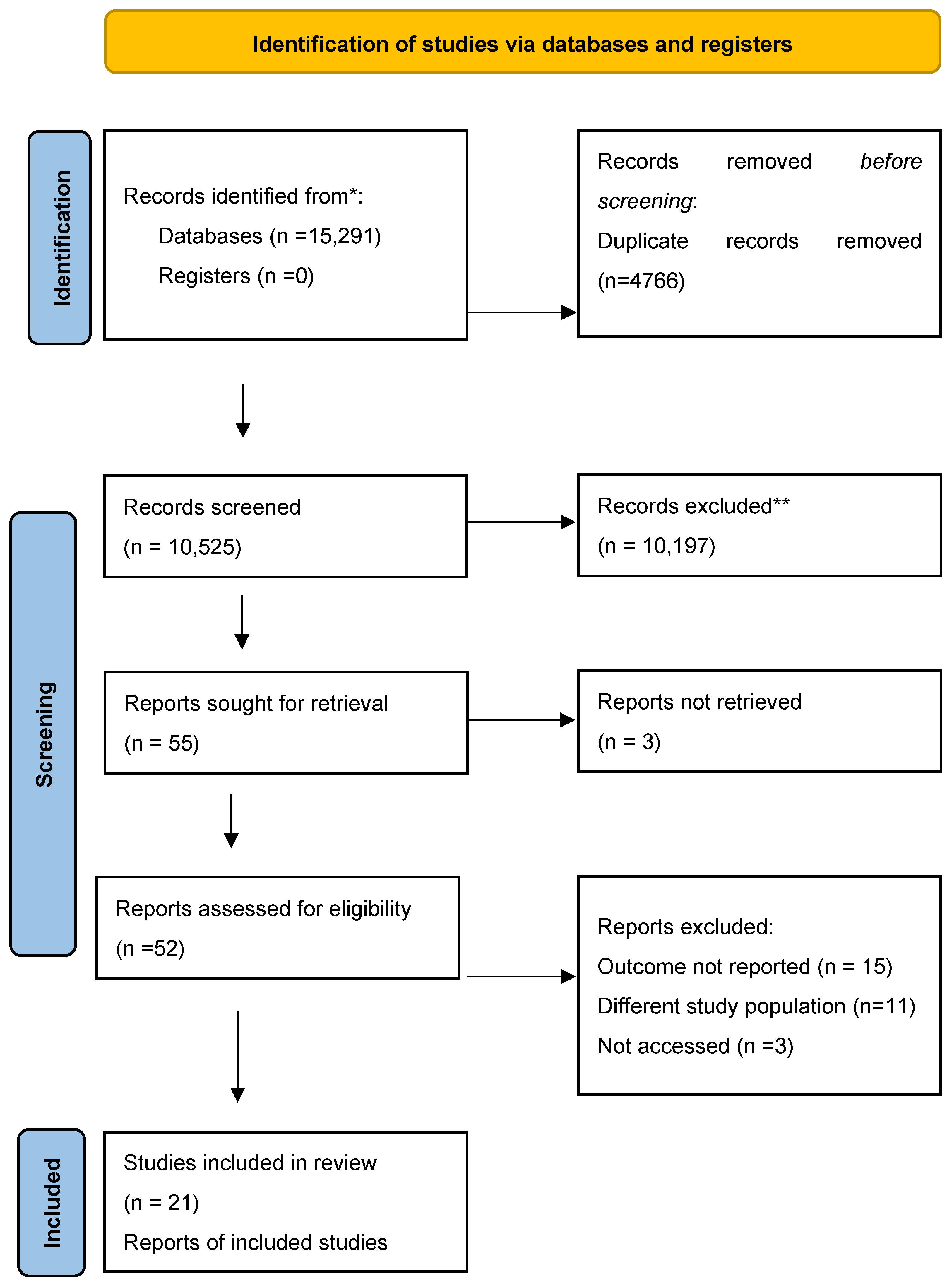
Figure 2.
Pooled prevalence of burnout.
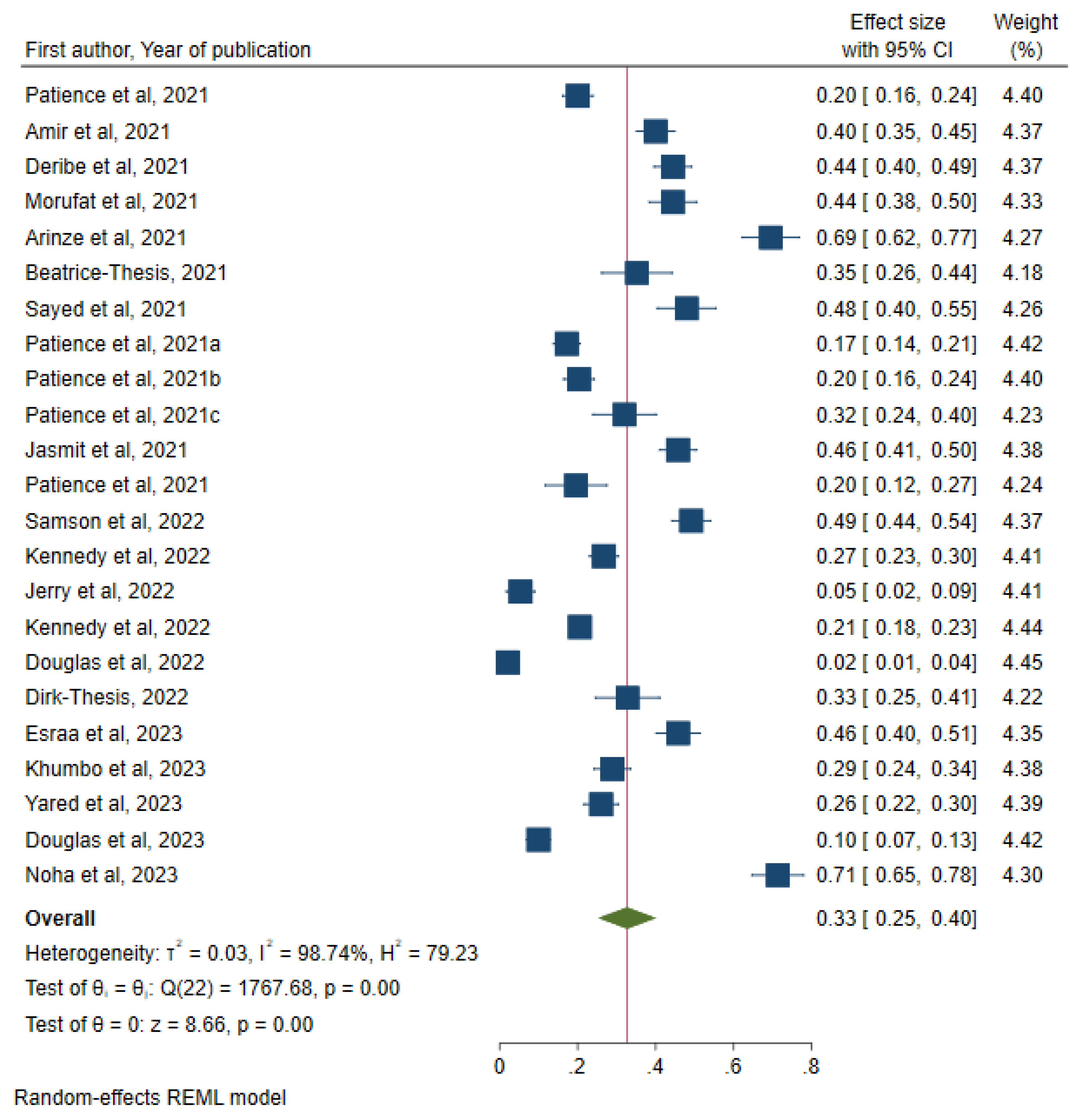
Figure 3.
Funnel plot for potential publication bias.
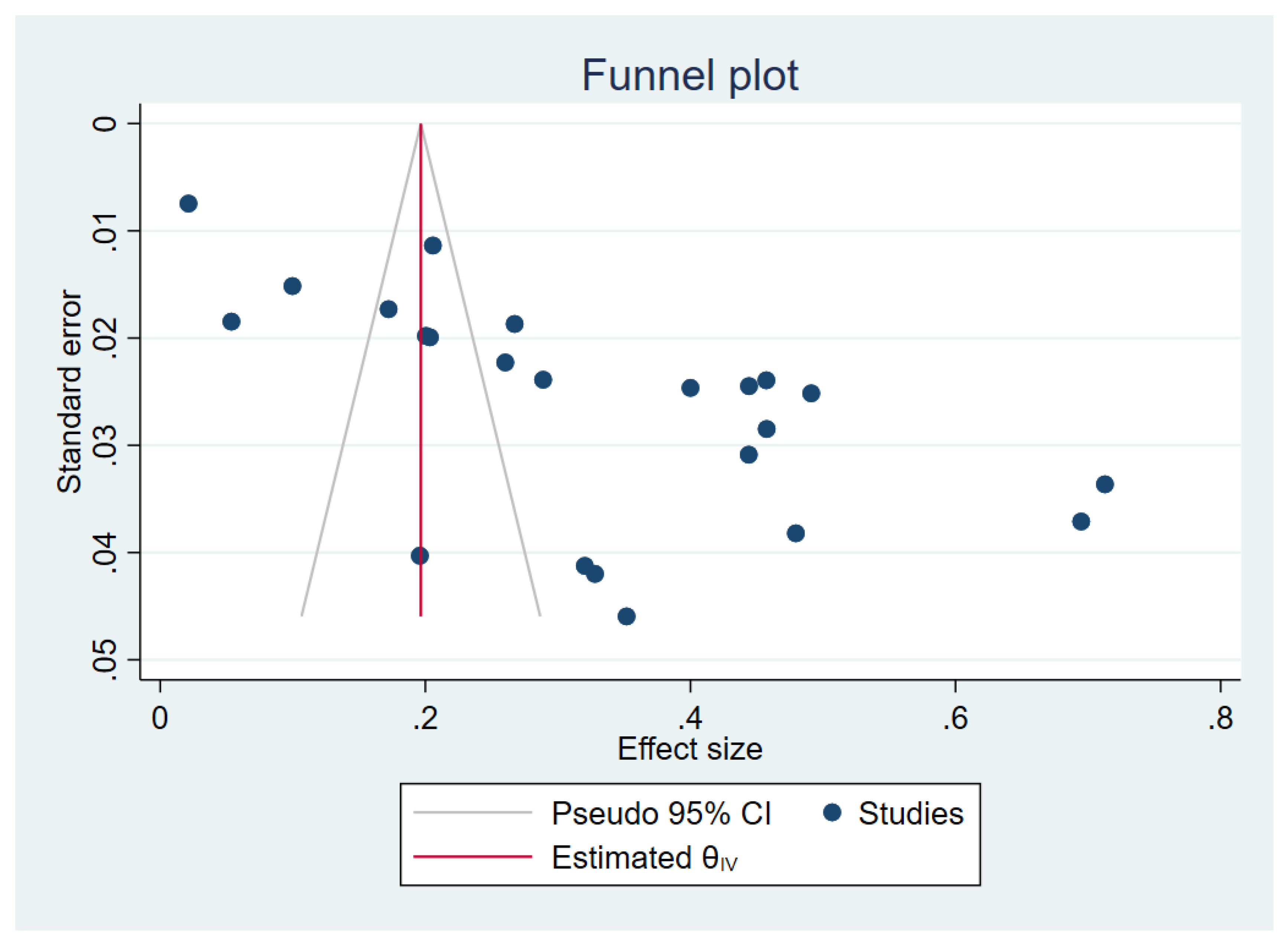
Figure 4.
Subgroup analysis by region of sub-Saharan Africa.
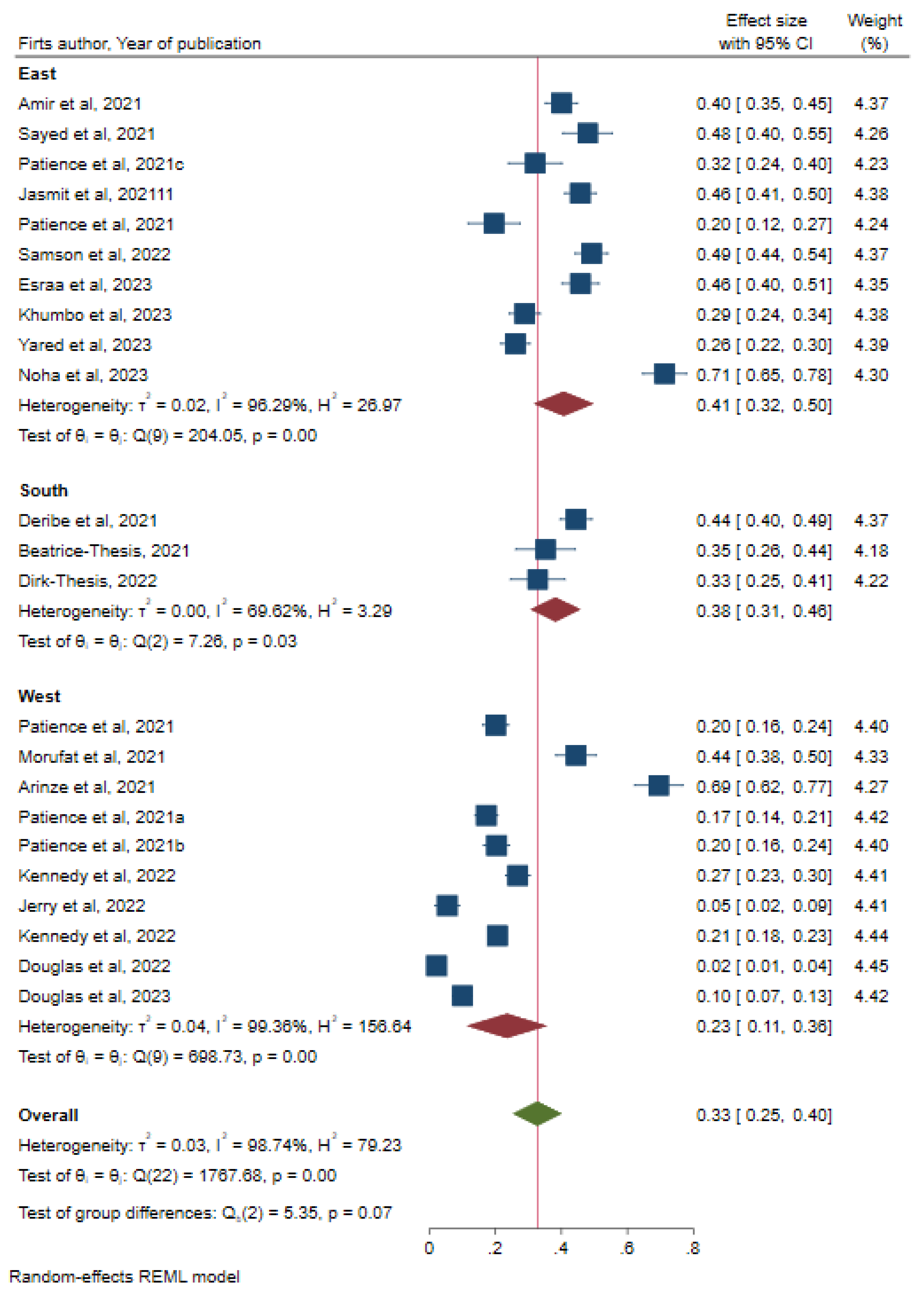
Figure 5.
Subgroup analysis by health worker category of sub-Saharan Africa.
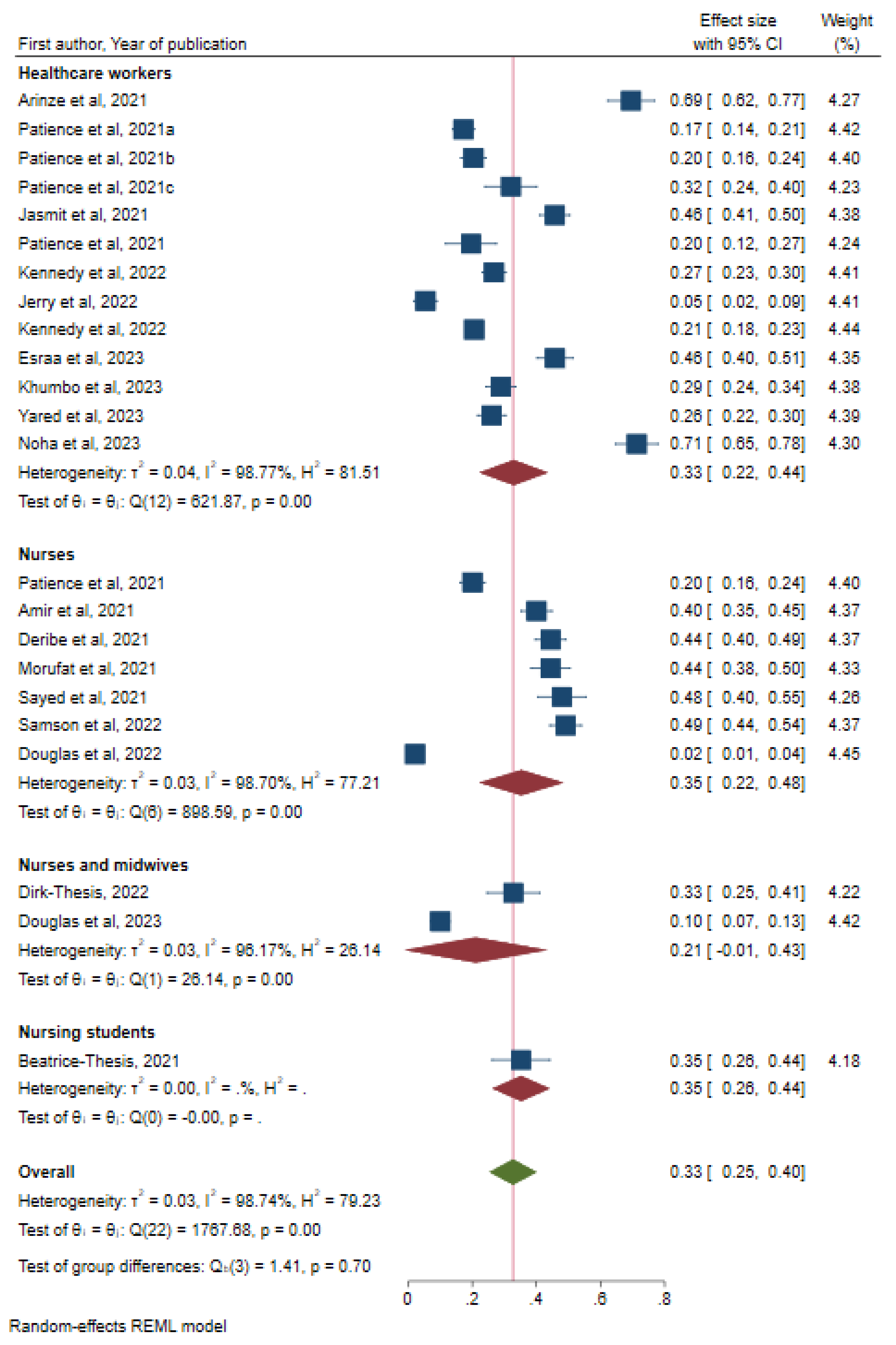
Figure 6.
Leave-one-out sensitivity analysis.
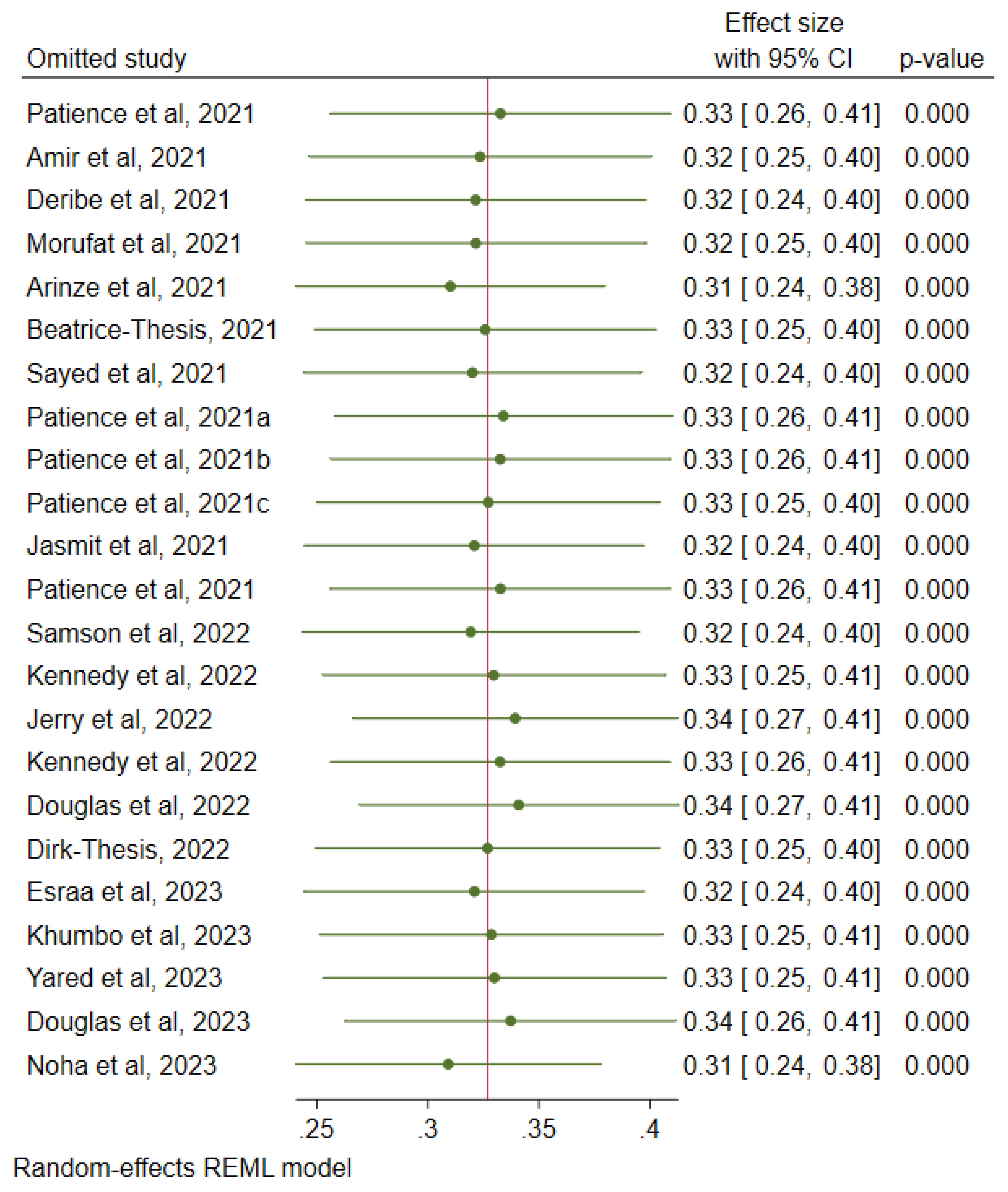

Table 4.
Predictors of burnout.
| Predictor | No. of studies | OR (95% CI) | I2 (%) | P value |
|---|---|---|---|---|
| Male | 23 | 1.20(1.19-1.21) | 99.40 | <0.001 |
| Married | 23 | 1.46(1.45-1.47) | 99.40 | <0.001 |
| High workload | 11 | 1.26(1.25-1.27) | 99.5 | <0.001 |
| Night shift | 4 | 1.23(1.22-1.24) | 99.7 | <0.001 |
| Use of PPE | 2 | 1.38(1.34-1.42) | 99.1 | <0.001 |
| Low working experience | 14 | 1.30(1.28-1.31) | 98.1 | <0.001 |
Disclaimer/Publisher’s Note: The statements, opinions and data contained in all publications are solely those of the individual author(s) and contributor(s) and not of MDPI and/or the editor(s). MDPI and/or the editor(s) disclaim responsibility for any injury to people or property resulting from any ideas, methods, instructions or products referred to in the content. |
© 2026 by the authors. Licensee MDPI, Basel, Switzerland. This article is an open access article distributed under the terms and conditions of the Creative Commons Attribution (CC BY) license (http://creativecommons.org/licenses/by/4.0/).
Copyright: This open access article is published under a Creative Commons CC BY 4.0 license, which permit the free download, distribution, and reuse, provided that the author and preprint are cited in any reuse.


