

Submitted:
19 January 2026
Posted:
20 January 2026
You are already at the latest version
Abstract
This study aims to investigate the greenhouse gas (GHG) emissions and environmental footprint of BOCOM Petroleum, a mid-sized downstream oil company operating in Douala, Cameroon. In response to the critical need for empirical data on industrial emissions in Sub-Saharan Africa, a mixed-methods approach combining Life Cycle Assessment (LCA), carbon accounting, and stakeholder interviews was adopted. Emissions were categorized following the GHG Protocol into Scope 1 (direct), Scope 2 (energy-related), and Scope 3 (value chain). Results reveal total annual emissions of 51,734 kgCO₂-eq, with Scope 3 accounting for 38%, Scope 2 for 33%, and Scope 1 for 29%. Major emission sources include stationary combustion, laboratory processes, and the use of electricity-intensive heat-generating machines. An Environmental Management Plan (EMP) was developed, proposing actionable measures such as process optimization, adoption of energy-efficient equipment, electrification of vehicle fleets, and improved waste management. Findings underscore the need for systemic decarbonization strategies among mid-sized oil firms and highlight the alignment of corporate initiatives with Cameroon’s climate commitments. This study contributes a replicable methodological framework for emission auditing in industrial enterprises across the region and calls for further integration of environmental and financial planning in corporate sustainability strategies.
Keywords:
GHG
; carbon footprint
; environmental management
; oil industry
; Sub-Saharan Africa
1. Introduction
The accelerating pace of global climate change, primarily driven by greenhouse gas (GHG) emissions from anthropogenic activities, has emerged as one of the most important environmental challenge of the 21st century [1,2]. According to the Intergovernmental Panel on Climate Change (IPCC), human-induced emissions—particularly carbon dioxide (CO₂), methane (CH₄), and nitrous oxide (N₂O)—have led to unprecedented atmospheric concentrations, resulting in rising global temperatures, sea-level rise, and increased frequency of extreme weather events [3]. The energy sector, accounts for approximately 73% of total global GHG emissions, positioning it at the focus of climate mitigation strategies [4]. Among these, the oil and gas industry are a major emitter due to direct combustion, process emissions, and downstream distribution activities [5]. Tackling emissions from this sector is therefore crucial to achieving the global targets set under the Paris Agreement, which aims to limit temperature rise to well below 2°C above pre-industrial levels, and ideally to 1.5°C [6].
In Sub-Saharan Africa, the interplay between energy development, economic growth, and environmental sustainability presents a complex challenge. The region is highly vulnerable to the impacts of climate change and increasingly reliant on fossil fuels to meet its rising energy demand [7]. Petroleum-based energy remains the backbone of many sub-Saharan economies, not only for export revenues but also for domestic energy access, particularly in urban and peri-urban areas where liquefied petroleum gas (LPG) is expanding. However, the oil and gas sector in the region is often characterized by poor environmental governance, limited emissions monitoring capacity, and outdated infrastructure, leading to high fugitive emissions and inefficient energy use [8]. While mitigation initiatives are needed, including commitments through Nationally Determined Contributions (NDCs), most countries in the region lack robust frameworks for tracking industrial GHG outputs, particularly in the downstream segment of the oil industry.
In Cameroon, the dual objective of accelerating economic development while adhering to environmental sustainability remains a formidable policy dilemma. The country’s growing reliance on fossil fuels, particularly petroleum derivatives, has raised concerns over the environmental impacts of energy sector operations. Despite the enactment of environmental laws such as Law No. 96/12 of 5 August 1996 on Environmental Management, enforcement mechanisms remain weak and inconsistently applied across industrial sectors [9]. Petroleum storage and distribution activities, often escape systematic monitoring due to insufficient institutional capacity and limited access to emissions data. Moreover, while Cameroon’s Nationally Determined Contributions (NDCs) under the Paris Agreement aim to reduce GHG emissions by 32% by 2035 relative to a business-as-usual scenario, the measures proposed are largely focused on forestry and energy production, with little emphasis on emissions from the industrial and distribution sectors [10]. Bridging this gap requires empirical studies at the enterprise level to quantify emissions and evaluate practical mitigation strategies—especially in high-impact sectors such as oil and gas distribution.
BOCOM Petroleum, a leading private player in the Cameroonian downstream oil sector, offers an exemplary case for evaluating greenhouse gas (GHG) emissions and environmental performance within a Sub-Saharan African context. Headquartered in Douala, BOCOM is primarily involved in the importation, storage, and distribution of petroleum products, including liquefied petroleum gas (LPG), diesel, and lubricants. With over 30 filling stations and several storage depots nationwide, the company operates critical infrastructure that presents significant opportunities for both emissions monitoring and strategic intervention [11]. The choice of BOCOM as a case study is grounded in its representativeness of middle-scale oil distribution companies operating under relatively lax environmental oversight, where emissions are often underestimated or undocumented. Moreover, the company has expressed growing interest in sustainability transitions, particularly through its investments in LPG distribution as a cleaner household energy alternative. Despite this, to the best of author’s knowledge, no peer-reviewed study has yet quantified BOCOM’s direct and indirect GHG emissions, nor assessed its environmental footprint or mitigation potential. This empirical gap limits the capacity of policymakers to design targeted emissions reduction strategies in the oil distribution segment—a sector often overlooked in national climate planning. This analysis contributes to a more granular understanding of GHG sources in the downstream oil sector and provides a methodological reference for similar assessments across the region.
In response to the identified empirical and methodological gaps, this study sets out to fulfil three specific objectives: (1) identify the main sources of greenhouse gas (GHG) emissions associated with BOCOM Petroleum’s operations in Douala, Cameroon; (2) assess the company’s overall environmental footprint using established carbon accounting methods; and (3) propose a strategic action plan for emission management based on evidence gathered during the study. To achieve these objectives, a mixed-methods approach is adopted, integrating quantitative and qualitative techniques. Carbon footprint assessment based on the ISO 14044 Life Cycle Analysis (LCA) standard, supported by data from primary surveys, secondary industry reports, and tertiary government statistics. Field visits, semi-structured interviews and documentary analysis were conducted to capture contextual and operational variables The structure of this paper is organized as follows: after the introduction, section 2 provides a comprehensive literature review covering theoretical foundations, previous studies on corporate emissions in Sub-Saharan Africa. Section 3 outlines the research methodology and data collection processes. Section 4 presents the main findings, including a breakdown of emission sources, carbon footprint estimates, and targeted mitigation strategy. Section 5 discusses the findings obtained and the final section concludes with policy implications and recommendations for further research.
2. Literature Review
2.1. Overview of GHG in Industrial Oil Sector
Greenhouse gas (GHG) emissions from the oil industry primarily originate from exploration, flaring, refining, and transportation. According to the IEA , oil and gas operations account for over 15% of global energy-related GHG emissions , Sub-Saharan Africa, with extensive flaring practices, remains a critical hotspot [12]. In Nigeria alone, oil sector emissions exceeded 129 MtCO₂-eq in 2020 [13]. Despite growing pressure from international frameworks such as the Paris Agreement and rising ESG investment standards, mitigation policies remain underdeveloped in the region. Countries like Angola and Ghana lack effective emission tracking in the upstream sector. Strengthening carbon reporting and integrating life-cycle approaches are now essential for sustainable oil production in Africa [13].
2.2. Pollution Levels and Carbon Footprint of Oil Companies Worldwide and in Sub-Saharan Africa
Petroleum companies contribute significantly to global carbon emissions, with methane (CH₄), carbon dioxide (CO₂), and nitrous oxide (N₂O) being the most reported pollutants (IEA, 2022). Carbon footprint assessments typically employ life-cycle analysis (LCA) in accordance with ISO 14064 or ISO 14067 standards. Globally, major oil firms report upstream emissions ranging from 70 to 120 kg CO₂-eq per barrel [14]. In Sub-Saharan Africa, empirical data remain scarce and fragmented. For instance, Ghana’s offshore operations emit an average of 96 kgCO₂-eq per barrel, yet few firms disclose full LCA data [15]. Studies from Nigeria and Angola highlight inconsistencies due to lack of monitoring frameworks. These limitations hinder accurate carbon accounting, making it difficult to design robust mitigation strategies. There is a critical need for standardised, transparent, and localised assessments across African oil-producing nations.
2.3. Empirical Studies on Emissions Reduction in African Industrial Firms
Empirical research on greenhouse gas mitigation in Sub-Saharan African industrial firms remains limited, particularly in medium-sized petroleum enterprises. Most existing studies focus on large manufacturing firms or extractive industries in Nigeria, South Africa, and Ghana [16,17]. Commonly used methodologies include Life Cycle Assessment (LCA), carbon audits, and participatory approaches involving stakeholder engagement. While LCA provides a holistic view of emissions throughout the production cycle, its implementation is often hampered by data scarcity and technical capacity in many African contexts [18]. Participatory methods, though contextually adaptable, suffer from low institutional uptake and fragmented reporting frameworks. A significant research gap concerns mid-sized oil companies, which are often excluded from climate accountability schemes. These gaps present both analytical and policy opportunities to develop context-specific emissions management models. The lack of empirical data on firms such as BOCOM Petroleum in Cameroon exemplifies the urgent need for localised studies to inform national climate strategies and industrial decarbonisation plans.
2.4. Corporate Strategies for GHG Emissions Reduction
Oil companies worldwide are increasingly adopting strategies to reduce greenhouse gas (GHG) emissions in response to regulatory pressure, investor expectations, and global climate targets [19]. Common approaches include energy efficiency improvements, bioenergy integration, carbon capture and storage (CCS), and digital emissions monitoring [20] [21]. Major international firms such as TotalEnergies have committed to net-zero pathways and invested heavily in renewable energy and CCS technologies [19,22]. In contrast, regional firms like Tradex and SONARA in Cameroon demonstrate limited diversification and primarily focus on operational efficiency and fuel substitution [23,24,25]. The disparity reflects differences in financial capacity, regulatory frameworks, and technological readiness [26]. In the context of the Global South, energy transition is further constrained by dependency on fossil fuels for industrial growth and limited access to clean technologies. Nevertheless, localised innovation, public-private partnerships, and fiscal incentives are emerging as viable enablers of decarbonisation among small-to-medium oil firms. Understanding these regional strategies is vital to tailoring realistic and inclusive climate action plans.
2.5. Specific Challenges in Oil-Producing Sub-Saharan African Countries
Oil-producing countries in Sub-Saharan Africa face a triple challenge: achieving economic development, ensuring energy security, and responding to climate change imperatives. The energy-climate-development dilemma is particularly acute in countries like Nigeria, Angola, and Cameroon, where fossil fuel exports underpin public revenues and GDP [27]. Yet, these nations remain highly vulnerable to climate impacts while lacking financial and institutional capacity for green transitions [28]. Weak regulatory frameworks, inconsistent energy governance, and limited climate financing constrain national climate strategies [29]. International actors—such as development banks, the UNFCCC, and climate funds—play a crucial role in mobilising resources and technical support [30]. However, external support is often fragmented and misaligned with national development priorities. Bridging this gap requires coordinated policies, regional integration, and local ownership of low-carbon strategies tailored to Sub-Saharan contexts.
The reviewed literature reveals a growing awareness of greenhouse gas (GHG) emissions in the global oil industry, with extensive documentation of emissions sources across exploration, refining, and distribution phases. Studies conducted by international organisations such as the IEA and IPCC underscore the oil sector’s major contribution to global emissions and highlight international pressure through mechanisms like the Paris Agreement and ESG requirements. In Sub-Saharan Africa, however, empirical studies remain largely fragmented and concentrated on a few large economies like Nigeria and Angola. Carbon footprint assessments and pollution rates have been explored using tools such as Life Cycle Assessment (LCA) and carbon audits, yet results are often generalised and lack contextual specificity. Notably, there is a dearth of empirical research focusing on mid-sized oil firms, particularly within Central Africa, including Cameroon. Moreover, most existing studies are either descriptive or technical, offering little integration between corporate strategies, national policy frameworks, and local socio-economic realities. Comparative analyses of emissions mitigation strategies reveal a disparity between international oil majors and local firms in terms of technology adoption and institutional readiness. Southern countries face the compounded challenges of weak governance, limited financial capacities, and conflicting development priorities. There is an urgent need for operational and localised research on emission reduction in mid-sized African oil firms. The case of BOCOM Petroleum offers an opportunity to bridge this empirical and strategic gap by assessing its environmental footprint and alignment with Cameroon’s climate commitments.
3. Materials and Methods
3.1. Research Design and Conceptual Framework
This study employs a case study design grounded in a mixed-methods approach, integrating both qualitative and quantitative techniques to ensure methodological robustness and contextual relevance. The focus is on BOCOM Petroleum, a mid-sized oil company operating in Douala, Cameroon, selected purposefully to explore corporate contributions to greenhouse gas mitigation within a Sub-Saharan African context. This design facilitates an in-depth investigation of emissions dynamics within an industrial setting, capturing complex socio-technical interactions and operational realities.
Primary data collection methods include semi-structured interviews and site visits, while secondary data encompasses internal reports and emissions registers. Tertiary sources involve scientific literature and international databases, aligning with best practices in environmental auditing and life cycle analysis. The mixed-methods framework supports triangulation, enhancing the validity and reliability of findings. This approach is increasingly endorsed in environmental performance research for its ability to link micro-level enterprise behaviour with macro-level sustainability outcomes.
3.2. Data Collection
This study adopted a multi-source data collection strategy tailored to the complex nature of greenhouse gas (GHG) emissions in the industrial oil sector. Primary data were gathered through semi-structured interviews with technical staff, environmental managers and operational personnel at BOCOM Petroleum in Douala, Cameroon. These interviews provided contextual insights into emission sources, operational routines, and mitigation practices.
Direct field observations and on-site visits were conducted to validate reported emissions data and to understand infrastructural and logistical processes. Secondary data included company-level documents such as GHG inventories, annual environmental reports, and internal audits covering the years 2020 to 2023. In addition, tertiary sources included peer-reviewed literature, national regulatory documents, and reports from international agencies such as the International Energy Agency (IEA) and UNFCCC.
3.3. Analytical Framework
This study employed a hybrid analytical framework combining Life Cycle Assessment (LCA) and carbon footprint analysis, based on ISO 14044 standards, to evaluate BOCOM Petroleum’s greenhouse gas emissions. The LCA approach enables a comprehensive appraisal of emissions across upstream and downstream activities—including fuel storage, bottling, transportation, and distribution—following the cradle-to-gate model [34,35]. Quantitative emission estimates were calculated using CO₂-equivalent factors in alignment with IPCC 2019 Guidelines and the Greenhouse Gas Protocol [36]. These calculations facilitated disaggregation of emissions by source and operational unit. Emissions from each source were estimated using the following standard equation:
where Activity data for source iii (e.g., litres of diesel consumed, tonnes of LPG distributed) Emission factor for activity iii (kg CO₂-eq/unit)
Equation 2: Formula for fuels
where Quantity of fuel consumed
Emission factor for activity iii (kg CO₂-eq/unit)
Equation 3: Formula associated with electricity
where Quantity of electricity consumed, Emission factor for activity iii (kg CO₂-eq/unit). The total carbon footprint (CF) is then obtained by summing all emission sources:
After identifying and assessing the environmental impacts, we drew up an Environmental and Social Management Plan (ESMP), which is an instrument for ensuring that the project is effectively integrated into its environment. It consists of a plan for implementing environmental measures, a monitoring plan and a follow-up plan to align company performance with national environmental targets and the Paris Agreement goals [37].
4. Results
This section presents and interprets the findings obtained through the mixed-methods approach employed in this study. Quantitative and qualitative data collected from BOCOM Petroleum were analysed to evaluate the company’s greenhouse gas (GHG) emissions and environmental footprint. The results are organised into four subsections: (i) a breakdown of emissions by operational activity; (ii) an estimation of the company’s overall carbon footprint; and (iii) a strategic action plan for environmental management.
4.1. Breakdown of Emissions by Activity/Process
In order to assess the greenhouse gas (GHG) emissions generated by BOCOM Petroleum, the study adopted the categorization of emissions based on the GHG Protocol, distinguishing between direct emissions (Scope 1), indirect emissions related to energy (Scope 2), and other indirect emissions (Scope 3). The table 1 below presents the main emission sources identified through field observations, staff interviews, and the carbon audit process.
Table 1 outlines the categorization of greenhouse gas emissions at BOCOM Petroleum, based on the standard classification of direct emissions (Scope 1), energy-related indirect emissions (Scope 2), and other indirect emissions (Scope 3). The identified sources span chemical processes, energy consumption, waste generation, employee mobility, and material lifecycle, demonstrating a comprehensive mapping of the company’s carbon footprint. This emissions structure is consistent with empirical observations in other African oil-producing contexts. For instance, a study by Acobta et al. (2023) on palm oil systems in Cameroon found that indirect emissions from land conversion and effluent treatment represented a significant share of total emissions, reinforcing the importance of a value chain approach to GHG accounting [38]. Similarly, Yusuf et al. (2020) demonstrated that in several African oil-producing countries, stationary combustion and flaring are major contributors to GHG emissions, echoing the direct sources reported at BOCOM Petroleum [39]. Moreover, recent analysis by the Africa Centre for Energy Policy [40] emphasises that the oil and gas sector accounts for approximately 62% of methane emissions from energy operations in Africa, largely due to incomplete combustion, flaring, and leakages—activities also present at BOCOM Petroleum. Methane's short-term global warming potential makes it a critical target for mitigation. In sum, Table 1 reflects both the complexity and the systemic nature of emissions across operational activities. It highlights the importance of integrated GHG accounting and underscores the relevance of tackling emissions not only at the process level but across the entire operational value chain, as supported by previous regional studies.
4.2. Breakdown of Emissions by Activity/Process
4.2.1. Scope 1
The first score presented in Figure 1 shows a breakdown of estimated CO₂ emissions (in kgCO₂-eq /year) across various operational activities at BOCOM Petroleum. The total annual emissions amount to 15,246 kgCO₂-eq, distributed among six key activities: laboratory chemical processes, stationary combustion, compression unloading, gas manufacturing, vehicle operations, and internal activities.
Among these, stationary combustion emerges as the principal source of emissions, contributing 6,620 kgCO₂-eq /year (approximately 43.4% of total emissions). This is followed by laboratory chemical processes (3,760 kgCO₂-eq /year, 24.7%), manufacturing process for gas (2,686 kgCO₂/year, 17.6%), vehicle operations (1,230 kgCO₂-eq /year, 8.1%), and compression unloading (950 kgCO₂-eq /year, 6.2%). This pattern is consistent with broader industrial GHG profiles, where combustion of fossil fuels for energy generation and process emissions from chemical transformations are typically the leading sources of direct emissions in oil and gas operations [41]. The high emissions from stationary combustion likely stem from the use of diesel or heavy fuel oil in heating systems or generators, which are known to have high emission factors [42].The compression unloading process, although contributing the least (950 kgCO₂-eq /year), is non-negligible. Compared to the benchmark emission values reported for gas compression units in similar-scale plants (often below 500 kgCO₂-eq /year, BOCOM’s value suggests a potential for optimisation in pressure management and leak prevention strategies. This initial carbon scoring highlights areas of concern, especially combustion and laboratory activities, which together represent over two-thirds of total emissions. Unlike in more mechanised or technologically upgraded refineries, BOCOM’s emissions profile suggests reliance on traditional combustion methods and chemical-based diagnostics. Given this structure, the firm may benefit from investment in energy-efficient systems and process modernisation. Moreover, when benchmarked against companies such as TotalEnergies Cameroon or Sonangol Angola, whose total CO₂ outputs are in the range of 10,000–12,000 kgCO₂-eq /year for similar units (with advanced carbon management), BOCOM’s figures appear moderately higher. This justifies an urgent need for decarbonisation strategies tailored to its operational realities. Finally, Score1 underscores the necessity for targeted interventions in combustion and laboratory operations. Compared to similar companies in the region, BOCOM Petroleum’s emission intensity is slightly elevated, especially considering its operational size. Thus, implementing energy efficiency upgrades, fuel switching, and green lab practices could significantly reduce the overall carbon footprint.
4.2.2. Scope 2
Figure 2 presents the estimated greenhouse gas (GHG) emissions under Scope 2, which includes emissions from purchased electricity used in operational activities. The total emissions attributed to Scope 2 amount to 17,242 kgCO₂-eq /year, which is notably higher than those recorded under Scope 1 (15,246 kgCO₂-eq /year). This result highlights the significant dependence of BOCOM Petroleum on external electricity sources. The breakdown reveals that heat-generating machines are the primary contributors, accounting for 14,652 kgCO₂-eq /year, or approximately 85% of Scope 2 emissions. These machines include boilers, industrial heaters, and other thermal processing equipment. In contrast, electronic devices (computers, control systems, lighting, etc.) contribute 2,590 kgCO₂-eq /year (15%). This structure reflects the typical energy use profile in industrial settings, where thermal energy systems dominate electricity demand due to the operation of boilers, furnaces, or heat exchangers, often running continuously at high load.
The predominance of heat-generating machines in Scope 2 emissions at BOCOM Petroleum is consistent with similar observations in petroleum processing and storage companies in Nigeria and South Africa [43]. The 14,652 kgCO₂-eq /year attributed to heat-generating machines suggests the use of high-consumption equipment with low thermal efficiency. According to the International Energy Agency, waste heat recovery, thermal insulation, and variable speed drives can lead to up to 30% energy savings, especially in older industrial facilities [43]. The remaining 2,590 kgCO₂-eq /year from electronic devices—computers, lighting, control systems, and laboratory tools—though proportionally smaller, still offers room for improvement. Transitioning to Energy Star-certified or Class A+++ devices can yield savings of 20–40%, as demonstrated in energy audits conducted in East African oil depots.
Given the Cameroon energy mix, where thermal power still dominates over hydroelectric capacity during dry seasons [44], improving electricity efficiency is not only cost-effective but also contributes to national GHG reduction objectives as per the Cameroon Nationally Determined Contributions [45]. In accordance with the GHG Protocol Scope 2 Guidance [46], it is crucial that BOCOM Petroleum reports both location-based and market-based emissions—taking into account the emission factor of the actual electricity supplier—to ensure transparency and comparability with international standards.
The dominance of emissions from heat-generating machines suggests a need to reassess energy efficiency practices at BOCOM Petroleum. Opportunities include the deployment of energy-efficient burners, the integration of waste heat recovery systems, and shifting toward cleaner electricity sources, such as photovoltaic systems, particularly given Cameroon’s high solar potential[47]. Furthermore, the relatively low contribution from electronic devices indicates that administrative and control functions have a minor impact on overall emissions. This is consistent with other studies showing that emissions from IT and office equipment in industrial settings typically account for less than 10% of Scope 2 totals.
4.2.3. Scope 3
Scope 3 emissions represent all other indirect emissions that occur in a company’s value chain. These include emissions from activities such as business travel, outsourced processes, upstream/downstream transport, and end-of-life treatment of products. According to the data shown in Figure 3, the total Scope 3 emissions for BOCOM Petroleum are estimated at 19,246 tCO₂-eq /year.
The dominant contribution arises from waste generated, estimated at 7,234 kCO₂-eq/year, accounting for approximately 38% of total Scope 3 emissions. The use and leakage of refrigerants represents the second-largest source, with 5,072 kCO₂-eq/year , highlighting the disproportionate climate impact of fluorinated gases despite relatively low mass leakages. Emissions linked to purchases and upstream transport of goods amount to 2,387 kCO₂e/year, reflecting fuel combustion in logistics and embodied emissions in transported inputs. Similarly, the end-of-life treatment of purchased materials contributes 2,376 kCO₂-eq/year, indicating that downstream material disposal pathways also play a non-negligible role in the corporate value-chain footprint. Conversely, employee mobility (1,237 kCO₂-eq/year) and the use of purchased materials (940 kCO₂-eq/year) show comparatively lower contributions, together accounting for less than 12% of Scope 3 emissions.
Overall, the results demonstrate that Scope 3 emissions are primarily driven by waste management inefficiencies and refrigerant-related losses, rather than transport or material use alone. This distribution clearly indicates that effective decarbonisation strategies must extend beyond operational boundaries and prioritise circular economy practices, refrigerant control, and value-chain engagement.
The Figure 4 presents a summary of the distribution of BOCOM Petroleum 's annual greenhouse gas (GHG) emissions, expressed in kilotonnes of CO₂ equivalent per year (kCO₂-eq/year), across the three scopes defined by the GHG Protocol:
- Scope 1 (Direct emissions): 15,246 kCO₂-eq/year (approximately 29%),
- Scope 2 (Indirect emissions from purchased electricity): 17,242 kCO₂-eq/year (approximately 33%),
- Scope 3 (Other indirect emissions from the value chain): 19,246 kCO₂-eq/year (approximately 38%).
The data indicate that Scope 3 emissions constitute the largest share of BOCOM Petroleum's total GHG emissions. This trend is consistent with findings in similar industrial contexts, where value chain activities—such as upstream material processing, logistics, and downstream product use—significantly contribute to overall emissions. The Scope 2 emissions, accounting for about one-third of total emissions, suggest a substantial reliance on grid electricity. In regions like Cameroon, electricity generation is predominantly fossil-fuel-based, leading to higher indirect emissions. Scope 1 emissions, representing direct emissions from sources owned or controlled by the company (e.g., on-site fuel combustion, company vehicles), also form a significant portion of the total emissions. This underscores the need for cleaner production technologies and energy efficiency measures within the company's operations.
This comparison presented in Table 2 illustrates that BOCOM Petroleum's emissions profile aligns with regional and global trends, with a slightly higher proportion of Scope 2 emissions, highlighting opportunities for energy efficiency improvements and renewable energy integration. To address Scope 2 emissions, transitioning to renewable energy sources, such as solar or wind power, could significantly reduce indirect emissions. Implementing energy efficiency measures across operations can further mitigate these emissions. For Scope 1 emissions, investing in low-carbon technologies and optimising operational processes can lead to immediate reductions in direct emissions, aligning with the principles outlined in ISO 14064-1:2018.
- Environmental Management Plan
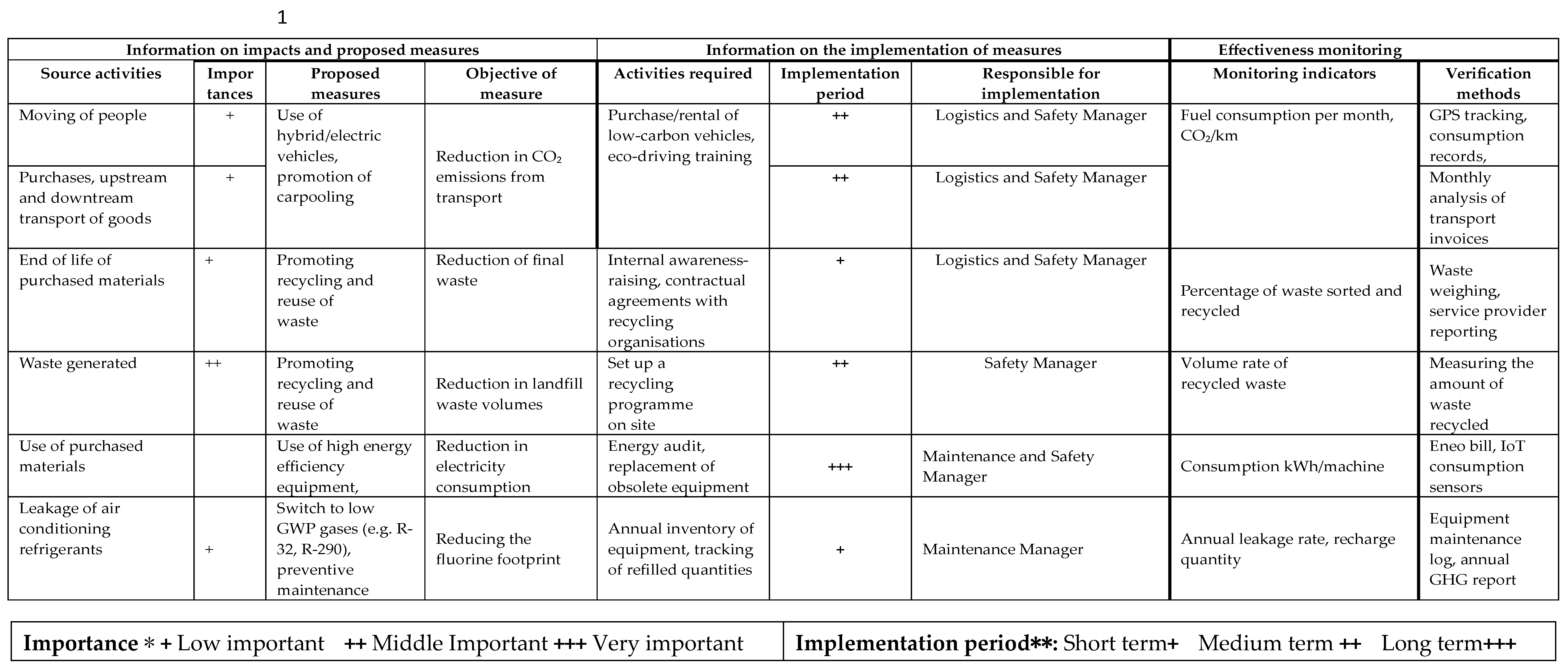
The proposed Environmental Management Plan (EMP) presents a structured and operational approach aimed at reducing greenhouse gas (GHG) emissions from BOCOM Petroleum 's main industrial activities. This plan is presented in two tables. Table 3 presents the measures related to Scope 1 (direct emissions) and Scope 2 (indirect emissions related to electricity consumption) sources, and Table 4 deals Scope 3, in accordance with internationally recognized best practices [36].
- Laboratory Chemical Processes
The substitution of traditional technologies with cleaner alternatives is a robust strategy for chemical-intensive processes. Clean technologies such as closed-loop systems and solvent recovery units can reduce hazardous waste volumes and prevent fugitive emissions [50]. The planned biannual environmental audit and reliance on safety data sheets (SDS) are effective, though a continuous monitoring system using digital sensors may enhance precision.
- Stationary Combustion
Replacing conventional combustion systems with biogas-fired boilers or heat pumps is commendable and consistent with decarbonisation pathways recommended for industrial heat applications [44]. This action targets Scope 1 reductions directly. However, fuel switching feasibility studies should be systematically conducted to assess infrastructure readiness and economic viability.
- Compression Unloading Process
Modernisation of compressors to limit gas leakage is an industry-wide recommended practice to prevent methane emissions, a potent GHG. Maintenance logs and leak detection and repair (LDAR) protocols, including infrared cameras and ultrasonic detectors, should be standardised.
- Manufacturing of Gas Cylinders
The combination of process optimisation, energy efficiency upgrades, and material loss controls reflects a holistic approach. The use of key performance indicators like tCO₂-eq/unit produced is aligned with life cycle analysis methods.
- Vehicle Operation Within the Company
The transition to electric vehicles (EVs) represents a significant Scope 1 mitigation action. Studies suggest that EV fleets in industrial zones can reduce up to 30% of transport-related emissions annually. However, battery lifecycle emissions and charging infrastructure must be factored in.
- Heat-Generating Machines
Installing automatic control systems and thermal insulation is a cost-effective measure for reducing fuel use in thermal equipment. This aligns with ISO 50001 energy management systems, which advocate for continuous improvement in energy use.
- Electronic Devices
Shifting towards low-consumption electronic devices (e.g., those rated Energy Star) addresses Scope 2 emissions reduction. However, given the lower relative impact, prioritisation may be secondary compared to high-impact sources. Nevertheless, digitalisation of monitoring via smart metering can generate savings and behavioural change.
As mentioned above, Table 4 presents an environmental management plan for managing Scope 3 emissions.
- Moving of People
The proposed transition to hybrid/electric vehicles and promotion of carpooling aims to mitigate Scope 1 transport-related CO₂ emissions. This strategy is well aligned with global decarbonisation pathways for corporate fleets. According to [51], replacing combustion vehicles with electric alternatives can cut operational emissions by up to 70%, depending on grid carbon intensity.
However, the measure’s success depends heavily on behaviour change and charging infrastructure. The implementation must thus include periodic driver performance audits and installation of charging stations compatible with Cameroon’s grid. The CO₂/km and monthly fuel use indicators are appropriate, but should be complemented by life cycle assessment (LCA) approaches for full emissions accounting [35].
- ∘
- Purchases and Transportation of Goods (Upstream/Downstream)
This category remains weakly detailed. Yet, logistics and procurement emissions, part of Scope 3, are increasingly recognised as dominant in industrial carbon footprints [52]. It is recommended to use of carbon-efficient logistics (e.g., consolidated loads, alternative fuels), and adopt green procurement criteria. Monitoring should go beyond cost invoices to include emissions per kilometre (tCO₂-eq/km).
- ∘
- End-of-Life of Purchased Materials
The promotion of recycling and reuse addresses the circular economy dimension of sustainability. While this measure is low-cost and relatively easy to implement, its impact can be limited if not supported by structured waste sorting, partnerships with licensed recyclers, and robust internal education campaigns [53].
- ∘
- Waste Generated
The initiative to establish an on-site recycling programme represents a more proactive approach. As noted by [54], in emerging economies, source separation and local valorisation of industrial waste can reduce environmental burdens by up to 40%.
A volumetric recycling rate is a good KPI, but additional metrics such as avoided landfill cost and material recovery value should be considered. It is recommended to align waste management with ISO 14051 (MFCA - Material Flow Cost Accounting) for enhanced traceability of environmental and financial flows.
- ∘
- Use of Purchased Materials
Transitioning to high-efficiency equipment (IE3/IE4 motors) supports energy efficiency, especially relevant in manufacturing where motors account for up to 70% of electricity use [43]. A detailed energy audit is essential prior to investment. Use of smart meters (IoT-based) enables real-time tracking and anomaly detection.
- ∘
- Leakage of Air Conditioning Refrigerants
This issue, while ranked low (+), has disproportionately high climate implications due to the high global warming potential (GWP) of hydrofluorocarbons (HFCs). Transitioning to low-GWP alternatives (e.g., R-290) and adopting preventive maintenance aligns with the Kigali Amendment under the Montreal Protocol[55] .
5. Discussion
5.1. Critical Interpretation of Results and Their Local Significance
The environmental management assessment conducted at BOCOM Petroleum reveals a strategic alignment with contemporary sustainability practices, particularly in the identification and mitigation of key emission sources. The prioritisation of activities such as laboratory chemical processes, stationary combustion, and the manufacturing of gas storage cylinders underscores a targeted approach towards significant emission contributors. The implementation of clean technologies and energy-efficient equipment, as proposed, is consistent with global best practices aimed at reducing industrial carbon footprints. Specifically, the transition to high-efficiency equipment, such as IE3/IE4 motors, is a well-established method for enhancing energy efficiency in industrial settings. The International Energy Agency (IEA) highlights that electric motor systems account for approximately 70% of industrial electricity consumption, and upgrading to energy-efficient motors can lead to substantial energy savings [49]. This aligns with BOCOM Petroleum's objective to reduce electrical consumption through equipment upgrades.
In addressing waste management, the promotion of recycling and reuse initiatives reflects a commitment to the principles of the circular economy. Ghisellini et al. (2016) emphasise that transitioning to a circular economy involves not only recycling but also rethinking product design and consumption patterns to minimise waste generation [53]. BOCOM Petroleum 's measures to implement on-site recycling programmes and engage with recycling partners are steps towards this holistic approach. However, the assessment also identifies areas requiring further development, particularly in the comprehensive accounting of Scope 3 emissions, which include indirect emissions from the value chain. [52] argue that focusing solely on direct emissions can lead to underestimating a company's total environmental impact. Therefore, expanding the scope of emission assessments to include upstream and downstream activities is crucial for a more accurate and effective sustainability strategy.
In summary, BOCOM Petroleum 's environmental management plan demonstrates a proactive stance in adopting energy-efficient technologies and waste reduction practices. To enhance the effectiveness of these initiatives, it is recommended to broaden the emission assessment scope, integrate comprehensive monitoring systems, and align strategies with international sustainability frameworks.
5.2. Regional and African Implications of BOCOM Petroleum’s Decarbonisation Strategy
The decarbonisation measures implemented by BOCOM Petroleum are not only relevant at the company level but also bear significant implications for regional and continental environmental sustainability goals in Sub-Saharan Africa. Industrial emissions in Africa, although comparatively lower than global averages, are expected to rise sharply due to ongoing industrialisation and urbanisation trends [56]. Thus, early adoption of clean technologies and sustainable waste management practices, as demonstrated by BOCOM Petroleum, offers a replicable model for other oil and gas enterprises across the continent. One of the major regional challenges is the limited integration of sustainability frameworks into corporate strategies, often due to regulatory gaps, limited financial resources, and weak institutional enforcement. In this context, BOCOM Petroleum’s investment in energy audits, high-efficiency machinery (e.g. IE3/IE4 motors), and the adoption of low global warming potential (GWP) refrigerants (such as R-290 and R-32) sets an important precedent. These choices align with the Kigali Amendment to the Montreal Protocol, which advocates for a global phase-down of hydrofluorocarbons (HFCs) — a commitment ratified by over 130 countries, including Cameroon [55].
Furthermore, BOCOM Petroleum’s emphasis on managing Scope 1 and Scope 2 emissions is pivotal, especially given the weak carbon accounting infrastructure in the Central African region. A regional comparison with South Africa, where mandatory carbon tax and greenhouse gas reporting frameworks exist [57], underscores the potential for policy transfer and harmonisation. If Cameroon and its regional partners adopt similar fiscal or regulatory incentives, this could accelerate low-carbon industrial transitions. Additionally, the circular economy elements integrated into BOCOM Petroleum’s waste management — particularly recycling and reusing materials — are aligned with the African Union’s Agenda 2063, which promotes sustainable resource management and green industrialisation [58]. Replicating such initiatives could help reduce Africa’s dependence on landfilling and mitigate the environmental risks of hazardous industrial waste.
In essence, the decarbonisation pathway pursued by BOCOM Petroleum, though company-specific, serves as a regional benchmark. If scaled and supported by coherent policies and knowledge sharing, such practices could significantly contribute to the continent’s efforts to meet its nationally determined contributions (NDCs) under the Paris Agreement.
5.3. Alignment with Cameroon’s Legal and Institutional Frameworks: Current Status and Long-Term Projections
The decarbonisation initiatives undertaken by BOCOM Petroleum resonate significantly with Cameroon’s evolving legal and institutional architecture for environmental governance. At present, Cameroon’s climate and energy policies are framed within the National Climate Change Adaptation Plan [59] and the updated Nationally Determined Contributions (NDCs) submitted under the Paris Agreement. These frameworks articulate ambitions to reduce greenhouse gas emissions by 32% by 2035, particularly through industrial energy efficiency and low-emission technologies. BOCOM Petroleum’s strategic shift towards energy-efficient equipment, emission monitoring, and low-carbon fuels directly supports these commitments. Institutionally, the Ministry of Environment, Nature Protection and Sustainable Development (MINEPDED) is responsible for implementing national climate objectives. Although environmental impact assessments (EIAs) and audits are required under Law No. 96/12 of 5 August 1996 (Environmental Management Law), enforcement has often been hampered by limited technical capacity and inadequate compliance monitoring [9]. However, the internal environmental audit practices initiated by BOCOM Petroleum — such as semi-annual assessments and the use of GHG tracking tools — exceed existing national enforcement standards and offer a model for voluntary corporate climate governance in Cameroon. Looking forward, integrating corporate decarbonisation within long-term national strategies will be essential. Cameroon’s 2030 Emergence Plan outlines a trajectory for industrial expansion, yet without stringent environmental safeguards, such expansion could exacerbate emissions. In this regard, enterprises like BOCOM Petroleum can pioneer climate-conscious industrialisation, especially if incentivised by green tax credits, carbon pricing mechanisms, or subsidies for clean technology — policy instruments already being explored in neighbouring economies like Côte d’Ivoire and Ghana [60]. Moreover, the decentralisation of environmental governance through municipal climate plans — as encouraged by the Cameroon Climate Change Observatory — opens new opportunities for replicating BOCOM Petroleum’s approach at sub-national levels. Long-term, the mainstreaming of such initiatives could culminate in the establishment of sector-specific carbon reduction benchmarks and reporting obligations, further embedding sustainability into Cameroon’s industrial fabric.
In sum, the decarbonisation efforts of BOCOM Petroleum not only comply with current national environmental policies but also anticipate future regulatory developments. This forward-looking approach enhances the company’s resilience and positions it as a leader in Cameroon’s industrial transition towards a low-carbon economy.
5.4. Strategic and Environmental Advantages of Decarbonising Industrial Enterprises in Sub-Saharan Africa
The decarbonisation of industrial operations, such as those undertaken by BOCOM Petroleum, offers both strategic and environmental advantages, particularly in the context of Sub-Saharan Africa’s dual need for industrial growth and climate resilience. From a strategic standpoint, companies that adopt low-carbon technologies and environmental accountability mechanisms enhance their operational efficiency and market competitiveness. The transition to energy-efficient machinery, waste minimization systems, and cleaner fuels reduces operational costs over time by lowering energy bills, material losses, and compliance risks [43]. For instance, the International Energy Agency has shown that investments in industrial energy efficiency yield savings ranging from 10% to 30% in energy expenditures, especially in developing contexts with ageing industrial infrastructure.
On the environmental front, decarbonization reduces the ecological footprint of industrial activities, including greenhouse gas emissions, waste generation, and pollutant release into air and water systems. BOCOM Petroleum’s actions—such as the replacement of refrigerants with low-GWP alternatives, the use of hybrid vehicles, and the recycling of industrial materials—mitigate both Scope 1 and Scope 3 emissions, thereby contributing to the broader climate objectives of the Paris Agreement and the Sustainable Development Goals (SDGs), particularly SDG 12 (Responsible Consumption and Production) and SDG 13 (Climate Action)[55].
Furthermore, early adoption of decarbonization strategies positions firms to benefit from emerging green finance mechanisms and climate funds. Instruments such as the Green Climate Fund (GCF) and regional climate finance initiatives are increasingly prioritizing private sector projects that demonstrate tangible emissions reductions and sustainable production models [61]. BOCOM Petroleum could thus access blended finance or concessional funding by aligning its environmental performance with international benchmarks such as ISO 14064 and the GHG Protocol.
Crucially, in the African context, the ripple effects of industrial decarbonization go beyond corporate benefits. They offer co-benefits in terms of public health (via improved air quality), job creation in the green technology sector, and knowledge transfer. Studies indicate that investing in clean industrial technologies creates up to three times more employment per dollar spent compared to fossil fuel investments. Thus, BOCOM Petroleum’s experience presents a replicable model for other oil and gas firms in Sub-Saharan Africa, potentially catalyzing a sector-wide shift towards sustainable industrialization.
6. Conclusions
This study aimed to assess the greenhouse gas (GHG) emissions and environmental footprint of BOCOM Petroleum, a medium-sized oil company operating in the downstream sector in Cameroon. Three specific objectives were pursued: (i) to identify the main sources of GHG emissions in the company's operations; (ii) to quantify its overall carbon footprint using methods compliant with ISO 14044 and the GHG Protocol; and (iii) to propose a strategic environmental management plan based on reliable empirical data. The results highlighted an emissions structure dominated by indirect sources (Scope 3: 38%), followed by emissions related to electricity consumption (Scope 2: 33%) and direct emissions (Scope 1: 29%). The activities with the highest emissions are stationary combustion, chemical processes in laboratories and the use of low-efficiency thermal equipment. These data reveal a high dependence on fossil fuels, significant energy inefficiency and a persistent underestimation of emissions in supply chains.
In response to this assessment, a detailed Environmental Management Plan (EMP) has been developed, incorporating short-, medium- and long-term measures. Proposed actions include the modernization of thermal equipment, the introduction of energy-efficient technologies, the partial electrification of the logistics fleet, the substitution of high-GWP (global warming potential) refrigerants, and the implementation of an industrial waste recycling system. These measures are aligned with Cameroon's climate objectives and the commitments made under the Paris Agreement.
However, the study has certain limitations. The availability of primary data, particularly on fugitive emissions and specific consumption per piece of equipment, remains partial. Furthermore, the economic costs of implementing the proposed measures have not been assessed in this study, thus limiting the ability to prioritize actions according to their cost-effectiveness. It therefore seems essential, as a follow-up to this research, to carry out a comprehensive financial assessment of the Environmental Management Plan. This should include cost-benefit analyses, return on investment times, and opportunities for access to green financing (climate funds, preferential credit lines, carbon offset mechanisms). Such a financial component would not only support managerial decisions, but also strengthen the case for low-carbon industrialization in sub-Saharan Africa.
Ultimately, the approach adopted by BOCOM Petroleum constitutes a crucial methodological and strategic reference for the decarbonization of industrial companies in middle-income African countries. Its transposition to other companies in the oil sector could contribute significantly to achieving Cameroon's nationally determined contributions (NDCs), while positioning the company in a dynamic of environmental performance and sustainable innovation.
Author Contributions
BVB: Writing original draft, methodology, JM: Methodology, resources, SMM : investigation, visualization, DB: Supervision and Project administration, PJA: Supervision and review and editing. All authors have read and agreed to the published version of the manuscript.”.
Declaration of competing interest
The authors declare that they have no known competing interests or personal relationships that could have appeared to influence the work reported in this paper.
Declaration of funding
The authors did not receive support from any organization for the submitted work.
References
- Bot, B. V.; Axaopoulos, P. J.; Sakellariou, E. I.; Sosso, O. T.; Tamba, J. G. Economic Viability Investigation of Mixed-Biomass Briquettes Made from Agricultural Residues for Household Cooking Use. Energies 2023, 16. [Google Scholar] [CrossRef]
- Sakellariou, E. I.; Axaopoulos, P. J.; Bot, B. V.; Kavadias, K. A. First Law Comparison of a Forced-Circulation Solar Water Heating System with an Identical Thermosyphon. Energies 2023, 16. [Google Scholar] [CrossRef]
- Gopakumar, L.; Kholdorov, S.; Shamsiddinov, T. Greenhouse gases emissions: problem, global reality, and future perspectives. Agric. Towar. Net Zero Emiss. 2025, 11–26. [Google Scholar] [CrossRef]
- W. Lamb, T. Wiedmann, ... J. P.-E., and U. 2021 A review of trends and drivers of greenhouse gas emissions by sector from 1990 to 2018. iopscience.iop.org 2021, 13.
- Allen, D. T. Emissions from oil and gas operations in the United States and their air quality implications. J. Air Waste Manag. Assoc. 2016, 66, 549–575. [Google Scholar] [CrossRef]
- Mudhee, K. H. Assessing climate strategies of major energy corporations and examining projections in relation to Paris Agreement objectives within the framework of sustainable energy. Unconv. Resour. 2024, 5, 100127, 2025. [Google Scholar] [CrossRef]
- Byaro, M. Impacts of climate change and non-renewable energy consumption on health in sub-Saharan Africa : transmission channels and policy response. Next Res. 2025, 2, 100385. [Google Scholar] [CrossRef]
- Sørreime, H. B. The Current Role of Western Development Actors as Knowledge and Policy Providers: The Making of Good Governance of Natural Gas Resources in Tanzania. Forum Dev. Stud. 2024, 52, 81–106. [Google Scholar] [CrossRef]
- C. Assembleée nationale, Loi N ° 96 / 12 Du 5 Aout 1996 Portant Loi-Cadre Relative a La Gestion De L ’ Environnement. 1996, p. 21.
- Ayuketah, Y.; Gyamfi, S.; Diawuo, F. A.; Dagoumas, A. S. A techno-economic and environmental assessment of a low-carbon power generation system in Cameroon. Energy Policy 2023, 179, no. May, 113644. [Google Scholar] [CrossRef]
- INVESTIR AU CAMEROUN. Le marketeur Bocom Petroleum s.a. investit près d’un demi-milliard de FCFA dans sa 75è station-service au Cameroun. Available online: https://www.investiraucameroun.com/transport/2701-15880-le-marketeur-bocom-petroleum-s-a-investit-pres-d-un-demi-milliard-de-fcfa-dans-sa-75e-station-service-au-cameroun (accessed on 21 May 2025).
- El-Fadel, M.; Chedid, R.; Zeinati, M.; Hmaidan, W. Mitigating energy-related GHG emissions through renewable energy. Renew. Energy 2003, 28, 1257–1276. [Google Scholar] [CrossRef]
- Otene, I. J. J.; Murray, P.; Enongene, K. E. The potential reduction of carbon dioxide (Co2) emissions from gas flaring in Nigeria’s oil and gas industry through alternative productive use. Environ. - MDPI 2016, 3, 1–20. [Google Scholar] [CrossRef]
- Winkler, H.; Juta, C. Taking action on climate change: Long term mitigation scenarios for South Africa.; 2010. [Google Scholar]
- Owusu, M.; Lawer, V.; Adjei, E. T.; Ogbe, M. Impact of offshore petroleum extraction and ‘ocean grabbing’ on small-scale fisheries and coastal livelihoods in Ghana. Marit. Stud. 2023, 22, 17. [Google Scholar] [CrossRef]
- Idemudia, U.; Tuokuu, F. X. D.; Essah, M. The extractive industry and human rights in Africa: Lessons from the past and future directions. Resour. Policy 2022, 78, no. March, 102838. [Google Scholar] [CrossRef]
- Oyeniyi Abe. Extractives-Industry-Law-in-Africa. J. Energy Nat. Resour. Law 2019, 7. [Google Scholar] [CrossRef]
- Hetherington, A. C.; Borrion, A. L.; Griffiths, O. G.; McManus, M. C. Use of LCA as a development tool within early research: Challenges and issues across different sectors. Int. J. Life Cycle Assess. 2014, 19, 130–143. [Google Scholar] [CrossRef]
- D. K.-E. T. in the O. and G. Industry, “Future Directions in Oil and Gas–Renewables and Energy Transition. taylorfrancis.com, 2024; 682–715.
- Chu, H.; Huang, Z.; Zhang, Z.; Yan, X.; Qiu, B.; Xu, N. Integration of carbon emission reduction policies and technologies: Research progress on carbon capture, utilization and storage technologies. Sep. Purif. Technol. 2023, 343, 127153, 2024. [Google Scholar] [CrossRef]
- Cheah, W. Y.; Ling, T. C.; Juan, J. C.; Lee, D. J.; Chang, J. S.; Show, P. L. Biorefineries of carbon dioxide: From carbon capture and storage (CCS) to bioenergies production. Bioresour. Technol. 2016, 215, 346–356. [Google Scholar] [CrossRef]
- M. Blondeel and M. B. international, International oil companies, decarbonisation and transition risks. Handbook on oil and, 2022. Available online: https://www.elgaronline.com/edcollchap/book/9781839107559/book-part-9781839107559-34.xml (accessed on 26 June 2025).
- F. Sapnken, M. Kibong, J. T.- Heliyon, and U. 2023 Analysis of household LPG demand elasticity in Cameroon and policy implications. cell.com. 2024. Available online: https://www.cell.com/heliyon/fulltext/S2405-8440(23)03678-2 (accessed on 26 June 2025).
- Lokossou, J. “Oil and the Cameroonian Economy: A Story of Unfulfilled Potential1 Léonce Ndikumana2 Hans Tino Mpenya Ayamena3,” 2025. Available online: https://peri.umass.edu/images/publication/WP618.pdf (accessed on 26 June 2025).
- SEG Baiye. Petroleum Supply Chain in Cameroon: An Exploratory Study. papers.ssrn.com. 2015. Available online: https://papers.ssrn.com/sol3/papers.cfm?abstract_id=3600785 (accessed on 26 June 2025).
- Adekoya, O. Yaya; J. O.-S. C., U. Growth and growth disparities in Africa: Are differences in renewable energy use, technological advancement, and institutional reforms responsible? Struct. Chang. Econ. Dyn. 2022, 61, 265–277. Available online: https://www.sciencedirect.com/science/article/pii/S0954349X22000352. [CrossRef]
- Isbell, P. Atlantic Energy and the Changing Global Energy Flow Map; 2014; pp. 1–29. [Google Scholar]
- Hafner, M.; Raimondi, P. P. Energy and the Economy in Europe; 2022. [Google Scholar] [CrossRef]
- Paes, W. Oil Production and National Security in Sub-Saharan Africa. Oil Poicy Gulf Guinea 2004, 87–100. [Google Scholar]
- Graham, E.; Ovadia, J. S. Oil exploration and production in Sub-Saharan Africa, 1990-present: Trends and developments. Extr. Ind. Soc. 2019, 6, 593–609. [Google Scholar] [CrossRef]
- Ouedraogo, N. S. Africa energy future: Alternative scenarios and their implications for sustainable development strategies. Energy Policy 2017, 106, no. April, 457–471. [Google Scholar] [CrossRef]
- Te Liew, W.; Adhitya, A.; Srinivasan, R. Sustainability trends in the process industries: A text mining-based analysis. Comput. Ind. 2014, 65, 393–400. [Google Scholar] [CrossRef]
- Otsubo, Y.; Chapman, A. J. Assessing Corporate Vendor Selection in the Oil and Gas Industry: A Review of Green Strategies and Carbon Reduction Options. Sustain. 2023, 15. [Google Scholar] [CrossRef]
- Schutzbach, M.; Miehe, R.; Sauer, A. Simplifying life cycle Assessment: Basic considerations for approximating product carbon footprints based on corporate carbon footprints. Ecol. Indic. 176, no. June, 113710, 2025. [CrossRef]
- Lee, C. H.; Ma, H. W. Improving the integrated hybrid LCA in the upstream scope 3 emissions inventory analysis. Int. J. Life Cycle Assess. 2013, 18, 17–23. [Google Scholar] [CrossRef]
- IPCC. Refinement to the 2006 IPCC Guidelines for National Greenhouse Gas Inventories. 2019. Available online: www.ipcc-nggip.iges.or.jp/public/2019rf/ index.html.
- Chan, S.; Brandi, C.; Bauer, S. Aligning transnational climate action with international climate governance: the road from Paris. Rev. Eur. Comp. Int. Environ. Law 2016, 25, 238–247. [Google Scholar] [CrossRef]
- Acobta, A. N. bila; Ayompe, L. M.; Wandum, L. M.; Tambasi, E. E.; Muyuka, D. S.; Egoh, B. N. Greenhouse gas emissions along the value chain in palm oil producing systems: A case study of Cameroon. Clean. Circ. Bioeconomy 2023, 6, no. February, 100057. [Google Scholar] [CrossRef]
- Yusuf, A. M.; Abubakar, A. B.; Mamman, S. O. Relationship between greenhouse gas emission, energy consumption, and economic growth: evidence from some selected oil-producing African countries. Environ. Sci. Pollut. Res. 2020, 27, 15815–15823. [Google Scholar] [CrossRef] [PubMed]
- Boakye, B.; Ofori, C. G.; Yaotse, K. Examining Methane Management in the Climate Action Plans of Oil Producing African Nations; 2023. [Google Scholar]
- IPCC Climate Change 2021. The Physical Science Basis. Intergovernmental Panel on Climate Change. Available online: https://www.ipcc.ch/report/ar6/wg1.
- Defra, “UK Government GHG Conversion Factors for Company Reporting. Departme,” 2023. 2023.
- IEA. Energy Efficiency, International Energy Agency. Available online: https://www.iea.org/reports/energy-efficiency-2022.
- International Energy Agency (IEA). Energy Efficiency 2023. 2023. [Google Scholar]
- IEA. Cameroon: Energy Profile. International Energy Agency. Available online: https://www.iea.org/countries/cameroon.
- Sotos, M. GHG Protocol Scope 2 Guidance. World Resour. intstitute 2022, 120. [Google Scholar]
- I.R.E.N.A., renewable power generation costs in 2016,» international renewable energy agency’’. IRENA rapport.
- Protocol, G. Corporate Value Chain (Scope 3) Accounting and Reporting Standard. World Resources Institute and World Business Council for Sustainable Development. 2011. Available online: https://ghgprotocol.org/standards/scope-3-standard.
- International Energy Agency. Africa Energy Outlook 2022. 2022. Available online: https://www.iea.org/reports/africa-energy-outlook-2022.
- Amponsah, N. Y.; Troldborg, M.; Kington, B.; Aalders, I.; Hough, R. L. Greenhouse gas emissions from renewable energy sources: A review of lifecycle considerations. Renew. Sustain. Energy Rev. 2014, 39, 461–475. [Google Scholar] [CrossRef]
- S. Kuppusamy, M. Magazine, U. R.-E. J. of Operational, and undefined 2017, “Electric vehicle adoption decisions in a fleet environment,”. Elsevier. Available online: https://www.sciencedirect.com/science/article/pii/S0377221717302436 (accessed on 2 July 2025).
- Matthews, H. S.; Hendrickson, C. T.; Weber, C. L. The importance of carbon footprint estimation boundaries. Environ. Sci. Technol. 2008, 42, 5839–5842. [Google Scholar] [CrossRef] [PubMed]
- P. Ghisellini, C. Cialani, S. U.-J. of C. production, and undefined 2016, “A review on circular economy: the expected transition to a balanced interplay of environmental and economic systems,” ElsevierP Ghisellini, C Cialani, S UlgiatiJournal Clean. Prod. 2016•Elsevier. Available online: https://www.sciencedirect.com/science/article/pii/S0959652615012287 (accessed on 2 July 2025).
- D. Wilson, L. Rodic, … A. S.-P. W. 2010, and undefined 2010, “Comparative analysis of solid waste management in cities around the world,” core.ac.ukDC Wilson, L Rodic, A Scheinberg, G AlabasterProceedings Waste 2010 Waste Resour. Manag. Strateg. into, 2010•core.ac.uk, pp. 28–29, 2010. Available online: https://core.ac.uk/download/pdf/29239126.pdf (accessed on 2 July 2025).
- United Nations Environment Programme (UNEP), “Waste,” 2022.
- IEA. Africa Energy Outlook 2019 – Analysis - IEA. Available online: https://www.iea.org/reports/africa-energy-outlook-2019 (accessed on 3 July 2025).
- Government, S. A. Carbon tax Act. South African Gov. 2019, 647, 1–65. Available online: https://www.gov.za/documents/carbon-tax-act-15-2019-english-afrikaans-23-may-2019-0000.
- Union, U. africaine, and U. africano, “Agenda2063 report of the commission on the African Union Agenda 2063 The Africa we want in 2063,” 2015. Available online: https://archives.au.int/handle/123456789/4631 (accessed on 2 July 2025).
- MINEPDED, “Plan National d’Adaptation aux Changements Climatique du Cameroun,” Cameroon-MINEPNDD, pp. 1–154, 2015, [Online]. Available: www4.unfccc.int/.../PNACC_Cameroun_VF_Validée_24062015 - FINAL.pdf.
- African Development Bank Group. Green Investment Program for Africa |. Available online: https://www.afdb.org/en/topics-and-sectors/initiatives-and-partnerships/green-investment-program-africa (accessed on 3 July 2025).
- UNFCCC. Private Sector Engagement in Climate Finance. United Nations Framework Convention on Climate Change. Available online: https://unfccc.int/ (accessed on 3 July 2025).
Figure 1.
Direct GHG emissions sources.
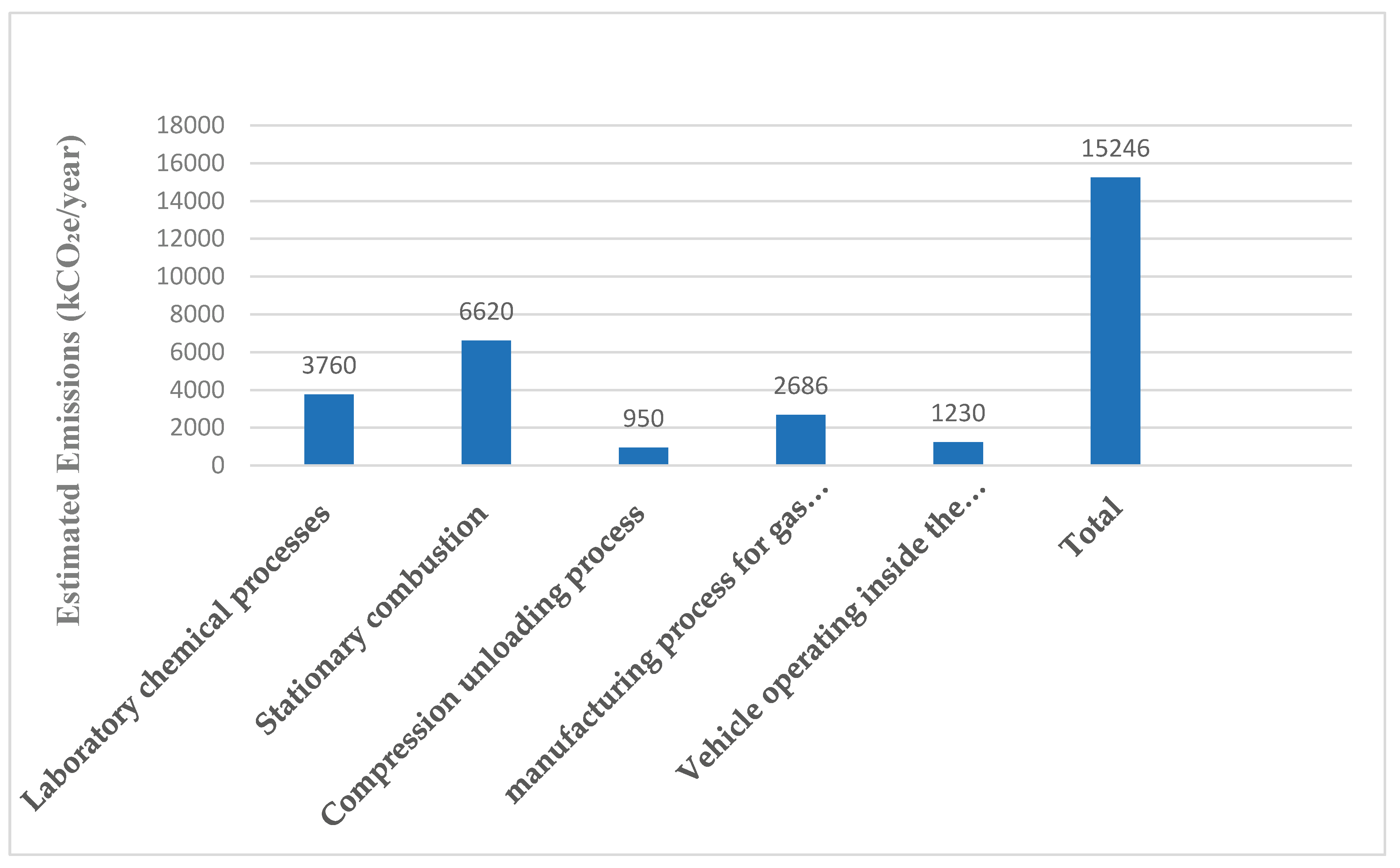
Figure 2.
Indirect GHG emissions sources associated to energy.
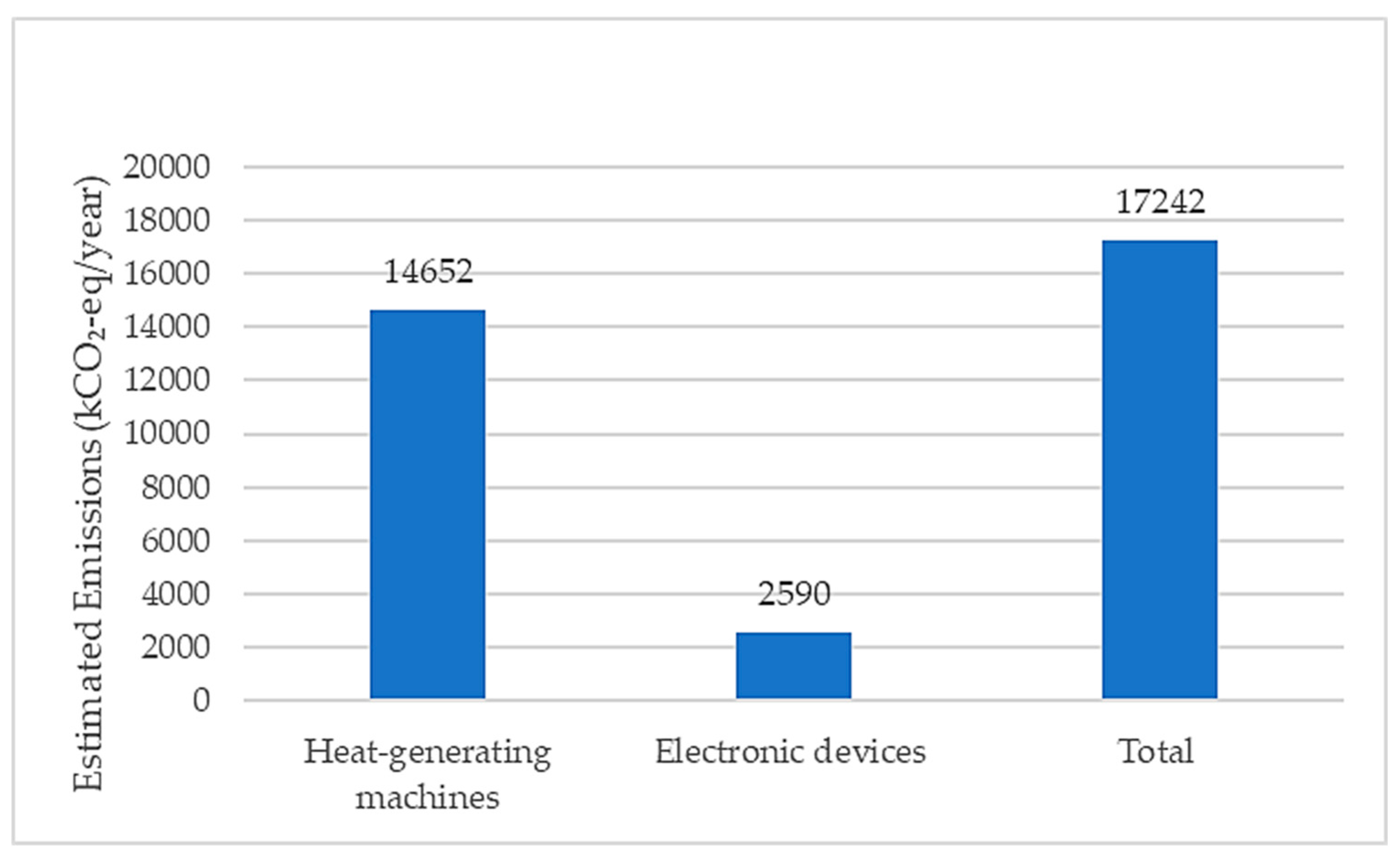
Figure 3.
Indirect GHG emissions sources.
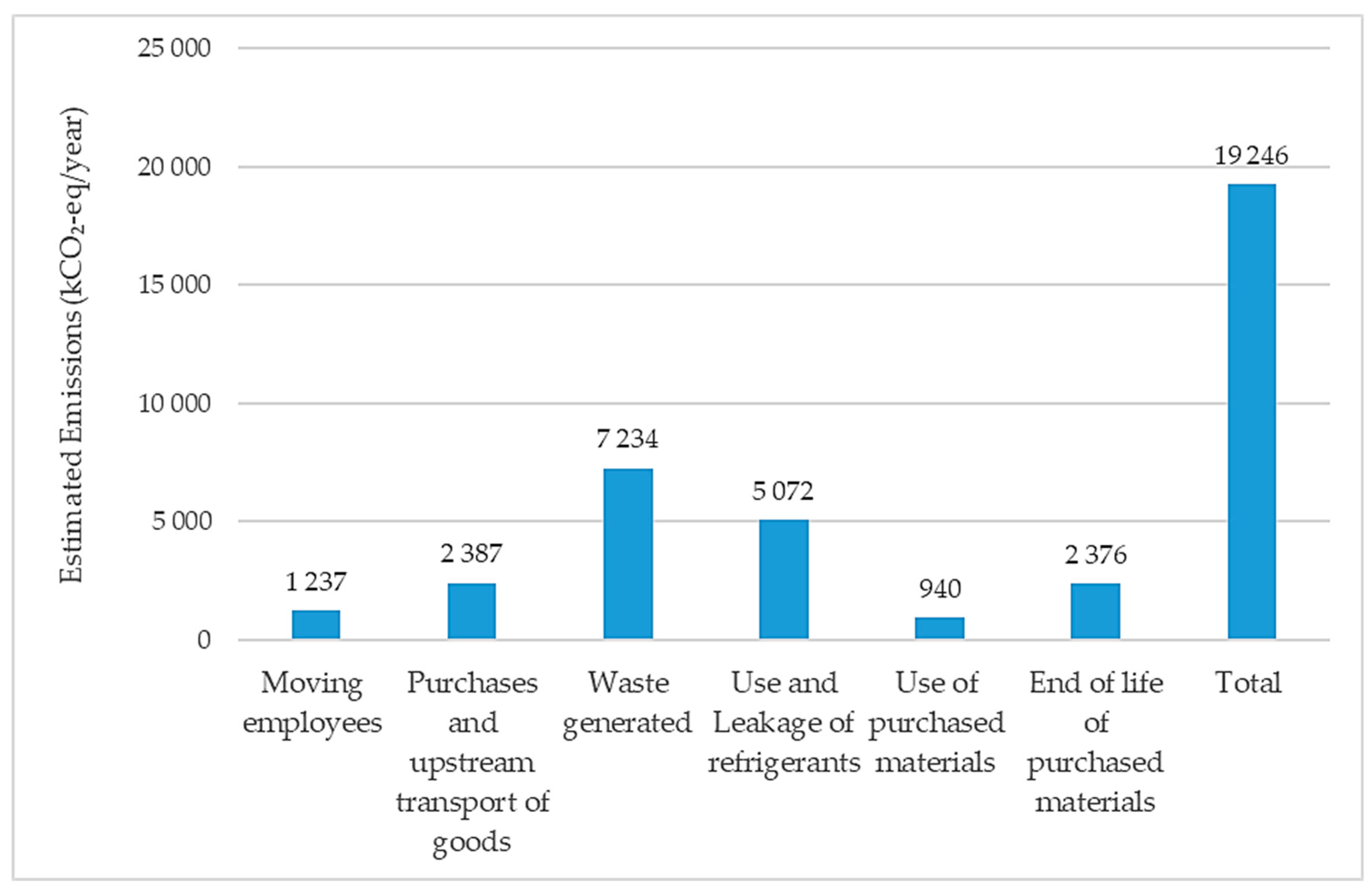
Figure 4.
Summary GHG emissions sources.
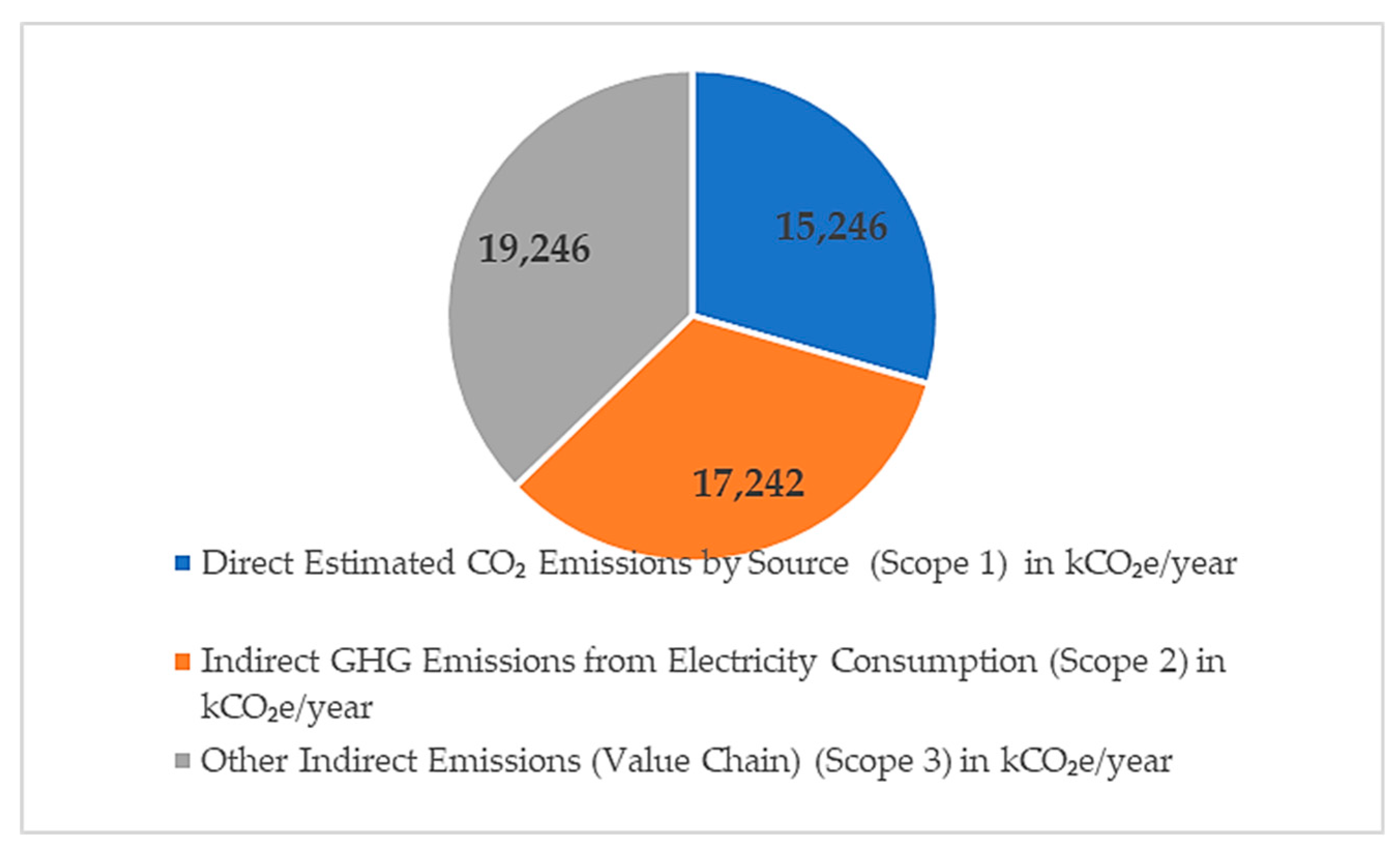

Table 1.
Sources of GHG Emissions.
| Emissions categories | Emissions activities |
|---|---|
|
Direct GHG emissions |
Laboratory chemical processes (lubricant production) |
| Stationary combustion (use of diesel as a generator for the generator set) | |
| Compression unloading process (extraction of gas from tankers to the company's tanks) | |
| manufacturing process for gas storage cylinders | |
| Vehicle operating inside the company | |
| Indirect emissions associated with energy | Electrical Heat-generating machines |
| Electronic devices, air conditioning air-conditioning, filtering process | |
|
Other indirect emissions |
Moving employees |
| Purchases and upstream transport of goods | |
| Waste generated | |
| Use and Leakage of refrigerants | |
| Use of purchased materials (butane, gas cylinders, granules, seals, etc.) | |
| End of life of purchased materials | |
Table 2.
Comparison analysis of emissions.
| Company / Study | Scope 1 (%) | Scope 2 (%) | Scope 3 (%) | Region |
|---|---|---|---|---|
| BOCOM Petroleum (This study) | 29% | 33% | 38% | Cameroon |
| Industry Average [48] | 25% | 30% | 45% | Global |
| IEA Regional Average [49] | 28% | 30% | 42% | Sub-Saharan Africa |
Table 3.
Environmental Management Plan for scope 1 and scope 2 emissions reductions.
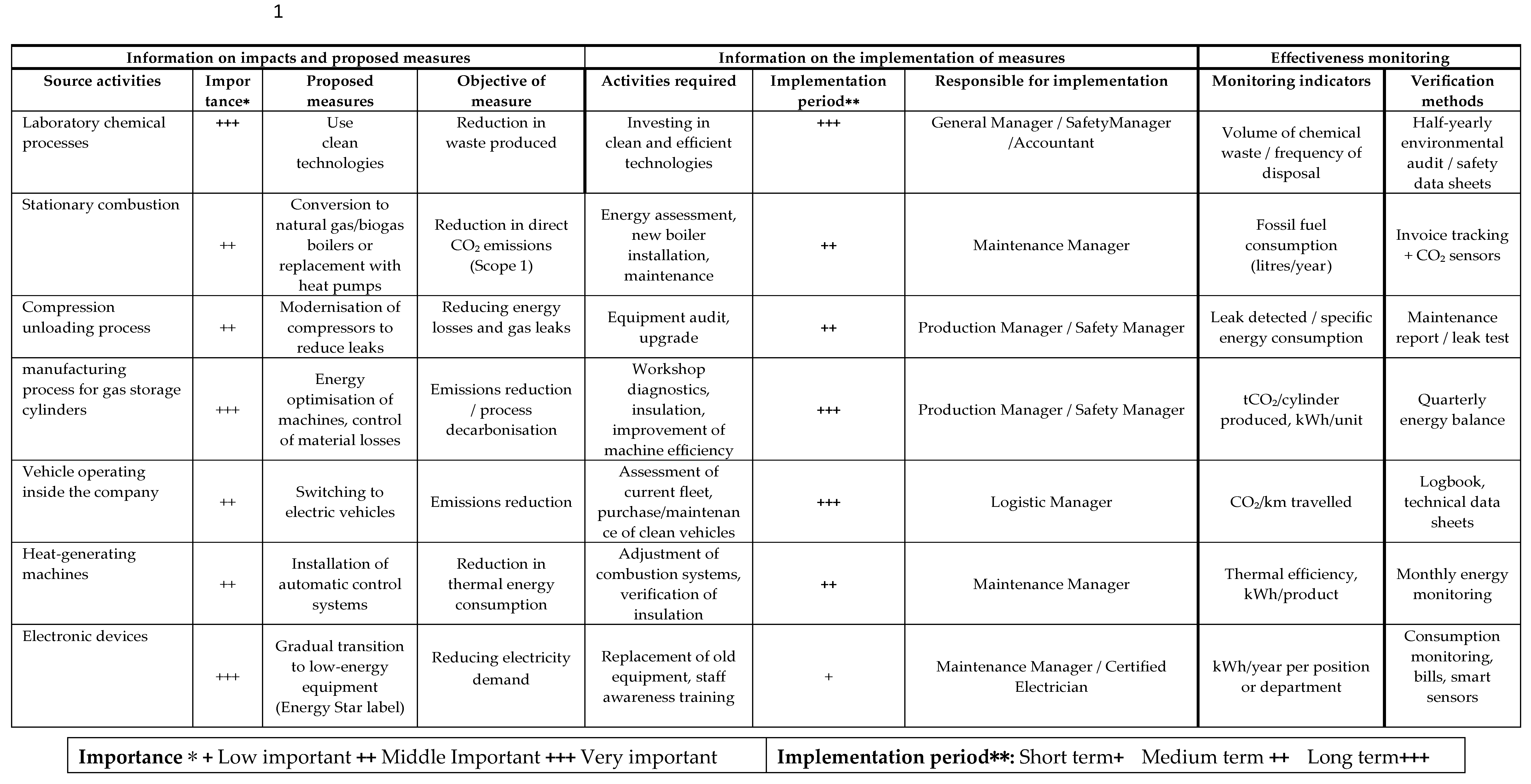
Table 4.
Environmental Management Plan for scope 3 emissions reductions.
Disclaimer/Publisher’s Note: The statements, opinions and data contained in all publications are solely those of the individual author(s) and contributor(s) and not of MDPI and/or the editor(s). MDPI and/or the editor(s) disclaim responsibility for any injury to people or property resulting from any ideas, methods, instructions or products referred to in the content. |
© 2026 by the authors. Licensee MDPI, Basel, Switzerland. This article is an open access article distributed under the terms and conditions of the Creative Commons Attribution (CC BY) license (http://creativecommons.org/licenses/by/4.0/).
Copyright: This open access article is published under a Creative Commons CC BY 4.0 license, which permit the free download, distribution, and reuse, provided that the author and preprint are cited in any reuse.


