
Submitted:
10 January 2026
Posted:
13 January 2026
You are already at the latest version
Abstract
This study develops a regime-switching credit-risk forecasting model for consumer-finance portfolios that dynamically adapts to changing macroeconomic conditions. Using monthly data from 2016–2024 covering 3.8 million loan accounts and 27 macro indicators, the model identifies two latent economic regimes—expansion and stress—via a Markov-switching structure. A hybrid system integrating gradient boosting with regime-specific probability calibration is used to predict 90-day delinquency. Results show that incorporating regime states reduces the mean absolute forecasting error by 22.7% compared with non-regime models, and improves early-warning lead time by 3.4 months on average. Stress testing under simulated recession conditions indicates a potential 31.5% increase in portfolio-wide default probability. The findings demonstrate the effectiveness of regime-aware models for credit-risk management in volatile environments.
Keywords:
credit risk forecasting
; regime-switching model
; macroeconomic sensitivity
; stress testing
; consumer finance
1. Introduction
Consumer finance has become a central component of household borrowing and a major revenue source for retail lenders. Credit cards, personal instalment loans, and buy-now-pay-later products now account for a substantial share of unsecured credit exposure, making portfolio performance highly sensitive to changes in macroeconomic conditions. Recent economic shocks—including the COVID-19 downturn, the surge in inflation, and the rapid tightening of monetary policy—have demonstrated that delinquency and default rates in consumer portfolios can adjust abruptly when labour markets weaken or financing costs rise [1]. Evidence from supervisory stress tests and financial stability reports shows that credit risk in consumer finance responds not only to borrower-level characteristics but also to shifts in unemployment, income growth, and interest-rate regimes [2]. As a result, regulatory authorities increasingly emphasise the need for forward-looking credit-risk frameworks that explicitly incorporate macro-financial dynamics, rather than relying solely on static borrower information [3].
Traditional credit-risk modelling frameworks in banking are largely built on structural or reduced-form approaches and logistic-regression scorecards. These methods map borrower and loan attributes to probabilities of default (PD) and remain the backbone of many regulatory applications. In particular, IFRS 9 and Basel-oriented implementations frequently employ Markov transition models to estimate rating migration matrices and multi-period PD term structures [4]. To improve cyclical robustness, more recent studies introduce macroeconomic covariates—such as GDP growth, unemployment, or policy rates—into these frameworks, often using regularisation techniques to mitigate parameter instability [5]. Scenario-based stress-testing models further extend this line of work by translating macroeconomic paths into projected PDs and portfolio losses, providing an explicit link between economic conditions and credit outcomes [6]. A representative stream of recent research demonstrates that macroeconomic scenarios can materially improve the forecasting and stress-testing of consumer finance portfolios when compared with borrower-only models [7].
Despite these advances, most conventional models remain predominantly linear and assume that the relationship between macroeconomic variables and default risk is stable over time. This assumption limits their ability to capture non-linear responses, abrupt turning points, or heterogeneous reactions across different phases of the economic cycle. In practice, consumer defaults often rise disproportionately during stress periods, reflecting behavioural changes, liquidity constraints, and credit tightening that are difficult to represent within a single, time-invariant specification. Moreover, many empirical studies rely on relatively short samples or aggregated portfolio segments, which constrains their ability to evaluate model performance across both expansions and downturns. Machine-learning approaches have substantially advanced credit-risk prediction by accommodating large-scale datasets and complex, non-linear interactions. Models based on tree ensembles, gradient boosting, and neural networks consistently outperform traditional scorecards when rich behavioural and transactional data are available [8,9]. Comprehensive surveys document the effectiveness of these methods in high-dimensional credit settings and highlight their growing adoption in retail risk management [10,11]. However, in most applications, macroeconomic variables enter as static or contemporaneous inputs. The models implicitly assume that default behaviour responds smoothly to economic conditions and do not explicitly account for structural shifts between distinct economic phases. Consequently, their ability to provide early warning signals during the transition from expansion to stress remains limited. Stress-testing frameworks partially address this limitation by imposing adverse macroeconomic scenarios and examining their impact on portfolio-wide PDs and losses. Regulatory authorities employ both top-down and bottom-up approaches to map macroeconomic trajectories into credit outcomes, and recent extensions incorporate additional drivers such as climate-related risks [12,13]. While these models quantify macro sensitivity under hypothetical scenarios, they typically assume a continuous and monotonic mapping from macro variables to default risk. They do not explicitly model latent economic states, which may delay the identification of regime shifts and underestimate risk during the early stages of downturns. Regime-switching models provide an alternative perspective by allowing credit risk dynamics to differ across unobserved economic states. Hidden Markov and Markov-switching frameworks have been widely used in finance and macroeconomics to describe abrupt changes in volatility, default clustering, and risk premia. Empirical studies show that default events tend to concentrate in specific regimes associated with heightened economic stress [14]. Extensions of structural default models that allow asset dynamics or default thresholds to vary across regimes achieve improved fit to market data and better capture crisis-period behaviour [15,16]. Related research in bond pricing and financial-cycle analysis further confirms that economic activity alternates between expansionary and stress phases rather than evolving smoothly over time [17]. Nevertheless, this literature focuses predominantly on corporate credit or market-level indicators. Applications to large-scale, loan-level consumer data remain scarce, and few studies integrate regime dynamics with modern machine-learning classifiers.
This study takes a step in this direction by proposing a regime-aware, loan-level credit-risk framework for consumer finance. Using a dataset of 3.8 million loan accounts linked to 27 macroeconomic indicators over the period 2016–2024, we identify two latent economic regimes—expansion and stress—through a Markov-switching structure estimated at the portfolio–macro level. The inferred regime states are then combined with a gradient-boosting classifier and regime-specific probability calibration to forecast 90-day delinquency at the borrower level. This design allows borrower characteristics and macro-regime signals to jointly shape PD estimates, while preserving the flexibility of machine-learning prediction. In addition, the model is embedded in a scenario-based stress-testing exercise to assess how portfolio-wide PDs respond to recession-type shocks and to benchmark its performance against standard, non-regime models. By integrating regime detection, loan-level prediction, and macro-scenario analysis within a single system, the proposed approach offers practical insights for lenders and regulators seeking timely and robust assessments of consumer-credit risk during periods of heightened economic uncertainty.
2. Materials and Methods
2.1. Sample and Study Context
This study uses monthly records from a consumer-finance lender between January 2016 and December 2024. The dataset contains 3.8 million loan accounts, including borrower profiles, repayment dates, overdue status, and outstanding balances. In addition, 27 economic indicators were collected from official statistical releases to represent employment conditions, household income, price levels, and interest rates. The target outcome is 90-day delinquency, defined as the first month in which an account becomes at least 90 days past due. Accounts with missing repayment logs, inconsistent timestamps, or incomplete histories were removed after a multi-step check. Only accounts with complete information throughout their observation period were kept for model estimation.
2.2. Experimental Design and Control Comparison
The study design separates the estimation of economic states from the prediction of loan-level delinquency. Economic states were estimated first using time-series indicators. These states represent periods of expansion and periods of stress. They were then added as inputs to the delinquency model. To measure the added value of regime information, a comparison model was built using the same loan-level variables but without economic states. The two models use identical samples, time spans, and feature sets, so that differences in predictive results come only from whether regime information is used. This setup follows earlier evidence showing that default behaviour often changes across economic cycles, while many traditional models assume the same relation across all periods.
2.3. Measurement Procedures and Quality Control
Delinquency status was identified from month-by-month repayment logs rather than from reported status fields. This prevents errors caused by reporting delays. Economic indicators were checked against both first-release and final-release versions, and only final-release series were used for model training. Continuous variables were normalised within each year to ensure consistent scaling. All source files were checked for duplicate entries and cross-field conflicts, such as inconsistent outstanding balances or missing due dates. Records with unrealistic values were reviewed and removed when necessary. Variables with more than 5% missing values were excluded, while smaller gaps were filled using median imputation. These steps kept the input data stable across the full sample period.
2.4. Data Processing and Model Equations
Loan-level records were arranged in a monthly structure so that borrower characteristics could be matched with economic conditions at the same time point. Economic states were estimated using a two-state Markov-switching model, where the transitions are described by the matrix
After states were identified, a gradient-boosting model was used to predict the probability of 90-day delinquency for each account. The estimated probability for account iii in month ttt can be written as
where includes loan and borrower features, and is the economic state for that month. Model accuracy was evaluated using absolute error, the Brier score, and the lead time of early-warning signals.
2.5. Ethical and Data-Use Compliance
All records used in the study were fully anonymised before analysis. Personal identifiers were removed by the data provider, and no variable in the dataset can be used to identify individual borrowers. Economic indicators were taken from public sources. All processing steps, variable definitions, and model settings were documented to allow independent replication. The study follows common guidelines for responsible use of financial microdata in empirical research.
3. Results and Discussion
3.1. Characteristics of the Estimated Economic Regimes
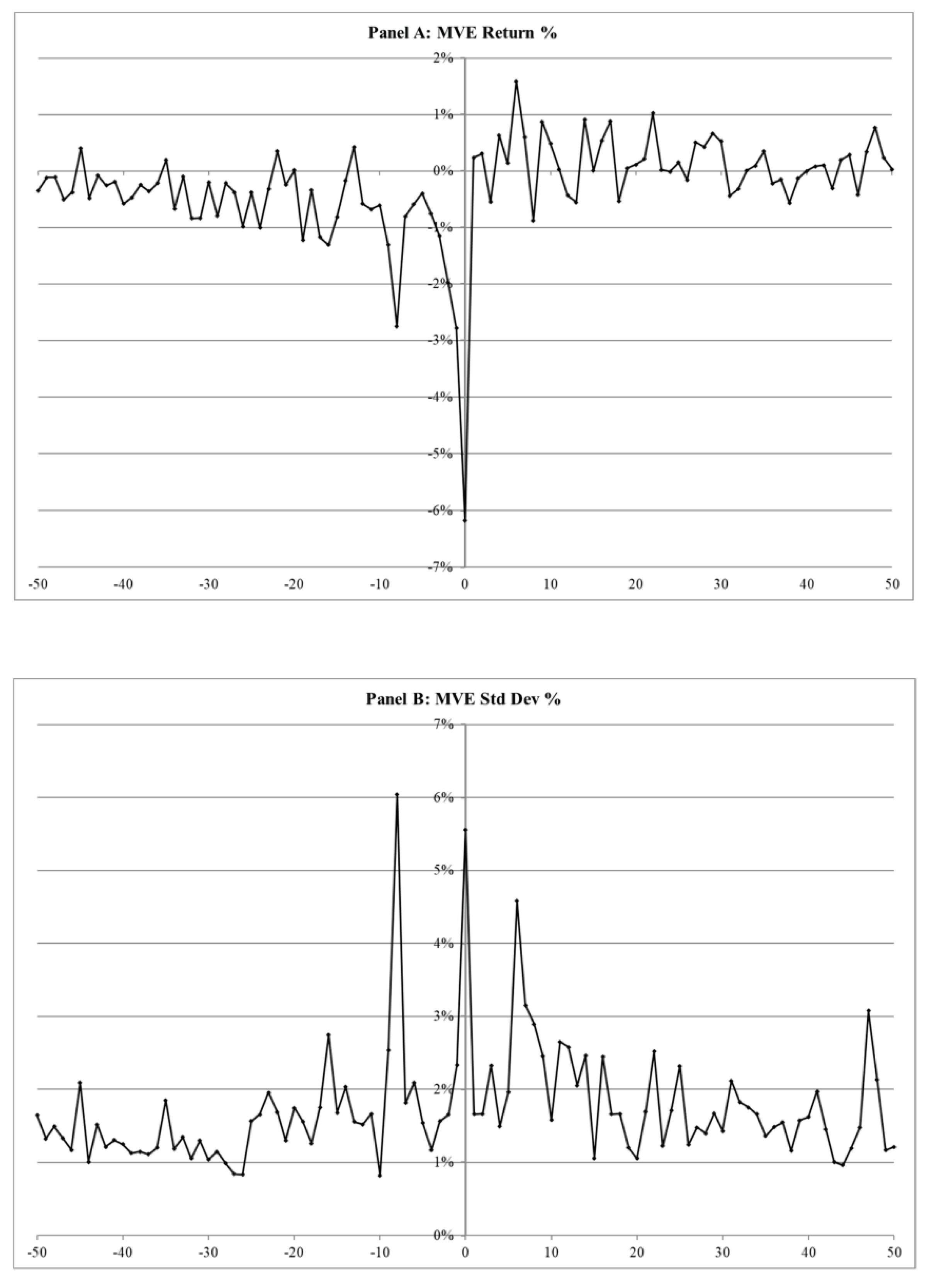
The Markov-switching model divides the study period into two states that match well-known economic conditions. The expansion state covers most months and appears during periods of steady employment, stronger spending, and lower credit spreads. During these months, the average 90-day delinquency rate in the portfolio is also lower. The stress state appears around months with weaker labour-market conditions, higher borrowing costs, and slower consumption. These months show much higher delinquency levels. The estimated transition matrix suggests that the expansion state lasts on average about 19 months, while the stress state lasts about 8 months. These durations are similar to those reported in studies of regime-switching behaviour in corporate default and bond pricing. The smoothed stress probabilities match the 2020–2021 pandemic period and the later tightening cycle, both of which saw sharp increases in defaults. Similar links between macro states and credit risk have been noted in regime-switching models for corporate and market data, although those applications rarely use loan-level consumer information [18,19].
3.2. Forecasting Results Compared with Non-Regime Models
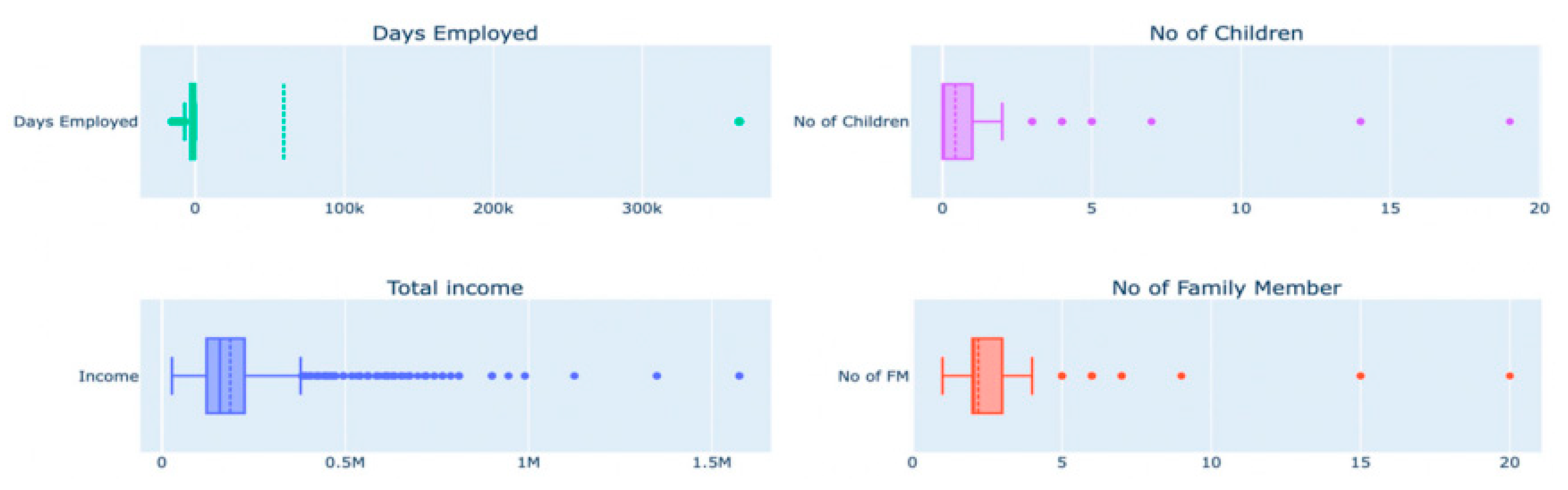
Forecasting tests show clear differences between the regime-switching model and the comparison models. When evaluated using a rolling-origin design, the regime-aware gradient-boosting model reduces mean absolute error by 22.7% compared with the best non-regime model. The improvement is largest during stress periods, when default rates rise rapidly. The model also shows better Brier scores and ROC performance, meaning that it assigns more accurate probabilities across accounts. These findings are consistent with earlier studies in which tree-based methods outperform logistic regression and simple neural networks in credit-risk work, although most previous studies assume that economic conditions do not change [20].
Figure 1.
Comparison of forecasting accuracy across regime-aware and non-regime credit-risk models.
3.3. Effects on Probability Accuracy and Early-Warning Timing
Probability accuracy is important for default-risk management, especially when results are used for pricing and capital estimation. Calibration tests show that pooled models tend to misstate default risk in the upper-risk bands during both expansion and stress periods. They underestimate risk when conditions weaken, and overestimate it during stable periods. These errors occur because pooled models use the same probability curve in all months. After adding economic states, the regime-aware model produces probability curves that match observed default rates more closely in both high-risk and low-risk segments. The improved calibration also leads to better timing: regime-aware forecasts cross internal alert thresholds around 3.4 months earlier when defaults start to rise. Similar gains in timing have been documented in regime-switching studies using corporate data, where state-specific default behaviour helps capture the build-up of risk before downgrades [21].
Figure 2.
Estimated stress-state probability plotted against the observed 90-day delinquency rate.
3.4. Results from Stress-Test Scenarios and Implications
Stress-testing experiments apply adverse paths for employment, income, and interest-rate conditions. When the simulated economy enters the stress state for several months, the model projects a 31.5% peak increase in 90-day delinquency relative to the baseline scenario. The effect is not uniform across borrowers. Higher-utilisation term-loan borrowers and middle-risk groups experience the strongest deterioration in predicted default. These results show that economic states influence risk differently across borrower types, which is often hidden in models that assume a single relationship for all periods. Earlier studies on regime-switching corporate credit and bond valuation also note that ignoring state dependence can understate risk during turning points in the business cycle [22]. At the same time, the results should be read carefully. The sample has only one major global shock and a limited number of local downturns. In addition, the stress scenarios do not incorporate feedback from banks or policy actions. Future studies could extend the model to multi-country portfolios or include interactions between credit risk and liquidity conditions.
4. Conclusions
This study shows that adding economic regimes to loan-level credit-risk prediction improves both accuracy and the timing of early signals. The model combines a Markov-switching structure with a gradient-boosting predictor and captures changes in default behaviour when economic conditions weaken. It also produces probability estimates that match observed default rates more closely than models that use the same relationship in all periods. The stress-test results further show that prolonged stress periods raise predicted default risk, especially for certain borrower groups, which underlines the value of regime information for portfolio monitoring and risk planning. These findings suggest that regime-based models can help lenders assess credit risk more clearly when the economy enters weaker phases. However, the sample includes only one major downturn and does not model interactions with funding or policy measures. Future research could apply the method to broader datasets, additional loan types, or settings that include more than one source of financial risk.
References
- Umeaduma, C. M. G. (2024). Impact of monetary policy on small business lending, interest rates, and employment growth in developing economies. Int J Eng Technol Res Manag.
- Yeoh, K. Y., Tham, K. W., Cheng, C. T., Chai, W. C., & Chong, K. W. (2025). Exploring the relationship between macroeconomic conditions and distressed real estate loans during the COVID-19 pandemic in Malaysia and Singapore. International Journal of Housing Markets and Analysis. [CrossRef]
- Jakubik, P., & Teleu, S. (2025). Improving Credit Risk Assessment in Uncertain Times: Insights from IFRS 9. Risks, 13(2), 38. [CrossRef]
- Zhu, W., Yang, J., & Yao, Y. (2025). How Cross-Departmental Collaboration Structures Mitigate Cross-Border Compliance Risks: Network Causal Inference Based on ManpowerGroup’s Staffing Projects.
- Davoodi, H. R., Montiel, P., & Ter-Martirosyan, A. (2022). Macroeconomic stability, adjustment, and debt. How to Achieve Inclusive Growth, 391-423.
- Gross, M., Henry, J., & Rancoita, E. (2022). Macrofinancial stress test scenario design—for banks and beyond. Handbook of financial stress testing, 77.
- Wang, J., & Xiao, Y. (2025). Research on Credit Risk Forecasting and Stress Testing for Consumer Finance Portfolios Based on Macroeconomic Scenarios.
- Krishna, S. J. S., Aarif, M., Bhasin, N. K., Kadyan, S., & Bala, B. K. (2024, July). Predictive Analytics in Credit Scoring: Integrating XG Boost and Neural Networks for Enhanced Financial Decision Making. In 2024 International Conference on Data Science and Network Security (ICDSNS) (pp. 1-6). IEEE.
- Li, T., Xia, J., Liu, S., & Hong, E. (2025). Strategic Human Resource Leadership in Global Biopharmaceutical Enterprises: Integrating HR Analytics and Cross-Cultural.
- Nahar, J., Rahaman, M. A., Alauddin, M., & Rozony, F. Z. (2024). Big data in credit risk management: a systematic review of transformative practices and future directions. International Journal of Management Information Systems and Data Science, 1(04), 68-79.
- Gu, X., Yang, J., & Liu, M. (2025). Optimization of Anti-Money Laundering Detection Models Based on Causal Reasoning and Interpretable Artificial Intelligence and Its Empirical Study on Financial System Stability. Optimization, 21, 1.
- Santilli, G. (2025). Climate Risks in the Banking Industry. Springer Books.
- Tan, L., Peng, Z., Song, Y., Liu, X., Jiang, H., Liu, S., ... & Xiang, Z. (2025). Unsupervised domain adaptation method based on relative entropy regularization and measure propagation. Entropy, 27(4), 426. [CrossRef]
- Allegret, J. P., & Cergibozan, R. (2023). Determinants of the european sovereign debt crisis: Application of logit, panel markov regime switching model and self organizing maps. Entropy, 25(7), 1032. [CrossRef]
- Zhu, W., Yao, Y., & Yang, J. (2025). Real-Time Risk Control Effects of Digital Compliance Dashboards: An Empirical Study Across Multiple Enterprises Using Process Mining, Anomaly Detection, and Interrupt Time Series.
- Brewin, C. R., Atwoli, L., Bisson, J. I., Galea, S., Koenen, K., & Lewis-Fernández, R. (2025). Post-traumatic stress disorder: evolving conceptualization and evidence, and future research directions. World Psychiatry, 24(1), 52-80. [CrossRef]
- Fleischer, M., Das, D., Bose, P., Bai, W., Lu, K., Payer, M., ... & Vigna, G. (2023). {ACTOR}:{Action-Guided} Kernel Fuzzing. In 32nd USENIX Security Symposium (USENIX Security 23) (pp. 5003-5020).
- Benigno, G., Foerster, A., Otrok, C., & Rebucci, A. (2025). Estimating macroeconomic models of financial crises: An endogenous regime-switching approach. Quantitative Economics, 16(1), 1-47. [CrossRef]
- Gu, X., Yang, J., & Liu, M. (2025). Research on a Green Money Laundering Identification Framework and Risk Monitoring Mechanism Integrating Artificial Intelligence and Environmental Governance Data.
- El Khair Ghoujdam, M., Chaabita, R., Elkhalfi, O., Zehraoui, K., Elalaoui, H., & Idamia, S. (2024). Consumer credit risk analysis through artificial intelligence: a comparative study between the classical approach of logistic regression and advanced machine learning techniques. Cogent Economics & Finance, 12(1), 2414926. [CrossRef]
- Körner, T. (2017). Board accountability and risk taking in banking: evidence from a quasi-experiment. Journal of financial services research, 52(3), 155-190.
Disclaimer/Publisher’s Note: The statements, opinions and data contained in all publications are solely those of the individual author(s) and contributor(s) and not of MDPI and/or the editor(s). MDPI and/or the editor(s) disclaim responsibility for any injury to people or property resulting from any ideas, methods, instructions or products referred to in the content. |
© 2026 by the authors. Licensee MDPI, Basel, Switzerland. This article is an open access article distributed under the terms and conditions of the Creative Commons Attribution (CC BY) license (http://creativecommons.org/licenses/by/4.0/).
Copyright: This open access article is published under a Creative Commons CC BY 4.0 license, which permit the free download, distribution, and reuse, provided that the author and preprint are cited in any reuse.


