
Preprint
Review

This version is not peer-reviewed.

A Scoping Review of Men’s Mental Health: The Role of Stigma and Gender-Differentiated Socialization

A peer-reviewed article of this preprint also exists.

Submitted:

31 December 2025

Posted:

01 January 2026

You are already at the latest version

Abstract

Background: Research on men’s mental health points out gender differences in help-seeking and access to care. Traditional masculine norms (i.e., emotional repression, self-reliance, “being strong”) and gender bias might conceal distress, delay treatment, and help to explain higher burdens of addiction, violence, and suicide alongside lower recorded affective/anxiety diagnoses. Methods: An exploratory narrative review with scoping aims was conducted. PubMed, Scopus, and Web of Science were searched for 2015–2025 studies using MeSH and terms on men’s mental health, masculinities, and stigma. Results: Eleven studies identified attitudinal barriers (i.e., self-stigma, shame, symptom minimization, mistrust, etc.) and structural barriers (i.e., limited tailored services, navigation difficulties, costs, bureaucracy, etc.) that contribute late presentation, weaken therapeutic alliance, and increase dropout; especially when therapy is perceived as impersonal or ineffective. Intersectional factors (i.e., class, age, ethnicity) further contribute with access and they need to be included in the field of men’s mental health. Gender-sensitive approaches and alternative masculinity role models have the potential to enhance engagement and legitimize emotional experience. Conclusions: Hegemonic masculinity–related gender norms, acquired through gender-differentiated socialization, are associated with adverse mental health outcomes among men. A lack of gender-sensitive awareness campaigns to reduce stigma around men’s mental health may hinder prevention, delaying early identification and timely intervention. Therefore, men’s mental health care should integrate gender and intersectionality transversally to improve prevention, access, diagnosis, treatment, adherence, and outcomes, supported by professional training and tailored therapeutic tools in clinical routine practice. These findings underscore the need to promote healthier, more egalitarian masculinities and to deconstruct stigmas associated with help-seeking and mental health service.

Keywords: 
;  ;  ;  ;  

1. Introduction

At present, the available evidence indicates a growing body of research on men’s mental health, alongside studies that aim to identify and characterize gender-related differences in help-seeking behaviors and access to mental health services and treatment [1,2,3]. These findings are, in a large number of cases, directly related to differences in the expression of emotional distress among men. They are also linked to access to the healthcare system when data are compared with women’s access to mental health treatment resources. Therefore, emphasis is placed on the relevance of making men’s emotional distress visible and on creating intervention perspectives that also focus on psychosocial issues such as gender, which may influence men’s access to treatment [1,2,3].
The gender perspective in the treatment of men with mental health–related problems is positioned as a highly relevant methodological approach. This treatment perspective might help to address and understand the existing differences in the ways in which problems derived from emotional and psychological suffering are approached in men, as well as in the field of health more broadly. The aim is to incorporate gender transversally as a key indicator when intervening with men, understanding that it directly influences the subjective construction of men’s identities [4,5,6].
A significant portion of the existing research related to men’s mental health makes it necessary to reflect on a highly contradictory issue: on the one hand, data show that, compared with women, men are predominant in treatments for addictive disorders, in completed suicides, and in the more frequent perpetration of violence. On the other hand, data indicate that diagnoses of affective or anxiety disorders are considerably lower among men than among women [7,8]. This contradiction can be explained by the fact that more instruments are available to diagnose affective or anxiety disorders, which are more common among women, than instruments designed to identify aggressive behaviors, stress, or introverted behaviors that are frequent among men [9,10].
Moreover, this contradiction may also be attributable to gender-related biases operating both in research processes and in diagnostic practices within clinical settings [11,12]. In particular, dominant theoretical frameworks and commonly used assessment instruments tend to operationalize psychological distress primarily through internalizing manifestations (e.g., sadness, crying, guilt, or anxiety) [12,13], which may facilitate identification when distress is expressed in these terms while simultaneously under-detecting more externalizing or non-normative presentations in men (e.g., irritability, risk-taking behaviors, substance misuse, or aggression) [14,15]. In this sense, bias in evidence production and diagnostic routines may contribute to an underestimation of the prevalence of affective or anxiety disorders among men and to the reinforcement of observed differences that, at least in part, reflect methodological and clinical limitations rather than true variation in the burden of distress.
In the same line, Camacho-Ruiz et al. [16] pointed out that men usually display more barriers when it comes to asking for help These barriers are mainly related to the social stigma associated with showing vulnerability, which is linked to weakness or femininity. Other barriers include lack of knowledge and difficulties establishing a therapeutic bond with mental health professionals. Consequently, men may not access care resources or, when they do attend, they may present in a more deteriorated condition [16]. This directly affects men’s therapeutic adherence [17,18,19]. These findings also suggests that difficulties in help-seeking, associated with barriers to emotional expression related to vulnerability, are grounded in gender-differentiated socialization processes in which traditional masculinity values predominate, such as self-sufficiency, control, and rationality over emotionality [16,20,21,22].
Therefore, we are faced with a structure that has been forged historically in relation to men and treatments associated with mental health. These treatments or therapeutic models suggest that men adopt behaviors that favor strength and emotional toughness and, therefore, create barriers to emotional suffering while also hindering the establishment of a therapeutic bond that fosters the trust necessary for emotional expression and a more subjective and personalized intervention [23,24,25].
In general, men have not been recipients of interventions with a gender perspective. It is necessary to start from this point, since this perspective shows how different ways of living masculinity interact across distinct social and cultural contexts. For that reason, it is necessary to maintain an intersectional perspective, since it is necessary to consider the different variables that interact in different forms of oppression, as well as in different privileges. That is, it is necessary to understand the different dimensions that can influence a therapeutic process for many men; for example, ease of access to treatment is not the same for a man from a wealthy neighbourhood as for a man from a disadvantaged neighbourhood. It is necessary to take this dimension of social class into account, as well as age, ethnicity, sexual orientation, gender, or other comorbid pathologies [16,26,27,28]. For this reason, feminist theories have shown the way to understand that masculinity cannot be analyzed in the singular, that not all mental health problems presented by men are the same, and that it is necessary to begin to understand intervention from subjectivity and intersectionality [27], as well as to recognize that the construction of masculine identity obeys gender norms generated through processes of differentiated socialization.
For this reason, it must be considered that existing care resources, although numerous advances have been developed in interventions and methodologies with men, usually still maintain androcentric or neutral perspectives. Intervention with a gender perspective in men, which considers the influence of gender norms of differentiated socialization, such as “being tough” or “being strong”, or other norms that may affect barriers or resistance to accessibility or bonding with therapeutic processes, continues to be limited and reduced in many clinical contexts. On purpose, authors such as Jordan et al. [29] or Messner [30] highlight the scarcity of introducing the gender perspective and the limited training that mental health professionals receive in this regard. This results in the absence of specific therapeutic instruments to intervene and counteract the costs of hegemonic masculinity, which promote strength and self-sufficiency as fundamental values to be a “good man”.
If these types of interventions are generated and strategies and therapeutic instruments are created, a critical and novel perspective is offered in the analysis of men’s psychological suffering, and it would intervene on the subjective barriers and resistances that reduce men’s access to mental health resources. Different studies indicate the presence of patterns that are repeated. Younger men more consistently reproduce patterns in which, as a tendency, emotional problems are minimized by avoiding being seen crying and by avoiding expressing fear and pain, as well as by reducing behaviors or actions that reveal emotional vulnerability [16,31]. Within these patterns, help-seeking, a determinant of health, is perceived as a threat to a masculinity that is validated through identification with the peer group [32,33]. In this construction of masculine identity through peer groups, vulnerability is viewed as weakness and asking for help as the opposite of “being a real man”. The consequences, on many occasions for many men, include the prolongation of suffering and emotional distress. This way of silencing discomfort often leads to problems related to addictions, violence, and isolation [16,26].
Authors emphasize that men adopt thoughts, emotions, and values in which they take for granted that psychological suffering must be endured alone and, in more extreme cases, denied and rejected. Therefore, when some men find themselves in a critical situation, the motivation to ask for help and the accompaniment to resources or to mental health specialists comes through their closest environment. This set of actions or model is usually called the “last resort” model [17,19]. These actions, influenced by behaviors associated with procrastination, are intensified by mental health systems that have not incorporated a transversal gender vision in their care devices, which frequently generates a feeling of disidentification among most men with mental health care resources and therapeutic spaces.
Although these barriers persist, a degree of optimism is warranted. Promising responses and alternatives to traditional treatments are beginning to emerge. Some professionals incorporate new psychotherapeutic methodologies, such as compassion focused therapy, acceptance and commitment therapy, or more current models that consider how hegemonic masculinity negatively impacts the socialization processes of many men. These more current clinical models highlight new ways for men to relate to distress [17,32,34,35]. These interventions seek to place the focus on the legitimation of emotional experience, to respectfully question traditional models of masculinity, and to explore new paths in subjective elaborations and identity transformations.
In addition, the need to generate new qualitative research that helps to understand the existing relationship between men and illnesses related to mental health must be considered. Indeed, these investigations are considered entirely necessary to understand the complex dynamics that exist in the relationship between men and their mental health and the influence of stigmas generated through gender-differentiated socialization processes. In this context is especially relevant using in-depth interviews and discussion groups, which often yield data that cannot be extracted through quantitative methodologies. These accounts will help to create specific interventions with a gender perspective, focusing on exploring the difficulties that some men present when asking for help, on how men perceive symptoms, and on analyzing the effects of masculinity on the evolution of their emotional problems [16,36,37,38,39].
However, the analysis of masculinity in mental health interventions with a gender approach in men should not only be carried out with men who need treatment. In addition, it is important to reflect on the epistemological and clinical foundations through which psychiatry and psychology approach interventions with men, and to consider whether gender-related assumptions may influence assessment and treatment in certain settings [40,41,42]. It is necessary to consider that the majority of disciplines and fields of study have historically been created through an androcentric vision, which has normalized men’s problems as neutral [40,41,42]. By introducing the gender perspective, an opportunity is offered to move towards a clinic based on an exercise of epistemic and social justice, supported by an ethical and moral responsibility.
Based on previous findings, this research arises from the need to deepen understanding in this emerging field of reflections and practices in mental health intervention with men. Its main objective is to analyze the main contributions and advances in interventions with a gender perspective with men in the field of mental health, through a literature review that compiles findings from different investigations. For this, it is necessary to combine studies of critical masculinities, current psychotherapeutic models, an intersectional perspective that considers the plurality of masculinities, and feminist theories, thereby generating an integrative approach. The proposal is clear: to understand the complexity of silenced male suffering and to identify psychotherapeutic intervention strategies that are more inclusive and that result in more ethical and, above all, effective actions.
What is intended is to awaken concerns when building new clinical practices for men who demand assistance in mental health resources, all of them based on different ways of moving in a healthier way through subjective self-knowledge of masculinity, and that support an identity construction that emphasizes care, vulnerability, and a more diverse emotional expression, without gender biases.
This research is also aligned with the United Nations Sustainable Development Goals (SDGs), particularly SDG 3 (Good Health and Well-being) and SDG 5 (Gender Equality), by addressing gender-related determinants that shape access to and engagement with mental health care and by seeking to reduce avoidable disparities in prevention, diagnosis, treatment initiation, and follows-up. By synthesizing evidence on masculinities, help-seeking barriers, and gender-sensitive therapeutic models, the current review provides clinically actionable knowledge for designing interventions that are more responsive to men’s socialized patterns of distress and communication, strengthening the therapeutic alliance, improving adherence, and facilitating earlier and more effective care. In this sense, the study reinforces the relevance of integrating gender and intersectionality as cross-cutting clinical variables, supporting ethical and evidence-informed practice aimed at expanding access, enhancing quality of care, and promoting more equitable mental health outcomes.

2. Materials and Methods

2.1. Design

This study adopts an exploratory narrative review design, with the objective of identifying, synthesizing, and critically analyzing the scientific production that addresses clinical intervention with men in the field of mental health from a gender approach and an intersectional perspective. It is an integrative analysis that considers both qualitative and quantitative studies, with special attention to research that explores masculine constructions of distress, barriers to professional help seeking, and gender sensitive therapeutic models. The general purpose was to map the current state of knowledge, identify research and clinical gaps, and collect relevant contributions for clinical practice with men from a non-androcentric perspective.

2.2. Data Sources and Search Strategy

The search strategy was designed to capture the most recent and most significant literature in the field. The search was conducted in three academic databases of high relevance in the social sciences and health: PubMed, Scopus, and Web of Science (WOS). Both controlled descriptors (Medical Subject Headings—MeSH) and free-text search terms were used, combined through Boolean operators to ensure broad and precise thematic coverage. The terms included: "men's mental health", "masculinities", "gender and psychotherapy", "help-seeking behavior in men", "gender-sensitive interventions", "hegemonic masculinity and mental health", among other equivalent terms in English and Spanish.
The inclusion period was limited to 2015–2025 in order to include recent and relevant contributions in a field that is constantly evolving. Filters were applied to restrict results to peer-reviewed articles and published in English or Spanish. In addition, the bibliographies of the selected studies were manually reviewed to identify complementary works not detected in the initial search.

2.3. Inclusion and Exclusion Criteria

The included studies had to meet the following criteria: a) to focus on adult men (18 years or older). b) to address topics linked to mental health, therapeutic intervention, and/or psychological distress. c) to use qualitative, quantitative, or mixed methodologies. And d) to be published between 2015 and 2025, in English or Spanish.
Studies were excluded if they: a) were not original research (for example, editorials, letters to the editor, reviews without critical analysis). And b) duplicated studies.

2.4. Selection and Evaluation Process

The selection of studies followed the PRISMA protocol (Preferred Reporting Items for Systematic Reviews and Meta-Analyses) [43], adapted to exploratory narrative reviews. Screening was conducted in several phases: reading of titles, evaluation of abstracts, and full-text analysis in cases that met the defined criteria. The entire process was carried out by two researchers (J.A.C-R., and C.M.G-S.) with experience in gender and mental health studies, ensuring consistency and transparency in the selection and data extraction process. Discrepancies were resolved through discussion and consensus with the third author.

3. Results

In total, eleven [44,45,46,47,48,49,50,51,52,53,54] empirical studies were analyzed, involving a total of 7175 participants. These studies employed both qualitative and quantitative methodologies, with the majority of included studies being quantitative. Table 1 exhibits the main characteristics and findings of the analyzed studies.
To facilitate interpretation of the results, they are analyzed and organized into three dimensions (see Figure 1 for further details). The first one concerns how traditional masculine norms—such as emotional repression, self-reliance, and the central mandate of hegemonic masculinity (e.g., “being strong”)—hinder a fundamental action for mental health, namely help-seeking. It is associated with a message that many men hear throughout their lives is “men do not cry”. It is necessary to analyze how hegemonic masculinity oppresses women and represses men [26]. Perhaps it is increasingly less present within the family, but it remains highly present within peer groups during adolescent development. An illustrative example concerns the emotion of fear: this emotion should not be shown, since, within hegemonic masculinity and particularly in adolescence, risk is often construed as a value. Men who feel fear are perceived as weak or vulnerable. Self-reliance, or solving problems by oneself, is a behavior closely related to self-sufficiency, which often delays men from asking for help in difficult moments. Within hegemonic masculinity, help-seeking portrays a man who is not capable of providing a solution to his problems by himself, and thus as a weak man, contrary to the main norms or mandates of hegemonic masculinity, such as “being strong” or “being tough”.
Therefore, help-seeking contradicts what it means to be “a real man”. In first place, seeking help signals a lack of strength and, therefore, being less of a man. Second, both attitudinal (personal) barriers and structural barriers are identified. Personal barriers include traditional masculinity norms that have already been adopted by many men and have become part of the construction of their identity. That is, many men have incorporated into their belief systems and cognitive structures the idea that they must be strong and self-sufficient, generating self-stigma if they perceive that they do not comply with internalized mandates and may ultimately be seen as “not very manly”. In these cases, other emotions linked to help-seeking may emerge, such as shame or a sense of failure, creating stigmas that can lead to anguish, anxiety, or sadness. In these contexts, help-seeking is also associated with an inability to take care of oneself, because men must maintain an image of self-sufficiency: “I can do it alone”. Structural barriers include lack of information about available resources, lack of resources offering interventions specifically for men from a gender perspective, and the costs of treatment, which marginalize men who lack the means to access psychological care. Finally, it is important to emphasize the lack of bonding or connection with mental health professionals and the perception that therapy is not useful. These factors are the main causes of men’s discontinuation of mental health services identified by studies analyzed.
In the final section of the results, the main limitations of the studies included in this review are examined, highlighting methodological and contextual constraints that may affect the interpretation and transferability of the findings.

3.1. Traditional Masculinity Norms as Barriers to Men’s Mental Health Help-Seeking

The mandates and norms of hegemonic masculinity—such as the belief that a man must be capable of confronting and solving his problems by himself, emotional repression, and strength as the central mandate of hegemonic masculinity—constitute the main characteristics of masculinity that lead men to avoid seeking help when facing mental health problems. These norms or mandates, deeply rooted in masculine socialization, reinforce the idea that expressing emotions or requesting professional help represents a sign of weakness, thereby threatening masculine identity and belonging to the peer group governed by these masculinity norms. Consequently, many men tend to avoid professional help in order to protect their personal and public image, resorting to different coping mechanisms, such as silence or the consumption of alcohol or other drugs [44,45].
Aligning with these gender mandates, which emphasize independence, invulnerability or the absence of weakness, and courage, generates psychological barriers that make it difficult to recognize psychological distress and to seek help. For Kwon et al. [46], men perceive that help-seeking threatens their masculine identity, which consequently leads them to avoid discussing issues related to mental health or self-care. This phenomenon is reinforced by the social stigma associated with vulnerability and by negative experiences such as criticism or mockery in social contexts, including peer groups across different spaces of public life—from friends to workplaces or social networks—contributing to the minimization of mental health problems, delays in help-seeking, and a preference for more dangerous coping strategies, such as substance abuse.
In addition, it has been indicated that these mandates, centered on the rejection of vulnerability and influenced by aggressiveness and emotional control, enter into direct conflict with the requirements of therapy, which involve expressing emotions related to care (leaving one’s comfort zone), admitting failures, and yielding control in an egalitarian way. These contradictions produce shame and resistance to therapeutic treatment, which helps to explain the high levels of risk behaviors, substance abuse, violence, and suicide observed in men [47].
For Boettcher et al. [48], three dimensions are identified through which these norms operate: I) injunctive norms, which dictate what “should” be done and promote the avoidance of vulnerability; II) descriptive norms, which are transmitted through the observation of other men and reinforce perseverance in the face of stress; and III) cohesive norms, shaped by male leaders who reward resistance and self-sufficiency. Therefore, it must be considered that these ways of living masculinity reinforce the idea that help-seeking is incompatible with what hegemonic masculinity understands as “being a man”, especially in social and cultural environments in which men predominantly engage in different activities.
According to Edwards et al. [49], although some studies do not show these norms directly, it has been observed that male caregivers are significantly more likely to report limited social or emotional support [49]. This finding suggests that the lack of support networks may be mediated by norms that make both the expression of vulnerability and help-seeking more difficult.
Regarding the therapeutic space, some men who identify with these norms or mandates tend to experience shame and resistance when initiating therapeutic processes, showing less optimism about their usefulness and less commitment to the process. On some occasions, this type of behavior contributes to higher dropout rates and creates distance, or makes it difficult to establish rapport, with mental health professionals [50]. Additionally, Seidler et al. [50] note that men who avoid treatment tend to believe that they must solve their problems by themselves, generating mistrust regarding treatment outcomes. The main consequence is the formation of attitudinal barriers that are intrinsically related to the values of hegemonic masculinity and represent an important obstacle for the treatment.
This type of masculinity and its gender norms is also related to other risk behaviors in health and in social and cultural dimensions. In the study by Tibubos et al. [51], it is pointed out that hegemonic masculinity is, on some occasions, characterized by maintaining traits that orient aggressive and power-related behaviors, promoting stigma toward behaviors and thoughts that can be considered related to emotional vulnerability, thereby generating barriers to accessing psychotherapeutic treatments.
Moreover, in a study conducted by Sharp et al. [52], a specific cultural context was analyzed: Australia. In this study, the norms of hegemonic masculinity maintain a strong influence in terms of their assimilation by many men. For these men, these norms are acquired from very early ages, mainly self-sufficiency and emotional toughness, often leaving space for the expression of anger, while emotions more closely related to care activities such as tenderness, affection, or sadness are repressed. The persistence of these highly masculinized emotional patterns primarily generates emotional disconnection and isolation, which often results in unhealthy resolutions of mental health-related problems, such as substance use. More optimistically, it is also evidenced that some men have begun to question and challenge these norms.
In addition, Mesler et al. [53] and Mostoller and Mickelson [54] argue that many men experience constant pressure to comply with standards associated with traditional or hegemonic masculinity, generating psychological distress due to perceived discrepancies between complying with these gender norms and maintaining emotional balance, which increases the likelihood of experiencing higher levels of depression and anxiety. The acceptance of these norms is directly associated with stigmas related to help-seeking, creating a norm of solving problems by oneself, and a performativity based on heteronormativity and the image of power over women as fundamental characteristics of self-concept and self-image.

3.2. Hegemonic Masculinity and Structural Constraints Limiting Men’s Access to Mental Health Resources

Hegemonic masculinity and structural constraints limit men’s access to mental health resources. In this section, we outline the barriers identified, which are primarily attitudinal and structural in nature. These barriers exert a strong influence on the main problems in access to mental health resources among many men.
Regarding attitudinal barriers, many men feel that they must solve their problems by themselves. As has already been discussed throughout the text, this norm is associated with a specific way of masculinity in which other norms such as strength, toughness, self-sufficiency, and self-reliance are exalted [44,45,47]. This way of living masculinity, which emphasizes rationality, control, and independence, has as its main consequences that help-seeking is perceived as a sign of vulnerability and therefore of weakness or dependence, and that symptoms of possible mental health problems are minimized. These consequences result in resistance to seeking psychotherapeutic care resources or, when help is sought, in presentations where the problem may have worsened.
It must also be considered that these attitudinal barriers are generated through processes of differentiated socialization by gender issues. This type of masculine socialization implies the internalization of these norms by men, generating values and thoughts associated with maintaining control and managing problems with total independence [46]. Behaviors may emerge in which many men prematurely interrupt their therapeutic process or self-evaluate, mostly without professional guidance and in an erroneous way. In addition, attending therapy is, on many occasions, contradictory to what has been learned through socialization processes, since it may imply a loss of emotional control and of power and authority. Therefore, attending therapy can generate reactivity due to the factors described above, which may also hinder treatment engagement.
On the other hand, structural barriers include limited knowledge about available services for early care. In addition, the difficulty that many men encounter, on many occasions, in navigating the health system, as well as the economic costs associated with treatment, are often barriers that are difficult to overcome [1,46,50]. It is also essential to consider an intersectional approach when analyzing mental health in men, since factors such as age, social class, ethnicity, or culture are particularly relevant to men’s access to mental health care. Economic vulnerability therefore becomes a fundamental barrier that prevents men from accessing treatment or, in many cases, leads them to discontinue care before completing the therapeutic process.
Additional problems related to structural barriers include delays in care, bureaucracy, and the repetition, in many cases, of personal experiences, which may become traumatic, within the health system and with different professionals. This, combined with processes that already generate shame due to socialization, may produce demotivation and its consequent abandonment of the process or of help-seeking [1,46,50]. In addition, it must be added that there is a lack of awareness campaigns that promote the reduction of stigma when men talk about mental health. Prevention in this area, and from a gender perspective, is fundamental for advancing toward more effective treatments and earlier assessments.
Stewart and Harmon [47] highlight that structural barriers also reinforce the stigma linking masculinity with self-sufficiency, perpetuating the exclusion of men from mental health services and contributing to their representation as “difficult to treat”. Boettcher et al. [48] add that these limitations, both internal and external, are intensified in work environments where expectations of performance and strength reinforce the idea that requesting help is incompatible with masculinity.
In relation to this, Edwars et al. [49] found that men who participate in care-related activities report better access to social and emotional support, which indicates that gender-socialization processes generate structural and attitudinal barriers that deny access to both informal and formal networks of help. That is, through processes of differentiated gender socialization, it is internalized that care activities, within hegemonic masculinity, are not “men’s things”. This can be clearly observed in the games that boys and girls engage in during socialization. Boys’ games have traditionally been oriented toward adventure and action, whereas girls’ games have mainly been oriented toward toys and activities related to care. Therefore, this dependence on partners or family members as fundamental sources of support shows how gender influences professional help-seeking, in which, many times, those closest to men motivate them to seek help when they can no longer cope.
Following this line, the study by Tibubos et al. [51] analyzes how gender norms and mandates learned through socialization foster self-reliance and reject emotional vulnerability in men and, moreover, are fundamental to the persistence of these barriers. They also contribute to the creation of stigmas that portray men as weak when they seek help. For Sharp et al. [52] in settings such as Australia, values related to emotional repression and independence further strengthen this image. If help is ultimately sought, for many men it is a sign of personal failure, which increases isolation and as indicated above, significantly reduces opportunities for early care, thereby increasing the likelihood that the problem will worsen.
Emphasizing an intersectional perspective, the research by Mesler et al. [53] shows that in some cultural and social contexts in which gender norms and mandates of hegemonic masculinity are more strongly internalized, stigmas linked to seeking psychological treatment are further reinforced. In turn, the study by Mostoller and Mickelson [54] highlights the interaction between attitudinal and structural barriers as a joint system that limits access to care. In fact, the perception of dependence on others, associated with beliefs about weakness or vulnerability, must be considered together with barriers such as treatment costs or limited knowledge of resources, which foster emotional distress and the non-use of mental health services by many men.

3.3. Weak Therapeutic Alliance and Perceived Ineffectiveness as Drivers of Treatment Dropout Among Men

On many occasions, the perception that therapy is not useful and the lack of connection with mental health professionals are two of the most frequent reasons why men discontinue mental health services, according to the studies reviewed [44,45,48]. These two issues are closely related to traditional masculine norms, which discourage emotional expression, vulnerability, and the seeking of external support, thereby often limiting the development of strong therapeutic relationships.
According to Kwon et al. [46], there is considerable convergence across numerous studies regarding what many men experience in therapy in relation to the impersonality of therapeutic processes, in which they perceive that professionals do not show genuine interest or do not understand their experiences in a contextualized manner. This sense of mistrust and lack of empathy leads to demotivation and, in many cases, to premature treatment dropout. In addition, in some instances, the lack of transparency in the formulation of therapeutic goals and the absence of a results-oriented approach reinforce the perception that therapy does not meet their expectations or provide practical solutions to their problems. The absence of a gender perspective means that objectives related to the costs of hegemonic masculinity are not considered, particularly those associated with emotional repression and the rejection of vulnerability, as well as the difficulty in establishing affective bonds with other men.
The findings of Seidler et al. [50] are particularly illustrative: 54.9% of men reported having discontinued therapy due to a lack of connection with the therapist, while 20.2% indicated that they considered it of little use or ineffective. These perceptions reflect both the persistence of attitudinal barriers and the need to adapt interventions to the specific characteristics of men, considering their expectations, communication styles, and conceptions of help. In fact, Seidler et al. [50] found that men who rejected therapy were significantly more likely to believe that psychotherapists would not understand their problems or that psychotherapy would not be effective, demonstrating clear mistrust in the usefulness of professional treatment [1].
Therefore, this disconnection may originate from the persistence of therapeutic approaches that do not incorporate a gender perspective in a cross-cutting manner and thus fail to recognize men’s specific needs or their preference for more pragmatic strategies primarily oriented toward action and rationality. In fact, when men do not obtain tangible and immediate results, they assume that therapy is ineffective and consider solving their problems on their own. These responses reinforce self-sufficiency and frame help-seeking as negative [48,53].
Moreover, the perception that therapy is not useful is reinforced by previous negative experiences and by the belief that psychological intervention will not address underlying problems, generating an attitude of scepticism toward mental health services [44]. In contexts where traditional gender norms are more rigid, this scepticism intensifies, as expressing emotional difficulties or relying on professional help is perceived as a threat to masculine identity [51].
In the study by Mostoller and Mickelson [54], it is emphasized that men who adhere to hegemonic masculinity values that promote self-sufficiency, emotional control, and rationality maintain that therapy is incompatible with their needs, which increases dropout from therapeutic processes. These authors stress the need to implement gender-sensitive interventions that emphasize closer and more empathic communication, are grounded in an ethics of care, and include clear goals that foster increased trust and therapeutic progress.
In another study, participants indicated that seeking professional help may generate negative social repercussions, such as labelling, adverse reactions, perceptions of weakness, and possible rejection by the group. This occurs because peer-group values often regard help-seeking as a sign of weakness, which discourages men, especially young men, from seeking professional support. In addition, all participants reported that self-medication with alcohol is the most prevalent and socially accepted method for coping with difficult emotions. Alcohol is used as a means of escape and to numb emotional problems. This behavior reflects a deeper cultural issue related to the acceptance of alcohol as a coping strategy [44].
In another study by Wilson et al. [45], many participants also highlighted the relevance of having male role models who convey an alternative form of masculinity that promotes care-related values. They believed it is necessary to have educational experiences that help individuals build their identity by reflecting on other, more egalitarian and positive masculine models. They considered it essential to break with traditional stigmas that normalize behaviors restricting emotional expression and help-seeking. They also emphasized that contact with such role models can be crucial for many men, including young men, to develop a healthier masculinity. Furthermore, they concluded that it would be highly important for these types of initiatives to be incorporated transversally into curricular activities throughout the entire educational process of all children and adolescents.

3.4. Study Limitations of the Analyzed Studies

The main limitations identified in the studies analyzed refer to the predominance of studies conducted in English-speaking countries, mainly Australia, England, and Canada. This may restrict the analysis of data obtained from other sociocultural realities and may therefore limit a more intersectional understanding of the phenomenon under study. It would be valuable to incorporate data from countries with different sociocultural contexts, such as Southern European countries, Latin America, or Asia.
Another aspect that should be highlighted, and that also contributes to the limited intersectional approach, is that the majority of studies has focused on heterosexual men. This excludes other experiences of living masculinity, such as those of LGTBIQ+ individuals and non-binary people, which Connell [4] refers to as subordinate masculinity. These experiences and lived realities may reveal other patterns or complexities derived from hegemonic masculinity norms and their relationship with mental health.
Finally, continuing to emphasize an intersectional approach, and also due to the difficulty of finding studies addressing these variables, the experiences of older men have not been analyzed in deep, as the literature identified and reviewed refers mainly to men in middle adulthood and adolescence. This precludes comparison with men who developed their socialization under more traditional masculine mandates, which would have helped to clarify the impact of gender on mental health across the life course of many men. In addition, there is no reference to men in situations of extreme vulnerability, which Connell [4] refers to as marginalized masculinity. This also contributes to the scarcity of data on profiles whose main characteristic is limited economic means to access mental health treatment.
Table 1. Main Characteristics and Finding of the Analyzed Studies.
Authors/Year Objective Sample (gender and age) Main findings Main limitations
Lynch et al. (2016) [44]. To explore the barriers faced by young men aged 18 to 24 in seeking professional help for mental health problems, and to analyze the solutions they propose that are relevant to their lived realities. This aims to improve the mental health of this demographic group, enhance meaningful interventions, and contribute to suicide prevention measures. The study sample consisted of 17 young men aged between 18 and 24 years, residing in County Donegal, in northwestern Ireland. The main findings of the study identify seven key barriers to young men’s help-seeking professional support: peer acceptance, personal challenges, cultural and environmental influences, self-medication with alcohol, negative perceptions of professional help, fear of homophobic responses, and traditional masculine ideals. Recruitment difficulties: The sensitive nature of the topic limited participant availability.
Specific sample: Most participants were involved in a youth center, thereby excluding the voices of young men less willing to discuss mental health issues and of groups such as young men from the Irish Traveller community.
Limited generalizability: The findings are not applicable to other countries, although parallels may be drawn with contexts characterized by a strong Catholic heritage.
Potential bias: Despite measures such as member checking and reflexivity, latent biases on the part of the lead researcher may remain.
Wilson et al. (2022). [45]. The primary objective of the study is to examine parents’ and teachers’ perceptions of the development of masculinity within a private all-boys school context, as well as their views on priorities for school-based initiatives designed to support students toward positive trajectories of masculine identity development. In addition, the study seeks to identify potential links with the promotion of mental health through changes in masculine norms. The study sample consisted of 16 participants, including 10 parents (6 women and 4 men, all with a child in Year 11) and 6 teachers (3 women and 3 men), recruited from a high-fee private all-boys school in Melbourne, Australia. Students adjust their behavior according to the social context, adopting “masks” to conform to traditional masculine norms.
Sporting culture and “blokey” humor reinforce traditional masculine norms.
Such schools can both challenge and reinforce traditional masculine norms.
The findings highlight the importance of engaging parents and teachers in school-based initiatives to promote healthy masculinities and improve students’ mental health.
Limited sample: The study focused on a single high-fee private all-boys school, which restricts the generalizability of the findings to other contexts, such as lower-resourced or coeducational schools.
Homogeneous participants: All participants identified as heterosexual, limiting the applicability of the findings to parents and teachers from sexual minority groups.
Potential response bias: Participants with a particular interest in the topic may have been more likely to take part, and some may have censored their responses due to fear of judgment.
Cis-heteronormative focus: The prevailing perspective may have limited the exploration of diverse masculinities, such as those of transgender or non-binary individuals.
These limitations highlight the need for more inclusive and diverse research.
Kwon et al. (2023). [46]. The primary objective of the study is to better understand the reasons men give for disengaging from mental health services and to identify factors that could facilitate their re-engagement with the care system. The study sample included 73 men who participated in a national survey conducted by Lived Experience Australia (LEA). These participants were users of mental health services in Australia. Reasons for men’s disengagement: These include a lack of autonomy, professionalism, and authenticity within services, as well as systemic barriers such as inconsistency, insufficient follow-up, and accessibility issues.
Factors that may facilitate re-engagement: Key factors include clinician-initiated reconciliation, support from community workers and peers with lived experience, and the simplification of processes for re-entering services.
Small sample size: Only 73 men participated.
Limited survey period: The survey was open for only three weeks.
Lack of diversity: Ethnic, cultural, and sexual minority groups were underrepresented.
Absence of specific data: Diagnostic information was not collected, nor were data disaggregated for young men aged 18–24 years.
Limited generalizability: The findings may not be applicable to other countries or contexts.
Stewart & Harmon. (2004). [47]. The primary objective of the study is to challenge traditional beliefs about angry men, who are frequently diagnosed with antisocial personality disorder (ASPD) and often regarded as untreatable cases. The article seeks to explore similarities between ASPD and borderline personality disorder (BPD), highlighting their association with childhood trauma and proposing a re-evaluation of diagnosis and treatment approaches. The study includes a detailed case study of a 31-year-old man referred to as “John” (a pseudonym), who presented with aggressive behaviors, a history of childhood trauma, mental health difficulties, and challenges in his interpersonal relationships. This case is used to illustrate the challenges and therapeutic approaches involved in the treatment of men with aggressive behaviors and borderline personality disorder. The main findings indicate that men with aggressive behaviors and antisocial personality disorder (ASPD) can benefit from structured therapeutic approaches that consider their traditional values and childhood trauma. The case study demonstrates that, with connection, clear boundaries, and ongoing support, significant improvements in mental health and behavior are achievable. The main limitations include diagnostic bias between ASPD and BPD, a lack of differentiation between antisocial behaviors and antisocial personality traits, and the prevailing perception of ASPD as untreatable. In addition, traditional therapeutic approaches are often incompatible with traditional masculine values, which may hinder men’s engagement in treatment.
Boettcher et al. (2019). [48]. The primary objective of the study is to contribute to the theoretical understanding of work-related mental health experiences among men and to explore opportunities for employers to provide gender-sensitive support for men’s mental health. Specifically, the study examines how masculine role norms influence work-related stress and mental health, using narratives from men employed in male-dominated occupations. The study sample comprised 18 men employed in male-dominated occupations, selected from a larger pool of 37 participants. These men were working full-time, and the majority appeared to be Caucasian and based in Canada. The main findings show that masculine role norms influence men’s work-related stress and mental health. These norms are divided into three types:
Descriptive norms: Men adjust their work behavior according to that of their peers, which can normalize overwork and make help-seeking more difficult.
Injunctive norms: Internal beliefs about what men “should” do at work, generating anxiety and questioning of personal worth during periods of low productivity.
Cohesive norms: Leaders model and communicate performance expectations, often contradicting mental health support policies.
These norms reinforce behaviors that may compromise men’s mental health in the workplace.
Sample homogeneity: Most participants were Caucasian and from a middle-to-upper socioeconomic background, which limits the representation of men from diverse backgrounds.
Participant self-selection: Men interested in discussing workplace mental health may have biased the results.
Lack of occupational diversity: Only full-time employed men were included, excluding the perspectives of part-time or precariously employed workers.
Overrepresented sector: A predominance of participants from the energy sector, which was affected by the economic recession.
Secondary data: The analysis was based on responses to general questions about work-related stress, rather than specifically on masculine role norms.
Edwards et al. (2017). [49]. The primary objective of the study is to analyze differences between male and female caregivers using data from the 2009 Behavioral Risk Factor Surveillance System (BRFSS). The study sample was drawn from the 2009 Behavioral Risk Factor Surveillance System (BRFSS), which included 421,215 participants from all 50 U.S. states. Gender distribution: Two-thirds of caregivers were women.
Unhealthy days: Women reported more physically and mentally unhealthy days than men.
Social support: Men were more likely to report rarely or never receiving social support, but the impact of social support on quality of life was stronger for men than for women.
Associated factors: Age, education, and social support were associated with fewer unhealthy days, whereas smoking and physical inactivity were associated with more unhealthy days.
Caregiving period: The BRFSS question only covered the previous month, excluding caregivers outside that period.
Telephone coverage: Only individuals with landline telephones were included, which may have underrepresented younger adults and those with fewer resources.
Measurement of social support: A single item was used, which is less precise than a full scale.
Marital relationship: The quality of marital relationships was not assessed, which may have influenced the results.
Seidler et al. (2019). [50]. The primary objective of the study is to examine perceived barriers—both attitudinal and structural—that hinder men’s access to mental health services. In addition, the study seeks to analyze the associations between these barriers and men’s intentions to seek or not seek treatment for their mental health concerns. The study sample consisted of 778 men who reported experiencing a mental health concern and were not receiving treatment at the time.
Common barriers: The most frequent barriers were attitudinal, such as “many people feel sad and depressed” (80%) and “I need to solve my own problems” (73%), and structural, such as “I do not know what to look for in a psychotherapist” (80%) and “I cannot afford psychotherapy” (72%).
Differences by treatment intention: Men who did not want treatment were more likely to doubt the effectiveness of psychotherapy, not disclose their emotional state to their physician, and prefer to solve their problems on their own.
Predictive factors: Attitudinal barriers, such as the need to solve problems independently, were significant predictors of not wanting treatment.
Cross-sectional design: The data were based on a single survey, which limits the ability to examine changes over time.
Predefined barriers: Not all possible barriers were included, which may have led to the omission of important factors.
Specific sample: Participants had already recognized a mental health concern and were recruited through an online resource, limiting generalizability to men who do not seek help or lack awareness of their mental health.
Prior interaction: It is unclear whether use of the HeadsUpGuys website influenced participants’ responses.
Tibubos et al. (2022). [51]. The primary objective of the study is to develop and validate a brief measure to assess gender expression using a shortened version of the Personal Attributes Questionnaire (PAQ-8), and to examine its associations with mental distress in the German population in 2006 and 2018. In addition, the study aims to explore how expressions of femininity and masculinity contribute to the mental health gap between men and women. The study sample includes data from two representative studies conducted in Germany in 2006 and 2018. Participant information is detailed below:
Year 2006:
Total participants: 2,507 individuals.
Mean age: 48 years (standard deviation: 18.1).
Representativeness: The sample was representative of the general German population in terms of age, sex, and educational level.
Year 2018:
Total participants: 2,516 individuals.
Mean age: 48 years (standard deviation: 17.6).
Representativeness: Similar to the 2006 study, with comparisons made using census data from the German Federal Statistical Office.
PAQ-8 validity: The brief version of the questionnaire (PAQ-8) is a valid measure for assessing gender expression, with good internal consistency and the ability to distinguish between masculinity and femininity.
Changes in gender expression: Between 2006 and 2018, femininity increased among women and decreased among men, while masculinity remained stable.
Association with mental distress: Higher levels of femininity and masculinity were associated with lower mental distress. Gender expression was a better predictor of mental health than biological sex.
Impact of time: An increase in gender differences in the expression of femininity between men and women was observed over time.
Lack of non-binary categories: Gender options beyond male and female were not included, excluding individuals with diverse gender identities.
Limited aspects of gender: Only gender expression (masculinity and femininity) was assessed, leaving out other dimensions of gender.
Cross-sectional nature: The data were derived from cross-sectional studies, preventing the establishment of causal relationships.
Selection bias: Non-participation by some individuals may have introduced bias into the sample.
Androgynous gender not assessed: Although mentioned in theory, androgynous gender was not included as a separate category in the analysis.
Sharp et al. (2023). [52]. The primary objective of the study is to explore the influence of masculinities and Australian culture on men’s mental health. The study sample included 43 men (mean age: 50.7 years, SD: 13.8) residing in the Greater Sydney and Blue Mountains regions of New South Wales, Australia. History of strength and self-reliance: Traditional masculine norms in Australia, such as resilience and the “she’ll be right” attitude, make it difficult for men to seek help for their mental health.
Social and geographical divisions: Although the culture of “mateship” promotes connection among men, it often limits emotional expression and genuine support.
Masculine socialization and generational disconnection: Restrictive masculine norms, such as emotional repression, are transmitted across generations, but some men are renegotiating these norms to promote healthier behaviors.
Contextuality of masculinities: The findings do not reflect the experiences of all men in Australia due to local and cultural specificities.
Participant self-selection: Men less willing to discuss their mental health may have been excluded.
Lack of linkage between quotations and demographic characteristics: Specific participant data were not recorded for the quoted excerpts.
Intersection with social determinants: Factors such as economic hardship, racism, or discrimination against marginalized groups were not sufficiently explored.
Mesler et al. (2022). [53]. The primary objective of the study is to clarify the relationships between masculine gender role discrepancy, discrepancy stress, and traditional masculinity ideology in men’s health-related behaviors. The study sample consisted of 459 men with a mean age of 34.07 years (SD = 12.06). Participants were recruited via the Prolific Academic platform and came from three countries: 56.6% from the United Kingdom, 29.4% from the United States, and 14% from Canada. The main findings indicate that discrepancy stress negatively mediates the relationship between masculine gender role discrepancy and health-promoting behaviors, such as proactive safety, healthy social relationships, and stress management. In addition, discrepancy stress is positively associated with negative mental health outcomes. These effects are stronger among men with greater adherence to traditional masculinity ideology. The main limitations include the use of an online sample, which may introduce attentional biases, a single method design that may produce common method bias, and small, albeit statistically significant, effect sizes. In addition, the use of multiple subscales may have increased the risk of Type I error.
Mostoller et al. (2024). [54]. To analyze the role of help seeking stigma as a mediating mechanism linking conformity to traditional masculine norms with men’s mental health status.
To investigate how traditional masculine norms, internalized from an early age, influence perceptions of help seeking mental health problems and their impact on psychological well-being.
In the study, 326 men residing in the United States participated, aged between 18 and 75 years (mean age of 33 years). Among them, 12 identified as transgender men, who were also included in the analyses, as conformity to masculine norms may affect both cisgender and transgender men.
The main findings of the study indicate that conformity to masculine norms is associated with greater self-stigma related to help seeking, which in turn is linked to higher levels of perceived stress, but not to depression. In addition, specific aspects of masculinity, such as self-reliance, heterosexual presentation, and power over women, influence self-stigma and, in some cases, mental health.
Homogeneous sample: Predominance of White, cisgender, and heterosexual men, with low variability in the variables studied.
Cross sectional design: This prevents establishing causality or examining changes over time.
Lack of cultural diversity: Differences in masculine norms across ethnic and cultural contexts were not explored.

4. Discussion

The review conducted reveals certain structural and subjective dimensions that interact with, or maintain a relationship between, gender, masculinities, and mental health. Addis and Mahalik [17] point out that hegemonic masculinity and its gender norms or mandates continue to constitute a barrier to access, continuity, and the effectiveness of treatment for men with mental health problems. When a gender perspective is incorporated into research, findings indicate the existence of common patterns that help shape a form of masculine socialization based on clear norms of emotional repression and self-sufficiency, and on the understanding of vulnerability as equivalent to weakness, leading to the rejection of behaviors or emotional expressions associated with vulnerability [26]. These patterns coincide with the core characteristics of hegemonic masculinity proposed by Connell [4].
The hegemonic masculinity formulated by Connell [4] not only constructs a normative and performative ideal that generates positions within gender relations between men and women but is also responsible for imposing discipline on the ways of expressing, experiencing, and navigating psychic suffering. This also influences how bonds are established, how men communicate and seek help, and, fundamentally, how emotional suffering is symbolized, especially within peer groups [5,6].
The reviewed studies by Gough [4] and O'Neil [55] indicate that difficulties in help-seeking are not individual or pathological issues but rather respond to cultural and social norms learned through socialization processes. For this reason, the minimization of distress, the non-expression of emotions, and resistance to treatment can only be understood within a symbolic framework that represses men’s emotional expression. The existing literature further shows that both attitudinal and structural barriers operate independently and are reinforced by gender mandates, which prolongs the low rate of help-seeking for mental health problems among men [44,45,46,47,48,49,50,51,52,53,54], and indicates the need for strategies to comprehensively address men’s difficulties in accessing mental health care, considering cultural, psychological, and practical variables.
Taking this into account, many men conceal their suffering related to the lack of informal care; even in extreme situations of emotional overload, the persistence of the norm of invulnerability can be observed, while simultaneously revealing the shortcomings of traditional masculinity when emotional openness is required [5,56].
It is also important to highlight that the evidence extracted from the studies analyzed in the review brings to light the effects of hegemonic masculinity that remain present today in how many men manage, express, and cope with psychological suffering. Throughout the research, it has been demonstrated that it is not only necessary to consider the lack of affective skills among some men, but it is also essential to emphasize how, at a cultural and social level, the idea that vulnerability is a sign of weakness and that a lack of self-sufficiency represents a clear loss of prestige for many men within their peer groups is deeply rooted. Taking all of this into account, an action that is decisive for health, such as help-seeking, becomes a clear threat to masculine identity. This results in the naturalization of emotional silence when facing psychological suffering. However, behind this apparent masculine strength, there is an emotional isolation that amplifies psychological distress and hinders many men’s access to therapeutic support resources [1]. In summary, norms that emphasize the rejection of vulnerability in men—particularly those related to “being strong,” “being tough,” or “I can do it alone”—are not only an issue to be considered in mental health-related pathologies; they also directly influence the establishment of healthy and authentic affective bonds. This raises the urgent need to create models of masculine socialization that prioritize care and the acceptance of vulnerability as something human and necessary when relating to others.
In the study by Camacho-Ruiz et al. [16] evidence indicates that men experience greater difficulties than women when seeking help for addiction problems and, furthermore, that once they do seek help, they present with more advanced deterioration, which, on many occasions, has consequences for their recovery, as well as for treatment adherence and the outcomes of therapeutic intervention [17,18]. In line with these conclusions, the results highlight the need to provide gender training to professionals so that they maintain a gender-sensitive approach, promoting interventions and criteria that help overcome problems derived from barriers associated with stigmas produced by hegemonic masculinity, which keep many men experiencing difficulties when seeking help in order to receive therapy in the area of mental health. This gender training is also connected to an important structural barrier, since many mental health resources remain conditioned by ways of operating based on androcentric or neutral logics, which do not consider how gender norms influence demand, resistance, and symptomatology among men who need to be attended to for problems derived from mental health [40,41,42].
The evidence provided by the studies [44,45,48,51,53,54] indicates that the lack of a therapeutic bond and, on many occasions, the perception of inefficacy among many men do not have their roots solely in individual factors; sociocultural dynamics also influence the ways in which men seek psychological help. Therefore, changes are required in clinical practices that responsibly assume a gender-sensitive therapeutic perspective when working with men, offering a safe and collaborative space in which they can express their vulnerability, within a sexuality that is not marked by the values of hegemonic masculinity in which virility, initiative, constant availability, and heteronormativity prevail as fundamental values, within egalitarian everyday relationships with others, in their affective relationships with people close to them, including other men, and also based on an ethics of care and co-responsibility, considering that all of this does not constitute a threat to their identity as men. Therefore, if the findings indicate that hegemonic masculine norms hinder early access or non-access to care [1,4,26], and also influence the quality of the therapeutic alliance, treatment adherence, and the identification of psychological distress, it is necessary that masculinity should become a clinical variable to be taken into account transversally in any process of psychological intervention with men.
Therefore, as previously emphasized, when a man initiates a therapeutic process, research indicates that increasingly specific dynamics become evident that must be taken into account by professional teams, including: the complexity of verbalizing complex emotional states, difficulties in discussing issues related to sexuality, distrust toward an ethics of care, or the tendency to resort to technical or rational discourse as a defence against introspection [25,57,58]. Therefore, specialized forms of care must be proposed that do not focus solely on subjective resistance to change, but that understand these resistances as the product of gender-differentiated socialization operating at a structural level, and as causes of identities or subjectivities that shape the ways in which many men reject vulnerability because it is viewed as weakness and therefore contradicts the core norm of hegemonic masculinity: “being strong”. It is essential to understand that within hegemonic masculinity, emotional repression has been viewed as necessary and even positive, since traditionally men’s life projects were marked by an ideology in which they acted as providers and family protectors. Therefore, this, often forced men to internalize mandates related to toughness and strength, extrapolating these mandates to their affective and care-related domains [1,4,26].
The analyzed research emphasizes that when some men encounter professionals who show empathy, with therapeutic interventions that do not focus on medicalization and with communication adapted to their needs and experiences, they achieve greater involvement in their processes of transformation to overcome their problems. In this way, help-seeking is reframed as a determinant of health and as a fundamental skill within processes of self-care and responsibility for men, eliminating stigma and comparisons that frame help-seeking as a behavior that makes men weaker. For this reason, future models of psychotherapeutic interventions with men should not be simple modifications of existing models. Models are required that entail profound transformation, fostering a critical perspective on traditional and androcentric models, and introducing a transversal gender approach that provides more cutting-edge techniques, theories, and models supported by the inclusion of studies on egalitarian masculinities.
This proposal is made because the most recent research emphasizes the need to develop gender-sensitive therapeutic devices capable of questioning and making masculine mandates visible, while it is very important not to pathologize or stigmatize them, considering that the majority of men in our societies have been socialized under these types of mandates [1,4,16,26]. For this reason, it is necessary to legitimate different alternatives for emotional expression, giving value to care in social and interpersonal relationships, also among men within peer groups, especially during childhood and adolescence, since changes are currently being observed in some parental relationships with their children. Increasing this type of relationship aims to enhance empathy and reciprocity. It is also fundamental for men in order to increase self-knowledge, as it helps to explore the affective domain in depth in relationships both with others and with themselves. For this purpose, it is absolutely necessary to start from a multifactorial analysis with the application of different interdisciplinary approaches, and it is also imperative to maintain an intersectional approach that is responsive to new needs and to the different sociocultural structures that operate in the configuration of masculine subjectivity.
The limitations identified in the analysed studies point to clear research and clinical gaps and, consequently, to priority directions for future work. First, the geographic concentration of evidence in English-speaking countries underscores the need for studies conducted in diverse sociocultural contexts (e.g., Southern Europe, Latin America, and Asia) to strengthen external validity and to clarify how local gender norms, health systems, and social inequalities shape men’s distress, help-seeking, and treatment engagement. Second, the predominance of heterosexual samples highlights a critical gap in understanding how masculinities are lived among LGTBIQ+ and non-binary populations (i.e., subordinate masculinities), and how these experiences intersect with stigma, minority stress, and pathways into care. Future research should purposively recruit and analyze these groups rather than treating them as residual categories. Third, the absence of older men and men facing extreme socioeconomic vulnerability (i.e., marginalized masculinities) limits life-course and equity-oriented clinical recommendations. Longitudinal and intersectional designs are required to examine cohort effects, cumulative disadvantage, and barriers related to cost and service navigation. Clinically, these gaps suggest the need to develop and evaluate gender-sensitive and context-responsive interventions, supported by workforce training, that can be adapted to heterogeneous masculinities and structural constraints across settings.
To conclude, based on the studies analyzed, the gender perspective in interventions with men should not be considered a mere ideological or methodological addition; it must be an indispensable dimension in order to understand and intervene in mental health therapeutic processes with men. Incorporating a gender perspective not only improves the effectiveness of intervention, but it also allows for questioning gender norms that perpetuate the exclusion and emotional repression of men, which have been viewed as inherent and natural both in mental health intervention practices and in the construction of theory and scientific discourse. The results obtained in the current scoping review show two clear issues: on the one hand, they invite reflection on the diagnostic and therapeutic frameworks that are currently commonly used, recommending the incorporation of an intersectional approach that considers gender as a key determinant of health. On the other hand, they highlight the urgent need to promote specialized training not only in gender, but also in new ways of intervening with men from a gender perspective, emphasizing the inclusion of egalitarian masculine narratives, the promotion of an ethics of care, the development of help-seeking capacities, relational competencies, and the deconstruction of gender stereotypes.

5. Conclusions

To sum up, analyzing the studies as a whole, they show that, in help-seeking processes, not only does living under the norms or values of hegemonic masculinity hinder the initiative to seek support, but these norms are also key to perpetuating a model of masculinity that rejects vulnerability, promotes emotional illiteracy and isolation, and has a significant impact on the mental health of many men.
The current scoping review shows how hegemonic or traditional masculinity, understood as a set of socially and culturally constructed gender norms or mandates, profoundly influences how men manage, interpret, and experience their mental health. This way of experiencing this phenomenon is not the same for all men; the study indicates that masculinity cannot be viewed in the singular, as there are diverse ways of living it, although the majority of men continue to express their masculinity through traditional mandates or norms that persist over time. These mandates are mainly based on the perception that vulnerability is equivalent to weakness; that a man must solve problems on his own and be self-sufficient; that he should not express his emotions publicly; that rationality should prevail over emotionality; and that affectivity between men should not be expressed, except for emotions related to strength or competitiveness, such as anger. This social and cultural construction of masculinity has consequences, specifically for the subjective construction of masculine identity among many men, which directly influences professional help-seeking processes aimed at addressing mental health-related problems.
Another important line highlighted by the current reserach is the need to introduce, across different clinical, educational, and community social resources, a transversal gender approach, since some studies show that when these approaches are incorporated, more favorable actions are generated for emotional exploration and expression, the acceptance of vulnerability, the overcoming of stigma, and the incorporation of an ethics of care that promotes processes of co-responsibility and self-care. The need to introduce role models of alternative and egalitarian masculinities is emphasized, making other models of masculinity visible within socialization processes, as well as designing therapeutic strategies based on these models of masculinity. These types of models are considered necessary to address the psychological distress of many men experience in different ways and context.

Author Contributions

Conceptualization, Julio A. Camacho-Ruiz, Carmen M. Galvez-Sánchez and Rosa M. Limiñana-Gras; methodology, Julio A. Camacho-Ruiz and Carmen M. Galvez-Sánchez; software, X.X.; validation, Julio A. Camacho-Ruiz, Carmen M. Galvez-Sánchez and Rosa M. Limiñana-Gras; formal analysis, Julio A. Camacho-Ruiz, Carmen M. Galvez-Sánchez and Rosa M. Limiñana-Gras; investigation, Julio A. Camacho-Ruiz; resources, Julio A. Camacho-Ruiz, Carmen M. Galvez-Sánchez and Rosa M. Limiñana-Gras; data curation, Julio A. Camacho-Ruiz; writing—original draft preparation, Julio A. Camacho-Ruiz and Carmen M. Galvez-Sánchez; writing—review and editing, Julio A. Camacho-Ruiz, Carmen M. Galvez-Sánchez and Rosa M. Limiñana-Gras; visualization, Julio A. Camacho-Ruiz, Carmen M. Galvez-Sánchez and Rosa M. Limiñana-Gras; supervision, Carmen M. Galvez-Sánchez and Rosa M. Limiñana-Gras; project administration, Carmen M. Galvez-Sánchez and Rosa M. Limiñana-Gras; funding acquisition, Carmen M. Galvez-Sánchez and Rosa M. Limiñana-Gras. All authors have read and agreed to the published version of the manuscript.

Funding

This research was funded by Project 12590: Evaluation, Counseling, and Psychological Intervention in the Context of Health. IDCQ HOSPITALES Y SANIDAD, S.L.

Institutional Review Board Statement

Not applicable.

Informed Consent Statement

Not applicable.

Data Availability Statement

The data that support the findings of this study are available on request from the corresponding author.

Conflicts of Interest

The authors declare no conflicts of interest.

References

  1. Seidler, Z.E.; Wilson, M.J.; Walton, C.C.; Fisher, K.; Oliffe, J.L.; Kealy, D.; Rice, S.M. Australian men's initial pathways into mental health services. Health Promot J Austr 2021, 00, 1–10. [Google Scholar] [CrossRef] [PubMed]
  2. Oliffe, J.L.; Han, C.S.E. Beyond workers’ compensation: Men’s mental health in and out of work. Am J Mens Health 2014, 8, 45–53. [Google Scholar] [CrossRef]
  3. Addis, M.E. Gender and depression in men. Clin Psychol Sci Pract 2008, 15, 153–168. [Google Scholar] [CrossRef]
  4. Connell, R.W.; Messerschmidt, J.W. Hegemonic masculinity: Rethinking the concept. Gend Soc 2005, 19, 829–859. [Google Scholar] [CrossRef]
  5. Courtenay, W. Constructions of masculinity and their influence on men’s well-being: A theory of gender and health. Soc Sci Med 2000, 50, 1385–1401. [Google Scholar] [CrossRef]
  6. Kimmel, M. Angry (White) Men: Masculinity at the End of an Era [Hombres (blancos) cabreados: La masculinidad al final de una era; Barlin Libros: Valencia, 2023. [Google Scholar]
  7. World Health Organization Regional Office for Europe. WHO Regional Committee for Europe resolution EUR/RC68/R4 on a strategy on the health and well-being of men in the WHO European Region; WHO Regional Office for Europe: Copenhagen, 2018. [Google Scholar]
  8. Scourfield, J.; Fincham, B.; Langer, S.; Shiner, M. Sociological autopsy: An integrated approach to the study of suicide in men. Soc. Sci. Med. 2012, 74, 466–473. [Google Scholar] [CrossRef] [PubMed]
  9. Brownhill, S.; Wilhelm, K.; Barclay, L.; Schmied, V. ‘Big build’: Hidden depression in men. Aust. N. Z. J. Psychiatry 2005, 39, 921–931. [Google Scholar]
  10. Rice, S.M.; Purcell, R.; McGorry, P.D. Adolescent and young adult male mental health: Transforming system failures into proactive models of engagement. J Adolesc Health 2018, 62, S9–S17. [Google Scholar] [CrossRef] [PubMed]
  11. Walther, A. Gender-biased diagnosis and treatment of depression: considering our blind eye on men's depression. Int. J. Equity Health 2025, 24, 190. [Google Scholar] [CrossRef]
  12. Bacigalupe, A.; Martín, U.; Triolo, F.; Sjöberg, L.; Sterner, T.R.; Dekhtyar, S.; Fratiglioni, L.; Calderón-Larrañaga, A. Is the diagnosis and treatment of depression gender-biased? Evidence from a population-based aging cohort in Sweden. Int. J. Equity Health 2024, 23, 252. [Google Scholar] [CrossRef]
  13. Cavanagh, A.; Wilson, C.J.; Kavanagh, D.J.; Caputi, P. Differences in the Expression of Symptoms in Men Versus Women with Depression: A Systematic Review and Meta-analysis. Harv. Rev. Psychiatry 2017, 25, 29–38. [Google Scholar] [CrossRef]
  14. Sedlinská, T.; Mühle, C.; Richter-Schmidinger, T.; Weinland, C.; Kornhuber, J.; Lenz, B. Male depression syndrome is characterized by pronounced Cluster B personality traits. J. Affect. Disord. 2021, 292, 725–732. [Google Scholar] [CrossRef]
  15. Streb, J.; Ruppel, E.; Möller-Leimkühler, A.-M.; Büsselmann, M.; Franke, I.; Dudeck, M. Gender-Specific Differences in Depressive Behavior Among Forensic Psychiatric Patients. Front. Psychol. 2021, 12, 639191. [Google Scholar] [CrossRef]
  16. Camacho-Ruiz, J.A.; Galvez-Sánchez, C.M.; Galli, F.; Liminana-Gras, R.M. Patterns and Challenges in Help-Seeking for Addiction Among Men: A Systematic Review. J Clin Med 2024, 13, 6086. [Google Scholar] [CrossRef]
  17. Addis, M.E.; Mahalik, J. Men, masculinity, and the contexts of help seeking. Am Psychol 2003, 58, 5–14. [Google Scholar] [CrossRef]
  18. Levant, R.F.; Stefanov, D.G.; Rankin, T.J.; Halter, M.J.; Mellinger, C.; Williams, C.M. Moderated path analysis of the relationships between masculinity and men’s attitudes toward seeking psychological help. J Couns Psychol 2013, 60, 392–406. [Google Scholar] [CrossRef] [PubMed]
  19. Vogel, D.L.; Heimerdinger-Edwards, S.R.; Hammer, J.H.; Hubbard, A. “Boys don’t cry”: Examination of the links between endorsement of masculine norms, self-stigma, and help-seeking attitudes for men from diverse backgrounds. J. Couns. Psychol. 2011, 58, 368–382. [Google Scholar] [CrossRef] [PubMed]
  20. Mahalik, J.R.; Good, G.E.; Englar-Carlson, M. Masculinity Scripts, Presenting Concerns, and Help Seeking: Implications for Practice and Training. Prof. Psychol. Res. Pract. 2003, 34, 123–131. [Google Scholar] [CrossRef]
  21. Real, T. How Can I Get Through to You? Closing the Intimacy Gap Between Men and Women; Scribner: New York, NY, USA, 2003. [Google Scholar]
  22. Galdas, P.M.; Cheater, F.; Marshall, P. Men and health help-seeking behaviour: literature review. J. Adv. Nurs. 2005, 49, 616–623. [Google Scholar] [CrossRef]
  23. Gough, B.; Robertson, S. Men, masculinities and health: Critical perspectives; Palgrave Macmillan: Basingstoke, 2010. [Google Scholar]
  24. Gough, B. Men’s depression talk online: A qualitative analysis of accountability and authenticity in help-seeking and support formulations. Psychol Men Masc 2016, 17, 156–164. [Google Scholar] [CrossRef]
  25. Englar-Carlson, M.; Kiselica, M.S. Affirming the strengths in men: A positive masculinity approach to assisting male clients. J. Couns. Dev. 2013, 91, 399–409. [Google Scholar] [CrossRef]
  26. Hooks, B. The Desire to Change: Men, Masculinity and Love [El Deseo de Cambiar: Hombres, Masculinidad y Amor]; Bellaterra Editions: Manresa, Spain, 2021. [Google Scholar]
  27. Crenshaw, K. Demarginalizing the Intersection of Race and Sex: A Black Feminist Critique of Antidiscrimination Doctrine, Feminist Theory and Antiracist Politics. Univ. Chic. Legal Forum 1989, 1, 139–167. [Google Scholar]
  28. Frosh, S. After Words: The Personal in Gender, Culture, and Psychotherapy; Palgrave Macmillan: New York, NY, USA, 2002. [Google Scholar]
  29. Jordan, J.; McKenna, H.; Keeney, S.; Cutcliffe, J. Providing Meaningful Care: Using the Experiences of Young Suicidal Men to Inform Mental Health Care Services: Research Report; Ulster University: Northern Ireland, 2012. [Google Scholar]
  30. Messner, M.A. Forks in the Road of Men’s Gender Politics: Men’s Rights vs Feminist Allies. Int. J. Crime Justice Soc. Democr. 2016, 5, 6–20. [Google Scholar] [CrossRef]
  31. Frosh, S.; Phoenix, A.; Pattman, R. Young Masculinities: Understanding Boys in Contemporary Society; Palgrave Macmillan: Basingstoke, UK, 2002. [Google Scholar]
  32. Seidler, Z.E.; Dawes, A.J.; Rice, S.M.; Oliffe, J.L.; Dhillon, H.M. The role of masculinity in men's help-seeking for depression: A systematic review. Clin Psychol Rev 2016, 49, 106–118. [Google Scholar] [CrossRef] [PubMed]
  33. Robertson, S.; Gough, B.; Hanna, E.; Raine, G.; Robinson, M.; Seims, A.; et al. Successful mental health promotion with men: Evidence from “tacit knowledge”. Health Promot Int 2018, 33, 334–344. [Google Scholar] [CrossRef]
  34. Mahalik, J.R.; Rochlen, A.B. Men’s Likely Responses to Clinical Depression: What Are They and Do Masculinity Norms Predict Them? Sex Roles 2006, 55, 659–667. [Google Scholar] [CrossRef]
  35. APA Handbook of Men and Masculinities; Wong, Y.J., Wester, S.R., Eds.; American Psychological Association: Washington, DC, USA, 2016. [Google Scholar]
  36. Seidler, Z.E.; Rice, S.M.; Kealy, D.; Oliffe, J.L.; Ogrodniczuk, J.S. What gets in the way? Men’s perspectives of barriers to mental health services. Int. J. Soc. Psychiatry 2020, 66, 105–110. [Google Scholar] [CrossRef]
  37. Seidler, Z.E.; Rice, S.M.; Ogrodniczuk, J.S.; Oliffe, J.L.; Dhillon, H.M. Engaging Men in Psychological Treatment: A Scoping Review. Am. J. Mens Health 2018, 12, 1882–1900. [Google Scholar] [CrossRef]
  38. Rice, S.M.; Telford, N.R.; Rickwood, D.J.; Parker, A.G. Young men’s access to community-based mental health care: Qualitative analysis of barriers and facilitators. J. Ment. Health 2018, 27, 59–65. [Google Scholar] [CrossRef]
  39. Oliffe, J.L.; Seidler, Z.E.; Kelly, M.T.; Gonzalez Montaner, G.; Kealy, D.; Ogrodniczuk, J.S.; Rice, S.M. Mapping men’s mental health help-seeking after an intimate partner relationship break-up. Qual Health Res 2022, 32, 1464–1476. [Google Scholar] [CrossRef]
  40. Bailey, A.H.; LaFrance, M.; Dovidio, J.F. Implicit androcentrism: Men are human, women are gendered. J. Exp. Soc. Psychol. 2020, 89, 103980. [Google Scholar] [CrossRef]
  41. Verdonk, P.; Benschop, Y.W.M.; de Haes, H.C.J.M.; Lagro-Janssen, T.L.M. From gender bias to gender awareness in medical education. Adv. Health Sci. Educ. 2009, 14, 135–152. [Google Scholar] [CrossRef] [PubMed]
  42. Merone, L.; Tsey, K.; Russell, D.; Nagle, C. Sex inequalities in medical research: A systematic scoping review of the literature. Womens Health Rep. 2022, 3, 49–59. [Google Scholar] [CrossRef]
  43. Page, M.J.; McKenzie, J.E.; Bossuyt, P.M.; Boutron, I.; Hoffmann, T.C.; Mulrow, C.D.; Shamseer, L.; Tetzlaff, J.M.; Akl, E.A.; Brennan, S.E.; et al. The PRISMA 2020 statement: An updated guideline for reporting systematic reviews. BMJ 2021, 372, 71. [Google Scholar] [CrossRef]
  44. Lynch, L.; Long, M.; Moorhead, A. Young men, help-seeking, and mental health services: Exploring barriers and solutions. Am J Mens Health 2016, 11, 1–12. [Google Scholar] [CrossRef]
  45. Wilson, M.J.; Gwyther, K.; Simmons, M.; Swann, R.; Oliffe, J.L.; Casey, K.; Rice, S.M. Exploring teacher and parent perspectives on school-based masculinities in relation to mental health promotion. Front Psychol 2022, 13, 864124. [Google Scholar] [CrossRef] [PubMed]
  46. Kwon, M.; Lawn, S.; Kaine, C. Understanding men’s engagement and disengagement when seeking support for mental health. Am J Mens Health 2023, 17, 1–15. [Google Scholar] [CrossRef]
  47. Stewart, D.; Harmon, K. Mental health services responding to men and their anger. Int J Ment Health Nurs 2004, 13, 249–254. [Google Scholar] [CrossRef]
  48. Boettcher, N.; Mitchell, J.; Lashewicz, B.; Jones, E.; Wang, J.; Gundu, S.; Marchand, A.; Michalak, E.; Lam, R. Men’s work-related stress and mental health: Illustrating the workings of masculine role norms. Am J Mens Health 2019, 13, 1–10. [Google Scholar] [CrossRef]
  49. Edwards, V.J.; Anderson, L.A.; Thompson, W.W.; Deokar, A.J. Mental health differences between men and women caregivers, BRFSS 2009. J Women Aging 2017, 29, 385–391. [Google Scholar] [CrossRef]
  50. Seidler, Z.E.; Wilson, M.J.; Kealy, D.; Oliffe, J.L.; Ogrodniczuk, J.S.; Rice, S.M. Men’s dropout from mental health services: Results from a survey of Australian men across the life span. Am J Mens Health 2021, 15, 1–12. [Google Scholar] [CrossRef] [PubMed]
  51. Tibubos, A.N.; Otten, D.; Beutel, M.E.; Brähler, E. Validation of the Personal Attributes Questionnaire-8: Gender Expression and Mental Distress in the German Population in 2006 and 2018. Int J Public Health 2022, 67, 1604510. [Google Scholar] [CrossRef]
  52. Sharp, P.; Oliffe, J.L.; Bottorff, J.L.; Rice, S.M.; Schulenkorf, N.; Caperchione, C.M. Connecting Australian masculinities and culture to mental health: Men’s perspectives and experiences. Men Masc 2023, 26, 112–133. [Google Scholar] [CrossRef]
  53. Mesler, R.M.; Leary, R.B.; Montford, W.J. The relationships between masculine gender role discrepancy, discrepancy stress and men's health-related behavior. Pers Individ Dif 2022, 184, 111205. [Google Scholar] [CrossRef]
  54. Mostoller, A.M.; Mickelson, K.D. Masculinity and mental well-being: The role of stigma attached to help-seeking among men. Sex Roles 2024, 90, 353–362. [Google Scholar] [CrossRef]
  55. O’Neil, J.M. Summarizing 25 Years of Research on Men’s Gender Role Conflict Using the Gender Role Conflict Scale: New Research Paradigms and Clinical Implications. Couns. Psychol. 2008, 36, 358–445. [Google Scholar] [CrossRef]
  56. Oliffe, J.L.; Han, C.S.E.; Ogrodniczuk, J.S.; Phillips, J.C.; Roy, P. Suicide from the perspectives of older men who experience depression: A gender analysis. Am J Mens Health 2011, 5, 444–454. [Google Scholar] [CrossRef]
  57. Seidler, Z.E.; Wilson, M.J.; Trail, K.; Rice, S.M.; Kealy, D.; Ogrodniczuk, J.S.; Oliffe, J.L. Challenges working with men: Australian therapists’ perspectives. J. Clin. Psychol. 2021, 77, 2781–2797. [Google Scholar] [CrossRef]
  58. Gough, B. Try to Be Healthy, but Don’t Forgo Your Masculinity: Deconstructing Men’s Health Discourse in the Media. Soc. Sci. Med. 2006, 63, 2476–2488. [Google Scholar] [CrossRef]
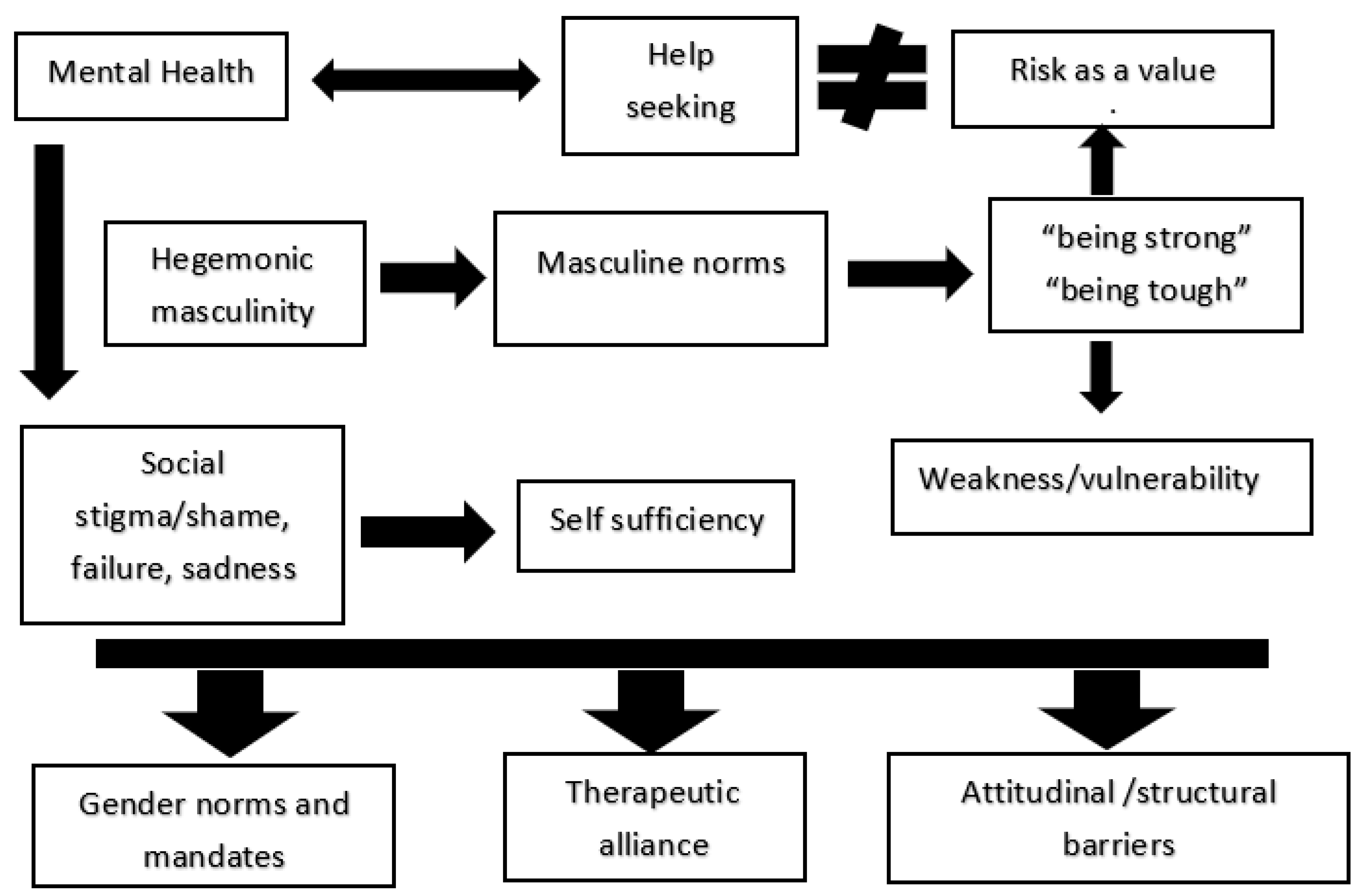
Figure 1. Main Factors associated with Mental Health in Men.
Preprints 192343 g001
Disclaimer/Publisher’s Note: The statements, opinions and data contained in all publications are solely those of the individual author(s) and contributor(s) and not of MDPI and/or the editor(s). MDPI and/or the editor(s) disclaim responsibility for any injury to people or property resulting from any ideas, methods, instructions or products referred to in the content.
Copyright: This open access article is published under a Creative Commons CC BY 4.0 license, which permit the free download, distribution, and reuse, provided that the author and preprint are cited in any reuse.
Prerpints.org logo

Preprints.org is a free preprint server supported by MDPI in Basel, Switzerland.

Subscribe

Disclaimer

Terms of Use

Privacy Policy

Privacy Settings

© 2026 MDPI (Basel, Switzerland) unless otherwise stated