

Submitted:
28 December 2025
Posted:
29 December 2025
You are already at the latest version
Abstract
Microplastics (MPs) are synthetic solid polymers (1µm – 5mm) which are non-biodegradable. The toxicological effects of MPs have been well investigated, but research on how these particles affect PBMCs leaves much to be explored. Different concentrations 0.5 µg/ml, 5 µg/ml, 50 µg/ml, 500 µg/ml of PEG and manually grinded natural MPs were exposed to PBMCs in RPMI medium for 24 hours. Cell viability assay, Neutral Red phagocytosis assay, Griess colorimetric assay, Nitroblue Tetrazolium test was done to examine the cytotoxic effect of MPs on PBMCs. The present study results indicated that both natural MPs and Polyethylene Glycol (PEG) significantly reduced cell viability in a concentration-dependent manner. At highest concentrations, Natural MPs induced phagocytic activity of PBMCs. These MPs may act as stimulants to increase phagocytic activity. Regarding oxidative stress, Natural MPs exposure with PBMCs showed a significant increase in ROS production, whereas PEG exposure didn’t induce notable ROS production. NO production levels remained unchanged in PBMCs after exposure to both PEG and Natural MPs, showing that under the tested conditions, neither treatment significantly influenced the NO-mediated inflammatory pathways. In summary, this present study showed that MPs exposure to humans can impair cell viability, induce phagocytosis and induce ROS production without altering the NO mediated inflammatory pathways.
Keywords:
1. Introduction
2. Methods
2.1. Source and Preparation of MPs
2.2. Preparation of PBMCs
2.3. PBMC Treatment with PEG and Natural MPs
2.4. Assessment of Cell Viability and Phagocytic Capacity
2.4.1. Neutral Red Uptake Assay
2.5. Griess Colorimetric Assay for Determination of Nitrite Levels
2.6. Determination of the LC50 /IC 50 Concentration
2.7. Statistical Analysis
3. Results
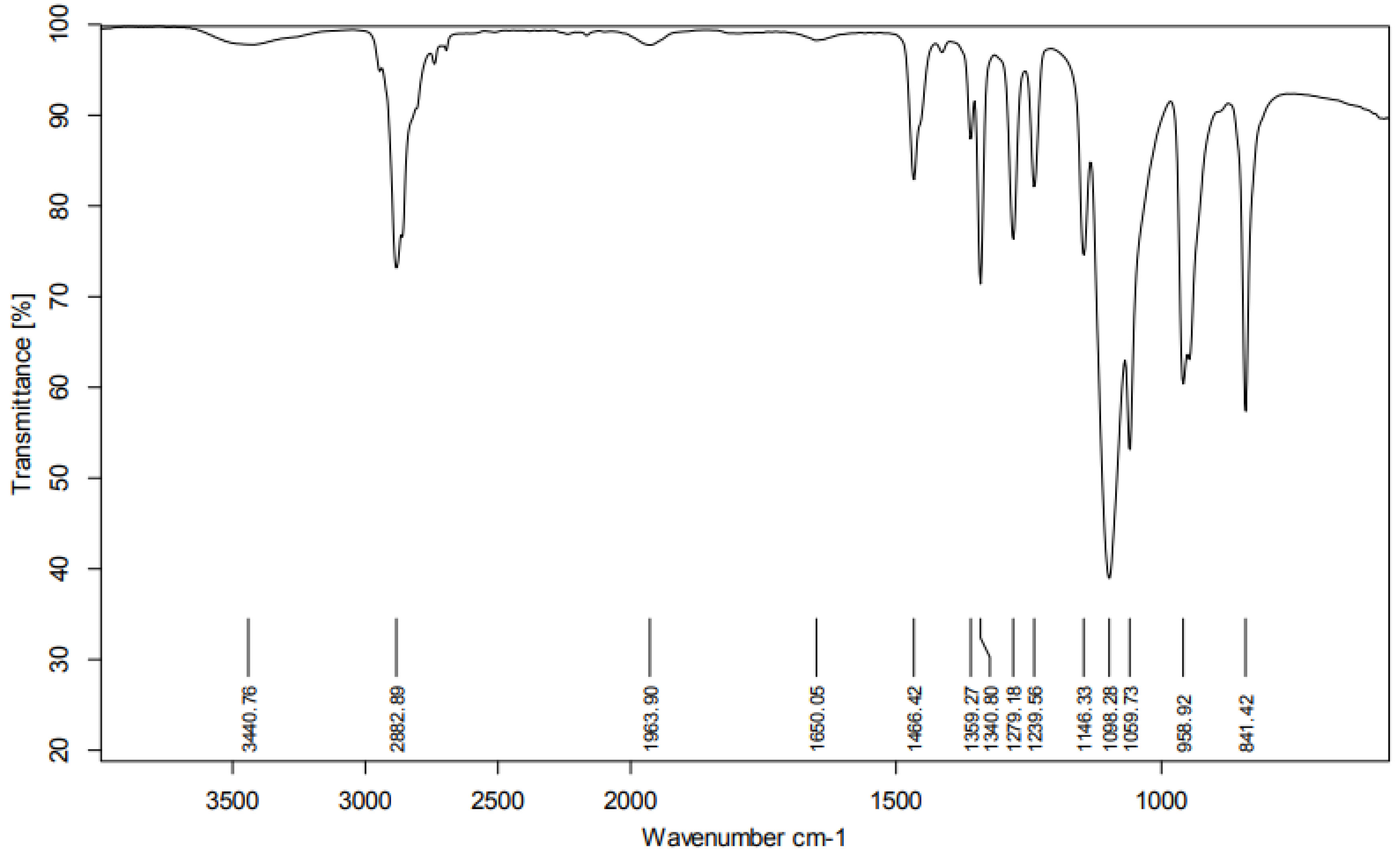
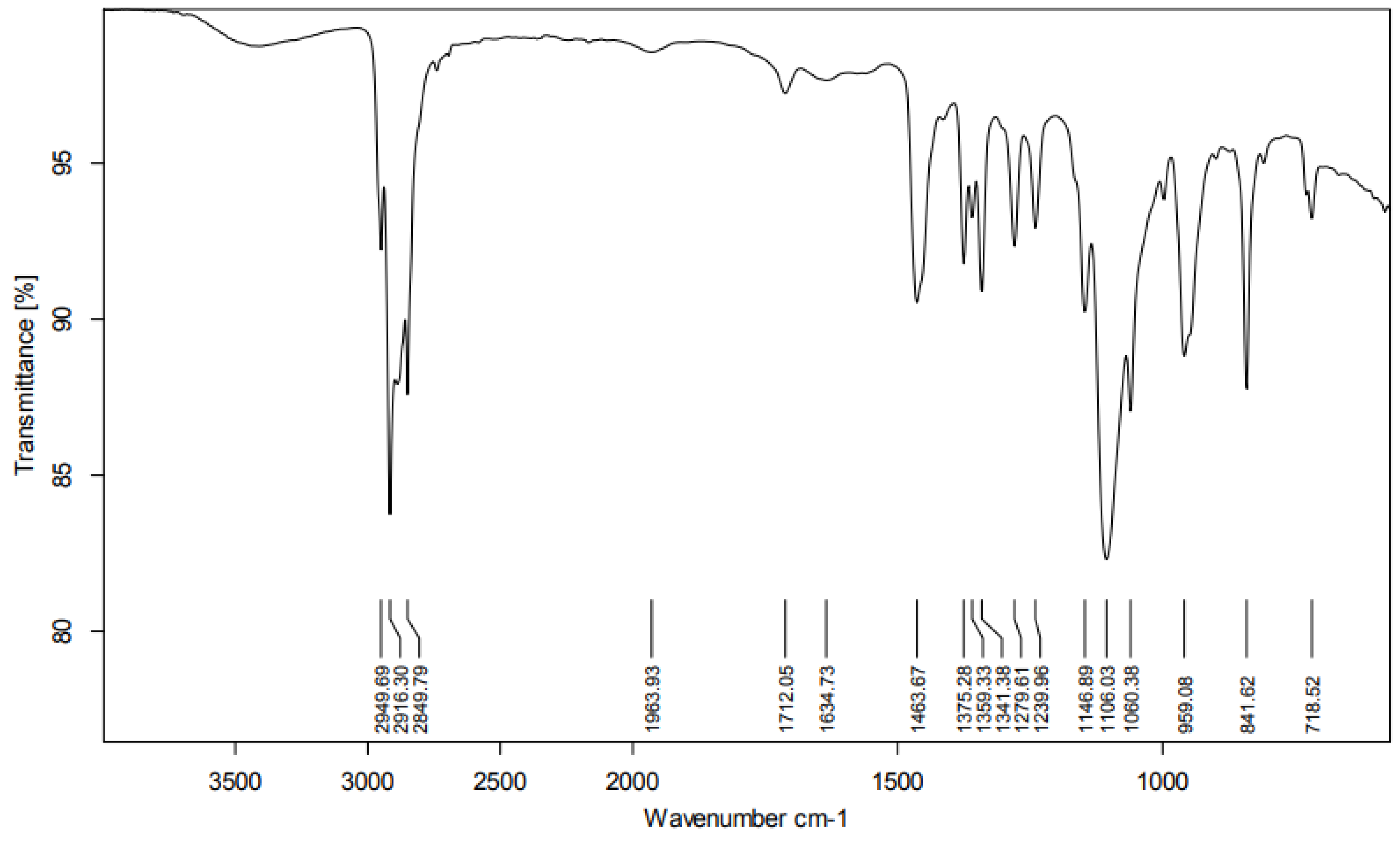
3.1. FTIR Spectrum Analysis
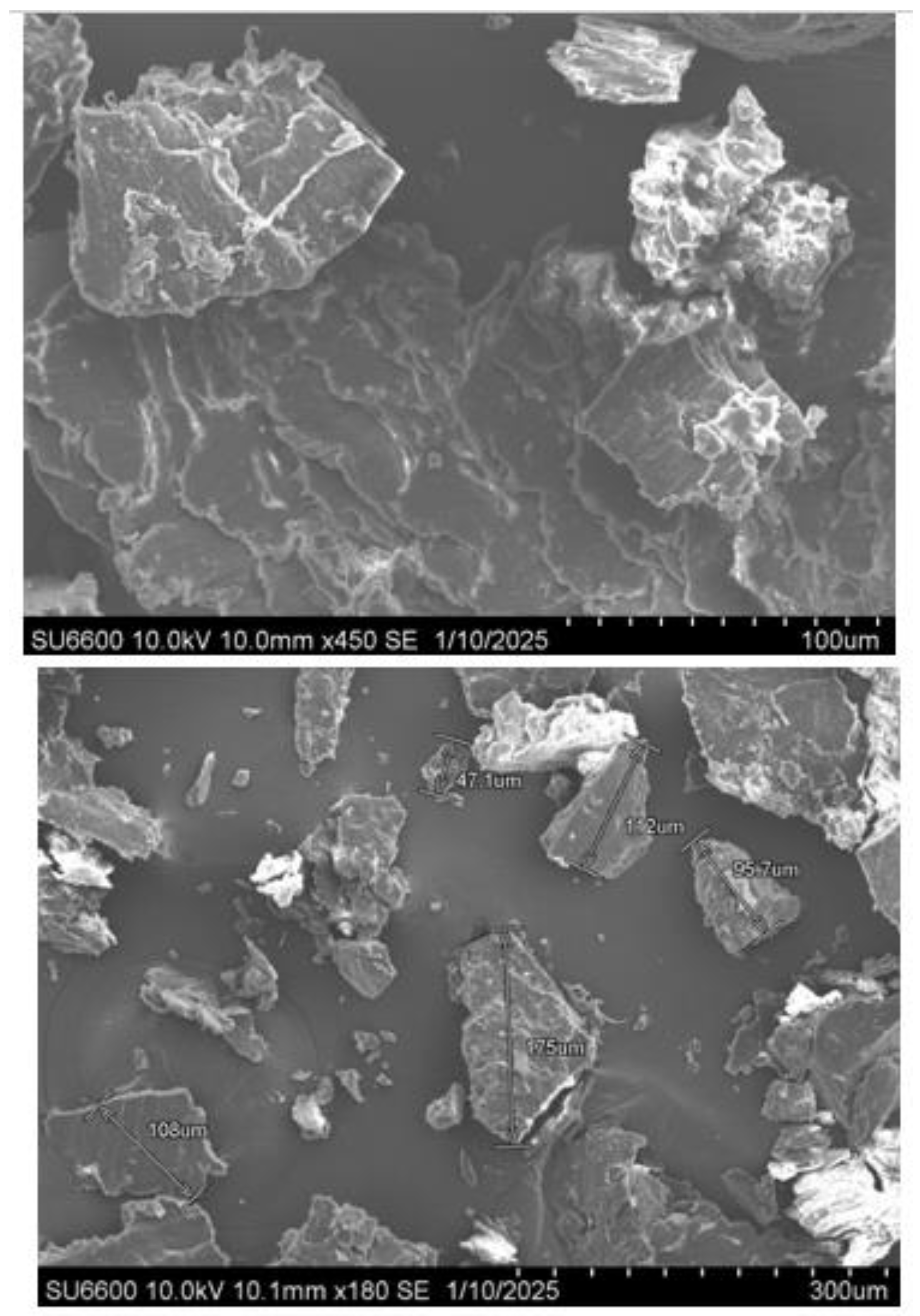
3.2. SEM Analysis of Natural MPs
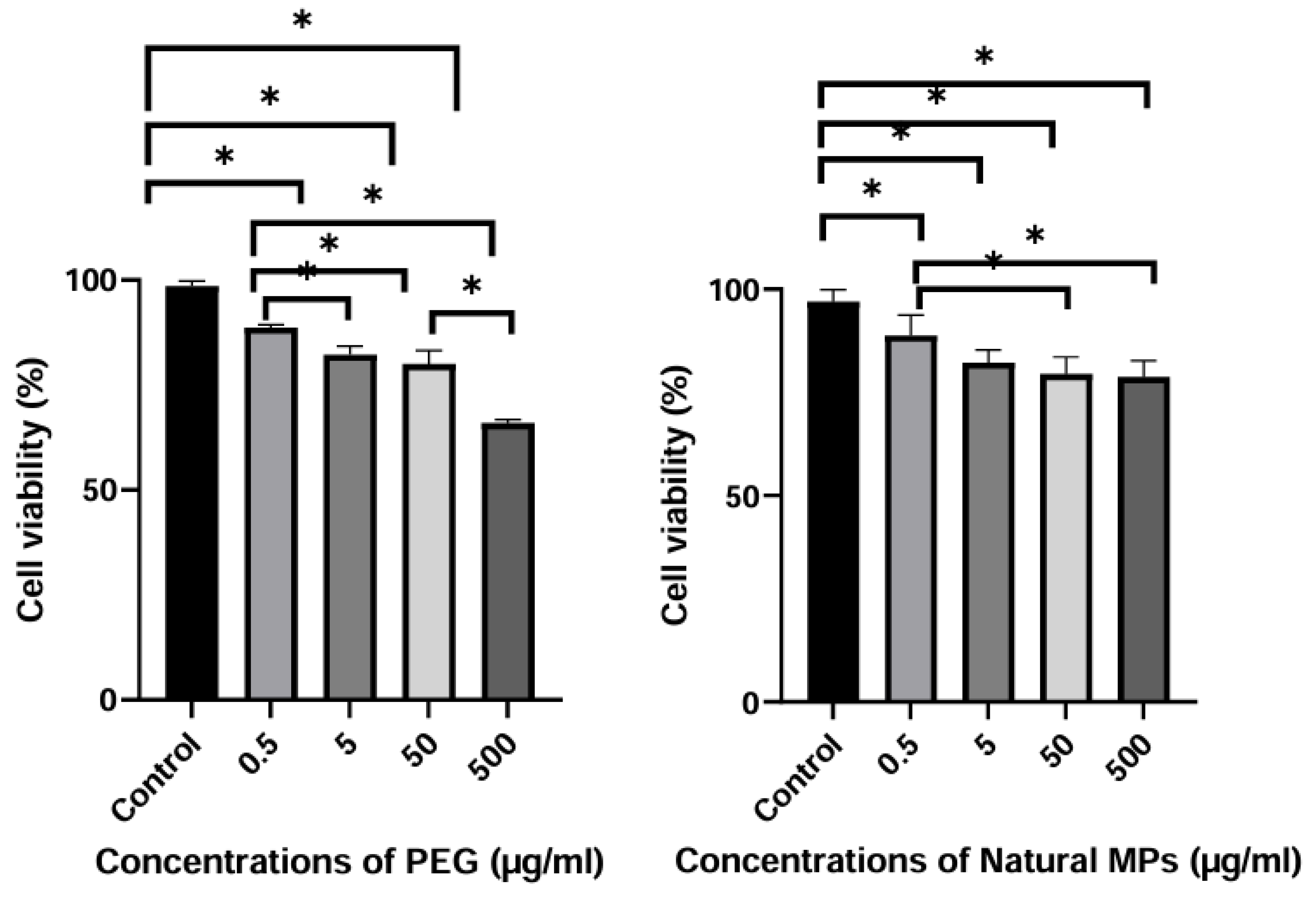
3.3. Cell Viability (%) of PBMCs Treated with Different Concentrations of PEG and Natural MPs
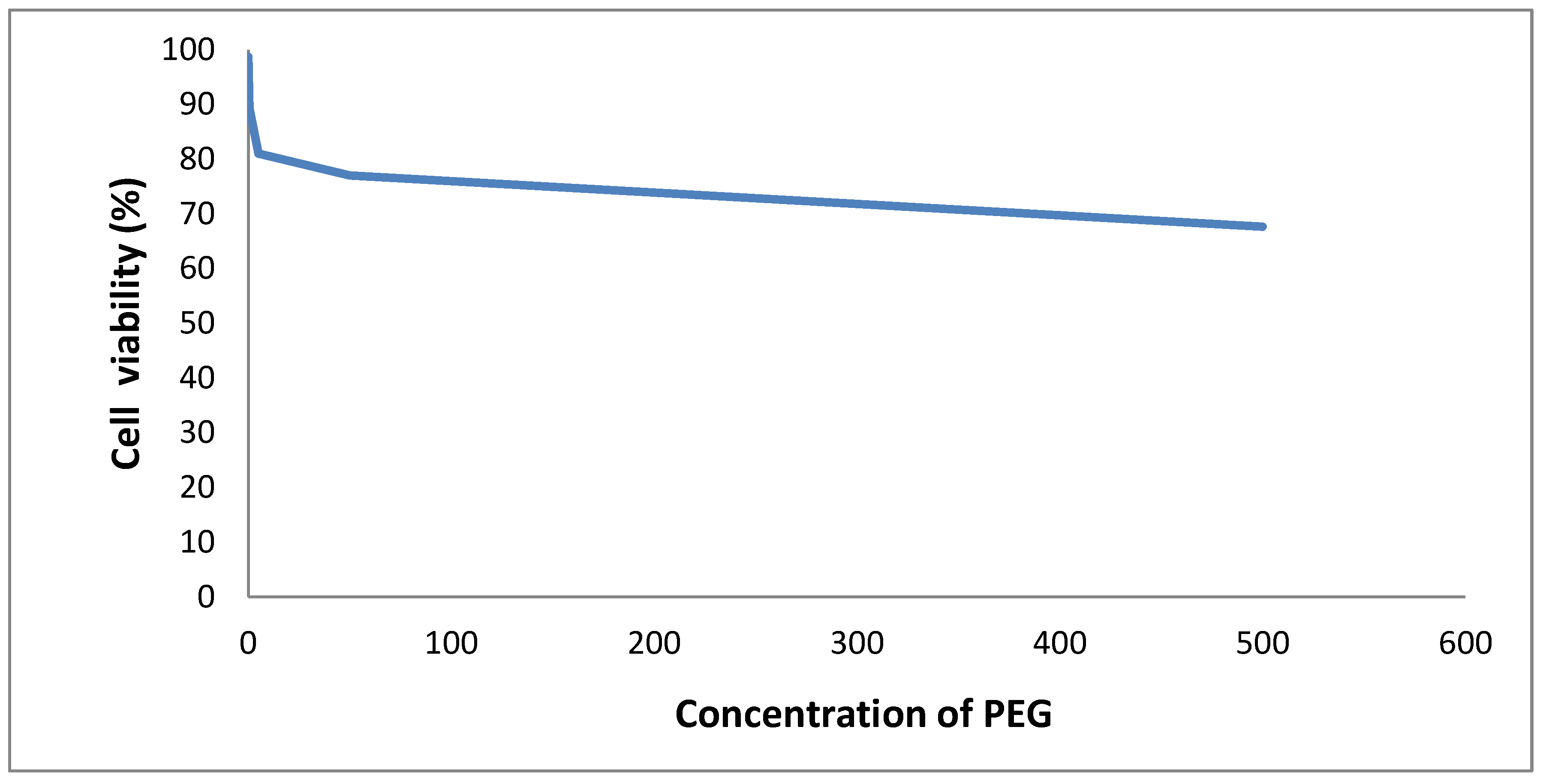
3.3.1. LC50 Assessment of PBMCs with Natural MPs and PEG
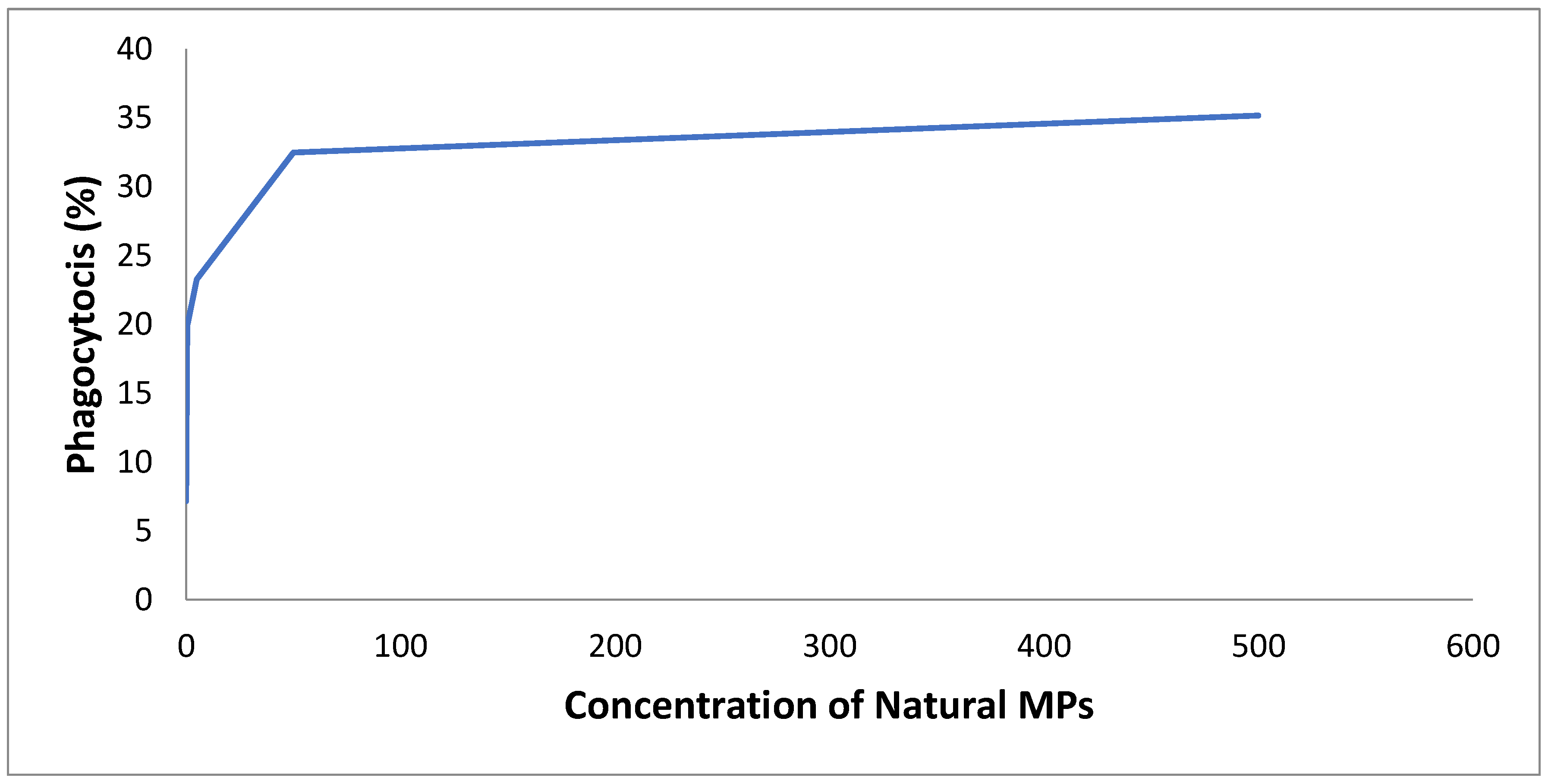
3.4. Comparison of Phagocytic Index (%) of PBMCs in PEG and Natural MPs Tested Groups and Control
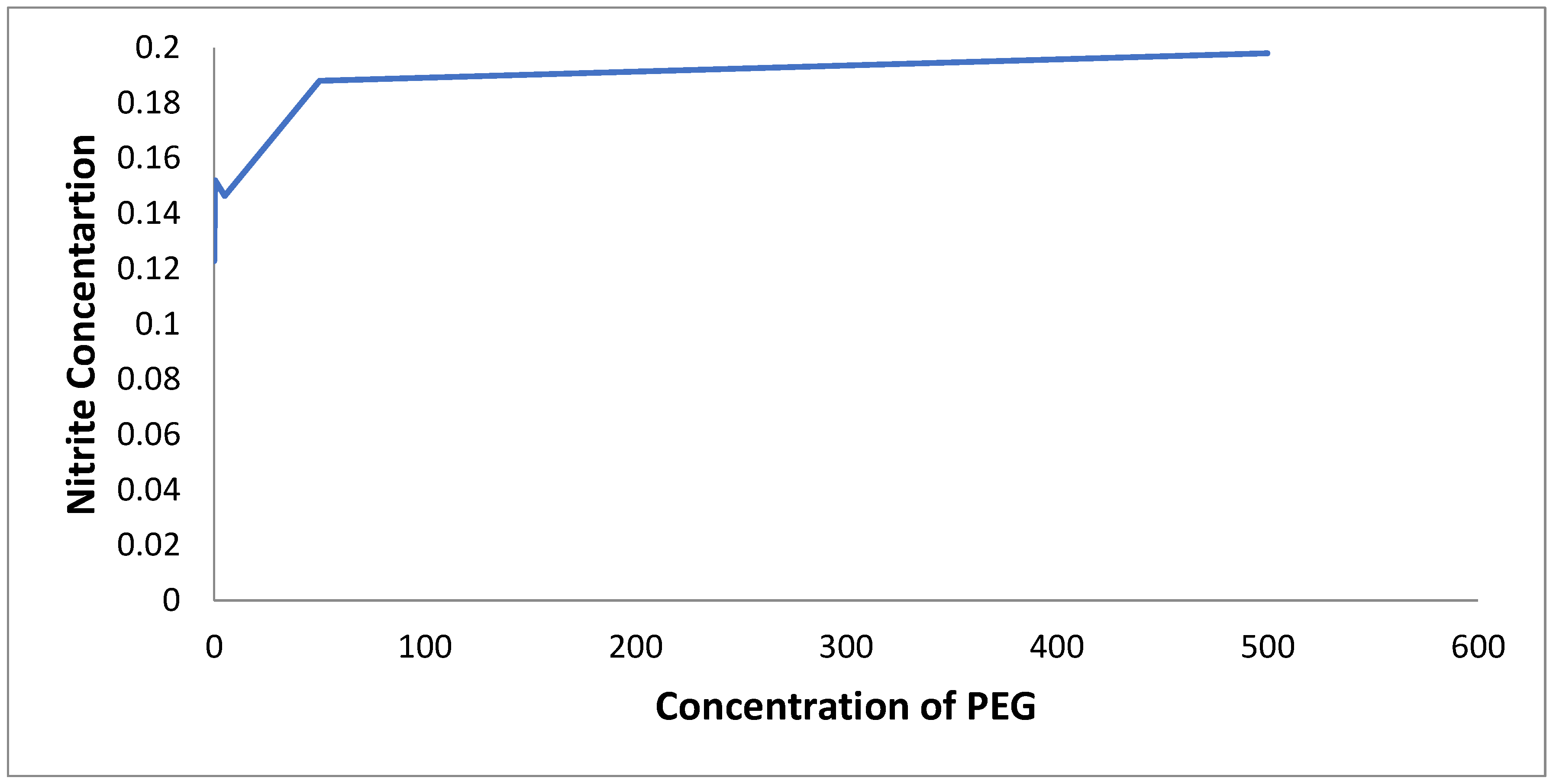
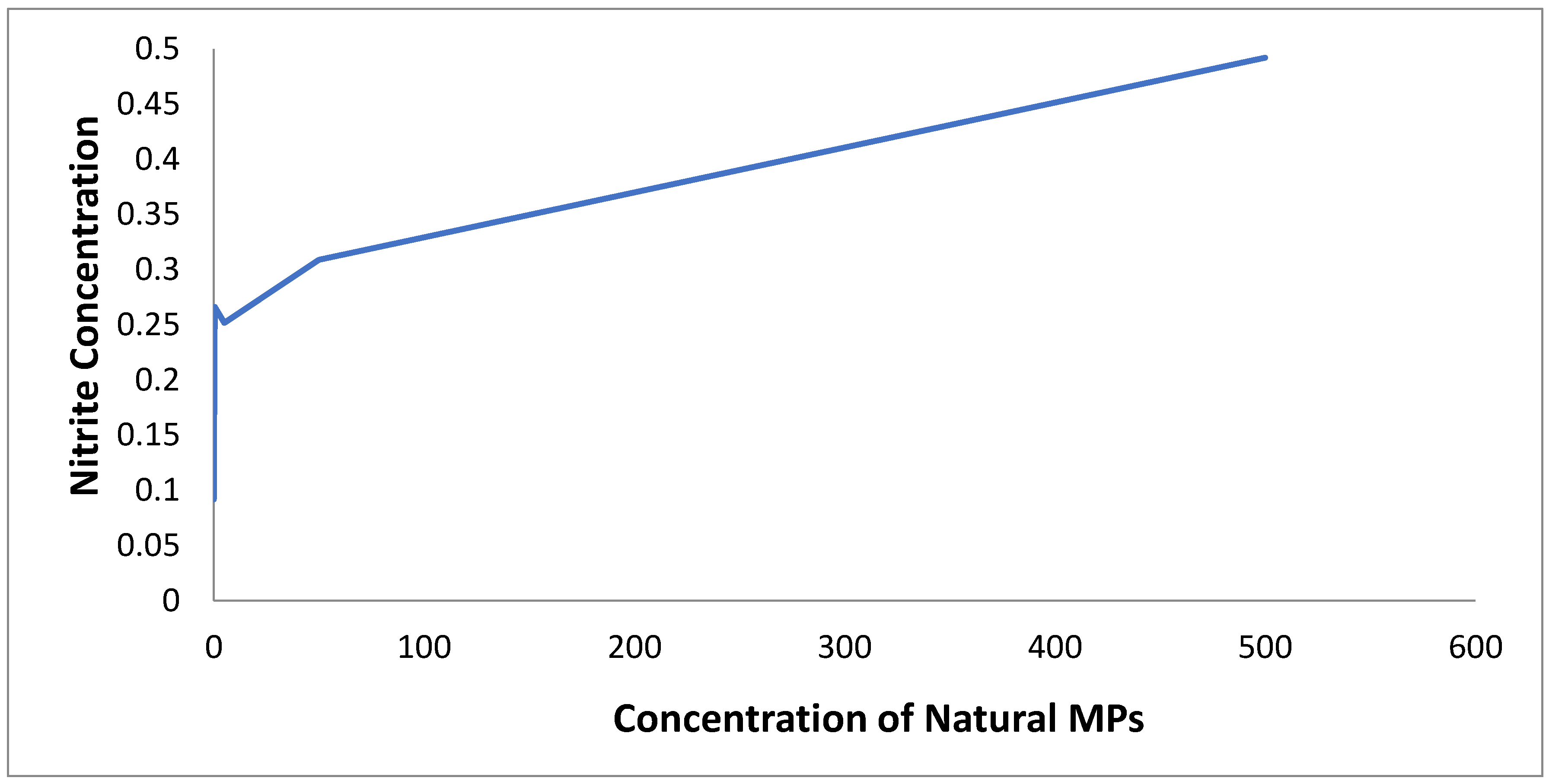
3.5. Comparison of Nitrite Level in PBMCs After Treatment with PEG Tested Groups and Control
3.6. Comparison of ROS Production in PBMCs Treated with PEG
3.7. Analysis of IC50 Values of Phagocytic Capacity, Nitrite Concentration in PBMCs Treated with PEG and Natural MPs
4. Discussion
5. Conclusion
Funding
Acknowledgments
Disclosure
References
- Abihssira-García, I. S., Park, Y., Kiron, V., & Olsvik, P. A. (2020). Fluorescent Microplastic Uptake by Immune Cells of Atlantic Salmon (Salmo salar L.). Frontiers in Environmental Science, 8, 560206. [CrossRef]
- Acarer Arat, S. (2024). An overview of microplastic in marine waters: Sources, abundance, characteristics and negative effects on various marine organisms. Desalination and Water Treatment, 317, 100138. [CrossRef]
- Agrawal, M., Vianello, A., Picker, M., Simon-Sánchez, L., Chen, R., Estevinho, M. M., Weinstein, K., Lykkemark, J., Jess, T., Peter, I., Colombel, J.-F., Allin, K. H., & Vollertsen, J. (2024). Micro- and nano-plastics, intestinal inflammation, and inflammatory bowel disease: A review of the literature. Science of The Total Environment, 953, 176228. [CrossRef]
- Andonian, M. R., Barrett, A. S., & Vinogradov, S. N. (1975). Physical properties and subunits of Haemopis grandis erythrocruorin. Biochimica Et Biophysica Acta, 412(2), Article 2. [CrossRef]
- Ashrafy, A., Liza, A. A., Islam, M. N., Billah, M. M., Arafat, S. T., Rahman, M. M., & Rahman, S. M. (2023). Microplastics Pollution: A Brief Review of Its Source and Abundance in Different Aquatic Ecosystems. Journal of Hazardous Materials Advances, 9, 100215. [CrossRef]
- Baroni, A., Buommino, E., De Gregorio, V., Ruocco, E., Ruocco, V., & Wolf, R. (2012). Structure and function of the epidermis related to barrier properties. Clinics in Dermatology, 30(3), Article 3. [CrossRef]
- Bouwstra, J., Pilgram, G., Gooris, G., Koerten, H., & Ponec, M. (2001). New Aspects of the Skin Barrier Organization. Skin Pharmacology and Physiology, 14(Suppl. 1), Article Suppl. 1. [CrossRef]
- Cox, K. D., Covernton, G. A., Davies, H. L., Dower, J. F., Juanes, F., & Dudas, S. E. (2019). Human Consumption of Microplastics. Environmental Science & Technology, 53(12), Article 12. [CrossRef]
- Domenech, J., Hernández, A., Rubio, L., Marcos, R., & Cortés, C. (2020). Interactions of polystyrene nanoplastics with in vitro models of the human intestinal barrier. Archives of Toxicology, 94(9), Article 9. [CrossRef]
- Dzierżyński, E., Gawlik, P. J., Puźniak, D., Flieger, W., Jóźwik, K., Teresiński, G., Forma, A., Wdowiak, P., Baj, J., & Flieger, J. (2024). Microplastics in the Human Body: Exposure, Detection, and Risk of Carcinogenesis: A State-of-the-Art Review. Cancers, 16(21), Article 21. [CrossRef]
- Emenike, E. C., Okorie, C. J., Ojeyemi, T., Egbemhenghe, A., Iwuozor, K. O., Saliu, O. D., Okoro, H. K., & Adeniyi, A. G. (2023). From oceans to dinner plates: The impact of microplastics on human health. Heliyon, 9(10), Article 10. [CrossRef]
- Fadare, O. O., & Okoffo, E. D. (2020). Covid-19 face masks: A potential source of microplastic fibers in the environment. Science of The Total Environment, 737, 140279. [CrossRef]
- Grattagliano, A., Grattagliano, Z., Manfra, L., Libralato, G., Biandolino, F., & Prato, E. (2025). An Overview on Microplastics Hazards to the Marine Ecosystem and Humans’ Health. Water, 17(7), Article 7. [CrossRef]
- Han, S., Bang, J., Choi, D., Hwang, J., Kim, T., Oh, Y., Hwang, Y., Choi, J., & Hong, J. (2020). Surface Pattern Analysis of Microplastics and Their Impact on Human-Derived Cells. ACS Applied Polymer Materials, 2(11), Article 11. [CrossRef]
- Haque, Md. K., Uddin, M., Kormoker, T., Ahmed, T., Zaman, Md. R. U., Rahman, M. S., Rahman, Md. A., Hossain, Md. Y., Rana, Md. M., & Tsang, Y. F. (2023). Occurrences, sources, fate and impacts of plastic on aquatic organisms and human health in global perspectives: What Bangladesh can do in future? Environmental Geochemistry and Health, 45(8), Article 8. [CrossRef]
- He, Y.-J., Qin, Y., Zhang, T.-L., Zhu, Y.-Y., Wang, Z.-J., Zhou, Z.-S., Xie, T.-Z., & Luo, X.-D. (2021). Migration of (non-) intentionally added substances and microplastics from microwavable plastic food containers. Journal of Hazardous Materials, 417, 126074. [CrossRef]
- Hendrickson, W. A., & Ward, K. B. (1975). Atomic models for the polypeptide backbones of myohemerythrin and hemerythrin. Biochemical and Biophysical Research Communications, 66(4), Article 4. [CrossRef]
- Hirt, N., & Body-Malapel, M. (2020). Immunotoxicity and intestinal effects of nano- and microplastics: A review of the literature. Particle and Fibre Toxicology, 17(1), Article 1. [CrossRef]
- Jeong, C.-B., Won, E.-J., Kang, H.-M., Lee, M.-C., Hwang, D.-S., Hwang, U.-K., Zhou, B., Souissi, S., Lee, S.-J., & Lee, J.-S. (2016). Microplastic Size-Dependent Toxicity, Oxidative Stress Induction, and p-JNK and p-p38 Activation in the Monogonont Rotifer ( Brachionus koreanus ). Environmental Science & Technology, 50(16), Article 16. [CrossRef]
- Kadac-Czapska, K., Ośko, J., Knez, E., & Grembecka, M. (2024). Microplastics and Oxidative Stress—Current Problems and Prospects. Antioxidants, 13(5), Article 5. [CrossRef]
- Khoaele, K. K., Gbadeyan, O. J., Chunilall, V., & Sithole, B. (2023). The Devastation of Waste Plastic on the Environment and Remediation Processes: A Critical Review. Sustainability, 15(6), Article 6. [CrossRef]
- Kumar, R., Manna, C., Padha, S., Verma, A., Sharma, P., Dhar, A., Ghosh, A., & Bhattacharya, P. (2022). Micro(nano)plastics pollution and human health: How plastics can induce carcinogenesis to humans? Chemosphere, 298, 134267. [CrossRef]
- Kumari, S., Mg, S., & Mayor, S. (2010). Endocytosis unplugged: Multiple ways to enter the cell. Cell Research, 20(3), Article 3. [CrossRef]
- Lee, D.-W., Jung, J., Park, S., Lee, Y., Kim, J., Han, C., Kim, H.-C., Lee, J. H., & Hong, Y.-C. (2024). Microplastic particles in human blood and their association with coagulation markers. Scientific Reports, 14(1), Article 1. [CrossRef]
- Lee, Y., Cho, J., Sohn, J., & Kim, C. (2023). Health Effects of Microplastic Exposures: Current Issues and Perspectives in South Korea. Yonsei Medical Journal, 64(5), Article 5. [CrossRef]
- Li, Y., Tao, L., Wang, Q., Wang, F., Li, G., & Song, M. (2023). Potential Health Impact of Microplastics: A Review of Environmental Distribution, Human Exposure, and Toxic Effects. Environment & Health, 1(4), Article 4. [CrossRef]
- Liu, G., Li, Y., Yang, L., Wei, Y., Wang, X., Wang, Z., & Tao, L. (2017). Cytotoxicity study of polyethylene glycol derivatives. RSC Advances, 7(30), Article 30. [CrossRef]
- Lu, K., Zhan, D., Fang, Y., Li, L., Chen, G., Chen, S., & Wang, L. (2022). Microplastics, potential threat to patients with lung diseases. Frontiers in Toxicology, 4, 958414. [CrossRef]
- Mahmud, F., Sarker, D. B., Jocelyn, J. A., & Sang, Q.-X. A. (2024). Molecular and Cellular Effects of Microplastics and Nanoplastics: Focus on Inflammation and Senescence. Cells, 13(21), Article 21. [CrossRef]
- Marcovici, I., Vlad, D., Buzatu, R., Popovici, R. A., Cosoroaba, R. M., Chioibas, R., Geamantan, A., & Dehelean, C. (2024). Rutin Linoleate Triggers Oxidative Stress-Mediated Cytoplasmic Vacuolation in Non-Small Cell Lung Cancer Cells. Life, 14(2), Article 2. [CrossRef]
- Moroi, K., & Sato, T. (1975). Comparison between procaine and isocarboxazid metabolism in vitro by a liver microsomal amidase-esterase. Biochemical Pharmacology, 24(16), Article 16. [CrossRef]
- Osman, A. I., Hosny, M., Eltaweil, A. S., Omar, S., Elgarahy, A. M., Farghali, M., Yap, P.-S., Wu, Y.-S., Nagandran, S., Batumalaie, K., Gopinath, S. C. B., John, O. D., Sekar, M., Saikia, T., Karunanithi, P., Hatta, M. H. M., & Akinyede, K. A. (2023). Microplastic sources, formation, toxicity and remediation: A review. Environmental Chemistry Letters, 21(4), Article 4. [CrossRef]
- Parolini, M., Stucchi, M., Ambrosini, R., & Romano, A. (2023). A global perspective on microplastic bioaccumulation in marine organisms. Ecological Indicators, 149, 110179. [CrossRef]
- Pham Le Khanh, H., Nemes, D., Rusznyák, Á., Ujhelyi, Z., Fehér, P., Fenyvesi, F., Váradi, J., Vecsernyés, M., & Bácskay, I. (2022). Comparative Investigation of Cellular Effects of Polyethylene Glycol (PEG) Derivatives. Polymers, 14(2), Article 2. [CrossRef]
- Pinsino, A., Russo, R., Bonaventura, R., Brunelli, A., Marcomini, A., & Matranga, V. (2015). Titanium dioxide nanoparticles stimulate sea urchin immune cell phagocytic activity involving TLR/p38 MAPK-mediated signalling pathway. Scientific Reports, 5(1), Article 1. [CrossRef]
- Ragusa, A., Lelli, V., Fanelli, G., Svelato, A., D’Avino, S., Gevi, F., Santacroce, C., Catalano, P., Rongioletti, M. C. A., De Luca, C., Gulotta, A., Rinalducci, S., & Timperio, A. M. (2022). Plastic and Placenta: Identification of Polyethylene Glycol (PEG) Compounds in the Human Placenta by HPLC-MS/MS System. International Journal of Molecular Sciences, 23(21), Article 21. [CrossRef]
- Ragusa, A., Notarstefano, V., Svelato, A., Belloni, A., Gioacchini, G., Blondeel, C., Zucchelli, E., De Luca, C., D’Avino, S., Gulotta, A., Carnevali, O., & Giorgini, E. (2022). Raman Microspectroscopy Detection and Characterisation of Microplastics in Human Breastmilk. Polymers, 14(13), Article 13. [CrossRef]
- Rajendran, D., & Chandrasekaran, N. (2023). Journey of micronanoplastics with blood components. RSC Advances, 13(45), Article 45. [CrossRef]
- Ramsperger, A. F. R. M., Narayana, V. K. B., Gross, W., Mohanraj, J., Thelakkat, M., Greiner, A., Schmalz, H., Kress, H., & Laforsch, C. (2020). Environmental exposure enhances the internalization of microplastic particles into cells. Science Advances, 6(50), Article 50. [CrossRef]
- Rivolta, I., Panariti, & Miserocchi. (2012). The effect of nanoparticle uptake on cellular behavior: Disrupting or enabling functions? Nanotechnology, Science and Applications, 87. [CrossRef]
- Roslan, N. S., Lee, Y. Y., Ibrahim, Y. S., Tuan Anuar, S., Yusof, K. M. K. K., Lai, L. A., & Brentnall, T. (2024). Detection of microplastics in human tissues and organs: A scoping review. Journal of Global Health, 14, 04179. [CrossRef]
- Stein, J. M. (1975). The effect of adrenaline and of alpha- and beta-adrenergic blocking agents on ATP concentration and on incorporation of 32Pi into ATP in rat fat cells. Biochemical Pharmacology, 24(18), Article 18. [CrossRef]
- Thushari, G. G. N., & Senevirathna, J. D. M. (2020). Plastic pollution in the marine environment. Heliyon, 6(8), Article 8. [CrossRef]
- Tran, D. Q., Stelflug, N., Hall, A., Nallan Chakravarthula, T., & Alves, N. J. (2022). Microplastic Effects on Thrombin–Fibrinogen Clotting Dynamics Measured via Turbidity and Thromboelastography. Biomolecules, 12(12), Article 12. [CrossRef]
- Unuofin, J. O., & Igwaran, A. (2023). Microplastics in seafood: Implications for food security, safety, and human health. Journal of Sea Research, 194, 102410. [CrossRef]
- V. L. Leonard, S., Liddle, C. R., Atherall, C. A., Chapman, E., Watkins, M., D. J. Calaminus, S., & Rotchell, J. M. (2024). Microplastics in human blood: Polymer types, concentrations and characterisation using μFTIR. Environment International, 188, 108751. [CrossRef]
- Visalli, G., Laganà, A., Facciolà, A., Iaconis, A., Curcio, J., Pollino, S., Celesti, C., Scalese, S., Libertino, S., Iannazzo, D., & Di Pietro, A. (2023). Enhancement of biological effects of oxidised nano- and microplastics in human professional phagocytes. Environmental Toxicology and Pharmacology, 99, 104086. [CrossRef]
- Weis, J. S., & Alava, J. J. (2023). (Micro)Plastics Are Toxic Pollutants. Toxics, 11(11), Article 11. [CrossRef]
- Yahaya, T. O., Ibrahim, A. B., Kalgo, A. S., Adewale, M. K., Emmanuela, C. C., Abdulkadir, B., Fari, A. Z., Attahiru, A. K., Saadatu, A., & Wanda, J. D. (2024). Microplastics exposure altered hematological and lipid profiles as well as liver and kidney function parameters in albino rats (Rattus norvegicus). Environmental Analysis Health and Toxicology, 39(2), Article 2. [CrossRef]
- Yee, M. S.-L., Hii, L.-W., Looi, C. K., Lim, W.-M., Wong, S.-F., Kok, Y.-Y., Tan, B.-K., Wong, C.-Y., & Leong, C.-O. (2021). Impact of Microplastics and Nanoplastics on Human Health. Nanomaterials, 11(2), Article 2. [CrossRef]
- Yin, K., Wang, D., Zhang, Y., Lu, H., Hou, L., Guo, T., Zhao, H., & Xing, M. (2023). Polystyrene microplastics promote liver inflammation by inducing the formation of macrophages extracellular traps. Journal of Hazardous Materials, 452, 131236. [CrossRef]
- Ziani, K., Ioniță-Mîndrican, C.-B., Mititelu, M., Neacșu, S. M., Negrei, C., Moroșan, E., Drăgănescu, D., & Preda, O.-T. (2023). Microplastics: A Real Global Threat for Environment and Food Safety: A State of the Art Review. Nutrients, 15(3), Article 3. [CrossRef]
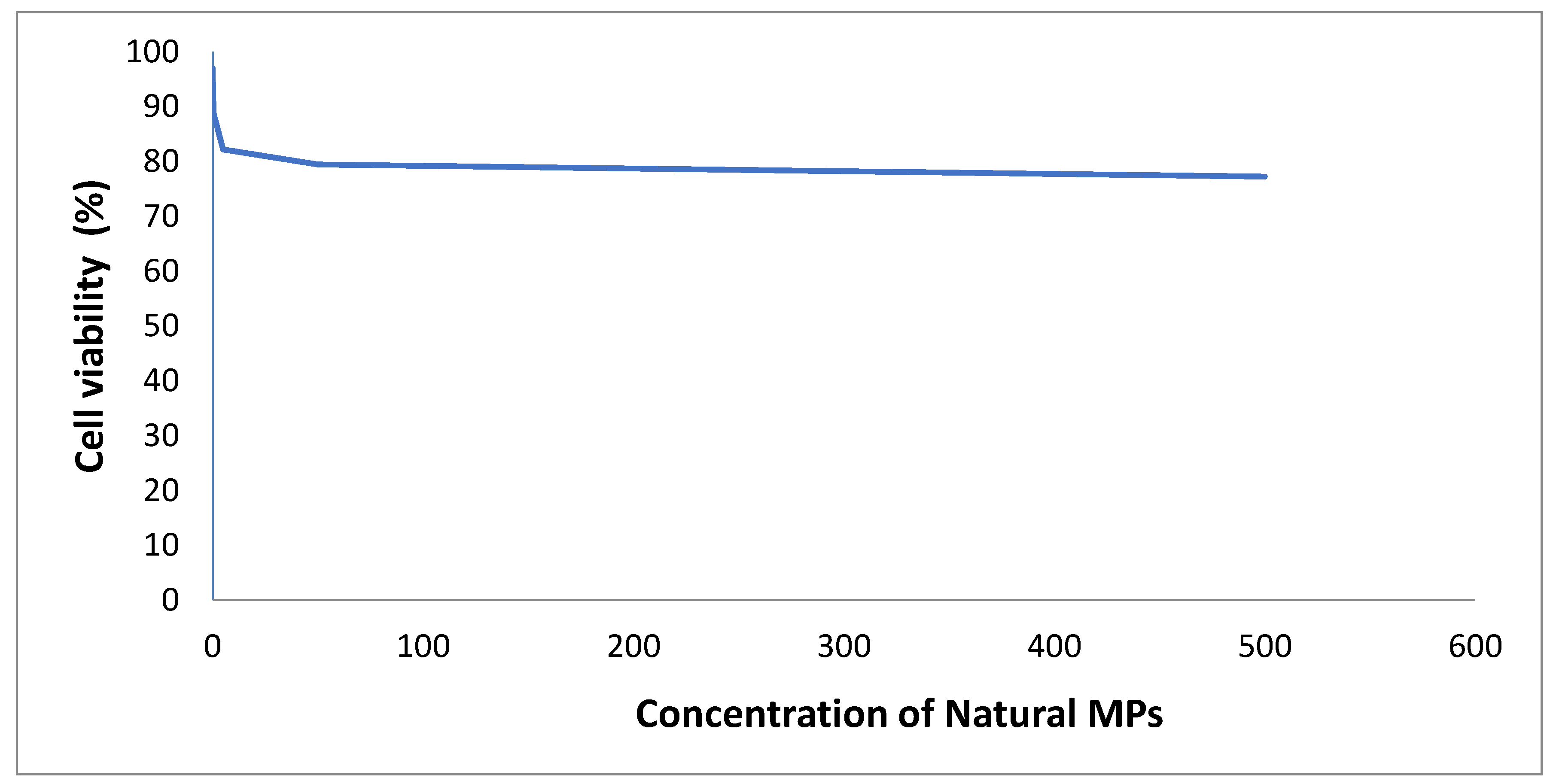
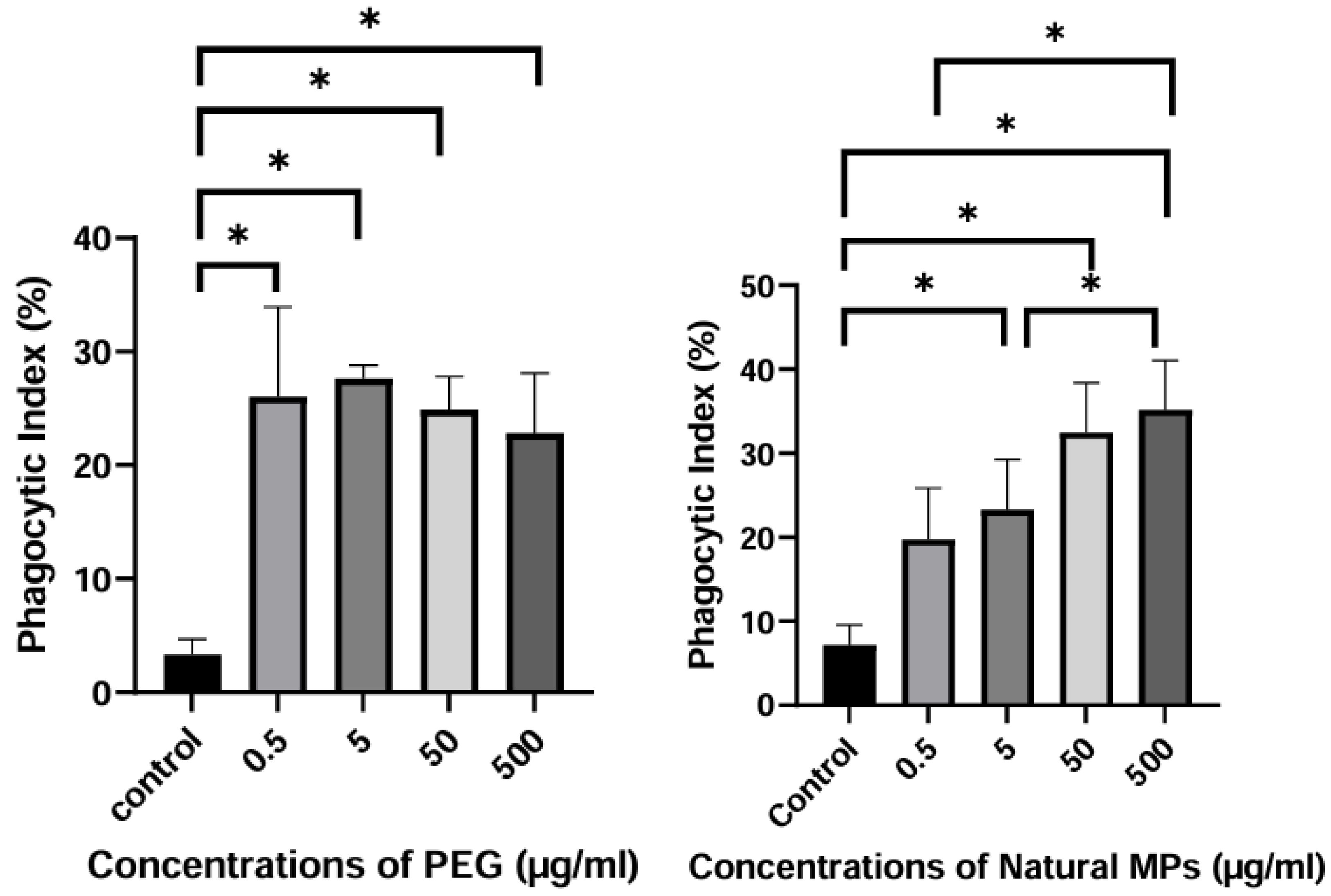
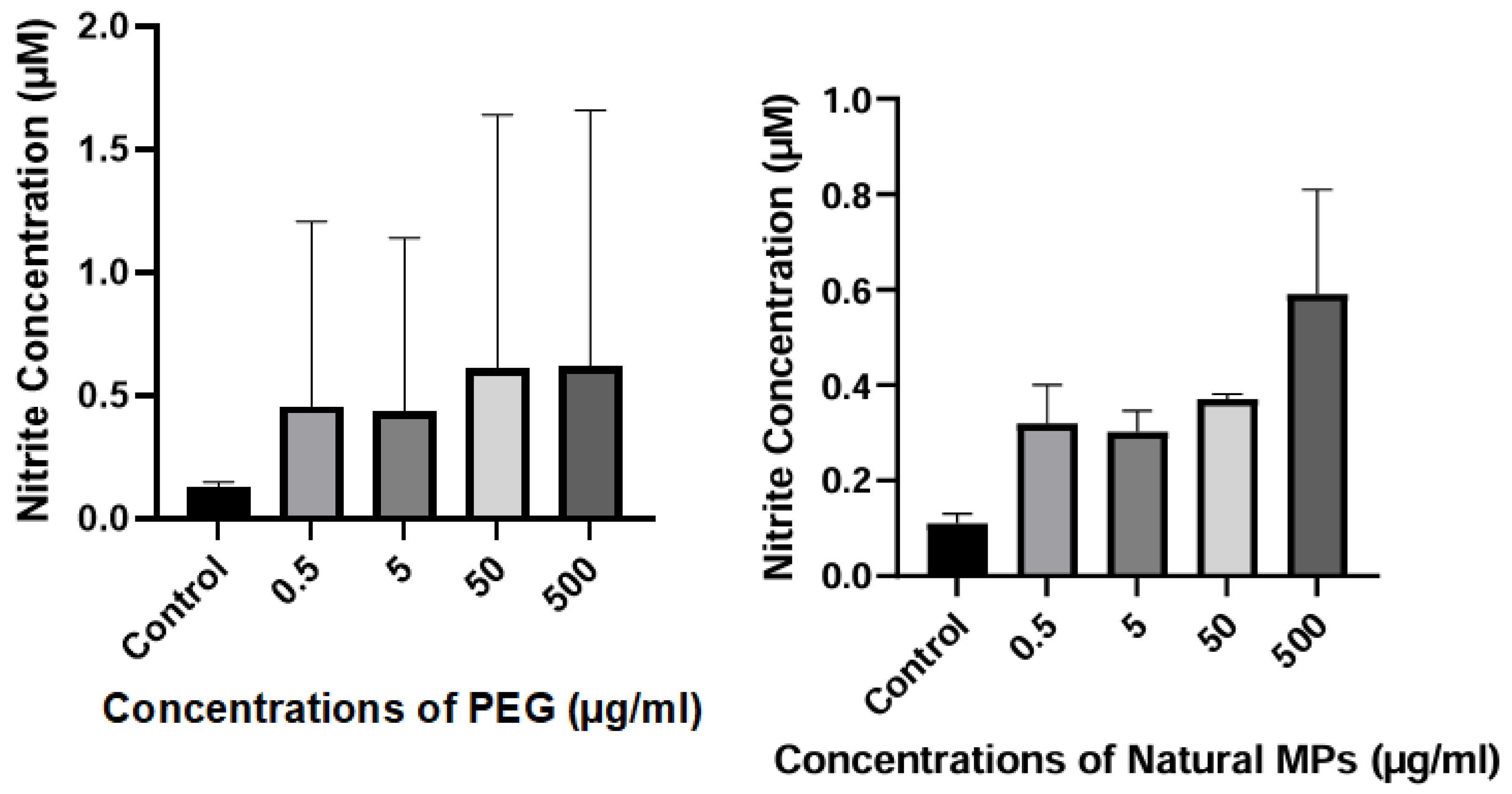
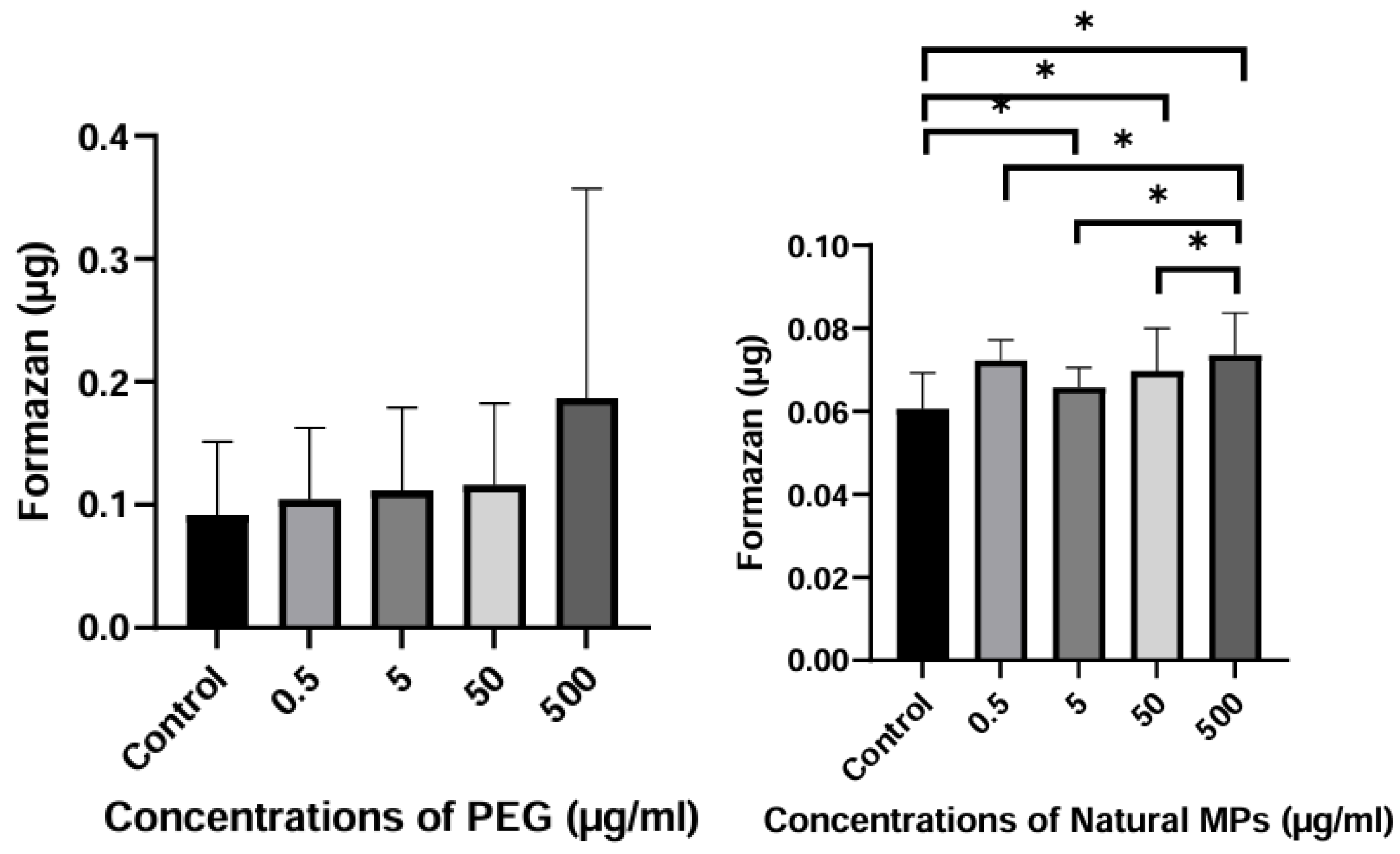

| Concentration (µg/ml) | N | Cell Viability (%) | |||
| PEG | Natural MPs | ||||
| Mean ± SD | SE | Mean ± SD | SE | ||
| Control | 6 | 98.67 ± 1.13 | 0.46 | 96.96 ± 2.90 | 1.18 |
| 0.5 | 6 | 88.68 ± 0.68 | 0.28 | 89.14 ± 4.79 | 1.96 |
| 5 | 6 | 82.25 ± 2.07 | 0.84 | 82.19 ± 3.13 | 1.28 |
| 50 | 6 | 80.07 ± 3.15 | 1.29 | 79.44 ± 4.08 | 1.67 |
| 500 | 6 | 65.95 ± 0.88 | 0.36 | 77.25 ± 5.61 | 2.30 |
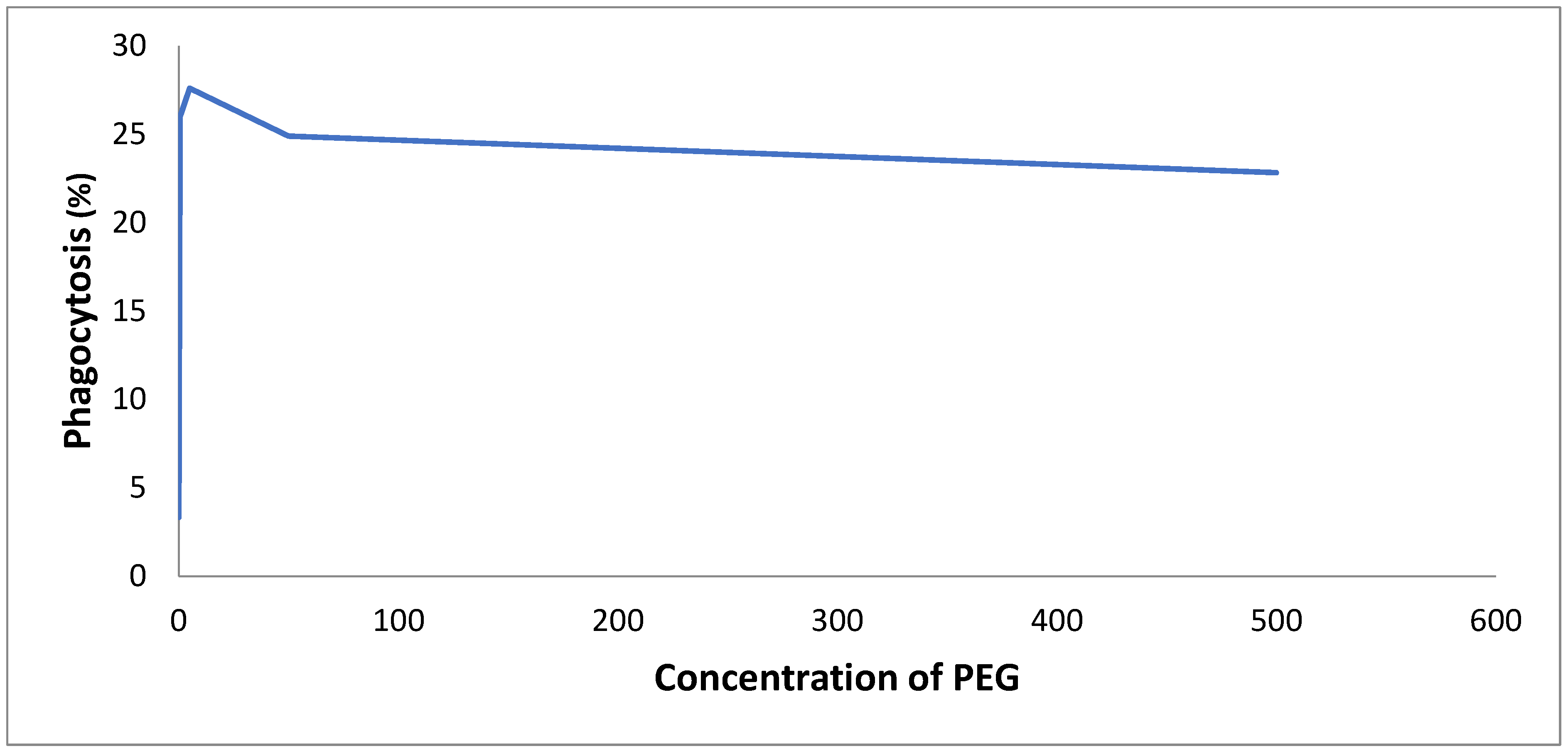
| Concentration (μg/ml) | N | Phagocytic index (%) | |||
| PEG | Natural MPs | ||||
| Mean ± SD | SE | Mean ± SD | SE | ||
| Control | 6 | 3.33 ± 1.37 | 0.56 | 7.17 ± 2.40 | 0.98 |
| 0.5 | 6 | 26.03 ± 7.89 | 3.22 | 19.78 ± 6.09 | 2.49 |
| 5 | 6 | 27.60 ± 1.21 | 0.50 | 23.28 ± 5.98 | 2.44 |
| 50 | 6 | 24.88 ± 2.88 | 1.18 | 32.44 ± 5.88 | 2.40 |
| 500 | 6 | 22.83 ± 5.23 | 2.14 | 35.17 ± 5.91 | 2.41 |
| Concentration (µg/ml) | N | Nitrite concentration (µM) | |||
| PEG | Natural MPs | ||||
| Mean ± SD | SE | Mean ± SD | SE | ||
| Control | 6 | 2.21 ± 2.25 | 0.92 | 1.22 ± 0.73 | 0.30 |
| 0.5 | 6 | 1.80 ± 0.27 | 0.11 | 2.20 ± 0.41 | 0.17 |
| 5 | 6 | 1.80 ± 0.38 | 0.15 | 1.83 ± 0.48 | 0.20 |
| 50 | 6 | 2.16 ± 0.68 | 0.28 | 2.10 ± 0.92 | 0.38 |
| 500 | 6 | 3.03 ± 0.30 | 0.12 | 2.30 ± 0.84 | 0.34 |
| Concentration (µg/ml) | N | ROS production (µg) | |||
| PEG | Natural MPs | ||||
| Mean ± SD | SE | Mean ± SD | SE | ||
| Control | 6 | 2.16 ± 0.08 | 0.04 | 1.97 ± 0.34 | 0.15 |
| 0.5 | 6 | 2.68 ± 0.30 | 0.13 | 5.67 ± 1.40 | 0.63 |
| 5 | 6 | 2.58 ± 0.07 | 0.03 | 5.32 ± 0.75 | 0.34 |
| 50 | 6 | 3.31± 0.70 | 0.31 | 6.51 ± 0.22 | 0.10 |
| 500 | 6 | 3.49 ± 1.98 | 0.88 | 10.42 ± 3.85 | 1.72 |
Disclaimer/Publisher’s Note: The statements, opinions and data contained in all publications are solely those of the individual author(s) and contributor(s) and not of MDPI and/or the editor(s). MDPI and/or the editor(s) disclaim responsibility for any injury to people or property resulting from any ideas, methods, instructions or products referred to in the content. |
© 2026 by the authors. Licensee MDPI, Basel, Switzerland. This article is an open access article distributed under the terms and conditions of the Creative Commons Attribution (CC BY) license.


