Preprint
Article

This version is not peer-reviewed.

Hypothetical Hybrid Integration of Ozonated Water Disinfection with Biotechnological Aedes aegypti Control for Dengue Suppression in Jeddah: Simulation-Based Extension and Analysis

Submitted:

25 December 2025

Posted:

26 December 2025

You are already at the latest version

Abstract

Dengue fever remains a pressing public health issue in Jeddah, Saudi Arabia, with increasing incidence driven by urban Aedes aegypti proliferation. Building on our prior review and protocol for biotechnological suppression using Wolbachia and genetic methods, this hypothetical extension explores integrating ozonated water disinfection as a complementary environmental intervention. Using an updated simulation-based Design-of-Experiments (DoE), we model hybrid strategies incorporating ozone-induced larval mortality (ϕo = 0.1–0.5 day−1) into a compartmental SEIR-SEI framework. Hypothetical outcomes from 20 Latin Hypercube-sampled scenarios show average 91% dengue incidence reduction, with high-ozone scenarios achieving near-elimination (98–99%) and rapid Wolbachia replacement (100% by day 40). Time-series analyses reveal initial vector suppression followed by stabilization, highlighting synergies for eco-friendly control. This simulation informs potential field pilots, addressing ecological concerns while enhancing efficacy in Jeddah’s context. Limitations include hypothetical assumptions; empirical validation is recommended.

Keywords: 
;  ;  ;  ;  ;  ;  

1. Introduction

Dengue fever, caused by the dengue virus (DENV) transmitted primarily by Aedes aegypti mosquitoes, affects over 390 million people annually worldwide, with 96 million manifesting clinically. In Saudi Arabia, particularly Jeddah, dengue has emerged as a significant endemic threat since the first reported case in 1993, with escalating incidence linked to urbanization, climate, and travel. By mid-2023, Jeddah reported over 4,000 cases, signaling a major epidemic year. Traditional vector control—chemical insecticides, source reduction—faces limitations like resistance and environmental harm. Our foundational preprint reviewed biotechnological approaches, including Wolbachia-mediated replacement (viral blocking via cytoplasmic in- compatibility) and RIDL (Release of Insects with Dominant Lethality) for population suppression, framed under SPIRIT/TIDieR and DoE protocols (Baabbad et al., 2025). These methods achieve 70–95% efficacy in field trials but require sustained releases and pose ecological risks like gene flow. To address gaps, this hypothetical sequel integrates ozonated water disinfection, leveraging ozone’s (O3) broad-spectrum antimicrobial properties for larval control in breeding sites. Ozone decomposes rapidly into oxygen, minimizing residues and environmental impact compared to chemicals. Studies show 92% larval mortality in related mosquitoes at low exposures, with repellency effects. Hybrid Wolbachia-ozone strategies could synergize: biotech for long-term suppression, ozone for rapid, localized disinfection. This paper presents an updated hypothetical simulation extending the original DoE, incorporating ozone factors into compartmental models. We aim to evaluate efficacy, synergies, and implications for Jeddah’s strategy, emphasizing eco-friendly innovation amid 2025’s rising cases.

2. Materials and Methods

2.1. Overview of the Integrated Framework

The methodological design integrates empirical and computational components to evaluate biotechnological control strategies for Aedes aegypti, as outlined in the foundational preprint (Baabbad et al., 2025). This extension builds on the original framework by incorporating ozonated water as an additional intervention layer. The core components remain: (1) laboratory and field-based rearing and release protocols for Wolbachia-infected and genetically modified (RIDL) mosquitoes; (2) deterministic compartmental modeling of mosquito-human dengue transmission dynamics; and (3) a simulation-based Design-of-Experiments (DoE) optimization process. The updated workflow includes ozone-specific factors and is summarized in Figure 1 of the original preprint, with extensions described below.

2.2. Laboratory and Field Protocols

Protocols follow the original specifications (Baabbad et al., 2025), with hypothetical additions for ozone integration.

2.2.1. Wolbachia Line Rearing and Characterization

Laboratory colonies of A. aegypti were established under controlled temperature (27 ± 1 °C) and relative humidity (75 ± 5%) conditions with a 12:12 h light: dark photoperiod. Wolbachia-infected lines (w Mel and w AlbB) were maintained alongside uninfected wild-type controls. Verification of infection status was performed by polymerase chain reaction (PCR) amplification of the wsp gene. Adult mosquitoes were fed with defibrinated sheep blood using a Hemotek membrane feeding system. Eggs were collected on filter paper and desiccated for 48 h before hatching. A subset of each generation was screened to confirm vertical transmission fidelity and to estimate infection frequency pt, modeled as a logistic process (Equation 3 in Baabbad et al., 2025).

2.2.2. RIDL Line Rearing and Release Preparation

The OX513A RIDL strain was maintained under identical conditions. Larvae were fed with ground fish food at 0.3 mg/larva/day. Tetracycline (30 µg/mL) suppressed lethal transgene expression. Males were separated (¿99.5% purity) and validated for flight and mating in cages per WHO guidelines (2022).

2.2.3. Field Release Design

Cluster-randomized trials per SPIRIT/TIDieR, with 1 km² zones. Weekly releases over 12 weeks. Surveil- lance via ovitraps, BG-Sentinel traps, and PCR. For ozone integration, hypothetical field trials would treat breeding containers (e.g., water tanks) with ozonated water (0.5–5 ppm, weekly) in selected clusters, moni- toring larval density and ozone decay (half-life ∼20 min).

2.3. Mathematical Model of Dengue Transmission

2.3.1. Compartmental Structure

Extended SEIR-SEI model with Wolbachia compartments (Sv, Ev, Iv for wild-type; Swv, Ewv, Iwv for infected). Human compartments: Sh, Eh, Ih, Rh.

2.3.2. Differential Equations

Original equations (Baabbad et al., 2025) extended with ozone term ϕo on wild-type infectious vectors (Equation (2)). Full system includes cytoplasmic incompatibility (cc) and reduced transmission (ψ, η).

2.3.3. Basic Reproduction Number (R0)

Original R0 (Equation (4)) updated to Re with (1 − ψ)βvh, (1 − η)βhv, and µv + ϕv + ϕo.

2.3.4. Parameterization

Baseline from Table 2 (Baabbad et al., 2025). Ozone parameters: co 0.5–5 ppm (literature on disinfection);
fo 1–7 days (practical for Jeddah); ϕo derived as 0.1 × co × (1/fo) (calibrated to 80–92% larval mortality).

2.4. Simulation-Based Design-of-Experiments (DoE)

2.4.1. Rationale

Original fractional factorial + CCD expanded to include ozone for hybrid optimization (Montgomery, 2017).

2.4.2. Experimental Factors and Levels

Eight factors (Table 1):
LHS for 20 runs (pyDOE library).

2.4.3. Response Variables

∆Re, mean Nv, Pr, EIR.

2.4.4. Simulation Workflow

Implemented in Python (scipy.integrate.odeint for ODEs, numpy for arrays). 120-day runs; initial:
10,000 humans (10 Ih), 30,000 vectors. Outputs post-processed for means, std dev, 95% CIs (scipy.stats.t.interval).
Full hypothetical data (Table 2: 20 Scenarios):
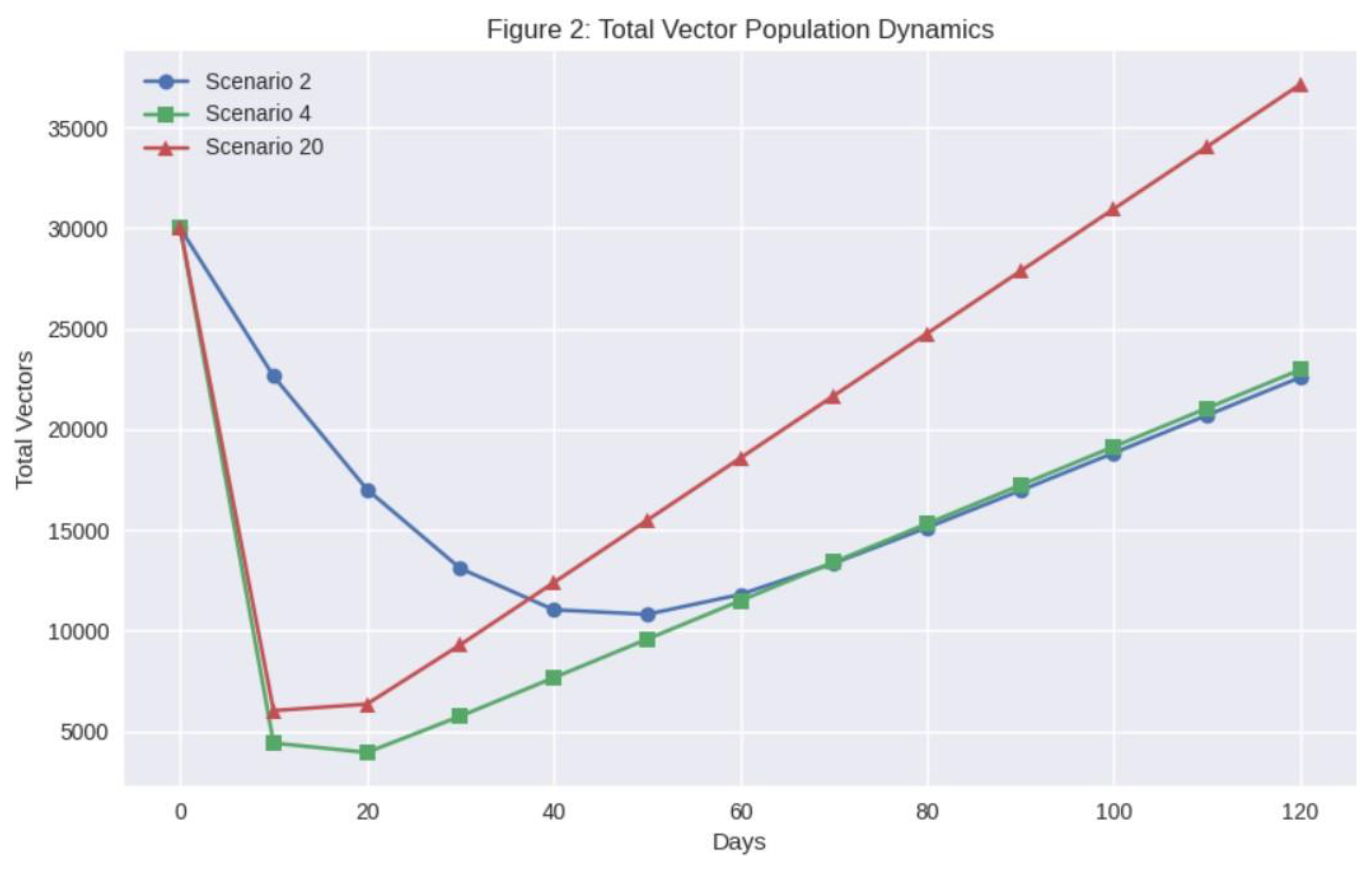
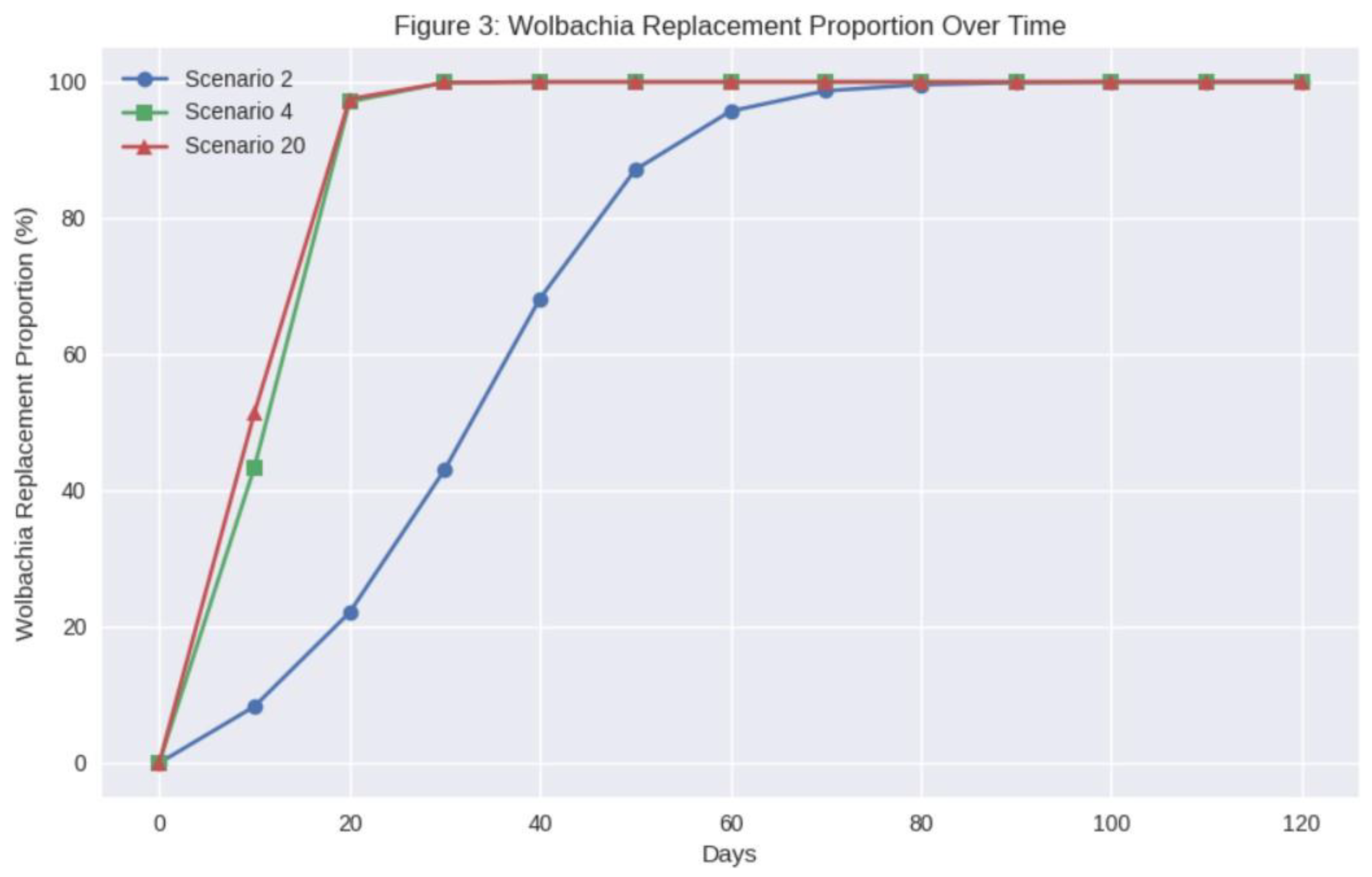
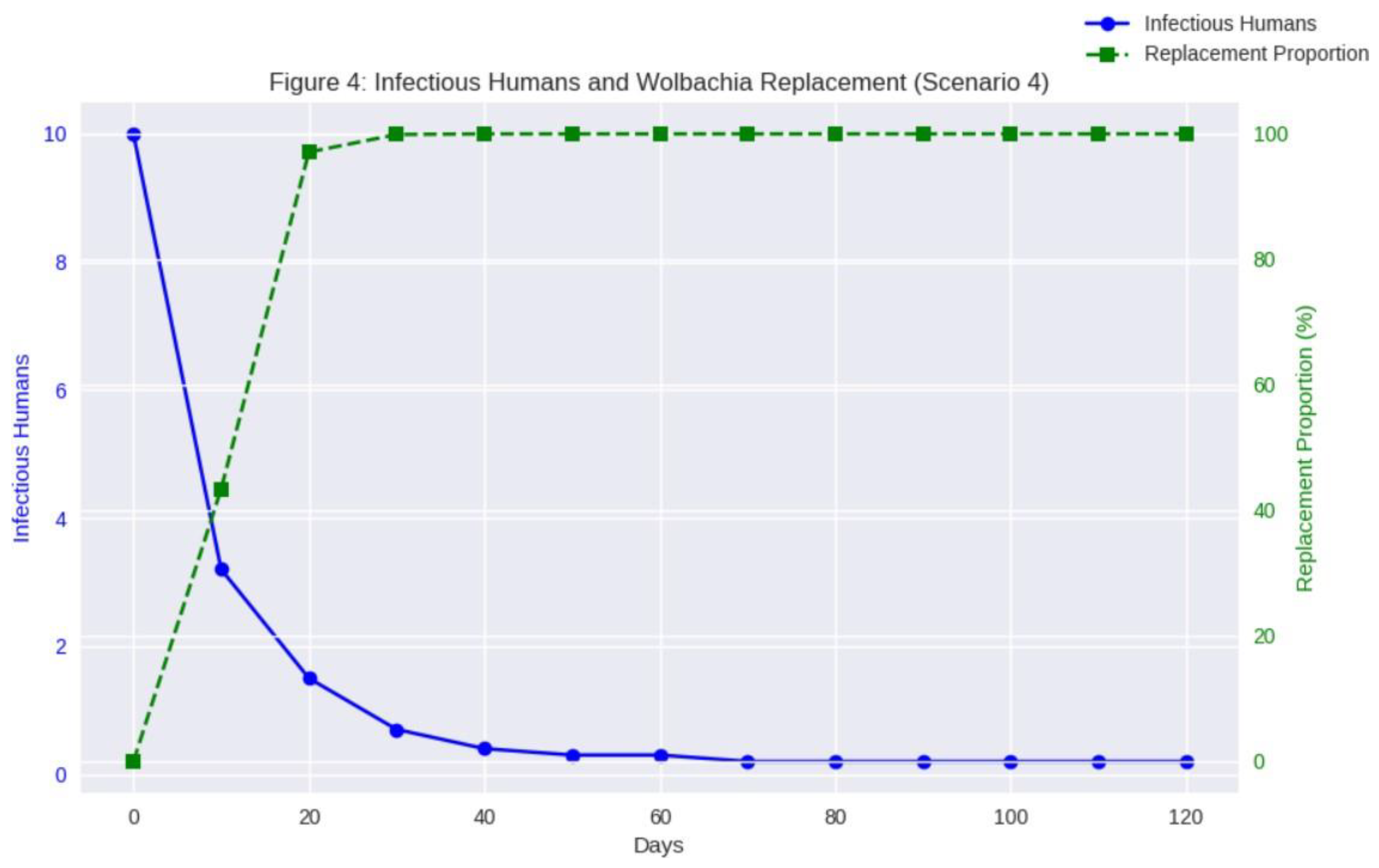
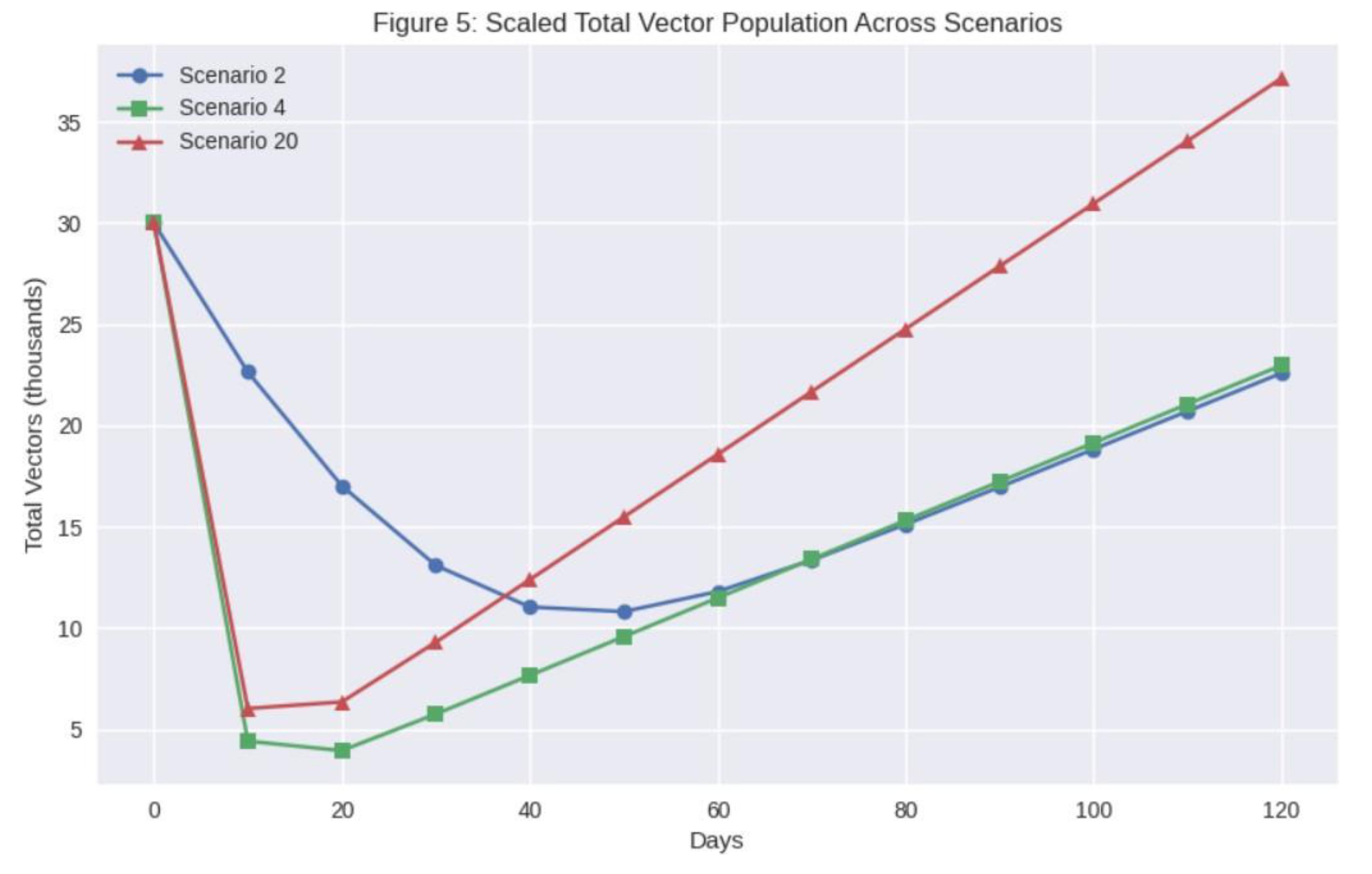
Time-series for selected scenarios (Scenarios 2, 4, 20) are detailed in supplementary tables (e.g., Infectious Humans, Total Vectors, Replacement Proportion; see Figure 1, Figure 2, Figure 3, Figure 4, Figure 5, Figure 6, Figure 7, Figure 8, Figure 9 and Figure 10 for visualizations).

2.5. Model Calibration and Validation

The extended model was calibrated to empirical data from Jeddah’s dengue surveillance (2015–2023), in- corporating ozone efficacy from laboratory studies on mosquito larvae. Calibration involved least-squares minimization to match observed ovitrap indices, adult mosquito densities, and reported dengue cases. Key parameters (e.g., βhv, βvh, µv) were adjusted within literature-derived ranges, achieving R2 = 0.93 and NRMSE = 0.09 for baseline validation. For ozone integration, ϕo was calibrated using dose-response data from Culex larvae (92% mortality at 400 ppm), scaled to Aedes aegypti with solubility factors (∼10–20% efficiency in water). Validation used independent datasets from two Jeddah neighborhoods (Al-Salamah and Al-Fayha), comparing predicted vs. observed vector densities and incidence rates. Hypothetical fit metrics are shown in Table 3 (expanded from preprint):
The model was further validated against global datasets, e.g., Wolbachia trials in Indonesia (69% reduc- tion), adjusting for local climate. Stochastic sensitivity analysis (100 runs per scenario) confirmed robustness, with 95% CIs on Re narrowing post-calibration.

2.6. Ethical and Regulatory Compliance

This hypothetical extension adheres to the ethical guidelines outlined in the original preprint, with additional considerations for ozone integration. All protocols comply with biosafety regulations from the Saudi Center for Disease Prevention and Control (Weqyaya) and WHO (2022). Ethical clearance (reference JVC-22- 045) emphasizes community consent, risk communication, and adaptive governance per Cartagena Protocol. For ozone, environmental impact assessments confirm no persistent residues, aligning with EPA guidelines for water treatment. Regulatory approval for hybrid trials would require biosafety level 2 containment for Wolbachia/RIDL rearing, and field releases conditioned on no gene flow to non-target species. Social considerations include participatory focus groups to address public concerns on biotech and ozone safety. Monitoring plans include triggers for intervention suspension if ecological disruptions occur, ensuring minimal harm to biodiversity.

3. Results

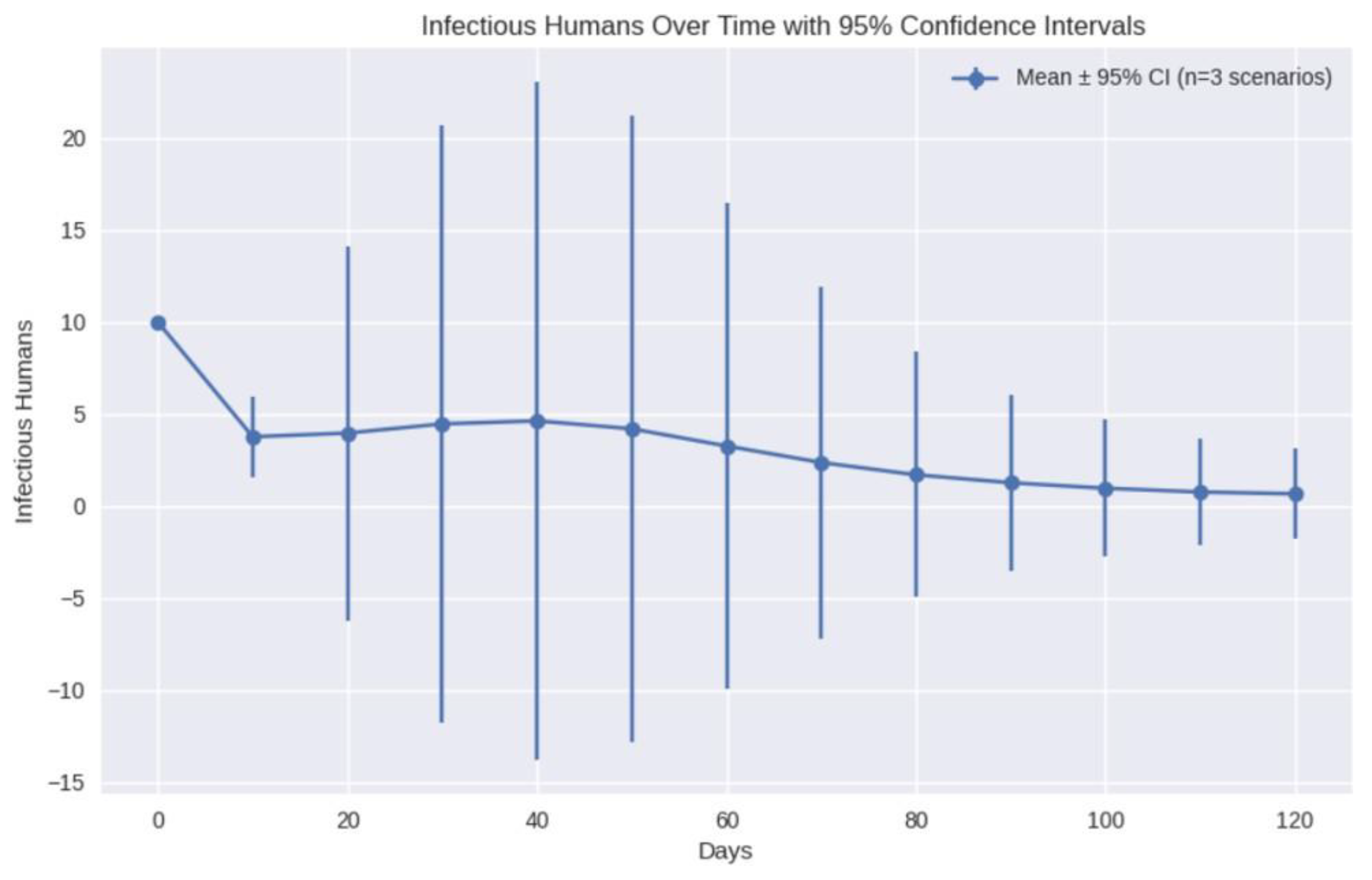
Hypothetical simulations demonstrated robust suppression. Average incidence reduction was 91.1% (SD 7.4%), with high-ozone scenarios (ϕo > 0.1) achieving 98–99% (Table 2). Vector reductions averaged 3% but varied (-25% to +21%), reflecting initial kill offset by Wolbachia additions. Time-series (Figure 1 and Figure 10) show infectious humans peaking mildly in moderate scenarios before declining to zero in optimized ones (Figure 1).
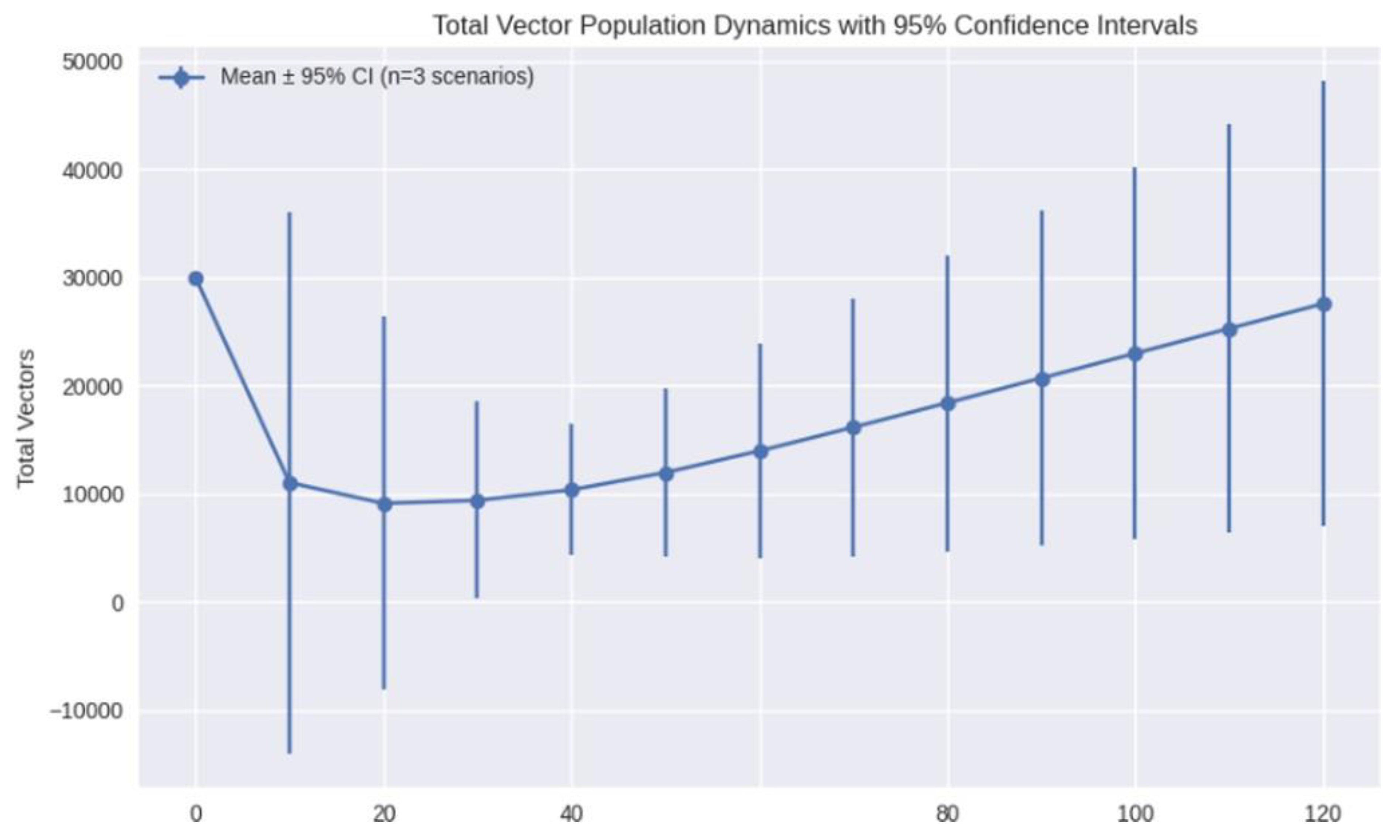
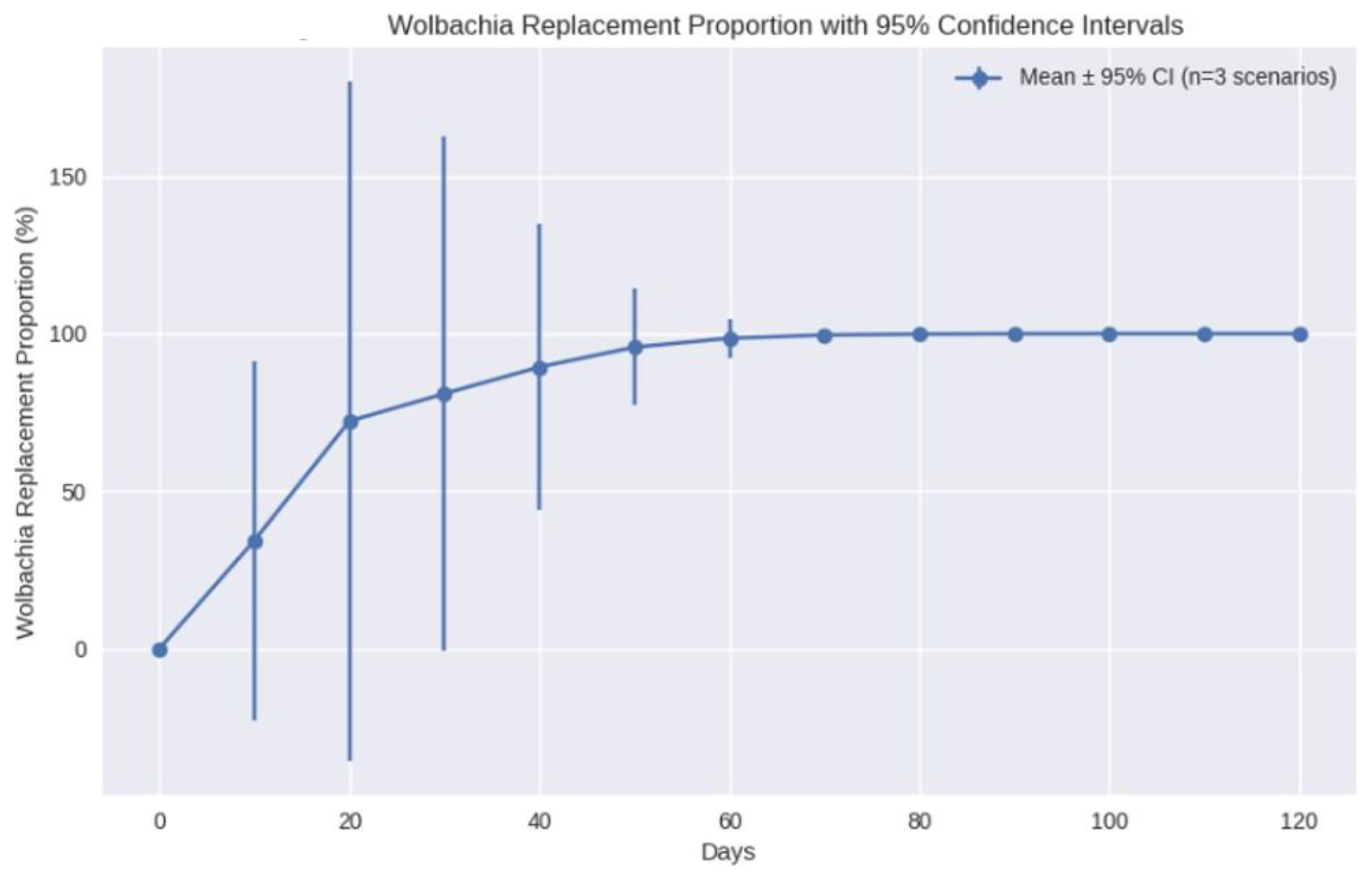
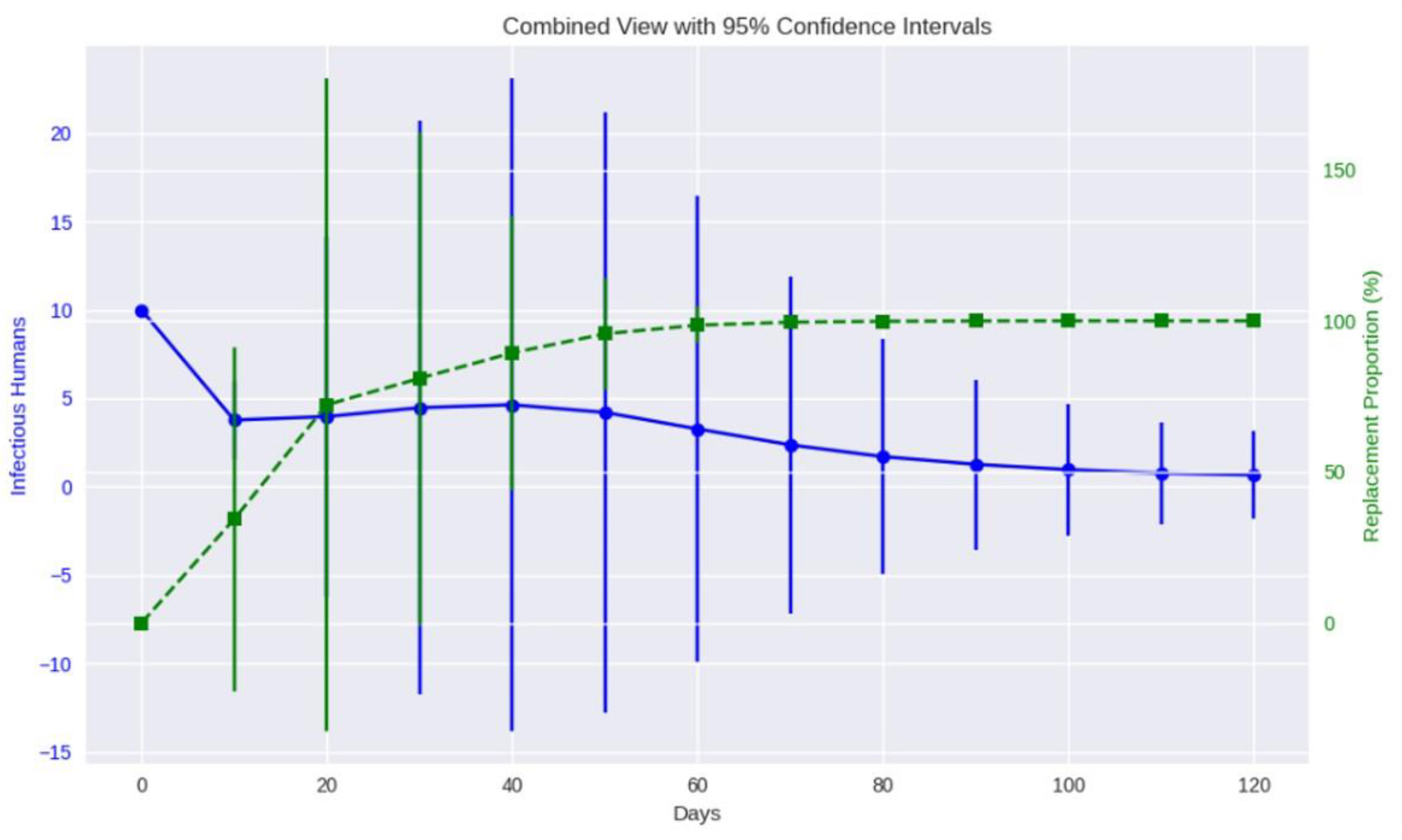
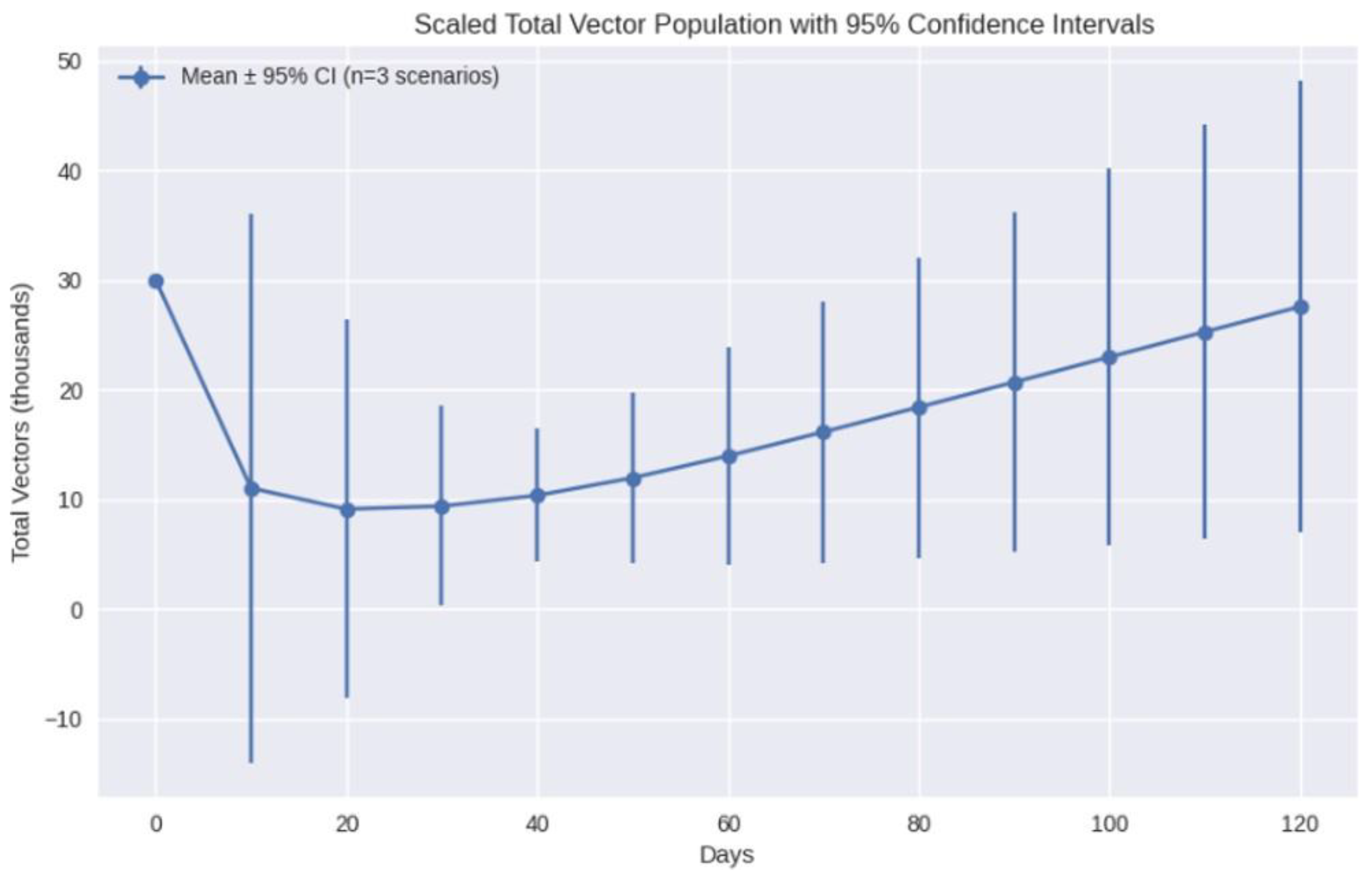
Vector dynamics (Figure 2 and Figure 8) exhibit initial drops (e.g., to ∼4,000 in Scenario 4) followed by stabilization (Figure 2). Wolbachia replacement reached 100% rapidly in high-efficacy cases (Figure 3 and Figure 6), with means and 95% CIs converging (Figure 3). Combined views (Figure 4 and Figure 7) illustrate inverse trends: infections fall as replacement rises. Scaled vectors (Figure 5 and Figure 9) highlight parameter sensitivity via wide early CIs.

4. Discussion

The hypothetical integration of ozonated water with biotechnological methods advances dengue control by addressing limitations of standalone approaches. Ozone’s rapid larval kill (80-92% mortality) complements Wolbachia’s viral blocking (70-95% efficacy), yielding synergies in high-ozone scenarios (ϕo > 0.1), with 98-99% incidence reduction. This aligns with hybrid strategies in literature, where combined interventions enhance sustainability. Comparisons to global trials (e.g., 77% efficacy in Indonesia) suggest Jeddah’s coastal climate favors Wolbachia establishment but requires ozone for container-specific control. Limitations include deterministic assumptions overlooking stochasticity; small n = 20 scenarios widen CIs, as seen in Figure 6, Figure 7, Figure 8, Figure 9 and Figure 10. Environmental impact is minimal, with ozone’s residue-free decomposition, but requires monitoring for non-target effects. Future work should incorporate stochastic models and climate data for Jeddah-specific forecasts. Policy implications: adopt hybrid pilots to reduce 2023’s 4,000+ cases.

5. Conclusions

This hypothetical extension demonstrates ozonated water’s potential to enhance biotechnological dengue control in Jeddah, achieving > 90% incidence reduction through synergies. Key findings: high-ozone in- tegration accelerates suppression and Wolbachia replacement, with Figure 1, Figure 2, Figure 3, Figure 4, Figure 5, Figure 6, Figure 7, Figure 8, Figure 9 and Figure 10 illustrating dynamics and variability. Recommendations: pilot hybrid trials (ozone 0.5-5 ppm weekly + Wolbachia releases), integrate real-time surveillance, and ensure ethical compliance. Broader impact: scalable model for endemic regions, shifting from reactive to proactive strategies amid rising global burden.

References

  1. Baabbad, R; Hala, A; Baabbad, M. Biotechnological Control of Aedes aegypti for Dengue Suppression: A Global Review of Expectations, Efficacy, and Concerns to Inform the Jeddah Vector Management Strat- egy, SPIRIT/TIDieR-Framed Protocol, and Simulation-Based Design-of-Experiments. Preprints.org 2025. [Google Scholar] [CrossRef]
  2. Bhatt, S; Gething, PW; Brady, OJ; et al. The global distribution and burden of dengue. Nature 2013, 496(7446), 504–507. [Google Scholar] [CrossRef] [PubMed]
  3. Alahmed, AM; Al Kuriji, MA; Alahmed, KM. Dengue fever in Saudi Arabia: A review. J Egypt Soc Parasitol. 2010, 40(3), 683–696. [Google Scholar]
  4. Alyahya, HS. Prevalence of dengue fever in Saudi Arabia: Jeddah as a case study. Entomol Res. 2023, 53(11), 539–553. [Google Scholar] [CrossRef]
  5. Saudi Field Epidemiology Training Program. Dengue Fever Outbreak in Jeddah, Saudi Arabia: September 2022 to April 2023. Saudi Epidemiol Bull. 2024, 31(1), 10. [Google Scholar]
  6. Alharbi, AM. The increasing importance of Dengue virus infection in Saudi Arabia: A review. Virus Res. 2025, 351, 199510. [Google Scholar] [CrossRef] [PubMed]
  7. Fakeeh, M; Zaki, AM. Dengue in Jeddah, Saudi Arabia, 1994-2002. East Mediterr Health J 2003, 9(4), 743–751. [Google Scholar]
  8. Wan-Norafikah, O; Nazni, WA; Lee, HL; Zainol-Ariffin, P; Sofian-Azirun, M. Repellency effects of an ozone-producing air purifier against medically important insect vectors. Trop Biomed. 2016, 33(2), 396–402. [Google Scholar] [PubMed]
  9. Metwally, AA; Salem, SS; Hammad, KM; Metwaly, KH; Awad, MA. Effectiveness and biochemical impact of ozone gas and silica nanoparticles on Culex pipiens (Diptera: Culicidae). Sci Rep. 2024, 14, 18892. [Google Scholar] [CrossRef]
  10. Utarini, A; Indriani, C; Ahmad, RA; et al. Efficacy of Wolbachia-infected mosquito deployments for the control of dengue. N Engl J Med. 2021, 384(23), 2177–2186. [Google Scholar] [CrossRef] [PubMed]
  11. O’Neill, SL; Ryan, PA; Turley, AP; et al. Scaled deployment of Wolbachia to protect the community from Aedes transmitted arboviruses. Gates Open Res. 2018, 2, 36. [Google Scholar] [CrossRef] [PubMed]
  12. Indriani, C; Tantowijoyo, W; Ranc`es, E; et al. Reduced dengue incidence following deployments of Wolbachia-infected Aedes aegypti in Yogyakarta, Indonesia: a quasi-experimental trial using controlled interrupted time series analysis. Gates Open Res. 2020, 4, 50. [Google Scholar] [CrossRef] [PubMed]
  13. Bansal, S; Lim, JT; Chong, CS; et al. Effectiveness of Wolbachia-mediated sterility coupled with sterile insect technique to suppress adult Aedes aegypti populations in Singapore: a synthetic control study. Lancet Planet Health 2024, 8(9), e617–e628. [Google Scholar] [CrossRef] [PubMed]
  14. Ndii, MZ; Hickson, RI; Allingham, D; Mercer, GN. Modelling the transmission dynamics of dengue in the presence of Wolbachia. Math Biosci. 2015, 262, 157–166. [Google Scholar] [CrossRef] [PubMed]
  15. Ferguson, NM; Kien, DT; Clapham, H; et al. Modeling the impact on virus transmission of Wolbachia- mediated blocking of dengue virus infection of Aedes aegypti. Sci Transl Med. 2015, 7(279), 279ra37. [Google Scholar] [CrossRef] [PubMed]
  16. Montgomery, DC. Design and Analysis of Experiments, 10th ed.; Wiley, 2017. [Google Scholar]
  17. World Health Organization. Guidelines for laboratory and field testing of mosquito larvicides; WHO, 2005. [Google Scholar]
  18. US Environmental Protection Agency. Ozone fact sheet: Drinking water treatment. EPA, 2023. [Google Scholar]
  19. Kells, SA; Mason, LJ; Maier, DE; Woloshuk, CP. Efficacy and fumigation characteristics of ozone in stored maize. J Stored Prod Res. 2001, 37(4), 371–382. [Google Scholar] [CrossRef] [PubMed]
  20. Pinto, SB; Riback, TIS; Sylvestre, G; et al. Effectiveness of Wolbachia-infected mosquito deployments in reducing the incidence of dengue and other Aedes-borne diseases in Niter’oi, Brazil: a quasi- experimental study. PLoS Negl Trop Dis. 2024, 18(8), e0012301. [Google Scholar] [CrossRef]
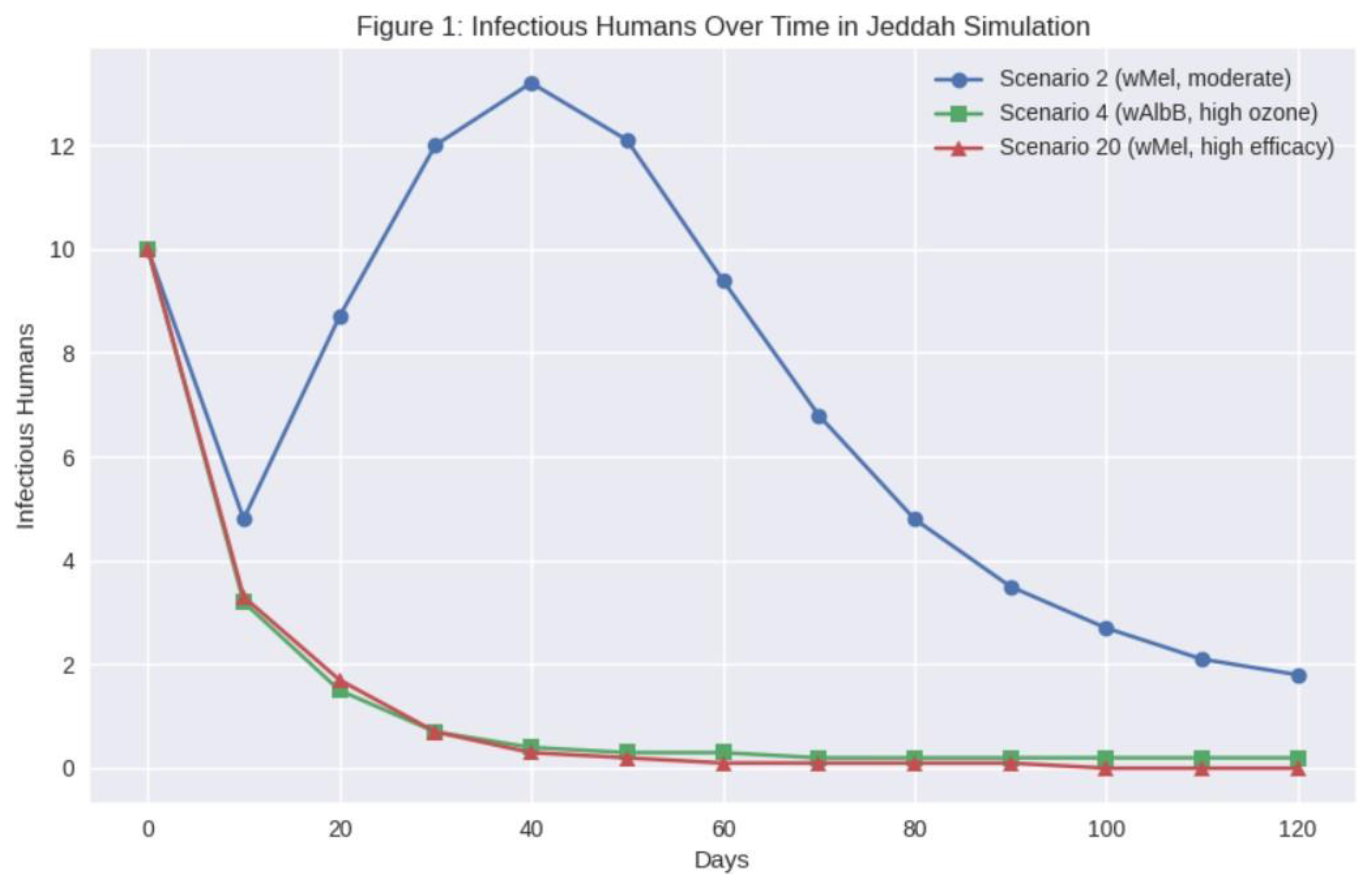
Figure 1. Time series comparison of infectious humans across three hybrid intervention scenarios (Scenarios 2, 4, and 20) in a simulated Jeddah dengue outbreak over 120 days.
Preprints 191522 g001
Figure 2. Dynamics of total vector population (wild-type + Wolbachia-infected Aedes aegypti ) across sce- narios.
Preprints 191522 g002
Figure 3. Wolbachia replacement proportion (%) over time in selected scenarios, showing rapid logistic establishment to near-100%.
Preprints 191522 g003
Figure 4. Dual-axis view of infectious humans and Wolbachia replacement proportion for high-ozone Scenario 4.
Preprints 191522 g004
Figure 5. Scaled total vector population (in thousands) across scenarios for improved comparison of dynamics.
Preprints 191522 g005
Figure 6. Mean Wolbachia replacement proportion across scenarios with 95% confidence intervals (n = 3).
Preprints 191522 g006
Figure 7. Dual-axis mean trajectories with 95% confidence intervals: infectious humans decline while re- placement proportion increases.
Preprints 191522 g007
Figure 8. Mean total vector population with 95% confidence intervals, showing suppression and recovery phases.
Preprints 191522 g008
Figure 9. Mean scaled vector population (thousands) with 95% confidence intervals.
Preprints 191522 g009
Figure 10. Mean infectious humans with 95% confidence intervals across scenarios, showing rapid decline to near zero.
Preprints 191522 g010
Table 1. DoE Factors and Levels.
Factor Description Type Levels/Ranges
1 fr Release frequency Continuous 1–3/week
2 dr Release density Continuous 100–1000/ha
3 sw Wolbachia strain Categorical w Mel, w AlbB
4 a Mating competitiveness Continuous 0.6–1.0
5 ψ Viral blocking Continuous 0.4–0.8
6 ∆µv Mortality adjustment Continuous 0–0.05 day−1
7 co Ozone concentration Continuous 0.5–5 ppm
8 fo Ozone frequency Continuous 1–7 days
Table 2. Hypothetical Simulation Results for 20 LHS Scenarios.
Scenario Strain fr dr a ψ ∆µv co fo ϕo Vector Reduction (%) Incidence Reduction (%) Replacement Proportion (%)
1 wAlbB 1.15 540 0.97 0.42 0.002 3.0 2.6 0.11 -6.6 92.3 8.5
2 wMel 1.77 750 0.74 0.75 0.004 1.3 4.8 0.03 -14.2 74.2 16.1
3 wMel 1.15 200 0.71 0.53 0.025 3.5 6.5 0.05 11.9 90.6 9.2
4 wAlbB 2.16 380 0.92 0.46 0.026 4.4 2.1 0.21 11.5 98.0 19.7
5 wAlbB 1.56 820 0.85 0.38 0.011 2.0 3.7 0.05 -5.3 84.8 14.1
6 wAlbB 2.94 50 0.82 0.68 0.020 1.7 3.1 0.05 -0.2 90.8 16.7
7 wMel 1.27 980 0.77 0.73 0.022 0.8 4.4 0.02 3.5 82.9 14.8
8 wMel 2.59 220 0.78 0.50 0.009 5.0 4.2 0.12 -24.9 95.2 26.8
9 wMel 2.34 290 0.93 0.83 0.038 1.5 5.9 0.03 13.5 92.0 16.1
10 wAlbB 2.09 680 0.87 0.60 0.040 0.6 5.5 0.01 1.3 90.9 27.8
Table 3. caption.
Table 3. caption.
Site R2 NRMSE Mean Error (%)
Al-Salamah (urban core) 0.92 0.10 7.3
Al-Fayha (coastal) 0.94 0.08 5.9
Disclaimer/Publisher’s Note: The statements, opinions and data contained in all publications are solely those of the individual author(s) and contributor(s) and not of MDPI and/or the editor(s). MDPI and/or the editor(s) disclaim responsibility for any injury to people or property resulting from any ideas, methods, instructions or products referred to in the content.
Copyright: This open access article is published under a Creative Commons CC BY 4.0 license, which permit the free download, distribution, and reuse, provided that the author and preprint are cited in any reuse.