

Submitted:
23 December 2025
Posted:
24 December 2025
You are already at the latest version
Abstract
One of the strategies for the control and elimination of Schistosomiasis is the control of its snail vectors in endemic area as done in other tropical diseases like malaria. However, the only strategy currently practiced for the control of the disease in Nigeria is annual mass administration of preventive chemotherapy (Praziquantel) among school age children while neglecting the control of its snail intermediate host and other control components such as Behavioral Change Campaign (BCC) and Water, Sanitation and Hygiene (WASH). The neglect of malacology and the vector control will slow the elimination timeline and targets of 2030 set by WHO. In this study, we investigated the abundance and seasonal variations of the snail vectors of schistosomiasis and the relationship between the disease among humans and infected snail vectors. A total of 21,282 snails were collected from 13 sites across the 6 area councils of the FCT. 1,451 (6.8%) of the collected snails belong to three species; Biomphelaria pfeifferi (113), Bulinus truncatus (451) and Bulinus globosus (887) that are known to be vectors of Schistosoma mansoni, Schistosoma haematobium and Schistosoma bovis respectively. These three species were all shedding cercariae both at the time of collection and afterwards when they were induced to shed cercariae. The presence and shedding of cercaria by the Bullinus and Biomphelaria species in the studied communities indicates potential risk of infection for humans and other animals who may come in contact with the water. Although the presence of these infected snail vectors was established in all the study villages except in Kuje and Pukafa, the relationship between its presence and the prevalence of the disease were not statistically significant. Nonetheless, a deliberate health orientation of the people through sensitization and health education activities, provision of safe adequate water sources and other WASH amenities to reduce exposure to the disease risk factors will contribute towards the reduction or elimination of the disease.
Keywords:
schistosomiasis
; snail intermediate host
; seasonal variation
Introduction
Schistosomiasis, also known as snail fever, bilharzia and/or Katayama fever, is a parasitic disease caused by blood flukes or parasitic flat worms (trematode worms), of the genus Schistosoma. It is one of the Neglected Tropical Diseases (NTDs) earmarked for elimination by the year 2030 by the World Health Organization (WHO, 2021; 2022; Oluwole et al., 2022). There are two major forms of the disease; intestinal and urogenital, caused by different species of the blood flukes depending on the etiology of the disease. In humans, the intestinal and urogenital schistosomiasis are caused by Schistosoma mansoni and S. haematobium respectively (Usman et al., 2019). Humans acquire infection from some molluscs, snails, that live in freshwater and act as intermediate hosts of these parasites, from which the infective larvae of the parasites escape and pass through the skin of individuals when in contact with the aquatic environment. Two genera of freshwater snails, Biomphalaria and Bulinus, are known to be the intermediate hosts for Schistosoma mansoni and S. haematobium respectively (Colley et al., 2014; WHO, 2017; Joof et al., 2021). Schistosomiasis is prevalent in tropical and subtropical areas (WHO, 2022), especially in poor communities without access to safe drinking water and adequate sanitation. In the poor and rural communities, the disease particularly affects agricultural and fishing populations, especially the poor voiceless rural dwellers (CDC, 2022; WHO, 2023). The disease disproportionately affects women and children; women doing domestic chores in infested water, such as washing clothes and plates, or bathing children. People may also get infected by wading through infested water while inadequate hygiene and contact with infested water such as playing and/or swimming make children especially vulnerable to the disease. Schistosomiasis remains a major public health concern in Africa, and indeed Nigeria, despite global efforts to eliminate the disease by 2030. According to WHO (2024), the disease is endemic in 78 countries/regions worldwide, with recorded infections in Africa, Asia, the Middle East, and South America. Among the endemic countries/regions, 52 countries experience moderate to high transmission level (Hotez and Karmath, 2009). The disease is a leading cause of morbidity and mortality in Africa, South America, the Caribbean, the Middle East, and Asia (Ogongo et al., 2022), affecting approximately 779 million people globally and resulting in about 280,000 deaths annually (Nelwan, 2019). Africa accounts for 93% of the approximately 207 million schistosomiasis cases worldwide, with the highest prevalence in Nigeria, Tanzania, Ghana, Mozambique, and the Democratic Republic of the Congo, totaling up to 78 million cases (Hotez and Karmath, 2009; Nelman, 2019; WHO, 2024). Schistosomiasis is known to be endemic in the FCT with prevalence established across several communities ranging from as low as 6.1% in Bwari Area Council to as high as 49% in Abuja Municipal Area Council (Jacob et al., 2025). Although the prevalence of the disease among humans have been established and well studied across the FCT (FMoH, 2017, Nduka et al. 2019, Jacob et al., 2025), other than the study of Urude et al., (2021) in a few communities, the abundance and prevalence of the snail intermediate host have not been well studied across the FCT. In this study, we assessed the abundance and seasonal variations of snail vectors of schistosomiasis within the communities. To the best of our knowledge, this is the first state-wide study of snail vector of schistosomiasis in the FCT.
Materials and Methods
Study Area
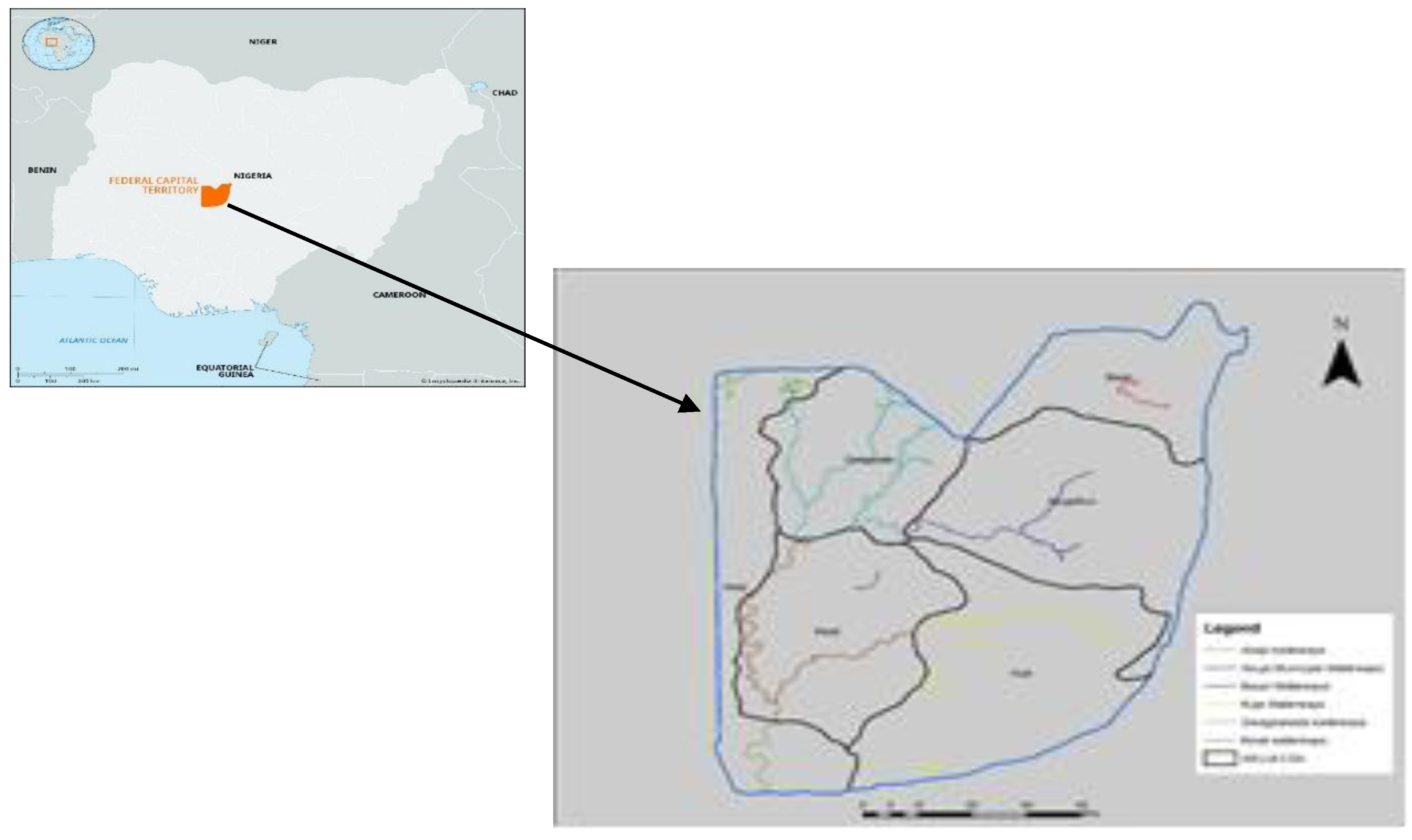
The study was conducted in 13 communities across the 6 Area Councils of the FCT.
The geographical coordinate of the study area lies between latitude 8.25 and 9.20oN of the equator and longitude 6.45 and 7.39OE of Greenwich meridian. It is situated within the savannah region with moderate climatic conditions. Abuja has a population size of 4,026,000 as at 2024 when projected from the 2006 population census (NPC, 2006). The primary economic activity in the area is agriculture, which produces crops such as Rice, yams, millet, corn, sorghum, and beans. The majority of the population are dairy farmers from the Gwari, Koro, Ganagana, Gwandara, Afo, and Bassa ethnic groups. Hausa and Fulani also live in the territory. While others engage in trading, the city center boast of sizable number of civil servants who service the seat of governance. Several freshwater habitats intersect the study area, some of which include ponds, streams, dams and tributaries of Gurara river stretching from Kaduna state. These water bodies form the major source of water supply to the residents of the study area. During dry seasons, activities increase around these water bodies as people converge to use them for domestic, agricultural and recreational activities all of which predispose them to Schistosomiasis (Jacob et al., 2025).
Figure 1.
Map of Nigeria showing the study area.
Study Design and Procedure
Ethical Consideration
Ethical approval for this study was not needed as the study was purely on snail host of schistosomiasis and had no human component.
Mapping of Water Bodies Within the Study Area
Maps showing water bodies in the FCT (study area) were prepared using the Arc GIS Version 10.8 and Health mapper Version 4.5 software. The villages and water bodies were validated by personal visits. Thirteen communities known to be endemic for the disease and located close to the mapped water bodies were purposively selected. Geographic coordinates of the selected villages and water bodies were taken using hand held Global Positioning System (GPS) devices, Garmin e-Trex 10 GPS, outdoor handheld GPS units, or SMART phones with GPS Camera Apps installed, and documented appropriately. Coordinates of the selected sampling sites on the water bodies were also taken using the same equipment (Tian-Bi et al., 2019; Joof et al., 2021), as well as photographs of the communities and water bodies.
Selection of Sampling Sites and Collection of Snails
- ▪
- Sampling was conducted in areas about 15 – 20m along the banks or perimeter of the selected water bodies and if they were rivers, from about an area of 5m2 from the water body at each sampling point especially for Bulinus spp and Biomphalaria spp following WHO, (2017) and Joof et al., (2021) guide
- ▪
- The snail collection sites were selected based on close proximity to human settlements and high level of open defecation and urination. Each of the selected sites were investigated for the presence of freshwater snails in a standardized manner and collections made where they exist.
- ▪
- Focal sampling was restricted to places that were commonly used for swimming, bathing, washing, etc., and to nearby habitats that were found to harbor snail populations that could aid transmission at the sites.
- ▪
- The snails were collected using purpose-built snail scoops and/or small hand-held sieves. All the snails were collected and placed in basins and counted, whether alive or dead.
- ▪
- The snail sampling scoops were standard scoops (2mm mesh size), and plastic forceps and spoons were used to pick the snails. The scoop was pushed under the vegetation once, lifted up when still under the vegetation and then shaken several times so that the snails are dislodged from the vegetation roots onto the scoop before the scoop was withdrawn (Okita et al., 2020).
- ▪
- Scooping was performed for 15 - 45 minutes from each site, between 6.30 am and 10:00 am once every month, at the second week of every month for 14 months comprising of rainy season – July to September, 2024 and dry season, October to March, 2025.
- ▪
- Samples were collected from several sites along or within the water bodies.
- ▪
- The snails attached to vegetation and other substratum were hand-picked wearing gloves (Gboeloh and Ike-Ihunwo, 2021; Odero et al., 2019). Some of the snails were also hand-picked from aquatic vegetation at the shoreline or banks of the water bodies, and from the rivers that feed the water bodies where they exist, wearing gloves. The same was the case with the snails that burrowed into the soil.
- ▪
- The collected snails were kept in wide-mouthed glass bottles filled with water and aquatic vegetation from the same area. In some cases, the snails were placed in glass petri dishes containing wet cotton wool and where possible, separated accordingly based on the different genera collected.
- ▪
- The samples were emptied into a perforated plastic container for transportation to the laboratory at the Department of Biological Sciences, University of Abuja for storage and examination
- ▪
- At the laboratory, snails were sorted, identified and counted following the methods of Hailegebriel et al., (2022).
- ▪
- The Schistosoma snail vectors (Bulinus and Biomphalaria spp) were further examined for Schistosoma spp infective cercariae as described by Obisike et al., (2018) and Joof et al., (2021)
Determination of Snail Abundance
The prevalence of infected snail vectors in the rainy and dry seasons was calculated as the abundance of the different snail species that were collected at the various sampling sites using the Shannon - Weiner diversity index formula;
where ‘H’ represents the Shannon diversity index, ‘pi’ is the proportion of individuals belonging to the species ‘i’ and ‘In’ is the natural logarithm (as Inx = logex = 2.718).
H = - Zigma(pi*In(pi)
(Shannon-Weiner Index (H) calculated to assess abundance and diversity - H′=−∑(pilnpi), where (pi) = proportion of individual species (i) relative to the total number of individuals)
Snail Species Identification
Snails collected from the selected sites were identified using the WHO and other snail identification guides (DBL-WHO, 1980 and 1998; Brown and Kristensen, 1993; Mandahl-Barth, 1988). Other standard protocols for identification of freshwater snails (Brown, 1994) were also used where necessary and identification of the snails was mostly based on their morphology and structure. Using the identification keys, most of the snails were identified up to the genus level and where possible to the species level as described in WHO protocols and other studies (WHO, 1980; Falade and Otarigho, 2015). The common criteria for distinguishing the snail species were the shell shapes, sizes and texture, nature of aperture, colour and banding pattern of the shells (Hailegebriel et al., 2022; DBL-WHO, 1980 and 1998; Brown and Kristensen, 1993). A hand lens and dissecting microscope were used in the process.
Screening for Schistosome Infection
Once the morphological identification was completed, the snails were kept in the dark for 48 hours preparatory for cercariae shedding induction. At the expiration of the 48 - hour dark period, the snails were brought out to bright light for cercariae shedding. Bulinus spp and Biomphalaria spp snails were examined for parasitic infection using the shedding method (Tian-Bi et al., 2019). For this purpose, the snails were placed individually in flat-bottomed glass vials, individual plastic vials, or multi-welled plates containing dechlorinated water, 10MLs of natural spring water (Manyangadze et al., 2021) with neutral pH or 2MLs of clean and clear water in each of the wells of the multi-well culture plates, and exposed to indirect sunlight for a maximum duration of 4 hours, or to artificial light from 60 – 200 Watts electric bulbs for one to three hours in the absence of sunlight (Manyangadze et al., 2021). On the second round of cercaria shedding, the snails were kept at room temperature preferably in mid-morning, from 10:00am - 12:00 noon (Tian- Bi et al., 2019; Gboeloh and Ike-Ihunwo, 2022) as cercariae have a distinct circadian rhythm and the best time to isolate the ones infecting humans is known to be usually mid-morning, about 10.00 – 12 noon (WHO, 2017; Joof et al., 2020). At the end of the shedding period, the wells containing snails were examined under a dissecting microscope. Each well with snails inside was checked for shed cercariae which have the tendency of making up and down movements using their forked coiled tails (Sturrock et al., 2001; Odero et al., 2019), The live cercariae shed by each snail were transferred to a microscopic slide, covered with a coverslip and carefully observed under a light microscope with x40 magnification power. Identification of the cercariae were based on their morphological features using standard identification keys (Frandsen and Christensen, 1984; Abdulkadir et al., 2018 and Anucherngchai et al., 2016; Brown, 1994., WHO, 1998). The types and number of cercariae discharged from the snails were properly documented. Human and animal cercariae were identified based on their distinct morphological features. Non shedding snails were returned to the ‘aquaria’ for another exposure and examination session the following day before declaring them negative if no cercaria was seen (WHO, 2017). Based on their morphology, cercariae from Bulinus spp were categorized either as those of S. haematobium or those of other trematodes and cercariae from Biomphalaria spp. categorized as S. mansoni and/or other trematodes. Photographs of the cercariae were taken using the Meubon US Microscope 1 40X-5000X magnification, Digital Imaging, LED Illumination, USB Camera, with mechanical stage, WF10x and WF20x eye pieces and Abbe condenser.
Data Analysis
All raw data collected were entered into an Excel spread sheet for analyses. The Statistical Package for Social Sciences (SPSS) and Epi Info software were also used for analysis. The prevalence and abundance of infected snails were calculated per collection site, the water body, community, Ward and Area Council. Correlation Coefficient (Pearsons) and the t-tests were used to assess the association between the variables including the seasons and environmental factors, and the snail vector abundance as well as other covariates (predictor variables), the relationship between the different snail species and the prevalence of schistosomiasis in the study area. The monthly distribution of the snail vectors was analyzed with the Analysis of Variance (ANOVA) for significant difference among the values and also compared with other snail species that were collected at the same site.
Results
Figure 2, Figure 3 and Figure 4 show the verified water bodies in the six Area Councils of FCT from where the 13 snail collection sites (Figure 5) were selected. Farming, cultivation and harvesting of rice were ongoing in some of these water bodies during the period of study. Human activities were also seen around some of the water bodies (Plate 1).
Abundance of Snails by Species
A total of 21,282 snails were collected and identified from the sampling sites. The snails were in the Phylum Mollusca; Class Gastropoda and Sub Class Pulmonata. They belong to the Families of; Bulinidae Thiaridae, Lymnaeidae, Planorbide, Viviparidae, Physidae, Potamididae, Ampullaridae and Achatinidae respectively. The species collected include Bulinus globosus, Bulinus truncatus, Biomphalaria pfeifferi, Indoplanorbis exustus, Melanoides tuberculata, Bellamya spp, Pila spp, Lymaea spp, Physa spp and Tympanotonus fuscatus. Different species of land snails were also collected from the surveyed sites. Melanoides spp was the most abundant with 16,916 collected and Indoplanorbis exustus the least, with 39 (Figure 6).
Plate 2 shows the Photographs of Snails collected between July 2024 and June 2025. Among the snails collected, only the Bulinus and Biomphalaria spp are known to be intermediate hosts for schistosomiasis.
Snail Abundance by Months
Distribution of Snail’s Species by Communities
At least, one of the schistosomiasis intermediate hosts or vectors, Bulinus and Biomphalaria spp, were collected in all the communities except Kuje and Pukafa (Table 2). Melanoides tuberculata had the highest occurrence with 16,916 and had highest occurrence across all the communities while Indoplanorbis exustus had the least occurrence (Table 2). The highest number of snails, 6,460, was collected from Gwarko1 while the least number of snails, 218, were collected from Gawu village in Abaji Area Council.
Seasonal Variation of Snail Intermediate Host of Schistosoma Species
The snails were more abundant during the Wet season (11,723) with percentage abundance of 61.19% and 39.62% in Takushara and Burum respectively. Whereas, during the dry Seasons (9559) were collected with a lower percentage of 54.98 and 12.99 for the same Takushara and Burum respectively. Conversely, there were more shedding of cercaria during the dry season (900) than during the wet season (551) (Table 3).
Relationship Between Disease Endemicity and Snail Shedding Cercaria
The disease endemicity did not influence the number of snail intermediate host shedding cercaria. While Gawu, Naharati, Dakpabu and Kwaita Sabo/Pukafa had a disease prevalence of 24%, 50%, 28% and 65% respectively, snail vectors collected from these communities did not shed cercaria (Figure 8).
Discussion
Schistosomiasis remains one of the world’s most prevalent diseases of public health importance. Despite more than a century of control efforts and the introduction of highly effective anti-Schistosomal drug, the eradication of the disease is still far from actualization. The disease is one of the neglected tropical diseases targeted for elimination by 2030 according to the WHO roadmap 2030. (WHO, 2021). Consequently, each endemic country is working at meeting this target by reviewing her strategies for elimination. One of such strategies is the control of the vectors especially the Bullinus and Biomphelaria species that have been implicated in the transmission of Schistosomiasis.
The identification and verification of water bodies for schistosomiasis vectors within the six area councils of the Federal Capital Territory (FCT), was to facilitate targeted interventions by identifying water bodies that harbor the vectors and allows health authorities to implement localized control measures, such as mollusciciding or environmental management to reduce transmission (Teckla et al., 2025). It will also facilitate monitoring of high-risk areas and helps in directing resources efficiently, thereby improving the effectiveness of ongoing surveillance and early detection of outbreaks (WHO, 2021). Consequently, knowledge of specific water bodies linked to schistosomiasis transmission will promote community awareness and behavioral changes, such as avoiding contact with such contaminated water sources (Angelo et al., 2019). This identification will also inform environmental modifications or infrastructural improvements to reduce breeding sites and support evidence-based policymaking for integrated schistosomiasis control strategies at local and national levels (Min et al., 2022). During the course of this study - July 2024 to June 2025, a total of 21,282 snail samples were collected out of which 1,451 (6.8%) belong to three species; Biomphelaria pfeifferi (113), Bulinus truncatus (451) and Bulinus globosus (887) that are known to be vectors of schistosomiasis. These three species were all shedding cercariae both at the time of collection and afterwards when they were induced to shed cercariae. The presence and shedding of cercaria by the Bullinus and Biomphelaria species in the studied communities indicates potential risk of infection for humans and other animals who may come in contact with the water. This agrees with the findings of Luka & Mbaya, (2015) in Borno State, Nigeria where infection with schistosomiasis was linked to the presence of cercariae shedding Bullinus and Bionphelaria spp. Although the presence of these infected snail vectors was established in all the study villages except in Kuje and Pukafa, the relationship between its presence and the prevalence of the disease were not statistically significant in some communities. Nonetheless, a deliberate health orientation of the people through sensitization and health education activities, provision of safe adequate water sources and other WASH amenities to reduce exposure to the disease risk factors will contribute towards the reduction or elimination of the disease in the communities.
The collection of 900 snail vector of schistosomiasis in the dry season as against the 551 in the wet season supports the seasonal variation of the human Schistosoma spp vectors. These findings align with the work of Rabone et al. (2019) in the Niger River Valley where it was shown that Seasonality in abundance was statistically significant in all species, with greater numbers associated with dry season months in the first half of the year, but contrary to the findings of Bakhoum, et al. (2022) in Senegal where Snail abundance was lowest in early dry season, higher in rainy season and peaked during rainy season. The findings in this study may have been influenced by the fact that during dry seasons many temporary water bodies shrink or dry up; this can both reduce habitat and concentrate snails where water remains. In perennial habitats the pattern may be different (Perez-Saez et al. 2019). Ephemeral habitats may exist during rainy season but may be disturbed or flushed out and Snail survival can be low if flows are strong (Rabone et al., 2019). Besides, Aquatic vegetation provides habitat and shelters, periphyton (algae-biofilms) are food. These tend to increase after rains, but may also be more stable in dry season in some settings (Bakhoum, et al., 2022). These findings imply that factors such as historical exposure patterns, seasonal water contact behavior, environmental variability, and focal snail distribution may influence transmission dynamics beyond current snail infection rates. Consequently, integrated multisectoral control and elimination measures that combine malacological monitoring with behavioral, environmental, and historical epidemiological assessments are warranted.
Conclusions
Findings from this study contribute context-specific evidence that strengthens calls for integrated, multi-season surveillance that pairs malacology with behavioral and mobility data and cautions against interpreting single-season or single-parameter snail metrics as direct proxies for human disease risk in heterogeneous, highly seasonal systems.
Recommendation
The clamor for urgent government and non-government intervention through alternate sources of water like boreholes or pipe-borne water, as well as implementing a behavioral change campaign across the communities to prevent the recurrence are advocated.
Funding
This research was solely funded by the authors and received no external funding.
Institutional Review Board Statement
Ethical approval for this study was not needed as the study was purely on snail host of schistosomiasis and had no human component.
Data Availability Statement
The original contributions presented in this study are included in the article. Further inquiries can be directed to the corresponding authors.
Acknowledgments
We wish to acknowledge the invaluable support of the FCT Neglected Tropical Diseases (NTD) Program for facilitating access to the study sites and coordinating with local stakeholders. Furthermore, we would like to thank the field assistants, laboratory technicians, and data analysts, for their hard work and dedication to the study.
Conflicts of Interest
The authors declare no financial or personal relationship(s) that may have inappropriately influenced them in writing this article.:
References
- Abdulkadir, F. M., Maikaje, D. B. and Umar, Y. A. (2018): Cercarial diversity in freshwater snails from selected freshwater bodies and its implication for veterinary and public health in Kaduna State Nigeria. World Academy of Science, Engineering and Technology International Journal of Animal and Veterinary Sciences 12 (2), 52–58.
- Angelo, T.; Kinung’hI, S.M.; Buza, J.; Mwanga, J.R.; Kariuki, H.C.; Wilson, S. Community knowledge, perceptions and water contact practices associated with transmission of urinary schistosomiasis in an endemic region: a qualitative cross-sectional study. BMC Public Heal. 2019, 19, 703. [CrossRef]
- Anucherngchai, S.; Tejangkura, T.; Chontananarth, T. Epidemiological situation and molecular identification of cercarial stage in freshwater snails in Chao-Phraya Basin, Central Thailand. Asian Pac. J. Trop. Biomed. 2016, 6, 539–545. [CrossRef]
- Bakhoum, S.; Haggerty, C.J.; Ba, C.T.; Jouanard, N.; Riveau, G.; Rohr, J.R. Seasonal Variations of Densities of Biomphalaria pfeifferi, the Intermediate Host of Schistosoma mansoni Parasite at the North of Senegal. IntechOpen. [CrossRef]
- Shiff, C.; Brown, D.S. Fresh Water Snails of Africa and Their Medical Importance. J. Parasitol. 1982, 68, 377. [CrossRef]
- Brown, D. S. and Kristensen, T. K. (1993). A field guide to African freshwater snails. 1. West African species. University of Copenhagen, Denmark.
- CDC (2022) DPDx – Laboratory Identification of Parasites of Public Health Concern. https://www.cdc.gov/chronicdisease/resources/publications/factsheets /rural-health.htm.
- Colley, D. G., Bustinduy, A. L., Secor, W. E. and King, C. H. (2014), Seminar: Human Schistosomiasis Lancet 383(9936): 2253–2264.
- Falade, M.O.; Otarigho, B. Shell Morphology of Three Medical Important Tropical Freshwater Pulmonate Snails from Five Sites in South-Western Nigeria. Int. J. Zoöl. Res. 2015, 11, 140–150. [CrossRef]
- FMOH (2017). Report of epidemiological mappings of Schistosomiasis and STH in nineteen States and FCT, Nigeria (Unpublished).
- Frandsen, F.; O Christensen, N. An introductory guide to the identification of cercariae from African freshwater snails with special reference to cercariae of trematode species of medical and veterinary importance.. 1984, 41, 181–202.
- Gboeloh, L. B. and Ike-Ihunwo, C.N. (2022). Prevalence of Schistosoma cercariae in snail vectors in Ntawogba creek, Port Harcourt, Rivers State, Nigeria. Faculty of Natural and Applied Sciences Journal of Scientific Innovations, 3(2), 20-27.
- Hailegebriel, T.; Nibret, E.; Munshea, A. Distribution and seasonal abundance of Biomphalaria snails and their infection status with Schistosoma mansoni in and around Lake Tana, northwest Ethiopia. Sci. Rep. 2022, 12, 1–12. [CrossRef]
- Hotez, P.J.; Kamath, A. Neglected Tropical Diseases in Sub-Saharan Africa: Review of Their Prevalence, Distribution, and Disease Burden. PLOS Negl. Trop. Dis. 2009, 3, e412. [CrossRef]
- Jacob, S.M.; Akinbo, S.Y.; Oluwole, A.S.; Agbana, T.; Omoruyi, Z.; Okungbowa, M.A.; Diehl, J.-C.; Akinbo, F.O. Impact of Praziquantel Mass Drug Administration on Schistosomiasis: A Comparison of Prevalence and Risk Factors Between Treated School Aged Children and Untreated Adults in Abuja, Nigeria. Int. J. Environ. Res. Public Heal. 2025, 22, 672. [CrossRef]
- Joof, E.; Sanneh, B.; Sambou, S.M.; Wade, C.M. Species diversity and distribution of schistosome intermediate snail hosts in The Gambia. PLOS Neglected Trop. Dis. 2021, 15, e0009823. [CrossRef]
- Luka, J.; Mbaya, A.W. Cercarial shedding of trematodes and their associated snail intermediate hosts in Borno State, Nigeria. Asian Pac. J. Trop. Dis. 2015, 5, 293–298. [CrossRef]
- Mandahl-Barth, G. (1988). Studies on African freshwater bivalves. University of Copenhagen, Denmark.
- Manyangadze, T.; Chimbari, M.J.; Rubaba, O.; Soko, W.; Mukaratirwa, S. Spatial and seasonal distribution of Bulinus globosus and Biomphalaria pfeifferi in Ingwavuma, uMkhanyakude district, KwaZulu-Natal, South Africa: Implications for schistosomiasis transmission at micro-geographical scale. Parasites Vectors 2021, 14, 1–9. [CrossRef]
- Min, F.; Wang, J.; Liu, X.; Yuan, Y.; Guo, Y.; Zhu, K.; Chai, Z.; Zhang, Y.; Li, S. Environmental Factors Affecting Freshwater Snail Intermediate Hosts in Shenzhen and Adjacent Region, South China. Trop. Med. Infect. Dis. 2022, 7, 426. [CrossRef]
- National Population Commission NPC (2023) Nigeria Census figures (Estimated population).
- Nduka, F.; Nebe, O.; Njepuome, N.; Dakul, D.; Anagbogu, I.; Ngege, E.; Jacob, S.; Nwoye, I.; Nwankwo, U.; Urude, R.; et al. Epidemiological mapping of schistosomiasis and soil-transmitted helminthiasis for intervention strategies in Nigeria. Niger. J. Parasitol. 2019, 40, 218. [CrossRef]
- Nelwan, M.L. Schistosomiasis: Life Cycle, Diagnosis, and Control. Curr. Ther. Res. 2019, 91, 5–9. [CrossRef]
- Obisike, V.U.; Ikpa, T.F.; Imandeh, G.N.; Amuta, E.U. Distribution of fresh water snail intermediate host of trematode parasites in some fresh water bodies in Makurdi, Nigeria. Niger. J. Parasitol. 2018, 39, 177. [CrossRef]
- Odero, S.; Ogonda, L.; Sang, D.; Munde, E.; Shilulil, C.; Chweya, P. Distribution of Biomphalaria Snails in Associated Vegetations and Schistosome Infection Prevalence Along the Shores of Lake Victoria in Mbita, Kenya: A Cross-Sectional Study. East Afr. Heal. Res. J. 2019, 3, 172–177. [CrossRef]
- Ogongo, P.; Nyakundi, R.K.; Chege, G.K.; Ochola, L. The Road to Elimination: Current State of Schistosomiasis Research and Progress Towards the End Game. Front. Immunol. 2022, 13, 846108. [CrossRef]
- Okita, F.; Omudu, E.; Oche, A. Ecological Survey of Aquatic Snails in Man-made and Natural Water bodies in Benue State.. Niger. Ann. PURE Appl. Sci. 2020, 3, 1–7. [CrossRef]
- Oluwole, A.S.; Ekpo, U.F.; Nebe, O.J.; Akpan, N.M.; Jacob, S.M.; Amazigo, U.V.; Stothard, J.R. The new WHO guideline for control and elimination of human schistosomiasis: implications for the Schistosomiasis Elimination Programme in Nigeria. Infect. Dis. Poverty 2022, 11, 1–3. [CrossRef]
- Perez-Saez, J.; Mande, T.; Zongo, D.; Rinaldo, A. Comparative analysis of time-based and quadrat sampling in seasonal population dynamics of intermediate hosts of human schistosomes. PLOS Neglected Trop. Dis. 2019, 13, e0007938. [CrossRef]
- Rabone Muriel, Wiethase Joris Hendrik, Allan Fiona, Gouvras Anouk Nathalie, Pennance Tom, Hamidou Amina Amadou, Webster Bonnie Lee, Labbo Rabiou, Emery Aidan Mark, Garba Amadou Djirmay, Rollinson David (2019). Freshwater snails of biomedical importance in the Niger River Valley: evidence of temporal and spatial patterns in abundance, distribution and infection with Schistosoma spp.. Parasites Vectors 12, 498.
- Sturrock, R.F.; Diaw, O.-T.; Talla, I.; Niang, M.; Piau, J.-P.; Capron, A. Seasonality in the transmission of schistosomiasis and in populations of its snail intermediate hosts in and around a sugar irrigation scheme at Richard Toll, Senegal. Parasitology 2001, 123, 77–89. [CrossRef]
- Angelo, T.; Starkloff, N.C.; Civitello, D.J.; Mahalila, M.P.; Kinung’hI, S. Mapping of snail intermediate host habitats reveals variability in schistosome and non-schistosome trematode transmission in an endemic setting. Curr. Res. Parasitol. Vector-Borne Dis. 2025, 8, 100299. [CrossRef]
- Tian-Bi, Y.-N.T.; Webster, B.; Konan, C.K.; Allan, F.; Diakité, N.R.; Ouattara, M.; Salia, D.; Koné, A.; Kakou, A.K.; Rabone, M.; et al. Molecular characterization and distribution of Schistosoma cercariae collected from naturally infected bulinid snails in northern and central Côte d’Ivoire. Parasites Vectors 2019, 12, 1–10. [CrossRef]
- Urude, R.; A Amuga, G.; Ombugado, R.; W.A., O.; Nebe, J. The effect of physico chemical parameter on the distribution of fresh water snails in the Federal Capital Territory, Abuja, Nigeria. Niger. J. Parasitol. 2021, 42, 302–310. [CrossRef]
- Usman, A. I., Adamu, T. and Abdulhamid, A. (2019). Studies on distribution and abundance of freshwater snail intermediate hosts of schistosomiasis along Kwanar Areh Dam in Rimi LGA of Katsina State. Journal of Parasitology and Vector Biology11 (2): 26 – 35.
- WHO (1980) A practical guide to identification of African freshwater snails. Danish Biharziasis Laboratory in collaboration with World Health Organization. 1–13.
- WHO (2017) Field use of molluscicides in schistosomiasis control programmes: An operational manual for programme managers.
- WHO (2021a) Ending the neglect to attain the Sustainable Development Goals: A road map for neglected tropical diseases 2021 – 2030. ISBN: 978 92 4 001035 2.
- World Health Organization. Serum and Red Blood Cell Folate Concentrations for Assessing Folate Status in Populations Vitamin and Mineral Nutrition Information System. Geneva (Switzerland). Available online: http://apps.who.int/iris/ bitstream/10665/162114/1/WHO_NMH_NHD_EPG_15.01.pdf?ua=1 (accessed on ).
- WHO (2023) Key facts Schistosomiasis (who.int) Available online: https://www.who.int/en/news-room/fact-sheets/detail/schistosomiasis#.
- WHO (2024) Schistosomiasis (Bilharzia): An acute and chronic Neglected Tropical Disease. www.who.int/health-topics/schistosomiasis/schistosomiasis-%28bilharzia%29-an-acute-and-chronic-neglected-tropical-disease#tab=tab_1.
- WHO 1998 A field guide to African freshwater snails, Danish Bulharziasis laboratory.
Figure 2.
Verified water bodies in in Abaji and Abuja Municipal Area Councils.
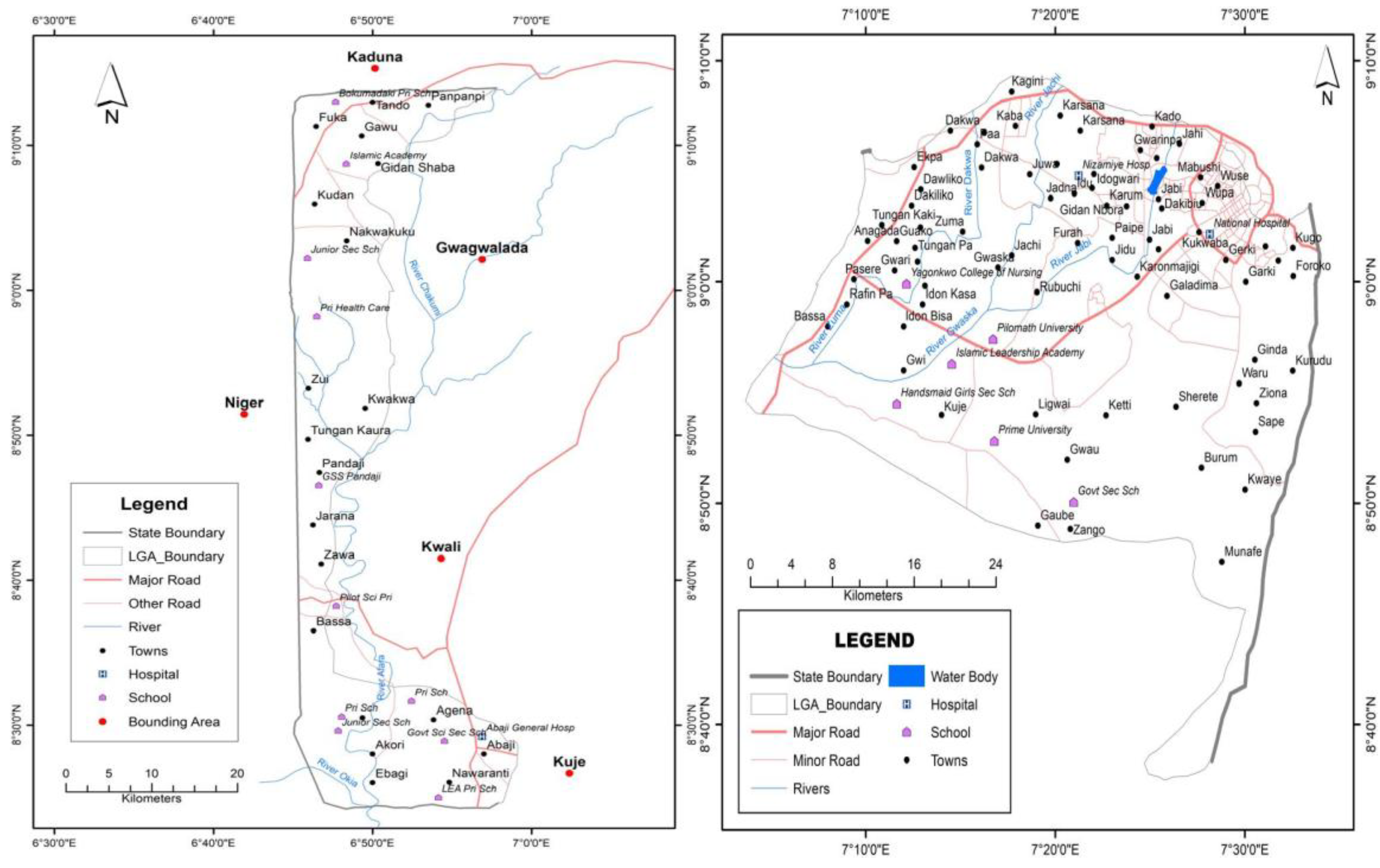
Figure 3.
Verified water bodies in in Bwari and Gwagwalada Area Councils.
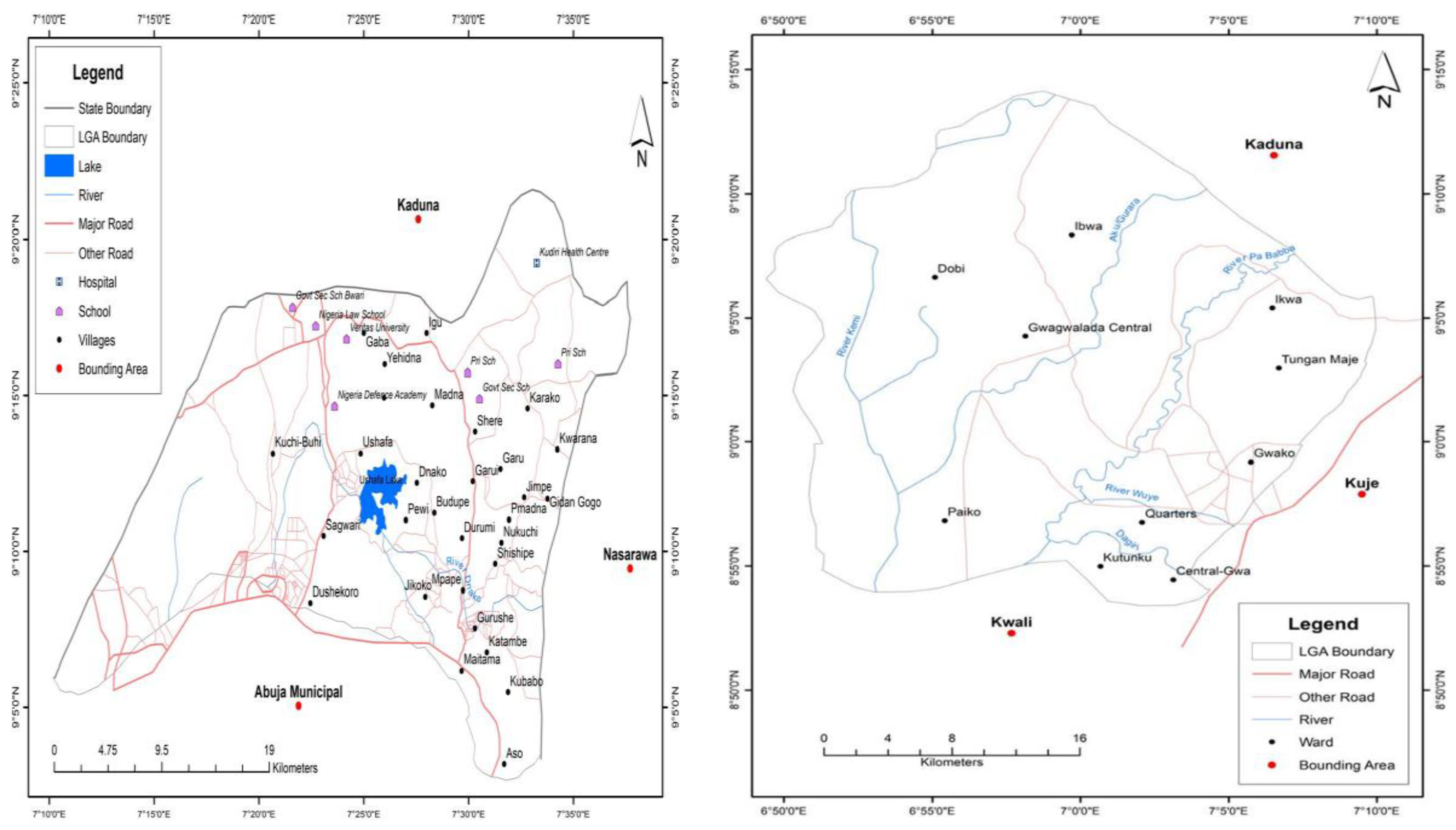
Figure 4.
Verified water bodies in in Kuje and Kwali Area Councils.
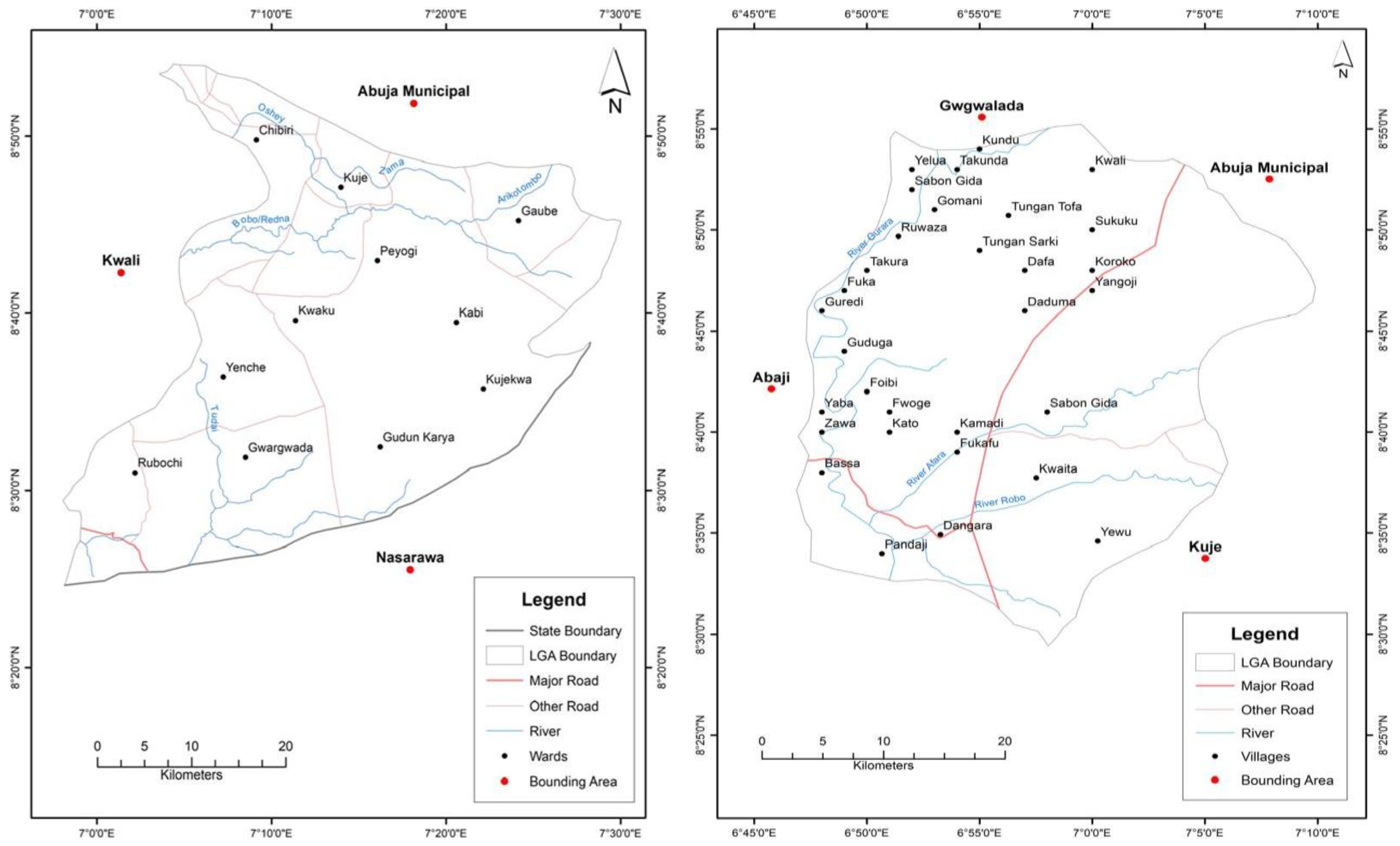
Figure 5.
Point Map of the studied sites.
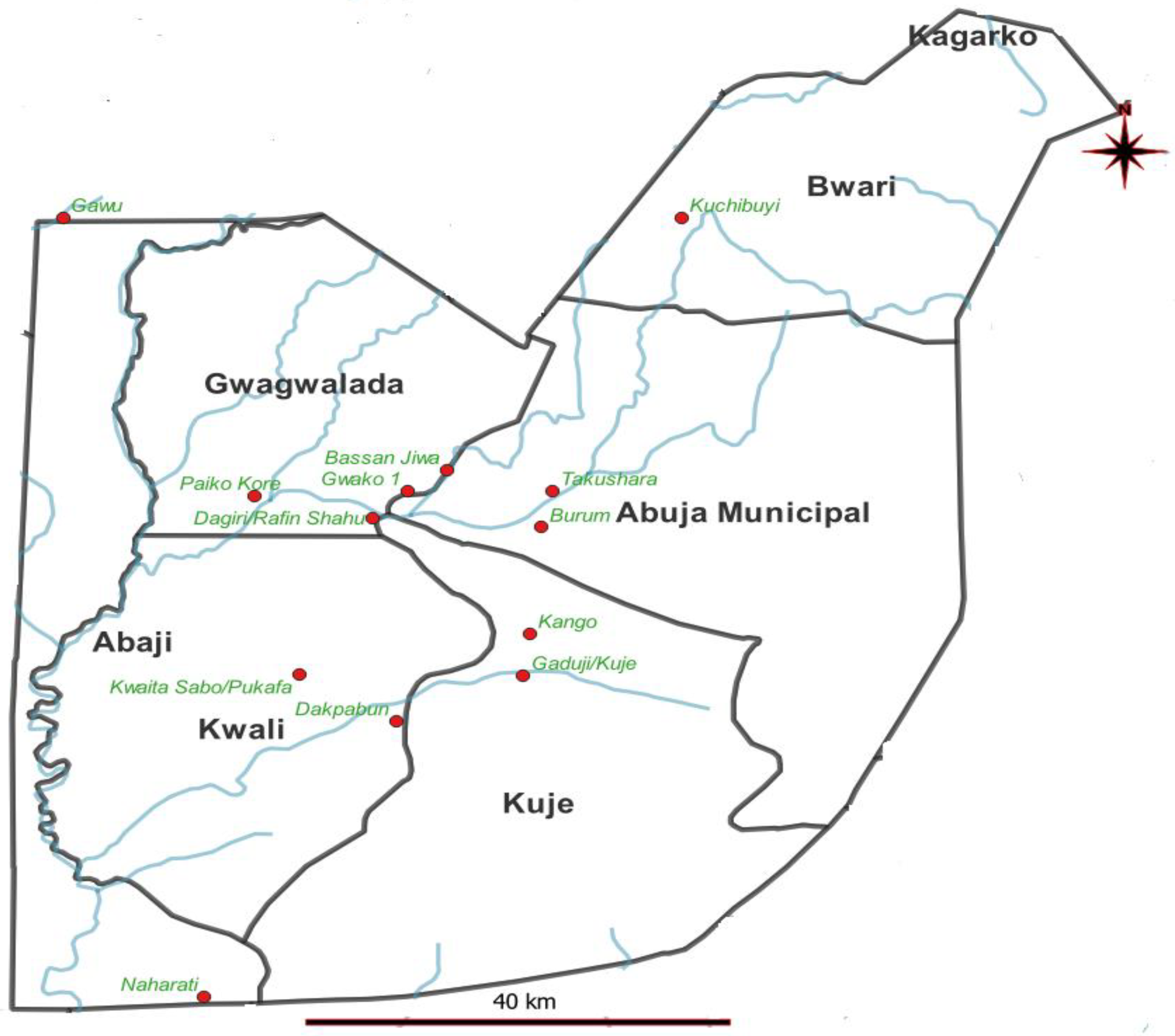
Figure 6.
Abundance of Snail species collected.
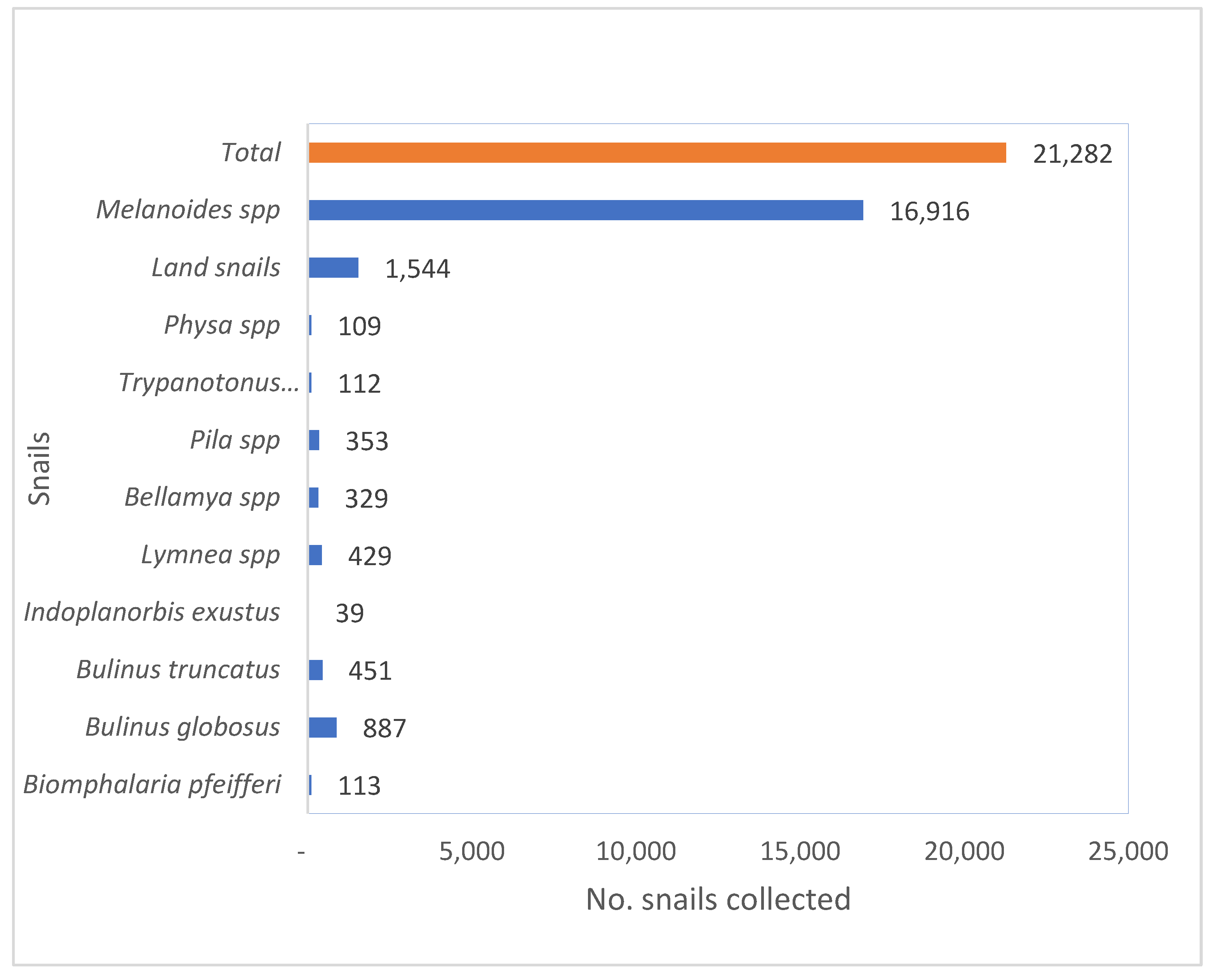
Figure 7.
Monthly variation of collected snails.
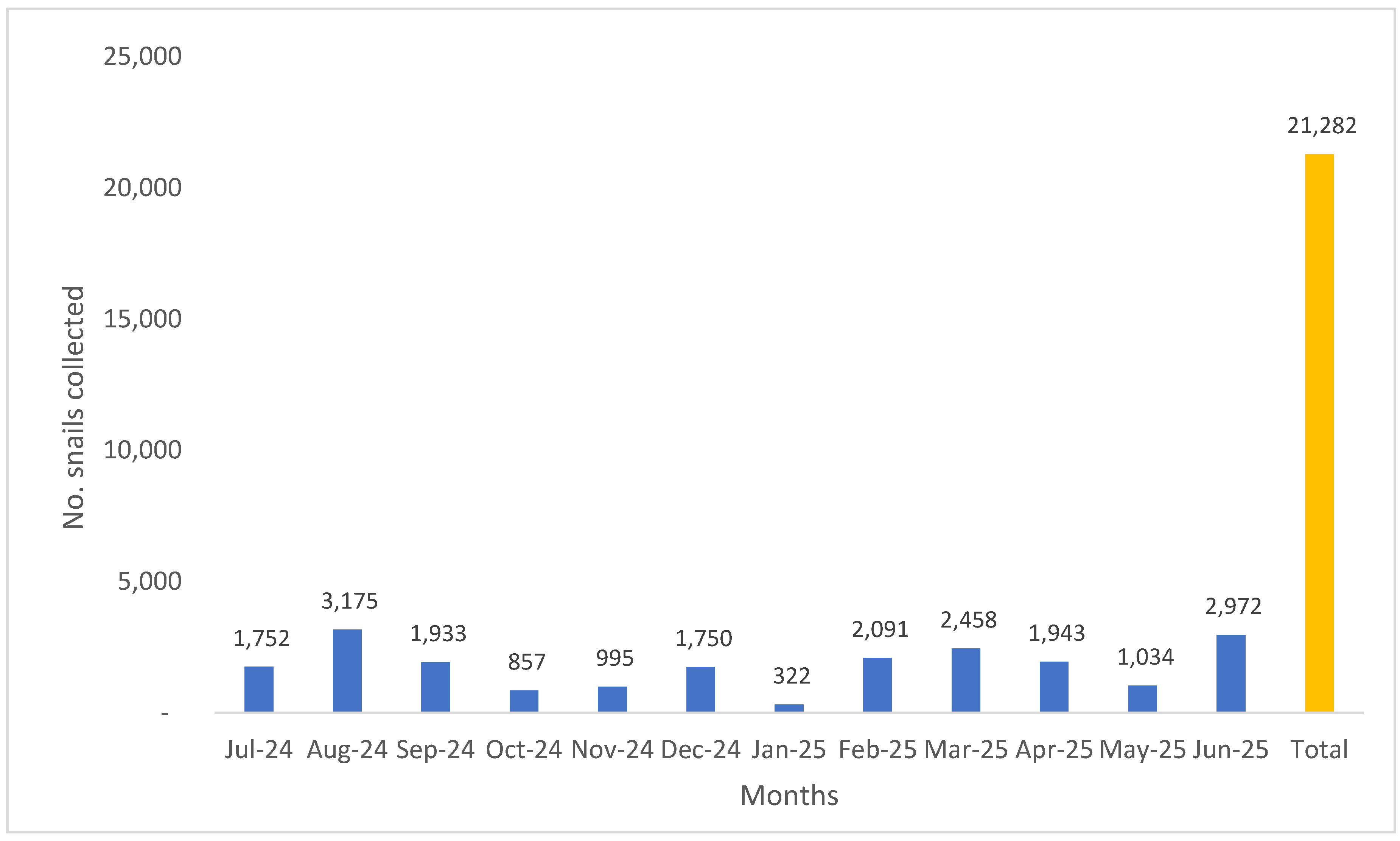
Figure 8.
Relationship between disease prevalence number of vectors shedding cercaria.
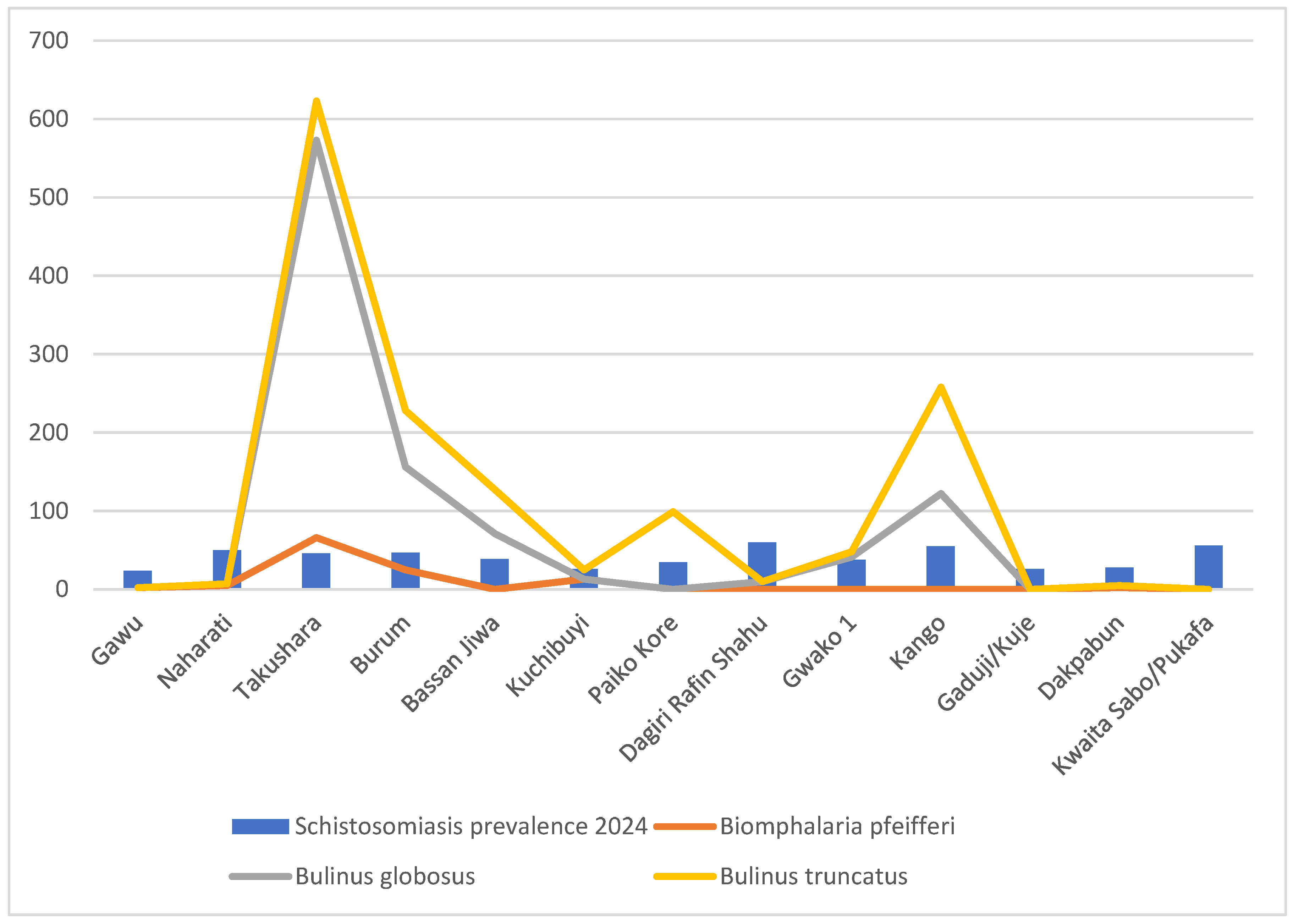
Plate 1.
Human water contact activities in River Dagiri of Gwagwalada area council.
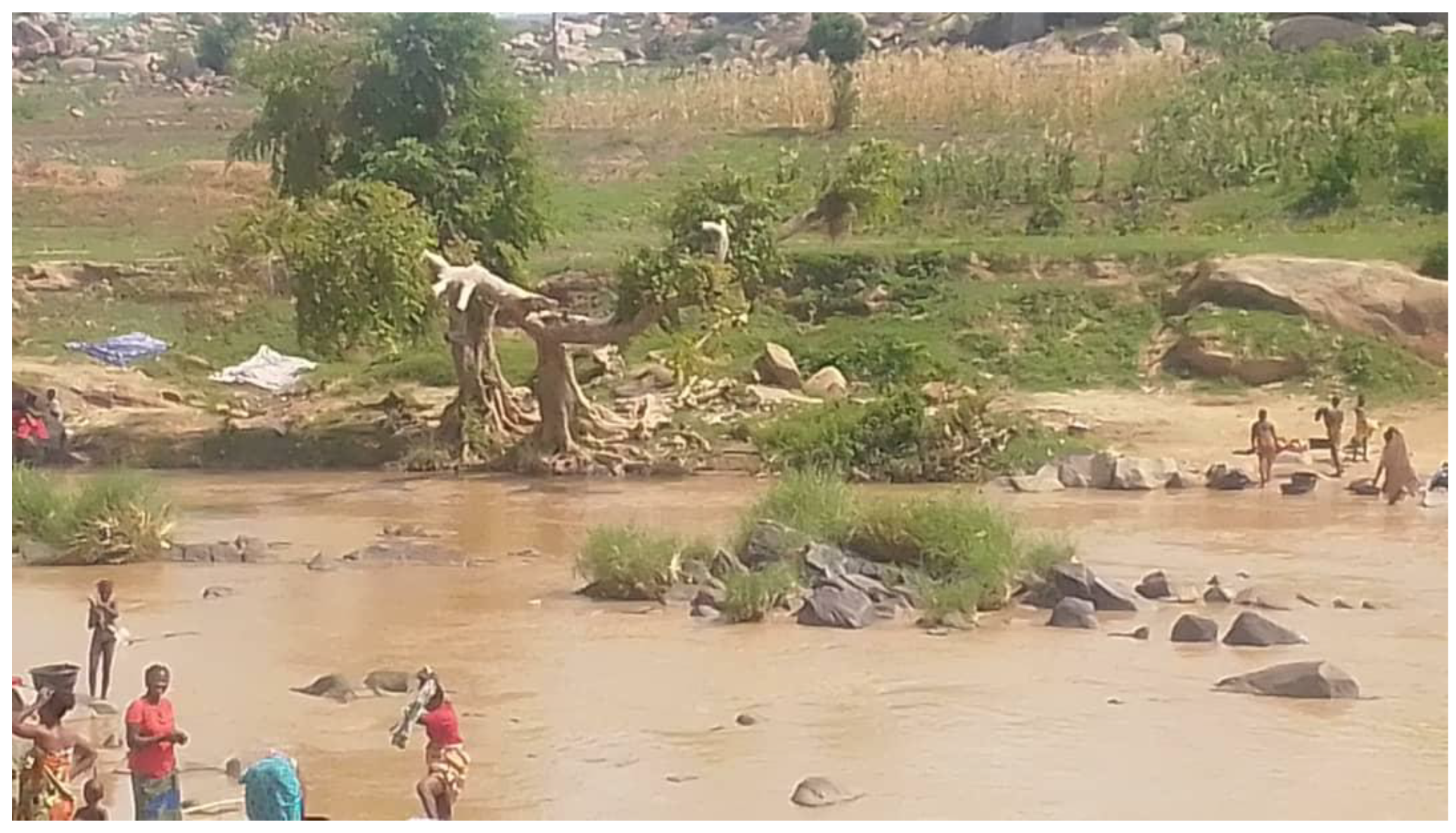
Plate 2.
Snails collected between July 2024 and June 2025.
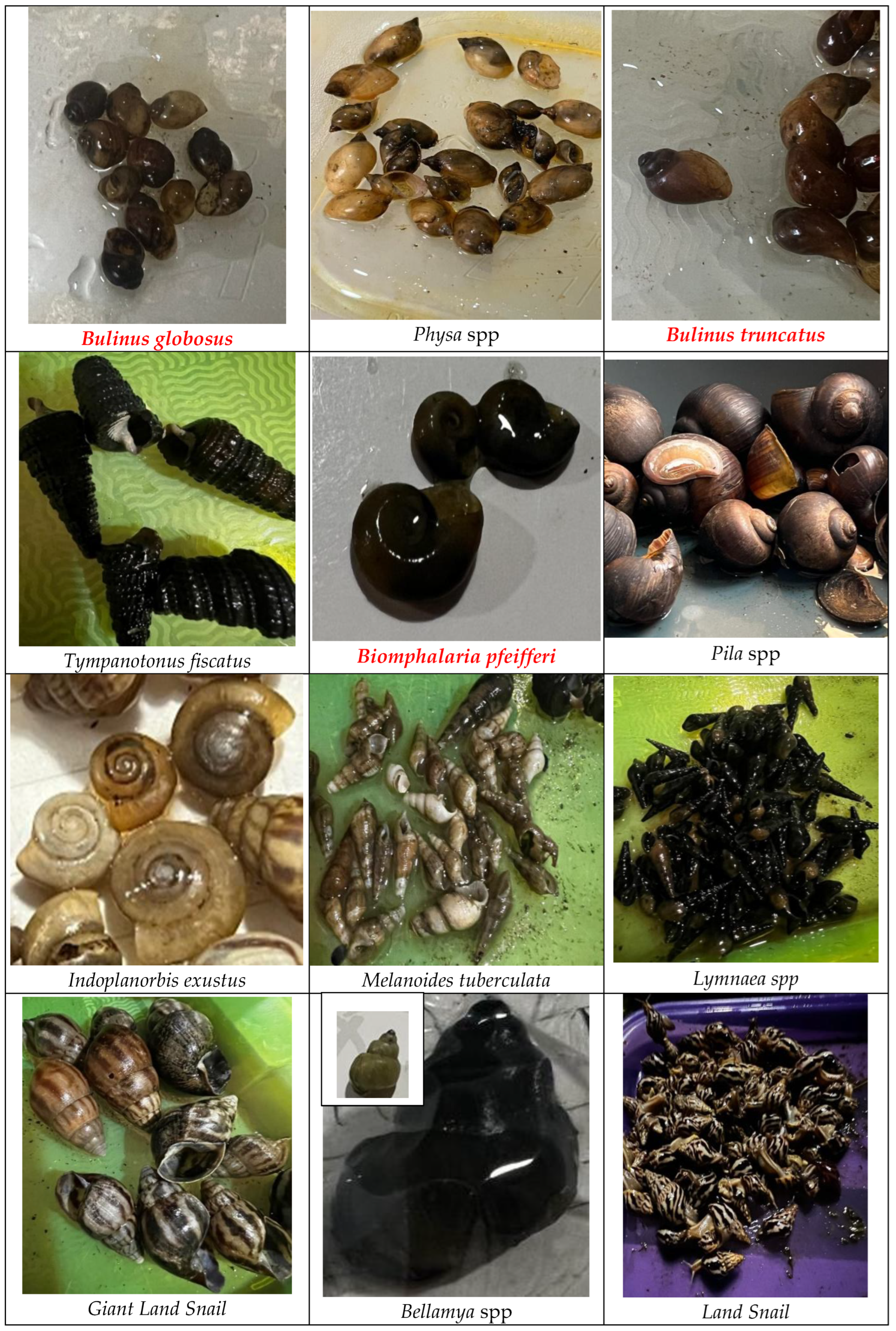

Table 1.
Monthly variation of snails in the villages; July 2024 – June 2025.
| Months | |||||||||||||
| Villages/ Communities | Jul-24 | Aug-24 | Sep-24 | Oct-24 | Nov-24 | Dec-24 | Jan-25 | Feb-25 | Mar-25 | Apr-25 | May | June | Total |
| Gawu | 2 | 117 | 26 | 35 | 32 | 6 | 0 | 0 | 0 | 0 | 0 | 0 | 218 |
| Naharati | 73 | 10 | 32 | 26 | 65 | 45 | 0 | 0 | 13 | 1 | 21 | 0 | 286 |
| Takushara | 158 | 118 | 171 | 124 | 137 | 146 | 54 | 25 | 30 | 30 | 0 | 68 | 1061 |
| Burum | 20 | 149 | 0 | 147 | 11 | 195 | 241 | 164 | 14 | 14 | 0 | 50 | 1005 |
| Bassan Jiwa | 0 | 0 | 0 | 0 | 65 | 11 | 12 | 130 | 59 | 59 | 153 | 570 | 1059 |
| Kuchibuyi | 38 | 66 | 24 | 8 | 67 | 65 | 15 | 22 | 0 | 276 | 46 | 41 | 668 |
| Paiko Kore | 379 | 137 | 45 | 0 | 20 | 140 | 0 | 272 | 600 | 95 | 200 | 500 | 2388 |
| Dagiri Rafin Shahu | 82 | 227 | 14 | 23 | 0 | 109 | 0 | 178 | 689 | 546 | 73 | 350 | 2291 |
| Gwarko 1 | 863 | 883 | 566 | 17 | 354 | 691 | 0 | 698 | 620 | 356 | 392 | 1,020 | 6460 |
| Kango | 0 | 7 | 36 | 0 | 7 | 6 | 0 | 546 | 349 | 482 | 55 | 179 | 1667 |
| Gaduji/Kuje | 24 | 1422 | 516 | 425 | 5 | 8 | 0 | 8 | 0 | 0 | 6 | 40 | 2454 |
| Dapagbui | 71 | 39 | 503 | 17 | 47 | 108 | 0 | 48 | 84 | 84 | 88 | 154 | 1243 |
| Kwaita Sabo/Pukafa | 42 | 0 | 0 | 35 | 185 | 220 | 0 | 0 | 0 | 0 | 0 | 0 | 482 |
| 1752 | 3175 | 1933 | 857 | 995 | 1750 | 322 | 2091 | 2458 | 1943 | 1034 | 2972 | 21282 | |
Table 2.
Distribution of Snail species by communities.
| Villages/ Communities | Biomphalaria pfeifferi | Bulinus globosus | Bulinus truncatus | Indoplanorbis exustus | Melanoides tuberculata | Land snails | Pila spp | Trypanotonus fuscatus | Physa spp | Bellamya spp | Lymnaea spp | Total |
| Gawu | 2 | 0 | 7 | 0 | 171 | 13 | 0 | 0 | 0 | 25 | 0 | 218 |
| Naharati | 5 | 2 | 12 | 0 | 42 | 125 | 55 | 3 | 29 | 13 | 0 | 286 |
| Takushara | 66 | 507 | 50 | 0 | 112 | 319 | 7 | 0 | 0 | 0 | 0 | 1061 |
| Burum | 25 | 131 | 72 | 6 | 458 | 131 | 13 | 0 | 31 | 28 | 110 | 1005 |
| Bassan Jiwa | 0 | 71 | 56 | 0 | 866 | 58 | 0 | 8 | 0 | 0 | 0 | 1059 |
| Kuchibuyi | 13 | 0 | 12 | 15 | 485 | 68 | 0 | 13 | 0 | 6 | 56 | 668 |
| Paiko Kore | 0 | 0 | 99 | 0 | 2,006 | 86 | 81 | 0 | 0 | 0 | 116 | 2388 |
| Dagiri Rafin Shahu | 0 | 10 | 0 | 18 | 1,908 | 275 | 10 | 22 | 0 | 9 | 39 | 2291 |
| Gwarko 1 | 0 | 41 | 7 | 0 | 6,041 | 163 | 81 | 32 | 0 | 0 | 95 | 6460 |
| Kango | 0 | 122 | 136 | 0 | 1,338 | 28 | 39 | 4 | 0 | 0 | 0 | 1667 |
| Gaduji/Kuje | 0 | 0 | 0 | 0 | 2,303 | 54 | 67 | 30 | 0 | 0 | 0 | 2454 |
| Dapagbui | 2 | 3 | 0 | 0 | 839 | 173 | 0 | 0 | 49 | 164 | 13 | 1243 |
| Kwaita Sabo/Pukafa | 0 | 0 | 0 | 0 | 347 | 51 | 0 | 0 | 0 | 84 | 0 | 482 |
| Total | 113 | 887 | 451 | 39 | 16,916 | 1,544 | 353 | 112 | 109 | 329 | 429 | 21282 |
Table 3.
Abundance of the snails during the Wet and Dry Seasons within the communities.
| Village/communities | NSW | NSD | NSCW | NSCD | Wet Abundance (%) | Dry Abundance (%) |
| Gawu | 180 | 38 | 2 | 7 | 1.11 | 18.42 |
| Naharati | 162 | 124 | 6 | 13 | 3.7 | 10.48 |
| Takushara | 639 | 422 | 391 | 232 | 61.19 | 54.98 |
| Burum | 366 | 639 | 145 | 83 | 39.62 | 12.99 |
| Bassan Jiwa | 723 | 336 | 0 | 127 | 0 | 37.8 |
| Kuchibuyi | 223 | 445 | 0 | 25 | 0 | 5.62 |
| Paiko Kore | 1261 | 1127 | 1 | 98 | 0.08 | 8.7 |
| Dagiri Rafin Shahu | 769 | 1522 | 1 | 9 | 0.13 | 0.59 |
| Gwarko 1 | 3741 | 2719 | 0 | 48 | 0 | 1.77 |
| Kango | 277 | 1390 | 0 | 258 | 0 | 18.56 |
| Gaduji/Kuje | 2433 | 21 | 0 | 0 | 0 | 0 |
| Dapagbui | 872 | 371 | 5 | 0 | 0.57 | 0 |
| Kwaita Sabo/Pukafa | 77 | 405 | 0 | 0 | 0 | 0 |
| 11723 | 9559 | 551 | 900 |
Key: NSW – Number of Snails in Wet season, NSD - Number of Snails in Dry season, NSCW - Number of Snails that shed Cercariae in Wet season, NSCD - Number of Snails that shed Cercariae in Dry season.
Disclaimer/Publisher’s Note: The statements, opinions and data contained in all publications are solely those of the individual author(s) and contributor(s) and not of MDPI and/or the editor(s). MDPI and/or the editor(s) disclaim responsibility for any injury to people or property resulting from any ideas, methods, instructions or products referred to in the content. |
© 2025 by the authors. Licensee MDPI, Basel, Switzerland. This article is an open access article distributed under the terms and conditions of the Creative Commons Attribution (CC BY) license.
Copyright: This open access article is published under a Creative Commons CC BY 4.0 license, which permit the free download, distribution, and reuse, provided that the author and preprint are cited in any reuse.


