
Submitted:
10 December 2025
Posted:
10 December 2025
You are already at the latest version
Abstract
Millions of women around the world rely on cosmetics and hygiene products every day, however, they often have no idea about the exposure to dangerous chemicals in their everyday usage. Chemicals present in many of these products, such as parabens, phthalates and PFAS (per- and polyfluoroalkyl substances) are known to act as endocrine disruptors which could potentially affect the body's hormonal systems. In addition to acting as endocrine disruptors, some of these chemicals have been shown to cause cancer when used in certain applications, such as formaldehyde releasing preservatives and asbestos contaminated talc. As a result of using these products, it is essential to understand the biochemical characteristics of the chemicals so we can begin to understand how they can affect our bodies. This study uses the bioinformatics software program SwissADME to identify key properties related to the absorption of three representative chemicals from three classes of chemicals, including DEP (diethyl phthalate), butylparaben, PFOA (perfluorooctanoic acid), based on publicly available molecular information. Using this molecular data, SwissADME was able to predict several key biochemical characteristics of the studied chemicals including lipophilicity, skin permeability, gastrointestinal absorption and other ADME (absorption, distribution, metabolism and excretion)-related parameters. Based on the predictions of SwissADME, this study provides an estimate of the ability of each chemical to penetrate biological barriers, reach the bloodstream and interact with target tissues involved in the mechanism of endocrine disruption and carcinogenesis.SwissADME predictions indicate that both phthalates and parabens have molecular properties that would allow them to easily pass through the skin, thereby supporting previous epidemiological studies indicating that users of cosmetic and hygiene products have measurable levels of internal exposure. Although PFAS were predicted to have lower skin permeability, previous studies have shown that PFAS bind to proteins and remain in the body for long periods of time, allowing them to accumulate in the body over time. Due to its size and high reactivity, formaldehyde has the highest predicted capacity to rapidly interact with tissues. Since talc had low predicted permeability, the health risk associated with talc is most likely due to the presence of asbestos contamination and not to the chemical composition of the talc itself. Overall, the results of the SwissADME study provide a link between molecular properties and the observed exposure patterns of humans and support toxicological and epidemiological evidence, and therefore emphasize the need to conduct further research on the mixture-based toxicity of these chemicals, require companies to disclose all of the ingredients used in their products, and modify existing regulations regarding chemical safety in order to better regulate and control the risks posed by these chemicals in the cosmetic and hygiene products marketed to women.
Keywords:
cosmetics
; endocrine disruptors
; PFAS
; phthalates
; parabens
; breast cancer
; menstrual products
Introduction
Women's beauty products and personal care products have become a regular part of many women's daily lives. Products like lotions, deodorant, menstrual products, hair treatments, powder, and foundation are all intended to enhance women's appearance and well-being. Nevertheless, research indicates that many women's cosmetic products contain chemicals that could affect biological processes or cause health problems later in life. Many of the chemicals used in women's cosmetic products have been shown to act as endocrine disruptors; other chemicals have been studied to see if they could potentially be carcinogenic. Since women begin using products made with these chemicals during adolescence, and continue to be exposed throughout much of their life span, understanding how these chemicals behave biologically is crucial for determining their potential effects on women's health.
Chemicals that disrupt hormone action in animals by interfering with normal hormone signaling pathways are referred to as endocrine disrupting chemicals (EDCs) (National Academies of Sciences, Engineering, and Medicine, 2017). The mechanism of EDCs may include mimicking a natural hormone, blocking the binding of a hormone to its receptor, altering the production or degradation of a hormone, or affecting the transport and/or elimination of a hormone (U.S. EPA, 2025a). Of the most common EDCs that have been detected in consumer products, including cosmetics and personal hygiene products, are phthalates and parabens. While phthalates are added to products to stabilize fragrances and to improve the flexibility of a product, parabens are used as antimicrobial preservatives in a wide variety of products, such as lotions, wipes, shampoos, and makeup. In addition to both demonstrating estrogenic activity in laboratory studies, there is epidemiological evidence that links both to menstrual disturbances, premature onset of puberty, changes in reproductive hormone levels, and increased incidence of breast cancer (Zota & Shamasunder, 2017). Furthermore, since both types of chemicals are capable of being absorbed into the body via the skin and mucous membranes, and because they are applied repeatedly over time, women will likely be exposed to them continuously over their lifetime.
Another group of emerging contaminants that are frequently found in cosmetic formulations and menstrual products is per- and polyfluoroalkyl substances (PFAS). PFAS are synthetic fluorine-based compounds that create water and oil resistance, increase the durability of cosmetic products, and improve the ease of applying cosmetics such as foundations, mascaras, and long-wear lipstick products. Research has indicated that PFAS are detectable in menstrual pads and period underwear, suggesting that women may also be exposed to them by direct contact with their vulva (Peaslee et al., 2020). PFAS have raised concerns among scientists and regulators because of their exceptional ability to persist in the environment and accumulate in living organisms. For example, PFAS have strong affinity for serum proteins, are metabolically inert, and may interfere with immune system functions, thyroid hormone regulation, and carcinogenic mechanisms (U.S. EPA, 2025b). The presence of PFAS in cosmetics presents a new route of exposure for women that has received little prior attention.
In addition to the chemicals classified as EDCs, other carcinogens have also been found in various cosmetic and hygiene products. For example, talc has been shown to be contaminated with asbestos when mined in areas where there is a high likelihood of asbestos deposits in the ore (American Cancer Society, 2024). Exposure to asbestos is a proven cause of mesothelioma and ovarian cancer, and therefore the inclusion of asbestos in cosmetic products poses a serious public health problem. Another carcinogen of interest is formaldehyde, which is often released by preservatives that are formally referred to as formaldehyde-releasing agents. These preservatives are added to hair products, shampoos, and skin-care products to inhibit the growth of microorganisms. Formaldehyde has been classified as a human carcinogen, and exposure to this chemical can lead to DNA damage and potentially cancer of the respiratory tract or blood-forming organs (National Cancer Institute, 2022). Although formaldehyde may only be present at very small concentrations in cosmetic products, the fact that it is repeatedly applied to the skin and scalp raises questions regarding the possible cumulative effects of this carcinogen.
Despite increasing amounts of scientific data regarding the safety of cosmetic products in the U.S., the regulatory framework governing the use of cosmetic ingredients is still limited. In the United States, the Food and Drug Administration (FDA) does not require premarket approval of most cosmetic ingredients and does not require ongoing evaluation of the carcinogenicity, EDC status, or contaminant status of those same ingredients (Wallack, 2019). Specifically, the FDA has stated that while phthalates are not considered to be hazardous to consumers in the form of cosmetics, they do not need to be listed on product labels. Therefore, as consumers are unable to identify which specific products contain phthalates, assessing the risk of exposure is nearly impossible (FDA, 2022). Similarly, the FDA does not require the listing of PFAS as ingredients and there are no established standards for testing to ensure that talc used in cosmetics is free from asbestos. These gaps in regulatory oversight limit the ability of consumers and researchers to estimate the full scope of exposure to these chemicals and emphasize the importance of conducting scientific investigations of the chemical properties of and the biological behaviors of these chemicals.
Understanding how cosmetics ingredients affect humans starts at a molecular level. Bioinformatics provides us with the ability to understand how the chemical structure of an ingredient will be absorbed by the human body, distributed throughout the body, metabolized by the body, and excreted by the body. SwissADME is one of the most widely used computational platforms that allows us to evaluate the physio-chemical parameters of an ingredient's structure; such as lipophilicity, topological polar surface area, and predicted skin permeability. These parameters tell us if an ingredient has the capability to pass through biological membranes and reach target tissues in the body, and whether it will remain in the body long enough to cause damage (Daina et al., 2017). Since many cosmetic ingredients come into contact directly with the skin or mucous membrane surfaces, using SwissADME to evaluate whether their molecular structure supports significant dermal absorption is a practical approach to assessing this issue. Using these predictions alongside existing toxicology information regarding cosmetic ingredients will enhance our understanding of how cosmetic chemicals can lead to endocrine disruption or carcinogenic effects.
While many studies have assessed the toxicological or epidemiological effects of cosmetic chemicals few studies have evaluated the relationship between the molecular characteristics of these compounds and their potential for biological absorption and therefore interaction with biological pathways. While studies have reported relationships between the use of cosmetic products and the internal levels of chemical constituents of those products, there is little explanation provided on what mechanisms allow the chemical constituents of the products to pass through the skin. Furthermore, while bioinformatics tools offer a great deal of value in providing insight into how these chemicals can enter circulation and/or interact with biological pathways, they are not being utilized effectively in the discussion of cosmetic safety. Therefore, we see a need for additional research that evaluates the chemical structure of cosmetic chemicals, predicts their absorption and compares them to known endocrine or carcinogenic mechanisms to better understand the risks associated with exposure.
The hypothesis of this study is that the chemicals found in many women’s cosmetic and hygiene products, including phthalates, parabens, PFAS, formaldehyde, and talc contaminants, all contain physico-chemical properties that would allow some degree of dermal absorption of the chemicals, which could in turn facilitate their contribution to endocrine disrupting or carcinogenic processes. The goal of this research is to utilize SwissADME to evaluate and compare the predicted absorption/permeability of representative compounds from each chemical group and interpret the results in light of established adverse health effects. Ultimately, the purpose of this research is to connect observational studies of exposure to mechanistic understanding of how exposure occurs, and to aid in developing a more informed dialogue regarding the safety of cosmetic products, as well as the need for enhanced regulation and oversight of the industry.
Methods
This project assessed the molecular characteristics and potential biological behaviors of three representative substances commonly present in women's personal care and hygiene products using the SwissADME Bioinformatics Platform. The three selected substances (diethyl phthalate; butylparaben; perfluorooctanoic acid) were chosen due to their categorization in several areas of public concern, including carcinogens, environmental contaminants and endocrine disrupting compounds. Formaldehyde will only be included for comparison due to its instability in free form, and talc/asbestos were discussed separately since inorganic particulates can’t be analyzed through SwissADME’s molecular modeling tools.
SwissADME allows researchers to assess absorption, distribution, metabolism, and excretion (ADME) properties based solely on a molecule's structure. As a result, SwissADME is an excellent analytical tool for assessing the likelihood that a cosmetic ingredient can penetrate through biological barriers or be accumulated throughout the body (Daina et al., 2017).
Each of the three substances listed above had its respective SMILES codes collected from the PubChem database, a publicly available repository of chemical information managed by the U.S. National Institute of Health (NIH). Each SMILES code was directly copied into the SwissADME input field. In order to prevent computational overlap and facilitate interpretation of the output, each substance was analyzed separately. Once a SMILES string was inputted into the SwissADME program, SwissADME produced a set of predictions based on previously validated computational models for each of the five substances listed above.
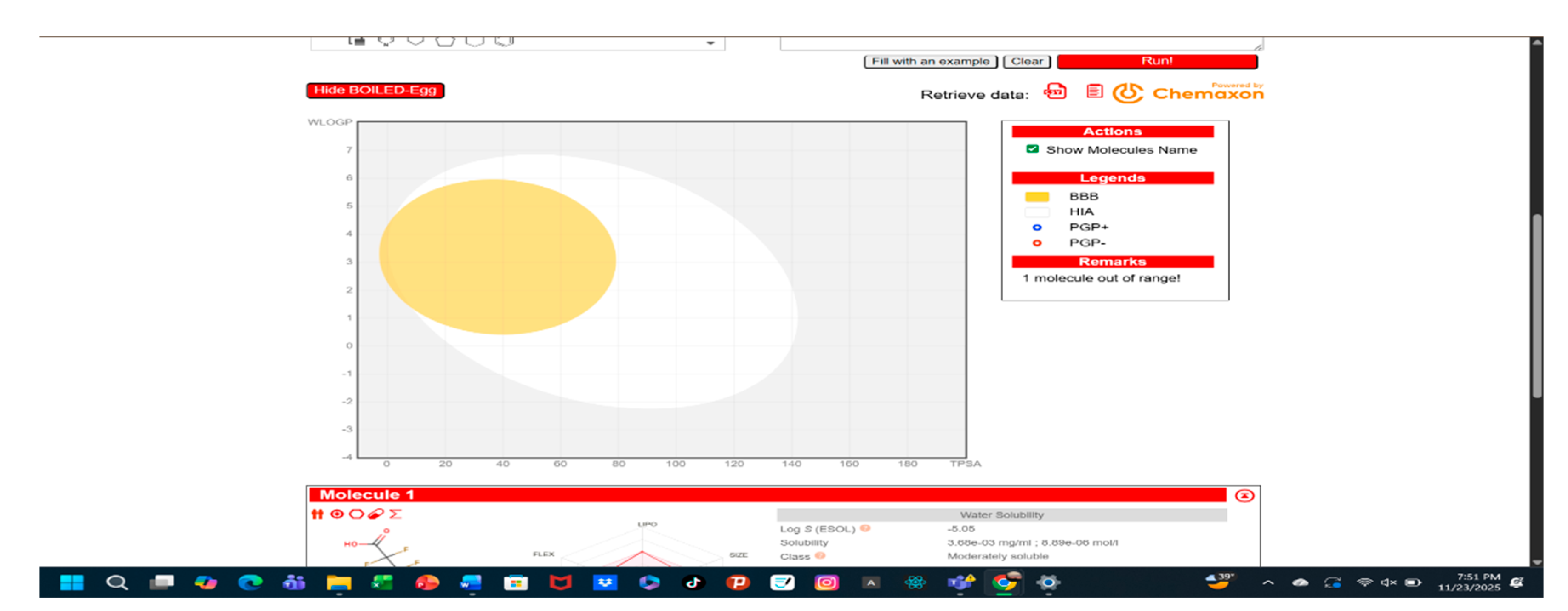
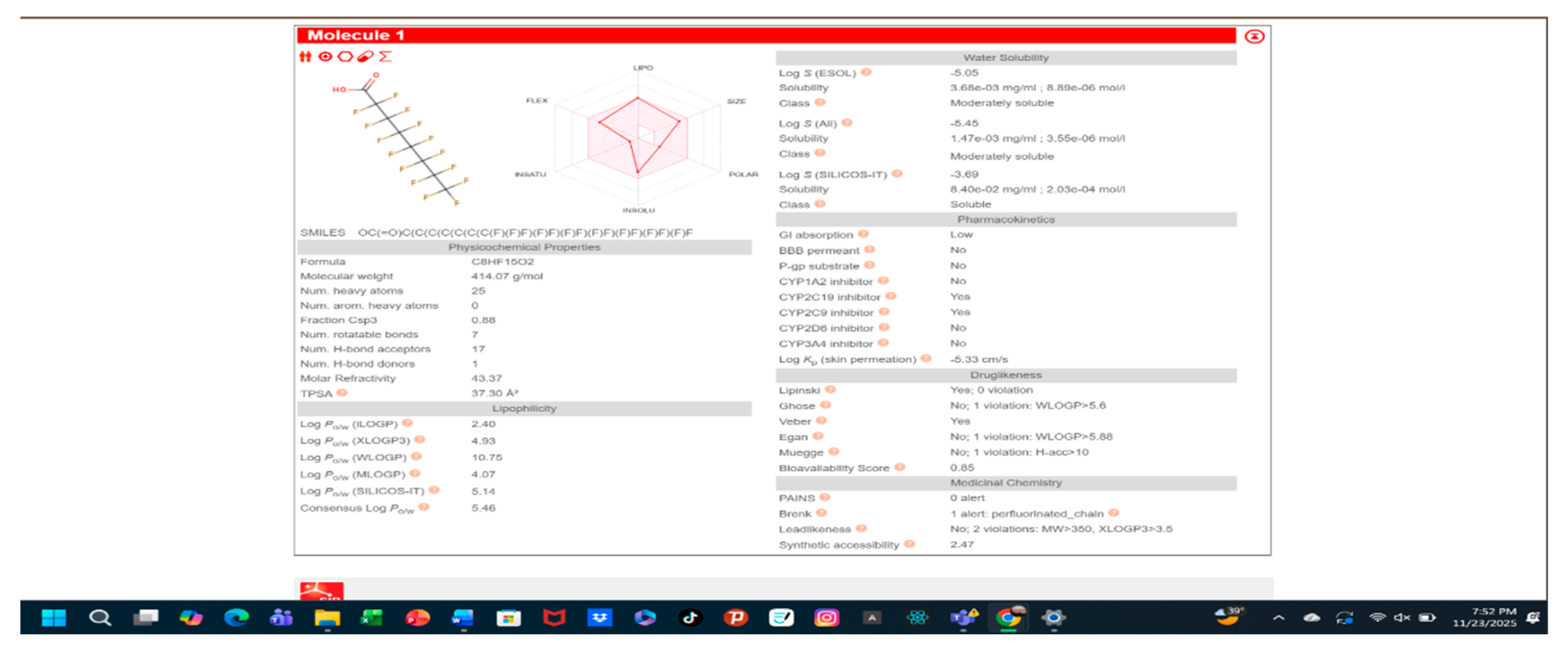
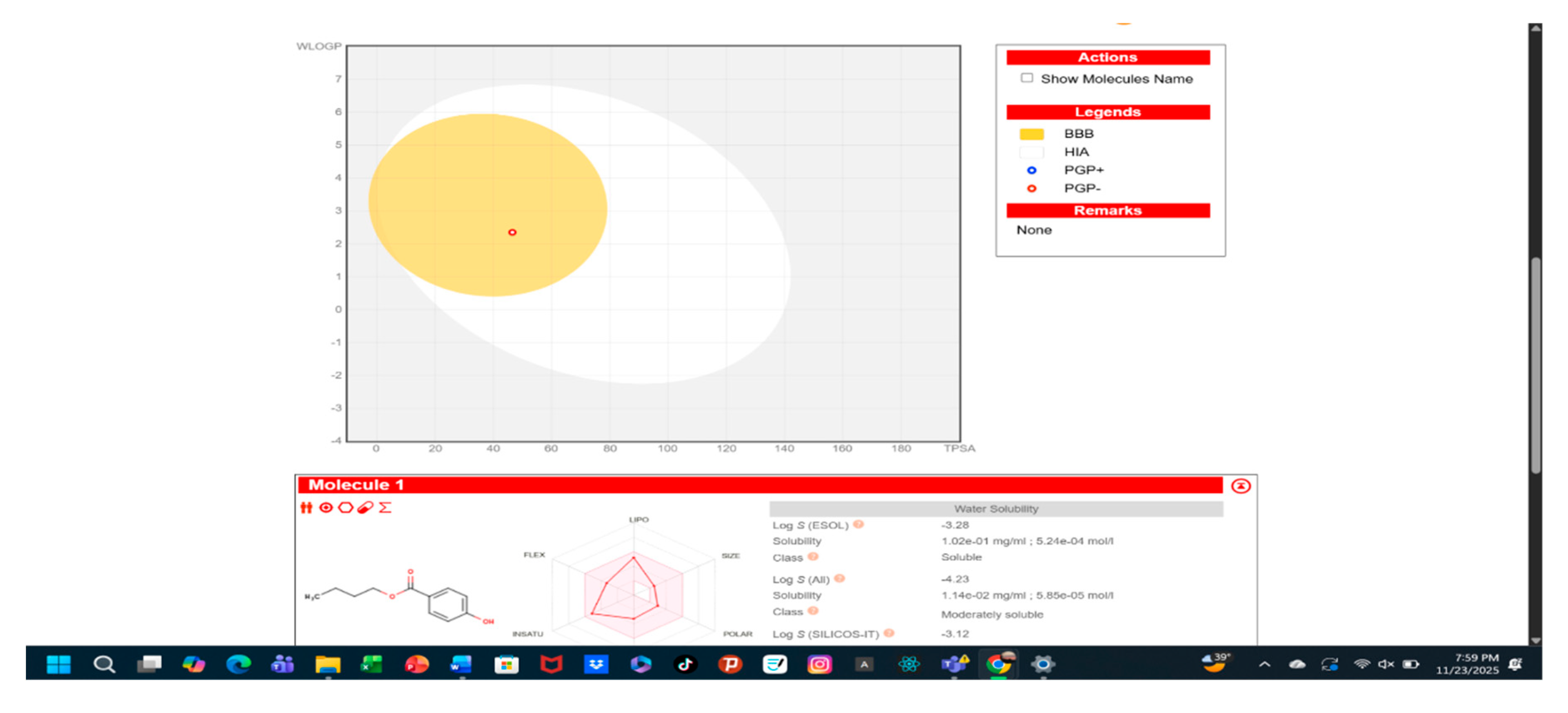
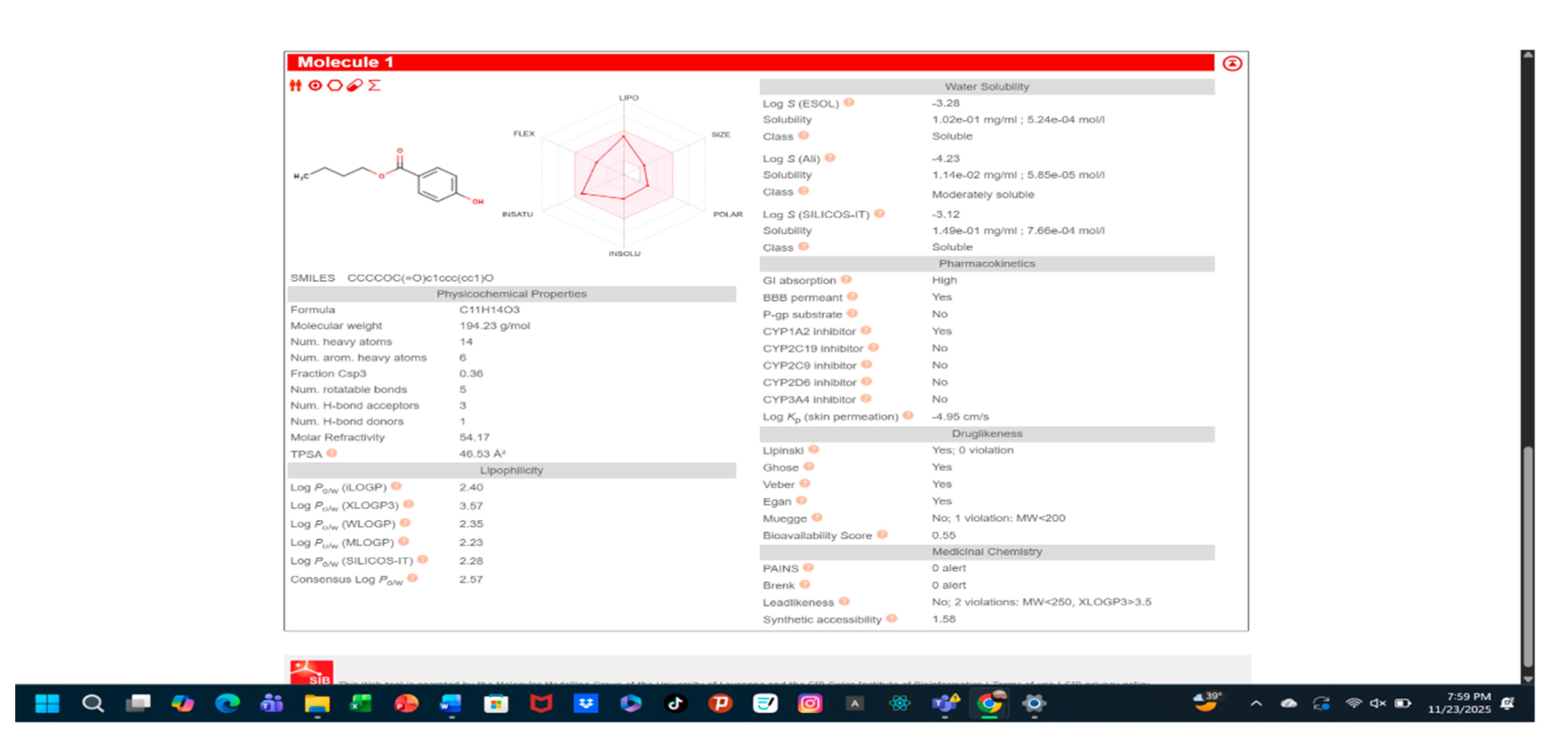
For this study, there were four major categories of output from the SwissADME analyses. The first category included the physicochemical property table, including molecular weight, lipophilicity (log P), topological polar surface area (TPSA), and solubility. Physicochemical properties assist in determining if a compound has the ability to traverse lipid rich biological membranes, such as the skin or the epithelial surfaces of the reproductive tract. The second category included the BOILED-Egg model used to predict gastrointestinal absorption and blood-brain barrier permeability. The third category included the skin permeability parameter (log Kp) as well as the fourth category, which included the medicinal chemistry filter(s) associated with reactive or toxic structural features, where applicable to the specific health concerns related to each substance.
Following completion of the computational predictions, the results were captured in screenshot format. A comparison table was developed to visually compare the different properties among the five substances. Predictions for each substance were compared to known exposure routes, as well as dermal absorption of these substances, as outlined in toxicological literature. For example, a prediction of high skin permeability for both DEP and butylparaben was consistent with documented dermal absorption of phthalates and parabens in human biomonitoring studies, whereas a prediction of low skin permeability for talc is consistent with existing knowledge that the health risks posed by talc are primarily derived from the presence of asbestos in talc, rather than absorption (American Cancer Society, 2024).
Finally, the results were analyzed in the context of endocrine disruption, carcinogenesis, and the regulatory gaps identified in the introduction. While SwissADME provides predictions regarding the ADME properties of substances, the predictions do not constitute definitive measurements of the toxicity of substances. Rather, the predictions provide a framework to support the biological plausibility of adverse effects resulting from exposure to certain substances. Therefore, this methodology provides a systematic approach to linking chemical structure to biological behavior, thus providing an additional mechanism to understand exposure pathways and to establish evidence supporting adverse health effects attributed to various cosmetic ingredients.
Results
The following shows the SwissADME results for each chemical of concern along with its BOILED-Egg model:
Perfluorooctanoic Acid:
Butylparaben:
Diethyl Phthalate:
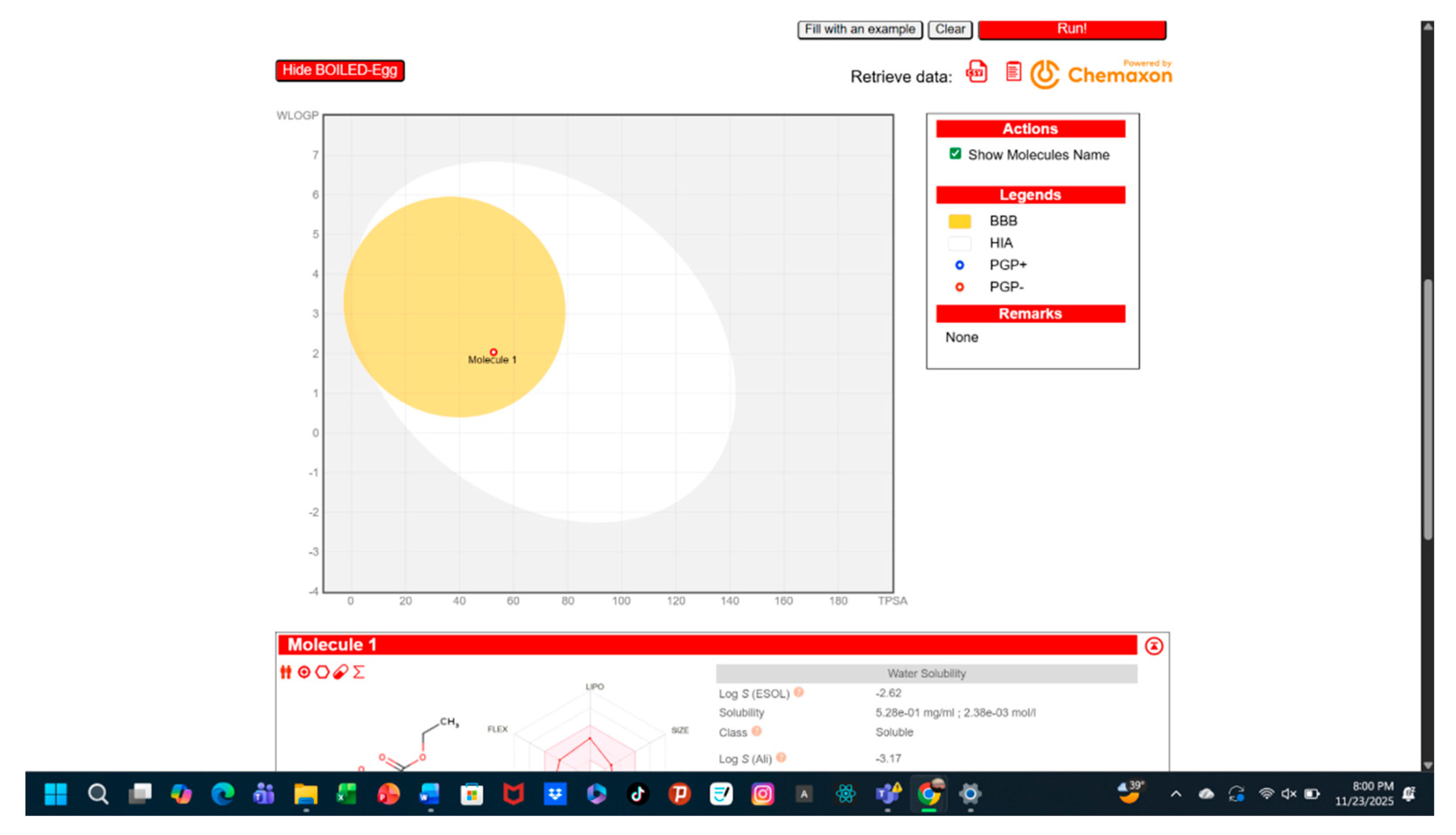
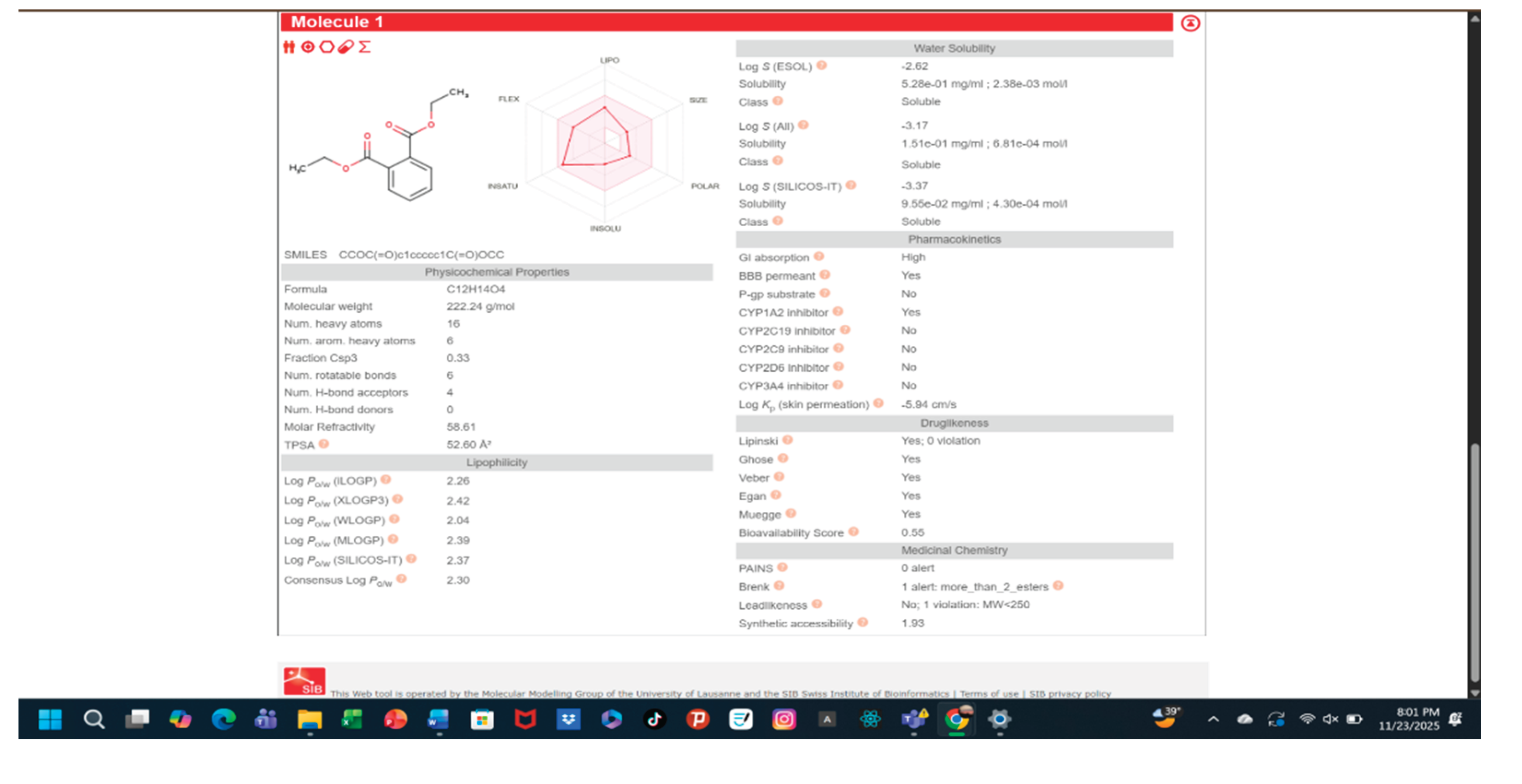

Table 1.
Molecular Properties and Predicted Biological Accessibility of Cosmetic Chemicals Analyzed Using SwissADME.
Table 1.
Molecular Properties and Predicted Biological Accessibility of Cosmetic Chemicals Analyzed Using SwissADME.
| Chemicals | Physicochemical Properties | Predicted Absorption & Permeability (SwissADME) | Biological Interpretation | Relevance to Cosmetic Exposure |
| Perfluorooctanoic Acid | MW 414.07 g/mol; TPSA 37.30Å2, consensus logP 5.46 | Low GI absorption; not BBB permeant; log Kp = −5.33 cm/s. | Lower permeability but extreme persistence and protein binding promote accumulation. | Found in long wear cosmetics and menstrual products |
| Butylparaben | MW 194.23 g/mol; TPSA 46.53 Å2; consensus logP 2.57 | High GI absorption; BBB permeant; log Kp = −4.95 cm/s | Structural properties support passive diffusion and endocrine-disrupting activity. | Present in makeup, lotion, wipes, and skin care products. |
| Diethyl Phthalate (DEP) | MW 222.24 g/mol; TPSA 52.60 Å2; consensus logP 2.30. | High GI absorption; BBB permeant; log Kp = −5.94 cm/s. | Readily absorbed dermally and mucosally. Moderate lipophilicity supports environmental exposure studies. | Commonly found in fragranced deodorants, soaps, and lotions. |
Discussion
The use of SwissADME was helpful to assess the physical properties of cosmetic-related chemicals and their ability to penetrate biological membranes and possibly generate endocrine or carcinogenic effects. The comparative evaluation of diethyl phthalate (DEP), butylparaben and perfluorooctanoic acid (PFOA) identified significant differences in absorption profiles in accordance with epidemiologic evidence and established toxicological mechanisms. DEP and butylparaben have physicochemical characteristics which favor both gastrointestinal and dermal uptake such as moderate lipid solubility, low to moderate topological polar surface area (TPSA) values and predicted skin permeation rates consistent with compounds capable of passive diffusion. These findings confirm many decades of biomonitoring literature which has shown that metabolites of phthalates and parabens are frequently detectable in urine and serum samples of persons routinely using fragrant and preservative-containing cosmetic products (Zota & Shamasunder, 2017). Therefore, their SwissADME predicted permeability supports the biological plausibility of systemic exposure resulting from routine topical applications.
However, butylparaben's predicted permeability through the blood brain barrier (BBB) is also noteworthy as it implies a possible greater extent of distribution of this compound in tissues than previously emphasized. In addition, the compound's moderate lipid solubility and high gastrointestinal absorption prediction are consistent with its known estrogen mimicking activity in cell culture and animal studies (Darbre & Harvey, 2008). As endocrine disrupting chemicals can act at extremely low concentrations, relatively small amounts of flux through epithelial layers may be sufficient to effect hormone-mediated signal transduction pathways. Therefore, the data generated by SwissADME provide further mechanistic rationale for concern regarding paraben exposure in cosmetics applied to the skin, armpits, or in proximity to reproductive organs.
On the other hand, PFOA had low predicted GI absorption, no BBB permeation and a skin permeability value indicating little passive diffusion. Although these predictions seem reassuring at first glance, PFAS compounds are well recognized for their extreme persistence in the environment, resistance to biodegradation, and high affinity for serum proteins (U.S. EPA, 2025b). Because PFOA remains in the body for many years after it is absorbed, even a small amount of dermal or mucosal contact from cosmetics can lead to prolonged bioaccumulation. Therefore, the SwissADME output indicates another key difference: although PFOA does not easily penetrate the body, once it enters it remains in the body for long periods of time. This finding is consistent with the large number of epidemiological studies associating PFAS exposure with immune system dysfunction, reproductive abnormalities, and increased incidence of certain cancers (Zhou et al., 2023). Therefore, PFOA is an example of a contaminant where minimal permeability does not imply minimal risk.
The comparison with talc and asbestos illustrates the limitations of computational ADME models and the necessity of assessing cosmetic contaminants using the correct mechanism(s). SwissADME cannot model asbestos fibers since they are inorganic particulate matter, not molecules; therefore, their adverse health effects are due to chronic inflammation and surface reactivity, not absorption-based toxicity. This distinction emphasizes that evaluating the safety of cosmetics involves multiple methods of analysis, including chemical modeling, toxicological assays, and evaluation of pathways of contamination.
Overall, the data demonstrate how molecular modeling can elucidate routes of exposure for chemicals that are common in personal care products marketed to women. The agreement between predicted absorption properties and documented biological effects provides further evidence of increasing concerns regarding endocrine disruptors and reaffirms the need for modernized regulation of cosmetic safety.
This study demonstrates that SwissADME is a useful analytical method for understanding how cosmetic chemicals function at the molecular level and how their physical/chemical properties impact biological exposure. DEP and butylparaben have strong potential for gastrointestinal and dermal absorption, providing support for their role as endocrine-disrupting agents, whereas PFOA shows how persistence rather than permeability impacts long-term risk. Future research should combine computational modeling with biomonitoring, toxicology of mixtures and initiatives focused on transparency of ingredients. Development of additional bioinformatics analyses of more cosmetic chemicals may assist in guiding safer formulation strategies and inform new regulations intended to protect consumers.
References
- American Cancer Society. Known and probable human carcinogens. 2024. Available online: https://www.cancer.org/cancer/risk-prevention/understanding-cancer-risk/known-and-probable-human-carcinogens.html.
- Daina, A.; Michielin, O.; Zoete, V. SwissADME: A free web tool to evaluate pharmacokinetics, drug-likeness and medicinal chemistry friendliness of small molecules. Scientific Reports 2017, 7(1), 42717. [Google Scholar] [CrossRef] [PubMed]
- Darbre, P. D.; Harvey, P. W. Paraben esters: Review of recent studies of endocrine toxicity, absorption, esterase and human exposure, and discussion of potential risks. Journal of Applied Toxicology 2008, 28(5), 561–578. [Google Scholar] [CrossRef] [PubMed]
- Food and Drug Administration. Phthalates in cosmetics. U.S. Department of Health & Human Services. 2022. Available online: https://www.fda.gov/cosmetics/cosmetic-ingredients/phthalates-cosmetics.
- National Academies of Sciences; Engineering; and Medicine. Application of systematic review methods in an overall strategy for evaluating low-dose toxicity from endocrine active chemicals; The National Academies Press, 2017. [Google Scholar] [CrossRef]
- National Cancer Institute. Formaldehyde and cancer risk. U.S. National Institutes of Health. 2022. Available online: https://www.cancer.gov/about-cancer/causes-prevention/risk/substances/formaldehyde/formaldehyde-fact-sheet.
- Peaslee, G. F.; et al. Another source of PFAS contamination: Period underwear and menstrual products. Environmental Science & Technology Letters 2020, 7(11), 913–918. [Google Scholar] [CrossRef]
- U.S. Environmental Protection Agency. Overview of endocrine disruptor research. 2025a. Available online: https://www.epa.gov/endocrine-disruption/overview-endocrine-disruption.
- U.S. Environmental Protection Agency. PFAS toxicity and health research. 2025b. Available online: https://www.epa.gov/pfas/pfas-explained.
- Wallack, G. Rethinking FDA’s regulation of cosmetics. Harvard Journal on Legislation 2019, 56(1), 311–340. Available online: https://harvardjol.com/wp-content/uploads/sites/17/2019/02/HLL205_crop.pdf.
- Zhou, Y.; et al. Exposure to per- and polyfluoroalkyl substances and risk of hormone-dependent cancers: A systematic review. International Journal of Environmental Research and Public Health 2023, 20(6), 4780. [Google Scholar] [CrossRef]
- Zota, A. R.; Shamasunder, B. The environmental injustice of beauty: Framing chemical exposures from beauty products as a health disparities concern. American Journal of Obstetrics and Gynecology 2017, 217(4), 418.e1–418.e6. [Google Scholar] [CrossRef] [PubMed]
- PubChem. Open Chemistry Database. National Center for Biotechnology Information. n.d. Available online: https://pubchem.ncbi.nlm.nih.gov (accessed on 23 November 2025).
- Swiss Institute of Bioinformatics. SwissADME: Swiss Institute of Bioinformatics ADME prediction tool. 2025. Available online: http://www.swissadme.ch (accessed on 23 November 2025).
Disclaimer/Publisher’s Note: The statements, opinions and data contained in all publications are solely those of the individual author(s) and contributor(s) and not of MDPI and/or the editor(s). MDPI and/or the editor(s) disclaim responsibility for any injury to people or property resulting from any ideas, methods, instructions or products referred to in the content. |
© 2025 by the authors. Licensee MDPI, Basel, Switzerland. This article is an open access article distributed under the terms and conditions of the Creative Commons Attribution (CC BY) license (http://creativecommons.org/licenses/by/4.0/).
Copyright: This open access article is published under a Creative Commons CC BY 4.0 license, which permit the free download, distribution, and reuse, provided that the author and preprint are cited in any reuse.


