Preprint
Article

This version is not peer-reviewed.

Factors Associated with Urinary Incontinence in Female Weightlifters

Submitted:

08 December 2025

Posted:

09 December 2025

You are already at the latest version

Abstract

Background/Objectives: Urinary incontinence (UI) is common among women practicing sports, particularly those involving heavy lifting or high-impact movements that increase intra-abdominal pressure. UI can negatively affect social life, self-confidence, and motivation to remain active. This study aimed to examine the associations of sociodemographic, training-related, obstetric and surgical factors with UI in female weightlifters. Methods: A cross-sectional study was conducted with 84 French women regularly practicing weightlifting. Participants completed a sociodemographic and gynecological questionnaire, along with the Urinary Symptom Profile (USP). Data were analyzed using Mann-Whitney U, Student’s t-test, Chi-square, and Fisher’s exact tests (95% confidence level). Results: Among participants (aged 15–49 years), 51 (60.7%) reported involuntary urine leakage, and 31 (36.9%) scored 1–3 on the USP stress incontinence subscale. Most participants were non-smokers (73.8%), with a median of 3.5 years of weightlifting experience, 4 weekly training sessions, and 6–7 competitions per year. No significant associations were found between UI and sociodemographic factors, obstetric history, previous surgeries, or training characteristics. Maximal lifts in Clean & Jerk and Snatch exercises were also similar between participants with and without UI. Slight trends suggested higher UI prevalence among women with vaginal deliveries, episiotomies, or vaginal lacerations. Conclusions: UI is common among female weightlifters, but in this study, was not associated with sociodemographic factors or weightlifting practices. These findings indicate that UI prevalence cannot be explained by the variables studied and highlight the need for further research into other potential contributing factors.

Keywords: 
;  ;  

1. Introduction

Urinary incontinence (UI) is defined as the involuntary leakage of urine [1]. This clinical condition refers to a dysfunction of the pelvic floor (PF), affecting the anatomical and functional integrity of the PF, which includes the supporting muscles and connective tissues that control the pelvis and its organs. It can manifest as weakness, leading to issues such as stress and fecal incontinence, pelvic organ prolapses, or conversely, as hypertonic disorders characterized by dysfunctional muscle activity. Conditions such as urinary urgency, pelvic pain, and other voiding dysfunctions can arise as a secondary effect of other pelvic pain disorders [2]. This condition affects both women and men but is more common in females. The most common cause of UI in men is prostate enlargement or changes resulting from treatment for prostate cancer [3]. The different stages of a woman's life, such as pregnancy, childbirth or menopause, can cause bladder or pelvic floor muscle (PFM) dysfunction, resulting in UI of any type [4]. There are three main types of UI: stress incontinence, urge incontinence, and mixed incontinence [5]. One function of the PF is to regulate bladder and bowel storage and emptying, signaling when elimination is necessary by coordinating the opening and closing of the urethral and anal openings to help maintain continence [6]. When functioning normally, the PF has three main roles: to support the pelvic viscera against changes in intra-abdominal pressure (IAP), to act as a constrictor to maintain urinary and fecal continence [7,8] and enable successful sexual function [6]. From an anatomical point of view, the PF consists of muscles, ligaments and fascia that support the bladder, reproductive organs and rectum. These soft tissues are surrounded by the bony structure of the pelvis, which consists of four bones: two hip bones, the sacrum and the coccyx [9]. The average prevalence of UI is 30% among middle-aged women, and it can affect 47% of women who exercise regularly [10]. Regarding this condition in sport, scientific literature has already demonstrated that UI is related to the intensity of impacts during training. The prevalence of UI ranges from 5% in low-impact activities to 80% in high-impact activities, such as trampolining [11]. In addition to the intensity of the impacts, the amount of training influences UI symptoms, with a prevalence of incontinence ranging from 10 to 80% [11]. According to Jacome, et al. [12], 41% of female athletes who regularly lift weights also have UI. Weightlifting is a strength and power sport consisting of two movements: the Snatch and the Clean and Jerk [13]. Combines lifting heavy loads and the Valsalva maneuver (forced exhalation against a closed glottis) [14], which significantly increase the pressure on the PF [15]. Weightlifting causes a significant increase in IAP, especially with the use of the Valsalva maneuver, which is often used to stabilize the torso when lifting heavy loads. The increase in IAP is transmitted to adjacent pelvic structures, including the urinary bladder and the bladder neck region [16]. Generally, the fear of having urinary problems, especially during public competitions, limits the intensity of effort, leading some athletes to abandon the sport [15]. Many women avoid certain exercises (e.g., jumping, heavy weights) or adapt their training, which can compromise their training progress and overall health. Ashton-Miller and DeLancey [17], showed that 20% of women with UI restrict their physical activities, which can impact the quality of life of athletes by reducing their social life, daily activities, and psychological state [18], which can result in decreased physical condition, weight gain, and even trigger symptoms of depression [17,19]. Physiotherapy plays an essential role in the rehabilitation of this clinical condition Ghaderi and Oskouei [20]. According to Wallace, et al. [21], pelvic physiotherapy has solid evidence-based support and clear benefits as a first-line treatment for most PF disorders. As UI is recognized as a common problem among athletes [22], individualized interventions and training plans are increasingly recommended [20]. This study aimed to examine the associations, of sociodemographic, training-related, obstetric and surgical factors with UI in female weightlifters.

2. Materials and Methods

A cross-sectional observational study was conducted. The target population of the study consisted of women who practice weightlifting in France. The selection was made for convenience based on a non-probabilistic sample. The following criteria were considered for sample selection: i) women aged between 15 and 50 years [23]; ii) regularly practiced weightlifting, defined as a minimum of 2 training sessions per week for at least 6 months [24,25]; iii) provided informed consent to participate in the study. Women with cardiovascular disease, diabetes, and asthma [26], a history of neurological conditions affecting UI, moderate to severe overactive bladder, and moderate to severe dysuria [27] were excluded. This study has been approved by the Ethics Committee of the Northern Polytechnic Institute of Health (IPSN) with the following reference: 58/CE-IPSN/2025.
A self-administered questionnaire based on previous studies on UI in athletes and weightlifters was used, and the Urinary Symptom Profile (USP) validated for the French population [28]. The USP quantifies stress urinary incontinence severity and provides sub scores for overactive bladder (storage symptoms) and bladder emptying symptoms. This assessment enabled the exclusion of participants who had excessively high scores in the overactive bladder and/or dysuria domains, corresponding to moderate or severe manifestations of these conditions. Regarding the USP score, any score other than zero was considered indicative of lower urinary tract dysfunction [27].

2.1. Procedures

An initial request for authorization and collaboration to disseminate the study was sent to French weightlifting clubs. Upon approval, clubs received an email containing the questionnaire link and a Quick Response (QR) code for member access. Data collection took place between 8 April and 15 May 2025. After this period, the data was exported to Excel and transferred to SPSS software.

2.2. Statistical Procedures

A significance level of 0.05 was adopted, and results with p-values below this threshold were considered statistically significant. To examine the relationship between risk factors and the presence of UI in the study sample, the symmetry of the scalar variables was assessed. Symmetric variables included age, number of competitions per year, Snatch one-repetition maximum (1RM), and number of pregnancies. Asymmetric variables comprised body mass index (BMI), daily water intake, training experience in weightlifting, weekly training frequency, and Clean and Jerk 1RM. Based on these results, either the student’s t-test or the Mann–Whitney test was applied to compare variables between groups with and without urinary leakage. The Chi-square test or Fisher’s exact test was used to assess associations between qualitative variables.

3. Results

Analysis of the questionnaire responses allowed to verify the eligibility of participants for the study. Of 109 women available to participate, 26 were excluded, yielding a final sample of 84 (Figure 1).
Table 1 shows the sociodemographic profile of the athletes, as well as the variables associated with sports practice.
The sample consisted of 84 athletes aged between 15 and 49 years. Most began weightlifting 2 to 6 years ago (56; 66.67%), with a median (P25-P75) training frequency of 4 (3-5) times per week. On average, they participate in 6.5 (4.0-8.0) competitions per year. Regarding smoking habits, most athletes (62 (73.8%)) were non-smokers. Among smokers, median consumption was 49 (28-70) cigarettes per week, with a median smoking duration of 7 (5-15) years. Among the participants, 51 (60.7%) reported experiencing involuntary urinary leakage.
Table 2 shows the different risk factors for UI in the sample.
Higher percentages were observed in the UI group for older age, higher BMI, and prior vaginal delivery, episiotomy, or vaginal lacerations. However, none of these differences reached statistical significance.
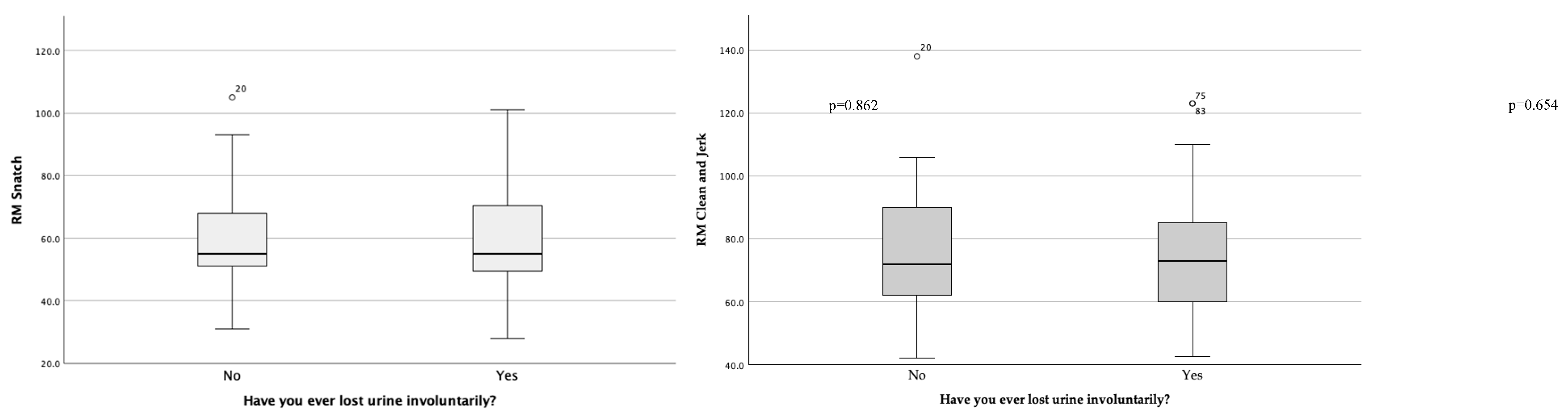
Figure 2 shows the distribution of RM Clean and Jerk and RM Snatch according to the presence or absence of involuntary urinary leakage.
Regarding athletes with and without UI, no differences were found (p>0.05) with respect to weightlifting belt use or the breathing phase during load lifting.

4. Discussion

The present study examined the influence of sociodemographic and obstetric factors on UI and evaluated whether weightlifting practices are associated with UI among female weightlifters. In our sample, the prevalence of UI affects more than half of female weightlifters. Although relevant, this estimate is higher than reported previously, which indicates that less than half of female weightlifters´ experience UI [29]. The study by Wikander, Kirshbaum, Waheed and Gahreman [29], showed a slightly lower prevalence than in the present study. Regarding the influence of the different studied variables, no differences were observed in relation to involuntary urinary loss in the study population. However, the results showed a trend toward greater likelihood of UI with increasing age. In line with this pattern, Huebner, et al. [30] noted that multiple factors may contribute to the age-related differences in UI prevalence among master female weightlifters. Differences in participants´ age ranges can significantly influence outcomes, as older athletes may have different health status and training history compared to younger ones. For example, the referred study reveals a higher prevalence of moderate or severe UI in weightlifters than in the general population, which suggests that the athletic environment may introduce unique risk factors. Additionally, prior participation in high-impact sports appears to increase the risk of developing UI among these athletes. Concurrently, mental health factors like depressive mood have been identified as risk factors for UI, adding another layer of complexity to how age might interact with both physical and psychological characteristics in this context. Variability in training regime and sport history could further account for the discrepancies across studies, indicating that multiple factors must be considered to understand the broader population characteristics impacting UI prevalence in master female weightlifters [30]. Similarly, a trend was observed with the duration of sport practice, which may also influence urinary losses. Likewise, the use of a weightlifting belt may act as a potential aggravating factor for UI, as reported previously. Considering the conditions of delivery, vaginal delivery tends to be more traumatic for the PF and cause UI in the women involved, compared to caesarean delivery. Episiotomy and vaginal lacerations appear to be risk factors for UI. These results seem to be consistent with data currently available in the scientific literature. The studies reviewed in the systematic analysis developed by Wang, et al. [31], indicate that episiotomy does not generally provide a protective effect against UI. In fact, only one of the two studies that specifically analyzed urge urinary incontinence found an association with episiotomy, suggesting a lack of consistent evidence supporting episiotomy as a risk factor for UI. Additionally, across three register linkage studies involving 37,849 patients, findings were inconsistent. One study indicated an increased risk of subsequent anti-incontinence surgery after episiotomy, while the other two found no significant associations between episiotomy and rates of anti-incontinence procedures. Overall, the evidence points toward a complex relationship between episiotomy and urinary incontinence, lacking definitive conclusions about risk factors [31]. Regarding other factors, this study suggests a trend whereby higher BMI values are associated with a higher probability of UI. These results are not consistent with those obtained by Wikander, Kirshbaum, Waheed and Gahreman [18], who did not observe any influence of BMI on the presence of UI in weightlifting athletes. This discrepancy may be due to differences in sample characteristics. From the perspective of weightlifting practice, the number of competitions held per year, the maximum weight lifted in the two exercises, and the athlete's years of sporting practice was not associated with UI. These results have already been found in the literature, namely in the study by Wikander, Kirshbaum, Waheed and Gahreman [18], where they also did not find the number of years of sporting practice as a factor in the development of UI. These authors also state that the RM of the Snatch and Clean and Jerk has no impact on the condition studied. However, this study did not reveal an influence between UI and, respectively: the use of a weightlifting belt, the number of training sessions per week, and the breathing phase in the stage in which the movement is performed [18,30,32]. The sport characteristics of the sample produce differences in outcomes. The findings indicate that maximum effort lifts, such as Snatch and Clean and Jerk during competition, were less likely to result in UI compared to maximum effort lifts performed in training. While heavy loads and high repetition sets were key factors that provoked UI, particularly with squats, there is no significant evidence connecting these specific weightlifting techniques (Snatch and Clean and Jerk) directly with increased occurrences of UI. Overall, women reported more instances of leakage during high repetition sets and heavy lifting, but maximum competition lifts were less impactful on urinary leakage compared to training [18]. Although this study is based on an evidence-based approach, supported by epidemiological and clinical data from national and international scientific literature, some inherent limitations are acknowledged. The sample used in this study, comprising only 84 weightlifters, limits the generalization to the general population. Furthermore, the self-completion nature of the questionnaire may lead to an underestimation of urinary symptoms, which could have been reduced by applying for a clinical test. Furthermore, participants' responses may have been influenced by factors such as embarrassment, shyness, or the desire to project a positive image, leading them to understate their UI symptoms or overstate their sporting activity. Consequently, risk factors identified in the general population may not be fully applicable to this athletic population. For example, it is plausible that women who practice weightlifting show more effective recovery of PF function after childbirth, possibly associated with improved neuromuscular function and prior strengthening of these muscles. Nevertheless, the study addresses a relatively unexplored topic. The distinction between personal factors and weightlifting practice characteristics may provide an opportunity to continue complementary lines of research. Extending this research with larger quantitative samples, as well as qualitative and longitudinal designs, to clarify the epidemiology of UI in female weightlifters, as well as athletes´ knowledge, preventive behaviors, and management strategies. Greater awareness and prevention may improve management and support adherence to training programs tailored to female physiology and anatomy.

5. Conclusions

The risk factors examined were not significantly associated with UI among female weightlifters, nor were. Furthermore, weightlifting practice variables. Nonetheless, higher BMI, more weekly training sessions, and a history of vaginal delivery, episiotomy, or vaginal lacerations showed non-significant trends toward higher UI prevalence, warranting confirmation in larger samples.

Author Contributions

Conceptualization, M.B.; C.P. and J.R.; methodology, M.B.; C.P.; M.B. S.L. and G.B.; software, M.B.; C.P.; M.B. S.L. and G.B.; validation, M.B.; C.P.; M.B. S.L. and G.B.; formal analysis, M.B.; C.P.; M.B. S.L. and G.B; investigation, M.B.; C.P. and J.R.; resources, M.B.; C.P.; M.B. S.L. and G.B.; data curation, M.B.; C.P.; M.B. S.L. and G.B.; writing—original draft preparation, M.B.; C.P.; M.B. S.L. and G.B.; writing—review and editing, S.L.; G.B.; A.V. and A. C.; visualization, M.B.; C.P.; M.B. S.L.; G.B.; A.V. and A. C; supervision, S.L. and G.B.; project administration, S.L. and G.B. All authors have read and agreed to the published version of the manuscript.

Funding

This research received no external funding.

Institutional Review Board Statement

This study was performed in accordance with the Declaration of Helsinki and was approved by the Ethics Committee of the Northern Polytechnic Institute of Health (IPSN) with the following reference: 58/CE-IPSN/2025.

Informed Consent Statement

Informed consent was obtained from all subjects involved in this study.

Data Availability Statement

The data presented in this study are available on request from the corresponding author, as the study is part of an ongoing research project.

Acknowledgments

The authors would like to thank all the study participants.

Conflicts of Interest

The authors declare no conflicts of interest.

References

  1. Abrams, P.; Cardozo, L.; Fall, M.; Griffiths, D.; Rosier, P.; Ulmsten, U.; van Kerrebroeck, P.; Victor, A.; Wein, A. The standardisation of terminology of lower urinary tract function: report from the Standardisation Sub-committee of the International Continence Society. Am J Obstet Gynecol 2002, 187, 116-126. [CrossRef]
  2. Grimes, W.R.; Stratton, M. Pelvic Floor Dysfunction. In StatPearls; StatPearls Publishing.
  3. In Copyright © 2025; StatPearls Publishing LLC.: Treasure Island (FL), 2025; 3. Copyright © 2025, StatPearls Publishing LLC.: Treasure Island (FL), 2025.
  4. Linde, J.M.; Nijman, R.J.M.; Trzpis, M.; Broens, P.M.A. Urinary incontinence in the Netherlands: Prevalence and associated risk factors in adults. Neurourol Urodyn 2017, 36, 1519-1528. [CrossRef]
  5. Aoki, Y.; Brown, H.W.; Brubaker, L.; Cornu, J.N.; Daly, J.O.; Cartwright, R. Urinary incontinence in women. Nat Rev Dis Primers 2017, 3, 17097. [CrossRef]
  6. Leslie, S.W.; Tran, L.N.; Puckett, Y. Urinary Incontinence. In StatPearls; Treasure Island (FL), 2025.
  7. Pierce, H.; Perry, L.; Gallagher, R.; Chiarelli, P. Pelvic floor health: a concept analysis. J Adv Nurs 2015, 71, 991-1004. [CrossRef]
  8. Cacciari, L.P.; Dumoulin, C.; Hay-Smith, E.J. Pelvic floor muscle training versus no treatment, or inactive control treatments, for urinary incontinence in women: a cochrane systematic review abridged republication. Braz J Phys Ther 2019, 23, 93-107. [CrossRef]
  9. Raizada, V.; Mittal, R.K. Pelvic floor anatomy and applied physiology. Gastroenterol Clin North Am 2008, 37, 493-509, vii. [CrossRef]
  10. Eickmeyer, S.M. Anatomy and Physiology of the Pelvic Floor. Phys Med Rehabil Clin N Am 2017, 28, 455-460. [CrossRef]
  11. Thomaz, R.P.; Colla, C.; Darski, C.; Paiva, L.L. Influence of pelvic floor muscle fatigue on stress urinary incontinence: a systematic review. Int Urogynecol J 2018, 29, 197-204. [CrossRef]
  12. de Mattos Lourenco, T.R.; Matsuoka, P.K.; Baracat, E.C.; Haddad, J.M. Urinary incontinence in female athletes: a systematic review. Int Urogynecol J 2018, 29, 1757-1763. [CrossRef]
  13. Jacome, C.; Oliveira, D.; Marques, A.; Sa-Couto, P. Prevalence and impact of urinary incontinence among female athletes. Int J Gynaecol Obstet 2011, 114, 60-63. [CrossRef]
  14. Storey, A.; Smith, H.K. Unique aspects of competitive weightlifting: performance, training and physiology. Sports Med 2012, 42, 769-790. [CrossRef]
  15. Karkos, P.; Kuśmierczyk, K.; Jurga, M.; Gastoł, B.; Mikołap, K.; Kras, M.; Staroń, A.; Sztemberg, E.; Plizga, J.; Głuszczyk, A. Application of the Valsalva maneuver in medicine and sport. Quality in Sport 2024, 20, 53363. [CrossRef]
  16. Bo, K.; Nygaard, I.E. Is Physical Activity Good or Bad for the Female Pelvic Floor? A Narrative Review. Sports Med 2020, 50, 471-484. [CrossRef]
  17. Hodges, P.W.; Sapsford, R.; Pengel, L.H. Postural and respiratory functions of the pelvic floor muscles. Neurourol Urodyn 2007, 26, 362-371. [CrossRef]
  18. Ashton-Miller, J.A.; DeLancey, J.O. Functional anatomy of the female pelvic floor. Ann N Y Acad Sci 2007, 1101, 266-296. [CrossRef]
  19. Wikander, L.; Kirshbaum, M.N.; Waheed, N.; Gahreman, D.E. Urinary Incontinence in Competitive Women Powerlifters: A Cross-Sectional Survey. Sports Med Open 2021, 7, 89. [CrossRef]
  20. Nygaard, I.; Girts, T.; Fultz, N.H.; Kinchen, K.; Pohl, G.; Sternfeld, B. Is urinary incontinence a barrier to exercise in women? Obstet Gynecol 2005, 106, 307-314. [CrossRef]
  21. Ghaderi, F.; Oskouei, A.E. Physiotherapy for women with stress urinary incontinence: a review article. J Phys Ther Sci 2014, 26, 1493-1499. [CrossRef]
  22. Wallace, S.L.; Miller, L.D.; Mishra, K. Pelvic floor physical therapy in the treatment of pelvic floor dysfunction in women. Curr Opin Obstet Gynecol 2019, 31, 485-493. [CrossRef]
  23. Da Roza, T.; Natal Jorge, R.; Mascarenhas, T.; Duarte, J. Urinary Incontinence in Sport Women: from Risk Factors to Treatment – A Review. Current Women s Health Reviews 2013, 9, 77-84. [CrossRef]
  24. Waetjen, L.E.; Ye, J.; Feng, W.Y.; Johnson, W.O.; Greendale, G.A.; Sampselle, C.M.; Sternfield, B.; Harlow, S.D.; Gold, E.B. Association between menopausal transition stages and developing urinary incontinence. Obstet Gynecol 2009, 114, 989-998. [CrossRef]
  25. Kraemer, W.J.; Ratamess, N.A. Fundamentals of resistance training: progression and exercise prescription. Med Sci Sports Exerc 2004, 36, 674-688. [CrossRef]
  26. Suchomel, T.J.; Nimphius, S.; Bellon, C.R.; Stone, M.H. The Importance of Muscular Strength: Training Considerations. Sports Med 2018, 48, 765-785. [CrossRef]
  27. Singh, U.; Agarwal, P.; Verma, M.L.; Dalela, D.; Singh, N.; Shankhwar, P. Prevalence and risk factors of urinary incontinence in Indian women: A hospital-based survey. Indian J Urol 2013, 29, 31-36. [CrossRef]
  28. Seret, R.; Launois, C.; Barbe, C.; Larre, S.; Léon, P. Évolution du score USP et IPSS après appareillage du syndrome d’apnées du sommeil par pression positive continue nocturne. Progrès en Urologie 2022, 32, 130-138, doi:. [CrossRef]
  29. Haab, F.; Richard, F.; Amarenco, G.; Coloby, P.; Arnould, B.; Benmedjahed, K.; Guillemin, I.; Grise, P. Comprehensive evaluation of bladder and urethral dysfunction symptoms: development and psychometric validation of the Urinary Symptom Profile (USP) questionnaire. Urology 2008, 71, 646-656. [CrossRef]
  30. Wikander, L.; Kirshbaum, M.N.; Waheed, N.; Gahreman, D.E. Urinary Incontinence in Competitive Women Weightlifters. J Strength Cond Res 2022, 36, 3130-3135. [CrossRef]
  31. Huebner, M.; Ma, W.; Harding, S. Sport-related risk factors for moderate or severe urinary incontinence in master female weightlifters: A cross-sectional study. PLoS One 2022, 17, e0278376. [CrossRef]
  32. Wang, K.; Xu, X.; Jia, G.; Jiang, H. Risk Factors for Postpartum Stress Urinary Incontinence: a Systematic Review and Meta-analysis. Reprod Sci 2020, 27, 2129-2145. [CrossRef]
  33. Feldner, P.; Bezerra, L.; Girão, M.; Castro, R.; Sartori, M.; Chada, B.; de, L. Correlação entre a pressão de perda à manobra de Valsalva e a pressão máxima de fechamento uretral com a história clínica em mulheres com incontinência urinária de esforço. Revista Brasileira de Ginecologia e Obstetrícia 2002, 24. [CrossRef]
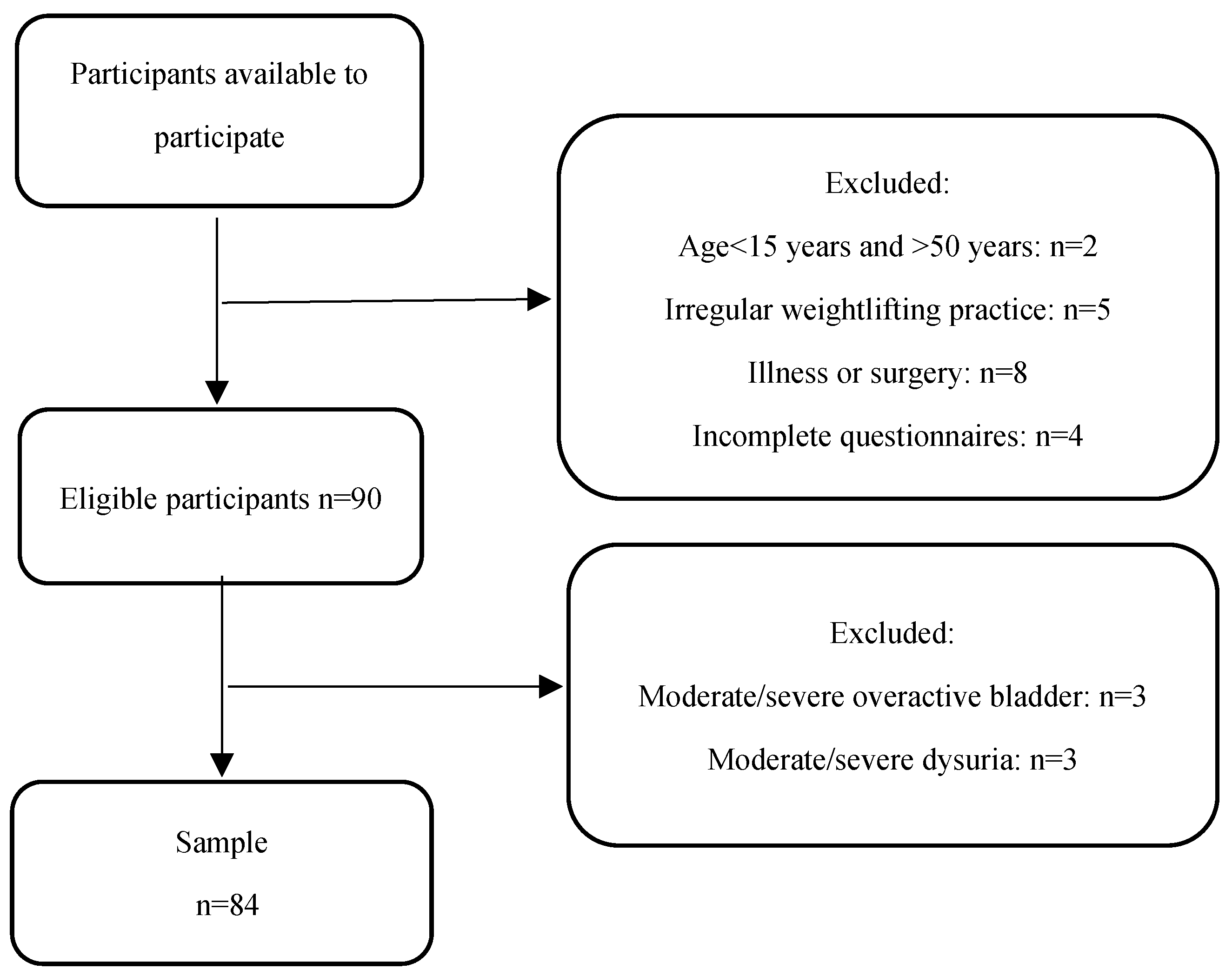
Figure 1. Flow diagram of the study sample.
Preprints 188674 g001
Figure 2. Distribution of RM Snatch and RM Clean & Jerk according to the presence or absence of involuntary urine leakage.
Preprints 188674 g002
Table 1. Sociodemographic and sport characteristics of the sample (n=84).
n (%) Median [P25-P75]
Age (years) 27.0 [24.0-33.0]
Weight (kg) 64.0 [57.3-72.8]
Height (cm) 163.5 [158.5-169.0]
BMI (kg/m2) 24.2 [21.7-26.5]
Time spent weightlifting (years) 3.5 [2.0-6.0]
Number of training sessions per week 4.0 [3.0-5.0]
Number of competitions per year 6.5 [4.0-8.0]
RM Clean and Jerk (kg) 72.5 [60.0-86.8]
RM Snatch (kg) 55.0 [49.3-70.0]
Number of births 22 (26.2)
Vaginal birth 19 (22.6)
Cesarean birth 6 (7.1)
Episiotomy 8 (36.4)
Manual intervention 4 (31.8)
Vaginal lacerations 11 (50.0)
Non-smoker 62 (73.8)
Smoker 9 (10.7)
Nº of cigarettes/week 49.0 [28.0-70.0]
Years of smoking 7.0 [5.0-15.0]
Ex-smoker 13 (15.5)
Nº of cigarettes/week 70.0 [28.0-102.0]
Years of smoking 7.0 [6.0-10.5]
Time since abstinence from tobacco (years) 5.0 [2.0-12.5]
n: absolute frequency; %: relative frequency; kg: kilogram; cm: centimeters; BMI: body mass index; RM: maximum repetition.
Table 2. Analysis of the factors triggering UI in women with and without urinary leakage.
With UI
(n =51)
Without UI
(n = 33)
p
n (%)
Age (years) (n=84)
15-24 15 (17.8) 11 (13.1) 0.143a
25-44 33 (39.3) 22 (26.2)
45-50 3 (3.6) 0 (0.0)
BMI (kg/m2) (n=84)
< 18.5 (underweight) 1 (1.2) 2 (2.4) 0.086b
18.5-24.9 (normal weight) 30 (35.7) 23 (27.4)
25-29.9 (pre-obesity) 15 (17.8) 5 (5.9)
≥ 30 (obesity) 5 (6.0) 3 (3.6)
Daily water consumption (L) (n=84)
< 1.75 23 (27.4) 19 (22.6) 0.148b
1.75-2.5 17 (20.2) 9 (10.7)
>2.5 11 (13.1) 5 (6.0)
Smoking habits (n=84)
Non-smoker 38 (45.2) 24 (28.5) 0.945c
Ex-smoker 8 (9.5) 5 (6.0)
Smoker 5 (6.0) 4 (4.8)
Time in practice (years) (n=84)
< 2 7 (8.3) 2 (2.4) 0.796b
2-5 24 (28.6) 21 (25.0)
≥ 5 20 (23.8) 10 (11.9)
Nº of training sessions/week (n=84)
< 3 8 (9.5) 5 (6.0) 0.167b
3-4 29 (34.5) 11 (13.1)
≥ 5 14 (16.7) 17 (20.2)
Nº of competitions/year (n=84)
< 5 14 (16.7) 7 (8.3) 0.128a
5-10 24 (28.6) 16 (19.0)
≥ 10 13 (15.5) 10 (11.9)
Use of a powerlifting belt (n=44) 26 (59.0) 18 (41.0) 0.749c
Breathing phase during load lifting (n=72)
Expiration 16 (22.2) 13 (18.1) 0.381c
Inspiration 10 (13.9) 7 (9.7)
Apnea 15 (20.8) 11 (15.3)
Number of births (n=22)
1 7 (31.8) 3 (13.7) 0.810a
2 9 (41.0) 1 (4.5)
3 1 (4.5) 0 (0.0)
4 0 (0.0) 1 (4.5)
Vaginal birth (n=19) 15 (79.0) 4 (21.0) 0.953a
Cesarean birth (n=6) 4 (66.7) 2 (33.3) 0.480b
Episiotomy (n=8) 7 (87.5) 1 (12.5) 0.613c
Manual intervention (n=4) 3 (75.0) 1 (25.0) 1.000c
Vaginal lacerations (n=11) 10 (91.0) 1 (9.0) 0.311c
Pelvic surgery (n=8) 6 (75.0) 2 (25.0) 0.471e
Abdominal surgery (n=8) 5 (62.5) 3 (37.5) 1.000e
n: absolute frequency; %: relative frequency; p: p-value; BMI: body mass index; L: liters; BMI: body mass index; No.: number; UI: urinary incontinence; a: Student's t-test; b: Mann-Whitney test; c: Chi-square test; d: corrected Student's t-test; e: Fisher's exact test.
Disclaimer/Publisher’s Note: The statements, opinions and data contained in all publications are solely those of the individual author(s) and contributor(s) and not of MDPI and/or the editor(s). MDPI and/or the editor(s) disclaim responsibility for any injury to people or property resulting from any ideas, methods, instructions or products referred to in the content.
Copyright: This open access article is published under a Creative Commons CC BY 4.0 license, which permit the free download, distribution, and reuse, provided that the author and preprint are cited in any reuse.
Prerpints.org logo

Preprints.org is a free preprint server supported by MDPI in Basel, Switzerland.

Subscribe

Disclaimer

Terms of Use

Privacy Policy

Privacy Settings

© 2026 MDPI (Basel, Switzerland) unless otherwise stated