4. Discussion
Camels, due to their unique physiological structure, can survive for a long time in arid conditions, and their milk provides a good source of nutrition for local herders. Currently, common camel diet additives mainly include enzyme preparations and probiotic preparations. Adding feed additives to the diet can significantly improve the camel’s productivity, improve the rumen environment, and reduce acidosis [
5]. Sodium diacetate, as a common feed additive and preservative, is widely used in the production and preservation of silage for ruminants and has the effect of improving the nutritional value and aerobic stability of silage [
23]. The addition of sodium diacetate in this experiment had no significant effect on milk yield or routine milk quality in lactating camels, which is consistent with the results of Shockey’s study in dairy cows [
24]. Aspergillus oryzae, a fungal enzyme, has been widely used in dairy production. Adding aspergillus oryzae to the diet can significantly increase cellulose-decomposing bacteria in the rumen and improve the apparent digestibility of dry matter [
15]. Zhang [
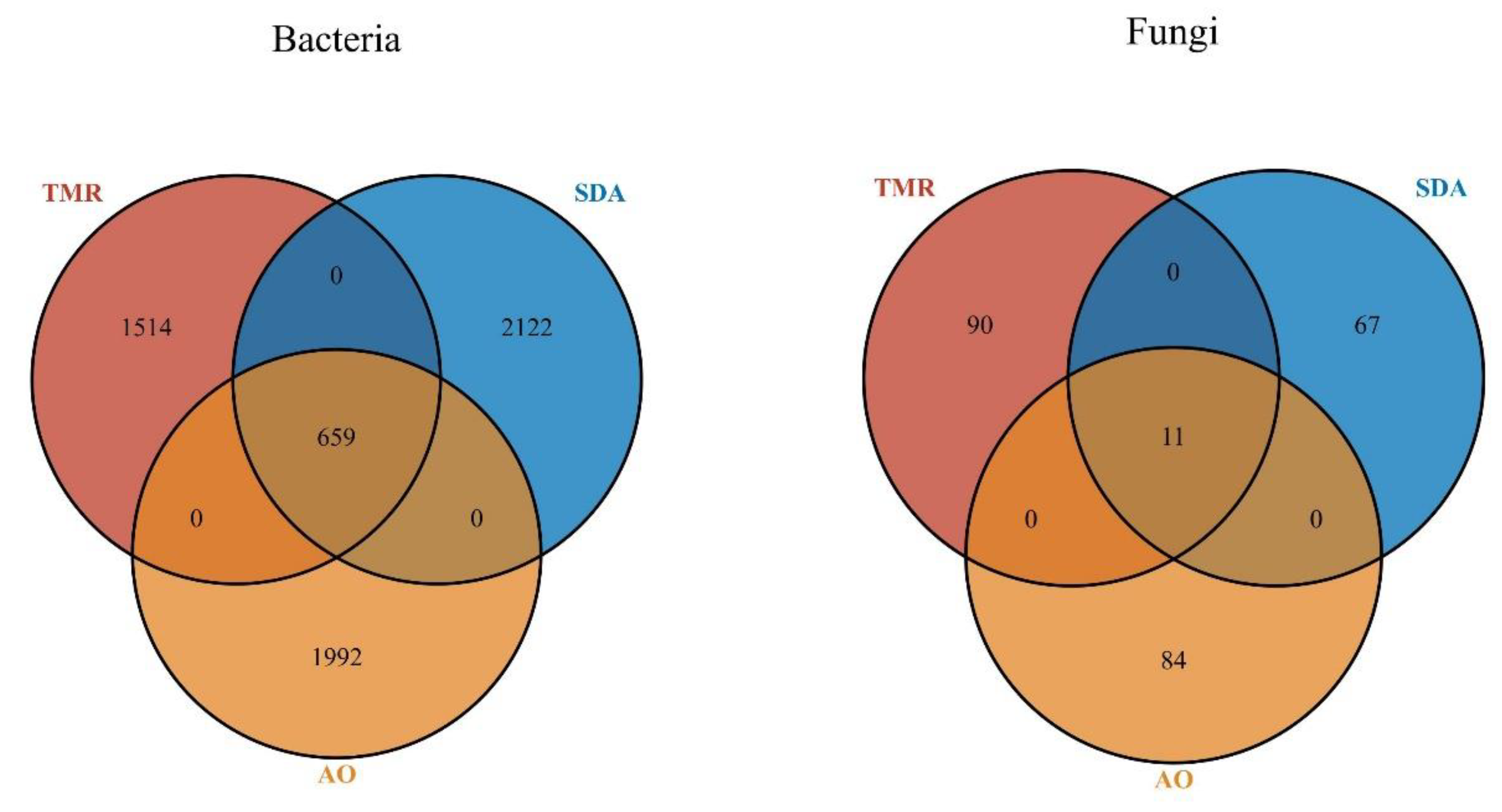
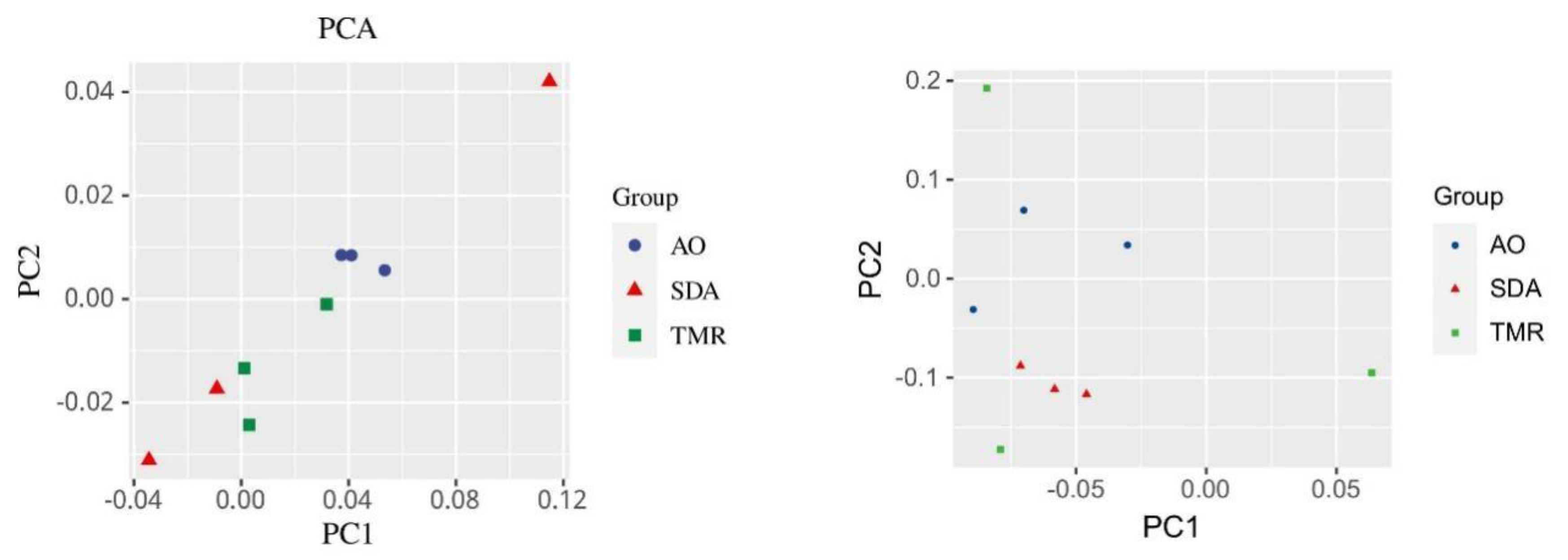
25] research shows that adding kojimab to dairy cow diets can significantly increase milk yield, milk protein and lactose content, and alter the composition of the hindgut microbiota. This differs from some of the results of this experiment. In this experiment, the addition of kojimab did not significantly affect the milk yield and routine milk production of lactating camels, but the microbiological results were more consistent. There was a clear separation of the fungal flora among the different groups in the feces. This may be related to the fungal properties of kojimab. Camels themselves have a strong ability to digest fiber and abundant fiber-digesting bacteria. The addition of kojimab has little effect on the fiber-digesting ability of bacteria [
26]. In this experiment, although the addition of sodium diacetate and kojimab had no significant effect on the milk yield and conventional milk quality of lactating camels, the addition of kojimab and sodium diacetate significantly increased the vitamin E and vitamin C content in camel milk, and there were significant differences in the content of polyunsaturated fatty acids (
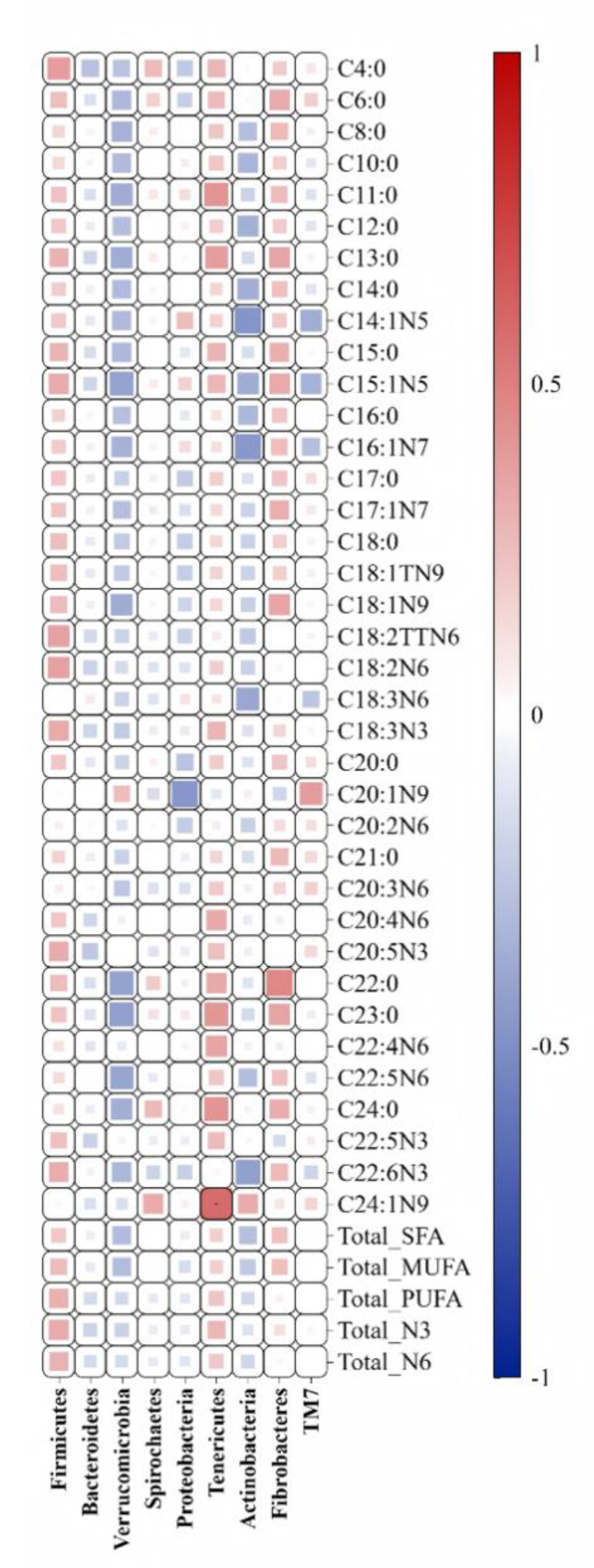
Table 6), with the addition of sodium diacetate showing the best effect. However, there is currently limited research on the deposition mechanisms of vitamin E, vitamin C, and fatty acids in camel milk, which could be the focus of future research. The correlation analysis showed a high positive correlation between Tenericutes phylum and C24:1N9. While the exact nature of Tenericutes phylum is still unclear, it is believed to be a potential mutualistic symbiotic organism in the host gut, increasing lignin digestibility [
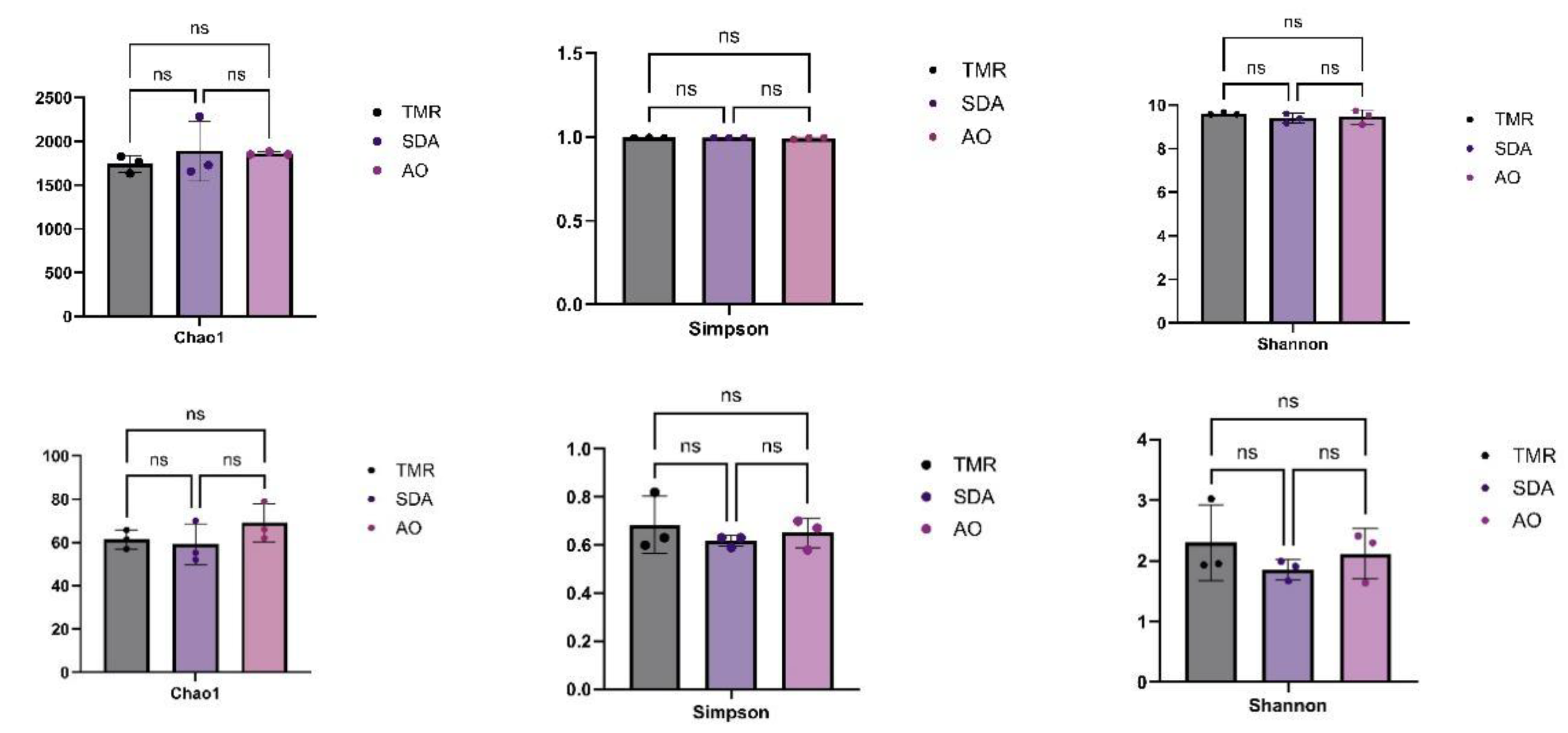
27]. However, there was no significant difference in Tenericutes phylum among the three groups, suggesting that the mechanism of action of adding sodium diacetate and kojimab is not to directly affect microbial abundance, but rather to further increase C24:1n9 content through synergistic effects between microorganisms. In the fatty acid results (
Table 6), the C24:1n9 content in camel milk was significantly higher in the TMR and AO groups than in the SOD group. Therefore, we can speculate that Tenericutes phylum may have an antagonistic effect with sodium diacetate but a synergistic effect with kojimab.
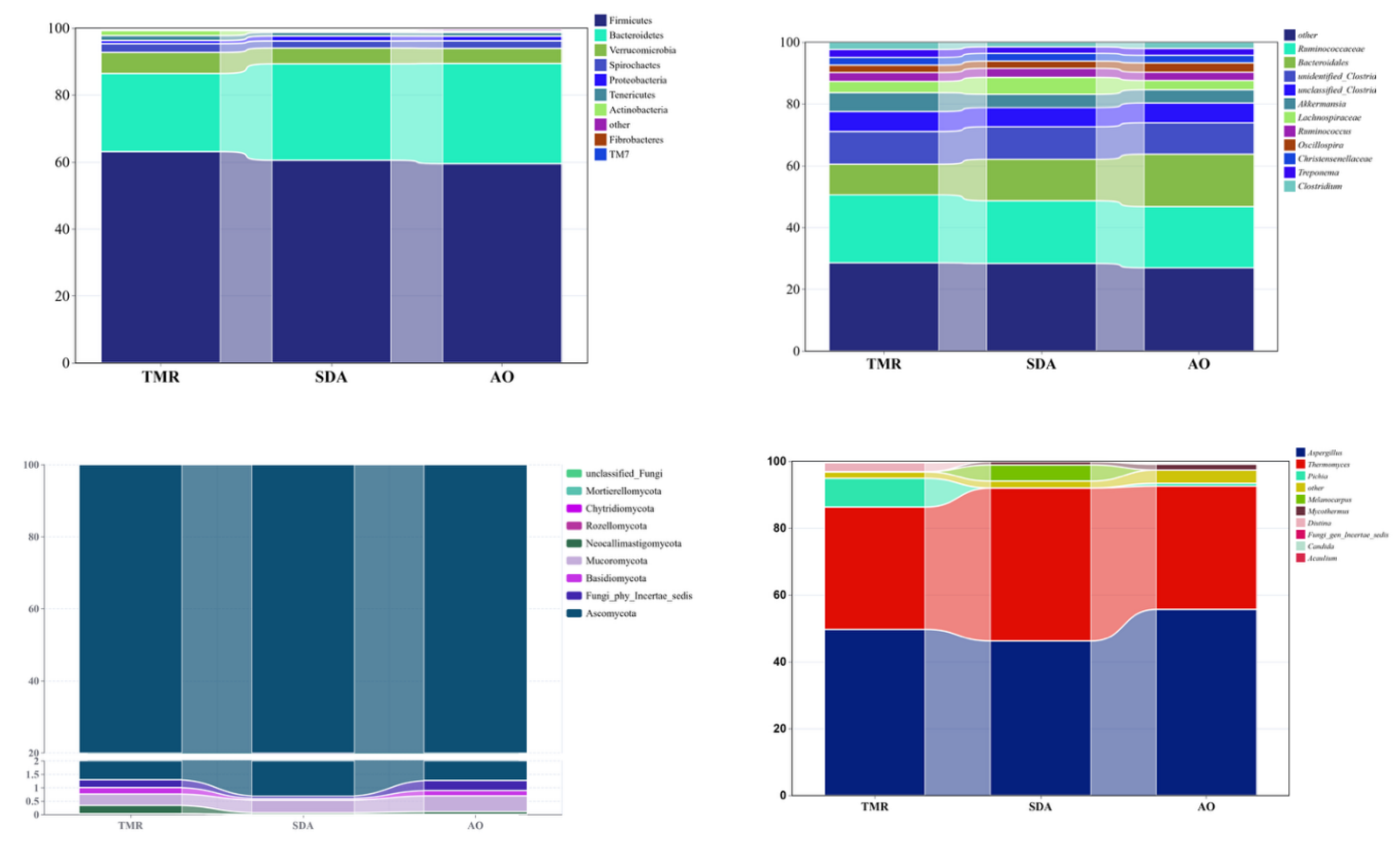
Analysis of the fecal microbiota in this experiment showed that the abundance of Melanocarpus in the fecal fungi of the SOD group was significantly higher than that of the TMR and AO groups. Current research on Melanocarpus shows that as a xylanase-producing microorganism, it can effectively decompose arabinoxylan in the diet, reduce feed viscosity, and improve the digestibility of ruminant feed [
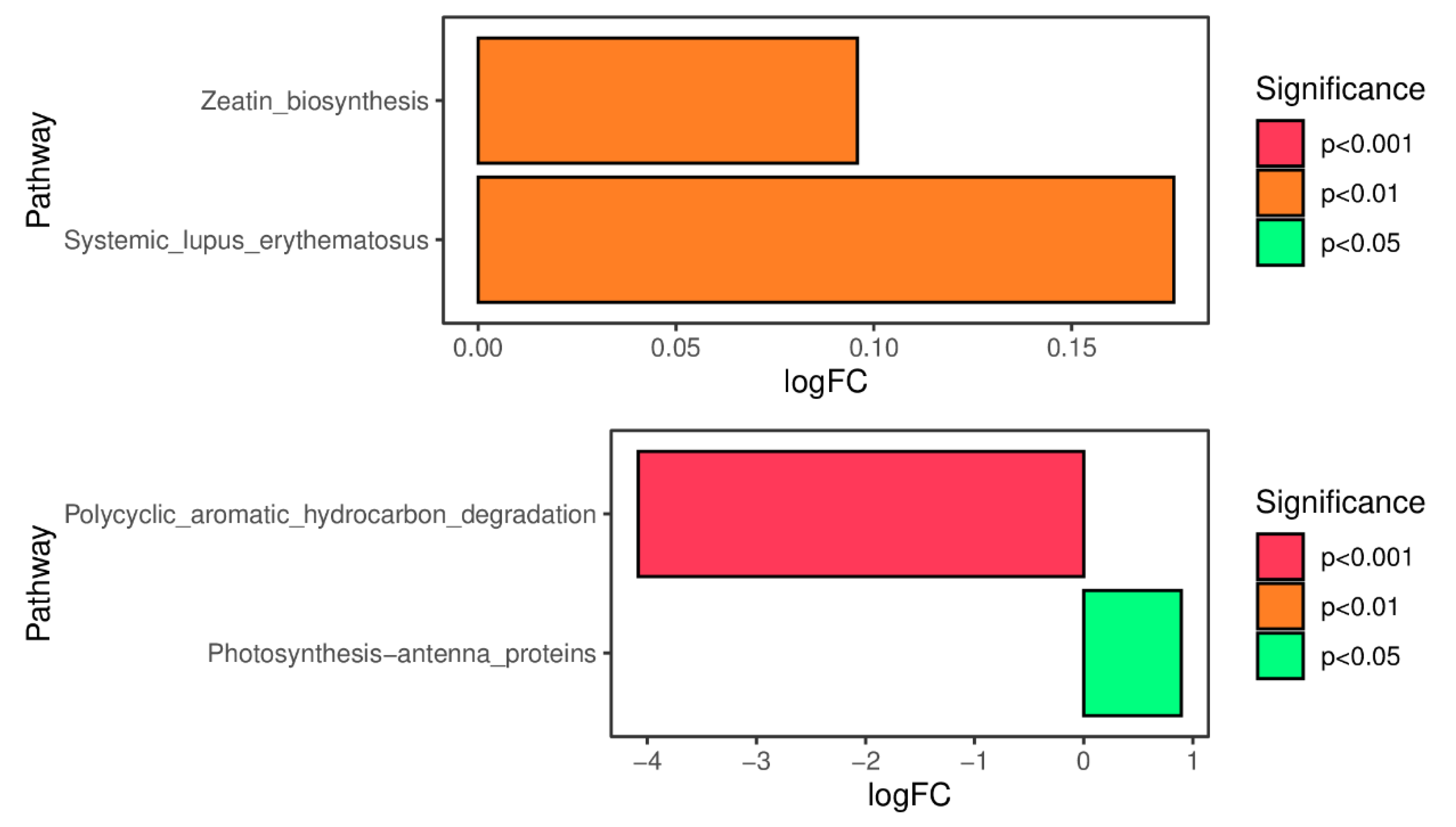
28]. This indicates that adding SOD can improve the ability of bacteria in the camel’s gastrointestinal tract to digest fiber, thereby promoting feed digestion and metabolism. KEGG analysis of the gut microbiota revealed that the expression of the zeatin biosynthesis pathway and Systemic_lupus_erythematosus pathway was significantly lower in the SOD group compared to the TMR group. The zeatin biosynthesis pathway can regulate the utilization of carbohydrates by the microbial community [
29]. The Systemic_lupus_erythematosus pathway is closely related to the gastrointestinal microbiota [
30]. Differences in the gastrointestinal flora led to metabolic dysfunction, affecting local gastrointestinal function, which in turn affects the expression of the Systemic_lupus_erythematosus pathway [
31]. This reduces the animal’s immune system capacity. Therefore, we can infer that adding sodium diacetate to the diet can effectively improve the stability of the gastrointestinal flora in lactating camels and improve the utilization efficiency of carbohydrates. The comparison of KEGG differential pathways between the AO group and the TMR group shows that the Photosynthesis_antenna-proteins pathway was significantly upregulated in the TMR group and significantly downregulated in the Photosynthesis_antenna-proteins pathway. Polycyclic aromatic hydrocarbons (PAHs) are dangerous environmental pollutants that have been classified as carcinogens and affect several diseases in humans [
32]. Current research shows that when dairy cows are exposed to PAH contamination, PAH residues remain in their milk, posing a significant risk of transfer from dairy products to humans [
33]. However, in this study, the PAH degradation pathway was significantly enhanced in the AO group, indicating that adding kojimab to the diet can effectively improve the degradation rate of PAH in camels, thereby improving the safety of camel milk.
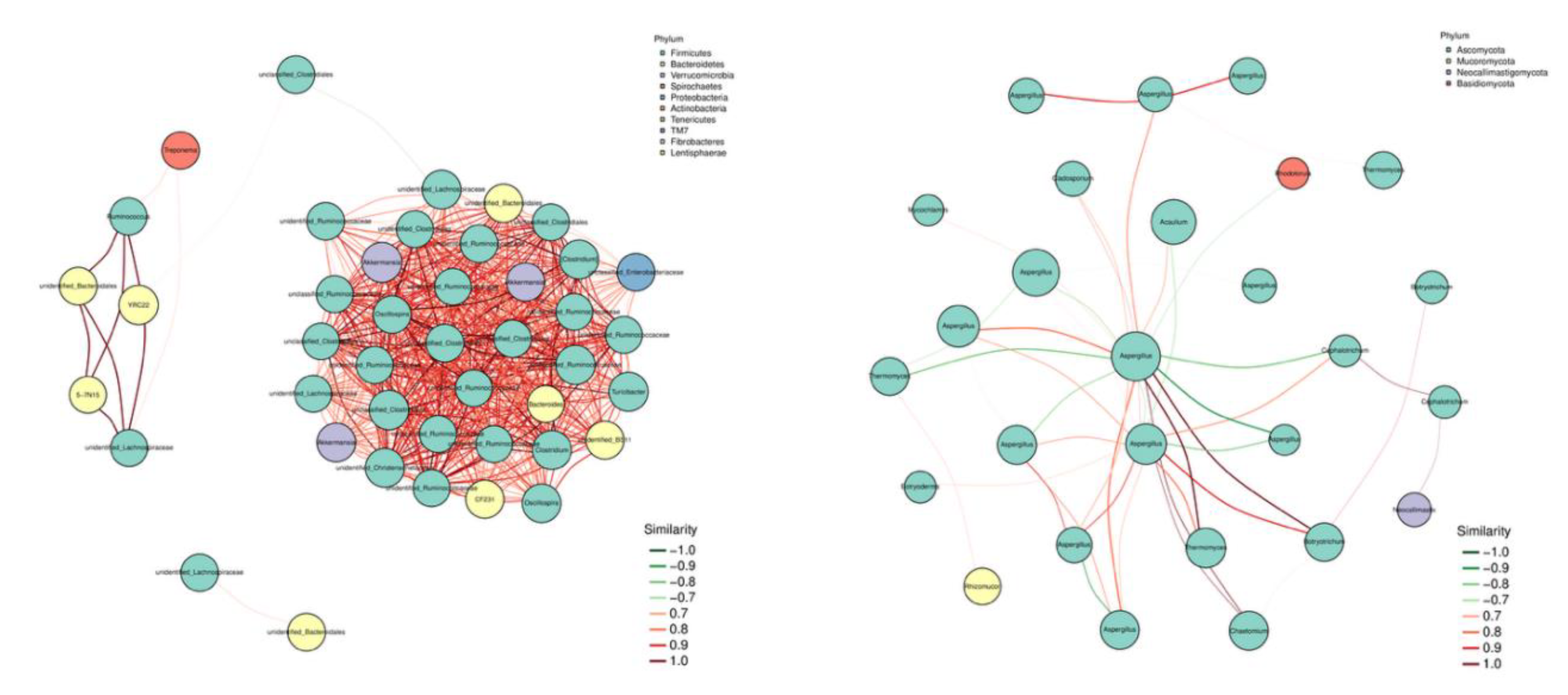
The fecal microbial network analysis results showed that Firmicutes were the central phylum in the bacterial network, which may mean that Firmicutes plays a major core role in the three groups of lactating camel fecal bacteria. There was also a significant positive correlation between Firmicutes and Bacteroidetes. Currently, Firmicutes and Bacteroidetes are the main phyla in ruminant microbiology research in lignin decomposition and carbohydrate binding [
34]. This is consistent with the results of this experiment, indicating that there is a high degree of synergy among lactating camel microbes and that they may produce the same metabolites. Fungal results showed that Asomycota plays a major core role in fungal communities and is crucial in cellulose degradation [
35]. Asomycota, along with Basidiomycota, is typically a major fungal community in the gastrointestinal tract of ruminants. However, in the expression network of this study, Asomycota and Basidiomycota exhibited some antagonistic activity. Both Asomycota and Basidiomycota are non-anaerobic fungi and were previously considered dominant fungi in the gastrointestinal tract of ruminants [
36].The antagonistic activity between Asomycota and Basidiomycota in this study may be related not only to competition for rumen oxygen, but also to competition between the addition of sodium diacetate and fungal kojimaase to the diet, leading to niche competition between the two fungal communities.
Therefore, this experiment used sodium diacetate and kojimab as feed additives to study their effects on milk yield, milk quality, and fecal microbiota in lactating camels. However, the experiment still has limitations. The optimal ratio of the two additives and the main metabolic differences between the additives are not yet clear. But the main purpose is to provide ideas for future research to find the metabolic mechanisms of sodium diacetate and kojimab, as well as their optimal feeding amounts, and thus improve the quality of camel milk from lactating camels.