

Submitted:
18 November 2025
Posted:
20 November 2025
You are already at the latest version
Abstract
Surgery continues to represent the central curative modality for melanoma despite major advances in systemic immunotherapy and targeted treatments. Contemporary surgical strategies aim to maintain oncologic safety while minimizing functional and aesthetic morbidity through optimized excision margins, highly selective use of sentinel lymph node biopsy (SLNB), and the omission of routine completion lymph node dissection (CLND). Rapid integration of neoadjuvant and adjuvant immunotherapies has begun to redefine surgical indications, timing, and extent—particularly for intermediate-stage and locoregionally advanced disease. Parallel innovations in Mohs micrographic surgery, reconstructive flap design, lymphatic reconstruction, and minimally invasive techniques further broaden the possibilities for individualized intervention. This expanded review synthesizes current evidence, ongoing controversies, and emerging trends that are shaping the future of melanoma surgery, highlighting how precision oncology, immunologic profiling, and technological advances are transforming the surgeon’s role and enabling more tailored, less invasive, and outcomes-focused management.
Keywords:
1. Introduction
2. Framework
2.1. Excision Margins and Local Management
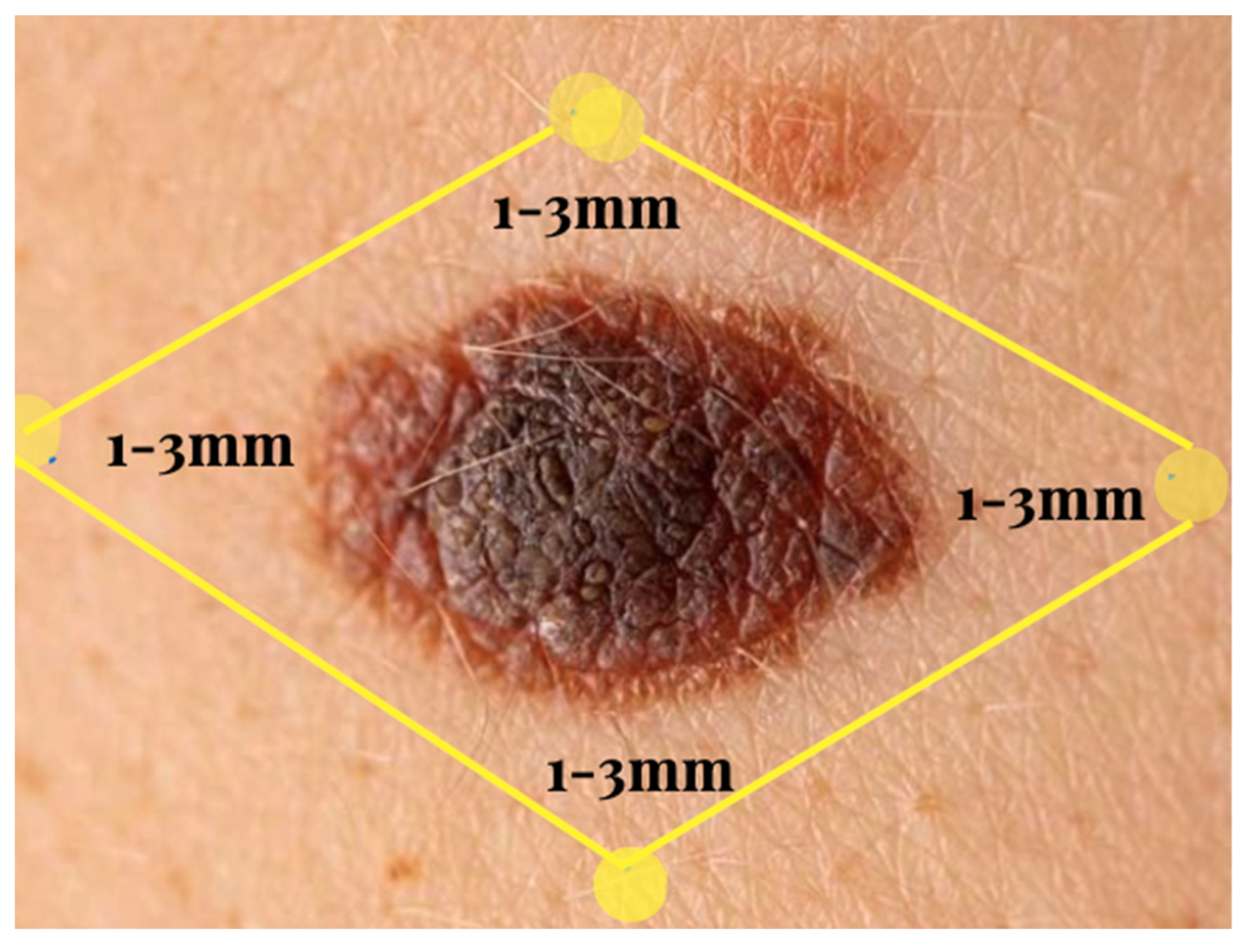
2.2. Sentinel Lymph Node Biopsy and Regional Management:
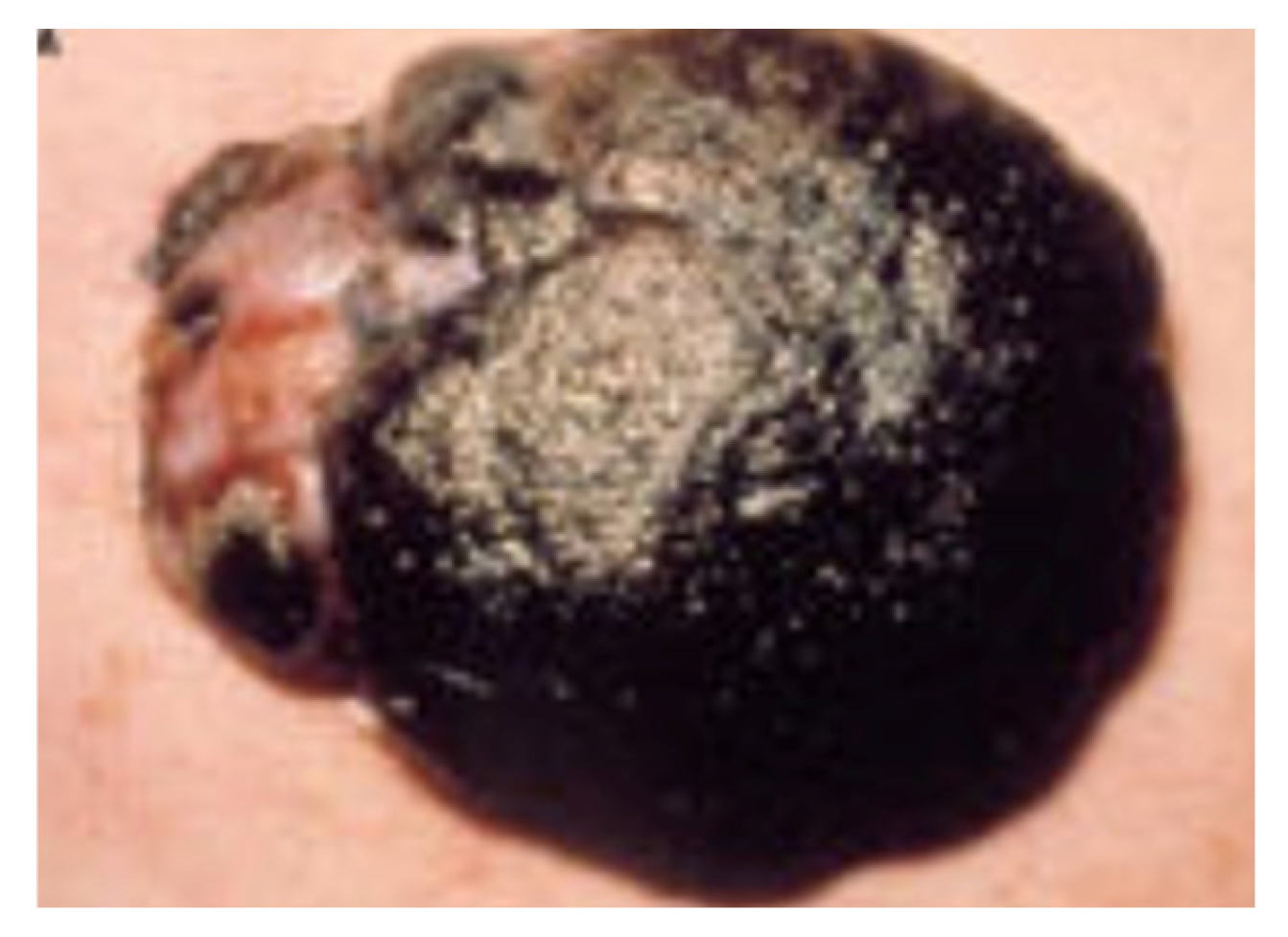
2.3. Integration of Systemic Therapies and Neoadjuvant Approache:
2.4. Reconstructive and Functional Considerations
2.5. Management of In-Transit and Locoregional Metastases
3. Discussion
3.1. Evolving Role of Surgery in the Immunotherapy Era
3.2. Precision Surgery and Technological Advances
3.3. Reconstruction and Quality of Life
3.4. Global Disparities and Access to Care
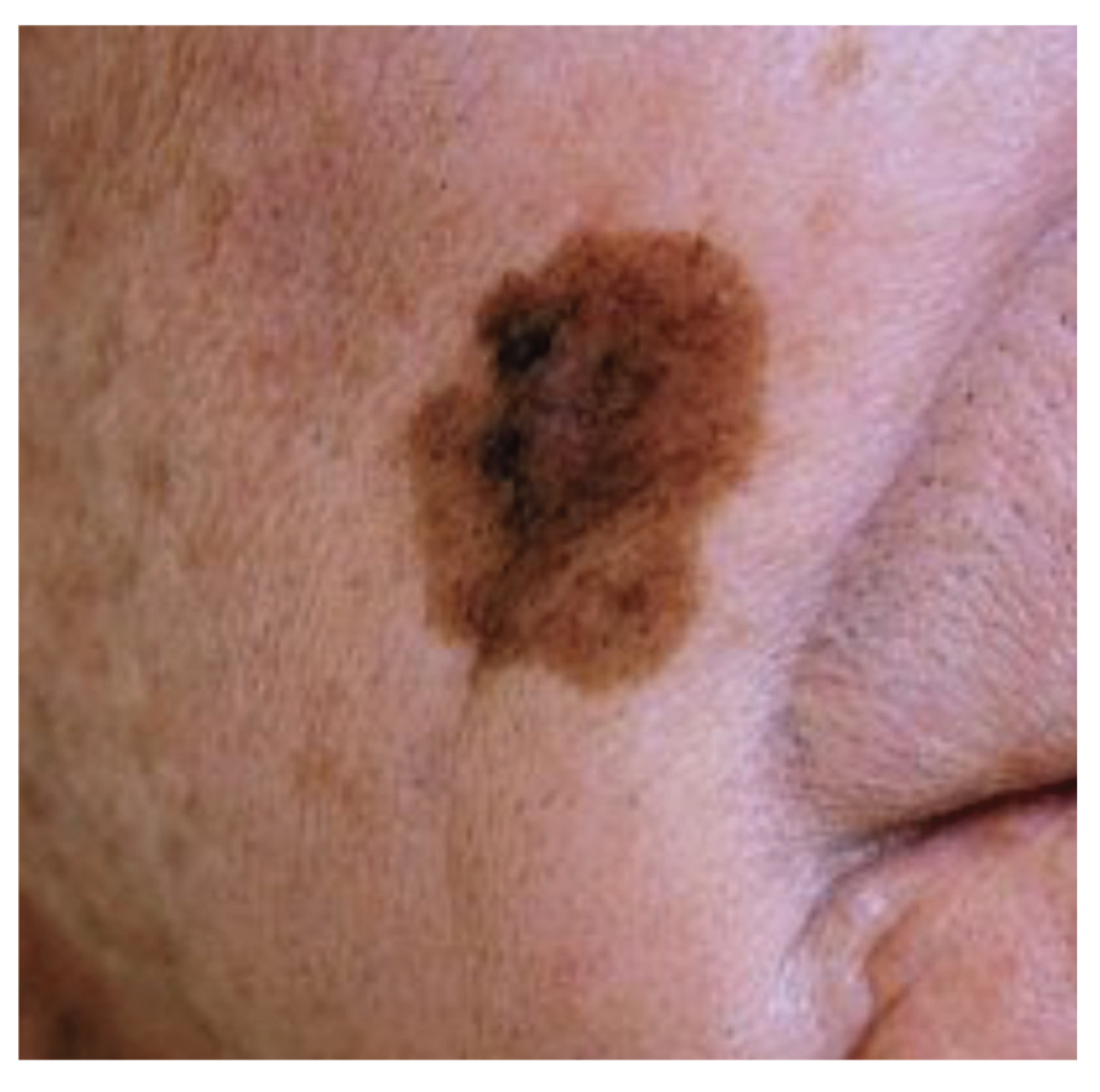
3.5. Future Directions
4. Conclusions
Author Contributions
Funding
Institutional Review Board Statement
Informed Consent Statement
Data Availability Statement
Conflicts of Interest
References
- Curti BD, Faries MB. Recent Advances in the Treatment of Melanoma. N Engl J Med. 2021;384(23):2229–2240.
- Dixon AJ, Sladden M, Zouboulis CC, et al. Primary Cutaneous Melanoma—Management in 2024. J Clin Med. 2024;13(6):1607.
- Long GV, Swetter SM, Menzies AM, Gershenwald JE, Scolyer RA. Cutaneous Melanoma. Lancet. 2023;402(10400):485–502.
- Faries MB, Thompson JF, Cochran AJ, et al. Completion Dissection or Observation for Sentinel-Node Metastasis in Melanoma. N Engl J Med. 2017;376(23):2211–2222.
- Binks M, van Akkooi ACJ, Menzies AM, Spillane A. Cutaneous Melanoma Management—An Update and Narrative Review for the General Surgeon. ANZ J Surg. 2025.
- Santamaria-Barria JA, Mammen JMV. Surgical Management of Melanoma: Advances and Updates. Curr Oncol Rep. 2022;24(11):1425–1432.
- Siller A, DaCunha M, Coldiron BM. The Surgical Management of Cutaneous Melanoma. Dermatol Clin. 2025;43(3):461–471.
- Temple-Oberle C, Nicholas C, Rojas-Garcia P. Current Controversies in Melanoma Treatment. Plast Reconstr Surg. 2023;151(3):495e–505e.
- Sondak VK, Neves RI, Wuthrick EJ, Messina JL, Khushalani NI. Current and Future Approaches in the Surgical Management of T3b/T4 Primary and Locoregionally Advanced Melanoma. Cancer. 2022;128(21):3764–3771.
- Novis E, van Akkooi ACJ. Management of Localized Melanoma in the Anti–PD-1 Era. Curr Oncol Rep. 2024;26(8):924–933.
Disclaimer/Publisher’s Note: The statements, opinions and data contained in all publications are solely those of the individual author(s) and contributor(s) and not of MDPI and/or the editor(s). MDPI and/or the editor(s) disclaim responsibility for any injury to people or property resulting from any ideas, methods, instructions or products referred to in the content. |
© 2025 by the authors. Licensee MDPI, Basel, Switzerland. This article is an open access article distributed under the terms and conditions of the Creative Commons Attribution (CC BY) license (http://creativecommons.org/licenses/by/4.0/).