Preprint
Article

This version is not peer-reviewed.

Pomegranate Peel and Curly Dock Root Extracts for a Smart Use of Packaging

Submitted:

12 November 2025

Posted:

14 November 2025

You are already at the latest version

Abstract

Packaging plays a crucial role in extending the shelf life of fresh fruits and vegetables, thereby preserving their quality characteristics throughout the supply chain. Packaging systems treated with natural compounds can replace synthetic packaging systems. This study aimed to evaluate the potential application of Active Cardboard Packaging (ACP) in preserving fruit quality and extending its shelf life. We observed the effect of cardboard packaging containing Punica granatum peel extract (PPGE) and Rumex crispus root extract (RRCE) on the shelf life of strawberries, tomatoes, and table grapes. In vitro and in vivo tests demonstrated the ability of these extracts to inhibit fungal growth. It can be hypothesized that RRCE+PPGE and PPGE, once incorporated into the packaging, create a system capable of inhibiting microbial growth, thus prolonging the freshness and marketability of the fruit. Quality was also assessed by measuring the surface color of homogenized strawberries, tomatoes, and grapes using a spectrophotometer. This study offers a novel approach to extending the shelf life of fruits and vegetables.

Keywords: 
;  ;  ;  ;  ;  ;  

1. Introduction

Post-harvest quality losses are mainly due to the ripening and senescence processes of fruits and vegetables, mainly due to dehydration, color changes, and fungal decay [1]. Fruit packaging is an essential component of the preservation process, as it protects against various environmental factors, ultraviolet rays, oxygen, microorganisms, and mechanical damage. In addition, it can inhibit flavour and odour loss and extend shelf life [2,3,4]. After harvest, fruits deteriorate rapidly, mainly due to microbial contamination. Although traditional treatments for their preservation and shelf-life extension are effective, they pose problems in terms of safety and, in some cases, consumer acceptance. The quality of fruit can be preserved through packaging and storage at low temperatures [5]; however, some recent studies report that it is possible to safeguard it by incorporating antimicrobial agents into packaging materials [6,7,8], such as the addition of nanopropolis [9]. Strawberries, like many other fruits, have a high respiration rate, which significantly reduces their shelf life: packaging can reduce post-harvest losses by 40-50% [10]. Edible films can also be used to inhibit microbial growth on the surface of fresh produce [11,12]. Table grapes are another fruit that spoils easily after harvesting. The visual loss of quality in table grapes is mainly linked to weight loss, browning of the rachis, and crushing of the berries, phenomena that are also associated with susceptibility to fungal attack [13,14]. Consumers highly appreciate tomatoes for their intense flavor compared to conventional varieties. However, the main quality losses during storage are related to softening and deterioration, mainly because of Botrytis cinerea [15]. Color and texture are the main visual quality parameters of tomatoes, which significantly limit the shelf life of this vegetable product [16].
Even in the marketing of table grapes, prolonged post-harvest storage and the preservation of berry characteristics and color are of fundamental importance [17]. B. cinerea can cause significant damage even when bunches are individually packed and stored in refrigerated chambers [18]. New technologies are needed to control grey mold in table grapes to meet consumer demands. Various packaging systems have been studied, such as the one associated with a pre-treatment with SO2, which extended the shelf life of “Italia” table grapes [19]. To address these issues, several environmentally friendly technologies have been developed, including modified and controlled atmosphere packaging, active biopolymer-based packaging, and edible coating formulations [20,21]. Fruit by-products and spontaneous plants are among the most abundant food waste and are a great source of bioactive compounds with the potential to improve food product packaging. Active packaging with the addition of certain compounds, such as natural extracts, allows interaction between the food, its packaging, and the internal and external environment, improving the sensory properties, safety, and quality of the product. The use of antimicrobial substances incorporated into packaging materials can extend shelf life by preventing the growth of microorganisms. The antimicrobial activity of pomegranate peel extract is linked to its high phenolic and flavonoid content [22]. In this study, we developed Active Cardboard Packaging (ACP). Punica granatum peel extract (PPGE) and Rumex crispus root extract (RRCE) are important sources of bioactive compounds. The antimicrobial and antioxidant properties of pomegranate peel in active food packaging have been the subject of numerous studies [23]. Punicalagins and ellagic acid are the main antifungal compounds [24]. The use of edible coatings and films enriched with pomegranate peel extract has been studied for improving the shelf life of food products by controlling the respiration rate, minimizing oxidative stress, and decreasing the loss of color, flavor, and other sensory attributes [25,26]. R. crispus L., a widely distributed weed, has long been used in diet and traditional medicine. R. crispus extract is a rich source of phenolic compounds, flavonoids, and proanthocyanidins that can be used for food preservation [27] and antimicrobial and antifungal activities [28]. The main objective of this study was to evaluate the potential application of ACP in preserving fruit quality and extending its shelf life. As reported in other studies [22,23], a larger packaging surface containing bioactive substances in contact with the fruit provides better protection against microbes. Therefore, it can be hypothesized that our extracts (RRCE+PPGE) and PPGE, once incorporated into the packaging, create a system capable of inhibiting microbial growth, thus prolonging the freshness and marketability of the fruit. Quality was also assessed by measuring the surface color of homogenized strawberries, tomatoes, and table grapes using a spectrophotometer.

2. Materials and Methods

Plant Material and Extracts Used

Fresh strawberries, datterini tomatoes, and table grapes at commercial maturity were purchased from a local farm. Fruits of uniform size, physical integrity, and no defects were selected. Each type of fruit was stored in different types of packaging, as explained in the following section. Roots of Rumex cripus (RRCE) and peel of Punica granatum (PPGE) extracts, were obtained according to the method described by Rongai et al., 2016 [22]. Plant materials were cut into small pieces and extracted using a hydroalcoholic solution (distilled water/ethanol, 90:10, v/v). The mixture was then sonicated for 15 min and stirred on a magnetic stirrer at 40 °C for 16 h at room temperature. After extraction, ethanol was evaporated under vacuum using a rotary evaporator (Büchi R-210 Rotavapor, Flawil, Switzerland). The extracts were centrifuged at 15,000 rpm for 10 min, and the supernatant was filtered through a 0.45 µm membrane filter. The filtered extracts were frozen at -80 °C for 24 h and then lyophilized for 48 h using a freeze dryer. The extracts obtained were stored at –20 °C until further use.

In Vitro Tests

RRCE+PPGE and PPGE were tested in vitro against two highly virulent fungal strains: Fusarium oxysporum f. sp. lycopersici ER1372 (CRA-PAV collection) and Botrytis cinerea 1623 (CRA-DC Roma collection). Fungal cultures were maintained on potato dextrose agar (PDA, OXID CM 0139) and stored at 4 °C. As needed, the cultures were incubated on PDA for eight days in the dark at 25 ± 2 °C. To evaluate the antifungal activity of the plant extracts, Petri dishes (ø 90 mm) containing 20 mL of PDA per plate were supplemented with 200 mg of each powdered extract, corresponding to a 1% (w/v) concentration. PDA without extract was used as a negative control, while a standard fungicide (Marisan 50 PB, containing 60% Dicloran; SIAPA s.r.l., Milan, Italy) was included at a dose of 0.15% as a positive control. A 5 mm diameter mycelial plug was excised from the actively growing fungal cultures and placed in the center of each Petri dish, with the mycelium side facing up. Plates were incubated in the dark at 24 ± 2 °C for 4 days. Radial growth was assessed by measuring the colony diameter in four perpendicular directions, and the mean value was used for the analysis. The percentage of growth inhibition was calculated using the following formula:
% inhibition = [(growth in control − growth in treatment) / growth in control] × 100.
The tests were repeated three times.

In Vivo Tests

For this experiment, cardboard packages (dimensions: 18 × 10.5 cm) pretreated with 20% rock alums were used. Then, they were activated by immersing them in solutions of RRCE+PPGE (group A) and PPGE (group B) at a concentration of 8%. Conventional Packaging (CP) immersed in deionized water was used as the control (group C). All these packages were first oven-dried at 40 °C for 30 minutes and then, for each group, filled with forty-five strawberries (15 x 3 replicates), 45 tomatoes (15 x 3 replicates), and 60 grapes (20 x 3 replicates). They were stored for 2 days at 0 ± 1 °C, 95-98% relative humidity, and then at 20 ± 1 °C, 95-98% relative humidity for another 4, 12, and 25 days for table grapes and datterini tomatoes, respectively.
Disease Severity (DS) and Disease Incidence (DI) were recorded. An empirical scale was designed for the experiment. DS was assessed on a 0-5 scale where 0 = no symptoms; 1= 1-20% fruit surface infected; 2= 21-40% fruit surface infected; 3= 41-60% fruit surface infected; 4 = 61-80% fruit surface infected; and 5= more than 81% of fruit infected and with sporulation. The percentage disease se-verity of each treatment was calculated using the following formula: DS% = (sum of all disease ratings × 100) / (total number of ratings × maximum disease grade). Disease incidence was determined using the following formula: DI% = (N° of infected × 100)/(total number of fruits assessed). The antifungal activity of the groups was also estimated through direct observation of homogenized samples. The test was repeated twice.

Color of the Homogenized Fruits

The surface colors of homogenized strawberries, tomatoes, and grapes were assessed using a spectrophotometer (Konica Minolta Optics, 2970 Ishikawa-machi, Hachioji, Tokyo, Japan; Model CM-2600D). Measurements were performed at three points for each sample. Color was expressed in terms of L* (brightness), with 0 representing black and 100 representing white, a*(redness/greenness), and b* (yellowness/blueness). The scores for these parameters are shown in a chromatic diagram.

Statistical Analysis

Mycelial growth inhibition, disease severity/incidence, and color of the homogenized fruits were analyzed using ANOVA with mean separation by Fisher’s protected LSD test at α = 0.05. Because the results from the two independent experiments were consistent and there were no interactions between the experimental run and treatments, the data from the two independent experiments were combined, and the experiment was treated as a block term in the analysis. To correct for heterogeneity of variance, the data were arcsine transformed before analysis. SigmaPlot V10 (London, UK) was used to create graphics and Sigma Stat V3.5 (London, UK) was used for ANOVA.

3. Results

3.1. In Vitro Tests

The RRCE+PPGE and PPGE tested in this experiment showed statistically lower mycelial growth than that of the control. PPGE was the most effective in inhibiting F. oysporum and B. cinerea, with mycelial growth of 10.4 and 14 mm, respectively, whereas in RRCE+PPGE, mycelial growth was 17 and 17.9 mm (Table 1). No significant differences in mycelial growth were observed between RRCE+PPGE and the fungicides. However, growth was significantly lower in PPGE than in fungicide.
Our findings agree with those of (Singh et al., 2018) [29] and (Rodriguez et al., 2025) [30], who reported that PPGE has good antimicrobial activity and can be used to ensure safety and prolong food freshness. Polyphenolic compounds, including flavonoids, phenolic acids, and tannins (punicalagins, gallic acid, and alginic acid), act synergistically to inhibit microbial growth [31]. An experimental study reported that PPGE-enriched coatings demonstrated remarkable antimicrobial efficacy in apricots, significantly reducing spoilage and weight loss while maintaining firmness and antioxidant activity over 30 days [32].

3.2. In Vivo Tests

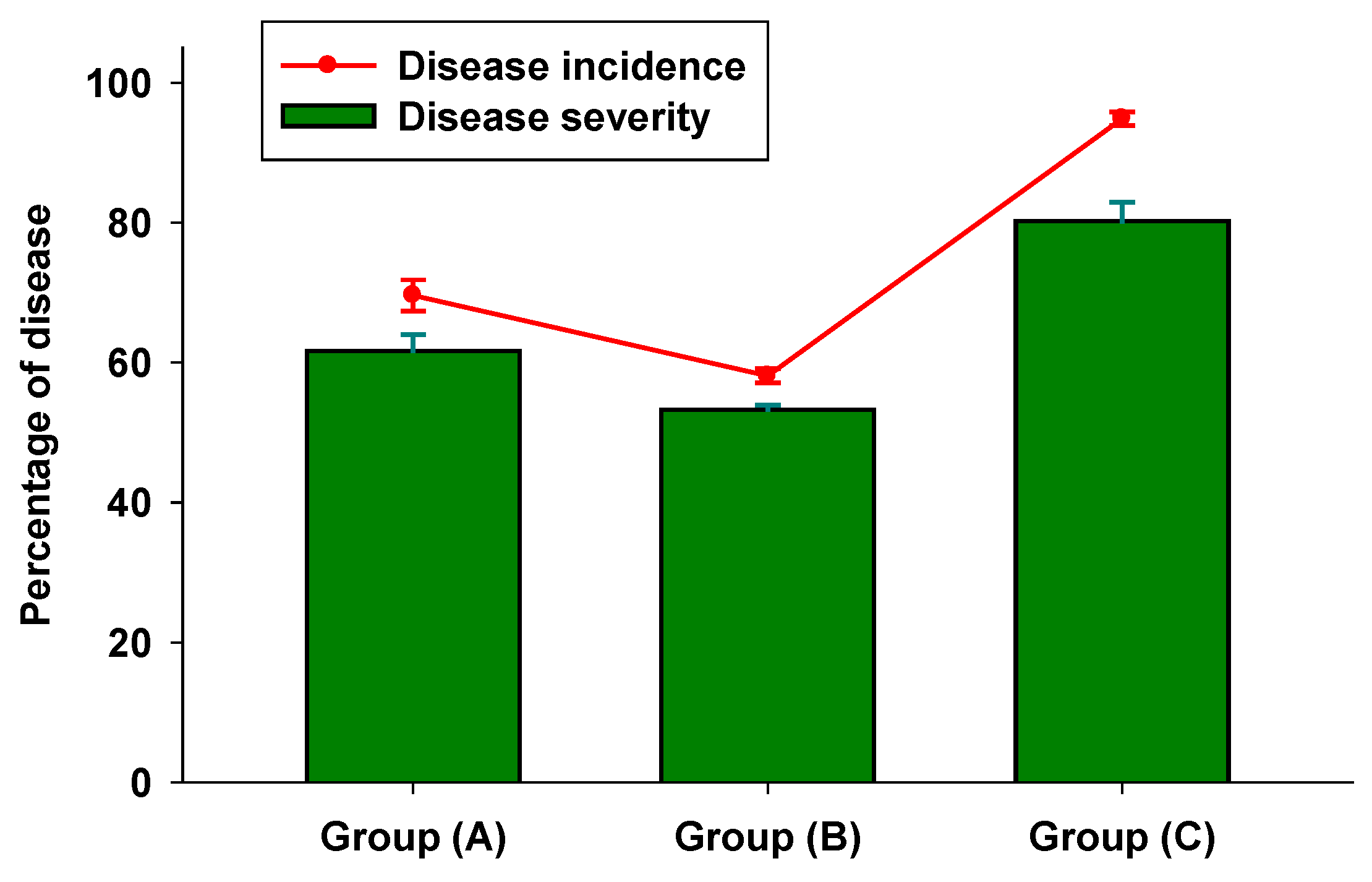
RRCE and PPGE, rich in antioxidants and antimicrobial compounds, were incorporated into the packaging, creating a system capable of inhibiting microbial growth, thereby prolonging the freshness and marketability of the fruit. During storage, strawberries are susceptible to microbial damage caused by molds and bacteria. In our trials, those stored in cardboard packaging activated by RRCE+PPGE (group A) and PPGE (group B) showed lower DS and DI percentages than those stored in untreated CP (group C). Specifically, groups A and B showed DS values of 55.9 and 51.8%, which were significantly lower than the 87.7% found in group C (Figure 1).
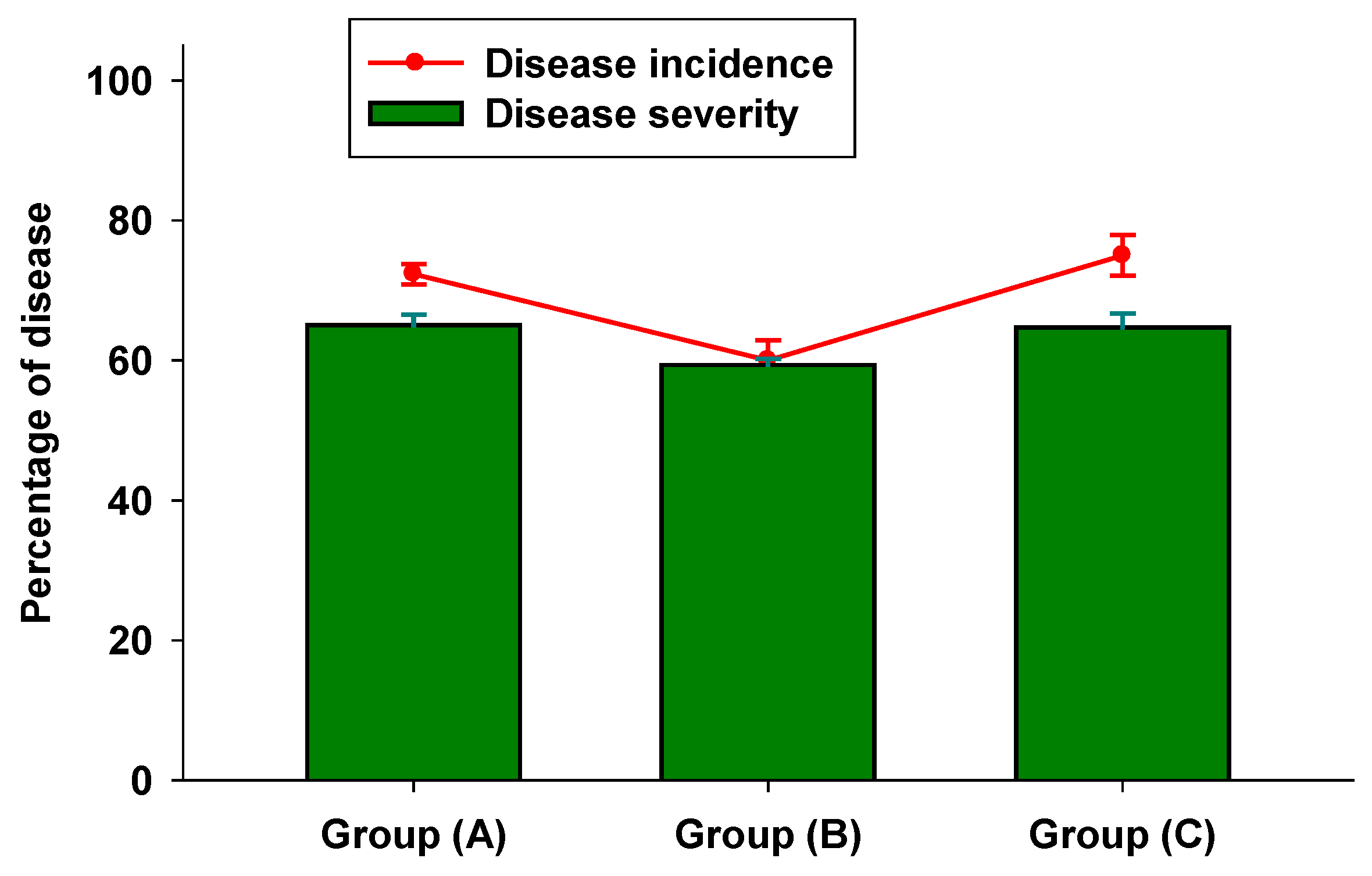
The DI and DS values recorded for table grapes stored in ACP (groups A and B) demonstrated the efficiency of this type of packaging. However, in group B the percentage of DS was 59.3%, statistically lower than those of group A and the untreated control (C). A similar trend was also found for DI, with the values for groups A and C of 69.6% and 94.8%, statistically higher than 57.7% in group B (Figure 2).
In tomatoes of group B, the percentages of DS and DI were 59.3 and 60, statistically lower than group A and the untreated control (C). No significant differences were recorded between groups A and C (Figure 3).
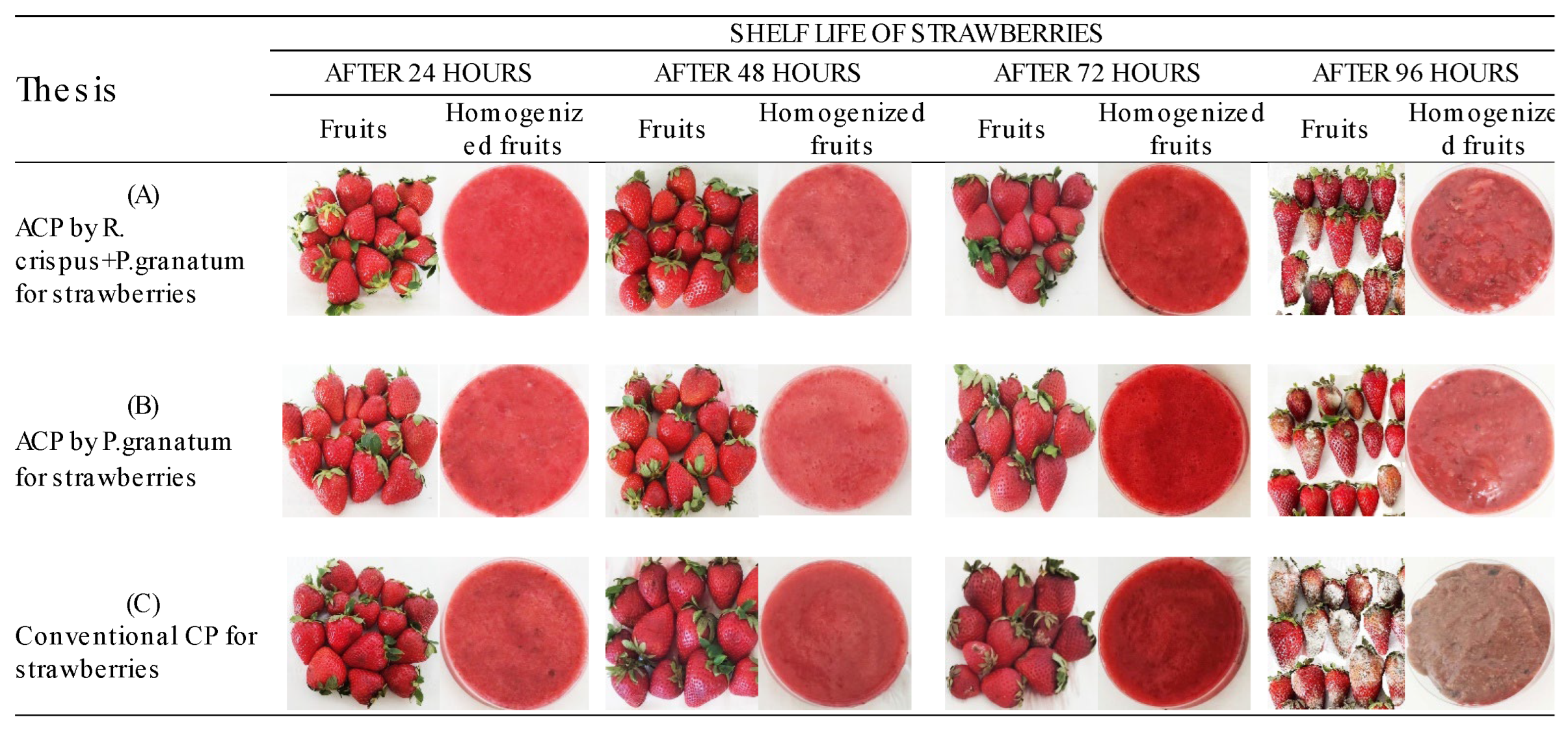
After 24, 48, and 72 h, the strawberries in group C and the homogenized ones appeared darker than those in groups A and B. After 96 h, the strawberries stored in A and B appeared better than those stored in C. If we also look at the homogenized ones, while the one in group C has a brownish color, demonstrating significant deterioration, in groups A and B, they maintain their red color (Figure 4).
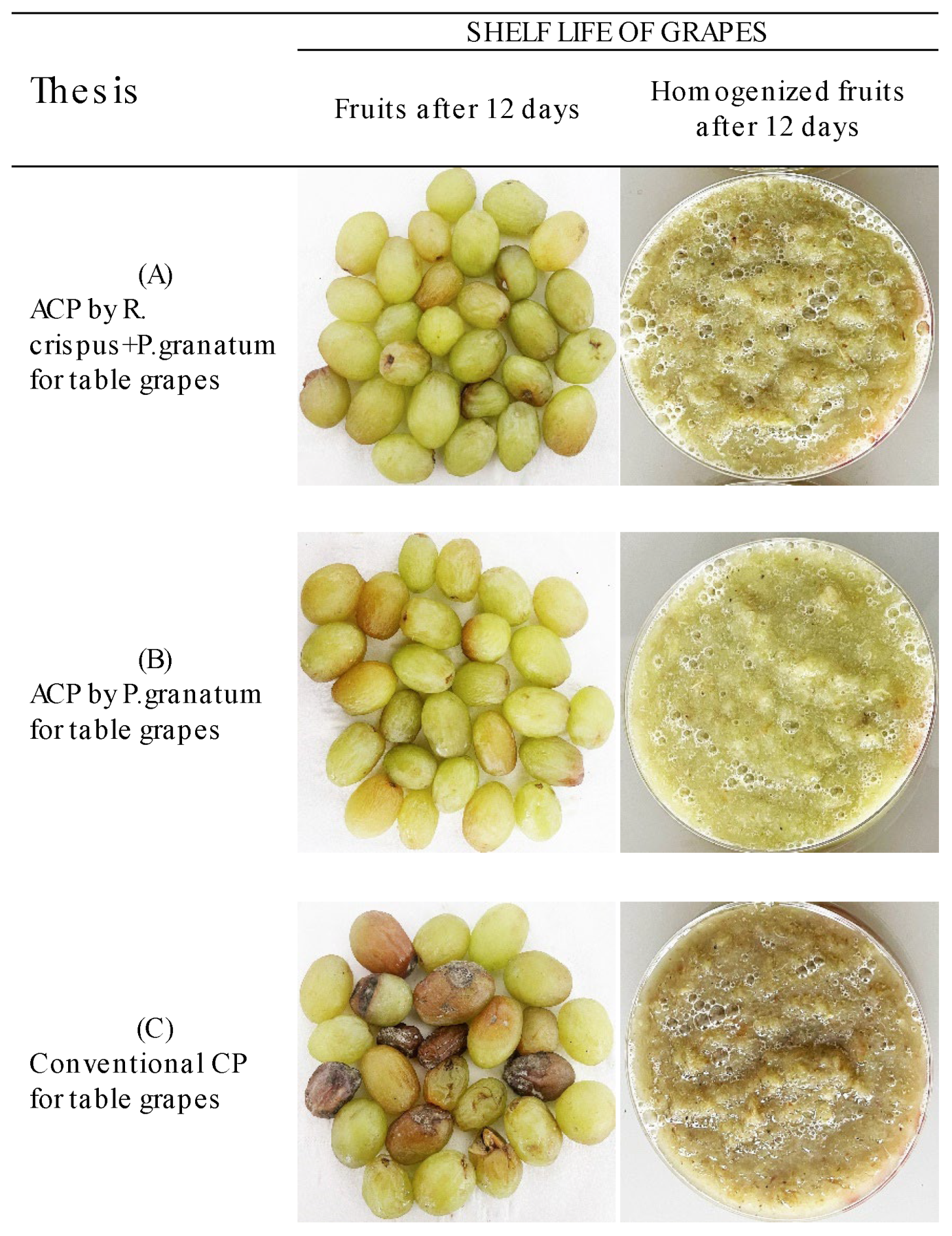
These results confirm the findings of (Rongai et al., 2018) [33]. The major softening of strawberries in group C was caused by the increased loss of cell wall materials and the presence of polygalacturonase, which solubilizes cell wall polyuronides [34]. The shelf life of the table grapes is shown in Figure 5.
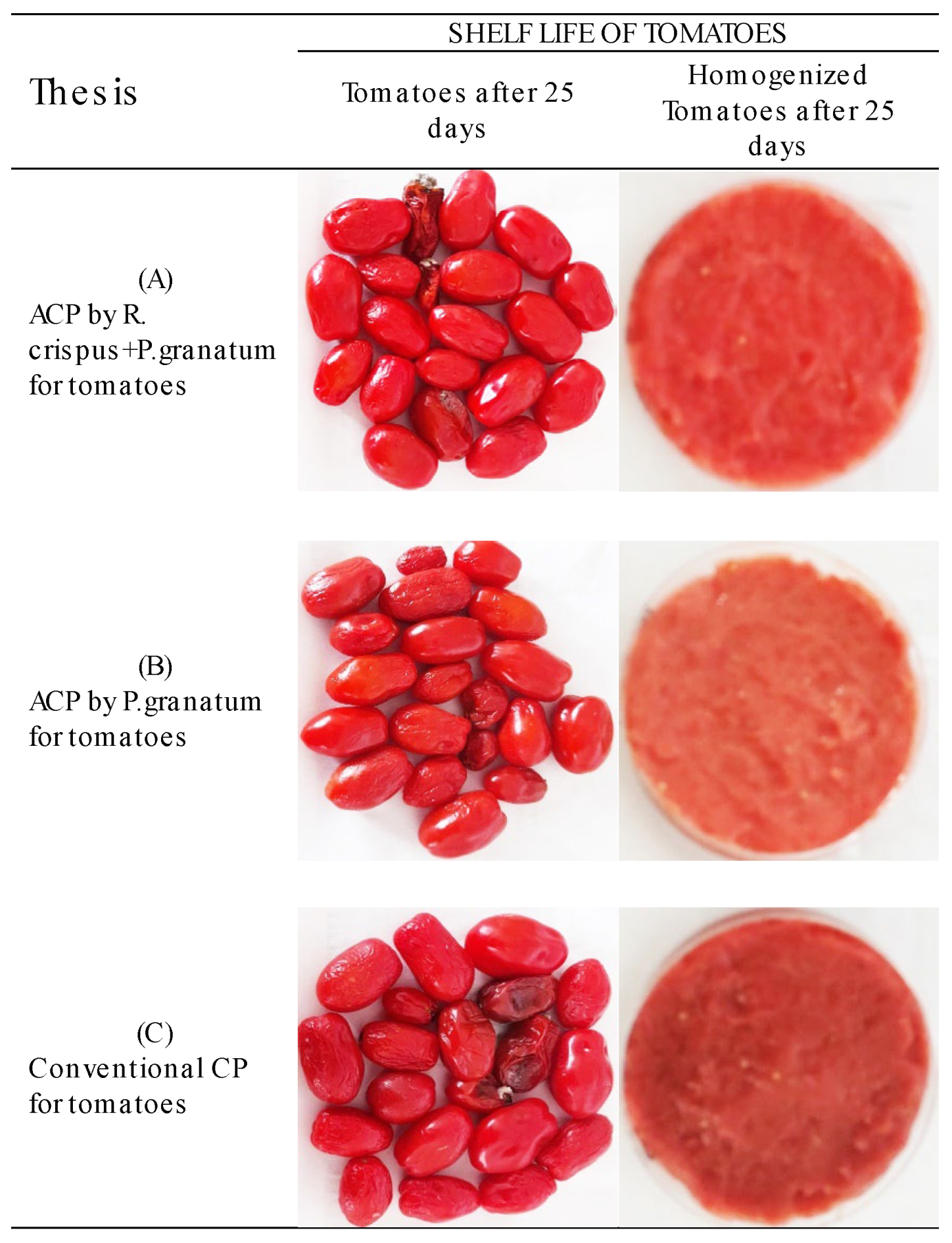
Dehydration, browning, and crushing of grapes are the main visual quality parameters associated with increased fungal attack and, therefore, fruit decay [13]. In our trial, after 12 days, grapes stored in ACP (groups A and B) appeared in much better condition than those stored in CP. The homogenate in ACP appeared lighter and greener than that in CP (group C). In the latter, the homogenate is darker because it is produced from damaged grapes. The shelf life of the datterini tomatoes is shown in Figure 6. In our experiment, the tomatoes had a long shelf life; after 25 days, they still looked good. However, tomatoes stored in ACP (groups A and B) appeared to be less deteriorated than those in group C. In the latter group, the homogenized samples appeared darker than those stored in ACP (Figure 6).
Both extracts (groups A and B) were effective in delaying color changes and water loss in tomatoes. Studies have reported the use of pomegranate peel extract combined with gelatine and carboxymethylcellulose to create antibacterial and antioxidant–rich edible films for preserving various types of food [35]. A greater tendency for retention was observed in tomatoes stored in ACP. This retention may be due to the antioxidant properties of the extracts, which could protect tomato cell structures against cell wall-degrading enzymes (β-galactosidase, polygalacturonase, and pectinmethylesterase). Tomatoes stored in the untreated control (group C) showed greater ripening and loss of firmness. As reported in other studies [36], a larger surface area of ACP (groups A and B) in contact with the fruit also provides better protection against fungi.

3.3. Colorimetric Parameters

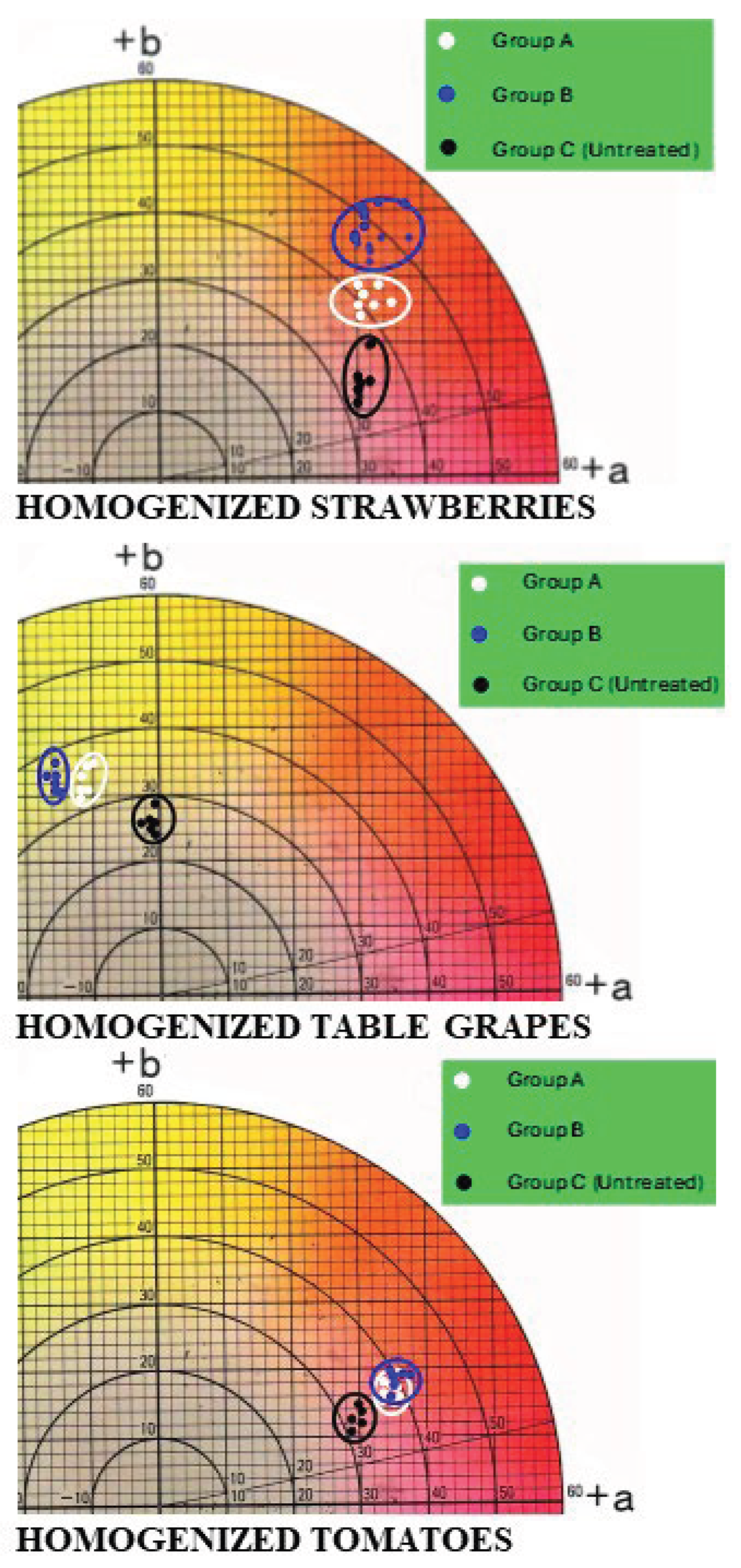
Colorimetric values in strawberry, table grape, and datterini tomato homogenates were evaluated after 4, 12, and 25 days, respectively (Figure 7). The mean b* values of the homogenate obtained from strawberries stored in groups A and B were 26.86 and 34.50, respectively, much higher than the 13.99 recorded in the untreated (group C) (Figure 7).
After 4 days, strawberries stored in groups A and B showed superior acceptability and quality characteristics compared to untreated fruits (group C) (Figure 4). Strawberries become redder and darker during storage, and the main pigment determining the color is anthocyanin [37,38]. As demonstrated in another study, ACP influences color retention and slows the ripening process [39].
The color coordinates of the homogenate obtained from table grapes in ACP groups A and B showed mean a* values of-10.67 and -15.96, respectively, which were statistically lower than the-1.58 recorded in group C (Figure 7). Grapes stored in CP, unlike those stored in ACP, show browning of the skin, accompanied by yellowing due to the degradation of chlorophyll [14]. Therefore, the color analysis shows that ACP can slow down the fruit ripening process. This could be explained by the fact that the extracts present in ACP, owing to their antioxidant capacity, have a protective effect against color changes and fruit deterioration.
Finally, the a* and b* values of the homogenate obtained from tomatoes stored in groups A and B overlap, while those of group C (untreated) are perfectly separated (Figure 7). This demonstrates that even in tomatoes, storage in ACP produced a significantly different color of the homogenate compared to that of the untreated control.

4. Conclusions

The study showed that the use of cardboard packaging treated with P. granatum peel and R. crispus root extracts showed good results in preventing the development of gray mold and extending the shelf life of strawberries, table grapes, and tomatoes. Our findings are consistent with those of Darwish et al. (2021) [40] and Bahmani et al. (2022) [41], who argue that the application of packaging containing bioactive compounds is a good alternative for extending the shelf life of fresh fruit.
Cardboard, commonly used for vegetable packaging, can serve as a base material incorporating active ingredients, thereby enhancing its mechanical properties and inhibiting microbial growth. Packaging cardboard containing active substances can control the microclimatic environment in the contact area between the cardboard wall and the fruit itself, ensuring good shelf life at a relatively low cost [42,43]. Fruits stored in ACP are of higher quality and may be more attractive to consumers than fruits stored in untreated cardboard. In conclusion, our findings indicate that cardboard packaging activated by pomegranate peel and curly dock extracts could also be suitable for packaging and extending the shelf life of other readily perishable fruits or vegetables with a lower post-harvest life. Specifically, group B significantly extended the shelf life of strawberries, table grapes, and tomatoes. The rapid development of this technology is expected in the future, with the aim of improving the quality, stability, and safety of fruits and vegetables.

Author Contributions

D.Rongai and M.G. Di Serio wrote the paper and contributed advice, reagents, materials, and analysis tools. D.Rongai performed the experiments and analyzed the data. D.Rongai and M.G. Di Serio read and edited the paper.

Funding

This work was supported by the project “Approcci Nanotecnologici per un controllo sostenibile e innovativo di Xylella” (ANCOSIX) N. 646715 del 16 December 2022 funded by The Ministry of Agriculture, Food Sovereignty and Forests (MASAAF), 2023–2026.

Data Availability Statement

All the data supporting the results of the study are already available in the Results section and in the Figures.

Acknowledgments

The authors thank Carlo Di Marco (CREA Research Centre for Engineering and Agro-Food Processing, Pescara, Italy) for support in purchasing materials used in testing.

Conflicts of Interest

The authors declare no conflict of interest.

References

  1. Kader, A.A. Postharvest biology and technology. In: Kader AA, editor. Postharvest Technology of Horticultural Crops. Davis, CA: University of California, Agriculture and natural resources 2002, 39-48.
  2. Merino, D.; Quilez-Molina A. I.; Perotto, G.; Bassani, A.; Spigno G and Athanassiou A. A second life for fruit and vegetable waste: a review on bioplastic films and coatings for potential food protection applications. Green Chemistry 2022, 24 (12): 4703-4727.
  3. Priyadarshi, R.; Ghosh, T.; Purohit, S.D.; Prasannavenkadesan, V.; and Rhim, J-W. Lignin as a sustainable and functional material for active food packaging applications: A review. Journal of Cleaner Pro-duction 2024, 469. [CrossRef]
  4. Wen, Y H.; Tsou C.H.; De Guzman, M.R.; Huang, D.; Yu YQ.; Gao C, Zhang, X M.; Du, J.; Zheng, Y T.; Zhu, H.; Wang, Z H. Antibacterial nanocomposite films of poly (vinyl alcohol) modified with zinc oxide-doped multiwalled carbon nanotubes as food packaging. Polymer Bulletin 2022, 79(1), 3847-3866. [CrossRef]
  5. Zhao, X.; Xia, M.; Wei, X.; Xu, C.; Luo Z.; Mao, L. Consolidated cold and modified atmosphere package system for fresh strawberry supply chains. LWT 2019, 109(2), 207-215. [CrossRef]
  6. Emamifar, A.; Ghaderi, Z.; Ghaderi, N. Effect of salep-based edible coating enriched with grape seed extract on postharvest shelf life of fresh strawberries. Journal of Food Safety 2019, 39 (6), 1-12. [CrossRef]
  7. Fu, Y.; Dudley, E.; G. Antimicrobial-coated films as food packaging: a review. Comprehensive Reviews in Food Science and Food Safety 2021, 20 (4), 3404-3437. [CrossRef]
  8. Massad-Ivanir, N.; Sand, A.; Nitzan, N.; Valderama, E.; Kurczewski, M.; Remde, H.; Wegenberger, A.; Shlosman, K.; Shemesh, R.; Störmer, A.; Segal, E. Scalable production of antimicrobial food packaging films containing essential oil-loaded halloysite nanotubes. Food Packaging and Shelf Life 2023, 37, 1-10. [CrossRef]
  9. Ratna, Aprilia, S.; Arahman, N.; Bilad, M R.; Suhaimi, H.; Munawar, A A.; Nasution, I.S. Bio-Nanocomposite based on edible gelatin film as active packaging from clarias gariepinus fish skin with the addition of cellulose nanocrystalline and nanopropolis. Polymers 2022, 14(18), 3738. [CrossRef]
  10. Muñoz-Almagro, N.; Herrero-Herranz, M.; Guri, S.; Corzo, N.; Montilla, A.; Villamiel, M. Application of sunflower pectin gels with low glycemic index in the coating of fresh strawberries stored in modi-fied atmospheres. Journal of the Science of Food and Agriculture 2021, 101(14), 5775-5783. [CrossRef]
  11. Iriani, E S.; Permana, AW.; Yuliani, S.; Kailaku, S.I.; Sulaiman, A A. The effect of agricultural waste nanocellulose on the properties of bioplastic for fresh fruit packaging. IOP Conference Series Earth and Environmental Science 2019, 309(1), 012035. [CrossRef]
  12. Andrade, M A.; Barbosa, C H.; Cerqueira, M A.; Azevedo A G.; Barros C, Machado A.V.; Coelho, A.; Furtado, R.; Correia, C B.; Saraiva, M.; Vilarinho, F.; Silva A.S.; Ramos, F. PLA films loaded with green tea and rosemary polyphenolic extracts as an active packaging for almond and beef. Food Packaging and Shelf Life 2023, 36,10. [CrossRef]
  13. Crisosto, C. H.; Michell, F.G. Postharvest handling systems: small fruits. In Kader AA., editor. Postharvest Technology of Horticultural Crops. Davis, CA: Center, UC Postharvest Technology 2020, 357-363.
  14. López- Gómez, A.; Ros-Chumillas, M.; Buendía-Moreno, L.; Martínez-Hernández, G.B. Active cardboard packaging with encapsulated essential oils for enhancing the shelf life of fruit and vegetables. Frontiers in Nutrition 2020, 7. [CrossRef]
  15. Wei, Y.; Zhou, D., Wang, Z.; Tu, S.; Shao, X.; Peng, J.; Pan, L.; Tu, K. Hot air treatment reduces postharvest decay and delays softening of cherry tomato by regulating gene expression and activities of cell wall- degrading enzymes. Journal of the Science of Food and Agriculture 2018, 98 (6), 2105-2112. [CrossRef]
  16. López-Camelo, A F.; Gómez, P A. Comparison of color indexes for tomato ripening. Horticultura Brasileira 2004, 22 (3), 534-537. [CrossRef]
  17. Champa, H. Pre and post-harvest practices for quality improvement of table grapes (Vitis vinifera L.). Journal of the National Science Foundation of Sri Lanka 2015, 43(1), 3-9. [CrossRef]
  18. Elad, Y.; Vivier, M.; Fillinger, S. Botrytis, the good, the bad and the ugly. In Botrytis –The Fungus, the Pathogen and its Management in Agricultural Systems; Fillingers, S., Elad, Y., Vivier, M., Eds.; Springer: Berlin/Heidelberg, Germany 2015, 1-15. [CrossRef]
  19. Higuchi, M T.; de Aguiar, A.C.; Rodrigues, N.; Leles, N R.; Ribeiro, L.T.M.; Bosso, B.E.C.; Yamashita, F.; Youssef, K.; Ruffo, R.S. Active Packaging Systems to Extend the Shelf Life of ‘Italia’ Table Grapes. Horticulturae 2024, 10(3), 214; https://doi.org/10.3390/horticulturae10030214.
  20. Priyadarshi, R.; Jayakumar, A.; Krebs de Souza, C.; Rhim, J.W.; Kim, J.T. Advances in strawberry postharvest preservation and packaging: A Comprehensive review. Comprehensive Reviews in Food Science and Food Safety 2024, 23(4). [CrossRef]
  21. Ratna; R.; Aprilia, S.; Arahman, N.; Munawar, A.A. Effect of edible film gelatin nano-biocomposite packaging and storage temperature on the store quality of strawberries (Fragaria x ananassa var. duchesne). Future Foods 2023, 8. [CrossRef]
  22. Rongai, D.; Pulcini, P.; Pesce, B.; Milano, F. Antifungal activity of pomegranate peel extract against fusarium wilt of tomato. European Journal of Plant Pathology 2016, 147(1), 229–238. [CrossRef]
  23. Soleimanzadeh, A.; Mizani, S.; Mirzaei, G.; Bavarsad, E T.; Farhoodi, M.; Esfanadiari, Z., Rastami; M. Recent advances in characterizing the physical and functional properties of active packaging films containing pomegranate peel. Food Chemistry 2024, 22. [CrossRef]
  24. Fischer, U A.; Carle, R.; Kammerer, D.R. Identification and quantification of phenolic compounds from pomegranate (Punica granatum L.) peel, mesocarp, aril and differently produced juices by HPLC-DAD–ESI/MSn. Food Chemistry 2011, 127, 807–821. [CrossRef]
  25. Bodbodak, S.; Shahabi, N.; Mohammadi, M.; Ghorbani, M.; Pezeshki, A. Development of a novel an-timicrobial electrospun nanofiber based on polylactic acid/hydroxypropyl methylcellulose con-taining pomegranate peel extract for active food packaging. Food and Bioprocess Technology 2021, 14(5), 1-13. [CrossRef]
  26. Kumar, N., Daniloski, D., Pratibha, Neeraj, D’Cunha, N.M.; Naumovski, N.; Trajkovska, Petkoska, A. Pomegranate peel extract – A natural bioactive addition to novel active edible packaging. Food Research International 2022, 156. [CrossRef]
  27. Mandefro, S.B.; Jabasingh, A.S.; Tefera, Z.T., Abebe, A A. Rumex crispus L: profiling and evaluation of the phytochemical properties, antioxidant potential, and antimicrobial activities of the root ex-tracts. Biomass Conversion and Biorefinery 2024, 15(5), 7005-7020. [CrossRef]
  28. Bektašević, M.; Oraščanin, M.; Šertović, E. Biological activity and food potential of plants Rumex crispus L. and Rumex obtusifolius L.- a review. Technological Acta 2022, 15(1), 61-67. [CrossRef]
  29. Singh, B.; Singh, J P.; Kaur, A.; Singh, N. Phenolic compounds as beneficial phytochemicals in pomegranate (Punica granatum L.) peel: a review. Food Chemistry 2018, 261, 75-86. [CrossRef]
  30. Rodriguez, S.; Kaur, K.; Sharma, M. Extraction methods and bioactive compounds from pomegranate peels: A comprehensive review for sustainable packaging applications. Food Biomacro-molecules 2025, 2(1), 42-68. [CrossRef]
  31. Dey, D.; Debnath, S.; Hazra, S.; Ghosh, S.; Ray, R.; Hazra, B. Pomegranate Pericarp Extract Enhances the Antibacterial Activity of Ciprofloxacin Against Extended-Spectrum β-Lactamase (ESBL) and Metallo-β-Lactamase (MBL) Producing Gram-Negative Bacilli. Food and Chemical Toxicology 2020, 50(12), 4302–4309. [CrossRef]
  32. Lacivita, V.; Lordi, A.; Posati, T., Zamboni, R.; Del Nobile, M.A.; Conte, A. Pomegranate Peel Powder: In Vitro Efficacy and Application to Contaminated Liquid Foods. Foods 2023,12(6),1173. [CrossRef]
  33. Rongai, D.; Sabatini, N.; Pulcini; P.; Di Marco, C.; Storchi, L.; Marrone A. Effect of pomegranate peel extract on shelf life of strawberries: computational chemistry approaches to assess antifungal mechanisms involved. Journal of Food Science and Technology 2018, 55(7), 2702-2711. [CrossRef]
  34. Ali, A.; Abrar, M.; Sultan, M.T.; Din, A.; Niaz, B. Post-harvest physicochemical changes in full ripe strawberries during cold storage. The Journal of Animal and Plant Sciences 2011,21(1),38-41.
  35. Ali, M Q.; Ahmad, N.; Azhar, M.A.; Abdul Munaim, M.S.; Hussain, A.; Ali, Mahdi A. An overview: exploring the potential of fruit and vegetable waste and by-products in food biodegradable packaging. Discover Food 2024, 4:130. [CrossRef]
  36. Utami, R.; Kawiji, K.; Atmaka, W.; Nurmaya, L.; Khasanah, L.U.; Manuhara, G.J. The effect of active paper packaging enriched with oleoresin from solid waste of pressed Curcuma xanthorrhiza Roxb. Placement methods on quality of refrigerated strawberry (Fragaria x ananassa). Caraka Tani Journal of Sustainable Agriculture 2021, 36(1), 155-164. [CrossRef]
  37. Nadim, Z.; Ahmadi, E.; Sarikhani, H.; Amiri Chayjan, R. Effect of methylcellulose-based edible coating on strawberry fruit’s quality maintenance during storage. Journal of Food Processing and Preservation 2014, 39(1),80-90. [CrossRef]
  38. Geransayeh, M.; Sepahvand, S.; Abdossi, V.; Nezhad, R.A. Effect of thymol treatment on decay, postharvest life and quality of strawberry (Fragaria ananassa) fruit cv. “Gaviota”. International. Journal of Agronomy & Agriculural Research 2015, 6(4), 151-162.
  39. Rusková, M.; Opálkova Šiškova, A.; Mosnáčkova, K.; Gago C., Guerreiro, A., Bučkova, M.; Puškárová, A.; Pangallo, D.; Dulce Antunes, M. Biodegradable active packaging enriched with essential oils for enhancing the shelf life of strawberries. Antioxidants 2023,12 (3),755. [CrossRef]
  40. Darwish, O.S.; Ali M R.; Khojah, E.; Samra, B.N.; Ramadan, K.M.A; El-Mogy, M M. Pre-Harvest appli-cation of salicylic acid, abscisic acid, and methyl jasmonate conserve bioactive compounds of strawberry fruits during refrigerated storage 2021, 7(12), 568; https://doi.org/10.3390/horticulturae7120568.
  41. Bahmani, R.; Razavi, F.; Mortazavi, S.N., Gohari, G.; Juárez-Maldonado, A. Evaluation of pro-line-coated chitosan nanoparticles on decay control and quality preservation of strawberry fruit (cv. Camarosa) during cold storage. Horticulturae 2022, 8(7), 648; https://doi.org/10.3390/horticulturae8070648.
  42. Taechutrakul, S.; Netpradit., S.; Tanprasert, K. Development of recycled paper-based ethylene scavenging packages for tomatoes. Acta Horticulturae 2009, 837,365-370.
  43. García- García, I.; Toboada-Rodríguez, A.; López-Gomez, A.; Marín, F. Active packaging of cardboard to extend the shelf life of tomatoes. Food and Bioprocess Technology 2013, 6, 754-761. [CrossRef]
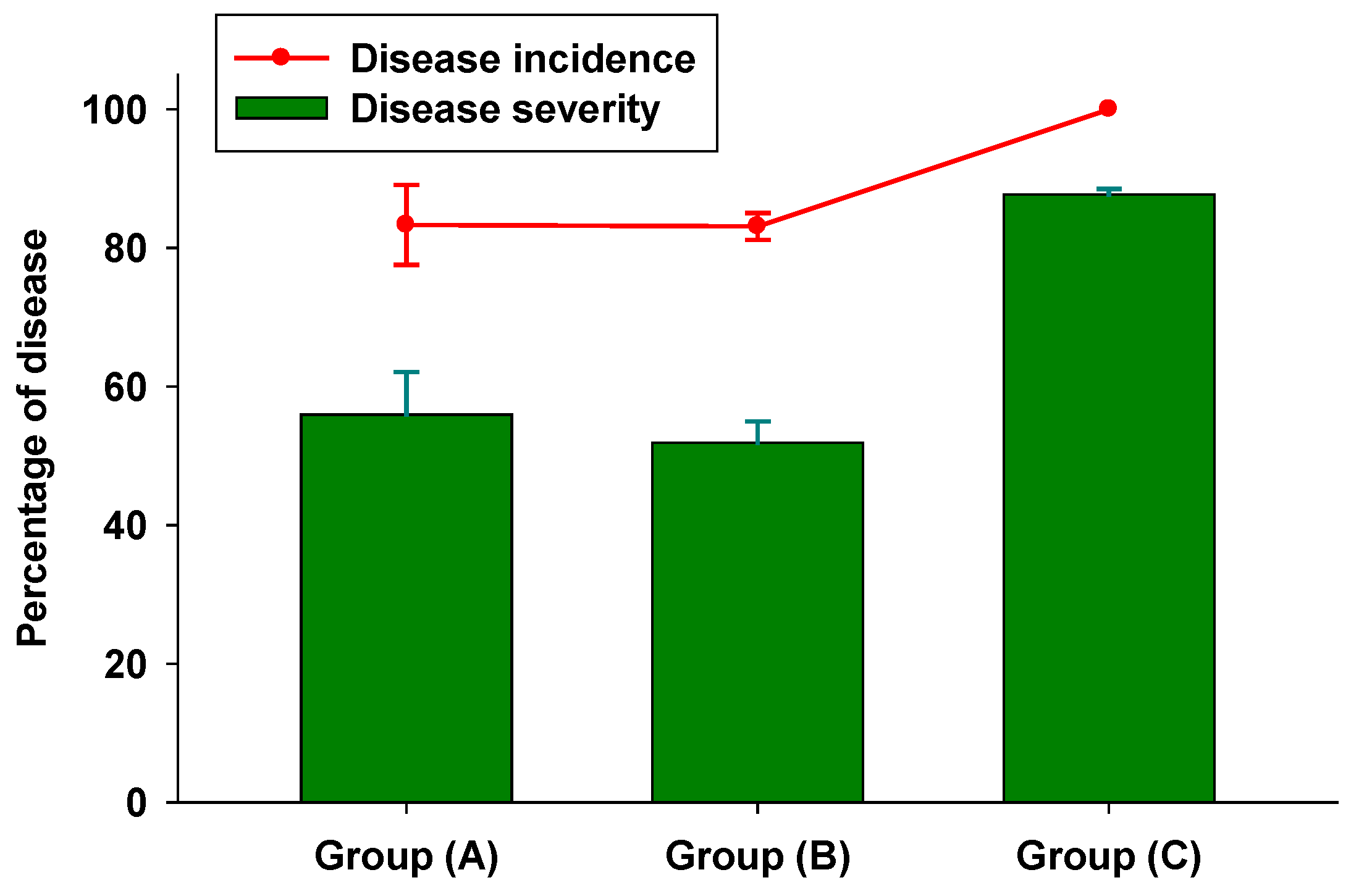
Figure 1. Effect of ACP (groups A and B) and CP (group C) on disease incidence (DI) and disease severity (DS) in strawberries.
Preprints 184831 g001
Figure 2. Effect of ACP (groups A and B) and CP (group C) on disease incidence (DI) and disease severity (DS) in table grapes.
Preprints 184831 g002
Figure 3. Effect of ACP (groups A and B) and CP (group C) on disease incidence (DI) and disease severity (DS) in datterini tomatoes.
Preprints 184831 g003
Figure 4. Shelf life of strawberries stored in ACP (groups A and B) and CP (group C).
Preprints 184831 g004
Figure 5. Shelf life of table grapes stored in ACP (groups A and B) and CP (group C).
Preprints 184831 g005
Figure 6. Shelf life of datterini tomatoes stored in ACP (groups A and B) and CP (group C).
Preprints 184831 g006
Figure 7. Diagram of colors and score plot for parameters a* and b* of three different groups.
Preprints 184831 g007
Table 1. In vitro mycelial growth on the 4th day after inoculation of F. oxysporum and B. cinerea in Petri dishes containing RRCE +PPGE, PPGE, fungicide (positive control) and untreated control (negative control). Values with different letters in each column are statistically different at P ≤0.001.
Treatment Doses Mycelia growth
F. oxysporum B. cinerea
% mm mm
Untreated control 50.0 a 50.0 a
RRCE+PPGE 1 17.0 b 17.9 b
PPGE 1 10.4 c 14.0 c
Fungicide 0.15 16.1 b 16.6 b
F=10.298
P<0.005
F=60.415
P<0.001
Disclaimer/Publisher’s Note: The statements, opinions and data contained in all publications are solely those of the individual author(s) and contributor(s) and not of MDPI and/or the editor(s). MDPI and/or the editor(s) disclaim responsibility for any injury to people or property resulting from any ideas, methods, instructions or products referred to in the content.
Copyright: This open access article is published under a Creative Commons CC BY 4.0 license, which permit the free download, distribution, and reuse, provided that the author and preprint are cited in any reuse.
Prerpints.org logo

Preprints.org is a free preprint server supported by MDPI in Basel, Switzerland.

Subscribe

Disclaimer

Terms of Use

Privacy Policy

Privacy Settings

© 2025 MDPI (Basel, Switzerland) unless otherwise stated