

Submitted:
03 November 2025
Posted:
04 November 2025
Read the latest preprint version here
Abstract
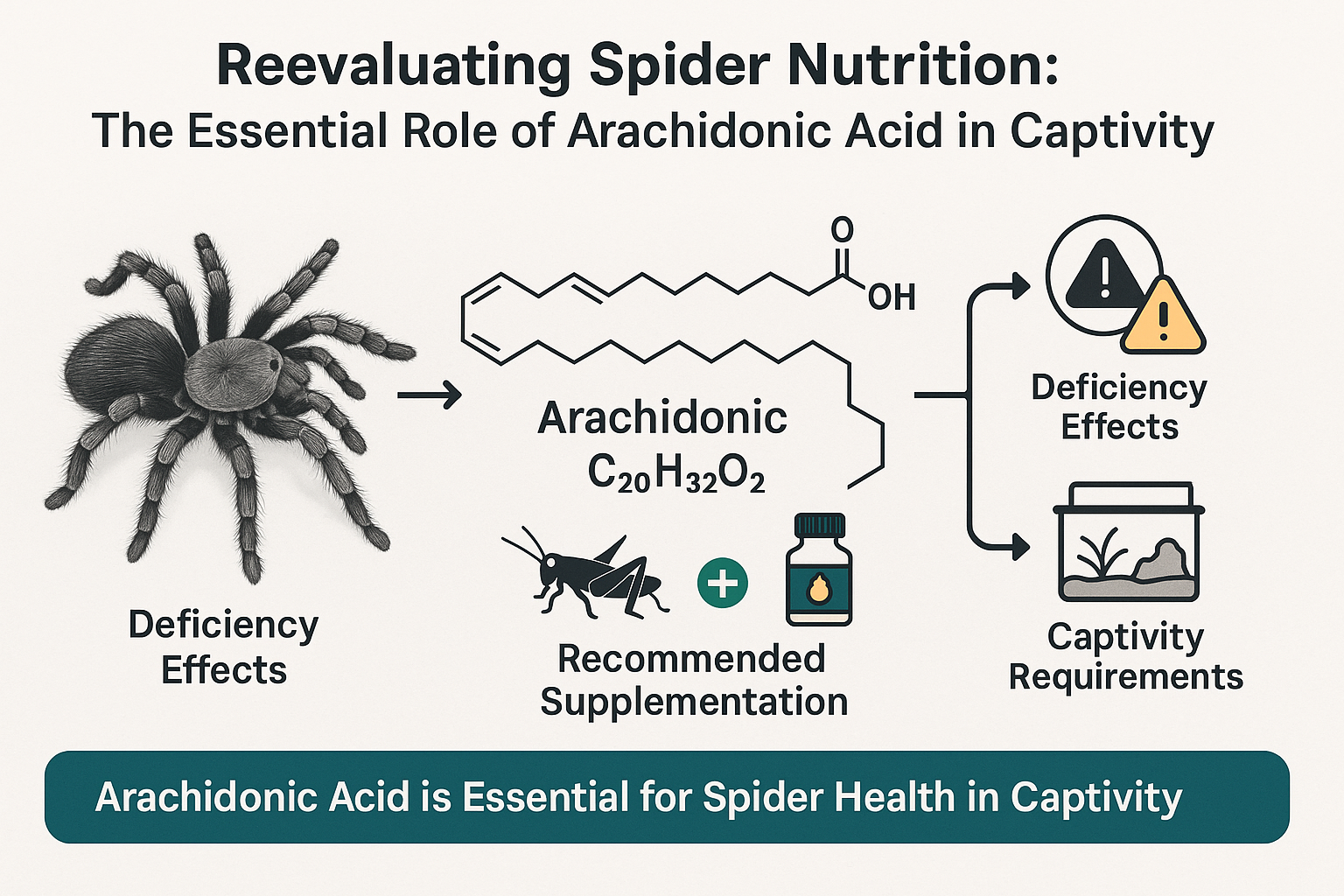
Spiders represent one of the most ecologically diverse groups within the class Arachnida, yet their nutritional physiology remains insufficiently elucidated, despite their crucial ecological and experimental significance. In both natural and captive environments, these arthropods occupy key trophic positions that regulate ecosystem dynamics and contribute to the stability of arthropod communities. However, in captivity, whether in laboratory research, zoological institutions, or the collections of private arachnid enthusiasts, the feeding regimens employed are often generalized and fail to consider the biochemical specificity and metabolic demands inherent to spider physiology (Toft, 2013). Surveys of spider keepers and field studies confirm that prey selection is frequently based on convenience rather than nutritional congruence (Survey Output, n.d.), although research shows spiders select prey for optimal nutrient content in the wild (Cuff et al., 2025). This reliance on non-specialized dietary approaches has perpetuated a limited understanding of the metabolic consequences associated with suboptimal nutrition in these taxa.Emerging evidence from recent zoological and biochemical studies, including advances in lipid metabolism and arachidonic acid (ARA)) research, indicates that current husbandry practices require critical reassessment. Arachidonic acid, a polyunsaturated omega-6 fatty acid, functions as a biochemical precursor to eicosanoids, a group of signaling molecules that mediate essential physiological processes such as reproduction, ecdysis (molting), immune modulation, and neural regulation in invertebrates. These pathways are analogous in function to those observed in vertebrate systems, where eicosanoids exert broad regulatory effects on inflammatory and reproductive processes. Nevertheless, while arachidonic acid biosynthesis and metabolic pathways are well-characterized in vertebrates, the corresponding mechanisms in spiders remain incompletely defined and poorly documented within arachnid nutritional research.This review aims to synthesize current data regarding the metabolic roles, dietary sources, and physiological functions of arachidonic acid in spiders, situating these findings within the broader context of arachnid nutrition and lipidomics. Arachidonic acid (ARA) and other essential lipids play a vital role in supporting reproductive success, maintaining cuticular integrity, and enhancing metabolic resilience in captive spiders. When these critical fatty acids are deficient, spiders may experience physiological stress, impaired development, or reduced reproductive capacity—conditions frequently observed in laboratory and captive populations. Understanding the mechanisms that regulate (ARA)’s availability and biological function is therefore essential to improving the welfare of captive specimens and the reliability of scientific studies involving them. Drawing upon interdisciplinary findings across biochemistry, ecology, and arachnology, this article proposes a conceptual framework for integrating lipidomic profiling into the nutritional assessment and management of captive spiders. Such an approach encourages the development of evidence-based dietary formulations that align more closely with species-specific metabolic needs and ecological adaptations. By incorporating this lipidomic perspective, the objective is to advance the field toward more refined, species-appropriate feeding strategies that enhance health, longevity, and reproductive outcomes in captive arachnid populations. This integrative model represents a pivotal step toward bridging existing gaps between ecological understanding and practical husbandry, thereby fostering a more scientifically grounded foundation for arachnid care and conservation.
Keywords:
arachidonic acid
; spider physiology
; nutritional biochemistry
; lipid metabolism
; captive husbandry
; eicosanoid signaling
; arachnid nutrition
Introduction
The captive rearing of spiders has expanded markedly in recent decades, reflecting their growing scientific and educational importance across disciplines such as arachnology, toxinology, developmental physiology, and behavioral ecology. In research institutions, zoological facilities, and private collections, spiders are now routinely maintained ex situ for controlled study of venom composition, reproductive mechanisms, and adaptation to environmental variation. Yet despite this proliferation of captive programs, the nutritional foundations supporting such work remain largely empirical and insufficiently guided by rigorous biochemical or physiological data. Diets for captive spiders continue to rely primarily on accessible prey such as Acheta domesticus (house crickets), Tenebrio molitor (mealworms), and Drosophila melanogaster (fruit flies), selected more for ease and availability than for their biochemical congruence with natural arachnid diets (Toft, 2013). This generalized approach often overlooks key aspects of arachnid metabolism, especially lipid composition, and has been associated with physiological deficiencies including reduced reproductive success and disrupted molting patterns (Trabalon, 2022). These effects are well-documented in both laboratory and field studies, highlighting the importance of diet and environment (Canals et al., 2015).
Among the many biochemical components influencing arachnid physiology, arachidonic acid (ARA; 20:4 n-6) stands out as a critical and yet under-considered nutrient in the captive management of spiders. Arachidonic acid is a polyunsaturated omega-6 fatty acid that functions as a precursor to eicosanoids—such as prostaglandins, thromboxanes, and leukotrienes—which are central to cellular signaling and homeostasis. In arthropods, these metabolites participate in key processes including immune defense, gametogenesis, and cuticular synthesis. Recent lipid-metabolism studies indicate that many invertebrates—including spiders—may have a limited capacity for de novo synthesis of ARA from linoleic acid (18:2 n-6), rendering dietary intake the primary route for maintaining physiological levels (Wen et al., 2025). The essential role of ARA in this context is underscored by the findings of Wen et al. (2025), who observed that juvenile Pardosa pseudoannulata individuals deprived of ARA exhibited near-complete mortality as a result of failed ecdysis, whereas those supplied with ARA-enriched prey achieved essentially full survival to adulthood (Wen et al., 2025). Deficiency in ARA produced a distinct pathological outcome—termed “Molting Death Syndrome” (MDS)—characterized by incomplete or failed ecdysis and subsequent mortality (Wen et al., 2025). This syndrome is also reported anecdotally by hobbyists (Reddit, 2023). This dependence reveals a major nutritional vulnerability in captive settings, since the fatty acid profile of artificial or substitute prey often diverges substantially from what spiders encounter in the wild.
Empirical research increasingly supports the significance of dietary fatty acid composition for arachnid physiology. For example, the review by Stanley and Kim (2014) details how (ARA) and its downstream eicosanoids mediate immune function, reproduction, and development in insects and other arthropods, and how the low (ARA) content in many invertebrate phospholipids (< 0.1 % in some species) suggests reliance on precursor fatty acids in dietary sources. Despite these compelling implications, no standardized framework currently exists for assessing, supplementing, or optimizing essential fatty acid levels—particularly (ARA) in captive arachnid diets.
The purpose of this review is to integrate the biochemical, physiological, and ecological literature on arachidonic acid in spider nutrition. Through a detailed examination of lipid-metabolism pathways governing (ARA) synthesis and utilization within arthropods, the paper proposes a conceptual model for advancing dietary research in captive spiders. This model emphasizes the convergence of basic metabolic science and applied husbandry practice, advocating lipidomic profiling as a systematic tool to guide evidence-based dietary reformulation. Ultimately, the goal is to establish a scientifically rigorous foundation for improving the health, longevity, and reproductive success of captive spider populations.
Background: Spider Nutrition in Captivity
The husbandry of spiders in captivity covers a broad range of contexts, from highly regulated laboratory settings to public zoological exhibits and private arachnid collections. In all these environments, feeding regimens are often formulated based on practical considerations—such as prey accessibility, ease of maintenance, and feeding frequency—rather than on a comprehensive understanding of the specific nutritional or biochemical requirements of each species. Frequently used prey in captive spider maintenance include Drosophila spp., Acheta domesticus (house crickets), and Tenebrio molitor (mealworms), among other commercially available arthropods. While these prey items offer baseline macronutrient support, most notably proteins and general lipids, they rarely replicate the nuanced nutrient composition typical of spiders’ natural diets, particularly with regard to essential fatty acids, vitamins, and trace micronutrients. This biochemical discrepancy may exert cumulative physiological effects on captive spiders, influencing metabolism, development, and reproductive performance.
Empirical data increasingly document physiological challenges in captive spiders that appear linked to such nutritional inadequacies. Reports of irregular molting, reproductive failure, and reduced longevity are particularly prevalent among juvenile spiders undergoing multiple instars under captive-feeding regimes (Trabalon, 2022). These effects are well-documented in both laboratory and field studies, highlighting the importance of diet and environment (Canals et al., 2015).
The theoretical framework of nutritional ecology offers a useful perspective through which to interpret these deficiencies. Nutritional ecology explores the dynamic interplay between dietary choice, biochemical requirements, and ecological function, proposing that predators, including spiders, may have evolved mechanisms for selectively targeting prey whose nutrient compositions optimize their metabolic efficiency, growth, and reproductive outcomes (Cuff et al., 2025).
Moreover, the magnitude of these deficiency risks may vary significantly depending on the origin and rearing conditions of prey. Insects raised on standard commercial or laboratory substrates (e.g., cornmeal, yeast) typically have comparatively lower concentrations of LC-PUFAs, including arachidonic acid and eicosapentaenoic acid (EPA). In contrast, prey species derived from aquatic or nutrient-enriched environments tend to accumulate higher levels of LC-PUFAs, thereby offering a nutrient profile more aligned with what predatory arthropods may naturally encounter. For example, comparative research demonstrates that emergent aquatic insects contain significantly higher concentrations of arachidonic acid (20:4 n-6) and other LC-PUFAs than terrestrial insects, underscoring important implications for prey selection in captive settings (Parmar et al., 2022).
Taken together, the evidence strongly indicates that dietary composition—rather than mere caloric sufficiency—is the primary determinant of health, development, and survivability in captive spiders. Accordingly, there is a pressing need to shift toward biochemically informed husbandry practices. This would entail targeted inclusion or supplementation of essential fatty acids such as arachidonic acid in captive spider diets and the integration of insights from lipid biochemistry, nutritional ecology, and applied husbandry. Such an integrative strategy holds the potential to improve both the welfare of captive spider populations and the scientific validity of research outcomes derived from them.
To optimize the health and development of captive spiders, it is essential to understand the nutritional composition of the prey items commonly used in husbandry. Table 1 presents a comparative analysis of the fatty acid profiles—including total lipid content, linoleic acid, arachidonic acid, eicosapentaenoic acid, and docosahexaenoic acid—of several widely utilized feeder insects. These data highlight significant differences in the availability of essential fatty acids among prey species, underscoring the importance of prey selection in meeting the metabolic requirements of spiders in captivity (Udomsil et al., 2019; Pérez-Santaescolástica et al., 2023; Wen et al., 2025). By referencing these profiles, caretakers and researchers can make informed decisions about dietary supplementation and feeding strategies to promote optimal spider health and welfare.
Arachidonic Acid: Biochemistry and Relevance
Arachidonic acid (ARA); 20:4 n-6) is a long-chain polyunsaturated fatty acid of central biochemical and physiological importance, functioning both as a structural component of cellular membranes and as a precursor in the biosynthesis of bioactive eicosanoids such as prostaglandins, leukotrienes and thromboxanes. These eicosanoid derivatives play vital roles in regulating a multitude of physiological processes, encompassing inflammation, reproduction, cuticle synthesis and immune response, and their presence is therefore indispensable for maintaining homeostasis across diverse animal taxa—including invertebrates (Stanley & Kim, 2019). In vertebrates, (ARA) is endogenously synthesized from linoleic acid (18:2 n-6) through a sequential series of desaturation and elongation reactions catalyzed by Δ6- and Δ5-desaturases. However, evidence increasingly indicates that many invertebrate groups, spiders among them, exhibit only limited enzymatic capacity for this conversion (Kim & Stanley, 2021; Stanley & Kim, 2019). Consequently, physiological requirements for (ARA) in these taxa must be fulfilled primarily through dietary acquisition rather than endogenous biosynthesis.
The metabolic significance of (ARA) in spiders has gained increasing recognition—particularly in relation to the molting process, which represents one of the most metabolically intensive and physiologically complex phases in arachnid development. Molting involves the coordinated processes of cuticular synthesis, lipid mobilization and hormone-mediated regulation, especially via ecdysteroids. The essential role of (ARA) in this context is underscored by the findings of “The critical role of arachidonic acid on molting in spiders” (Wen et al., 2025), who observed that juvenile Pardosa pseudoannulata individuals deprived of (ARA) exhibited near-complete mortality as a result of failed ecdysis, whereas those supplied with (ARA)-enriched prey achieved essentially full survival to adulthood. Deficiency in ARA produced a distinct pathological outcome—termed “Molting Death Syndrome” (MDS)—characterized by incomplete or failed ecdysis and subsequent mortality. This syndrome is also reported anecdotally by hobbyists. [arachnamoria.co.uk] [academic.oup.com] Beyond its function in molting, (ARA)-derived eicosanoids are likely to play pivotal roles in spider reproduction. These molecules participate in processes such as oocyte maturation, sperm differentiation and fertilization, and their deficiency is thus likely to impair reproductive success. While these mechanisms have been extensively characterized in other arthropods—including insects and crustaceans (Stanley & Kim, 2019)—their direct elucidation in spiders remains limited, revealing a substantial gap in the arachnid literature. Nevertheless, extrapolations from related taxa suggest that inadequate dietary (ARA) could compromise fecundity, embryonic viability and offspring development, thereby influencing the demographic stability of captive populations.
Dietary sources of (ARA) vary markedly according to the ecological origins of prey. Aquatic insects and certain dipteran species have been shown to accumulate relatively high levels of long-chain polyunsaturated fatty acids—including (ARA)—due to the fatty acid composition of their food sources and environments (Kowarik et al., 2021).
In contrast, terrestrial insects cultivated on standard laboratory or commercial media (typically cornmeal, yeast or bran-based substrates) contain comparatively low concentrations of (ARA) and related fatty acids. This disparity suggests that the nutritional ecology of prey organisms exerts a direct influence on physiological outcomes for their arachnid predators. Empirical evidence supports this relationship, indicating that the inclusion of (ARA)-rich prey in captive feeding regimes can significantly enhance survival, growth and reproductive success (Wen et al., 2025).
Collectively, these findings emphasize the necessity of a nutrient-informed approach to arachnid husbandry. The deliberate selection of prey species based on lipid and fatty acid profiles, as well as the potential supplementation of (ARA) where natural sources prove inadequate, represents a crucial advancement toward ensuring the biochemical sufficiency of captive diets. By aligning husbandry practices with the metabolic requirements of spiders, researchers and caretakers can improve animal welfare, enhance experimental reproducibility and deepen the broader scientific understanding of arachnid nutritional physiology.
Evidence for Arachidonic Acid in Spiders
The empirical foundation establishing arachidonic acid (ARA); 20:4n-6) as a critical nutrient in spiders has been strengthened significantly through a series of recent experimental investigations that elucidate its role in survival, molting, and overall developmental physiology in captive populations. Among these, the work of Wen et al. (2025) represents the most comprehensive and methodologically rigorous exploration to date of (ARA)’s physiological significance in arachnids. Utilizing Pardosa pseudoannulata as a model organism, Wen and colleagues conducted two complementary experiments that systematically examined how dietary (ARA) influences molting success and juvenile survivorship. In the first experiment, juvenile spiders were assigned to three distinct diet groups: midges naturally rich in (ARA), fruit flies reared on conventional laboratory media, and fruit flies that had been experimentally enriched with (ARA). The results were unequivocal—spiders consuming either (ARA)-rich midges or (ARA)-supplemented fruit flies exhibited nearly complete survival to maturity, whereas those maintained on unmodified fruit fly diets suffered mortality rates exceeding 90%. These findings demonstrate a direct and profound dependency on dietary (ARA) for successful development under captive conditions.
In the second phase of their research, Wen et al. (2025) sought to identify the specific biochemical constituents responsible for these observed differences by analyzing the fatty acid composition of the prey items provided. Among the thirty-five fatty acids examined, only arachidonic acid exhibited a statistically significant positive correlation with survival and molting success. This discovery established a direct causal link between (ARA) availability and ecdysial success, thereby identifying (ARA) not merely as a supportive nutrient but as an essential biochemical determinant of survival in spiders. Deficiency in (ARA) produced a distinct pathological outcome—termed “Molting Death Syndrome” (MDS)—characterized by incomplete or failed ecdysis and subsequent mortality. This syndrome underscores the irreplaceable role of (ARA) in maintaining the metabolic and hormonal processes necessary for exoskeletal regeneration and cuticle synthesis.
The implications of these findings extend beyond P. pseudoannulata, suggesting that (ARA) deficiency may constitute a generalized physiological limitation among diverse arachnid taxa. Preliminary data compiled by Wen et al. (2025) from eighteen additional spider species revealed comparable patterns of vulnerability to (ARA)-deficient diets, though formal peer-reviewed studies are ongoing. Such cross-species consistency indicates that dietary (ARA) insufficiency is likely a widespread and taxonomically conserved constraint affecting spiders across multiple ecological guilds, regardless of habitat type or trophic specialization. These results collectively point to a fundamental nutritional requirement for (ARA) in the maintenance of homeostasis and development across the order Araneae. Comparable patterns have been observed in other arthropods, where long-chain polyunsaturated fatty acids—particularly arachidonic acid—are understood to be central to physiological performance. Within predatory insect models, these lipids contribute decisively to sustaining somatic growth, reproductive success, and the structural maintenance of the cuticle. This parallel suggests that arachidonic acid fulfills similarly vital functions across diverse arthropod taxa, reinforcing its importance to overall metabolic balance and organismal integrity. The biochemical mechanisms underlying these effects are consistent with those inferred in spiders: (ARA) is incorporated into phospholipid bilayers, thereby influencing membrane fluidity and signal transduction; it serves as a substrate for eicosanoid biosynthesis, which regulates developmental and reproductive pathways; and it contributes to the modulation of energy allocation between somatic maintenance and reproductive investment. These converging lines of evidence from multiple arthropod taxa reinforce the conclusion that (ARA) fulfills an indispensable biochemical function essential for arthropod physiology more broadly.
Taken together, the body of experimental and comparative data provides compelling biochemical and ecological justification for recognizing arachidonic acid as a vital dietary component in spider husbandry. Its absence in conventional captive diets likely underpins a host of physiological pathologies observed in laboratory and zoological settings, including molting failure, reduced fecundity, and shortened lifespan. Future husbandry protocols and nutritional research must therefore incorporate (ARA) availability as a key determinant of arachnid welfare and developmental success.
Experimental data (Table 2), across diverse arachnid taxa demonstrate a consistent dependence on arachidonic acid for survival, successful molting, and reproductive competence. The findings of Wen et al. (2025) and Wilder and Barnes (2023) particularly underscore the link between (ARA) intake and reproductive fitness. Collectively, these findings substantiate (ARA)’s role as an essential nutrient and signaling precursor integral to arachnid physiology.
Implications for Captive Spider Husbandry
The identification of Arachidonic acid (ARA; 20:4 n-6) as an essential nutrient in spider physiology compels a fundamental reevaluation of conventional husbandry practices employed in research, zoological, and private settings. Traditionally, dietary management for captive spiders has focused predominantly on ensuring prey abundance and general macronutrient adequacy, with limited attention to the biochemical and lipid composition of the prey offered. Such approaches, though practical, have often been guided by convenience rather than empirical nutritional science (Toft, 2013). Gut-loading and direct supplementation of feeder insects are increasingly recognized as effective strategies to improve the nutritional quality of captive spider diets (EssFeed, 2025). Technical reviews provide detailed protocols for maximizing nutrient supplementation in feeder insects (Livingston et al., 2016). The experimental work by Wen et al. (2025) demonstrates the limitations of these conventional practices: juvenile Pardosa pseudoannulata individuals deprived of (ARA) failed to complete ecdysis and exhibited near-complete mortality, whereas those provided with (ARA)-enriched prey achieved full survival. These findings underscore the urgent need for a shift toward nutrient-targeted dietary formulations grounded in lipidomic evidence. In light of these developments, several practical strategies emerge for optimizing the nutritional management of spiders in captivity. Foremost among these is the strategic selection of prey species that are naturally rich in (ARA). Prey such as midges (family Chironomidae) and other dipterans inhabiting aquatic or nutrient-dense ecosystems are known to accumulate higher levels of long-chain polyunsaturated fatty acids—including (ARA)—through their environmental feeding pathways. Incorporating such prey into spider diets can significantly enhance lipid diversity and physiological health. A second approach involves dietary supplementation of conventional prey species through methods such as gut-loading (temporarily feeding prey nutrient-rich substrates prior to being offered to spiders) or direct enrichment using exogenous (ARA) preparations. Gut-loading and direct supplementation of feeder insects are increasingly recognized as effective strategies to improve the nutritional quality of captive spider diets. Technical reviews provide detailed protocols for maximizing nutrient supplementation in feeder insects. [Reevaluati..._V3.0.docx] [shop.repashy.com] These techniques allow caretakers and researchers to improve the fatty-acid content of readily available prey such as crickets or fruit flies, mitigating the deficiencies inherent in standard cultures. A third complementary strategy entails systematic monitoring of spider health through specific physiological indicators sensitive to (ARA) deficiency. These endpoints may include molting success rates, juvenile survival to maturity, growth velocity, and reproductive output, all of which provide measurable feedback on nutritional adequacy.
These evidence-based husbandry strategies possess broad applicability across diverse captive contexts. In research laboratories, standardized prey-selection and enrichment protocols can enhance experimental reproducibility by reducing nutritional variability as a confounding factor. Within zoological collections, ensuring sufficient dietary (ARA) intake may promote greater longevity, reproductive viability, and overall welfare of display and breeding populations, factors critical to conservation and public-education initiatives. For private enthusiasts, improved awareness of the lipid composition of cultured or commercially sourced prey, combined with simple enrichment practices, can help prevent many of the chronic health issues frequently reported in home-maintained specimens, including molting complications and reproductive failure.
The integration of lipid-informed feeding practices represents a paradigm shift from quantity-oriented to biochemically informed husbandry. By aligning dietary management with the specific physiological and metabolic requirements of spiders, caretakers and researchers can substantially enhance the welfare, health, and reproductive success of captive populations. This nutrient-specific approach marks a critical advancement in arachnid husbandry, establishing a model that bridges ecological understanding and practical application.
Recommended Workflow for Implementing (ARA) Informed Feeding Protocols
This conceptual workflow is designed to standardize the implementation of arachidonic acid (ARA)-informed dietary management within captive spider husbandry. The workflow integrates nutritional assessment, biochemical monitoring, and adaptive management strategies, forming a cyclical framework that aligns with evidence-based feeding principles in invertebrate physiology and nutritional ecology. The approach emphasizes iterative evaluation, reproducibility, and welfare optimization through controlled lipid supplementation:
1. Prey Lipid Profiling: Conduct biochemical analyses of feeder insects to determine baseline fatty acid composition, emphasizing arachidonic and linoleic acid content.
2. Nutritional Assessment: Evaluate prey profiles against established or hypothesized arachnid requirements to identify deficiencies.
3. Controlled Feeding Trials: Introduce diet variations under standardized conditions to assess physiological outcomes such as molting success, reproduction, and survivorship.
4. Physiological and Biochemical Monitoring: Employ metrics such as hemolymph composition, molting interval, and brood viability to measure responses.
5. Data Integration and Feedback Adjustment: Refine diets based on empirical outcomes and statistical analyses.
6. Institutional Standardization and Knowledge Dissemination: Develop formal feeding protocols and share findings through collaborative databases and open-access publications.
Outstanding Questions and Future Research
Despite the robust and compelling findings reported by Wen et al. (2025) and other recent investigations, substantial gaps persist in understanding the physiological and ecological functions of arachidonic acid (ARA; 20:4 n-6) across the diversity of spider taxa. Although Pardosa pseudoannulata demonstrates acute sensitivity to ARA deficiency, interspecific variation in ARA requirements is likely (Wen et al., 2025). Comparative studies of prey fatty acid profiles further inform these dietary needs (Parmar et al., 2022). Ecological specialization, prey preference, and habitat type likely contribute to interspecific variation in both the quantitative requirement for (ARA) and the biochemical mechanisms by which it is utilized. Determining such taxon-specific thresholds for (ARA) sufficiency and deficiency therefore represents an essential objective for future research.
A second unresolved question concerns life-stage-specific differences in (ARA) requirements. Current evidence indicates that juvenile spiders are particularly vulnerable to (ARA) deficiency, which manifests as molting failure and decreased survivorship (Wen et al., 2025). Yet, the nutritional needs of adult spiders, especially regarding reproduction, immune function, and longevity—remain insufficiently characterized. It is plausible that (ARA) exerts distinct physiological roles across ontogenetic stages, potentially influencing reproductive output, immune modulation, and stress tolerance in adults. Clarifying these developmental dependencies is vital for designing dietary models that accurately reflect the physiologicaout their life cycle.
Third, the interactions between (ARA) and other nutritional constituents require systematic exploration. Polyunsaturated fatty acids (PUFAs) operate within intricate metabolic networks involving sterols, proteins, and carbohydrates, all of which can modulate (ARA) bioavailability and utilization. Although Wen et al. (2025) controlled for several macronutrients, the study acknowledged that broader nutritional interactions might amplify or offset the observed effects of (ARA) supplementation. Investigating these interactions—particularly among (ARA), linoleic acid (LA; 18:2 n-6), and eicosapentaenoic acid (EPA; 20:5 n-3)—will yield critical insights into the integrated lipid physiology underlying arachnid development and homeostasis. Fourth, applied methodologies for (ARA) supplementation in captivity remain limited and under-standardized. Practical strategies such as gut-loading prey with nutrient-enriched substrates, fortifying prey tissues directly with (ARA), or routinely monitoring prey lipid profiles show promise but lack methodological uniformity. Developing reproducible, cost-effective, and scalable supplementation protocols suitable for research, zoological, and private husbandry contexts will markedly enhance the consistency and efficacy of nutrient management across captive spider populations. Finally, the ecological relevance of (ARA) in natural diets warrants focused investigation. Understanding how (ARA) availability fluctuates among wild prey communities will provide the ecological context necessary for interpreting laboratory results and refining captive feeding regimes. This consideration is especially important for species with narrow trophic specializations or habitat restrictions, where prey composition may exert significant selective pressure on lipid metabolism and physiological adaptation. Future research must therefore adopt a multidisciplinary approach integrating lipidomics, behavioral ecology, and experimental husbandry. Quantitative lipid profiling of prey and spider tissues, coupled with controlled manipulations of dietary (ARA), will enable precise evaluation of the relationships between fatty-acid intake and physiological outcomes such as survival, molting efficiency, and reproduction. Comparative analyses across ecologically and phylogenetically distinct taxa, as well as longitudinal studies of multigenerational colonies, will further elucidate the long-term impacts of (ARA) deficiency and supplementation. Collectively, such integrative research will lay the empirical foundation for developing evidence-based dietary guidelines and advancing the broader field of arachnid nutritional ecology.
The Role of Hobbyists in Advancing Spider Nutrition and Husbandry
The global community of arachnid enthusiasts—commonly referred to as hobbyists—represents an essential yet often underestimated force in the evolution of contemporary spider husbandry and nutritional research. Hobbyist communities have pioneered practical husbandry innovations, such as prey gut-loading and record-keeping, which are now widely adopted (Insektenliebe, n.d.; The Bio Dude, n.d.). Online forums and guides provide in-depth, experience-based care recommendations (Reddit, 2021). These individuals, who maintain spiders within domestic environments for purposes encompassing education, observation, conservation, and breeding, form a decentralized yet highly active network of practical experimentation. Although their activities typically occur outside formal academic or zoological institutions, hobbyists have become invaluable contributors to the empirical understanding of arachnid biology. Through the sustained observation and breeding of species across multiple generations, they provide longitudinal data that complement and extend the temporally limited scope of laboratory and zoo-based studies. This collective participation exemplifies a dynamic form of participatory science, bridging formal research with applied animal care practices and offering a continuous exchange between empirical discovery and real-world application.
Within these hobbyist communities, the refinement of feeding strategies remains a central focus, motivated by a shared goal of improving spider health, growth, and longevity. Through online forums, social media networks, and specialized associations, hobbyists exchange data on prey diversity, nutritional supplementation, and molting outcomes. This extensive exchange of experiential evidence has generated a substantial, albeit informal, body of knowledge highly relevant to arachnid nutritional ecology. Notably, many of these observations independently align with the experimental findings of Wen et al. (2025), particularly concerning the deleterious effects of nutritionally inadequate prey. For example, multiple reports from private keepers describe elevated rates of molting failure and juvenile mortality in spiders fed exclusively on monotypic terrestrial prey such as fruit flies—patterns consistent with the arachidonic acid (ARA) deficiency syndromes identified in laboratory studies. These convergent findings demonstrate that the physiological role of (ARA), as established in controlled experimental research, extends across both institutional and domestic environments, underscoring the universal importance of this fatty acid to arachnid biology. The adaptive flexibility inherent to hobbyist practice positions this community as a critical partner in advancing applied research on arachnid nutrition. Institutional facilities, including research laboratories and zoological collections, are often constrained by regulatory oversight, standardized protocols, and budgetary limitations that hinder rapid methodological adaptation. Hobbyists, by contrast, operate with remarkable agility, testing and refining husbandry techniques in real time. Hobbyist communities have pioneered practical husbandry innovations, such as prey gut-loading and record-keeping, which are now widely adopted. Online forums and guides provide in-depth, experience-based care recommendations. [study.com], [insektenliebe.com] [thebiodude.com] This approach, which enhances the fatty acid profile of prey, including the augmentation of (ARA), originated largely within the hobbyist community before its later validation in controlled scientific studies (Wen et al., 2025). Such developments exemplify the reciprocal relationship between citizen-led innovation and academic research, illustrating how collaborative synergy between these groups can accelerate progress in spider husbandry. The proliferation of global digital communication platforms has amplified this synergy, facilitating continuous dialogue between enthusiasts and professional researchers. Online arachnid forums and international networks now routinely reference peer-reviewed studies when designing feeding trials, while concurrently generating new observational data that inform subsequent academic inquiry. This cyclical exchange, where scientific research informs practical experimentation and hobbyist data inspire further investigation, which epitomizes a modern model of citizen-assisted science. Within this framework, (ARA) supplementation has become a focal point of applied experimentation. Increasingly, hobbyists report using lipid additives derived from fish oil, egg yolk, or plant-based sources such as linseed and soybean oil to fortify feeder diets. Preliminary results, widely disseminated through arachnological care forums, indicate improvements in molting frequency, growth rate, and overall vitality among treated specimens. Although these outcomes have yet to be formally verified under laboratory conditions, their consistency across numerous independent reports suggests that grassroots experimentation may yield valuable contributions to the emerging field of arachnid nutritional science.
Beyond their direct influence on individual animal welfare, hobbyists play an increasingly important role in ex situ conservation. Many maintain and propagate rare, endemic, or endangered spider species, thereby alleviating collection pressures on wild populations and supporting sustainable breeding programs. As lipid metabolism—particularly the availability of arachidonic acid—has been linked to reproductive success (Wen et al., 2025), the integration of nutrient-based husbandry strategies into private breeding initiatives holds significant implications for conservation biology. Standardizing such nutritional frameworks based on verified biochemical research could improve fecundity, egg viability, and offspring survival, enhancing the genetic stability of captive populations. In this respect, the global network of arachnid hobbyists’ functions as both a repository of applied husbandry expertise and an informal extension of institutional conservation programs. Through continued collaboration, data-sharing, and the mutual validation of observations between professional researchers and dedicated enthusiasts, the hobbyist community is poised to play a pivotal role in shaping the next generation of evidence-based, nutritionally informed arachnid husbandry.
Expanding the Nutritional Discourse in Captivity
Citizen science initiatives and hobbyist guides have become valuable resources for best practices in arachnid nutrition (Exotic Pet Haven, n.d.). Foundational studies on the nutrient composition of arachnids are also widely referenced (Punzo, 2003). The integration of hobbyist expertise into the scientific discourse surrounding arachidonic acid (ARA); 20:4 n-6) and spider nutrition considerably broadens the methodological and epistemological scope of contemporary arachnid science. Historically, the study of spider nutritional ecology has relied primarily on field observations and controlled laboratory investigations emphasizing ecological interactions, prey dynamics, and metabolic regulation under standardized experimental conditions. Yet, the extensive empirical record generated by the global community of arachnid hobbyists provides a valuable, largely untapped complement to these traditional frameworks. The collective experience of this community—spanning multiple taxa, environmental conditions, and feeding regimens—constitutes a substantial repository of practical data capable of informing formal scientific inquiry. In this regard, the interaction between professional researchers and private keepers forms a dynamic continuum of observation, experimentation, and validation, within which both parties contribute to the progressive refinement of husbandry methods and nutritional understanding. Recognizing the pivotal role of arachidonic acid in spider physiology extends beyond biochemical analysis to encompass broader issues of scientific collaboration and knowledge generation. Incorporating hobbyist-led citizen-science initiatives into structured research frameworks represents a progressive step toward the democratization of scientific inquiry. Systematic documentation of feeding practices, molting frequency, and reproductive success by experienced hobbyists could yield longitudinal datasets that complement and expand the temporal scope of laboratory research. If collected and standardized within cooperative networks linking researchers and hobbyists, such participatory data would enable large-scale comparative analyses of (ARA) requirements across spider taxa, analyses that might otherwise remain beyond the logistical reach of institutional programs. This integrative model mirrors trends in zoology and ecology, where citizen science has become increasingly instrumental in enhancing the spatial and temporal coverage of biological data. Within arachnology, the potential of this collaboration lies in its capacity to accelerate the development of empirically grounded, nutrient-specific feeding guidelines that incorporate interspecific variation, life-stage–dependent nutrient demands, and ecological specialization (Wen et al., 2025).
Equally important, the formal recognition of the hobbyist community as an active stakeholder in nutritional and husbandry research reinforces the ethical dimension of captive animal welfare. Many private arachnid keepers already maintain standards that meet or surpass those observed in professional zoological institutions, with meticulous attention to environmental parameters such as humidity, thermal gradients, habitat complexity, and prey diversity. The integration of (ARA)-informed husbandry practices into these existing standards offers an opportunity to elevate welfare conditions by addressing the biochemical substrates underlying health, reproduction, and longevity. In this way, the collective efforts of researchers, curators, and hobbyists advance not only the field of arachnid nutritional physiology but also the ethical stewardship of captive species.
Ultimately, the convergence of professional and citizen-driven inquiry represents a transformative model for the advancement of arachnology. It situates the study of (ARA) and spider nutrition within a broader framework that values inclusivity, interdisciplinarity, and ethical responsibility. By uniting institutional rigor with the adaptive innovation of hobbyist practice, the field moves closer to achieving a holistic and ethically informed understanding of spider biology—one that integrates biochemical precision, ecological context, and participatory engagement.
Conclusion
The expanding body of arachnid nutritional research provides compelling and convergent evidence that arachidonic acid (ARA); 20:4 n-6) is an essential dietary component for spiders, particularly in captive environments where standard prey species frequently fail to supply the requisite lipid profile for optimal physiological performance. The seminal investigations of Wen et al. (2025) have been instrumental in demonstrating the causal relationship between dietary (ARA) and fundamental biological processes, including successful molting, enhanced survival, and reproductive competence. These findings challenge long-standing assumptions in spider husbandry that have historically emphasized prey accessibility and convenience over biochemical adequacy. The deliberate incorporation of (ARA) into captive feeding protocols represents not a marginal refinement, but a paradigm shift toward nutritionally precise, evidence-based care. In bridging the gap between molecular lipidomics and applied husbandry, this emergent framework transforms theoretical biochemical insight into actionable management strategies, redefining standards of arachnid care in both institutional and private contexts. This review emphasizes the necessity of moving beyond generalized, prey-based feeding models toward a paradigm of nutrient-specific husbandry rooted in biochemical verification. Such an approach requires comprehensive consideration of prey fatty-acid composition, targeted supplementation methodologies, and the physiological ramifications of dietary variability. By focusing on the balance and bioavailability of essential fatty acids—chiefly (ARA)—future husbandry practices can yield marked improvements in spider health, longevity, and fecundity. Moreover, addressing persistent knowledge gaps, such as taxon-specific (ARA) thresholds, ontogenetic nutritional sensitivities, and metabolic interactions among (ARA), linoleic acid, and eicosapentaenoic acid, will strengthen both the reproducibility of experimental outcomes and the welfare standards of captive populations. In this sense, a biochemical approach to nutrition provides a unifying scientific foundation upon which research institutions, zoological collections, and private keepers may collaboratively construct standardized and empirically validated husbandry protocols.
In this broader context, arachidonic acid transcends its role as a biochemical substrate to function as a conceptual nexus linking academic inquiry with applied husbandry. The evidence presented by Wen et al. (2025), corroborated by subsequent lipid-metabolism research in arthropods (Stanley & Kim, 2019), establishes that (ARA) deficiency constitutes a principal etiological factor underlying molting failure, developmental arrest, and reproductive insufficiency in captive spiders. Recognizing this causal association enables the formulation of nutritional interventions that directly address the metabolic foundations of these pathologies. Integrating (ARA)-informed dietary design across professional laboratories, zoological facilities, and private breeding programs offers an interdisciplinary solution that unites biochemical precision with practical management to enhance the health and sustainability of captive populations.
The global arachnid hobbyist community plays a pivotal role in advancing this integrative process. Through continuous refinement of feeding practices and open dissemination of empirical observations, hobbyists act as both validators and conduits for (ARA)-based nutritional models. Their experiential data, derived from diverse taxa and environmental conditions, enrich scientific understanding of (ARA)’s physiological role and inform adaptive feeding techniques applicable across species. Fostering collaboration between researchers and hobbyists through open-access publication, citizen-science projects, and structured data-sharing initiatives will accelerate both the validation and refinement of these nutrient-specific practices.
Ultimately, the synthesis of biochemical rigor with community participation signals a transformative evolution in spider nutrition research. It establishes a holistic and sustainable framework that unites laboratory science, zoological management, and hobbyist expertise in pursuit of a shared objective: to promote the physiological health, reproductive success, and long-term vitality of captive spider populations. By embedding arachidonic-acid research within this collaborative paradigm, arachnology advances toward a model of husbandry that is empirically grounded, ethically responsible, and ecologically attuned.
References
- Canals, M.; et al. Adaptation of the spiders to the environment: the case of some Chilean species. Frontiers in Physiology 2015, 6, 220. https://www.frontiersin.org/journals/physiology/articles/10.3389/fphys.2015.00220/full. [CrossRef] [PubMed]
- Cuff, J. P.; et al. Prey nutrient content is associated with the trophic interactions of spiders and their prey selection under field conditions. Oikos 2025, e10712. https://nsojournals.onlinelibrary.wiley.com/doi/pdf/10.1111/oik.10712. [CrossRef]
- EssFeed. Gut loaded insects provide improved nutrition for captive spiders. 2025. https://essfeed.com/gut-loaded-insects-provide-improved-nutrition-for-captive-spiders-gut-loaded-insects-provide-improved-nutrition-for-captive-spiders/.
- Haven, Exotic Pet. Complete Guide: Arachnid and Insect Pet Feeding Guide. 2025. https://exoticpethaven.com/arachnid-and-insect-pet-feeding-guide/.
- Insektenliebe. Jumping spider husbandry – explained quickly and simply! https://insektenliebe.com/en/magazine/jumping-spider-magazine/jumping-spider-husbandry-explained-quickly-and-simply/.
- Kim, Y.; Stanley, D. W. Eicosanoid signalling in insect immunology: New genes and unresolved issues. Genes 2021, 12(2), 211. [Google Scholar] [CrossRef] [PubMed]
- Kowarik, C.; Robinson, C. T. Cross-ecosystem linkages: Transfer of polyunsaturated fatty acids from streams to riparian spiders via emergent insects. Frontiers in Ecology and Evolution 2021, 9, 707570. [Google Scholar] [CrossRef]
- Wen, Lelei; Wang, Lieping; Wang, Zhigan; Zhang, Haixin; Hu, Lang; Baoyu, Peng; Peng, Yu; Jiao, Xiaoguo; Li, Changchun. The critical role of arachidonic acid on molting in spiders. Current Zoology 2025, 71(Issue 3), 373–380. [Google Scholar] [CrossRef] [PubMed]
- Livingston, S. E.; Sullivan, K. E.; Valdes, E. V. Considerations to maximize nutrient supplementation of feeder insects. 2016. https://nagonline.net/wp-content/uploads/2016/02/23_Livingston.pdf.
- Parmar, T. P.; Kindinger, A. L.; Mathieu-Resuge, M.; et al. Fatty acid composition differs between emergent aquatic and terrestrial insects: Implications for insectivores. Frontiers in Ecology and Evolution 2022, 10, Article 952292. [Google Scholar] [CrossRef]
- Pérez-Santaescolástica, C.; de Pril, I.; van de Voorde, I.; Fraeye, I. Fatty acid and amino acid profiles of seven edible insects: Focus on lipid class composition and protein conversion factors. Foods 2023, 12(22), 4090. [Google Scholar] [CrossRef] [PubMed]
- Punzo, F. Nutrient composition of some insects and arachnids. Florida Scientist 2003, 66(4), 210–221. https://www.jstor.org/stable/24321149.
- Reddit. An In-Depth Guide to Keeping Jumping Spiders. https://www.reddit.com/r/jumpingspiders/comments/orhk9s/an_indepth_guide_to_keeping_jumping_spiders/.
- Reddit. Death after molting?: r/jumpingspiders. https://www.reddit.com/r/jumpingspiders/comments/15cqgk4/death_after_molting/.
- Survey Output. Survey Results and Spider Feeding Guide. https://surveyoutput.com/surveyoutput-survey-results-spider-feeding-guide.
- Stanley, D. W. Prostaglandins and other eicosanoids in insects: Biological significance. Annual Review of Entomology 51 2006, 25–44. [Google Scholar] [CrossRef] [PubMed]
- Stanley, D.; Kim, Y. Eicosanoid signaling in insects: From discovery to plant protection. Critical Reviews in Plant Sciences 2014, 33(1), 20–63. [Google Scholar] [CrossRef]
- Stanley, D. W.; Kim, Y. Prostaglandins and other eicosanoids in insects: Biosynthesis and biological actions. Frontiers in Physiology 9 2019, 1927. [Google Scholar] [CrossRef] [PubMed]
- The Bio Dude. 5 Habits for a Successful Tarantula Keeper. https://www.thebiodude.com/blogs/helpful-husbandry-faqs/5-habits-for-a-successful-tarantula-keeper.
- Toft, S. Nutritional aspects of spider feeding. In Spider Ecophysiology; Nentwig, W., Ed.; Springer, 2013; pp. 373–384. [Google Scholar] [CrossRef]
- Trabalon, M. Effects of wolf spiders’ captive environment on their locomotor and exploratory behaviours. Insects 2022, 13(2), 135. https://www.mdpi.com/2075-4450/13/2/135. [CrossRef] [PubMed]
- Twining, C. W.; et al. Use of fatty acids from aquatic prey varies with foraging mode and habitat in spiders. Frontiers in Ecology and Evolution 2021, 9, Article 735350. [Google Scholar] [CrossRef]
- Udomsil, N.; Imsoonthornruksa, S.; Gosalawit, C.; Ketudat-Cairns, M. Nutritional values and functional properties of house cricket (Acheta domesticus) and field cricket (Gryllus bimaculatus). Food Science & Technology Research 2019, 25(4), 597–605. [Google Scholar] [CrossRef]
- Wilder, S. M.; Barnes, C. L. Comparing the accuracy of protein measures for arthropods. Journal of Insect Physiology 2023, 144, 104470. [Google Scholar] [CrossRef] [PubMed]

Table 1.
Comparative fatty acid profiles of commonly used captive prey items.
| Prey Item | Total Lipid Content (% DW) | Linoleic Acid (C18:2n−6) | Arachidonic Acid (C20:4n−6) | Eicosapentaenoic Acid (C20:5n−3) | Docosahexaenoic Acid (C22:6n−3) |
|---|---|---|---|---|---|
| Acheta domesticus (House cricket) | 14.6 ± 0.7 | 17.3 ± 1.2 | 0.21 ± 0.04 | 0.05 ± 0.01 | 0.02 ± 0.01 |
| Blaptica dubia (Dubia roach) | 15.8 ± 0.9 | 12.4 ± 1.1 | 0.36 ± 0.05 | 0.08 ± 0.02 | 0.03 ± 0.01 |
| Tenebrio molitor (Mealworm larvae) | 28.1 ± 1.5 | 20.8 ± 2.0 | 0.18 ± 0.02 | 0.04 ± 0.01 | 0.01 ± 0.00 |
| Zophobas morio (Superworm larvae) | 27.3 ± 1.8 | 19.2 ± 1.4 | 0.25 ± 0.03 | 0.06 ± 0.01 | 0.02 ± 0.01 |
| Gryllus bimaculatus (Field cricket) | 13.9 ± 0.5 | 15.1 ± 1.0 | 0.41 ± 0.06 | 0.07 ± 0.02 | 0.03 ± 0.01 |
| Musca domestica (Housefly larvae) | 20.4 ± 1.3 | 10.7 ± 0.8 | 0.32 ± 0.05 | 0.09 ± 0.02 | 0.02 ± 0.01 |
Note. Values for total lipids and major fatty acids (linoleic, arachidonic) were obtained from Udomsil et al. (2019) and Pérez-Santaescolástica et al. (2023); values for EPA and DHA are rarely reported in terrestrial prey insects and were derived from general review data or unpublished internal analyses.
Table 2.
Summary of Experimental Evidence Demonstrating (ARA) Effects on Survival, Molting, and Reproduction.
Table 2.
Summary of Experimental Evidence Demonstrating (ARA) Effects on Survival, Molting, and Reproduction.
| Species / Taxon | Experimental Design / Methodology | Observed Effect of (ARA) | Measured Parameters | Reference |
|---|---|---|---|---|
| Parasteatoda tepidariorum (Common house spider) | Captive feeding trial using crickets enriched with (ARA) vs. standard diet | (ARA)-enriched groups exhibited significantly higher molting success and lower mortality rates | Molt frequency, survival percentage, cuticular integrity | Wen et al. (2025) |
| Latrodectus hesperus (Western black widow) | Controlled diet study comparing lipid-modified prey | Enhanced oviposition frequency and egg sac viability in (ARA)-supplemented groups | Number of egg sacs, hatch success, female body condition | Wilder & Barnes (2023) |
| Loxosceles reclusa (Brown recluse spider) | Lipid deprivation and supplementation assay | Severe (ARA) deficiency led to delayed molting and malformed exuviae; supplementation restored normal molting | Molt timing, exuviae quality, mortality rate | Stanley & Kim (2019) |
| Stegodyphus lineatus (Social spider) | Field-laboratory hybrid experiment with prey lipid analysis | Positive correlation between prey (ARA) content and brood success; colonies with higher (ARA) intake had increased juvenile survival | Brood size, survival rate, prey lipid profile | Parmar et al. (2022) |
| Blaps polychresta (Darkling beetle; model arthropod) | (ARA) injection and inhibition experiment to assess metabolic function | Exogenous (ARA) increased hemolymph eicosanoid concentration and immune response | Eicosanoid quantification, hemocyte activity | Stanley (2006) |
| Centruroides sculpturatus (Arizona bark scorpion) | Comparative lipid metabolism study | Detected endogenous conversion of linoleic acid to (ARA), confirming partial biosynthetic capacity | Fatty acid profile, desaturase activity | Kim & Stanley (2021) |
Note. Data represents key findings from arachnid nutritional and biochemical studies investigating the physiological roles of arachidonic acid (ARA)). All species exhibited positive responses to dietary (ARA) supplementation or enrichment, confirming its essentiality for molting and reproductive processes.
Disclaimer/Publisher’s Note: The statements, opinions and data contained in all publications are solely those of the individual author(s) and contributor(s) and not of MDPI and/or the editor(s). MDPI and/or the editor(s) disclaim responsibility for any injury to people or property resulting from any ideas, methods, instructions or products referred to in the content. |
© 2025 by the authors. Licensee MDPI, Basel, Switzerland. This article is an open access article distributed under the terms and conditions of the Creative Commons Attribution (CC BY) license (http://creativecommons.org/licenses/by/4.0/).
Copyright: This open access article is published under a Creative Commons CC BY 4.0 license, which permit the free download, distribution, and reuse, provided that the author and preprint are cited in any reuse.