

Submitted:
27 October 2025
Posted:
29 October 2025
You are already at the latest version
Abstract
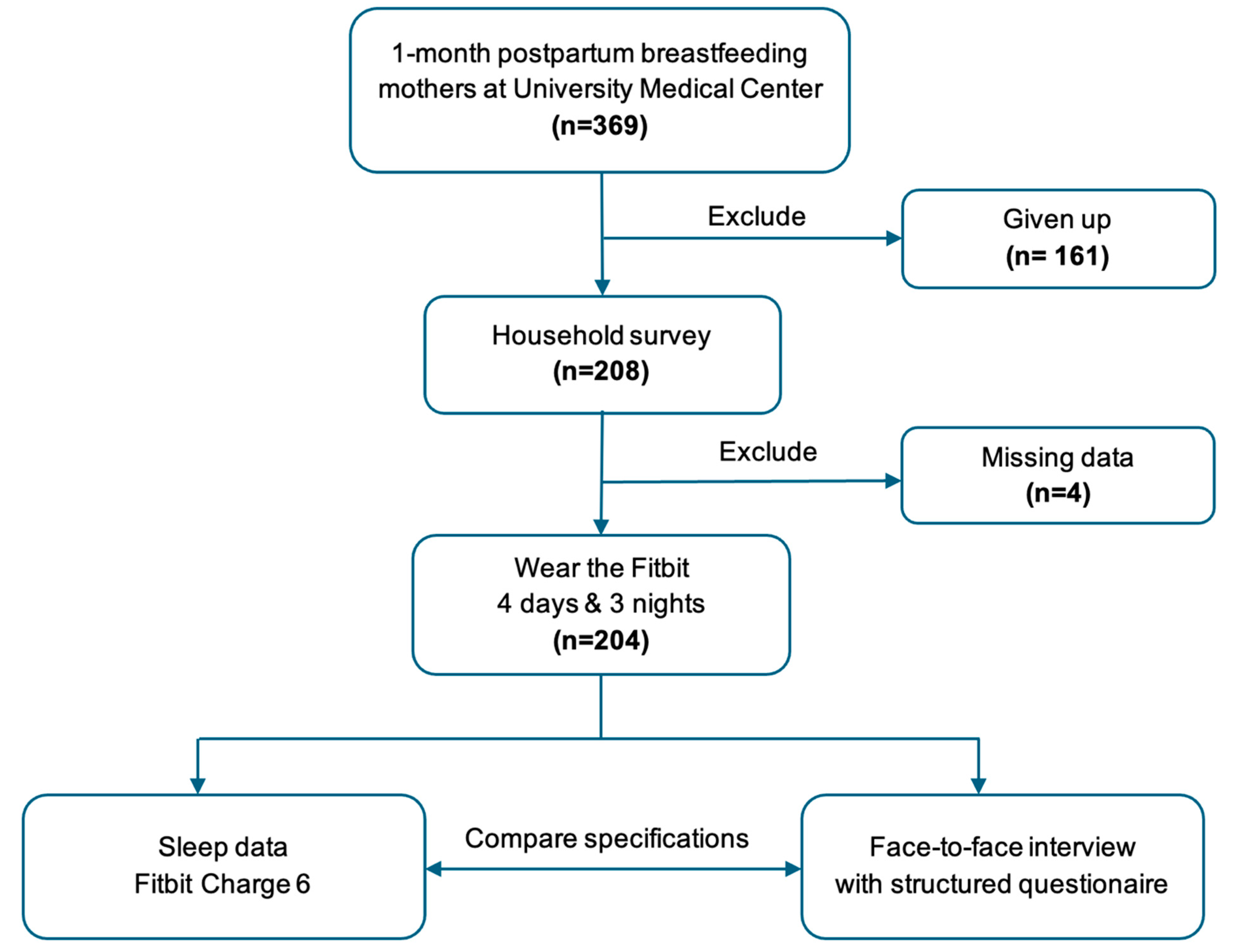
Background: The popularity of wearable health monitoring devices, such as Fitbits, is on the rise. However, their applicability in various research demographics remains uncertain, particularly among postpartum women facing significant sleep challenges. Objective: This study aimed to evaluate the consistency between Fitbit Charge 6 and structured interview questions in measuring sleep quality among breastfeeding mothers. Methods: A cross-sectional study utilizing random convenience sampling was conducted in Ho Chi Minh City, Vietnam, involving 208 breastfeeding women one month postpartum. The participants used the Fitbit Charge 6 device continuously for four days and three nights to gather daily sleep information; then, they were administered a structured sleep questionnaire via home interviews. Results: The correlation between the total sleep time (TST) recorded by both the device and interview was weak (r = 0.28), as was the correlation for short nap duration (r = 0.25). The agreement between the Fitbit Sleep Score and sleep satisfaction from the questionnaire was 79.9%, with a notably low Kappa index (0.02), indicating a lack of strong agreement. Conclusion: The Fitbit Charge 6 did not show reliable correlation with the subjective sleep data reported by one-month postpartum breastfeeding women. Further research employing rigorous comparative studies is necessary to assess the validity and reliability of sleep data collection methods for this demographic.
Keywords:
1. Introduction
2. Methods
2.1. Study Design and Participants
2.2. Study Procedures
2.3. Sample Size
2.4. Variables and Measurements
2.5. Data Analysis
2.6. Ethical Considerations
3. Results
3.1. Characteristics of Research Subjects
3.2. Assessment Using Fitbit Device
3.3. Assessment Using Direct Interview
3.4. Conformity Between the Two Recording Toolkits: Fitbit vs. Face-to-Face Interview Panel
4. Discussion
5. Conclusion
Author contributions
Data Availability Statement
Acknowledgments
Conflicts of interest
References
- Purkiewicz A, Regin KJ, Mumtaz W, Pietrzak-Fiećko R. Breastfeeding: The Multifaceted Impact on Child Development and Maternal Well-Being. Nutrients. 2025;17(8):1326. [CrossRef]
- Geddes DT, Gridneva Z, Perrella SL, Mitoulas LR, Kent JC, Stinson LF, et al. 25 Years of Research in Human Lactation: From Discovery to Translation. Nutrients. 2021;13(9):3071. [CrossRef]
- Chowdhury R, Sinha B, Sankar MJ, Taneja S, Bhandari N, Rollins N, et al. Breastfeeding and maternal health outcomes: a systematic review and meta-analysis. Acta Paediatr. 2015;104(467):96-113. [CrossRef]
- Ruan H, Zhang Y, Tang Q, Zhao X, Zhao X, Xiang Y, et al. Sleep duration of lactating mothers and its relationship with feeding pattern, milk macronutrients and related serum factors: A combined longitudinal cohort and cross-sectional study. Front Nutr. 2022;9:973291. [CrossRef]
- Smith JP, Forrester RI. Association between breastfeeding and new mothers' sleep: a unique Australian time use study. Int Breastfeed J. 2021;16(1):7. [CrossRef]
- Astbury L, Bennett C, Pinnington DM, Bei B. Does breastfeeding influence sleep? A longitudinal study across the first two postpartum years. Birth. 2022;49(3):540-8. [CrossRef]
- Manconi M, van der Gaag LC, Mangili F, Garbazza C, Riccardi S, Cajochen C, et al. Sleep and sleep disorders during pregnancy and postpartum: The Life-ON study. Sleep Med. 2024;113:41-8. [CrossRef]
- Schyvens AM, Peters B, Van Oost NC, Aerts JM, Masci F, Neven A, et al. A performance validation of six commercial wrist-worn wearable sleep-tracking devices for sleep stage scoring compared to polysomnography. Sleep Adv. 2025;6(2):zpaf021. [CrossRef]
- Jungquist CR, Mund J, Aquilina AT, Klingman K, Pender J, Ochs-Balcom H, et al. Validation of the Behavioral Risk Factor Surveillance System Sleep Questions. J Clin Sleep Med. 2016;12(3):301-10. [CrossRef]
- FititInc. Fitbit Charge 6; activity tracker 2025 [11/06/2025]. Available from: https://store.google.com/us/product/fitbit_charge_6?hl=en-US.
- Biczuk B, Żurek S, Jurga S, Turska E, Guzik P, Piskorski J. Sleep Stage Classification Through HRV, Complexity Measures, and Heart Rate Asymmetry Using Generalized Estimating Equations Models. Entropy. 2024;26(12):1100.
- Liang Z, Chapa Martell MA. Validity of Consumer Activity Wristbands and Wearable EEG for Measuring Overall Sleep Parameters and Sleep Structure in Free-Living Conditions. J Healthc Inform Res. 2018;2(1-2):152-78. [CrossRef]
- Kawasaki Y, Kasai T, Sakurama Y, Sekiguchi A, Kitamura E, Midorikawa I, et al. Evaluation of Sleep Parameters and Sleep Staging (Slow Wave Sleep) in Athletes by Fitbit Alta HR, a Consumer Sleep Tracking Device. Nat Sci Sleep. 2022;14:819-27. [CrossRef]
- Eylon G, Tikotzky L, Dinstein I. Performance evaluation of Fitbit Charge 3 and actigraphy vs. polysomnography: Sensitivity, specificity, and reliability across participants and nights. Sleep Health. 2023;9(4):407-16. [CrossRef]
- Liu G, Zhang Y, Zhang W, Wu X, Jiang H, Zhang X. Validation of the relationship between rapid eye movement sleep and sleep-related erections in healthy adults by a feasible instrument Fitbit Charge2. Andrology. 2024;12(2):365-73. [CrossRef]
- What's sleep score in the Fitbit app. Available online: https://support.google.com/fitbit/answer/14236513?hl=en&ref_topic=14236503&sjid=7732201167484965670-NC2025 (accessed on day month year).
- Krahn LE, Arand DL, Avidan AY, Davila DG, DeBassio WA, Ruoff CM, et al. Recommended protocols for the Multiple Sleep Latency Test and Maintenance of Wakefulness Test in adults: guidance from the American Academy of Sleep Medicine. J Clin Sleep Med. 2021;17(12):2489-98. [CrossRef]
- Cohen, J. A Power Primer. Psychologial Bulletin, 112 (1), 155-159. 1992.
- Altman, DG. Some common problems in medical research. Practical statistics for medical research: Chapman and Hall/CRC; 1990. p. 396 - 435.
- Lee JM, Byun W, Keill A, Dinkel D, Seo Y. Comparison of Wearable Trackers' Ability to Estimate Sleep. Int J Environ Res Public Health. 2018;15(6). [CrossRef]
- Brazendale K, Beets MW, Weaver RG, Perry MW, Tyler EB, Hunt ET, et al. Comparing measures of free-living sleep in school-aged children. Sleep Med. 2019;60:197-201. [CrossRef]
- Dong X, Yang S, Guo Y, Lv P, Wang M, Li Y. Validation of Fitbit Charge 4 for assessing sleep in Chinese patients with chronic insomnia: A comparison against polysomnography and actigraphy. PLoS One. 2022;17(10):e0275287. [CrossRef]
- Young-Lin N, Heneghan C, Liu Y, Schneider L, Niehaus L, Haney A, et al. Insights into maternal sleep: a large-scale longitudinal analysis of real-world wearable device data before, during, and after pregnancy. EBioMedicine. 2025;114:105640. [CrossRef]
- Haghayegh S, Khoshnevis S, Smolensky MH, Diller KR, Castriotta RJ. Performance assessment of new-generation Fitbit technology in deriving sleep parameters and stages. Chronobiol Int. 2020;37(1):47-59. [CrossRef]
- Parsons L, Howes A, Jones CA, Surtees ADR. Changes in parental sleep from pregnancy to postpartum: A meta-analytic review of actigraphy studies. Sleep Medicine Reviews. 2023;68:101719. [CrossRef]
- Chauhan G, Tadi P. Physiology, Postpartum Changes. StatPearls. Treasure Island (FL) ineligible companies. Disclosure: Prasanna Tadi declares no relevant financial relationships with ineligible companies.: StatPearls PublishingCopyright © 2025, StatPearls Publishing LLC.; 2025.
- Kendall-Tackett K, Cong Z, Hale T. The Effect of Feeding Method on Sleep Duration, Maternal Well-being, and Postpartum Depression. Clinical Lactation. 2011;2:22-6. [CrossRef]
- Touchette E, Petit D, Paquet J, Boivin M, Japel C, Tremblay RE, et al. Factors associated with fragmented sleep at night across early childhood. Arch Pediatr Adolesc Med. 2005;159(3):242-9. [CrossRef]
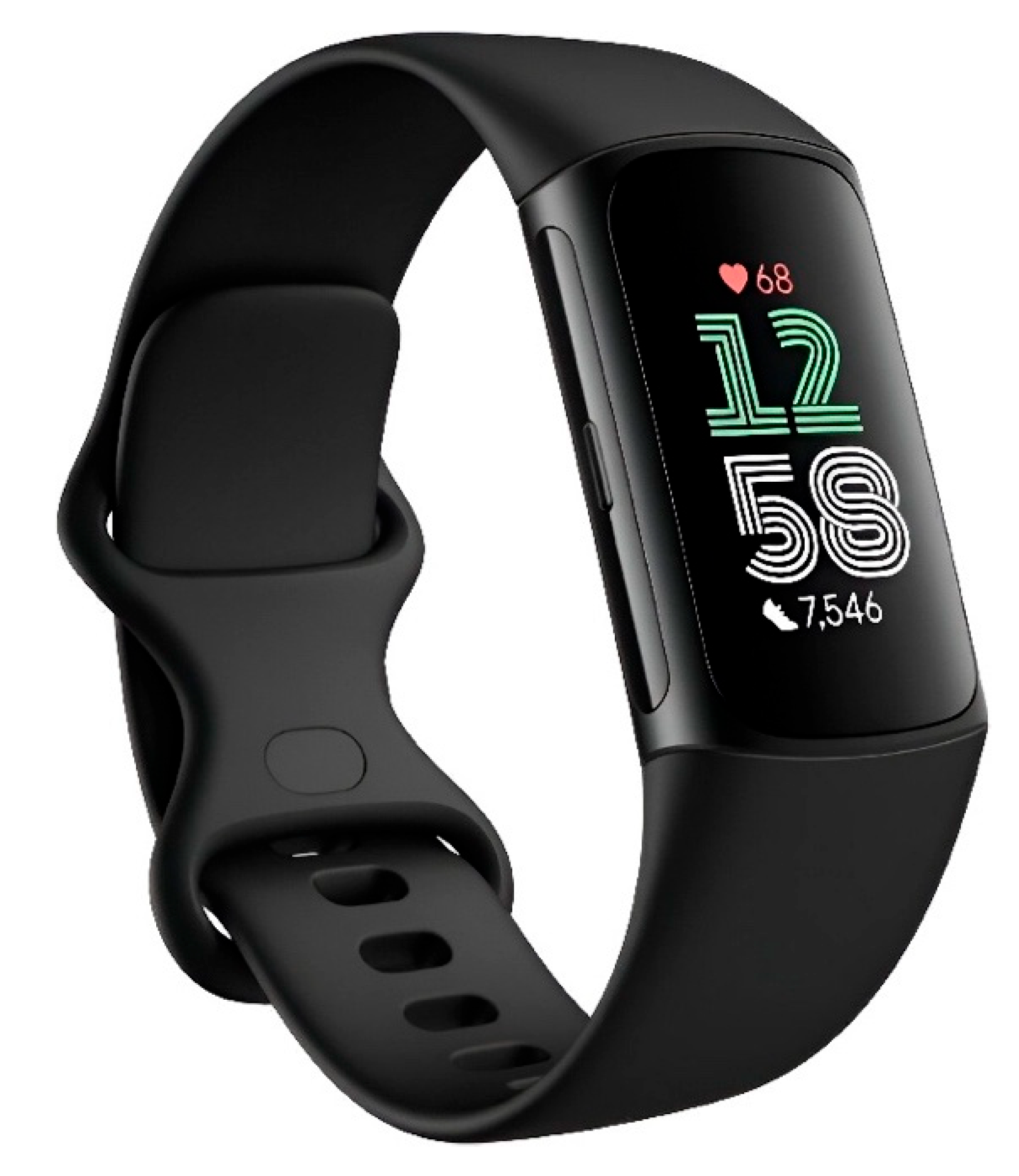
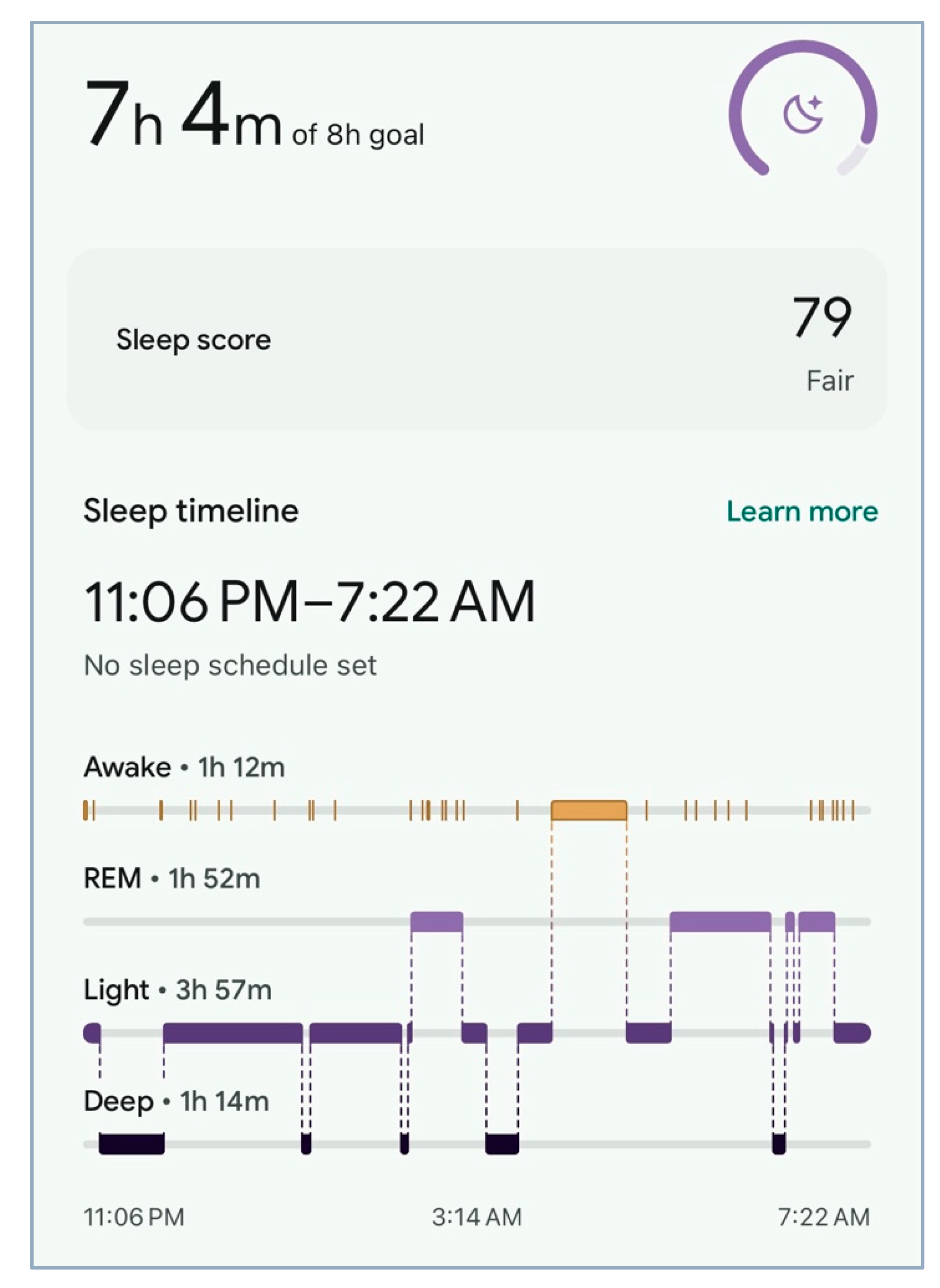

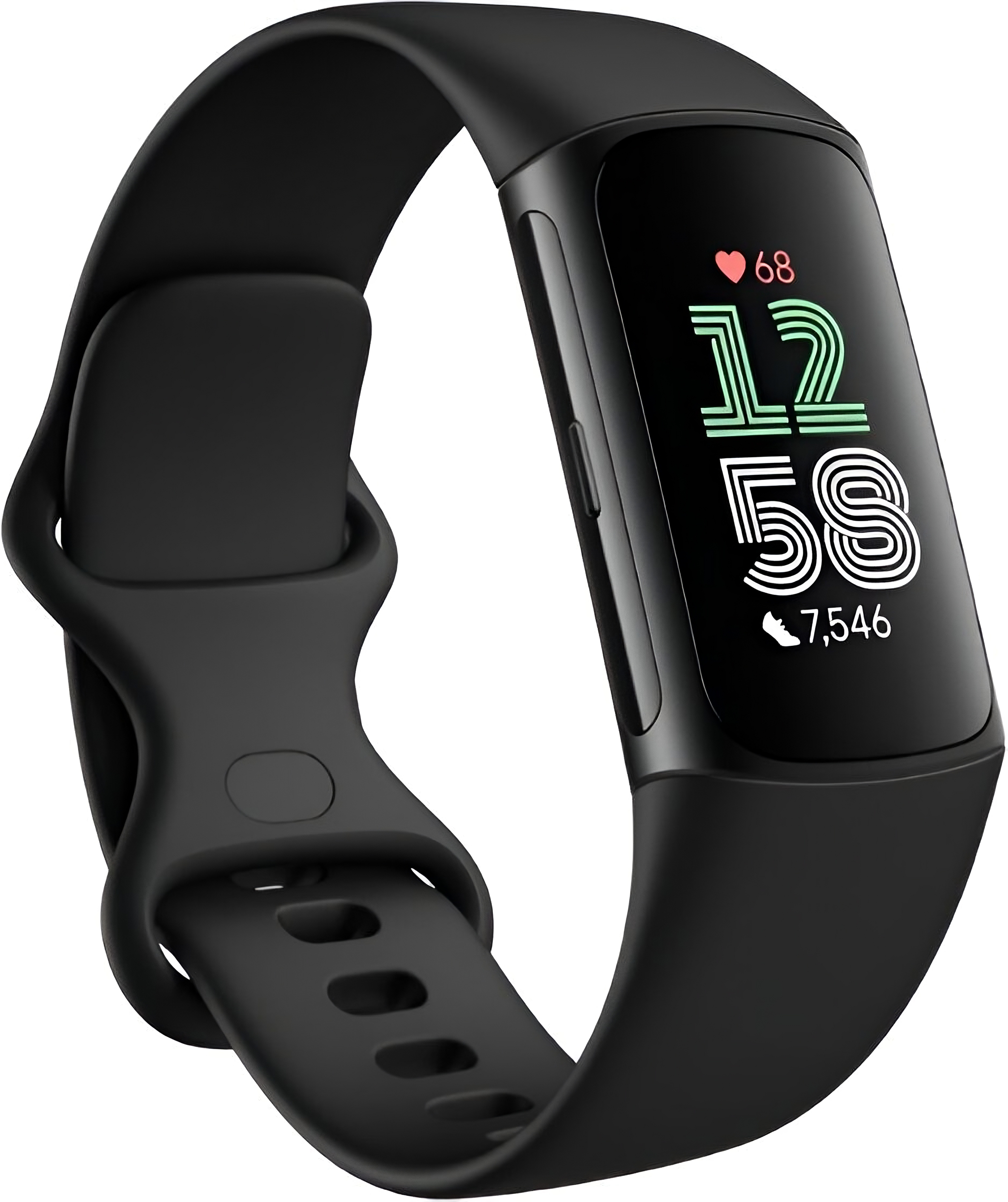
| Main variables | Fitbit Charge 6 | Interview questions |
|---|---|---|
| Total sleep time | Total Sleep Time (min) | During the past week, on average how many hours of actual sleep did you get at night? |
| Nap duration | Time Asleep (min) | During the past week, did you take naps during the day? If yes, how long do you nap for a day? |
| Sleep satisfaction | Sleep Score | During the past week, have you been feeling sleepy or tired even after getting sleep? |
| Sleep stages | Time Awake (min) | During the past week, have you been waking up repeatedly during the night? |
| REM (min) | - | |
| Light (min) | ||
| Deep (min) | ||
| Sleep latency | - | On average how long does it take you to fall asleep? |
| Sleep disorder symptoms | - | Are you having any symptoms of a sleep disorder (such as snoring or gasping for air)? |
| Co-sleeping with Newborn | - | Are you sleeping with your newborn baby? |
| Number of people sleep in room | - | How many other people sleep in the same room wtih you? |
| Causes of poor sleep | - | If you don't sleep well, what are the causes? |
| Characteristics | Number of cases (n = 204) | Proportion (%) | |
| Age*: 30.3 ± 3.9 (20; 43) | |||
| < 25 | 16 | 7.8 | |
| 25 - 35 | 170 | 83.3 | |
| > 35 | 18 | 8.8 | |
| Religion | |||
| No | 191 | 93.6 | |
| Buddhism | 12 | 5.9 | |
| Catholic | 1 | 0.5 | |
| Education | |||
| High school | 9 | 4.4 | |
| College-University | 185 | 90.7 | |
| Postgraduate | 10 | 4.9 | |
| Maternal BMI at survey *: 22.9 ± 3.0 | |||
| Normal (18.5 – 22.9) | 101 | 49.5 | |
| Light weight (< 18.5) | 10 | 4.9 | |
| Overweight (> 22.9) | 93 | 45.6 | |
| Exclusive breastfeeding | |||
| No | 109 | 53.4 | |
| Yes | 95 | 46.6 | |
| Number of people sleeping in the same room: 3 ± 1 (1; 5) | |||
| ≤ 3 | 153 | 75.0 | |
| > 3 | 51 | 25.0 | |
| Co-sleeping with newborn baby | |||
| No | 4 | 2.0 | |
| Yes | 200 | 98.0 | |
| Characteristics | Number of cases (n = 204) | Proportion (%) |
|---|---|---|
| Sleep time (hours): 5.5 ± 1.4 | ||
| < 6 hrs | 123 | 60.3 |
| ≥ 6 hrs | 81 | 39.7 |
| Waking up during sleep cycle | ||
| No | 2 | 1.0 |
| Yes | 202 | 99.0 |
| Time awakes during sleep cycle (minutes)a: 43.7 ± 36.8 | ||
| < 40 | 93 | 46.0 |
| ≥ 40 | 109 | 54.0 |
| REM sleep time (minutes): 63.6 ± 23.3 (0; 130) | ||
| Light sleep time (minutes):184.0 ± 46.0 (54; 347) | ||
| Deep sleep time (minutes) (n= 182): 50.2 ± 17.5 (0;130) | ||
| Naps | ||
| No | 58 | 28.4 |
| Yes | 146 | 71.6 |
| Time of napsb (minutes)(n=146): 99.9 ± 35.7 | ||
| Sleep Score: 66.6 ± 8.1 | ||
| Not good | 195 | 95.6 |
| Good | 9 | 4.4 |
| Characteristics | Number of cases (n = 204) | Proportion (%) |
|---|---|---|
| Sleep time (hours): 4.6 ± 1.0 | ||
| < 6 hrs | 171 | 83.8 |
| ≥ 6 hrs | 33 | 16.2 |
| Sleep latency (minutes): 14 ± 9.6 | ||
| Normal (< 20 min) | 168 | 82.4 |
| Difficulty (≥ 20 min) | 36 | 17.6 |
| Frequent awakenings during sleep cycles | ||
| No | 19 | 9.3 |
| Yes | 185 | 90.7 |
| Naps | ||
| No | 16 | 7.8 |
| Yes | 188 | 92.2 |
| Time of napsa (minutes): 50.1 ± 19.1 | ||
| Feeling after waking up (tired, sleepy): | ||
| Not good | 168 | 82.4 |
| Good | 36 | 17.7 |
| Symptoms of sleep disorders: | ||
| No | 184 | 90.2 |
| Yes | 20 | 9.8 |
| Reasons: | ||
| Can't get enough sleep | 150 | 73.5 |
| Can’t sleep | 48 | 23.5 |
| Wake up during the night | 153 | 75.0 |
| Baby waking up | 195 | 95.6 |
| Others | 8 | 3.9 |
| Sleep characteristics | Correlation coefficient | p |
|---|---|---|
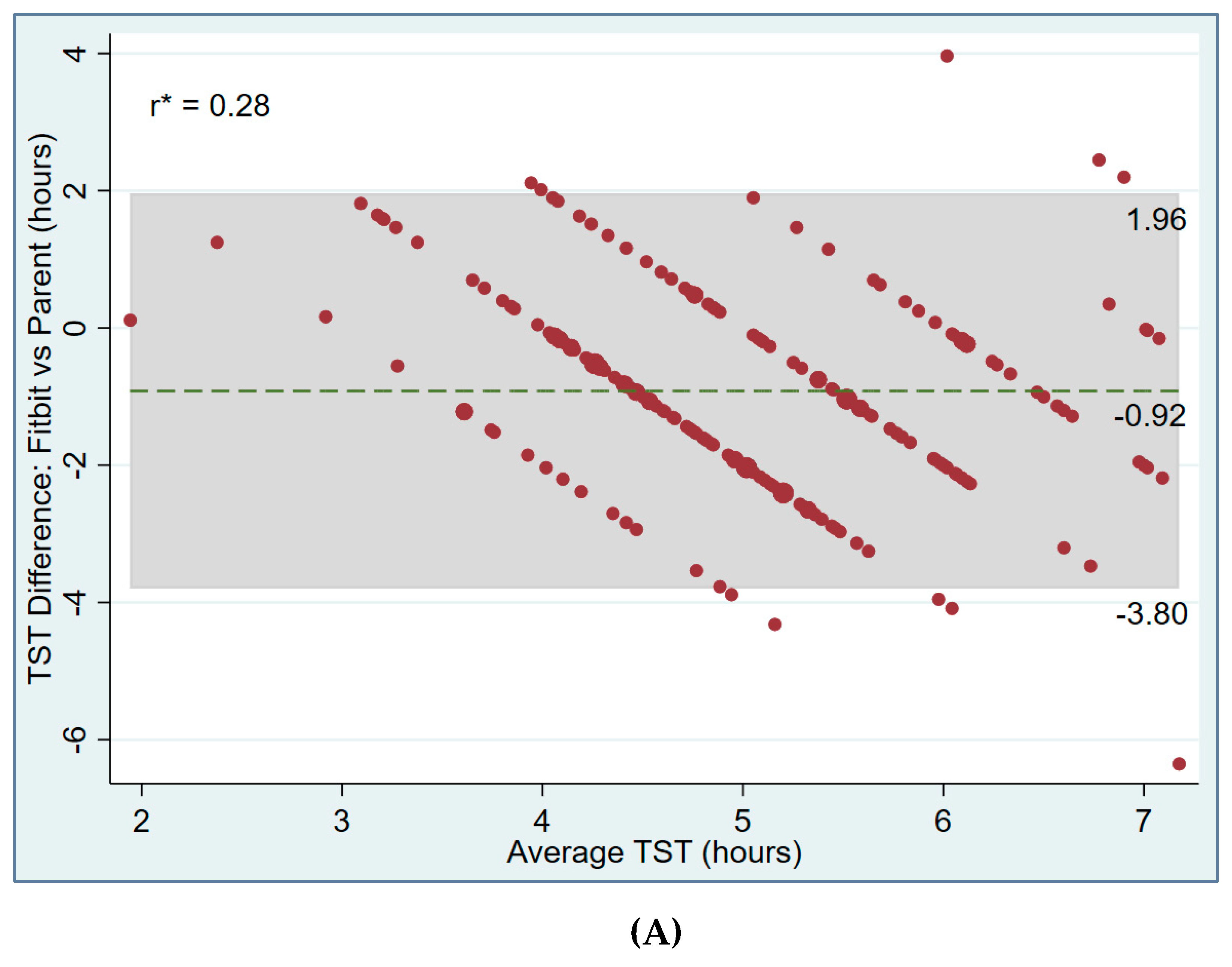
| Sleep time | 0.28 | < 0.001 |
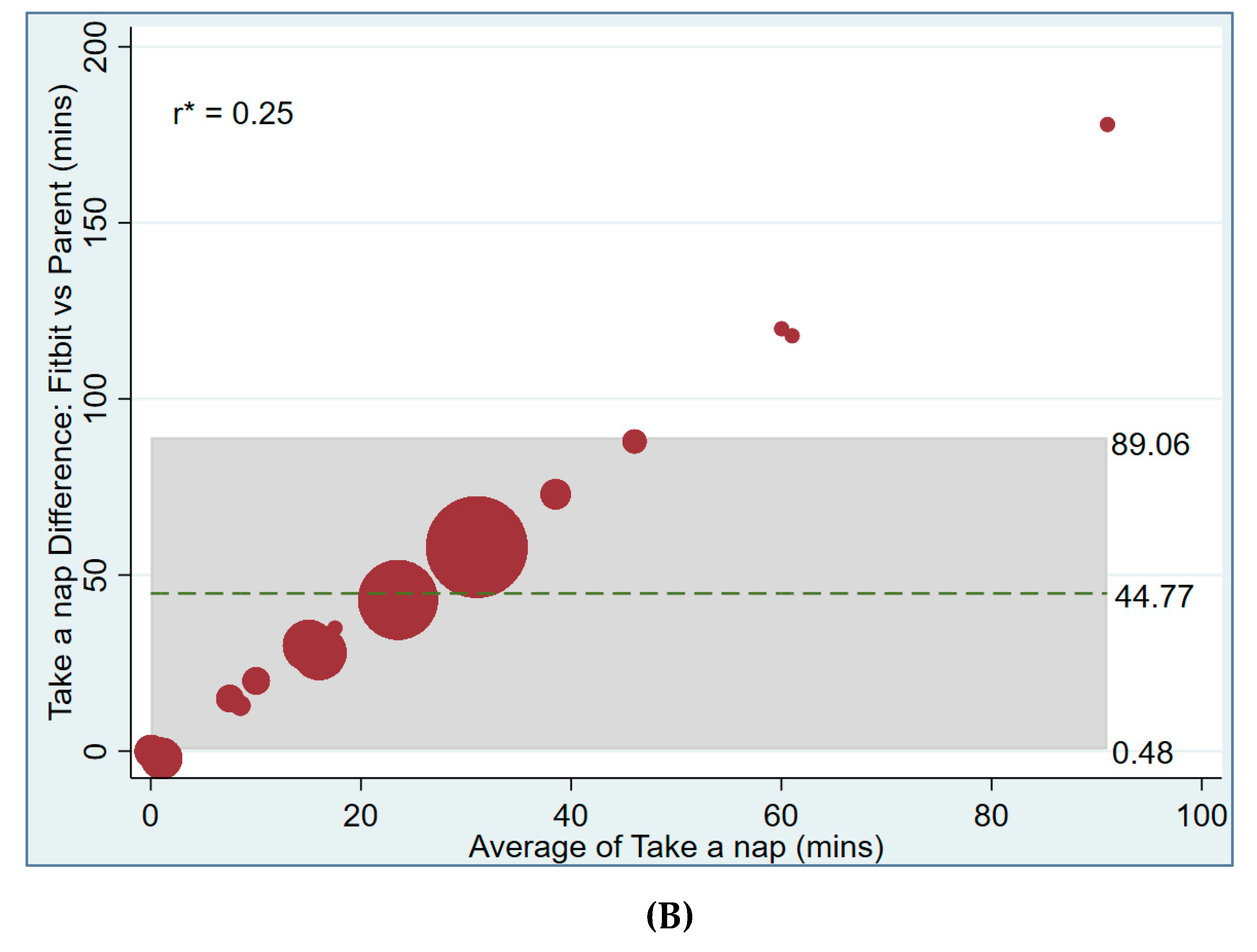
| Time of naps | 0.25 | < 0.001 |
| Characteristics | Agreement (%) | Kappa |
|---|---|---|
| Wake After Sleep Onset (WASO) | 51.0% | - 0.04 |
| Sleep Score and Sleep satisfaction | 79.9% | 0.02* |
Disclaimer/Publisher’s Note: The statements, opinions and data contained in all publications are solely those of the individual author(s) and contributor(s) and not of MDPI and/or the editor(s). MDPI and/or the editor(s) disclaim responsibility for any injury to people or property resulting from any ideas, methods, instructions or products referred to in the content. |
© 2025 by the authors. Licensee MDPI, Basel, Switzerland. This article is an open access article distributed under the terms and conditions of the Creative Commons Attribution (CC BY) license (http://creativecommons.org/licenses/by/4.0/).