

Submitted:
25 October 2025
Posted:
29 October 2025
You are already at the latest version
Abstract
This study explains how user-generated content (UGC) converts intelligent digitalization into immersive experience and brand involvement (BI) in cross-border e-commerce (CBEC). We propose and test a dual-path, dual-mediator model that analytically separates UGC information quality (credibility, timeliness, richness) from UGC interaction quality (responsiveness, feedback, cue variety). Information quality elevates embodied cognition, while interaction quality strengthens social presence, together shaping BI. Using a two-phase survey with seven-point Likert scales, we conduct reliability/validity checks, correlation analyses, hierarchical regressions, and mediation tests with robustness verification. Results show partial mediation from information quality to BI via embodied cognition (significant direct and indirect effects) and full mediation from interaction quality to BI via social presence (indirect-only). The measurement model exhibits high internal consistency and satisfactory convergent/discriminant validity. Theoretically, UGC is reframed as an experience-generating infrastructure in which static, diagnostic content scaffolds sensorimotor simulation and dynamic, reciprocal interaction consolidates copresence. Managerially, the model guides CBEC stakeholders: enterprises should orchestrate credible multimodal reviews and interactive communities; website operators should balance informational accuracy with interaction vitality; policymakers should strengthen authenticity, traceability, and digital literacy. The findings clarify when and how “information” and “interaction” jointly but differentially elevate BI and lay foundations for brand attachment.
Keywords:
digitalization
; cross-border e-commerce
; user-generated content
; information quality
; embodied cognition
; interaction quality
; social presence
; consumer brand involvement
1. Introduction
In the settings of the rapid expansion of cross-border e-commerce (CBEC), user-generated content (UGC) has shifted from a peripheral aid to a central driver of consumer–brand relationships[1-3]. Unlike offline settings, CBEC inherently lacks tangible product and service touchpoints. As a result, consumers’ brand cognition, emotion, and behavior increasingly hinge on continuously emerging multi-modal UGC—texts, images, videos, and audio[4-6]. Technological advances not only enhance the accessibility and timeliness of information but also, through immersive virtual interaction, strengthen consumers’ sense of presence and contextual imagination[7,8]. Even in “look-but-cannot-touch” environments, consumers can experience “as-if in-store” encounters[9,10]. This reality invites a fundamental question: how does high-quality UGC, in the absence of physical interaction, shape perception and participation and ultimately translate into differences in brand involvement (BI)?
Existing theories of experiential marketing and online consumer behavior illuminate the “experience–cognition–behavior” chain[11], yet two gaps remain. First, traditional experiential frameworks prioritize offline multi-sensory cues and do not fully explain how, in digital media, consumers transform “imagination-simulation-empathy” into actionable brand judgments[12-14]. Second, although social presence is known to improve interaction quality and communication effectiveness, the mechanism through which “the quality of interaction itself” acts via presence to influence BI is still fragmented [15]. In other words, a unified framework is needed to account simultaneously for “sensory-embodied phenomena” and “social-presence experiences,” reflecting UGC’s dual role in CBEC as both an information carrier and an interaction medium [16-18].
Drawing on embodied cognition and social presence, this study proposes and tests a dual-path, dual-mediator conceptual model. On one path, UGC information quality (credibility, timeliness, and content richness) evokes consumers’ sensory imagination and situational simulation, thereby elevating embodied cognition and strengthening cognitive-affective-behavioral bonds with the brand[19]. On the other path, UGC interaction quality (responsiveness, feedback, and cue variety) enhances social presence, fostering social bonds among consumers, brands, and community members, which in turn intensifies BI [20]. Accordingly, we advance two clusters of hypotheses: H1–H3 address a partial-mediation pathway from information quality to BI via embodied cognition; H4–H6 address a full-mediation pathway from interaction quality to BI via social presence. We control for individual and contextual factors (e.g., gender, age, education, and brand country of origin) to ensure robust estimates.
This study’s contributions are threefold. First, at the mechanism level, rather than treating UGC as a monolithic input, we decompose it into “information quality” and “interaction quality,” pairing them with an “embodied-experience path” and a “social-presence path,” respectively. This explains how UGC, as both “static readable content” and “dynamic interactive process,” jointly shapes BI[21]. Second, at the theory-integration level, we synthesize two streams—embodied cognition (sensory experience) and social presence (social interaction)—within the CBEC context, addressing how “missing physical cues” online are compensated by psychological and social mechanisms[22]. Third, at the methodological level, using a two-phase survey and multiple statistical tests (reliability/validity, correlations and regressions, hierarchical mediation, and robustness checks), we corroborate the coexistence of partial and full mediation, reinforcing UGC’s indirect effects on BI along both paths [23].
We focus on three research questions: (1) Can high-quality informational attributes of UGC increase BI via embodied cognition? (2) Can high-quality interactive attributes of UGC increase BI via social presence? (3) Do these two paths differ systematically as partial versus full mediation? In addressing these questions, we delineate the “UGC-experience/presence-involvement” chain and offer actionable guidance for brand management in CBEC: optimize “credible–timely–rich” informational supply on the content side, and design “multi-cue–high-responsiveness–strong-feedback” social mechanisms on the interaction side to activate both “embodied sensation” and “social presence.”
The remainder of the paper proceeds as follows. Section 2 presents the hypotheses and conceptual model. Section 3 details the sample and data. Section 4 introduces the measures and empirical procedures. Section 5 reports the results and robustness analyses. Section 6 discusses the two mediation paths and their implications. Section 7 concludes with theoretical and managerial implications and outlines directions for future research.
2. Research Hypotheses and Models
2.1. Hypothesis of UGC Information Quality, Embodiment and BI
Embodied cognition influences how people process social information, where repeated social contexts become deeply rooted in memory as contextual concepts [24,25]. Although physical non-availability to real products in CBEC settings makes challenging for enterprises to provide consumers with overall shopping experience [26], booming digital technology induces various UGC, such as in the forms of texts, images, videos and audios, accordingly making the virtually interactive environment more realistic and contributing to brand engagement and intuitive satisfaction of consumers [27]. In other words, when consumers choose brands on CBEC platforms, they believe that the more trustworthy, more timely and richer in content the UGC information is, the stronger their immersive virtual experience will be. Therefore, the hypothesis 1 is proposed:
H1: The information quality of UGC positively influences embodied cognition.
In a digital environment, it becomes possible for networks to transmit various sensory information, which allows the extension of experiential marketing and the evolution towards virtual experiential marketing. However, existing theories of experiential marketing fail to explain the mechanisms of consumer information acquisition and processing in the Internet environment. Imagination, like perception and actual manipulation, is embodied, meaning that it occurs through the interaction of our brain and body with the external environment [28,29]. Customer engagement is largely dependent on the all-encompassing experience between customers and brands [30]. In light of this, this paper attempts to explore the influence of embodied cognition on consumer involvement behavior, with the proposed hypothesis 2.
H2: Embodiment positively influences consumers’ BI.
Furthermore, the work proposes the mediating role of embodiment in revelation of relationship between information quality of UGC and BI (Hypothesis 3). During the brand selection process on CBEC platforms, consumers tend to read a significant amount of UGC, which can influence their perception. The first step in consumer brand perception is sensory perception of the products of the brand [31]. Sensory perception of brands and products in a digital purchase context is a fundamental factor in consumer brand perception, because sensory perception can be influenced by the online cognitive environment. Also, consumers’ perceived engagement and trust of brands and products rely mainly on the virtual cognitive environment [32]. Therefore, in the process of selecting CBEC brands, high-quality UGC stimulates consumers' senses, creating a virtual experience that can consequently alter consumers' level of interaction with the brand.
H3: Embodiment plays a mediating role in the relationship of UGC information quality and BI.
Figure 1.
The hypothesized model indicating the relationship among UGC information quality, embodied cognition and BI.
Figure 1.
The hypothesized model indicating the relationship among UGC information quality, embodied cognition and BI.

2.2. Hypothesis of UGC Interaction Quality, Social Presence and BI
The effect of interaction quality on social presence is firstly hypothesized. This work focuses on that the more conscientious consumers of CBEC platforms are in their reading habits and their attention to UGC information, the stronger the virtual sense of presence they establish with the brand. The most valuable assets for social e-commerce websites lie in the accumulation of UGC information and the continuously growing website traffic [33]. The quality of UGC information, as a crucial element within this context, dictates the level and effectiveness of information interaction. Garrison[34] conducted research on social presence by examining whether individuals can purposefully communicate in a trusted environment and develop personal connections within a community. It is established that utilizing media with a higher degree of social presence can lead to more effective communication. The level of social presence can be altered by adding or removing specific communication forms, such as verbal or non-verbal cues and immediate feedback [35]. Enhancing social presence in virtual environments serves to increase an individual's perception of authentic feedback, akin to their experiences in physical settings [36]. Therefore, the hypothesis 4 is proposed:
H4: The interaction quality of UGC positively influences social presence.
The next step is to propose the relationship between social presence and formation of BI. Normally, the stronger the virtual sense of social presence on CBEC platforms is, the higher-level interaction with the brand relevant to consumers' cognition, emotions, and behavior will be. Regarding the impact of interpersonal interactions on CBEC user engagement, Brodie et al.[37] considered harmonious and friendly relationships as potential antecedents of integration. Hammedi et al.[38] suggested that emotional sharing of information related to brands, products and services among community members can effectively promote consumer involvement behavior. Furthermore, user interactions aimed at establishing interpersonal relationships within the community can foster a sense of belonging and develop positive relationships among users to meet their social needs, thereby achieving brand loyalty and perceived trust of consumers [39]. Within CBEC evaluation systems, consumers establish strong interactive relationships among themselves and with the brand, leading to changes in cognitive, emotional, and behavioral connections with brand, subsequently resulting in involvement behavior. Based on this, the following hypothesis 5 is proposed:
H5: Social presence positively influences consumers’ BI.
This article also posits that the interaction quality of UGC in CBEC platforms indirectly affects consumer BI behavior through perceived social presence. In other words, when consumers perceive higher quality in UGC interactions, a stronger sense of virtual presence is formed, leading to increased interaction with the brand. Simon[40] found that in the context of e-commerce, social presence is closely related to information richness, and enhancing social presence in virtual environments can increase an individual's perception of realism, akin to a physical environment [35]. Thus, interactive participation among community can be considered a crucial antecedent variable for involvement behavior, with UGC interaction quality serving as a driving factor for social presence. Therefore, building upon the overarching model, the hypothesis 6 is proposed:
H6: Social presence plays a mediating role in the relationship of UGC interaction quality and BI.
Figure 2.
The hypothesized model indicating the relationship among UGC interaction quality, social presence and BI.
Figure 2.
The hypothesized model indicating the relationship among UGC interaction quality, social presence and BI.

3. Samples
A questionnaire was designed in three sections: respondent demographics, cross-border e-commerce (CBEC) usage for cosmetics, and consumer engagement with brands. A pilot test with 15 participants refined the questionnaire. Data collection involved two phases over six months, with anonymized responses and a 75% effective response rate after cleansing. The sample, predominantly well-educated females aged 20-35, preferred Tmall International and brands from France, the USA, and South Korea. As the follow-up research, the characteristics of the sample have been presented in Ref.[3].
4. Methodology
4.1. Variable Measurements
This study entails variables: UGC information quality, UGC interaction quality, BA, BI, embodied cognition, social presence, and independent self-construal. These variables are measured on established scales in the context of the study. Existing scales were adapted based on selecting suitable, mature scales, and modifying them to suit Chinese cultural context. Each questionnaire problem was finally confirmed using a seven-point Likert scale anchored on “1-strongly disagree” and “7-strongly agree”.
4.1.1. Mediating Variables
For measurements of social presence, scholars have discovered social presence as users' psychological perception of emotional connections in a medium [41,42]. Subsequently, they developed a high-reliability and high-validity scale with ten items distilled accordingly: (1) When reading high-quality UGC, I experience a sense of face-to-face interaction with other members; (2) when reading high-quality UGC, I perceive the individual charm of other members; (3) when reading high-quality UGC, I sense the interpersonal skills of other members; (4) when reading high-quality UGC, I feel the enthusiasm of other members; (5) when reading high-quality UGC, I empathize with the feelings of other members; (6) when reading high-quality UGC, I easily gain insights into the actual styles of the product; (7) High-quality UGC provides me with information similar to what I can obtain when shopping in physical stores (e.g. size, color, and ingredients); (8) High-quality UGC offers me a shopping experience akin to that of browsing physical stores; (9) High-quality UGC provides me with interactions similar to what I can experience when shopping in physical stores, including timely communication with the seller; (10) When browsing the website, I feel as though I am immersed in a physical store.
For measurements of embodied cognition, Schubert et al.[43] developed a corresponding measuring scale based upon the influential mechanism of the environment on the body and the body on cognition: (1) When reading UGC, I experience a sense of being "at home"; (2) when reading UGC, I feel very relaxed and joyful; (3) when reading UGC, I feel constrained.
4.1.2. Control Variables
In order to reduce the potential disturbance of independent variables, two aspects of controlling variables are considered: one is interviewer; another is source of product. At the individual level, respondent characteristics included age, gender (coded as 1 for male and 0 for female), and educational level (categorized into eight levels from primary education to doctoral degree). The origin of brand is categorized into Asian (including Japan, South Korea) and Western (including the United States, France, Germany, Canada, Australia, etc.) regions.
4.2. Methods of Test
The research uses rigorous statistical tests to ensure data accuracy and reliability, addressing Common Method Bias with Harman's test, confirming internal consistency with Cronbach's α (values >0.8), and validating data suitability for factor analysis using the KMO Measure and Bartlett Test. Correlation analysis precedes regression to ensure minimal multicollinearity.
5. Findings
5.1. Reliability and Validity
5.1.1. Reliability Test
Prior to reliability or validity test, we use Harman’s single factor test to detect common method bias among 11 variables. Factor analysis shows a cumulative explained variance of 72.70%, with a maximum variance of 25.65%. Thus, common method bias does not significantly affect the validity or reliability of the research items.
5.1.2. Validity Test
Based on the analytical results from the below exploratory factor analysis, for each indicator, the KMO values surpassing 0.7 and the values in Bartlett’s test of sphericity at zero fully indicate all of the variables are suitable for further factor analysis.
In addition, independent, dependent and mediating variables (six totally in number) are used for exploratory factor analysis. All scores of principal component matrixes are desirable with the values over 0.8, and all extracted total variance is far greater than the accepted value of 0.5, which indicates a satisfactory convergence validity of measuring scale. Also, the discriminant validity is evaluated by comparing the square root (diagonal values) of average variance and the correlation coefficients between two latent variables in Table 2. The results show acceptable discriminant validity of the scale.

Table 2.
KMO and Bartlett's test for all variables.
| Kaiser-Meyer-Olkin (KMO) Measure of Sampling Adequacy | 0.74 | 0.95 | |
|
Bartlett's Sphericity Test |
Chi-Squared Test | 521.85 | 3615.444 |
| df | 3 | 45 | |
| Sig. | 0.000 | 0.000 | |
| Variables | Embodied Cognition | Social Presence | |
Table 3.
Exploratory factor analysis results for all variables.
| Component 2 | ||||
| Measuring items of all variables | EC1. When reading UGC, I experience a sense of being "at home". | 0.929 | SP1 When reading high-quality UGC, I experience a sense of face-to-face interaction with other members. | 0.873 |
| SP2 When reading high-quality UGC, I perceive the individual charm of other members. | 0.914 | |||
| SP3 When reading high-quality UGC, I sense the interpersonal skills of other members. | 0.916 | |||
| EC2. When reading UGC, I feel very relaxed and joyful. | 0.949 | SP4 When reading high-quality UGC, I feel the enthusiasm of other members. | 0.920 | |
| SP5 When reading high-quality UGC, I empathize with the feelings of other members. | 0.870 | |||
| SP6 When reading high-quality UGC, I easily gain insights into the actual styles of the product. | 0.889 | |||
| SP7 High-quality UGC provides me with information similar to what I can obtain when shopping in physical stores (e.g. size, color and ingredients). | 0.891 | |||
| EC3. When reading UGC, I feel constrained. | 0.902 | SP8 High-quality UGC offers me a shopping experience akin to that of browsing physical stores. | 0.903 | |
| SP9 High-quality UGC provides me with interactions similar to what I can experience when shopping in physical stores, including timely communication with the seller. | 0.889 | |||
| SP10 When browsing the website, I feel as though I am immersed in a physical store. | 0.858 | |||
| Cumulative % of Variance for all variables | 85.86% | 79.66% | ||
| Name of each variable | Embodied Cognition | Social Presence | ||
Note: EC and SP are the simplified names of ‘Embodied Cognition’ (also called embodiment in some cases) and ‘Social Presence’, respectively.
5.1.3. Correlation Analysis
For correlation analysis, as shown in the below Table 4, overall, the distribution of all involved variables is appropriate due to non-existence of highly significant or too high-value (exceeding 0.7) correlation coefficients between the variables other than the dependent variable. In other words, no clear multicollinearity is observable among the variables other than the dependent variable, which provide a basis for the further hypothesis demonstration.
5.2. Hypothesis Test
5.2.1. Test Results of Relationship Among UGC Information Quality, Embodied Cognition, and BI: Mediating Effect of Embodied Cognition on BI
In this section, we will use the stepwise regression method to test Hypothesis 1, 2, and 3. The Table 6 below provides detailed test results. In Models 1 & 2, we use embodied cognition as the dependent variable. Model 1 demonstrates the influence of control variables on embodied cognition, while Model 2 reveals the regression results of the independent variable on the mediating variable (UGC quality on embodied cognition). Model 4 presents the regression results of the independent variable on the dependent variable (UGC quality on BI), and Model 5 shows the regression results of the independent and mediating variables on the dependent variable (UGC quality, embodied cognition on BI).
The regression results indicate that in Models 2, 4, and 5, the F-values are all significant (Model 2, F-value = 19.499, p < 0.001; Model 4, F-value = 31.339, p < 0.001; Model 5, F-value = 27.897, p < 0.001), meeting the prerequisite conditions for verifying mediating effects.
In these three models, the results of Model 4 show that the standardized regression coefficient of the independent variable is significant (b = 0.524, p < 0.001); the results of Model 2 similarly show that the standardized regression coefficient of the independent variable is significant (b = 0.355, p < 0.001); while the results of Model 5 reveal that the standardized regression coefficient of the independent variable still holds significance (b = 0.455, p < 0.001). Although the significance is slightly lower compared to Model 4, it remains significant in Model 5. At the same time, the standardized regression coefficient of the mediating variable is significant (b = 0.193, p < 0.05).
In summary, in all three equations, although the significance of the standardized regression coefficient of the independent variable slightly decreases after incorporating the mediating variable, it remains significant. The standardized regression coefficients of the independent variable on the mediating variable and the dependent variable also remain significant. Therefore, this study confirms the presence of mediating effects and identifies it as a partial mediation model.
Overall, the research supports Hypotheses 1, 2 and 3, which posit that UGC quality indirectly influences BI through its impact on embodied cognition.
Table 5.
Test results of mediating effect of embodied cognition on BI.
| Dependent Variable:Embodied Cognition | Dependent Variable: BI | ||||
| Model 1 | Model 2 | Model 3 | Model 4 | Model 5 | |
| Gender | 0.019 | -0.072 | 0.078 | 0.058 | 0.044 |
| (0.165) | (-0.721) | (0.532) | (-0.507) | (-0.388) | |
| Age | 0.018 | 0.007 | 0.016 | 0.000 | -0.001 |
| (2.174) | (0.980) | (1.569) | (-0.016) | (-0.185) | |
| Education Level | -0.054 | 0.019 | -0.061 | 0.047 | 0.044 |
| (-0.721) | (0.295) | (-0.652) | (0.646) | (0.603) | |
| Country of Brand Origin | -0.044 | -0.018 | -0.051 | -0.142 | -0.139 |
| (-0.411) | (-0.193) | (0.386) | (-1.375) | (-1.359) | |
| UGC Quality | 0.355*** | 0.524*** | 0.455*** | ||
| (9.462) | (12.299) | (9.166) | |||
| Embodied Cognition | 0.193* | ||||
| (2.944) | |||||
| F-value | 1.434 | 19.499*** | 0.818 | 31.339*** | 27.897*** |
| R2 | 0.025 | 0.300 | 0.014 | 0.408 | 0.425 |
| ΔF | 1.434 | 89.530*** | 0.818 | 151.269*** | 6.730*** |
| ΔR2 | 0.025 | 0.276 | 0.014 | 0.394 | 0.017 |
| VIFmax | 1.395 | 1.434 | 1.395 | 1.434 | 1.477 |
Note: Coefficients are non-standardized.† p < 0.1, * p < 0.05, ** p < 0.01, *** p < 0.001.
5.2.2. Test Results of Relationship Among UGC Interaction Quality, Social Presence, and BI: Mediating Effect of Social Presence on BI
Hypotheses 4, 5, and 6 are tested using the stepwise regression technique. The Model 1 controls variables' impact on social presence, while the variable, UGC interaction quality, is added in the Model 2. Model 2 shows the effect of UGC interaction quality on social presence. For BI, Model 3 controlled variables, Model 4 added UGC interaction quality, and Model 5 included social presence as a mediator. F-values were significant for Models 2, 4, and 5 (p < 0.001). In Model 4, UGC quality had a significant effect (b = 0.232, p < 0.001); Model 2 also showed significance (b = 0.390, p < 0.001). Model 5 had a non-significant influence (b = 0.021), but the mediator's effect was significant (b = 0.543, p < 0.001). In summary, mediating effects were present, forming a complete model. Results validate UGC's indirect effect on BI through social presence, confirming the authenticity of the relevant hypothesized judgements (Table 6).
Table 6.
Test results of mediating effect of social presence on BI.
| Dependent Variable: Social Presence | Dependent Variable: BI | ||||
| Model 1 | Model 2 | Model 3 | Model 4 | Model 5 | |
| Gender | 0.347 | ||||
| (1.946) | |||||
| Age | 0.029 | ||||
| (2.407) | |||||
| Education Level | -0.244 | ||||
| (-2.138) | |||||
| Country of Brand Origin | 0.167 | 0.180 | -0.051 | -0.044 | -0.141 |
| (1.032) | (1.247) | (-0.386) | (-0.348) | (-1.435) | |
| UGC Interaction Quality | 0.390* | 0.232*** | 0.021 | ||
| (7.748) | (5.313) | (0.537) | |||
| Social Presence | 0.543*** | ||||
| (12.028) | |||||
| F-value | 4.031* | 16.065*** | 0.818 | 6.378*** | 32.791*** |
| R2 | 0.066 | 0.261 | 0.014 | 0.123 | 0.465 |
| ΔF | 4.031* | 60.030*** | 0.818 | 28.229*** | 144.673*** |
| ΔR2 | 0.066 | 0.195 | 0.014 | 0.109 | 0.342 |
| VIFmax | 1.395 | 1.418 | 1.395 | 1.418 | 1.436 |
Note: Coefficients are non-standardized.† p < 0.1, * p < 0.05, ** p < 0.01, *** p < 0.001.
5.3. Robustness Test
5.3.1. Test Results of Relationship Among UGC Information Quality, Embodied Cognition, and BI: Mediating Effect of Embodied Cognition on BI
Following the outlined procedure in the Model 4, the test results (see Table 7) reveal that the total effect of UGC quality on embodiment is 0.524 (p < 0.001), with a confidence interval of (0.440, 0.608). The direct effect of UGC quality on embodied cognition is 0.455 (p < 0.001), with a confidence interval of (0.357, 0.553). The indirect effect of UGC quality on embodied cognition is 0.069, with a confidence interval of (0.003, 0.120), not including 0. Hence, the significant mediating role of embodied cognition is evident. The positive value of the indirect impact indicates that UGC quality indirectly and positively influences BI through embodied cognition, thus the Hypotheses 1, 2, and 3 successfully empirically supported.
5.3.2. Test Results of Relationship Among UGC Interaction Quality, Social Presence and BI: Mediating Effect of Social Presence on BI
Following the procedure outlined above, the Model 4 is proposed and deployed for further verification. The results (Table 8) reveal that the total effect of UGC interaction quality on social presence is 0.232 (p < 0.001, Model 3), with a confidence interval of (0.146, 0.319). However, the direct effect of UGC interaction quality on social presence is 0.021 (insignificant, Model 2), with a confidence interval of (-0.055, 0.097). Nonetheless, the indirect effect of UGC interaction quality on social presence is 0.212, with a confidence interval of (0.117, 0.322). Importantly, this indirect effect does not include 0, indicating a significant mediating role of social presence, specifically a complete mediating effect. Furthermore, the sign of the indirect effect signifies that UGC interaction quality indirectly and positively influences BI through social presence. Thus, Hypotheses 4, 5, and 6 are validated.
5.4. Summary
This chapter provided a detailed exposition of the quantitative analysis process and outcomes. Table 9 summarizes the hypotheses and their validation results. All hypotheses received robust empirical support. To ensure the stability of the conclusions, this study conduct a robustness test using the Process method, yielding consistent results with the earlier hypothesis testing, further reinforcing the reliability of the research findings. Consequently, the results of this study are credible and not coincidental.
6. Discussions
6.1. Discussion on Relationship in UGC Information Quality, Embodied Cognition, and BI
Hypothesis 1, which suggests a positive impact of UGC information quality on embodied cognition, has been confirmed. In the process of brand selection on CBEC platforms, consumers are unable to directly assess product quality through physical interaction with the goods. However, reading trustworthy and vivid UGC created by other consumers often involves interaction experiences through perceptual experience like touch, smell, and taste that the body can perceive. Consequently, a sense of virtual experience akin to direct interaction with the product within the virtual environment emerges, thereby enabling consumers to more effectively access the product quality and subsequently making better decision making of brands. Hence, higher-quality UGC leads to a higher level of embodied cognition.
Hypothesis 2, which asserts a positive influence of embodied cognition on BI, has also been confirmed. In other words, how does consumers' sensory experience affect their cognition and interactive behavior with brands? The assimilation effect exists in consumers' brand selection process, where individual sensory experiences induce changes that match relevant metaphors in subsequent purchase processes. Similarly, other scholars have indicated that sensory experiences evoked by brand stimuli enhance positive brand cognition [45]. Thus, when consumers engage with high-quality UGC, their level of embodied cognition is higher, resulting in greater changes in brand cognition and emotions, along with more frequent interactions with the brand.
Hypothesis 3, which proposes that embodied cognition mediates the relationship between UGC information quality and BI, has been verified. The empirical results from Chapter 6 show that the regression coefficient of UGC information quality on BI is 0.524, significantly significant at the 0.001 level. Upon introducing the mediating variable, the regression coefficient with BI is 0.455, also significantly significant at the 0.001 level. This decrease in the regression coefficient indicates that embodied cognition partially mediates the influence of UGC information quality on BI. Li[46] based on an integration of findings from various disciplines such as computer design, marketing, advertising, and human cognition, proposed the theory of virtual experience. They pointed out that when we experience a sense of presence in our everyday reality, we automatically create a mental model of the sensory information obtained from the external environment. Additionally, in a virtual environment, stimuli with similar structures are automatically processed through the same sensory processes, resulting in a unified and stable perceptual experience. Daugherty[47] referred to this perceived sense of experience in a virtual environment as "presence," also known as virtual existence. Similarly, consumers interacting with brands and associated virtual environments on CBEC platforms can experience a virtual sense of presence. Therefore, high-quality UGC can evoke a virtual sense of presence and influence consumers' BI behaviors. The proposed role of embodied cognition as a mediator between UGC information quality and BI has been confirmed.
6.2. Discussion on Relationship in UGC Interaction Quality, Social Presence, and BI
Hypothesis 4, which postulates a positive influence of UGC interaction quality on social presence, has been confirmed. According to the theory of social presence, Animesh[48] suggests that social presence refers to the sense of interpersonal closeness generated through interactions between individuals. CBEC platforms provide customers with interactive recommendation systems for information sharing, leading to enhanced interactive experiences and social presence. The mutual sense of identification across customers fosters a positive experience, such as encouraging consumers to continue generating UGC. High consumer interactivity is reflected in the degree of proactivity in information search. The higher the consumer's proactivity, the better the quality of information obtained, which also reduces the time cost of information acquisition and mitigates losses caused by information asymmetry, accordingly facilitating effective purchase decisions [36]. In terms of emotional aspects, several explorers suggested that consumer interactions based on UGC not only involve interactive information searches for products but also satisfy emotional interactions, such as the pleasure and sense of belonging derived from interactions like browsing audiences and online Q&A [49]. Therefore, consumers who exhibit higher proactivity in focusing on brand information, searching for brand-relevant key words and interacting with other consumers also experience a higher level of social presence, aligning with the findings of this study.
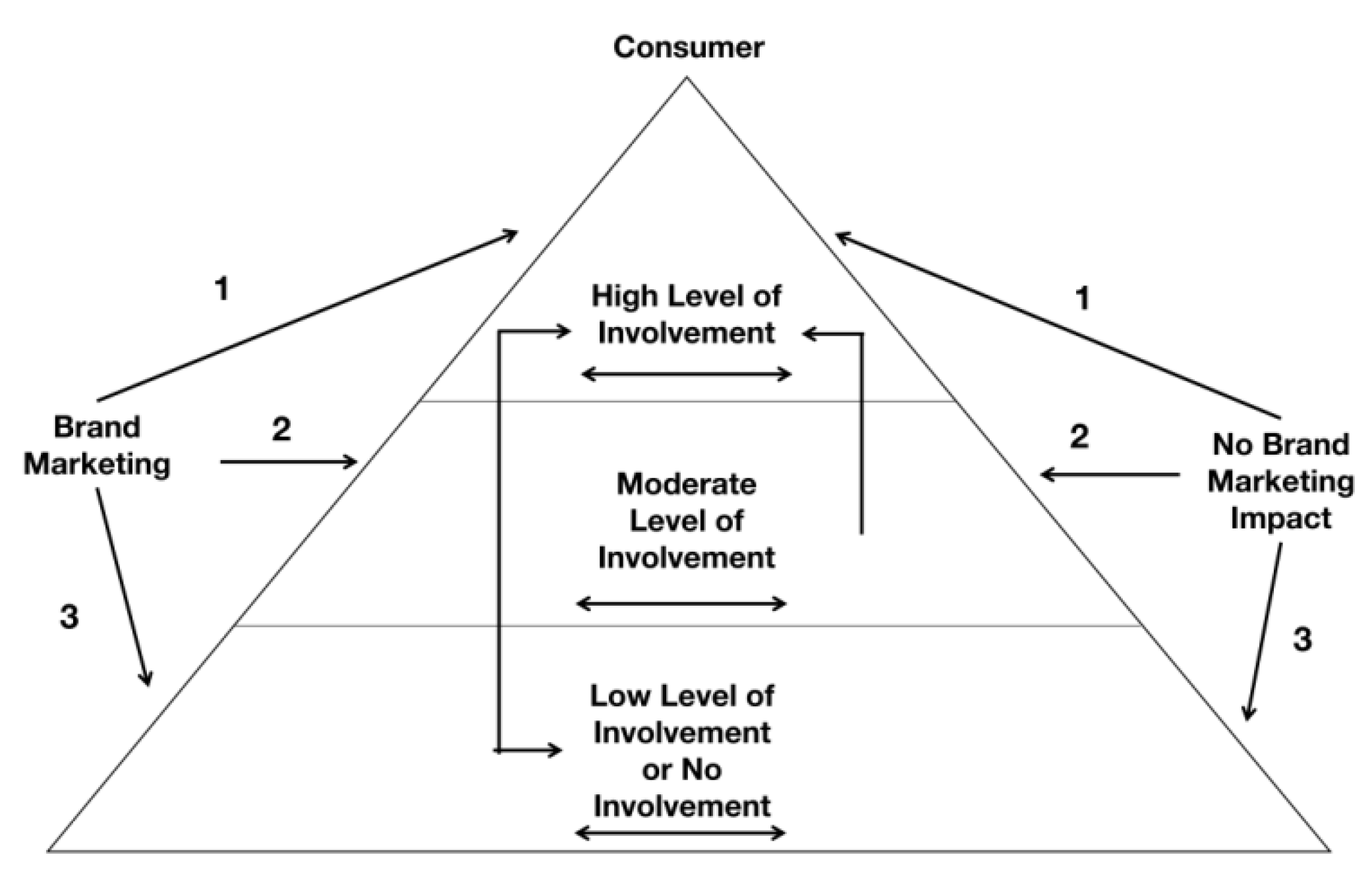
Hypothesis 5, which proposes a positive impact of social presence on BI, has been verified. Within CBEC settings, the contextual promotion of information sharing through network recommendation systems highlights their nature of social networking. This nature encourages consumers to engage in interactive content creation, further influencing interpersonal relationship development and perceived trust. Nadeem et al.[50] also maintains that the social nature fosters extensive interactions among consumers, triggering positive emotions like familiarity, commitment, and trust. This common phenomena cultivates perceived trust among customers and between customers and brands, ultimately establishing strong emotional relationships with brands and businesses. The impact of BI in CBEC platforms on consumers and companies has garnered significant attention. Keller[51] points out fundamental differences in the relationship between consumers and brands, as well as how companies choose to communicate and develop relationships with consumers. With reference to the BI Pyramid model (Figure 3), this model delineates the variance in customer BI. At the pinnacle of the pyramid are highly involved customers who engage in discussions about the brand, post on social media, visit the brand's website, read brand-related emails, and more. Conversely, at the base of the pyramid are low-involved customers or those who are entirely disengaged from the brand. This segment of customers only seeks to purchase the brand and does not wish to engage further; in other words, they "select and use it." Unfortunately, many marketing managers and professionals excessively emphasize marketing to top-tier customers, neglecting the customer base at the pyramid's bottom. For marketers, it is crucial to accurately understand the shape and dynamics of the BI Pyramid. How many highly involved customers are at the pyramid's top? How many low-involved customers are at the bottom? What factors influence customer flow at each level of the pyramid? Is there flow from the top down? Thus, the matter of enhancing BI is a highly significant topic in e-commerce platforms, with the enhancement of social presence emerging as a crucial avenue.
Hypothesis 6, which posits that social presence acts as an intermediary between UGC interaction quality and BI, has been verified. The empirical results from Chapter 6 indicate that the regression coefficient of UGC interaction quality on BI is 0.232, markedly significant at the 0.001 level. However, upon introducing the mediating variable, the regression coefficient with BI is 0.021, and it is not significant. This noticeable decrease in the regression coefficient indicates that social presence acts as a full mediator in the impact of UGC interaction quality on BI.
Figure 3.
BI Pyramid that shows the different consumer brand involvement behavior and its effect on brand marketing.
Figure 3.
BI Pyramid that shows the different consumer brand involvement behavior and its effect on brand marketing.
7. Summary and Implications
7.1. Conclusion
This study investigated how intelligent digitalization and immersive experience in CBEC settings translate UGC into CBI through two theoretically grounded pathways. Anchored in embodied cognition and social presence, we specified and tested a dual-path, dual-mediator model in which UGC information quality enhances BI via embodied cognition (partial mediation), while UGC interaction quality enhances BI via social presence (full mediation). Across reliability/validity assessments, hierarchical regressions, mediation tests, and robustness analyses, all six hypotheses (H1–H6) received consistent empirical support. Together, the results depict UGC not as a monolithic input but as a two-faceted mechanism, “static readable content” and “dynamic interactive process”, that constructs BI through complementary experiential and social routes, thereby laying a psychological foundation for downstream brand attachment formation in CBEC environments.
In sum, the study advances a coherent account of how UGC orchestrates immersive experience and social connectedness to construct brand involvement in CBEC. By demonstrating a partial mediation via embodied cognition and a full mediation via social presence, it clarifies when and how “information” and “interaction” work, jointly and differentially, to propel consumers up the involvement ladder, offering a scalable blueprint for designing digital ecosystems that transform attention into attachment.
7.2. Implications
7.2.1. Theoretical Implications
Following our first work[3], this study advances theory on consumer-brand relationships in CBEC by positioning UGC as a dual-faceted driver of brand involvement that operates through embodied cognition and social presence[52].
First, by analytically decomposing UGC into information quality (credible–timely–rich) and interaction quality (responsive–feedback-rich–multi-cue), we move beyond monolithic treatments of UGC and clarify how its static and interactive properties map onto distinct psychological mechanisms. The demonstrated partial mediation from information quality to BI via embodied cognition, and the full mediation from interaction quality to BI via social presence, jointly specify a two-path process architecture that prior experiential accounts in digital settings left underspecified. In doing so, the model re-theorizes UGC not merely as persuasive input, but as a situated stimulus capable of triggering sensorimotor simulation and socio-relational immersion that together scaffold brand-related action tendencies.
Second, integrating embodied cognition into the CBEC literature refines the experience-cognition-behavior chain by showing that, even without physical contact, multimodal cues in high-quality UGC can elicit sensorimotor imagery and contextual simulation, which in turn heighten BI. This extends experiential marketing beyond its offline, multisensory premises to a virtual experiential account in which imagination, perception, and action tendencies are co-produced by the human-media system rather than anchored in material touchpoints. Theoretically, this reframes “presence” in digital commerce as not only a social construct but also an embodied construct, thereby connecting streams of research that have largely progressed in parallel.
Third, articulating social presence as the exclusive mediator between interaction quality and BI sharpens the social-cognitive logic of online engagement. While prior work links richer media and interpersonal cues to improved communication, the present findings specify how interactional affordances (responsiveness, bidirectional feedback, and cue multiplicity) consolidate perceptions of copresence and relational warmth, which then translate into brand-focused cognitive, affective, and behavioral involvement [15,20,33-39]. This mechanism-level clarification elevates social presence from a contextual enhancer to a causal conduit in the UGC→BI pipeline.
Fourth, the model situates BI as a processual bridge between upstream UGC quality and downstream BA, complementing prior frameworks that emphasize direct attitudinal transfer. By demonstrating differentiated mediation structures across the static and interactive pathways, the study explains why content strategies that excel at information delivery may activate involvement through embodied routes yet still benefit from interactional designs that cultivate presence—thereby offering a theoretically cohesive rationale for the joint optimization of content and community in CBEC ecosystems. This layered view aligns BI with its rightful position as a gateway state that channels UGC-derived experiences into durable attachments.
Fifth, the study refines construct boundaries and measurement validity in digital contexts. The high reliability and convergent/discriminant validity of the adapted scales indicate that embodied cognition and social presence can be operationalized with psychometric rigor in CBEC settings while remaining conceptually distinct from BI. This supports their treatment as mediating mechanisms rather than reflective components of involvement, and it encourages future operationalizations that preserve this separation when modeling higher-order brand relationship outcomes.
7.2.2. Practical Implications
This investigation also has practical implications in the era of digitalization. Grounded in the dual-path mediation model, the findings of this study offer actionable insights for CBEC enterprises, policymakers, and CBEC website operators. Each stakeholder occupies a unique position in shaping the informational, technological, and regulatory ecosystems that jointly determine how UGC transforms into embodied and social experiences for consumers.
For CBEC enterprises, the results underscore that UGC is not merely an after-sales byproduct but a strategic resource for brand experience construction. irms can enhance embodied cognition by promoting credible, rich, and sensory UGC, such as unboxing videos, texture displays, and detailed reviews, that help consumers simulate real product use despite spatial distance. Simultaneously, brands should strengthen social presence through interactive spaces like online communities, co-creation campaigns, and live Q&A sessions, which build trust, belonging, and emotional resonance. Integrating both informational and interactive pathways into digital marketing enables firms to transform consumer perception into sustained brand involvement and attachment.
For CBSC website operators, the results highlight their pivotal role as experiential mediators. Platforms should adopt UGC quality governance systems that reward informative, verified, and responsive contributions while curbing misinformation. Interface design should stimulate both sensorimotor immersion (e.g., 3D displays, AR try-ons) and social warmth (e.g., real-time comments, avatars, feedback cues). Algorithmic recommendation should balance informational accuracy and interaction vitality to sustain both embodied and social pathways. By fostering credible information flows and authentic social exchanges, website operators can create immersive, trustworthy digital ecosystems that strengthen consumers’ brand involvement and long-term attachment.
For policymakers, this study underscores the need to build trustworthy and equitable digital environments that support immersive consumer engagement. Governments can introduce authenticity and transparency standards for UGC, such as labeling AI-generated or incentivized content, and establish cross-border data governance frameworks to ensure content traceability and privacy protection. Policies promoting digital literacy help consumers evaluate online information critically and participate responsibly in interactive UGC environments. Moreover, supporting innovation in AR, AI, and virtual experience technologies can help domestic enterprises align with the embodied cognition mechanism that drives consumer trust in global markets.
7.3. Limitations and Future Research
While this study provides a comprehensive exploration of UGC’s dual mediating mechanisms in the CBEC environment, several forward-looking directions emerge for future research:
First, the current model can be extended across industries and cultures to verify its universality and adaptability. Comparative studies involving different product types or international markets could reveal how cultural cognition, product tangibility, or regulatory environments influence the embodied and social presence pathways.
Second, future work could incorporate multimodal and behavioral analytics to enrich theoretical insight. Integrating physiological data (e.g., gaze tracking, emotion recognition) or platform-based behavioral traces would allow scholars to capture embodied and social engagement processes more dynamically and accurately, complementing perception-based findings.
Third, expanding to longitudinal and experimental designs can clarify the causal progression from UGC exposure to brand attachment formation. Future studies may also examine boundary and moderating factors, such as algorithmic personalization, consumer motivation, or technological immersion level, to explore how intelligent digitalization reshapes the interactive experience. Collectively, these research extensions would advance a more predictive and context-sensitive theory of digital embodiment and social presence in CBEC.
References
- Smith, J. The impact of cross-border e-commerce on global trade dynamics. International Journal of Trade and Commerce 2019, 15(2), 45–58. [Google Scholar]
- Jones, R. Opportunities and challenges of foreign brands in domestic markets. Journal of International Business Studies 2020, 28(3), 301–317. [Google Scholar]
- Xi, Z.; Liu, B. Arai, K., Ed.; Intelligent digitalization and immersive experience in cross-border e-commerce environment (I): The formation pathway and underlying “mediator” of consumer brand attachment. In Intelligent Systems and Applications. IntelliSys 2024. Lecture Notes in Networks and Systems; Springer; Cham, 2024; vol 1067. [Google Scholar]
- Shah, R.; Zimmermann, R. Multimodal analysis of user-generated multimedia content; Cham; Springer International Publishing, 2017. [Google Scholar]
- Choudhary, M.; Chouhan, S. S.; Rathore, S. S. Beyond text: Multimodal credibility assessment approaches for online user-generated content. ACM Transactions on Intelligent Systems and Technology 2025, 15(5), 1–33. [Google Scholar] [CrossRef]
- Kapoor, R.; Bhat, M.; Singh, N.; Kapoor, A. Recent advances in the discipline of text based affect recognition. Multimedia Tools and Applications 2024, 83(16), 48859–48893. [Google Scholar] [CrossRef]
- Rubio-Tamayo, J. L.; Gertrudix Barrio, M.; García García, F. Immersive environments and virtual reality: Systematic review and advances in communication, interaction and simulation. Multimodal technologies and interaction 2017, 1(4), 21. [Google Scholar] [CrossRef]
- Cowan, K.; Ketron, S. A dual model of product involvement for effective virtual reality: The roles of imagination, co-creation, telepresence, and interactivity. Journal of business research 2019, 100, 483–492. [Google Scholar] [CrossRef]
- Mohammad, J.; Quoquab, F.; Thurasamy, R.; Alolayyan, M. N. The effect of user-generated content quality on brand engagement: The mediating role of functional and emotional values. Journal of Electronic Commerce Research 2020, 21(1), 39–55. [Google Scholar]
- Zhang, X.; Guo, C. Influencing factors and formation mechanism of brand preference in community e-commerce. Sustainability 2024, 16(23), 10638. [Google Scholar] [CrossRef]
- Galavotti, I. Experience and learning: theoretical perspectives and effects on strategic decision-making. In Experience and Learning in Corporate Acquisitions: Theoretical Approaches, Research Themes and Implications; Cham; Springer International Publishing, 2018; pp. 41–90. [Google Scholar]
- Xiao, Y.; Li, Q.; Zhang, Z.; Zhang, Y. Research and evaluation of multi-sensory design of product packaging based on VR technology in online shopping environment. Applied Sciences 2024, 14(17), 7736. [Google Scholar] [CrossRef]
- Pisolkar, G.; Syed, A. A. Environmental cues in physical and online retail: implications for consumer shopping patterns. International Journal of Multidisciplinary Science Research Review 2025, 3(1), 72–78. [Google Scholar]
- Ahn, S. Sensorial sensory gaps in XR: A relational process model for immersive experience. In International Conference on Human-Computer Interaction; Cham; Springer Nature Switzerland, 2025; pp. 249–258. [Google Scholar]
- Chen, H.; Chiang, R. H.; Storey, V. C. Business intelligence and analytics: From big data to big impact; MIS quarterly, 2012; pp. 1165–1188. [Google Scholar]
- Martikainen, J.; Sakki, I. Sensory experiences and social representation-embodied multimodality of common-sense thinking. Journal for the Theory of Social Behaviour 2023, 53(4), 488–505. [Google Scholar] [CrossRef]
- Stevenson, A. We came here to remember: Using participatory sensory ethnography to explore memory as emplaced, embodied practice. Qualitative Research in Psychology 2014, 11(4), 335–349. [Google Scholar] [CrossRef]
- Gutiérrez-Ujaque, D.; Degen, M. M. Beyond critical pedagogy of place: sensory-embodied learning through the university campus. Journal of Geography in Higher Education 2024, 48(4), 537–556. [Google Scholar] [CrossRef]
- Soomro, S. A.; Eyupoglu, S. Z.; Ali, F. Linking customer mindsets, brand engagement, and citizenship behavior: the moderating role of brand trust. Journal of Product & Brand Management 2024, 33(3), 385–396. [Google Scholar] [CrossRef]
- Kim, C.; Jin, M. H.; Kim, J.; Shin, N. User perception of the quality, value, and utility of user-generated content. Journal of Electronic Commerce Research 2012, 13(4), 305–319. [Google Scholar]
- Liu, Y.; Wu, J.; Li, L.; Dong, W.; Shi, G. Quality assessment of UGC videos based on decomposition and recomposition. IEEE Transactions on Circuits and Systems for Video Technology 2022, 33(3), 1043–1054. [Google Scholar] [CrossRef]
- Mennecke, B. E.; Triplett, J. L.; Hassall, L. M.; Conde, Z. J.; Heer, R. An examination of a theory of embodied social presence in virtual worlds. Decision Sciences 2011, 42(2), 413–450. [Google Scholar] [CrossRef]
- Zhang, K.; Evgeniou, T.; Padmanabhan, V.; Richard, E. Content contributor management and network effects in a UGC environment. Marketing Science 2012, 31(3), 433–447. [Google Scholar] [CrossRef]
- Barsalou, L. Situated simulation in the human conceptual system. Language and Cognitive Processes 2003, 18(5-6), 513–562. [Google Scholar] [CrossRef]
- Niedenthal, P. M.; Barsalou, L. W.; Winkielman, P.; et al. Embodiment in attitudes, social perception, and emotion. Personality and Social Psychology Review 2005, 9(3), 184–211. [Google Scholar] [CrossRef]
- Nalluri, P.; Rao, R. S. Impact of product line on shopping motivations of consumers in E-commerce-A correspondence analysis. Global Business Review, 09721509231170469. 2023; ISSN 09721509231170469. [Google Scholar]
- Sun, C.; Zhou, D.; Yang, T. Sponsorship disclosure and consumer engagement: evidence from Bilibili video platform. Journal of Digital Economy 2023, 2, 81–96. [Google Scholar] [CrossRef]
- Arbib, M. A. From grasp to language: embodied concepts and the challenge of abstraction. Journal of Physiology-Paris 2008, 102(1-3), 4–20. [Google Scholar] [CrossRef]
- Gallese, V.; Lakoff, G. The brain's concepts: the role of the sensory-motor system in conceptual knowledge. Cognitive Neuropsychology 2005, 22(3-4), 455–479. [Google Scholar] [CrossRef]
- He, J.; Wang, C. How global brands incorporating local cultural elements increase consumer purchase likelihood: an empirical study in China. International Marketing Review 2017, 34(4), 463–479. [Google Scholar] [CrossRef]
- Xu, X. Y.; Tayyab, S. M. U.; Chang, F. K.; et al. Hierarchical value-attainment paths of CBEC consumers: a means-end-chain perspective. Internet Research 2021, 31(2), 699–736. [Google Scholar] [CrossRef]
- Krishna, A. An integrative review of sensory marketing: engaging the senses to affect perception, judgment and behavior. Journal of Consumer Psychology 2012, 22(3), 332–351. [Google Scholar] [CrossRef]
- Cheng, X.; Gu, Y.; Mou, J. Interpersonal relationship building in social commerce communities: considering both swift guanxi and relationship commitment. Electronic Commerce Research 2020, 20, 53–80. [Google Scholar] [CrossRef]
- Garrison, D. R. Communities of inquiry in online learning. In Encyclopedia of distance learning, Second edition; IGI Global, 2009; pp. 352–355. [Google Scholar]
- Yamada, M. The role of social presence in learner-centered communicative language learning using synchronous computer-mediated communication: experimental study. Computers & Education 2009, 52(4), 820–833. [Google Scholar]
- Blascovich, J. Social influence within immersive virtual environments. In The social life of avatars: presence and interaction in shared virtual environments; London; Springer London, 2002; pp. 127–145. [Google Scholar]
- Brodie, R. J.; Hollebeek, L. D.; Jurić, B.; et al. Customer engagement: conceptual domain, fundamental propositions, and implications for research. Journal of Service Research 2011, 14(3), 252–271. [Google Scholar] [CrossRef]
- Hammedi, W.; Kandampully, J.; Zhang, T. T.; et al. Online customer engagement: creating social environments through brand community constellations. Journal of Service Management 2015, 26(5), 777–806. [Google Scholar] [CrossRef]
- Coelho, P. S.; Rita, P.; Santos, Z. On the relationship between consumer-brand identification, brand community, and brand loyalty. Journal of Retailing and Consumer Services 2018, 43, 101–110. [Google Scholar] [CrossRef]
- Simon, B.; Klandermans, B. Politicized collective identity: a social psychological analysis. American Psychologist 2001, 56(4), 319. [Google Scholar] [CrossRef]
- Gefen, D.; Straub, D. W. Consumer trust in B2C e-commerce and the importance of social presence: experiments in e-products and e-services. Omega 2004, 32(6), 407–424. [Google Scholar] [CrossRef]
- Hopkins, C. D.; Raymond, M. A.; Mitra, A. Consumer responses to perceived telepresence in the online advertising environment: the moderating role of involvement. Marketing Theory 2004, 4(1-2), 137–162. [Google Scholar] [CrossRef]
- Jostmann, N. B.; Lakens, D.; Schubert, T. W. Weight as an embodiment of importance. Psychological Science 2009, 20(9), 1169–1174. [Google Scholar] [CrossRef]
- George, D.; Mallery, P. SPSS for Windows step by step: answers to selected exercises. A Simple Guide and Reference 2003, 63(1), 1461–1470. [Google Scholar]
- Dennis, C.; Brakus, J. J.; Gupta, S.; et al. The effect of digital signage on shoppers’ behavior: The role of the evoked experience. Journal of Business Research 2014, 67(11), 2250–2257. [Google Scholar] [CrossRef]
- Li, H.; Daugherty, T.; Biocca, F. Characteristics of virtual experience in electronic commerce: A protocol analysis. Journal of Interactive Marketing 2001, 15(3), 13–30. [Google Scholar] [CrossRef]
- Daugherty, T.; Eastin, M. S.; Bright, L. Exploring consumer motivations for creating user-generated content. Journal of Interactive Advertising 2008, 8(2), 16–25. [Google Scholar] [CrossRef]
- Animesh, A.; Pinsonneault, A.; Yang, S. B.; et al. An odyssey into virtual worlds: exploring the impacts of technological and spatial environments on intention to purchase virtual products. Mis Quarterly 2011, 35(3), 789–810. [Google Scholar] [CrossRef]
- Chavez, L.; Ruiz, C.; Curras, R.; et al. The role of travel motivations and social media use in consumer interactive behaviour: A uses and gratifications perspective. Sustainability 2020, 12(21), 8789. [Google Scholar] [CrossRef]
- Nadeem, W.; Khani, A. H.; Schultz, C. D.; et al. How social presence drives commitment and loyalty with online brand communities? the role of social commerce trust. Journal of Retailing and Consumer Services 2020, 55, 102136. [Google Scholar] [CrossRef]
- Keller, K. L. Building strong brands in a modern marketing communications environment. In The evolution of integrated marketing communications; Routledge, 2013; pp. 65–81. [Google Scholar]
- Xi, Z. Arai, K., Ed.; How can humans drive the development of etical artificial intelligence? In Advances in Information and Communication. FICC 2021. Advances in Intelligent Systems and Computing; Springer; Cham, 2021; vol 1364. [Google Scholar]
Table 1.
Reliability scale.
| Variables | Number of measurement items | Reliability (Cronbach's Alpha) |
| Social presence | 10 | 0.971 |
| Embodied cognition | 3 | 0.976 |
Table 4.
Descriptive statistics and correlation coefficient matrix.
| Mean | Standard deviation | 1 Gender | 2 Age | 3Education level | 4 Brand country of origin | 5 UGC information quality | 6 UGC interaction quality | 7 Brand involvement | 8 Social presence | 9 Embodied cognition | |
| 1 Gender | 0.240 | 0.428 | 1 | ||||||||
| 2 Age | 24.810 | 7.053 | 0.174* | 1 | |||||||
| 3 Education level | 5.240 | 0.746 | -0.036 | 0.495* | 1 | ||||||
| 4 Brand country of origin | 0.700 | 0.461 | 0.198* | 0.090 | 0.030 | 1 | |||||
| 5 UGC information quality | 5.110 | 1.125 | 0.151* | 0.146* | -0.044 | 0.104 | 1 | ||||
| 6 UGC interaction quality | 3.722 | 1.233 | 0.011 | 0.099 | -0.028 | -0.020 | 0.567** | 1 | |||
| 7 Brand involvement | 5.198 | 0.912 | 0.054 | 0.101 | 0.008 | -0.009 | 0.633** | 0.329** | 1 | ||
| 8 Social presence | 5.110 | 1.142 | 0.181* | 0.132* | -0.072 | 0.105 | 0.781** | 0.432** | 0.672** | 1 | |
| 9 Embodied cognition | 4.515 | 0.739 | 0.048 | 0.145* | 0.029 | 0.043 | 0.5442** | 0.354** | 0.456** | 0.645** | 1 |
"*" indicates a significant correlation at the 0.05 level (Pearson's coefficient), and "**" indicates a highly significant correlation at the 0.001 level.
Table 7.
Robustness test results of mediating effect of embodied cognition on BI.
| Dependent Variable: Embodied cognition | Dependent Variable: BA | ||
| Model 1 | Model 2 | Model 3 | |
| Gender | -0.073 | -0.044 | -0.056 |
| (-0.721) | (-0.386) | (-0.507) | |
| Age | 0.007 | -0.001 | -0.000 |
| (0.980) | (-0.185) | (-0.016) | |
| Education Level | 0.019 | 0.044 | 0.047 |
| (0.295) | (0.603) | (0.646) | |
| Country of Brand Origin | -0.018 | -0.139 | -0.142 |
| (-0.194) | (-1.359) | (-1.375) | |
| Mediating Pathway | |||
| a: UGC Information Quality | 0.355*** | ||
| Embodied Cognition | (9.462) | ||
| b: Embodied Cognition | 0.193* | ||
| BI | (2.594) | ||
| c': UGC Information Quality | 0.455*** | ||
| BI | (9.166) | ||
| c: Total Effect (UGC Information Quality * BI) | 0.524*** | ||
| (12.299) | |||
| F-value | 19.499*** | 27.897*** | 31.339*** |
| R2 | 0.301 | 0.426 | 0.408 |
Note: Coefficients are non-standardized.† p < 0.1, * p < 0.05, ** p < 0.01, *** p < 0.001.
Table 8.
Robustness test results of mediating effect of social presence on BI.
| Dependent Variable: Social presence | Dependent Variable: BI | ||
| Model 1 | Model 2 | Model 3 | |
| Gender | 0.371 | -0.109 | 0.092 |
| (2.332) | (-1.000) | (0.665) | |
| Age | 0.0187 | -0.001 | 0.009 |
| (1.696) | (-0.111) | (0.973) | |
| Education Level | -0.177 | 0.075 | -0.021 |
| (-1.736) | (1.074) | (-0.240) | |
| Country of Brand Origin | 0.180 | -0.141 | (-0.044) |
| (1.247) | (-1.435) | (-0.348) | |
| Mediating Pathway | |||
| a: UGC Interaction Quality | 0.390*** | ||
| Social presence | (7.748) | ||
| b:Social presence | 0.543* | ||
| BI | (12.028) | ||
| c': UGC Interaction Quality | 0.021 | ||
| BI | (0.537) | ||
| c: Total Effect (UGC Interaction Quality * BI) | 0.232 | ||
| (5.313) | |||
| F-value | 16.0654*** | 2.791*** | 6.378*** |
| R2 | 0.261 | 0.465 | 0.123 |
Note: Coefficients are non-standardized.† p < 0.1, * p < 0.05, ** p < 0.01, *** p < 0.001.
Table 9.
Summary of empirical verification results of research hypotheses.
| Serial Number of Research Hypotheses | Validation Results |
| H1 | Support |
| H2 | Support |
| H3 | Support |
| H4 | Support |
| H5 | Support |
| H6 | Support |
Disclaimer/Publisher’s Note: The statements, opinions and data contained in all publications are solely those of the individual author(s) and contributor(s) and not of MDPI and/or the editor(s). MDPI and/or the editor(s) disclaim responsibility for any injury to people or property resulting from any ideas, methods, instructions or products referred to in the content. |
© 2025 by the authors. Licensee MDPI, Basel, Switzerland. This article is an open access article distributed under the terms and conditions of the Creative Commons Attribution (CC BY) license (http://creativecommons.org/licenses/by/4.0/).
Copyright: This open access article is published under a Creative Commons CC BY 4.0 license, which permit the free download, distribution, and reuse, provided that the author and preprint are cited in any reuse.


