Preprint
Article

This version is not peer-reviewed.

Analyzing the Utilization of Mopane Dry Leaves and Seeds as Potential Feedstock in Maun and Shorobe, Botswana

Submitted:

21 October 2025

Posted:

22 October 2025

You are already at the latest version

Abstract

The deciduous forests found in Ngamiland, Botswana, experience leaf senescence during the dry season, resulting in the production of potentially nutrient-rich plant litter by trees like the Colophospermum mopane. This study examines the nutritional value of Colophospermum mopane litter in Maun, Botswana. Atomic absorption spectroscopy was used for mineral analysis and the results were reported in g/kg and on average, the mineral content in both leaves and seeds showed, Ca=15.40, Mg=0.88, Na=1.47, K=6.62, Fe=0.01, Zn=0.00. The findings indicate that mopane litter is rich in essential minerals, making it a potentially nutritive supplementary livestock feed. However, additional sources of Zn and Fe are necessary to prevent deficiencies because they are below the requirements for both cattle and goats, suggesting that mopane litter should be used in combination with other feed sources.

Keywords: 
;  ;  ;  ;  

1. Introduction

1.1. Background Information

Deciduous forests are composed of broad-leaved trees that shed all their leaves during winter. As temperatures decrease, food production is shut down and leaves change colors due to the lack of chlorophyll and drop to the ground. Deciduous forest is found in three middle-latitude regions with a temperate climate characterized by winter in north America, western Eurasia, and northeastern Asia, these include oaks, chestnuts, and basswoods [11]. Their plant litter has various general uses like mulch to retain moisture in the soil and compost which increases soil nutrition for plants. Deciduous forest also extends into more arid regions along stream banks and around bodies of water like in Ngamiland, Botswana.
Ngamiland is a semi-arid to arid climate region located in northern Botswana, which encompasses Okavango Delta. Climate in Ngamiland is characterized by high temperatures throughout the year with hot summers and mild winters in daytime, the temperature can drop significantly low at nighttime. It rains in summer, and this is when the Delta floods with water during the period from November to March [16], during the dry season which extends from April to October, rainfall is at its minimum and characterized by leaf senescence producing large quantities of plant litter by deciduous trees which lose leaves and seeds in winter as old plant tissues.
Leaf senescence is the final stage of leaf development where changes occur in the cellular and biochemical processes of leaves. One important aspect of senescence is the breakdown and reabsorption of mobile nutrients like nitrogen, phosphorus, potassium, and magnesium from the dying leaves to young tissues, such as developing fruits, seeds, and new leaves. While some nutrients are remobilized and transported to other plant parts, a portion of the nutrients may remain in the senescing leaf. The fate of nutrients can vary depending on various factors like plant species, nutrient availability, and environmental conditions. Subjecting the plant to environmental stresses or nutrient deficiencies results in the less efficient remobilization of nutrients from senescing leaves and hence nutrient rich plant litter. The optimal survival strategy of plants is to maximize nutrient utilization by reabsorption and reusage to minimize nutrient loss [25]. Seeds do not go through senescence, but rather are detached from the tree due to numerous factors like gravity and mechanical factors which includes wind and animal activity [19].Seeds are rich in nutrients and often considered as nutritional powerhouses. They contain a concentrated package of carbohydrates, proteins, fats, vitamins, minerals. While pods serve as protective structures for seeds, they contain nutrients in smaller quantities compared to seeds. The nutrient composition of pods and seeds can vary among different plant species, but they contain carbohydrates, proteins, dietary fiber, vitamins, and minerals. Pods often provide a source of dietary fiber for humans and animals and can contribute to a balanced diet.
Colophospermum mopane trees are amongst the deciduous trees well adapted to Ngamiland climate and belong to the legume family. Mopane trees are limited to southern Africa in Zimbabwe, Mozambique, Botswana, Zambia, Namibia, Angola, and Malawi. They grow in alluvial soil and areas around Okavango Delta in Ngamiland have a high distribution of mopane trees due to this property. The trees are known to adapt to various challenging environments including areas with low rainfall, elevated temperatures and nutrient poor soils. This is because the tree developed adaptation strategies to such harsh conditions: long root systems help access water deep underground; in addition, the tree can store water in its trunk and branches. The roots have an increased nutrient uptake as there are bacteria in their nodules that fix nitrogen from air into that usable by the tree hence its ability to withstand low nutrient soils. Its resistance to heat is mainly due to the dense canopy that provides shade as well as the small thick leaves that prevent water loss via transpiration [13].
Mopane plant litter is known for its high protein contents. Green leaves of mopane are very high in protein as compared to the dry fallen ones which retain 40% of their original protein. In summer, mopane worms feed on the leaves. Elephants also feed on the leaves, and to a limited extent domestic animals that find them less palatable and feed on grass during wet seasons but alternatively can feed on Mopane during the winter when the grass is dry. This is mainly due to high levels of bitter tannins which interferes with nutrient absorption by animals. The tannin contents can be reduced by fermentation, drying, and mixing with other feed to create a balanced diet. Young leaves are more palatable with high protein content, this is also the case with the dry ones [23]. This demonstrates that during winter when Mopane sheds its leaves, livestock such as goats, cattle, and sheep, can alternatively feed on nutritious and more palatable dry leaves and seeds of mopane. Mopane litter also consists of seeds which have their potential usage as feedstock.
The seeds can also be used as supplementary fodder due to their high protein and fats contents. Due to the fat content, the oil can be extracted from mopane seeds and used for various purposes. The oil extracted is rich in essential fatty acids, which makes it suitable for culinary uses. It can also be used in the production of personal care products like cosmetics and soaps. The seeds can also be used in traditional healing practices to treat ailments like stomach disorders, skin irritants and respiratory conditions [23].

1.2. Problem Statement

Ngamiland is a region located in the northern part of Botswana, characterized by a semi-arid to arid climate as well as livestock farming. The dry season which extends from May to October is marked by low rainfall and high temperatures. The vegetation becomes drier during this time of the year resulting in decrease in livestock feed and malnutrition of livestock, hence supply of low-quality meat to Botswana Meat Commission and even livestock death, which leads loss of economic and marketing power. In this season there is also drying up of water sources, leading to a concentration of livestock around remaining water bodies like pools in Thamalakane River. Botswana has the 4th highest distribution of Mopane trees in southern Africa that are considered one of the dominant tree species in the country. They are particularly prevalent in the northern parts, including Maun and Shorobe.
Mopane leaves are more palatable in late winter [21], when there is excessive accumulation of mopane litter, and most individuals consider the collection and handling of plant litter to be cumbersome and time-consuming. They prefer easier waste disposal methods, leading to indiscriminate mass disposal of mopane plant litter in homes through unconventional methods like dumping into heaps, which are thereafter burnt releasing fumes that contain carcinogenic and toxic particles that can be inhaled to later cause health problems in the lungs. The released fumes include carbon monoxide, which is highly poisonous, hence causing air pollution. Furthermore, the heaps can be blown by wind into water sources for instance rivers, and can cause eutrophication which reduces water quality, hence affecting aquatic life. This is because of lack of awareness caused by lack of research on the potential utilization of mopane litter, and hence disposal of valuable resources as waste materials
Mopane litter, mainly leaves and seeds, have various uses like composting, when composted it can contribute to the production of nutrient-rich compost that decomposes and adds organic matter to the soil, improving its structure, fertility, and moisture-holding capacity. It can also be used as bedding for domestic animals due to its absorbent properties to help provide a comfortable and hygienic environment for animals such as horses, cows, and poultry. The dried leaves and seeds of Mopane can be chopped into small pieces and used as mulch in agricultural activities which helps retain moisture in the soil, suppresses weed growth, and improves soil fertility as the plant litter decomposes over time [2]. Even though mopane litter has essential uses most people still underutilize it due to lack of knowledge. Therefore, it is important to conduct a study that will assess the nutritional content of mopane litter as a potential feedstock for livestock in Ngamiland. This will address a gap in knowledge and serve as an effort to highlight the value of mopane litter and mitigate improper mass disposal of its potential value in Maun creating a win-win situation where there is reduced pollution caused by mopane litter (dry leaves and seeds) and more livestock feed.

1.3. Research Questions

General Research Question
What is the nutritive value of mopane dry leaves and seeds as a potential livestock feed?
Specific Research Questions
What are the concentrations of Na, K, Ca, Mg, P in mopane dry leaves and seeds in Maun?
What are the concentrations of Fe, Mn, Zn, Cu in mopane dry leaves and seeds in Maun?
What are the concentrations of proximate content (crude protein, crude fiber and ash) in mopane dry leaves and seeds Maun?

1.4. Research Objectives

General objective
To analyze the nutritive value of mopane dry leaves and seeds as a potential livestock feed.
Specific objectives
To determine the concentrations of Na, K, Ca, Mg, P in mopane dry leaves and seeds in Maun.
To determine the concentrations of Fe, Mn, Zn, Cu in mopane dry leaves and seeds in Maun.
To determine proximate content (crude protein, crude fiber, and ash) in mopane dry leaves and seeds Maun.

1.5. Research Hypothesis

There are sufficient nutrients in mopane dry leaves and seeds to sustain livestock growth and development.

1.6. Justification

In southern Africa there have been a lot of studies on mopane characteristics, mainly its structure and adaptation to harsh arid climate as well as its ability to sustain mopane worms in summer but there has been limited research on the nutrient compositions of its plant litter to sustain livestock nutritional needs.
The research will benefit the residents of Maun who have been burning mopane litter after clearing it off their yards. Those who own livestock will now use the litter as fodder to counter the shortage of livestock feed caused by drying of grass during winter instead of burning their potential solution and causing air pollution additionally, Hence there is an added benefit of mitigating the risks of respiratory disorders. Furthermore for the non-livestock rearing residents they can sell the litter to those with livestock for a fee, hence attachment of value to it.

1.7. Study Site

The study was carried out in Maun and Shorobe located in Ngamiland district in the northern part of Botswana. The locations are known for their high abundance of mopane trees, which extend from the forest to near resident’s homes and even into their home grounds. The sampling sides include Sexaxa ward, Shorobe and Disaneng ward (Figure 1).

2. Literature Study

2.1. Literature Review

[14] reviewed the nutritional value of mopane leaves, twigs, pods and seeds and its chemical defense against browsers. It was revealed that mopane is nutritious and contains crude protein, phosphorus, calcium, crude fiber, energy, fatty acids, and essential oil, which are necessary in the diet of herbivores during the dry season. It showed that the concentration of these nutrients varied throughout the seasons in a year. Despite the nutritional value of mopane, browsing is mainly during the dry season, when secondary metabolites such as total phenols and condensed tannins are relatively low. This paper further showed that the nutritional value and secondary metabolites are high during leaf flush but declined during the dry season as the leaves matured and aged.
The nutrient uptake and transport in plants provides a framework that explains how the nutrient content of the soil influences the nutrient composition of plant leaves and other different plant tissues [11]. There is also a geographic variation in soil structure as well as chemistry. The research above was done in South African soil and due to the geographic variations in soils, a similar study is to be done on the Ngamiland alkaline soils of pH 8.1 to 10.0 with a chemical
analysis showing the dominance of silica followed by CaO, Al2O3, MgO and Fe2O3 as the major oxides as well as trace elements which have lower HFSE (e.g. Zr and Nb) than LILE (e.g. Ba, Sr, Rb, Cr and V) contents, there is also high salt accumulation which is strongly influenced by the saline groundwater processes[6]. This study will also only focus on the dry season analysis of mopane dry seeds and leaves excluding other components of the litter like twigs. The availability of the following nutrients from the seeds and dry leaves are essential for livestock production.
Minerals
Minerals such as calcium and phosphorus are important for the development and maintenance of strong bones and teeth in livestock. They are also used as enzyme activators for various biochemical reactions necessary for metabolism, digestion, and overall physiological functions. Minerals like sodium, potassium, and magnesium are essential for proper nerve function and muscle contraction in livestock as well as maintenance of acid balance in the body. Several minerals, including zinc, selenium, and copper, are essential for reproductive health, including proper development of reproductive organs, hormone synthesis, fertility, and milk production in livestock. [22]. Minimum mineral requirements by goats in feed are Ca=10.70, Mg=0.40, Na=1.60, K=2.40, Fe=0.04, Zn=0.05 [10] while for cattle are Ca=2.70, Mg=1.00, Na=0.70, K=6.60, Fe=0.06, Zn=0.04 [24]
Crude protein
Proteins have amino acids, which are further used in the synthesis of new muscle fibers as well as repairing damaged muscle tissue. Proteins are required for the synthesis of milk proteins like casein and whey proteins which contribute to quality milk production. They are involved in the production of keratin which supports hair production. Proteins are also necessary to produce reproductive hormones and embryo development [26].
Crude fiber
Maintains proper digestive health and gut function in livestock by promoting normal bowel movements and preventing constipation. It also stimulates peristalsis hence ensuring proper movement of food along the digestive canal. It acts as a substrate for microbial fermentation in the rumen producing volatile fatty acids which function as an energy source. It prevents overconsumption of feeds as it induces the feeling of fullness hence allowing for better nutrient absorption and utilization. Chewing on coarse fibers helps to remove plaque and tartar on teeth hence reducing the risk of dental diseases [4]. The ratio of crude fiber to crude protein is a useful parameter in animal nutrition that provides insights into the nutritional composition and quality of feed sources. The ratio helps evaluate the balance between fiber and protein content in each feed, which can impact its digestibility, energy value, and suitability for specific animal species. As a general guideline, a crude fiber to crude protein ratio of around 2:1 or lower is often considered suitable for many livestock species [17]
Ash (total minerals)
Ash in livestock feed refers to the inorganic mineral content left after combustion. While ash itself does not provide any nutritional value, it serves essential functions in livestock but helps maintain acid-base balance in the body by regulating pH levels hence contributing to proper nerve function[20].

3. Methodology

3.1. Research Design

Correlational research design was used as the nutrients obtained were compared to already established standards.

3.2. Population

Mopane trees with mopane dry leaves and pods contained seeds.

3.3. Sample Frame

A clustered sampling frame was used, where a geographic region with mopane tree distribution was divided into geographic groups called clusters, which are the selected wards and a village in this study. Samples were collected from the wards to represent the entire mopane population in Maun. This frame was selected as it accounts for geographic variation, it is also cost and time effective as well as feasible as it is not possible to collect samples from each individual mopane tree in Maun and do individual analysis of each sample [8].
Purposive sampling, also known as judgmental or selective sampling, was used in the selection of mopane trees. Purposive sampling is a type of non-probability sampling technique that focuses on sampling units that are investigated based on the judgement of the researcher[8]. Purposive sampling was also involved in leaf and seed sampling.

3.5. Instrumentation

AIM 600 Digestion System
FOSS CYCLOTEC 1073 Electric miller
Varian SpectrAA 220 Atomic Absorption Spectroscopy

3.6. Sampling

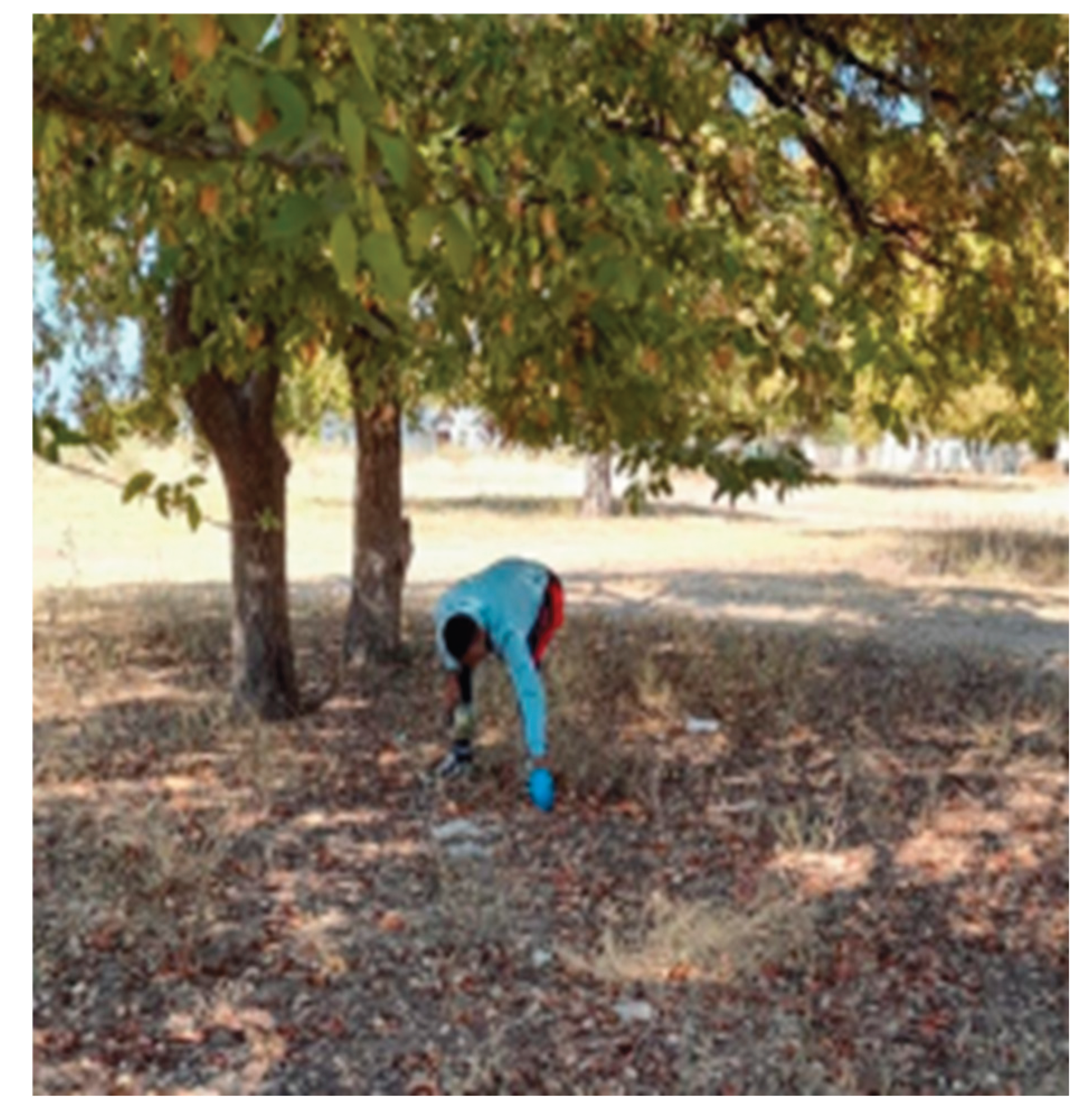
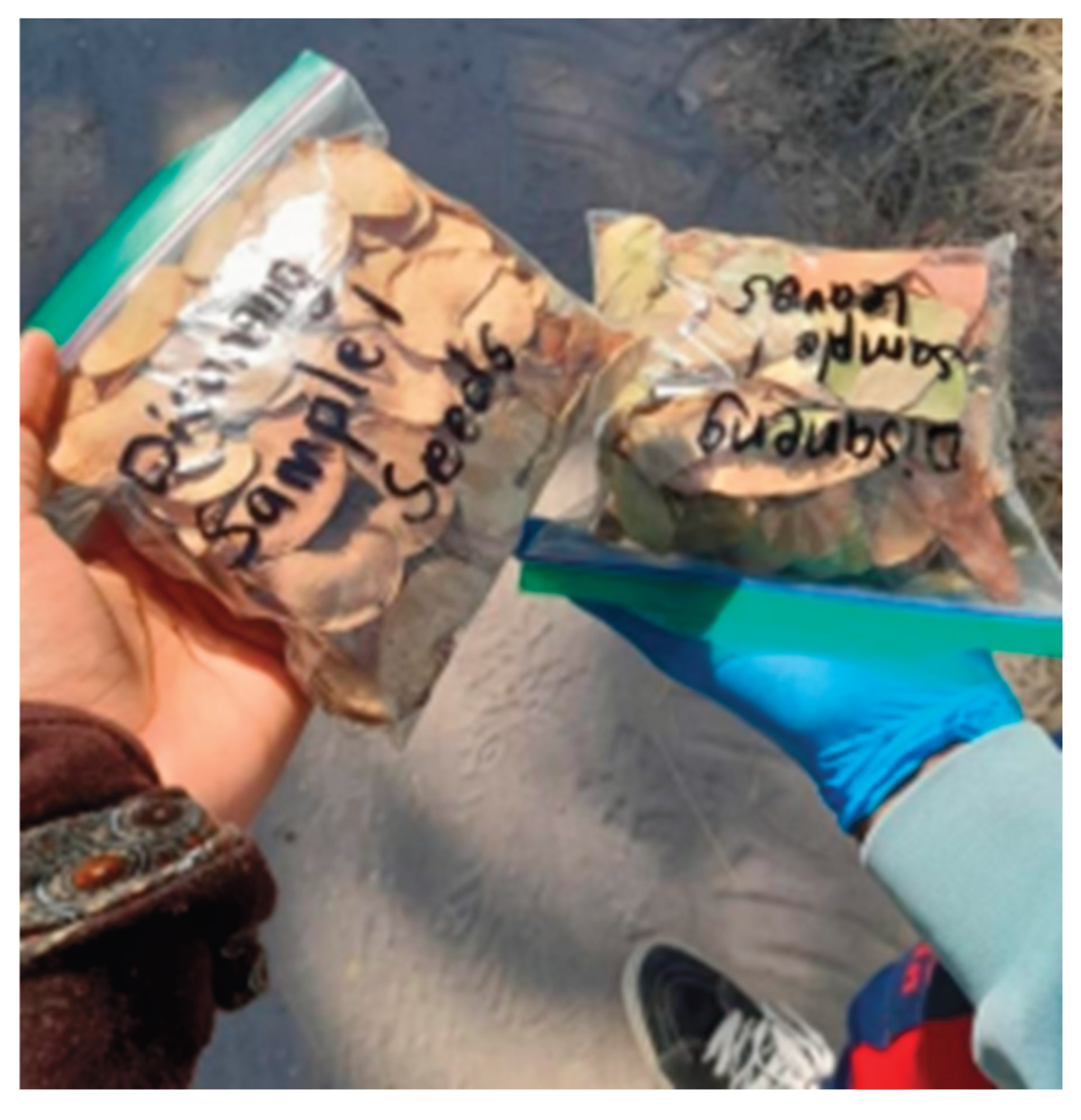
Leaves and seeds were handpicked and placed into different labeled polythene sampling bags. At each ward, 6 sampling points were selected and from each point 2 samples were collected, a bag of leaves and a bag of seeds. Giving a total of 12 samples per ward. The pods and seeds were collected and analyzed as a single unit.
Figure 2. How samples were collected per sampling point.
Preprints 181704 g002aPreprints 181704 g002b

3.7. Laboratory Analysis

Mineral analysis
Samples were washed with deionized water and dried in the oven at 50 degrees Celsius until constant mass then grinded using an electric miller. Mass of 300mg of grounded samples was weighed into digestion tubes and digested with 10ml sulphuric acid and selenium as a catalyst. The digestion tubes containing the sample solutions were placed on a digestion block in the fume-hood and heated for 2 hours at 330 degrees Celsius until the solution was clear. The digested samples were cooled and filtered into 100ml volumetric flasks using a 0.45mm filter paper via suction filtration, the remaining solution was diluted to the mark (100ml) using deionized water. All samples were analyzed using atomic absorption spectroscopy [1].

4. Results

This section presents laboratory analysis results.
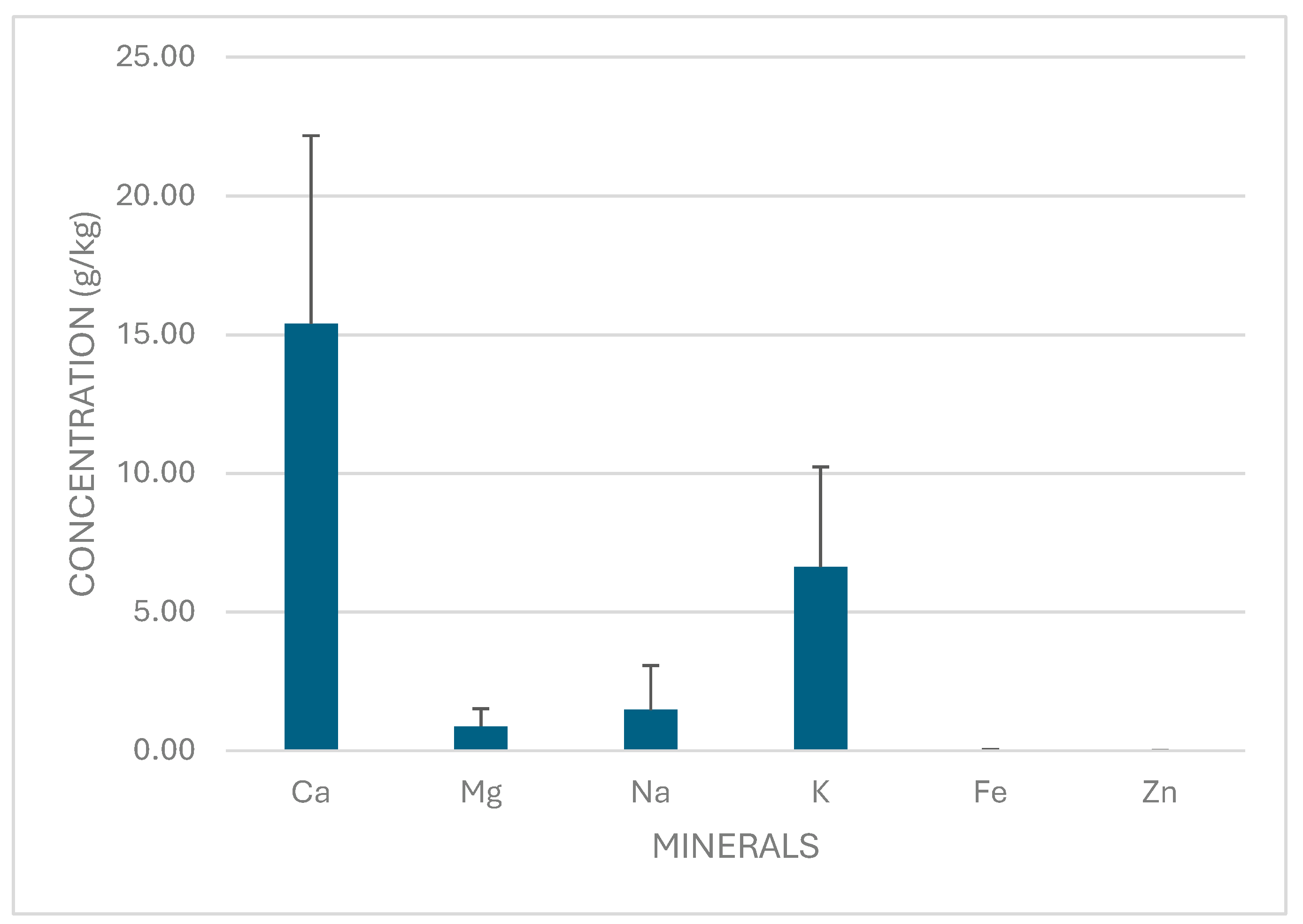
The mineral concentrations in leaves and seeds from all sampling sites were averaged and the calcium contents in mopane litter had the highest concentration of 15.40g/kg on average followed by potassium by 6.62g/kg while Zinc had the lowest concentration in the plant litter. Macronutrients (Ca, Mg, Na, K) had higher concentrations than micronutrients (Zn, Fe). Magnesium (Mg) recorded the lowest concentration of 0.88g/kg compared to other macronutrients (Figure 3).
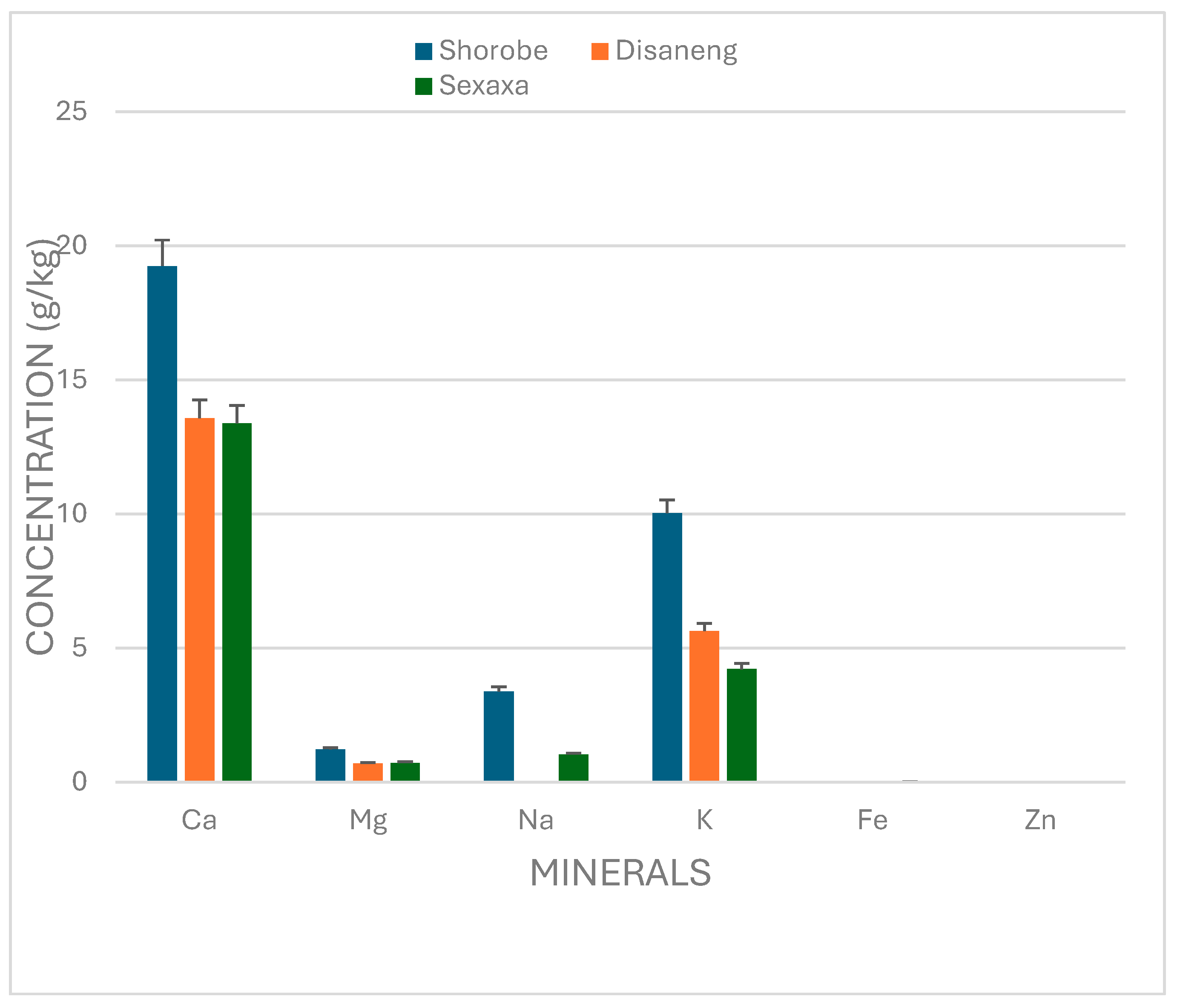
Each mineral concentration in leaves and seeds as shown in Figure 4 was averaged per sampling site and compared between the sampling sites and across all sampling sites, Shorobe had the highest mineral concentrations for each macronutrients analyzed and showed great difference. Calcium concentration in Shorobe was 19.25g/kg while for Sexaxa which had the lowest concentration of calcium was 13.38g/kg which shows great difference. Mineral concentrations in Disaneng and Sexaxa showed slight variations except for sodium because it was very low in Disaneng.
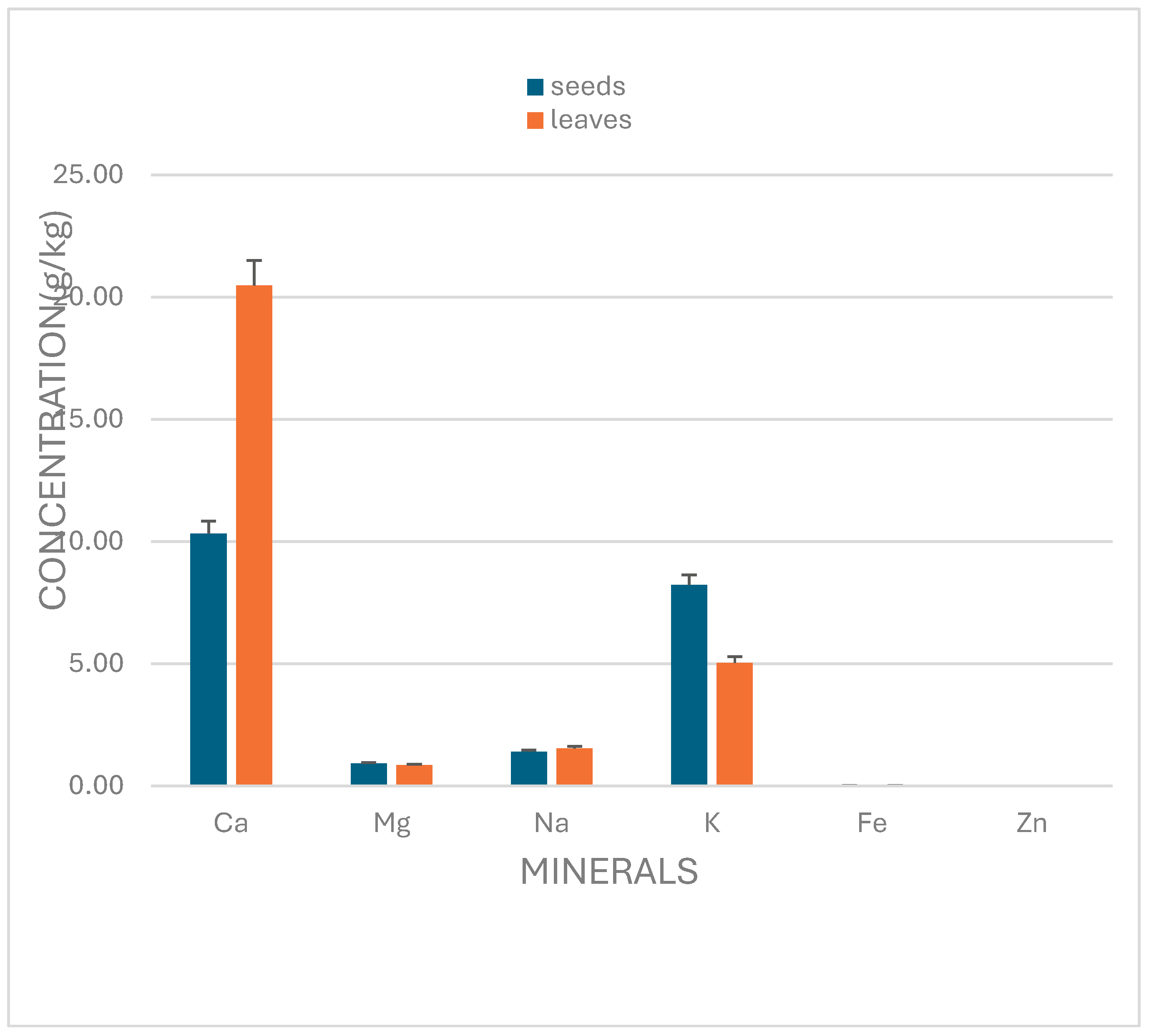
Mineral concentrations in leaves and seeds were averaged separately and mopane leaves had high calcium of 20.48g/kg which was almost double the calcium contents of 10.32g/kg in seeds. Seeds had the highest potassium concentration of 8.22g/kg compared to leaves. Calcium and potassium contents between the 2 showed greater difference compared to other minerals analysed. This shows that the leaves are a good source of calcium while seeds are a good source of potassium (Figure 5).

5. Discussion

Essential Macronutrients
Laboratory analysis revealed that mopane litter exhibits substantial amounts of essential minerals, including sodium, potassium, calcium, and magnesium. These findings suggest that mopane has the potential to be used as a valuable feed ingredient for livestock nutrition. Regarding sodium, the analysis demonstrated that mopane litter contains significant levels of this essential mineral. Sodium is important in maintaining fluid balance, nerve impulse transmission, and muscle function as well as nutrient absorption and appetite stimulation in animals. Its presence in mopane indicates that its incorporation into animal diets could contribute to fulfilling the sodium requirements of livestock. Potassium, which is another crucial mineral, was found in abundant quantities. Potassium is essential for various physiological processes in animals, such as muscle contraction, enzyme activation, and acid-base balance. The high potassium content of mopane suggests that it can serve as an excellent source of this vital mineral for livestock
Calcium, known for its importance in skeletal development and bone health, was also detected in significant amounts in mopane litter. Calcium plays a pivotal role in maintaining structural integrity, supporting muscular function, and aiding in blood clotting processes in animals. The presence of substantial levels of calcium in mopane indicates its potential as a natural source of this mineral for inclusion in livestock diets. In addition to calcium, mopane litter also demonstrated a notable concentration of magnesium. Magnesium is involved in various physiological functions, including enzyme activation, energy metabolism, and the synthesis of DNA and proteins. The presence of magnesium in mopane highlights its potential contribution to meeting the magnesium requirements of livestock.
The significant levels of macro nutrients found in mopane litter underscore its nutritional value as a potential feed ingredient for livestock. By incorporating mopane litter into animal diets, farmers and nutritionists can harness its mineral-rich composition to support optimal animal health and productivity. Utilization of mopane litter as a feed source may offer advantages such as cost-effectiveness and environmental sustainability. By leveraging a plant with naturally sufficient mineral contents like mopane, livestock producers can potentially reduce the reliance
on synthetic mineral supplements, thereby promoting more sustainable and environmentally friendly farming practices.
As shown in Figure 3, calcium had the highest concentration compared to other minerals followed by potassium. This is due to the less mobile property of calcium within plants hence its inefficient translocation back to younger plant tissues during senescence hence its high concentrations in dead plant tissues like old leaves which showed high concentrations of calcium compared to seeds in Figure 3.
As evident from Figure 4, there is spatial variation in the mineral composition across the sampling sides. Differences in soil fertility can impact mineral concentrations in plants. Soils that have adequate nutrients, including essential minerals, are more likely to support higher mineral concentrations in plants. Soil pH can also be the reason because some minerals are more soluble and readily available in acidic soils, while others may be more accessible in alkaline soils.
Essential Micronutrients
Mopane litter does not constitute a substantial source of two essential minerals, zinc, and iron, shown in Table 1 and Figure 3. These findings suggest that mopane litter may not be a suitable primary source for fulfilling the zinc and iron requirements of livestock. Zinc is an essential trace mineral involved in numerous physiological processes, including enzyme activity, immune function, and growth and development in animals. Similarly, iron is a critical mineral required for oxygen transport, energy metabolism, and enzymatic processes in animals. Unfortunately, analysis of mopane litter revealed a limited presence of iron. Indication of low content of zinc and iron, indicates that mopane litter may not provide adequate levels of this mineral for livestock and potentially leading to deficiencies like impaired reproductive performance, anemia, and reduced coat quality in livestock
Low micronutrient concentrations resulted due to the high calcium concentration which competed for absorption with the trace elements in the soil because the mineral composition in the soil has a relation to the mineral composition in plant tissues. The other reason is the analytical tool used, atomic emission spectroscopy is not sensitive to small concentrations of trace elements unlike inductively coupled plasma optical emission spectroscopy which is more sensitive hence its suitability for analysis of micronutrients like zinc and iron.
Proximate Analysis
Crude fiber and crude protein analysis was not covered in this research due to limited laboratory resources. However, existing literature suggests that old mopane leaves have a high crude protein content and a notable crude fiber content. Livestock require a minimum amount of crude protein for proper tissue growth, repair, and hormone production. The ratio of crude fiber to crude protein is a useful parameter in animal nutrition, impacting digestibility and energy value. A suitable ratio for many livestock species is around 2:1 or lower. The observed ratio indicates that crude fiber predominates over crude protein, which may be appropriate for ruminant species like cattle, goats, and sheep, but could pose nutritional challenges for monogastric animals like pigs, necessitating diets with lower fiber levels and higher protein concentrations for optimal growth and performance.

6. Conclusion

Our results assert that mopane can be used as a quality livestock feed not only during the dry winters but throughout the year due to its nutrient contents. Mopane litter can be used as a macronutrient supplement of sodium, potassium, calcium, and magnesium. Because of low concentrations of zinc and iron, its usage as supplementary feed should be complemented with feeds that are high in zinc and iron to prevent deficiencies like impaired reproductive performance and their effects on livestock production. Crude protein and crude fiber contents in mopane old leaves are in amounts sufficient to sustain livestock growth mainly of ruminants due to their tolerance to high fiber contents. Crude protein is essential for proper tissue growth and repair while crude fiber is important for digestibility of feed to livestock.

Future Research Work

Further research is required to complement the findings of this research as follows:
i.
Analyzing the presence and concentration of anti-nutritional factors in the mopane litter would help assess any potential negative effects on nutrient utilization and animal health. This analysis could include the determination of phytates, tannins, protease inhibitors, lectins, alkaloids, and other relevant anti-nutritional factors. It should extend to ways of mitigating the negative effects.
ii.
Investigating the fatty acid composition of the plant can offer insights into its lipid content and the types of fatty acids present. This information is particularly important for understanding the plant’s suitability for specific livestock species and its potential impact on the fatty acid composition of animal products, such as meat and milk.
iii.
Conducting in vivo or in vitro digestibility studies would provide insights into the plant's nutrient availability and digestibility in the digestive systems of specific livestock species. This analysis can help assess the availability and utilization of nutrients present in the feed.
iv.
Proximate analysis on mopane seeds should be done in future research.
Analysis of other minerals not covered in this study including cobalt, phosphorus, manganese, and copper, which also have vital roles in livestock production is essential.
Furthermore, Inductively Coupled Plasma Optical Emission Spectroscopy should be used for analysis of micronutrients because of its enhanced precision compared to Atomic Emission Spectroscopy.

References

  1. AC 1996 Official methods of analysis. Association of Official Analytical Chemists, Washington, DC.
  2. Bainbridge, H. (2012). Indigenous use of mopane (Colophospermum mopane) in northwestern Namibia.
  3. Conklin-Brittain, N. L., Dierenfeld, E. S., Wrangham, R. W., Norconk, M., & Silver, S. C. (1999). Chemical protein analysis: a comparison of Kjeldahl crude protein and total ninhydrin protein from wild, tropical vegetation. Journal of Chemical Ecology, 25, 2601-2622.
  4. Cummings, J. H. (1973). Dietary fibre. Gut, 14(1), 69.
  5. de-Oliveira, L. D., Takakura, F. S., Kienzle, E., Brunetto, M. A., Teshima, E., Pereira, G. T., ... & Carciofi, A. C. (2012). Fibre analysis and fibre digestibility in pet foods–a comparison of total dietary fibre, neutral and acid detergent fibre and crude fibre. Journal of animal physiology and animal nutrition, 96(5), 895-906.
  6. Eze, P. N., Molwalefhe, L. N., & Kebonye, N. M. (2021). Geochemistry of soils of a deep pedon in the Okavango Delta, NW Botswana: Implications for pedogenesis in semi-arid regions. Geoderma Regional, 24, e00352.
  7. Fagioli, F., Landi, S., Locatelli, C., & Bighi, C. (1983). Determination of Major, Minor and Trace Elements in Small Amounts of Plant Material by Flame Atomic Absorption Spectroscopy with Liquid Sampling of Carbonaceous Slurry. Analytical Letters, 16(4), 275-288.
  8. Hammond, R., & McCullagh, P. S. (1978). Quantitative techniques in geography: an introduction. OUP Catalogue.
  9. Harris, G. K., & Marshall, M. R. (2017). Ash analysis. Food analysis, 287-297.
  10. Kessler, J. (1991). Mineral nutrition of goats. Goat nutrition, 46, 104-119.
  11. Li, Z., Fang, H., Tu, J., Li, X., & Sha, Z. (2022). Phenological Shifts of the Deciduous Forests and Their Responses to Climate Variations in North America. Forests, 13(7).
  12. Macala, J., Sebolai, B., & Majinda, R. R. (1992, April). Colophospermum mopane browse plant and sorghum stover as feed resources for ruminants during the dry season in Botswana. In The complimentary of feed resources for animal production in Africa. Proceedings of the joint feed resources network workshop. ILCA, Addis Ababa, Ethiopia (pp. 151-161).
  13. Makhado, R. A., Mapaure, I., Potgieter, M. J., Luus-Powell, W. J., & Saidi, A. T. (2014). Factors influencing the adaptation and distribution of Colophospermum mopane in southern Africa’s mopane savannas - A review. Bothalia. National Botanical Institute.
  14. Makhado, R., Potgieter, J. M., & Luus-Powell, W. (2016). Nutritional value of Colophospermum mopane as source of browse and its chemical defenses against browsers: a review. Journal of Animal and Plant Science, 26(3).
  15. Makhado, Rudzani A., Mapaure, Isaac, Potgieter, Martin J., Luus-Powell, Wilmien J., & Saidi, Amani T.. (2014). Factors influencing the adaptation and distribution of Colophospermum mopane in southern Africa's mopane savannas - A review. Bothalia - African Biodiversity & Conservation , 44(1), 1-9.
  16. Maruatona, P. B., & Moses, O. (2022). Assessment of the onset, cessation, and duration of rainfall season over Botswana. Modeling Earth Systems and Environment, 8(2), 1657–1668.
  17. National Research Council. (2001). Nutrient requirements of dairy cattle: 2001. National Academies Press.
  18. Nielsen, S. S. (2010). Determination of moisture content. Food analysis laboratory manual, 17- 27.
  19. Pandolfi, C., & Izzo, D. (2013). Biomimetics on seed dispersal: survey and insights for space exploration. Bioinspiration & Biomimetics, 8(2), 025003.
  20. Santhiralingam, S., & Sinniah, J. (2018). A study on making complete feed blocks for cattle with different combinations of fodder grasses and agricultural wastes. IJSRP, 8, 650-656.
  21. Styles, C. V., & Skinner, J. D. (1997). Seasonal variations in the quality of mopane leaves as a source of browse for mammalian herbivores. African Journal of Ecology, 35(3), 254-265.
  22. Suttle, N. F. (2022). Mineral nutrition of livestock. Cabi.
  23. Van Voorthuizen, E. G. (1976). The mopane tree. Botswana Notes & Records, 8(1), 223-230.
  24. Ward, M., & Lardy, G. (2005). Beef cattle mineral nutrition.
  25. Woo, H. R., Masclaux-Daubresse, C., & Lim, P. O. (2018). Plant senescence: how plants know when and how to die. Journal of Experimental Botany, 69(4), 715-718.
  26. Zhang, S., Chu, L., Qiao, S., Mao, X., & Zeng, X. (2016). Effects of dietary leucine supplementation in low crude protein diets on performance, nitrogen balance, whole-body protein turnover, carcass characteristics and meat quality of finishing pigs. Animal Science Journal, 87(7), 911-920.
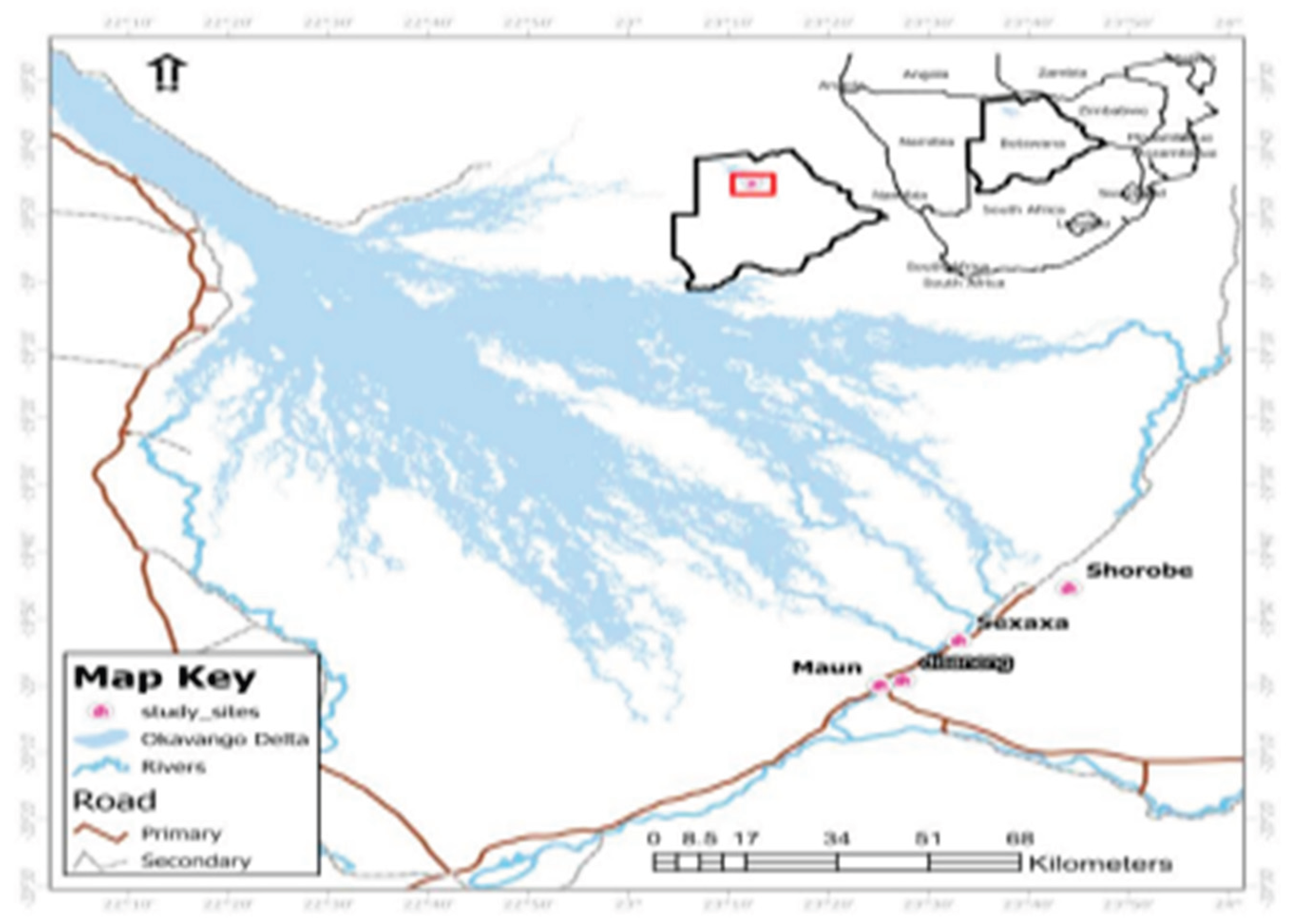
Figure 1. Study sites in Ngamiland district in the northern part of Botswana near Okavango Delta.
Preprints 181704 g001
Figure 3. Average concentrations of macronutrients and micronutrients in both mopane leaves and seeds (mopane plant litter).
Preprints 181704 g003
Figure 4. Spatial variation in mineral contents in mopane plant litter.
Preprints 181704 g004
Figure 5. Differences in the mineral concentrations in mopane leaves and seeds.
Preprints 181704 g005
Disclaimer/Publisher’s Note: The statements, opinions and data contained in all publications are solely those of the individual author(s) and contributor(s) and not of MDPI and/or the editor(s). MDPI and/or the editor(s) disclaim responsibility for any injury to people or property resulting from any ideas, methods, instructions or products referred to in the content.
Copyright: This open access article is published under a Creative Commons CC BY 4.0 license, which permit the free download, distribution, and reuse, provided that the author and preprint are cited in any reuse.
Prerpints.org logo

Preprints.org is a free preprint server supported by MDPI in Basel, Switzerland.

Subscribe

Disclaimer

Terms of Use

Privacy Policy

Privacy Settings

© 2026 MDPI (Basel, Switzerland) unless otherwise stated