

Submitted:
13 October 2025
Posted:
16 October 2025
You are already at the latest version
Abstract
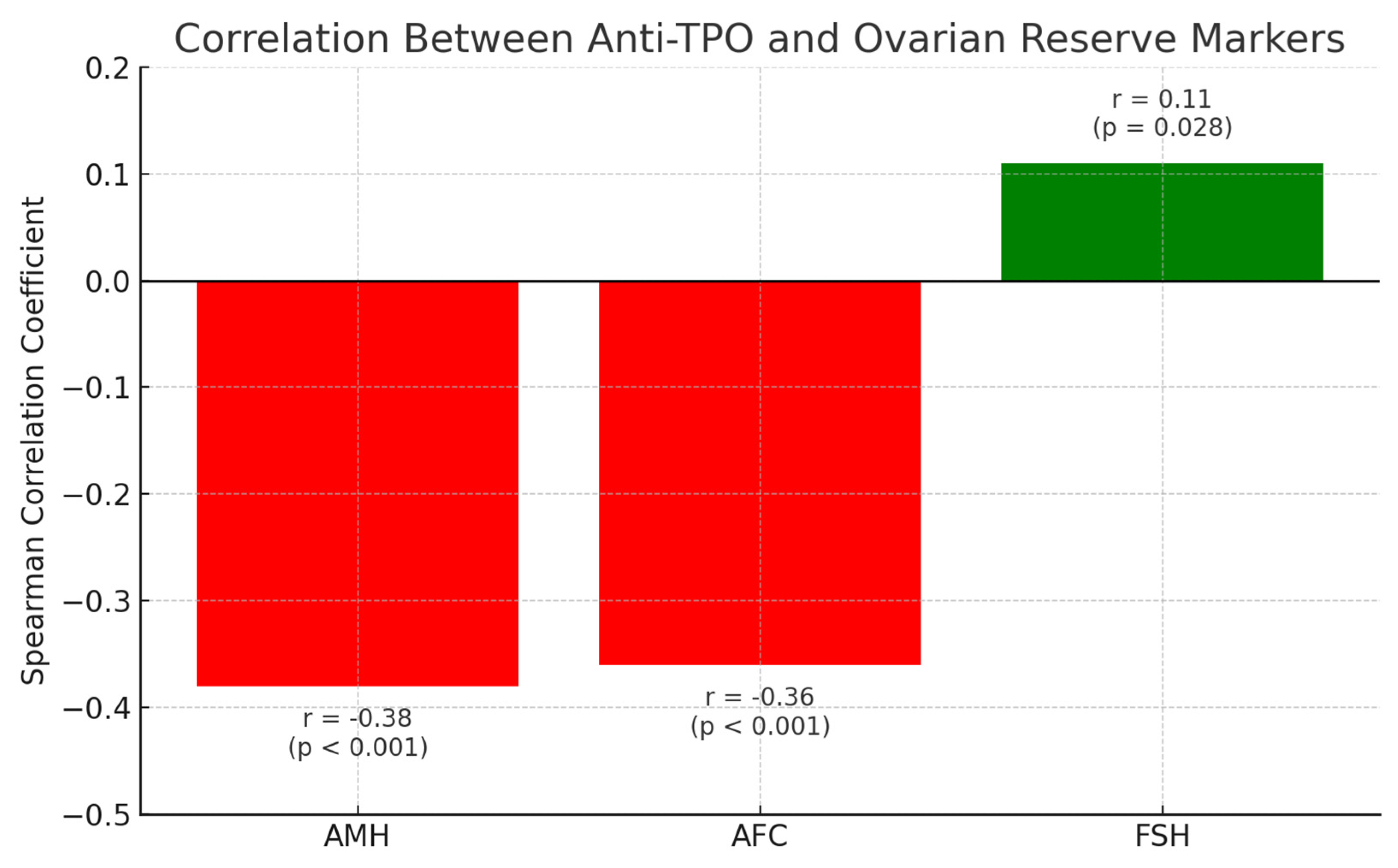
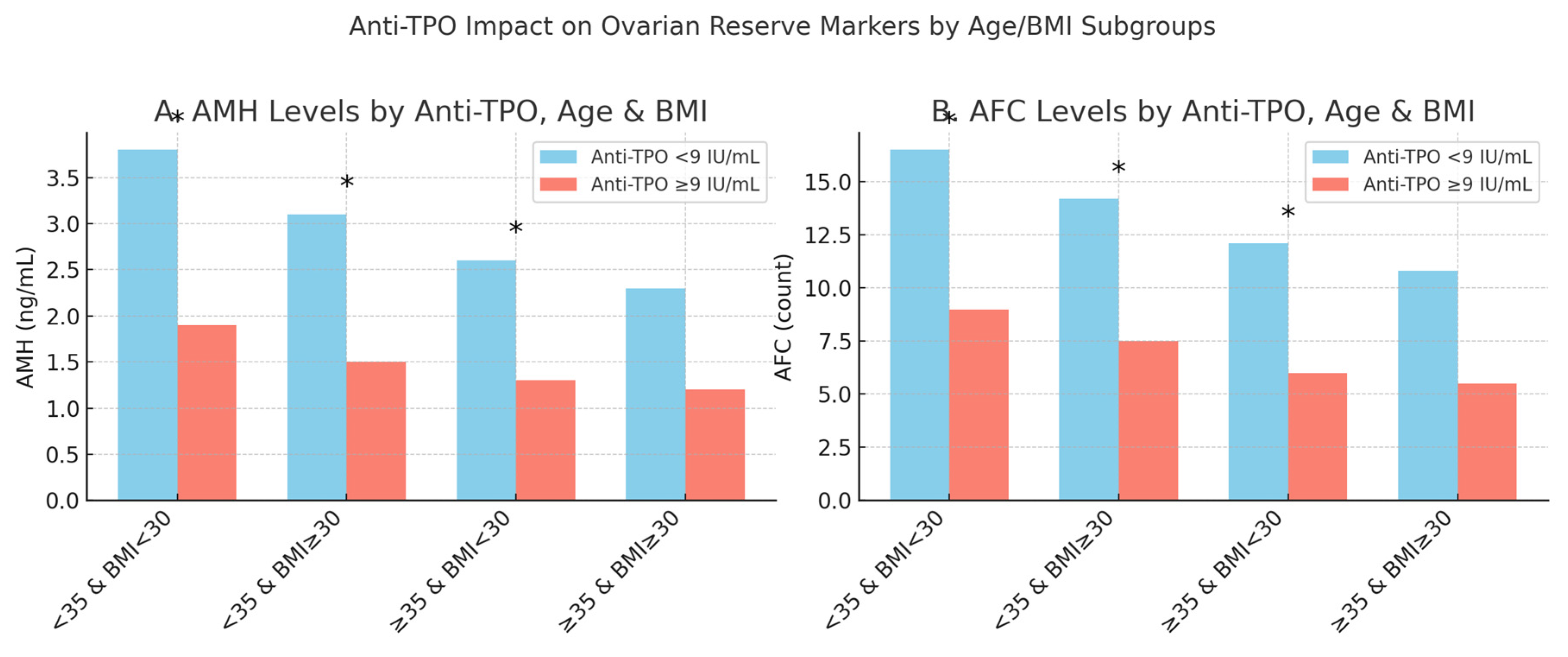
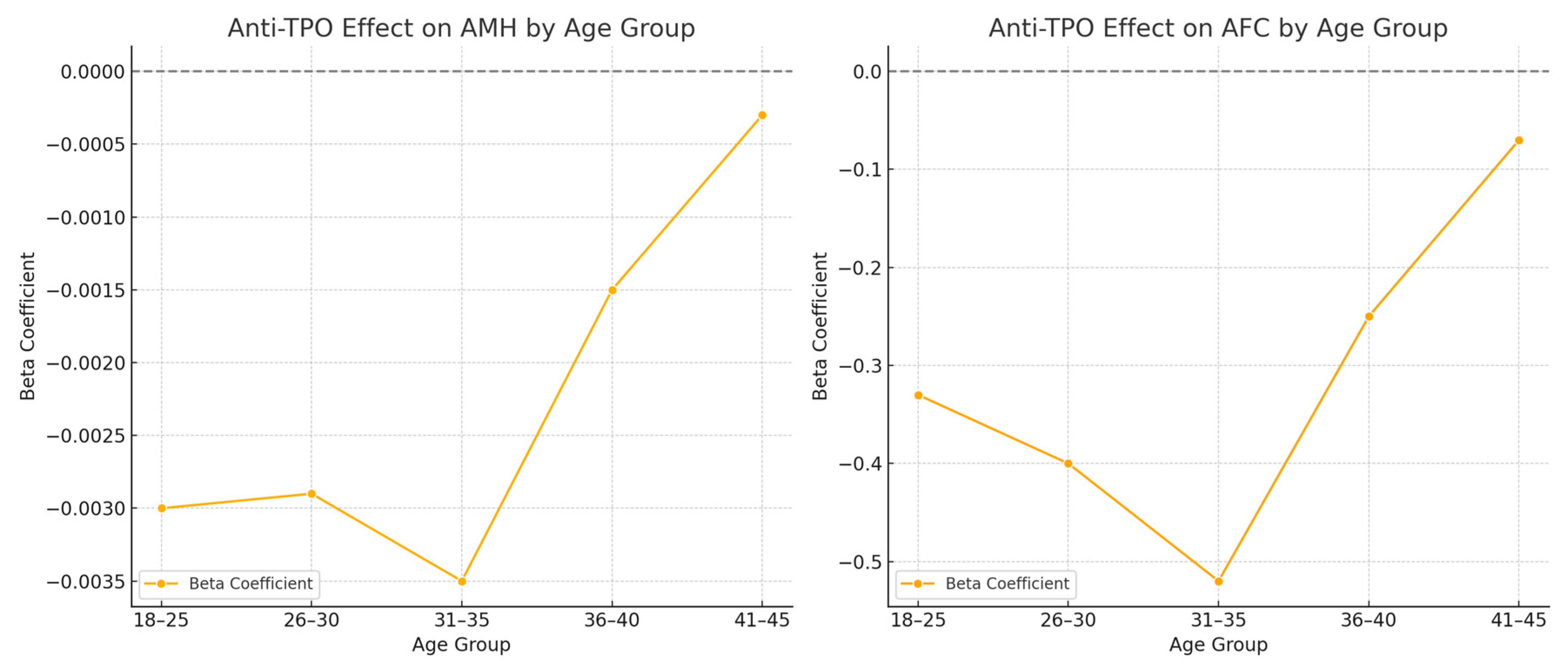
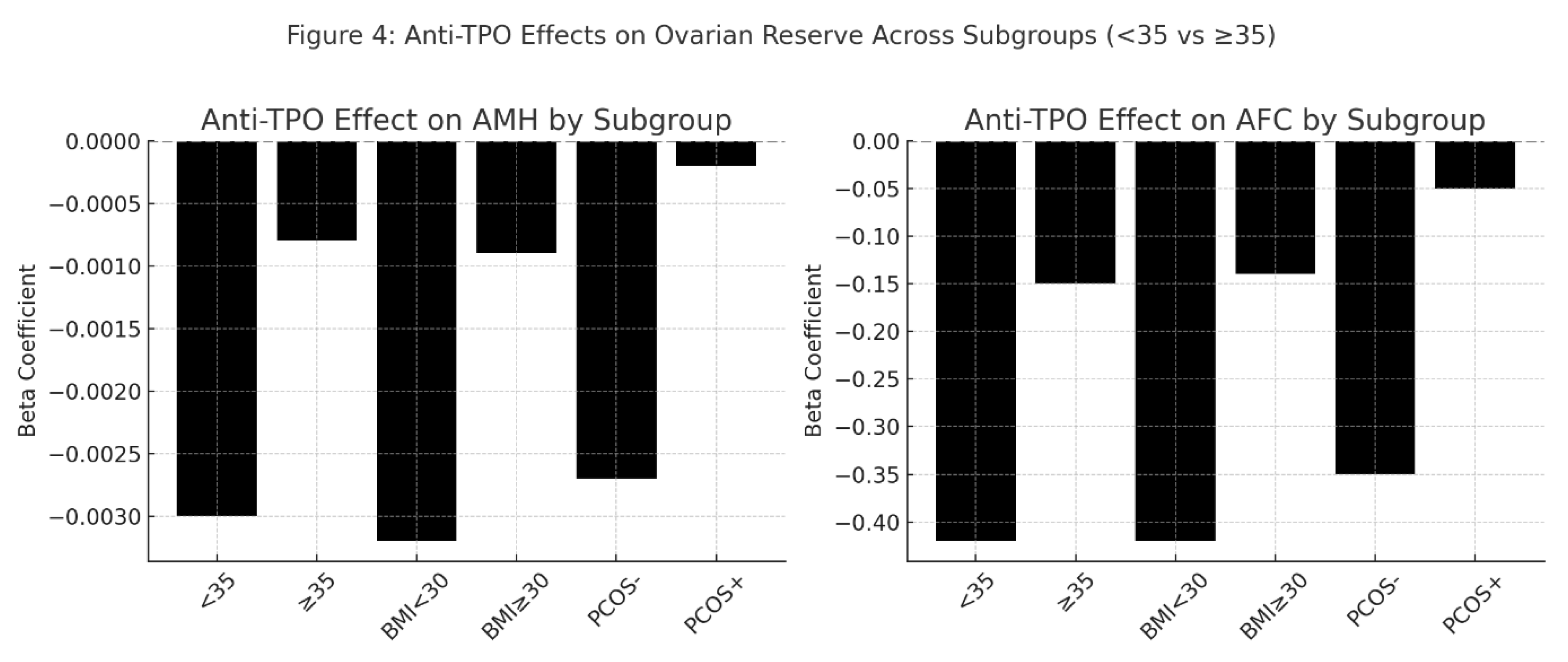
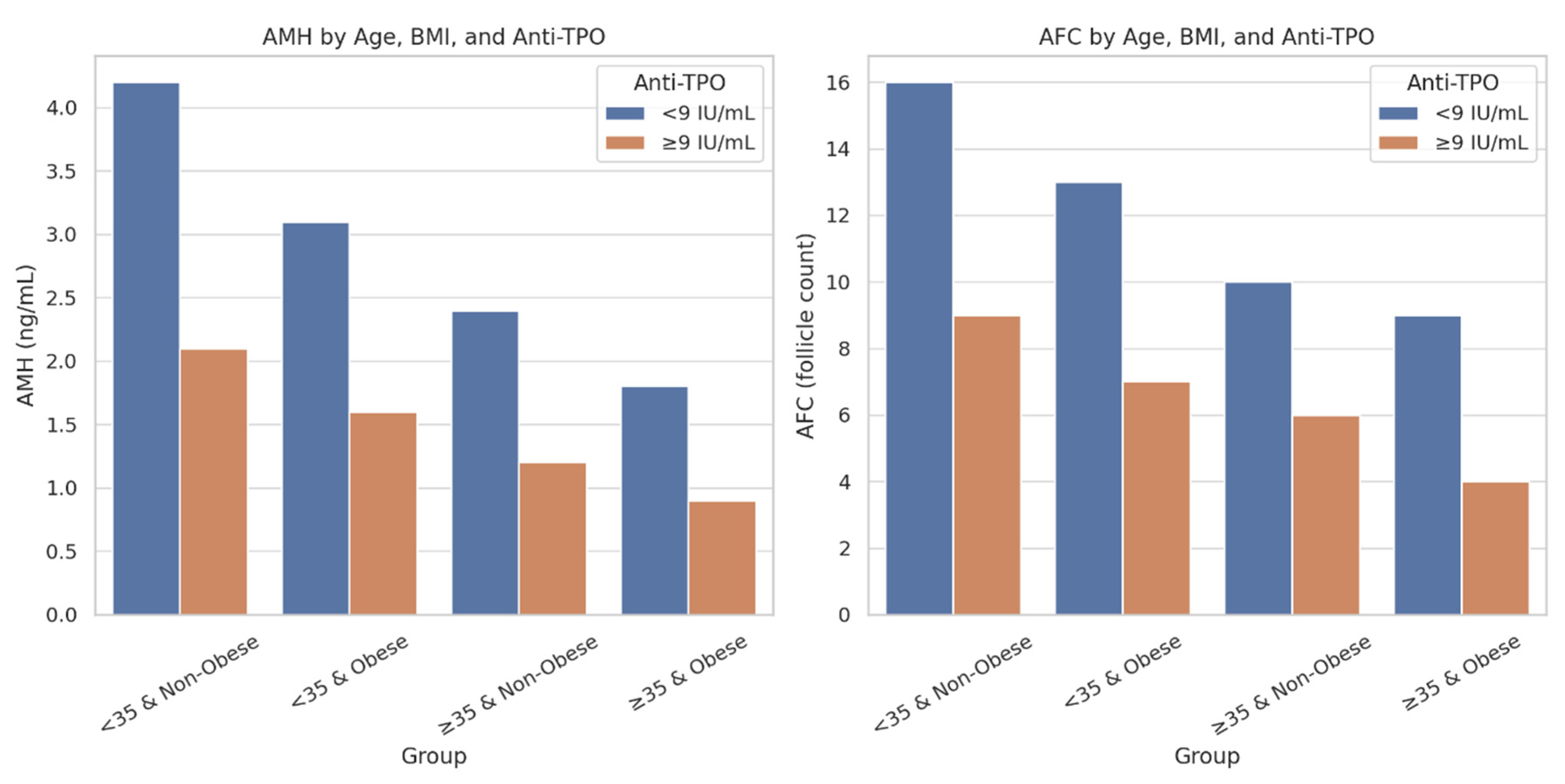
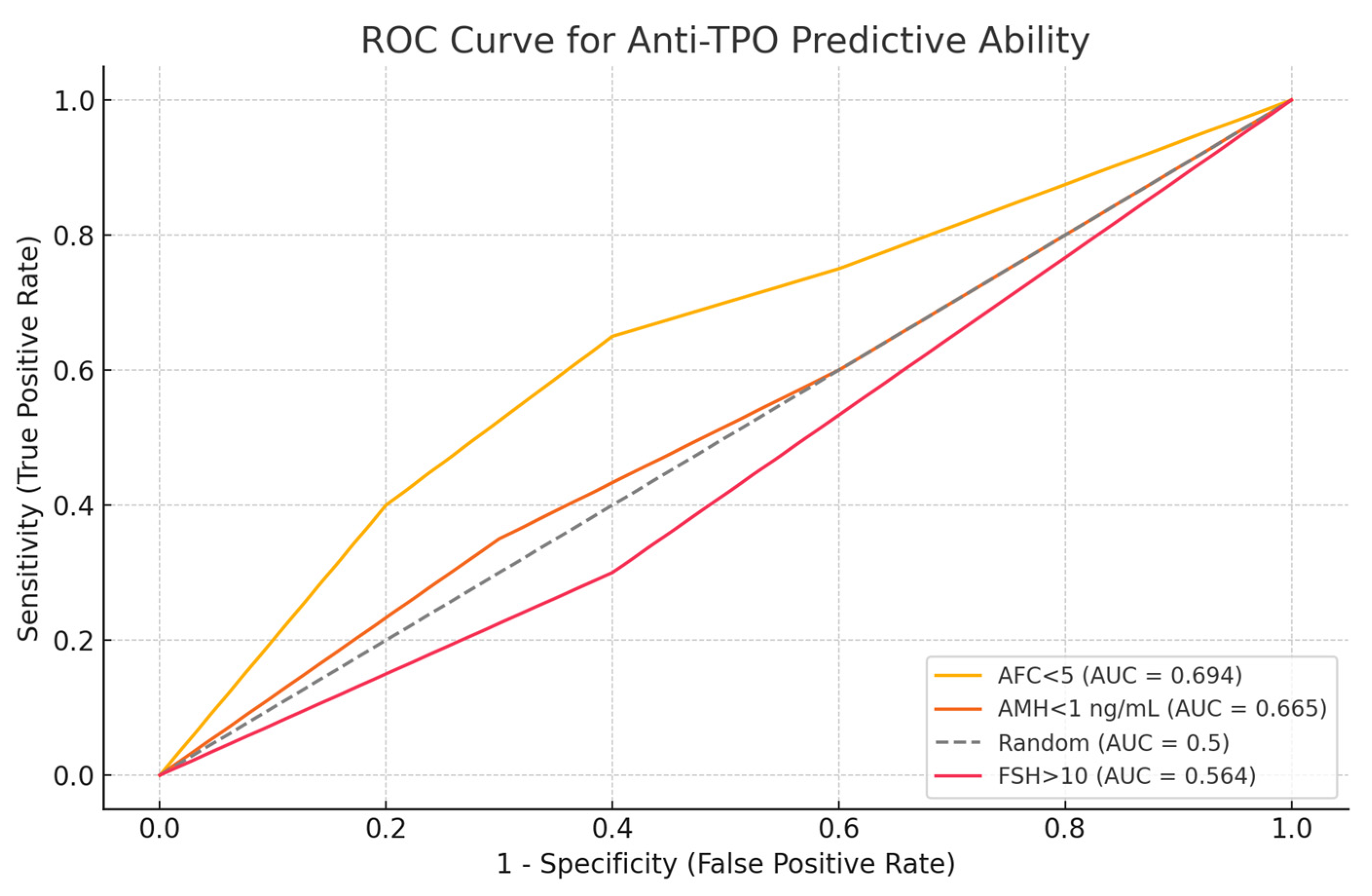
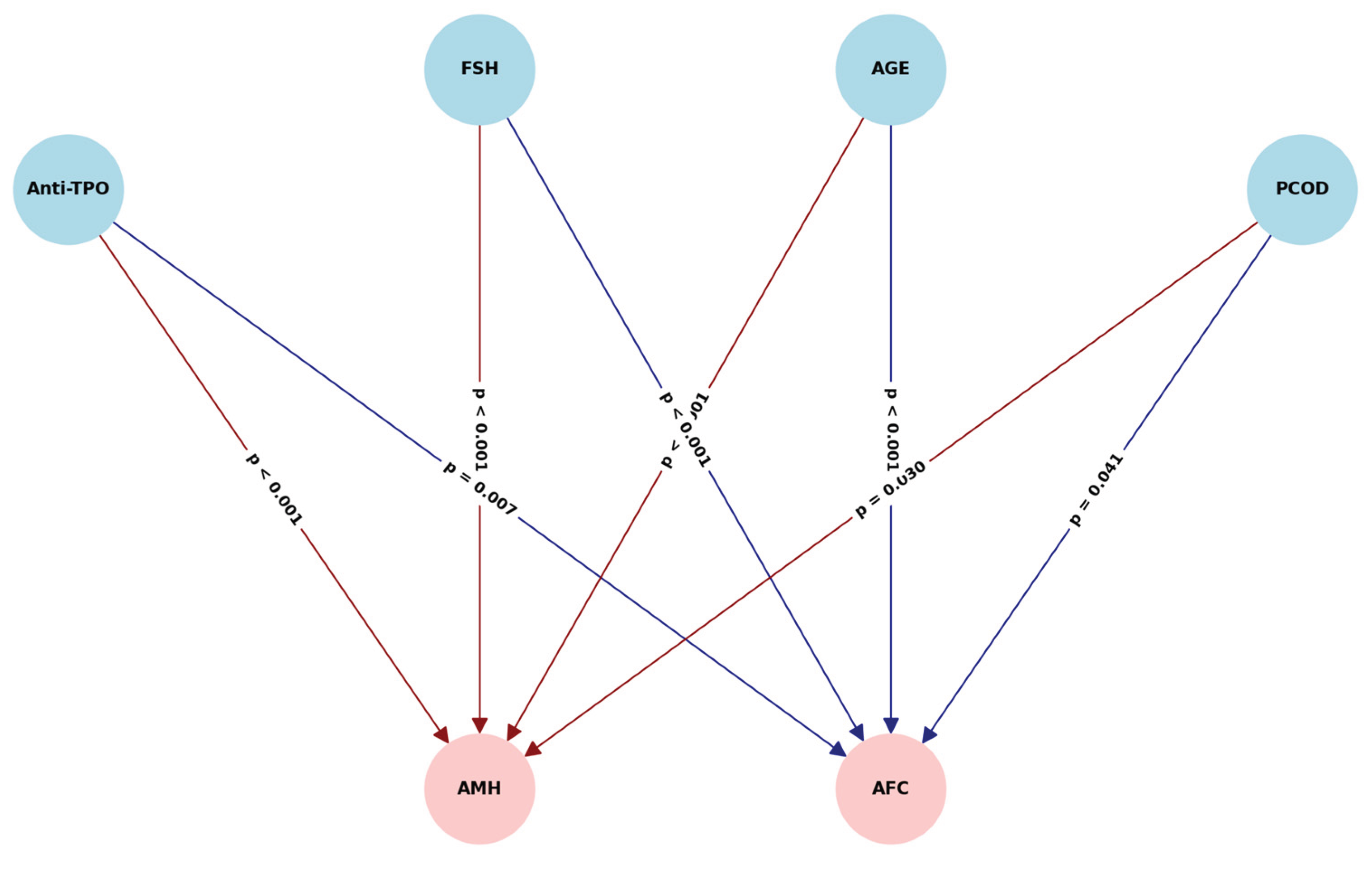
Background: Thyroid autoimmunity, particularly anti-thyroid peroxidase antibodies (anti-TPO), has been implicated in reduced fertility and diminished ovarian reserve. However, the stratified effects of anti-TPO across age groups, body mass index (BMI) categories, and polycystic ovary syndrome (PCOS) status remain unclear. This study aims to investigate the association between anti-TPO positivity and ovarian reserve markers—antral follicle count (AFC), anti-Müllerian hormone (AMH), and follicle-stimulating hormone (FSH)— in euthyroid infertile women. Methods: This retrospective study included 1,460 infertile women aged 18–45 years, evaluated between 2022 and 2025. Participants were categorized based on anti-TPO levels (≥9 vs. <9 IU/mL) using Beckman Coulter-DXI 800 analyzer, which uses chemiluminescent immunoassays to measure results. BMI (<30 vs. ≥30 kg/m2), and PCOS status. Age was categorized into five strata (18–25, 25–30, 30–35, 35–40, and 40–55 years), and (<35 vs. ≥35 years). Linear regression models were used to assess the impact of anti-TPO on AMH and AFC within each subgroup. Additional logistic regression was performed to evaluate the odds of diminished ovarian reserve (DOR: AMH <1 ng/mL or AFC <5) after adjusting for age, BMI, and TSH. Results: Anti-TPO positivity (17.6% prevalence) was significantly associated with reduced AMH (1.47 ± 1.52 vs. 3.33 ± 3.03 ng/mL, p < 0.0001), reduced AFC (8.18 ± 5.06 vs. 15.88 ± 8.18, p < 0.0001), and elevated FSH (9.40 ± 6.21 vs. 8.06 ± 4.79 mIU/mL, p = 0.001). These associations remained significant in non-obese and PCOS-negative subgroups. Regression models revealed stronger associations in younger women (<35 years) and showed significant Anti-TPO × Age and Anti-TPO × BMI interactions. Logistic regression confirmed Anti-TPO ≥9 IU/mL as a strong predictor of diminished ovarian reserve (AMH <1 ng/mL: OR = 3.13; AFC <5: OR = 6.48). ROC analysis indicated modest predictive ability (AUC: 0.665–0.694), and path modeling confirmed direct effects of Anti-TPO on AMH and AFC independent of TSH or BMI. Conclusion: Elevated Anti-TPO levels are independently associated with diminished ovarian reserve in euthyroid women, particularly in younger, non-obese, and PCOS-negative individuals. Anti-TPO may serve as a useful biomarker in fertility risk assessment and personalized reproductive counseling, even in the absence of overt thyroid dysfunction.
Keywords:
1. Background
2. Materials and Methods
2.1. Study Design and Setting
2.2. Study Population and Eligibility Criteria
2.3. Inclusion Criteria
2.4. Data Collection
2.5. Statistical Analyses
2.6. Sample Size and Power
2.7. Study Limitations
2.8. Results

| Anti-TPO (-) (n = 1203) |
Anti-TPO (+) (n = 257) |
p value | |
|---|---|---|---|
| Age (year) | 31,45±5,66 | 32,61±5,76 | 0.033 |
| BMI (Kg/m2) | 26,15±3,48 | 26,37±3,69 | 0.469 |
| Obesity BMI (Kg/m2) ≥30 (n) | 144(17,7%) | 38(14,8%) | 0,213 |
| Duration of infertility (mounts) | 61,19±18,84 | 61,24±19,17 | 0.963 |
| Number of antral follicle count (AFC) (n) | 15,88±8,18 | 8,18±5,06 | <0.001* |
| Anti-Mullerian hormone (AMH) ng/Ml | 3,34±3,04 | 1,47±1,53 | <0.001* |
| Day 3 Follicle-stimulating hormone (FSH), mIU/ml | 8,06±4,79 | 9,40±6,21 | 0.001* |
| Day 3 Luteinizing hormone (LH), mIU/ml | 6,65±4,42 | 5,92±3,85 | 0.015* |
| Day 3 Estradiol (E2), pg/ml | 40,51±26,36 | 39,85±22,60 | 0.741 |
| Troide-stimulating hormone (TSH), mIU/ml | 1,93±0,83 | 2,22±1,11 | 0,002* |
| FreeTriiyodotironin (Ft3), pg/mL | 3,48±0,41 | 3,46±0,42 | 0.482 |
| Free Tiroksin (Ft4), ng/dL | 0,93±0,13 | 0,92±0,14 | 0.176 |
3. Discussion
4. Clinical Recommendations
5. Study Strengths and Limitations
6. Future Directions
7. Conclusions
Abbreviations
| Anti-Müllerian Hormone | (AMH) |
| Antral Follicle Count | (AFC) |
| Body mass index | (BMI) |
| Diminished ovarian reserve | (DOR) |
| Estradiol | (E2) |
| Free Triiyodotironin | (Ft3) |
| Free Tiroksin | (Ft4) |
| Hashimoto’s thyroiditis | (HT) |
| Human chorionic gonadotropin | (hCG) |
| İn vitro fertilization | (IVF) |
| Polycystic ovary syndrome | (PCOS) |
| Premature ovarian insufficiency | (POI) |
| Follicle Stimulating Hormone | (FSH) |
| Luteinizing hormone | (LH) |
| Thyroid autoimmunity | (TAI) |
| Thyroid peroxidase antibodies | (Anti-Tpo) |
| Transvaginal ultrasound | (TVS) |
Author Contributions
Funding
Availability of data and material
Author information
Ethics approval and consent to participate
Consent for publication
Acknowledgments
Conflicts of Interest
References
- Kirshenbaum, M.; Orvieto, R. Premature ovarian insufficiency (POI) and autoimmunity-an update appraisal. J Assist Reprod Genet 2019, 36, 2207–2215. [Google Scholar] [CrossRef]
- Halici, M.; Seker, M.E.; Gebedek, I.Y.; Gokbak, M.N.; Cetisli, A.F.; Ciftci, A.B.; Konac, E.; Kopuk, S.Y.; Tiras, B.; Cakiroglu, Y. Thyroid hormones and ovarian reserve: a comprehensive study of women seeking infertility care. BMC Womens Health 2023, 23, 570. [Google Scholar] [CrossRef] [PubMed]
- Huang, Y.; Xie, B.; Li, J.; Hang, F.; Hu, Q.; Jin, Y.; Qin, R.; Yu, J.; Luo, J.; Liao, M.; et al. Prevalence of thyroid autoantibody positivity in women with infertility: a systematic review and meta-analysis. BMC Womens Health 2024, 24, 630. [Google Scholar] [CrossRef] [PubMed]
- Busnelli, A.; Beltratti, C.; Cirillo, F.; Bulfoni, A.; Lania, A.; Levi-Setti, P.E. Impact of Thyroid Autoimmunity on Assisted Reproductive Technology Outcomes and Ovarian Reserve Markers: An Updated Systematic Review and Meta-Analysis. Thyroid 2022, 32, 1010–1028. [Google Scholar] [CrossRef]
- Hasegawa, Y.; Kitahara, Y.; Osuka, S.; Tsukui, Y.; Kobayashi, M.; Iwase, A. Effect of hypothyroidism and thyroid autoimmunity on the ovarian reserve: A systematic review and meta-analysis. Reprod Med Biol 2022, 21, e12427. [Google Scholar] [CrossRef]
- Szeliga, A.; Calik-Ksepka, A.; Maciejewska-Jeske, M.; Grymowicz, M.; Smolarczyk, K.; Kostrzak, A.; Smolarczyk, R.; Rudnicka, E.; Meczekalski, B. Autoimmune Diseases in Patients with Premature Ovarian Insufficiency-Our Current State of Knowledge. Int J Mol Sci 2021, 22. [Google Scholar] [CrossRef]
- Bucci, I.; Giuliani, C.; Di Dalmazi, G.; Formoso, G.; Napolitano, G. Thyroid Autoimmunity in Female Infertility and Assisted Reproductive Technology Outcome. Front Endocrinol (Lausanne) 2022, 13, 768363. [Google Scholar] [CrossRef]
- Monteleone, P.; Parrini, D.; Faviana, P.; Carletti, E.; Casarosa, E.; Uccelli, A.; Cela, V.; Genazzani, A.R.; Artini, P.G. Female infertility related to thyroid autoimmunity: the ovarian follicle hypothesis. Am J Reprod Immunol 2011, 66, 108–114. [Google Scholar] [CrossRef]
- Poppe, K.; Glinoer, D.; Tournaye, H.; Devroey, P.; Schiettecatte, J.; Haentjens, P.; Velkeniers, B. Thyroid autoimmunity and female infertility. Verh K Acad Geneeskd Belg 2006, 68, 357–377. [Google Scholar]
- Goswami, R.; Marwaha, R.K.; Goswami, D.; Gupta, N.; Ray, D.; Tomar, N.; Singh, S. Prevalence of thyroid autoimmunity in sporadic idiopathic hypoparathyroidism in comparison to type 1 diabetes and premature ovarian failure. J Clin Endocrinol Metab 2006, 91, 4256–4259. [Google Scholar] [CrossRef]
- Brennan, A.; Hickey, M. Management of Early Menopause/Premature Ovarian Insufficiency in Women with or at High Risk of Breast Cancer. Semin Reprod Med 2020, 38, 309–314. [Google Scholar] [CrossRef]
- European Society for Human, R.; Embryology Guideline Group on, P.O.I.; Webber, L.; Davies, M.; Anderson, R.; Bartlett, J.; Braat, D.; Cartwright, B.; Cifkova, R.; de Muinck Keizer-Schrama, S.; et al. ESHRE Guideline: management of women with premature ovarian insufficiency. Hum Reprod 2016, 31, 926–937. [Google Scholar] [CrossRef]
- Domniz, N.; Meirow, D. Premature ovarian insufficiency and autoimmune diseases. Best Pract Res Clin Obstet Gynaecol 2019, 60, 42–55. [Google Scholar] [CrossRef] [PubMed]
- Altuntas, S.C. Differences in Thyroid Autoimmunity and Thyroid Function Tests Between Individuals with and without Obesity: Is There a Correlation with Obesity Degree? Endocr Metab Immune Disord Drug Targets 2025. [Google Scholar] [CrossRef]
- Romitti, M.; Fabris, V.C.; Ziegelmann, P.K.; Maia, A.L.; Spritzer, P.M. Association between PCOS and autoimmune thyroid disease: a systematic review and meta-analysis. Endocr Connect 2018, 7, 1158–1167. [Google Scholar] [CrossRef]
- Park, J.H.; Choi, T.S. Polycystic ovary syndrome (PCOS)-like phenotypes in the d-galactose-induced aging mouse model. Biochem Biophys Res Commun 2012, 427, 701–704. [Google Scholar] [CrossRef]
- Shrivastava, C.; Sagiraju, P.; Rajbhar, S.; Bansal, R.; Kodumuri, L. Association Between Serum Antinuclear Antibody and Polycystic Ovarian Syndrome in Reproductive Women Aged 18 to 35 Years: A Quest for an Autoimmune Marker. Cureus 2024, 16, e75224. [Google Scholar] [CrossRef]
- van der Ham, K.; Stekelenburg, K.J.; Louwers, Y.V.; van Dorp, W.; Schreurs, M.W.J.; van der Wal, R.; Steegers-Theunissen, R.P.M.; Laven, J.S.E. The prevalence of thyroid dysfunction and hyperprolactinemia in women with PCOS. Front Endocrinol (Lausanne) 2023, 14, 1245106. [Google Scholar] [CrossRef]
- Li, J.; Huang, Q.; Sun, S.; Zhou, K.; Wang, X.; Pan, K.; Zhang, Y.; Wang, Y.; Han, Q.; Si, C.; et al. Thyroid antibodies in Hashimoto’s thyroiditis patients are positively associated with inflammation and multiple symptoms. Sci Rep 2024, 14, 27902. [Google Scholar] [CrossRef]
- Osuka, S.; Iwase, A.; Goto, M.; Takikawa, S.; Nakamura, T.; Murase, T.; Kato, N.; Bayasula; Kotani, T.; Kikkawa, F. Thyroid Autoantibodies do not Impair the Ovarian Reserve in Euthyroid Infertile Women: A Cross-Sectional Study. Horm Metab Res 2018, 50, 537–542. [Google Scholar] [CrossRef]
- Hsieh, Y.T.; Ho, J.Y.P. Thyroid autoimmunity is associated with higher risk of premature ovarian insufficiency-a nationwide Health Insurance Research Database study. Hum Reprod 2021, 36, 1621–1629. [Google Scholar] [CrossRef] [PubMed]
- Croce, L.; Beneventi, F.; Ripepi, F.; De Maggio, I.; Malovini, A.; Bellingeri, C.; Coperchini, F.; Teliti, M.; Rotondi, M.; Spinillo, A.; et al. Relationship between maternal obesity and first-trimester TSH in women with negative anti-TPO antibodies. Eur Thyroid J 2024, 13. [Google Scholar] [CrossRef] [PubMed]
- Krishnamurthy, H.; Suresh, C.; Siriwardhane, T.; Krishna, K.; Song, Q.; Jayaraman, V.; Wang, T.; Bei, K.; Rajasekaran, J.J. Association between thyroid dysfunction and insulin resistance: a retrospective cohort study. BMJ Open 2025, 15, e076397. [Google Scholar] [CrossRef]
- Yao, J.Y.; Liu, P.; Zhang, W.; Wang, K.W.; Lyu, C.P.; Zhang, Z.W.; Chen, X.L.; Chen, Y.; Wang, X.S.; Ding, Y.X.; et al. Obesity rather than Metabolic Syndrome is a Risk Factor for Subclinical Hypothyroidism and Thyroid Autoimmunity. Biomed Environ Sci 2021, 34, 819–823. [Google Scholar] [CrossRef]
- Yang, Y.; Li, R.; Yang, W. The Relationship and Mechanisms Between Body Mass Index and Autoimmune Hypothyroidism: Insights from Mendelian Randomization. Obes Surg 2025, 35, 902–914. [Google Scholar] [CrossRef]
- Khole, V. Does ovarian autoimmunity play a role in the pathophysiology of premature ovarian insufficiency? J Midlife Health 2010, 1, 9–13. [Google Scholar] [CrossRef]
- Savukoski, S.M.; Silven, H.; Pesonen, P.; Pukkala, E.; Gissler, M.; Suvanto, E.; Ollila, M.M.; Niinimaki, M. Excess of severe autoimmune diseases in women with premature ovarian insufficiency: a population-based study. Hum Reprod 2024, 39, 2601–2607. [Google Scholar] [CrossRef]
- Koller, T.; Kollerova, J.; Hlavaty, T.; Kadleckova, B.; Payer, J. Ovarian Reserve Assessed by the Anti-Mullerian Hormone and Reproductive Health Parameters in Women With Crohn s Disease, a Case-Control Study. Physiol Res 2021, 70, S69–S78. [Google Scholar] [CrossRef]
- Franceschi, C.; Campisi, J. Chronic inflammation (inflammaging) and its potential contribution to age-associated diseases. J Gerontol A Biol Sci Med Sci 2014, 69 Suppl 1, S4–9. [Google Scholar] [CrossRef]
- Agarwal, A.; Aponte-Mellado, A.; Premkumar, B.J.; Shaman, A.; Gupta, S. The effects of oxidative stress on female reproduction: a review. Reprod Biol Endocrinol 2012, 10, 49. [Google Scholar] [CrossRef]
- Priya, A.; Sri, B.; Bala, G.; Kannan, S. Exploring Serum Anti-thyroid Peroxidase Antibodies and High-Sensitivity C-reactive Protein as Inflammatory Markers in Subclinical Hypothyroidism: A Comprehensive Study. Cureus 2025, 17, e76906. [Google Scholar] [CrossRef]
- Cai, Y.; Zhang, Q.; Yu, K.; Wang, Q. Study of Serum Anti-Mullerian Hormone in the Diagnosis of Ovarian Reserve Function in Patients with Premature Ovarian Insufficiency. Biomed Res Int 2022, 2022, 3878359. [Google Scholar] [CrossRef]
- Kloos, J.; Perez, J.; Weinerman, R. Increased body mass index is negatively associated with ovarian reserve as measured by anti-Mullerian hormone in patients with polycystic ovarian syndrome. Clin Obes 2024, 14, e12638. [Google Scholar] [CrossRef]
- Hu, X.; Chen, Y.; Shen, Y.; Zhou, S.; Fei, W.; Yang, Y.; Que, H. Correlation between Hashimoto’s thyroiditis and polycystic ovary syndrome: A systematic review and meta-analysis. Front Endocrinol (Lausanne) 2022, 13, 1025267. [Google Scholar] [CrossRef]
- Racoubian, E.; Aimagambetova, G.; Finan, R.R.; Almawi, W.Y. Age-dependent changes in anti-Mullerian hormone levels in Lebanese females: correlation with basal FSH and LH levels and LH/FSH ratio: a cross-sectional study. BMC Womens Health 2020, 20, 134. [Google Scholar] [CrossRef]
Disclaimer/Publisher’s Note: The statements, opinions and data contained in all publications are solely those of the individual author(s) and contributor(s) and not of MDPI and/or the editor(s). MDPI and/or the editor(s) disclaim responsibility for any injury to people or property resulting from any ideas, methods, instructions or products referred to in the content. |
© 2025 by the authors. Licensee MDPI, Basel, Switzerland. This article is an open access article distributed under the terms and conditions of the Creative Commons Attribution (CC BY) license (http://creativecommons.org/licenses/by/4.0/).