

Submitted:
11 October 2025
Posted:
15 October 2025
You are already at the latest version
Abstract
This study proposes a structured multicriteria approach to assist professionals in the selection of appropriate
computing platforms for children diagnosed with Autism Spectrum Disorder, particularly those between 4 and
6 years of age. Recognizing the learning limitations and reduced attention span typical of this group, the study
addresses a gap in the current selection process, which is often based on professional experience rather than
objective and weighable criteria. A Systematic Literature Review (SLR), protocol analysis, and problem-structuring methods identified essential evaluation criteria, incorporating key dimensions of development and behavior. These include personalization and adaptation, interactivity and engagement, monitoring and feedback, communication and language, cognitive and social development, usability and accessibility, as well as security and privacy. Based on these dimensions, a multicriteria method was applied to rank the alternatives represented by the technologies in question. The proposed framework enables a rigorous and axiomatic comparison of platforms based on structured criteria aligned with established intervention protocols, such as ABA, DIR/Floortime, JASPER, and SCERTS. The results validate the model’s effectiveness in highlighting the most appropriate technological tools for this audience. Although the scope is limited to children aged 4 to 6 years, the proposed methodology can be adapted for use with broader age groups. This work contributes to inclusive education by providing a replicable and justifiable framework for selecting digital learning tools, which may influence clinical recommendations and family engagement.
Keywords:
autism
; multicriteria
; MCDA
1. Introduction
The increasing global prevalence of Autism Spectrum Disorder (ASD) has become a pressing concern in both academic and clinical communities [1,2] . According to recent epidemiological studies, diagnostic rates have risen sharply over the last two decades, with current estimates indicating that approximately 1 in 36 children are affected worldwide [3]. This upward trend highlights an urgent need for scalable and personalized technological solutions capable of supporting the cognitive, emotional, and social development of individuals with ASD. The growing demand for these tools is also reflected in the educational and healthcare systems, which require adaptable platforms to meet diverse neurodevelopmental needs in real-time and across different contexts. The use of computing platforms plays a crucial role in supporting the cognitive development of children with Autism Spectrum Disorder (ASD), especially in social communication and visual interaction [4]. Integrating technologies such as Artificial Intelligence (AI) and the Internet of Things (IoT) enables innovative solutions, such as heart rate sensors to monitor emotional state and mobile applications to facilitate communication [5]. In addition, interactive virtual environments are used to overcome barriers to visual contact, contributing to the development of social skills and promoting greater participation of children in the community. Individuals with ASD face significant challenges in developing the socioemotional skills essential for social contact and emotional balance [6]. In this context, ICT (information and communication technologies) are presented as fundamental tools to promote inclusion and support the socio-emotional development of students with ASD [7]. These technologies provide personalised strategies that contribute to improving the ability of these individuals to interact and adapt to educational environments [8]. The fragility of the diagnostic process is an aspect to be considered, where behavioural deviations due to the absence and monitoring of parents can be confused with a disorder [9]. Therefore, validation by experienced professionals, together with the family, is essential in this approach [10]. The cognitive development of children with ASD can significantly benefit from therapeutic approaches based on structured and scientifically validated models [11], such as ABA, DIR/Floortime, JASPER, and SCERTS. The ABA model has been widely used due to its effectiveness in modifying behaviour and improving social and academic skills through positive reinforcement. However, the DIR/Floortime model emphasises relationship building and emotional regulation through playful interaction, promoting gains in spontaneous communication and social interaction. The JASPER model, which focuses on developing joint attention and symbolic play, has proven effective in expanding the social participation and emotional regulation of children [12]. The SCERTS model adopts a multidisciplinary approach, focusing on transactional support and improving communication and emotional regulation skills [13]. These approaches, when applied in an integrated manner and adapted to the individual needs of children, contribute to a more favourable estimate and higher quality of life for individuals. Multimodal therapeutic interventions, which include the ABA, DIR/Floortime, JASPER, and SCERTS models, show significance in individuals’ cognitive and social development. The ABA model is recognised for its approach based on positive reinforcement, standing out for its effectiveness in improving executive functions, such as attention, working memory, and problem-solving. The DIR/Floortime model, by prioritising the construction of affective bonds and playful interactions, contributes to functional communication and social reciprocity development. The JASPER model stimulates joint attention and symbolic play, promoting significant advances in social interaction and emotional regulation. Finally, the SCERTS model employs a multidisciplinary approach, integrating assistive technologies and social skills training to improve social communication and emotional management. Early initiation of interventions and active family involvement are essential factors to enhance results and favour the integral development of individuals [14]. The definition of a technological tool for learning for students with disabilities currently considers aspects such as accessibility, pedagogical effectiveness, and adaptation to the specific needs of students. The selection of these resources is aligned with the Universal Design for Learning (UDL) principles, which seek to create inclusive environments [15]. In the context of ASD, technological resources from robotics and programming are widely used to develop cognitive and social skills. Interaction with humanoid robots, for example, has proven effective in assisting educational therapies and providing stimuli that favour learning and socialisation [16]. AI has been increasingly used to monitor cognitive and emotional states, allowing for more effective personalisation of teaching. The use of convolutional neural networks for emotion recognition makes it possible to predict emotional states and adapt educational approaches for children with autism, contributing to improving learning and social interaction, in addition to reducing barriers in verbal communication [17]. Based on it, it was realised that there was a need to address the following research questions:
- How are these resources currently chosen in the learning process? AI-based assistive technologies support the adaptive functioning of individuals with neurodevelopmental conditions in everyday scenarios. When choosing technological resources for the learning process [18]. AI-based assistive devices are selected based on their effectiveness in personalising support to individual needs and are often applied to stimulate social skills, communication, and daily living capabilities [19]. Thus, criteria such as accessibility, applicability in educational and domestic environments, and the ability to adapt the device to the specific demands of the user. [20] this choice should be made using e-learning recommendation systems, which involve criteria such as individual interests, specific needs, and user preferences. These platforms use collaborative filters and personalisation techniques to adapt the content to the child’s characteristics, promoting more accessible and practical learning. The choice of technological resources in special education teaching should be based on the personalisation of learning, using assistive technologies and adaptive platforms to meet individual needs [21]. In this analytical composition, it is essential to consider accessibility criteria, support for differentiated learning, and teacher training.
- What elements should be considered in these protocols that contribute to the learning process of the respective audience? Protocols for the adoption of educational technologies must consider criteria such as accessibility, applicability in different contexts (school, home and social) and adaptation to the specific needs of their users. Furthermore, it is vital to evaluate the effectiveness and usefulness of these devices in everyday life, ensuring their consistent and beneficial use [18]. For an educational resource aimed at children with ASD to be effective, it is essential to take into account sensory engagement, personalised teaching and integration with pedagogical practices [22]. The inclusion of multimodal elements, such as visual and auditory stimuli, as well as adaptation of the learning pace, contributes to improving the educational experience of these students [23]. Considering this perspective, educational protocols aimed at people with ASD must encompass aspects such as accessibility, adaptation to the user profile, personalised teaching and use of assistive technologies. Furthermore, it is essential to assess students’ visual engagement to ensure that technological resources are used effectively, promoting improvements in interaction and cognitive development [20]. Teachers play a crucial role in building interactions. They can foster collaboration by facilitating turn-taking, allowing students to build a mutual relationship rather than just responding to the teacher [6]. Fostering these social interactions allows students to express collaboration. In this way, they develop social competence in navigating group dynamics and enhance their educational experience.
- What are the reasonable criteria on the available platforms that should be considered? Considering that the evaluation criteria for these educational platforms should include accessibility, ease of use, the ability to support social and communication development, and effective integration into the school curriculum [23];[7]. While the study emphasises the training’s importance and its focus on sensory processing needs for children with autism, it does not delineate elements for broader protocols applicable to all learning processes. It is necessary to include integration criteria with Universal Design for Learning (UDL) principles, ease of use by teachers and students, and the availability of technical and ongoing training for educators. Possible constraints should also be considered, such as lack of time to develop digital materials, limited access to technology by vulnerable students, and the absence of guidelines on integrating emerging technologies [21]. The present study aims to provide a methodological structure based on criteria extracted from the various protocols to support the decision-maker in indicating a technological resource. This paper is organised into four sections. In the first section, we try to understand the scenario of the problem to be addressed, subdivided into three research questions, and how the protocols are applied. In the second section, we focus on the understanding and applicability of the ABA, JASPER, SCERTS, and DIR protocols, which we apply to structure and understand the problem [24], understanding that it is a complex and ill-defined problem, aiming to identify standard criteria that serve as a standardised input for a multicriteria decision analysis approach. In the third section, we perform an systematic review of the literature (SLR) based on the six-stage process method [15]; we took a scientometrics approach, conducted to identify research opportunities, highlighted existing gaps, and reinforced the need for a structured methodology to evaluate computational platforms and technological resources to support their cognitive and social development. Finally, we present the results with the respective discussions.
2. Methodological Flow
This paper is divided into four blocks: stage 1 addressed the analysis of the problem, understanding the limitations that exist regarding the learning process of this population in question and theoretical background; stage 2 dealt with the literature review based on the cognitive and social development of children with autism and the technological elements that assist them in this process, using databases with academic relevance (Scopus, Wos, IEEE, Village, and Emerald), we apply the search structure: ("Autism" OR "Autism Spectrum Disorder" OR "ASD" OR "TEA") AND ("computer programs" OR "educational software" OR "learning platforms" OR "assistive technology" OR "digital tools") AND ("learning" OR "education" OR "cognitive development" OR "early intervention")); In stage 3, the methodology was structured considering recognised protocols (ABA, Jasper, SCERTS, and DIR), applied to children between 4 and 6 years old, with this classification. Based on these protocols, we sought attributes and criteria to understand, from the perspective of experts (emphasis on early childhood education), the relevance of each criterion, and thus use algorithms and multicriteria methods to generate a ranking of computational platforms aimed at the learning process of these children. Finally, in stage 4, we focus on discussing the results, based on the SLR, to validate our methodological proposal by generating knowledge to propose new platforms, considering these criteria and attributes in the context of the multi-criteria algorithm (Figure 1).
Based on protocols, which served as a starting point for the study on recommendations in the learning process of children aged 4 to 6 in elementary school. Within this context, computational platforms designed for teaching children with this disorder were examined to identify relevant requirements and qualifying criteria that contribute to the cognitive development of these students. Subsequently, the SAPEVO-M multicriteria method was applied to prioritise these criteria and rank the respective platforms, considering the perspective of specialists (early childhood education teachers, psychologists, and therapists in the field of study), particularly in their contribution to the learning process of these children. After defining established criteria obtained from the analyses of the respective protocols, these criteria were weighted by these experts. Each alternative was then analysed based on these criteria. This analysis was applied to the computational platform (https://www.sapevo m.com/home.php) [25]. This methodological structuring established a decision-making process for selecting computational platforms to support the learning process of children with ASD (Figure 2). We based our systematic review on the six-stage process proposed by [26,27], as listed below:
- Field mapping through a scoping review;
- Comprehensive search;
- Quality evaluation, which encompasses the reading and the selection of papers;
- Data extraction, which relates to the collection and capture of relevant data into a pre designed spreadsheet;
- Synthesis, which comprises the synthesis of extracted data to show the known and provide the basis for establishing the unknown; and
- Write.
3. Scientometric Aspects of Literature
The use of scientometrics as a methodological foundation in the field of inclusive education has proven essential for mapping, analyzing, and deepening scientific production in increasingly relevant areas, such as computational platforms for the development of children with Autism Spectrum Disorder (ASD) [28]. When consulting and analysing the databases, considering the available documents, 1,756 documents resulted (Figure 3).
In this sample, we considered only journal articles, which resulted in 1,049 documents. Considering this total, 329 documents are duplicates, representing 31.36% (Table 1).
When we analysed the papers, we found two significant (consolidated) clusters, the USA and China. Canada and Australia flanked these. However, after 2022, research emerged from emerging countries in this study area, such as Brazil, Israel, the Csech Republic, and Indonesia (Figure 4).
Based on methodological elements of a rapid review [46], considering the time frame from 2014 to 2025, we note that some researchers, or groups of researchers, are consolidated. However, a new generation is emerging in this study area (Figure 5).
Considering that this population requires differentiated, more specific, interactive monitoring that provides engagement without losing the humanised focus, we sought this basis with the validated protocols and the literature to propose a structured approach. Thus, we built a timeline, looking for reference authors to understand the approach of the family, professionals, and the insertion of technological resources, which criteria or requirements were considered to enhance cognitive and social development.
Therefore, when analysing this database, we identified consolidated authors and a new generation of researchers in the aforementioned area of study (Table 2).
It is noted that the keywords applied between ASD and technology already stand out through assistive technology. However, we propose to support the process of selecting or indicating these technologies by identifying criteria and weighting them from the perspective of professionals who directly work with these children. (Figure 6).
The latest research points to a more humanised approach, bringing human beings to the centre of the theme and understanding that the environment in which they are inserted will have impacts. [60] Therefore, the emergence of the aspect of social and cognitive development of this population analysed is understood (Figure 7).
When analysing the Journal focused on this area of study, based on the year of publication, it is possible to see the relevance of this topic. However, it is worth noting the relevance of the Journal of Autism and Development compared to other databases (Figure 8).
The scientometric stage plays a fundamental role in consolidating the theoretical foundation of this study, revealing not only the main thematic elements in the literature but also a clear gap in the development and application of computing platforms specifically designed for that audience. This analysis allowed us to identify a shortage of structured approaches that integrate educational methodologies, personalized technological resources, and evidence-based interventions. Given this scenario, it becomes evident that there is a need for a conceptual proposal that addresses this gap, justifying and informing the next stage of this work, which aims to outline an applied framework for learning and developing children with TEA through specialized digital technologies.
4. Structural Analysis of Protocols
To identify convergent aspects between the approaches to the two protocols used in this research, the points in the table were identified (Table 3). Considering the SCERTS perspective, this is a transactional approach centered on the family to enhance the communication and socio-emotional skills of children [29]. The DIR/Floortime Protocol promotes emotional and social development through playful interactions and meaningful relationships [30]. O ABA uses behavioral strategies to modify behaviors, promote social skills, and reduce inappropriate behaviors [7]. O JASPER promotes joint attention, symbolic play, engagement, and regulation in autistic children through playful interactions and development strategies [31]. The aim is to identify common aspects, which will be converted into analytical criteria.
The choice of approach for these protocols will depend on the individual needs of the child, the therapeutic objectives, and the family and educational context. Although each approach has unique methods and philosophies, they share some fundamental aspects. They all aim to promote social inclusion and improve the quality of life of these children, although each has its own particularities and specific emphases. Considering the perspective of the intersection point between the respective protocols, it was highlighted that these are therapeutic approaches aimed at the development of children with ASD [32]. Based on these protocols, it was possible to convert the aspects into attributes, which were the structure of the essential criteria for the insertion of the multicriteria analysis and which significantly impacted the quality of life of these children [33]. We segmented them into six classification blocks (Table 4). Thus, the first column of this table contains these attributes, and the following columns contain the aspects and characteristics of each protocol.
While protocols provide a solid foundation for behavioural improvements, technological advances can increase scalability and adaptability [47]. Integrating AI and data driven learning models can enable personalised interventions, optimise behavioural reinforcement techniques, and ensure more effective skill transfer beyond controlled environments. Motivational strategies that leverage children’s interests and choices resulted in increased engagement, thus accelerating the development of communication skills [59]. Personalised apps with AI capabilities that adapt stimuli based on children’s preferences can further increase motivation and engagement. At the same time, digital monitoring tools can track progress in real time, allowing immediate adjustments to intervention strategies. According to this segmentation of protocols, we identified potential criteria and elements that a computational platform, or a technological resource used in this child’s cognitive development, learning, or socialisation process, must contain (Table 5).
Considering the diversity of characteristics and behaviors of diagnosed children, we list six structural criteria that take into account the sensory aspects of children, such as the safety requirements of the system. Criteria aim at cognitive development but develop their characteristics of socialization and communication in a personalized way. Given this structure, we consider other platforms, typically used in the learning process of children, to analyze their conceptual structure through segmentation and attribution of these criteria (Table 6).
Based on this framework, we identified distinct approaches to these platforms: interactive and educational, whose proposal is to monitor the gradual progression of difficulty. We identified a gamified software application designed for children with average cognitive abilities, which allows for the personalization of teaching and the management of progress [34]. Finally, we identified approaches whose main characteristic is the continuous stimulation to provide communication and develop the child’s social aspects.
This approach optimizes investment in educational technologies and ensures they are used coherently to promote cognitive and social development, fostering inclusive and practical learning [63]. Technological interventions targeting the cognitive development of children with ASD must be carefully designed and implemented [53]. The rational use of technological resources should prioritize learning effectiveness and individuals’ emotional well-being. Thus, by integrating technologies in an ethical and informed way, we can potentially minimize trauma and maximize cognitive development, promoting a safer and more nurturing environment for these children.
5. Multicriteria Fundamentals
Decision-making scenarios are composed of subjective aspects [35], whose measurements are more complex because they are personal and challenging to externalise when choosing priorities between criteria; they are considered complex scenarios and require assertive measures [36]. We can define the foundations of MCDA as those that can address different problems, whether selection, classification, ordering, or description [37], among several possible alternatives, have multiple criteria, present conflicts between the criteria, and present different units of measurement for the criteria [38]. When assigning or applying a multicriteria method, it is an elementary requirement to understand the problem’s structure [39], considering whether it is a matter of choosing, generating a ranking, or order and the data available in this context [40]. Based on this, the literature has the most diverse methods that can be applied to the respective solution of the problem. SAPEVO-M method is an evolution of the SAPEVO method [41], which was intended only for a mono-decision analysis. In addition to the new algorithm providing a multi criteria analysis with multiple decision-makers, a process of standardisation of matrices was integrated by correcting negative and null criteria weights, thus increasing the model consistency [36]. The method consists of two processes: preliminary, the transformation of ordinal preference between criteria should be performed, expressed by a vector representing the criteria weights. Then, the ordinal transformation of the preference between alternatives is made within a given set of criteria, expressed by a matrix. A series of pairwise comparisons between variables, whether criteria or alternatives within a given criterion, denote the individual preference information of each decision-maker [41] (Figure 9).
The application of multicriteria methods in decision-making requires a fundamental preliminary phase [42]. The lack of adequate structuring can compromise the effectiveness of multicriteria analysis, resulting in inconsistent choice [43]. Structuring methods help build a more robust decision model by integrating conceptual modelling and knowledge representation techniques [44]. In this way, the initial structuring phase reduces subjectivity in defining criteria and ensures transparency and reliability in the results obtained for decision-making (Figure 10).
After structuring and understanding the expected objective, the decision-making process was summarized by identifying the weighting of the criteria in relation to the alternatives, adapted [45] (Figure 11). Therefore, each criterion will have a weight (w) depending on the respective alternative.
The SAPEVO-M method is classified as a -type problem (ranking) and follows the axiomatic structure below:
- Convert ordinal preferences among the criteria into a vector of criteria weights;
- Convert the ordinal preferences among the alternatives for each criterion into partial utilities of the alternatives;
- Determine the overall weight (global utility) of each alternative.
Step 1: The Criteria
and be criteria from a set or preference scale:
The pairwise comparison follows these rules:
- ≈ “as important as”
- > “more important than”
- < “less important than”
Step 2: 7-Point Preference Scale
The intensity of preference is expressed on a 7-point ordinal scale between two elements (criteria or alternatives).
- (much less important)
- (moderately less important)
- (slightly less important)
- (equally important)
- (slightly more important)
- (moderately more important)
- (much more important)
Step 3: The Decision Maker
A comparison matrix is generated based on the preference order provided by each decision maker (DM), as follows:
Where D is the set of all decision makers, and represents the preference matrix built from the evaluations provided by the k-th decision maker.
Normalization of the Decision Matrix
In the pairwise comparison analysis between the criteria listed in the decision matrix, each decision maker (DM) validates the degree of relevance between criteria. This process generates a column vector , which must then be normalized to eliminate the influence of different units of measurement among criteria. The normalization is performed using the following equation:
Where represents the value of alternative i under criterion j. This operation scales the data to a range between 0 and 1, enabling fair aggregation in subsequent multicriteria analysis steps.
6. Applied Case Study
The decision-making stage involved comparing alternatives based on paired judgments and assigning relative weights to established criteria. The objective was to identify, in a structured and conceptual way, which computing platforms best meet the educational needs of these children.
6.1. Analytical Report of Criteria Evaluation
The application of this method enabled the systematic evaluation of seven criteria considered essential for computer platforms designed to support the educational development of these children. Each criterion was comparatively analysed by paired decision makers, and only consistent evaluations were considered in the final score, reinforcing the robustness of the method. To facilitate this application, we used the platform https://www.sapevo-m.com/home.php [64].
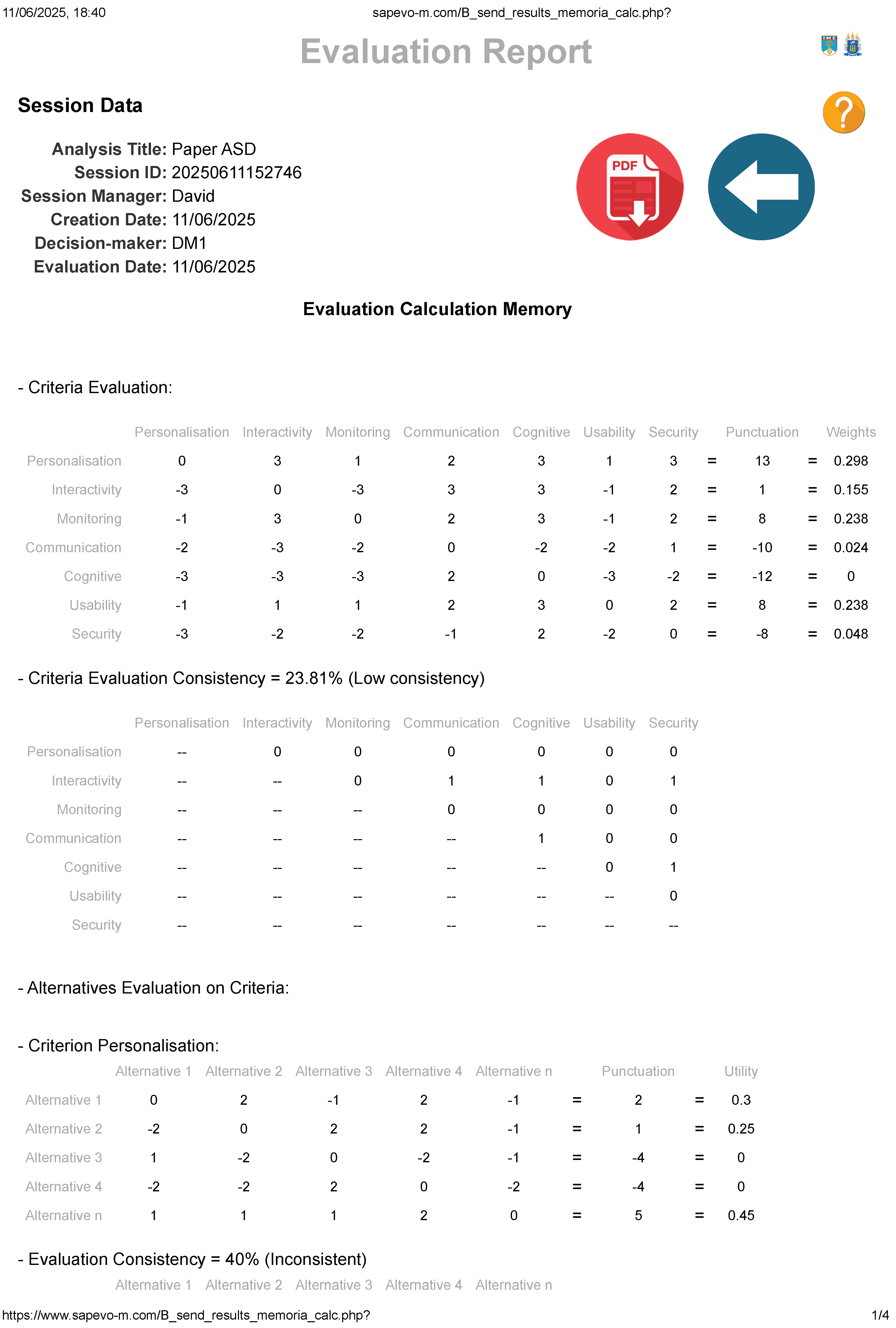
The consistency of criteria evaluation was 23.81%, considered low. However, the method discards inconsistent pairwise comparisons, which ensures methodological integrity by filtering out incoherent responses. This distribution shows a clear preference for Alternative n, which received 42.01% of the overall utility, demonstrating superior alignment with the defined criteria. The second most preferred platform was Alternative 1 (20.37%).
6.2. Consistency and Methodological Robustness
Each criterion presented an associated inconsistency level in the judgment matrices, which is a safeguard of the SAPEVO-M method. For instance, the criterion “Communication and Language” showed a 50% inconsistency, considered very high. The SAPEVO-M method disregards such incoherent judgments, ensuring that only reliable assessments contribute to the final model.
Logically inconsistent judgments are automatically discarded during the aggregation process. Thus, the consistency percentage serves as a methodological safeguard, reinforcing the reliability of the model without compromising the results, which is a distinctive advantage of this approach.
The final ranking indicated that Alternative n (42.01% overall preference) was the most suitable platform according to the defined criteria, followed by Alternative 1 (20.37%) and Alternative 3 (17.3%).
This approach optimises investment in educational technologies and ensures they are used coherently to promote cognitive and social development, fostering inclusive and practical learning [63]. While this new approach applies to children, the same is not valid for adolescents with ASD, who, despite having average cognitive abilities, present significant deficits in adaptive skills, particularly in socialisation and activities of daily living [49]. Technology assisted interventions should not only focus on cognitive improvement but also prioritise the development of adaptive skills to facilitate independent living. Although e-learning recommender systems provide personalised learning opportunities tailored to the cognitive and social needs of individuals with ASD, significant challenges remain in designing effective and adaptable platforms [20]. The lack of well-defined design principles and technological constraints in the development of recommender systems are factors that impact this context.
We found that the insertion of a conceptual model to support the decision to choose a computational tool or a technology in the learning and development process of these children is valid. However, the family, the professionals, as well as the school environment are the pillars that will emanate the natural essence of real life, not just looking at structural criteria of the proposal of platforms or technological resources, considering that each part has defined roles and will directly impact the formation and development of the child (Figure 12).
7. Conclusion
This research aimed to, based on findings, we found that the approach these professionals take to diagnose children is influenced by personal beliefs, values , and experiences acquired throughout their work, so subjectivity impacts this monitoring. Thus, the insertion of the multicriteria structure in this methodological proposal aimed to minimize this burden of subjectivity and enhance the decision-making scenario (objective, structuring of the problem, definition of criteria, and respective weighting) in the decision-making process. This research identified standard requirements (criteria) in the aforementioned ASD protocols. Therefore, regardless of the protocol adopted in the monitoring, this methodological approach is applicable since the emphasis was on the criteria.
The level of training of professionals demonstrates greater awareness of sensory strategies. Therefore, the selection of technological resources may be influenced by these professionals’ knowledge and prior experience. We found that professionals follow the line of thought based on their qualifications in the respective protocols. Therefore, some attributes and characteristics may not be considered in this indication.
The integration of telehealth technology to provide training, supervision, and consulting for behavioural interventions for these professionals who deal directly with these diagnosed individuals. However, they emphasise that resources are typically selected based on their ability to facilitate communication between interventionists. The choice leans toward resources that allow for interactive learning experiences, such as videoconferencing, that allow for feedback.
This study applied criteria based on protocols validated by the professional classes that deal with these children and considered possible alternatives with platforms already known and validated by these professionals. However, the structure of this research is broad. It can be replicated with other technological or non-technological resources to support this public’s learning process and social and cognitive development.
When analysing the literature over a timeline, considering the last eleven years, regarding the learning issues of children with ASD, we identified that there is a technological dependency and that the professionals who accompany these children understand that this methodology presents favourable aspects to the process. We understand that technological resources are a support element in the learning process and should not be the main element in this journey. The intensified use of digital elements can trigger other disorders in the child. Therefore, the family component is fundamental in controlling and monitoring this resource. The contribution of this research was to propose a methodology based on the multicriteria algorithm in order to minimise the subjectivity of the decision-maker when indicating technological resources for the child’s development since this analysis incorporated criteria from the family and the professionals who accompany the child, which must be considered in this decision. Therefore, regardless of the protocol to be used, the decision-maker will analyse the technological resources to be employed based on the relevance of the criteria and adherence to the expected objective.
7.1. Theoretical Implications
Developing a clear framework for decision-making specifically tailored to technology selection for children with ASD contributes to the body of knowledge in educational technology. It lays out structured criteria that professionals can use to evaluate various resources, emphasizing the need for evidence-based practices in selecting technologies that enhance learning. This framework can also guide future research and practice, fostering a standardized approach in the field.
The study enriches existing MCDA methodologies by introducing a multi-criteria structure incorporating validated protocols relevant to ASD. By highlighting the importance of criteria such as personalization, interactivity, and engagement, this research adds to the theoretical development of MCDA frameworks, demonstrating their applicability in complex, multi faceted decision-making scenarios. This contribution encourages further exploration of how MCDA techniques can be adapted and refined for various contexts within education and therapy.
By grounding the decision-making framework in established autism intervention protocols, the research bridges the gap between theoretical models and practical applications. It highlights the importance of integrating evidence-based practices and intervention strategies into the technological selection process. This alignment not only strengthens the validity of the proposed criteria but also ensures that the selected technologies support the therapeutic goals outlined in these protocols.
7.2. Practical Implications
The lack of adequate structuring can compromise the effectiveness of the analysis, resulting in biased and inconsistent choices. By integrating conceptual modelling and knowledge representation techniques, structuring methods help build a more robust decision model, considering solid structural elements and requirements, ensuring that the professionals who deal directly with these children can have an axiomatic and mathematical model that helps them choose an appropriate computational resource, in the construction of the learning path.
The research can serve as a basis for further validating multi-criteria decision-making frameworks specifically tailored to selecting technology resources. Such validation can increase the credibility and applicability of these frameworks in real-world settings, leading to more effective tools that specifically serve these children. By providing a structured methodology, the study can influence how professionals choose the technology tools they use. A more objective approach can reduce bias and improve outcomes for children, as professionals will be better equipped to assess the suitability of platforms based on defined criteria and the specific needs of the children they work with.
The methodologies and criteria established in the research can be scaled and adapted for various populations beyond children with ASD, allowing for broader application within educational technology. This adaptability can extend to different age groups or special education needs, facilitating the development of inclusive technological solutions across diverse educational settings. The framework promotes greater accessibility to educational resources for children with ASD and their families. By prioritizing key criteria such as usability and adaptability, technology developers can create more inclusive platforms, ensuring that all children can engage in meaningful learning experiences.
References
- J. Zeidan et al., “Global prevalence of autism: A systematic review update,” Autism Research, vol. 15, no. 5, pp. 778–790, 2022. [CrossRef] [PubMed]
- O.I. Talantseva et al., “The global prevalence of autism spectrum disorder: A three-level meta-analysis,” Frontiers in Psychiatry, vol. 14, Art. no. 1071181, Feb. 2023. [CrossRef] [PubMed]
- A. Issac et al., “The global prevalence of autism spectrum disorder in children: a systematic review and meta-analysis,” Osong Public Health and Research Perspectives, vol. 16, no. 1, pp. 3–27, 2025. [CrossRef]
- M. Orel and M. Licardo, “Systematic review of telepractice for early intervention with families of children with autism spectrum disorder,” Advances in Autism, vol. 11, no. 1, pp. 19–37, 2025.
- M. Abdel Hameed, M. Hassaballah, M.E. Hosney, and A. Alqahtani, “An AI-Enabled Internet of Things Based Autism Care System for Improving Cognitive Ability of Children with Autism Spectrum Disorders,” Computational Intelligence and Neuroscience, vol. 2022, pp. 1–12, 2022.
- S. Mankinen, J.M. Ferreira, and A. Mykkänen, “Peer support amongst autistic children: an examination of the communication structure in small-group discussions,” Advances in Autism, vol. 10, no. 4, pp. 382–400, 2024.
- A. Ruttledge and J. Cathcart, “An evaluation of sensory processing training on the competence, confidence and practice of teachers working with children with autism,” Irish Journal of Occupational Therapy, vol. 47, no. 1, pp. 2–17, 2019.
- A.N. Kildahl et al., “Distinguishing between autism and the consequences of early traumatisation during diagnostic assessment: a clinical case study,” Advances in Autism, vol. 10, no. 3, pp. 135–148, 2024.
- M. Cruz Puerto and M. Sandín Vázquez, “Understanding heterogeneity within autism spectrum disorder: a scoping review,” Advances in Autism, vol. 10, no. 4, pp. 314–322, 2024.
- H.I.S. Reis, A.P. da S. Pereira, and L. da S. Almeida, “Construção e validação de um instrumento de avaliação do perfil desenvolvimental de crianças com Perturbação do Espectro do Autismo,” Revista Brasileira de Educação Especial, vol. 19, no. 2, pp. 183–194, 2013.
- K. Rizos et al., “A comparative analysis of error correction procedures for skill acquisition in autistic students,” Tizard Learning Disability Review, 2025.
- S. Barnes and J. Prescott, “Positive Psychology and Digital Games,” in How Digital Technologies Can Support Positive Psychology, Emerald Publishing, pp. 21–32, 2025.
- B. Zhou and X. Xu, “Progress and challenges in early intervention of autism spectrum disorder in China,” Pediatric Medicine, vol. 2, p. 26, 2019.
- J.L.B. Dias et al., “Intervenções Terapêuticas Multimodais no Transtorno do Espectro Autista: Impactos no Desenvolvimento Cognitivo e Social,” Revista Ibero-Americana de Humanidades, Ciências e Educação, vol. 10, no. 12, pp. 2285–2295, 2024.
- J.Á. Ariza and C. Hernández Hernández, “A Systematic Literature Review of Research-based Interventions and Strategies for Students with Disabilities in STEM and STEAM Education,” International Journal of Science and Mathematics Education, 2025.
- I. Salhi, S. Gouraguine, M. Qbadou, and K. Mansouri, “A Socially Assistive Robot Therapy for Pedagogical Rehabilitation of Autistic Learners,” in Proc. 2nd Int. Conf. on Innovative Research in Applied Science, Engineering and Technology (IRASET), IEEE, pp. 1–4, 2022.
- J. Awatramani and N. Hasteer, “Facial Expression Recognition using Deep Learning for Children with Autism Spectrum Disorder,” in Proc. 2020 IEEE 5th Int. Conf. on Computing Communication and Automation (ICCCA), pp. 35–39, 2020.
- N. Perry et al., “AI technology to support adaptive functioning in neurodevelopmental conditions in everyday environments: a systematic review,” npj Digital Medicine, vol. 7, no. 1, 2024.
- S. Wallin, G. Thunberg, H. Hemmingsson, and J. Wilder, “Teachers’ use of augmented input and responsive strategies in schools for students with intellectual disability: A multiple case study of a communication partner intervention,” Autism & Developmental Language Impairments, vol. 9, 2024.
- V.N. Rathod et al., “A Survey on E-Learning Recommendation Systems for Autistic People,” IEEE Access, vol. 12, pp. 11723–11732, 2024.
- S.K. Howorth et al., “Integrating emerging technologies to enhance special education teacher preparation,” Journal of Research in Innovative Teaching & Learning, 2024.
- C. Boy et al., “Stability of emotional and behavioral problems in autistic children and adolescents during the COVID-19 pandemic,” Advances in Autism, 2025.
- D.H.C. Patiño et al., “AutismAR Discovery: Evaluation of an Augmented Reality Application to Support the Learning of Children With Autism Spectrum Disorder in Panama,” IEEE Revista Iberoamericana de Tecnologias Del Aprendizaje, vol. 19, pp. 296–305, 2024.
- P. Checkland, “From Optimizing to Learning: A Development of Systems Thinking for the 1990s,” Journal of the Operational Research Society, vol. 36, no. 9, pp. 757–767, 1985.
- M.Â.L. Moreira, I.P. de A. Costa, M. dos Santos, and C.F.S. Gomes, “SAPEVOweb,” SAPEVO-M Software Web (v.1), 2022.
- C. Cronin, “Doing your literature review: traditional and systematic techniques,” Evaluation & Research in Education, vol. 24, no. 3, pp. 219–221, 2011.
- H.A. Ferenhof and R.F. Fernandes, “Demystifying literature review in the AI Era,” Biblios Journal of Librarianship and Information Science, no. 88, p. e003, 2025.
- L.F. Santos et al., “Transformative Service Research and the role of service robots: a bibliometric analysis,” Gestão & Produção, vol. 31, 2024. [CrossRef]
- B.M. Prizant, A.M. Wetherby, E. Rubin, and A.C. Laurent, “The SCERTS Model,” Infants & Young Children, vol. 16, no. 4, pp. 296–316, 2003.
- L. de C. Ribeiro and A.A. Cardoso, “Abordagem Floortime no tratamento da criança autista: possibilidades de uso pelo terapeuta ocupacional,” Cadernos de Terapia Ocupacional Da UFSCar, vol. 22, no. 2, pp. 399–408, 2014.
- C. Kasari, A.C. Gulsrud, S.Y. Shire, and C. Strawbridge, The JASPER Model for Children with Autism: Promoting Joint Attention, Symbolic Play, Engagement, and Regulation, 2021.
- S. Yi and S.Y. Rieh, “Children’s conversational voice search as learning: a literature review,” Information and Learning Sciences, vol. 126, no. 1/2, pp. 8–28, 2025.
- J. Liu et al., “Utilizing network analysis to identify core items of quality of life for children with autism spectrum disorder,” Autism Research, vol. 18, no. 2, pp. 370–386, 2025.
- J. Ferguson, E.A. Craig, and K. Dounavi, “Telehealth as a Model for Providing Behaviour Analytic Interventions to Individuals with Autism Spectrum Disorder: A Systematic Review,” Journal of Autism and Developmental Disorders, vol. 49, no. 2, pp. 582–616, 2019.
- N. Hassoun Nedjar, Y. Djebbar, and L. Djemili, “Application of the analytical hierarchy process for planning the rehabilitation of water distribution networks,” Arab Gulf Journal of Scientific Research, vol. 41, no. 4, pp. 518–538, 2023.
- M.J. de S. Silva et al., “A Comparative Analysis of Multicriteria Methods AHP, TOPSIS-2N, PROMETHEE-SAPEVO-M1 and SAPEVO-M: Selection of a Truck for Transport of Live Cargo,” Procedia Computer Science, vol. 214, pp. 86–92, 2022.
- T. Ni, X. Zhang, P. Leng, M. Pelling, and J. Xu, “Comprehensive benefits evaluation of low impact development using scenario analysis and fuzzy decision approach,” Scientific Reports, vol. 15, no. 1, p. 2227, 2025.
- M.M. Muñoz, S. Kazakov, and J.L. Ruiz-Alba, “Sectorial evaluation and characterization of internal marketing orientation through multicriteria analysis,” Operational Research, vol. 24, no. 2, 2024.
- G.G. Shayea et al., “Fuzzy Evaluation and Benchmarking Framework for Robust Machine Learning Model in Real-Time Autism Triage Applications,” International Journal of Computational Intelligence Systems, vol. 17, no. 1, p. 151, 2024.
- D. de O. Costa, A. Bonamigo, M. Santos, and C.M.R. de Oliveira, “Structuring a Computational Tool for Defining Multicriteria Methods: A Proposal for a Systematic Literature Review,” Pesquisa Operacional, 2025.
- C.F.S. Gomes et al., “SAPEVO-M: A GROUP MULTICRITERIA ORDINAL RANKING METHOD,” Pesquisa Operacional, vol. 40, 2020.
- S. Zakeri, D. Konstantas, P. Chatterjee, and E.K. Zavadskas, “Soft cluster-rectangle method for eliciting criteria weights in multi-criteria decision-making,” Scientific Reports, vol. 15, no. 1, p. 284, 2025.
- F. Ackermann, “Managing grand challenges: Extending the scope of problem structuring methods and behavioural operational research,” European Journal of Operational Research, vol. 319, no. 2, pp. 373–383, 2024.
- J. Mingers and J. Rosenhead, “Problem structuring methods in action,” European Journal of Operational Research, vol. 152, no. 3, pp. 530–554, 2004.
- Z. Chourabi, F. Khedher, A. Babay, and M. Cheikhrouhou, “Multi-criteria decision making in workforce choice using AHP, WSM and WPM,” The Journal of The Textile Institute, vol. 110, no. 7, pp. 1092–1101, 2019.
- C. Garritty et al., “Updated recommendations for the Cochrane rapid review methods guidance for rapid reviews of effectiveness,” BMJ, p. e076335, 2024.
- G. Du, Y. Guo, and W. Xu, “The effectiveness of applied behavior analysis program training on enhancing autistic children’s emotional-social skills,” BMC Psychology, vol. 12, no. 1, p. 568, 2024.
- M.D. Sulu et al., “A Meta-Analysis of Applied Behavior Analysis-Based Interventions for Individuals with Autism Spectrum Disorders (ASD) in Turkey,” Review Journal of Autism and Developmental Disorders, 2024.
- L. Tamm, H.A. Day, and A. Duncan, “Comparison of Adaptive Functioning Measures in Adolescents with Autism Spectrum Disorder Without Intellectual Disability,” Journal of Autism and Developmental Disorders, vol. 52, no. 3, pp. 1247–1256, 2022.
- J.B. Leaf et al., “Concerns About ABA-Based Intervention: An Evaluation and Recommendations,” Journal of Autism and Developmental Disorders, vol. 52, no. 6, pp. 2838–2853, 2022.
- J.B. Leaf et al., “Advances in Our Understanding of Behavioral Intervention: 1980 to 2020 for Individuals Diagnosed with Autism Spectrum Disorder,” Journal of Autism and Developmental Disorders, vol. 51, no. 12, pp. 4395–4410, 2021.
- Q. Yu, E. Li, L. Li, and W. Liang, “Efficacy of Interventions Based on Applied Behavior Analysis for Autism Spectrum Disorder: A Meta-Analysis,” Psychiatry Investigation, vol. 17, no. 5, pp. 432–443, 2020.
- H. Kupferstein, “Evidence of increased PTSD symptoms in autistics exposed to applied behavior analysis,” Advances in Autism, vol. 4, no. 1, pp. 19–29, 2018.
- A. Estes et al., “Long-Term Outcomes of Early Intervention in 6-Year-Old Children With Autism Spectrum Disorder,” Journal of the American Academy of Child & Adolescent Psychiatry, vol. 54, no. 7, pp. 580–587, 2015.
- T. Smith and S. Iadarola, “Evidence Base Update for Autism Spectrum Disorder,” Journal of Clinical Child & Adolescent Psychology, vol. 44, no. 6, pp. 897–922, 2015.
- R. MacDonald et al., “Assessing progress and outcome of early intensive behavioral intervention for toddlers with autism,” Research in Developmental Disabilities, vol. 35, no. 12, pp. 3632–3644, 2014.
- G. Vivanti et al., “Effectiveness and Feasibility of the Early Start Denver Model Implemented in a Group-Based Community Childcare Setting,” Journal of Autism and Developmental Disorders, vol. 44, no. 12, pp. 3140–3153, 2014.
- E. Sham and T. Smith, “Publication bias in studies of an applied behavior-analytic intervention: An initial analysis,” Journal of Applied Behavior Analysis, vol. 47, no. 3, pp. 663–678, 2014.
- F. Mohammadzaheri et al., “A Randomized Clinical Trial Comparison Between Pivotal Response Treatment (PRT) and Structured Applied Behavior Analysis (ABA) Intervention for Children with Autism,” Journal of Autism and Developmental Disorders, vol. 44, no. 11, pp. 2769–2777, 2014.
- D. Adams, M. Clark, and K. Simpson, “The Relationship Between Child Anxiety and the Quality of Life of Children, and Parents of Children, on the Autism Spectrum,” Journal of Autism and Developmental Disorders, vol. 50, no. 5, pp. 1756–1769, 2020.
- C. Kasari et al., “Randomized comparative efficacy study of parent-mediated interventions for toddlers with autism,” Journal of Consulting and Clinical Psychology, vol. 83, no. 3, pp. 554–563, 2015.
- S. Kingsdorf et al., “Examining the perceptions of needs, services and abilities of Czech and North Macedonian caregivers of children with autism and trainers,” International Journal of Developmental Disabilities, vol. 70, no. 3, pp. 479–492, 2024.
- Y.-C. Chang, S.Y. Shire, W. Shih, C. Gelfand, and C. Kasari, “Preschool Deployment of Evidence-Based Social Communication Intervention: JASPER in the Classroom,” Journal of Autism and Developmental Disorders, vol. 46, no. 6, pp. 2211–2223, 2016.
- M.A.L. Moreira, I.P.A. Costa, M. dos Santos, and C.F.S. Gomes, SAPEVO-M Software Web (v.1), 2022.
Figure 1.
Paper structure.
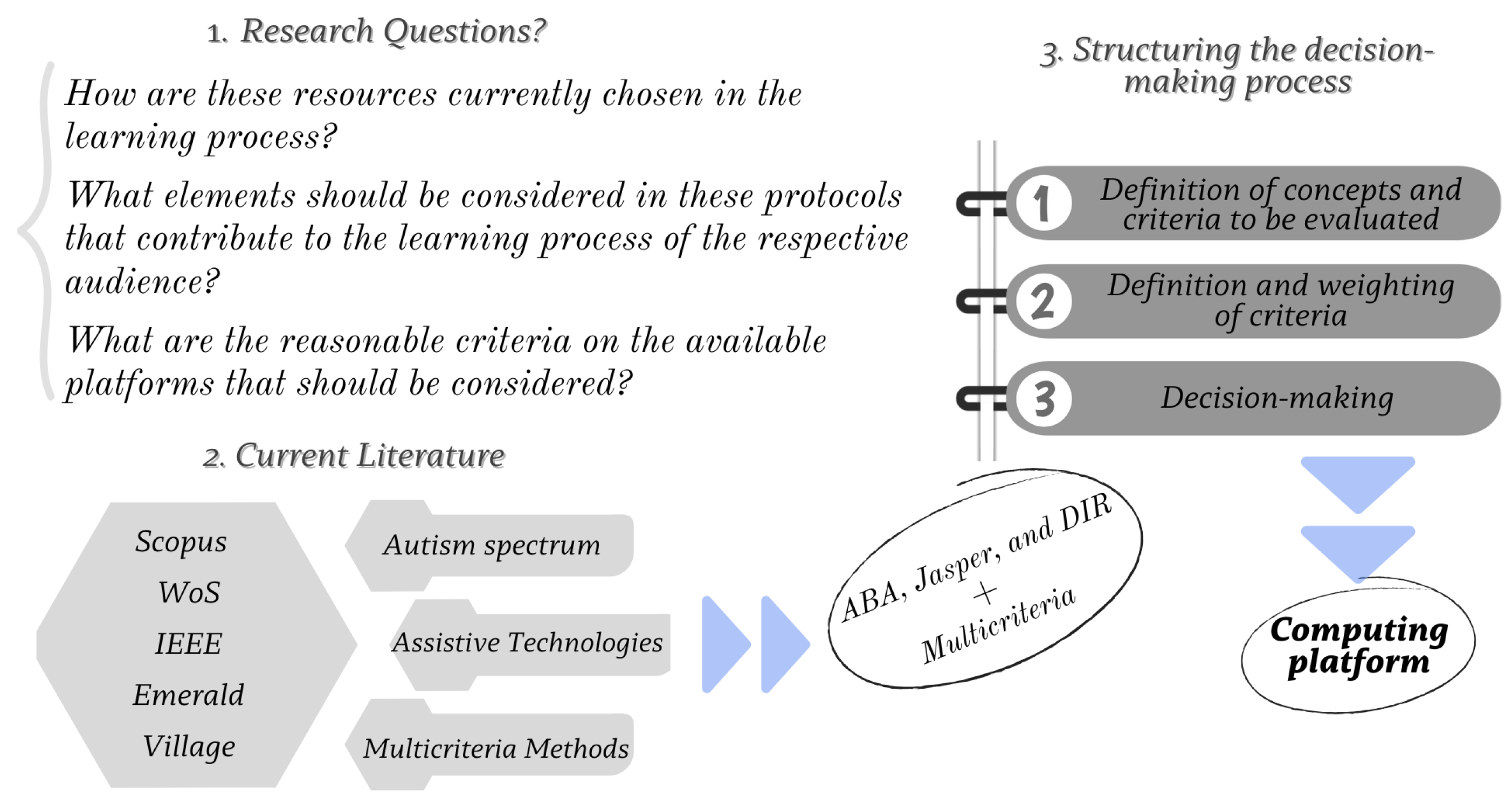
Figure 2.
Methodological flow.
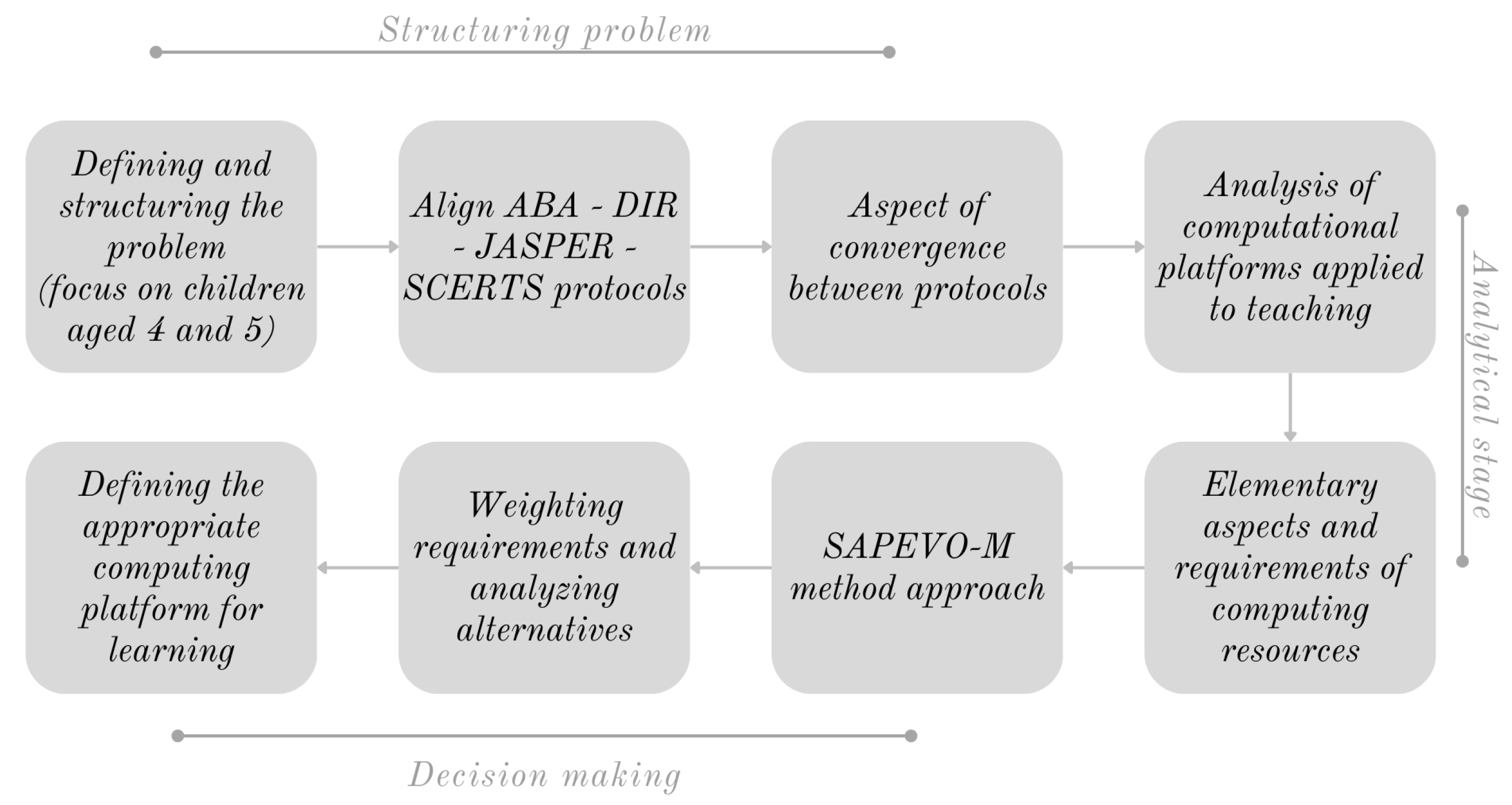
Figure 3.
Graphical analysis of literature.
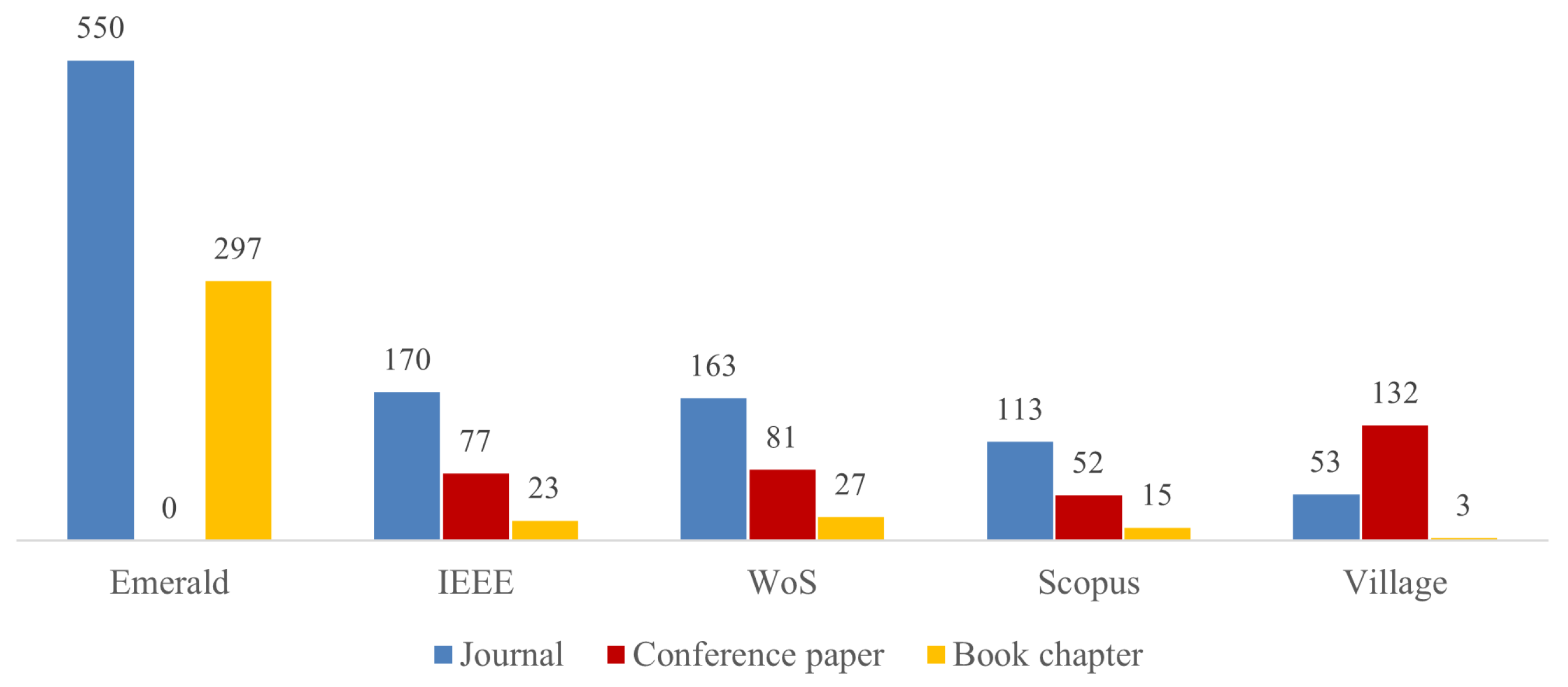
Figure 4.
Publication countries clusters.
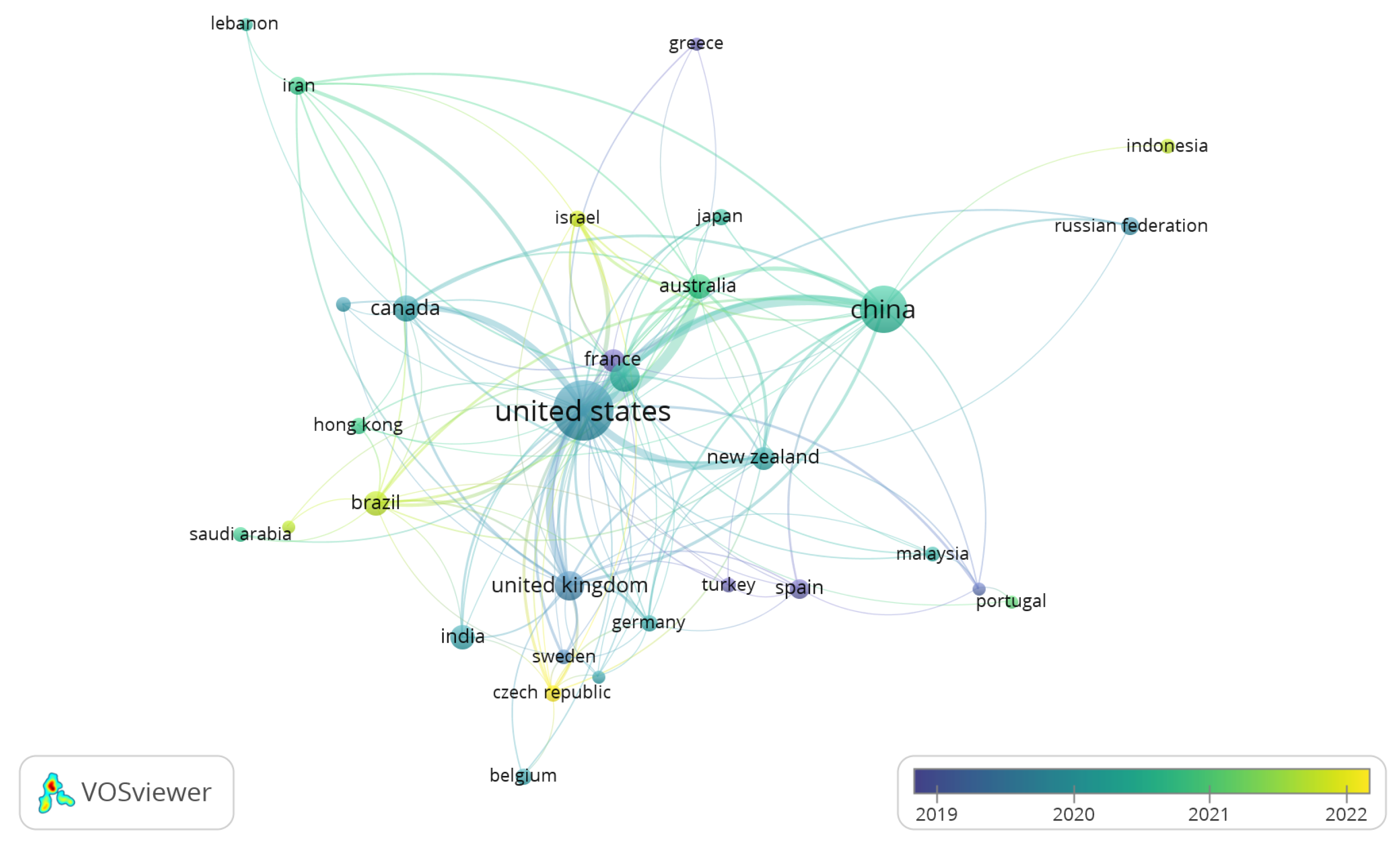
Figure 5.
Cluster researcher.
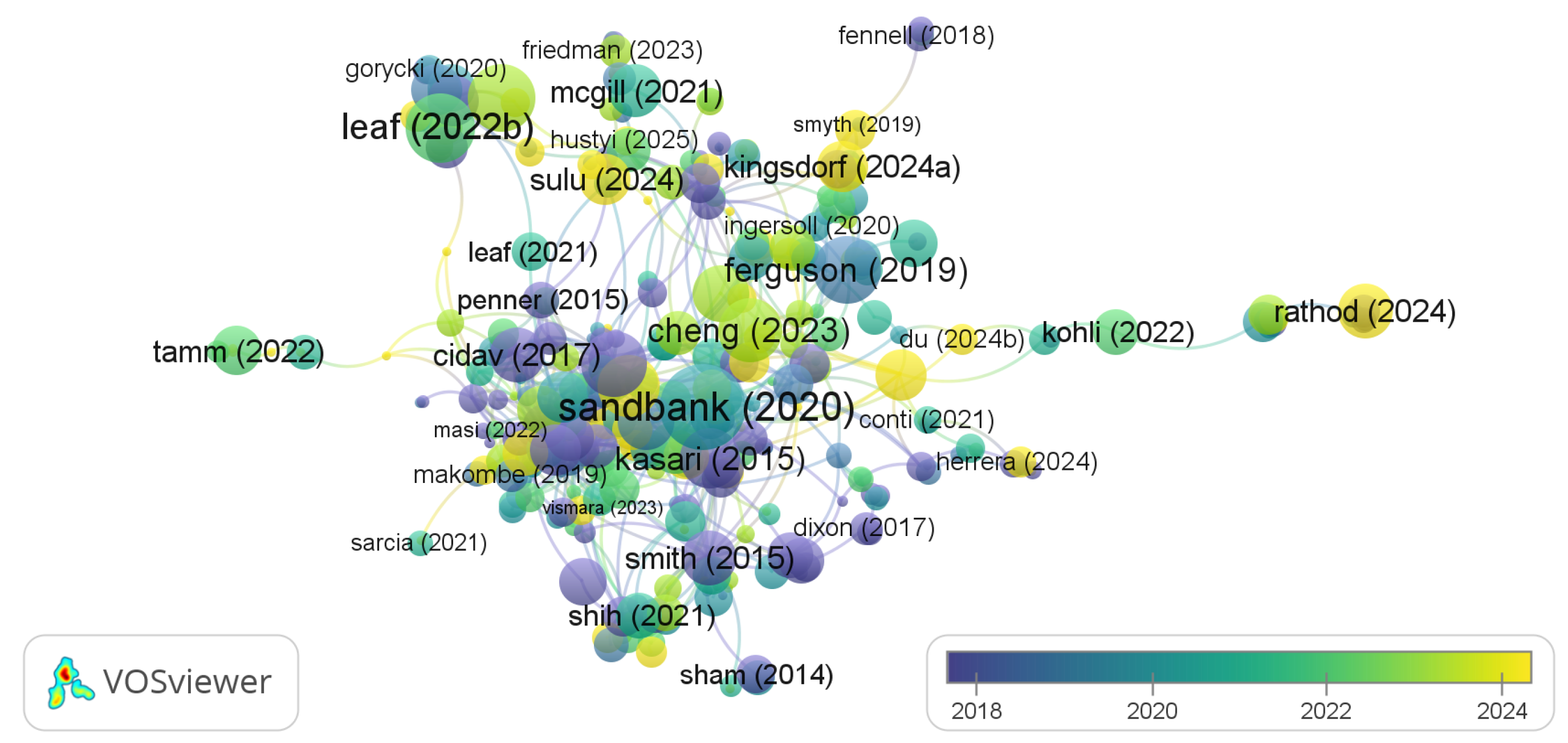
Figure 6.
Cluster keywords.
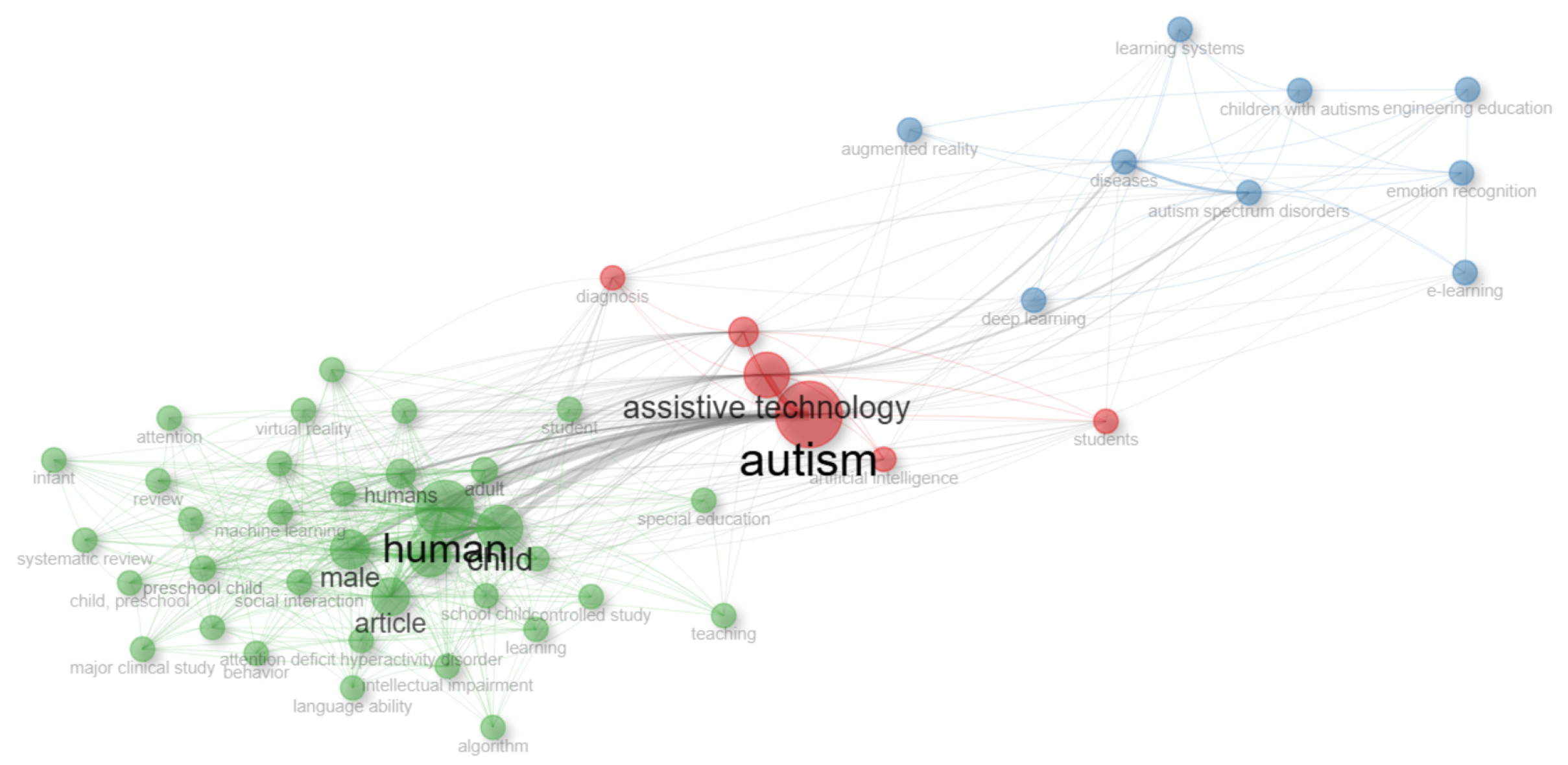
Figure 7.
Cluster keywords/year.
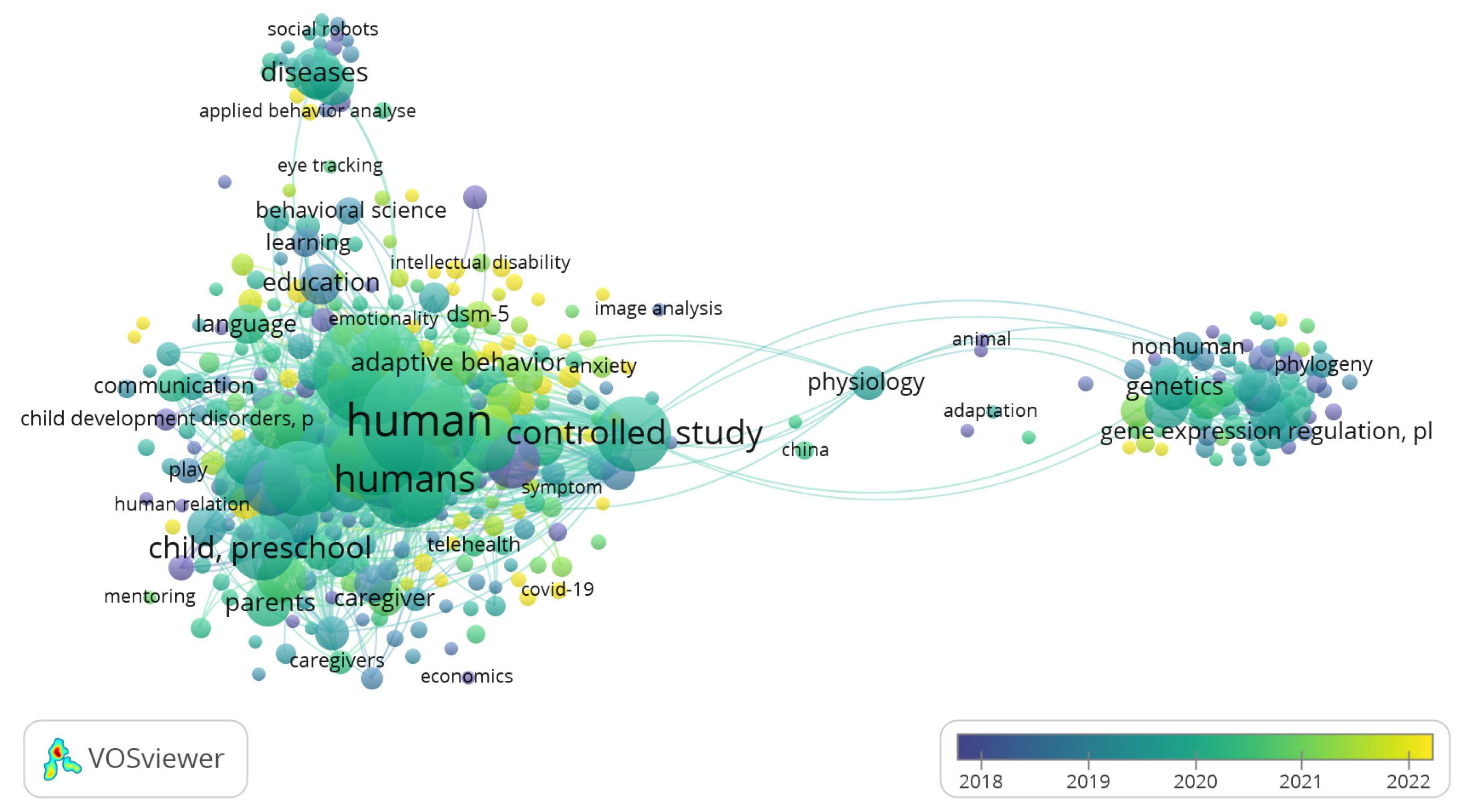
Figure 8.
Cluster Journal/year.
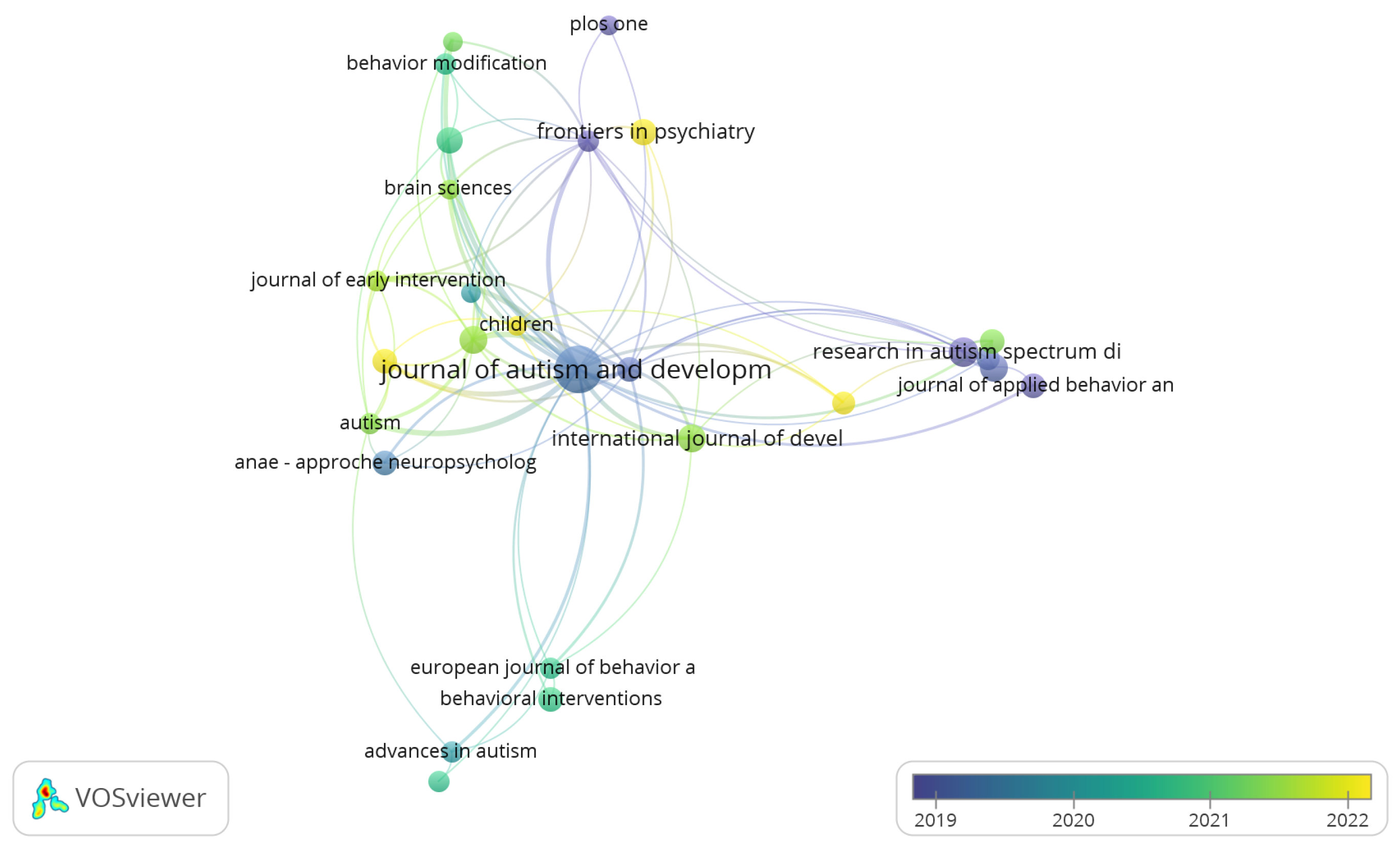
Figure 9.
SAPEVO-M methodological framework (adapted Silva et al. (2022b).
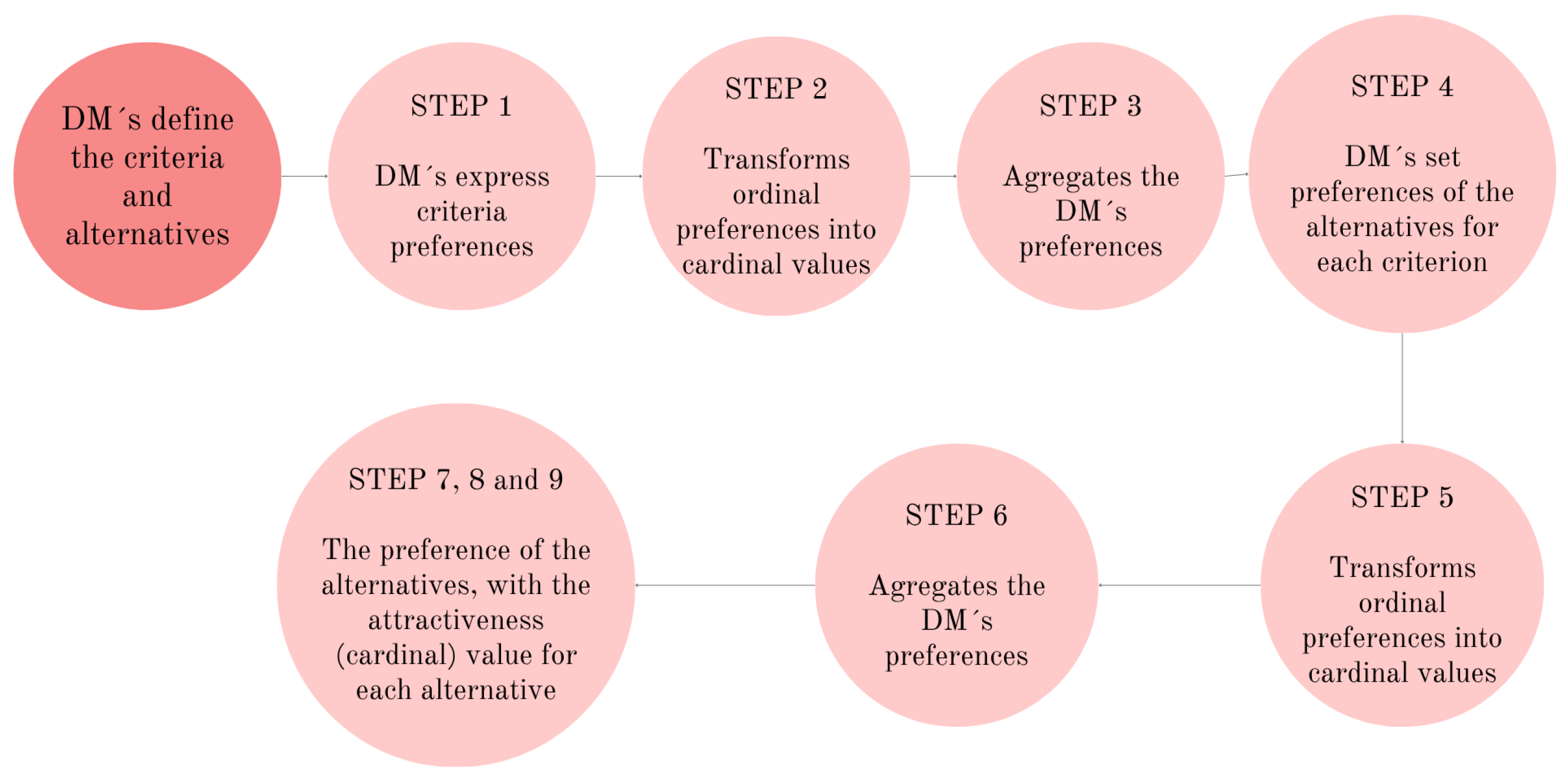
Figure 10.
Structural flow of decision making.
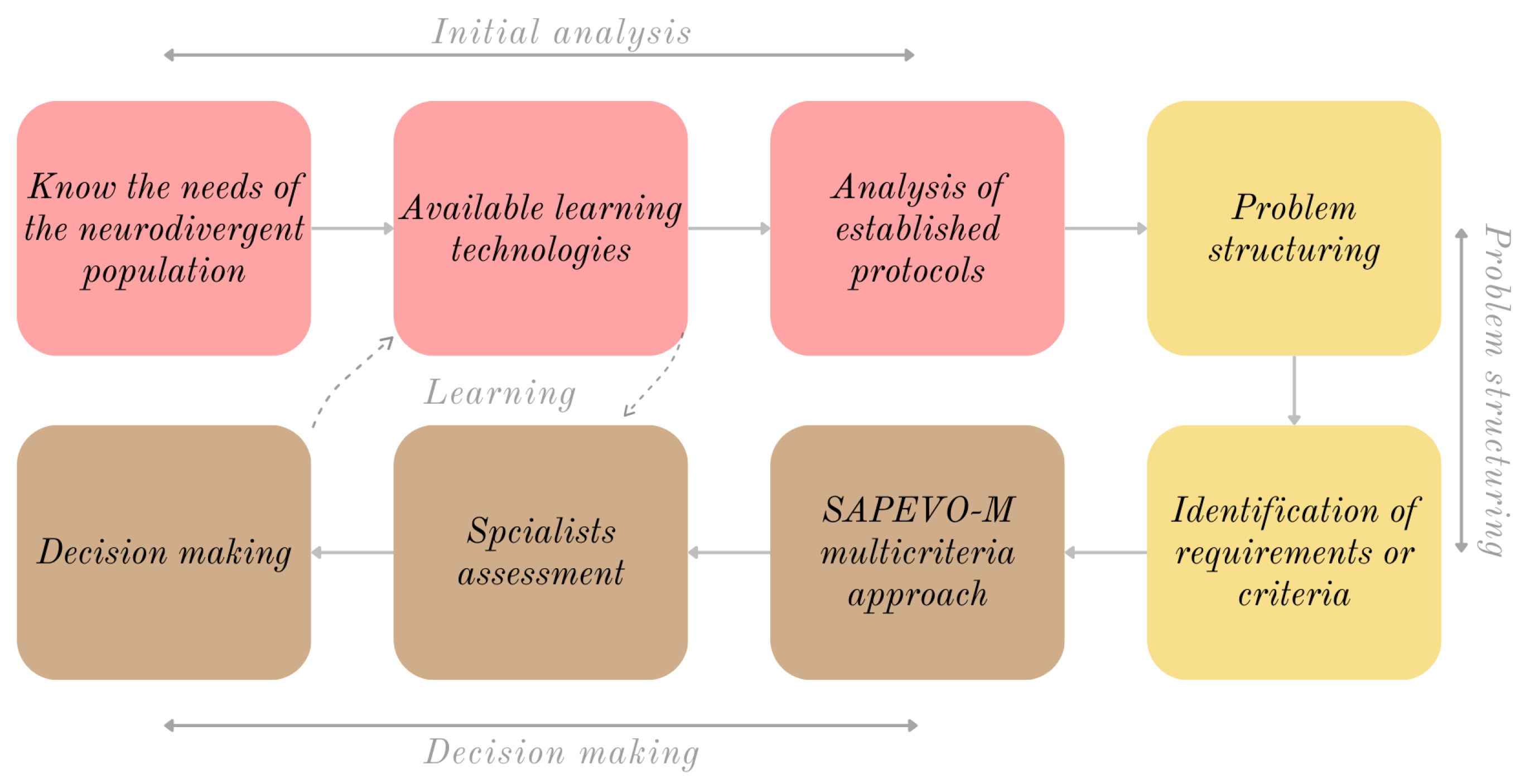
Figure 11.
Cross-analysis between criteria and alternatives.
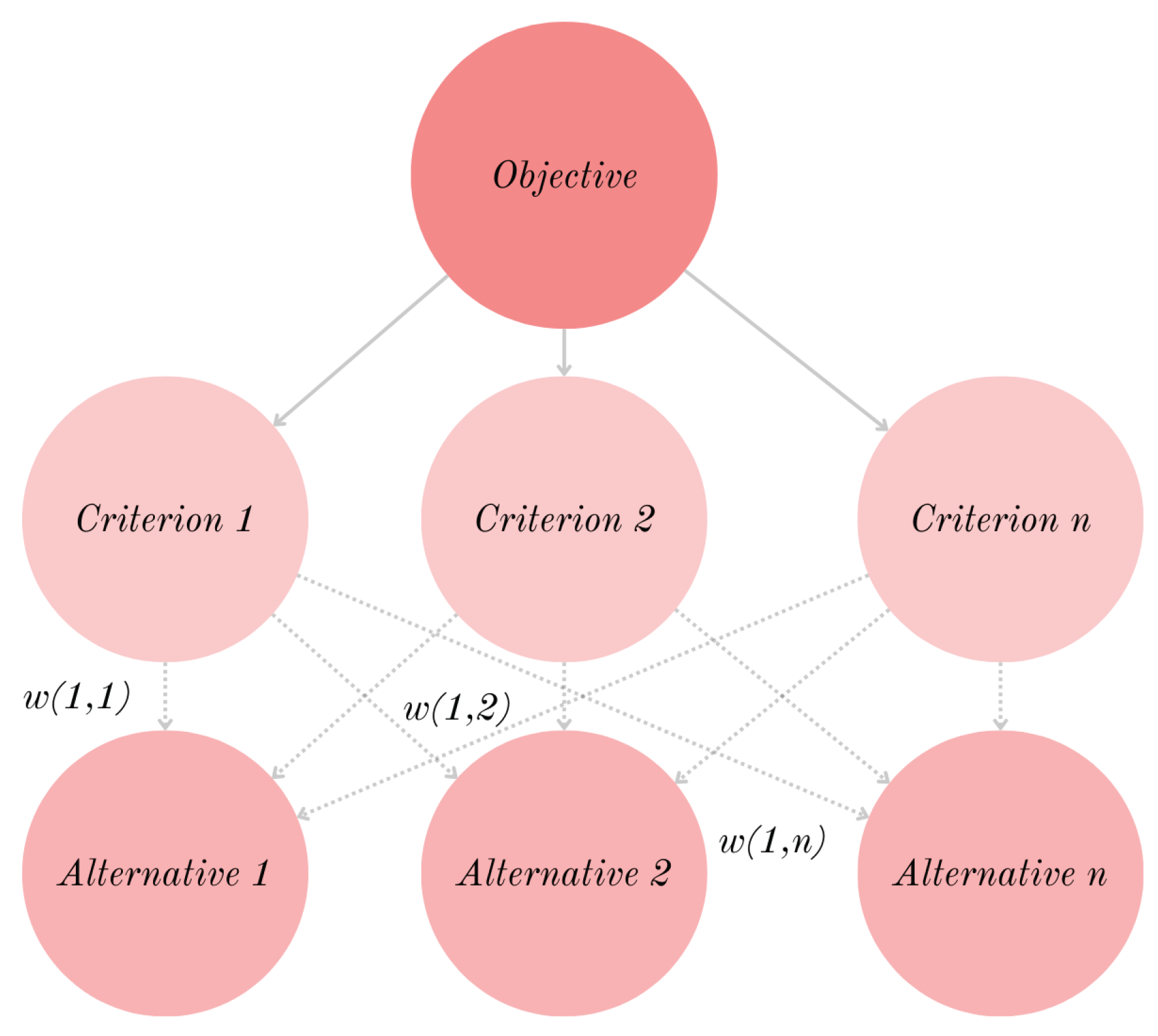
Figure 12.
Integrative pillars framework.
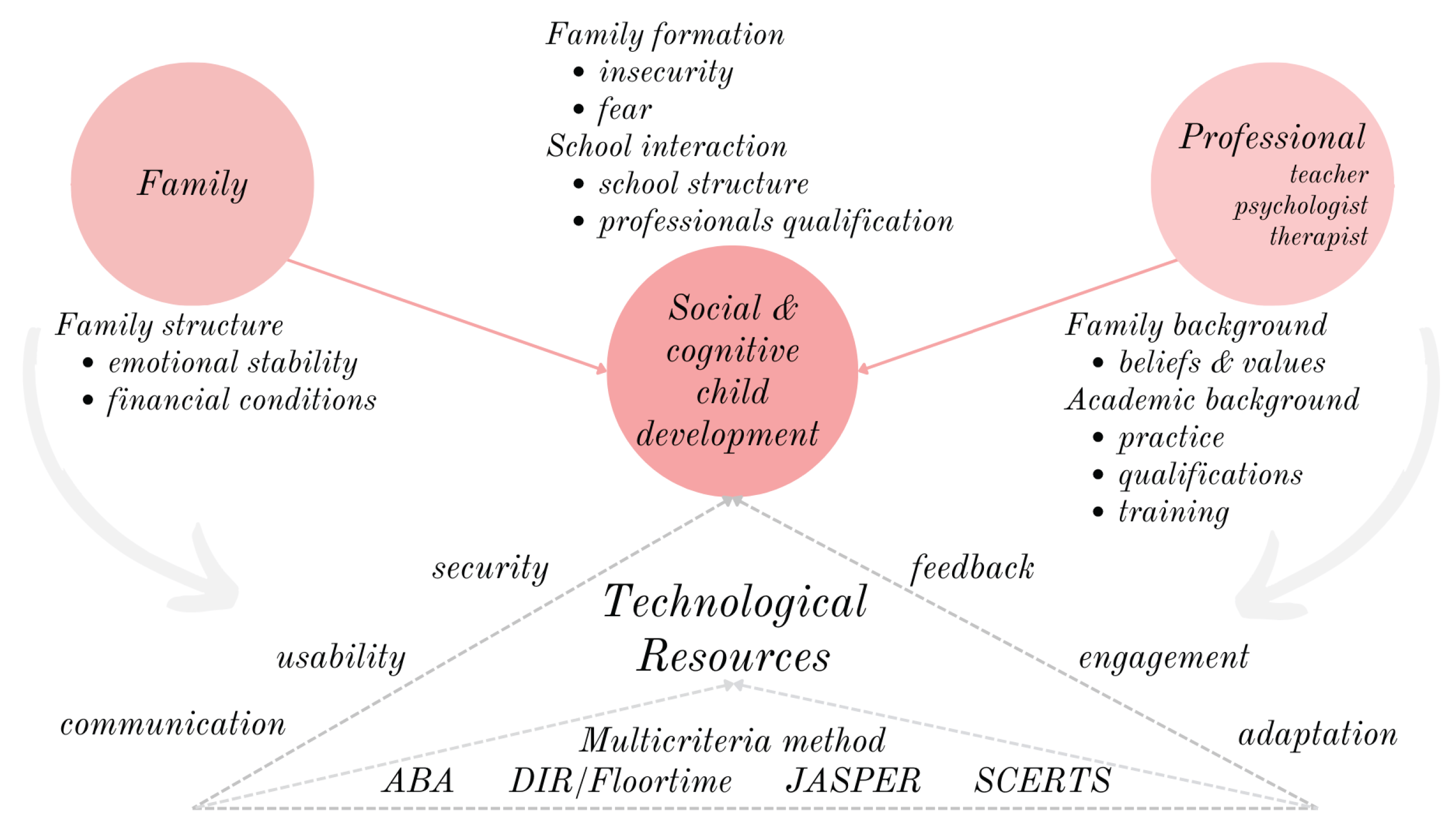

Table 1.
Papers by base.
| Source | Journal | % |
|---|---|---|
| Emerald | 550 | 52,43% |
| IEEE | 170 | 16,21% |
| WoS | 163 | 15,54% |
| Scopus | 113 | 10,77% |
| Village | 53 | 5,05% |
| Total Global | 1049 |
Table 2.
Analysis of authors and reference papers.
| Author | Paper |
|---|---|
| [47] Du et al. (2024) | The effectiveness of applied behaviour analysis program training on enhancing autistic children’s emotional-social skills |
| [20] Rathod et al. (2024b) | A Survey on E-Learning Recommendation Systems for Autistic People |
| [48] Sulu et al. (2024) | A Meta-Analysis of Applied Behaviour Analysis-Based Interventions for Individuals with Autism Spectrum Disorders (ASD) in Turkey |
| [49] Tamm et al. (2022a) | Comparison of Adaptive Functioning Measures in Adolescents with Autism Spectrum Disorder Without Intellectual Disability |
| [50] Leaf et al. (2022) | Concerns About ABA-Based Intervention: An Evaluation and Recommendations |
| [51] Leaf et al. (2021) | Advances in Our Understanding of Behavioral Intervention: 1980 to 2020 for Individuals Diagnosed with Autism Spectrum Disorder |
| [52] Yu et al. (2020) | Efficacy of Interventions Based on Applied Behaviour Analysis for Autism Spectrum Disorder: A Meta-Analysis |
| [34] Ferguson et al. (2019) | Telehealth as a Model for Providing Behaviour Analytic Interventions to Individuals with Autism Spectrum Disorder: A Systematic Review |
| [53] Kupferstein (2018) | Evidence of increased PTSD symptoms in autistics exposed to applied behaviour analysis |
| [63] Chang et al. (2016) | Preschool Deployment of Evidence-Based Social Communication Intervention: JASPER in the Classroom |
| [61] Kasari et al. (2015) | Randomised comparative efficacy study of parent-mediated interventions for toddlers with autism |
| [54] Estes et al. (2015) | Long-Term Outcomes of Early Intervention in 6-Year-Old Children With Autism Spectrum Disorder |
| [55] Smith and Iadarola (2015) | Evidence Base Update for Autism Spectrum Disorder |
| [56] MacDonald et al. (2014) | Assessing progress and outcome of early intensive behavioural intervention for toddlers with autism |
| [57] Vivanti et al. (2014) | Effectiveness and Feasibility of the Early Start Denver Model Implemented in a Group-Based Community Childcare Setting |
| [58] Sham and Smith (2014) | Publication bias in studies of an applied behaviour-analytic intervention: An initial analysis |
| [59] Mohammadzaheri et al. (2014) | A Randomised Clinical Trial Comparison Between Pivotal Response Treatment (PRT) and Structured Applied Behaviour Analysis (ABA) Intervention for Children with Autism |
Table 3.
Comparative analysis between protocols.
| Category | ABA | DIR/Floortime | JASPER | SCERTS |
|---|---|---|---|---|
| Central approach | Adapting behaviours to promote social skills and minimise inappropriate behaviours | Emotional and social development through playful interactions | Joint attention, symbolic play, engagement and regulation | Social communication, emotional regulation and transactional support |
| Approach | Behavioral, based on functional analysis of behaviour | Behavioral, based on functional analysis of behaviour | Developmental, and play-based | Transactional and family-centred |
| Method | Positive reinforcement, extinction, modelling and structured teaching | Playful interactions on the floor (Floortime) to promote engagement and connection | Playful interactions, modelling, expansion and imitation | Personalised strategies to promote communication and emotional regulation |
| Areas Activity | Clinics, schools, home and community | Clinics, schools, home and community | Clinics, schools, home and community | Clinics, schools, home and community |
| Environment | Natural and structured environments | Natural and structured environments | Natural and structured environments | Natural and structured environments |
| Specific audience | Children, families and professionals | Children and families | Children between 1 and 8 years old, families and professionals | Children and families |
| References | Rutledge and Cathcart (2019) | Greenspan and Wieder (2008) | Kasari et al. (2021) | Prisant et al. (2003) |
Table 4.
The intersection point between the protocols.
| ABA | DIR/Floortime | JASPER | SCERTS | |
|---|---|---|---|---|
| Social and Communication Skills DevelopmentWhereas the approach is to maximise social and communication skills, each emphasises different aspects | Behaviour modification to promote social skills and reduce inappropriate behaviours | Emotional and social development through playful interactions | Joint attention, symbolic play, engagement, and regulation | Social communication and emotional regulation |
| Child-Centred and Individualised ApproachApproach based on individualisation, adapting strategies to the specific needs of each child | Develop personalised intervention plans based on functional behaviour analysis | Follows the child’s interests during playful interactions | Adapts intervention strategies to the child’s profile and level of development | Personalises interventions based on the needs of the child and family |
| Natural and Playful InteractionsValuing natural and playful interactions to promote cognitive development | Uses playful activities and natural reinforcers to teach skills | Relies on floor play to promote engagement | Focuses on symbolic play and playful interactions to develop social skills | Encourages social and emotional interactions in natural contexts |
| Family Involvement and the Natural EnvironmentReinforce the importance of family involvement and the application of strategies in natural environments | Includes training for parents and caregivers, aiming at generalising learned skills | Encourages parents to participate in playful interactions with the child actively | Involves parents and caregivers in implementing strategies at home and in other natural environments | Involves the family in the intervention process and promotes the generalisation of skills to natural contexts |
| Evidence-BasedBased on scientific evidence and validated by research and clinical studies | Widely recognised for its effectiveness, with decades of research in behaviour analysis | Based on theories of emotional and social development | Supported by clinical studies that demonstrate its effectiveness in developing social skills | Based on research on socio-emotional development and communication |
| Promoting Inclusion and Quality of LifeFocuses on maximising improvements in quality of life and promoting social inclusion | Focuses on independence and autonomy, reducing behaviours that impede inclusion | Promotes emotional and social development to strengthen relationships | Develops social and communication skills to facilitate interaction with peers and family | Seeks to improve communication and emotional regulation to facilitate social participation |
Table 5.
Potential criteria that a computer platform.
| Personalisation and Adaptation | Ability to adjust activities according to the child’s level of development. Configuration of individual profiles, allowing content customisation. Flexibility to meet different ASD profiles, aligned with the ABA, DIR/Floortime, JASPER, and SCERTS protocols. |
| Interactivity and Engagement | Use of attractive visual and audio elements to maintain the child’s attention. Use gamification to reinforce positive behaviours (points, rewards, progression) simulation of social interactions through avatars or virtual environments. |
| Monitoring and Feedback | Detailed record of the child’s progress (qualitative and quantitative data). Automatic reports for parents, therapists, and educators. Real-time feedback to reinforce behaviours and learning. |
| Communication and Language | Resources for developing verbal and non-verbal communication. Support alternative/augmentative communication (pictograms, speech synthesisers) integration with speech recognition and response analysis systems. |
| Cognitive and Social Development | Stimulation of joint attention and symbolic play (essential in JASPER and SCERTS). Strategies to promote socio-emotional skills and self-regulation. Activities that encourage the recognition and expression of emotions. |
| Usability and Accessibility | Intuitive interface adapted for young children. Compatibility with different devices (tablets, smartphones, computers). Accessibility options (high contrast, sound adjustment, simplified commands). |
| Security and Privacy | Parental control to configure access and monitor interactions. Children’s data protection, ensuring compliance with regulations. Absence of advertising or unsupervised content. |
Table 6.
Platforms analysed (alternatives analysed).
| Platforms | Features |
|---|---|
| Matraquinha | A communication app designed for children with autism, featuring over 250 pictographic cards organized into categories like food, hygiene, and emotions. Helps structure routines and stimulate expression for children aged 4–6. |
| MITA (Mental Imagery Therapy for Autism) | A cognitive and language therapy platform utilizing interactive imagery games designed to strengthen mental integration skills. Especially suitable for early intervention in children aged 2 to 6. It is based on evidence-based learning principles and includes structured daily training exercises to support the development of receptive and expressive language, visual reasoning, and attention span. |
| Express | AAC-based platform offering customizable visual cards and sentence-building tools. Supports communication development through intuitive visual structuring, ideal for preschool-aged children with speech limitations. |
| TEA EducaGames | Suite of gamified apps developed for preschool and early elementary students with autism. Includes modules for basic math, alphabet, sequencing, and emotional identification using playful interfaces. |
| Lina Educa | Brazilian platform focused on inclusive literacy for children with TEA. Provides pedagogically structured games with progress-tracking tools for parents and educators. |
| Livox | Award-winning platform for alternative and augmentative communication (AAC), adaptable for children with ASD who have verbal and motor difficulties. Enables learning through custom symbols, audio, and accessible navigation. |
| Rotina Divertida | App helps structure the daily routines of children with Autism Spectrum Disorder (ASD) in a fun and visual way. Promotes autonomy and predictability, reducing anxiety in early childhood education contexts. |
| WebSCALA | A web-based educational system that integrates AI to personalize learning paths for children with Autism Spectrum Disorder (ASD). Designed to support teachers and therapists in structured interventions during early development stages. |
Disclaimer/Publisher’s Note: The statements, opinions and data contained in all publications are solely those of the individual author(s) and contributor(s) and not of MDPI and/or the editor(s). MDPI and/or the editor(s) disclaim responsibility for any injury to people or property resulting from any ideas, methods, instructions or products referred to in the content. |
© 2025 by the authors. Licensee MDPI, Basel, Switzerland. This article is an open access article distributed under the terms and conditions of the Creative Commons Attribution (CC BY) license (http://creativecommons.org/licenses/by/4.0/).
Copyright: This open access article is published under a Creative Commons CC BY 4.0 license, which permit the free download, distribution, and reuse, provided that the author and preprint are cited in any reuse.


