
Submitted:
05 October 2025
Posted:
06 October 2025
You are already at the latest version
Abstract
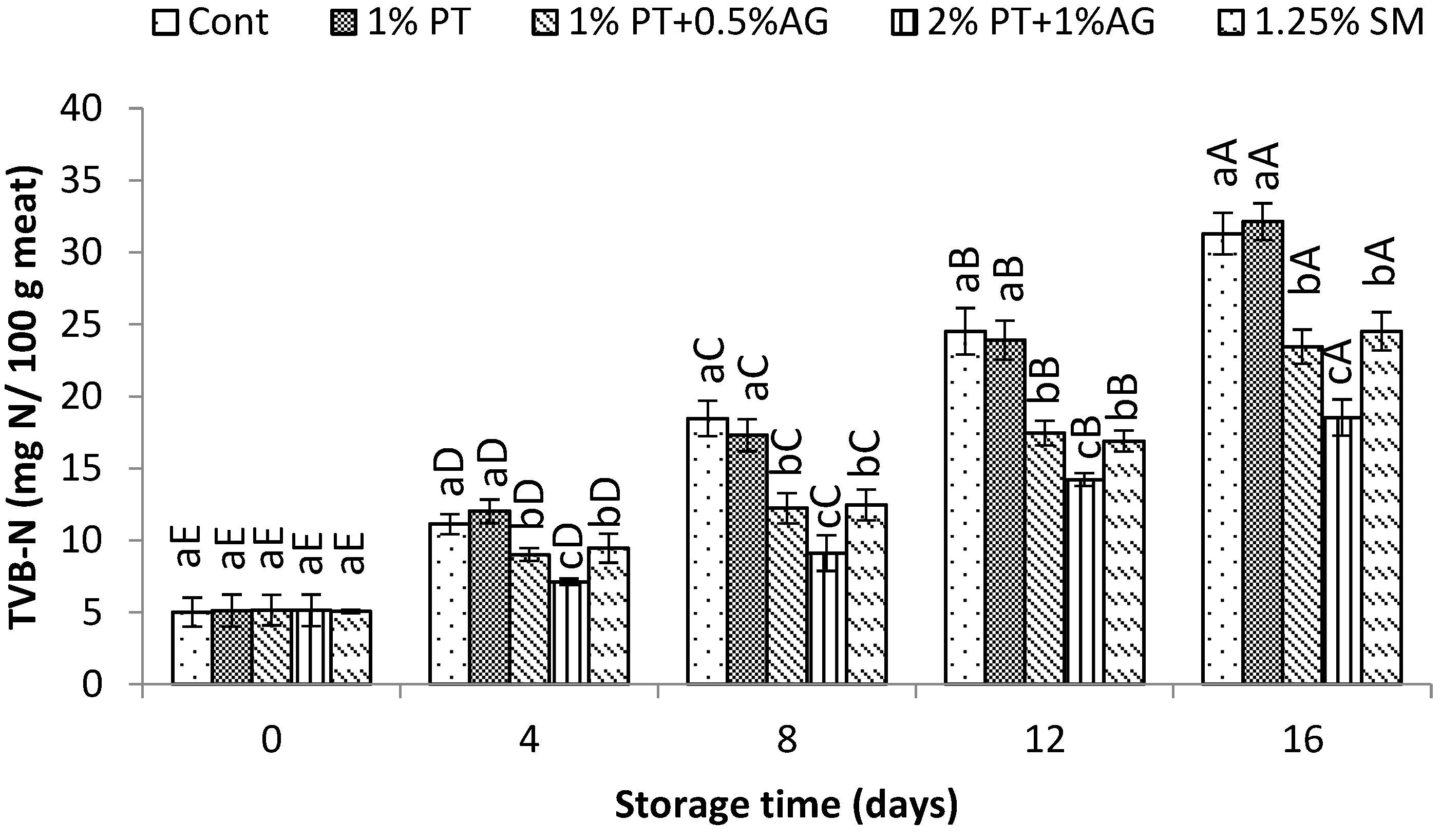
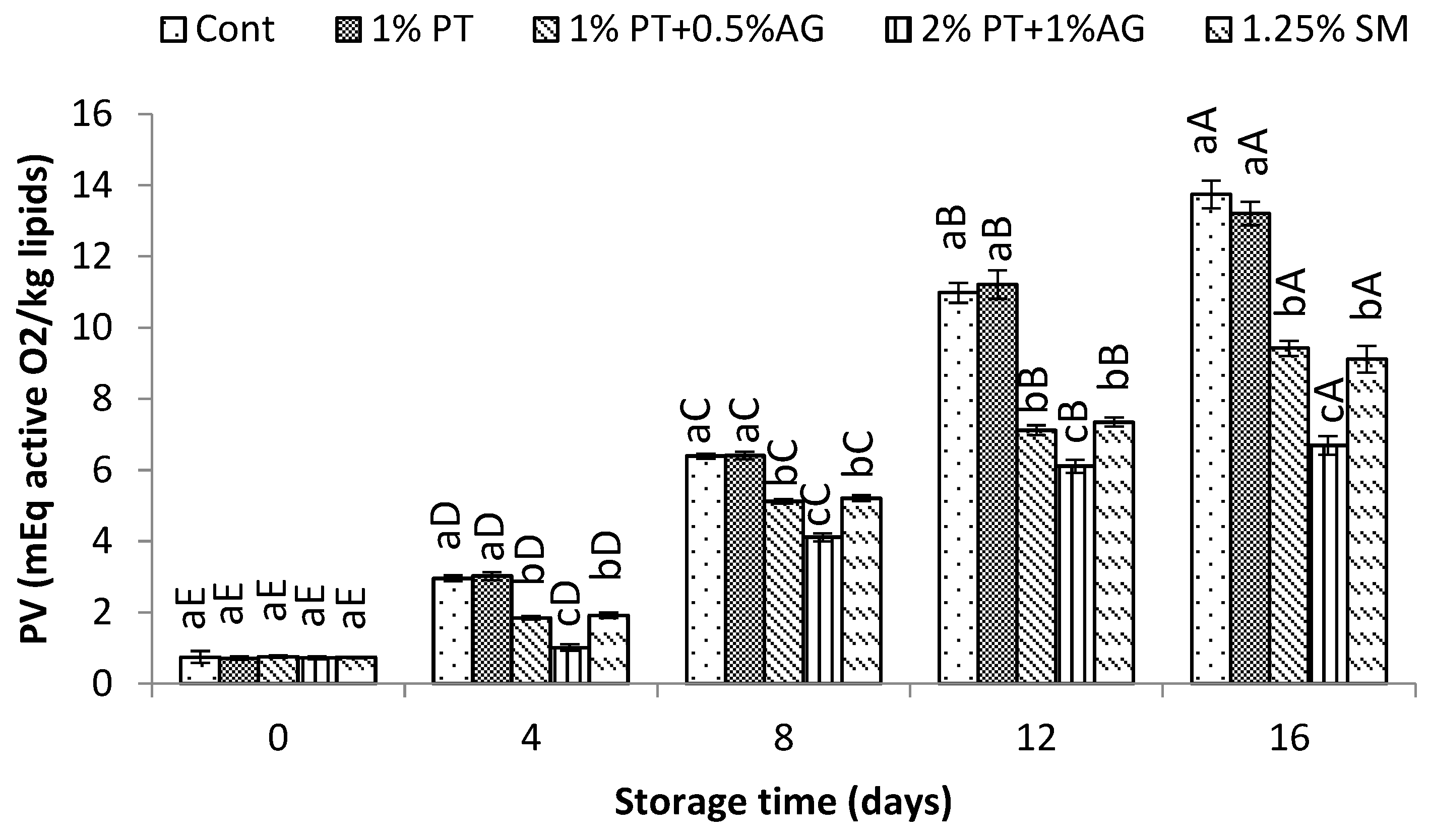
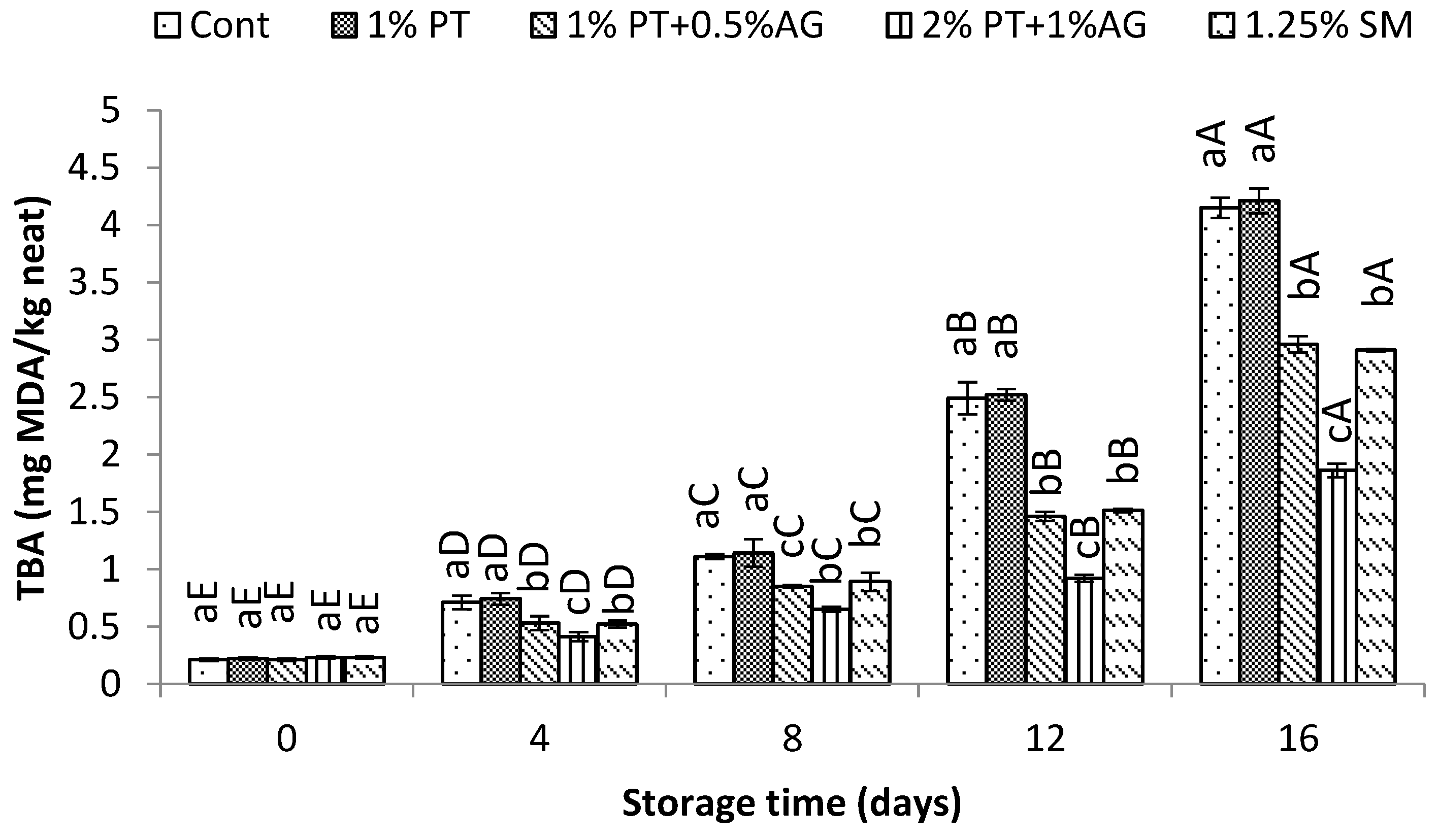
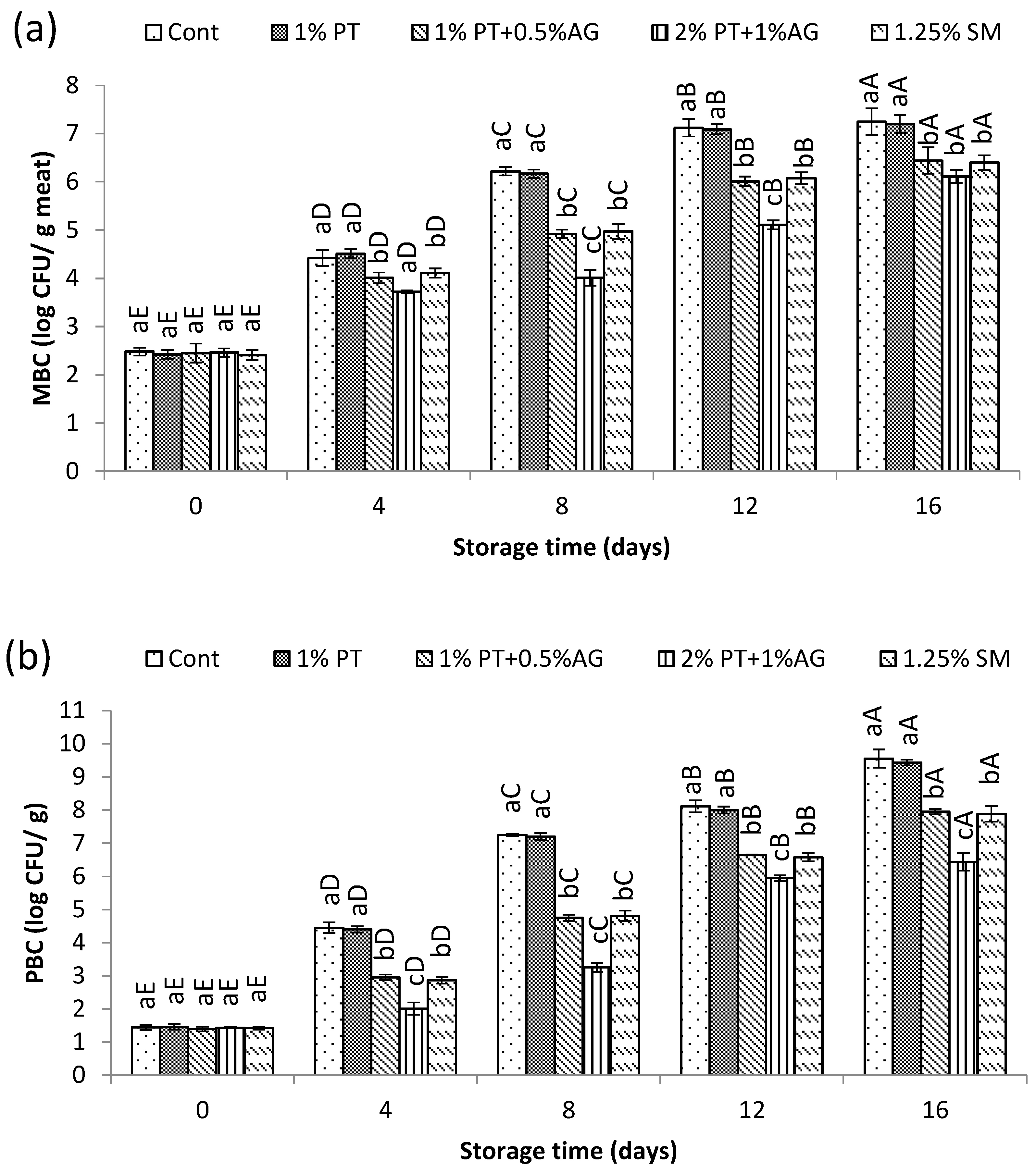
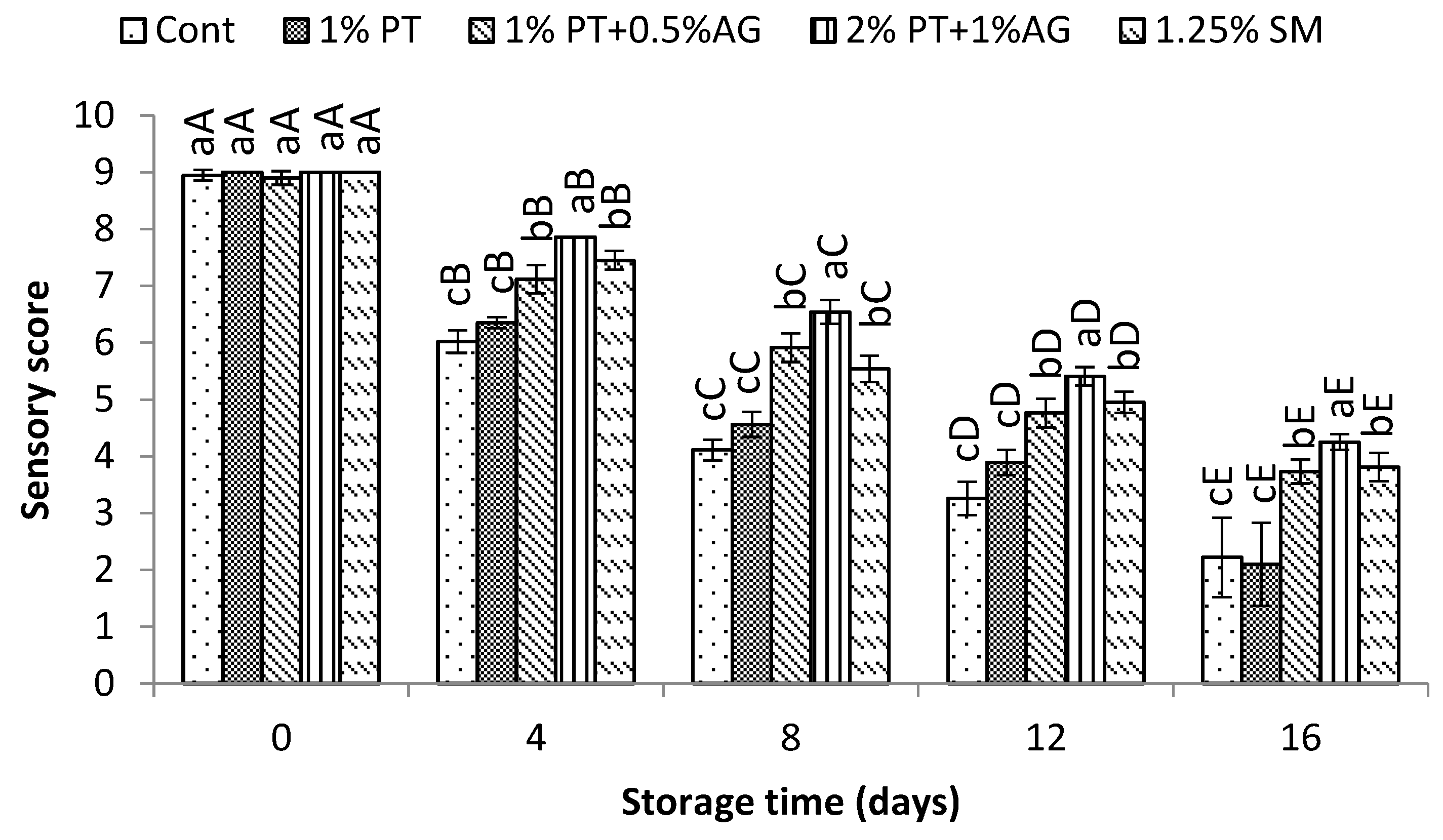
Phlorotannin-alginate extracts from brown seaweeds offer promising natural solutions for food preservation. This study investigated the extraction, characterization, and application of phlorotannins and alginate from Nizimuddinia zanardinii for inhibiting melanosis and preserving quality in Pacific white shrimp during ice storage. Methanol extraction yielded the highest phlorotannin content (19.14±0.65 mg PGH/g) with potent antioxidant (98.95±0.74% DPPH inhibition) and copper chelating (73.44±1.64%) activities. Alginate extraction efficiency was 4.73±0.38 g/100g seaweed, demonstrating moderate antioxidant properties. The extracts effectively inhibited shrimp polyphenol oxidase, with 2%phlorotannins+1% alginate showing 84.51% inhibition. When applied to shrimp, this combination significantly delayed melanosis development, suppressed microbial growth, and maintained lower pH, TVB-N, and lipid oxidation values during 16 days of ice storage compared to untreated controls. Sensory evaluation confirmed better retention of quality attributes in treated shrimp. These findings demonstrate the potential of N. zanardinii phlorotannin-alginate extracts as effective natural preservatives for maintaining shrimp quality during cold storage, offering a sustainable alternative to synthetic additives in seafood processing.
Keywords:
1. Introduction
2. Materials and Methods
2.1. Seaweed Collection
2.2. Preliminary Solvent Screening and Extraction Procedure
2.3. Extraction and Assay of Phlorotannins (PT)
2.4. Extraction of Alginate
2.5. Cupric Ion Chelating Activity
2.6. Effect of Phlorotannins and Alginate Extract on the Inhibition of Pacific White Shrimp PPO
2.6.1. Shrimp Sample Preparation
2.6.2. Extraction of PPO
2.6.3. PPO Inhibitory Activity of Phlorotannins and Alginate
2.7. Effect of Phlorotannins and Alginate Extract on the Quality of Pacific White Shrimp During Iced Storage
2.7.1. Treatment of Shrimp with Phlorotannins (PT) and Alginate (AG)
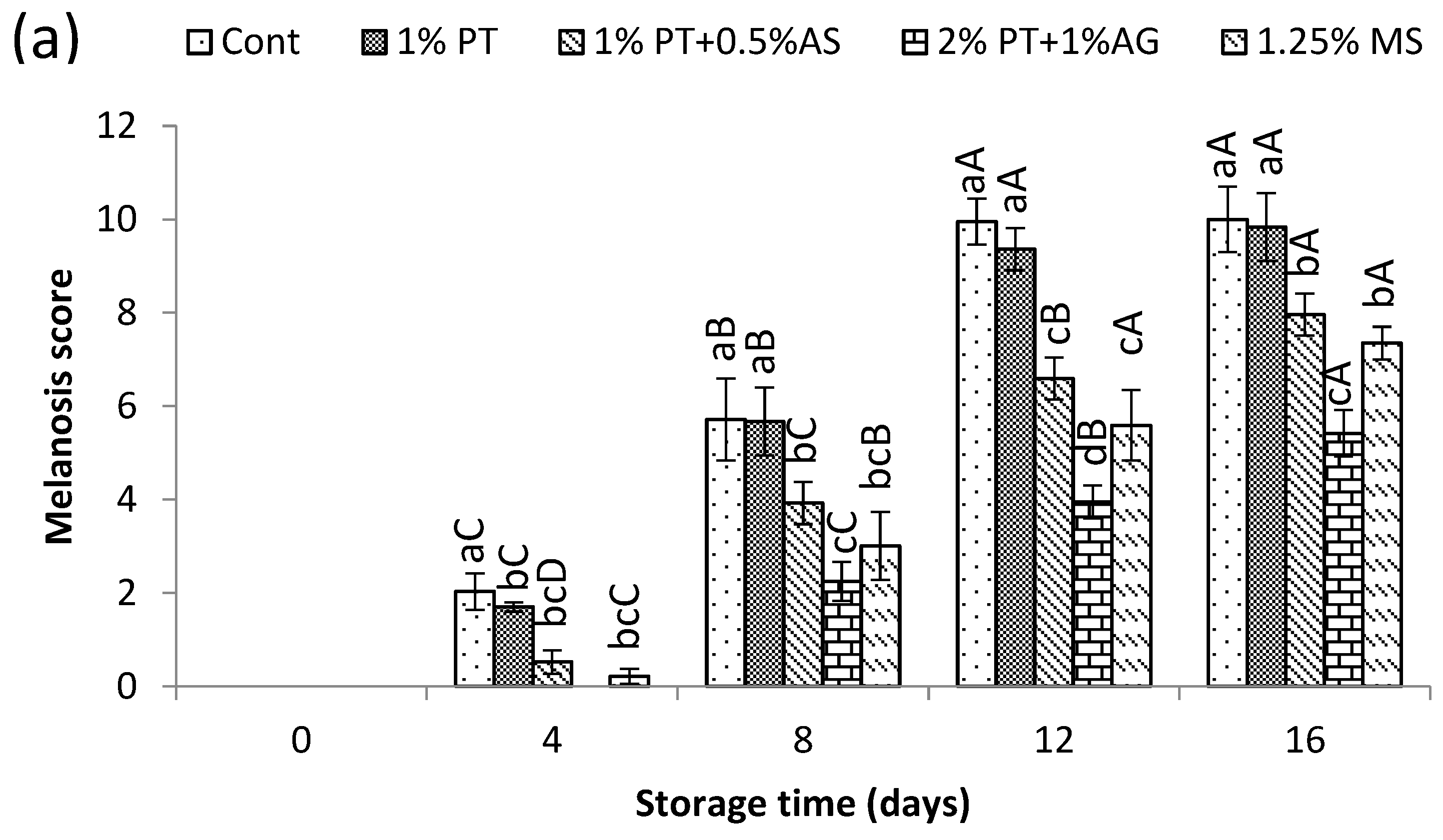
2.7.2. Melanosis Evaluation
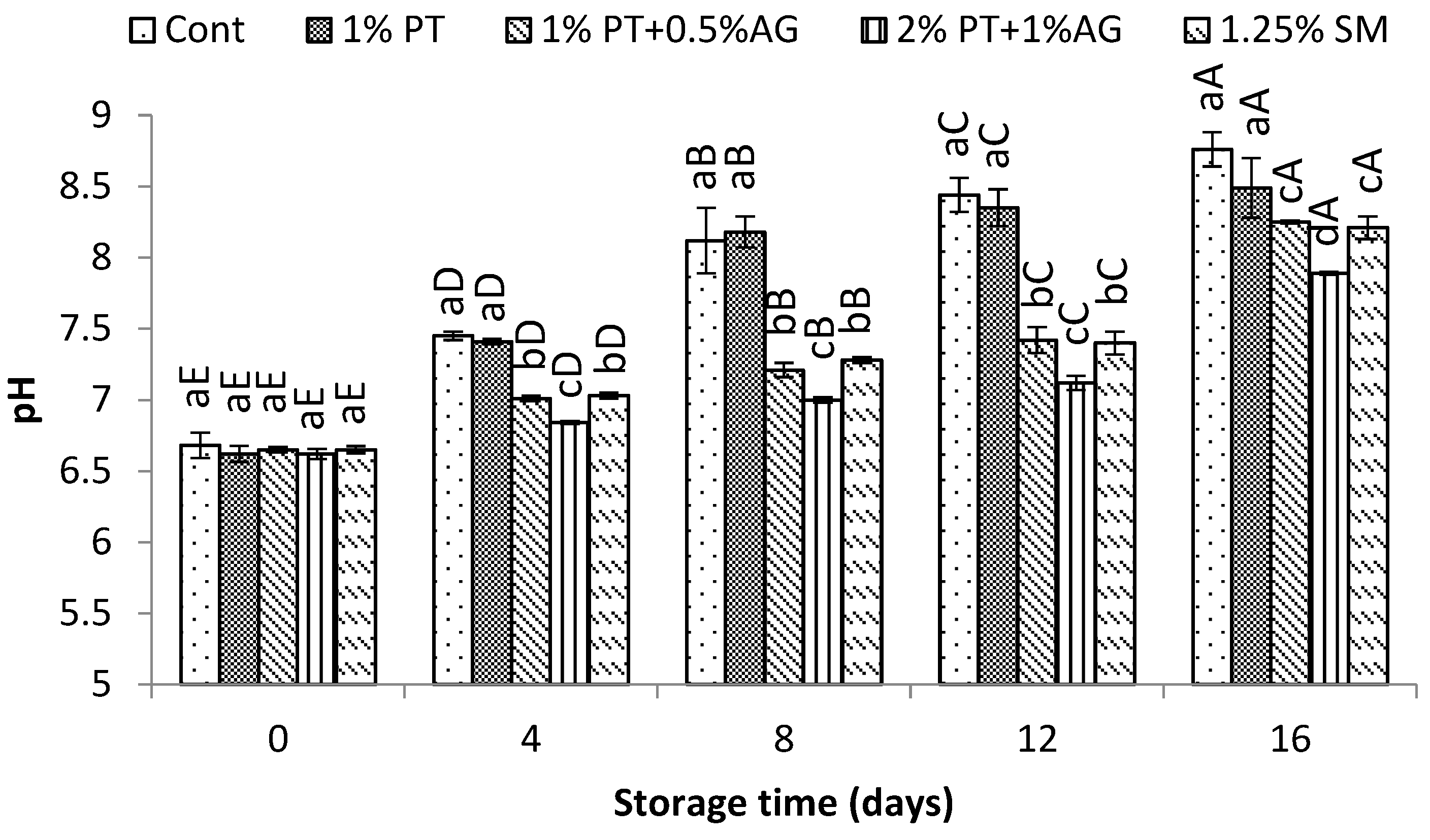
2.7.3. pH and Total Volatile Basic Nitrogen (TVB-N) Measurement
2.7.4. Peroxide Value (PV) Determination
2.7.5. Thiobarbituric Acid (TBA) Determination
2.7.6. Microbial Analyses
2.7.7. Sensory Evaluation
2.8. Statistical Analysis
3. Results and Discussion
3.1. Preliminary Solvent Screening
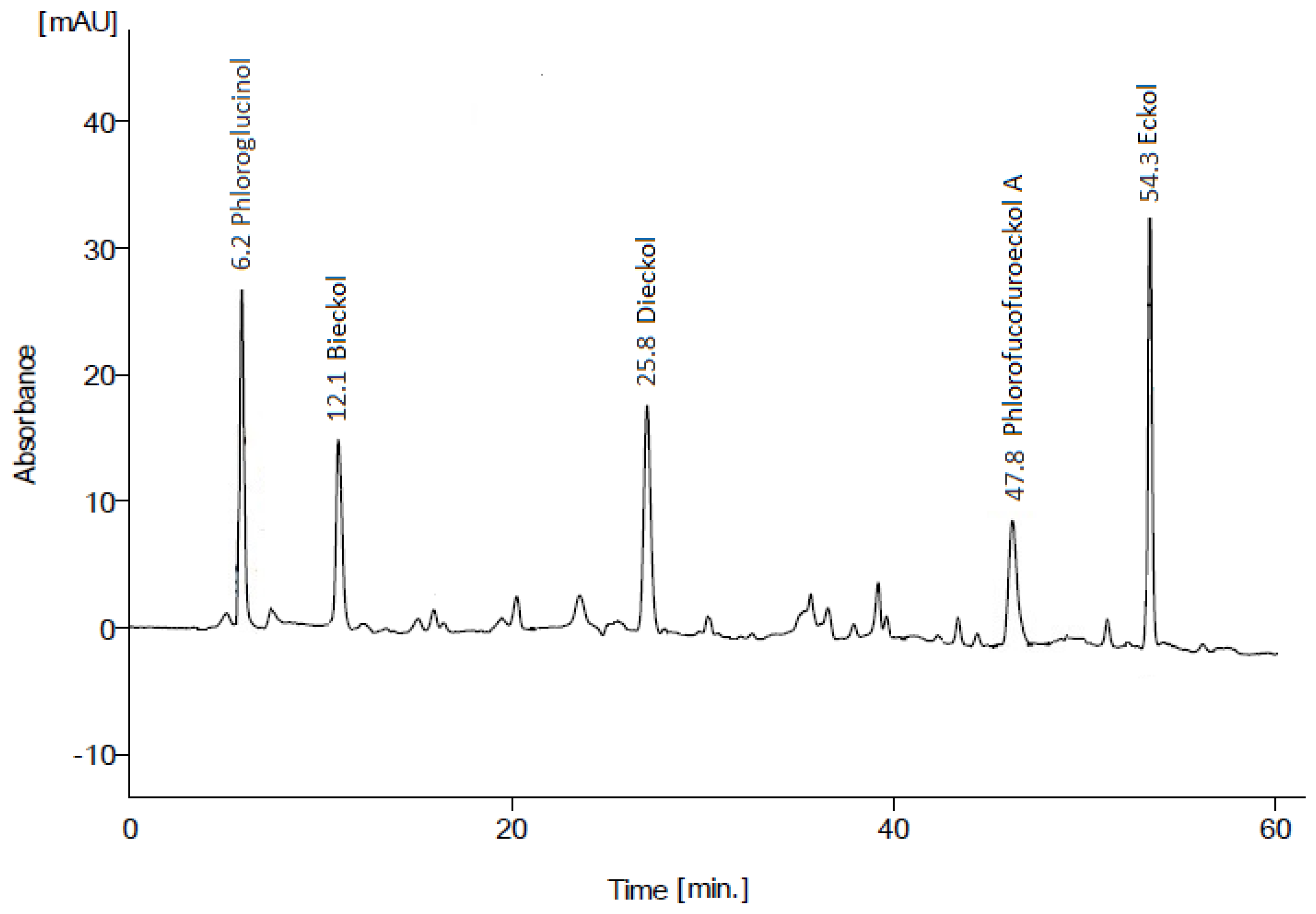
3.2. Phlorotannins Content and Bioactivities of N. zanardinii Extracts
3.3. Yield and Bioactivities of Alginate from N. zanardinii
3.4. PPO Inhibitory Activity of Phlorotannins and Alginate
3.5. Effect of Phlorotannins and Alginate Extract on the Quality of Pacific White Shrimp During Iced Storage
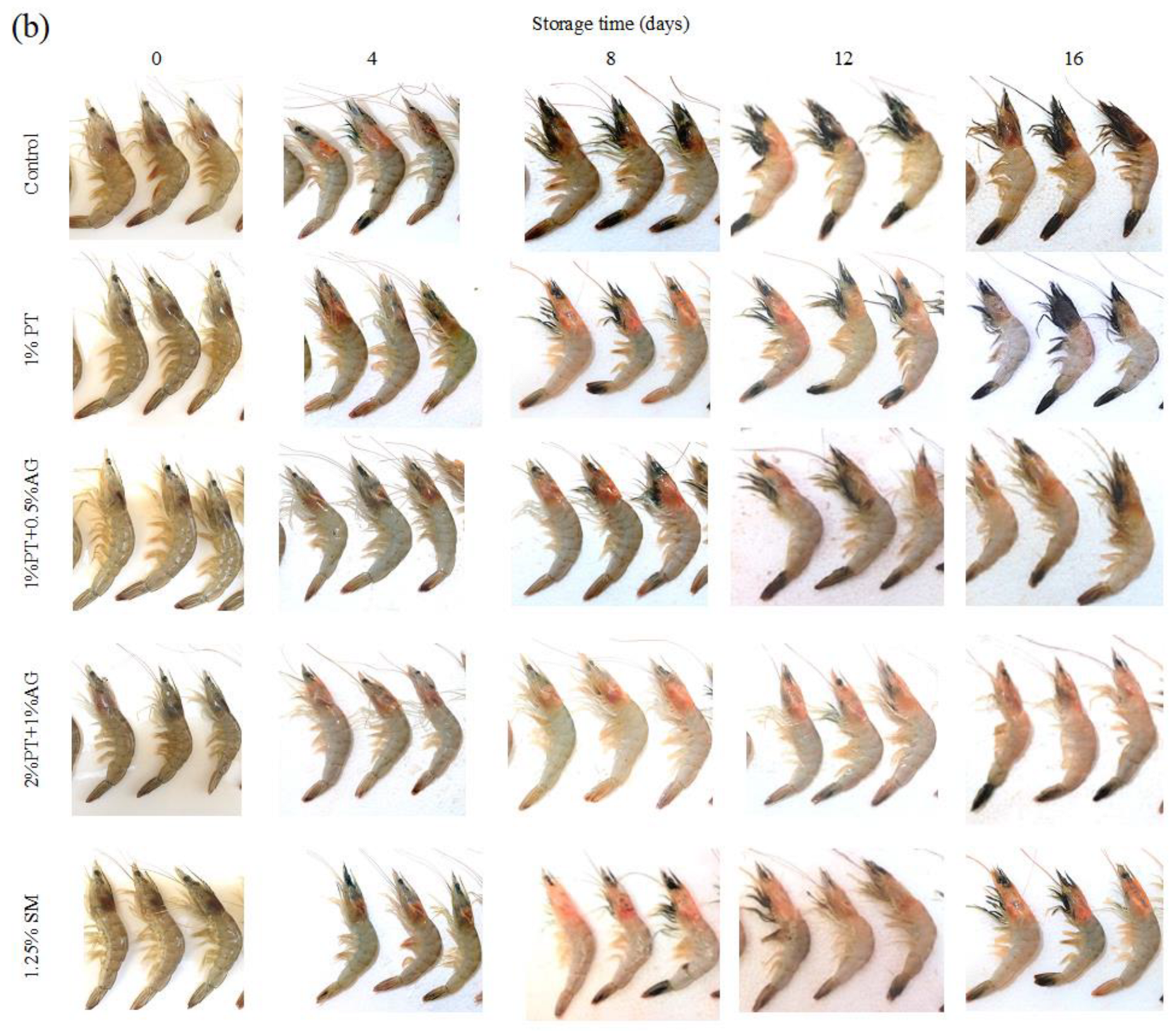
3.5.1. Melanosis Changes
3.5.2. Physicochemical Changes
3.5.3. Microbial Changes
3.5.4. Sensory Evaluation
4. Conclusions
Author Contributions
Funding
Institutional Review Board Statement
Data Availability Statement
Acknowledgments
Conflicts of Interest
References
- Sharifian S, Shabanpour B, Taheri A, Kordjazi M. Effect of phlorotannins on melanosis and quality changes of Pacific white shrimp (Litopenaeus vannamei) during iced storage. Food Chem 298:124980 (2019). [CrossRef]
- Yan Y, Zhang Y, Yang R, Zhao W. Combined effect of slightly acidic electrolyzed water and ascorbic acid to improve quality of whole chilled freshwater prawn (Macrobrachium rosenbergii). Food Control 108:106820 (2020). [CrossRef]
- Shiekh KH, Benjakul S, Sae-leaw T. Effect of Chamuang (Garcinia cowa Roxb.) leaf extract on inhibition of melanosis and quality changes of Pacific white shrimp during refrigerated storage. Food Chem 270(1):554–561 (2019). [CrossRef]
- Khan F, Jeong G-J, Khan MSA, Tabassum N, Kim Y-M. Seaweed-Derived Phlorotannins: A Review of Multiple Biological Roles and Action Mechanisms. Mar Drugs 20(6):384 (2022). [CrossRef]
- Jayakody MM, Vanniarachchy MPG, Wijesekara I. Seaweed derived alginate, agar, and carrageenan based edible coatings and films for the food industry: a review. Food Measure 16:1195–1227 (2022). [CrossRef]
- Zhu D, Guo R, Li W, Song J, Cheng F. Improved postharvest preservation effects of Pholiota nameko mushroom by sodium alginate–based edible composite coating. Food Bioprocess Technol 12:587–598 (2019). [CrossRef]
- Shams M, Afsharzadeh S, Balali Gh. Taxonomic Study of Six Sargassum Species (Sargassaceae, Fucales) with Compressed Primary Branches in the Persian Gulf and Oman Sea Including S. binderi Sonder New Record Species for Algal Flora, Iran. J Sci Islamic Repub Iran 26(1):7–16 (2015).
- Rostami Z, Tabarsa M, You S, Rezaei M. Relationship between molecular weights and biological properties of alginates extracted under different methods from Colpomenia peregrina. Process Biochem 58:289–297 (2017). [CrossRef]
- Wong SP, Leong LP, Koh JHW. Antioxidant activities of aqueous extracts of selected plants. Food Chem 99(4):775–783 (2006). [CrossRef]
- Nirmal NP, Benjakul S. Effect of ferulic acid on inhibition of polyphenoloxidase and quality changes of Pacific white shrimp (Litopenaeus vannamei) during iced storage. Food Chem 116(1):323–331 (2009). [CrossRef]
- Kılınç B, Çaklı Ş, Kışla D. Quality changes of sardine (Sardina pilchardus W., 1792) during frozen storage. E.U. J Fish Aqua Scien 20:139–146 (2003).
- Bligh E, Dyer W. A rapid method of total extraction and purification. Can J Biochem Physiol 37:911–917 (1959).
- AOAC. Official methods of analysis of the Association of the Official Analysis Chemists (17th ed.). Washington, DC: Association of Official Analytical Chemists (2000).
- Benjakul S, Bauer F. Biochemical and physicochemical changes in catfish (Silurus glanis Linne) muscle as influenced by different freeze-thaw cycles. Food Chem 77:207–217 (2001). [CrossRef]
- Li M, Wang W, Fang W, Li Y. Inhibitory effects of chitosan coating combined with organic acids on Listeria monocytogenes in refrigerated ready-to-eat shrimps. J Food Prot 76(8):1377–1383 (2013). [CrossRef]
- Puspita M, Deniel M, Widowati I. Total phenolic content and biological activities of enzymatic extraction from Sargassum muticum (Yendo) Fensholt. J Appl Phycol 29:2521–2537 (2017). [CrossRef]
- Tierney MS, Smyth TJ, Rai DK, Soler-Vila A, Croft AK, Brunton N. Enrichment of polyphenol contents and antioxidant activity of Irish brown macroalgae using food-friendly techniques based on polarity and molecular size. Food Chem 139(1–4):753–761 (2013). [CrossRef]
- Li Y, Fu X, Duan D, Liu X, Xu J, Gao X. Extraction and identification of phlorotannins from the brown alga, Sargassum fusiforme (Harvey) Setchell. Mar Drugs 15(2):49 (2017). [CrossRef]
- Almeida B, Barroso S, Ferreira ASD, Adão P, Mendes S, Gil MM. Seasonal Evaluation of Phlorotannin-Enriched Extracts from Brown Macroalgae Fucus spiralis. Molecules 26(14):4287 (2021). [CrossRef]
- Kirke DA, Rai DK, Smyth TJ, Stengel DB. An assessment of temporal variation in the low molecular weight phlorotannin profiles in four intertidal brown macroalgae. Algal Res 41:101550 (2019). [CrossRef]
- Wang T, Jónsdóttir R, Ólafsdóttir G. Total phenolic compounds, radical scavenging and metal chelation of extracts from Icelandic seaweeds. Food Chem 116(1):240–248 (2009). [CrossRef]
- Le Lann K, Jégou C, Stiger-Pouvreau V. Effect of different conditioning treatments on total phenolic content and antioxidant activities in two Sargassacean species: Comparison of the frondose Sargassum muticum (Yendo) Fensholt and the cylindrical Bifurcaria bifurcata R. Ross. Phycol Res 56(4):238–245 (2008). [CrossRef]
- Mhadhebi L, Chaieb K, Bouraoui A. Evaluation of antimicrobial activity of organic fractions of six marine algae from Tunisian Mediterranean coasts. Int J Pharm Pharm Sci 4(1):534–537 (2012).
- Li YX, Wijesekara I, Li Y, Kim SK. Phlorotannins as bioactive agents from brown algae. Process Biochem 46(12):2219-2224 (2011). [CrossRef]
- Borazjani NJ, Tabarsa M, You S, Rezaei M. Effects of extraction methods on molecular characteristics, antioxidant properties and immunomodulation of alginates from Sargassum angustifolium. Int J Biol Macromol 101:703–711 (2017). [CrossRef]
- Fertah M, Belfkira A, Dahmane EM, Taourirte M, Brouillette F. Extraction and characterization of sodium alginate from Moroccan Laminaria digitata brown seaweed. Arab J Chem 10:S3707 –S3714 (2017). [CrossRef]
- Kumar S, Sahoo D. A comprehensive analysis of alginate content and biochemical composition of leftover pulp from brown seaweed Sargassum wightii. Algal Res 23:233–239 (2017). [CrossRef]
- Hu T, Liu D, Chen Y, Wu J, Wang S. Antioxidant activity of sulfated polysaccharide fractions extracted from Undaria pinnitafida in vitro. Int J Biol Macromol 46(2):193–198 (2010). [CrossRef]
- Kurihara H, Kujira K. Phlorotannins derived from the brown alga Colpomenia bullosa as tyrosinase inhibitors. Nat Prod Commun 16(7) (2021). [CrossRef]
- Li Y, Yang Z, Li J. Shelf-life extension of Pacific white shrimp using algae extracts during refrigerated storage. J Sci Food Agric 97(1):291–298 (2017). [CrossRef]
- Xu L, Gao L, Meng J, Chang M. Browning inhibition and postharvest quality of button mushrooms (Agaricus bisporus) treated with alginate and ascorbic acid edible coating. Int Food Res J 29(1):106–115 (2022). [CrossRef]
- Nazoori F, Poraziz S, Mirdehghan SH, Esmailizadeh M, ZamaniBahramabadi E. Improving shelf life of strawberry through application of sodium alginate and ascorbic acid coatings. Int J Hortic Sci Technol 7(3):279–293 (2020). [CrossRef]
- Afrin F, Ahsan T, Mondal MN, Rasul MG, Afrin M, Silva AA, Yuan C, Shah AKMA. Evaluation of antioxidant and antibacterial activities of some selected seaweeds from Saint Martin’s Island of Bangladesh. Food Chem Advanc 3:100393 (2023). [CrossRef]
- Dou L, Li B, Zhang K, Chu X, Hou H. Physical properties and antioxidant activity of gelatin-sodium alginate edible films with tea polyphenols. Int J Biol Macromol 118:1377–1383 (2018). [CrossRef]
- Besednova NN, Andryukov BG, Zaporozhets TS, Kryzhanovsky SP, Kuznetsova TA, Fedyanina LN, Makarenkova ID, Zvyagintseva TN. Algae Polyphenolic Compounds and Modern Antibacterial Strategies: Current Achievements and Immediate Prospects. Biomedicines 8(9):342 (2020). [CrossRef]

| Sargassum cristaefolium | Nizimudiana zanardinii | |||||
| Extraction Solvent |
Extract yield1 | PT content2 | DPPH assay3 | Extract yield | PT content | DPPH assay |
| MeOH100% | 4.23±0.11b* | 6.39±0.07c | 52.63±0.99b | 6.43±0.09a | 9.39±0.27b | 73.27±0.94b |
| MeOH70% | 5.50±0.29a | 5.33±0.09d | 48.08±0.96c | 5.05±0.09b | 6.40±0.14d | 52.48±0.81d |
| MeOH30% | 3.73±0.11c | 2.23±0.11e | 25.35±0.70d | 4.41±0.21c | 4.56±0.11e | 45.56±0.93e |
| H2O100% | 3.74±0.08c | 1.41±0.15f | 15.55±0.61f | 4.51±0.22c | 2.59±0.17g | 22.56±0.95g |
| EtOAc100% | 2.19±0.11f | 8.56±0.08a | 60.63±0.54a | 3.57±0.14d | 12.46±0.14a | 84.38±1.14a |
| EtOAc70% | 2.78±0.05e | 6.43±0.10b | 53.90±0.65b | 2.35±0.09e | 8.36±0.17c | 66.92±0.63c |
| EtOAc30% | 3.26±0.06d | 2.37±0.10e | 18.65±0.72e | 2.88±0.07e | 3.62±0.09f | 27.74±0.95f |
| 1 Extract yield: g extract/100 g seaweed; 2 Phlorotannins content: mg phloroglucinol/g extract; 3 DPPH radical scavenging: % inhibition; All data reported as mean ± SD. * Different lowercase letters in the same column indicate significant differences (P < 0.05). | ||||||
| Fractions | Extract yield1 | PT content2 | DPPH assay3 |
Copper chelating3 |
| First extract | 6.43±0.09a* | 9.39±0.27b | 73.27±0.94b | 43.45±1.17b |
| TCM fraction | 0.28±0.03e | 1.35±0.96d | 5.98±0.43e | 2.34±1.05e |
| DCM faction | 0.85±0.04d | 5.05±1.03c | 52.36±0.81c | 34.42±1.55c |
| EtOAc fraction | 2.54±0.12b | 19.14±0.65a | 98.95±0.74a | 73.44±1.64a |
| Aqueous fraction | 2.16±0.15c | 1.51±0.53d | 13.66±1.06d | 11.43±0.88d |
| 1 Extract yield: g extract/100 g seaweed; 2 Phlorotannins content: mg phloroglucinol/g extract; 3 DPPH radical scavenging and copper chelating activity: % inhibition. All data reported as mean ± SD. * Different lowercase letters in the same column indicate significant differences (P < 0.05). | ||||
| Yield1 | Phenol content2 | DPPH assay3 | Copper chelating3 | |
| Alginate | 4.73 ± 0.38 | 6.64 ± 0.41 | 23.07 ± 1.67 | 43.47 ± 0.99 |
| 1 Extract yield: g extract/100 g seaweed; 2 Phlorotannins content: mg phloroglucinol/g extract; 3 DPPH radical scavenging and copper chelating activity: % inhibition. All data reported as mean ± SD. | ||||
| 0.1% PT | 0.5% PT | 1% PT | 1% SM | 1% AG | 1%PT+ 0.5%AG |
2%PT+ 1%AG |
1% AA | |
| PPO inhibition | 13.30±0.85g | 32.67±1.22e | 68.37±0.65d | 67.65±1.42d | 27.39±1.05f | 76.65±1.27b | 84.51±2.15a | 72.43±1.42c |
| PT: phlorotannins; SM: sodium metabisulfite; AG: alginate; AA: ascorbic acid. All data reported as mean ± SD. Different lowercase letters indicate significant differences (P < 0.05). | ||||||||
Disclaimer/Publisher’s Note: The statements, opinions and data contained in all publications are solely those of the individual author(s) and contributor(s) and not of MDPI and/or the editor(s). MDPI and/or the editor(s) disclaim responsibility for any injury to people or property resulting from any ideas, methods, instructions or products referred to in the content. |
© 2025 by the authors. Licensee MDPI, Basel, Switzerland. This article is an open access article distributed under the terms and conditions of the Creative Commons Attribution (CC BY) license (http://creativecommons.org/licenses/by/4.0/).


