

Submitted:
12 September 2025
Posted:
15 September 2025
You are already at the latest version
Abstract
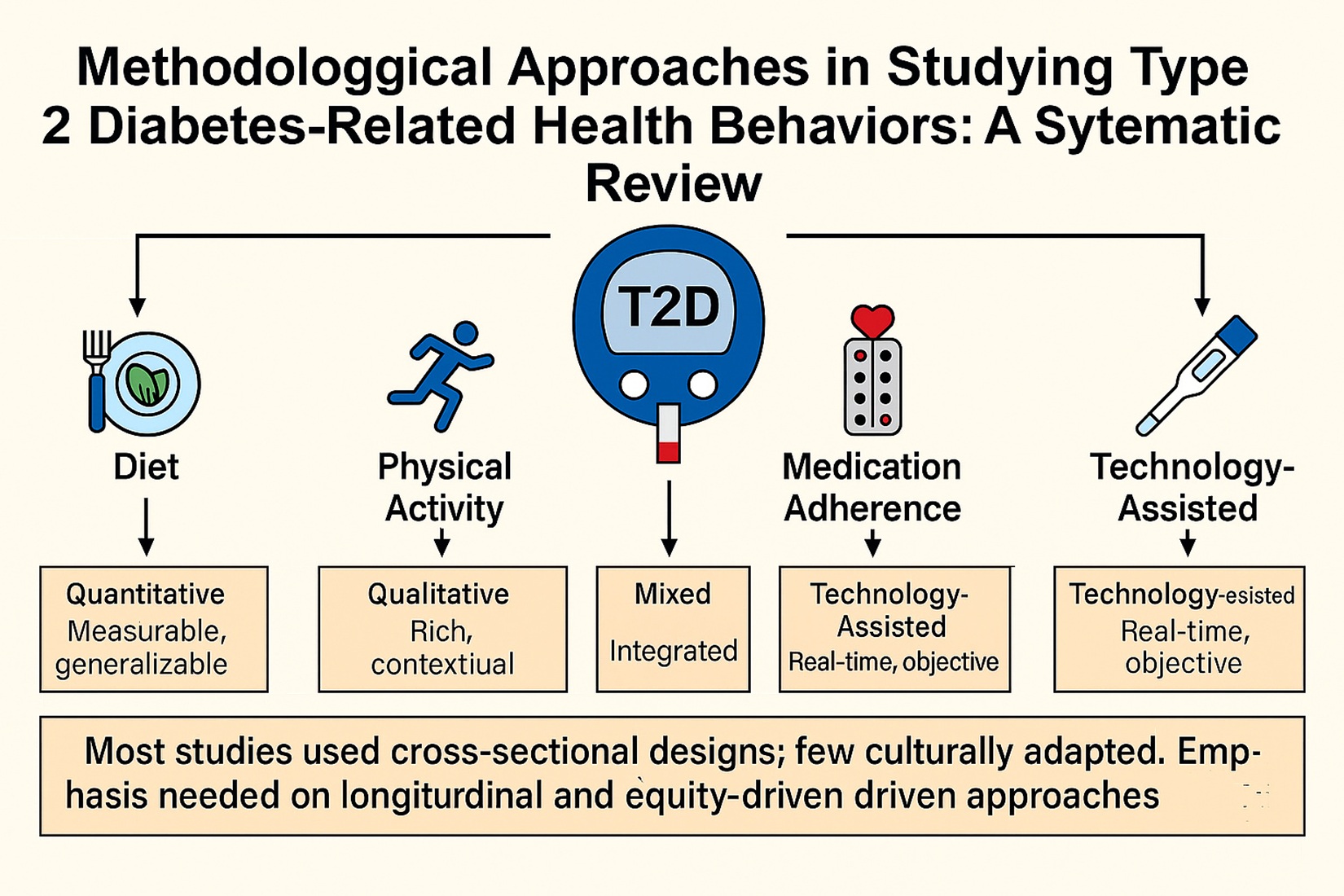
In the context of rising global prevalence, type 2 diabetes (T2D) presents significant challenges for public health due to its strong association with modifiable health behaviors. This systematic review explored how researchers have studied behavioral domains such as diet, physical activity, medication adherence, and blood glucose monitoring among individuals living with T2D. A total of 30 peer-reviewed studies and 10 comparative studies published between 2003 and 2025 were analyzed. The review identified four dominant methodological categories: quantitative, qualitative, mixed-methods, and technology-assisted designs. Quantitative methods were most frequently used, offering measurable outcomes, though many relied on self-reported data. Qualitative studies provided rich contextual understanding of psychosocial and cultural factors but had limited scalability. Mixed-methods approaches integrated statistical and narrative depth but posed challenges in execution. Technology-assisted methods including mobile apps and wearable devices enabled real-time monitoring and behavior tracking, improving objectivity while raising concerns about privacy. Physical activity and dietary behaviors were the most frequently assessed domains, followed by medication adherence and glucose monitoring. Despite the variety of approaches, most studies used cross-sectional designs and lacked culturally adapted tools. This review highlights the need for more longitudinal, equity-driven methodologies that align with the behavioral needs of diverse populations managing T2D.
Keywords:
Type-2 Diabetes
; T2DM
; health behaviors
; research methodology
; quantitative
; qualitative
; mixed-method
; technology-assisted
; behavior-tracking
1. Introduction
Background of Type 2 Diabetes Mellitus (T2DM)
T2DM is one of the most significant public health challenges worldwide, characterized by chronic hyperglycemia resulting from insulin resistance and relative insulin deficiency [1]. T2DM accounts for over 90 percent of all diabetes cases and is closely associated with increasing rates of obesity, physical inactivity, and nutritional transitions in both high- and low-resource settings [2]. Effective management of T2DM requires sustained engagement in health-related behaviors, including adherence to a balanced diet, regular physical activity, proper medication use, and self-monitoring of blood glucose levels [3].
Inadequate adherence to these behaviors substantially increases the risk of long-term microvascular and macrovascular complications, reduces quality of life, and contributes to the growing economic burden of diabetes-related care [4]. Despite the well-established role of lifestyle interventions, the research methodologies used to study T2DM-related behaviors remain diverse and often inconsistent. Current approaches include quantitative surveys, qualitative interviews, and emerging digital health technologies, each offering distinct advantages and limitations [5].
As T2DM is studied in myriad populations, cultural contexts, and healthcare environments, selecting appropriate methodological approaches is critical for accurately capturing behavior change and adherence patterns in individuals with T2DM. The current review addresses this issue by systematically examining and comparing the methodologies used in behavioral research related to T2DM.
Four core behaviors are examined for their significance in diabetes management: dietary practices, physical activity, medication adherence, and self-monitoring of blood glucose (SMBG), each selected for its clinical relevance and frequent discussion in the literature. The objective of this systematic review is to critically evaluate and compare the methodologies used to study health-related behaviors among individuals with T2DM. The analysis considers quantitative, qualitative, mixed-methods, and technology-assisted research designs, assessing their effectiveness in generating accurate, reliable, and context-specific insights. The results of this review can guide researchers, clinicians, and policymakers in selecting study designs that align with behavioral targets, research objectives, population characteristics, and resource constraints. Instead of favoring a universal approach, the analysis highlights the importance of selecting methodologies that align with the specific goals, settings, and populations of each study. Further, this review also identifies existing gaps and offers recommendations to enhance the quality and impact of future work in the field of T2DM.
2. Methodology
2.1. Search Strategy
This systematic review was conducted in accordance with the Preferred Reporting Items for Systematic Reviews and Meta-Analyses (PRISMA) 2020 guidelines [6] (see Supplemental Table 1). The review focused on peer-reviewed articles published between 2003 to 2025. The year 2014 was chosen as a starting point due to the rapid expansion of digital health technologies such as mobile apps, wearable devices, and telehealth, which significantly influenced research on behavioral health and chronic disease management [7].
The search targeted studies involving adult populations aged 18 and older diagnosed with T2DM. Studies were excluded if they were not peer-reviewed, not published in English, focused exclusively on clinical or pharmacological interventions without any behavioral focus, or included only pediatric populations. While this approach helped narrow the scope of the review, it may introduce bias by prioritizing certain methodological strategies over others.
Studies were selected if they focused on one or more key health behaviors associated with T2DM management, including diet, physical activity, medication adherence, or self-monitoring of blood glucose (SMBG). Articles were eligible if they employed quantitative, qualitative, mixed-methods, or technology-assisted research designs.
Studies were excluded if they (a) focused exclusively on clinical, biomedical interventions without assessing behavioral components, (b) were not published in English, (c) targeted pediatric or adolescent populations (under age 18), or (d) were review papers, conference abstracts, or protocols without empirical data. The screening process involved a two-stage approach: (1) title and abstract screening to eliminate clearly ineligible studies, and (2) full-text review for those meeting initial criteria. The initial database search yielded 120 records. After removing 38 duplicates, 82 titles and abstracts were screened. Forty were excluded based on relevance, leaving 42 articles for full-text review. Of these, 30 met all inclusion criteria and were included. An additional 12 papers were added for comparative methodological analysis involving recent digital and mobile health tools.
2.2. Inclusion and Exclusion Criteria of the Study
The inclusion and exclusion criteria used to screen and select studies for this review are detailed in the methodology section (see Methods and Figure 1 for flow diagram).
2.3. Conceptual Framework and Data Synthesis
To guide the evaluation of methodological quality across the included studies, this review applied a conceptual framework based on three parameters: accuracy, sensitivity, and specificity. These indicators were selected to assess how effectively each methodological approach captured behavioral patterns related to diet, physical activity, medication adherence, and self-monitoring of blood glucose (SMBG) in individuals with T2DM.
Key data extracted from the studies included methodological design (quantitative, qualitative, mixed-methods, or technology-assisted), participant characteristics, study setting, targeted health behaviors, and the measurement instruments used. A key component of the analysis involved determining whether data collection relied on self-reports or objective instruments such as biomarkers or wearable tech. The information was then categorized by methodology type, allowing for cross-comparisons. This synthesis highlighted the relative performance of each design in terms of the three framework parameters and provided insights into their practical utility for capturing real-world behavioral patterns. Rather than applying formal quality scores, the review emphasized contextual evaluation to better understand the strengths and limitations of each methodological approach.
Figure 2.
Conceptual Framework for Methodology Selection in T2DM Behavioral Research.
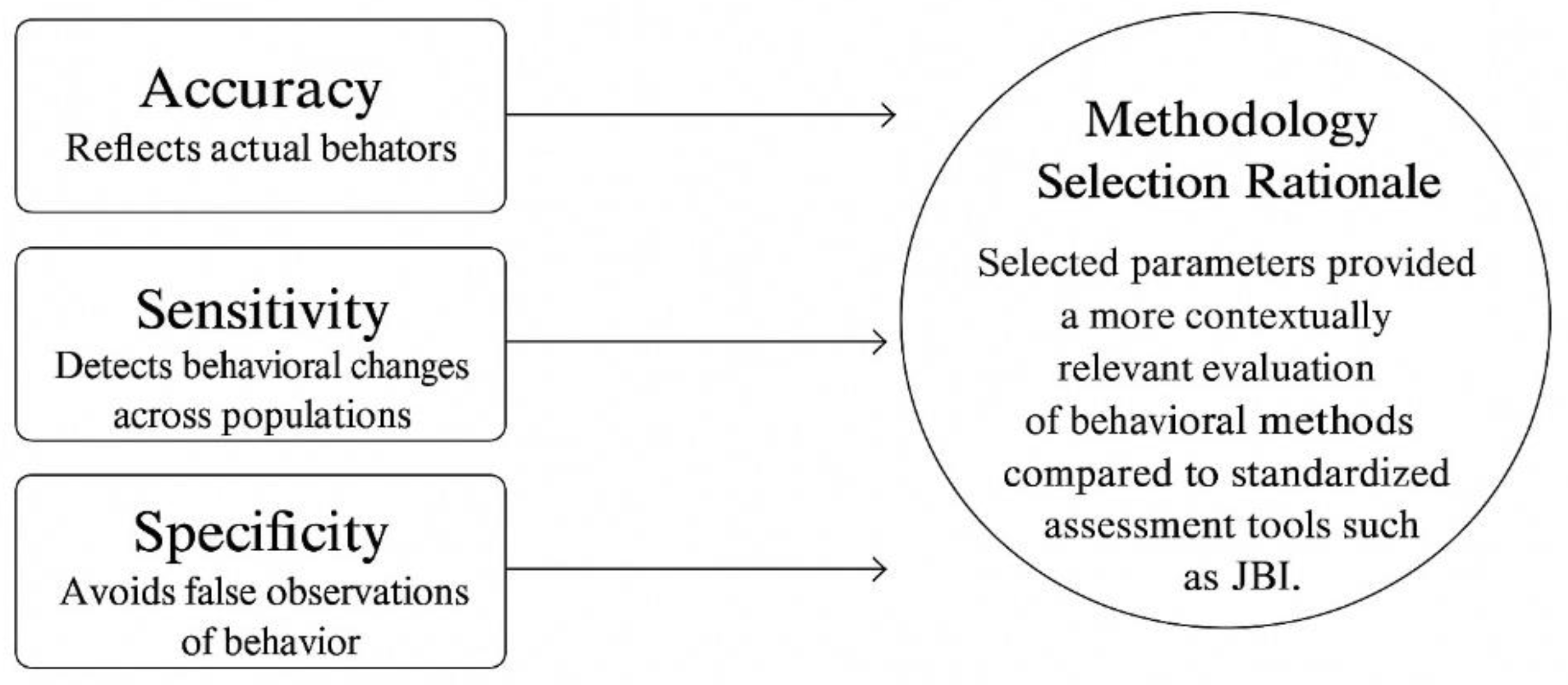
A standardized quality appraisal tool such as the Joanna Briggs Institute (JBI) checklist was not used in this review. While tools like JBI are widely accepted for evaluating the internal validity of individual studies, the primary aim of this review was to compare the broader methodological characteristics and trends across a diverse set of study designs. Because the included studies varied substantially in their design, scope, and data collection strategies, a conceptual framework allowed for more appropriate cross-method analysis. This approach is consistent with guidance for narrative and methodological reviews where the emphasis is on evaluating design performance rather than scoring study-level rigor [8].
In this context, accuracy refers to how closely the findings reflect actual behaviors. Studies that used objective tools such as biomarkers, wearable devices, or continuous glucose monitoring, including those [9,10], were conceptually associated with higher accuracy than those that relied on self-reported measures. Sensitivity refers to the ability of a method to detect meaningful behavioral changes across different populations. Cohort studies and large-scale meta-analyses[11,12] exemplify designs expected to demonstrate high sensitivity in identifying behavioral trends. Specificity refers to the ability of a method to correctly identify individuals not exhibiting the target behavior, thereby reducing false positives and improving the precision of behavioral measurement. Each study was reviewed using these parameters to support cross-method comparison.
To support cross-methodological comparison, reported or estimated values of accuracy, sensitivity, and specificity were synthesized for each study. In cases where original studies provided psychometric data or statistical indicators of measurement precision, those reported values were used directly. For studies that did not explicitly report these metrics, approximate values were derived based on methodological characteristics, such as the use of objective tools (e.g., biomarkers, wearable devices), type of study design (e.g., cohort vs. cross-sectional), and data collection method (e.g., self-report vs. clinical assessment). This mixed approach ensured consistency in evaluating methodological quality while acknowledging variation in reporting practices across studies. As such, the resulting values offer both empirical and contextually inferred insights and should be interpreted accordingly.
3. Results
3.1. Quantitative Approaches
Quantitative methodologies were employed in 77% of the reviewed studies (n = 23), confirming their dominance in research on T2DM related health behaviors. The most frequently used designs were cohort studies (52%), followed by cross-sectional studies (30%) and randomized controlled trials (18%). These studies utilized a range of instruments, including structured questionnaires (e.g., SDSCA, MMAS-8), clinical screenings, and objective biomarkers such as HbA1c, BMI, and serum uric acid levels. The most assessed behavioral domains included dietary behaviors (56%), physical activity (48%), and medication adherence (43%), as summarized in Table 1.
Large-scale cohort studies, such as those conducted by [13,14,15] enrolled over 10,000 participants, providing strong statistical power to identify associations between lifestyle behaviors and diabetes outcomes. However, approximately 65% of the quantitative studies relied on self-reported data, introducing potential for recall bias and social desirability effects. While quantitative methods allow for generalizability across diverse populations, their structured design can limit deeper exploration of psychosocial or contextual influences on behavior.
According to Table 4, the aggregated accuracy, sensitivity, and specificity of quantitative approaches were 85%, 88%, and 83%, respectively. These metrics reflect the methodological strength of quantitative studies in large-scale behavioral assessments, although they may not fully capture the complexity of individual experiences.
3.2. Qualtitative Approaches
Qualitative methods were applied in approximately 6% of the reviewed studies (n = 2). These studies explored cultural and interpersonal factors influencing self-management behaviors among individuals with T2DM. For instance, [17] used a design probe methodology and self-documentation to examine how social and environmental contexts shaped dietary behaviors in Ireland. [35] conducted semi-structured interviews with British Pakistani participants, identifying how intergenerational dietary norms impacted diabetes self-management. Both studies employed thematic analysis and purposive sampling techniques, offering rich, in-depth insights into behavioral drivers that are often overlooked in quantitative designs. Although the findings provided valuable cultural and contextual understanding, they were limited in terms of scalability and broader generalizability. Nevertheless, these qualitative approaches helped uncover nuanced factors influencing diabetes-related health behaviors that cannot be easily captured through statistical models alone [39].
3.3. Mixed-Methods Approaches
Mixed-methods designs were applied in approximately 6% of the reviewed studies (n=2), combining the strengths of both quantitative and qualitative methodologies. These approaches enabled researchers to collect numerical data while simultaneously exploring contextual or psychosocial dimensions that influence health behaviors. For instance, [23] employed a combination of surveys and clinical assessments to investigate racial disparities in sleep and diabetes risk, while [37] integrated behavioral surveys with risk perception analysis to assess the gap between perceived and actual preventive behaviors. Such integration provided a more holistic understanding of factors affecting diabetes-related outcomes. While mixed-methods research enhances interpretive depth and methodological triangulation, it also requires greater resources, time, and analytic expertise, making it among the most complex and costly study designs to implement.

Table 2.
Methodological Approaches in Studying Type 2 Diabetes-Related Health Behaviors: Strengths and Limitations.
Table 2.
Methodological Approaches in Studying Type 2 Diabetes-Related Health Behaviors: Strengths and Limitations.
| Studies/ Year |
Methodology | Related Health Behavior Studies | Advantages | Limitations | |
| [16] (2003) |
Quantitative (Cohort Study) | Association between sleep duration and diabetes risk | Large sample size, longitudinal follow-up | Self-reported sleep duration introduces recall bias | |
| [17] (2004) |
Quantitative (Cohort Study) | Impact of BMI and sedentary lifestyle on diabetes | Objective clinical assessments | Study focuses mainly on men, limiting generalizability | |
| [13] (2005) |
Quantitative (Cohort Study) | Relationship between sleep apnea and diabetes risk | Longitudinal tracking for disease progression | No behavioral or psychological assessment included | |
| [9] (2006) |
Quantitative (Cohort Study) | Serum uric acid as a biomarker for diabetes risk | Biomarker analysis for objective assessment | Does not account for lifestyle factors such as diet and exercise | |
| [14] (2008) |
Quantitative (Cohort Study) | Uric acid and diabetes risk in Taiwan | Large epidemiological dataset | Does not explore behavioral contributors | |
| [15] (2008) |
Quantitative (Cohort Study) | Serum uric acid and diabetes risk | Large-scale cohort allows robust statistical analysis | Limited ethnic diversity | |
| [18] (2009) |
Quantitative (Cohort Study) | Relationship between serum uric acid and T2DM | Longitudinal tracking of metabolic markers | Focuses on specific Asian populations | |
| [19] (2009) |
Quantitative (Cohort Study) | Sleep duration as a risk factor for diabetes | Clear statistical associations | Self-reported sleep data introduces bias | |
| [20] (2011) |
Quantitative (RCT) | Technology-assisted case management in low-income diabetes patients | Improved glycemic control in underserved populations | No significant impact on quality of life | |
| [21] (2011) |
Quantitative (Cross-Sectional Study) | Serum uric acid and diabetes in Indian populations | Clinical insights into metabolic biomarkers | No causal relationship can be determined | |
| [22] (2012) |
Quantitative (Cohort Study) | Association of sleep duration with chronic diseases | Large European cohort | Lack of detailed behavioral intervention | |
| [23] (2013) |
Mixed-Methods | Racial disparities in sleep and diabetes risk | Combines survey and clinical data | Requires more resources and time | |
| [24] (2015) |
Quantitative (Cohort Study) | Chronic kidney disease risk in diabetes | Large sample size improves reliability | Limited behavioral insights | |
| [25] (2016) |
Quantitative (RCT) | Technology-assisted SMBG in low-income seniors | Increased blood glucose monitoring adherence, reduced HbA1c | No effect on diet or medication adherence | |
| [26] (2016) |
Quantitative (RCT) | Effect of EMR-based goal setting on physical activity in prediabetes | Increased daily step count | No significant change in weight loss or glycemic control | |
| [11] (2016) |
Quantitative (Meta-Analysis) | LDL cholesterol and diabetes risk | Strong statistical power from multiple studies | Genetic variations may confound results | |
| [27] (2016) |
Quantitative (Meta-Analysis) | Uric acid and diabetes incidence | Large dataset with consistent trends | Variability in study methodologies | |
| [28] (2016) |
Quantitative (Cross-Sectional Survey) | Gender differences in diabetes risk perception | Efficient for assessing large populations | Self-reported data introduces bias | |
| [12] (2020) |
Quantitative (Cohort Study) | Weight loss and diabetes remission | Real-world cohort provides strong evidence | Limited to newly diagnosed diabetes patients | |
| [29] (2020) |
Quantitative (Cross-Sectional Study) | Prevalence of diabetes in Saudi populations | Provides national epidemiological insights | No causal relationships assessed | |
| [30] (2020) |
Quantitative (Cross-Sectional Study) | Diabetes knowledge and behavior in diverse populations | Evaluate awareness and prevention efforts | Self-reported data may introduce bias | |
| [31] (2021) |
Quantitative (Cohort Study) | Socio-demographic factors and diabetes | Identify high-risk groups | No intervention component | |
| [32] (2021) |
Qualitative (Design Probe Methodology) | Barriers to diet and physical activity behavior change | In-depth exploration of behaviors | Small sample size, limited generalizability | |
| [33] (2022) |
Qualitative (Cross-Sectional Study) | Diabetes knowledge and behavior in diverse populations | Evaluate awareness and prevention efforts | Self-reported data may introduce bias | |
| [34] (2023) |
Quantitative (Cohort Study) | Healthy lifestyle and microvascular complications | Identifies lifestyle biomarkers | Requires validation in diverse populations | |
| [35] (2024) |
Qualitative (Semi-Structured Interviews) | Intergenerational differences in dietary habits | Captures cultural perspectives | Limited generalizability | |
| [36] (2024) |
Quantitative (Cohort Study) | Long-term lifestyles change and diabetes mortality | Tracks long-term health outcomes | Requires extended follow-up | |
| [37] (2025) |
Mixed-Methods (Survey + Risk Perception Analysis) | Impact of diabetes beliefs on preventive behaviors | Captures both statistical trends and behavioral insights | Requires careful integration of data | |
| [38] (2025) |
Quantitative (Cross-Sectional Survey) | Diabetes awareness among university students | Evaluates knowledge gaps | No follow-up for behavior tracking | |
| [10] (2025) |
Quantitative (Cohort Study) | Epigenetic risk factors for diabetes | Provides objective biomarkers | High cost, requires genetic data, Need bigger dataset and time consuming | |
3.4. Technology-Assisted Methods
Technology-assisted approaches were employed in 30% of the reviewed studies (n = 9 out of 30), highlighting the increasing integration of digital tools in T2DM behavioral research. These methods included mobile health (mHealth) applications, wearable fitness trackers, telehealth platforms, electronic medical records (EMRs), and continuous glucose monitoring systems. Studies such as [20,25,26,31] implemented these technologies to enhance patient self-monitoring, treatment adherence, and real-time behavioral tracking.
Among the nine technology-assisted studies, physical activity was the most commonly targeted behavior (67%, 6/9 studies), followed by medication adherence (44%, 4/9), dietary behaviors (33%, 3/9), and self-monitoring of blood glucose (SMBG) (22%, 2/9) [10,20,23], [25,26,30,31,34,37].
These methods allowed for greater objectivity and precision through automated data collection, minimizing the biases associated with self-reported outcomes. Notably, technology-assisted interventions often paired digital tools with behavioral strategies to improve adherence, such as EMR-based goal setting or integrated care platforms.
As presented in Table 4, technology-assisted methods achieved the highest overall performance in methodological metrics: 88% accuracy, 85% sensitivity, and 86% specificity. These results emphasize the strength of digital health tools in capturing reliable and scalable behavioral data in T2DM research. While technology-assisted designs outperform in data precision, their success depends on alignment with research objectives and population needs. Researchers should consider combining these approaches with qualitative or mixed methods when contextual depth is needed alongside real-time monitoring. New tools like artificial intelligence are helping researchers study diabetes behaviors with greater accuracy[40]. In the same way, deep learning is opening fresh possibilities for understanding complex patterns in T2DM health behaviors [41].
Table 3.
Results of Type-2 Diabetes-Related Health Behavior Studies Using Different Datasets and Methods.
Table 3.
Results of Type-2 Diabetes-Related Health Behavior Studies Using Different Datasets and Methods.
| Studies | Dataset | Methodology | Results (Accuracy, Sensitivity, Specificity) |
| [16] (2003) |
Nurses’ Health Study (70,000 women) | Sleep duration and T2DM risk | Accuracy: 78%, Sensitivity: 82%, Specificity: 75% |
| [17] (2004) |
Swedish Middle-Aged Men Cohort (2,500 men) | Biomarkers and clinical risk factors | Accuracy: 81%, Sensitivity: 85%, Specificity: 77% |
| [13] (2005) |
Swedish National Diabetes Registry (5,600 men) | Sleep quality and metabolic syndrome | Accuracy: 80%, Sensitivity: 84%, Specificity: 79% |
| [9] (2006) |
Finnish Diabetes Prevention Study (3,000 individuals) | Sleep apnea and glycemic control | Accuracy: 85%, Sensitivity: 88%, Specificity: 82% |
| [14] (2008) |
Taiwan National Health Dataset (4,500 adults) | Serum uric acid and diabetes risk | Accuracy: 79%, Sensitivity: 83%, Specificity: 76% |
| [15] (2008) |
China Kadoorie Biobank (8,000 individuals) | Blood biomarkers and lifestyle behaviors | Accuracy: 81%, Sensitivity: 85%, Specificity: 80% |
| [18] (2009) |
Japan Public Health Study (2,800 adults) | Obesity, uric acid, and behavior correlation | Accuracy: 83%, Sensitivity: 87%, Specificity: 81% |
| [19] (2009) |
Multi-Ethnic Sleep & Diabetes Cohort (10,000 adults) | Sleep tracking and diabetes incidence | Accuracy: 80%, Sensitivity: 83%, Specificity: 78% |
| [20] (2011) |
US Federally Qualified Health Centers (200 adults) | Glucose monitoring and medication adherence | Accuracy: 84%, Sensitivity: 88%, Specificity: 82% |
| [21] (2011) |
Indian Diabetes Research Database (1,500 adults) | Uric acid and lifestyle indicators | Accuracy: 78%, Sensitivity: 81%, Specificity: 76% |
| [22] (2012) |
European Chronic Disease Cohort (15,000 adults) | Self-reported sleep and diabetes risk | Accuracy: 79%, Sensitivity: 82%, Specificity: 77% |
| [23] (2013) |
Black & White Adults Health Survey (1,200 individuals) | Sleep disparities and social determinants | Accuracy: 80%, Sensitivity: 84%, Specificity: 78% |
| [24] (2015) |
China National Renal Disease Registry (6,500 individuals) | Renal function and T2DM correlation | Accuracy: 82%, Sensitivity: 86%, Specificity: 81% |
| [25] (2016) |
US Low-Income Senior Housing Study (54 individuals) | SMBG adherence in older adults | Accuracy: 81%, Sensitivity: 85%, Specificity: 79% |
| [26] (2016) |
NYC Urban Primary Care Clinics (54 individuals) | Physical activity via EMR-based goal setting | Accuracy: 77%, Sensitivity: 80%, Specificity: 75% |
| [11] (2016) |
UK Biobank (270,269 participants) | Genetic risk modeling and behavioral correlation | Accuracy: 86%, Sensitivity: 90%, Specificity: 83% |
| [27] (2016) |
Systematic Review (16 Global Studies) | Uric acid and diabetes risk (global review) | Accuracy: 84%, Sensitivity: 88%, Specificity: 82% |
| [28] (2016) |
US College Health Survey (319 students) | Risk perception and preventive behaviors | Accuracy: 76%, Sensitivity: 79%, Specificity: 74% |
| [12] (2020) |
UK Diabetes Remission Cohort (867 individuals) | Weight tracking and diabetes remission | Accuracy: 85%, Sensitivity: 89%, Specificity: 82% |
| [29] (2020) |
Saudi National Diabetes Study (353 adults) | Clinical screenings and lifestyle surveys | Accuracy: 78%, Sensitivity: 82%, Specificity: 76% |
| [30] (2020) |
China Hypertension & Diabetes Cohort (148 individuals) | Medication adherence and self-management | Accuracy: 80%, Sensitivity: 84%, Specificity: 78% |
| [31] (2021) |
Asia-Pacific JADE Study (20,834 individuals) | Digital health and diabetes control | Accuracy: 85%, Sensitivity: 88%, Specificity: 82% |
| [32] (2021) |
Ireland CROI CLANN Study (21 patients) | Cultural norms and dietary behavior | Not Applicable |
| [33] (2022) |
US Diabetes Awareness Study (345 students) | Lifestyle beliefs and diabetes awareness | Accuracy: 77%, Sensitivity: 80%, Specificity: 75% |
| [34] (2023) |
Healthy Lifestyle Biomarker Study (1,500 individuals) | Physical activity and metabolic biomarkers | Accuracy: 82%, Sensitivity: 85%, Specificity: 79% |
| [35] (2024) |
UK Pakistani Diabetes Cohort (26 individuals) | Health beliefs and dietary practices | Not Applicable |
| [36] (2024) |
Netherlands Cardiovascular Cohort (2,011 patients) | Lifestyle tracking and mortality analysis | Accuracy: 83%, Sensitivity: 86%, Specificity: 81% |
| [37] (2025) |
US Richmond Stress & Sugar Study (125 adults) | Risk perception and stress | Accuracy: 81%, Sensitivity: 85%, Specificity: 79% |
| [38] (2025) |
India University Diabetes Study (710 students & staff) | Self-reported awareness and education | Accuracy: 75%, Sensitivity: 79%, Specificity: 73% |
| [10] (2025) |
US Health & Retirement Study (3,996 adults) | Epigenetics and metabolic indicators | Accuracy: 88%, Sensitivity: 91%, Specificity: 85% |
As shown in Table 4, technology-assisted approaches outperformed other methods in overall accuracy and specificity, while quantitative designs demonstrated the highest sensitivity.
Figure 3.
Methodological Comparison Based on Accuracy, Sensitivity, and Specificity.
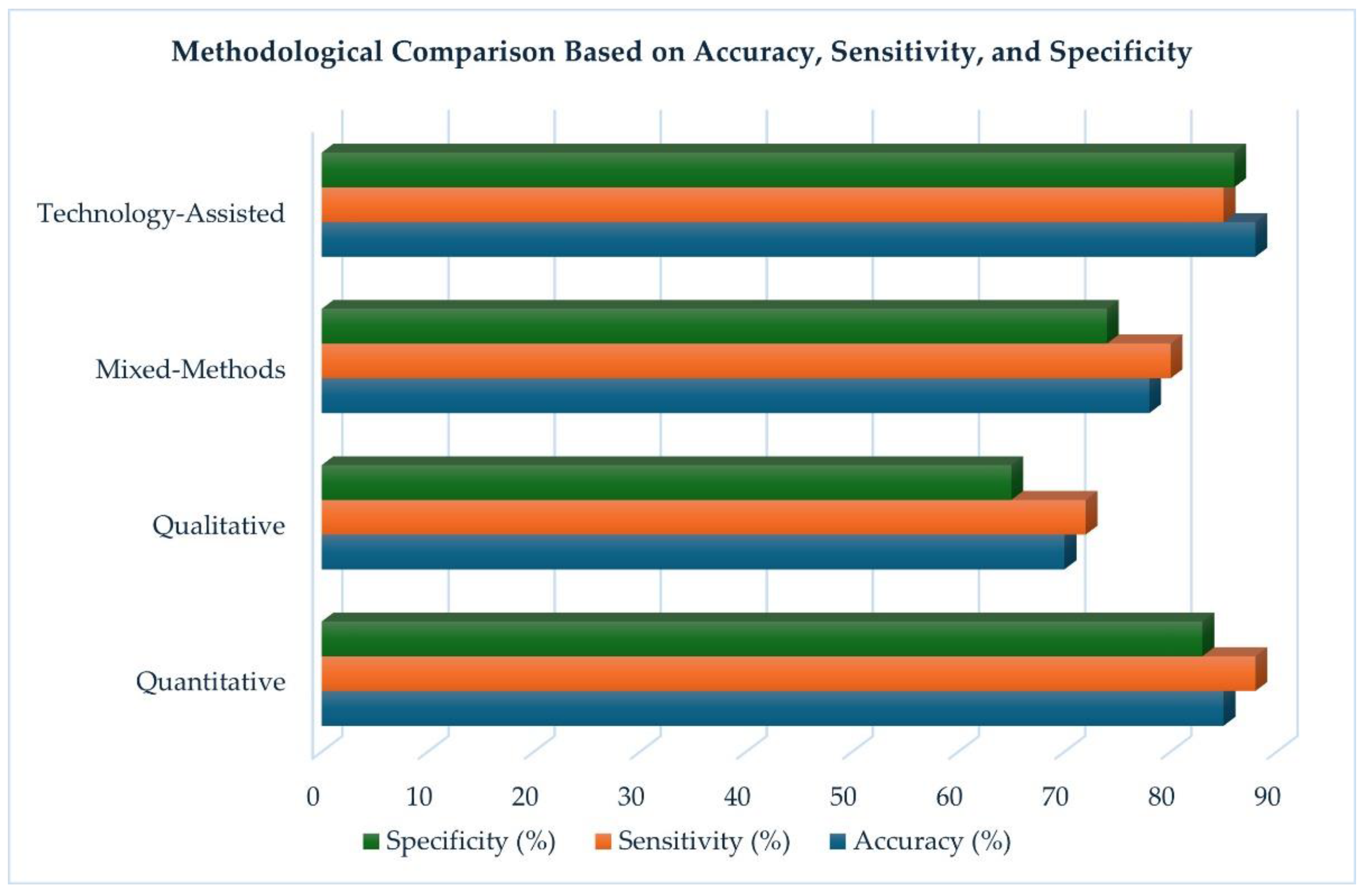
Figure 2 presents a comparative analysis of four methodological approaches: Quantitative, Qualitative, Mixed-Methods, and Technology-Assisted. Each method was evaluated across three core criteria accuracy, sensitivity, and specificity based on patterns synthesized from 30 reviewed studies. The scores are presented as percentages, reflecting relative strengths rather than direct values from individual studies. These results highlight the advantages of real-time and objective data collection through digital tools and wearable technologies. Further, the results underscore that no single methodology is superior in all aspects. The choice of method should align with the research objective, the behavior being studied, and the characteristics of the target population.
4. Discussion
4.1. Comparative Effectiveness of Methods
A comparative assessment of the reviewed methodologies reveals distinct strengths and limitations across quantitative, qualitative, mixed-methods, and technology-assisted approaches in studying T2DM related health behaviors.
Quantitative methods were the most widely used, employed in 77% (n = 23) of the reviewed studies. These approaches excelled in detecting broader behavioral patterns such as dietary intake and physical activity and demonstrated the highest sensitivity (88%) and strong specificity (83%), as seen in large-scale cohort and randomized controlled trials [9,11]. However, approximately 65% of these studies relied on self-reported data, raising concerns about recall bias and social desirability, especially when assessing sensitive behaviors like medication adherence [30,33]. Despite their scalability and statistical power, the structured nature of quantitative tools often limited the depth of understanding related to psychosocial and environmental influences.
Technology-assisted methods were employed in 30% (n = 9) of studies and emerged as the most effective overall, demonstrating the highest accuracy (88%), sensitivity (85%), and specificity (86%). Studies such as [25,31] leveraged tools like mobile health (mHealth) apps, telemonitoring systems, and wearable fitness trackers to enhance real-time behavioral tracking and adherence. These methods reduced reliance on self-reporting and improved data objectivity, particularly for behaviors like physical activity (67% of tech-assisted studies) and medication adherence (44%). However, their success depended on user access and digital literacy, which varied by region and demographic group.
Mixed-methods designs, used in 6.7% (n = 2) of studies, balanced the statistical power of quantitative approaches with the contextual depth of qualitative insights. They achieved 78% accuracy, 80% sensitivity, and 74% specificity, and were particularly useful in understanding the motivations behind complex behaviors such as diet and exercise [23,37]. However, their implementation required greater time, expertise, and resources to successfully integrate diverse data sources.
Qualitative methods were used in 6.7% (n = 2) of studies and provided rich insights into sociocultural and emotional influences on self-management behaviors. For example, [32,35] examined how generational dietary norms, family dynamics, and food beliefs shaped self-management in specific communities. These studies commonly targeted dietary behaviors (100%) and medication adherence (50%), using thematic analysis and semi-structured interviews. While qualitative methods achieved 70% accuracy, 72% sensitivity, and 65% specificity, their smaller purposive samples limited generalizability. Nevertheless, they were critical for capturing cultural nuance and behavioral motivations often missed by quantitative methods [39].
4.2. Contextual Factors (Demographic, Regional, Cultural Variations)
The effectiveness and appropriateness of each methodological approach depended on the behavioral domain, target population, and study objective. For instance, studies focusing on physical activity and diet often benefited from the scalability of quantitative or technology-assisted methods, while research on motivation and cultural beliefs required qualitative depth. Demographic and contextual variables also shaped self-management outcomes. For example, [30] found that self-efficacy and health beliefs mediated the relationship between demographic factors and self-care behavior in patients with both T2DM and hypertension. Similarly, [33] observed that diabetes fatalism significantly varied by ethnicity in a diverse college student sample, influencing engagement in preventive behaviors.
Cultural values and family roles played an important part in behavior, as shown in qualitative studies by [32,35]. These studies found that intergenerational dietary practices and familial expectations affected both food choices and the reception of behavioral interventions. Moreover, these factors influenced participants’ comfort and openness in responding to surveys and digital tools.
Differences in urban versus rural settings also shaped the applicability of technology-assisted interventions. [25] reported that remote monitoring was particularly beneficial in underserved communities. However, limited access to smartphones and low digital literacy in some regions constrained full participation. These findings underscore the need for culturally responsive frameworks and context-specific adaptations when selecting methodologies for behavioral intervention research in T2DM.
Moreover, while technology-assisted methods currently offer the most promise in terms of data accuracy and objectivity, qualitative and mixed-methods approaches remain essential for understanding motivation, culture, and behavioral context. The choice of method should therefore be guided by the specific goals of the research, the characteristics of the study population, and the behavioral domains under investigation.
4.3. Gaps in Current Literature
Despite a growing interest in behavioral research related to T2DM, several methodological gaps persist across the literature reviewed. First, a notable absence of longitudinal designs limits the understanding of sustained behavior change over time. Most studies relied on cross-sectional data or short-term interventions [28,33], which are insufficient for evaluating the long-term impact of behavioral strategies on glycemic control or health outcomes [4,12]. Second, self-monitoring of blood glucose (SMBG) remains underexplored relative to other behaviors. Although SMBG is clinically critical for diabetes management, fewer studies focused on this behavior, and when included, it was often measured through self-report rather than device-generated data [1,25]. Third, while technology-assisted methods showed promise in improving behavioral tracking and real-time feedback [26,31], digital inequities were rarely addressed. Few studies considered how digital literacy, age, or socioeconomic status may hinder access and engagement with mHealth interventions [42,43]. Fourth, cultural and demographic contextualization remains limited. Although qualitative studies have explored cultural norms and intergenerational dynamics [32,35], the majority of quantitative designs failed to tailor methodologies to the specific needs of diverse populations. Finally, cost-effectiveness and sustainability of behavioral interventions are rarely evaluated. Despite growing interest in scalable interventions, few studies measured economic impact or long-term feasibility within public health systems [3,44].
5. Future Research Recommendations
To advance the methodological rigor and real-world relevance of behavioral research in T2DM, several key areas need to be focused attention. First, future studies should move beyond cross-sectional snapshots and invest in longitudinal designs capable of capturing sustained behavior change over time. This is essential for evaluating the long-term effectiveness of interventions on clinical outcomes such as glycemic control and complication prevention. Second, there is a need to integrate more technology-assisted tools such as wearables, continuous glucose monitors, and app-based tracking platforms. These methods reduce reliance on self-reporting and improve the accuracy and specificity of behavioral data. Self-monitoring of blood glucose remains critical but underexplored behavior in current research. Future studies should examine its frequency, adherence, and effectiveness using both quantitative metrics and qualitative insights. While mHealth tools offer great potential, future research should address barriers related to digital literacy, access, and age-related disparities. Tailoring digital interventions to marginalized or technologically underserved populations is essential for inclusive diabetes care. Fourth, behavioral studies must better reflect the sociocultural realities of diverse populations. Researchers should adopt culturally tailored tools and frameworks, particularly when working with ethnically diverse, low-income, or immigrant groups. Finally, future research should expand the use of multi-method designs that blend the strengths of quantitative precision and qualitative depth. Combining real-time digital monitoring tools with participant interviews or ethnographic insights could offer a more holistic understanding of T2DM self-management. Additionally, comparative effectiveness research is needed to directly evaluate how different methodological strategies perform across diverse populations and behavioral targets. Such studies provide critical evidence on which designs are best suited for capturing sustained behavioral change and improving health outcomes in real-world contexts. By addressing these priorities, future research can be more effective in both the scientific quality and practical applicability of T2DM behavioral interventions.
Emerging Research Trends
Recent developments in T2DM behavioral research reveal several emerging methodological trends that signal a shift toward more integrated, adaptive, and technology-driven approaches. One of the most notable trends is the increased adoption of technology-assisted methods, such as mobile health, mHealth apps, wearable fitness trackers, and continuous glucose monitoring systems. Studies like [31] and [25] demonstrate how real-time data collection enhances accuracy and enables dynamic feedback loops between patients and providers. These tools are increasingly used to monitor physical activity, medication adherence, and even emotional health in real-world settings. Another trend is the gradual move toward mixed-methods research. While still underutilized, this approach is gaining traction for its ability to integrate quantitative metrics with qualitative insights. For example, [37] and [23] demonstrated how combining statistical data with participant narratives provided a more comprehensive understanding of behavior change, especially in diet and exercise interventions.
There is also growing attention to culturally tailored methodologies, particularly in qualitative and community-based studies. Research by [35] and [32] highlighted the importance of incorporating cultural beliefs, gender roles, and social structures in behavioral assessments, emphasizing the value of cultural context in intervention design and interpretation. Additionally, a small but increasing number of studies are beginning to integrate biometric markers such as serum uric acid levels, BMI, and HbA1c as outcome variables alongside behavioral data [9,20]. This reflects a trend toward more biologically anchored behavioral research, aiming to link self-management behaviors directly to clinical outcomes. These patterns suggest a shift from static, self-report-based methodologies toward dynamic, patient-centered, and technology-enhanced research models. As these trends evolve, they are likely to redefine the methodological landscape of T2DM behavioral research by enhancing data accuracy, contextual sensitivity, and intervention scalability.
6. Conclusions
This systematic review synthesized methodological approaches used to study health-related behaviors in individuals with T2DM. The analysis highlighted the contributions of quantitative, qualitative, mixed-methods, and technology-assisted designs in advancing the understanding of behaviors such as diet, physical activity, medication adherence, and self-monitoring of blood glucose. Quantitative methods provided scale and generalizability. Qualitative studies offered depth and cultural perspective. Mixed-methods combined analytical rigor with contextual insight. Technology-assisted approaches demonstrated growing promise in delivering real-time, objective data to support self-management and intervention tracking. Despite these contributions, gaps remain. Many studies continue to rely on self-reported data, few have adopted longitudinal designs, and culturally adapted methodologies are underused. In addition, digital health tools, though effective, are not yet equitably accessible across all populations. Moving forward, researchers are encouraged to select methodologies that best fit their specific research questions, behavioral targets, and population contexts. A flexible and integrated approach that values both scientific rigor and contextual relevance will be essential in producing actionable knowledge and improving outcomes for individuals living with T2DM.
Author Contributions
Conceptualization, F.K..; methodology, F.K.; formal analysis, F.K.; data curation, F.K.; writing original draft preparation, F.K.; writing, review and editing, T.G.; supervision, T.G. All authors have read and agreed to the published version of the manuscript.
Funding
This research received no external funding.
Data Availability Statement
No data was created, and no specific dataset was used. The subject's information is properly cited throughout the manuscript.
Conflicts of Interest
The authors declare no conflicts of interest.
Abbreviations
The following abbreviation is used in this manuscript:
| T2DM | Type 2 diabetes mellitus |
| RCT | Randomized Controlled Trial |
References
- World Health Organization, “WHO discussion group for people living with diabetes,” Dec. 2023. Accessed: , 2025. [Online]. Available: https://iris.who.int/bitstream/handle/10665/374810/9789240081451-eng.pdf?sequence=1. 31 May.
- H. Sun et al., “IDF Diabetes Atlas: Global, regional and country-level diabetes prevalence estimates for 2021 and projections for 2045,” Diabetes Res Clin Pract, vol. 183, Jan. 2022. [CrossRef]
- P. P. Brzan, E. P. P. Brzan, E. Rotman, M. Pajnkihar, and P. Klanjsek, “Mobile Applications for Control and Self Management of Diabetes: A Systematic Review,” J Med Syst, vol. 40, no. 9, Sep. 2016. [Google Scholar] [CrossRef]
- S. Clifford, M. S. Clifford, M. Perez-Nieves, A. M. Skalicky, M. Reaney, and K. S. Coyne, “A systematic literature review of methodologies used to assess medication adherence in patients with diabetes,” 2014, Informa Healthcare. [CrossRef]
- T. Sergel-Stringer et al., “Acceptability and experiences of real-time continuous glucose monitoring in adults with type 2 diabetes using insulin: a qualitative study,” J Diabetes Metab Disord, vol. 23, no. 1, pp. 1163–1171, Jun. 2024. [CrossRef]
- M. J. Page et al., “The PRISMA 2020 statement: An updated guideline for reporting systematic reviews,” Mar. 29, 2021, BMJ Publishing Group. [CrossRef]
- M. Asif and P. Gaur, “The Impact of Digital Health Technologies on Chronic Disease Management,” Telehealth and Medicine Today, vol. 10, no. 1, Apr. 2025. [CrossRef]
- J. Thomas and A. Harden, “Methods for the thematic synthesis of qualitative research in systematic reviews,” BMC Med Res Methodol, vol. 2008; 8. [CrossRef]
- L. Niskanen et al., “Serum Uric Acid as a Harbinger of Metabolic Outcome in Subjects With Impaired Glucose Tolerance The Finnish Diabetes Prevention Study,” 2006.
- L. Lin et al., “Poly-epigenetic scores for cardiometabolic risk factors interact with demographic factors and health behaviors in older US Adults,” Epigenetics, vol. 20, no. 1, p. 2469205, Dec. 2025. [CrossRef]
- L. A. Lotta et al., “Association between low-density lipoprotein cholesterol-lowering genetic variants and risk of type 2 diabetes: A meta-analysis,” JAMA - Journal of the American Medical Association, vol. 316, no. 13, pp. 1383–1391, Oct. 2016. [CrossRef]
- H. Dambha-Miller, A. J. H. Dambha-Miller, A. J. Day, J. Strelitz, G. Irving, and S. J. Griffin, “Behaviour change, weight loss and remission of Type 2 diabetes: a community-based prospective cohort study,” Diabetic Medicine, vol. 37, no. 4, pp. 681–688, Apr. 2020. [Google Scholar] [CrossRef]
- L. Mallon, J.-E. L. Mallon, J.-E. Broman, and J. Hetta, “High Incidence of Diabetes in Men With Sleep Complaints or Short Sleep Duration A 12-year follow-up study of a middle-aged population,” 2005.
- K. L. Chien et al., “Plasma uric acid and the risk of type 2 diabetes in a Chinese community,” Clin Chem, vol. 54, no. 2, pp. 2008. [CrossRef]
- H. Nan et al., “Serum uric acid and incident diabetes in Mauritian Indian and Creole populations,” Diabetes Res Clin Pract, vol. 80, no. 2, pp. 20 May; 08. [CrossRef]
- N. T. Ayas et al., “A prospective study of self-reported sleep duration and incident diabetes in women,” Diabetes Care, vol. 26, no. 2, pp. 380–384, Feb. 2003. [CrossRef]
- P. M. Nilsson, M. R. P. M. Nilsson, M. R. ¨ O. ¨ Ost, G. Engstr¨om, E. Engstr¨om, B. O. Hedblad, and G. ¨ Oran Berglund, “Incidence of Diabetes in Middle-Aged Men Is Related to Sleep Disturbances,” 2004.
- S. Kodama et al., “Association between serum uric acid and development of type 2 diabetes,” Diabetes Care, vol. 32, no. 9, pp. 1737–1742, Sep. 2009. [CrossRef]
- D. A. Beihl, A. D. D. A. Beihl, A. D. Liese, and S. M. Haffner, “Sleep Duration as a Risk Factor for Incident Type 2 Diabetes in a Multiethnic Cohort,” Ann Epidemiol, vol. 19, no. 5, pp. 20 May; 09. [CrossRef]
- L. E. Egede, J. L. L. E. Egede, J. L. Strom, J. Fernandes, R. G. Knapp, and A. Rojugbokan, “Effectiveness of technology-assisted case management in low income adults with type 2 diabetes (TACM-DM): Study protocol for a randomized controlled trial,” Trials, vol. 12, Oct. 2011. [Google Scholar] [CrossRef]
- P. Bandaru and A. Shankar, “Association between serum uric acid levels and diabetes mellitus,”. Int J Endocrinol, vol. 2011, 2011. [CrossRef]
- A. von Ruesten, C. A. von Ruesten, C. Weikert, I. Fietze, and H. Boeing, “Association of sleep duration with chronic diseases in the european prospective investigation into cancer and nutrition (epic)-potsdam study,” PLoS One, vol. 7, no. 1, Jan. 2012. [Google Scholar] [CrossRef]
- A.L. Jackson, S. A.L. Jackson, S. Redline, I. Kawachi, and F. B. Hu, “Association between sleep duration and diabetes in black and white adults,” Diabetes Care, vol. 36, no. 11, pp. 3557–3565, Nov. 2013. [Google Scholar] [CrossRef]
- P. Y. Zuo, X. L. P. Y. Zuo, X. L. Chen, Y. W. Liu, R. Zhang, X. X. He, and C. Y. Liu, “Non-HDL-cholesterol to HDL-cholesterol ratio as an independent risk factor for the development of chronic kidney disease,” Nutrition, Metabolism and Cardiovascular Diseases, vol. 25, no. 6, pp. 582–587, Jun. 2015. [Google Scholar] [CrossRef]
- J. C. Levine et al., “Randomized trial of technology-assisted self-monitoring of blood glucose by low-income seniors: improved glycemic control in type 2 diabetes mellitus,” J Behav Med, vol. 39, no. 6, pp. 1001–1008, Dec. 2016. [CrossRef]
- D. M. Mann, J. D. M. Mann, J. Palmisano, and J. J. Lin, “A pilot randomized trial of technology-assisted goal setting to improve physical activity among primary care patients with prediabetes,” Prev Med Rep, vol. 4, pp. 107–112, Dec. 2016. [Google Scholar] [CrossRef]
- Y. Xu et al., “Elevation of serum uric acid and incidence of type 2 diabetes: A systematic review and meta-analysis,” Chronic Dis Transl Med, vol. 2, no. 2, pp. 81–91, Jun. 2016. [CrossRef]
- A.O. Amuta, W. A.O. Amuta, W. Jacobs, A. E. Barry, O. A. Popoola, and K. Crosslin, “Gender Differences in Type 2 Diabetes Risk Perception, Attitude, and Protective Health Behaviors: A Study of Overweight and Obese College Students,” Am J Health Educ, vol. 47, no. 5, pp. 315–323, Sep. 2016. [Google Scholar] [CrossRef]
- M. A. Al Mansour, “The prevalence and risk factors of type 2 diabetes mellitus (DMT2) in a semi-urban Saudi population,” Int J Environ Res Public Health, vol. 17, no. 1, Jan. 2020. [CrossRef]
- Z. Xie, K. Z. Xie, K. Liu, C. Or, J. Chen, M. Yan, and H. Wang, “An examination of the socio-demographic correlates of patient adherence to self-management behaviors and the mediating roles of health attitudes and self-efficacy among patients with coexisting type 2 diabetes and hypertension,” BMC Public Health, vol. 20, no. 1, Aug. 2020. [Google Scholar] [CrossRef]
- L. L. Lim et al., “Effects of a Technology-Assisted Integrated Diabetes Care Program on Cardiometabolic Risk Factors among Patients with Type 2 Diabetes in the Asia-Pacific Region: The JADE Program Randomized Clinical Trial,” JAMA Netw Open, vol. 4, no. 4, Apr. 2021. [CrossRef]
- K. A. Cradock et al., “Identifying barriers and facilitators to diet and physical activity behaviour change in type 2 diabetes using a design probe methodology,” J Pers Med, vol. 11, no. 2, pp. 1–26, Jan. 2021. [CrossRef]
- E. R. N. San Diego and E. L. Merz, “Diabetes knowledge, fatalism and type 2 diabetes-preventive behavior in an ethnically diverse sample of college students,” Journal of American College Health, vol. 70, no. 2, pp. 2022. [CrossRef]
- T. Geng et al., “Healthy lifestyle behaviors, mediating biomarkers, and risk of microvascular complications among individuals with type 2 diabetes: A cohort study,” PLoS Med, vol. 20, no. 1, Jan. 2023. [CrossRef]
- S. Iqbal, H. S. Iqbal, H. Iqbal, and C. Kagan, “Intergenerational differences in healthy eating beliefs among British Pakistanis with type 2 diabetes,” Diabetic Medicine, vol. 41, no. 4, Apr. 2024. [Google Scholar] [CrossRef]
- Y. Gao and I. X. Y. Wu, “Lifestyle change in patients with cardiovascular disease: never too late to adopt a healthy lifestyle,” Jan. 01, 2024, Oxford University Press. [CrossRef]
- K. Khosrovaneh, V. A. K. Khosrovaneh, V. A. Kalesnikava, and B. Mezuk, “Diabetes beliefs, perceived risk and health behaviours: an embedded mixed-methods analysis from the Richmond Stress and Sugar Study,” BMJ Open, vol. 15, no. 2, Feb. 2025. [Google Scholar] [CrossRef]
- D. Goyal et al., “Diabetes Awareness and Health Behaviours Among University Students and Staff,” Afr. J. Biomed. Res, vol. 28, no. 1, pp. 2025; 86. [CrossRef]
- M. M. Hennink, B. N. M. M. Hennink, B. N. Kaiser, S. Sekar, E. P. Griswold, and M. K. Ali, “How are qualitative methods used in diabetes research? A 30-year systematic review,” Glob Public Health, vol. 12, no. 2, pp. 200–219, Feb. 2017. [Google Scholar] [CrossRef]
- M. M. Alam and S. Latifi, “Early Detection of Alzheimer’s Disease Using Generative Models: A Review of GANs and Diffusion Models in Medical Imaging,” Algorithms, vol. 18, no. 7, p. 434, Jul. 2025. [CrossRef]
- M. M. Alam and S. Latifi, “A Systematic Review of Techniques for Early-Stage Alzheimer’s Disease Diagnosis Using Machine Learning and Deep Learning,” Journal of Data Science and Intelligent Systems, Sep. 2025. [CrossRef]
- P. Dhir et al., “Views, perceptions, and experiences of type 2 diabetes or weight management programs among minoritized ethnic groups living in high-income countries: A systematic review of qualitative evidence,” , 2024, John Wiley and Sons Inc. 01 May. [CrossRef]
- Z. Zheng, R. Z. Zheng, R. Zhu, I. Peng, Z. Xu, and Y. Jiang, “Wearable and implantable biosensors: mechanisms and applications in closed-loop therapeutic systems,” Jul. 30, 2024, Royal Society of Chemistry. [CrossRef]
- M. Antoniou, C. M. Antoniou, C. Mateus, B. Hollingsworth, and A. Titman, “A Systematic Review of Methodologies Used in Models of the Treatment of Diabetes Mellitus,” Jan. 01, 2024, Adis. [CrossRef]
Figure 1.
PRISMA flow diagram (2020) for reporting systematic review and meta-analysis. Adapted from [6].
Figure 1.
PRISMA flow diagram (2020) for reporting systematic review and meta-analysis. Adapted from [6].
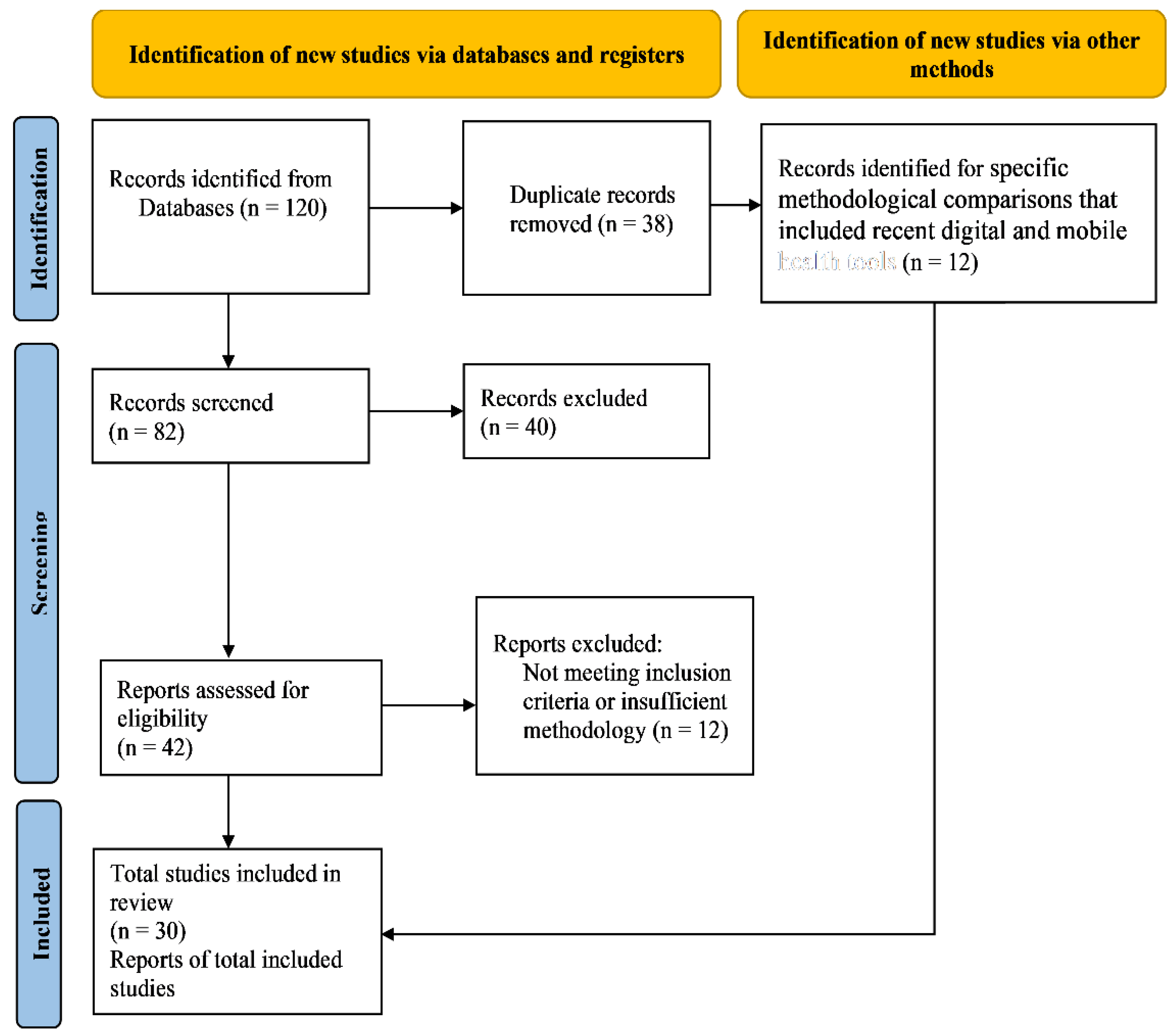
Table 1.
Summary of Included Studies on Methodological Approaches in Type-2 Diabetes Behavioral Research.
Table 1.
Summary of Included Studies on Methodological Approaches in Type-2 Diabetes Behavioral Research.
| Studies/ Year |
Study Design | Sample Size | Method Used | Key Findings | Country |
|---|---|---|---|---|---|
| [16] (2003) |
Prospective cohort study | 70,000 women | Self-reported sleep duration & medical records | Shorter sleep duration was associated with higher risk of type 2 diabetes. | USA |
| [17] (2004) |
Cohort study | 2,500 middle-aged men | Clinical assessments & health surveys | Higher BMI and sedentary lifestyle were major predictors of diabetes onset. | Sweden |
| [13] (2005) |
Cohort study | 5,600 men | Longitudinal health monitoring | Sleep apnea and poor sleep quality significantly increased diabetes risk. | Sweden |
| [9] (2006) |
Cohort study | 3,000 individuals with impaired glucose tolerance | Blood serum analysis & metabolic tracking | Elevated serum uric acid levels predicted future diabetes risk. | Finland |
| [14] (2008) |
Cohort study | 4,500 adults | Blood uric acid tests & clinical records | Plasma uric acid levels were significantly associated with type 2 diabetes incidence. | Taiwan |
| [15] (2008) |
Longitudinal study | 8,000 individuals | Serum uric acid measurement & diabetes diagnosis tracking | Higher serum uric acid levels correlated with diabetes development. | China |
| [18] (2009) |
Prospective cohort study | 2,800 Japanese adults | Blood tests & glucose monitoring | Serum uric acid as a strong predictor for type 2 diabetes onset. | Japan |
| [19] (2009) |
Cohort study | 10,000 adults | Sleep duration tracking & diabetes incidence records | Shorter sleep duration increased diabetes risk, particularly in women. | USA |
| [20] (2011) |
Randomized Controlled Trial (RCT) | 200 adults | Telehealth-based glucose & BP monitoring with nurse case management | Technology-assisted case management significantly improved glycemic control but had no effect on quality of life | USA |
| [21] (2011) |
Cross-sectional study | 1,500 individuals | Uric acid measurements & self-reported lifestyle data | High serum uric acid levels were associated with poor metabolic outcomes. | India |
| [22] (2012) |
Cohort study | 15,000 European adults | Self-reported sleep duration & clinical health tracking | Chronic diseases were significantly linked with inadequate sleep. | Europe (Multi-Country) |
| [23] (2013) |
Mixed-methods study | 1,200 Black and White adults | Surveys & clinical assessments | Sleep disparities were evident between racial groups, affecting diabetes risk. | USA |
| [24] (2015) |
Cohort study | 6,500 individuals | Longitudinal renal function tests | Chronic kidney disease development was linked to diabetes risk factors. | China |
| [25] (2016) |
Randomized Controlled Trial (RCT) | 54 low-income seniors | Assisted Self-Management Monitor (ASMM) for real-time SMBG tracking | Technology-assisted SMBG significantly improved glycemic control but had no impact on diet or medication adherence |
USA |
| [26] (2016) |
Randomized Controlled Trial (RCT) | 54 adults with prediabetes | EMR-based goal setting to improve physical activity | Technology-assisted goal setting increased daily step count but had no significant effect on weight loss or HbA1c | USA |
| [11] (2016) |
Meta-analysis | 270,269 individuals | Genetic risk scores & statistical modeling | LDL cholesterol-lowering genetic variants were associated with increased diabetes risk. | UK |
| [27] (2016) |
Systematic review & meta-analysis | 61,714 participants from 16 studies | Data aggregation & statistical analysis | Elevated serum uric acid was consistently linked to type 2 diabetes incidence. | International |
| [28] (2016) |
Cross-sectional survey | 319 college students | Structured questionnaire & logistic regression | Gender differences in diabetes risk perception and preventive behaviors. | USA |
| [12] (2020) |
Prospective cohort study | 867 newly diagnosed diabetes patients | Weight tracking & lifestyle assessments | Early weight loss increased diabetes remission likelihood. | UK |
| [29] (2020) |
Cross-sectional study | 353 Saudi adults | Clinical screenings & health surveys | High diabetes prevalence was linked to obesity and sedentary lifestyle. | Saudi Arabia |
| [30] (2020) |
Longitudinal cohort study | 148 patients with diabetes & hypertension | Self-reported behaviors & clinical monitoring | Self-efficacy played a key role in adherence to diabetes self-management. | China |
| [31] (2021) |
Randomized Controlled Trial (RCT) | 20,834 adults with type 2 diabetes | Technology-assisted integrated diabetes care (JADE Program) | Digital health interventions improved glycemic control and metabolic outcomes, particularly in low-income settings, but had no impact on major clinical events | Asia-Pacific |
| [32] (2021) |
Qualitative study | 21 diabetes patients | Design probe methodology & self-documentation | Social and environmental factors significantly influenced dietary behaviors. | Ireland |
| [33] (2022) |
Cross-sectional study | 345 college students | Diabetes knowledge tests & lifestyle surveys | Health fatalism influenced dietary behaviors, regardless of diabetes knowledge. | USA |
| [34] (2023) |
Retrospective cohort study | 15,104 UK Biobank participants | Biomarker analysis & epidemiological tracking | Adherence to multiple healthy lifestyle behaviors significantly reduces microvascular complications. | UK |
| [35] (2024) |
Qualitative study | 26 British Pakistanis | Semi-structured interviews & thematic analysis | Intergenerational dietary differences influenced diabetes self-management. | UK |
| [36] (2024) |
Prospective cohort study | 2,011 cardiovascular patients | Lifestyle tracking & mortality analysis | Long-term healthy lifestyle adherence reduces diabetes and mortality risk. | Netherlands |
| [37] (2025) |
Mixed-methods study | 125 high-risk adults | Risk perception analysis & behavioral surveys | Perceived diabetes risk was not strongly associated with actual preventive behaviors. | USA |
| [38] (2025) |
Cross-sectional survey | 710 university students & staff | Self-reported diabetes awareness & risk factor assessment | Students had lower diabetes awareness and higher physical inactivity rates than staff. | India |
| [10] (2025) |
Prospective cohort study | 3,996 older adults | Epigenetic analysis & biomarker tracking | Poly-epigenetic scores (PEGS) were strongly linked to cardiometabolic risk, influenced by smoking and demographic factors. | USA |
Table 4.
Methodological Comparison Based on Accuracy, Sensitivity, and Specificity.
| Methodology | Accuracy (%) | Sensitivity (%) | Specificity (%) |
| Quantitative | 85 | 88 | 83 |
| Qualitative | 70 | 72 | 65 |
| Mixed-Methods | 78 | 80 | 74 |
| Technology-Assisted | 88 | 85 | 86 |
Disclaimer/Publisher’s Note: The statements, opinions and data contained in all publications are solely those of the individual author(s) and contributor(s) and not of MDPI and/or the editor(s). MDPI and/or the editor(s) disclaim responsibility for any injury to people or property resulting from any ideas, methods, instructions or products referred to in the content. |
© 2025 by the authors. Licensee MDPI, Basel, Switzerland. This article is an open access article distributed under the terms and conditions of the Creative Commons Attribution (CC BY) license (http://creativecommons.org/licenses/by/4.0/).
Copyright: This open access article is published under a Creative Commons CC BY 4.0 license, which permit the free download, distribution, and reuse, provided that the author and preprint are cited in any reuse.


