Preprint
Article

This version is not peer-reviewed.

Complementary Agriculture (AgriCom); Low-Cost Strategy to Improve Profitability and Sustainability in Rural Communities in Semi-Arid Regions

A peer-reviewed article of this preprint also exists.

Submitted:

01 September 2025

Posted:

01 September 2025

You are already at the latest version

Abstract

The rural population in areas of the Mexican semi-desert experiences poverty levels that limit a life free from socioeconomic deprivation, and they migrate, abandoning their assets. This is exacerbated by climate change (drought, temperatures), which affects crops. Although farmers try to cope with this, their strategies are insufficient. A low-cost Complementary Agriculture (AgriCom) model was designed using local resources to produce prickly pear cactus (Opuntia ficus-indica Mill.) known as “nopal” and corn (Zea mays L.), and to conserve regional germplasm of Opuntia spp. Yield, profitability, and Equivalent Land Use (ELU) were evaluated on seven varieties of prickly pear cactus. The Verdura, Atlixco, and Rojo Liso varieties showed higher cladode yield (vegetable), internal rate of return, and net present value; and their cost-benefit ratios were 7.97, 6.35, and 6.82, respectively. The ELU was greater than 1.0 when combining cactus varieties. The agroclimatic conditions did not allow corn to reach its phenological cycle and its ELU was zero. A total of 70 nopal genotypes were collected, with three replicates (N=210 conserved plants) integrated into the production module of eight Opuntia species. This model has been accepted in the Bank of Low-Cost Technological Solutions and/or Based on Local Resources, in the Platform for Climate Action in Agriculture in Latin America and the Caribbean (PLACA), to be installed in other communities in Latin America.
Keywords: 
;  ;  ;  ;  

1. Introduction

In Mexico, there are several factors that limit the development of the rural population [1]. The main factor is poverty, which prevents people from living a life free of socioeconomic deprivation. This is closely related to food security, since without income or agricultural harvests, food cannot be accessed [2]. This has led to the abandonment of means of production (rural plots) and indirectly caused the erosion of local genetic resources through abandonment [3] and lack of use [4].
Traditionally, poverty in rural areas has been characterized by a higher percentage than in urban areas [5]. In Mexico, rural areas account for 24.5% of the national population, of which 32.3% live in poverty and 54% in extreme poverty [6]. This suggests that attention to rural inhabitants as vulnerable groups should be ongoing [1]. A factor that goes hand in hand with the above is migration, as rural inhabitants have changed the way they earn their income by working in the secondary and tertiary sectors [7]. In rural areas, households engage in various occupations to obtain the necessary income, from agricultural and non-agricultural activities to migrating to urban areas within the country or abroad [8].
Part of the central focus of agricultural models is to reduce poverty and migration in rural areas. However, crops such as corn (Zea mays L.) and other staple grains, together with low and controlled prices, make it difficult for rural families to live with social justice [9]. In the case of Mexico, migration to the United States of America (USA) is a relatively “normal” occurrence, especially in the central and northern provinces, where, coincidentally, the effects of drought are significant. Another important factor is climate change, which causes an increase in temperature, leading to more frequent and severe droughts that affect agricultural production [10]. These changes have negative effects on agriculture, especially rain-fed agriculture, reducing productivity and yields and increasing (wind) erosion that degrades soils, which together threaten food security [11].
One of many alternatives to mitigate the negative impacts on agriculture and reduce rural abandonment is the association of crops in the same unit of land, especially with local or adapted species that require low technological management costs. It is important to mention that local variants are less affected by water stress caused by drought, as they make better use of available water, obtaining yields that variants introduced under the same conditions [12] would not achieve.
Crop association consists of systems where two or more plant species are planted in the same area [13]. These types of associations are important for conserving soil fertility by promoting its natural development and increasing Equivalent Land Use (ELU) [14]. This type of agriculture can yield higher returns per unit area, in addition to promoting biological balance and maintaining a continuous flow of products, achieving food and economic stability for rural families [15].
In Mexico, rural communities in the Potosí-Zacatecas semi-desert have not seen rainfall in years, and although farmers have gained experience in dealing with this, it has not been enough to withstand it [16]. For these types of factors, it is necessary to diversify and propose low-cost technological solutions so that rural inhabitants can renew their means of work, generate economic and food income, and reduce migration [1]. In the state of San Luis Potosí, Mexico, poverty in rural and urban areas is evident, as there is inequality in productive and social activities [17]. To reduce the agroecological limitations of traditional rain-fed monoculture agriculture, it is necessary to design low-cost technological production models that use local resources.
In this regard, consideration has been given to implementing the Complementary Agriculture (AgriCom) model, which is structured around smaller-scale agricultural and even livestock production modules, whose planting, production, and harvesting times differ throughout the year, so that rural inhabitants who practice it obtain income deferred over time, in contrast to the seasonal harvest of a single product, It also contributes to self-employment, preventing or limiting migration [18,19].
An important feature of AgriCom is that the production modules are high-density plantations, with rainwater harvesting systems and drip irrigation [20,21]. Local plant species adapted to the agroclimatic conditions of the socially and technically intervened communities are used, which can be introduced into the market. Another benefit of AgriCom is the conservation of local agrobiodiversity, where tolerated and encouraged species with low cultivation levels are identified and included in the plantation modules, either as a source of fodder or human food [22], such as different varieties of prickly pear (Opuntia ficus-indica) that feed rural communities with vegetables (immature cladodes) or tuna (sweet fruit) and forage (mature cladodes), contributing to production-conservation at the local level [23]. Based on the above, a complementary agriculture model was designed and evaluated with the objective of increasing the equivalent use of land and promoting the diversification of primary activities to improve the local rural economy. This was done under the hypothesis that the association level between productive and conservation modules is complementary, enhancing the value of production resources (plots), soil, water, and local genetic resources, while favoring both socioeconomic and environmental profitability.

2. Materials and Methods

The AgriCom model was implemented in the community of El Carmen, Santa María del Río, San Luis Potosi, Mexico (longitude (dec): -100.665278, latitude (dec): 21.590000) at an altitude of 1940 meters above sea level (Figure 1).
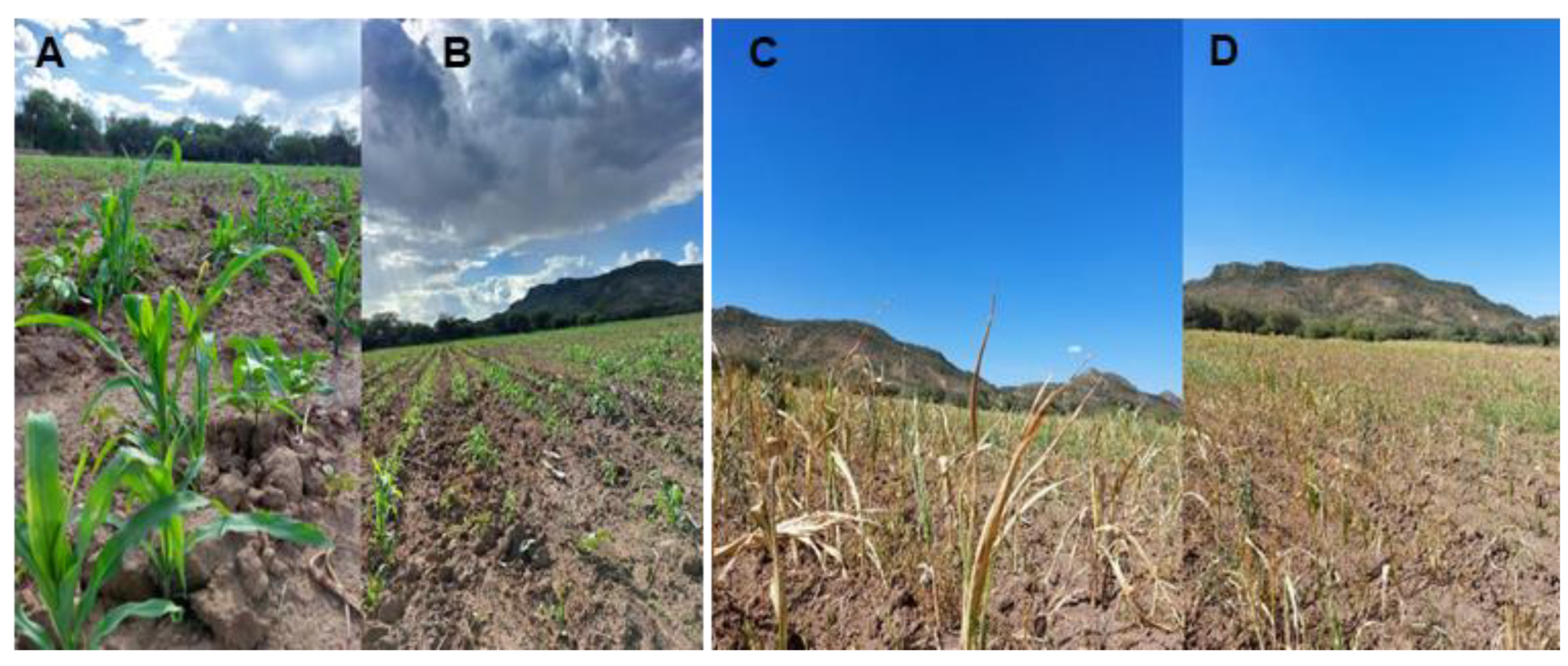
It is a community in the Potosí-Zacatecas semi-desert, with a semi-warm and semi-dry temperate climate, an average temperature of 18.5 °C, an absolute maximum of 37 °C, and a minimum of 4.5 °C. It is important to note that although statistically the community of El Carmen records up to 362 mm of annual precipitation, in 2022 there was no rainfall, causing damage to the few corn crops (Figure 2).

2.1. Geographical Area of Intervention

The population is 380 people, of whom 191 are men and 189 are women, with 27.63% of the total employed [24]. Families engage in various activities to earn a living, most commonly as agricultural laborers or bricklayers. Landowners have planted corn (Z. mays), beans (Phaseolus vulgaris L.), and chickpeas (Cicer arietinum L.). They also raise cattle, sheep, and pigs for their own consumption or to supplement the family income.

2.2. Research Phases

The research consisted of two phases. The first, called the field phase, involved designing the spatial distribution of the production modules (Figure 3), using seven organic varieties of Opuntia ficus-indica (L.) Mill. at high densities and a corn monoculture as a control. The second phase consisted of installing the rainwater harvesting system, the auxiliary irrigation system, agronomic management of the plantations, and determining profitability indices.

2.3. Plant Yield Variables

Seven biological variants of nopal [Opuntia ficus-indica (L.) Mill.] were used, some of which are used locally to produce nopal vegetables, fodder, and for prickly pear and corn (Table 1).
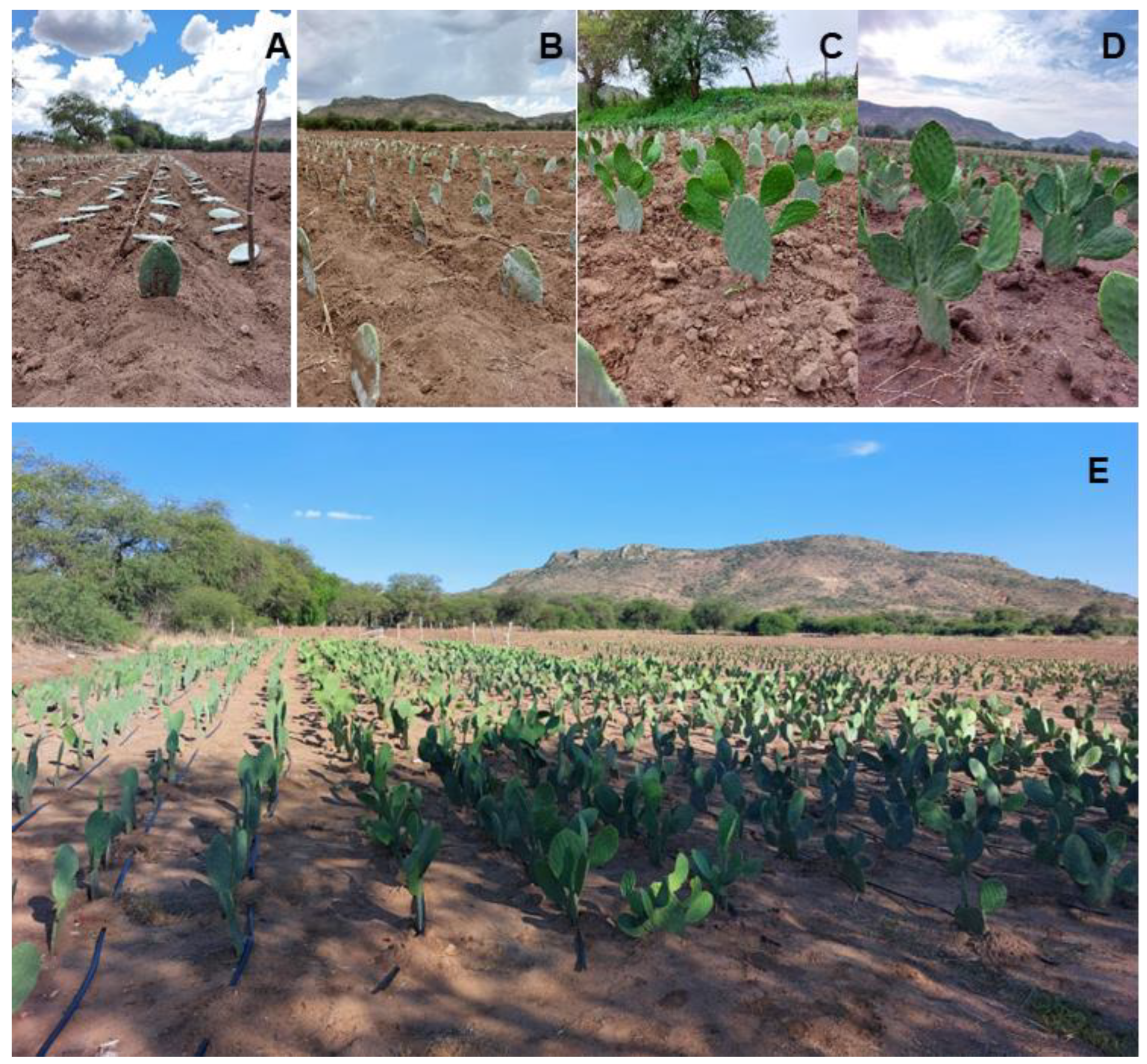
The evaluation was carried out on nopal plots by planting a fully expanded cladode at physiological maturity at densities of 0.70 x 0.70 m, referred to as the first level, which produces new cladodes referred to as the second level, which in turn produces cladodes referred to as the third level. The latter are cut when immature and are called nopal vegetables, which are consumed as vegetables weighing approximately 100 g each and are selected and sent to market [25] (Figure 3 D). Corn was planted according to traditional local guidelines, with a density of approximately 20,000 plants per hectare. Survival (%) at planting, time of emergence of the second and third levels of nopales, and yields were evaluated.

2.4. Equivalent Land Use (ELU)

To determine crop efficiency, equivalent land use (ELU) was used, which is defined as the sum of dividing the yield of the polyculture by the yield of the monoculture with the highest economic value (Z. mays). The result of this equation is not actual yield values, but rather proportional values that determine the efficiency of intercropping and is identical to relative total yield (RTY), as it is based on the relative land requirements for growing intercropping systems compared to monocrops [26]. According to [14], equivalent use is obtained with the following formula:
E L U = Y p i Y m i
Where:
ELU = Equivalent Land Use
Ypi = Yield in intercropping systems (kg ha-1)
Ymi = Yield in sole cropping (kg ha-1)
Authors such as Gliessman [14], mention that an ELU value equal to 1.0 indicates that there are no differences between the yields of the crop systems evaluated; however, if the value is greater than 1.0, it indicates that there is an advantage for the associated system. This means that there is positive interference between the crops that make up the association, and that any interspecific competition is not as negative as that of monoculture.

2.5. Conservation Strategies

The Second Global Plan of Action promoted by the [27] and adopted by Mexico emphasizes the improvement of genetic resources for food and agriculture (GRFA), highlighting as a priority (activity number nine) support for plant breeding, the expansion of the genetic base, and its link to germplasm conservation and production systems. These measures seek to strengthen food security in the face of climate change and other threats by promoting sustainable models for the management of plant genetic resources for food and agriculture (PGRFA). Therefore, it is crucial to align germplasm conservation with food production, integrating participatory genetic management and improvement practices in productive units [28].
Agrobiodiversity includes biological diversity (domesticated and wild relatives) linked to food and agriculture, including plant, animal, microbial and fungal genetic resources, as well as organisms that perform key ecological functions (pollination, pest control and nutrient cycling) [29]. Its conservation depends on consumer demand and use, influenced by consumer knowledge and information dissemination [30]. An example is prickly pear (Opuntia spp.) a highly diverse GRFA in the Potosino-Zacatecana region (Mexico) whose germplasm, composed of local species and varieties, requires preservation, both for local consumption, export markets and as a source of secondary metabolites for public health bioprospective studies [31].

2.6. Collection, Uses and Geographical Origins

To ensure maximum genetic diversity in the collected sample, a physiologically mature cladode was taken from each of the three selected adult plants. With this information, the access was registered using passport data [32] in the BanGerMex format, approved by the SADER Subcommittee on Genetic Resources for Food and Agriculture [33]. The BanGerMex system functions as a database designed to preserve and manage biological resources stored in germplasm [33]. In addition, Mexico's agri-food sector has benefited from various initiatives focused on researching, analyzing, and protecting national agrobiodiversity [34].
The passport information was used to create geographical distribution maps of the collections using QGIS software. A survey was also conducted among residents of the collection areas to identify the main uses of the genotypes and represent the data using graphs.

2.7. Production Yields and Costs

Yields were recorded according to the emission of cladodes at different levels. Costs were classified according to their accounting nature to determine profitability indicators, such as direct and indirect costs in all their variables (labor, production, initial investment costs, working capital for balance sheet calculation, five-year projections, break-even point calculation, profit rate, as well as profitability under net present value (NPV) and internal rate of return (IRR) criteria.

2.8. Minimum Infrastructure

Even though the nopal cactus is a species adapted to arid and semi-arid areas where water is a limiting factor, the model included a reservoir to collect rainwater for drip irrigation so that production would be sustainable.

2.9. Statistical Analysis

A graphical and variance analysis with a test of means was performed using the RStudio program, a profitability analysis, and an analysis of Equivalent Land Use [14].

3. Results

3.1. First Phase: Survival After Sowing and Emission of the Second and Third Levels of Cladodes

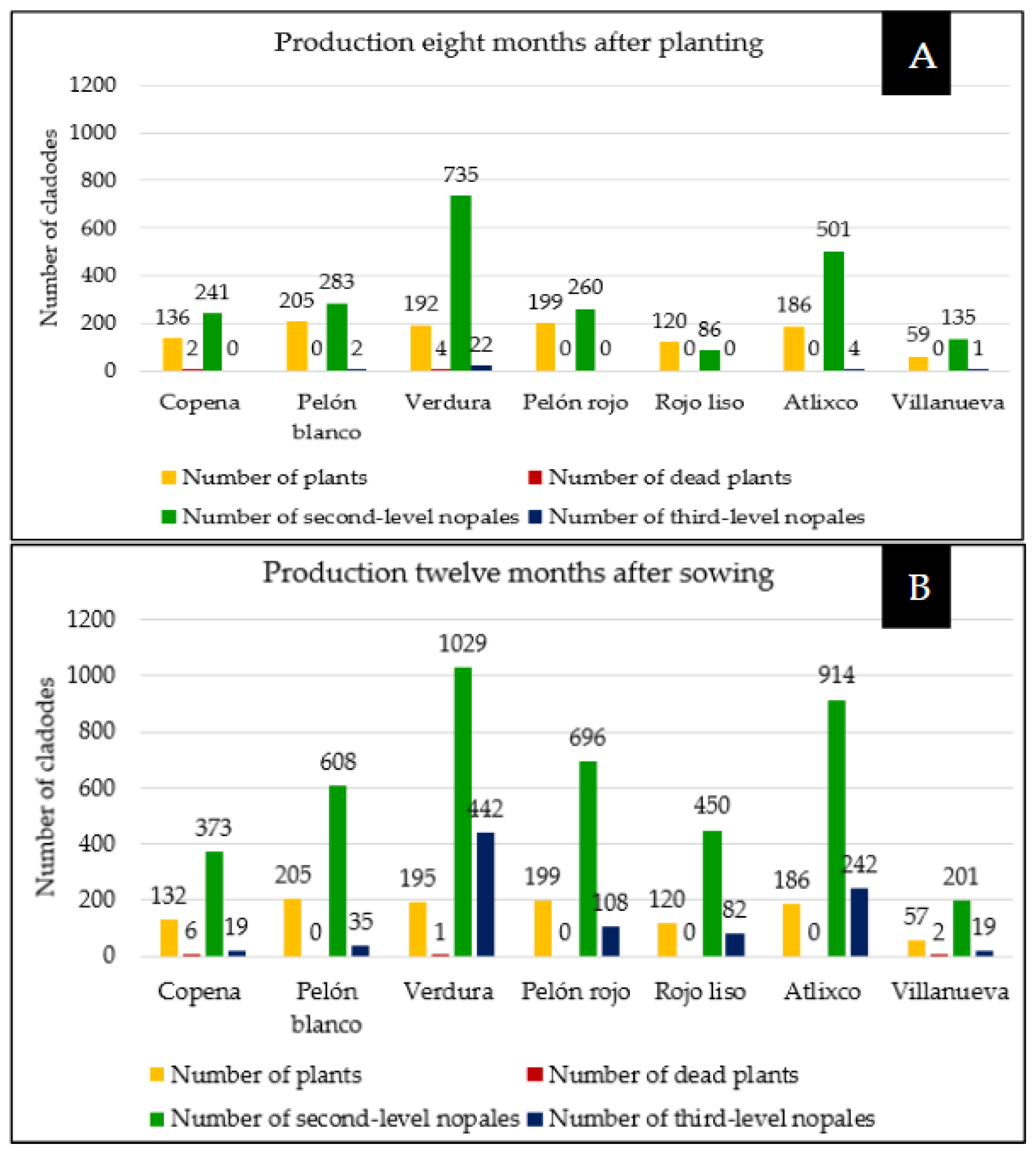
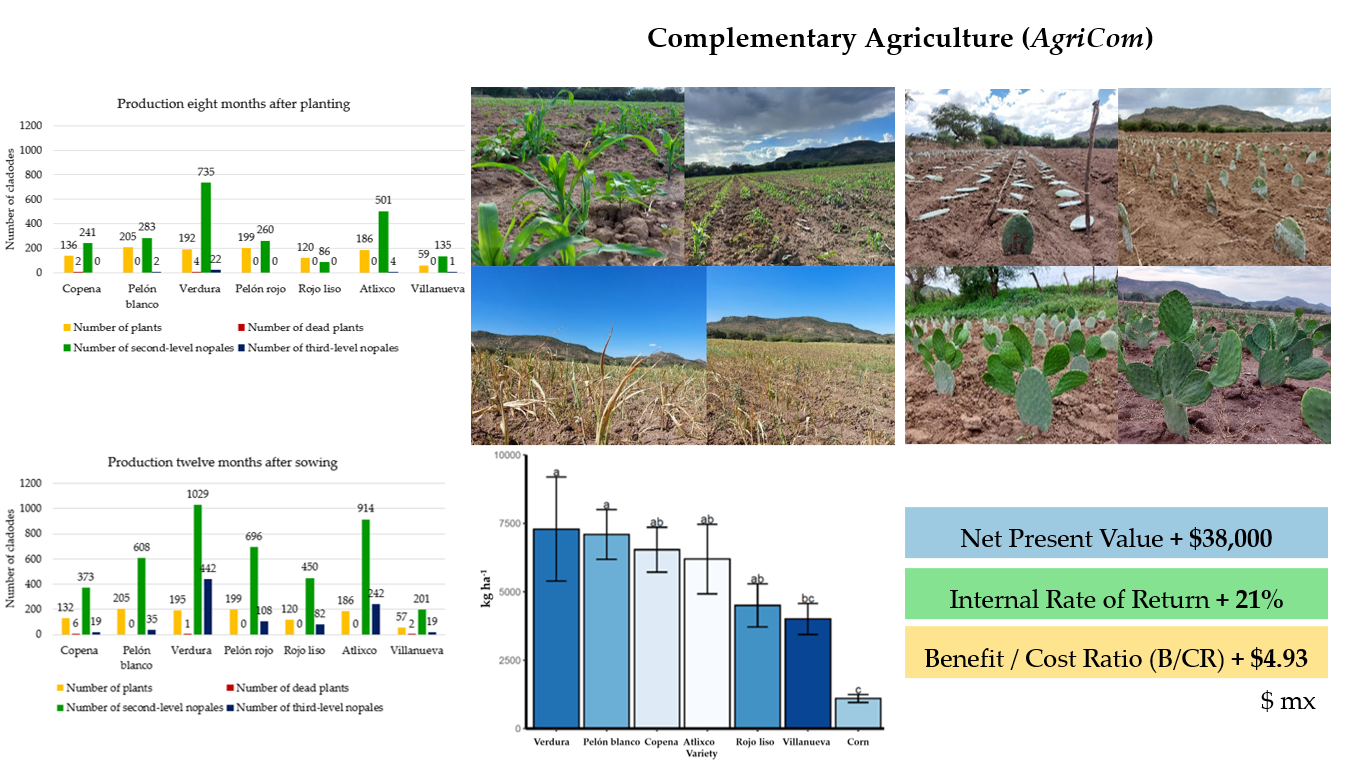
Plant survival was 98%, which is considered successful given the lack of rainfall and emergency irrigation, as there was no infrastructure for rainwater harvesting at this stage. Figure 4A shows that, eight months after planting, the mother plant tolerates water stress and high temperatures. The highest emission of second-level cladodes was recorded in the Verdura and Atlixco varieties, with 735 and 501 cladodes, respectively. This is relevant because it helps producers trust the AgriCom model as a production alternative.
The other O. ficus-indica variants showed values ranging from 86 for Rojo liso to 283 for Pelón rojo, which, although not competitive, is important because they survived and can be integrated into forage or prickly pear production models. Figure 4 B indicates that at twelve months, the emission of second-level cladodes showed a similar trend, highlighting the Verdura, Atlixco, Pelón blanco, and Pelón rojo genotypes, which emitted third-level cladodes.
This rate of immature cladodes production is the most important factor in achieving sustainable production, allowing residents to harvest every ten to fifteen days at most, rather than depending on a seasonal harvest like corn and beans. Another advantage is that the nopal cactus is tolerant of low or no rainfall, as occurs in the semi-desert area of Potosí-Zacatecas, which favors the diversification of rural productive activities as a strategy for obtaining income and food based on local resources [35], or in areas of the Central Valleys of Oaxaca with Nopalea sp. [36]. Arid and semi-arid areas depend on the proper management of natural resources and the sustainable development of productive systems that adapt to limiting factors such as high temperatures, degraded soils, low fertility, and water scarcity [37]. Therefore, the inclusion of nopal as an endogenous species in the study community is relevant, in addition to the fact that its production cycle is relatively permanent, since the emission of cladodes is vegetative and does not require sexual maturity.

3.2. Yields and ELU

The ELU calculation was performed by combining the seven cactus varieties against a corn monoculture. This result highlights the project's advantage, as the yield is higher due to the cactus's survival despite the low rainfall recorded during the year. Table 2 shows the cladode emission rate according to the second and third levels to calculate the percentage emission and future production projections, while Table 3 shows the ELU values, with all cactus varieties showing significant improvements in annualized and projected yields per hectare.
The emission ratio reflects the proportion of third-level cladodes relative to second-level growth, indicating productivity under low rainfall conditions. Higher ratios suggest greater resilience and yield potential. The relationship between the emission of the second and third levels of cladodes suggests that the Verdura, Atlixco, Rojo liso, and Pelón rojo genotypes ensure commercial yields 12 months after planting and on an annual basis projected to one hectare of production.
The ELU values for nopal varieties (>1.0) reflect their higher productivity and income potential compared to maize under drought conditions. The ELU for maize is presented as a value 0 because, under the studied conditions, it did not reach viable production levels. This is consistent with Figure 2, which shows that maize yields were negligible due to the low rainfall, while nopal genotypes demonstrated resilience and consistent productivity. Therefore, the ELU comparison underscores the advantage of nopal polycultures over maize monocultures in arid environments.
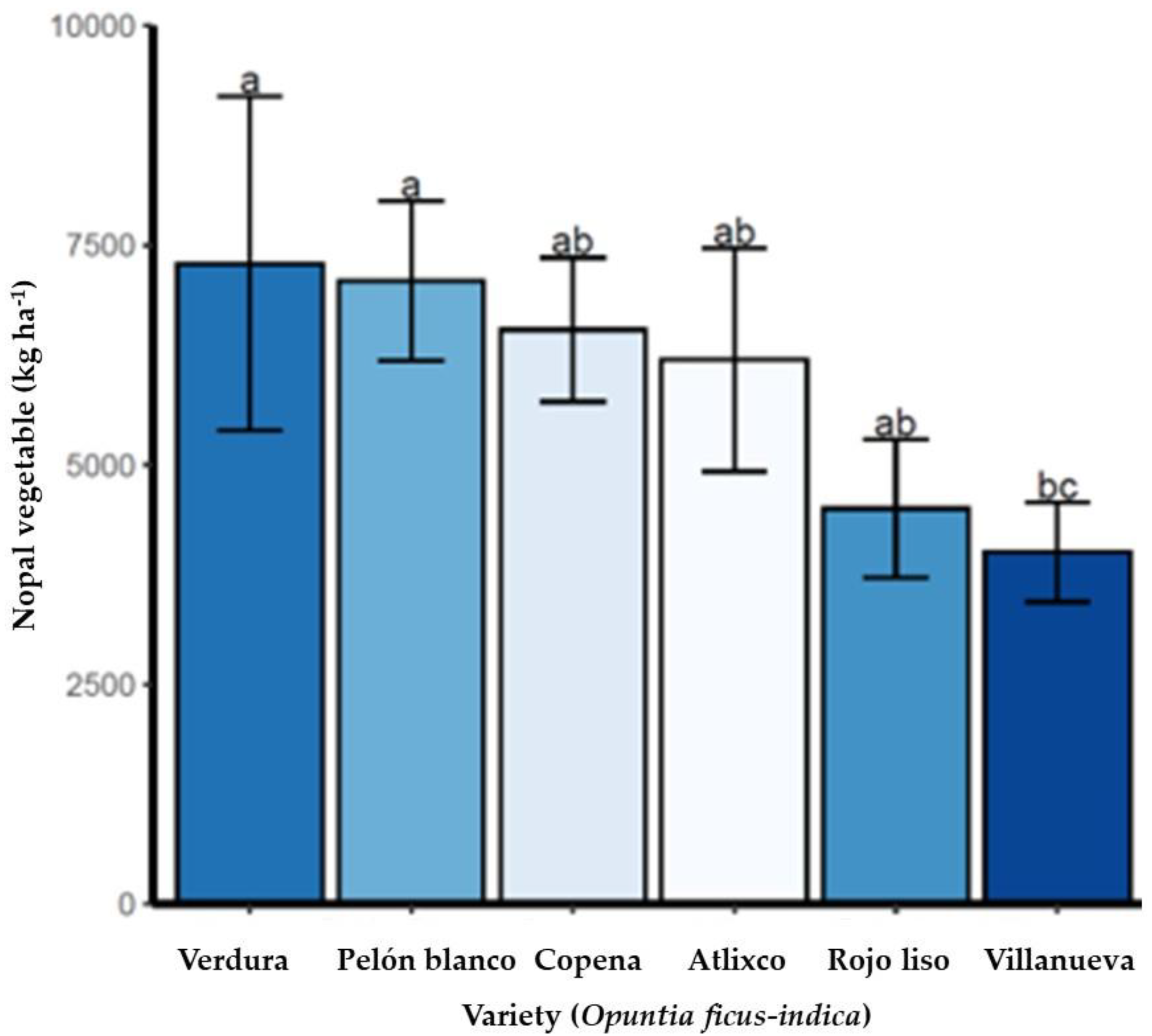
The analysis of variance showed high standard deviation values, in addition to a coefficient of variation of 20.79% (Figure 5), indicating that yields vary among nopal varieties. This can be attributed to their uses (forage, tuna, and vegetables) (Table 1). The emission rates of second- and third-level cladodes are differential (Table 2), with the Verdura, Pelón Blanco, and Copena varieties standing out with values of 42.96, 26.49, and 18.24%, respectively, which directly impact the production of nopal vegetables (vegetables) (Figure 5). This suggests the effects of indirect selection processes carried out by rural inhabitants on these genotypes.

3.3. General Costs and Profitability Indices

The model has the advantage of being adaptable to rural conditions, aiming to generate local rural employment, conserve local germplasm, and diversify production. Net present value (NPV) is an investment criterion that consists of discounting the income and payments of a project or investment to determine how much will be gained or lost from that investment, while the internal rate of return (IRR) is the interest or return offered by an investment. The IRR is the percentage of profit or loss involved in any investment, and the cost-benefit ratio (C/B) represents the overall relationship between costs and benefits over a given period, which is the total proposed monetary benefit divided by the total proposed monetary costs. Table 4 shows that all variety have acceptable profitability indicators, including the Pelon blanco and Pelon rojo, which are forage crops, making them attractive to remain in the production model. All variants exhibit positive NPV, an IRR above the opportunity cost of capital (supposedly >20%), and a benefit-to-benefit ratio (B/BR) >1, indicating economic viability. The forage variants (Pelón blanco and Pelón rojo) showed competitive profitability despite a lower IRR, reinforcing their role in diversified production systems in rural settings.

3.4. Structuring of the Rainwater Harvesting System, Emergency Irrigation System

The rainwater collection tank was built at the highest point of the site and covered with a heavy-duty geomembrane with a guaranteed lifespan of 20 years. The dimensions were 10*15*1.0 m (capacity of 150 m3, which correspond to 150,000 liters of water). The backup drip irrigation system consisted of 90000-inch-wide tape with a flow rate of 0.5 Lh-1.
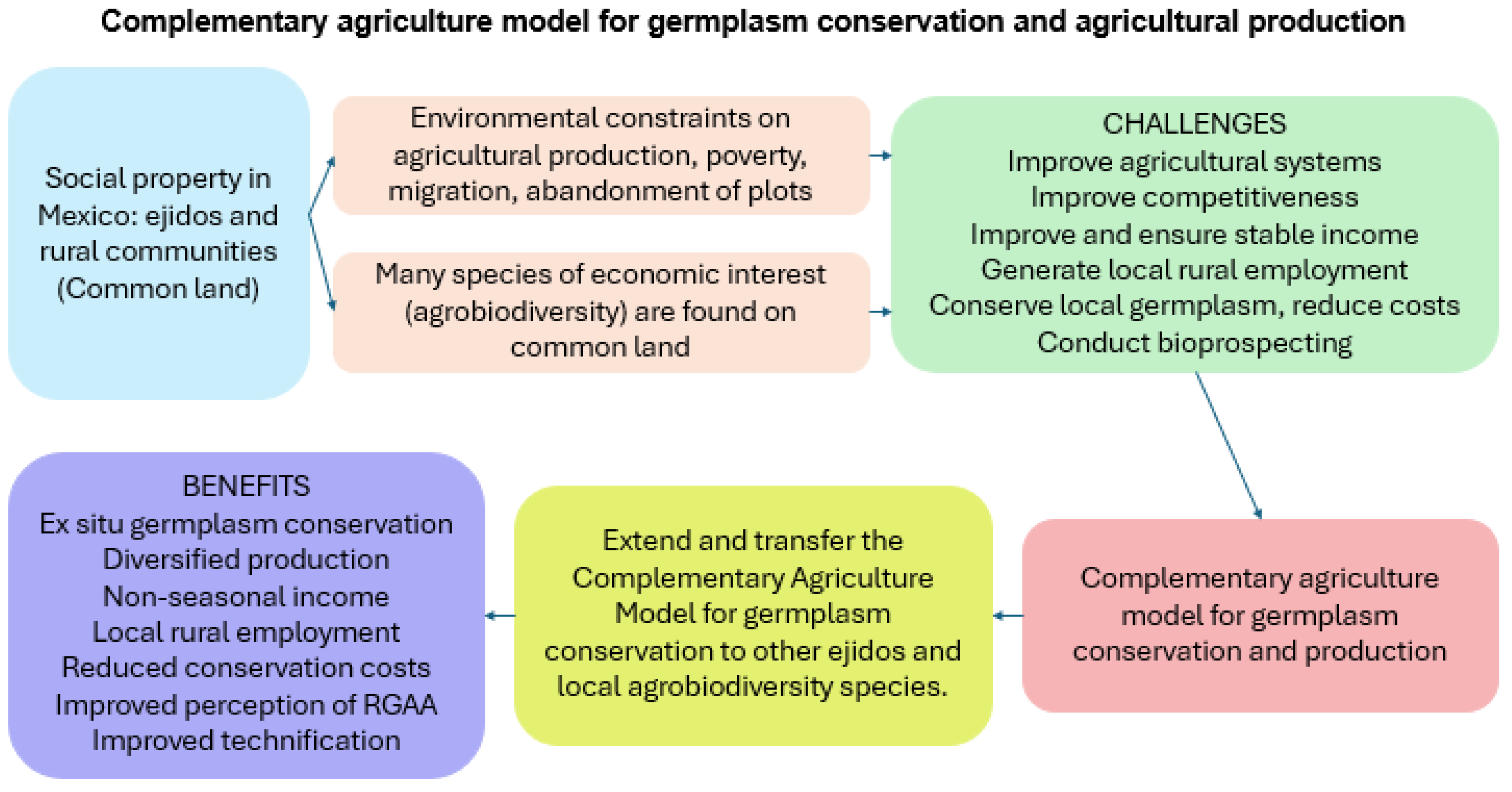
Figure 6 shows the conceptual model for transferring and disseminating AgriCom to other rural communities.

3.5. Conservation of Genotypes Collected
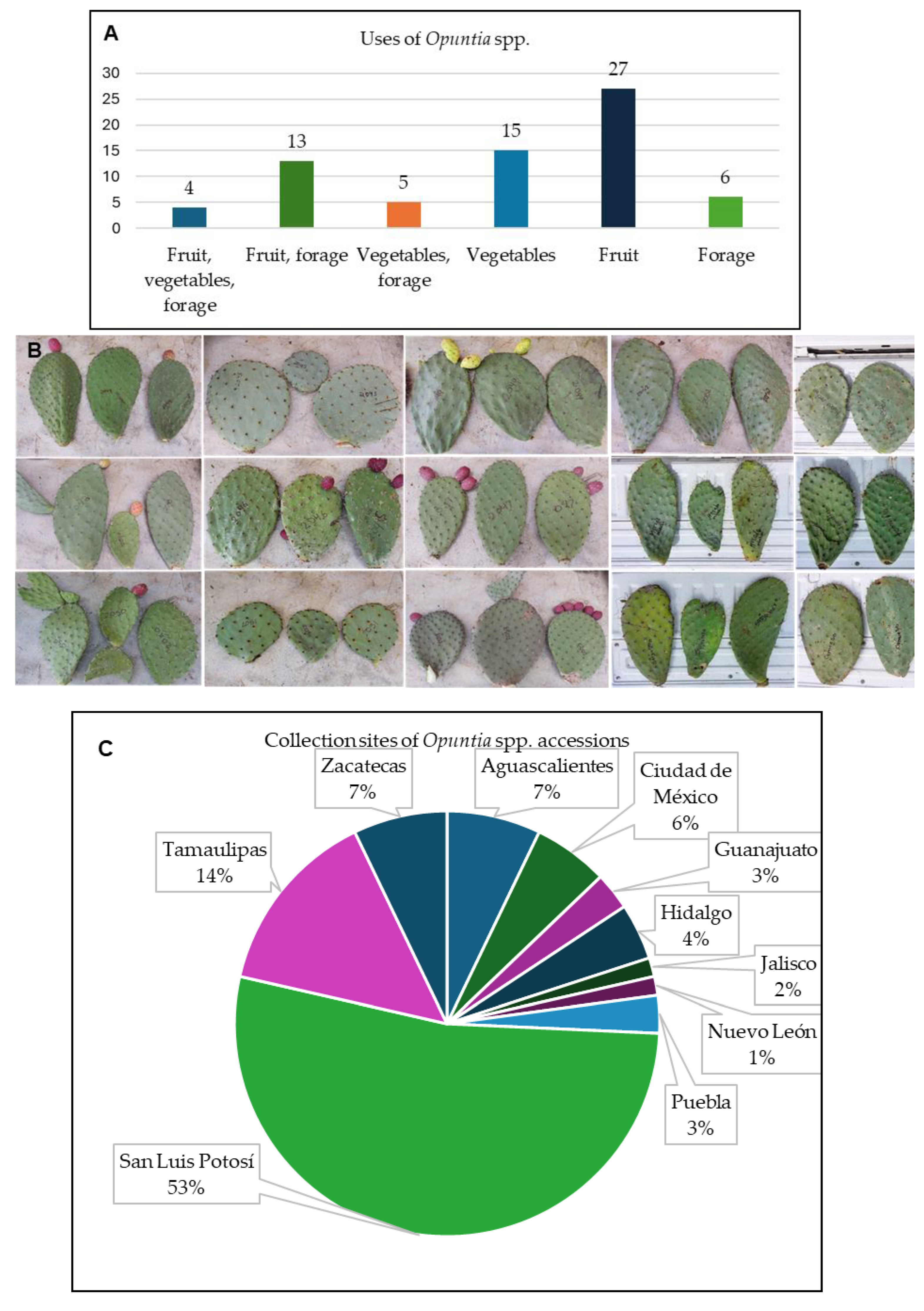
A total of 70 nopal genotypes were collected, with three replicates per genotype, resulting in 210 conserved plants integrated into the production module (Table 2). The core collection comprised the following species: Opuntia ficus-indica, O. albicarpa, O. megacantha, O. lasiacantha, O. affinis lasiacantha, O. tezontepecana sp., O. robusta var. Larreyi, and O. joconostle. Among the collected material, several improved genotypes—still in use today—were identified and later introduced to rural communities, including Copena F-1, P-8, AGD, CNF, and T4. Additionally, genotypes from the State of Mexico, Puebla, Mexico City, Guanajuato, Tamaulipas, Hidalgo, and Nuevo León were documented.
Most accessions originated from San Luis Potosí (53%) and Tamaulipas (14%), with the remainder coming from Mexico City, Guanajuato, Hidalgo, Nuevo León, and Puebla. This distribution suggests that farmers transfer genotypes across regions based on their needs (Figure 6A). Notably, 69% of the accessions were gathered from the Potosino-Zacatecano highlands and adjacent areas with similar agroclimatic conditions (e.g., Jalisco, Aguascalientes), representing the most diverse collection preserved to date. The primary uses of the conserved genotypes (Figure 6B,C) included fruit production (prickly pear), vegetable consumption, and forage.
Figure 6. A-C: Main uses of the accessions (germplasm) of Opuntia spp. and recollection sites that make up the core collection.
Preprints 174712 g007

4. Discussion

Soil is considered a vital resource in the environment because it is composed of water, minerals, organic matter and microorganisms. Unfortunately, over the years, the soil surface has deteriorated due to monoculture agriculture [41]. This type of agricultural system causes soil degradation and affects ecosystem functions, losing biological diversity [42]. In addition, because of the homogeneity of monoculture, it is more likely that climate change, pests and diseases negatively impact their yield [12].
The association of crops diversifies the primary activity and have greater stability in yields even in drought conditions [12], which is an important condition given the climatic changes that were observed in the community El Carmen. Polycultures are an alternative to achieve sustainable agriculture in the short term (1-3 years) and possibly sustainable in the long term due to efficient resource management [43]. The association of crops in the same area has multiple benefits, as in the AgriCom model, there is an increase in land productivity as opposed to monoculture [44,45], which provides food security [46] and a more varied diet [47].
For a society, sustainability means having economic, ecological, social, and political conditions that guarantee its balanced functioning over time [48]. The AgriCom model promotes environmental sustainability by integrating local species such as O. ficus-indica, which are resilient to extreme climatic conditions [49]. This approach conserves agrobiodiversity and reduces soil degradation by minimizing tillage and wind erosion [50]. The model also supports CO₂ absorption and the sequestration of high organic carbon content [51], contributing to ecosystem restoration.
The economic benefits of AgriCom are evident in its higher yields and profitability compared to traditional monoculture. Varieties like Verdura and Atlixco demonstrated superior cladode production and strong financial indicators (NPV and IRR), ensuring economic viability for rural households. The model’s low-cost infrastructure, such as rainwater harvesting systems, further enhances its economic feasibility.
Socially, AgriCom fosters self-employment and reduces reliance on seasonal crops like corn, which are vulnerable to climate variability. By providing continuous income through staggered harvests, the model mitigates migration pressures and strengthens rural livelihoods. The inclusion of local germplasm also empowers communities by preserving their agricultural heritage and adapting it to challenges.
Equivalent land use (ELU) helps to identify the advantages of the association or complementarity of cultivated species in the same area where monoculture has traditionally existed; especially where resources and inputs are scarce including the decrease in irrigation due to climatic factors [52]. By planting nopal used as forage, vegetable o fruit consumption, production increased compared to monoculture maize, showing greater physiological resilience to the lack of precipitation and providing the opportunity to diversify primary production and the diet of those involved, as well as economic income.
The AgriCom system is an option to reduce the agroecological limitations of semi-desert areas, helping to modify agricultural activities and discourage the abandonment of plots [53]. Similarly, the inclusion of a module for water capture or retention is an option that encourages rural actors to modify the traditional status of agriculture [54]. The inclusion of nopal (O. ficus-indica) varieties as a main component of the AgriCom model, due to its high agroclimatic resilience (tolerates high temperatures, extreme drought), favors farmers in arid and semi-arid zones. Even though it was not registered in this phase, there are other environmental benefits of this model, such as CO2 absorption, soil retention due to less wind erosion, reduction of degradation effects due to not tilling the soil, as well as the amendment of organic matter via manuring in the medium term, among other main benefits [50].
The AgriCom model has been selected by the Latin American and Caribbean Climate Action Platform for Agriculture (PLACA) launched at COP25 [38] as a low-cost technological solution using local or endogenous species for agriculture. PLACA emerged in response to the need for ministries of agriculture to have a regional mechanism that strengthens institutional capacities related to the effects of climate change on agriculture [39]. The Platform considers social, environmental, and economic dimensions to seek synergies with major environmental conventions, such as Climate Change, the 2030 Agenda, the Sendai Framework for Disaster Risk Reduction 2015-2030, and the conventions on Biological Diversity and Combating Desertification and Drought. In this regard, our model involves local species under topological arrangements that contribute to productivity, generate economic resources, and can mitigate migration and poverty in the semi-desert in the medium term. It also involves the conservation of Opuntia spp. at different levels of tolerance, promotion, cultivation, and even without current use [40]. It is important to mention that these species generate commercial goods, human food, and fodder for domestic livestock, such as sheep (Ovis aries L.), which complement the local economy.
In summary, the AgriCom model addresses the three pillars of sustainability—environmental, economic, and social—by integrating activities that promote sustainability in conditions that are limiting for agriculture and people, so that leveraging local resources improves resilience and rural life. Its success in El Carmen serves as a model for similar communities facing climatic and socioeconomic challenges. In addition, having other Opuntia species may benefit future bioprospecting research.

5. Conclusions

The species integrated in the model are local and show tolerance to rainfall shortage. This model allows the conservation of plant germplasm with local resources that, in addition to their protection, can complement the economic income from the production of green cactus. The model improves primary production activities in areas with strong agro-climatic limitations. It reduces production costs, promotes self-employment and generates economic resources. It is possible that, in the medium term, this will lead to a reduction in migration and abandonment of the means of production. The business plan is fundamental for the acceptance of the AgriCom model as a profitable project. The evaluation of the project is a support for decision making in the short, medium and long term. This model has been accepted in the Bank of Low-Cost Technological Solutions and/or Based on Local Resources, in the Platform for Climate Action in Agriculture in Latin America and the Caribbean (PLACA), to be installed in other communities in Latin America. It is currently established and delivered to producers in the community of El Carmen, Santa Maria del Rio, San Luis Potosi, Mexico, and will serve as a training and demonstration center for more producers and interested families.

Author Contributions

For research articles with several authors, a short paragraph specifying their individual contributions must be provided. The following statements should be used “Conceptualization, J.C.I. and F.D.S.; methodology, J.C.I. and V.M.R.V.; software, J.S.E.; validation, B.I.T.T. and J.L.Y.B.; formal analysis, J.C.I. and F.D.S.; investigation, F.D.S. and A.G.R.; resources, B.I.T.T and H.S.E.; data curation, J.S.E.; writing—original draft preparation, J.C.I. and F.D.S.; writing—review and editing, J.C.I. and V.M.R.V.; funding acquisition, B.I.T.T. and V.M.R.V. All authors have read and agreed to the published version of the manuscript.

Funding

This research was partially funded by the CONV_RGAA_2022_13 fund of the College of Postgraduates in Agricultural Sciences.

Institutional Review Board Statement

Not applicable.

Informed Consent Statement

Not applicable.

Acknowledgments

To Colegio de Postgraduados en Ciencias Agrícolas, and Instituto Tecnológico Nacional, Instituto Tecnológico El Llano Aguascalientes of Mexico. The authors have reviewed and edited the output and take full responsibility for the content of this publication.”.

Conflicts of Interest

The authors declare no conflicts of interest.

Abbreviations

The following abbreviations are used in this manuscript:
AGRICOM Complementary Agriculture
ELU Equivalent Land Use
RTR Relative Total Yield
GRFA Genetic Resources for Food and Agriculture
NPV Net Present Value
IRR Internal Rate of Return

References

  1. García-Sandoval, J. R. , Aldape-Ballesteros, L. A., & Esquivel, F.A. Perspectivas del desarrollo social y rural en México. Revista de Ciencias Sociales (Ve) 2020, 26, 45–55. [Google Scholar]
  2. Ramírez Juárez, J. Seguridad alimentaria y la agricultura familiar en México. Revista Mexicana de Ciencias Agrícolas 2022, 13, 553–565. [Google Scholar] [CrossRef]
  3. Merino Pérez, L. (2019). Crisis Ambiental en México: Ruta para el cambio. 1–282.
  4. CDB. (1992). Convenio sobre la diversidad biológica. Programa de Las Nacionaes Unidas Para El Medio Ambiente.
  5. Sánchez-Galán, E.A. Pobreza rural y agricultura familiar: Reflexiones en el contexto de América Latina. Revista Especializada en Ciencias Agropecuarias 2021, 1, 27–35. [Google Scholar]
  6. Scott, J. S. , Gutiérrez, A. G., & Chávez, C.C. (2019). Medición Multidimensional de la Pobreza Rural en México: acceso efectivo y nuevas dimensiones. (265.a ed., Vol. 39). Instituto de Estudios Peruanos. https://repositorio.iep.org.pe/server/api/core/bitstreams/a876d7f6-4246-4edc-ad1d-bf4e16cf260f/content.
  7. Lorenzen, M. Nueva ruralidad y migración en la Mixteca Alta, México. Perfiles Latinoamericanos 2021, 29, 1–29. [Google Scholar] [CrossRef]
  8. Yúnez Naude, A. , & González Andrade, S. Efectos multiplicadores de las actividades productivas en el ingreso y pobreza rural en México. El trimestre económico 2008, 75, 349–377. [Google Scholar]
  9. Pedro-Valencia, G. , López-García, A., Rodiles-Hernández, S., & Camacho-Vera, J. Incidencia de las políticas públicas en la reconfiguración del sector agrario en México. SUMMA. Revista Disciplinaria En Ciencias Económicas y Sociales 2022, 4, 1–20. [Google Scholar] [CrossRef]
  10. FAO. (2019). The State of the World’s Biodiversity for Food and Agriculture. In FAO Commission on Genetic Resources for Food and Agriculture Assesments. [CrossRef]
  11. Hernández Sánchez, M. I. , & Travieso Bello, A. C. Medidas de adaptación al cambio climático en Organizaciones cafetaleras de la zona centro de Veracruz, México. Tropical and Subtropical Agroecosystems 2021, 24. [Google Scholar] [CrossRef]
  12. Nicholls, C. I. , & Altieri, M.A. Bases agroecológicas para la adaptación de la agricultura al cambio climático. UNED Research Journal 2019, 11, 55–61. [Google Scholar]
  13. Tamayo Ortiz, C. V. , & Alegre Orihuela, J. C. Asociación de cultivos, alternativa para el desarrollo de una agricultura sustentable. Siembra 2022, 9, 23–56. [Google Scholar] [CrossRef]
  14. Gliessman, S.R. (2002). Agroecología: Procesos ecológicos en agricultura sostenible. In Diversidad y estabilidad del agroecosistema.
  15. Gutiérrez Alzate, F. (2020). Práctica tradicional de agricultura: Los policultivos como estrategia de sustento económico y conservación de los recursos naturales in situ en el corregimiento de Santa Cecilia - Pueblo Rico. Universidad Católica de Pereira. https://repositorio.ucp.edu.co/entities/publication/92d4bff8-54ca-4f31-9ea7-c8bce4662381.
  16. Gallardo-Milanés, O. A. Agricultura Familiar Y La Adaptación Al Cambio Climático En Coaprocor- Paraná, Brasil. Agroecologia: Métodos e Técnicas Para Uma Agricultura Sustentável 2021, 1, 379–399. [Google Scholar] [CrossRef]
  17. Hernández, A. P. Reflexión sobre la pobreza rural en la región planicie huasteca del Estado de San Luis Potosí, México. CIBA Revista Iberoamericana de las Ciencias Biológicas y Agropecuarias 2016, 5, 68–88. [Google Scholar] [CrossRef]
  18. Díaz-Sánchez, F. , Cadena-Iñiguez, J., Gómez-González, A., Ruiz-Vera, V. M., Morales Flores, F. J., & Bustamante-Lara, T.I. Modelo de producción y conservación de germoplasma (AgriCom) en una comunidad rural del semidesierto mexicano. Agro-Divulgación 2022, 2, 13–18. [Google Scholar] [CrossRef]
  19. Díaz-Sánchez, F. , Cadena-Iñiguez, J., Gómez-González, A., Ruiz-Vera, V. M., & Morales-Flores, F.J. Soluciones tecnológicas de bajo costo con recursos locales en un modelo de agricultura complementaria. AEIPRO 2023, 2019–2028. [Google Scholar] [CrossRef]
  20. Santiago-Zongua, D. M. , & Lizárraga-Mendiola, L. Cosecha de lluvia para reducir la escasez hídrica en una zona rural de Puebla. Pädi Boletín Científico de Ciencias Básicas e Ingenierías Del ICBI, 2022; 10, 161–138. [Google Scholar] [CrossRef]
  21. Aceves-Navarro, E. , Reyes-Montero, J. A., & Vera-Espinoza, J. Abastecimiento con agua de lluvia a comunidades rurales del Estado de Campeche, México. Agro-Divulgación 2021, 1. [Google Scholar] [CrossRef]
  22. Acevedo-Osorio, A. , Ortiz Przychodzka, S., & Ortiz Pinilla, J.E. Aportes De La Agrobiodiversidad a La Sustentabilidad De La Agricultura Familiar En Colombia. Tropical and Subtropical Agroecosystems 2020, 23. [Google Scholar] [CrossRef]
  23. Zimmerer, K. S. , de Haan, S., Jones, A. D., Creed-Kanashiro, H., Tello, M., Carrasco, M., Meza, K., Plasencia Amaya, F., Cruz-Garcia, G. S., Tubbeh, R., & Jiménez Olivencia, Y. The biodiversity of food and agriculture (Agrobiodiversity) in the anthropocene: Research advances and conceptual framework. Anthropocene 2019, 25, 100192. [Google Scholar] [CrossRef]
  24. INEGI. (2020). Panorama sociodemográfico de San Luis Potosí. In Censo de Población y Vivienda 2020. https://www.inegi.org.mx/contenidos/productos/prod_serv/contenidos/espanol/bvinegi/productos/nueva_estruc/702825197858.pdf.
  25. Cadena-Iñiguez, J. , Ruiz-Posadas, L. del M., Trejo-Téllez, B. I., Morales-Flores, F. J., & Talavera-Magaña, D. Red doméstica de producción de nopal (Nopalea sp.) para exportación. Agro Productividad 2019, 12, 10–13. [Google Scholar] [CrossRef]
  26. Mead, R. , & Willey, R.W. The concept of a “land equivalent ratio” and advantages in yields from intercropping. Experimental Agriculture 1980, 16, 217–228. [Google Scholar] [CrossRef]
  27. FAO. (2012). Segundo Plan de Acción Mundial para los Recursos Fitogenéticos para la Alimentación y la Agricultura. In Informes De Organizaciones Internacionales Sobre Sus Políticas, Programas Y Actividades En Relación Con La Diversidad Biológica Agrícola.
  28. SADER. Programa de trabajo multianual del comité sectorial de recursos genéticos para la alimentación y la agricultura 2022–2024. Diversidad Genética Para La Producción Sostenible. La Adaptación Al Cambio Climático y El Bienestar, 2022; 1–135.
  29. FAO. (2007). Bosques y biodiversidad agrícola para la seguridad alimentaria en América Central. In Biodiversidad agrícola.
  30. DOF. Acuerdo por el que se crea el Comité Sectorial de Recursos Genéticos para la Alimentación y la Agricultura. Diario Oficial de La Federación.
  31. Hernández Bonilla, B. E. , Ruiz Reynoso, A. M., Ramírez Cortés, V., Sandoval Trujillo, S. J., & Dávila Hernández, M. (2020). Análisis económico de productores y comercializadores de nopal en el Valle de Teotihuacán. In RICEA Revista Iberoamericana de Contaduría, Economía y Administración (Vol. 9, Issue 17). [CrossRef]
  32. Domínguez García, M. V. , Flores Merino, M. V., Flores Estrada, J., Montenegro Morales, L. P., Morales Ávila, E., & Santillán Benítez, J.G. (2023). Principios activos de las plantas usadas en la medicina tradicional mexicana.
  33. SNICS. 2018. El Sistema de Información de Bancos de Germoplasma Mexicano (BanGERMEX) https://www.gob.mx/snics/articulos/que-es-el-bangermex?idiom=es. 2024.
  34. SNICS. 2020. Programa Nacional de Semillas 2020-2024 https://www.dof.gob.mx/nota_detalle_popup.php?codigo=5608920 Consultado 03 abril 2024.
  35. Román-Montes de Oca, E. , Licea-Resendiz, J. E., & Romero-Torres, F. Diversificación de ingresos de los productores como estrategias de desarrollo rural. Entramado 2020, 16, 126–148. [Google Scholar] [CrossRef]
  36. Cadena-Iñiguez, J. , Ruiz-Posadas, L. del M. , Trejo-Téllez, B. I., Morales-Flores, F. J., & Talavera-Magaña, D. Red doméstica de producción de nopal (Nopalea sp.) para exportación. Agro Productividad 2019, 12, 10–13. [Google Scholar] [CrossRef]
  37. Lluch-Cota, S. E. , Velázquez Zapata, J. A., & Nieto Delgado, C. Agricultura, agua y cambio climático en zonas áridas de México. Recursos Naturales Y Sociedad 2022, 8, 35–48. [Google Scholar] [CrossRef]
  38. COP25. (2019). Conferencia de las Naciones Unidas sobre el Cambio Climático de 2019. https://es.wikipedia.org/wiki/Conferencia_de_las_Naciones_Unidas_sobre_el_Cambio_Clim%C3%A1tico_de_2019. Accesado 10 jun 2025.
  39. PLACA (2025). Plataforma de Acción Climática en Agricultura de Latinoamérica y el Caribe https://accionclimaticaplaca.org/es/sobre-placa/. Accesado 22 jun 2025.
  40. Casas, A. , Caballero, J., Mapes, C., & Zárate, S. Manejo de la vegetación, domesticación de plantas y origen de la agricultura en Mesoamérica. Botanical Sciences 2017, 61, 31–47. [Google Scholar] [CrossRef]
  41. Sánchez Moreno, D.E. (2023). Análisis de la agricultura regenerativa como práctica sostenible para la gestión y uso del suelo en Colombia. Agricultura Regenerativa Como Práctica Sostenible.
  42. Vázquez, J. , Alvarez-Vera, M., Iglesias-Abad, S., & Castillo, J. La incorporación de enmiendas orgánicas en forma de compost y vermicompost reduce los efectos negativos del monocultivo en suelos. Scientia Agropecuaria 2020, 11, 105–112. [Google Scholar] [CrossRef]
  43. Carranza-Cárdenas, C.C. (2021). Eficiencia agronómica de la asociación de cultivo maíz (Zea mays) vs leguminosas fréjol cuarentón, (Phaseolus vulgaris L.) - maní (Arachis hypogaea) y su efecto en el rendimiento. 36–38. https://repositorio.uteq.edu.ec/handle/43000/6509.
  44. Arteaga-Rodríguez, O. , Espinosa Aguilera, W., Bernal-Carraza, Y., & Hernández-Rodríguez, C. Implantación de algunas prácticas del manejo sostenible de tierras en una finca agropecuaria en Cienfuegos, Cuba. Revista Científica Agroecosistemas 2020, 8, 55–60. [Google Scholar]
  45. Gómez-Betancur, L. M. , Márquez-Girón, S. M., & Restrepo-Betancur, L. F. La milpa como alternativa de conversión agroecológica de sistemas agrícolas convencionales de frijol (Phaseolus vulgaris), en el municipio El Carmen de Viboral, Colombia. Idesia 2018, 36, 123–131. [Google Scholar] [CrossRef]
  46. Vásquez González, A. Y. , Chávez Mejía, C., Herrera Tapia, F., & Carreño Meléndez, F. Milpa y seguridad alimentaria: El caso de San Pedro El Alto, México. Revista de Ciencias Sociales 2018, 24, 24–36. [Google Scholar] [CrossRef]
  47. Ochoa Lozano, J.B. (2018). Farmer crop variety mixtures to cope with disease epidemics in the common bean cropping system of the Ecuadorian highlands. 1–23. https://hdl.handle.net/11573/1077355.
  48. Magra, G. C. , Saperdi, A. J., & Ferreras, L.A. Diagnosticar las reservas de agua útil: Una herramienta para la toma de decisiones y potenciar la rentabilidad económica del cultivo de trigo. Revista Americana de Empreendedorismo e Inovação /American Journal of Entrepreneurship and Innovation 2021, 3, 7–18. [Google Scholar] [CrossRef]
  49. Jorge, A. O. S. , Costa, A. S. G., & Oliveira, M. B. P. P. Adapting to climate change with Opuntia. Plants 2023, 12, 2907. [Google Scholar] [CrossRef]
  50. Licerán-Fuentes, D. Tolerancia de Opuntia spp. a diferentes tipos de estreses abióticos relacionados con el cambio climático. Facultad de Ciencias Experimentales 2021, 1–39. [Google Scholar]
  51. González Alfredo, N. , Rivera Martínez, J. G., Vela Correa, G., Silva Torres, B., Puebla Torres, H., Sánchez Martínez, M., & Reséndiz de la Rosa, G. (2015). Evaluación del contenido de carbono orgánico en suelos del cultivo intensivo de nopal (Opuntia ficus-indica L.) en la delegación de Milpa Alta, México D.F. [PDF]. Recuperado de https://sedici.unlp.edu.ar/bitstream/handle/10915/52510/Documento_completo.pdf-PDFA.pdf?sequence=1&isAllowed=y.
  52. Cordova-Quispe, D.M. Uso Equivalente de la Tierra y características biométricas del cultivo asociado de lechuga (Lactuca sativa L.) y cebolla (Allium cepa L.) bajo riego por goteo. Repositorio Institucional - UNH 2021, 80. http://repositorio.unh.edu.pe/handle/UNH/2755.
  53. Mola Fines, B. , Bonet Pérez, C., Rodríguez Correa, D., Guerrero Posada, P., Avilés Martínez, G., & Martínez Der, C. Tecnologías para el uso eficiente de los recursos hídricos en fincas ganaderas. Revista Ingeniería Agrícola 2021, 11, 2021. [Google Scholar]
  54. Gordillo-Bartolo, F. I. Diseño del tamaño óptimo del tanque para sistema de captación de agua de lluvia en la Universidad de Santader, Bucaramanga, Colombia. Facultad de Ingeniería. Universidad Autónoma Del Estado de México, 2022; 1–80. [Google Scholar]
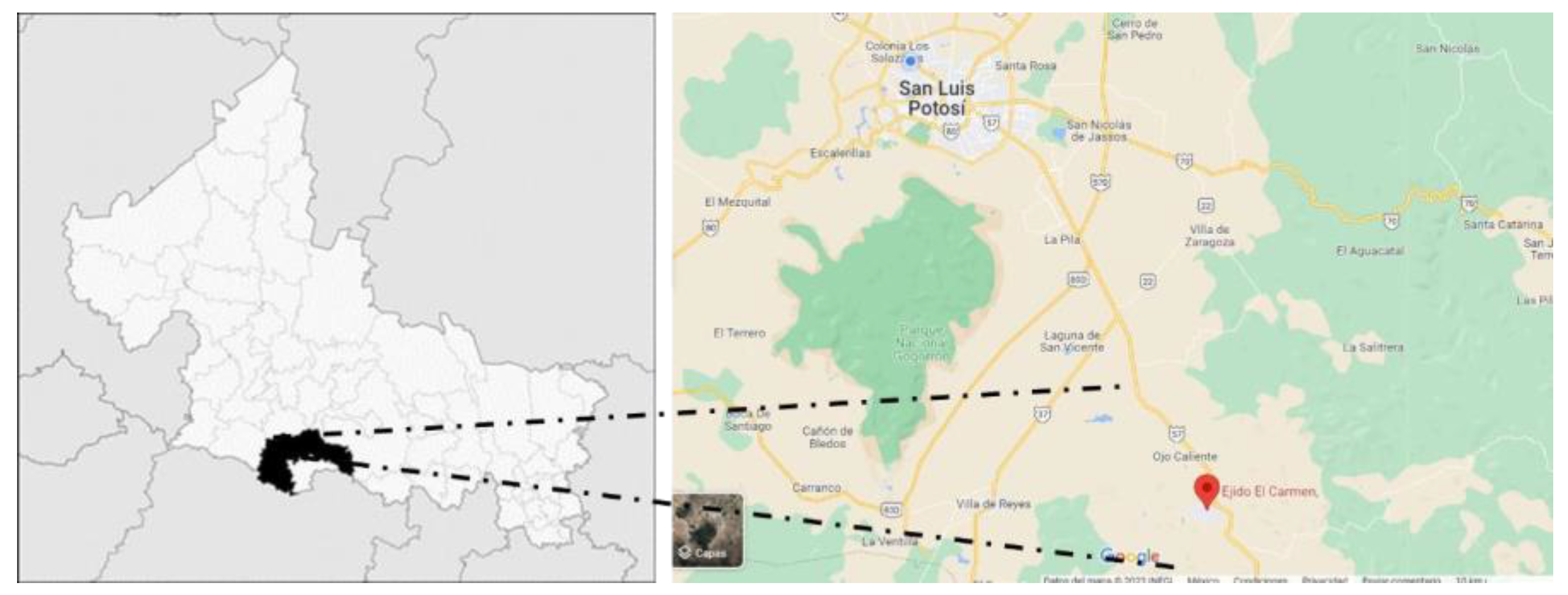
Figure 1. Location of the “El Carmen” Ejido, San Luis Potosí. Source: Prepared by the authors based on Google Maps.
Preprints 174712 g001
Figure 2. A-B: Initial planting of corn (Zea mays L.) in the El Carmen community, Santa María del Río, SLP. C-D: Final condition of the plant resulting from insufficient rainfall in the community. Source: Prepared by the authors.
Preprints 174712 g002
Figure 3. Opuntia ficus-indica planting sequence. A-B: Mature cladodes and first-level planting. C: Second-level cladode emission. D: Third-level cladode emission, E: Nopal crop. Source: Prepared by the authors.
Preprints 174712 g003
Figure 4. A: Emission of immature cladodes (vegetables) from seven Opuntia ficus-indica varieties eight months after establishment. B: Emission twelve months after establishment. Source: Prepared by the authors.
Preprints 174712 g004
Figure 5. Tukey means test (0.05%) for the cactus variants that make up the AgriCom model. Values for three observations ± standard deviation. Identical letters indicate no statistical difference. Source: Prepared by the authors.
Preprints 174712 g005
Figure 6. Conceptual model for transferring AgriCom to other rural communities.
Preprints 174712 g006
Table 1. Plant species, biological varieties, and planting densities used in the complementary agriculture model. Source: Prepared by the authors.
Species Variety Use Density (plants ha-1)
Opuntia ficus-indica Mill. Copena Vegetable 20,952
Opuntia ficus-indica Mill. Pelón blanco Forage 20,952
Opuntia ficus-indica Mill. Verdura Vegetable 20,952
Opuntia ficus-indica Mill. Pelón rojo Forage 20,952
Opuntia ficus-indica Mill. Rojo liso Vegetable 20,952
Opuntia ficus-indica Mill. Atlixco Vegetable 20,952
Opuntia ficus-indica Mill. Villanueva Vegetable 20,952
Zea mays L. Criollo local Grain 20,000
All varieties of Opuntia ficus-indica and Zea mays were cultivated under the same conditions.
Table 2. Cladodes emission rate of second- and third-level cactus plants and annualized emission percentage from planting. Source: Prepared by the authors.
Variety
(Opuntia ficus-indica
Second level
emission (t ha-1)
Third level
emission (t ha-1)
Emission ratio between second and third level (%)
Verdura 10.83 4.653 42.96
Atlixco 10.38 2.750 26.49
Rojo liso 8.33 1.519 18.24
Pelón rojo 7.40 1.149 15.53
Villanueva 6.70 0.633 9.45
Pelón Blanco 6.40 0.368 5.75
Copena 5.921 0.302 5.10
Table 3. Annualized and projected yield per hectare that determines the Equivalent Land Use (ELU) and income. Source: Prepared by the authors. *ELU: Equivalent Land Use; R1-R3: replicates.
Variety Yield (kg ha-1) Income
$ ha-1
($10.00 kg)
Yield
(kg ha-1)
Income
$ ha-1
($10.00 kg)
Yield
(kg ha-1)
Income
$ ha-1
($10.00 kg)
ELU (nopal variety versus corn)
R1 R2 R3
Verdura 5276.92 52,769.23 7543.59 75,435.90 9052.31 90,523.08 >1.0
Atlixco 6400.00 64,000.00 6768.42 67,684.21 8122.11 81,221.05 >1.0
Rojo liso 5920.63 59,206.35 6222.22 62,222.22 7466.67 74,666.67 >1.0
Pelón rojo 4913.98 49,139.78 6215.05 62,150.54 7458.06 74,580.65 >1.0
Villanueva 3750.00 37,500.00 4433.33 44,333.33 5320.00 53,200.00 >1.0
Pelón Blanco 3497.49 34,974.87 4040.20 40,402.01 4848.24 48,482.41 >1.0
Copena 3526.32 35,263.16 3859.65 38,596.49 4631.58 46,315.79 >1.0
Corn 0.00 0.00 0.00 0.00 0.0
Table 4. Profitability indicators based on annual production of cactus varieties as the main component of productivity. Source: Prepared by the authors.
Variety (Opuntia ficus-indica) Net Present Value (NPV) Internal Rate of Return (IRR %) Benefit /Cost Ratio (B/CR)
Verdura 231,077.73 67 7.97
Atlixco 143,831.02 70 6.35
Rojo liso 139,288.51 51 6.82
Pelón rojo 99,715.71 48 6.28
Villanueva 88,646.13 42 5.67
Pelón Blanco 51,580.62 26 5.40
Copena 38,630.41 21 4.93
Disclaimer/Publisher’s Note: The statements, opinions and data contained in all publications are solely those of the individual author(s) and contributor(s) and not of MDPI and/or the editor(s). MDPI and/or the editor(s) disclaim responsibility for any injury to people or property resulting from any ideas, methods, instructions or products referred to in the content.
Copyright: This open access article is published under a Creative Commons CC BY 4.0 license, which permit the free download, distribution, and reuse, provided that the author and preprint are cited in any reuse.
Prerpints.org logo

Preprints.org is a free preprint server supported by MDPI in Basel, Switzerland.

Subscribe

Disclaimer

Terms of Use

Privacy Policy

Privacy Settings

© 2025 MDPI (Basel, Switzerland) unless otherwise stated