

Submitted:
30 August 2025
Posted:
01 September 2025
You are already at the latest version
Abstract
International literature shows significant growth in relation to sustainable rural development in response to ongoing needs. The principles for Responsible Investment in Agriculture and Food Systems (CFS-RAI) enable projects to be geared towards meeting the Sustainable Development Goals (SDGs). In this article, we present an empirically grounded analysis of these RAI principles, based on in-depth case studies in seven countries (Spain, Ecuador, Peru, Santo Domingo, Bolivia, Colombia, and Mexico). This experience focuses on an international project coordinated by the GESPLAN Research Group (https://www.ruraldevelopment.es) at the Polytechnic University of Madrid. The methodological process incorporates the Working with People model, analyzing the understanding of CFS-RAI principles by rural actors in different countries and contexts of university-business relations. The results show the effectiveness of the WWP model, based on the integration of its three dimensions: ethical-social, technical-business, and political-contextual, as an effective proposal for planning sustainable rural development projects in numerous contexts. The empirical evidence presented indicates that combining the WWP model with the principles of CFS-RAI in rural contexts allows progress toward sustainable development, balancing economic aspects with human, social, and environmental well-being.
Keywords:
rural communities
; working with people
; project planning
; sustainable development
1. Introduction
Sustainable development has been on the global agenda for decades and has experienced significant growth as a field of research, establishing itself as one of the most important areas of research with numerous challenges [1] to meet current needs without compromising future generations [2].
It is conceptualization has evolved from economic development to a more holistic approach that seeks to balance social, economic, and environmental dimensions [3,4]. More recently, many have suggested integrating a fourth dimension into sustainable development: governance [5,6].
In this regard, for several years now, it has become the basic paradigm for rural development programs, projects, policies, and strategies [7].
Rural areas play an important role in sustainable development [8] and, over time, have been exposed to multiple global crises [9], including the COVID-19 pandemic [10,11] which has exacerbated pre-existing problems such as poverty and food insecurity [12], in addition to other phenomena such as international migration [13], the population shift from rural to urban areas [14,15] and land grabbing [16,17,18,19]. In the face of these challenges, achieving sustainability in rural regions takes on a key role[9].
For this reason, international organizations have shown a growing interest in sustainable rural development, integrating human rights and recognizing the promotion of equitable and responsible progress [20,21]. The Committee on World Food Security (CFS), an intergovernmental body of the United Nations coordinated by the FAO, approved the Principles for Responsible Investment in Agriculture and Food Systems in 2014 [22]. Subsequently, the Sustainable Development Goals (SDGs) were approved by the United Nations General Assembly on September 25, 2015, as part of the 2030 Agenda for Sustainable Development [23]. Both instruments were created to guide and promote sustainable and responsible interventions that preserve the availability of resources for future generations [24,25].
Approved a year before the adoption of the SDGs, the CFS-RAI Principles anticipate and reinforce many of the goals contained in the 2030 Agenda. However, little research has shown how the CFS-RAI Principles function as a practical tool for implementing the SDGs in the agricultural and food sectors, guiding governments, businesses, and institutions in making responsible and sustainable decisions.
In 2016, the Polytechnic University of Madrid (UPM) and the Food and Agriculture Organization of the United Nations (FAO) entered into a collaboration agreement to implement experiences of applying CA-IRA principles in specific territories and through university-business relationships in the fields of agriculture, food, the environment, and climate change.
Within the framework of this agreement, coordinated by the GESPLAN Research Group at the UPM, a RU-IRA Network has been created in recent years, currently comprising 49 universities and 50 companies from 13 countries in Latin America, the Caribbean, and Spain [26] with the aim of promoting the implementation of the CFS-RAI Principles in teaching, research, development cooperation, and through their application in collaborative experiences of sustainable and responsible investment [27].
After these years of collaboration, this research analyses the conceptual framework developed by the GESPLAN Research Group, recognized for its multidisciplinary approach and extensive experience in the planning and management of sustainable rural development projects [27].
1.1. Rural Development Projects Based on the Working with People Model
Sustainable rural development projects have evolved significantly over the years [28]. In the 1960s and 1970s, a traditional model prevailed that viewed rural regions as incapable of developing on their own, with a strong emphasis on modernization and economic growth [29]. Given the failure of these models, starting in the 1980s and 1990s, a more people-centred approach emerged that emphasized local participation, recognizing the importance of endogenous development and the creation of local organizational structures [30,31,32].
An important milestone in this evolution was the LEADER (Liaisons entre activités de Developement de L’Economie Rural) approach in the European Union in the 1990s. This new perspective emerged in a context of transition, giving way to a postmodern vision of rural development based on a territorial approach, the creation of new participatory local government structures, and decentralized management [32].
This approach also emphasizes social innovation, multilevel governance, and cooperation between local actors, enabling the promotion of more sustainable projects that are adapted to local contexts and the specific needs of each region, with significant impacts on social cohesion and territorial development [33]. Sustainable rural development integrates social, cultural, and environmental values to contribute to improving the quality of life of the population [34].
Subsequently, numerous methodological approaches emerged that consider people as central to sustainable development [35,36,37], one of these being the so-called “Working with People”[28,38], presenting itself as a model that transcends the traditional technical vision of rural development projects and promoting the leading role of local actors in defining and implementing sustainable development actions. This WWP approach emphasizes capacity building to consolidate new organizational structures and strengthen project governance through alliances between actors in the territory.
The first applications of the WWP model are being carried out within the framework of the European LEADER initiative, working together with Local Action Groups, responding to a new experimental approach to rural development in the EU [31]. In addition to the specific features of the LEADER initiative, the WWP model incorporates elements of planning as social learning [39,40], the logic of participation [41,42,43], methodologies for formulating and evaluating rural development projects [31,44] and international skills for project management [32,45,46].
Numerous studies have shown that integrating project management skills based on the International Project Management Association (IPMA) standard is a significant factor in the sustainability of rural development projects in contexts other than those of the European Union, enabling the formation of local action groups to act effectively in diverse rural areas [47,48,49]. Over the years, the WWP model has been successfully implemented in rural development processes in Europe [50,51,52] and Latin America, such as Mexico [32], Peru [53,54], Ecuador [55], Argentina [48], Colombia [56] and Chile [57] where it has contributed to improving rural prosperity. And, in its most recent evolution, it has established itself as an effective methodology for CFS-RAI implementation, enhancing project results and fully integrating with the Sustainable Development Goals [47,58,59,60,61].
Projects that are planned and executed using the social learning approach, based on the WWP metamodel, have therefore been found to be suitable for promoting ethical values of social responsibility and developing the capacities of the affected population. By placing people at the centre of development, they empower them, turning them into leaders of their own development, which contributes to strengthening the social structure and sustainability of rural development projects [62].
Rural development projects based on the WWP model, like rural development itself, are influenced by various factors [63], integrating a holistic approach from its three dimensions. One of the critical factors is ethical governance, which establishes the necessary framework for planning, executing, and evaluating projects effectively, ensuring teamwork and trust for sustainability [64,65]. Similarly, the development of skills within work teams, and especially among project managers, are decisive factors for sustainability, proving to be key to the success of projects and rural development [47,48].
1.2. Principles for Responsible Investment in Agriculture and Food Systems (CFS-RAI) of the Committee on World Food Security
The Principles for Responsible Investment in Agriculture and Food Systems CFS-RAI are presented as a guide to orient projects toward the fulfilment of the Sustainable Development Goals (SDGs). They have been demonstrated in rural areas as a strategic framework for orienting investments toward the achievement of the SDGs. [60,61].
This link between the SDGs and the CFS-RAI is based on five interrelated pillars, known as the 5 Ps: People, Planet, Prosperity, Peace, and Partnerships [23,59]. This structure facilitates the organization and analysis of experiences based on the different dimensions that make up sustainability.
Achieving the SDGs requires concrete actions and responsible investments, particularly in rural areas affected by complex challenges such as climate change, energy, food security, migration, and poverty [66].
For this reason, the FAO led a global participatory process involving various stakeholders from five continents with the aim of establishing a consensus-based set of principles to enable the achievement of sustainable development. As a result of this initiative, in October 2014, the ten principles of the CFS-RAI were approved [22], designed as voluntary guidelines, focused on rural areas, and aimed at promoting sustainable and responsible investment in agriculture and food systems [47,60,61,67].
The multi-stakeholder nature of the principles allows for the active participation of a wide range of actors, including governments, businesses, civil society organizations, universities, and producers, creating a collaborative environment that promotes consistency and effectiveness in interventions. Following the CFS-RAI principles establishes a framework that guides projects toward comprehensive development, ensuring that they contribute effectively to the achievement of the SDGs.
In this process of disseminating, raising awareness, and implementing the CFS-RAI Principles, since the agreement signed in 2016 between the UPM-FAO, under the leadership of GESPLAN, strategic actions have been coordinated to promote sustainable projects that integrate these principles. The FAO selected the GESPLAN Research Group at the Polytechnic University of Madrid (UPM) for its experience and planning of rural development and sustainable management projects based on the WWP model, to promote teaching, research, and links with society in Latin America, the Caribbean, and Spain, based on these principles. Its extensive network of doctors specializing in Projects and Planning in Sustainable Rural Development, graduates of the UPM, has enabled it to contribute an innovative approach to the development of rural areas. The result has been the creation of the RU-IRA Network (https://principiosirametauniversidad.com), a key initiative that brings together 46 universities and 52 companies from 12 countries in Latin America, the Caribbean, and Spain, working with the aim of promoting the application of CFS-RAI principles in teaching, research, development cooperation, and business.
In this context, various training initiatives have been developed, such as seminars and workshops promoted by the RU-IRA Network, which have facilitated the training of various university professors, professionals in the agri-food sector, representatives of public and private organizations, and members of civil society. These activities have contributed to knowledge transfer, capacity building, and the creation of multi-stakeholder dialogue spaces on the implementation of the CFS-RAI principles, consolidating a community committed to sustainable rural development based on the CFS-RAI principles.
This research conducts an empirical analysis of the implementation of CFS-RAI in 11 case studies from seven countries (Spain, Ecuador, Peru, Dominican Republic, Bolivia, Colombia, and Mexico) as collaborative experiences of sustainable and responsible investment that are continuously being developed and evolved. The case studies and the criteria by which they were selected are presented in the materials and methods section (Tables 1).
1.3. Research Questions
To guide the analysis of the application of the Principles for Responsible Investment in Agriculture and Food Systems (CFS-RAI) in sustainable rural development projects, the following research questions were posed:
- How do the CFS-RAI principles contribute to sustainable rural development in different international contexts?
- How can the CFS-RAI principles be integrated into the Working with People (WWP) model to contribute to sustainable rural development?
- How do university-business relationships influence rural actors' understanding and adoption of the CFS-RAI principles?
2. Materials and Methods
The methodological approach used is the Working with People (WWP) model, [28,38], which has been applied to implement the CFS-RAI principles in various contexts, in collaboration with universities, businesses, and civil society.
2.1. Working with People Model
The WWP model prioritizes the value of people in the planning of sustainable rural development projects and the connection between knowledge and action from its three dimensions: political-contextual, ethical-social, and technical- entrepreneurial [38].
This WWP model integrates the specific features of LEADER [31] and the development of project management skills [32,45,46], demonstrating a significant contribution to the sustainable development of various rural areas [28,32,68].
On the one side, the specific features of the LEADER approach comprise seven elements [31,69] (a) bottom-up approach; (b) territorial approach; (c) comprehensive and multisectoral approach; (d) innovation; (e) creation of local action groups (LAGs); (f) proximity management and financing; (g) learning in collaborative networks [31,70].
On the other hand, IPMA (International Project Management Association) project management competencies are structured in three dimensions: a) personal competencies (People), related to behavior, social skills, and the ability to lead and work with others; b) technical competencies (Practice) necessary for managing projects and programs; and c) contextual competencies (Perspective), related to understanding the project environment and its alignment with the organization's strategic objectives [45].
The WWP model seeks to connect knowledge and action through its three dimensions or components:
The political-contextual dimension encompasses the capacity of different actors to build relationships with political organizations and international, regional, and local public administrations in the contexts in which they operate. This dimension considers the territorial approach and proximity management of the LEADER model for sustainable development [54] and the IPMA's competency area of perspective. The implementation of CSA-IRA principles begins with this dimension, providing the essential framework for the political support, resources, and collaborative environment necessary for the successful implementation and long-term sustainability of projects.
The ethical-social dimension includes the behaviors, attitudes, and values of the people involved in actions at the personal and collective levels. It constitutes the system of social relations based on the moral attitudes and behaviors of people that enable effective teamwork and cooperation among actors through commitment, trust, and personal freedom. It is related to the personal competencies area of the IPMA model and to the bottom-up approach and partnership building of the LEADER model. The processes of awareness raising training, participation, and empowerment of local communities for the integration of CSA-IRA principles correspond to this dimension. The creation of the LAG partnership promotes coordination and strategic planning for the efficient management of development projects [60].
The technical-entrepreneurial dimension allows the different actors involved to be the main source of innovation and based on their technical skills, to create products and services for society in accordance with quality standards. It focuses on promoting business strengthening of organizations and integrates the practical skills of the IPMA model for project execution. It connects with the multisectoral and innovative approach of the Leader model to generate synergies and added value for the project. This technical-entrepreneurial dimension is also considered crucial for success and sustainability based on CFS-RAI principles.
Finally, the social learning component provides the WWP with an integrative component to ensure the space and processes for learning among the different subsystems, which leads to the learning of change agents.
Figure 1 summarizes these three dimensions of the WWP model with the specific features of LEADER [28,38], for the process of integrating CFS-RAI principles, based on “working with people” and learning among multiple stakeholders from different areas of politics, public administration, business, universities, and civil society.
Each actor, through their own behavior, attitudes, and values, interacts and contributes to the process of integration and learning, contributing and receiving knowledge from technical, organizational, and political practices and changes [38].
2.2. Case Studies
The research is based on 11 case studies within the framework of an international FAO-UPM project, coordinated by the GESPLAN Research Group at the UPM, for the implementation of the CFS-RAI principles from the WWP model. The cases were implemented in various contexts over the eight years of work by the international network. The criteria used to select the 11 case studies were as follows:
Common conceptual framework: all case studies incorporated the WWP model for implementing CFS-RAI principles by promoting university-business collaboration.
Relevance and richness of available information: each case study provided significant data that enabled us to answer the central research questions related to the application of the CFS-RAI principles in various contexts.
Maturity: the selected cases were sufficiently developed and advanced to offer solid information with accessible, sufficient, and representative data on the implementation of the principles and model in different environments.
Learning: the knowledge gained had to be generalizable, allowing for its application in other contexts and contributing to progress toward the SDGs.
These criteria ensured that the selected cases were representative and added value to the international study.
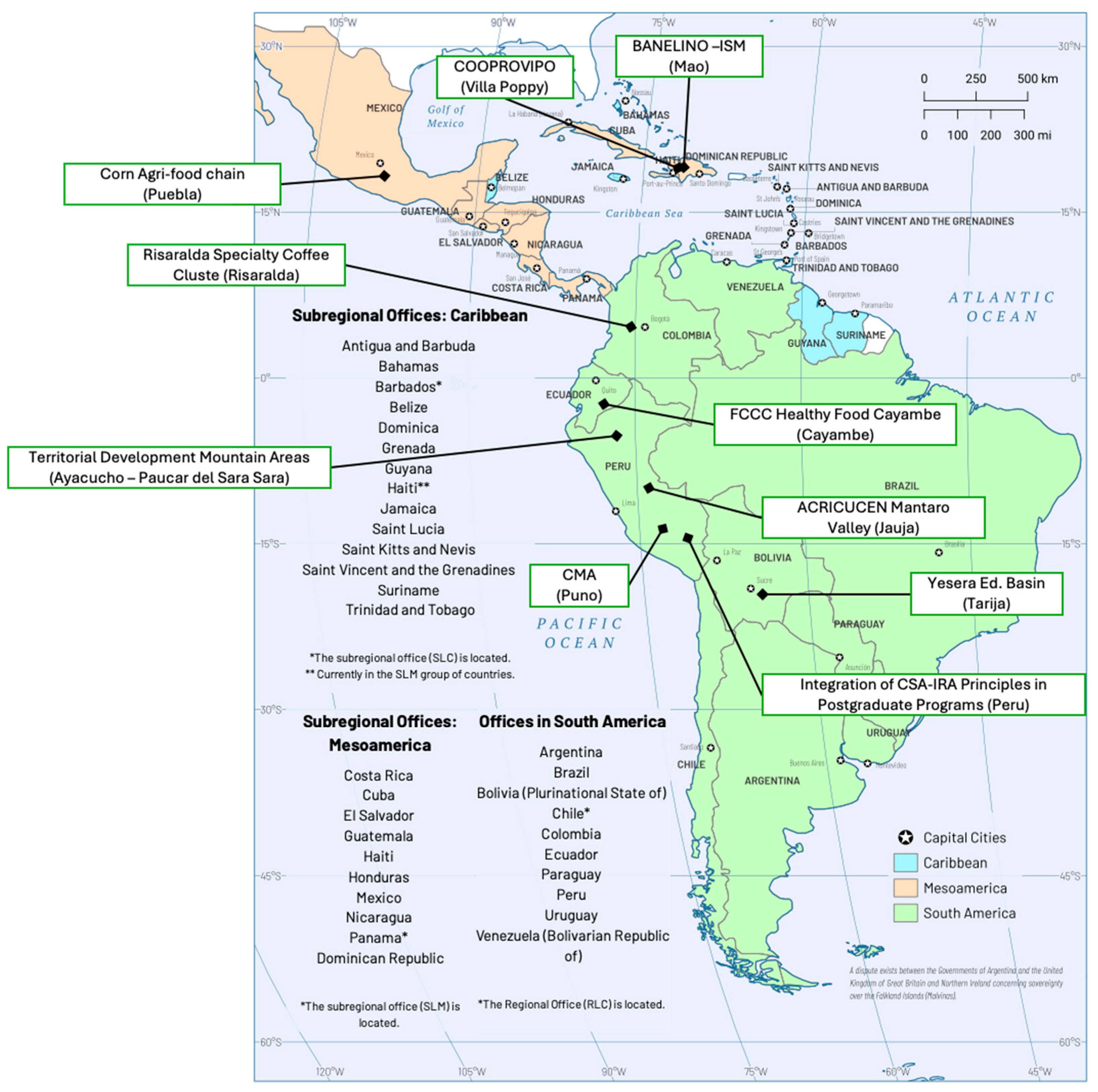
Table 1 provides an overview of the selected case studies.
Figure 2.
Location of case studies in Latin America and the Caribbean. Source: FAO, 2024. Latin American and the Caribbean Member States UN Geoespatial.
Figure 2.
Location of case studies in Latin America and the Caribbean. Source: FAO, 2024. Latin American and the Caribbean Member States UN Geoespatial.
2.3. Data Collection: Instruments and Processes
Mixed methods, combining quantitative and qualitative data, have been used to provide a comprehensive view of the reality analyzed [77]. To this end, primary data obtained through surveys, conferences, and workshops conducted by project teams, local coordinators of the CFS-RAI Network (https://principiosirametauniversidad.com), and FAO agents have been used. Secondary sources, such as scientific articles and project monitoring reports, have also been used.
2.3.1. Participatory Process: Conferences, Workshops, and Seminars
Throughout the eight years of work of the CFS-RAI Network, conferences and workshops have been held with local actors, academics, organizations, and communities linked to the projects. These participatory spaces have made it possible to capture the perceptions, experiences, and proposals of participants regarding the implementation of the CFS-RAI principles and their impact on sustainable rural development processes. This process has reached more than 11,257 direct participants, including 441 entrepreneurs, 1,205 teachers and business executives, 218 representatives of public administration, 8,868 undergraduate students, and 559 graduate students [78]. Table 2 shows a summary of these key events for promoting the CFS-RAI Principles within the framework of the UPM-FAO agreement.
2.3.2. Survey of Project Leaders
A survey was designed and implemented in 2024 to collect qualitative and quantitative data on the progress of the projects. ArcGIS Online software (version 3.20.69) Survey123-ESRI (Environmental Systems Research Institute) tool was used. This geocoded platform facilitated the collection, analysis, and generation of data reports [79].
The survey included the following elements for each of the projects: stakeholders, collaborating entities, beneficiaries, activities carried out for the implementation of the CFS-RAI, results obtained, and difficulties encountered. In addition, respondents were asked to rate, on a Likert scale of 1 to 5, the degree of progress in implementing the CSF-RAI in the projects and the extent to which these principles contribute to sustainable development. A total of 26 people participated in the survey, including coordinators and managers of the 11 projects in the different regions, allowing for a comparative analysis of the application of the CFS-RAI principles.
2.4. Data Analysis
The data analysis integrated quantitative and qualitative information from the results [80,81,82,83,84] providing a solid analytical framework for the validity of the findings. The survey data was downloaded from ArcGIS Survey123 in shapefile format and analyzed using Microsoft Excel for Microsoft 365. The information from the conferences and workshops was analyzed using the common methodological framework of the WWP model, grouping the results according to the three dimensions (Political-Contextual, Ethical-Social, and Technical- Entrepreneurial) and using the CFS-RAI [38,60] as shown in Table 3.
3. Results and Discussion
The results are presented in the 11 case studies in the 7 countries (Spain, Bolivia, Colombia, Ecuador, Mexico, Peru, and the Dominican Republic). The main subsections correspond to the main research questions presented in the introduction.
3.1. Contribution of the CFS-RAI Principles to Sustainable Development in the Territories
The implementation of the CFS-RAI Principles in different territories demonstrates a significant contribution to rural development and progress toward the SDGs [47,58,59,60,61,73].
The case studies analyzed show how their application based on the WWP model has enabled the development of strategies and actions and the consolidation of processes to promote responsible investments adapted to local contexts, ranging from the development of stakeholders' skills and the creation of university-business partnerships to the transformation and innovation of agri-food systems.
Table 4 presents the implementation of the CFS-RAI principles in each case study, according to the initial agreements in each of the projects, and Table 5 provides an overall results according to the three dimensions (Political-Contextual, Ethical-Social, and Technical-Entrepreneurial) from the actions undertaken associated with the CFS-RAI principles.
The results show a heterogeneous adoption of the principles in the projects developed, with a predominant trend towards P1, P2, and P3 (Table 4), indicating that the projects are prioritizing food security, sustainable economic development, and women's empowerment as key determinants. This orientation responds to research demonstrating the role of women in good governance [85] and in the critical structural conditions of rural areas in Latin America, marked by high levels of poverty, food insecurity, and inequality [86,87,88]. The focus on these principles is relevant and consistent with the most urgent needs of the territory, in line with what has been pointed out by Woodhill et al. [89], who assert that the future well-being of people in rural areas depends on the transformation of food systems towards more equitable, sustainable, and resilient models.
Similarly, the incorporation of principles P4, P6, P7, and P8 shows a shift toward comprehensive approaches to rural sustainability. Strengthening the role of young people reflects progress in building human capital, and the challenge of generational renewal in contexts of high socioeconomic vulnerability [90]. At the same time, there has been a gradual adoption of sustainable natural resource management practices, and the valorization of traditional knowledge has lent sociocultural legitimacy to development strategies, integrating local knowledge into technical and organizational processes [91]. In addition, the promotion of healthy and safe food systems is contributing to improved food security and community health in rural areas [92].
Principles P9 and P10, relating to governance, impact assessment, and accountability, are being implemented to a lesser extent, but some projects are beginning to institutionalize monitoring and transparency mechanisms. This process is essential for building trust, legitimacy, and sustainability in rural interventions.
Principle P5 (respect for land tenure, fisheries, forests, and water), while the least developed, is highly relevant in five cases. This low frequency can be explained by two factors: in some contexts, tenure rights are already formalized and therefore do not require direct intervention, while in others, the legal and political complexity of these issues limits the capacity for action of community projects. Previous studies have pointed out that the effective implementation of principle 5 requires profound institutional reforms, recognition of customary rights, and inclusive mechanisms of territorial governance [93]. These results should be read considering global challenges, such as population growth, increased demand for food, and pressure on natural resources, which require more sustainable and resilient strategies.
At the global level, the Political-Contextual dimension (P5, P6, P9, and P10) stands out (37.34%), followed by the Ethical-Social dimension (P1, P3, P4, and P7) (31.37%) and the Technical-Entrepreneurial dimension (P2 and P8) (31.28%), highlighting the need for CFS-RAI principles to be implemented with a holistic and balanced approach from the three dimensions of the WWP model, as shown in Table 5.
All case studies have shown a contribution to the sustainable development of territories, reflecting not only technical aspects, but also an instrument for articulating multisectoral initiatives in the economic, social, environmental, and governance areas [47,58,59,60,73].
Figure 3 shows the assessments of local actors and leaders on the contribution of these principles to sustainable development, with a significant majority rating their impact as high (level 5).
3.2. Actions from the Political–Contextual Dimension: P5, P6 P9 y P10
Actions from the political-contextual dimension accounted for 37.3% of all actions implemented, making it the most prominent dimension among the three dimensions of WWP. This political-contextual dimension emphasizes the importance of understanding and managing the political, regulatory, and contextual structures in which rural development projects are carried out. This dimension also incorporates the perspective competencies defined by the IPMA standard. Actions in this dimension are therefore essential for interventions to be adapted to local realities, with participatory governance structures, greater coordination between actors, and the capacity to respond to the global challenges of sustainable rural development (social, environmental, economic, and political).
Table 6 shows the actions carried out by rural development projects from this political-contextual dimension, as a central axis for initiating processes and achieving the sustainability of rural development [28]. Its relevance is evident in the need to form organizational structures to establish solid relationships both internally—among community actors—and externally, through partnerships with public, private, academic, and international cooperation institutions [94,95].
The results highlight the central role that governance and institutional coordination processes have come to play in rural areas. Among the most important activities are university-business agreements (6.41%), partnerships for cooperation between agents (6.25%), and the creation of new local-regional governance structures (6.04%), which reflects a sustained focus on building collaborative frameworks between various actors, as shown in Table 7 below.
University-business agreements (6.41%) are present in all case studies, playing a key role in linking technical and academic knowledge with the socioeconomic dynamics of the territory, promoting networks with management, innovation, and sustainability capabilities. This link has been consolidated through the exchange of expert and experiential knowledge, as a social learning process characteristic of the WWP model. [28,38]. Various studies agree that universities, by actively engaging with local actors, act as facilitators of sustainable development in rural contexts [96], promoting co-creation and applied research processes that address real needs [97,98]. In the context of the FAO-UPM project and the CFS-RAI Network [78]. University-business agreements are a key strategic component for the implementation of CFS-RAI principles through various engagement processes.
Partnerships and cooperation with other actors (6.25%) are also a key activity in all projects implemented, playing a crucial role in achieving sustainable development by enabling joint learning, synergies between endogenous and exogenous knowledge, and optimizing resources. Collaboration with governments, business entities, non-governmental organizations (NGOs), and community groups fosters innovation and the alignment of common goals, which, in turn, leads to more comprehensive and resilient solutions [99]. In line with this perspective, the SDGs emphasize the importance of establishing effective public-private partnerships, maximizing the acquisition of experience and the use of resources [23].
These collaborations have also made it possible to create and consolidate local governance structures (6.04%) to design innovative interventions consistent with territorial priorities. These types of structures are facilitating the generation of trust and the empowerment of actors, especially women, in line with the notion of “institutional structuralism” proposed by Midgley [100], where multiple actors actively participate in the planning and implementation of local development [47,58,60,71,73,74].
As other research shows [62,101], the WWP model reinforces and highlights the need for institutional structuralism, with solid organizations for local governance that guarantee sustainable development processes, especially in contexts where the state does not play an active role. In this sense, universities have played a key role as articulators of technical, scientific, and social knowledge in the various case studies, promoting this institutional structuralism and local governance for participatory planning processes, applied research, local capacity building, and technical support for producers, women, youth, and community associations. Through international cooperation networks and university-business links, they have promoted the transformation of agri-food systems towards more sustainable models, consolidating themselves as key agents in rural development [47,58,71,73,74].
Along with the above actions, the legal formalization of associations and cooperatives (5.80%) has been carried out as an enabling condition to strengthen the institutional legitimacy of producer organizations [60,62,74] as a determining factor for their entry into more demanding markets.
Finally, within this political-contextual dimension, the implementation of impact monitoring and evaluation mechanisms (5.04%) and participation in national and international networks (5.18%) represent relevant aspects for the integration of CFS-RAI principles and project sustainability. The evaluation of results and accountability is closely linked to the building of trust among actors, which is a fundamental aspect for the establishment of good governance [102].
In this dimension, the project of the Catholic University Sedes Sapientiae (Integration of CFS-RAI Principles in Postgraduate Programs in Peru) stands out. Through training programs, it incorporates an innovative territorial approach in relation to Principle 5 (Respect land, fishing, and forest tenure, and access to water) and Principle 6 (Conserve and sustainably manage natural resources, increase resilience and reduce disaster risks) through rural development actions and by contributing to strengthening professional capacities aimed at responsible rural development management in three natural regions of Peru (coast, highlands, and jungle). Another case that highlights the high relevance of Principles 5 and 6 in the Peruvian context is the case of territorial development in mountain areas [58], which reflects Principle 5 by prioritizing land and water tenure and access as key elements of territorial planning, an essential condition for reducing inequalities in rural areas. At the same time, Principle 6 by promoting the sustainable and long-term use of these resources in local development plans, linking territorial management with the social and economic stability of communities, and reinforcing the importance of Principles 5 and 6 as a basis for responsible and sustainable investment in highly vulnerable territories.
Another relevant principle in this dimension is P9 (Incorporate inclusive and transparent governance structures, processes, and grievance mechanisms) and P10 (Evaluate and address impacts and promote accountability), which highlight the experiences of FESBAL-Food Banks (Spain), Corn agri-food chain Puebla (Mexico), and ACRICUCEN Mantaro Valley (Peru), which promote transparent and inclusive governance structures.
In the ACRICUCEN Mantaro Valley project (Peru), the implementation of principles 9 and 10 is evident in the creation of the GAL (Local Action Group), a governance space that brings together actors from different levels and sectors through participatory processes. This mechanism has not only improved inclusion in decision-making, but also generated trust and social cohesion among producers, institutions, and local governments. Openness to participation and the establishment of strategic alliances strengthened organizational capacity and commercial innovation, factors that contributed to increased income and a better quality of life in rural areas [47,60]. Similarly, Corn agri-food chain Puebla (Mexico), through the LAG, brings together a variety of actors, including producers, public institutions, academics, etc., who interact through participatory and transparent mechanisms [74]. This formalization of organizations, in addition to strengthening the management of local structures, allows access to new resources, generates greater transparency and legal stability, and promotes participation in production chains [103].
Another innovative case is that of FESBAL-Food Banks (Spain), which stands out for its ability to coordinate with different sectors focused on reducing waste and ensuring food security. In this context, the implementation of principles 9 and 10 of the CFS-RAI is reflected in the consolidation of solid, transparent, and inclusive governance structures, positioning them as benchmarks for governance in the third sector [59,104].
3.3. Actions from the Ethical-Social Dimension: P1, P3, P4 y P7
Actions in the ethical-social dimension represent 32.60% of all actions implemented, making it the second most important of the three dimensions of the WWP. This dimension focuses on building values, attitudes, and behaviors that guide people's participation in development processes and enable the construction of relationships based on trust, cooperation, and commitment. The ethical-social dimension, through its various actions, is vital because it provides the basis for trust, shared values, and the collaborative relationships necessary to effectively implement projects aligned with CFS-RAI principles, contributing to sustainable development from a human perspective [28].
This dimension relates to the personal competencies of the IPMA standard—leadership, communication, reliability, conflict management, and results orientation—which are key to facilitating participatory processes and empowering the population. The bottom-up approach of the WWP model, aligned with the LEADER approach, reinforces this ethical-social framework by placing communities at the forefront of identifying needs, decision-making, and rural development planning. This participatory logic has made it possible to establish spaces for dialogue between diverse actors—producers, universities, local governments, and businesses—creating environments of mutual trust.
The total number of actions implemented in the case studies reflects their relevance to the rural development processes analyzed, recognizing the need for training to strengthen the social fabric, ethical foundations, and active involvement of communities as necessary conditions for advancing toward the integration of CFS-RAI principles and sustainable development [105,106].
The main strategies promoted in this area are detailed in Table 8, highlighting those aimed at developing skills and capacities, awareness-raising and training processes as key axes for promoting transformative and sustainable processes in the territories.
Actions for skills development, awareness raising, and training are carried out in the 11 case studies. However, in essence, these are not merely support activities but are understood as fundamental and necessary components for the effective implementation of the CFS-RAI principles and the achievement of sustainable development, especially through the empowerment of communities and the construction of ethical and collaborative systems. Both actions are essential for building bridges between “knowledge and action” and are deeply intertwined.
The development of skills and abilities (7.05%) has been carried out in all projects through three international training programs coordinated by the UPM and supervised by the FAO. These programs have been based on IPMA standards, focusing on the development of skills in different dimensions: practice (project management elements), perspective (contextual understanding), and person (personal and interpersonal skills, including ethical, emotional, and social aspects). These personal competencies have been considered essential for success in the management of responsible investment projects, organizational strengthening, and community leadership [47,60,62,71,73].
Awareness-raising and training processes (6.90%) include educational campaigns, training workshops, and public awareness initiatives. The FESBAL–UPM Food Bank Chair project (Spain) stands out as a far-reaching experience in raising awareness and promoting ethical values aimed at reducing food waste and strengthening solidarity towards vulnerable populations. This experience includes volunteer network and service-learning projects from the university, aligned with the CFS-RAI principles, P1 contribute to food security and nutrition [59], the Healthy Food: Cayambe People project also stands out, where P1 constitutes the ethical basis, strengthening the right to food and food security as central pillars of community management [73].
Mechanisms for active and effective participation (6.53%) stood out for their practices linked to Principle 3 (promote gender equality and women’s empowerment), such as the Yesera Educational Basin project in Bolivia, which promoted the inclusion of women through their active participation in water management committees, technical training that combined local knowledge and research, and their involvement in dialogue spaces for the development of the Local Watershed Management Plan. These mechanisms not only recognized their strategic role in water conservation but also strengthened their leadership [71].
Other cases stand out for their practices related to Principle 4 (enhance the participation and empowerment of young people), such as FESBAL-Food Banks, where youth volunteering has become a central mechanism for inclusion and learning. Through their active participation in the collection, sorting, and distribution of food, young people not only contributed to reducing waste, but also acquired key skills in leadership, organizational management, and teamwork. This process reinforced values of solidarity and social commitment [59,107].
The promotion of cultural identity and traditional knowledge (6.35%), visible in the Healthy Food: Cayambe People, CMA Aymaras, and Yesera Educational Basin (Bolivia) project, where traditional agroecological and textile practices were recovered, revaluing ancestral knowledge as an essential part of their territorial development, as also recognized in principle 7 of the CFS - RAI. The CMA Aymara Women Artisans, for example, focused on strengthening female leadership, with a comprehensive vision that included economic autonomy, the valuation of traditional knowledge, and the construction of networks of trust among participants, allowing for the recovery of weaving as ancestral knowledge and a means of cultural expression. In addition to articulating this knowledge with market colors and trends, developing new products with local production techniques for the world [62].
Finally, the creation of partnerships and Local Action Groups (5.83%) was key Corn agri-food chain Puebla (Mexico), ACRICUCEN Mantaro Valley (Peru), Villa Poppy – Family Farming (Dominican Republic), where multi-stakeholder collaboration structures were created to facilitate joint work between producers, institutions, universities, and local governments. These partnerships made it possible to articulate long-term strategies and generate synergies for the inclusive and sustainable development of the territory.
From a theoretical perspective, this approach coincides with that proposed by Friedman [108], who emphasizes that planning processes must be based on personal relationships and shared values that reflect the lived reality of communities. Likewise, various authors highlight that active participation and a sense of belonging strengthen the legitimacy and sustainability of collectively made decisions [109,110,111].
Empowerment in rural development is a fundamental process that enables rural communities to actively participate, make decisions, negotiate, influence, and control key aspects of their environment [112].
All the cases studied in this dimension strengthened social capital and community cohesion. Social empowerment and active participation were promoted. Women's entrepreneurship in rural areas is key to sustainable development and social inclusion. By leading business initiatives, women not only empower themselves, but also contribute to reducing poverty, improving family income, and decreasing inequalities, thereby transforming rural communities [113,114].
3.4. Actions from the Technical-Entrepreneurial Dimension: P2 y P8
Sustainable rural development has as its main objective improving the quality of life of rural populations [34], the technical-entrepreneurial dimension, which accounts for 32.62% of the total actions evaluated in the case studies, comprises a set of activities aimed at strengthening productive capacities, incorporating appropriate technologies, improving the quality of products and processes, and the development of technical-entrepreneurial strategies in line with the conditions of rural areas. It is also linked to IPMA practical skills that enable efficient project implementation. Table 9 shows the main strategies and actions developed in the case studies: transformation and innovation to generate value for products; marketing and access to differentiated markets; logistics management and optimization of production systems; standardized production systems and product quality; product certification; and digitization and improvement of production processes.
The most highly valued action was transformation and innovation to generate value for products (6.58%), which demonstrates the momentum behind strategies aimed at developing new products, diversifying supply, and increasing added value in agri-food chains. Secondly, marketing and access to differentiated markets (6.51%) is a priority in the projects, promoting the competitive positioning of local products in higher value segments and favoring the insertion of small producers into sustainable marketing circuits.
Logistics management and production system optimization (6.46%) highlight the interest in improving operational efficiency and coordination at different stages of the value chain, which helps reduce losses, costs, and distribution times. In turn, the implementation of standardized production systems and product certification (6.54%) shows progress toward compliance with quality, sustainability, and traceability standards, which are increasingly demanded by national and international markets. Finally, the digitization and improvement of production processes (6.53%) marks the beginning of a technological transition that incorporates digital tools for production, commercial, and organizational management, increasing the responsiveness and adaptability of rural actors to the current challenges of the agri-food system.
Based on the analysis of the cases, projects linked to the implementation of the CFS-RAI principles are being developed in a wide variety of sectors, particularly in agriculture, agri-food, textiles, and academia. This sectoral diversity reflects the versatility of the CFS-RAI principles in adapting to different contexts, strengthening both productive innovation and learning and knowledge transfer processes in the territories.
The link between these technical processes and the CFS-RAI principles is clearly expressed. Principle 2, which promotes economic development and poverty eradication, is reflected in the creation of local capacities to sustain autonomous, market-oriented production processes. Principle 8, which advocates safe and healthy agri-food systems, is observed in the adoption of quality, traceability, food safety, and responsible marketing practices, applied at multiple stages of the technical-productive processes of the projects implemented.
Noteworthy projects in this area include the Risaralda Specialty Coffee Cluster (Colombia), Villa Poppy – Family Farming (Dominican Republic), and the University–Business Alliance UPM-UTESA–BANELINO–ISM (Dominican Republic).
In the case of the University–Business Alliance UPM-UTESA–BANELINO–ISM, the company BANELINO has obtained international certifications, such as Fairtrade Labelling Organizations (FLO International), among others, which endorse the social and environmental sustainability of its agricultural production. These achievements have been made possible thanks to continuous technical assistance processes in traceability, agronomic management, and compliance with quality standards. The adoption of these systems required the implementation of technical records, control protocols, and the training of producers in management and international marketing [76].
For its part, Villa Poppy – Family Farming (Dominican Republic) applied precision agricultural technologies, such as weather stations, which contributed to efficient crop planning. Improved agronomic practices and management tools such as inventory control, sales planning, and production systematization were introduced and integrated into a joint marketing strategy through the local cooperative [67].
In Risaralda's Specialty coffee sector, local capacity building strengthened coffee growers' autonomy and consolidated market-oriented production processes, contributing to income generation and rural poverty reduction. Likewise, the adoption of quality, traceability, and food safety practices ensured the production of differentiated and competitive coffee, while strengthening safe and sustainable agri-food systems for communities in the region [72].
To highlight the scope and impact of the projects analyzed in the technical-business dimension, Table 10 below shows the number of direct beneficiaries in each of the case studies. This information is key to understanding the scale of the initiatives' intervention, as well as their contribution to strengthening the productive fabric, boosting the economy, and improving living conditions in the rural areas involved.
The actions in the technical-entrepreneurial dimension were carried out within the framework of collaborative innovation processes, where local actors actively participated in the adaptation of technical solutions. This approach is in line with that proposed by Pandey et al. [115], who highlight the importance of cooperation for innovation and knowledge appropriation. In turn, the results coincide with the proposals of Knickel et al. [116], by considering rural innovation as a social process based on networks and collective learning. In addition, the projects integrated extension services and technical training, an aspect that Mapiye et al. [117] identifies as key to facilitating the efficient management of productive systems and their sustainability in rural contexts.
3.5. Social Learning Through University-Business Relationships
The results obtained from applying the Working with People model to rural development projects confirmed its applicability and methodological soundness for addressing rural development project planning. It constitutes a novel methodological approach that allows the complexity of rural development to be addressed from a participatory perspective.
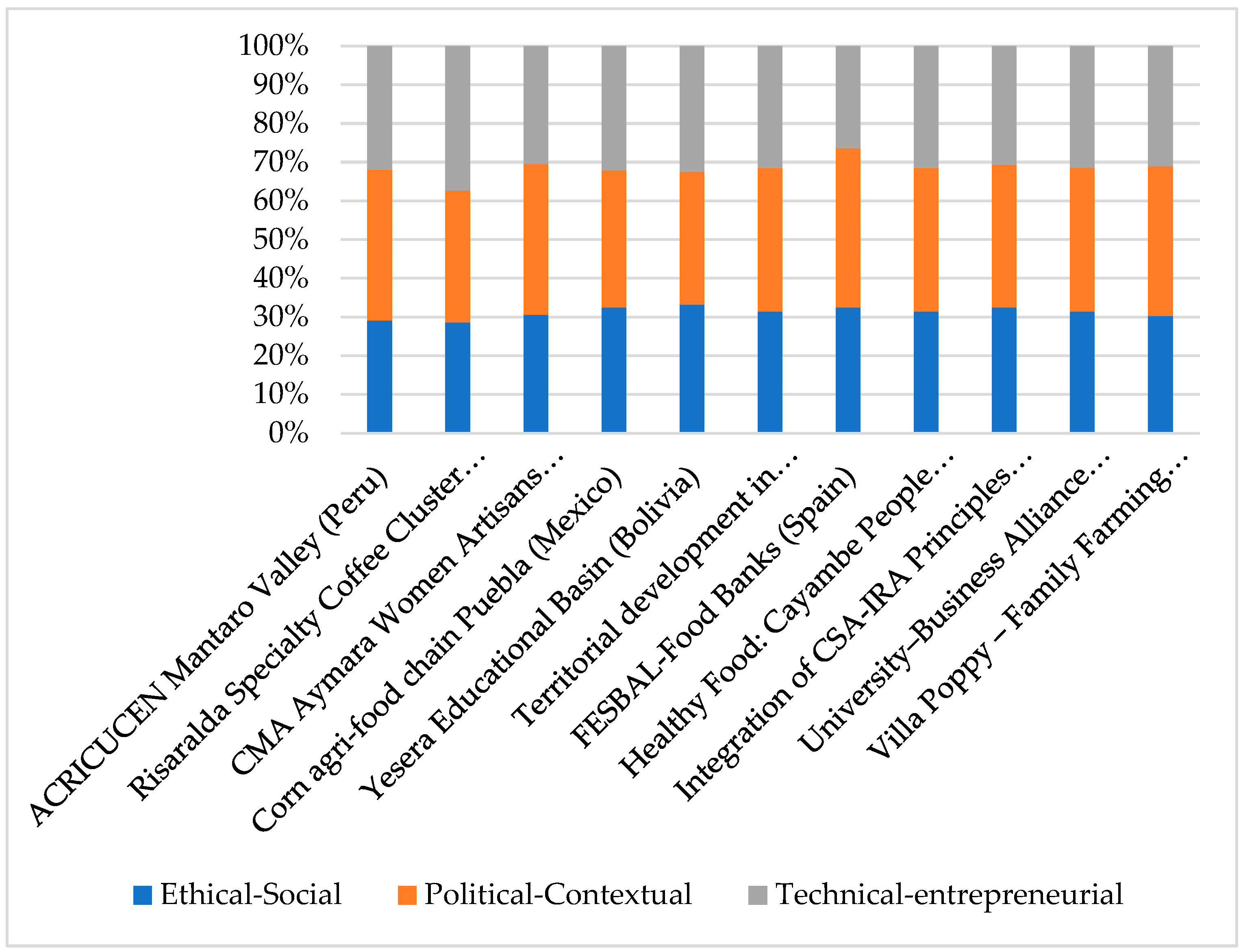
The WWP model seeks to promote a balance between its three dimensions: political-contextual, ethical-social, and technical-entrepreneurial. Figure 3 reflects the degree of balance achieved in the cases analyzed. The results show that, although there is variability between cases, in general a balance of the three dimensions is observed through processes of social learning, active participation, and institutional cooperation, which are key aspects for the implementation of CFS-RAI principles and the promotion of sustainable development.
Figure 4.
Balance of WWP dimensions in case studies.
The WWP model promotes sustainable rural development by integrating training in IPMA standard competencies, which enable the professionalization of project management in its key dimensions: technical, personal, and contextual. This capacity building contributes to consolidating local leadership, improving resource management efficiency, and creating conditions for organizational and productive autonomy. For its part, the LEADER approach provides a territorial, multisectoral, and participatory framework, notable for its bottom-up approach, which places local actors at the forefront of identifying problems and solutions. The complementarity between the WWP model, the IPMA competency approach, and the LEADER approach reinforces the planning and management of projects aimed at sustainable rural development.
In addition, the adoption of the Principles for Responsible Investment in Agriculture and Food Systems (CFS-RAI) as a guide to orient actions towards sustainable rural development. Principle 1, linked to food security, was operationalized through strategies that ensured stable, sufficient access to quality food. Principle 2, on economic development and poverty eradication, was related to the strengthening of enterprises and value chains. Principles 3 and 4, on gender equality and youth empowerment, were integrated through mechanisms for participation and inclusion. Principle 5, on respect for land tenure, fisheries, forests, and access to water, together with principle 6, which promotes the conservation and sustainable management of natural resources, increased resilience, and risk reduction, were addressed through the implementation of agroecological practices, efficient technologies, and local knowledge to conserve soils, manage water, and strengthen environmental resilience. Principle 7, relating to respect for culture and traditional knowledge, was incorporated through the valorization of local knowledge and territorial practices. Finally, principles 9 and 10, on responsible governance and accountability, were integrated through participatory organizational structures, inter-institutional coordination, and transparent monitoring and evaluation mechanisms.
Together, the articulation between the WWP model, the LEADER approach, IPMA competencies, and CFS-RAI principles provided a novel framework for implementing rural development processes aimed at inclusion, sustainability, and capacity building in the territories.
5. Conclusions
Throughout these eight years of work, the CSA-IRA Network for Sustainable Rural Development in Latin America (https://principiosirametauniversidad.com) has been created, made up of universities, cooperatives and agri-food business organizations committed to the implementation of the Principles for Responsible Investment in Agriculture and Food Systems (CFS-IRA). The CSA-IRA Network currently integrates 448 participants from its 98 committed entities (46 universities and 52 agri-food companies, cooperatives and associations) from the 12 countries of Latin America and the Caribbean. The case studies analyzed, being part of this collaborative CSA-IRA network, have human resources trained on the principles of CSA-IRA in various countries with a diversity of contextual and productive ecosystems.
The findings obtained from the analysis of the experiences of the case studies presented allow us to affirm that the articulation between the Principles of Responsible Investment in Agriculture and Food Systems (CFS-RAI) and the Working with People (WWP) model constitutes a solid, adaptable, and innovative methodological proposal. This integration responds to the need to rethink intervention approaches in rural areas, incorporating not only technical criteria, but also ethical and social criteria from local contexts.
The WWP model, structured around three dimensions—ethical-social, technical-entrepreneurial, and political-contextual—offers a framework that transcends the instrumental logic of traditional planning. Its application allows development processes to be understood as collective learning experiences, where rural actors are not only recipients of projects, but active protagonists in the formulation, execution, and evaluation of development processes.
The implementation of the CFS-RAI principles has provided a coherent regulatory framework to guide projects toward responsible and sustainable investments. In territories where these principles were incorporated from the project design stage, there was a significant improvement in community organization, the inclusion of women and young people, and inter-institutional coordination, highlighting their potential to guide local governance processes and promote the creation of Local Action Groups (LAGs) as innovative territorial management structures. The case studies presented show that the success of projects does not depend exclusively on the capital invested, but on the quality of inter-institutional relations, the recognition of local knowledge, and the ability to generate participatory processes.
One of the most significant contributions identified is the role of university-business partnerships as coordinating agents, facilitators of knowledge, and promoters of dialogue between scientific knowledge and local knowledge, facilitating training and innovation processes.
In short, this methodological combination not only brings innovations in project management but also proposes an ethic of development based on respect for human dignity and social equity.
Author Contributions
Conceptualization: IDl-C and MLA.; Methodology: IDl-C and MLA.; Validation: IDl-C, MLA and XND.; Formal analysis: IDl-C and MLA.; Investigation: IDl-C, MLA and XND.; Resources: IDl-C and MLA.; Data curation: IDl-C and MLA.; Writing—original draft preparation: IDl-C and MLA.; Writing—review and editing: IDl-C, MLA and XND.; Visualization: IDl-C, MLA and XND.; Supervision: IDl-C and MLA.; Project administration: IDl-C.; Funding acquisition: IDl-C. All authors have read and agreed to the published version of the manuscript.
Funding
This research was funded through the collaboration agreement between the Food and Agriculture Organization of the United Nations (FAO) and the Universidad Politécnica de Madrid (UPM), within the framework of the project for the implementation of the CFS-RAI Principles in Latin America, the Caribbean, and Spain
Institutional Review Board Statement
Not applicable.
Informed Consent Statement
Informed consent was obtained from all subjects involved in the study.
Data Availability Statement
All data regarding the results of this research are available.
Acknowledgments
The authors gratefully acknowledge the support of the GESPLAN research group and the RU-IRA university network, whose collaboration and contributions were essential to the development of this study.
Conflicts of Interest
The authors declare no conflicts of interest.
References
- Farrukh, M.; Meng, F.; Raza, A.; Tahir, M.S. Twenty-Seven Years of Sustainable Development Journal: A Bibliometric Analysis. Sustain. Dev. 2020, 28, 1725–1737. [CrossRef]
- World Commission on Environment and Development (WCED). Our common future; Oxford University Press: Oxford, UK, 1987.
- Hajian, M.; Kashani, S.J. Evolution of the Concept of Sustainability. From Brundtland Report to Sustainable Development Goals. In Sustainable Resource Management: Modern Approaches and Contexts; Elsevier: Amsterdam, The Netherlands, 2021; pp. 1–24. [CrossRef]
- Purvis, B.; Mao, Y.; Robinson, D. Three Pillars of Sustainability: In Search of Conceptual Origins. Sustain. Sci. 2019, 14, 681–695. [CrossRef]
- Ozili, P.K. Sustainability and Sustainable Development Research around the World. Manag. Glob. Transit. 2022, 20. [CrossRef]
- Stojanović, I.; Ateljević, J.; Stević, R.S. Good governance as a tool of sustainable development. Eur. J. Sustain. Dev. 2016, 5. [CrossRef]
- Adamowicz, M.; Zwolinska-Ligaj, M. The “Smart Village” as Away to Achieve Sustainable Development in Rural Areas of Poland. Sustainability 2020, 12, 6503. [CrossRef]
- Yu, Y.; Appiah, D.; Zulu, B.; Adu-Poku, K.A. Integrating Rural Development, Education, and Management: Challenges and Strategies. Sustainability 2024, 16, 6474. [CrossRef]
- Liu, L.; Cao, C.; Song, W. Bibliometric Analysis in the Field of Rural Revitalization: Current Status, Progress, and Prospects. Int. J. Environ. Res. Public Health 2023, 20, 823. [CrossRef]
- Kumareswaran, K.; Jayasinghe, G.Y. Systematic Review on Ensuring the Global Food Security and Covid-19 Pandemic Resilient Food Systems: Towards Accomplishing Sustainable Development Goals Targets. Discov. Sustain. 2022, 3, 29. [CrossRef]
- Mueller, J.T.; McConnell, K.; Berne Burow, P.; Pofahl, K.; Merdjanoff, A.A.; Farrell, J. Impacts of the COVID-19 Pandemic on Rural America. Proc. Natl. Acad. Sci. USA 2021, 118. [CrossRef]
- Liu, Y.; Zhou, Y. Reflections on China’s Food Security and Land Use Policy under Rapid Urbanization. Land Use Policy 2021, 109, 105699. [CrossRef]
- Obi, C.; Bartolini, F.; Brunori, G.; D’Haese, M. How Does International Migration Impact on Rural Areas in Developing Countries? A Systematic Review. J. Rural Stud. 2020, 80, 273–290. [CrossRef]
- Busso, M.; Chauvin, J.P.; Herrera L., N. Rural-Urban Migration at High Urbanization Levels. Reg. Sci. Urban Econ. 2021, 91, 103658. [CrossRef]
- Ge, D.; Long, H.; Qiao, W.; Wang, Z.; Sun, D.; Yang, R. Effects of Rural–Urban Migration on Agricultural Transformation: A Case of Yucheng City, China. J. Rural Stud. 2020, 76, 85–95. [CrossRef]
- Wolford, W.W.; White, B.; Scoones, I.; Hall, R.; Edelman, M.; Borras, S.M. Global Land Deals: What Has Been Done, What Has Changed, and What’s Next? J. Peasant Stud. 2024, 1–38. [CrossRef]
- Mansilla-Quiñones, P.; Uribe-Sierra, S.E. Rural Shrinkage: Depopulation and Land Grabbing in Chilean Patagonia. Land 2024, 13, 11. [CrossRef]
- Yang, B.; He, J. Global Land Grabbing: A Critical Review of Case Studies across the World. Land 2021, 10, 324. [CrossRef]
- Burja, V.; Tamas-Szora, A.; Dobra, I.B. Land Concentration, Land Grabbing and Sustainable Development of Agriculture in Romania. Sustainability 2020, 12, 2137. [CrossRef]
- Yeshanew, S. Rights in the Collaboration between the World Bank and the United Nations in the Areas of Investment in Agriculture, Rural Development and Food Systems. Int. J. Hum. Rights 2023, 27, 1086–1106. [CrossRef]
- Mingst, K.A.; Karns, M.P.; Lyon, A.J. The United Nations in the 21st Century; Routledge: London, UK, 2022.
- Committee on World Food Security (CFS). Principles for responsible investment in agriculture and food systems; FAO: Rome, Italy, 2014. Available online: https://www.fao.org/3/au866e/au866e.pdf (accessed on 26 August 2024).
- United Nations. Transforming Our World: The 2030 Agenda for Sustainable Development; UN: New York, NY, USA, 2015. Available online: https://sdgs.un.org/2030agenda (accessed on 26 August 2024).
- Leal Filho, W.; Tripathi, S.K.; Andrade Guerra, J.B.S.O.D.; Giné-Garriga, R.; Orlovic Lovren, V.; Willats, J. Using the Sustainable Development Goals towards a Better Understanding of Sustainability Challenges. Int. J. Sustain. Dev. World Ecol. 2019, 26, 179–190. [CrossRef]
- Bolis, I.; Morioka, S.N.; Sznelwar, L.I. Are We Making Decisions in a Sustainable Way? A Comprehensive Literature Review about Rationalities for Sustainable Development. J. Clean. Prod. 2017, 145, 310–322. [CrossRef]
- Cazorla, A.; De los Ríos, I. Towards a Meta-University for Sustainable Development: Responsible Investment in Agriculture and Food Systems; In Proceedings of the XXVIII International Congress on Project Management and Engineering, Jaén, Spain, 3–4 July 2024; pp. 1959–1973. Available online: https://dspace.aeipro.com/xmlui/handle/123456789/3691 (accessed on 1 August 2025).
- GESPLAN. Principios CSA-IRA: Inversión Responsable En Agricultura y Sistemas Alimentarios En La Universidad y La Empresa. Available online: https://ruraldevelopment.es/index.php/es/docencia-lms/principios-iar-universidad (accessed on 1 January 2025).
- Cazorla-Montero, A.; De los Ríos-Carmenado, I. From “Putting the Last First” to “Working with People” in Rural Development Planning: A Bibliometric Analysis of 50 Years of Research. Sustainability 2023, 15, 10117. [CrossRef]
- Friedmann, J. Planning as Social Learning; IURD Working Paper Series; Institute of Urban and Regional Development, University of California: Berkeley, CA, USA, 1981.
- Pieterse, J.N. My Paradigm or Yours? Alternative Development, Post-Development, Reflexive Development. Dev. Change 1998, 29, 343–373. [CrossRef]
- Cazorla-Montero, A.; De los Ríos-Carmenado, I.; Díaz-Puente, J.M. The LEADER Community Initiative as Rural Development Model: Application in the Capital Region of Spain. Agrociencia 2005, 39, 697–708.
- De Los Ríos-Carmenado, I.; Cadena-Iñiguez, J.; María Díaz-Puente, J. Creación de grupos de acción local para el desarrollo rural en México: Enfoque metodológico y lecciones de experiencia. Agrociencia 2011, 45, 815–829. Available online: http://www.scielo.org.mx/scielo.php?script=sci_arttext&pid=S1405-31952011000700007 (accessed on 26 January 2025).
- Dax, T.; Oedl-Wieser, T. Rural Innovation Activities as a Means for Changing Development Perspectives - An Assessment of More than Two Decades of Promoting LEADER Initiatives across the European Union. Stud. Agric. Econ. 2016, 118, 30–37. [CrossRef]
- Suárez Roldan, C.; Méndez Giraldo, G.A.; López Santana, E. Sustainable Development in Rural Territories within the Last Decade: A Review of the State of the Art. Heliyon 2023, 9. [CrossRef]
- Peeters, W.; Dirix, J.; Sterckx, S. Putting Sustainability into Sustainable Human Development. J. Human Dev. Capab. 2013, 14, 58–76. [CrossRef]
- Pascual, U.; Balvanera, P.; Díaz, S.; Pataki, G.; Roth, E.; Stenseke, M.; Watson, R.T.; Başak Dessane, E.; Islar, M.; Kelemen, E.; et al. Valuing Nature’s Contributions to People: The IPBES Approach. Curr. Opin. Environ. Sustain. 2017, 26–27, 7–16. [CrossRef]
- Liu, J.; Hull, V.; Godfray, H.C.J.; Tilman, D.; Gleick, P.; Hoff, H.; Pahl-Wostl, C.; Xu, Z.; Chung, M.G.; Sun, J.; et al. Nexus Approaches to Global Sustainable Development. Nat. Sustain. 2018, 1, 466–476. [CrossRef]
- Cazorla, A.; De Los Ríos, I.; Salvo, M. Working with People (WWP) in Rural Development Projects: A Proposal from Social Learning. Cuad. Desarro. Rural 2013, 10, 131–157. Available online: https://revistas.javeriana.edu.co/index.php/desarrolloRural/article/view/6717 (accessed on 1 July 2024).
- Cazorla, A.; Friedmann, J. Planificación e Ingeniería: Nuevas Tendencias; Taller de ideas, Universidad Politecnica de Madrid, Spain, 1995.
- Holden, M. Social Learning in Planning: Seattle’s Sustainable Development Codebooks. Prog. Plann. 2008, 69, 1–40. [CrossRef]
- Uphoff, N. Paraprojects as New Modes of International Development Assistance. World Dev. 1990, 18, 1401–1411. [CrossRef]
- Cernea, M.M. Putting People First: Sociological Variables in Rural Development, 2nd ed.; Oxford University Press; New York, NY, USA, 1991.
- Chambers, R. Participatory Rural Appraisal (PRA): Challenges, Potentials and Paradigm. World Dev. 1994, 22, 1437–1454. [CrossRef]
- Martínez-Falero, E.; Trueba, I.; Cazorla, A.; Alier, J.L. Optimization of Spatial Allocation of Agricultural Activities. J. Agric. Eng. Res. 1998, 69, 1–13. [CrossRef]
- IPMA. Individual Competence Baseline for Project, Programme, and Portfolio Management, Version 4.0; International Project Management Association: Zurich, Switzerland, 2015. Available online: https://www.ipma-greece.gr/wp-content/uploads/2022/09/IPMA_ICB_4_0_WEB.pdf (accessed on January 2025).
- De los Ríos-Carmenado, I.; Ortuño, M.; Rivera, M. Private–Public Partnership as a Tool to Promote Entrepreneurship for Sustainable Development: WWP Torrearte Experience. Sustainability 2016, 8. [CrossRef]
- Jiménez Aliaga, R.; De los Ríos-Carmenado, I.; Huamán Cristóbal, A.E.; Aliaga Balbín, H.; Marroquín Heros, A.M. Competencies and Capabilities for the Management of Sustainable Rural Development Projects in the Value Chain: Perception from Small and Medium-Sized Business Agents in Jauja, Peru. Sustainability 2023, 15, 15580. [CrossRef]
- Stratta Fernández, R.; De los Ríos Carmenado, I.; López González, M. Developing Competencies for Rural Development Project Management through Local Action Groups: The Punta Indio (Argentina) Experience. In International Development; Appiah-Opoku, S., Ed.; IntechOpen: Rijeka, Croatia. [CrossRef]
- Sastre Merino, S.; De los Ríos, I. Capacity Building in Development Projects. Procedia Soc. Behav. Sci. 2012, 46, 960–967. [CrossRef]
- López, M.; Cazorla, A.; Panta, M. del P. Rural Entrepreneurship Strategies: Empirical Experience in the Northern Sub-Plateau of Spain. Sustainability 2019, 11, 1243. [CrossRef]
- Herrera-Reyes, A.T.; Carmenado, I. de los R.; Martínez-Almela, J. Project-Based Governance Framework for an Agri-Food Cooperative. Sustainability 2018, 10, 1881. [CrossRef]
- Šūmane, S.; Kunda, I.; Knickel, K.; Strauss, A.; Tisenkopfs, T.; Rios, I. des I.; Rivera, M.; Chebach, T.; Ashkenazy, A. Local and Farmers’ Knowledge Matters! How Integrating Informal and Formal Knowledge Enhances Sustainable and Resilient Agriculture. J. Rural Stud. 2018, 59, 232–241. [CrossRef]
- Cazorla, A.; Negrillo, X.; Montalvo, V.; De Nicolas, V.L. Institutional Structuralism as a Process to Achieve Social Development: Aymara Women’s Community Project Based on the Working with People Model in Peru. J.Sociol. Soc. Welf. 2018, 45, 55.
- Fontana, A.; Sastre-Merino, S.; Baca, M. The Territorial Dimension: The Component of Business Strategy That Prevents the Generation of Social Conflicts. J. of Bus. Ethics 2017, 141, 367–380. [CrossRef]
- Salgado, J.P.; De los Ríos, I.; López, M. Management of Innovative and Entrepreneurship Projects from Project-Based Learning: A Case Study on the UPS University in Ecuador. In Case Study of Innovative Projects.Successful Real Cases; Llamas, B., Mazadiego, F., Storch, L., Eds.; IntechOpen: London, UK, 2017. [CrossRef]
- Ávila Cerón, C.A.; De los Rios-Carmenado, I.; Martín Fernández, S. Illicit Crops Substitution and Rural Prosperity in Armed Conflict Areas: A Conceptual Proposal Based on the Working with People Model in Colombia. Land Use Policy 2018, 72, 201–214. [CrossRef]
- Bugueño, F.; De, I.; Ríos, L.; Castañeda, R. International Journal of Economics and Financial Issues Responsible Land Governance and Project Management Competences for Sustainable Social Development. The Chilean-Mapuche Conflict. Int. J. Econ. Financ. Issues 2017, 7, 202–211.
- Fontana, A.; Velasquez-Fernandez, A.; Rodriguez-Vasquez, M.I.; Cuervo-Guerrero, G. Territorial Analysis Through the Integration of CFS-RAI Principles and the Working with People Model: An Application in the Andean Highlands of Peru. Sustainability 2025, 17, 1380. [CrossRef]
- Acosta Mereles, M.L.; Mur Nuño, C.; Stratta Fernández, R.R.; Chenet, M.E. Good Practices of Food Banks in Spain: Contribution to Sustainable Development from the CFS-RAI Principles. Sustainability 2025, 17, 912. [CrossRef]
- Jiménez Aliaga, R.; De los Ríos-Carmenado, I.; San Martín Howard, F.; Calle Espinoza, S.; Huamán Cristóbal, A. Integration of the Principles of Responsible Investment in Agriculture and Food Systems CFS-RAI from the Local Action Groups: Towards a Model of Sustainable Rural Development in Jauja, Peru. Sustainability 2022, 14, 9663. [CrossRef]
- Requelme, N.; Afonso, A. The Principles for Responsible Investment in Agriculture (CFS-RAI) and SDG 2 and SDG 12 in Agricultural Policies: Case Study of Ecuador. Sustainability 2023, 15, 15985. [CrossRef]
- Negrillo Deza, X. Los Proyectos de Desarrollo Rural Como Proceso a Través de Sus Protagonistas: El Caso de La Coordinadora de Mujeres Aymaras (Puno, Perú). Ph.D. Thesis, Universidad Politécnica de Madrid, Madrid, Spain, 2018. Available online: (accessed on 26 August 2024). [CrossRef]
- Kutsenko, M. Application of the Project Approach as Part of the Territory Development Strategy. In Proceedings of the 2021 IEEE 16th International Conference on Computer Sciences and Information Technologies (CSIT);, Zakharkiv, Ukraine, September 2021; Volume. 2, pp. 375–378. [CrossRef]
- Musawir, A. ul; Abd-Karim, S.B.; Mohd-Danuri, M.S. Project Governance and Its Role in Enabling Organizational Strategy Implementation: A Systematic Literature Review. Int. J. Proj. Manag. 2020, 38, 1–16. [CrossRef]
- Young, R.; Chen, W.; Quazi, A.; Parry, W.; Wong, A.; Poon, S.K. The Relationship between Project Governance Mechanisms and Project Success: An International Data Set. Int. J. Manag. Proj.Bus. 2020, 13, 1496–1521. [CrossRef]
- Horlings, L.G.; Kanemasu, Y. Sustainable Development and Policies in Rural Regions; Insights from the Shetland Islands. Land Use Policy 2015, 49, 310–321. [CrossRef]
- Ávila Cerón, C.A.; Castañeda, R.; De Los Ríos, I. Development of a Family Agriculture Model Aligned with the Principles of Responsible Investment: Integration Tourism Chain in the Dominican Republic. In Proceedings of the XXVIII International Congress on Project Management and Engineering (AEIPRO 2024), Jaén, Spain, 3–4 July 2024; pp. 1974–1987. Available online: 2024; http://dspace.aeipro.com/xmlui/handle/123456789/3692 (accessed on 1 August 2025).
- De Los Ríos-Carmenado, I.; Díaz-Puente, J.M.; Cadena-Iñiguez, J. La iniciativa LEADER como modelo de desarrollo rural: aplicación a algunos territorios de México. Agrociencia 2011, 45 (5), 609–624.
- Olvera Hernández, J.I.; Cazorla Montero, A.; Ramírez Valverde, B. La Política de Desarrollo Rural En La Unión Europea y La Iniciativa LEADER, Una Experiencia de Éxito. Región y sociedad 2009, 21, 03–25.
- Navarro Valverde, F.A.; Cejudo García, E.; Cañete Pérez, J.A. A long-run analysis of neoendogenous rural development policies: the persistence of businesses created with the support of LEADER and PRODER in three districts of Andalusia (Spain) in the 1990s. AGER. Revista de Estudios sobre Despoblación y Desarrollo Rural 2018, 25, 189–219.
- Cazorla, A.; De los Ríos-Carmenado, I.; Afonso, A. Principles for a Responsible Investment in Agriculture and Voluntary Guidelines on the Responsible Governance of Tenure of Land: Links with University; Working Paper; GESPLAN Group, Universidad Politécnica de Madrid: Madrid, Spain, 2018. Available online: https://oa.upm.es/50898/ (accessed on 1 January 2025).
- Morris, L.; Salazar, O.; Garmendia, J. Characterization of the Technical Operations to Strengthen the Logistics Processes of the Cluster of Specialty Coffees of Risaralda. In Proceedings of the XXVII International Congress on Project Management and Engineering, San Sebastián, Spain, 10–13 July 2023; pp. 2382–2392. Available online: https://dspace.aeipro.com/xmlui/handle/123456789/3532 (accessed on 23 March 2025).
- Cachipuendo, C.; Requelme, N.; Sandoval, C.; Afonso, A. Sustainable Rural Development Based on CFS-RAI Principles in the Production of Healthy Food: The Case of the Kayambi People (Ecuador). Sustainable Rural Development Based on CFS-RAI Principles in the Production of Healthy Food: The Case of the Kayambi People (Ecuador). Sustainability 2025, 17, 2958. [CrossRef]
- Regalado-López, J.; Maimone-Celorio, J.A.; Pérez-Ramírez, N. Strengthening of the Rural Community and Corn Food Chain Through the Application of the WWP Model and the Integration of CFS-RAI Principles in Puebla, México. Sustainability 2025, 17, 5442. [CrossRef]
- Sastre-Merino, S.; Negrillo, X.; Hernández-Castellano, D. Sustainability of Rural Development Projects within the Working with People Model: Application to Aymara Women Communities in the Puno Region, Peru. Cuadernos de Desarrollo Rural 2013, 10 (70), 219–244. [CrossRef]
- De los Ríos-Carmenado, I.; Cazorla, A.; Gandini, G.; Eberth, E. Los Principios CSA-IRA para una Integración Universidad-Empresa en las Provincias de Santiago Rodríguez, Valverde (Mao), Dajabón y en República Dominicana; Working Paper; GESPLAN Group, Universidad Politécnica de Madrid: Madrid, Spain, 2023.
- Creswell, J.W.; Plano Clark, V.L. Designing and Conducting Mixed Methods Research; Sage Publications: Thousand Oaks, CA, USA, 2017.
- Cazorla A; De los Ríos, I. Towards a Meta-University for Sustainable Development: Responsible Investment in Agriculture and Food Systems. In Proceedings of the XXVIII International Congress on Project Management and Engineering (AEIPRO 2024), Jaén, Spain, 3–4 July 2024; pp. 1959–1973. Available online: https://dspace.aeipro.com/xmlui/handle/123456789/3691 (accessed on 26 August 2025).
- Teucher, M.; Thürkow, D.; Alb, P.; Conrad, C. Digital In Situ Data Collection in Earth Observation, Monitoring and Agriculture—Progress towards Digital Agriculture. Remote Sens. 2022, 14, 393. [CrossRef]
- Bender, D.E.; Ewbank, D. The Focus Group as a Tool for Health Research: Issues in Design and Analysis. Health Transit. Rev. 1994, 4(1), 63–80. Available online: http://www.jstor.org/stable/40652078 (accessed on 27 August 2024).
- Rabiee, F. Focus-Group Interview and Data Analysis. Proc. Nutr. Soc. 2004, 63, 655–660. [CrossRef]
- Timmermans, S.; Tavory, I. Theory Construction in Qualitative Research: From Grounded Theory to Abductive Analysis. Sociol. Theory 2012, 30, 167–186. [CrossRef]
- South, L.; Saffo, D.; Vitek, O.; Dunne, C.; Borkin, M.A. Effective Use of Likert Scales in Visualization Evaluations: A Systematic Review. Comput. Graph. Forum 2022, 41, 43–55. [CrossRef]
- Likert, R. A Technique for the Measurement of Attitudes. Arch.s of Psychol. 1932, 22(140), 1–55.
- Cazorla, A.; Negrillo, X.; Montalvo, V.; De Nicolas, V.L. Institutional Structuralism as a Process to Achieve Social Development: Aymara Women’s Community Project Based on the Working with People Model in Peru. J. Sociol. Soc. Welf. 2018, 45, 55–78.
- Hernández-Vásquez, A.; Visconti-Lopez, F.J.; Vargas-Fernández, R. Factors Associated with Food Insecurity in Latin America and the Caribbean Countries: A Cross-Sectional Analysis of 13 Countries. Nutrients 2022, 14, 3190. [CrossRef]
- Hossain, M.; Mendiratta, V.; Savastano, S. Agricultural and Rural Development Interventions and Poverty Reduction: Global Evidence from 16 Impact Assessment Studies. Glob. Food Sec. 2024, 43, 100806. [CrossRef]
- Peng, B.; Shuai, C.; Yin, C.; Qi, H.; Chen, X. Progress toward SDG-2: Assessing Food Security in 93 Countries with a Multidimensional Indicator System. Sustainable Development 2024, 32, 815–862. [CrossRef]
- Woodhill, J.; Kishore, A.; Njuki, J.; Jones, K.; Hasnain, S. Food Systems and Rural Wellbeing: Challenges and Opportunities. Food Secur. 2022, 14, 1099–1121. [CrossRef]
- Trivelli, C.; Morel, J. Rural Youth Inclusion, Empowerment, and Participation. J. Dev. Stud. 2021, 57, 635–649. [CrossRef]
- Leakey, R.R.B.; Tientcheu Avana, M.-L.; Awazi, N.P.; Assogbadjo, A.E.; Mabhaudhi, T.; Hendre, P.S.; Degrande, A.; Hlahla, S.; Manda, L. The Future of Food: Domestication and Commercialization of Indigenous Food Crops in Africa over the Third Decade (2012–2021). Sustainability 2022, 14, 2355. [CrossRef]
- Mabhaudhi, T.; Hlahla, S.; Chimonyo, V.G.P.; Henriksson, R.; Chibarabada, T.P.; Murugani, V.G.; Groner, V.P.; Tadele, Z.; Sobratee, N.; Slotow, R.; et al. Diversity and Diversification: Ecosystem Services Derived from Underutilized Crops and Their Co-Benefits for Sustainable Agricultural Landscapes and Resilient Food Systems in Africa. Front. Agron. 2022, 4. [CrossRef]
- Castañeda, R.; Cerón, C.A.; los Ríos-Carmenado, I. De; Domínguez, L.; Gomez, S. Implementing the Voluntary Guidelines on the Responsible Governance of Tenure of Land, Fisheries and Forests from the Working with People Model: Lessons from Colombia and Guatemala. J. Peasant Stud. 2023, 50, 1820–1851. [CrossRef]
- Gargano, G. The Bottom-Up Development Model as a Governance Instrument for the Rural Areas. The Cases of Four Local Action Groups (LAGs) in the United Kingdom and in Italy. Sustainability 2021, 13, 9123. [CrossRef]
- Cronin, E.; Fosselle, S.; Rogge, E.; Home, R. An Analytical Framework to Study Multi-Actor Partnerships Engaged in Interactive Innovation Processes in the Agriculture, Forestry, and Rural Development Sector. Sustainability 2021, 13, 6428. [CrossRef]
- Sabrina, T.; Alessio, C.; Chiara, A.; Gigliola, P.; Concetta, F.; Federica, B.; Paolo, P. Civic Universities and Bottom-up Approaches to Boost Local Development of Rural Areas: The Case of the University of Macerata. Agric. Food Econ. 2021, 9, 15. [CrossRef]
- Trencher, G.P.; Yarime, M.; Kharrazi, A. Co-Creating Sustainability: Cross-Sector University Collaborations for Driving Sustainable Urban Transformations. J. Clean Prod. 2013, 50, 40–55. [CrossRef]
- Atterton, J.; Thompson, N. University Engagement in Rural Development: A Case Study of the Northern Rural Network. J. Rural Community Dev. 2010, 5, 123–132. Available online: https://journals.brandonu.ca/jrcd/article/view/338/78 (accessed on July 2025).
- Almeida, F. The Role of Partnerships in Municipal Sustainable Development in Portugal. Int. J. Urban Sustain. Dev. 2024, 16, 231–244. [CrossRef]
- Midgley, J.O. Social Development : Theory and Practice; SAGE Publications Ltd.: London, UK, 2013; p. 296.
- Ortega, R.; Cazorla, A. The International Cooperation for Development Based on Easterly and Sachs: The Institutional Structuralism as the Pathway to the Future. In Proceedings of the XXIV International Congress on Project Management and Engineering, Alcoi, Spain, 7–10 July 2020; pp. 1693–1076. Available online: http://dspace.aeipro.com/xmlui/handle/123456789/2538 (accessed on 1 August 2025).
- De los Ríos, I.; García, C.; Herrera, A.T.; Rivera, M. Innovation and Social Learning in Organic Vegetable Production in the Region of Murcia, Camposeven, Spain. RETHINK Case Study Report. GESPLAN, Universidad Politécnica de Madrid, Madrid, Spain 2015.
- López-García, D.; Carrascosa-García, M. Agroecology-Oriented Farmers’ Groups. A Missing Level in the Construction of Agroecology-Based Local Agri-Food Systems? Agroecol. Sustain. Food Syst. 2023, 47, 996–1022. [CrossRef]
- De Los Ríos-Carmenado, I.; Mur Nuño, C. Inclusive and Transparent Governance Structures from IRA Principles. Case FESBAL “Food Bank”. In Proceedings of the XXVII International Congress on Project Management and Engineering (AEIPRO 2023), Donostia-San Sebastián, Spain, 10–13 July 2023; pp. 1737–1751. Available online: http://dspace.aeipro.com/xmlui/handle/123456789/3486 (accessed on 1 August 2025).
- Nordberg, K.; Mariussen, Å.; Virkkala, S. Community-Driven Social Innovation and Quadruple Helix Coordination in Rural Development. Case Study on LEADER Group Aktion Österbotten. J. Rural Stud. 2020, 79, 157–168. [CrossRef]
- De los Rios-Carmenado, I.; Rahoveanu, A.T.; Salvo, M.; Rodriguez, P. Territorial Competitiveness for Rural Development in Romania: Analysis of Critical Influential Factors from WWP Model. In Proceedings of the 3rd International Symposium “Agrarian Economy and Rural Development—Realities and Perspectives for Romania”, Bucharest, Romania, October 2012; The Research Institute for Agricultural Economy and Rural Development (ICEADR): Bucharest, Romania, 2012; pp. 89–94.
- De los Ríos-Carmenado, I.; Acosta Mereles, M.L.; Farías Estrada, I.J.; Nole Correa, P.; Zuluaga Zuluaga, C.L.; Mur Nuño, C.; Peral, C.; García Gutiérrez, J. Los Principios de Inversión Responsable en la agricultura y los sistemas alimentarios desde el Proyecto la Gran Recogida de la Federación Española de Bancos de Alimentos. In Experiencias de Aprendizaje-Servicio en la UPM: 2024; Universidad Politécnica de Madrid, Oficina de Aprendizaje-Servicio: Madrid, Spain, 2025. Available online: https://oa.upm.es/88689/ (accessed on 1 August 2025).
- Friedmann, J. Insurgencies: Essays in Planning Theory; Routledge: London, UK, 2011.
- Reed, M.S. Stakeholder Participation for Environmental Management: A Literature Review. Biol. Conserv. 2008, 141, 2417–2431. [CrossRef]
- Forester, J. The Deliberative Practitioner: Encouraging Participatory Planning Processes; Mit Press: Cambridge, MA, USA, 1999.
- Leeuwis, C.; Pyburn, R.; Röling, N.G. (Eds.) Wheelbarrows Full of Frogs: Social Learning in Rural Resource Management—International Research and Reflections; Van Gorcum: Assen, The Netherlands, 2002.
- del Arco, I.; Ramos-Pla, A.; Zsembinszki, G.; de Gracia, A.; Cabeza, L.F. Implementing SDGs to a Sustainable Rural Village Development from Community Empowerment: Linking Energy, Education, Innovation, and Research. Sustainability 2021, 13, 12946. [CrossRef]
- Sutter, C.; Bruton, G.D.; Chen, J. Entrepreneurship as a Solution to Extreme Poverty: A Review and Future Research Directions. J. Bus. Ventur. 2019, 34, 197–214. [CrossRef]
- Ge, T.; Abbas, J.; Ullah, R.; Abbas, A.; Sadiq, I.; Zhang, R. Women’s Entrepreneurial Contribution to Family Income: Innovative Technologies Promote Females’ Entrepreneurship Amid COVID-19 Crisis. Front. Psychol. 2022, 13. [CrossRef]
- Pandey, N.; de Coninck, H.; Sagar, A.D. Beyond Technology Transfer: Innovation Cooperation to Advance Sustainable Development in Developing Countries. Wiley Interdiscip. Rev. Energy Environ. 2022, 11. [CrossRef]
- Knickel, K.; Brunori, G.; Rand, S.; Proost, J. Towards a Better Conceptual Framework for Innovation Processes in Agriculture and Rural Development: From Linear Models to Systemic Approaches. J. Agric. Educ. Ext. 2009, 15, 131–146. [CrossRef]
- Mapiye, O.; Makombe, G.; Molotsi, A.; Dzama, K.; Mapiye, C. Towards a Revolutionized Agricultural Extension System for the Sustainability of Smallholder Livestock Production in Developing Countries: The Potential Role of Icts. Sustainability 2021, 13, 5868. [CrossRef]
Figure 1.
Synergies from the WWP model and the LEADER approach. Source: Adaptado de [28].
Figure 1.
Synergies from the WWP model and the LEADER approach. Source: Adaptado de [28].
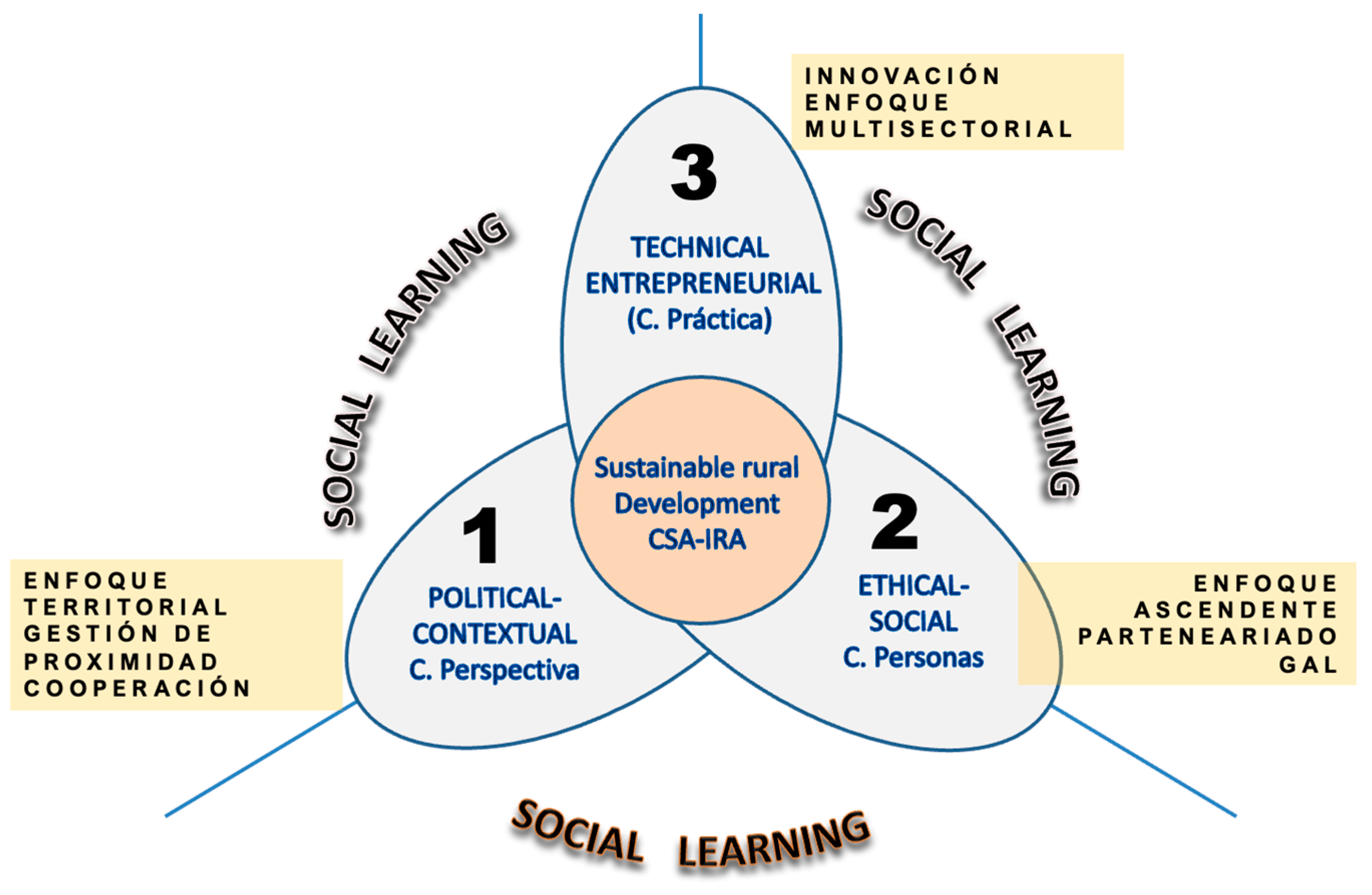
Figure 3.
Perception of the contribution of CFS-RAI to sustainable development.
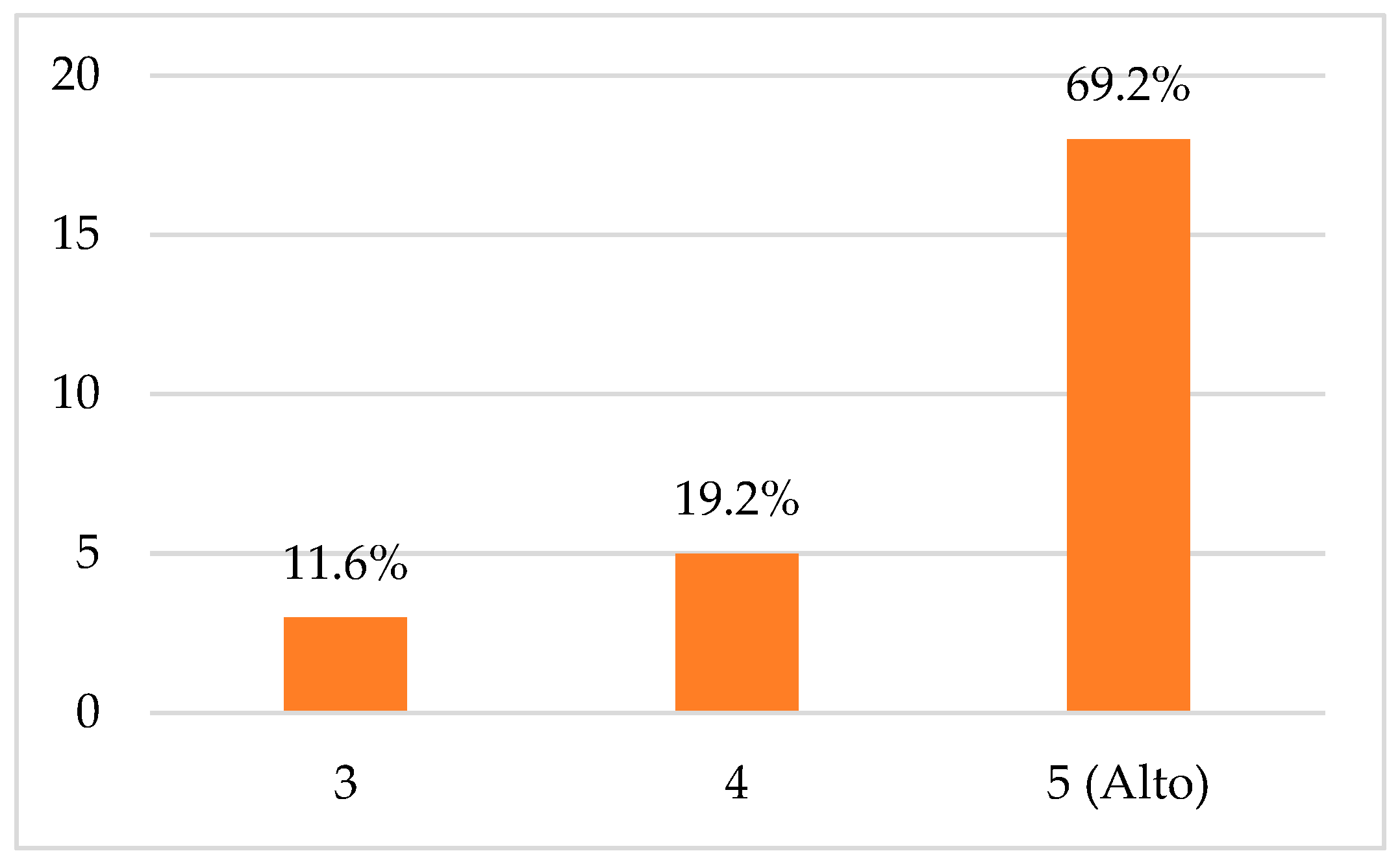

Table 1.
Overview of the 11 case studies.
| Country | Case Studies / Key Topics | Sources |
| Spain | FESBAL-Food Banks: best practices in reducing food waste and responsible consumption | [59]. |
| Bolivia (Tarija-Cercado) |
Yesera Educational Basin: Sustainable water resource management by local communities, linking research and local knowledge. | [71]. |
| Colombia (Risaralda) |
Risaralda Specialty Coffee Cluster: Optimizing the cluster's logistics, strengthening business capabilities. | [72]. |
| Ecuador (Pichincha-Cayambe) |
FCCC Healthy Food Cayambe: Cooperation and microcredit for rural women for sustainable food production and marketing. | [73]. |
| Mexico (Puebla) |
Corn Agri-food chain: Comprehensive improvement of the corn agri-food chain in rural communities, strengthening partnerships for the application of CFS-RAI principles. | [74]. |
| Peru (Junín -Jauja) | ACRICUCEN Mantaro Valley: Formation of the GAL partnership for sustainable practices, innovation, and improvement of the guinea pig value chain. | [47,60]. |
| Peru (Puno) |
CMA - Aymara Women Artisans: skills development, production, and marketing of sustainable artisanal textiles. | [62,75]. |
| Peru (Ayacucho – Paucar del Sara Sara) | Territorial development in mountain areas: Territorial model for optimizing resource allocation for sustainable development in mountain areas. | [58]. |
| Peru (three ecosystems) |
Integration of CFS-RAI Principles into Postgraduate Programs: in three ecosystems in Peru: the coast, the Andes, and the Amazon rainforest | [71]. |
| Dominican Republic (La Vega-Constanza) | Villa Poppy–Family Farming: Family Farming System in accordance with CFS-RAI Principles: sustainable practices and partnerships with tourism | [67]. |
| Dominican Republic (Santiago Rodríguez, Valverde, Dajabón) | University-Business Alliance UTESA, BANELINO, ISM: for Sustainable Territorial Development through CSA-IRA Principles: family social responsibility program with entrepreneurship. | [76]. |
Table 2.
Conferences and workshops to promote the CFS-RAI Principles.
| Year | Event | Location |
| 2016 | Good Business Practices from the CFS-RAI | Universidad Politécnica de Madrid, Madrid |
| 2017 | The CFS-RAI Principles as a driver for Sustainable Economic Development: New University-Business Partnerships. | Escuela de Alta Dirección de la Universidad de Piura, Peru. |
| 2018 | I CFS-RAI Network Meeting for the dissemination of CFS-RAI. | Universidad Nacional Mayor de San Marcos, Peru. |
| 2019 | Consolidation of CFS-RAI commitments in university curriculum. | Universidad Politécnica de Madrid, Madrid. |
| 2020 | Towards consistent business conduct based on the CFS-RAI Principles. | Virtual 11 countries in the Network. |
| 2021 | I International academic/business program: “The principles of responsible investment in agriculture and food systems.” | Pontificia Universidad Católica Madre y Maestra, Dominican Republic. |
| 2022 | II Meeting of the Network of Universities Committed to the Dissemination of the IRA Principles, RU-IRA. | Pontificia Universidad Católica Madre y Maestra, Dominican Republic. |
| 2023 | Seminar of the RU-RAI Network of Universities and Companies. | Universidad Nacional de la Plata (UNLP) La Plata, Argentina. |
| 2024 | III Meeting Towards a meta-university for sustainable development: Responsible Investment in Agriculture and Food Systems. | UNICARIBE – Santo Domingo, República Dominicana. |
| 2024 | III International Business Program on CFS-RAI Principles in collaboration with FAO | Virtual |
| 2025 | Meeting: Keys to good governance in agri-food cooperatives in Latin America and the Caribbean: Principles of Responsible Investment in Agriculture and Food Systems | UNICARIBE – Santo Domingo, República Dominicana |
Table 3.
Relationship between the CFS-RAI Principles and the dimensions of the WWP.
| CFS-RAI Principles | Dimensions WWP 1 | ||
| P-C | E-S | T-E | |
| P1. Contribute to food security and nutrition | X | ||
| P2. Contribute to economic development and poverty eradication | X | ||
| P3. Promote gender equality and women’s empowerment | X | ||
| P4. Enhance the participation and empowerment of young people | X | ||
| P5. Respect tenure of land, fisheries, forests and access to water | X | ||
| P6. Conserve and sustainably manage natural resources, increase resilience and reduce disaster risks | X | ||
| P7. Respect cultural heritage and traditional knowledge, and support diversity and innovation | X | ||
| P8. Promote safe and healthy agricultural and food systems | X | ||
| P9. Incorporate inclusive and transparent governance structures, processes and grievance mechanisms | X | ||
| P10. Evaluate and address impacts and promote accountability | X | ||
1 WWP Dimensions: P-C: Political-Contextual, E-S: Ethical-Social, T-E: Technical-Entrepreneurial. Source: [60].
Table 4.
Integration of the CFS-RAI Principles into case studies.
| Case Studies | CFS-RAI Principles1 | |||||||||
| P1 | P2 | P3 | P4 | P5 | P6 | P7 | P8 | P9 | P10 | |
| FESBAL-Food Banks(Spain) | X | X | X | X | X | X | X | X | ||
| Yesera Educational Basin(Bolivia) | X | X | X | X | X | X | X | X | ||
| Risaralda Specialty Coffee Cluster(Colombia) | X | X | X | X | ||||||
| Healthy Food: Cayambe (Ecuador) | X | X | X | X | X | X | X | X | X | X |
| Corn agri-food chain Puebla (Mexico) | X | X | X | X | X | X | X | X | ||
| ACRICUCEN Mantaro Valley (Peru) | X | X | X | X | X | X | X | |||
| CMAAymara Women Artisans(Peru) | X | X | X | X | X | X | X | |||
| Territorial development in mountain areas (Peru) | X | X | X | X | X | X | X | X | X | X |
| Integration of CSA-IRA Principles in Postgraduate Programs (Peru) | X | X | X | X | X | X | X | |||
| Villa Poppy – Family Farming (República Dominicana) | X | X | X | X | X | X | X | X | X | X |
| University–Business Alliance UPM-UTESA–BANELINO–ISM (República Dominicana) | X | X | X | X | X | X | X | X | X | |
| General total | 11 | 11 | 10 | 9 | 5 | 9 | 9 | 9 | 8 | 7 |
1 CFS-RAI Principles: P1. Contribute to food security and nutrition, P2. Contribute to sustainable economic development and poverty eradication, P3. Promote gender equality and the empowerment of women, P4. Promote participation and empowering youth, P5. Respect tenure of land, fisheries, forests and access to water, P6. Conserve and sustainably manage natural resources, build resilience and reduce disaster risks, P7. Respect cultural heritage and traditional knowledge and support diversity and innovation, P8. Promote safe and healthy food and agricultural systems, P9. Incorporate inclusive and transparent governance structures, processes and grievance mechanisms, P10. Assess and address impacts and promote accountability.
Table 5.
Integration of the CFS-RAI Principles into case studies.
| Dimensions WWP | CFS-RAI | Importance of actions |
| Political-Contextual | P5, P6, P9 y P10 | 34.87% |
| Ethical-Social | P1, P3, P4 y P7 | 32.60% |
| Technical-Entrepreneurial | P2 y P8 | 32.53% |
| Total | 100.00% |
Table 6.
Main actions from the political-contextual dimension.
| Political-Contextual | 34.72% |
| University-Business Agreements | 6.41% |
| Partnerships for cooperation between agents | 6.25% |
| Creation of new local-regional governance structures | 6.04% |
| Legal formalization of associations and cooperatives | 5.80% |
| Participation in national and international networks | 5.18% |
| Monitoring, evaluation, and accountability system | 5.03% |
Table 7.
Main actors in the case studies.
| Case study | Businesses - Associations | University |
| FESBAL-Food Banks (Spain). | Spanish Federation of Food Banks (FESBAL), 54 Food Banks. | Universidad Politécnica de Madrid, UPM. |
| Yesera Educational Basin (Bolivia) | Associations of women producers of strawberries, peaches, and fish farming. |
Universidad Autónoma Juan Misael Saracho. |
| Risaralda Specialty Coffee Cluster (Colombia). | Cluster of 46 companies, 13 farmers' associations. | Universidad Católica de Pereira - Universidad Tecnológica de Pereira. |
| Healthy Food Cayambe People (Ecuador). | Cayambe Peasant House Foundation Association of Agroecological Producers. International Cooperation for Development (ICD). |
Universidad Politécnica Salesiana, UPS. |
| Corn agri-food chain Puebla (Mexico). | Guardians of Calpan Knowledge and Flavors Cooperative, Local Action Group. | Colegio de Postgraduados, COLPOS. |
| ACRICUCEN Mantaro Valley (Peru). | Local Action Group. Association of producers, agricultural suppliers, and collectors. | Universidad Nacional Mayor de San Marcos, UNMSM. |
| CMA Aymara Women Artisans (Peru). | Coordinator of Aymara Women, NGO Design for Development. | Universidad Politécnica de Madrid, UPM. |
| Territorial development in mountain areas (Peru). | Producers' associations, mining companies in Ayacucho and Paucar del Sara Sara. | Universidad de Piura. |
| Integration of CFS-RAI Principles in Postgraduate Programs (Peru). | APECAM, Association of Organic Coffee Producers of Alto Mayo. Inter-American Development Bank. |
Universidad Católica Sedes Sapientiae, UCSS. |
| Villa Poppy – Family Farming (Dominican Republic). | COOPROVIPO, Neighborhood Council, FAO, ASONAHORES (National Association of Hotels and Restaurants), Grupo Raya, SuperFrech. | Universidad Politécnica de Madrid, UPM. |
| University–Business Alliance UTESA–BANELINO–ISM (Dominican Republic). | Industrias San Miguel (ISM) Northwest Organic Banana Association (BANELINO). |
Universidad Tecnológica de Santiago, Universidad Politécnica de Madrid. |
Table 8.
Actions from the Ethical-Social Dimension.
| Ethical-Social | 32.66% |
| Skills and capacity building | 7.05% |
| Awareness-raising and training processes | 6.90% |
| Mechanisms for active and inclusive participation | 6.53% |
| Promotion of cultural identity and traditional knowledge | 6.35% |
| Partnership building / LAG | 5.83% |
Table 9.
Actions from the Technical-Entrepreneurial Dimension.
| Technical-Entrepreneurial | 32.62% |
| Transformation and innovation to generate value for products | 6.58% |
| Marketing and access to differentiated markets | 6.51% |
| Logistics management and optimization of production systems | 6.46% |
| Standardized production systems and product quality, product certification | 6.54% |
| Digitization and improvement of production processes | 6.53% |
Table 10.
Number of direct beneficiaries per case study.
| Case Studies | Number of Beneficiaries |
| FESBAL-Food Banks (Spain) | 1,187,976 |
| Yesera Educational Basin (Bolivia) | 589 |
| Risaralda Specialty Coffee Cluster (Colombia) | 19,163 |
| Healthy Food Cayambe People (Ecuador) | 129 |
| Corn agri-food chain Puebla (Mexico) | 800 |
| ACRICUCEN Mantaro Valley (Peru) | 350 |
| CMA Aymara Women Artisans (Peru) | 327 |
| Territorial development in mountain areas (Peru) | 9,609 |
| CFS-RAI in Postgraduate Programs (Peru) | 1,406 |
| Villa Poppy – Family Farming (Dominican Republic) | 52 |
| University–Business Alliance UTESA–BANELINO–ISM (Dominican Republic) | 279 |
Disclaimer/Publisher’s Note: The statements, opinions and data contained in all publications are solely those of the individual author(s) and contributor(s) and not of MDPI and/or the editor(s). MDPI and/or the editor(s) disclaim responsibility for any injury to people or property resulting from any ideas, methods, instructions or products referred to in the content. |
© 2025 by the authors. Licensee MDPI, Basel, Switzerland. This article is an open access article distributed under the terms and conditions of the Creative Commons Attribution (CC BY) license (http://creativecommons.org/licenses/by/4.0/).
Copyright: This open access article is published under a Creative Commons CC BY 4.0 license, which permit the free download, distribution, and reuse, provided that the author and preprint are cited in any reuse.


