

Submitted:
25 August 2025
Posted:
26 August 2025
You are already at the latest version
Abstract
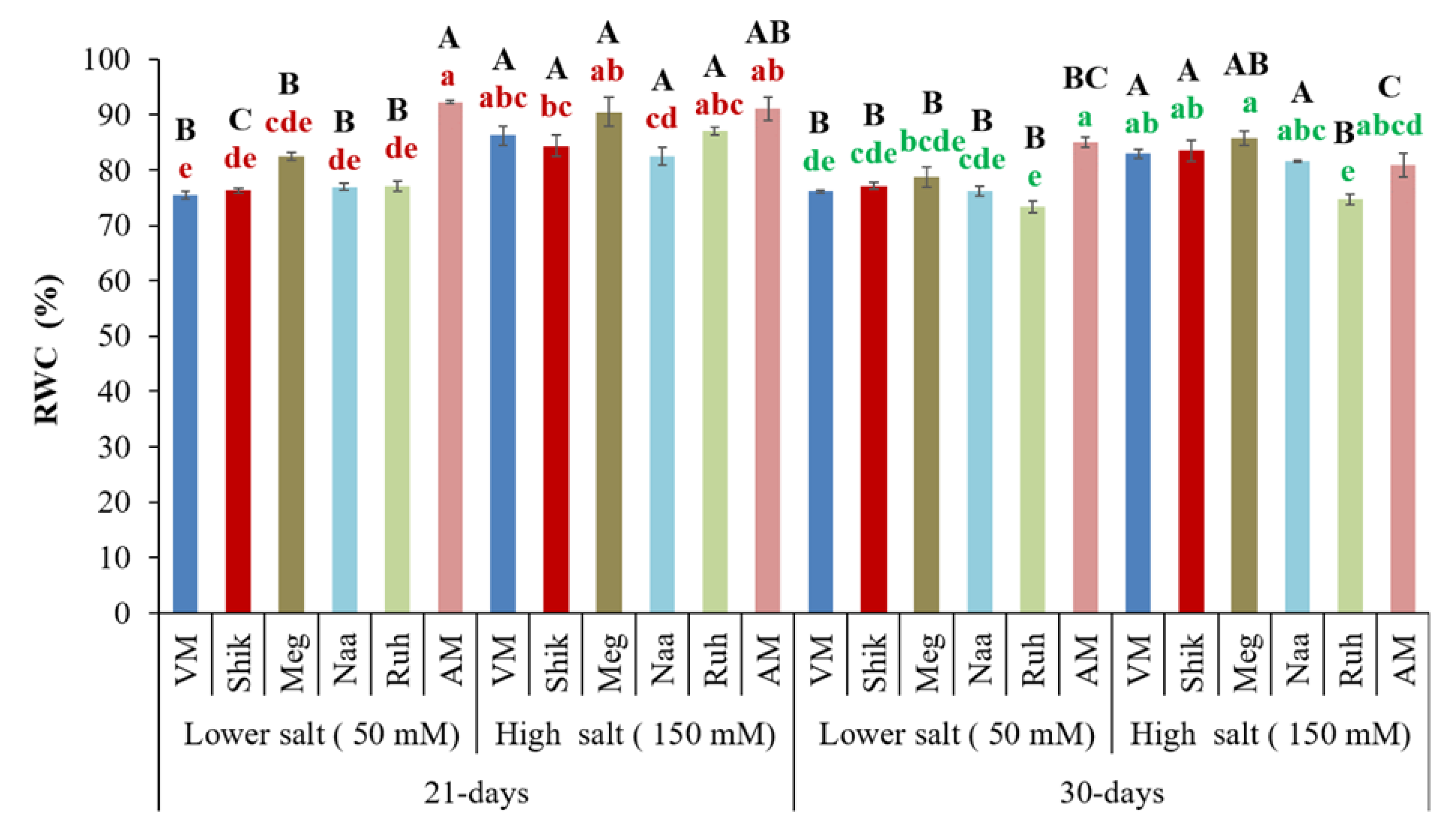
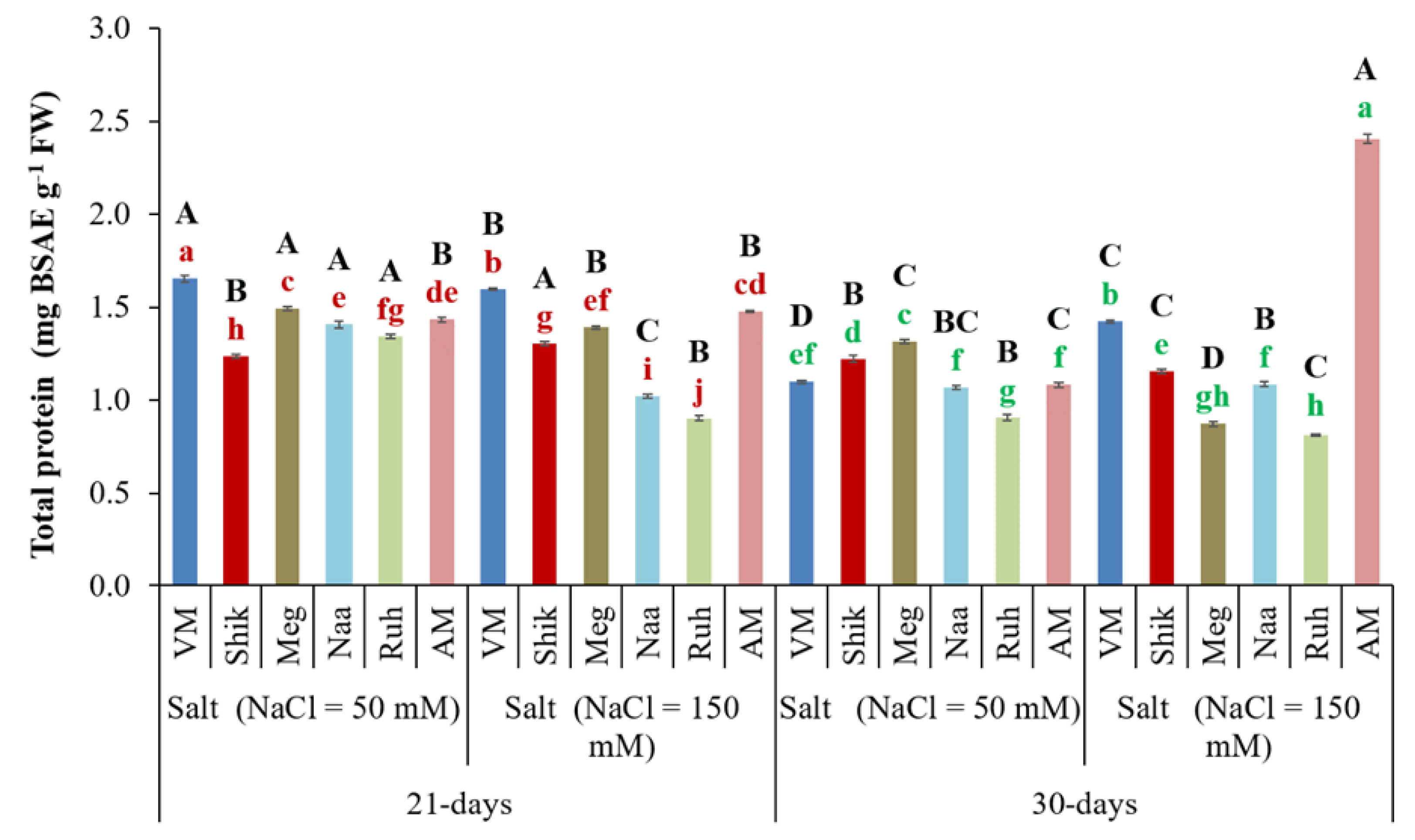
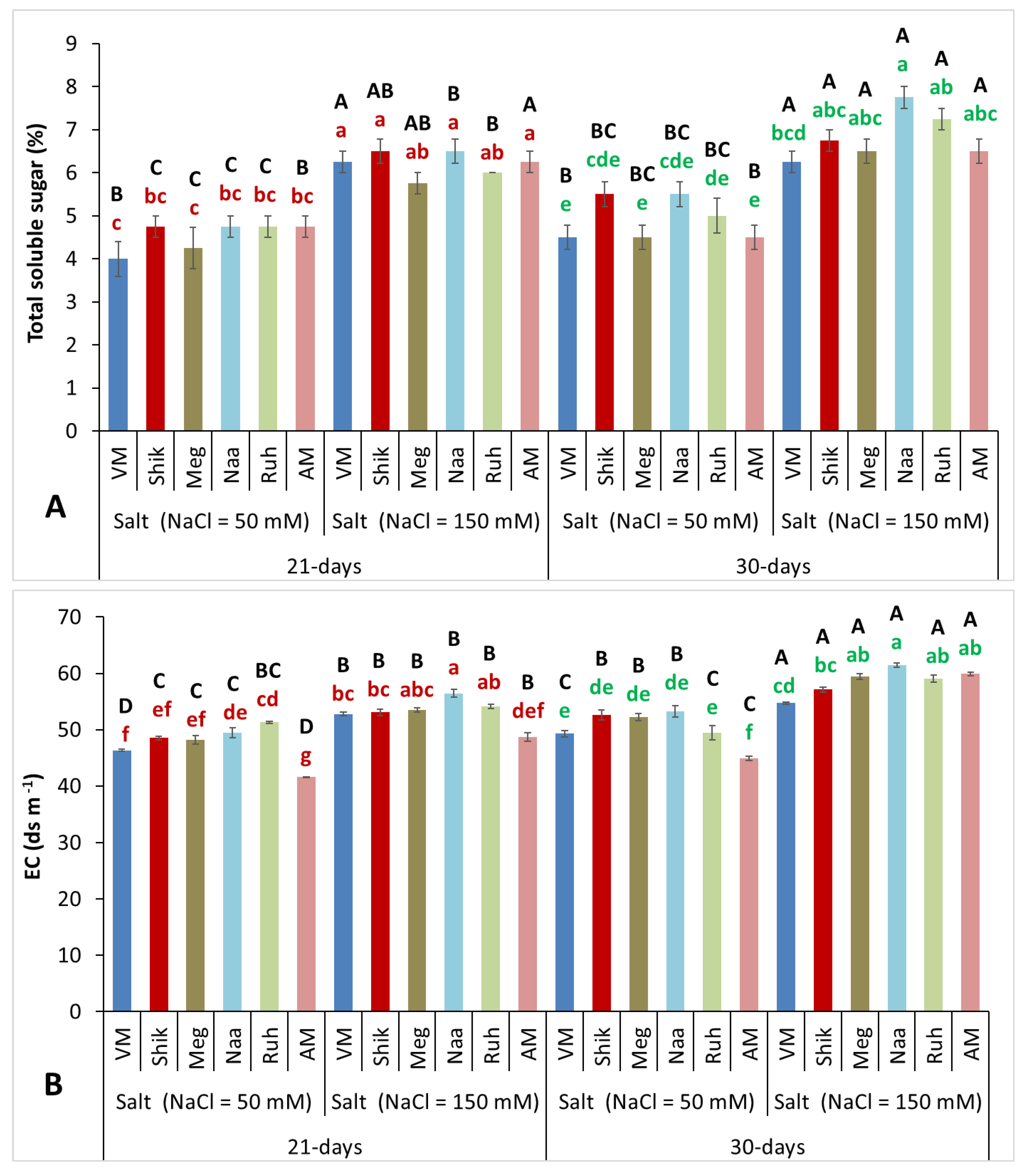
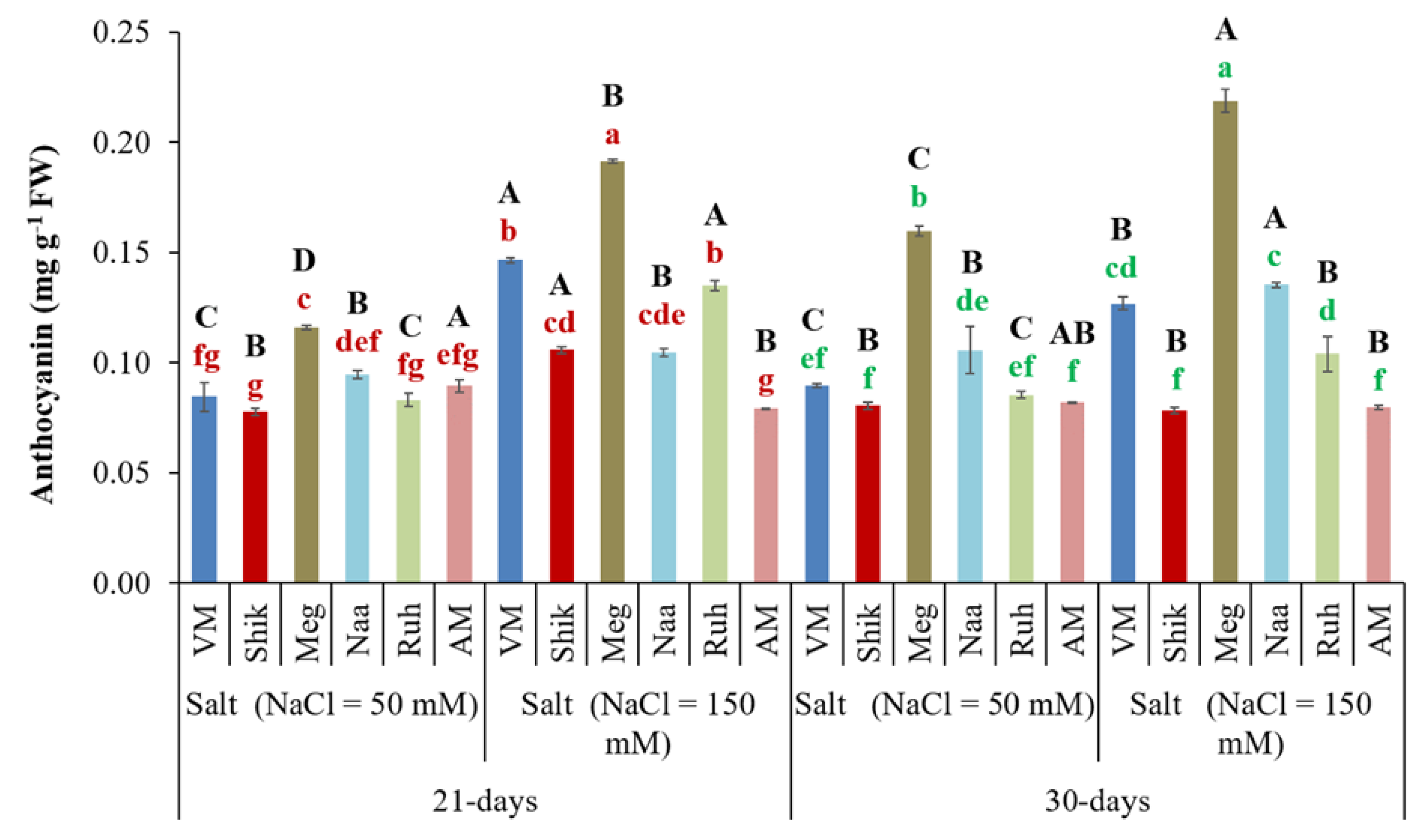
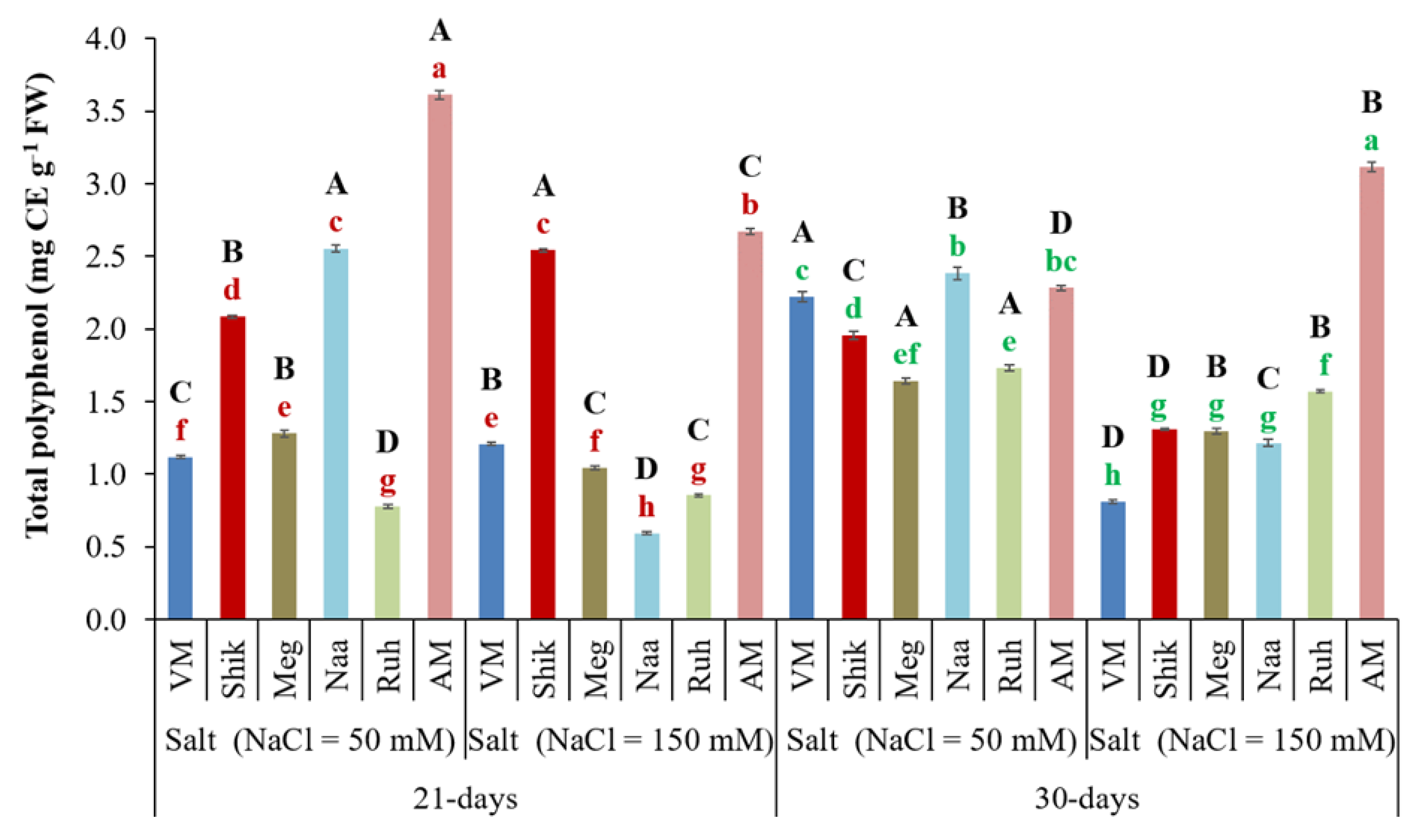
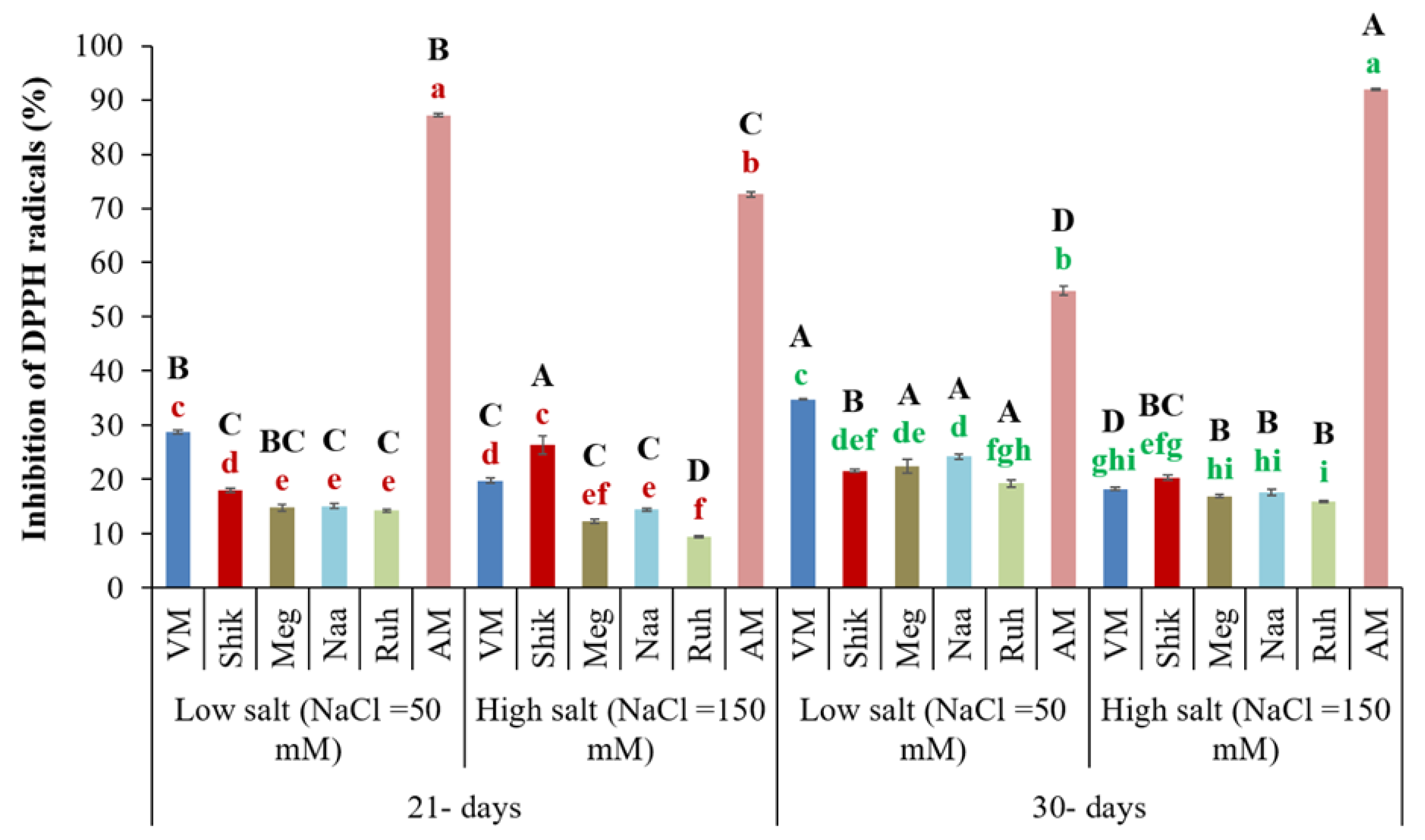
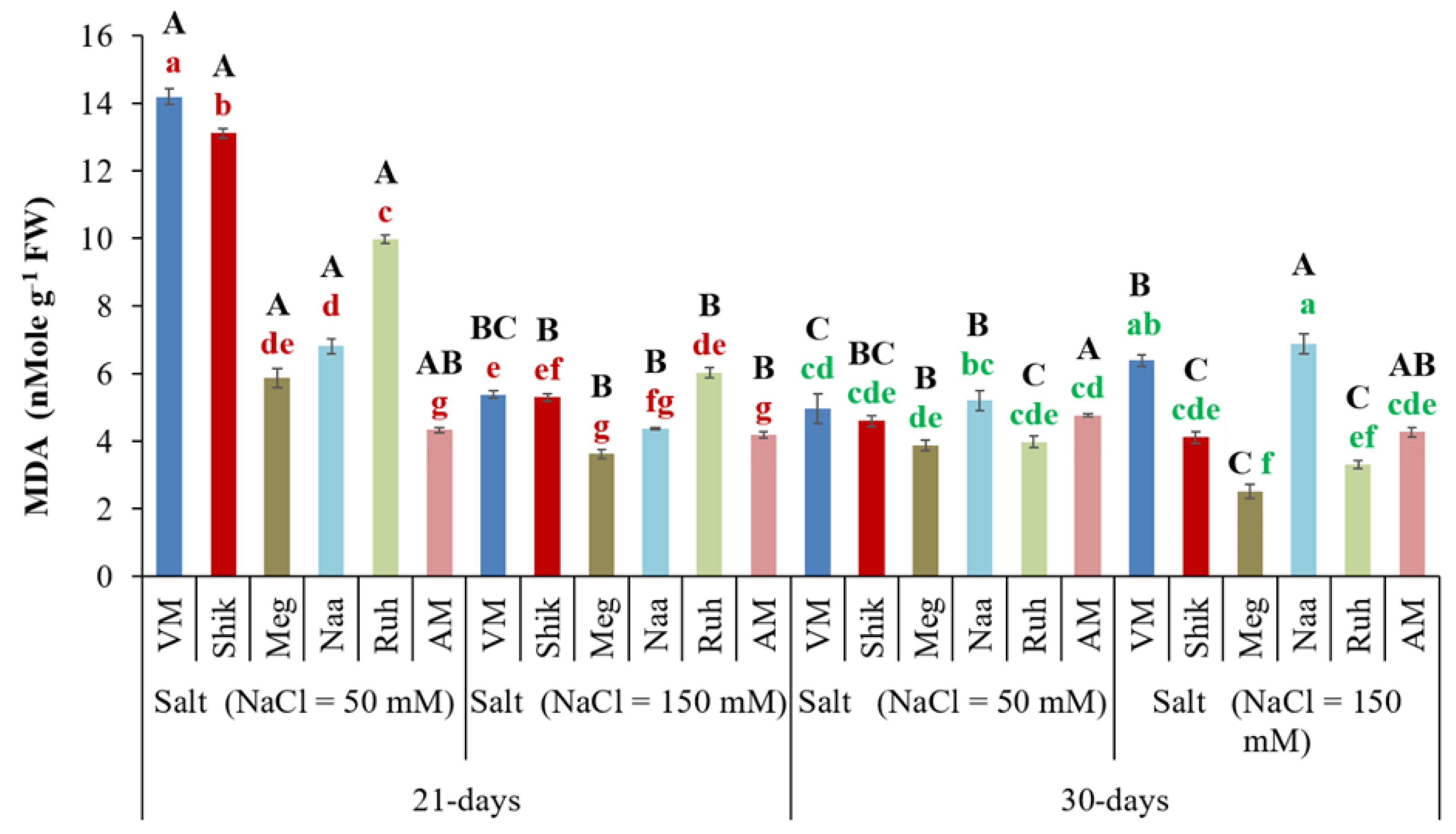
Halophyte bio-saline agriculture augments conventional farm methods in salinized soils and salty water. The current study tests the yield and nutritional value of new Sarcocornia fruticosa ecotypes (Shik, Meg, Naa, and Ruh) compared to the current ecotype (VM). Additionally, Arthrocnemum macrostachyum (AM), phenotypically similar to Sarcocornia, was compared to Sarcocornia ecotypes, and the role of the harvesting regime and irrigation water salinity on yield and its nutritional value was studied. 30-day harvesting over a 210-day growth increased plant yield compared to 21-day harvesting at both salinity levels (50 and 150 mM NaCl). It also tended to improve electrical conductivity (EC) and total soluble sugars (TSS), lower the toxic stress marker malondialdehyde levels, and enhance radical inhibition activity in most ecotypes. Compared to VM, the other Sarcocornia ecotypes, Ruh and Naa, exhibited much higher biomass with similar radical inhibition activity but lower total protein content. Higher salinity improved fresh biomass, shoot diameter, relative water content, chlorophyll level, TSS, EC, and tended to increase anthocyanin and carotenoid levels. In contrast, the lower salinity tended to increase total flavonoid, polyphenol, and radical inhibition activity. At the 30-day harvest regime, AM exhibited the highest and 2nd highest yields at the high and low salinity, respectively, and the highest shoot diameter, total flavonoids, radical inhibition activity, and among the lowest malondialdehyde levels. The current study highlights the importance of optimizing harvest frequency and the advantages of employing AM and the Sarcocornia ecotypes Ruh, Naa, and Meg at a 30-day harvesting regime under higher saline conditions.
Keywords:
1. Introduction
2. Materials and Methods
2.1. Plant Material and Growth Conditions
2.2. Harvest Regime
2.3. Shoot Diameter
2.4. Chlorophyll and Total Carotenoid Content
- Chlorophyll a = [(12.21 x A664) – (2.81 x A647)/W] x (V/1000)
- Chlorophyll b = [(20.13 x A647) – (2.03 x A664)/W] x (V/1000)
2.5. Relative Water Content (RWC)
2.6. Total Protein Content
2.7. Total Soluble Solids (TSS) Content and Electroconductivity (EC) Level
2.8. Anthocyanin Contents
(ml)*1/weight tissue(g) fresh weight.
2.9. Total Polyphenol Content
2.10. Total Flavonoids
2.11. Radical Scavenging Assay
2.12. Malondialdehyde (MDA) Content
- [(Abs532+TBA − Abs600+TBA) − (Abs532−TBA − Abs600−TBA)] = A
- [(Abs440+TBA − Abs600+TBA) × 0.0571] = B
2.14. Data Analysis
3. Results
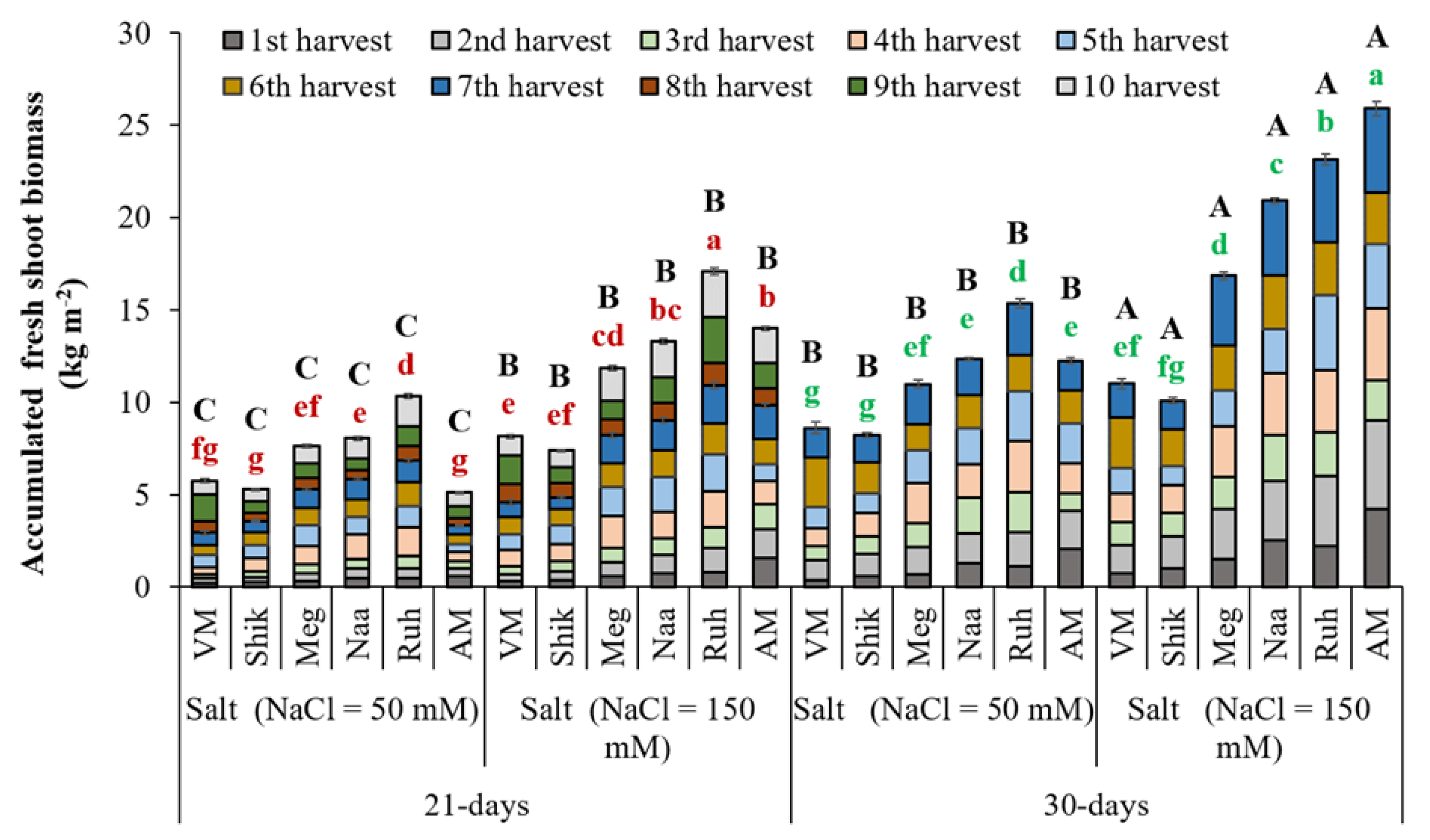
3.1. Fresh Biomass Production
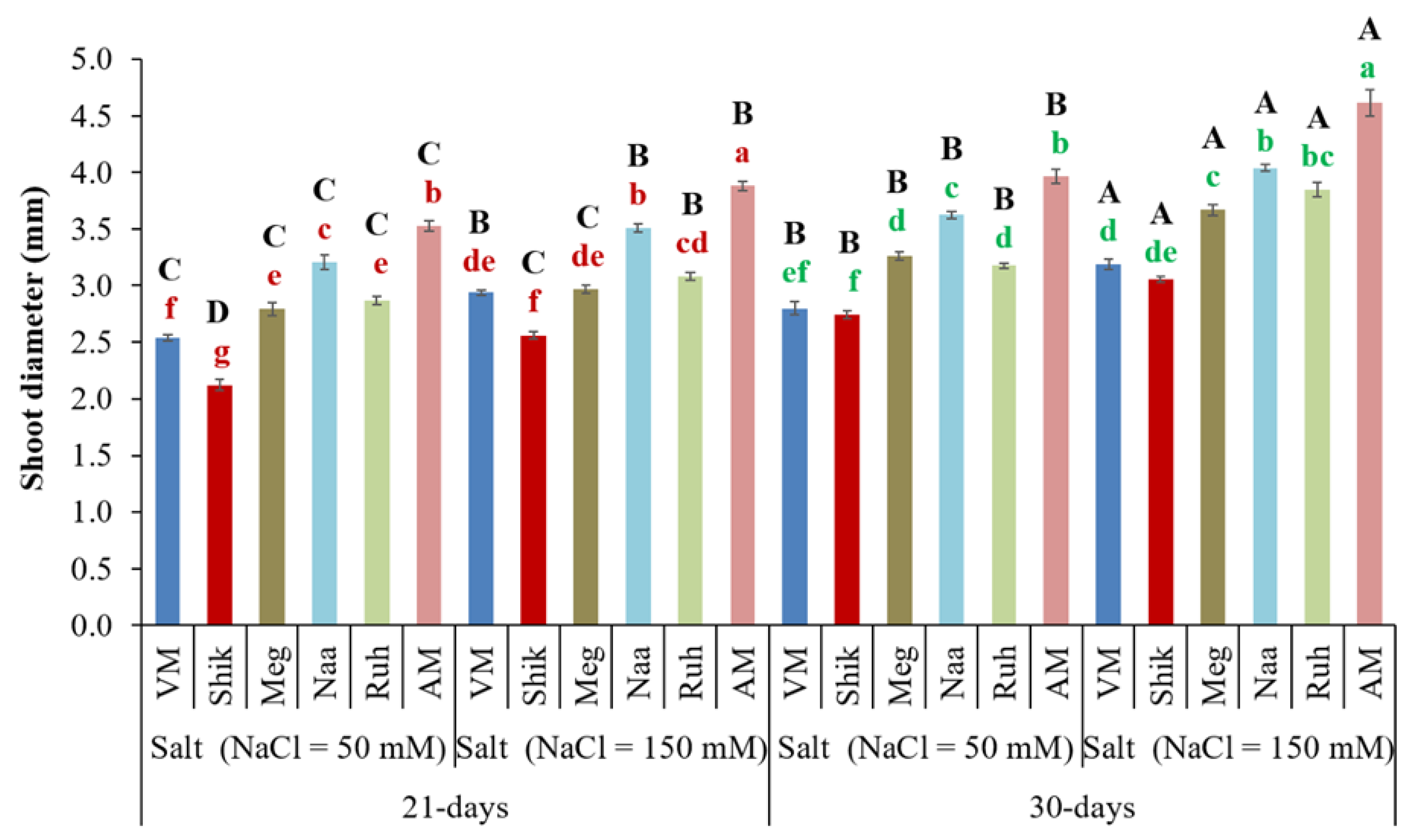
3.2. Effects of Harvesting Intervals and Salinity Levels on Plant Shoot Diameter
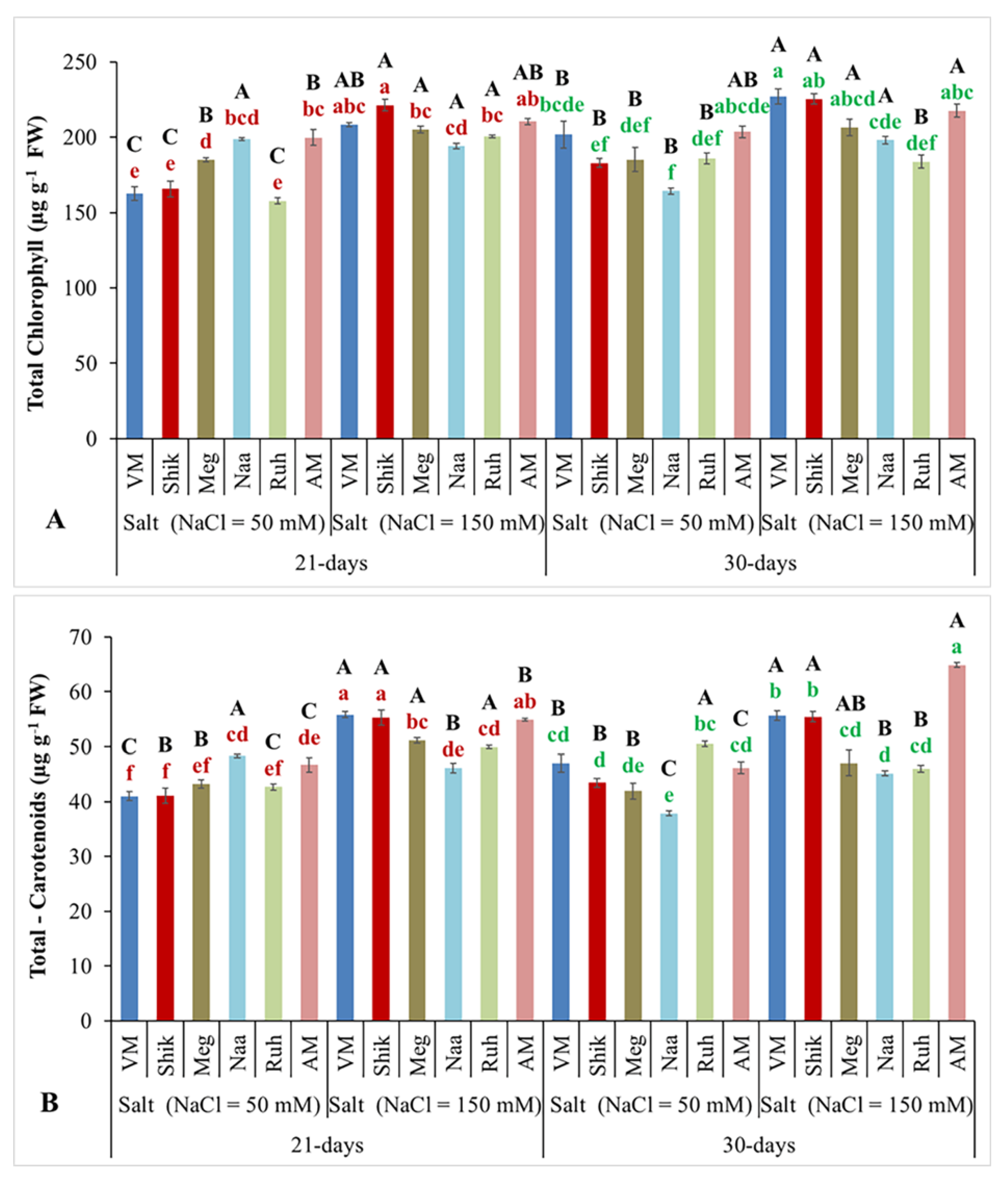
3.3. Total Chlorophyll and Carotenoid Contents
3.4. Relative Water Content (RWC)
3.5. Total Protein Content
3.6. Total Soluble Sugar and Electroconductivity Contents
3.7. Anthocyanin Content
3.8. Total Flavonoid Content
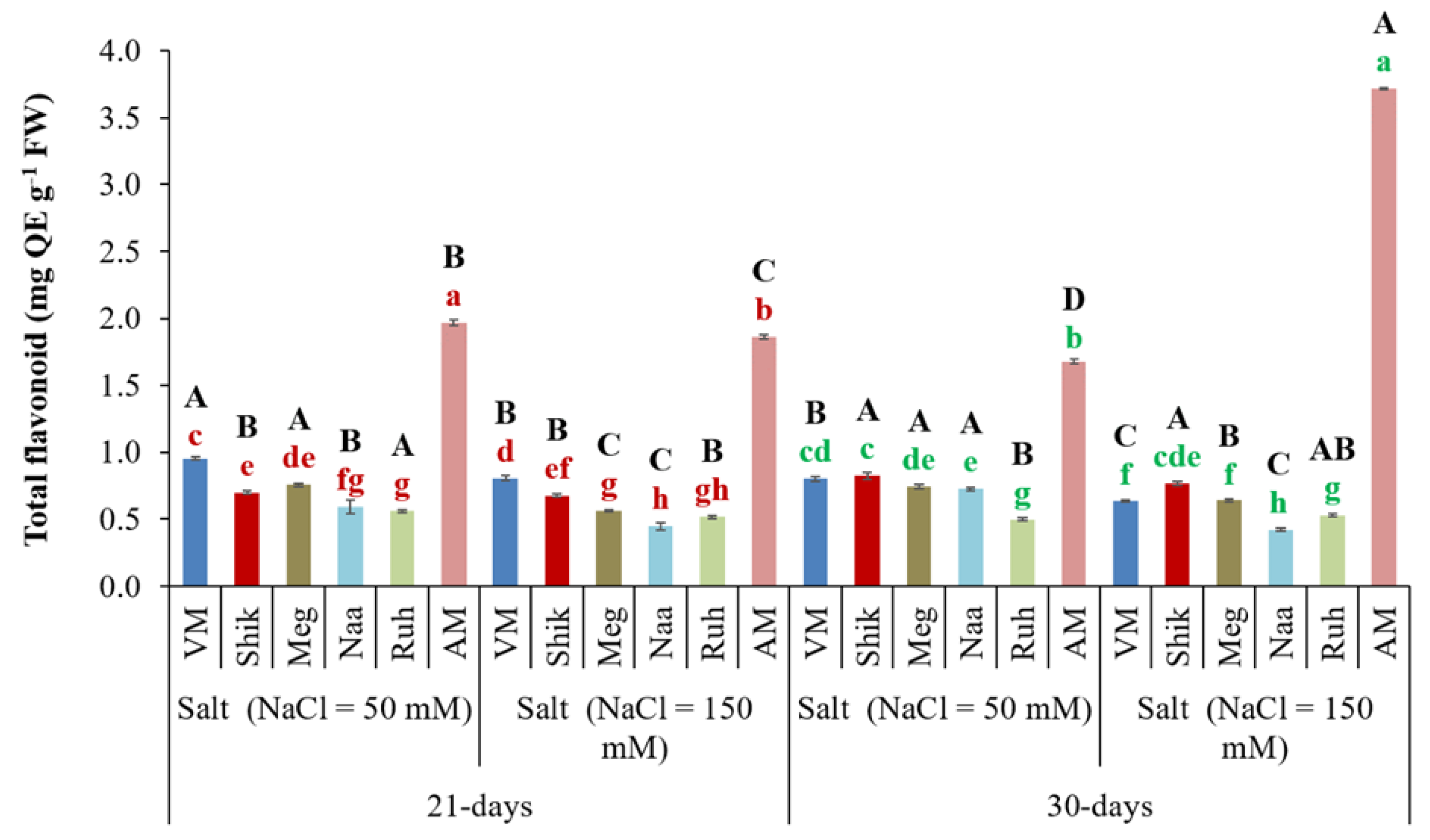
3.9. Total Polyphenol Content
3.10. Radical Scavenging Activities Using 2,2-Diphenyl-1-Picrylhydrazyl (DPPH)
3.12. Malondialdehyde (MDA) Content
4. Discussion
4.1. Growth Responses
4.2. Photosynthetic Pigments
4.3. Relative Water Content
4.4. Antioxidant Responses
5. Conclusions
Author Contributions
Acknowledgments
Conflicts of Interest
References
- Abdel Latef, A. A. H., & Chaoxing, H. (2014). Does Inoculation with Glomus mosseae Improve Salt Tolerance in Pepper Plants? Journal of Plant Growth Regulation, 33(3), 644–653. [CrossRef]
- Aghaleh, M., Niknam, V., Ebrahimzadeh, H., & Razavi, K. (2009). Salt stress effects on growth, pigments, proteins and lipid peroxidation in Salicornia persica and S. europaea. In BIOLOGIA PLANTARUM (Vol. 53, Issue 2).
- Agudelo, A., Carvajal, M., & Martinez-Ballesta, M. D. C. (2021). Halophytes of the mediterranean basin—underutilized species with the potential to be nutritious crops in the scenario of the climate change. Foods, 10(1). [CrossRef]
- Ali, G., Srivastava, P.S. and Iqbal, M., (1999). Proline accumulation, protein pattern, and photosynthesis in Bacopa Monniera regenerants grown under NaCl stress. Biologia Plantarum, 42, pp.89–95.
- Antunes, M. D., Gago, C., Guerreiro, A., Sousa, A. R., Julião, M., Miguel, M. G., Faleiro, M. L., & Panagopoulos, T. (2021). Nutritional characterization and storage ability of salicornia ramosissima and sarcocornia perennis for fresh vegetable salads. Horticulturae, 7(1), 1–12. [CrossRef]
- Ashraf, M., & Harris, P. J. C. (2004). Potential biochemical indicators of salinity tolerance in plants. In Plant Science (Vol. 166, Issue 1, pp. 3–16). Elsevier Ireland Ltd. [CrossRef]
- Barreira, L., Resek, E., Rodrigues, M. J., Rocha, M. I., Pereira, H., Bandarra, N., da Silva, M. M., Varela, J., & Custódio, L. (2017). Halophytes: Gourmet food with nutritional health benefits? Journal of Food Composition and Analysis, 59, 35–42. [CrossRef]
- Ben-Amotz, A., Lers, A. and Avron, M., (1988). Stereoisomers of β-carotene and phytoene in the alga Dunaliella bardawil. Plant physiology, 86(4), pp.1286-1291.
- Boughalleb, F., & Denden, M. (2011). Physiological and Biochemical Changes of Two Halophytes, Nitraria retusa (Forssk.) and Atriplex halimus (L.) Under Increasing Salinity. Agricultural Journal, 6(6), 327–339. [CrossRef]
- Castañeda-Loaiza, V., Oliveira, M., Santos, T., Schüler, L., Lima, A. R., Gama, F., Salazar, M., Neng, N. R., Nogueira, J. M. F., Varela, J., & Barreira, L. (2020). Wild vs cultivated halophytes: Nutritional and functional differences. Food Chemistry, 333. [CrossRef]
- Choudhary, B., Khandwal, D., Gupta, N. K., Patel, J., & Mishra, A. (2023). Nutrient Composition, Physicobiochemical Analyses, Oxidative Stability and Antinutritional Assessment of Abundant Tropical Seaweeds from the Arabian Sea. Plants, 12(12). [CrossRef]
- Collini, E. (2019). Carotenoids in Photosynthesis: The Revenge of the “Accessory” Pigments. In Chem (Vol. 5, Issue 3, pp. 494–495). Elsevier Inc. [CrossRef]
- Croft, H., & Chen, J. M. (2017). Leaf pigment content. In Comprehensive Remote Sensing (Vols. 1–9, pp. 117–142). Elsevier. [CrossRef]
- Custódio, L., Rodrigues, M. J., Pereira, C. G., Castañeda-Loaiza, V., Fernandes, E., Standing, D., Neori, A., Shpigel, M., & Sagi, M. (2021). A review on sarcocornia species: Ethnopharmacology, nutritional properties, phytochemistry, biological activities and propagation. In Foods (Vol. 10, Issue 11). MDPI. [CrossRef]
- Dabravolski, S. A., & Isayenkov, S. V. (2023). The Role of Anthocyanins in Plant Tolerance to Drought and Salt Stresses. In Plants (Vol. 12, Issue 13). Multidisciplinary Digital Publishing Institute (MDPI). [CrossRef]
- Demmig-Adams, B., & Adams, W. W. (2002). Antioxidants in Photosynthesis and Human Nutrition. https://www.science.org.
- Dias, M.C., Pinto, D.C.G.A., Silva, A.M.S. (2021). Plant Flavonoids: Chemical Characteristics and Biological Activity. Molecules, 26, 5377. [CrossRef]
- ElNaker, N. A., Yousef, A. F., & Yousef, L. F. (2020). A review of Arthrocnemum (Arthrocaulon) macrostachyum chemical content and bioactivity. In Phytochemistry Reviews (Vol. 19, Issue 6, pp. 1427–1448). Springer Science and Business Media B.V. [CrossRef]
- Flowers, T. J., Munns, R., & Colmer, T. D. (2015). Sodium chloride toxicity and the cellular basis of salt tolerance in halophytes. In Annals of Botany (Vol. 115, Issue 3, pp. 419–431). Oxford University Press. [CrossRef]
- Forghani, A. H., Mohebatinejad, H., & Fazilati, M. (2024). The Effect of Salt Stress on Antimicrobial Activity and Potential Production of Anthocyanin and Total Phenolic of Salicornia in Hydroponic Culture. Proceedings of the National Academy of Sciences India Section B - Biological Sciences, 94(4), 793–801. [CrossRef]
- Gengmao, Z., Yu, H., Xing, S., Shihui, L., Quanmei, S., & Changhai, W. (2015). Salinity stress increases secondary metabolites and enzyme activity in safflower. Industrial Crops and Products, 64(1), 175–181. [CrossRef]
- Harboub, N., Mighri, H., Bennour, N., Dbara, M., Pereira, C., Chouikhi, N., Custódio, L., Abdellaoui, R., & Akrout, A. (2025). Nutritional profile, chemical composition and health promoting properties of Salicornia emerici Duval-Jouve and Sarcocornia alpini (Lag.) Rivas Mart. from southern Tunisia. Biocatalysis and Agricultural Biotechnology, 64. [CrossRef]
- Hasanuzzaman, M., Bhuyan, M. H. M. B., Zulfiqar, F., Raza, A., Mohsin, S. M., Al Mahmud, J., Fujita, M., & Fotopoulos, V. (2020). Reactive oxygen species and antioxidant defense in plants under abiotic stress: Revisiting the crucial role of a universal defense regulator. In Antioxidants (Vol. 9, Issue 8, pp. 1–52). MDPI. [CrossRef]
- Hassan, M. Al, Chaura, J., Donat-Torres, M. P., Boscaiu, M., & Vicente, O. (2017). Antioxidant responses under salinity and drought in three closely related wild monocots with different ecological optima. AoB PLANTS, 9(2). [CrossRef]
- Hichem, H., Mounir, D., & Naceur, E. A. (2009). Differential responses of two maize (Zea mays L.) varieties to salt stress: Changes on polyphenols composition of foliage and oxidative damages. Industrial Crops and Products, 30(1), 144–151. [CrossRef]
- Hodges, D.M., DeLong, J.M., Forney, C.F. and Prange, R.K., (1999). Improving the thiobarbituric acid-reactive-substances assay for estimating lipid peroxidation in plant tissues containing anthocyanin and other interfering compounds. Planta, 207, pp.604-611.
- Hurkman, W. J., Fornari, C. S., & Tanaka, C. K. (1989). A Comparison of the Effect of Salt on Polypeptides and Translatable mRNAs in Roots of a Salt-Tolerant and a Salt-Sensitive Cultivar of Barley. In Plant Physiol (Vol. 90). https://academic.oup.com/plphys/article/90/4/1444/6082300.
- Ibraheem, F., Albaqami, M., & Elghareeb, E. M. (2025). Halophytic resilience in extreme environments: adaptive strategies of Suaeda schimperi in the Red Sea’s hyper-arid salt marshes. Plant, Soil and Environment, 71(5), 320–337. [CrossRef]
- Jameel, J., Anwar, T., Majeed, S., Qureshi, H., Siddiqi, E. H., Sana, S., Zaman, W., & Ali, H. M. (2024a). Effect of salinity on growth and biochemical responses of brinjal varieties: implications for salt tolerance and antioxidant mechanisms. BMC Plant Biology, 24(1). [CrossRef]
- Kaushal, S. S., Likens, G. E., Pace, M. L., Utz, R. M., Haq, S., Gorman, J., & Grese, M. (2018). Freshwater salinization syndrome on a continental scale. Proceedings of the National Academy of Sciences of the United States of America, 115(4), E574–E583. [CrossRef]
- Khatri, K., & Rathore, M. S. (2022). Salt and osmotic stress-induced changes in physio-chemical responses, PSII photochemistry and chlorophyll a fluorescence in peanut. Plant Stress, 3. [CrossRef]
- Khlestkina, E. (2013). The adaptive role of flavonoids: Emphasis on cereals. Cereal Research Communications, 41(2), 185–198. [CrossRef]
- Kong, Y., & Zheng, Y. (2014). Potential of Producing Salicornia bigelovii Hydroponically as a Vegetable at Moderate NaCl Salinity. In HORTSCIENCE (Vol. 49, Issue 9).
- Kovinich, N., Kayanja, G., Chanoca, A., Riedl, K., Otegui, M. S., & Grotewold, E. (2014). Not all anthocyanins are born equal: distinct patterns induced by stress in Arabidopsis. Planta, 240(5), 931–940. [CrossRef]
- Ksouri, R., Megdiche, W., Debez, A., Falleh, H., Grignon, C., & Abdelly, C. (2007). Salinity effects on polyphenol content and antioxidant activities in leaves of the halophyte Cakile maritima. Plant Physiology and Biochemistry, 45(3–4), 244–249. [CrossRef]
- Kumar, S., Li, G., Yang, J., Huang, X., Ji, Q., Liu, Z., Ke, W., & Hou, H. (2021). Effect of Salt Stress on Growth, Physiological Parameters, and Ionic Concentration of Water Dropwort (Oenanthe javanica) Cultivars. Frontiers in Plant Science, 12. [CrossRef]
- Kurmanbayeva, A., Bekturova, A., Soltabayeva, A., Oshanova, D., Zhadyrassyn, N., Srivastava, S., Tiwari, P., Dubey, A.K., Sagi, M. (2022). Active O-acetylserine-(thiol) lyase A and B confer improved selenium resistance and degrade L-Cys and L-SeCys in Arabidopsis. Journal of Experimental Botany, Volume 73, Issue 8, Pages 2525–2539. [CrossRef]
- Lima, A. R., Castañeda-Loaiza, V., Salazar, M., Nunes, C., Quintas, C., Gama, F., Pestana, M., Correia, P. J., Santos, T., Varela, J., & Barreira, L. (2020). Influence of cultivation salinity in the nutritional composition, antioxidant capacity and microbial quality of Salicornia ramosissima commercially produced in soilless systems. Food Chemistry, 333. [CrossRef]
- Li, Z., & Ahammed, G. J. (2023). Hormonal regulation of anthocyanin biosynthesis for improved stress tolerance in plants. In Plant Physiology and Biochemistry (Vol. 201). Elsevier Masson s.r.l. [CrossRef]
- Lombardi, T., Bertacchi, A., Pistelli, L., Pardossi, A., Pecchia, S., Toffanin, A., & Sanmartin, C. (2022). Biological and Agronomic Traits of the Main Halophytes Widespread in the Mediterranean Region as Potential New Vegetable Crops. In Horticulturae (Vol. 8, Issue 3). MDPI. [CrossRef]
- Maduraimuthu, D., Agric, M. J., Djanaguiraman, M., Ramadass, R., & Durga Devi, D. (2004). Effect of salinity on chlorophyll content of rice genotypes. Effect of salt stress on germination and seedling growth in rice genotypes. https://www.researchgate.net/publication/284041307.
- Mandal, R., & Dutta, G. (2020). From photosynthesis to biosensing: Chlorophyll proves to be a versatile molecule. In Sensors International (Vol. 1). KeAi Communications Co. [CrossRef]
- Marone, D., Mastrangelo, A. M., Borrelli, G. M., Mores, A., Laidò, G., Russo, M. A., & Ficco, D. B. M. (2022). Specialized metabolites: Physiological and biochemical role in stress resistance, strategies to improve their accumulation, and new applications in crop breeding and management. In Plant Physiology and Biochemistry (Vol. 172, pp. 48–55). Elsevier Masson s.r.l. [CrossRef]
- Mishra, A., Patel, M. K., & Jha, B. (2015). Non-targeted metabolomics and scavenging activity of reactive oxygen species reveal the potential of Salicornia brachiata as a functional food. Journal of Functional Foods, 13, 21–31. [CrossRef]
- Mohammadi, H. and Kardan, J. (2015). Morphological and physiological responses of some halophytes to salinity stress. In Annales Universitatis Mariae Curie-Sklodowska, sectio C–Biologia (Vol. 70, No. 2). Uniwersytet Marii Curie-Skłodowskiej. Wydawnictwo Uniwersytetu Marii Curie-Skłodowskiej.
- Pareek, A., Lata Singla, S., Kumar Kush, A., & Grover, A. (1997). Distribution patterns of HSP 90 protein in rice. In Plant Science (Vol. 125).
- Parida, A. K., Veerabathini, S. K., Kumari, A., & Agarwal, P. K. (2016). Physiological, anatomical and metabolic implications of salt tolerance in the halophyte Salvadora persica under hydroponic culture condition. Frontiers in Plant Science, 7(MAR2016). [CrossRef]
- Patel, J., Khandwal, D., Choudhary, B., Ardeshana, D., Jha, R. K., Tanna, B., Yadav, S., Mishra, A., Varshney, R. K., & Siddique, K. H. M. (2022). Differential Physio-Biochemical and Metabolic Responses of Peanut (Arachis hypogaea L.) under Multiple Abiotic Stress Conditions. International Journal of Molecular Sciences, 23(2). [CrossRef]
- Patel, J., Khatri, K.,, Sisay, T. A., Nja, Z.D., Choudhary, B., Nurbekova, Z., Mishra, A., Sikron, N., Standing, D., Mudgal, A., Mudgal, V., Sagi, M. (2025). UV-C-induced reactive carbonyl species are better detoxified in the halophytic plants Salicornia brachiata and Arthrocnemum macrostachyum than in the halophytic Sarcocornia fruticosa plants. The Plant Journal 122, e70239. [CrossRef]
- Pavlovic, D., Nikolic, B., Djurovic, S., Waisi, H., Andjelkovic, A., & Marisavljevic, D. (2014). Chlorophyll as a measure of plant health: Agroecological aspects. Pesticidi i Fitomedicina, 29(1), 21–34. [CrossRef]
- Pincus, M.R., (2001). Physiological structure and function of proteins. In Cell physiology source book (pp. 19–42). Academic Press.
- Rabhi, M., Castagna, A., Remorini, D., Scattino, C., Smaoui, A., Ranieri, A., & Abdelly, C. (2012). Photosynthetic responses to salinity in two obligate halophytes: Sesuvium portulacastrum and Tecticornia indica. South African Journal of Botany, 79, 39–47. [CrossRef]
- Rao, M. J., & Zheng, B. (2025). The Role of Polyphenols in Abiotic Stress Tolerance and Their Antioxidant Properties to Scavenge Reactive Oxygen Species and Free Radicals. In Antioxidants (Vol. 14, Issue 1). Multidisciplinary Digital Publishing Institute (MDPI). [CrossRef]
- Redondo-Gómez, S., Mateos-Naranjo, E., Figueroa, M. E., & Davy, A. J. (2010). Salt stimulation of growth and photosynthesis in an extreme halophyte, Arthrocnemum macrostachyum. Plant Biology, 12(1), 79–87. [CrossRef]
- Rodrigues, M. J., Gangadhar, K. N., Vizetto-Duarte, C., Wubshet, S. G., Nyberg, N. T., Barreira, L., Varela, J., & Custódio, L. (2014). Maritime halophyte species from southern Portugal as sources of bioactive molecules. Marine Drugs, 12(4), 2228–2244. [CrossRef]
- Rudrapal, M., Khairnar, S. J., Khan, J., Dukhyil, A. Bin, Ansari, M. A., Alomary, M. N., Alshabrmi, F. M., Palai, S., Deb, P. K., & Devi, R. (2022). Dietary Polyphenols and Their Role in Oxidative Stress-Induced Human Diseases: Insights Into Protective Effects, Antioxidant Potentials and Mechanism(s) of Action. In Frontiers in Pharmacology (Vol. 13). Frontiers Media S.A. [CrossRef]
- Sagi, M., Davydov, O., Orazova, S., Yesbergenova, Z., Ophir, R., Stratmann, J. W., Fluhr, R. (2004). Plant Respiratory Burst Oxidase Homologs Impinge on Wound Responsiveness and Development in Lycopersicon esculentum. The Plant Cell, 16(3), 616–628. [CrossRef]
- Salazar, O. R., Chen, K., Melino, V. J., Reddy, M. P., Hřibová, E., Čížková, J., Beránková, D., Arciniegas Vega, J. P., Cáceres Leal, L. M., Aranda, M., Jaremko, L., Jaremko, M., Fedoroff, N. V., Tester, M., & Schmöckel, S. M. (2024). SOS1 tonoplast neo-localization and the RGG protein SALTY are important in the extreme salinity tolerance of Salicornia bigelovii. Nature Communications, 15(1). [CrossRef]
- Sarkar, S., Mondal, M., Ghosh, P., Saha, M., & Chatterjee, S. (2020). Quantification of total protein content from some traditionally used edible plant leaves: A comparative study. Journal of Medicinal Plants Studies, 8(4), 166–170. [CrossRef]
- Sarker, U., & Oba, S. (2019). Salinity stress enhances color parameters, bioactive leaf pigments, vitamins, polyphenols, flavonoids and antioxidant activity in selected Amaranthus leafy vegetables. Journal of the Science of Food and Agriculture, 99(5), 2275–2284. [CrossRef]
- Shah, S. H., Houborg, R., & McCabe, M. F. (2017). Response of Chlorophyll, Carotenoid and SPAD-502 measurement to salinity and nutrient stress in wheat (Triticum aestivum L.). In Agronomy (Vol. 7, Issue 3). MDPI AG. [CrossRef]
- Sisay, T. A., Nurbekova, Z., Oshanova, D., Dubey, A. K., Khatri, K., Mudgal, V., Mudgal, A., Neori, A., Shpigel, M., Srivastava, R. K., Custódio, L. M. B., Standing, D., & Sagi, M. (2022). Effect of Salinity and Nitrogen Fertilization Levels on Growth Parameters of Sarcocornia fruticosa, Salicornia brachiata, and Arthrocnemum macrostachyum. Agronomy, 12(8). [CrossRef]
- Soltabayeva, A., Ongaltay, A., Omondi, J. O., & Srivastava, S. (2021). Morphological, physiological and molecular markers for salt-stressed plants. In Plants (Vol. 10, Issue 2, pp. 1–18). MDPI AG. [CrossRef]
- Soltabayeva, A., Bekturova, A., Kurmanbayeva, A., Oshanova, D., Nurbekova, Z., Srivastava, S., Standing, D., Sagi, M. (2022). Ureides are accumulated similarly in response to UV-C irradiation and wounding in Arabidopsis leaves but are remobilized differently during recovery. Journal of Experimental Botany, 73(3), 1016–1032. [CrossRef]
- Souid, A., Bellani, L., Tassi, E. L., Ben Hamed, K., Longo, V., & Giorgetti, L. (2023). Early Physiological, Cytological and Antioxidative Responses of the Edible Halophyte Chenopodium quinoa Exposed to Salt Stress. Antioxidants, 12(5). [CrossRef]
- Srivastava, R., (2021). Physicochemical, antioxidant properties of carotenoids and its optoelectronic and interaction studies with chlorophyll pigments. Scientific Reports vol. 11, Article number: 18365. [CrossRef]
- Szekely-Varga, Z., González-Orenga, S., Cantor, M., Jucan, D., Boscaiu, M., & Vicente, O. (2020). Effects of drought and salinity on two commercial varieties of lavandula angustifolia mill. Plants, 9(5). [CrossRef]
- Taïbi, K., Taïbi, F., Ait Abderrahim, L., Ennajah, A., Belkhodja, M., & Mulet, J. M. (2016). Effect of salt stress on growth, chlorophyll content, lipid peroxidation and antioxidant defence systems in Phaseolus vulgaris L. South African Journal of Botany, 105, 306–312. [CrossRef]
- Talebzadeh, F., & Valeo, C. (2022). Evaluating the Effects of Environmental Stress on Leaf Chlorophyll Content as an Index for Tree Health. IOP Conference Series: Earth and Environmental Science, 1006(1). [CrossRef]
- Tan, X., Zhu, J., & Wakisaka, M. (2020). Effect of protocatechuic acid on Euglena gracilis growth and accumulation of metabolites. Sustainability (Switzerland), 12(21), 1–11. [CrossRef]
- Türkan, I., & Demiral, T. (2009). Recent developments in understanding salinity tolerance. In Environmental and Experimental Botany (Vol. 67, Issue 1, pp. 2–9). [CrossRef]
- Valifard, M., Mohsenzadeh, S., Kholdebarin, B., & Rowshan, V. (2014). Effects of salt stress on volatile compounds, total phenolic content and antioxidant activities of Salvia mirzayanii. South African Journal of Botany, 93, 92–97. [CrossRef]
- Ventura, Y., Eshel, A., Pasternak, D., & Sagi, M. (2015). The development of halophyte-based agriculture: Past and present. In Annals of Botany (Vol. 115, Issue 3, pp. 529–540). Oxford University Press. [CrossRef]
- Ventura, Y., Myrzabayeva, M., Alikulov, Z., Omarov, R., Khozin-Goldberg, I., & Sagi, M. (2014). Effects of salinity on flowering, morphology, biomass accumulation and leaf metabolites in an edible halophyte. AoB PLANTS, 6. [CrossRef]
- Ventura, Y., & Sagi, M. (2013). Halophyte crop cultivation: The case for salicornia and sarcocornia. Environmental and Experimental Botany, 92, 144–153. [CrossRef]
- Ventura, Y., Wuddineh, W. A., Myrzabayeva, M., Alikulov, Z., Khozin-Goldberg, I., Shpigel, M., Samocha, T. M., & Sagi, M. (2011a). Effect of seawater concentration on the productivity and nutritional value of annual Salicornia and perennial Sarcocornia halophytes as leafy vegetable crops. Scientia Horticulturae, 128(3), 189–196. [CrossRef]
- Ventura, Y., Wuddineh, W. A., Shpigel, M., Samocha, T. M., Klim, B. C., Cohen, S., Shemer, Z., Santos, R., & Sagi, M. (2011b). Effects of day length on flowering and yield production of Salicornia and Sarcocornia species. Scientia Horticulturae, 130(3), 510–516. [CrossRef]
- Yang, C., Shi, D., & Wang, D. (2008). Comparative effects of salt and alkali stresses on growth, osmotic adjustment and ionic balance of an alkali-resistant halophyte Suaeda glauca (Bge.). Plant Growth Regulation, 56(2), 179–190. [CrossRef]
Disclaimer/Publisher’s Note: The statements, opinions and data contained in all publications are solely those of the individual author(s) and contributor(s) and not of MDPI and/or the editor(s). MDPI and/or the editor(s) disclaim responsibility for any injury to people or property resulting from any ideas, methods, instructions or products referred to in the content. |
© 2025 by the authors. Licensee MDPI, Basel, Switzerland. This article is an open access article distributed under the terms and conditions of the Creative Commons Attribution (CC BY) license (http://creativecommons.org/licenses/by/4.0/).


