
Submitted:
19 August 2025
Posted:
19 August 2025
You are already at the latest version
Abstract
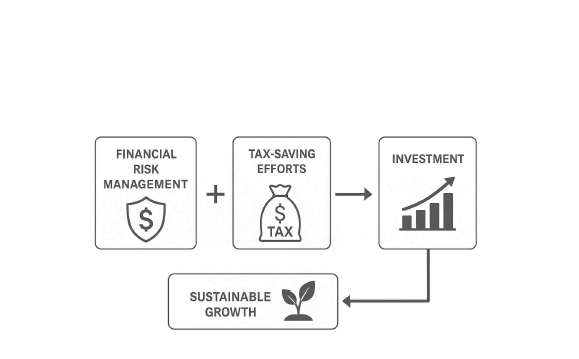
Investment is essential for sustainable corporate growth and can be financed through debt or internally generated after-tax cash flows. This study investigates how financial risk management and tax-saving efforts interact to influence capital expenditures in Korean listed firms. Using panel data for 4,275 firm-year observations from 2017 to 2023, we employ OLS regressions with year and industry fixed effects, controlling for firm size, leverage, operating cash flow, profitability, market uncertainty, auditor quality, firm age, and foreign ownership. We find that lower effective tax rates, as a proxy for greater tax-saving efforts, are significantly associated with higher capital expenditures. Moreover, the interaction between strong financial risk management and greater tax-saving efforts magnifies investment, suggesting a synergistic effect on capital spending. Specifically, the coefficients of interactions with cash and GAAP effective tax rates are positive and statistically significant. These results highlight that aligning robust financial risk oversight with proactive tax-saving efforts strengthens investment capacity and supports sustainable growth. The findings offer managerial and policy implications regarding integrated financial–tax governance as a pathway toward long-term corporate value creation.
Keywords:
tax-saving efforts
; financial risk management
; sustainable investment
1. Introduction
1.1. Research Background
In the contemporary business landscape, characterized by rapid environmental change, companies are allocating significant resources to the domain of financing. This strategic focus on financing enables them to invest in sustainable management practices, fostering long-term growth and resilience. Sustainable management has recently emerged as a pivotal issue for global investors and regulatory agencies [1]. In this context, corporate investment is imperative for sustainable management and can be financed in two ways: debt financing and equity financing. Debt financing is typically executed through financial institutions, whereas equity financing is facilitated by the after-tax net cash flow derived from a company’s operating and non-operating activities. Financial risk management is a prerequisite for obtaining debt capital from financial institutions. Financial institutions meticulously assess the financial viability of companies prior to loan approval and maintain continuous oversight of the borrower company’s financial stability post-approval [2,3]. In this process, companies provide sensitive information to mitigate information asymmetry and strengthen their risk management systems to improve financial stability [4]. Moreover, effective tax strategies are acknowledged as a method of augmenting after-tax net cash flow through tax savings, thereby expanding investment capacity [5,6]. The present study hypothesizes that corporate bank debt has a positive relationship with tax avoidance, and financial institutions may encourage borrowers’ tax strategies to ensure stable cash flow [7]. Recent studies have demonstrated the individual effects of financial risk management and tax strategies on investment decisions. However, there has been a paucity of comprehensive verification of how these factors interact to drive corporate investment expansion. This study is predicated on the premise that companies provide sensitive information to obtain investment funds from banks, thereby ameliorating information asymmetry issues.
1.2. Research Objective
Appropriate investment is imperative for companies to grow and achieve sustainable management. In order to secure external capital for timely investment, companies must satisfy the financial indicator requirements set by financial institutions. Consequently, companies are proactively managing financial risk and closely monitoring the generation of non-operating income to ensure the procurement of investment funds through their own capital.
Gupta et al. [1] reported that financial risk management strategies strengthen a company’s financial resilience; however, the connection with tax strategies has not been clearly identified. Therefore, this study sets Hypothesis 1 and aims to empirically analyze how financial risk management (Det) influences efforts to reduce taxes (CashETR and GAAPETR) through the establishment of efficient tax strategies.
Rego and Wilson [5] confirmed, through empirical analysis, that tax efficiency has the potential to increase after-tax net cash flow. However, extant research has yielded equivocal results regarding the impact of cash savings on corporate value. Therefore, Hypothesis 2 was formulated and an empirical analysis was conducted to examine the complex effects of the interaction between financial risk management and tax-saving efforts through the establishment of an efficient tax strategy on investment expansion. This analysis verified the necessity of integrated financial decision making from a sustainability perspective.
The present study is of consequence insofar as it concentrates on and empirically analyzes the variables that affect a company’s investment scale, which is one of the necessary conditions for maximizing corporate value through sustainable management. In essence, our objective is to empirically validate the hypothesis that companies adept at managing financial risk exhibit a proactive stance in augmenting after-tax cash flow through the implementation of effective tax strategies aimed at generating tax savings.
2. Literature Review
2.1. Corporate Sustainability Management and Financial Risk Management
There is a close relationship between corporate sustainability management and financial risk management. In their seminal 1992 study, Scholes and Wolfson [8] presented a tax reduction model based on efficient tax planning, which was used to demonstrate the trade-off between tax benefits and non-tax costs when choosing corporate structure, investment, finance, and compensation. Their research provides a theoretical basis showing that an integrated approach to sustainability and financial risk management is essential for long-term value creation.
Gupta et al. [1] conducted a systematic review of sustainability-based financial risk management strategies, confirming their effectiveness in addressing long-term uncertainty and strengthening financial resilience within organizations. As posited by Azadda et al. [9], the notion of sustainable finance emerges as a pivotal strategy for attaining sustainable management within corporate entities. The field of sustainable finance has demonstrated that risks related to governance, social, and environmental factors have the potential to influence the financial system. García-Sánchez et al. [10] systematically collected and analyzed extant literature on financial risks affecting sustainable companies using the Web of Science and Scopus databases. They then categorized these risks into six categories: corporate financial sustainability, competitive advantage, stakeholder engagement, circular economy, innovation and risk management, and supply chain ethics.
2.2. Tax Savings
Duhoon and Singh [11] conducted a comprehensive analysis of 102 studies derived from the Scopus database. Based on their analysis, they systematically classified the determinants of tax avoidance into seven categories: ownership structure, board composition, audit quality, executive compensation, corporate social responsibility, corporate characteristics, and political connections.
Alkurdi and Mardini [12], Khurana and Moser [13], and Ying et al. [14] reported that an increase in institutional investor ownership is associated with a reduction in tax avoidance levels, attributable to enhanced monitoring of manager performance. Conversely, Bird and Karolyi [15], and Khan et al. [16] reported contradictory results, suggesting that institutional investors may in fact increase tax avoidance due to their focus on high market value.
According to Gaaya et al. [17], companies subjected to audit by the so-called “Big Four” accounting firms exhibit a reduced propensity to engage in tax avoidance strategies. This can be attributed to the awareness of potential repercussions, including a heightened risk of reputational and litigation costs.
Firmansyah and Bayuaji [6] reported that, the more profitable a company, the greater the absolute tax burden and, therefore, the greater the incentive for tax avoidance.
A body of research has emerged on the subject of tax avoidance decisions and their impact on corporate value. Studies by Guenther et al. [4], Abdul Wahab and Holland [18], and Chyz [19] have reported that such decisions minimize a company’s tax burden, increase profits, and positively influence corporate value. Rego and Wilson [5] posited that effective tax planning can reduce current and future tax liabilities, thereby augmenting after-tax income and cash flow.
Financial institutions possess confidential data regarding their lending clients, which enables them to ensure prompt repayment of loans. Consequently, there is a vested interest in providing ongoing monitoring of financial structures to ensure the efficacy of this process. Consequently, an elevated bank debt level corresponds to augmented after-tax net cash flow, attributable to tax savings [2,3,7].
3. Research Methodology
3.1. Hypothesis Development
According to the findings of Chen et al. [7] as reported on ssrn.com, a positive correlation between bank debt and corporate tax avoidance has been observed. This phenomenon is explained from the perspective that financial institutions encourage companies to capitalize on tax savings opportunities for debt servicing. Financial institutions may employ strategies to augment after-tax cash flow, including tax avoidance, with the objective of ensuring a consistent cash flow for borrower companies.
Gallemore, Gipper, and Maydew’s [20] study offers empirical evidence that U.S. banks function as intermediaries in their clients’ tax planning activities. Financial institutions can access proprietary information regarding corporate entities through lending relationships and can engage in tax planning transactions with the objective of reducing their clients’ tax obligations.
A study by De Vito and Jacob [21] found that, when creditor protection is strengthened, companies tend to reduce tax avoidance and increase debt financing. This phenomenon signifies a strategic shift by corporations, wherein they are transitioning from utilizing non-debt tax shields to prioritizing debt tax shields. This substitution effect aligns with extant theories that tax considerations play an important role in corporate capital structure decisions. The objective of firms is to identify the optimal combination of interest expenses, tax deductions, and tax savings through tax avoidance strategies to maximize after-tax cash flows.
Chernykh and Mityakov [22] documented a positive relationship between Russian banks’ offshore activities and their client companies’ tax avoidance, proving that banks play a role in promoting tax strategies.
As posited by Trinz [23], the practice of tax avoidance can serve as a comparatively less disruptive internal funding mechanism for corporate operations when contrasted with other cost-cutting strategies, such as reducing research and development expenditures or reducing personnel. The motivation behind this practice is to enhance the financial viability of the borrowing company.
We thus established Hypothesis 1, which states that there is no correlation between corporate financial risk management and the establishment of efficient tax strategies. This is due to the existence of factors that can increase after-tax cash flow by establishing efficient tax strategies to increase equity financing. The funds secured in this way can be reinvested for sustainable corporate growth.
Hypothesis 1: Financial risk management and tax avoidance are not correlated with corporate sustainability.
The strategic implementation of tax avoidance strategies has the potential to enhance a company’s financial resilience, thereby enabling the optimization of its internal financing capabilities and the expansion of its investment capacity. A study by the OECD [24] on corporate investment indicates that tax savings can potentially result in increased investment capacity. This is particularly relevant for companies grappling with liquidity constraints, as strategic tax avoidance can serve as a crucial mechanism for capitalizing on investment opportunities.
Xu and Zwick’s [25] study documented the phenomenon of companies concentrating investments at the end of the fiscal year to minimize taxes, thereby providing evidence that tax considerations directly influence investment timing and scale.
This suggests that the positive effect of tax avoidance on investment may be amplified as the level of financial debt increases.
In contemporary corporate financial management, capital allocation strategies and tax strategies are increasingly being considered in an integrated manner. The objective of effective capital allocation is to allocate resources to areas with the highest after-tax returns to maximize shareholder value. In this process, tax savings through tax avoidance can serve as an important means of expanding investment resources. This is particularly relevant for portfolio companies because effective structures, credits, and incentives, as well as strategic timing adjustments of cost and revenue recognition, have the potential to enhance investment returns, thereby reinforcing the positive relationship between tax avoidance and investment. The present study sets forth the assumption that efficient tax strategies do not affect the scale of investment, regardless of whether the company manages financial risk.
Hypothesis 2: Irrespective of financial risk management, there is no correlation betwee n tax avoidance and investment for corporate sustainability.
3.2. Methodology
- 1.
- Hypothesis 1 Research Model
- 2.
- Hypothesis 2 Research Model
3.3. Variables
The initial research model posits the hypothesis that the ETR is employed as a proxy for tax savings, which are identified as the dependent variable. The GAAP ETR was calculated by dividing the income tax expense indicated on the income statement by the income before income taxes and then multiplying by (-1). Given that companies with a lower GAAP ETR ratio are considered to have established effective tax minimization strategies, the result was multiplied by (-1) to facilitate intuitive interpretation of the empirical analysis results. The Cash ETR was calculated by dividing the income tax paid on the cash flow statement by income before income taxes and then multiplying by (-1). The lower the cash effective tax rate (Cash ETR) ratio, the more effective the company’s strategy to minimize corporate taxes has been. To facilitate the interpretation of the empirical analysis results, we multiplied them by (-1). In the research model to test Hypothesis 2, capital expenditures (CapEx) were utilized as a proxy for the dependent variable, investment scale. Capital expenditure (CapEx) was measured as cash outflows for the purchase of tangible and intangible assets on the investment cash flow statement.
The proxy for the variable of interest, financial risk management, was the total debt ratio (Det) proposed by Chen et al. (2025) in their SSRN Working Paper. The total debt ratio (Det) was measured by dividing total debt by total liabilities.
Among the control variables, firm size (SIZE) was measured by taking the logarithm of total assets, and the debt ratio (LEV) was measured by dividing total debt by total assets. The operating cash flow ratio (CFO) was calculated by dividing operating cash flow by total assets, and the return on assets (ROA) was determined by dividing net income by total assets.
3.4. Data
The financial data of companies listed on the KOSPI and KOSDAQ markets was obtained through Massive data provided by ValueSearch. This study’s sample set included 13,729 companies listed on the KOSPI and KOSDAQ markets from 2017 to 2023, with the exclusion of companies with a December fiscal year-end. In the course of this study, 3,561 companies were excluded from the analysis due to the absence of continuous financial information from 2017 to 2023. Furthermore, 4,483 companies with losses or capital impairment and 1,130 companies with corporate tax expenses or cash corporate tax payments less than zero were excluded from the analysis. The initial sample was obtained by excluding 280 companies from the final tally due to their status as financial institutions or their industry classification as one of the 10 smallest industries in terms of annual revenue, as determined by the medium-level classification system employed in the Korean Standard Industrial Classification. This resulted in a final sample size of 4,275 companies. The detailed sample selection process is delineated in Table 1.
3.5. Descriptive Statistics and Correlation Analysis
In Table 2, the descriptive statistics of the variables employed in the OLS (Ordinary Least Squares) multiple regression analysis are presented. This analysis was utilized to evaluate the hypotheses underlying this study. The total sample size was 4,275. To control for the influence of extreme values, winsorization was performed on all continuous probability variables except for dummy variables at the upper and lower 1% levels. The mean value of CapEx is 5.61, the standard deviation is 24.45, the minimum and lower 1% values are both 0.00, the lower 25% value is 0.16, the median is 0.55, the upper 75% value is 2.00, and the upper 99% and maximum values are both 204.53.
The mean Cash ETR is –0.22, the standard deviation is 0.14, the minimum and lower 1% values are –0.77, the lower 25% value is –0.27, the median is –0.21, the upper 75% value is –0.13, and the upper 99% and maximum values are 0.00. The mean GAAP ETR is –0.22, the standard deviation is 0.12, the minimum and bottom 1% values are –0.71, the bottom 25% value is –0.26, the median is –0.21, the top 75% value is –0.16, and the top 99% and maximum values are –0.01.
The mean value of Financial Risk Management (Det) is 0.40, the standard deviation is 0.27, the minimum and lower 1% values are 0.00, the lower 25% value is 0.13, the median is 0.41, the upper 75% value is 0.62, and the upper 99% and maximum values are 0.94.
Table 3 presents the Pearson coefficients of the correlations between the variables.
4. Empirical Analysis
4.1. Hypothesis 1 Empirical Analysis Results
In the empirical analysis for Hypothesis 1, the regression coefficient of financial debt (DET) in the regression analysis with the CashETR as the dependent variable is 0.04, indicating a statistically significant positive relationship at the 1% significance level. These findings imply that the impact of financial debt on tax avoidance is statistically and economically significant.
An examination of the outcomes pertaining to the control variables reveals that firm size exhibits a regression coefficient of -0.02, while CFO demonstrates a regression coefficient of -0.23, indicating a negative correlation at the 1% significance level. Additionally, the regression coefficient associated with the AAFOR is -0.05, suggesting a negative correlation at the 5% significance level.
The ROA is 0.74, indicating a strong positive relationship at the 1% significance level. Consequently, as a company becomes more profitable, its absolute tax burden also rises, thereby increasing the incentive for tax-saving efforts.
A parallel set of findings emerged from an analysis employing the GAAPETR as the dependent variable. The regression coefficient for financial debt (DET) is 0.03, indicating a statistically significant positive relationship at the 1% level of significance. Furthermore, a discernible consistency in patterns emerges between the CashETR and the outcomes of the control variables.
A consistent positive relationship between financial debt and tax avoidance was observed in both tax avoidance measurement methods. This decline holds substantial implications for a company’s endeavors to minimize taxes through the implementation of an effective tax strategy.
The findings of this study are further reinforced by the consistent results obtained from two distinct tax avoidance measurement methods, thereby enhancing the study’s overall robustness and reliability. The cash effective tax rate method is predicated on actual cash tax payments, while the accounting effective tax rate method is based on accounting tax expenses. The finding that equivalent outcomes were attained through both methodologies suggests that the association between financial debt and tax avoidance is resilient to variations in measurement approach. The findings of this study clearly refute the null hypothesis that “financial risk management in sustainable companies does not affect tax savings through the establishment of efficient tax strategies”. The results provide empirical evidence that a company’s financial risk management is an important factor in promoting tax-saving efforts.

Table 4.
Empirical analysis results for Hypothesis 1.
| Variable | Dependent Variable = ETR | |||
| A1 | A2 | |||
| Coefficient | P-value | Coefficient | P-value | |
| Intercept | 0.13 | 0.04 | 0.07 | 0.17 |
| DET | 0.04*** | 0.00 | 0.03*** | 0.00 |
| Size | -0.02*** | 0.00 | -0.01*** | 0.00 |
| Lev | 0.00 | 0.84 | -0.04*** | 0.00 |
| CFO | -0.23*** | 0.00 | -0.19*** | 0.00 |
| ROA | 0.74*** | 0.00 | 0.57*** | 0.00 |
| Mrt | 0.00 | 0.62 | 0.00 | 0.60 |
| BIG4 | 0.01 | 0.28 | 0.00 | 0.86 |
| Age | 0.00 | 0.78 | -0.01** | 0.02 |
| AAFOR | -0.05** | 0.03 | -0.01 | 0.44 |
| Fixed Effects | Year and Industry | Year and Industry | ||
| Observations | 4,275 | 4,275 | ||
| F statistics | 10.39 | 10.12 | ||
| Adjusted R2 | 0.11 | 0.11 | ||
Significance levels represented by p-values in the correlation analysis are as follows: *** represents a 1% significance level, ** represents a 5% significance level, and * represents a 10% significance level.
4.2. Hypothesis 2 Empirical Analysis Results
The second hypothesis of this study posits the null hypothesis that “the scale of investment by companies for sustainable management is unaffected by tax savings achieved through effective tax strategies, irrespective of a company’s management of financial risk”. However, the empirical analysis results did not support this hypothesis, indicating a statistically significant positive relationship between tax savings and investment and demonstrating that financial risk management has a statistically significant moderating effect.
In an ordinary least squares multiple regression analysis with investment scale (Capex) as the dependent variable and the CashETR as the primary explanatory variable, the regression coefficient of the CashETR is 18.11, indicating a statistically significant positive relationship at the 1% level of significance.
For the interaction effect between financial risk management and tax savings through efficient tax planning, the regression coefficient of Det*CashETR (interaction term) is 21.12, which is statistically significant at the 1% level of confidence. This suggests that, in companies that manage financial risk well, increased tax savings can lead to an increase in investment that is commensurate with the increase in after-tax net cash flow.
The application of the GAAP yielded consistent results in the analysis. The regression coefficient for GAAPETR is 23.86, indicating a statistically significant positive relationship at the 1% level of significance. The regression coefficient for Det_GAAPETR (interaction term) is 22.22, statistically significant at the 5% level of confidence, thereby confirming the result for Det*CashETR (interaction term).
This suggests that augmented net cash flow from tax savings through efficient tax strategies can be utilized as investment resources for sustainable management. Furthermore, companies that adeptly manage financial risk can allocate a greater portion of the increased after-tax net cash flow for reinvestment.
Table 5.
Empirical analysis results for Hypothesis 2.
| Variable | Dependent Variable = CapEx | |||
| A3 | A4 | |||
| Coefficient | P-value | Coefficient | P-value | |
| Intercept | -281.46 | 0.00 | -281.07 | 0.00 |
| CashETR | 18.11*** | 0.00 | - | - |
| GAAPETR | - | - | 23.86*** | 0.00 |
| Det*CashETR | 21.12*** | 0.00 | - | - |
| Det* GAAPETR | - | - | 22.22*** | 0.01 |
| DET | -1.26 | 0.54 | -1.63 | 0.48 |
| Size | 11.01*** | 0.00 | 11.02*** | 0.00 |
| Lev | -7.50*** | 0.00 | -7.05*** | 0.00 |
| CFO | 31.95*** | 0.00 | 32.15*** | 0.00 |
| ROA | -24.15*** | 0.00 | -25.20*** | 0.00 |
| Mrt | -4.28*** | 0.00 | -4.26*** | 0.00 |
| BIG4 | -3.31*** | 0.00 | -3.26*** | 0.00 |
| Age | 0.25 | 0.65 | 0.36 | 0.52 |
| AAFOR | 24.41*** | 0.00 | 24.04*** | 0.00 |
| Fixed Effects | Year and Industry | Year and Industry | ||
| Observations | 4,275 | 4,275 | ||
| F statistics | 62.34 | 62.67 | ||
| Adjusted R2 | 0.45 | 0.46 | ||
Significance levels represented by p-values in the correlation analysis are as follows: *** represents a 1% significance level, ** represents a 5% significance level, and * represents a 10% significance level.
5. Conclusions
This study empirically analyzed the impact of sustainable corporate financial risk management on tax savings and investment activities through efficient tax strategies in the Korean market. The target population for this study was 4,275 Korean listed companies from 2017 to 2023.
The results of the Hypothesis 1 analysis confirmed that companies with excellent financial risk management actively participate in tax-saving efforts through efficient tax strategies, thereby increasing after-tax net cash flow. The OLS analysis showed a statistically significant positive relationship at the 1% level. This finding indicates that companies can enhance their tax savings by strategically leveraging government tax incentive policies through the utilization of financial and tax services offered by lending institutions.
The results of the Hypothesis 2 analysis demonstrate that the interaction between financial risk management and tax savings through efficient tax strategies further promotes investment expansion. The regression coefficient values for the interaction variables DetCashETR and DetGAAPETR were 21.12 and 22.22, respectively, indicating statistically significant positive relationships at the 1% and 5% levels. This finding indicates that the combined upward effect of the two factors exceeds the sum of their individual effects. This suggests that, when financial soundness and tax efficiency are integrated, a synergistic effect emerges, thereby enhancing the company’s investment decision-making processes.
In summary, for companies to pursue sustainable growth, it is essential to design and operate integrated strategies for establishing financial soundness and tax efficiency.
It is important to note this study’s limitations in accurately reflecting the comprehensive risk management and tax strategies employed by companies. Notwithstanding the aforementioned limitations, this study makes two contributions. First, contrary to the approach of previous studies, which examined financial risk management and tax effects in isolation, this study underscores the significance of integrated decision making within the framework of sustainable management. It achieves this by empirically substantiating the interactive effects between these domains.
Secondly, corporate management can contribute to the enhancement of the virtuous cycle between sustainable growth and financial performance by establishing a framework for investment decision making that integrates financial stability and tax strategy.
The significance of this study lies in its empirical analysis, demonstrating that sustainable investment by companies can be maximized when financial risk management and tax strategies operate in an integrated manner. In subsequent research, the scope of the sample should be expanded to include multidimensional risk management strategies. These strategies may contribute to further development of this study.
References
- Sharma, V.; Rupeika-Apoga, R.; Singh, T.; Gupta, M. Sustainable Investments in the Blue Economy: Leveraging Fintech and Adoption Theories. J. Risk Financial Manag. 2025, 18, 368. [Google Scholar] [CrossRef]
- Ma, J.; Wang, J.; Zhang, Y. Investment decisions and financial risk: Insights from Chinese enterprises. Journal of Corporate Finance 2019, 57, 101478. [Google Scholar]
- Gustafson, M.T.; Ivanov, I.; Meisenzahl, R.R. The role of banks in providing liquidity across firms of different sizes. Journal of Financial Economics 2021, 139, 758–778. [Google Scholar] [CrossRef]
- Guenther, D.A.; Matsunaga, S.R.; Williams, B.M. Assessing the link between tax avoidance and firm risk. The Accounting Review 2017, 92, 115–136. [Google Scholar] [CrossRef]
- Rego, S.O.; Wilson, R. Equity Risk Incentives and Corporate Tax Aggressiveness. J. Account. Res. 2012, 50, 775–810. [Google Scholar] [CrossRef]
- Firmansyah, A.; Bayuaji, Y. Investigating the relationship between tax strategies and investment opportunities. International Journal of Financial Research 2019, 10(2), 58–65. [Google Scholar] [CrossRef]
- Chen, S.; Liu, Y.; Wang, L. How ESG scores influence both tax planning and investment efficiency: Asian firms’ evidence. Emerging Markets Finance and Trade 2025, 61, 44–63. [Google Scholar]
- Scholes, M.S.; Wolfson, M.A. Taxes and business strategy: A planning approach; Prentice Hall: Englewood Cliffs, NJ, 1992. [Google Scholar]
- Azadda, W.N.; Koomson, S.; Klutse, S.K. conceptual view on sustainable finance’s role in risk resilience. XIMB J. Manag. 2023, 21, 66–85. [Google Scholar] [CrossRef]
- Bartolacci, F.; Caputo, A.; Soverchia, M. Integrated reporting and its impact on sustainability achievements: Cross-national analysis. Bus. Strat. Environ. 2020, 29, 1455–1470. [Google Scholar] [CrossRef]
- Duhoon, L.; Singh, T. Literature review on factors influencing corporate tax minimization strategies. Journal of Accounting and Taxation 2023, 15, 210–229. [Google Scholar]
- Alkurdi, A.; Mardini, G.H. The role of institutional investors in tax minimization: Evidence from Jordanian markets. International Journal of Business and Management 2020, 15, 130–144. [Google Scholar]
- Khurana, I.K.; Moser, W.J. Exploring how large shareholders influence tax avoidance activities. The Accounting Review 2013, 88, 1485–1512. [Google Scholar] [CrossRef]
- Ying, Q.; Chen, Y.; Kong, D. Ownership structures and aggressive tax behavior in Chinese corporations. Journal of International Accounting, Auditing and Taxation 2017, 29, 31–43. [Google Scholar] [CrossRef]
- Bird, A.; Karolyi, G.A. Institutional pressures and their effect on corporate tax strategies. Journal of Corporate Finance 2017, 45, 587–608. [Google Scholar] [CrossRef]
- Khan, M.; Srinivasan, S.; Tan, L. Further findings on institutional ownership’s impact on tax avoidance. Contemporary Accounting Research 2017, 34, 329–364. [Google Scholar] [CrossRef]
- Gaaya, S.; Lakhal, M.; Lakhal, F. The role of major audit firms in mitigating tax-related risks. Managerial Auditing Journal 2017, 32, 627–646. [Google Scholar] [CrossRef]
- Abdul Wahab, E.A.; Holland, K.; Lanis, R. Corporate governance mechanisms and their influence on tax practices and firm value. The British Accounting Review 2012, 44, 111–124. [Google Scholar] [CrossRef]
- Chyz, J.A. Executive-level tax aggressiveness and its corporate implications. Journal of Accounting and Economics 2013, 56, 311–328. [Google Scholar] [CrossRef]
- Gallemore, J.; Gipper, B.; Maydew, E.L. How banks facilitate tax planning for their clients. Journal of Accounting Research 2019, 57, 169–209. [Google Scholar] [CrossRef]
- De Vito, A.; Jacob, M. Legal creditor protections and corporate tax behaviors. Contemporary Accounting Research 2022, 39, 1014–1043. [Google Scholar] [CrossRef]
- Chernykh, L.; Mityakov, S. Offshore financial tactics and tax evasion trends: Russian banking analysis. Journal of Financial Economics 2017, 126, 554–570. [Google Scholar] [CrossRef]
- Trinz, M. (2014). The discrepancy between statutory and actual tax burdens in developing nations. Discussion Paper. Deutsche Gesellschaft für Internationale Zusammenarbeit (GIZ), Bonn.
- OECD. Corporate Tax Statistics: Fourth Edition; OECD Publishing, 2023. [Google Scholar]
- Xu, J.; Zwick, E. (2020). Investment response to tax policy shifts: Bonus depreciation phase-out evidence. NBER Working Paper Series, No. 26560. [CrossRef]
Table 1.
The detailed sample selection process.
| Sample Classification | Observations |
| Companies listed on the stock market with a December fiscal year-end | 13,729 |
| Companies without financial data continuously from 2017 to 2023 | (3,561) |
| Companies with capital erosion or operating losses for three consecutive years | (4,483) |
| Companies without ETR ratings or information on the Det | (1,130) |
| Industries with fewer than 10 categories based on the medium classification of the Korean Standard Industrial Classification | (280) |
| Final companies for analysis | 4,275 |
Table 2.
Descriptive statistics.
| Observations=4,275 | ||||||||
| Variable | Mean | Std.Dev. | Min | 1st Qnt. | Median | 3rd Qnt. | Max | |
| Capex | 5.61 | 24.45 | 0.00 | 0.16 | 0.55 | 2.00 | 204.53 | |
| Cash ETR | -0.22 | 0.14 | -0.77 | -0.27 | -0.21 | -0.13 | 0.00 | |
| GAAP ETR | -0.22 | 0.12 | -0.71 | -0.26 | -0.21 | -0.16 | -0.01 | |
| DET | 0.40 | 0.27 | 0.00 | 0.13 | 0.41 | 0.62 | 0.94 | |
| Size | 26.50 | 1.33 | 24.38 | 25.57 | 26.25 | 27.06 | 31.10 | |
| Lev | 0.34 | 0.17 | 0.04 | 0.19 | 0.33 | 0.47 | 0.75 | |
| CFO | 0.08 | 0.06 | 0.00 | 0.04 | 0.07 | 0.11 | 0.28 | |
| ROA | 0.06 | 0.05 | 0.00 | 0.03 | 0.05 | 0.08 | 0.27 | |
| Mrt | 0.45 | 0.50 | 0.00 | 0.00 | 0.00 | 1.00 | 1.00 | |
| BIG4 | 0.45 | 0.50 | 0.00 | 0.00 | 0.00 | 1.00 | 1.00 | |
| Age | 3.06 | 0.56 | 1.39 | 2.77 | 3.14 | 3.43 | 4.01 | |
| AAFOR | 0.09 | 0.12 | 0.00 | 0.02 | 0.04 | 0.11 | 0.57 | |
Capex: Capital expenditure ratio (cash expenditures for tangible and intangible assets in the investment cash flow statement); Cash ETR: Effective cash tax rate (cash payment amount/income before income tax) × (-1); GAAP ETR: Effective tax rate (income statement corporate tax expense / income before income tax) × (-1); DET: Total debt ratio (total borrowings/total liabilities); Size: log(total assets); Lev: Leverage ratio (total debt/total assets); CFO: Operating cash flow ratio (operating cash flow/total assets); ROA: Return on assets (net income / total assets); Mrt: Listed market classification dummy variable: 1 for the stock market; 0 otherwise; BIG4: Dummy variable: 1 if external audits are conducted by one of the four major accounting firms; 0 otherwise; Age: log(company listing period); AAFOR: Average annual foreign shareholding ratio (average annual foreign shareholding ratio provided by search value).
Table 3.
Pearson correlation analysis.
| Variable | Capex | Cash ETR | GAAP ETR | DET | Size | Lev | CFO | ROA | Mrt | BIG4 | Age | AAFOR |
| Capex | 1.00 | |||||||||||
| Cash ETR |
-0.04 ** |
1.00 | ||||||||||
| GAAP ETR | -0.01 |
0.60 *** |
1.00 | |||||||||
| DET |
0.05 *** |
0.03 * |
0.01 | 1.00 | ||||||||
| Size |
0.57 *** |
-0.15 *** |
-0.15 *** |
0.08 *** |
1.00 | |||||||
| Lev |
0.08 *** |
-0.04 *** |
-0.09 *** |
0.46 *** |
0.24 *** |
1.00 | ||||||
| CFO |
0.11 *** |
0.04 ** |
0.03 * |
-0.16 *** |
0.01 | 0.02 | 1.00 | |||||
| ROA | -0.01 |
0.21 *** |
0.21 *** |
0.24 *** |
0.07 *** |
0.25 *** |
0.46 *** |
1.00 | ||||
| Mrt |
0.21 *** |
-0.11 *** |
-0.12 *** |
0.03 ** |
0.54 *** |
0.18 *** |
0.07 *** |
0.15 *** |
1.00 | |||
| BIG4 |
0.21 *** |
-0.06 *** |
-0.07 *** |
0.01 |
0.43 *** |
0.08 *** |
0.03 * |
0.02 |
0.32 *** |
1.00 | ||
| Age |
0.11 *** |
-0.09 *** |
-0.12 *** |
0.03 ** |
0.24 *** |
0.08 *** |
0.13 *** |
0.20 *** |
0.33 *** |
0.02 | 1.00 | |
| AAFOR |
0.41 *** |
-0.09 *** |
-0.07 *** |
0.14 *** |
0.50 *** |
0.07 *** |
0.16 *** |
0.14 *** |
0.22 *** |
0.31 *** |
0.11 *** |
1.00 |
Significance levels represented by p-values in the correlation analysis are as follows: *** represents a 1% significance level, ** represents a 5% significance level, and * represents a 10% significance level.
Disclaimer/Publisher’s Note: The statements, opinions and data contained in all publications are solely those of the individual author(s) and contributor(s) and not of MDPI and/or the editor(s). MDPI and/or the editor(s) disclaim responsibility for any injury to people or property resulting from any ideas, methods, instructions or products referred to in the content. |
© 2025 by the authors. Licensee MDPI, Basel, Switzerland. This article is an open access article distributed under the terms and conditions of the Creative Commons Attribution (CC BY) license (http://creativecommons.org/licenses/by/4.0/).
Copyright: This open access article is published under a Creative Commons CC BY 4.0 license, which permit the free download, distribution, and reuse, provided that the author and preprint are cited in any reuse.


