

Submitted:
13 August 2025
Posted:
13 August 2025
You are already at the latest version
Abstract
Globally, mining waste-related problems are regarded as the second most significant environmental issue after global warming and ozone depletion. Although the techniques for extracting precious metals have greatly improved, the increasing scarcity of these metals has resulted in a substantial rise in mine waste. The limitations of traditional remediation methods have led to the adoption of phytoremediation, a plant-based technology, for environmentally friendly and cost-effective detoxification and contaminant removal from soil. Over the past three decades, phytoremediation has attracted considerable interest and research attention. This literature review aims to synthesize the current state of knowledge on phytoremediation, focusing on leveraging bioenergy production. The review further examines species suitable for phytoextraction, phytostabilization, and bioenergy production, along with the limitations of current legislation in promoting a more integrated approach to mitigate the environmental and social impacts of mining, as well as the extensive use of plant species to address metal contamination in South Africa's mining industry. Among other species, Vetiver grass was evaluated for its potential in integrated phytoremediation, carbon sequestration, and bioenergy production systems. The review identified a disconnect between legislation and the current environmental, social, and economic sustainability, which frustrates the country's sustainable development agendas and the adoption of a circular economy. It also highlighted the lack of information regarding potential synergies between phytoremediation, bioenergy production, and carbon sequestration in South Africa. Thus, more work is needed to establish a new paradigm for rehabilitating mined land to tackle the interconnected challenges of mining-related pollution control, energy production, and climate change. This promotes the integration of circular economy principles, innovation, and sustainability.
Keywords:
phytoremediation
; bioenergy
; mine tailings
; phytostabilization
; vetiver grass
; sustainability
1. Introduction
The mining industry is a significant driver of economic growth globally, but it also has severe environmental consequences. The environmental impact of mining activities is widespread, with approximately 4 × 10⁵ km2 of global land disturbed by mining [1]. One of the most pressing issues is the production of vast amounts of mine tailings, which is a waste product remaining after ore beneficiation [2]. Tailing storage facilities (TSF)/ tailings dams are classified as marginal land or waste because they are characterized by marginal economic and agronomic potential due to poor soil fertility, and toxic pollutants [3]. The global production of mine tailings is staggering, with estimates suggesting over 10 billion tonnes per year [4]. Globally, mining waste-related problems are considered the second most significant environmental issue after global warming and ozone depletion [5].
In South Africa, for example, there are over 6,000 active mines, with the Gauteng Province hosting 374 mine residue areas, primarily linked to gold mining [6,7]. The scale of mining waste generation is alarming, with 200,000 hectares of land converted for mining operations and 47,000 hectares used for slime and waste rock dumps in 2007 alone [8]. Although the techniques for precious metals extraction have improved significantly, the increasing scarcity of these metals has led to a substantial rise in mine waste. As deposits become depleted, more extensive excavation is required, leading to exponentially large volumes of waste. This upward trend in mine waste generation is expected to persist as long as mining activities continue. The perpetuation of mine waste generation will exacerbate the existing environmental and societal challenges, including land degradation, energy consumption, agricultural disruption, climate change and other associated issues.
The 1970s saw the emergence of the remediation industry in response to public demands for immediate cleanups of environmental damage caused largely by mining [9]. Although well-intentioned, the remediation industry's reliance on conventional physical and chemical cleanup solutions has proven inadequate for achieving comprehensive and long-term remediation over large areas [9]. These conventional methods are not only expensive [10,11] but also rely heavily on non-renewable energy sources [12], have a significant environmental footprint [13], and require constant monitoring due to environmental safety concerns. Additionally, they can cause irreversible damage to soil macroflora and properties [14] and generate secondary waste products that necessitate further treatment and disposal [15]. For instance, the "dig and haul" approach used in the remediation of a single brownfield in New Jersey resulted in 2.7 million tons of carbon dioxide emissions, equivalent to 2% of the state's annual emissions [16], highlighting the need for more effective and sustainable remediation strategies.
The limitations of traditional remediation methods have led to the adoption of phytoremediation, a plant-based technology, for environmentally friendly and cost-effective detoxification and contaminant removal from soil [17,18]. Phytoremediation offers many benefits, including biophilia, carbon neutrality [19], high social acceptance, minimal environmental footprint, and low operational costs [20], making it a preferred option [21,22]. Over the past three decades, phytoremediation has garnered significant interest and research attention [23]. Guidi Nissim et al. [24] highlights the need for future assessments to capture the additional benefits of phytoremediation. This call to action is underscored by a recent paradigm shift in the field, which emphasizes the importance of integrating ecosystem services into phytoremediation decision-making processes [24,25]. However, in practice, this shift is yet to be fully pursued, with the potential benefits of a more integrated approach remaining largely unexplored, limiting its socio-economic potential [26]. Only a few studies have quantified ecosystem services related to phytoremediation despite the long-term studies on the subject.
Ecosystem services represent an ecological-economic approach that integrates ecosystem functions, processes, and benefits human well-being [27]. These services encompass (i) regulating benefits, such as biodiversity conservation, carbon sequestration, flood protection, water purification, and air quality maintenance [25,28]; (ii) provisioning benefits, such as biomass for energy production and (iii) bioindustry applications, including phytochemical production.
This literature review seeks to synthesize the current state of knowledge on phytoremediation, with a focus on leveraging bioenergy production. Vetiver grass (Chrysopogon zizanioides) among other phytoremediation plants have demonstrated its potential to harness these ecosystem services within the context of phytoremediating mine tailings in South Africa. The review further examines the limitations of current legislation and advocates for a more integrated approach to mitigate the environmental and social impacts of mining.
2. Plant Species Selection for Phytoremediation in South Africa
In South Africa, the selection of plant species for rehabilitation and restoration efforts, including phytoremediation of mine tailings is governed by the National Environmental Management Biodiversity Act 10 of 2004 (NEMBA). NEMBA provides for amongst others, the management and conservation of South Africa's biodiversity within the National Environmental Management Act 107 of 1998 (NEMA) framework. NEMBA states that to ensure lasting reductions in TSF emissions and achieve site closure, ecologically meaningful rehabilitation with native vegetation that minimizes site emissions to air, water, soil, and biota is required. Traditionally, alien species were used in TSF rehabilitation and restoration. This practice is prohibited under the current legislation. NEMBA aims to conserve and protect South Africa’s biodiversity, and it regulates the use and control of invasive and endangered species and at the same time promotes the use of indigenous species to maintain ecosystem integrity and biodiversity. The utilization of non-invasive species in the rehabilitation and restoration efforts is crucial to minimizing the risk of unintended ecological harm [29].
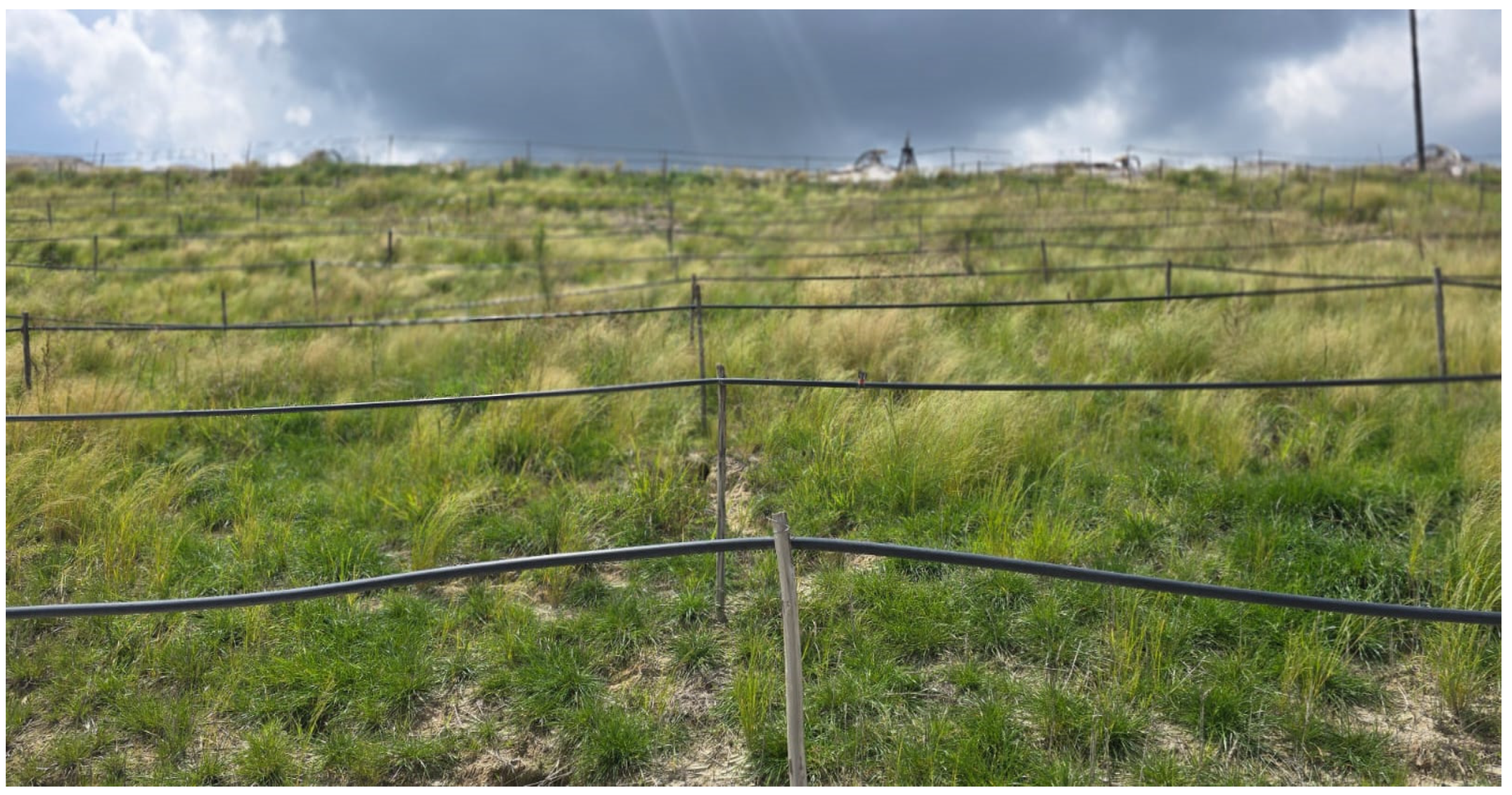
In 2007 the Chamber of Mines and Coaltech listed species that are used in the rehabilitation of mined land in the guidelines for the rehabilitation of mined lands. These include Eragrostis curvula (Wheeping Love Grass), Digitaria eriantha (Smuts finger grass) and Chloris gayana (Rhodes grass), Eragrostis tef (Teff grass), Cenchrus ciliaris, Cynodon dactylon (Kweek, Puerto Rico), Digitaria decumbens (Pongola or lowveld finger grass), Desmodium uncinatum, D. intortum and Glycine wightii, Medicago sativa (lucerne), American Sweetclover, Arlington lespedeza (Lespedeza cuneata), Lolium multiflorum (Italian ryegrass) and Avena spp (oats), Fagopyrum sagittatum (buckwheat), Vigna spp (cowpeas), Pennisetum typhoides (babala) and Sorghum bicolor (forage sorghums). Medicago sativa, Paspalum notatum, Hyparrhenia hirta and Cenchrus clandestinus previously Pennisetum clandestinum (Kikuyu) are also included. Plant species with dense root systems that enable them to penetrate compact subsoils and thrive in challenging soil conditions such as Cynodon dactylon and Paspalum notatum are included. Additionally, Chrysopogon zizanioides and Pennisetum purpureum (Napier fodder) have been found to produce exceptionally dense and penetrating root systems [30]. Figure 1 shows a typical South African TSF rehabilitated with different grasses.
The vegetation cover is normally composed of several plant species such as lucerne, Rhodes grass and wheeping love grass. The establishment of grasses on mine tailings often requires the placement of a layer of clean soil, known as a clad, on top of the tailings, which is unsustainable as it involves harvesting productive soil from arable land, reducing its productivity and potentially leading to soil degradation. Alternatively, large quantities of lime, manure/compost, and inorganic fertilizers are required to support germination and growth, followed by regular watering and top-dressing with fertilizers to maintain grass growth and prevent die-off. Furthermore, these grasses do not provide additional benefits, such as bioenergy production, as they are not bioenergy crop species, highlighting the limitations and unsustainability of this approach for mine tailings rehabilitation.
There is very little published literature on the phytoremediation potential of species such as Chloris gayana, Eragrostis curvula, Eragrostis curvula, Digitaria eriantha, Digitaria decumbens, Cenchrus ciliaris, Paspalum notatum, Fagopyrum sagittatum, Avena spp, Arlington lespedeza, Anthephora pubescens, Desmodium uncinatum, Glycine wightii, and D. intortum which are extensively utilised on mine tailings rehabilitation in South Africa These species are widely researched for their potential as forage or pasture grasses. For instance, C. gayana has been studied for restoration of grazing land as forage grass [31,32]; Eragrostis curvula and Cenchrus ciliaris has been studied for their forage/ pastoral grass characters [33,34]. Van Coller et al. [33] further reported on the use of Eragrostis tef for site rehabilitation. However, the study did not report on metal accumulation, but on growth parameters. Cynodon dactylon [35,36], Hyparrhenia hirta [37] and Pennisetum clandestinum [38] have shown potential in the phytoremediation of metals.
This knowledge gap stems largely from industry players' reluctance to share their results, citing trade secret concerns and confidentiality agreements with the mines. As a result, further research is imperative to fill knowledge gaps, develop best practices, and foster transparency and collaboration among stakeholders. While the use of indigenous plant species on mine tailings is legally permissible, their deployment lacks critical aspects necessary for achieving true sustainability. These knowledge gaps and sustainability limitations underscore the need for a more comprehensive and collaborative approach to phytoremediation in South Africa's mining sector.
3. Solving the Conundrum: Achieving Sustainability Goals
The mining industry is under growing pressure to adopt sustainable practices, with the World Economic Forum aiming for a sustainable mining sector by 2050. To address this challenge, innovative technologies and multidisciplinary solutions are being developed to reconcile existing remediation practices with the need for multiple benefits. In South Africa, the focus on mine tailings remediation has traditionally centered on revegetation and rehabilitation with indigenous grasses for pollution control and biodiversity conservation. However, a transformative approach is required to transition towards sustainability, embracing systems thinking and addressing the interlinked challenges of climate change, socioeconomic realities, transition to clean energy and pollution. The urgent need to mitigate climate change, alleviate socioeconomic challenges in mining communities, transition to clean energy and reduce pollution levels has sparked innovation in remediation technologies. Identifying plant species that can simultaneously facilitate phytoremediation, bioenergy production, climate change mitigation, and socioeconomic benefits is crucial for developing holistic solutions that promote environmental sustainability and social well-being.
Harrison et al., [39] argues that fiber crops such as Linum usitatissimum (flax), Bambusa balcooa (Bamboo), Cannabis sativa (hemp), Agave sisalana (sisal), and Hibiscus cannabinus L. (kenaf) can be utilized for mitigating mine-impacted environments since these crops can bioaccumulate heavy metals in their biomass while providing a vast range of products [39]. As a result, self-sustaining communities that derive their livelihood from the agricultural sector created from fiber crop production during land remediation can emanate post mining. Fiber crops are tolerant to low- to medium-pollution soils; however, elevated contaminant levels can affect their growth. The downside of this potential innovation is that fiber crops may accumulate high metal levels, which may affect product safety.
Bioenergy Production on Mine Tailings
Bioenergy is the energy recovered from organic matter or lignocellulosic biomass through conversion to bioethanol [40] or other energy sources. Bioenergy is an efficient alternative and can reduce carbon dioxide emissions and play a significant role in replacing petroleum-based fuels [41]. Although bioenergy has garnered significant attention for its potential to mitigate climate change and enhance energy security, the production of bioenergy plants has raised concerns about competition with food crops for arable land, leading to food insecurity and land degradation [42,43]. Furthermore, there are concerns about energy crops competing with natural climate change mitigation processes, such as habitat conservation and afforestation [44,45,46,47].
Mine tailings, with their vast extent and limited alternative uses, offer a promising solution to the long-standing "food vs. fuel" debate, potentially mitigating the controversy surrounding land-use competition between agricultural production and biofuel cultivation [48]. Deep-rooted and fast-growing energy plants with, high biomass producing capacity and enhanced adaptation to heavy metal-polluted lands offer a promising solution for phytoremediation [49]. The sustainable production on degraded land promotes efficiency in land use management practices, which optimizes land, water and solar energy thereby guaranteeing food and fuel security, maximizing carbon storage, and reduce greenhouse gas emissions [50]. This approach will also help to restore the degraded land and polluted water, reduce greenhouse gas emissions and associated climate change [51].
The dual approach of phytoremediation and subsequent bioenergy production from phytoremediation biomass would be a significant advancement concerning sustainability to optimize the environmental and socio-economic issues [3,52,53]. The introduction of bioenergy production on mine tailings can revitalize marginalized mining communities, which often face economic decline and job losses when mining operations are curtailed. By leveraging this opportunity, local communities can generate their own energy while stimulating new economic activity, thereby preventing the decline into ghost towns and instead fostering sustainable development.
Several types of bioenergy crops have been successfully utilized for the remediation of contaminated lands. Examples include Arundo donax in Italy [54], Helianthus annuus and Silybum marianum in Spain [55], Jatropha curcas in Mexico [56], Salix alba in Poland [57], Zea mays, Brassica juncea (Indian mustard) and Brassica napus (rapeseed) in Mahd AD’Dahab [58], and Vetiveria zizanioides (Chrysopogon zizanioides) in China [59]. Some identified plant species with dual benefits for phytoremediation and bioenergy production include Ricinus communis (castor bean), Leucaena leucocephala, Millettia pinnata, Cannabis sativa, Azadirachta indica, Acacia nilotica, Populus and Salix species (willows), Miscanthus x giganteus (elephant grass), Panicum virgatum (switch grass) [53,60].
Cannabis sativa L. has emerged as a versatile crop for phytoremediation, effectively cleaning soils contaminated with toxic metals. Additionally, it has been identified as a promising feedstock for bioenergy production. Recent studies have explored the integration of C. sativa L.-based phytoremediation with bioenergy processes, including concept designs for biodiesel, bioethanol, biogas, and combined heat and power production [61]. Miscanthus, a fast-growing grass, has also been found to be a suitable crop for bioenergy production [62], demonstrating relatively good growth on contaminated soils. Notably, it exhibits a low uptake of contaminants, allowing the produced biomass to be safely utilized as a biofuel [63]. Arundo donax (giant reed) is a highly promising crop for biomass production and bioenergy conversion, with the added benefit of being adaptable to a wide range of environments. However, its high invasive potential necessitates careful ecological control measures to prevent unintended environmental impacts [64].
Research conducted by [65] demonstrates the potential of Indian mustard, sunflower, and maize for phytoremediation of heavy metal-contaminated soils. The study highlights the ability of these plant species to thrive in polluted environments, making them suitable for cleaning up contaminated lands. Sunflower is a versatile and environmentally friendly crop, possessing desirable agronomic traits such as temperature resilience, adaptability to diverse soil conditions, rapid growth rate, high biomass production, and capacity to accumulate heavy metals, making it an excellent choice for various applications, including phytoremediation, sustainable agriculture, and bioenergy production [66]. Although sunflower, maize, and Indian mustard plants have shown promise in phytoremediation and bioenergy production, as first generation energy crops, they pose a risk to humans and animals [41]. These plants can easily contaminate the food chain, and when consumed by animals and humans, contaminants bioaccumulate in animal organs. Furthermore, their versatility, which comes with serving both the food and energy worlds, makes them unsustainable as an energy source due to competition from the food industry. Therefore, proper plant species selection, growing process, and proper management of the feedstock are paramount to preventing the presence of metals in the energy product.
Although the above plant species exhibit excellent characteristics for both phytoremediation and bioenergy production, South African legislation imposes specific regulations on the use of plants for phytoremediation of mine tailings. For instance, non-native plants can have devastating effects on local ecosystems, leading to significant economic losses and environmental degradation [67]. The non-native invasive species can outcompete native vegetation, disrupt delicate soil relationships, and undermine the ecosystem's natural resilience [68,69]. Ironically, many plants with desirable traits for cleaning pollutants from soil also exhibit characteristics of invasive species [70]. Therefore, in a quest to provide a multidimensional solution that fits in with the rubric of ecosystem services through phytoremediation, thorough research must be conducted.
A bibliometric analysis of phytoremediation research in South Africa, conducted using Web of Science data from 1997 to 2022, identified Eichhornia crassipes (water hyacinth), Chrysopogon zizanioides (vetiver grass), and Phragmites australis only as successful examples of phytoremediation projects in the country [71]. In addition, there are other grasses such as Medicago sativa, Sorghum bicolor, and Pennisetum typhoides that can remediate mine tailings and have bioenergy-producing potential.
Sorghum bicolor and Pennisetum typhoides are food crops and their use in phytoremediation is subject to controversy. Eichhornia crassipes is nonnative and invasive, its utilization may raise concern from a biodiversity perspective. Phragmites australis is native to South Africa but it only thrives in aquatic and semi-aquatic environments, as a result, its use to remediate the tailings is not feasible. Vetiver grass is not invasive and can survive in different substrates and climatic conditions. Although vetiver is an alien species, it has been propagated in South Africa for decades.
4. Vetiver Grass: A Multi-Faceted Solution
Chrysopogon zizanioides (L.) Roberty, formerly known as Vetiveria zizanioides (L.) Nash and commonly referred to as vetiver grass, belongs to the family Poaceae [72,73]. There are two vetiver grass species in South Africa; Vetiveria nigratana, an indigenous species, and Chrysopogon zizanioides, which was introduced to Kwazulu-Natal Province from Mauritius in the 18th century. Chrysopogon zizanioides found all over South Africa is genetically identical to vetiver from Australia, the USA, India, and Mauritius [74]. It is noteworthy that Chrysopogon zizanioides is a sterile cultivar, which means it does not produce flowers or mature seeds. This characteristic effectively eliminates the risk of invasiveness and potential environmental harm, making it a safer choice for cultivation [75].
Vetiver grass is a fast-growing, perennial grass species renowned for its exceptional characteristics, making it an exemplary crop for phytoremediation, carbon sequestration, and bioenergy production. This versatile grass can reach heights of 1-2 meters, with an extensive root system that can extend 3-4 meters deep within a year [10,76]. Vetiver grass boasts exceptional resilience and adaptability, making it an ideal crop for challenging environments. Its deep roots render it extremely drought-tolerant and resistant to displacement by strong winds or water currents. Additionally, vetiver grass is a sterile, non-invasive plant that propagates through root clump subdivision, producing no stolons or rhizomes [77]. This remarkable grass thrives in extreme climatic conditions, tolerating high levels of soil acidity, alkalinity, salinity, sodicity, and heavy metals. Despite these challenging conditions, vetiver grass can produce substantial biomass yields, exceeding 100 t/ha/year [10].
Vetiver grass (Chrysoppon zizanioides) has demonstrated exceptional tolerance to metal-induced stress, with its metabolic and photosynthetic activities remaining relatively unaffected [78]. This remarkable adaptability enables vetiver grass to thrive in contaminated environments, making it an ideal candidate for phytoremediation. Studies have shown that vetiver grass can effectively uptake and accumulate heavy metals such as Zn, Cu, Ni, and Cd from contaminated tailings and soils [78,79,80,81]. Notably, vetiver grass tends to sequester these metals in its roots, limiting translocation to the shoots, which is desirable for phytostabilization. The threshold levels for metal accumulation in vetiver shoots have been established as follows: Cu (13-15 mg kg-1), Zn (880 mg kg-1), Ni (347 mg kg-1), Cd (45-48 mg kg-1), Pb (78 mg kg-1), and Cr (5-18 mg kg-1) [82]. Although vetiver grass may not be the most efficient accumulator of heavy metals, its remarkable tolerance to adverse climate and soil conditions makes it a promising candidate for phytostabilization.
The unique characteristics of vetiver grass make it an ideal candidate for: (i) Phytoremediation: Vetiver grass can accumulate high levels of toxic metals in its roots and shoots, making it an effective agent for cleaning polluted soils [10,76,77,83]. (ii) Carbon sequestration: Vetiver grass has a high carbon sequestration potential due to its extensive root system and high biomass production, making it a valuable tool for mitigating climate change. (iii) Bioenergy production: The high biomass yields of vetiver grass make it an attractive feedstock for bioenergy production, providing a sustainable alternative to fossil fuels. Overall, vetiver grass offers a unique combination of benefits, making it an ideal crop for integrated phytoremediation, carbon sequestration, and bioenergy production systems. (iv) Due to the multiple environmental stresses that plants grown on tailings undergo, they have elevated phytochemical production. Phytochemicals are increasingly becoming a revenue-generating industry. Over eight thousand phenolic compounds with various functions such as biotic and abiotic stress tolerance can be produced by plants. Species such as vetiver grass and lemon grass can provide essential oils after steam distillation [84].
5. Remediating Mine Tailings Sustainably: Addressing Barriers and Exploring Future Directions
Despite significant advancements in phytoremediation research over the past decade in South Africa, there is a pressing need for legislation to keep pace with innovation and sustainability mandate by adopting a circular economy approach. [85,86]. The International Council on Mining and Metals (ICMM) has long advocated for a paradigm shift in the mining industry, from viewing waste materials as liabilities to recognizing it as valuable resources [87]. This perspective has evolved further, with the ICMM promoting an integrated approach to mine closure that adopts a circular economy mindset, focusing on restoration and cradle-to-cradle principles [88].
Haywood et al. [89] argue that South Africa's legislation is limiting, and it constrains the adoption of novel technologies that drive sustainability. This disconnect between legislation and the current environmental, social, and economic sustainability imperatives must be addressed to support the country's sustainable development agendas. In line with the World Economic Forum's goal of achieving a sustainable mining industry by 2050 [90], South Africa should keep pace with the growing demand for sustainability. This imperative can drive technological innovations aimed at reducing the industry's environmental footprint. Therefore, reassessing mine waste as a valuable resource and embracing the principles of a secondary resource economy can significantly enhance the mining industry's sustainability [91].
The 2007 guidelines for rehabilitating mined land are somewhat obsolete, as they fail to address the interconnected challenges of mining-related pollution control, transition to clean energy, climate change and socioeconomic challenges which can be addressed to some extent if the mine waste can be viewed as a resource. To overcome these limitations, a paradigm shift is necessary – one that integrates circular economy principles, innovation, and sustainability. This approach would not only restore degraded land but also promote environmentally friendly practices, reduce waste, and support renewable energy. Furthermore, the implementation of enabling legislation would provide a crucial framework for supporting this holistic approach, ensuring that mined land rehabilitation is both environmentally sustainable and socially responsible.
Although vetiver grass is recognized for its phytoremediation potential in mined land rehabilitation guidelines, South African legislation mandates the use of indigenous plant species for remediation purposes. This restriction limits the exploration of innovative approaches that could unlock the economic potential of mine tailings [89]. The legislative exclusion of non-native species like vetiver grass which do not have any evidence for threat to biodiversity or water resources hinders the development of a secondary resource economy, where bioenergy crops can be cultivated on mine tailings, generating additional revenue streams [89]. As Godfrey et al. [92] astutely observe, embracing waste as a resource can yield substantial economic, social, and environmental benefits.
However, a notable knowledge gap exists regarding the potential synergies between phytoremediation, bioenergy production, and carbon sequestration in South Africa, further research is needed to explore the opportunities for integrating these ecosystem services. In general, response to SDGs is regarded as the sole responsibility of the government in each country to cooperate with the global community.
6. Research Outlooks
Research literature identifies several gaps that need to be addressed to transform mine tailing dumps into bioenergy hotspots, supporting sustainable development in South Africa. The review has acknowledged bioenergy's role in mitigating climate change and enhancing energy security; however, more research needs to be focused on investigating bioenergy plants that can survive in the environment of tailing dumps. This helps to reduce competition with food crops for arable land, leading to embracing bioenergy. Additionally, it will also address concerns about energy crops competing with natural climate change mitigation processes, such as habitat conservation and afforestation.
The review has also found that some plants with desirable traits for cleaning pollutants from soil also exhibit characteristics of invasive species, thus research is needed to identify non-invasive species that should be prioritized in restoration efforts to minimize the risk of unintended ecological harm. In that vein, non-invasive vetiver grass that reproduces through root clump subdivision and thrives in extreme climatic conditions was identified. Thus, further research needs to be conducted for its use for this purpose within the South African context. Also, a significant knowledge gap exists concerning the potential synergies between phytoremediation, bioenergy production, and carbon sequestration in South Africa. Although the analysis emphasized the socio-economic benefits of phytoremediation, additional research is required to examine opportunities for integrating these ecosystem services. This integration could help address environmental and socio-economic challenges, ultimately promoting sustainability.
The review has also revealed that few studies have quantified ecosystem services related to phytoremediation despite the long-term studies on the subject and that publicly available data on species used in remediation and remediation outcomes is scarce. Research is also needed to connect legislation and the current environmental, social, and economic sustainability imperatives to support the country's sustainable development agendas. More work is needed to avail a new paradigm for rehabilitating mined land to address the interconnected challenges of mining- related pollution control, energy production, and climate change. This promotes the integration of circular economy principles, innovation, and sustainability
The mining industry's sustainability can be significantly enhanced by reevaluating mine waste, particularly tailings, as a valuable resource rather than a liability. Leveraging tailings as a substrate for bioenergy plants offers a promising avenue for achieving sustainable development goals and circular economy aspirations, providing a novel pathway for renewable energy production. However, the implementation of this approach is hindered by various constraints. Despite advancements in phytoremediation research, legislative frameworks have not kept pace with innovation, impeding the adoption of novel technologies that drive sustainability.
Systems thinking is necessary for a successful transition to sustainability, considering the far-reaching economic, social, and environmental consequences of mining. This requires embracing a multifaceted strategy that combines technological innovation, systems thinking, and transformation processes. The pressing issues of climate change, socioeconomic realities of mining communities, and pollution levels necessitate innovative solutions. The utilization of vetiver grass, with its remarkable phytoremediation capabilities, presents a promising opportunity for sustainable mine rehabilitation and other ecosystem services. By harnessing such innovative approaches, the mining industry can mitigate its negative impacts and contribute to a more sustainable future.
References
- Hooke, R. L., Martín Duque, J. F., & Pedraza Gilsanz, J. D. (2012). Land transformation by humans: A review. https://hdl.handle.net/20.500.14352/43718.
- Gil-Loaiza, J., White, S. A., Root, R. A., Solís-Dominguez, F. A., Hammond, C. M., Chorover, J., & Maier, R. M. (2016). Phytostabilization of mine tailings using compost-assisted direct planting: Translating greenhouse results to the field. Science of the Total Environment, 565, 451-461. [CrossRef]
- Pancaldi, F., & Trindade, L. M. (2020). Marginal lands to grow novel bio-based crops: A plant breeding perspective. Frontiers in Plant Science, 11, 227. [CrossRef]
- Adiansyah, J. S., Rosano, M., Vink, S., & Keir, G. (2015). A framework for a sustainable approach to mine tailings management: Disposal strategies. Journal of cleaner production, 108, 1050-1062. [CrossRef]
- European Environmental Bureau (EEB), 2000. The Environmental Performance of the Mining Industry and the Action Necessary to Strengthen European Legislation in the Wake of the Tisza-Danube Pollution EEB Document No 2000/016, 32. http://www.elasa.co.za/uploads/1/1/8/2/11823994/liefferink.pdf.
- Department of Mineral Resources, (DMR), (2010a). Guideline For the Submission of a Social and Labour Plan As Required in Terms of Regulation 46 of the Mineral and Pertoleum Resources Development Act (Act 28 of 2002). Department of Mineral Resources, Government of South Africa Pretoria.
- Department of Agriculture and Rural Development (GDARD) (2012). GDARD Requirements for Biodiversity Assessments Version 2. GDARD Directorate of Nature Conservation.
- Department of Environment and Tourism, 2008. South Africa Environment outlook. A report on the state of environment. Department of Environmental affairs and Tourism, Pretoria.
- National Research Council (NRC) (2005). Valuing ecosystem services: Toward better environmental decision-making. National Academies Press.
- Danh, L. T., Truong, P., Mammucari, R., Tran, T., & Foster, N. (2009). Vetiver grass, Vetiveria zizanioides: A choice plant for phytoremediation of heavy metals and organic wastes. International Journal of Phytoremediation, 11(8), 664–691. [CrossRef]
- Aparicio, J. D., Raimondo, E. E., Saez, J. M., Costa-Gutierrez, S. B., Álvarez, A., Benimeli, C. S., & Polti, M. A. (2022). The current approach to soil remediation: A review of physicochemical and biological technologies, and the potential of their strategic combination. Journal of Environmental Chemical Engineering, 10(2), 107141. [CrossRef]
- Wang, Y., Wang, H. S., Tang, C. S., Gu, K., & Shi, B. (2019). Remediation of heavy-metal-contaminated soils by biochar: A review. Environmental Geotechnics, 9(3), 135-148. [CrossRef]
- Hou, D., Ding, Z., Li, G., Wu, L., Hu, P., Guo, G., ... & Wang, X. (2018). A sustainability assessment framework for agricultural land remediation in China. Land Degradation & Development, 29(4), 1005-1018. [CrossRef]
- Akhtar, O., Kehri, H. K., & Zoomi, I. (2020). Arbuscular mycorrhiza and Aspergillus terreus inoculation along with compost amendment enhance the phytoremediation of Cr-rich technosol by Solanum lycopersicum under field conditions. Ecotoxicology and Environmental Safety, 201, 110869. [CrossRef]
- Simate, G. S., & Ndlovu, S. (2014). Acid mine drainage: Challenges and opportunities. Journal of environmental chemical engineering, 2(3), 1785-1803. [CrossRef]
- Garon, K. P. (2008). Sustainability analysis for improving remedial action decisions. Association of State and Territorial Solid Waste Management Offices: Scottsdale, AZ, USA.
- Yan, A., Wang, Y., Tan, S. N., Mohd Yusof, M. L., Ghosh, S., & Chen, Z. (2020). Phytoremediation: A promising approach for revegetation of heavy metal-polluted land. Frontiers in plant science, 11, 359. [CrossRef]
- Berti, W. R., & Cunningham, S. D. (2000). Phytostabilization of metals. Phytoremediation of toxic metals: Using plants to clean up the environment. Wiley, New York, 71-88.
- Khan, S., Masoodi, T. H., Pala, N. A., Murtaza, S., Mugloo, J. A., Sofi, P. A., ... & Kumar, A. (2023). Phytoremediation prospects for restoration of contamination in the natural ecosystems. Water, 15(8), 1498. [CrossRef]
- O'Connor, D., Zheng, X., Hou, D., Shen, Z., Li, G., Miao, G., ... & Guo, M. (2019). Phytoremediation: Climate change resilience and sustainability assessment at a coastal brownfield redevelopment. Environment international, 130, 104945. [CrossRef]
- Shmaefsky, B. R. (2020). Principles of phytoremediation. Phytoremediation: In-situ Applications, 1-26. [CrossRef]
- Prabakaran, K., Li, J., Anandkumar, A., Leng, Z., Zou, C. B., & Du, D. (2019). Managing environmental contamination through phytoremediation by invasive plants: A review. Ecological Engineering, 138, 28-37. [CrossRef]
- Njoku, K. L., Akinola, M. O., & Oboh, B. O. (2016). Phytoremediation of crude oil contaminated soil using Glycine max (Merill) through Phytoaccumulation or Rhizophere effect. https://ir.unilag.edu.ng/handle/123456789/7520.
- Guidi Nissim, W., Castiglione, S., Guarino, F., Pastore, M. C., & Labra, M. (2023). Beyond cleansing: Ecosystem services related to phytoremediation. Plants, 12(5), 1031. [CrossRef]
- Carbutt, C., & Kirkman, K. (2022). Ecological Grassland Restoration—A South African Perspective. Land, 11(4), 575. [CrossRef]
- Pandey, V. C., Bajpai, O., & Singh, N. (2016). Energy crops in sustainable phytoremediation. Renewable and Sustainable Energy Reviews, 54, 58-73. [CrossRef]
- Danley, B., & Widmark, C. (2016). Evaluating conceptual definitions of ecosystem services and their implications. Ecological Economics, 126, 132-138. [CrossRef]
- Barbier, E. B. (2013). Economics, natural-resource scarcity and development (Routledge revivals): Conventional and alternative views. Routledge. [CrossRef]
- Payne, E. G. I., Hatt, B. E., Deletic, A., Dobbie, M. F., McCarthy, D. T., & Chandrasena, G. I. (2015). Adoption guidelines for stormwater biofiltration systems—Summary report. Cooperative Research Centre for Water Sensitive Cities, Melbourne.
- Coaltech (2007). Guidelines for the rehabilitation of mined lands. https://coaltech.co.za/wp-content/uploads/2019/10/Task-12.1-Guideline-for-the-Rehabilitation-of-Mined-Land-2007.pdf.
- Washaya, S., Mupangwa, J., & Muchenje, V. (2025). Effects of supplementing a basal diet of Chloris gayana hay with protein-rich forage legume hays on chevon quality of Xhosa goats. Animal Feed Science and Technology, 321, 116255.
- Negawo, A. T., Muktar, M. S., Assefa, Y., Hanson, J., Sartie, A. M., Habte, E., & Jones, C. S. (2021). Genetic diversity and population structure of a Rhodes grass (Chloris gayana) collection. Genes, 12(8), 1233.
- van Coller, C., do Amaral Filho, J. R., Smart, M., & Harrison, S. T. (2024, August). Bioaugmentated Technosols as a Nature-Based Strategy for Mine-Site Rehabilitation. In Conference of Metallurgists (pp. 1165-1170). Cham: Springer Nature Switzerland. [CrossRef]
- Marshall, V. M., Lewis, M. M., & Ostendorf, B. (2012). Buffel grass (Cenchrus ciliaris) as an invader and threat to biodiversity in arid environments: A review. Journal of Arid Environments, 78, 1-12.
- Mohammed, R., Al-Gburi, H. F., Alotaibi, M. F., Almuqati, N. S., Alsufyani, S. J., Almoiqli, M. S., ... & Alharbi, K. N. (2024). Bioaccumulation and translocation of radionuclides heavy metals in Cynodon dactylon: A phytoremediation approach in Al-Dora refinery. Journal of Radiation Research and Applied Sciences, 17(3), 100953. [CrossRef]
- Lion, G. N., Olowoyo, J. O., & Modise, T. A. (2016). Trace metals bioaccumulation potentials of three indigenous grasses grown on polluted soils collected around mining areas in Pretoria, South Africa. West African Journal of Applied Ecology, 24(1), 43-51.
- Okereafor, G. U., Makhatha, M. E., Mekuto, L., & Mavumengwana, V. (2020). Assessing the effectiveness of Hyparrhenia hirta in the rehabilitation of the ecosystem of a gold mine dump. In E3S Web of Conferences (Vol. 158, p. 04004). EDP Sciences. [CrossRef]
- Vurayai, R., Nkoane, B., Moseki, B., & Chaturvedi, P. (2017). Phytoremediation potential of Jatropha curcas and Pennisetum clandestinum grown in polluted soil with and without coal fly ash: Selibe-Phikwe, Botswana. Botswana. J. Biodiv. Environ. Sci, 10, 193-206.
- Harrison, S., Rumjeet, S., Mabasa, X. and Verster, B. 2019. Towards Resilient Futures: Can fibre-rich plants serve the joint role of remediation of degraded mine land and fuelling of a multi-product value chain? .
- Witters, N., Mendelsohn, R. O., Van Slycken, S., Weyens, N., Schreurs, E., Meers, E., ... & Vangronsveld, J. (2012). Phytoremediation, a sustainable remediation technology? Conclusions from a case study. I: Energy production and carbon dioxide abatement. Biomass and bioenergy, 39, 454-469. [CrossRef]
- Wu, Y., Zhao, F., Liu, S., Wang, L., Qiu, L., Alexandrov, G., & Jothiprakash, V. (2018). Bioenergy production and environmental impacts. Geoscience Letters, 5(1), 1-9. [CrossRef]
- Brandão, P. C., de Souza, A. L., Rousset, P., Simas, F. N. B., & de Mendonça, B. A. F. (2021). Forest biomass as a viable pathway for sustainable energy supply in isolated villages of Amazonia. Environmental Development, 37, 100609. [CrossRef]
- Shukla, N., Sahoo, D., & Remya, N. (2019). Biochar from microwave pyrolysis of rice husk for tertiary wastewater treatment and soil nourishment. Journal of Cleaner Production, 235, 1073-1079. [CrossRef]
- Kalt, G., Mayer, A., Theurl, M. C., Lauk, C., Erb, K. H., & Haberl, H. (2019). Natural climate solutions versus bioenergy: Can carbon benefits of natural succession compete with bioenergy from short rotation coppice?. Gcb Bioenergy, 11(11), 1283-1297. [CrossRef]
- Leirpoll, M. E., Næss, J. S., Cavalett, O., Dorber, M., Hu, X., & Cherubini, F. (2021). Optimal combination of bioenergy and solar photovoltaic for renewable energy production on abandoned cropland. Renewable Energy, 168, 45-56. [CrossRef]
- Strassburg, B. B., Iribarrem, A., Beyer, H. L., Cordeiro, C. L., Crouzeilles, R., Jakovac, C. C., ... & Visconti, P. (2020). Global priority areas for ecosystem restoration. Nature, 586(7831), 724-729. [CrossRef]
- Næss, J. S., Cavalett, O., & Cherubini, F. (2021). The land–energy–water nexus of global bioenergy potentials from abandoned cropland. Nature Sustainability, 4(6), 525-536. [CrossRef]
- Hauptvogl, M., Kotrla, M., Prčík, M., Pauková, Ž., Kováčik, M., & Lošák, T. (2019). Phytoremediation potential of fast-growing energy plants: Challenges and perspectives–a review. Polish Journal of Environmental Studies, 29(1), 505-516. [CrossRef]
- Sameena, P. P., & Puthur, J. T. (2021). Differential modulation of photosynthesis and defense strategies towards copper toxicity in primary and cotyledonary leaves of Ricinus communis L. Journal of Photochemistry and Photobiology, 8, 100059. [CrossRef]
- Acharya, R. N., & Perez-Pena, R. (2020). Role of comparative advantage in biofuel policy adoption in Latin America. Sustainability, 12(4), 1411. ; [CrossRef]
- Singh, S., Jaiswal, D. K., Krishna, R., Mukherjee, A., & Verma, J. P. (2020). Restoration of degraded lands through bioenergy plantations. Restoration Ecology, 28(2), 263-266. [CrossRef]
- Pulighe, G., Bonati, G., Colangeli, M., Morese, M. M., Traverso, L., Lupia, F., ... & Fava, F. (2019). Ongoing and emerging issues for sustainable bioenergy production on marginal lands in the Mediterranean regions. Renewable and Sustainable Energy Reviews, 103, 58-70. [CrossRef]
- Bauddh, K., Singh, B., & Korstad, J. (Eds.). (2017). Phytoremediation potential of bioenergy plants. Singapore: Springer Singapore.
- Danelli, T., Sepulcri, A., Masetti, G., Colombo, F., Sangiorgio, S., Cassani, E., ... & Pilu, R. (2021). Arundo donax L. biomass production in a polluted area: Effects of two harvest timings on heavy metals uptake. Applied Sciences, 11(3), 1147. [CrossRef]
- Hunce, S. Y., Clemente, R., & Bernal, M. P. (2019). Energy production potential of phytoremediation plant biomass: Helianthus annuus and Silybum marianum. Industrial crops and products, 135, 206-216. [CrossRef]
- González-Chávez, M. D. C. A., Carrillo-González, R., Hernández Godínez, M. I., & Evangelista Lozano, S. (2017). Jatropha curcas and assisted phytoremediation of a mine tailing with biochar and a mycorrhizal fungus. International journal of phytoremediation, 19(2), 174-182. [CrossRef]
- Mleczek, M., Rutkowski, P., Rissmann, I., Kaczmarek, Z., Golinski, P., Szentner, K., ... & Stachowiak, A. (2010). Biomass productivity and phytoremediation potential of Salix alba and Salix viminalis. Biomass and bioenergy, 34(9), 1410-1418. [CrossRef]
- Osman, H. E., Quronfulah, A. S., El-Morsy, M. H., Alamoudi, W. M., & El-Hamid, H. T. A. (2024). Bioenergy crop rotation for phytoremediation of heavy metal contaminated soils at Mahd AD'Dahab mine, Kingdom of Saudi Arabia. Journal of Taibah University for Science, 18(1), 2357257. [CrossRef]
- Zhuang, P., Yang, Q. W., Wang, H. B., & Shu, W. S. (2007). Phytoextraction of heavy metals by eight plant species in the field. Water, Air, and Soil Pollution, 184, 235-242. [CrossRef]
- Jha, A. B., Misra, A. N., & Sharma, P. (2017). Phytoremediation of heavy metal-contaminated soil using bioenergy crops. Phytoremediation potential of bioenergy plants, 63-96. [CrossRef]
- Rheay, H. T., Omondi, E. C., & Brewer, C. E. (2021). Potential of hemp (Cannabis sativa L.) for paired phytoremediation and bioenergy production. GCB Bioenergy, 13(4), 525-536. [CrossRef]
- Witzel, C. P., & Finger, R. (2016). Economic evaluation of Miscanthus production–A review. Renewable and Sustainable Energy Reviews, 53, 681-696. [CrossRef]
- Pidlisnyuk, V., Stefanovska, T., Lewis, E. E., Erickson, L. E., & Davis, L. C. (2014). Miscanthus as a productive biofuel crop for phytoremediation. Critical reviews in plant sciences, 33(1), 1-19. [CrossRef]
- Ge, X., Xu, F., Vasco-Correa, J., & Li, Y. (2016). Giant reed: A competitive energy crop in comparison with miscanthus. Renewable and Sustainable Energy Reviews, 54, 350-362. [CrossRef]
- Ramzan, M., Sarwar, S., Ahmad, M. Z., Ahmed, R. Z., Hussain, T., & Hussain, I. (2024). Phytoremediation of heavy metal-contaminated soil of Lyari River using bioenergy crops. South African Journal of Botany, 167, 663-670. [CrossRef]
- Paniego, N., Heinz, R., Fernandez, P., Talia, P., Nishinakamasu, V., & Esteban Hopp, H. (2007). Sunflower. In: Kole, C. (eds) Oilseeds. Genome Mapping and Molecular Breeding in Plants, vol 2. Springer, Berlin, Heidelberg. [CrossRef]
- van Wilgen, B. W., Richardson, D. M., Le Maitre, D. C., Marais, C., & Magadlela, D. (2001). The economic consequences of alien plant invasions: Examples of impacts and approaches to sustainable management in South Africa. Environment, development and sustainability, 3, 145-168. [CrossRef]
- Montes C, Rendon-Martos M, Varela L and Cappa M (2007) Mediterranean wetland restoration manual. Ministry of Environment, Seville.
- Rodríguez-Echeverría, S. U. S. A. N. A. (2009). The legume-rhizobia symbiosis in invasion ecology: Facilitation of the invasion and disruption of native mutualisms?.
- Leguizamo, M. A. O., Gómez, W. D. F., & Sarmiento, M. C. G. (2017). Native herbaceous plant species with potential use in phytoremediation of heavy metals, spotlight on wetlands—A review. Chemosphere, 168, 1230-1247. [CrossRef]
- Akinpelu, E. A., & Nchu, F. (2024). Advancements in Phytoremediation Research in South Africa (1997–2022). Applied Sciences, 14(17), 7660. [CrossRef]
- Kiamarsi, Z., Kafi, M., Soleimani, M., Nezami, A., & Lutts, S. (2022). Evaluating the bio-removal of crude oil by vetiver grass (Vetiveria zizanioides L.) in interaction with bacterial consortium exposed to contaminated artificial soils. International journal of phytoremediation, 24(5), 483-492. [CrossRef]
- Dhawan, S. S., Gupta, P., & Lal, R. K. (2021). Cultivation and Breeding of Commercial Perfumery Grass Vetiver. Medicinal Plants: Domestication, Biotechnology and Regional Importance, 415-433. [CrossRef]
- https://www.vetiver.org/SAVN. A visit to Southern Africa. https://www.vetiver.org/SAVN_visit.htm#:~:text=There%20are%20two%20species%20of,Natal%20as%20early%20as%201860.
- Leknoi, U., Yiengthaisong, A., & Likitlersuang, S. (2025). Promoting use of vetiver grass for landslide protection: A pathway to achieve Sustainable Development Goals in Thailand. Environmental Development, 101155. [CrossRef]
- Andra, S. S., Datta, R., Sarkar, D., Saminathan, S. K., Mullens, C. P., & Bach, S. B. (2009). Analysis of phytochelatin complexes in the lead tolerant vetiver grass [Vetiveria zizanioides (L.)] using liquid chromatography and mass spectrometry. Environmental Pollution, 157(7), 2173-2183. [CrossRef]
- Truong, T. T. V. and E. P. (2016). Vetiver System Applications Technical Reference Manual Paul Truong , Tran Tan Van. July.
- Melato, F. A., Mokgalaka, N. S., & McCrindle, R. I. (2016). Adaptation and detoxification mechanisms of Vetiver grass (Chrysopogon zizanioides) growing on gold mine tailings. International Journal of Phytoremediation, 18(5), 509-520. [CrossRef]
- Zhang, X., Gao, B., & Xia, H. (2014). Effect of cadmium on growth, photosynthesis, mineral nutrition, and metal accumulation of bana grass and vetiver grass. Ecotoxicology and Environmental Safety, 106, 102-108. [CrossRef]
- Banerjee, R., Goswami, P., Pathak, K., & Mukherjee, A. (2016). Vetiver grass: An environment clean-up tool for heavy metal contaminated iron ore mine-soil. Ecological Engineering, 90, 25-34. [CrossRef]
- Banerjee, R., Goswami, P., Lavania, S., Mukherjee, A., & Lavania, U. C. (2019). Vetiver grass is a potential candidate for phytoremediation of iron ore mine spoil dumps. Ecological Engineering, 132, 120-136. [CrossRef]
- Truong, P. N. (1999, April). Vetiver grass technology for mine tailings rehabilitation. In Proc. First Asia Pacific Conference on Ground and Water Bio-engineering for Erosion Control and Slope Stabilization. Manila.
- Datta, R., Quispe, M. A., & Sarkar, D. (2011). Greenhouse study on the phytoremediation potential of vetiver grass, Chrysopogon zizanioides L., in arsenic-contaminated soils. Bulletin of environmental contamination and toxicology, 86, 124-128. [CrossRef]
- Lal, R. K., Gupta, P., Gupta, V., Sarkar, S., & Singh, S. (2013). Genetic variability and character associations in vetiver (Vetiveria zizanioides L. Nash). Industrial Crops and Products, 49, 273-277. [CrossRef]
- Hou, D., & Al-Tabbaa, A. (2014). Sustainability: A new imperative in contaminated land remediation. Environmental Science & Policy, 39, 25-34. [CrossRef]
- Montanarella, L., & Vargas, R. (2012). Global governance of soil resources as a necessary condition for sustainable development. Current opinion in environmental sustainability, 4(5), 559-564. [CrossRef]
- International Council on Mining and Metals (ICMM), 2008. Planning for Integrated Mine Closure: Toolkit (2008). https://www.icmm.com/website/publications/pdfs/mine-closure/310.pdf.
- International Council on Mining and Metals (ICMM), 2016. Mining and Metals and the Circular Economy (2016). https://www.icmm.com/website/publications/pdfs/responsible-sourcing/icmm-circular-economy-1-.pdf.
- Haywood, L. K., De Wet, B., de Lange, W., & Oelofse, S. (2019). Legislative challenges hindering mine waste being reused and repurposed in South Africa. The Extractive Industries and Society, 6(4), 1079-1085. [CrossRef]
- World Economic Forum. (2015). Global risks 2015 - 10th Edition. Geneva: World Economic Forum.
- Golev, A., Lebre, E., & Corder, G. (2016). The contribution of mining to the emerging circular economy. AusIMM Bulletin, (Dec 2016), 30-32.
- Godfrey, L. K., Oelofse, S. H., Phiri, A., Nahman, A., & Hall, J. (2007). Mineral waste: The required governance environment to enable re-use. http://hdl.handle.net/10204/3541.
Figure 1.
A picture of a typical vegetation cover for tailings in South Africa.
Disclaimer/Publisher’s Note: The statements, opinions and data contained in all publications are solely those of the individual author(s) and contributor(s) and not of MDPI and/or the editor(s). MDPI and/or the editor(s) disclaim responsibility for any injury to people or property resulting from any ideas, methods, instructions or products referred to in the content. |
© 2025 by the authors. Licensee MDPI, Basel, Switzerland. This article is an open access article distributed under the terms and conditions of the Creative Commons Attribution (CC BY) license (http://creativecommons.org/licenses/by/4.0/).
Copyright: This open access article is published under a Creative Commons CC BY 4.0 license, which permit the free download, distribution, and reuse, provided that the author and preprint are cited in any reuse.


