
Submitted:
11 August 2025
Posted:
12 August 2025
Read the latest preprint version here
Abstract
The global push for a circular bioeconomy and renewable energy has led to a surge in anaerobic digestion (AD), generating vast quantities of digestate. This byproduct is increasingly positioned as a biofertilizer, yet its agronomic performance and environmental impacts are highly variable and not fully understood, particularly in comparison to traditional compost. While numerous studies have assessed the short-term fertilizing effect of digestate, a comprehensive synthesis that bridges its immediate agronomic performance with its long-term impacts on soil carbon sequestration, microbial ecology, and greenhouse gas fluxes remains elusive. Here we review over two decades of scientific literature (2000-2025) to provide a comprehensive analysis of digestate as a soil amendment. The major points are the following: 1) Digestate's high concentration of readily available nitrogen makes it a potent, fast-acting fertilizer, often producing crop yields equivalent or superior to mineral fertilizers. 2) This rapid nutrient release, however, creates a significant risk of environmental loss through ammonia volatilization and nitrate leaching if not managed with precision, and can, under certain conditions, lead to higher nitrous oxide emissions than synthetic fertilizers. 3) The impact of digestate on long-term soil health, particularly physical properties, carbon sequestration, and the full soil food web, reveals a complex dilemma of short-term risks versus long-term benefits, with new evidence highlighting its potential for restoring degraded lands. 4) The feedstock is the primary determinant of digestate quality, influencing everything from nutrient ratios and carbon quality to contaminant loads. 5) Integrated approaches, such as co-composting, advanced digestate conditioning, and novel formulations with amendments like biochar, offer promising pathways to combine the energy benefits of AD with the soil-building properties of traditional amendments. This review provides a critical synthesis to guide the sustainable integration of digestate into modern agroecosystems.
Keywords:
anaerobic digestate
; compost
; soil amendment
; nutrient cycling
; soil fertility
; organic waste valorization
; circular bioeconomy
; soil food web
; greenhouse gas emissions
; soil carbon sequestration
1. Introduction
1.1. The Dual Pathways of Organic Waste Valorization: Composting and Anaerobic Digestion
The management of ever-increasing streams of organic waste represents a central challenge and a defining opportunity for the development of a global circular bioeconomy. For agricultural systems, the effective recycling of organic matter is not merely a waste management strategy but a cornerstone of agroecological practice, essential for maintaining soil health, closing nutrient loops, and reducing reliance on finite resources. Within this context, two primary technological pathways have emerged for the valorization of organic wastes: aerobic composting and anaerobic digestion (AD).
For decades, composting has been the benchmark technology for organic waste stabilization. It is a robust, well-understood process that harnesses aerobic microorganisms to decompose organic matter, ultimately producing a humus-rich, stable soil conditioner. The value of compost is intrinsically tied to its ability to build long-term soil health; it improves soil structure, enhances water retention, and provides a slow, steady release of essential plant nutrients, acting as both a fertilizer and a soil amendment (Bernal et al. 2009). Its role in sequestering carbon and improving soil resilience has made it a favored tool in sustainable and organic farming systems worldwide.
However, the global policy landscape has shifted dramatically. The urgent need to mitigate climate change and transition from fossil fuels has propelled a massive expansion of renewable energy technologies. Driven by ambitious policies such as the EU Renewable Energy Directive, anaerobic digestion has been widely adopted as a parallel strategy for organic waste management. The primary allure of AD is its capacity to produce bioenergy in the form of biogas, which can be used to generate electricity and heat or upgraded to biomethane for injection into the natural gas grid (Weiland 2010). While the primary output of AD is energy, the process also generates a voluminous co-product: a nutrient-rich slurry known as digestate. The scale of this co-product is immense; in Europe alone, an estimated 31 million tonnes of dry matter digestate were produced in 2022, a figure projected to rise to 177 million tonnes by 2050 (EBA, 2024).
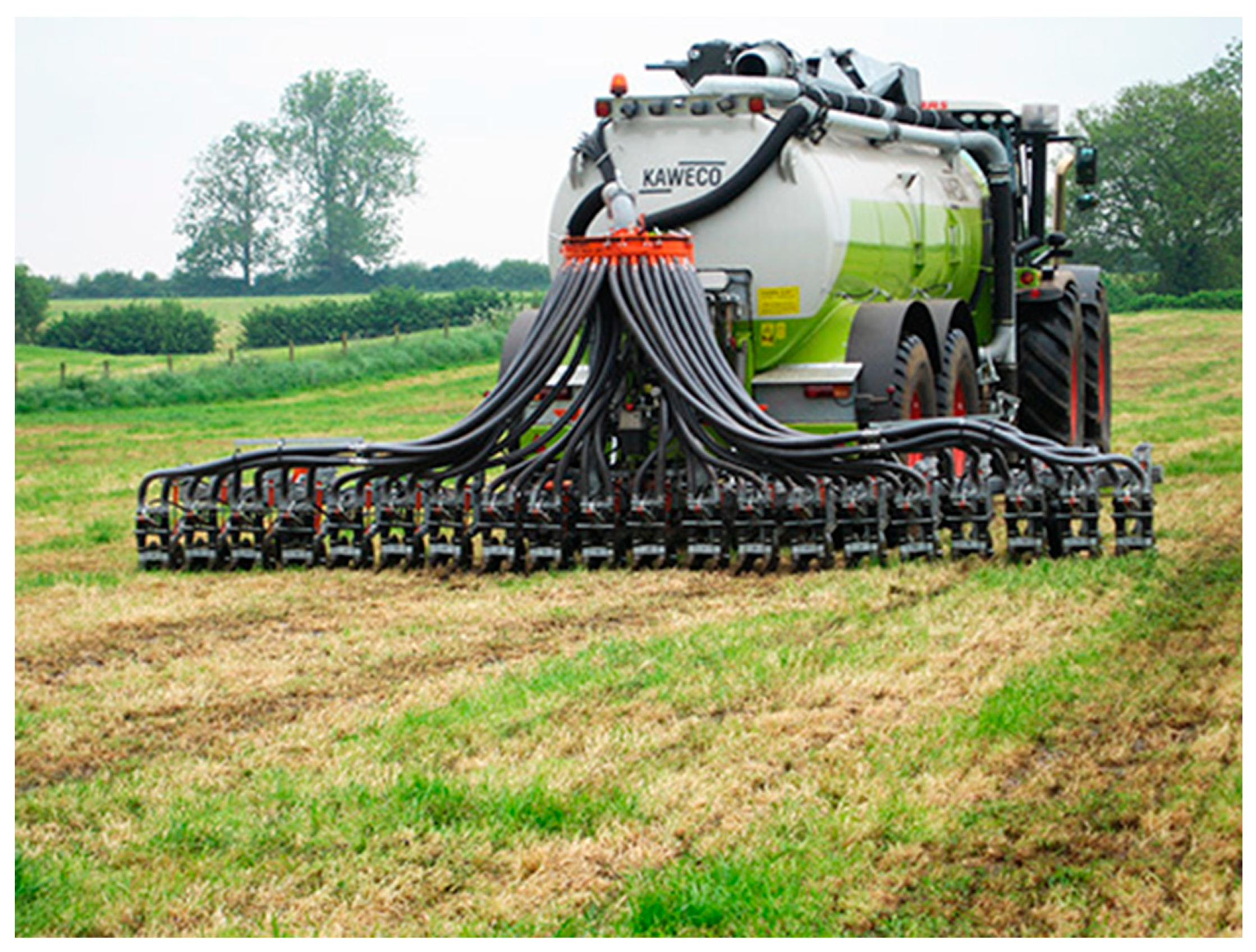
Figure 1.
The application of this nutrient-rich biofertilizer is a key component of nutrient cycling in a circular bioeconomy but requires careful management to align with crop needs and prevent environmental losses.
Figure 1.
The application of this nutrient-rich biofertilizer is a key component of nutrient cycling in a circular bioeconomy but requires careful management to align with crop needs and prevent environmental losses.
1.2. Defining Digestate: A Product of Anaerobic Biochemistry
With the proliferation of biogas plants, the land application of digestate has become a widespread practice, positioning it as a major alternative to both traditional compost and synthetic mineral fertilizers (Holm-Nielsen et al. 2009). However, a critical misunderstanding often arises in treating digestate as simply a “liquid compost.” The two products are fundamentally different, a direct consequence of the distinct biochemical pathways that create them.
Aerobic composting is a process of oxidative decomposition where microbes consume organic matter in the presence of oxygen, favoring the formation of complex, high-molecular-weight humic substances. Consequently, the nitrogen in mature compost is predominantly in a stable, organic form. Conversely, anaerobic digestion is a process of reductive decomposition. In the absence of oxygen, microorganisms break down complex organic matter into simpler compounds, ultimately producing methane. This anaerobic environment promotes the mineralization of organic nitrogen into ammonium (NH₄⁺), with this conversion often reaching 70-80% of the total nitrogen (Möller and Müller 2012). The resulting digestate is therefore characterized by a high proportion of its nitrogen in a readily plant-available mineral form. This fundamental difference dictates its function in the soil: digestate acts primarily as a fast-release fertilizer, whereas compost acts as a slow-release fertilizer and long-term soil conditioner.
1.3. Filling the Knowledge Gap: Objectives of this Review
While the science of composting is well-established, a comprehensive understanding of the agronomic and environmental impacts of digestate has been slower to develop. The rapid expansion of the biogas industry has, in many ways, outpaced the corresponding research into the optimal use and potential risks of its primary byproduct. While numerous studies have assessed the short-term fertilizing effect of digestate, a comprehensive synthesis that bridges its immediate agronomic performance with its long-term impacts on soil carbon sequestration, microbial ecology, and greenhouse gas fluxes remains elusive. This review directly addresses this gap by providing the first systematic synthesis that evaluates digestate through the integrated lens of soil science, agronomy, and environmental science.
Given the fundamental biochemical differences between digestate and traditional amendments, we formulated a set of initial hypotheses to guide this review:
- Hypothesis 1 (Agronomic Performance): Digestate would function primarily as a fast-acting mineral N fertilizer, producing short-term crop yields comparable or superior to synthetic fertilizers, but with a higher risk of nutrient loss if not managed precisely.
- Hypothesis 2 (Soil Health Impact): Unlike compost, digestate’s contribution to soil physical properties and the broader soil food web would be minimal or even negative in the short term, with any positive effects limited primarily to its solid, fibrous fraction.
- Hypothesis 3 (Feedstock Dependency): The agronomic and environmental outcomes of digestate application would be highly variable and critically dependent on the AD feedstock.
By synthesizing the available evidence from a growing body of long-term field research, Life Cycle Assessments (LCA), and advanced systemic analyses, this review seeks to evaluate these hypotheses and provide a clear, evidence-based framework for the sustainable integration of digestate into modern agroecosystems.
2. Agronomic Efficacy: Crop Yield and Quality Responses
2.1. Efficacy as a Mineral Fertilizer Substitute: A Synthesis of Yield Outcomes
The capacity of digestate to replace synthetic mineral fertilizers is its most frequently studied attribute, and a central pillar of its role in a circular bioeconomy. The literature, summarized in Table 1, confirms that digestate is a potent fertilizer, but its performance is highly contextual. Our synthesis reveals that its efficacy is not a simple matter of substitution but a complex interplay between feedstock quality, crop requirements, and management practices.

Table 1.
Various literature reports on the digestate effect on physical growth of crop.
| Title of the paper | Digestate Source | Plant/Organism | Observations | Ref. |
|---|---|---|---|---|
| “Effects of organic fertilizers on growth, yield, quality and sensory evaluation of red lettuce (Lactuca sativa L.) ‘Veneza Roxa’“ | Bounce back compost, Poultry manure & Cattle manure | Red lettuce & River sand soil | Chicken manure > Cattle manure > bounce back compost > synthetic chemical fertilizers showing higher values on the number of leaves, plant height, yield & mean leaf dry mass. | (Masarirambi et al., 2010) |
| Biogas Plant Slurry as an Alternative to Chemical Fertilizers | Biogas plant slurry | Wheat, Bajra, Mustard, Tomato Cauliflower, Ladyfinger, Barseem, Guar | Substitution of N fertilizer through slurry reduced the yields while higher yields were achieved by replacing the half and total N fertilizer in vegetables and fodders, respectively. | (Dahiya, 1986) |
| Digestate Biofertilizers Support Similar or Higher Tomato Yields and Quality Than Mineral Fertilizer in a Subsurface Drip Fertigation System | Digested food waste (FWC), Dairy manure-derived biofertilizers (DMP) | Tomato | Ultra-filtered DMP had the highest yield of red tomatoes (7.13 ton·ha⁻¹) next to the concentrated food waste digestate biofertilizer (FWC) 6.26 ton·ha⁻¹. The FWC tomatoes had greater total and soluble solids contents than synthetically fertilized tomatoes. | (Barzee et al., 2019) |
| Anaerobic digestate as a fertiliser: a comparison of the nutritional quality and gaseous emissions... | Food waste digestate; Manure-based digestate | Wheat | Food-waste AD achieved higher yields than mineral fertilizer at the same N rate. Manure-based AD required slightly higher N rates to achieve yields equal to mineral fertilizer. | (Haefele et al., 2022) |
| Anaerobic Digestate from Biogas Plants—Nuisance Waste or Valuable Product? | Digestate pellets (from whole digestate and solid fraction) | Maize | Unprocessed digestate and liquid fraction gave the highest yields. Pelletized forms acted as slow-release fertilizers with lower initial yields. | (Szymańska et al., 2022) |
| “Comparison of the effectiveness of digestate and mineral fertilizers on yields and quality of kohlrabi (Brassica oleracea, L.)” | Pig slurry and maize silage | Kohlrabi | Mineral fertilizer, 29.2% outperformed digestate treatment, 27.9% by 1.3% compared to Urea treatment. Reduction in NO₃⁻ concentration from 678 mg NO₃⁻/kg fresh matter to 228 mg after digestate application. | (Lošák et al., 2011) |
| Improving soil fertility and performance of tomato plant using the anaerobic digestate of Tithonia diversifolia as Bio-fertilizer | Tithonia diversifolia (Mexican sunflower) shoot | Tomato plant | 1000 ml of digestate had the highest plant growth rate, followed by 800 ml treatment. Plants remedied with chemical fertilizer showed equivocal plant height and leaf length increase 400 ml treatments. | (Dahunsi & Ogunrinola, 2018) |
| Ecological and economic analysis of planting greenhouse cucumbers with anaerobic fermentation residues | Digestates produced from pig manure | Cucumber | 4.62% DM, 4.08% solids, and 29.05% reductive sugar increase and 15.90% more yields, longer cucumbers with low curvature. 3.77 profit more than NPK. | (Duan et al., 2011) |
| “Effects of biogas slurry application on peanut yield, soil nutrients, carbon storage, and microbial activity in an Ultisol soil in southern China” | Digestate: a mixture of pig manure + urine | Ultisol peanut plants & red soil microorganisms | Peanut grain yields of BS-CF combinations 3588 Kg ha⁻¹ and 20% higher than the Chem fertilizer. With increased soil microbial biomass C and N. | (Zheng et al., 2016) |
| The fertilizing potential of manure-based biogas fermentation residues: pelleted vs. Liquid digestate | Biogas plant residue | Maize, Cucumber & Soil | Decreases in micro-nutrients concentration cucumber and maize leaves. The liquid portion in low dose increased the shoot fresh weight in cucumber. Contrariwise, the solid pellets increased fresh weight in maize at a high dose. | (Valentinuzzi et al., 2020) |
| Agricultural use of digestate for horticultural crop production and improvement of soil properties | Mixture of pig slurry, 1.0% sludge from a slaughterhouse, wastewater treatment plant & 6.5% biodiesel wastewaters | Watermelon, cauliflower & soil microorganisms | No significant effect on TOC. Positive effect on the yield of watermelon, but minimal effect compared to mineral fertilization for cauliflower. | (Alburquerque et al., 2012) |
The Argument for Digestate as a High-Performance Fertilizer. The agronomic potential of digestate is most clearly realized when its high mineral nitrogen content is matched with high-demand crops. This combination often results in yields meeting or exceeding those from conventional fertilizers, with some studies showing that food-waste digestate can produce even higher yields than mineral fertilizers applied at the same rate of available nitrogen (Haefele et al., 2022). This principle is demonstrated in horticultural systems, where processed dairy manure digestate produced superior tomato yields (7.13 ton·ha⁻¹) through a subsurface drip fertigation system (Barzee et al., 2019). The same principle applies to cereals, where the immediate nitrogen availability from digestate led to higher wheat yields (9.88 t/ha) than both raw slurry and mineral NPK (Šimon et al., 2015). This high performance is corroborated across a range of crops, from tomatoes fertilized with digestate from the nutrient-accumulator plant Tithonia diversifolia (Dahunsi & Ogunrinola, 2018) to red lettuce, where various organic amendments all surpassed inorganic fertilizers (Masarirambi et al., 2010). The benefits extend to energy crops as well; a three-year field study in Serbia by Popović et al. (2024) found that applying 50 t/ha of digestate to maize grown for silage increased plant height and led to a 16% increase in biomass yield compared to the unfertilized control.
The Case for Integrated Nutrient Management. While full substitution is possible, the evidence increasingly points towards the superior efficacy of an integrated approach that combines digestate with a reduced amount of mineral fertilizer. This strategy leverages the fast-acting nitrogen and microbial stimulation from the digestate while using synthetic fertilizers to ensure a balanced and sustained nutrient supply throughout the entire growing season. A compelling example comes from a study on peanuts in a highly weathered Ultisol in southern China. Researchers found that a blend of 30% biogas slurry and 70% chemical fertilizer increased grain yields by a remarkable 20% compared to the chemical fertilizer-only treatment, a synergistic effect they attributed to enhanced soil microbial activity and carbon storage (Zheng et al., 2016). This principle was also observed in a study on spinach, where a 50/50 split between mineral N and organic N from digestate proved more effective than 100% application of either source, particularly in clay soils with higher cation exchange capacity and nutrient retention (Abd El-kader & Rahman, 2007). This suggests that digestate does not just add nutrients, but can also improve the overall efficiency of the soil-plant system.
Explaining the Variability: The Critical Role of Feedstock and Management The conflicting results often seen in the literature can be largely explained by the critical factors of feedstock source and management. Not all digestates are created equal. For instance, manure-based digestate may require a slightly higher application rate to achieve yields equivalent to mineral fertilizer, possibly due to some initial nitrogen immobilization by soil microbes (Haefele et al., 2022). Early research by Dahiya (1986) also provided a nuanced perspective, finding that while digestate could fully replace N fertilizer for fodder crops, its application to cereal crops like wheat and mustard actually reduced yields compared to mineral fertilizer. This highlights the importance of matching the nutrient profile of the digestate to the specific demands of the crop. The timing and rate of application are equally crucial. For instance, Makádi et al. (2008), working with soybeans, found that splitting digestate applications into two or three phases during the vegetation period was an effective strategy to meet crop demand without causing phytotoxicity. Similarly, Stinner et al. (2008) recommended that for non-legume crops, the majority of digestate should be applied in late winter and spring to align with periods of peak nutrient uptake and minimize the risk of off-season nutrient losses. These studies underscore that digestate cannot be applied with a one-size-fits-all approach; it requires a more sophisticated level of management than standardized mineral fertilizers.
2.2. Beyond Yield: Influence on Crop Quality and Nutritional Value
The value of a fertilizer should not be judged solely on its ability to increase biomass. The impact of digestate extends beyond yield to influence the quality, nutritional value, and safety of the final agricultural product. In many cases, digestate application can lead to significant improvements in these qualitative traits.
Enhancement of Desirable Quality Metrics: Several studies have shown that digestate can enhance key quality parameters related to flavor and processing. The study by Barzee et al. (2019) on tomatoes is a prime example; they found that tomatoes grown with food waste digestate not only had high yields but also contained greater total and soluble solids content, which are crucial metrics for the taste of fresh tomatoes and the quality of processed products like sauces and pastes. In a similar vein, Duan et al. (2011) conducted an ecological and economic analysis of greenhouse cucumbers fertilized with pig manure digestate. They found that the digestate-fertilized cucumbers were not only more numerous but also had higher dry matter, solids, and a 29.1% increase in reductive sugars, leading to a product with superior quality and a higher market value. The benefits can also be seen in cereals; Adamovičs & Poiša (2025) found that while higher application rates of a digestate-ash mixture increased winter wheat yield, lower rates (5 and 10 t/ha) resulted in higher grain starch content, indicating a trade-off between quantity and specific quality parameters. Beyond impacting macro-level quality metrics, digestate application can influence the nutritional composition of crops on a chemical level. For example, a greenhouse study on curly kale found that applying more potent digestate solutions resulted in higher antioxidant capacity and total phenolic content compared to both more dilute solutions and a conventional chemical fertilizer (Lee et al., 2021). This supports other findings that organic fertilization regimens can produce more nutritious vegetables under certain conditions.
Reduction of Undesirable Compounds: The Case of Nitrates: Perhaps one of the most significant quality benefits of digestate application is its potential to reduce the accumulation of harmful compounds in vegetables, most notably nitrates. High nitrate levels in leafy greens and other vegetables are a significant food safety concern due to their potential conversion to carcinogenic nitrosamines in the human body. A study by Lošák et al. (2011) on kohlrabi provided a stark comparison: while mineral fertilizer produced a marginally higher yield, the digestate application led to a dramatic reduction in harmful nitrate accumulation in the edible parts of the plant, from 678 mg·kg⁻¹ in the mineral-fertilized treatment to just 228 mg·kg⁻¹ in the digestate-treated vegetables. This suggests that the form and timing of nitrogen release from digestate may be better synchronized with plant uptake, preventing the luxury consumption and accumulation of excess nitrates that can occur with readily soluble synthetic fertilizers. This quality advantage is a powerful argument for the use of digestate in horticultural systems where food safety and nutritional quality are paramount.
2.3. The Functional Dichotomy: Liquid vs. Solid Digestate Fractions and Crop-Specific Responses
To understand the agronomic potential of digestate fully, it is essential to recognize that it is not a homogenous product. Most AD facilities employ a mechanical separation step, dividing the raw digestate into a liquid fraction (LD) and a solid fraction (SD), each with distinct properties and functions. This separation leads to a significant partitioning of nutrients (see Table 6). The liquid fraction becomes rich in soluble, readily plant-available nutrients, especially ammonium and potassium, making it a fast-acting N-K fertilizer. The solid fraction, conversely, contains more recalcitrant organic matter and becomes enriched in phosphorus and magnesium, making it more akin to a traditional P-Mg soil conditioner (Szymańska et al., 2022).
Table 6.
Nutrient Partitioning During Solid-Liquid Separation of Digestate.
| Nutrient | % Partitioned to Liquid Fraction (LF) | % Partitioned to Solid Fraction (SF) | Key Implication | Ref. |
|---|---|---|---|---|
| Nitrogen (N) | >80% | <20% | LF is a potent, fast-acting N fertilizer. | (Szymańska et al., 2022) |
| Phosphorus (P) | <40% | >60% | SF is a P-rich soil conditioner. | (Szymańska et al., 2022) |
| Potassium (K) | ~87% | ~13% | LF is a rich source of readily available K. | (Szymańska et al., 2022) |
| Magnesium (Mg) | <30% | >70% | SF is enriched in Mg. | (Szymańska et al., 2022) |
A study by Rolka et al. (2024) provides a detailed comparison, showing that LD had a lower pH but higher electrical conductivity and was richer in total nitrogen, potassium, and sodium. In contrast, the dewatered and granulated SD was higher in total carbon and phosphorus. These differences directly translated to their effects on soil: LD application significantly increased soil content of available potassium, iron, and manganese, while SD application was more effective at increasing available phosphorus, magnesium, and exchangeable calcium. A study by Valentinuzzi et al. (2020) elegantly demonstrated this functional dichotomy in practice. They applied both liquid and solid-pelleted fractions of a manure-based digestate to cucumber and maize. Their findings revealed a clear crop- and fraction-specific response: the liquid fraction was most effective at increasing the shoot fresh weight of cucumber, a fast-growing horticultural crop with immediate nutrient demands. In contrast, the solid pellets were more effective at increasing the fresh weight of maize, a crop with a longer growing season and a greater need for sustained nutrient release. This highlights the potential for a sophisticated, tailored application strategy: using the liquid fraction as a “starter” fertilizer for rapid early growth and the solid fraction for sustained, season-long nutrient release and soil conditioning.
2.4. Digestate in Soilless and Hydroponic Systems: Opportunities and Challenges
The nutrient-rich liquid fraction of digestate presents a compelling opportunity for use in soilless and hydroponic cultivation systems, which could be a key strategy for closing nutrient loops in urban and controlled-environment agriculture. However, its direct application is fraught with challenges, primarily due to its complex and often imbalanced chemical composition.
The primary hurdle is that undiluted digestate is typically too concentrated and can be phytotoxic to plants. High levels of ammonium, salinity, and potentially unfavorable pH can damage roots and inhibit growth. Therefore, successful application is contingent on finding the appropriate dilution rate. A study by Liu et al. (2009) explored this with biogas slurry used to grow lettuce in a sand culture. They found that diluting the slurry with water at ratios of 1:4 to 1:5 could not only produce higher biomass than a standard inorganic nutrient solution but also significantly decrease the nitrate content of the leaves, a key quality benefit.
However, dilution alone does not solve the problem of nutrient imbalance. A follow-up study by Liu et al. (2011) revealed that their biogas slurry was deficient in phosphorus (P) and iron (Fe) relative to its high nitrogen content. Their experiments showed that the single addition of either P or Fe had no effect on lettuce growth, but the simultaneous addition of both nutrients synergistically boosted the yield. This highlights a critical lesson: for digestate to be used effectively in hydroponics, it often needs to be analyzed and supplemented to create a complete and balanced nutrient solution.
The viability of this approach at a commercial scale was demonstrated in a study by Cheng et al. (2004). They used a trickling biofilter to pre-treat swine wastewater digestate, a process that converted the potentially toxic ammonium into nitrate, the preferred nitrogen source for many plants. This “upgraded” digestate was then successfully used as the sole fertilizer source in a large-scale greenhouse system, producing over 700 kg of marketable tomatoes per day. This study showcases a promising pathway for the future: integrating digestate use with biorefining technologies to create standardized, safe, and effective liquid fertilizers for high-value horticultural production.
2.5. Applications in Controlled Environments: Greenhouse Horticulture
The use of digestate in greenhouse horticulture is a rapidly growing area of research, driven by the need for sustainable nutrient sources in high-intensity production systems. A comprehensive review by Jankauskienė et al. (2024) summarizes the state of the art, confirming that greenhouses offer a controlled environment where the fast-acting nutrients in liquid digestate can be delivered precisely through fertigation, potentially maximizing nutrient use efficiency and minimizing losses.
Numerous studies have demonstrated the effectiveness of digestate for a variety of greenhouse crops. For cucumbers, digestate from various sources has been shown to increase not only yield but also fruit quality metrics like dry matter and sugar content (Li et al., 2023; Duan et al., 2011). For tomatoes, digestate application has been linked to higher yields, improved fruit firmness, and increased levels of beneficial compounds like lycopene and vitamin C (Zheng et al., 2019; Panuccio et al., 2021). For instance, Tiong et al. (2024) found that applying food waste digestate to tomatoes grown in a soil-biochar mix resulted in fresh weight yields comparable to those achieved with a commercial mineral fertilizer. Similar positive results have been reported for peppers, where digestate application increased fruit fresh weight and nutrient uptake (Ana Isabel et al., 2022), and for leafy vegetables like lettuce and basil, where digestate has been used successfully in both substrate-based and hydroponic systems (Ronga et al., 2019; Horta and Carneiro, 2022).
However, the challenges identified in open-field agriculture are often magnified in the sensitive environment of a greenhouse. The risk of phytotoxicity from high ammonium or salt concentrations is a major concern, and careful dilution and monitoring are essential. Furthermore, the use of digestate as a component of growing media requires careful formulation to ensure adequate physical properties, such as aeration and water-holding capacity. Asp & Bergstrand (2022) found that while a 50% digestate-peat mixture could produce basil yields comparable to peat alone, higher concentrations led to reduced water retention and plant stress. This highlights a key theme: while digestate is a promising tool for greenhouse horticulture, its successful implementation requires a higher level of management and technical expertise than conventional mineral fertilizers.
3. Impacts on Soil Health and Ecology
3.1. Impacts on Soil Physical Structure and Carbon Sequestration
While its fertilizing effect is well-documented, digestate’s impact on long-term soil physical health represents a critical frontier. Here, the comparison to compost is most stark. The evidence, summarized in Table 3, suggests that digestate’s role in soil-building is nuanced and almost entirely dependent on which fraction is applied, with significant potential for restoring degraded lands.
Table 3.
Literature reports on soil physical properties.
| Title of the paper | Digestate Source | Plant/Organism | Observations | Ref. |
|---|---|---|---|---|
| Effects of biobased fertilisers on soil physical, chemical and biological indicators | Compost, digestate, various biobased fertilisers | Arenosol (sandy), Luvisol (clay-rich) | Compost-like digestate significantly increased water-holding capacity (WHC), especially in sandy soil. Digestate decreased clay dispersibility in Luvisol (improved structure) but increased it in Arenosol. | (Wester-Larsen et al., 2024) |
| Use of fly ash and biogas slurry for improving wheat yield and physical properties of soil. | cattle dung | wheat & soil: sandy loam | Leaf area index, root length density, and grain yield were higher with biogas slurry compared to control (unamended). It also reduced bulk density and boosted moisture retention capacity and sandy loam hydraulic conductivity. | (Garg et al., 2005) |
| Effects of digestate fertilization on Sida hermaphrodita: Boosting biomass yields on marginal soils by increasing soil fertility | maize silage | Maize, sand soil | Yields of 28 t ha⁻¹ obtained with NPK compared to the digestate. However, higher SOC from digestate with all soils and marginal substrate. | (Nabel et al., 2017) |
| The effect of biochar with biogas digestate or mineral fertilizer on fertility, aggregation and organic carbon content of a sandy soil | Liquid digestate from maize silage | Sandy soil | No effect of fertilization with liquid digestate on bulk density, aggregation, CEC. Could be due to the relatively small amount of Organic Matter. | (Greenberg et al., 2019) |
| Effects of Sewage Sludges and Composts on Soil Porosity and Aggregation | Aerobic sludge, anaerobic sludge, various composts & manure. | Soil | General improvement in physical parameters like Aggregate Stability, Pore Size Distribution, water holding capacity and Porosity of sandy loam soil comparable to manure. | (Pagliai et al., 1981) |
| Anaerobic Digestate Administration: Effect on Soil Physical and Mechanical Behavior | distiller’s residue, farm residue compost, various organic fertilizers, anaerobic digestate | alluvial soil & winter lettuce | The macroporosity of the soil surface improved considerably (> 20%). Hydraulic conductivity values increased with digestate application. | (Beni et al., 2012) |
The solid, fibrous fraction of digestate can provide tangible benefits to soil physical health. Compost-like digestates have been shown to significantly improve water-holding capacity (WHC), especially in sandy soils (Wester-Larsen et al., 2024). Studies have confirmed that digestate can reduce soil bulk density, increase moisture retention, improve macroporosity, and reduce soil penetration resistance (Garg et al., 2005; Beni et al., 2012). The potential for digestate to improve soil quality extends to those derived from industrial agricultural processing. A study using digestate from rubber processing effluent (RPE) on acidic, sandy soil demonstrated significant enhancement of soil quality, leading to a significant increase in soil organic carbon (SOC), as well as N, P, K, Ca, and Na levels (Maliki et al., 2020).
A compelling case study from Colombia by Cucina et al. (2025) demonstrated the restorative power of digestate on land degraded by intensive mono-cultivation. The application of 40 Mg ha⁻¹ of digestate from a low-tech pig slurry digester over four months resulted in significant improvements: soil pH increased from 5.3 to 6.0, TOC increased from 1.9% to 3.0%, and available phosphorus surged from 10 to 68 mg kg⁻¹. Crucially, the study showed that digestate promoted carbon sequestration into the more stable and recalcitrant pools of the soil, with the Biological Fertility Index increasing from a “stressed” state to a “high fertility” state. This suggests that digestate can be a powerful tool not just for fertilization, but for the active restoration of degraded soils.
The fundamental mechanism behind these physical improvements is the addition of organic matter, which is strongly linked to the overall SOC content. Modeling work by Barrios Latorre et al. (2024) projected the long-term effects of digestate application on Swedish arable land. Their results showed that using crop residues for biogas production and returning the digestate to the soil led to a higher average increase in SOC at equilibrium (3.3 t C ha⁻¹) compared to incorporating intermediate crops alone (1.93 t C ha⁻¹). This long-term benefit is driven by the high proportion of recalcitrant carbon in the digestate.
However, a critical distinction must be made between the effects of the solid and liquid fractions. The liquid fraction of digestate, which contains very little structural organic matter, has a minimal, if any, impact on soil physical properties (Greenberg et al., 2019; Alburquerque et al., 2012). This creates a clear functional dichotomy: for improving soil structure, the solid fraction (or co-composted digestate) is the appropriate tool. The liquid fraction, in contrast, should be managed almost exclusively as a liquid fertilizer.
3.2. Impacts on the Soil Food Web: From Microbes to Earthworms
The application of digestate introduces a complex mixture of nutrients, organic matter, and residual compounds into the soil, triggering a cascade of responses throughout the soil food web, as summarized in several key studies (Table 2). The nature of this response is highly dependent on the quality of the digestate and the ecological niche of the organisms in question.
Table 2.
Various literature reports on the soil microbial, nutrient and chemical properties.
| Title of the paper | Digestate Source | Plant/Organism | Observations | Ref. |
|---|---|---|---|---|
| Nitrogen dynamics and carbon sequestration in soil following application of digestates from one- and two-step anaerobic digestion | Digestates from one- and two-step AD | Loamy sand soil | A secondary AD step increased net inorganic N release by 9-17% compared to a primary AD step, improving N fertilizer value. | (Nyang’au et al., 2022) |
| Changes in soil chemical and microbiological properties during 4 years of application of various organic residues | Liquid biogas residues, & sewage sludge | Soil microorganisms | Increased potential ammonia oxidation rate (PAO), nitrogen mineralization capacity (N-min) while microbiological activity proliferated. Biogas residue had more significant concentrations of mineral nitrogen and easily degradable carbon. | (Odlare et al., 2008) |
| Biogas residues as fertilizers Effects on wheat growth and soil microbial activities | Large-scale municipal biogas plant residue; pig slurry | Wheat and soil microbes | Highest yields from pig slurry. Digestate increased PAO, and NMC in soil compared with NPK. Mineralized N, 50-82 kg ha⁻¹. | (Abubaker et al., 2012) |
| Effects of digestate on soil chemical and microbiological properties: A comparative study with compost and vermicompost | Biogas plant | Arable soil microbial life | Higher soil nitrification rate than manure in the short-term with no observable surge in soil microbial biomass and activity. | (Gómez-Brandón et al., 2016) |
| Land application of organic waste - Effects on the soil ecosystem | Biogas residue; Household waste + restaurant waste, household waste+ ley crop, household waste | Soil microbiology, Oats and spring barley | Crop yields almost as high as the mineral fertilizer NPS. Substrate induced respiration, potential ammonium oxidation & nitrogen mineralization increased post digestate and compost application. | (Odlare et al., 2011) |
| Phenols in anaerobic digestion processes and inhibition of ammonia oxidising bacteria (AOB) in soil | Municipal solid waste, slaughterhouse waste, cattle manure, swine manure & industrial waste | Soil bacteria | Swine manure contained the highest Phenol amounts. All 5 phenols inhibited ammonia-oxidizing bacteria (AOB). | (Levén et al., 2006) |
Microorganisms: A Story of Carbon Quality and Community Networks. The immediate microbial response to digestate is a “priming effect,” a rapid burst of activity fueled by labile carbon and ammonium (Johansen et al., 2013). However, the long-term impact hinges on the quality of the carbon supplied. The liquid fraction, low in complex carbon, tends to favor fast-growing, r-strategist bacteria, potentially decreasing the fungi-to-bacteria ratio (Walsh et al., 2012). In contrast, the solid fraction, with its higher content of recalcitrant, fibrous carbon, provides a food source for slower-growing, K-strategist fungi and Gram-positive bacteria, which can lead to a more sustained increase in microbial biomass (Chen et al., 2012).
Long-term field studies provide a more integrated picture. A six-year study by Mora-Salguero et al. (2025) compared fertilization strategies combining different organic waste products (biowaste compost, farmyard manure, sewage sludge) with either digestate or a mineral fertilizer as the additional nitrogen source. They found that combining amending products rich in stable organic matter (compost and manure) with digestate was an improved practice that maintained SOC levels and increased soil P and K. While microbial biomass did not vary significantly, the diversity and structure of the microbial communities were moderately influenced, with fungal communities showing a stronger response to treatment variations than prokaryotic communities. This suggests that long-term, integrated application of digestate with other organic inputs shapes the soil microbiome differently than mineral-based systems.
Meso-fauna: A Tale of Toxicity and Recovery The impact of digestate on meso-fauna like springtails (Collembola) and nematodes is a story of acute, short-term toxicity followed by potential recovery , as detailed in Table 4. The high concentrations of ammonium and salts in freshly applied liquid digestate can be directly toxic to surface-dwelling organisms (Pommeresche et al., 2017; Domene et al., 2010). Similarly, digestate can have a suppressive, nematicidal effect in the short term (Min et al., 2007; Wang et al., 2019). However, this suppressive effect is often transient, and populations can recover within a few months, sometimes even showing long-term positive effects due to increased soil moisture and microbial food sources (Platen and Glemnitz, 2016).
Table 4.
Effects of Digestate Application on Soil Fauna.
| Organism Group | Digestate Source/Type | Key Observation | Ref. |
|---|---|---|---|
| Earthworms (Macro-fauna) | Food-based digestate | High mortality and biomass loss in surface-dwelling species (A. chlorotica), directly linked to ammonia and salt toxicity. | (Natalio et al., 2021) |
| Earthworms (Macro-fauna) | Digestate from agricultural/food industry wastes & municipal sludge | Deep-burrowing species (L. terrestris) were less affected and responded positively, but still suffered mortality if at the surface during application. | (Moinard et al., 2021) |
| Earthworms (Macro-fauna) | Digestate from source-segregated biowaste | Epigeic and endogeic species actively avoided digestate-amended soils. | (Ross et al., 2017) |
| Springtails (Meso-fauna) | Animal manure | Reduction in surface-dwelling springtails shortly after liquid digestate application. | (Pommeresche et al., 2017) |
| Springtails (Meso-fauna) | Digestate from maize silage, rye silage, and cattle slurry | Long-term positive effect on abundance, likely due to increased soil moisture and microbial food sources. | (Platen and Glemnitz, 2016) |
| Nematodes (Meso-fauna) | Rice straw & digestate | Suppressive effect on root-knot nematodes in the short term. | (Wang et al., 2019) |
| Nematodes (Meso-fauna) | Anaerobically digested slurry of dairy manure | Short-term suppressive effect on root lesion nematodes, attributed to volatile fatty acids and ammonia. | (Min et al., 2007) |
Table 5.
Fate of Contaminants from Digestate in Soil.
| Contaminant Group | Digestate Source | Key Observation | Ref. |
|---|---|---|---|
| Trace Metals (Zn, Cu, Pb, Cr) | Non-source-separated MSW | Metals showed low mobility and were largely confined to the top soil layer after 90 days. Metals became bound to immobile soil fractions over time. | (Baldasso et al., 2023) |
| Pathogens (Salmonella, E. coli) | Pig slurry, fruit & vegetable waste | Pathogens were absent after mesophilic anaerobic digestion, indicating the process provides effective sanitation. | (Yagüe & Lobo, 2020) |
| Phytotoxicity | Pig slurry digestate | High electrical conductivity (salinity) of the digestate completely suppressed seed germination, indicating a need for dilution before application. | (Yagüe & Lobo, 2020) |
Macro-fauna: The Earthworm Response Earthworms, as key ecosystem engineers, are critical indicators of soil health. Their response to digestate application is highly dependent on their ecological niche. Epigeic (litter-dwelling) and endogeic (topsoil-dwelling) earthworms are the most vulnerable, actively avoiding digestate-amended soils and suffering significant mortality due to the toxic effects of high ammonium and salt concentrations (Ross et al., 2017; Natalio et al., 2021). In contrast, anecic (deep-burrowing) earthworms like Lumbricus terrestris are less affected and can even respond positively to the new food source, though they can still suffer mortality if present at the soil surface during application (Ernst et al., 2008; Moinard et al., 2021). This dichotomy between short-term toxicity and long-term benefits is a central aspect of the digestate dilemma.
3.3. Molecular-Level Impacts: Dissolved Organic Matter Dynamics
Recent research has begun to explore the impact of digestate at a molecular level, focusing on its effect on Dissolved Organic Matter (DOM) the most mobile and bioavailable fraction of soil organic matter. A long-term lysimeter study by Didelot et al. (2025) compared the DOM composition in soil water under different crops (mustard and wheat) after the application of either pig slurry or its digestate. They found that under mustard, the DOM pool appeared to be dominated by persistent, lignin-derived molecules from the digestate that were likely desorbed from soil minerals due to a pH increase caused by crop nitrate uptake. Under wheat, however, the DOM pool seemed to be supplied by both the digestate and root exudation, suggesting a potential biostimulant or “auxin-like” effect of the digestate that promoted root activity. This work reveals a complex synergy between the digestate, the crop, and soil chemistry that ultimately shapes the composition of the DOM pool, which in turn influences microbial activity and nutrient cycling.
4. Environmental Risks and Mitigation Strategies
4.1. The Challenge of Nutrient Synchrony and Environmental Losses
The primary functional difference between digestate and compost and the source of digestate’s greatest environmental risk lies in the kinetics of nutrient release. Mature compost provides a slow, steady supply of nutrients. Digestate, with its high concentration of readily available ammonium, provides a large, immediate pulse of nitrogen. If this pulse is not perfectly timed with crop nutrient demand, the risk of nutrient loss to the environment becomes substantial (Walsh et al. 2012).
This asynchrony creates a complex trade-off in gaseous emissions (see Table 7). The high concentration of ammonium at the soil surface can lead to significant losses of nitrogen to the atmosphere via ammonia (NH₃) volatilization (Haefele et al., 2022). Second, the ammonium is rapidly converted to nitrate (NO₃⁻), which is highly soluble and susceptible to leaching into groundwater (Loria & Sawyer, 2005).
Table 7.
Gaseous Emissions from Digestate Application Compared to Mineral Fertilizer.
| Gas | Food-Waste Digestate | Manure-Based Digestate | Mineral Fertilizer | Key Implication | Ref. |
|---|---|---|---|---|---|
| Ammonia (NH₃) | High (up to 17% of applied NH₄-N lost in 5 days) | Moderate | Low | Digestates, especially from protein-rich feedstock, are a significant source of NH₃ volatilization. | (Haefele et al., 2022) |
| Nitrous Oxide (N₂O) | Low | Low | Highest | Digestate application can significantly reduce N₂O emissions compared to synthetic N fertilizers. | (Haefele et al., 2022) |
| Methane (CH₄) | Low | High (if digestion is incomplete) | Negligible | Inefficient digestion can lead to residual CH₄ emissions upon land application. | (Haefele et al., 2022) |
Furthermore, this pool of nitrate can become a substrate for denitrification, a microbial process that converts nitrate into nitrogen gas (N₂) and nitrous oxide (N₂O), a potent greenhouse gas. While some studies have shown that digestate application can result in lower N₂O emissions compared to mineral fertilizers (Haefele et al., 2022), this is not universally true. A crucial study by Li et al. (2024) found that digestate can induce significantly higher N₂O emissions compared to urea under certain conditions. Their microcosm incubations showed that digestate-induced N₂O emissions increased exponentially with soil moisture, with the effect being much greater in alkaline soils. In most soil types and moisture levels tested, digestate-induced N₂O emissions were more than double those induced by urea. This effect was attributed to the combined supply of readily available ammonium and degradable carbon from the digestate, which stimulates rapid oxygen consumption and creates anaerobic microsites conducive to denitrification. This finding complicates the life-cycle assessment of digestate, adding another layer to the dilemma: AD mitigates methane (CH₄) emissions by capturing biogas, but the land application of digestate can increase NH₃ emissions and, under the wrong conditions, may also increase N₂O emissions more than the synthetic fertilizers it is meant to replace.
4.2. Contaminant Fate: Heavy Metals and Emerging Risks
Like any soil amendment derived from waste streams, digestate carries a potential risk of introducing contaminants. Heavy metals are a primary concern, particularly in digestates from animal manures or non-source-separated municipal solid waste (MSW). While digestate application increases the total concentration of metals like Cu and Zn in the soil (Chen et al., 2013; Rolka et al., 2024), their mobility and bioavailability are key. Research shows that metals from digestate have low mobility in the soil profile, largely remaining confined to the upper soil layers (Baldasso et al., 2023). Although initially present in more bioavailable forms, the metals tend to become bound to immobile soil fractions over time, reducing the risk of leaching.
Other risks include phytotoxicity and pathogens. Digestates with high electrical conductivity can be saline enough to suppress seed germination, requiring dilution (Yagüe & Lobo, 2020). On the other hand, mesophilic AD processes have been shown to be effective at eliminating pathogens like Salmonella spp. and E. coli, producing a hygienically safe product (Yagüe & Lobo, 2020). A significant and growing area of concern is the fate of emerging contaminants like microplastics, pharmaceuticals, and personal care products, which may be present in feedstocks like MSW or sewage sludge. Their behavior and degradation in AD systems are poorly understood and represent a critical area for future research.
5. Integrated Management and Valorization Pathways
5.1. Digestate Processing and Conditioning for Enhanced Value
A review by Grobelak et al. (2025) highlights that optimizing the entire biogas production chain, from biomass pre-treatment to digestate conditioning, is key to enhancing both energy yield and digestate quality. Pre-treatment of lignocellulosic biomass through mechanical (e.g., milling, extrusion), thermal, or biological (e.g., enzymatic hydrolysis) methods can increase the accessibility of organic matter, leading to more efficient digestion and a more stabilized final product.
Recognizing the complementary strengths and weaknesses of digestate and compost, an emerging practice is the aerobic composting of the solid fraction of digestate. This hybrid approach uses AD for energy recovery and then uses composting to stabilize the remaining organic matter, creating a more balanced, humus-rich, soil-building product (Bustamante et al. 2012; Arab and McCartney 2017). Other conditioning techniques, such as thermal drying or pelletizing, can create a denser, more transportable product, but may cause significant nitrogen losses through ammonia volatilization if not managed carefully (Szymańska et al., 2022).
Innovations in the AD process itself also offer a path forward. Implementing a multi-step or prolonged digestion process allows for more complete degradation of organic matter. This has been shown to increase the net inorganic N release by 9-17% when the final digestate is applied to soil, enhancing its value as a fast-acting fertilizer without negatively affecting its long-term carbon sequestration potential (Nyang’au et al., 2022).
5.2. Novel Formulations: Synergies with Biochar and Other Amendments
Further innovation involves the co-application of digestate with other materials to enhance its properties. A study by Tiong et al. (2024) investigated the impact of combining food waste digestate with three different soil amendments, i.e, biochar, compost, and cocopeat, for tomato cultivation. Their results showed that all amendments coupled with digestate application significantly enhanced crop yields (13-17% increase) compared to the amendments alone. The combination of a soil-biochar amendment and digestate proved most effective, producing yields comparable to commercial mineral fertilizer and significantly improving soil nitrogen and phosphorus levels. Microbial analysis revealed that the soil-biochar amendment enhanced biological nitrification, increasing the availability of nitrogen in the root zone.
The use of biochar is particularly promising. Combining biochar with digestate in compost can significantly improve seed germination rates (Lee et al., 2021). Other studies show it can improve plant growth, reduce nitrogen leaching (Yan et al., 2023), and reduce N₂O emissions during co-composting (Weldon et al., 2023). This suggests that formulating digestate with specific amendments like biochar can create tailored biofertilizers that improve nutrient retention and stimulate beneficial microbial processes.
5.3. Agroecosystem Integration: Intermediate Cropping and Carbon Dynamics
A truly sustainable approach requires looking beyond single applications to system-level integration. Modeling by Barrios Latorre et al. (2024) assessed the long-term effects of combining digestate application with the cultivation of intermediate crops (ICs) on Swedish arable land. They found that while residue removal for biogas production can lead to a net loss of soil carbon in some areas, this loss can be fully compensated for by introducing ICs into the rotation. The most beneficial scenario for long-term SOC accumulation was the combination of IC cultivation with the use of both crop residues and IC biomass for AD, with the resulting digestate returned to the soil. This integrated strategy could change the trend from net carbon loss to net accumulation in nearly 14% of the arable land analyzed, demonstrating a powerful synergy between bioenergy production and soil carbon sequestration.
5.4. The Critical Role of Feedstock in Determining Digestate Quality
The single greatest challenge in the agricultural utilization of digestate is its inherent variability. The properties of digestate can differ dramatically, driven almost entirely by the composition of the feedstock.
Manure-based digestates: Digestates from animal manures are effective nitrogen sources but are often high in P and K, which can lead to over-application and accumulation in the soil, posing a risk of nutrient runoff. They also carry a higher risk of heavy metal accumulation (Loria et al., 2007).
Food waste-based digestates: Digestates from food waste tend to be very high in available nitrogen, making them potent fertilizers (Barzee et al., 2019). Digestates from fruit and vegetable waste (FVW), for instance, can be particularly high in potassium and calcium (Seswoya et al., 2025). However, they can also present challenges, including high salinity and physical contaminants, if the feedstock is not rigorously sorted.
Crop-based digestates and the potential of intercropping: Digestates from energy crops like maize silage are generally “cleaner” but often have lower nutrient content. Furthermore, this practice raises “food vs. fuel” concerns. An innovative approach to address this is to use intercropping systems to produce feedstock. A study by Brtnicky et al. (2022) found that producing silage from a mixed culture of maize and legumes resulted in a digestate with significantly higher N, P, and K content compared to digestate from maize monoculture. This demonstrates that agronomic practices before the digester can be a powerful tool for improving the quality of the final digestate product.
5.5. Economic and Policy Implications for Waste Valorization
The choice between composting and AD is heavily influenced by economic and policy drivers. AD facilities often benefit from multiple revenue streams: gate fees, energy sales (often subsidized), and the potential sale of the digestate itself. However, the economic viability is highly sensitive to transportation costs, as liquid digestate is predominantly water (Feiz et al., 2022). This has spurred research into “digestate refining” technologies such as dewatering or pelletizing to create more concentrated, transportable products.
The economic justification for such processing is highly context dependent. A systems analysis by Feiz et al. (2022) showed that processing becomes more economically justifiable as transport distances increase, but local regulations can turn a profitable process into an added expense. Policy plays a crucial role, with renewable energy incentives driving AD expansion. Concurrently, circular economy policies that promote nutrient recycling provide a supportive framework. The regulatory classification of digestate as a “waste” or a “product” also has profound implications for its marketability and use, with complex frameworks like the EU’s Nitrates Directive sometimes limiting its application even when it achieves “end-of-waste” status (EBA, 2024).
6. Conclusion and Future Research Directions
6.1. Synthesizing the Dilemma: A Framework of Trade-offs
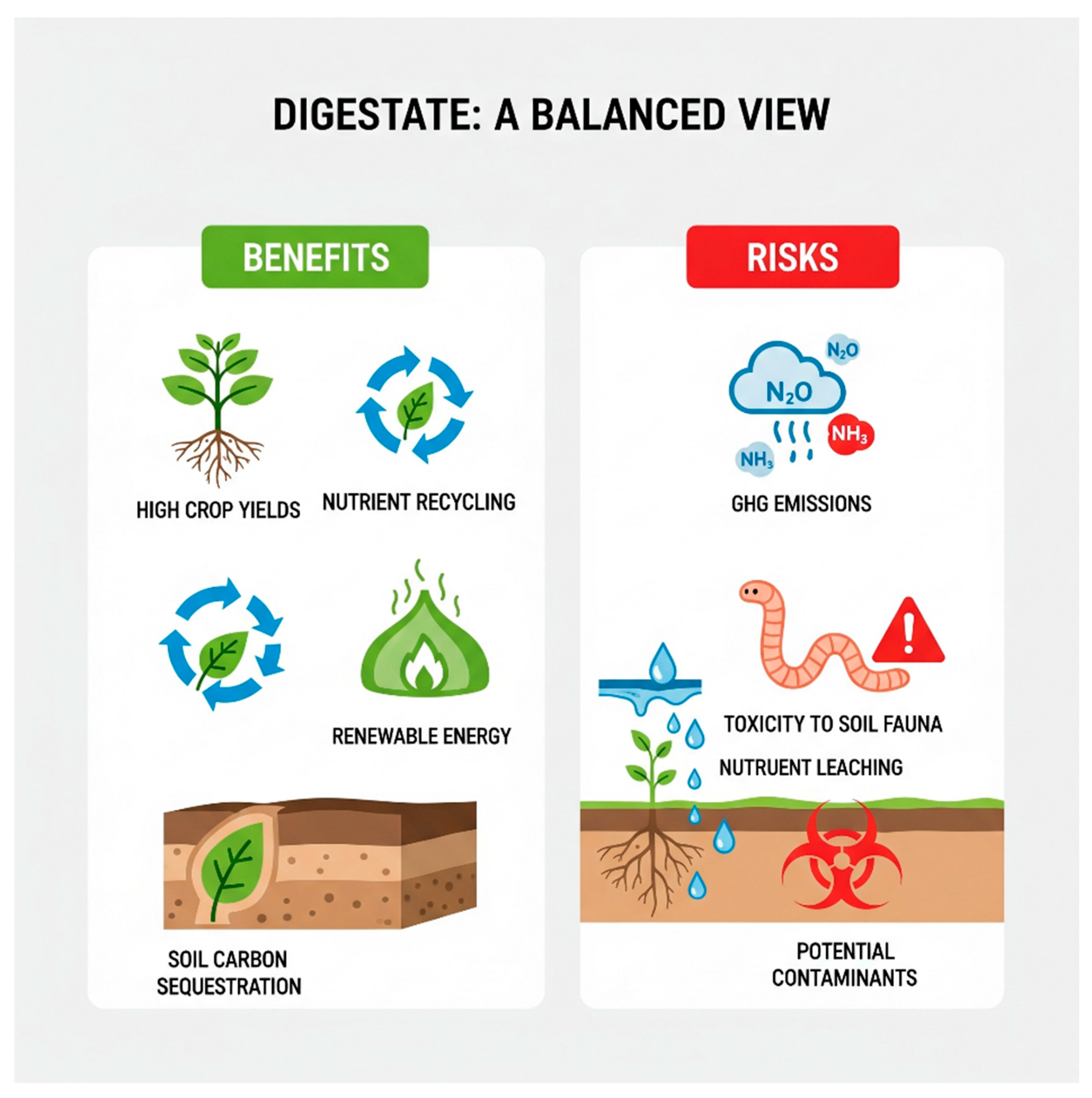
The body of evidence synthesized in this review makes it clear that digestate is not a simple panacea for nutrient management but a complex tool that presents a series of critical trade-offs. The “digestate dilemma” can be framed as a set of choices that land managers, policymakers, and researchers must navigate:
- Yield vs. Emissions: The high concentration of ammonium in liquid digestate provides a clear agronomic advantage, delivering readily available nitrogen for rapid crop growth. This very availability, however, presents a significant ecological dilemma: the same ammonium that fuels plant growth is also highly susceptible to volatilization and, as highlighted by Li et al. (2024), can lead to significantly higher nitrous oxide (N₂O) emissions than mineral fertilizers, especially in moist, alkaline soils.
- Fast Nutrients vs. Soil Fauna: The immediate nutrient availability that benefits crops can be acutely toxic to essential soil fauna like earthworms and springtails, causing short-term population declines even if long-term benefits from increased organic matter eventually emerge.
- Energy Generation vs. Carbon Sequestration: Using crop residues for biogas production (energy) creates a carbon deficit in the soil that must be actively managed. This can be offset by returning the more stable, recalcitrant carbon in the digestate and cultivating intermediate crops, but it requires a conscious, system-level approach to balance energy goals with soil health objectives (Barrios Latorre et al., 2024).
Figure 2.
A conceptual diagram illustrating the central trade-offs of the digestate dilemma, balancing agronomic and energy benefits against environmental and ecological risks.
Figure 2.
A conceptual diagram illustrating the central trade-offs of the digestate dilemma, balancing agronomic and energy benefits against environmental and ecological risks.
6.2. Evaluation of Initial Hypotheses
This critical review was guided by a set of initial hypotheses regarding the performance and properties of digestate. The synthesized evidence allows us to evaluate and refine these hypotheses:
- Hypothesis 1 (Agronomic Performance): Supported and Refined. The literature strongly supports the hypothesis that digestate functions as a fast-acting mineral N fertilizer, producing yields comparable or superior to synthetic fertilizers (Barzee et al., 2019; Haefele et al., 2022). The evidence also strongly supports the associated risk of nutrient loss if mismanaged. The hypothesis is refined by the clear evidence that integrated management (combining digestate with mineral fertilizers or other organic amendments) and advanced processing can enhance efficacy and mitigate risks (Zheng et al., 2016; Tiong et al., 2024).
- Hypothesis 2 (Soil Health Impact): Supported and Refined. The evidence confirms that digestate’s impact on soil physical properties is indeed minimal compared to compost and is largely confined to its solid, fibrous fraction (Garg et al., 2005; Greenberg et al., 2019). However, this review refines the hypothesis by showing that digestate can be a powerful tool for restoring degraded soils (Cucina et al., 2025) and can contribute significantly to long-term SOC sequestration, especially when part of an integrated system (Barrios Latorre et al., 2024). The immediate impact on soil fauna can be negative due to toxicity (Natalio et al., 2021), reinforcing the idea that digestate is not an unequivocal soil health builder in the same way as compost.
- Hypothesis 3 (Feedstock Dependency): Strongly Supported. This hypothesis is perhaps the most unequivocally supported by the literature. The variability in outcomes, from yield response (Dahiya, 1986) to gaseous emissions (Li et al., 2024) and nutrient ratios (Rolka et al., 2024), is consistently and critically linked back to the source feedstock. This confirms that a “one-size-fits-all” approach to digestate is untenable.
6.3. Limitations of the Review and Key Lessons Learned
This systematic review, while aiming to be comprehensive, is subject to several inherent limitations. The potential for publication bias may influence the balance of evidence, and the focus on English-language publications may exclude relevant research. Furthermore, as a narrative review, this work does not employ the statistical methods of a meta-analysis.
Despite these limitations, several key lessons have been learned:
- Function Dictates Form: Digestate and compost are not interchangeable. Digestate is primarily a fast-acting fertilizer; compost is a slow-release fertilizer and soil conditioner. Management decisions must be based on this fundamental functional difference.
- Management is Key: The high concentration of available nutrients in digestate makes it a powerful but “unforgiving” tool. Precision in application timing, rate, and integration with other practices is critical to maximize agronomic benefit and minimize environmental harm.
- Feedstock is Destiny: The properties of any given digestate are overwhelmingly determined by what went into the digester. Sustainable use requires a move towards feedstock-specific management guidelines.
6.4. Actionable Research Questions for the Future
To move from potential to practice, the scientific community must prioritize answering the following actionable research questions, framed to address practical and policy outcomes:
- To develop precision application guidelines: Under what specific soil types, moisture regimes, and application methods does digestate offer a verifiable net greenhouse gas benefit compared to mineral fertilizers, and how can this data be used to develop regional, evidence-based guidelines for farmers?
- To quantify long-term soil restoration potential: What is the decadal-scale impact of repeated digestate application on the restoration of degraded soils, specifically measuring changes in soil organic carbon stocks, physical properties, and the functional resilience of microbial communities?
- To optimize digestate valorization pathways: What are the most techno-economically viable and environmentally sound pathways for refining raw digestate into standardized, high-value bio-based fertilizer products, and what policy incentives are needed to support their development?
- To validate novel formulations in the field: What are the long-term agronomic and ecological effects of novel formulations, such as digestate-encapsulated biochar, under a range of real-world farming conditions?
6.5. Concluding Remarks
Ultimately, the evidence shows that digestate is not a replacement for compost, but a distinct tool with a different purpose. The future of sustainable nutrient management lies not in choosing one over the other, but in intelligently integrating both—using compost to build long-term soil health and precision-managed digestate to efficiently deliver nutrients—within a truly circular agricultural system.
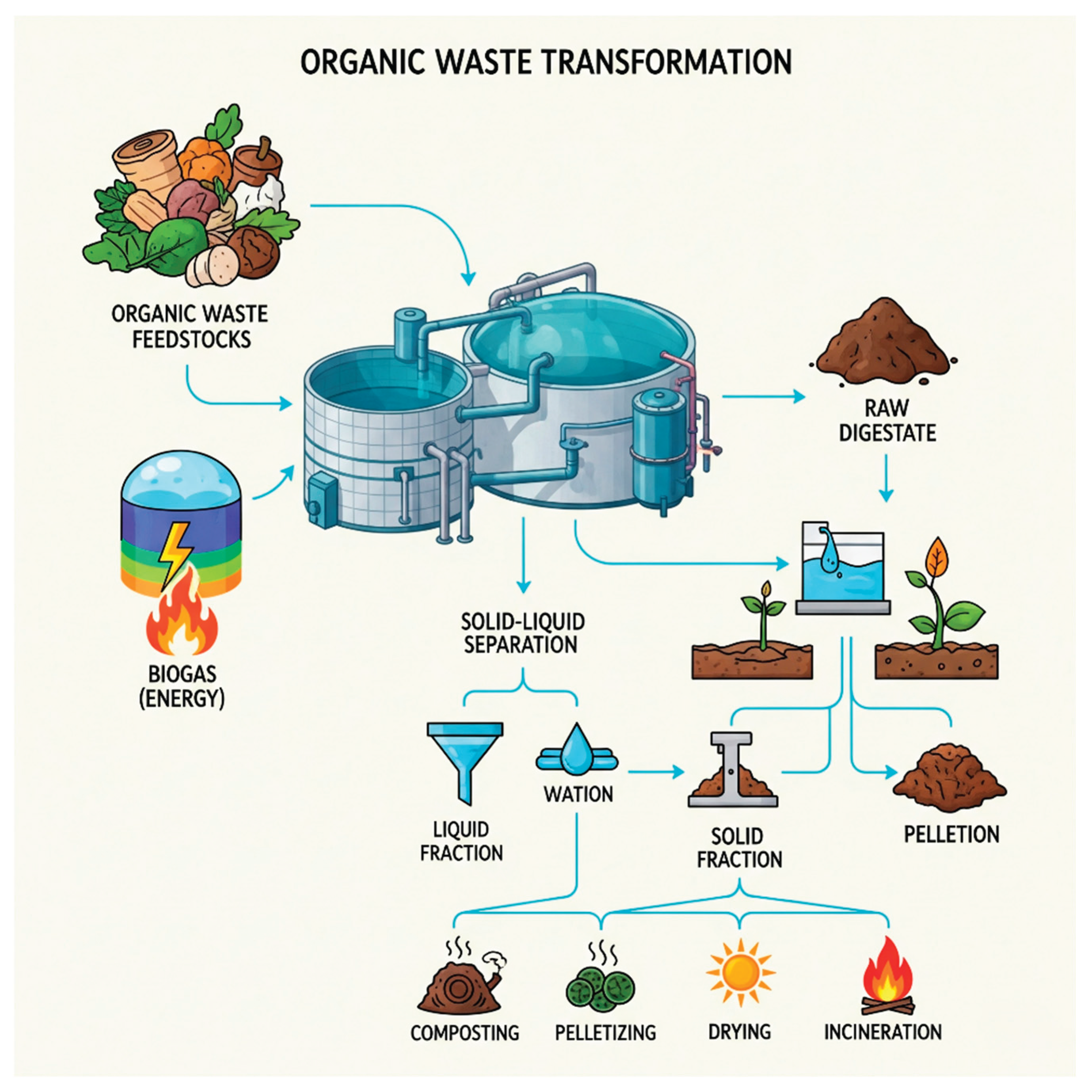
Figure 3.
A conceptual flowchart illustrating the different processing and management pathways for raw digestate, leading to distinct products and end-uses in a circular bioeconomy.
Figure 3.
A conceptual flowchart illustrating the different processing and management pathways for raw digestate, leading to distinct products and end-uses in a circular bioeconomy.
Author Contributions
All authors contributed to the study conception and design. The first draft of the manuscript was written by Twongyere Benedict and all authors commented on previous versions of the manuscript. All authors read and approved the final manuscript.
Funding
The authors did not receive support from any organization for the submitted work.
Ethics approval
Not applicable. This is a review article and did not involve research on human participants or animals.
Consent to participate
Not applicable.
Consent for publication
Not applicable.
Availability of data and material
Data sharing is not applicable to this article as no new datasets were generated or analyzed during the current study. All data reviewed are available in the publications cited in the reference list.
Code availability
Not applicable.
Conflicts of interest/Competing interests
The authors have no relevant financial or non-financial interests to disclose.
References
- Ablieieva, I., et al. (2025). Digestate biofertilization: a sustainable pathway to increase global soil C content. International Journal of Recycling of Organic Waste in Agriculture, 14.
- Abd El-kader, E., & Rahman, A. (2007). Residual Effects of Different Organic and Inorganic Fertilizers on Spinach (Spinacia Oleracea L.) Plant Grown on Clay and Sandy Soils. J.Agric.&Env.Sci.Alex. Univ., Egypt, 6(3), 49–65.
- Abubaker, J., Risberg, K., & Pell, M. (2012). Biogas residues as fertilisers - Effects on wheat growth and soil microbial activities. Applied Energy, 99, 126–134. [CrossRef]
- Adamovičs, A., & Poiša, L. (2025). The Effects of Digestate and Wood Ash Mixtures on the Productivity and Yield Quality of Winter Wheat. Environmental and Climate Technologies, 1, 17-21.
- Alburquerque, J. A., de la Fuente, C., Campoy, M., Carrasco, L., Nájera, I., Baixauli, C., & Bernal, M. P. (2012). Agricultural use of digestate for horticultural crop production and improvement of soil properties. European Journal of Agronomy, 43, 119–128. [CrossRef]
- Ana Isabel, P.A., Luis, R.B., Juan, C.P., & Jerónimo, G.C. (2022). Analysis of the Digestate Obtained in Experiences in a Pilot Plant in Extremadura and Study of the Possible Effect Produced as an Organic Fertilizer in Pepper Plants. In Proceedings of the International Conference on Water Energy Food and Sustainability, Portalegre, Portugal, 10–12 May 2022; Springer International Publishing: Cham, Switzerland, pp. 109–118.
- Arab, G., & McCartney, D. (2017). Benefits to decomposition rates when using digestate as compost co-feedstock: Part I – Focus on physicochemical parameters. Waste Management, 68, 74–84. [CrossRef]
- Asp, H., Bergstrand, K.-J., Caspersen, S., & Hultberg, M. (2022). Anaerobic digestate as peat substitute and fertiliser in pot production of basil. Biological Agriculture & Horticulture, 38(4), 247-257. [CrossRef]
- Baldasso, V., et al. (2023). Trace metal fate in soil after application of digestate originating from the anaerobic digestion of non-source-separated organic fraction of municipal solid waste. Frontiers in Environmental Science, 10, 1007390. [CrossRef]
- Barrios Latorre, S. A., Björnsson, L., & Prade, T. (2024). Managing Soil Carbon Sequestration: Assessing the Effects of Intermediate Crops, Crop Residue Removal, and Digestate Application on Swedish Arable Land. GCB Bioenergy, 16, e70010. [CrossRef]
- Barłóg, P., Hlisnikovský, L., & Kunzová, E. (2020). Effect of Digestate on Soil Organic Carbon and Plant-Available Nutrient Content Compared to Cattle Slurry and Mineral Fertilization. Agronomy, 10(3), 379. [CrossRef]
- Baryga, A., Połeć, B., & Klasa, A. (2021). The Effects of Soil Application of Digestate Enriched with P, K, Mg and B on Yield and Processing Value of Sugar Beets. Fermentation, 7(4), 241. [CrossRef]
- Barzee, T. J., Edalati, A., El-Mashad, H., Wang, D., Scow, K., & Zhang, R. (2019). Digestate Biofertilizers Support Similar or Higher Tomato Yields and Quality Than Mineral Fertilizer in a Subsurface Drip Fertigation System. Frontiers in Sustainable Food Systems, 3. [CrossRef]
- Beni, C., Servadio, P., Marconi, S., Neri, U., Aromolo, R., & Diana, G. (2012). Anaerobic Digestate Administration: Effect on Soil Physical and Mechanical Behavior. Communications in Soil Science and Plant Analysis, 43(5), 821–834. [CrossRef]
- Bernal, M. P., Alburquerque, J. A., & Moral, R. (2009). Composting of animal manures and chemical criteria for compost maturity assessment. A review. Bioresource Technology, 100(22), 5444–5453. [CrossRef]
- Bhogal, A., et al. (2016). DC-Agri; field experiments for quality digestate and compost in agriculture. WRAP.
- Brtnicky, M., et al. (2022). Effect of digestates derived from the fermentation of maize-legume intercropped culture and maize monoculture application on soil properties and plant biomass production. Chemical and Biological Technologies in Agriculture, 9, 43. [CrossRef]
- Bustamante, M. A., et al. (2012). Co-composting of the solid fraction of anaerobic digestates, to obtain added-value materials for use in agriculture. Biomass and Bioenergy, 43, 26–35. [CrossRef]
- Chantigny, M. H., et al. (2008). Yield and Nutrient Export of Grain Corn Fertilized with Raw and Treated Liquid Swine Manure. Agronomy Journal, 100(5), 1303–1309. [CrossRef]
- Chen, M., Cui, Y., Bai, F., & Wang, J. (2013). Effect of two biogas residues’ application on copper and zinc fractionation and release in different soils. Geoderma, 192, 187–194. [CrossRef]
- Chen, R., et al. (2012). Decomposition of biogas residues in soil and their effects on microbial growth kinetics and enzyme activities. Biomass and Bioenergy, 45, 221–229. [CrossRef]
- Cheng, J., Shearin, T. E., Peet, M. M., & Willits, D. H. (2004). Utilization of treated swine wastewater for greenhouse tomato production. Water Science and Technology, 50(2), 77–82. [CrossRef]
- Cucina, M., et al. (2025). Application of digestate from low-tech digesters for degraded soil restoration: Effects on soil fertility and carbon sequestration. Science of The Total Environment, 967, 178854. [CrossRef]
- Dahiya, A. K. (1986). Biogas plant slurry as an alternative to chemical fertilizers. Energy Management, 9(1), 67–74. [CrossRef]
- Dahunsi, S. O., & Ogunrinola, G. A. (2018). Improving soil fertility and performance of tomato plant using the anaerobic digestate of tithonia diversifolia as Bio-fertilizer. IOP Conference Series: Earth and Environmental Science, 210(1), 012014. [CrossRef]
- Didelot, A.-F., Jaffrezic, A., Morvan, T., Liotaud, M., Gaillard, F., & Jardé, E. (2025). Effects of digestate application, winter crop species and development on dissolved organic matter composition along the soil profile. Organic Geochemistry, 200, 104923. [CrossRef]
- Domene, X., et al. (2010). Role of soil properties in sewage sludge toxicity to soil collembolans. Soil Biology and Biochemistry, 42(11), 1982–1990. [CrossRef]
- Duan, N., et al. (2011). Ecological and economic analysis of planting greenhouse cucumbers with anaerobic fermentation residues. Procedia Environmental Sciences, 5, 71–76. [CrossRef]
- Ernst, G., et al. (2008). C and N turnover of fermented residues from biogas plants in soil in the presence of three different earthworm species (Lumbricus terrestris, Aporrectodea longa, Aporrectodea caliginosa). Soil Biology and Biochemistry, 40(6), 1413–1420. [CrossRef]
- European Biogas Association (EBA). (2024). Exploring digestate’s contribution to healthy soils.
- Feiz, R., et al. (2022). Systems analysis of digestate primary processing techniques. Waste Management, 150, 352-363. [CrossRef]
- Garg, R. N., Pathak, H., Das, D. K., & Tomar, R. K. (2005). Use of flyash and biogas slurry for improving wheat yield and physical properties of soil. Environmental Monitoring and Assessment, 107(1-3), 1–9. [CrossRef]
- Gómez-Brandón, M., Juárez, M. F. D., Zangerle, M., & Insam, H. (2016). Effects of digestate on soil chemical and microbiological properties: A comparative study with compost and vermicompost. Journal of Hazardous Materials, 302, 267–274. [CrossRef]
- Greenberg, I., et al. (2019). The effect of biochar with biogas digestate or mineral fertilizer on fertility, aggregation and organic carbon content of a sandy soil: Results of a temperate field experiment. Journal of Plant Nutrition and Soil Science, 182(5), 793–804. [CrossRef]
- Grobelak, A., Bień, B., Sławczyk, D., & Bień, J. (2025). Conditioning Biomass for Biogas Plants: Innovative Pre-Treatment and Digestate Valorization Techniques to Enhance Soil Health and Fertility. Sustainability, 17(8), 3289. [CrossRef]
- Haefele, S. M., et al. (2022). Anaerobic digestate as a fertiliser: a comparison of the nutritional quality and gaseous emissions of raw slurry, digestate and inorganic fertiliser. SSRN Electronic Journal. [CrossRef]
- Holm-Nielsen, J. B., Al Seadi, T., & Oleskowicz-Popiel, P. (2009). The future of anaerobic digestion and biogas utilization. Bioresource Technology, 100(22), 5478–5484. [CrossRef]
- Horta, C., & Carneiro, J.P. (2022). Use of Digestate as Organic Amendment and Source of Nitrogen to Vegetable Crops. Applied Sciences, 12, 248. [CrossRef]
- Jankauskienė, J., Laužikė, K., & Kaupaitė, S. (2024). The Use of Anaerobic Digestate for Greenhouse Horticulture. Agronomy, 14(10), 2437. [CrossRef]
- Johansen, A., et al. (2013). Effects of digestate from anaerobically digested cattle slurry and plant materials on soil microbial community and emission of CO2 and N2O. Applied Soil Ecology, 63, 36–44. [CrossRef]
- Kuitunen, M., & H, H. (2019). Anaerobically digested poultry slaughterhouse wastes as fertiliser in agriculture. Waste and Biomass Valorization, 10, 3507-3513. [CrossRef]
- Lee, M. E., Steiman, M. W., & St. Angelo, S. K. (2021). Biogas digestate as a renewable fertilizer: effects of digestate application on crop growth and nutrient composition. Renewable Agriculture and Food Systems, 36(2), 173-181. [CrossRef]
- Levén, L., et al. (2006). Phenols in anaerobic digestion processes and inhibition of ammonia oxidising bacteria (AOB) in soil. Science of The Total Environment, 364(1-3), 229–238. [CrossRef]
- Li, F., et al. (2023). Impact of organic fertilization by the digestate from by-product on growth, yield, and fruit quality of tomato (Solanum lycopersicon) and soil properties under greenhouse and field conditions. Chemical and Biological Technologies in Agriculture, 10, 70.
- Li, H., et al. (2024). Digestate induces significantly higher N2O emission compared to urea under different soil properties and moisture. Environmental Research, 241, 117617. [CrossRef]
- Liu, W., Du, L., & Yang, Q. (2009). Biogas slurry added amino acids decreased nitrate concentrations of lettuce in sand culture. Acta Agriculturae Scandinavica, Section B — Soil & Plant Science, 59(3), 260–264. [CrossRef]
- Liu, W., et al. (2011). Nutrient supplementation increased growth and nitrate concentration of lettuce cultivated hydroponically with biogas slurry. Acta Agriculturae Scandinavica, Section B — Soil & Plant Science, 61(5), 391–394. [CrossRef]
- Loria, E. R., & Sawyer, J. E. (2005). Extractable Soil Phosphorus and Inorganic Nitrogen following Application of Raw and Anaerobically Digested Swine Manure. Agronomy Journal, 97(3), 879–885. [CrossRef]
- Loria, E. R., et al. (2007). Use of anaerobically digested swine manure as a nitrogen source in corn production. Agronomy Journal, 99(4), 1119–1129. [CrossRef]
- Lošák, T., et al. (2011). Comparison of the effectiveness of digestate and mineral fertilisers on yields and quality of kohlrabi. Acta Universitatis Agriculturae et Silviculturae Mendelianae Brunensis, 59(6), 155–160.
- Makádi, M., et al. (2008). Nutrient cycling by using residues of bioenergy production - Effects of biogas-digestate on plant and soil parameters. Cereal Research Communications, 36(SUPPL. 5), 1807–1810.
- Maliki, M., Ifijen, I. H., & Khan, M. E. (2020). Effect of Digestate from Rubber Processing Effluent on Soil Properties. Uganda Journal of Agricultural Sciences, 19(2), 27-33. [CrossRef]
- Masarirambi, M. T., et al. (2010). Effects of organic fertilizers on growth, yield, quality and sensory evaluation of red lettuce (Lactuca sativa L.) Veneza Roxa. Journal of Agricultural Science, 2(2), 206–214. [CrossRef]
- Min, Y., et al. (2007). Suppressive effect of anaerobically digested slurry on the root lesion nematode Pratylenchus penetrans and its potential mechanisms. Japanese Journal of Nematology, 37(2), 93–100. [CrossRef]
- Moinard, V., et al. (2021). Short and long-term impacts of anaerobic digestate spreading on earthworms in cropped soils. Applied Soil Ecology, 168, 104149. [CrossRef]
- Möller, K., & Müller, T. (2012). Effects of anaerobic digestion on digestate nutrient availability and crop growth: A review. Engineering in Life Sciences, 12(3), 242–257. [CrossRef]
- Mora-Salguero, D., Montenach, D., Gilles, M., Jean-Baptiste, V., & Sadet-Bourgeteau, S. (2025). Long-term effects of combining anaerobic digestate with other organic waste products on soil microbial communities. Frontiers in Microbiology, 15, 1490034. [CrossRef]
- Nabel, M., et al. (2017). Effects of digestate fertilization on Sida hermaphrodita: Boosting biomass yields on marginal soils by increasing soil fertility. Biomass and Bioenergy, 107, 207–213. [CrossRef]
- Natalio, A. I. M., et al. (2021). The effects of saline toxicity and food-based AD digestate on the earthworm Allolobophora chlorotica. Geoderma, 393, 114972. [CrossRef]
- Nyang’au, J. O., Møller, H. B., & Sørensen, P. (2022). Nitrogen dynamics and carbon sequestration in soil following application of digestates from one- and two-step anaerobic digestion. Science of The Total Environment, 851, 158177. [CrossRef]
- Odlare, M., Pell, M., & Svensson, K. (2008). Changes in soil chemical and microbiological properties during 4 years of application of various organic residues. Waste Management, 28(7), 1246–1253. [CrossRef]
- Pagliai, M., et al. (1981). Effects of Sewage Sludges and Composts on Soil Porosity and Aggregation. Journal of Environmental Quality, 10(4), 556–561. [CrossRef]
- Panuccio, M.R., et al. (2021). Use of recalcitrant agriculture wastes to produce biogas and feasible biofertilizer. Waste and Biomass Valorization, 7, 267–280. [CrossRef]
- Paolini, V., et al. (2018). Environmental impact of biogas: A short review of current knowledge. Journal of Environmental Science and Health, Part A, 53(10), 899–906. [CrossRef]
- Platen, R., & Glemnitz, M. (2016). Does digestate from biogas production benefit to the numbers of springtails (Insecta: Collembola) and mites (Arachnida: Acari)? Industrial Crops and Products, 85, 74–83. [CrossRef]
- Pommeresche, R., Loes, A. K., & Torp, T. (2017). Effects of animal manure application on springtails (Collembola) in perennial ley. Applied Soil Ecology, 110, 137–145. [CrossRef]
- Popović, V., Vasileva, V., Ljubičić, N., Rakašćan, N., & Ikanović, J. (2024). Environment, Soil, and Digestate Interaction of Maize Silage and Biogas Production. Agronomy, 14(11), 2612. [CrossRef]
- Rakascan, N., et al. (2021). Effect of digestate from anaerobic digestion on Sorghum bicolor L. production and circular economy. Notulae Botanicae Horti Agrobotanici Cluj-Napoca, 49(1), 12270. [CrossRef]
- Rolka, E., Wyszkowski, M., Żołnowski, A. C., Skorwider-Namiotko, A., Szostek, R., Wyżlic, K., & Borowski, M. (2024). Digestate from an Agricultural Biogas Plant as a Factor Shaping Soil Properties. Agronomy, 14(7), 1528. [CrossRef]
- Ronga, D., et al. (2019). Effects of solid and liquid digestate for hydroponic baby leaf lettuce (Lactuca sativa L.) cultivation. Scientia Horticulturae, 244, 172–181. [CrossRef]
- Ross, C. L., et al. (2017). Assessing the impact of soil amendments made of processed biowaste digestate on soil macrofauna using two different earthworm species. Archives of Agronomy and Soil Science, 63(14), 1939–1950. [CrossRef]
- Seswoya, R., et al. (2025). Assessment of Digestate from Anaerobic Digestion of Fruit Vegetable Waste (FVW) as Potential Biofertilizer. IOP Conference Series: Earth and Environmental Science, 1453, 012057. [CrossRef]
- Stinner, W., Möller, K., & Leithold, G. (2008). Effects of biogas digestion of clover/grass-leys, cover crops and crop residues on nitrogen cycle and crop yield in organic stockless farming systems. European Journal of Agronomy, 29(2-3), 125–134. [CrossRef]
- Szymańska, M., Ahrends, H. E., Srivastava, A. K., & Sosulski, T. (2022). Anaerobic Digestate from Biogas Plants—Nuisance Waste or Valuable Product? Applied Sciences, 12(8), 4052. [CrossRef]
- Tiong, Y. W., et al. (2024). Enhancing sustainable crop cultivation: The impact of renewable soil amendments and digestate fertilizer on crop growth and nutrient composition. Environmental Pollution, 342, 123132. [CrossRef]
- Valentinuzzi, F., et al. (2020). The fertilising potential of manure-based biogas fermentation residues: pelleted vs. liquid digestate. Heliyon, 6(2), e03325. [CrossRef]
- Walsh, J. J., et al. (2012). Replacing inorganic fertilizer with anaerobic digestate may maintain agricultural productivity at less environmental cost. Journal of Plant Nutrition and Soil Science, 175(6), 840–845. [CrossRef]
- Wang, Y., et al. (2019). Application of biogas digestate with rice straw mitigates nitrate leaching potential and suppresses root-knot nematode (Meloidogyne incognita). Agronomy, 9, 227. [CrossRef]
- Weiland, P. (2010). Biogas production: Current state and perspectives. Applied Microbiology and Biotechnology, 85(4), 849–860. [CrossRef]
- Weldon, S., et al. (2023). Co-composting of digestate and garden waste with biochar: effect on greenhouse gas production and fertilizer value of the matured compost. Environmental Technology, 44(28), 4261–4271.
- Wester-Larsen, L., Jensen, L. S., Jensen, J. L., & Müller-Stöver, D. S. (2024). Effects of biobased fertilisers on soil physical, chemical and biological indicators-a one-year incubation study. Soil Research, 62, SR23213. [CrossRef]
- Yagüe, M. R., & Lobo, M. C. (2020). Liquid digestate from organic residues as fertilizer: carbon fractions, phytotoxicity and microbiological analysis. Spanish Journal of Soil Science, 10(3), 248-256. [CrossRef]
- Yan, M., et al. (2023). Effects of digestate-encapsulated biochar on plant growth, soil microbiome and nitrogen leaching. Journal of Environmental Management, 334, 117481. [CrossRef]
- Zheng, J., et al. (2019). Animal based biogas digestate application frequency effects on growth and water-nitrogen use efficiency in tomato. International Journal of Agricultural and Biological Engineering, 22, 748–756.
- Zheng, X., et al. (2016). Effects of biogas slurry application on peanut yield, soil nutrients, carbon storage, and microbial activity in an Ultisol soil in southern China. Nutrient Cycling in Agroecosystems, 106(3), 449–460. [CrossRef]
Disclaimer/Publisher’s Note: The statements, opinions and data contained in all publications are solely those of the individual author(s) and contributor(s) and not of MDPI and/or the editor(s). MDPI and/or the editor(s) disclaim responsibility for any injury to people or property resulting from any ideas, methods, instructions or products referred to in the content. |
© 2025 by the authors. Licensee MDPI, Basel, Switzerland. This article is an open access article distributed under the terms and conditions of the Creative Commons Attribution (CC BY) license (http://creativecommons.org/licenses/by/4.0/).
Copyright: This open access article is published under a Creative Commons CC BY 4.0 license, which permit the free download, distribution, and reuse, provided that the author and preprint are cited in any reuse.


