1. Introduction
Mobile applications have evolved from basic task-oriented tools into advanced systems that influence human behavior on both individual and collective levels. Through educational tools that track behavior and offer rewards for eco-friendly actions, they have increased individual engagement in sustainability. Digital solutions now play a dual role in combating climate change and environmental degradation by promoting sustainable habits, fostering community engagement, and supporting citizen science initiatives. Mobile applications focused on sustainability offer a promising approach to addressing critical environmental challenges by promoting resource conservation, reducing waste, and advocating for sustainable consumption practices [
1,
2]. They seamlessly integrate educational content with interactive features and motivational strategies, thereby creating an innovative platform that combines technological advancements with environmental protection.
Multiple interconnected methods examine the role of mobile applications as catalysts for sustainable behavior. However, the rapid evolution of technology and shifting user requirements create significant barriers to assessing long-term effects. Evaluating an app solely through user reviews may render the process vulnerable to misleading results and incompleteness. It is essential to acknowledge that the ratings users assign to apps frequently reflect immediate impressions or marketing influences, rather than the app’s actual impact on consumers or its effectiveness in supporting long-term sustainability goals. While user feedback is valuable, it requires systematic evaluation to identify significant patterns and avoid broad interpretations. The field of sustainability app assessment currently lacks a standardized method for analyzing user-generated data. It does not adhere to established evaluation models, unlike well-developed evaluation frameworks in other areas, such as digital health. This gap highlights that more nuanced and multidimensional approaches are needed to effectively account for the complex relationships among app features, user experience, and environmental impact.
Current trends depict digital sustainability as leveraging advanced analytics and machine learning to offer personalized recommendations and instant feedback. Additionally, these applications evolve into community empowerment platforms that facilitate collaborative governance and link individual actions to broader policy objectives. One example that can be cited is the Internet of Things (IoT)—once combined with mobile technology, it enables the tracking of detailed environmental metrics, leading to enhanced transparency and accountability [4]. The design and deployment of these technologies now prioritize ethical considerations, including data privacy, user consent, and openness, because society is increasingly aware of their social impact [5].
2. Literature Review
Research studies have examined various aspects of mobile applications for sustainability, focusing on their design, user engagement, and potential to lead to lasting positive behavioral changes. Research shows that gamification techniques—where game mechanics and dynamics are applied to non-game contexts—enhance user motivation; however, sustainability applications do not uniformly incorporate such elements [6]. Gamification in sustainability applications not only aims to make experiences enjoyable but also to foster meaningful user interaction that promotes pro-environmental behavior change.
The various approaches to designing and motivating users result in apps that either provide information or utilize persuasive features—such as challenges, rewards, and progress tracking—to influence behavior. Despite these variations, which provide invaluable perspectives on digital sustainability advocacy, the ongoing challenge of assessing and comparing apps using a consistent set of criteria remains? This lack of structured guidance has led to a frustrating stagnation in our progress toward adopting a green mindset, where mindful actions are necessary for harmonious coexistence with the environment. Rather than releasing apps that use green rhetoric, developers have the opportunity to play a crucial and impactful role in creating applications that genuinely promote sustainable behavior. This guide is intended as a starting point for creators of sustainable apps, offering a resource to inspire thoughtful design instead of prescribing best practices. It encourages reflection on essential questions, such as what types of behaviors are we promoting? Could our gamification techniques be more meaningful rather than superficial? Are we genuinely supporting users’ autonomy, or might we be encouraging them to assert themselves too assertively?
2.1. Integrating Sustainability into Mobile Applications
New research challenges the conventional view of mobile apps as passive tools, highlighting their ability to influence human behavior actively. One study suggests that apps can form alliances with other systems, rather than merely serving existing human goals, leading to unexpected interactions and the potential for radical changes in habits [7]. This perspective is essential for sustainability, as mobile apps designed for sustainable mobility, waste management, and green food practices can transform how individuals manage resources and protect the environment [7–9].
Furthermore, significant research has been conducted on persuasive technology, which seeks to promote desired behavioral changes. The Persuasive Systems Design (PSD) model offers a comprehensive framework for understanding how mobile apps can motivate users to adopt sustainable behaviors [8]. Waste management applications utilize strategies such as reduction, personalization, tailoring, and self-monitoring to lessen user effort in achieving target behaviors while providing ongoing feedback [9]. Research shows that users are more likely to engage with systems that offer valuable advice to help them reach their goals, as well as personalized information that enhances their understanding through clear explanations.
Research on energy efficiency and the inclusion of sustainability as a quality parameter for information technology and systems, along with other variations that explore the connection between software engineering and green practices, has been significantly more extensive than the specific granular work needed for applications [10–20]. The latter has been seemingly sporadic over the last decade and has gained more traction only in recent years. Service-oriented software development typically starts with the assumption of unlimited resources, but real-world data centers consume energy that exceeds what tens of thousands of households would use [21]. Research has demonstrated how mobile applications support sustainability efforts across waste management, green food practices, and sustainable travel behavior [22–24]. Different applications have unique priorities, as they either provide advanced monitoring capabilities or embed sustainability features into popular mainstream applications, offering users better convenience and encouraging eco-friendly behavior [24,25].
2.2. Gamification as a Catalyst for Sustainable Behavior
The Gamification as a preferred design strategy for digital advocacy applications seems extremely promising as a way to foster user engagement while influencing behavioral patterns. Developers embed game elements such as badges and leader--boards into routine applications to create an entertaining experience for users that helps boost user retention as well as extend app longevity [26]. The application of gamification techniques in sustainability efforts targets the promotion of recycling, energy conservation, and responsible consumer behavior. A research study by [27] showed that gamified challenges led users to experience both higher enjoyment and knowledge acquisition, which resulted in real behavioral transformations. Different gamification features generate different impacts on behavioral shifts.
Another study found support for the conclusion that some gamified interventions sometimes fail to reduce resource consumption but other approaches show potential in speeding up environmentally responsible actions. This study establishes how gamification requires sophisticated understanding to achieve lasting behavioral shifts and demonstrates the need to identify effective game design features [28].
Gamification, as a favored design strategy for digital advocacy applications, appears highly promising for enhancing user engagement and influencing behavioral patterns. Developers incorporate game elements, such as badges and leader boards, into standard applications to create an engaging experience for users, which helps improve user retention and extend the app’s longevity [26]. The use of gamification techniques in sustainability initiatives aims to encourage recycling, energy conservation, and responsible consumer behavior. A research study by [27] found that gamified challenges led to users experiencing both increased enjoyment and enhanced knowledge acquisition, resulting in genuine behavioral changes. Different gamification features produce varying effects on behavioral shifts.
Another study supported the conclusion that some gamified interventions may not be effective in reducing resource consumption, while other strategies show promise in accelerating environmentally responsible actions. This research highlights the importance of a comprehensive understanding of gamification in achieving lasting behavioral changes, underscoring the need to identify practical game design elements [28].
2.3. Current Evaluation Criteria for Mobile Apps
For assessing sustainability applications, we need to use diverse evaluation methods. Research studies have evaluated digital tools using usability metrics and user engagement indicators, as well as behavior change models. Research on gamification and persuasive technology provides essential knowledge about digital interventions that influence user motivation. Users remain doubtful about sustainability claims unless digital tools demonstrate transparent methodologies and obtain third-party certifications [30].
Mobile sustainability applications require a specialized evaluation framework that has not yet been developed, unlike health and education mobile apps, which, as we have already mentioned, have been subject to more extensive research. Health evaluation frameworks have experienced substantial growth because they offer standardized methods to evaluate usability, privacy, clinical effectiveness, and overall app quality [31]. Mobile applications are evaluated using multidimensional rating systems, including MARS and its derivatives, which combine content validity with assessments of user experience and data privacy [32]. Sustainable mobile applications require an established evaluation framework because they face similar challenges, including rapid innovation and frequent updates, while also balancing technical performance against behavioral impact. Researchers seek a comprehensive evaluation system that integrates various aspects, including content validity, user experience, engagement, interoperability, technical features, and privacy, into a unified framework.
The literature emphasizes the importance of user-centric design and culturally specific development approaches in creating sustainable mobile applications. Users increasingly prefer the integration of sustainability features into popular applications. Research evidence indicates that involving end users in co-design activities is essential for app development, ensuring that these applications align with users’ daily habits, personal preferences, and cultural backgrounds [33]. However, users are often excluded from the development phase of both software and applications.
In conclusion, the research reveals a complex interplay of initial efforts focused on gamification technology, persuasive design methods, and mobile platforms aimed at achieving sustainability goals. While the field has made significant progress, notable knowledge gaps remain. Most current research on gamified apps overlooks the full spectrum of sustainability applications.
3. Exploring Design Principles for Sustainable Mobile Applications
Mobile applications that address sustainability challenges require their design to align with usability and engagement targets while meeting environmental and ethical requirements. The following section combines sustainable and green UX/UI design best practices with mobile app design and user-centered ethics guidelines, drawing on industry reports, design agency insights, and expert blog publications.
3.1. Minimizing Environmental Impact through User Experience
As a first step, sustainable design requires an application to have a reduced digital and environmental footprint. Optimizing User Experience (UX) can achieve this by reducing energy consumption and minimizing processing power usage. An example of what can be categorized as UX optimization is the use of weight reduction techniques to reduce high-resolution multimedia elements, such as images, videos, and complex animations, thereby enabling applications to achieve both faster loading speeds and reduced data usage. This results in a significant reduction in CO2 emissions from data transfer and processing [34].
There is another article that supports the idea of using compressed multimedia assets and also provides additional ways to converge to mindful app design, including efficient coding practices and app bloat reduction. This approach enables users to complete tasks with fewer clicks and navigation steps, thereby reducing their screen time and energy consumption. These methods not only improve ecological efficiency but also enhance user satisfaction [35].
3.2. Balancing Engagement and Sustainability
Sustainable app design is expected to strike a balance between engagement strategies and ethical as well as environmental concerns. The implementation of gamification and habit loops for user retention improvement requires careful consideration. An exclusive focus on engagement can marginalize sustainable practices, leading to increased device usage, push notification fatigue, and superficial reward systems that further promote consumerism. This argument is supported by research mentioned in the section, which shows that some strategies can exacerbate the original issues by strengthening them instead of resolving them.
Designers should implement mindful interactions that help users achieve their goals without creating distractions or excessive resource consumption. Users gain control over their experience by utilizing customizable notification preferences, energy-saving features, and data collection transparency, which enable them to make conscious choices about their options and preferences [37].
3.3. Behavior Change Design Techniques Beyond Gamification
The popularity of gamification for user engagement in sustainability apps should not overshadow the fact that behavior change design employs multiple strategies that extend beyond game mechanics. Sustainable mobile apps can apply the five main concepts from the Behavior Change Strategy Cards created by the Artefact Group to utilize various methods that positively and comprehensively influence user behavior.
“Make It Personal: The Persuasive Power of ‘Me’ and ‘My.’“ Personalization makes sustainability goals and actions more relevant and motivating through individualized framing. This approach involves tailoring feedback to align with user-specific contexts and habits, promoting self-monitoring and reflection, and establishing goals that resonate with one’s personal beliefs.
“Tip the Scales: How Perceptions of Losses and Gains Influence Our Choices.” This concept leverages insights from behavioral economics by framing choices to emphasize perceived gains or losses. Apps can encourage the adoption of sustainable behavior by either highlighting the benefits of sustainable actions (such as health improvements and cost savings) or illustrating the negative consequences of inaction (like environmental damage and resource depletion).
“Craft the Journey: Why the Entire Experience Matters.” Isolated individual interactions do not lead to lasting behavior change; instead, a well-planned user journey is essential. This process involves simplifying complex tasks and providing precise progress tracking, while incorporating educational content that demonstrates how behaviors impact the environment.
“Set Up the Options: Setting the Stage for the Desired Decision.” Choice architecture serves as a critical mechanism for guiding users toward sustainable choices. Designers should establish eco-friendly options as default selections while minimizing decision fatigue by limiting unnecessary choices and incorporating prompts or reminders at key decision points.
“Keep It Simple: Avoiding Undesirable Outcomes.” Behavior change becomes challenging when users face complicated or overwhelming situations. Simplifying interfaces and reducing or eliminating barriers and interruptions helps users sustain their motivation and consistency.
3.4. Green IT and Sustainable Development Practices
Shifting the lens beyond the interface, backend operational practices also significantly impact the environment. The implementation of green IT strategies that support digital sustainability includes practices such as selecting a host server powered by renewable energy, reducing server load, and utilizing efficient databases and APIs [39]. Additionally, mobile developers are encouraged to monitor the environmental impact of their products over time by using tracking tools to measure energy consumption and digital carbon emissions.
3.5. Ethics and Inclusivity
While the concept may seem intuitive, it is crucial to explicitly acknowledge that green design encompasses both social and ethical dimensions. The “Society-Centered Design” movement and the “Climate Designers” network emphasize that ethical technology should safeguard user rights, ensure product accessibility, and promote community empowerment [40].
3.6. Green Design Trends in Practice
The practical applications of green technology further substantiate the principles previously discussed. The user interfaces of “Energy Saver,” “EcoBuddy,” and “Gaia” embody a minimalist design approach, utilizing restrained colors while providing efficient features that help alleviate digital and cognitive strain [41]. These applications illustrate how sustainable design can successfully balance user satisfaction with aesthetic appeal, ensuring that neither aspect is compromised in the pursuit of minimizing environmental impact. The inclusion of dark mode functionality, local caching, and carbon awareness indicators enables users to track and manage their digital carbon footprint. These features intertwine practical functionality with educational elements, guiding users toward sustainable practices by integrating sustainability principles throughout their experience.
4. Methodology
We drive this research by adopting an exploratory approach to analyze existing mobile applications that promote sustainable behaviors. A systematic selection and categorization of relevant apps from the Google Play Store is the first building block of this methodological process, aiming to form a curated dataset of mobile tools that support green practices. Rather than conducting a traditional content analysis, this phase integrates both qualitative and computational techniques to enrich our understanding of the effectiveness of the collected apps, user perceptions, and engagement dynamics. This analysis lays the groundwork for developing informed recommendations that can guide app designers in enhancing digital advocacy for environmental sustainability.
4.1. Platform and Search Strategy
The platform used for app exploration was the Google Play Store, as it offers wider accessibility and lower development entry costs compared to the Apple App Store. Android devices dominate the global smartphone market, particularly in regions that favor affordable, open-source platforms. To elaborate, the Play Store offers extensive accessibility and market reach, as well as a faster review process than the Apple App Store, attracting developers from diverse backgrounds, including emerging economies and independent creators, to publish sustainability-related applications. The lower barrier to entry on the Play Store often results in a broader array of app types, including niche or experimental green initiatives that may not pass the stricter quality control of the Apple ecosystem. The open nature of this platform suits research exploration well, as it enables an extensive evaluation of digital environmental advocacy tools. The app list presented in this study reflects a specific snapshot in time.
For the sake of broad and relevant coverage, two primary search terms were used:
“Green”
“Sustainab-”
This choice signifies a strategic shift from a previous research study that relied on a single term because of limitations in its search strategy, which treated the two approaches as interchangeable. By adopting a broader approach, the assessment of the topic can be more nuanced, potentially revealing insights that a singular focus might miss. Incorporating multiple terms allows researchers to access a broader range of relevant data and perspectives [42].
4.2. Application Selection Criteria
The process of selecting applications for this research was designed to be fair and meaningful, employing an approach that balances reach, relevance, and reliability. The final analysis is based on apps that meet several predefined inclusion criteria. Establishing these requirements ensured total transparency and maintained integrity throughout the selection process. The first practical criterion evaluated the availability of language support, limiting the analysis to apps in English and Italian, as the researcher is fluent in both languages. This focus on English and Italian language support enabled effective interface and content interpretation, allowing for a nuanced qualitative evaluation of the apps’ tone, messaging, and functionality. In addition to language, the applications needed to demonstrate relevance and engagement in one of three key ways to qualify for study participation. A specific download volume was indicated to help determine whether an app has achieved notable public visibility and user engagement, thereby establishing its relevance in the sustainability app market. To ensure that the apps selected for this study had a meaningful level of public engagement, a threshold of 10,000 downloads was used. This selection criterion aligns with the research approach of another body of work, which established this benchmark to evaluate health apps, as it reflects their visibility and meaningful user interaction.
The selection of apps for external recognition was based on their validation through partnerships with reputable organizations, certifications, or endorsements from subject matter experts. These elements enhanced the credibility of the selection process. The rationale for app selection can be summarized as follows:
Include App →↑ Language ↓ {English,Italian}
↔ (Downloads > 10,000 ↗ Strong Sustainability Focus ↗ Expert Approval)
An override condition was applied in cases where apps had no downloads. Specifically:
If Downloads = 0 ↔ Strong Sustainability Focus ↑ Manual Inspection
In other words, apps with zero downloads but demonstrating a strong sustainability focus were manually evaluated to determine their relevance and potential inclusion.
4.3. Observations and Exclusions
During the app selection process, several specific patterns emerged that influenced the final composition of the dataset. These findings were crucial for the methodology and revealed significant issues within sustainability apps, such as branding deception, limited scope, and concerns regarding long-term relevance. Many applications were designed to address particular, narrow use cases that dominated the market. For instance, “Green Drive” assists car users, while “Sustainable Ocean Alliance” focuses on ocean environmental initiatives. The search results indicated that keyword selection was vital during the investigation. The search term “green” produced numerous applicable apps; however, most of these results also appeared when using the more effective “sustainab-“ keyword, which encompasses “sustainable” and “sustainability.” Notably, the search term “green” yielded only five relevant results that were also found in the “sustainab-“ search results. Consequently, the selection of the “sustainab-“ keyword became the final criterion for compiling the list of 54 apps. Relying solely on the “sustainab-“ keyword during the selection process enhanced efficiency and highlighted the importance of choosing appropriate search terms for systematic reviews.
4.4. Keyword Electiveness and Relevance
The entire search process through app stores relied heavily on metadata and keyword matching, making success contingent on the quality of the terms selected for sustainability-focused digital tools. Three different keywords were initially tested to explore sustainable apps: “green,” “sustainab-,” and “environment.” Among these keywords, “sustainab-” yielded the most relevant results due to its high number of quality outcomes. The root term “sustainab-,” which encompasses concepts such as “sustainable” and “sustainability,” yielded the largest selection of apps that potentially met the study criteria.
However, when examining the results from the search conducted using the keyword “green,” it becomes apparent that there is an inconsistency compared to the other two keywords.
4.5. Categorization by User Interaciton Strategy
This application categorization is based on the primary method of user interaction, which involves either game-like mechanisms or the delivery of informative content. These two approaches serve as distinct motivational strategies to encourage user participation. A key aspect of the classification process was to separate applications according to their interaction strategy, specifically whether they utilize gamification or take a more informative approach. In this section, the terms ‘engagement’ and ‘interaction’ will be used interchangeably.
Gamified apps are designed to be engaging and enjoyable, incorporating elements from video games to encourage regular use. Features may include simple options such as awarding points, unlocking badges, completing levels or missions, maintaining streaks, or climbing leaderboards. Other features may involve avatars or interactive stories. Some apps blend elements from both categories, and in those cases, a determination was made regarding the primary mode of interaction.
4.6. Categorization by Review Availability
The second main criterion for classifying the shortlisted applications was whether they had received user reviews from real users on the Google Play Store. To gain deeper insights into user preferences and dislikes regarding how apps integrate into their sustainable lifestyles, the applications were sorted into two main categories:
Apps with reviews: This category includes apps that have received either ratings, written feedback, or both. This subset of the dataset is particularly valuable, as it reflects firsthand user experiences.
Apps without reviews: This category consists of apps that users have either not downloaded or for which the review feature has been disabled for unknown reasons.
By differentiating between apps with and without reviews, this categorization ensures that evaluations remain grounded in real-world usage whenever possible.
4.7. Categorization by Thematic Focus
The final dimension of categorization involved the thematic content of each app, referring to the type of sustainability issue it sought to address. The categories are presented in
Table A1. To deepen this thematic analysis by connecting it with global priorities and also create more familiarity with the themes, the app categories were mapped to the United Nations Sustainable Development Goals (SDGs) [43]. Mapping the apps to relevant SDGs allowed for a clearer understanding of how digital solutions align with broader sustainability frameworks.
Thus, these categories illustrate the various types of digital solutions that can be used to promote sustainable conduct. The apps are versatile in terms of the target audience they reach. All users—be they beginners in building sustainable habits or deeply committed to an eco-friendly lifestyle—can benefit from these apps, which serve as valuable resources offering information, motivation, and opportunities to connect with those who share the common goal of creating a more sustainable world.
4.8. Sentiment Analysis of User Reviews
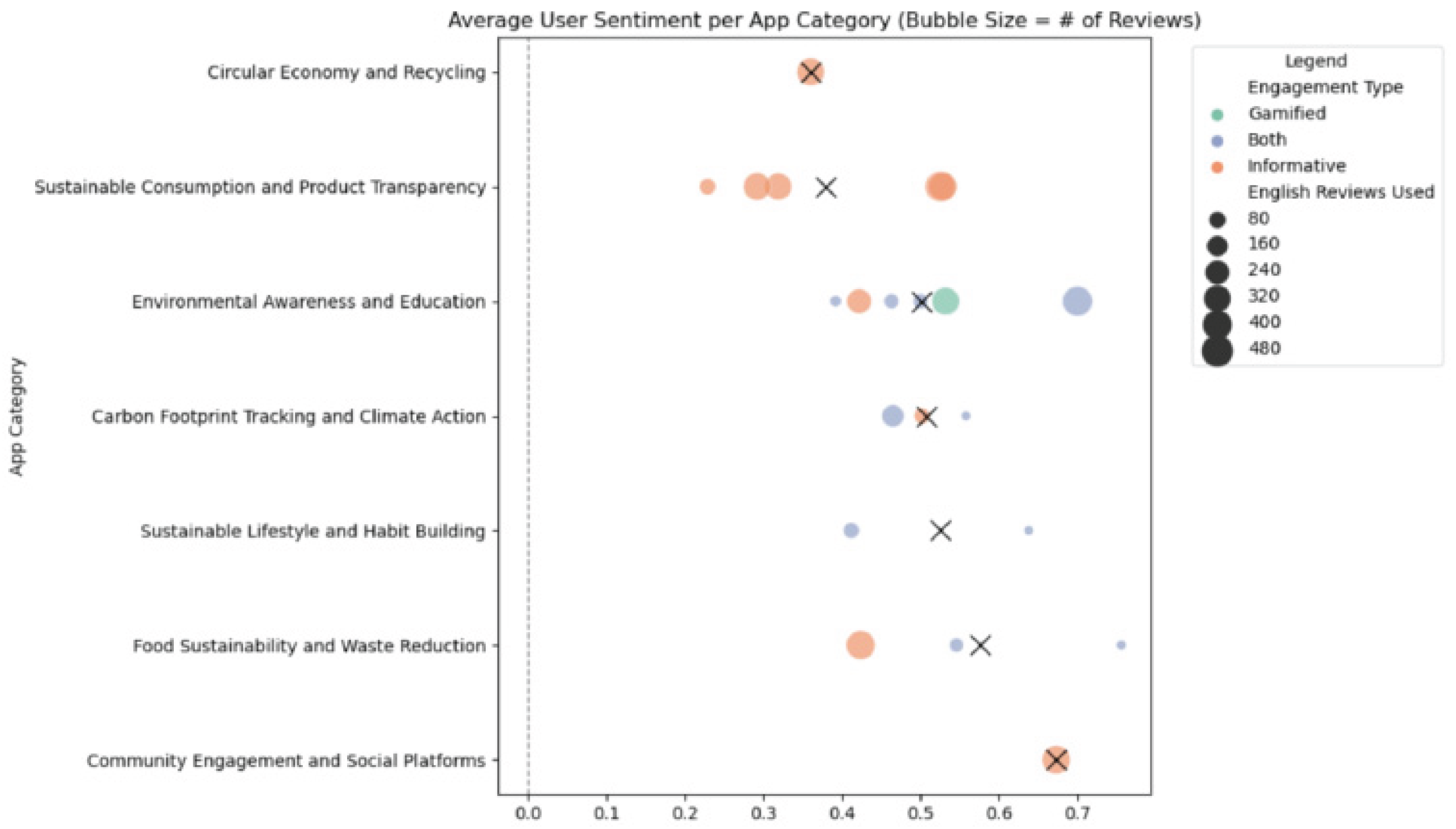
The evaluation of mobile applications focused on sustainability requires knowledge about how users experience and use these digital tools. This research uses sentiment analysis as a widely recognized Natural Language Processing (NLP) technique to extract meaningful patterns from review data. The primary purpose of sentiment analysis is to enable researchers to automatically determine whether user-generated content tends toward a positive, neutral, or negative sentiment. The analysis focused on sustainability applications with Google Play Store user reviews from the selected 54 applications. The information structure includes the category, a short description, and relevant SDGs, as it is presented in
Table A1. The sentiment analysis was conducted using the VADER (Valence Aware Dictionary and Sentiment Reasoner) tool, which is part of the Natural Language Toolkit (NLTK) in Python. To retrieve the review data, the Google Play Scraper Python library was employed. While the function was configured to retrieve up to 500 of the most recent reviews per app, the actual number of available reviews varied significantly across the sample. The number of reviews on some apps reached only five or six, while other apps had received between 400 and 500 reviews. This difference in the number of reviews stems from natural variations between apps in terms of their popularity, user interaction, and the time they have been available on the market.
The text of each review was then processed by VADER, which produced a compound sentiment score ranging from -1 (extremely negative) to +1 (extremely positive). These scores were averaged per app to obtain an overall sentiment value, which was then categorized into positive, neutral, or negative based on standardized thresholds: scores above 0.05 were labeled as positive, those below -0.05 as negative, and values in between were considered neutral. To reiterate, despite the sample size limitation, this sentiment analysis represents a valuable first step in understanding how sustainability apps are perceived by their users in practice.
4.8. Topic Modeling of User Reviews
Sentiment analysis offers useful information about user attitudes by measuring emotional polarity; however, it often fails to capture the actual content of user discussions accurately. Therefore, this study employs topic modeling as a complementary natural language processing (NLP) technique to analyze the specific themes, expectations, and concerns expressed by users in reviews of sustainability-focused mobile applications. By utilizing topic modeling, researchers can go beyond basic emotional evaluations of user comments to uncover hidden patterns in how individuals discuss digital tools.
4.9. Data Collection and Review Preparation
The topic modelling analysis was conducted on the same dataset of user reviews used in the sentiment analysis phase. This included 21 sustainability apps (from the original set of 54) that had available English-language reviews on the Google Play Store. As with the sentiment analysis, the Python library “google_play_scraper” was used to collect up to 500 of the most recent reviews for each app. To ensure reliable linguistic consistency for the modeling process, once again, only reviews in English were retained. The Python library “langdetect” was also used in this case to identify non-English entries, which were then removed from the analysis. The topic modeling algorithm requires English-language data because, similarly to VADER, it has been tested and optimized for content in the English language. It may struggle to interpret non-English text with sufficient semantic accuracy. The final dataset comprised a consolidated corpus of English reviews distributed across the 21 selected apps, providing a balanced perspective from both widely used and more niche sustainability apps. The analysis became more robust by combining all filtered English-language reviews into one dataset. The collective modeling technique maintains user perspectives from various sustainability domains while revealing common themes and concerns that exist across different apps in this landscape.
4.10. Preprocessing for Topic Modeling
Extensive cleaning and preprocessing were necessary for the text corpus before applying the topic modeling algorithm to enhance model clarity and performance. Each review was initially converted to lowercase, followed by the removal of punctuation marks, numeric characters, and non-alphabetic symbols. The Natural Language Toolkit (NLTK) was utilized to eliminate standard English stop words, such as “and,” “the,” and “is,” as they do not contribute significant semantic value. The Porter Stemmer was then applied to each word, transforming it into its base or root form (e.g., “distracted,” “distracting,” and “distract” all reduce to “distract”). This process unified related concepts and reduced the number of dimensions, which is crucial when working with short and informal texts, such as app reviews. Finally, the cleaned text underwent its last layer of preprocessing—tokenization—to generate individual words, allowing for organization in a format compatible with topic modeling standards. The Gensim Dictionary class created a dictionary of terms. At the same time, doc2bow converted each review into a Bag-of-Words (BoW) format, which is used to determine the frequency of recurring terms in documents.
4.10. LDA Modeling Implementation
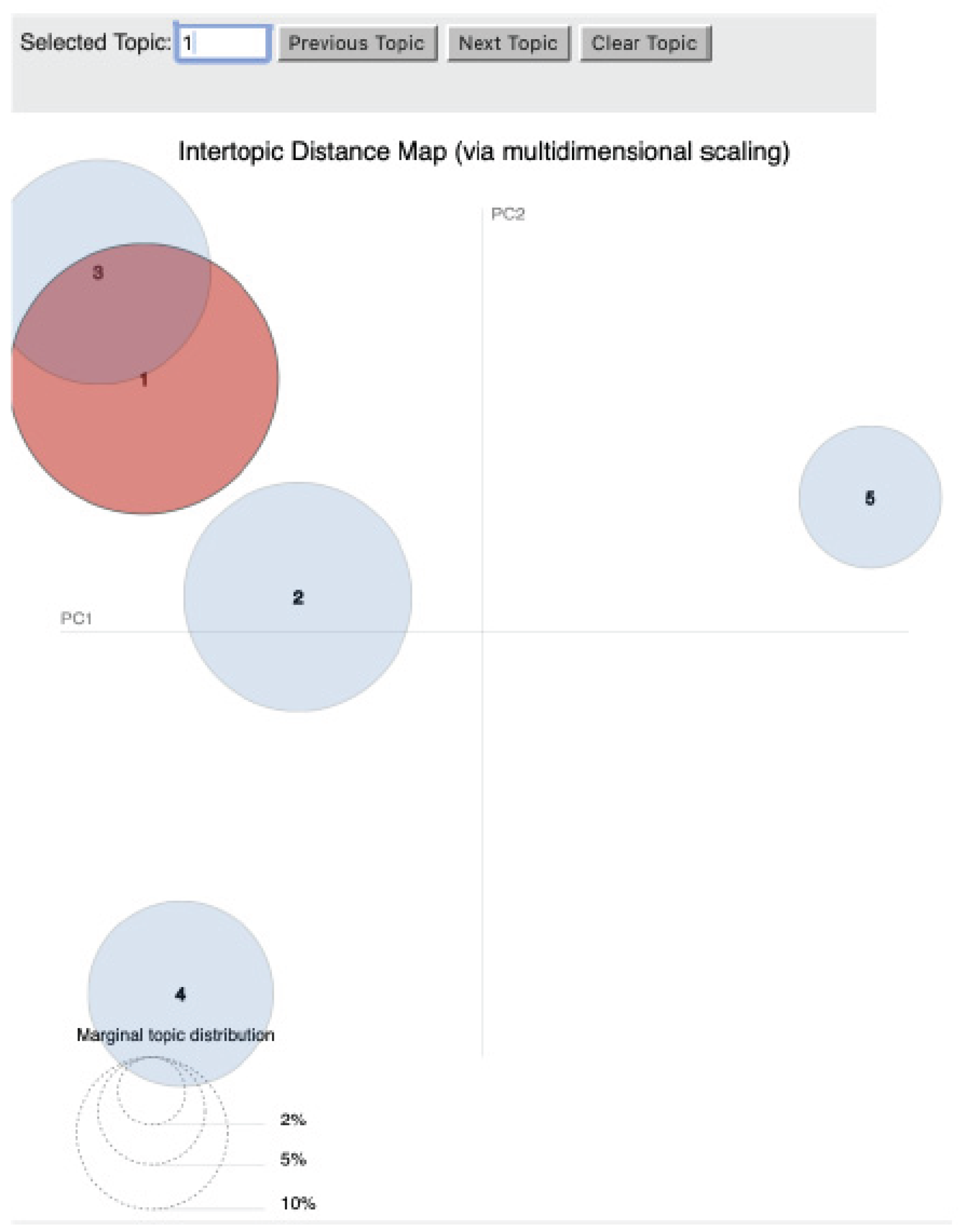
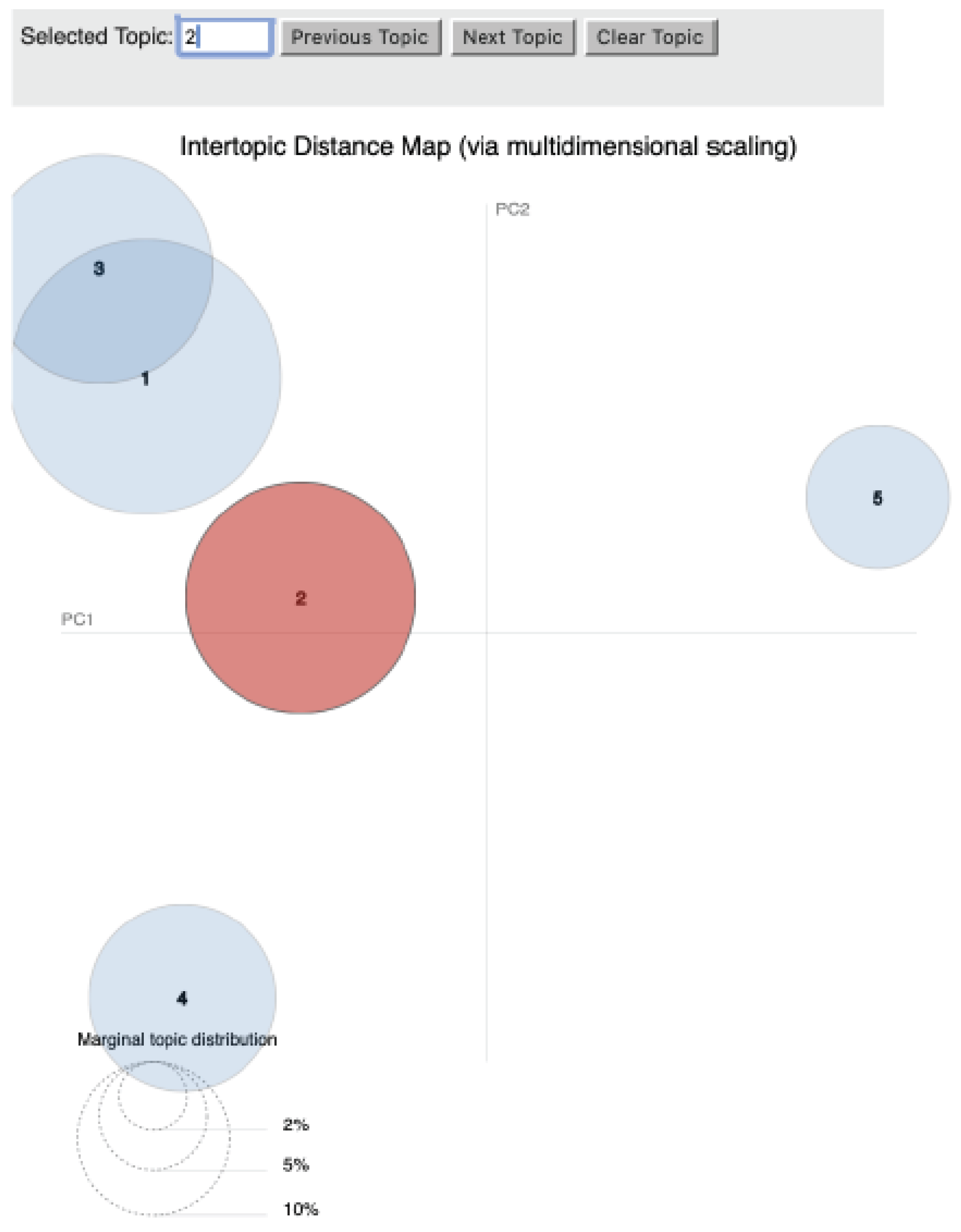
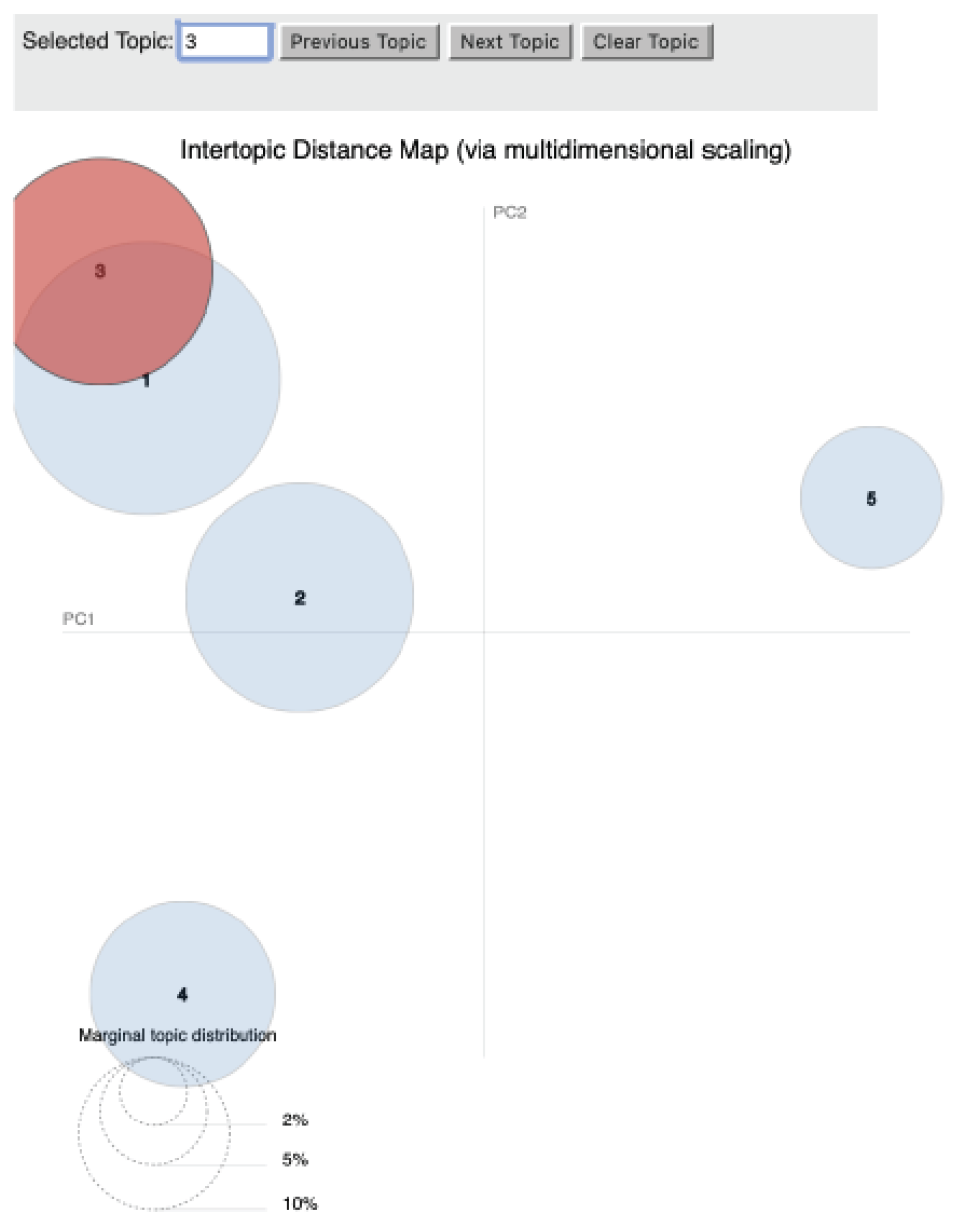
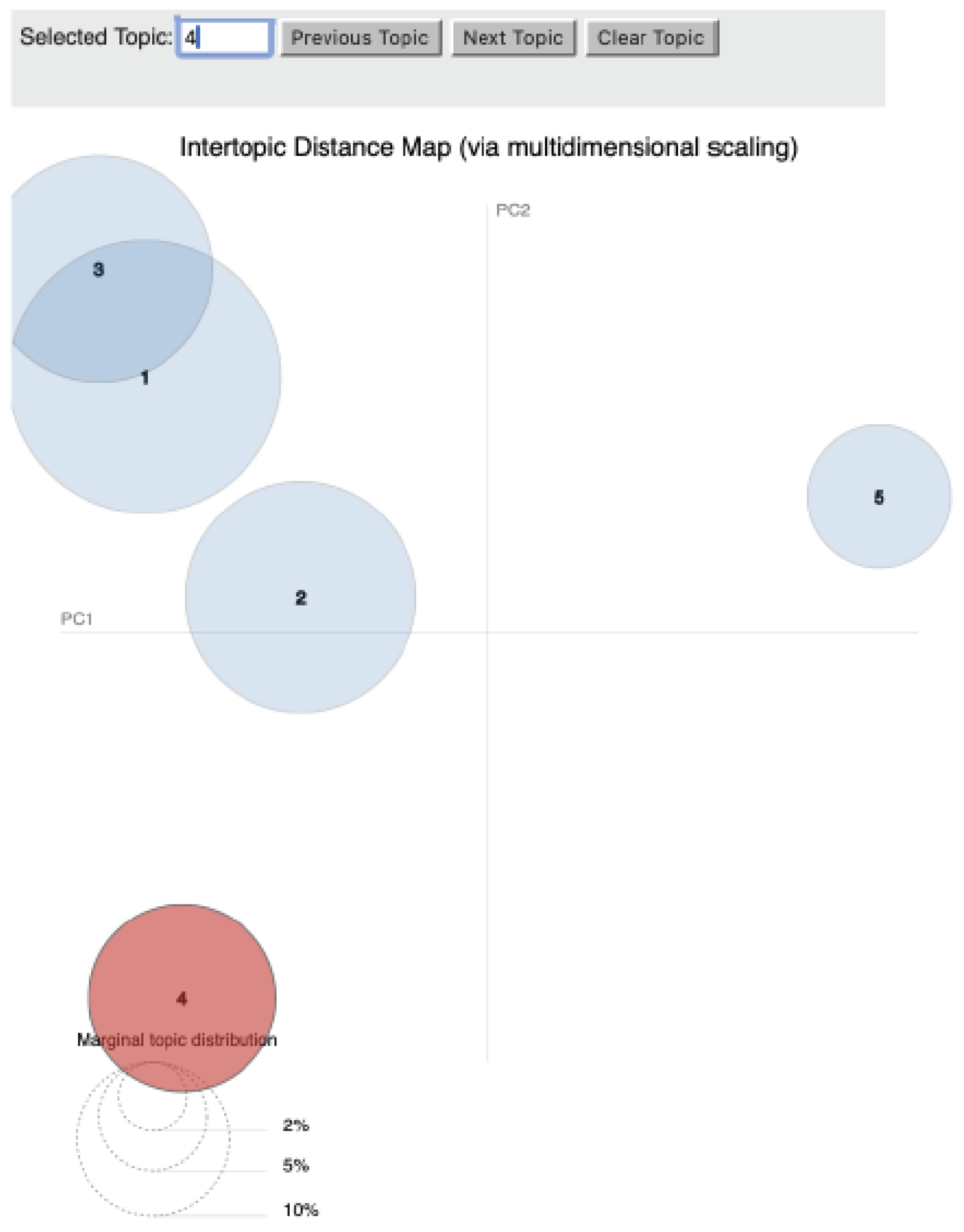
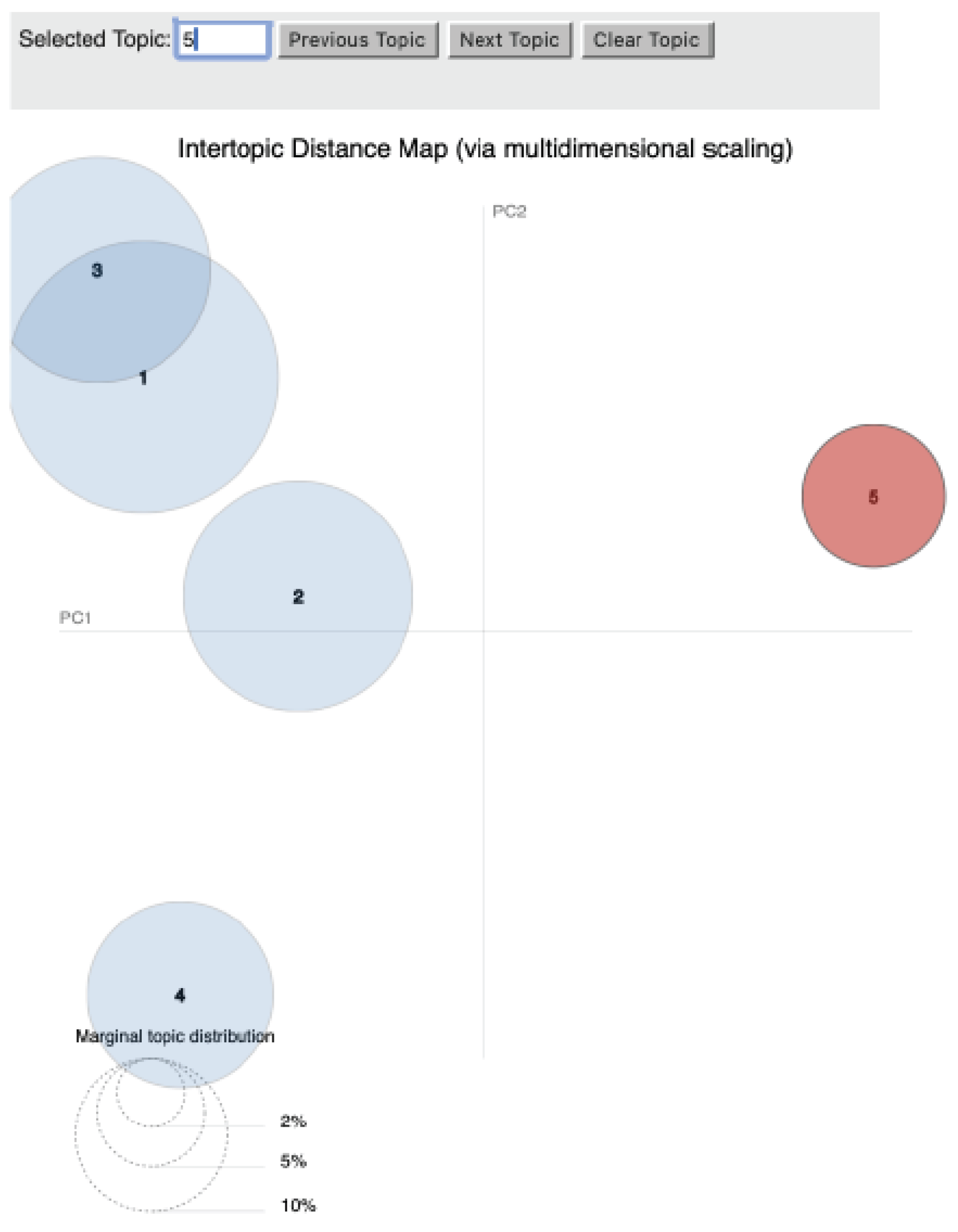
The research applied Latent Dirichlet Allocation (LDA) because this established unsupervised machine learning method effectively extracts topics from text data and demonstrates reliability for NLP tasks with short-form user-generated content. The Gensim Python library was used to implement the model. The final number of topics identified in the research was five, following tests of different topic counts ranging from four to ten. This five-topic model achieved an optimal balance between thematic understanding and distinct topic separation. The model required ten passes over the dataset (passes=10) to reach stable convergence of probabilistic distributions between documents and words. A key feature of LDA modeling is the lambda (λ) parameter, which affects how words are ranked and interpreted within each topic. When λ = 1, the ranking of terms is based on overall frequency across all topics, highlighting the most common words. In contrast, choosing λ = 0.4 prioritizes words that are more specific to a particular topic, leading to better thematic separation. Interpreting topics through both values provides a dual perspective, revealing the general emotional or functional context (λ = 1) and the specific conceptual nature of each topic (λ = 0.4). The model’s outputs became clearer when visualized using the interactive data display tool “pyLDAvis.” This technique enabled the exploration of how the topics relate spatially, identified the most salient terms for each topic, and determined the relative frequency and relevance of those terms. The interface facilitates a deeper inspection of each topic’s structure and is particularly useful for identifying overlaps or potential ambiguities in topic boundaries.
4.11. Integrating Topic Modeling in the Broader Analysis
The implementation of topic modeling together with sentiment analysis serves to create a fuller and more useful understanding of user experience. As sentiment scores measure emotional satisfaction, topic modeling reveals specific aspects to which users are reacting. Together, these tools provide a rich, complementary foundation for evaluating sustainability apps—not only in terms of how they affect users’ emotions, but also in terms of what users value, criticize, or recommend. However, we must recognize the specific boundaries of the research approach. While topic modeling holds significant analytical value, it’s crucial to consider several factors.
First, the number of reviews used, although filtered for quality and language consistency, remains modest because not all sustainability apps receive substantial public feedback. Thus, the findings may not be generalizable, but they still provide valuable qualitative insights into the recurring themes among users who utilize these apps.
Second, stemming and stop word removal—while improving model efficiency—may sometimes lead to the loss of contextual nuance, particularly in short user reviews. Nevertheless, these steps were necessary to enhance model performance, considering the unstructured and frequently disorganized nature of app store language.
Ultimately, the topics identified are best understood as thematic cues rather than definitive categories. Their value lies in their ability to highlight user priorities and recurring issues that might otherwise be overlooked when evaluating app effectiveness solely based on numerical ratings or isolated comments.
Table A2 presents the four topics categorized by sustainability.
6. Discussion
The following discussion seeks to integrate and interpret the findings from earlier chapters through the lens of academic research on persuasive design, gamification, and digital sustainability advocacy. This section leverages the literature review to examine the implications of categorization patterns, as well as sentiment analysis and topic modeling results, for app designers and researchers aiming to utilize mobile technology in promoting environmentally friendly behavior. The study draws on empirical data and builds upon existing findings to offer practical insights that can inform the development of more effective and ethically responsible sustainability apps. The discussion begins by revisiting key patterns identified in the app distribution analysis, with a particular focus on the design approaches and interaction strategies that provide a foundation for a more in-depth exploration of user experience, values, and motivation.
6.1. Insights from App Categorization
One striking observation from
Table A2 is the widespread use of gamification, with many apps incorporating challenges, point systems, streaks, and reward mechanisms—design elements previously discussed. Categories such as sustainable lifestyle and habit building, carbon footprint tracking, and climate action stand out for their gamified engagement strategies. This trend can be understood in the context of these apps’ explicit aim to encourage daily behavioral changes, directly aligning with goals such as SDG 12 (Responsible Consumption and Production) and SDG 13 (Climate Action). Literature supports the idea that gamification can facilitate quicker habit formation by bypassing extensive explanations and prompting direct action [44].
However, the effectiveness of these apps heavily depends on individual motivation and external circumstances. Despite their well-defined purpose of promoting sustainable habits through interactive motivation systems, their performance can vary significantly. People are not always rational, and their intentions and motivation can fluctuate [45].
In contrast, apps focusing on sustainable consumption and product transparency, as well as green finance and business sustainability, generally adopt an informative approach. For example, Dependable On You and Code Inspection primarily serve as databases and scanners rather than interactive platforms. These applications offer extensive product details, ethical assessments, and financial recommendations, aiming to educate users rather than entertain them. Such apps can have a significant impact, particularly in advancing SDG 8 (Decent Work and Economic Growth) and SDG 12 by providing essential information for ethical, sustainable choices. This distinction highlights the importance of aligning an app’s interaction strategy with its intended outcomes: while gamification can be an effective tool for behavior change, information-driven apps are expected to benefit more from clarity, credibility, and trust [46].
The selected sustainability apps represent a wide range of digital developments advocating for sustainability; however, many newer or niche apps lack user reviews on the Google Play Store. The relatively high percentage of apps without user reviews (61.11%) may initially seem like a limitation, but this limited visibility does not necessarily reflect their quality or potential.
Both approaches offer the flexibility and coverage necessary to support various aspects of the global sustainability agenda. Consequently, these apps are gradually expanding the market for digital sustainability promotion, each in its own unique way, serving as digital ambassadors for the SDGs. They contribute to a variety of goals, from raising awareness for quality education (SDG 4) to encouraging climate action (SDG 13) and supporting sustainable cities and communities (SDG 11) [47].
6.2. Insights from Topic Modeling
The analysis of user reviews through topic modeling reveals valuable insights into how users understand and engage with mobile applications focused on sustainability. Sentiment analysis captures the general emotional direction of user feedback, while topic modeling uncovers specific discussion points, including concerns, characteristics, and expectations mentioned by users. The five identified topics highlight distinct perspectives on user experience. The following interpretations analyze these themes to identify effective and ineffective design strategies in this domain.
Interpretation of Topic 1: Engagement, Enjoyment, and Brand Enthusiasm. This topic reflects overall satisfaction with both gamified and informative app experiences, featuring elements that users regard as delightful, meaningful, and ethical. From a design perspective, this topic underscores the importance of emotional engagement and ease of use, suggesting that designers should create user experiences that are not only functional but also rewarding and enjoyable.
Interpretation of Topic 2: Technical Frustrations and Usability Concerns. This topic serves as a crucial reminder that compromising core usability and stability can hinder even ethically or environmentally noble apps from achieving their goals. Developers should be aware that trust can quickly diminish if technical issues remain unresolved or if the app fails to meet the expectations outlined in its description.
Interpretation of Topic 3: Environmental Impact and Climate-Oriented Behavior Change. This topic emphasizes the necessity of integrating tools that support climate action through quantifiable results.
Interpretation of Topic 4: Food and Product Transparency. This topic indicates a growing trend in sustainability discussions about the connection between environmental health and personal health. Many of the apps discussed operate within this specific area. Developers of food and product scanning apps should prioritize creating clear interfaces, ensuring accurate information delivery, and providing personalized feedback on user product choices.
Interpretation of Topic 5: Ethical Search, Pricing, and Eco-Friendly Shopping. Although this topic is smaller in volume, it presents actionable insights for designers: Price-conscious eco-consumers are seeking apps that combine environmental action with everyday digital habits, such as shopping or searching. Incorporating features that highlight sustainable deals or compare prices with eco-ratings could address an underserved user need.
Together, these five topics provide a comprehensive view of recurring themes and user preferences within the sustainability app ecosystem. Users are looking for emotional engagement, ethical clarity, technical reliability, and real-world usefulness in their sustainability apps.
6.3. Design Guidelines Informed by User Feedback and App Patterns
The research findings present an analytical summary of mobile applications related to sustainability, but the purpose of this study extends beyond this achievement. Designers who want to build effective, ethical, user-centered digital applications can derive practical design recommendations.
Gamification needs to be thoughtful. The user interaction analysis revealed that apps employ two different methods to engage users, either by providing only information or incorporating gamified elements. However, as discussed in the literature review and confirmed by user reviews, gamification does not automatically lead to success. As a persuasive tool, it risks falling into manipulation, potentially creating an inauthentic connection with users and raising ethical concerns [50]. The topic modeling results showed that users prefer interactive features (Topic 1), but user interaction needs to be based on purposeful grounds and aligned with the app’s sustainability goals [51].
App reliability depends not only on ethical design but also on functionality. Developers must recognize that technical robustness and clarity of purpose are prerequisites for behavior change. A poorly functioning app, no matter how well-intentioned, will ultimately fail to deliver its persuasive goals. A strong foundation of usability, stability, and accessibility must thus accompany an ethical and compelling design.
Autonomy and transparency must be part of persuasive strategies. In the literature on persuasive technology, it has been emphasized that there is an emerging concern about the ability to differentiate between influence and manipulation [52]. Through strategies like nudging, gamification, and social comparison, users expect clear disclosure about the methods and reasons behind behavioral influence. The literature strongly supports the need for transparency through user feedback, as evidenced by the topic modeling results from Topic 2.
Concrete climate-related impact positively resonates with users. The third topic generated by topic modeling demonstrated how users value actionable assistance for environmental behavior. From carbon tracking to supporting reforestation or reducing food waste, users tend to value applications that integrate straightforward metrics for indicating the impact they are having to achieve the improvements they strive for in protecting the environment. Designers should create features that convert general sustainability targets into concrete, measurable activities that motivate users while providing a clear understanding of how their actions benefit the environment.
Informational value is a driving force in consumption-related apps. As observed through Topic 4 of topic modeling, users frequently interact with apps that allow scanning, rating, and comparing food and consumer products. Developers in this space of the sustainability apps landscape should focus on achieving database accuracy, transparency or ratings, and user interface elements that help them make informed choices in real-time shopping environments.
Accessibility and cost sensitivity must not be ignored. This guideline is included because the existing literature does not directly address it; however, it is based on the fifth topic, Topic 5, which emerged from the topic modeling analysis, where users expressed concerns about the affordability and ethical implications of shopping decisions. The suggestion for designers in this case would be to integrate simple features, such as discounts or an extended pool of actions that require monetary support for applying green practices, tailored for all different types of budgets. This approach would help avoid excluding lower-income or budget-conscious users from engaging in sustainable practices.
Sustained user engagement should be encouraged. Across the analytical layers of this thesis, a common undercurrent is the challenge of maintaining user interest beyond initial enthusiasm. As discussed in the literature, short-term behavior shifts are common, but long-term transformation is rare unless continuously supported by the app’s design. Designers should consider incorporating adaptive feedback, evolving challenges, streak tracking, and meaningful rewards to foster prolonged interaction while still aligning with sustainability goals. Designers should involve diverse users in participatory design processes and adopt culturally sensitive approaches that respect the different values, behaviors, and environmental challenges of various groups.
The design guidelines presented at the end are one of the most important outcomes of this research. These suggestions are based on actual user feedback and app performance patterns observed in this study. They illustrate that the practicality of certain elements, such as gamification or impact tracking, hinges on their practical implementation.
7. Conclusions
This thesis examined the evolving relationship between mobile technologies and environmental sustainability by analyzing 54 sustainability-focused mobile applications available on the Google Play Store. The research evaluated the design of these sustainability apps, assessing their effectiveness from both design and user experience perspectives. Through a layered methodology that combined app categorization, sentiment analysis, and topic modeling of user reviews, the research aimed to understand how these apps engage users, how they are perceived during use, and how they succeed (or fail) in supporting long-term behavior change toward environmental goals.
The research findings indicate that the landscape for mobile sustainability applications is diverse, but the quality of these apps remains inconsistent. Numerous apps are emerging in the digital sustainability advocacy market, suggesting a rise in innovation and user engagement in this area. However, their effectiveness and ethical standards vary significantly.
The design guidelines produced from this study integrate these findings into a practical framework that designers and developers can utilize to create more effective and ethically sound sustainability applications. App designers should prioritize building systems that establish trust while respecting user autonomy to genuinely support the adoption of sustainable behavior, rather than focusing solely on engagement metrics and visual design. The insights provided help shift discussions about designing sustainability apps from merely considering basic engagement metrics to emphasizing substantial environmental impact through measurable and enduring results.
Additionally, the research contributes both methodologically and practically to the field by combining app categorization, sentiment analysis, and topic modeling to create a scalable mixed-methods approach for evaluating sustainability apps, marrying system-level design perspectives with user-generated feedback.
In summary, this research demonstrates that sustainability apps are on the rise and hold promise as tools for fostering environmental behavior change. However, their success relies on the design choices made by developers and their commitment to creating apps with purposeful design and user empowerment, which are essential foundations supported by existing literature. The findings suggest that apps must be innovative and engaging while also maintaining transparency, inclusivity, and the use of ethical persuasive methods to help cultivate a more sustainable future.