

Submitted:
03 July 2025
Posted:
04 July 2025
You are already at the latest version
Abstract
The current population explosion necessitates immediate attention and action globally. Chemical pesticides have long been the primary means of pest control, offering both advantages and disadvantages. Considering recent concerns about environmental degradation, damage to non-target species, and the evolution of pesticide-resistant pests, sustainable and environmentally friendly techniques for pest management have assumed greater relevance. In this context, biopesticides have emerged as a viable, ecologically responsible alternative to pesticides. Entomopathogenic fungi (EPFs) based biopesticides are renowned for their adaptability, as they can be used in a variety of agricultural systems and integrated pest management (IPM) programs. Through a comprehensive bibliometric analysis, this article aims to achieve the following objectives in the field of EPF-based pest management: identifying the key authors, institutions, and countries that have made significant contributions to the field; analysing the trends in publication output and citation impact; and bridging the gap between the essential aspects of EPF research. To better understand the potential of EPF as a cornerstone in environmentally friendly pest control, the current study was conducted. This detailed analysis provides a comprehensive picture of the current state of research in EPFs for managing insect pests, which will ultimately inspire interdisciplinary collaboration.
Keywords:
Entomopathogenic fungi (EPFs)
; integrated pest management (IPM)
; bibliometric analysis
; pest control
1. Introduction
The world’s population currently stands at approximately 7.7 billion, and these projections indicate a notable increase to reach 10 billion by 2050. This escalating population growth holds profound implications for our global environment and underscores the critical role of addressing climate change, primarily driven by human activities [1,2]. This climatic transformation poses a significant and multifaceted threat to the sustainability of our food supply system and, consequently, the well-being and livelihood of people worldwide. Agriculture serves as the cornerstone of human sustenance, providing the necessities for livelihoods that sustain the global population [3]. However, this fundamental industry faces an ever-evolving array of challenges, and among them, pest infestations loom as persistent and daunting threats [4]. Pests, ranging from insects to pathogens, can decimate crops, erode yields, and jeopardize food security on a global scale [5,6]. Historically, chemical insecticides have been the primary tool in the pest control arsenal, effectively combating the threats but also significantly raising concerns [7]. These concerns include environmental degradation, harm to non-target species, and the emergence of pesticide-resistant pests, all of which highlight the pressing need for sustainable and environmentally friendly approaches to pest management [8]. The market for biopesticides is anticipated to increase at a Compound Annual Growth Rate (CAGR) of 15.77% from 2022 to 2029, from $6.51 billion to $18.15 billion across the globe, while in India, biopesticides account for just 4.2% of the country’s total pesticide market [9]. The global market for biopesticides experiences an annual growth rate of approximately 10% due to its recognized environmental and economic advantages [10]. Furthermore, it is expected that this market will continue to grow until it reaches a level comparable to that of the chemical pesticide market in the early 2050s [11].
Entomopathogenic fungi (EPF), a group of naturally occurring microorganisms that infect and kill pests, have emerged as an ecologically sound alternative in plant protection [12]. They offer several advantages over chemical pesticides, such as specificity to target pests, reduced harm to non-target organisms, and minimal environmental impact. Moreover, EPF-based biopesticides are known for their versatility, as they can be employed in various agricultural systems and integrated pest management (IPM) programs [13]. Specifically, the study has catalogued 700 distinct species across 90 different genera that exhibit insect pathogenic properties. Presently, the Central Insecticide Board and Registration Committee (CIBRC) has a total of 970 registered biopesticide products within its purview [14]. According to Mishra et al. [15], the distribution of biopesticides can be categorized into bacterial, fungal, viral, and other types, namely those derived from plants and pheromones. These categories contribute to 29%, 66%, 4%, and 1% of the overall biopesticide production, respectively. At present, the current reservoir of evidence suggests that the number of entomopathogenic fungal species is at an estimated figure of around 750. The majority of organisms can be categorized into one of the following phyla: Chytridiomycita, Blastocladiomycota, Zoopagomycota, Basidiomycota, or Ascomycota [16]. The taxa exhibiting higher economic significance are observed within the phylum Ascomycota. According to Litwin et al. [17], the genera Metarhizium (Family Clavicipitaceae) and Beauveria (Family Cordycipitaceae) are the most extensively researched and commercially utilized species. They are followed by the genera Cordyceps (Family Cordycipitaceae), Paecilomyces (Family Trichocomaceae), and Akanthomyces (Family Cordycipitaceae). Among them, Beauveria, Metarhizium, Isaria, Lecanicillium, and Paecilomyces-based biopesticides have emerged as prominent players in this arena. For instance, Metarhizium anisopliae CQMa421 effectively controlled major rice insect pests (rice stemborer, brown plant hopper, rice leaf folder) in China [18], Beauveria bassiana against white fly Bemisia tabaci Gennadius (Homoptera: Aleurodidae) [19], Lecanicillium lecanii against tea thrips Scirtothrips bispinosus Bagnall (Thysanoptera: Thripidae) [20].
This research article seeks to bridge the gap between the critical aspects of EPF research that is their utilization in insect pest management through a rigorous comparative bibliometric analysis to achieve the following objectives: to identify the key authors, institutions, and countries contributing significantly to the field of EPF-based pest management, analyse the trends in publication output and citation impact over the time. Through this holistic analysis, we endeavour to provide a comprehensive overview of the current state of research in the domains and stimulate inter-disciplinary collaboration, fostering a deeper understanding of EPF’s potential as a cornerstone in eco-friendly pest control.
2. Materials and Methods
Bibliometric analysis is a research methodology that uses quantitative techniques to examine bibliographic data, including citation patterns and publishing attributes, to extract meaningful information about scientific publications [21]. A bibliometric analysis was utilized to conduct an in-depth investigation of the field within the context of comprehending the role of “EPF in pest management”. This methodology encompasses a thorough and methodical examination of many bibliographic elements, including the number of publications, authors, journals, keywords, and citations. Through the analysis of these elements, scholars can discern significant trends, patterns, and interrelationships within the domain of “EPF in insect pest management”.
2.1. The Development of a Research Question or Objective
Prior to commencing bibliometric analysis, it is imperative to identify unambiguous research inquiries and objectives. Upon completion of an extensive examination of existing scholarly works, this study has successfully selected the subsequent inquiries that will guide the research process:
- What are the primary research patterns and influential figures in the field of “entomopathogenic fungi in pest management”?
- Which authors have produced the most volume of scholarly work in your area of expertise?
- Who are the prominent institutions in the field of “entomopathogenic fungi in pest management”?
- How does the study on “entomopathogenic fungi in pest management” vary across different regions or nations?
- What are the most extensively researched forms of entomopathogenic fungi in the context of pest management, and how far has it been covered in existing literature?
- What are the often-referred papers in the field of “entomopathogenic fungi in pest management,” and what is their influence on the discipline?
- What are the research categories and long-term objectives of the study on “entomopathogenic fungi in pest management”?
The research questions presented can be subject to modification, analysis, and adaptation following individual research interests and objectives. The subsequent procedure involved the generation of a distinct search category.
2.2. Selecting a Database and a Search Result
The process of locating pertinent scientific literature entails the careful selection of suitable databases and the formulation of appropriate search terms [22]. The databases that hold significant relevance in the field of “entomopathogenic fungi in pest management” encompass Web of Science, Scopus, Dimensions, and Google Scholar. In this research, the Dimensions database was selected as the preferred resource due to the constraints associated with accessing Web of Science and Scopus, which necessitate a costly subscription. According to Williams [23], Dimensions is a widely utilized database for doing citation analysis, and the selection of a data source is often contingent upon the specific study goals. Importantly, it offers a vast amount of raw data, but the process of data purification is both meticulous and time-intensive. In order to confirm the validity and applicability of the findings, we employed targeted search terms including “entomopathogenic fungi,” “insect pest management,” “insect,” and “pest management.” The selection of these terms was conducted with meticulous attention in order to procure scholarly articles pertaining to our area of inquiry [24].
2.3. Selection and Retrieval of Publications
Following the completion of the search process, the subsequent stage involved the retrieval and filtration of articles. In this study, our focus was solely on research publications, and we limited our literature search to items that were published in the English language. A study period spanning from 2013 to 2023 was chosen, and to mitigate any bias, all pertinent data were acquired on a single day. The search engine retrieved a total of 2716 documents for examination (Figure 1). To enhance the reliability and validity of our findings, we used data cleansing procedures to exclude any articles that were deemed unwanted or incomplete. Following the completion of this procedure, a total of 2,500 papers were retained for our bibliometric study. In the context of bibliometric analysis, data cleaning is an essential procedure that is a crucial step to produce precise and significant outcomes [25]. To ensure the relevance and quality of the selected articles, we established clear inclusion and exclusion criteria. Included articles need to meet the following criteria: (1) articles related to entomopathogenic fungi and their role in insect pest management, (2) peer-reviewed research articles, reviews, conference proceedings, preprints, monographs, chapters, and edited books, and (3) articles written in English to facilitate analysis. Exclusion criteria involved the articles that did not align with core research themes, were not peer-reviewed, were not available in English, or were published before the year 2013 [26,27].
2.4. Conduct a Comprehensive Analysis of the Bibliographic Data and Data Interpretation
Bibliographic data comprising the names of authors, publication years, titles of journals, and counts of citations. Various bibliometric variables like the quantity of publications, total citations, and mean citation were employed [28]. Further, we utilized diverse bibliometric markers, like co-citation analysis; Vos viewer, a network analysis tool, to visually represent the connections between the publications and authors, which facilitated a more extensive comprehension of the trends and patterns inherent in the domain of “EPF in insect pest management”. The identification of prominent authors, publications, and study domains was accomplished by a comprehensive analysis of bibliographic data, which was further enhanced by displaying the interrelationships among these entities. The aforementioned information possesses the capacity to provide guidance for future research endeavors, facilitate the identification of prospective collaborative opportunities, and contribute to informed decision-making within the respective field of study [29].
Upon analyzing the bibliometric data, the obtained findings were further assessed with our research question and aims. In our study, we have successfully identified significant patterns, notable scholars, and collaborative efforts within the realm of “entomopathogenic fungi in insect pest management”. The provided information facilitated a comprehensive comprehension of the present condition of the field and enabled the identification of potential avenues for future research. The bibliometric analysis conducted in this study was employed to identify deficiencies in the current body of literature and prospective directions for future research [30]. As an illustration, it has been observed that specific aspects pertaining to the EPF in pest management have received limited attention in research endeavors, whereas certain collaborative research initiatives have yielded notable outcomes. These insights can inform and direct future research endeavors, enabling the prioritization of study subjects that hold the most promise for advancing the discipline. The results obtained from our bibliometric study played a crucial role in providing valuable insights for our research and identifying potential avenues for future investigation. Through the utilization of bibliometric analysis, we have acquired a more extensive comprehension of the “entomopathogenic fungi in insect pest management” and have identified potential avenues for furthering our understanding in this particular domain [31].
3. Results and Discussion
The bibliometric analysis serves as a valuable tool for evaluating the caliber and the impact of research endeavours while also unveiling the discernible trends and recurring patterns within the realm of scientific publications. A pivotal facet of this assessment involves the scrutiny of annual citation counts, which offer a tangible reflection of the recognition and influence garnered by scientific works [32]. These citation statistics, when analysed over time, provide a dynamic portrayal of the ever-evolving landscape of research trends. Significantly, bibliometric analysis frequently employs the number of publications as a pivotal metric, especially when gauging the performance of individual scholars or research collectives [33]. The number of publications stands as a meaningful gauge of research productivity, and it is widely employed to facilitate comparisons among academics or research entities, facilitating a comprehensive understanding of their respective contributions across diverse scientific domains.
3.1. Trends in Publications
In the present research, Figure 2 provides an insightful representation of publication trends spanning a considerable period from 2014 to 2023. This graphical depiction vividly illustrates a sustained and noteworthy rise in the number of publications reaching its zenith in the year 2022. This upward trajectory in publication output serves as a strong indicator of the field’s heightened productivity and scholarly activity over the years. It is important to note, however, that while the sheer volume of publications has increased substantially, it should not be taken as a sole measure of the research’s overall impact and significance. There were many research and review articles accounting for 59% of the total publications on this topic. This was followed by book chapters (34%) and other documents, including edited books (5%), preprints (1%), monographs (1%), and conference proceedings (0%) (Figure 3). Figure 4 visually encapsulates the aggregate counts of publications within each distinct category, offering valuable and illuminating insight into the dispersion of research contributions throughout the broader scientific landscape. The graph conspicuously demonstrates that the field of biological sciences boasts the highest count in publications, with Agricultural, Veterinary, and Food Sciences following closely behind. However, it is imperative to recognise that relying solely on the quantity of publications may not offer a complete representation of research excellence or its impact [34]. To attain a more holistic evaluation, other crucial bibliometric parameters, including citation counts, collaborative authorship patterns, and journal impact factors, must be considered. These additional metrics are instrumental in providing a nuanced assessment of research influence and productivity, effectively spotlighting those research domains that are making substantive contributions within their respective spheres [35]. Moreover, it is worth noting that the significance of publication quantity will vary significantly depending on the specific subject of inquiry. Consequently, while the number of publications remains a pivotal element of bibliometric analysis, its interpretation should be complemented by the analysis of other pertinent indicators, thereby affording a more comprehensive and accurate appraisal of research achievements.
Furthermore, the result of the publication on the topic EPF in pest management has been categorized based on the journal in which they were published. The categorization was done according to the top 10 journal lists (Figure 5). Among them, the UGC Journal List Group II had the highest number of publications related to the field of research. It appears to be the popular choice among researchers for disseminating the work for this research. Researchers might prefer these journals due to their wider readership and credibility within the field. Excellence Research in Australia (ERA) 2023 also exhibits a substantial number of publications in relation to EPF in pest management. ERA is known for its rigorous evaluation of journals, making it a reputable platform for research dissemination. In contrast, the Norwegian register level 2 had the least number of publications on this topic. This suggests that this specific register may not be prominent or widely utilized for publishing research on this topic. Figure 6 provides a clear visual representation of cumulative publication counts for the top 11 journals in the field of insect pest management, particularly focusing on their contributions to the topic of “EPF”. This figure offers valuable insight into how research contributions are distributed among these journals. Notably, the graph highlights that the HortScience journal has the highest number of publications, with Biological Control coming in a close second.
Additionally, research endeavours were undertaken with the specific aim of scrutinizing publications concerning United Nations-approved sustainable development goals (SDGs). this comprehensive bibliometric analysis encompassed the systemic identification, examination, and assessment of research content directly pertinent to the 17 SDGs ratified by the United Nations in 2015, all with the overarching objective of gauging progress toward the attainment of these globally significant goals, as elucidated by Sweileh [36] and Vaverková et al. [37]. To illuminate the landscape of research contributions dispersed across various SDG themes, Figure 7 has been meticulously crafted to present the results, categorizing the publications according to their thematic alignment with the SDGs. The outcomes of this analysis are instrumental in offering invaluable insights into the domains of research that have displayed heightened activity and commitment to addressing the SDGs. The graph displaying the publication themes related to EPF which is linked to SDG 3: Good Health and Wellbeing, followed by SDG 2: Zero Hunger serves as a striking testament to the pivotal role of scholarly publications in shaping policy directives, steering funding priorities, and steering research endeavours all geared towards the realization of the SDGs. This graphical representation underscores the invaluable contribution of publications as an informational bedrock upon which critical decisions, funding allocations, and research strategies are anchored, with a singular focus on advancing the SDGs. The scrutiny of SDG-related publication output, through the lens of bibliometric analysis, furnishes policymakers and funding entities with a compass to identify the precise domains where concentrated research efforts should be channelled to expedite progress in pursuit of these overarching global objectives [36].
3.2. Significant Contribution of Authors
The bibliometric analysis depicted in Figure 8 stands as a valuable instrument for gaining insight into the productivity and influence of researchers within a specific field of study. At the forefront of this list is Heinz Mehlhorn from Heinrich Heine University Düsseldorf, Germany, with 349 publications to his name (Figure 8). Although he leads in terms of publication count, the mean citation rate for his work stands at 0.47, suggesting a relatively lower average impact per publication. In contrast, Ann E Hajek from Cornell University in the United States, despite having fewer publications (122), demonstrates a substantial mean citation rate of 24.78, reflecting the high influence of her research. The figure also highlights researchers such as Nguya Kalemba Maniania and Sunday Ekesi, both associated with the International Centre of Insect Physiology and Ecology, Kenya, who have contributed significantly to the field with 87 and 109 publications respectively. Their research exhibits high mean citation rates of 37.49 and 25.61, underlining the substantial impact of their work. This analytical approach facilitates the identification of authors who wield significant influence and contribute substantially to the academic discourses. Policymakers, funding agencies, and academic institutions can leverage this information to strategically allocate resources toward research initiatives with great potential for substantial impact and advancement. Furthermore, the identification of prolific and influential authors can foster collaboration among researchers and institutions. The collaborative spirit not only bolsters knowledge sharing but also accelerates the progress of future research within the field.
3.3. Citation Analysis of Countries
The examination of the country’s collaboration network yielded a total of 7 distinct clusters. In our pursuit of ensuring the robustness and reliability of our analysis, we narrowed our focus to 59 countries that had each contributed a minimum of 5 documents to the body of research, roughly constituting around 50% of total publications. Through this meticulous analysis, we uncovered the emergence of five distinct clusters, each distinguished by a unique colour code -red, purple, blue, green, and yellow. This cluster visually represents the intricate web of scientific relationships that exist among the collaborative countries. Utilizing network analysis techniques has offered us a deeper understanding of the intricate dynamics governing scientific collaborations across the nation [38]. The identification of these clusters goes a long way in shedding light on patterns of collaboration and the underlying factors that either facilitate or hinder scientific cooperation between the countries [39]. In essence, this form of analysis furnishes us with invaluable insights into the structural organization of the global scientific community. These insights can subsequently inform the development of policies and strategies aimed at fostering and enhancing international scientific collaboration and, by extension, innovation on a global scale. Our analysis revealed that the United States, Brazil, China, India, and Kenya had higher citations, indicating that these countries had a significant impact on the field (Figure 9).
3.4. Citation Analysis of Documents
Citation analysis of documents is a crucial method in bibliometrics and scientometrics for evaluating the scholarly impact, significance, and influence of research publications [40,41,42]. In the analysis, we kept the threshold as 10 citations, and it was found that out of 2500 authors, only 1154 met the threshold, of which 1000 documents were selected, and there was a total of 26 clusters found in the analysis. To create this network, a threshold of 10 citations was set (Figure 10). This means that only the documents with at least 10 citations were considered in this analysis. This threshold is often used to focus on more significant and influential publications, filtering out less-cited or potentially less impactful work. The dataset initially contained a total of 2500 authors. However, after applying the 10 citations as a threshold, only 1154 authors meet the criteria. This indicates that roughly 46% of the authors in the dataset had publications meeting the minimum citation threshold. Out of 1154 authors meeting the citation threshold, a selection of 1000 documents is made for the analysis. This suggests that some authors may have multiple documents meeting the threshold, and a subset of these documents was chosen for further investigation. The network analysis revealed the presence of 26 clusters within the dataset. Clusters are groups of authors who are closely connected in terms of their citation patterns.
3.5. Citation Analysis of Sources
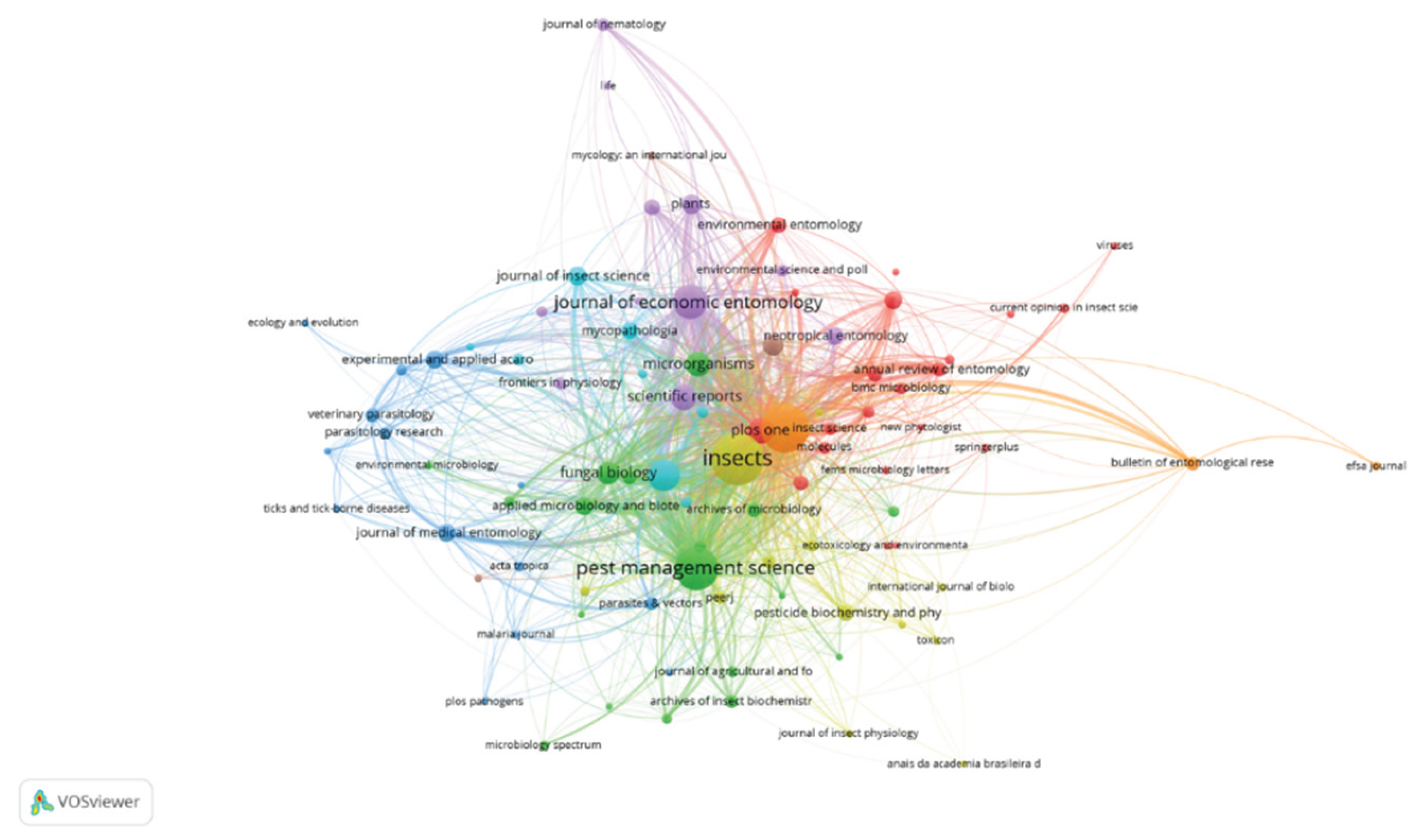
VOSviewer was employed to analyze the most frequently cited sources, which allowed us to gain valuable insights into influential journals in the field. In the analysis, we kept the threshold as 10 citations and 5 documents per author. It was found that out of 315 authors, only 90 met the threshold. There was a total of 8 clusters found in the analysis. The analysis revealed the formation of eight distinct clusters, each of which can be linked to specific overarching themes that underpin the published research. Notably, when examining research on EPF in pest management, it becomes evident that this particular theme exhibits a high degree of diversity and dispersion across various journals. Within this context, several journals have demonstrated exceptional productivity and have served as central hubs within their respective clusters. Among the notable journals are “Pest Management Science”, “Insects”, “Annual Review of Entomology”, “Insect Science”, “Journal of Economic Entomology”, “Fungal Biology”, and Experimental and Applied Ecology” (Figure 11). It should be noted that these publications have continuously emerged as focal points within their respective theme clusters. Furthermore, it is worth noting that the articles found in this analysis are solely concerned with the application of EPF in pest management. This study implies that field researchers have a strong propensity for publishing their work in specialised journals that are closely related to the issue of EPF in pest management. “Insects”, “Pest Management Science”, “Insect Science”, “Journal of Economic Entomology”, and “Fungal Biology” are among the frequently cited journals.
3.6. The Forthcoming Perceptions and Repercussions
The present bibliometric analysis of the utilization of entomopathogenic fungi in the management of insect pests holds promise for providing valuable insights and benefits to scholars and researchers involved in the field of sustainable agriculture across several disciplines. The current investigation has revealed the dominant trends within the field of entomopathogenic fungi and their potential impact on pest management tactics. Researchers can identify the specific aspects of this technology that are generating the most interest. These characteristics may encompass newly discovered species of fungi, methods of implementation, or ecological consequences. Furthermore, the level of interest and involvement within a certain topic can be evaluated by analyzing the volume of publications, journals, and authors associated with that domain. This information has the potential to enhance understanding of the wider study context and aid in the identification of potential partners. Furthermore, this platform possesses the capability to accentuate the collaborative endeavors of various research collectives, academic institutions, and nations. Researchers have the opportunity to leverage these valuable insights to establish new partnerships, acquire resources, and foster international cooperation to advance sustainable farming practices. Furthermore, researchers possess the capacity to determine the most productive and significant authors and organizations within the pertinent field. The acquisition of this knowledge can prove to be a great asset for researchers as they negotiate the intricate process of seeking expert help, mentorship, and funding opportunities for their research pursuits. It is of great importance for scientists to assess the impact of their research as well as that of their colleagues by examining citation patterns and the h-index of specific articles. Acquiring a thorough comprehension of the scope and consequences of research enables scientists to make informed decisions concerning their research goals and strategies. Consequently, this facilitates their exploration of hitherto unexplored or inadequately investigated areas within the field of pest control, specifically about EPFs.
Moreover, the application of bibliometric analysis facilitates the identification of particular themes within the realm of entomopathogenic fungi and pest management that have not undergone considerable research or continue to exhibit knowledge gaps. This insightful perspective can function as a beneficial tool for researchers, assisting them in the selection of study participants who address important unresolved questions. In summary, policymakers and funding agencies possess the potential to employ bibliometric analysis as a method for making informed decisions about the distribution of resources to facilitate research efforts in this particular domain. Furthermore, scholars can utilize bibliometric data as a means of efficiently determining the most appropriate channels for sharing their research outcomes, whether it be through specific scholarly publications, conferences, or online platforms. In conclusion, this analysis has provided an overview of the evolutionary path of the entomopathogenic fungus industry within the realm of pest control. The use of a historical framework can offer researchers significant insights into understanding the evolution of research and predicting future improvements. This comprehension can offer significant benefits when developing legislation, policies, and incentives that support the advancement of ecologically sustainable approaches to pest management.
Hence, the utilization of bibliometric analysis in the examination of entomopathogenic fungi for pest management offers researchers and scientists a comprehensive understanding of the current status of the field, potential areas for further development, and opportunities for joint initiatives. In the pursuit of promoting sustainable agriculture practices, the integration of evidence-based insights and the facilitation of knowledge dissemination and policy advocacy can play a pivotal role in driving progress.
5. Conclusions
Researchers worldwide have dedicated their efforts to the study of sustainable and microbial pest management alternatives. However, it is crucial to get a comprehensive understanding of the existing literature on this subject area. The present evaluation of entomopathogenic fungi plays a pivotal role in establishing a solid basis for further scholarly inquiries. This review effectively consolidates the existing body of information, identifies areas that require additional inquiry, offers methodological recommendations, and provides valuable insights that can influence the trajectory of future research endeavours. The factor assumes a crucial function in propelling the discipline forward and cultivating novel ideas and advancements. The present review asserts that the utilization of entomopathogenic fungi represents a promising and environmentally sustainable approach to pest management within agricultural contexts. The adoption of bibliometrics along with numerous SDGs was observed to foster responsible and sustainable methodologies within agriculture that help mitigate environmental degradation and contribute to the enhancement of human welfare and economic advancement. Furthermore, it is vital to achieve research and development objectives to completely unfold their potential for efficient implementation. The results of the current bibliometric study demonstrate a compelling need for the advancement of pest management approaches that possess both environmental sustainability and economic viability. Therefore, the integration of EPFs into pest management strategies can serve as a viable solution to address the ongoing need for food and nutritional security.
Author Contributions
Author names are given in alphabetical order. Authors TKB and IS contributed equally to the work. Conceptualization. TKB and IS; Methodology. TKB and IS; Investigation. TKB and IS; Writing—original draft preparation. TKB, IS, and MKJ; Analysis. DKM and JK; Review and editing. MKJ, TKB, IS, DKM, and JK; Visualisation. TKB, IS, DKM, JK, and MKJ. All authors have read and approved the submitted version.
Funding
Not applicable.
Institutional Review Board Statement
Not applicable.
Informed Consent Statement
Not applicable.
Data Availability Statement
The article contains the original contributions that were presented in the study. Further inquiries can be directed to the corresponding authors.
Conflicts of Interest
The authors declare that they have no known competing financial interests or personal relationships that could have appeared to influence the work reported in this paper.
Abbreviations
| EPF | Entomopathogenic Fungi |
| IPM | integrated pest management |
| CAGR | Compound Annual Growth Rate |
| CIBRC | Central Insecticide Board and Registration Committee |
| ERA | Excellence Research in Australia |
| SDGs | Sustainable Development Goals |
References
- Bhoi, T.K.; Samal, I.; Mahanta, D.K.; Komal, J.; Jinger, D.; Sahoo, M.R. et al. Understanding how silicon fertilization impacts chemical ecology and multitrophic interactions among plants, insects, and beneficial arthropods. Silicon 2023, 15, 2529–2549. [CrossRef]
- Bhoi, T.K; Samal, I.; Majhi, P.K.; Komal, J.; Mahanta, D.K.; Pradhan, A.K. et al. Insight into aphid-mediated potato virus Y transmission: A molecular to bioinformatics perspective. Front. Microbiol. 2022, 13, 1-19. [CrossRef]
- Wijerathna-Yapa, A.; Pathirana, R. Sustainable agro-food systems for addressing climate change and food security. Agriculture 2022, 12(10), 1554. [CrossRef]
- Lengai, G.M.W.; Muthomi, J.W.; Mbega, E.R. Phytochemical activity and role of botanical pesticides in pest management for sustainable agricultural crop production. Sci. Afr. 2020, 7, e00239. [CrossRef]
- Athulya, R.; Nandini, J.; Bhoi, T.K.; Sundararaj, R. Recent advances of nanotechnology in wood protection: A comprehensive review. Wood Mater Sci. Eng. 2023, 1-12. [CrossRef]
- Singh, A.; Dhiman, N.; Kar, A.K.; Singh, D.; Purohit, M.P.; Ghosh, D. et al. Advances in controlled release pesticide formulations: prospects to safer integrated pest management and sustainable agriculture. J. Hazard Mater. 2020, 385, 121525. [CrossRef]
- Piwowar, A. The use of pesticides in Polish agriculture after integrated pest management (IPM) implementation. Environ. Sci. Pollut. Res. Int. 2021, 28(21), 26628-42. [CrossRef]
- Souto, A.L.; Sylvestre, M.; Tölke, E.D.; Tavares, J.F.; Barbosa-Filho, J.M.; Cebrián-Torrejón, G. Plant-derived pesticides as an alternative to pest management and sustainable agricultural production: prospects, applications and challenges. Molecules 2021, 26(16), 4835. [CrossRef]
- Chakraborty, N.; Mitra, R.; Pal, S.; Ganguly, R.; Acharya, K.; Minkina, T. et al. Biopesticide consumption in India: insights into the current trends. Agriculture 2023, 13(3), 557. [CrossRef]
- Ferreira, J.M.; Soares, F.E. Entomopathogenic fungi hydrolytic enzymes: A new approach to biocontrol? J. Nat. Pestic. Res. 2023, 3, 100020. [CrossRef]
- Kumar, J.; Ramlal, A.; Mallick, D.; Mishra, V. An overview of some biopesticides and their importance in plant protection for commercial acceptance. Plants 2021, 10(6), 1185. [CrossRef]
- Samal, I.; Bhoi, T.K.; Majhi, P.K.; Murmu, S.; Pradhan, A.K.; Kumar, D. et al. Combatting insect-mediated biotic stress through plant-associated endophytic entomopathogenic fungi in horticultural crops. Front. Plant Sci. 2023, 13, 1098673. [CrossRef]
- Samal, I.; Bhoi, T.K.; Vyas, V.; Majhi, P.K.; Mahanta, D.K.; Komal, J. et al. Resistance to fungicides in entomopathogenic fungi: underlying mechanisms, consequences, and opportunities for progress. Trop. Plant Pathol. 2023, 1-13. [CrossRef]
- Nayak, P.; Solanki, H. Pesticides and Indian agriculture—a review. Int. J. Res. Granthaalayah 2021, 9(5), 250-63. [CrossRef]
- Mishra, J.; Dutta, V.; Arora, N.K. Biopesticides in India: technology and sustainability linkages. 3 Biotech 2020, 10(5), 210. [CrossRef]
- Kaczmarek, A.; Boguś, M.I. Fungi of entomopathogenic potential in Chytridiomycota and Blastocladiomycota, and fungal allies of the Oomycota and Microsporidia. IMA Fungus 2021, 12(1), 29. [CrossRef]
- Litwin, A.; Nowak, M.; Różalska, S. Entomopathogenic fungi: unconventional applications. Rev. Environ. Sci. Bio. Technol. 2020, 19(1), 23-42. [CrossRef]
- Peng, Y.; Tang, J.; Hong, M.; Xie, J. Suppression of Rice Planthopper Populations by the Entomopathogenic Fungus Metarhizium anisopliae without Affecting the Rice Microbiota. Appl. Environ. Microbiol. 2020, 86(21), e01337-20. [CrossRef]
- Wari, D.; Okada, R.; Takagi, M.; Yaguchi, M.; Kashima, T.; Ogawara, T. Augmentation and compatibility of Beauveria bassiana with pesticides against different growth stages of Bemisia tabaci (Gennadius); an in vitro and field approach. Pest. Manag. Sci. 2020, 76(9), 3236-3252. [CrossRef]
- Subramaniam, M.S.R.; Babu, A.; Deka, B. Lecanicillium lecanii (Zimmermann) Zare & Gams, as an efficient biocontrol agent of tea thrips, Scirtothrips bispinosus Bagnall (Thysanoptera: Thripidae). Egypt. J. Biol. Pest Control 2021, 31, 1-14. [CrossRef]
- Donthu, N.; Kumar, S.; Mukherjee, D.; Pandey, N.; Lim, W.M. How to conduct a bibliometric analysis: an overview and guidelines. J. Bus. Res. 2021, 133, 285-96. [CrossRef]
- Yu, Y.; Li, Y.; Zhang, Z.; Gu, Z.; Zhong, H.; Zha, Q. et al. A bibliometric analysis using VOSviewer of publications on COVID-19. Ann. Transl. Med. 2020, 8(13), 816. [CrossRef]
- Williams, B. Dimensions & VOSViewer bibliometrics in the reference interview. 2020, Code4Lib J 47.
- Kirby, A. Exploratory bibliometrics: using VOSviewer as a preliminary research tool. Publications 2023, 11(1), 10. [CrossRef]
- Bukar, U.A.; Sayeed, M.S.; Razak, S.F.A.; Yogarayan, S.; Amodu, O.A.; Mahmood, R.A.R. A method for analyzing text using VOSviewer. MethodsX 2023, 11, 102339. [CrossRef]
- Martín-Martín, A.; Orduna-Malea, E.; Delgado López-Cózar, E. Coverage of highly-cited documents in Google Scholar, Web of Science, and Scopus: a multidisciplinary comparison. Scientometrics 2018, 116(3), 2175-88. [CrossRef]
- Martín-Martín, A.; Thelwall, M.; Orduna-Malea, E.; Delgado López-Cózar, E. Web of Science, and open Citations’ COCI: a multidisciplinary comparison of coverage via citations. Google scholar, Microsoft academic, Scopus, dimensions. Scientometrics 2021, 126, 871-906. [CrossRef]
- Secinaro, S.; Brescia, V.; Calandra, D.; Biancone, P. Employing bibliometric analysis to identify suitable business models for electric cars. J. Cleaner Prod. 2020, 264, 121503. [CrossRef]
- Moral-Muñoz, J.A.; Herrera-Viedma, E.; Santisteban-Espejo, A.; Cobo, M.J. Software tools for conducting bibliometric analysis in science: an up-to-date review. Prof. Inf. 2020, 29(1). [CrossRef]
- Bertoglio, R.; Corbo, C.; Renga, F.M.; Matteucci, M. The digital agricultural revolution: a bibliometric analysis literature review. IEEE Access 2021, 9, 134762-82. [CrossRef]
- Tlili, A.; Huang, R.; Shehata, B.; Liu, D.; Zhao, J.; Metwally, A.H.S. et al. Is Metaverse in education a blessing or a curse: a combined content and bibliometric analysis. Smart Learn Environ. 2022, 9(1), 1-31. [CrossRef]
- van Eck, N.J.; Waltman, L.; Dekker, R.; van den Berg, J. A comparison of two techniques for bibliometric mapping: multidimensional scaling and VOS. J. Am. Soc. Inf. Sci. Technol. 2010, 61(12), 2405-16. [CrossRef]
- van Eck, N.J.; Waltman, L. Citation-based clustering of publications using CitNetExplorer and VOSviewer. Scientometrics 2017, 111(2), 1053-70. [CrossRef]
- do Prado, J.W.; de Castro Alcântara, V.; de Melo Carvalho, F.; Vieira, K.C.; Machado, L.K.C.; Tonelli, D.F. Multivariate analysis of credit risk and bankruptcy research data: a bibliometric study involving different knowledge fields (1968-2014). Scientometrics 2016, 106(3), 1007-29. [CrossRef]
- Patel, S.K.; Sharma, A.; Singh, G.S. Traditional agricultural practices in India: an approach for environmental sustainability and food security. Energy. Ecol. Environ. 2020, 5(4), 253-71. [CrossRef]
- Sweileh, W.M. Bibliometric analysis of scientific publications on” sustainable development goals” with emphasis on “good health and wellbeing” goal (2015-2019). Glob. Health. 2020, 16, 1-13. [CrossRef]
- Vaverková, M.D.; Polak, J.; Kurcjusz, M.; Jena, M.K.; Murali, A.P.; Nair, S.S.; Aktaş, H.; Hadinata, M.E.; Ghezelayagh, P.; Andik, S.D.S.; Rahmana, A. Enhancing Sustainable Development Through Interdisciplinary Collaboration: Insights from Diverse Fields. Sust. Dev. 2024, 0, 1-28. [CrossRef]
- Wang, Z.; Sun, H.; Yang, L. A Bibliometric Analysis of Research on Historical Buildings and Digitization. Buildings 2023, 13(7), 1607. [CrossRef]
- Bornmann, L.; Wohlrabe, K. Normalisation of citation impact in economics. Scientometrics 2019, 120(2), 841-84. [CrossRef]
- Glänzel, W.; Schubert, A. Analysing scientific networks through Coauthorship. Handb. Quant. Sci. J. Technol. Res. 2006, 257-76. [CrossRef]
- Moed, H.F.; De Bruin, R.E.; Nederhof, A.J.; Tijssen, R.J.W. International scientific co-operation and awareness within the European community: problems and perspectives. Scientometrics 1991, 21(3), 291-311. [CrossRef]
- Narin, F.; Stevens, K.; Whitlow, E.S. Scientific co-operation in Europe and the citation of multinationally authored papers. Scientometrics 1991, 21(3), 313-23. [CrossRef]
Figure 1.
Methodological flow used in this study.
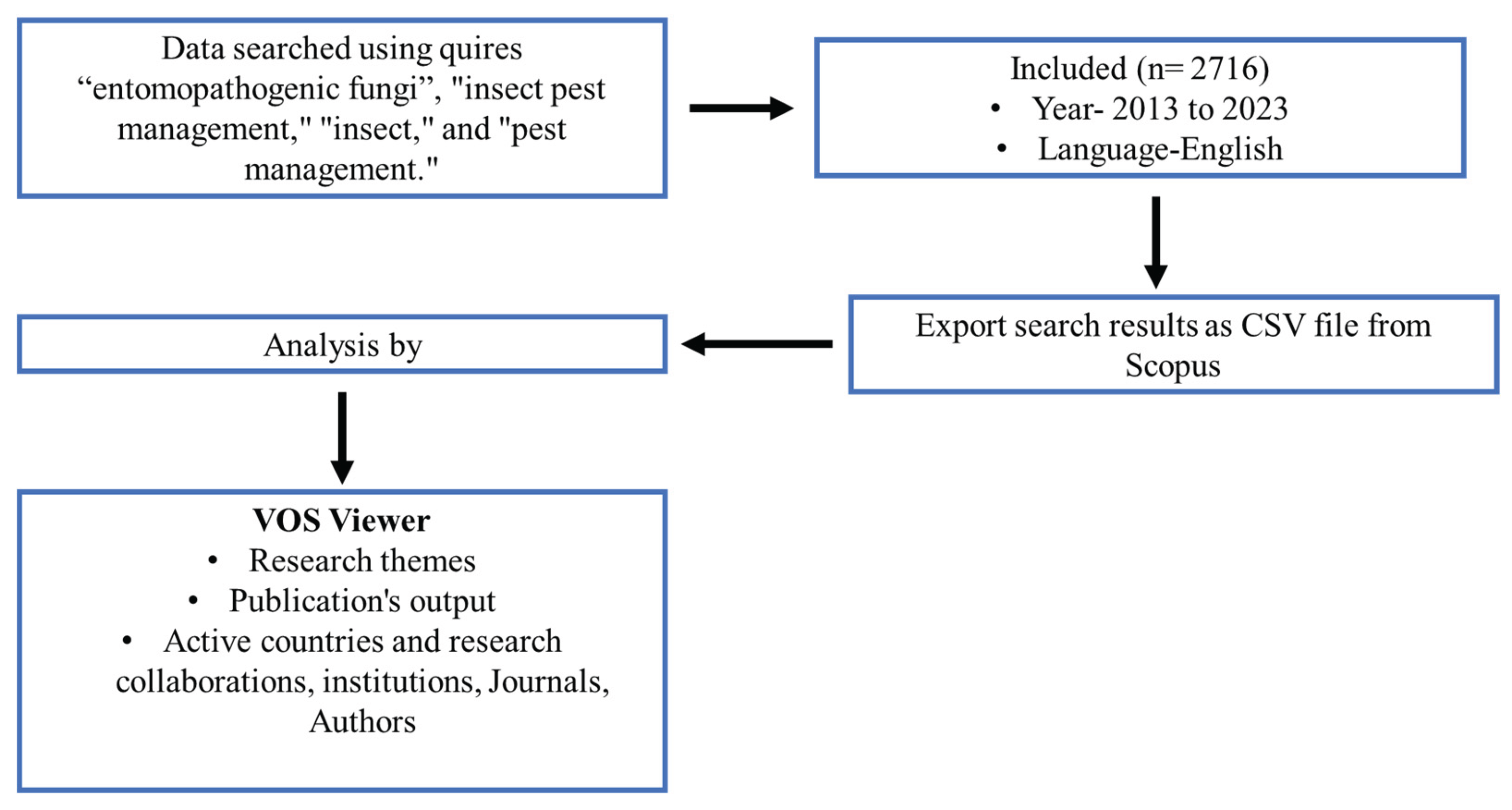
Figure 2.
The presented figure illustrates a wide range of papers pertaining to “the entomopathogenic fungi in the management of insect pests” throughout the course of the past ten years.
Figure 2.
The presented figure illustrates a wide range of papers pertaining to “the entomopathogenic fungi in the management of insect pests” throughout the course of the past ten years.
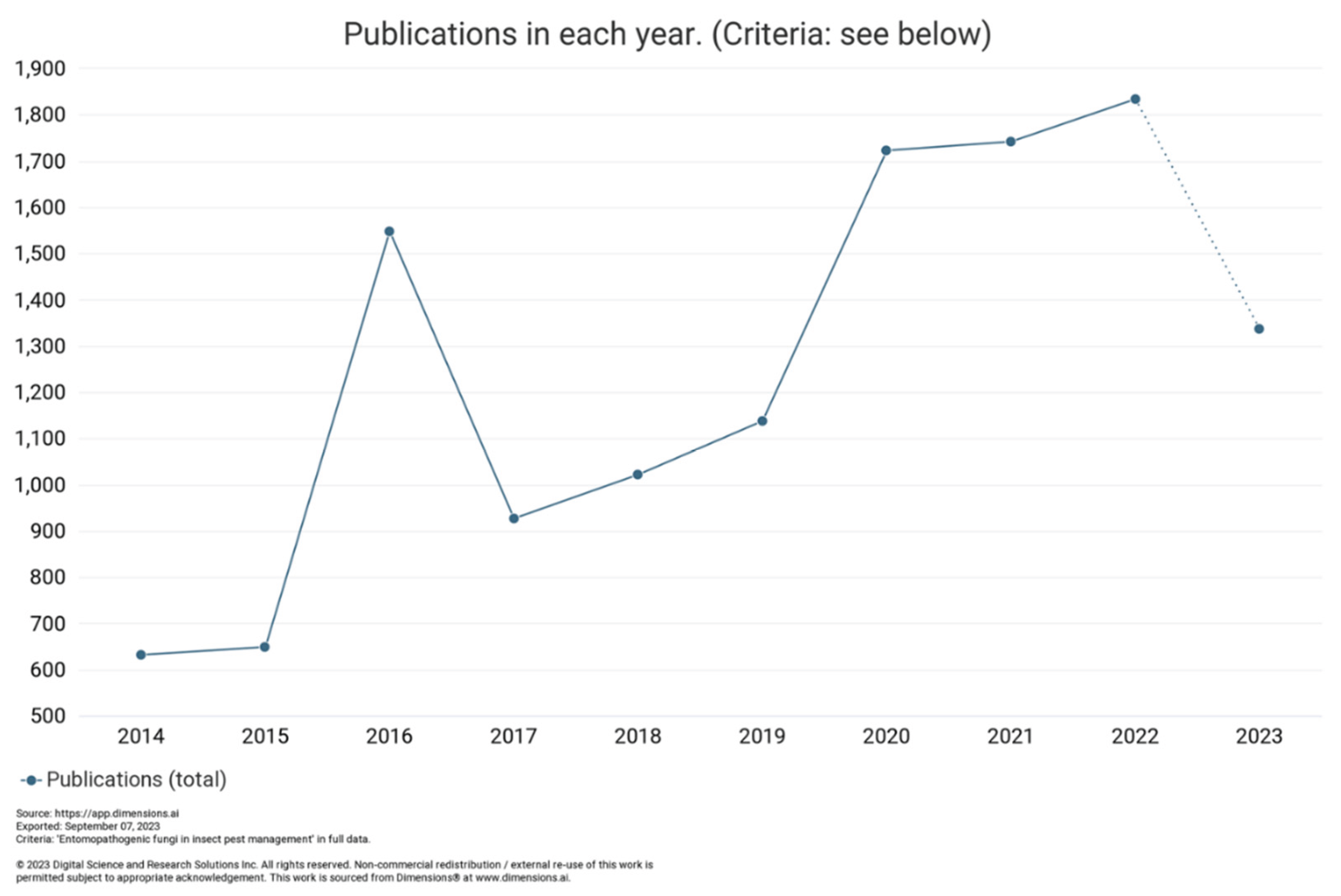
Figure 3.
The range of articles published on the topic of “entomopathogenic fungi in insect pest management” over the past decade is shown in the figure.
Figure 3.
The range of articles published on the topic of “entomopathogenic fungi in insect pest management” over the past decade is shown in the figure.
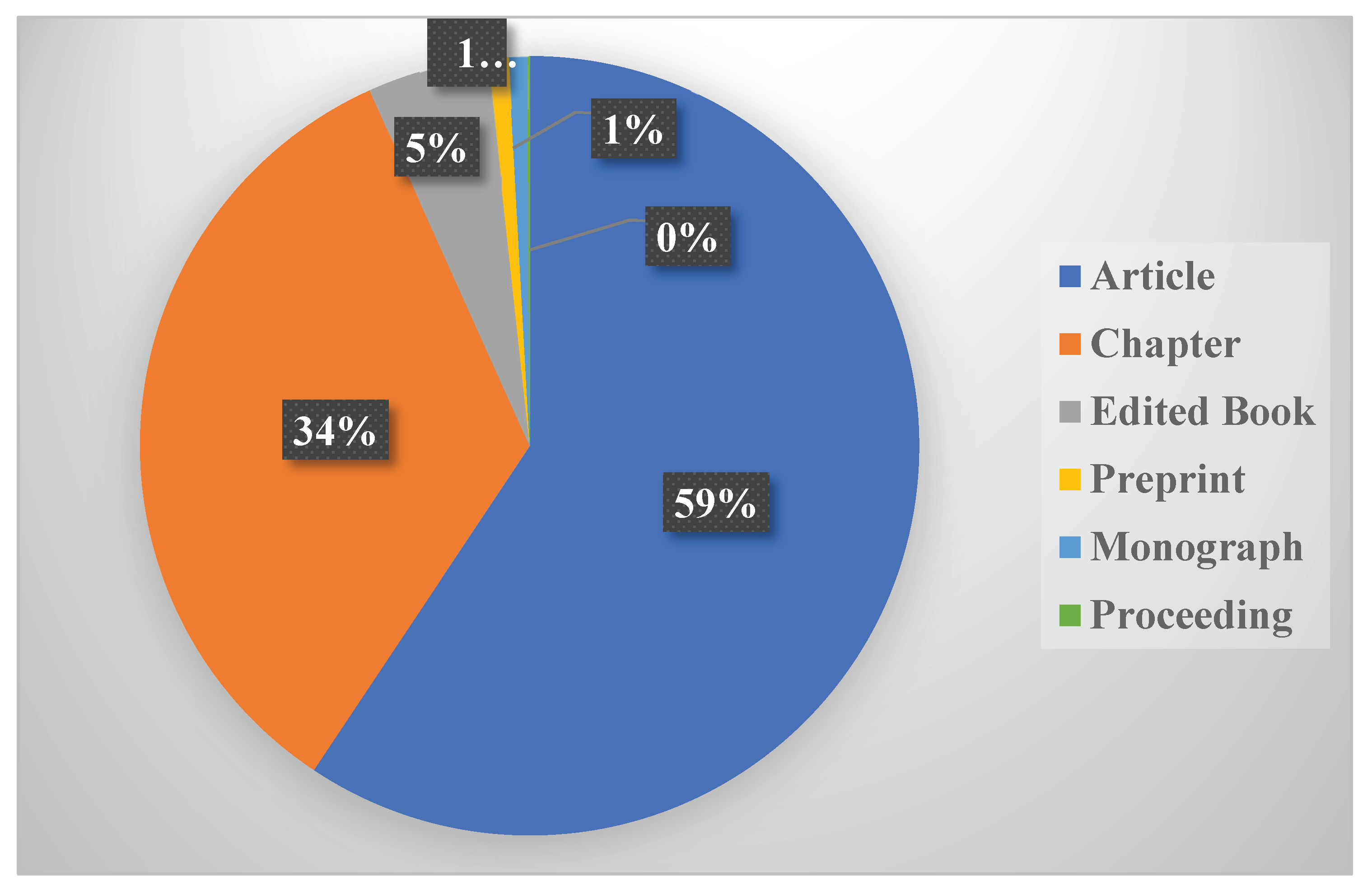
Figure 4.
The provided figure illustrates the cumulative quantity of scholarly articles on “entomopathogenic fungi in insect pest management” in different fields of research.
Figure 4.
The provided figure illustrates the cumulative quantity of scholarly articles on “entomopathogenic fungi in insect pest management” in different fields of research.
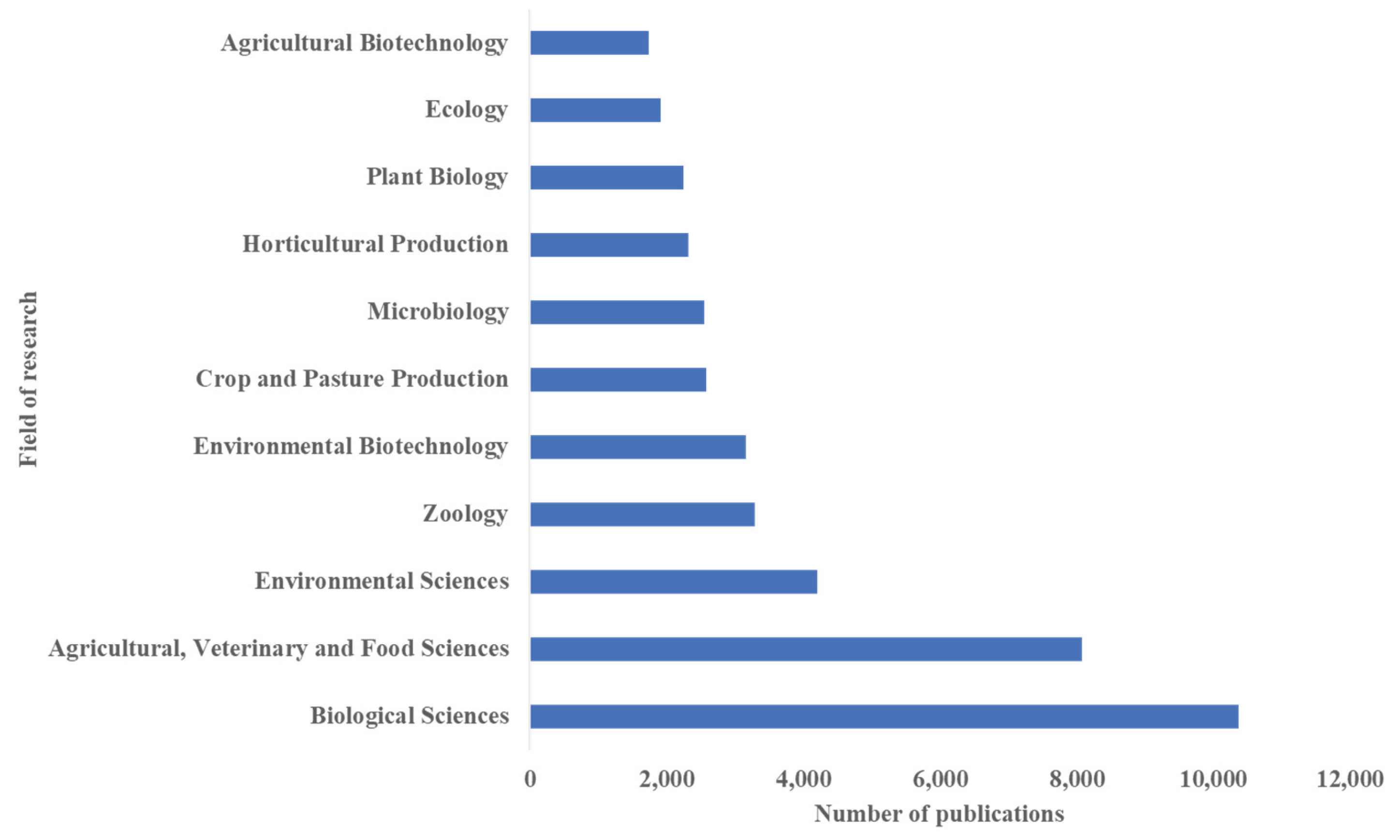
Figure 5.
This figure interprets total publications on “entomopathogenic fungi in insect pest management” in diverse lists of journals across the world.
Figure 5.
This figure interprets total publications on “entomopathogenic fungi in insect pest management” in diverse lists of journals across the world.
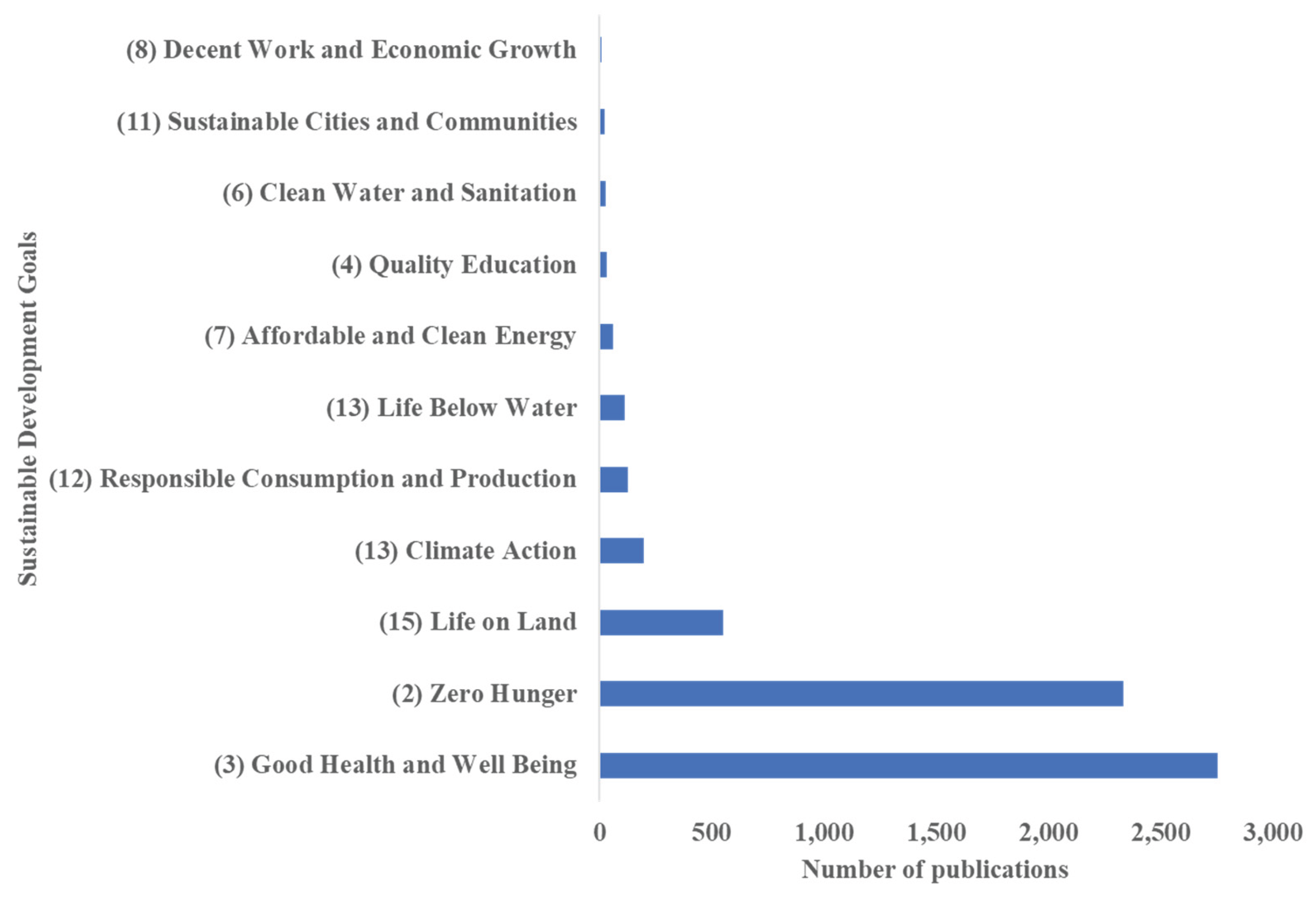
Figure 6.
This figure interprets total publications on “entomopathogenic fungi in insect pest management” in diverse source titles across the world.
Figure 6.
This figure interprets total publications on “entomopathogenic fungi in insect pest management” in diverse source titles across the world.
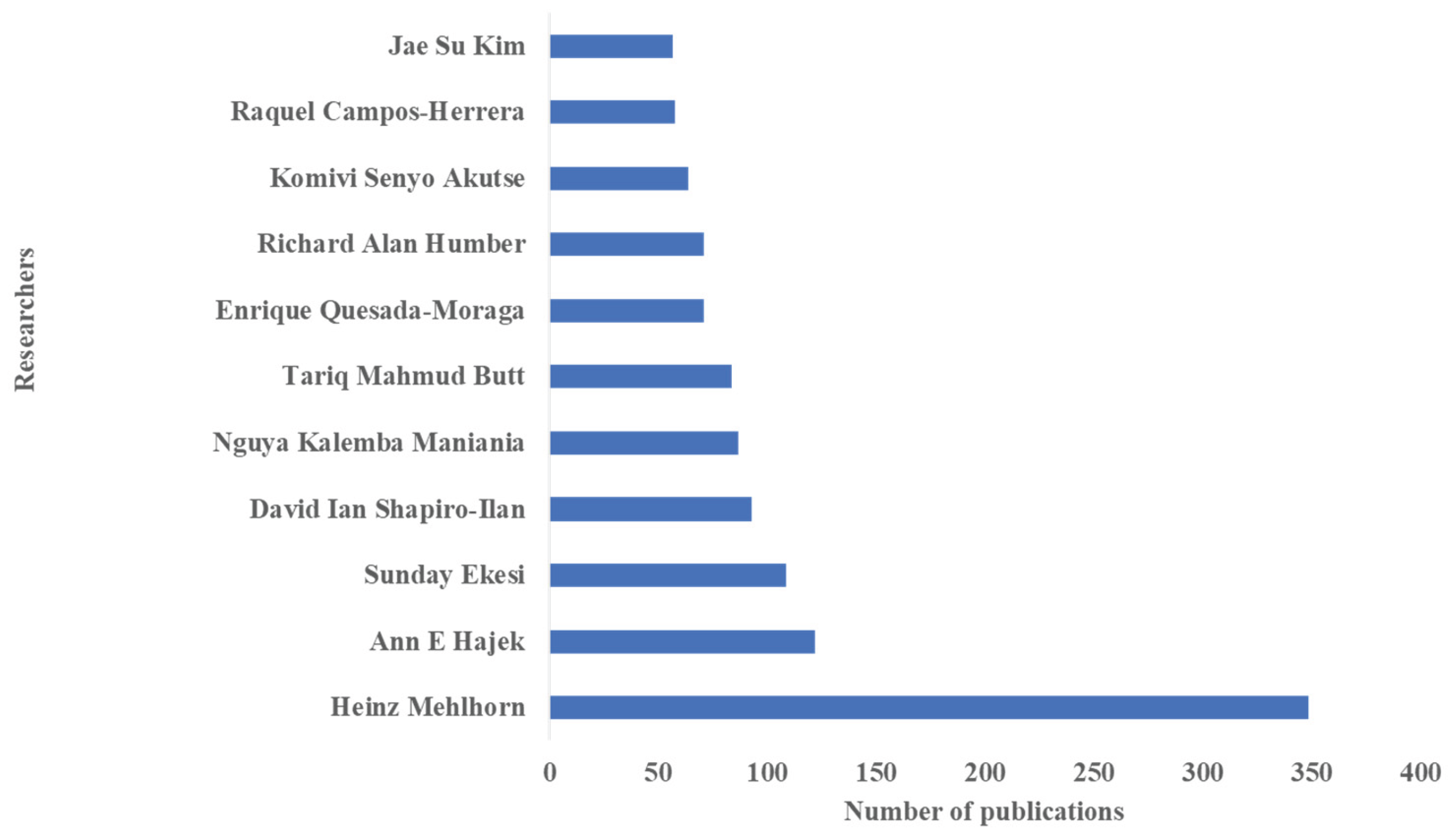
Figure 7.
This figure depicts the total number of publications on “entomopathogenic fungi in insect pest management” targeting different sustainable development goals.
Figure 7.
This figure depicts the total number of publications on “entomopathogenic fungi in insect pest management” targeting different sustainable development goals.
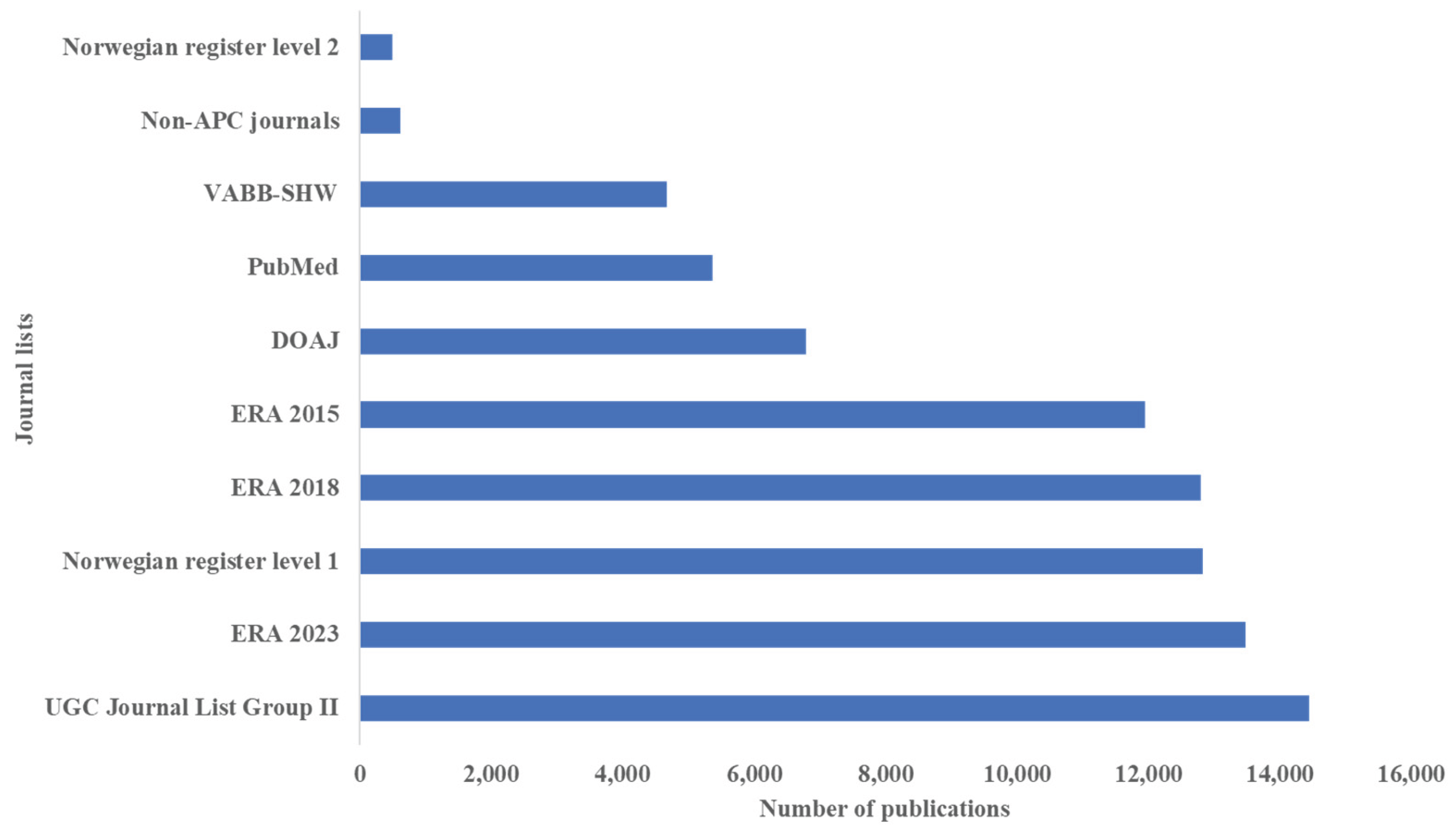
Figure 8.
This figure depicts publications on “entomopathogenic fungi in insect pest management” by different researchers across the world.
Figure 8.
This figure depicts publications on “entomopathogenic fungi in insect pest management” by different researchers across the world.
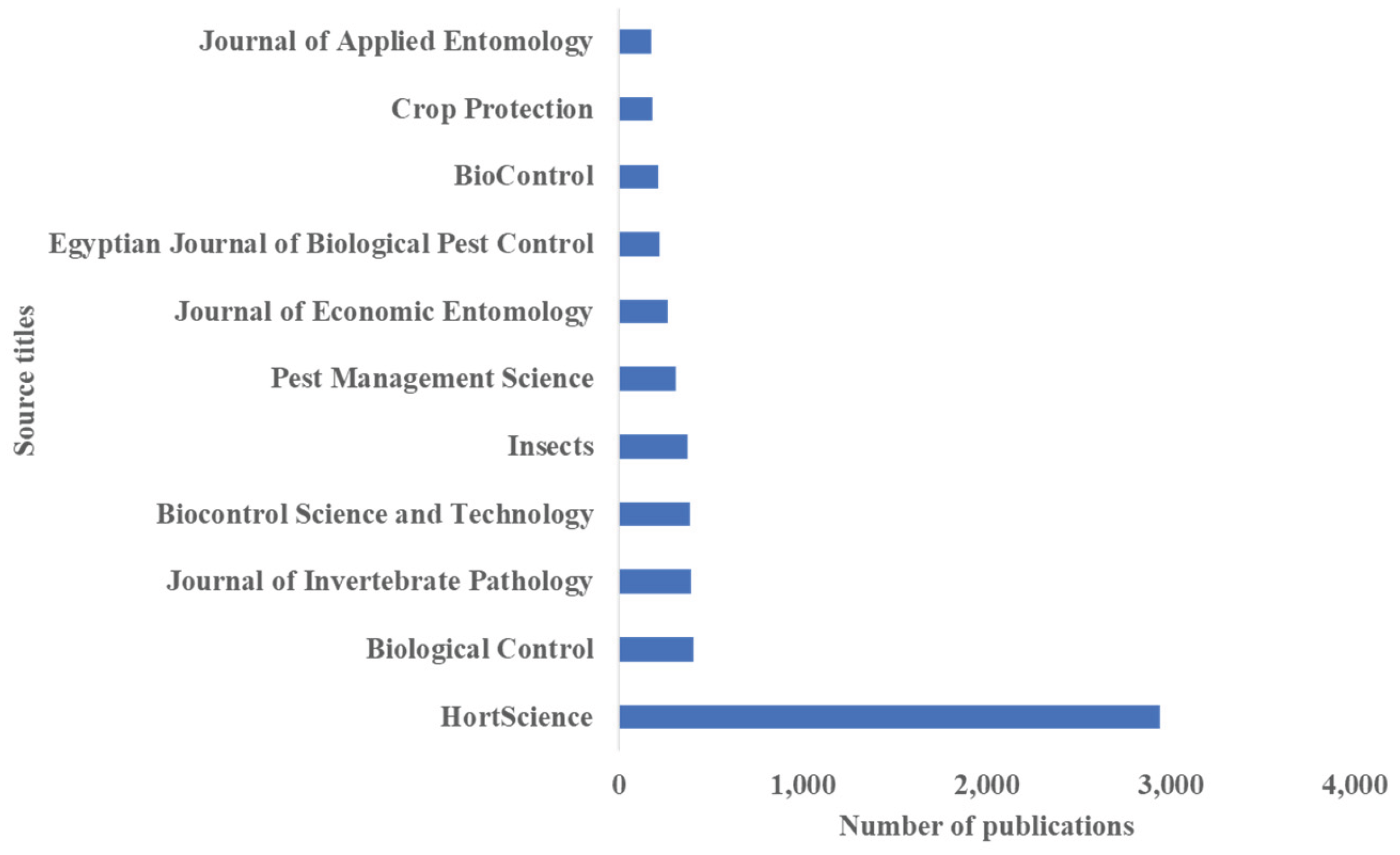
Figure 9.
The above visual representation illustrates a citation analysis conducted on countries that have published works on “entomopathogenic fungi in insect pest management”.
Figure 9.
The above visual representation illustrates a citation analysis conducted on countries that have published works on “entomopathogenic fungi in insect pest management”.

Figure 10.
This figure citation analysis of documents on “entomopathogenic fungi in insect pest management”.
Figure 10.
This figure citation analysis of documents on “entomopathogenic fungi in insect pest management”.
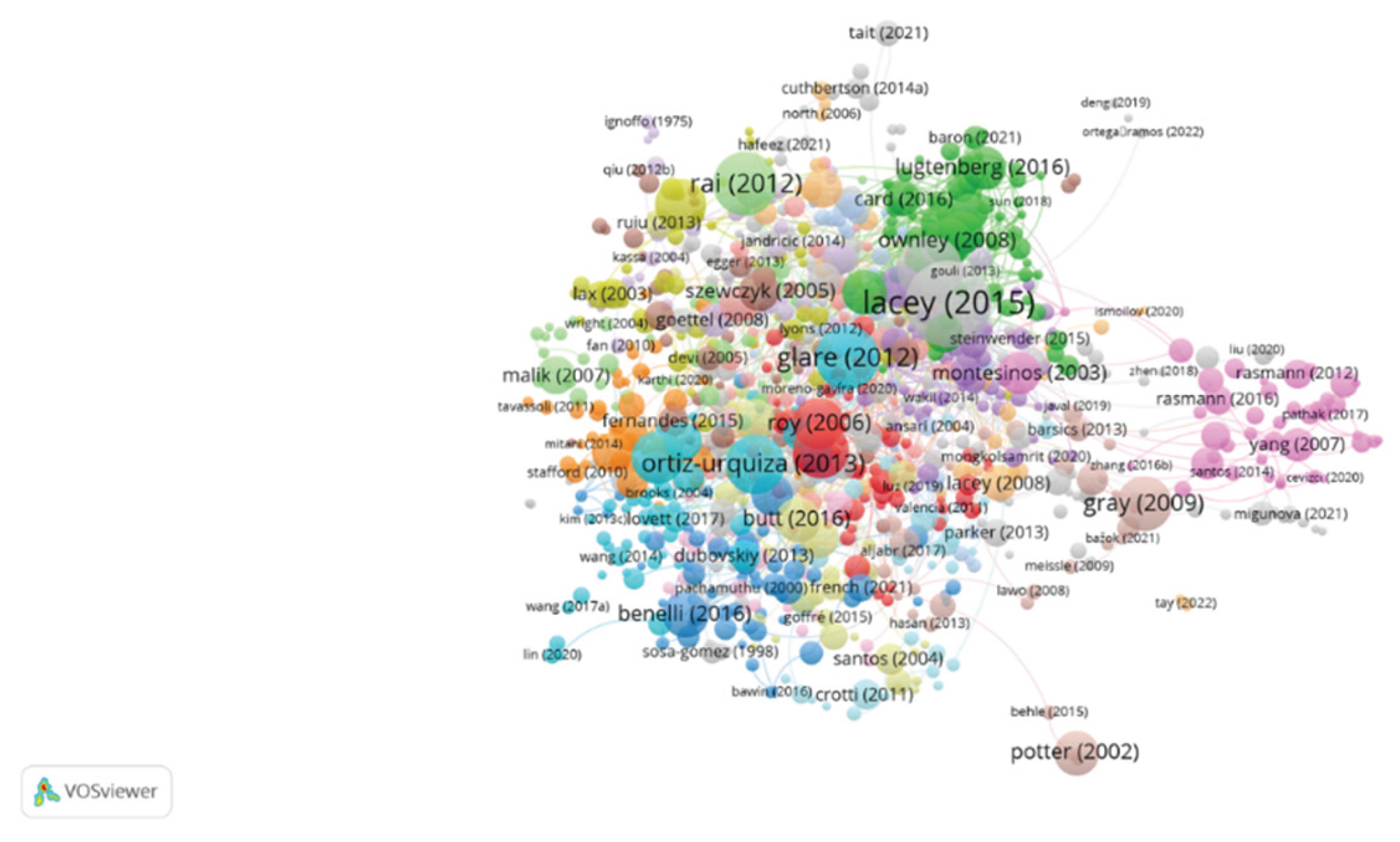
Figure 11.
This figure citation analysis of sources on publication of “entomopathogenic fungi in insect pest management”.
Figure 11.
This figure citation analysis of sources on publication of “entomopathogenic fungi in insect pest management”.
Disclaimer/Publisher’s Note: The statements, opinions and data contained in all publications are solely those of the individual author(s) and contributor(s) and not of MDPI and/or the editor(s). MDPI and/or the editor(s) disclaim responsibility for any injury to people or property resulting from any ideas, methods, instructions or products referred to in the content. |
© 2025 by the authors. Licensee MDPI, Basel, Switzerland. This article is an open access article distributed under the terms and conditions of the Creative Commons Attribution (CC BY) license (http://creativecommons.org/licenses/by/4.0/).
Copyright: This open access article is published under a Creative Commons CC BY 4.0 license, which permit the free download, distribution, and reuse, provided that the author and preprint are cited in any reuse.