

Submitted:
13 May 2025
Posted:
13 May 2025
You are already at the latest version
Abstract
This study offers a comprehensive examination of the scientific production related to the integration of artificial intelligence (AI) in education using qualitative research methods, an emerging intersection that reflects growing interest in understanding the pedagogical, ethical, and methodological implications of AI in educational contexts. Grounded in a theoretical framework that emphasizes the potential of AI to support personalized learning, augment instructional design, and facilitate data-driven deci-sion-making, the study applies a systematic literature review and bibliometric analysis to 630 publications indexed in Scopus between 2014 and 2024. Results show a significant increase in scholarly output, particularly since 2020, with notable contributions from authors and institutions in the United States, China, and the United Kingdom. High-impact research is found in top-tier journals, and dominant themes include health education, higher education, and the use of AI for feedback and assessment. The findings also highlight the role of semi-structured interviews, thematic analysis, and interdisciplinary approaches in capturing the nuanced impacts of AI integration. The study concludes that qualitative methods remain essential for critically evaluating AI’s role in education, reinforcing the need for ethically sound, human-centered, and context-sensitive applications of AI technologies in diverse learning environments.
Keywords:
artificial intelligence
; qualitative research
; education
; bibliometric analysis
; educational innovation
; AI
1. Introduction
In recent years, Artificial Intelligence (AI) has rapidly emerged within the field of education, transforming not only teaching and learning processes but also research methodologies [1]. Specifically, qualitative data analysis, traditionally associated with interpretive and craft-based approaches, has begun to benefit from AI-powered tools that offer increased efficiency, objectivity, and processing capacity [2]. These innovations allow for the automation of tasks such as large-scale data coding, thematic pattern recognition, and sentiment analysis, thereby opening new possibilities while also raising ethical and epistemological challenges [3].
Within this context, the integration of AI into qualitative educational research has become an emerging international trend. However, questions remain regarding the factors that influence its adoption and the impact of these technologies on the validity and depth of qualitative analysis [4]. Understanding how and why these tools are implemented, along with their methodological and ethical implications, is essential for the development of rigorous and responsible research practices in education.
The aim of this study is to explore international trends and key factors influencing the integration of AI into the field of education through qualitative research methods, considering both the potential and the challenges this integration poses for contemporary educational inquiry. To achieve this objective, the study employs bibliometric analysis, a methodology particularly suited to identifying emerging trends, influential authors, and collaboration networks within research on AI-assisted qualitative analysis. This work seeks to bridge existing knowledge gaps regarding the evolution of academic perspectives and practical applications in AI-mediated qualitative research. The study addresses the following research questions:
- How has scientific production on the integration of AI in education using qualitative methods evolved over the past decade?
- Which journals, authors, and sources are the most influential in research on AI in education linked to qualitative methods?
- Which countries and institutions lead in productivity and collaboration in the study of AI applications in education through qualitative data analysis?
- What are the main thematic trends that characterize qualitative research on the integration of AI in education in recent years?
2. Theorical Framework
2.1. AI in Education: Advances, Emerging Applications and Challenges
AI has revolutionized education [5] by becoming integrated into multiple key areas (Figure 1), enhancing both teaching practices and academic management systems. One of its most impactful applications lies in curriculum design, where advanced algorithms analyze educational trends and generate personalized learning materials tailored to diverse learning styles [6]. In the domain of personalized learning, AI enables the development of adaptive platforms that adjust content difficulty and pacing based on individual student needs, incorporating chatbots and virtual assistants for automated tutoring and instant feedback [7]. Furthermore, AI-powered assessment tools can automatically grade assignments and exams, offering detailed reports on student progress and areas requiring improvement [8,9].
In the field of predictive analytics and educational diagnostics, machine learning models are used to identify academic performance patterns and detect at-risk students early on, facilitating timely and personalized interventions [10]. At the institutional level, academic and administrative management is enhanced through automation of tasks such as admissions, resource allocation, and student data management, significantly reducing bureaucratic workload [11].
Regarding accessibility and educational inclusion, AI supports content adaptation for students with disabilities through speech recognition, automated translation, and text-to-speech technologies, promoting more equitable learning opportunities [12]. Additionally, data-driven learning and gamification increase student motivation and engagement by leveraging big data analytics to inform pedagogical decision-making and design immersive, interactive experiences [13]. Finally, AI also contributes to teacher training and professional development by offering self-assessment tools, data-informed pedagogical strategy recommendations, and personalized training pathways [14]. Collectively, these applications position AI as a transformative technology capable of making education more efficient, inclusive, and responsive to the evolving needs of the 21st century.
However, the integration of AI in education presents a range of challenges and limitations that must be addressed to ensure its effective and equitable implementation. One of the foremost concerns relates to ethical and equity issues, as AI algorithms can perpetuate bias if the training data are not representative of diverse populations [15]. Additionally, unequal access to AI technologies risks widening the educational gap, disproportionately affecting students and schools with fewer resources [16].
Another critical challenge is data privacy and security [17]. Implementing AI in educational settings requires collecting and analyzing large volumes of personal information from students and educators, posing risks in terms of data protection. Compliance with privacy regulations, such as the GDPR in Europe and FERPA in the United States, is essential to prevent the misuse or leakage of sensitive information [18]. Technological dependency and the digital divide also hinder effective adoption. Not all educational institutions possess the necessary infrastructure to implement AI systems effectively [19] and both teachers and students may lack the training required to use these tools optimally [20], resulting in unequal learning opportunities and diminished outcomes [21].
The evolving role of teachers is another frequently cited concern. The automation of educational tasks may lead to uncertainty about educators’ place in the classroom, especially if AI is perceived as a replacement for human interaction in teaching [22]. It is therefore vital that educators receive targeted professional development to integrate AI into their pedagogical practices without losing their role as learning facilitators. The current lack of regulations and standards for AI use in education further complicates its safe and effective deployment [23]. Without universal frameworks guiding the design, implementation, and evaluation of AI in educational environments, applications may be inconsistent and exacerbate inequalities [24].
Another significant issue involves the interpretability and transparency of AI models. Many systems function as “black boxes,” meaning users may not understand how decisions or recommendations are made. This lack of algorithmic explainability can foster distrust and hinder broader acceptance in educational contexts [25]. Cost and sustainability also represent substantial barriers. Effective AI integration requires major investments in hardware, software, and teacher training—resources that not all institutions can afford, raising questions about long-term viability [26].
Finally, resistance to change remains a limiting factor in AI adoption. Teachers, administrators, and students may hesitate to embrace AI tools due to lack of awareness or fears that technology may displace traditional teaching methods [27]. To ensure successful integration, it is necessary to promote a culture of educational innovation and provide training that helps stakeholders understand both the benefits and limitations of AI. These challenges underscore the need for strategic, regulated, and ethical AI implementation in education, ensuring that its advantages outweigh the associated risks and limitations.
2.2. Integrating AI into Qualitative Data Analysis: Methodological and Ethical Perspectives
The emergence of AI in the field of qualitative research is shaping new methodological dynamics that promise to significantly transform traditional analytical practices. The integration of AI tools presents both disruptive possibilities and substantial ethical challenges. From a methodological standpoint, AI broadens the scope for researchers by automating routine tasks, assisting in the processing of large volumes of data, and facilitating the triangulation of qualitative information. One of the most evident uses of AI in qualitative research is the automatic transcription of interviews, as demonstrated by the study of [28]. The comparison of various AI platforms for transcribing interviews in Spanish highlights not only increased efficiency and transcription quality but also the importance of institutional context and accessibility when selecting tools. Beyond automation, these platforms allow researchers to focus more time on complex interpretative tasks, though the necessity of human review to ensure transcription fidelity remains essential.
Another area of application is the cleaning of qualitative databases, as illustrated by [29], where even novice researchers use AI tools to transform unstructured data into analyzable formats, streamlining data preparation and fostering pedagogical opportunities for developing computational thinking and digital competencies in qualitative contexts. In terms of analysis and data extraction, studies such as [30,31] show that AI can identify trends, frequencies, and semantic patterns that largely align with human coding results. While some discrepancies are reported, these differences can enrich methodological debates and open new paths for triangulation and validation, as argued by [32]. In this way, AI is positioned not as a replacement but as a complement to human interpretive judgment, promoting more robust and transparent analyses.
Regarding the validation of qualitative analysis, AI emerges as a promising tool to enhance reliability and methodological transparency. Research by [33,34] suggest that AI can assess the consistency of coding processes, reduce individual bias, and improve efficiency without compromising rigor. Hybrid models, which foster collaboration between human coders and generative AI agents, are particularly promising. They not only increase efficiency but also deepen the understanding of studied phenomena by offering novel interpretative frameworks and enabling categorical redefinitions.
Nevertheless, these technological advances also bring ethical concerns that must be rigorously addressed. Recent literature emphasizes the need for transparency in the use of AI tools, as well as explicit acknowledgment of their role in analytical processes [35]. Risks include the reproduction of biases, data fabrication or “hallucinations” by generative models, and a tendency to conform to user expectations, which may distort findings. The equitable representation of marginalized or underrepresented voices is also a major concern—especially if AI-generated outputs are uncritically accepted as objective truths [36].
3. Materials and Methods
3.1. Research Design
The methodological framework of this study was based on a Systematic Literature Review (SLR), complemented by bibliometric and content analysis techniques [37,38]. The integration of these approaches enabled a rigorous and comprehensive evaluation of the relevant scientific production, as well as a detailed examination of its content. This methodological combination facilitated the identification of emerging trends, influential authors, and dominant lines of inquiry within the field of study [39].
3.2. Search Strategy and Document Selection
The search and selection process followed the Preferred Reporting Items for Systematic Reviews and Meta-Analyses (PRISMA) 2020 guidelines [40], which offer a structured and rigorous framework for conducting systematic reviews. These guidelines emphasize transparency, replicability, and scientific rigor, ensuring that the review process is complete, traceable, and reproducible by other researchers. The workflow is visually presented in Figure 2, outlining the systematic stages of the review. Adherence to PRISMA guarantees methodological soundness and alignment with academic best practices [41].
This review focused on studies published in the last decade, which explore the integration of AI into qualitative research in educational contexts, using bibliometric approaches and visualization techniques. The bibliometric analysis enabled the identification and evaluation of scientific output on the topic based on publication patterns and impact metrics. To ensure the quality and relevance of the studies, documents indexed in the Scopus database were selected according to the following exclusion criteria:
- Not published between January 1, 2014, and December 31, 2024.
- Not written in English.
- Not published in a peer-reviewed academic journal.
A systematic search was conducted in Scopus using key terms such as “artificial intelligence,” “qualitative methods,” “qualitative analysis,” and “education,” applied to the fields of title, abstract, and keywords using the TOPIC field. The final search query used was: (“artificial intelligence” OR “machine learning” OR “deep learning”) AND (“qualitative analysis” OR “qualitative data” OR “qualitative research” OR “text analysis”) AND (“education” OR “educational research”). Scopus was chosen due to its advanced visualization and analysis tools, making it an ideal source for identifying research trends in social sciences and education.
During the identification phase, 1,120 records were retrieved. Ten records were removed prior to screening due to duplication or incomplete information. In the screening phase, 1,110 documents were assessed, with 148 excluded for falling outside the defined date range (December 1, 2014 – December 31, 2024), 34 for not being written in English, and 298 for being published in non-peer-reviewed sources. As a result, 630 articles were deemed eligible and included in the final systematic review. This process ensured the selection of relevant, high-quality studies for analyzing the application of AI in education through qualitative methods.
The resulting database (Figure 3) reveals a significant increase in scientific production, with an annual growth rate of 51.71%. A total of 630 documents were collected from 402 distinct sources, indicating a wide diversity of academic dissemination channels. The participation of 2,351 authors reflects a high degree of collaboration in the field, with an average of 3.95 co-authors per document. Notably, only 87 publications were authored by a single researcher, suggesting that research in this area is predominantly conducted in collaborative teams.
International collaboration accounts for 22.54% of the documents, highlighting a growing trend toward cross-border research partnerships. In terms of impact, the documents have accumulated an average of 14.7 citations per publication, underscoring their influence within the scientific community. The analysis is further supported by a total of 29,837 references, indicating a robust and comprehensive bibliographic foundation. The average document age of 2.33 years suggests that research on AI in education is a relatively recent and rapidly evolving field. Subsequent sections will examine patterns of collaboration, thematic evolution, and the main contributions within this body of literature.
3.3. Data Analysis
The data analysis in this literature review was conducted in two main stages [42]. First, a descriptive analysis was performed to characterize the temporal evolution of scientific production in the research area. This involved identifying the number of publications per year, author distribution and contributions, as well as the most influential journals and high-impact documents. This approach provided a comprehensive overview of the field’s dynamics and growth, allowing for the identification of key trends and research gaps.
In the second stage, bibliometric visualization tools such as VOSviewer were used to construct knowledge networks. The first analysis focused on international collaboration through the development of co-authorship networks, where each node represented a country and the links illustrated the frequency and strength of their collaborative efforts. Subsequently, a keyword co-occurrence analysis was conducted based on terms extracted from the selected documents. According to [43], this type of analysis facilitates an understanding of the conceptual and thematic structure of the research area, as well as the relationships between key terms. For this study, VOSviewer was used to generate the networks, applying a minimum co-occurrence threshold of 15 keywords and a relevance score of ≥ 60%. In the resulting network, each node represented a keyword, with node size reflecting frequency of appearance and link thickness indicating the strength of co-occurrence between terms.
Additionally, the analysis was complemented by the generation of thematic maps using the Bibliometrix package in RStudio. As noted by [44], these maps help visualize the distribution and relevance of topics within the research field through a two-dimensional diagram that groups keywords according to their density and centrality. Thematic clusters were identified, including motor themes as well as foundational and transversal themes, which are considered essential for the consolidation of the research area due to their high centrality and density, indicating their significance and strong interconnection with other core concepts in the field.
4. Results
4.1. Evolution of Scientific Production on the Integration of AI in Education from a Qualitative Approach (RQ1)
Over the past decade, AI has experienced exponential growth across various fields of knowledge, including education. In particular, the use of qualitative methodologies to analyze AI applications in educational settings has gained significant relevance. The findings reveal a progressive upward trend in the number of publications, beginning with a slow developmental phase between 2014 and 2019, during which annual output remained relatively low (ranging from 4 to 19 documents). Starting in 2020, there is a noticeable acceleration in scholarly production, with 27 publications that year, followed by 41 in 2021 and 68 in 2022. The most pronounced increase occurs in 2023 and 2024, reaching 117 and 323 documents respectively, clearly reflecting an exponential growth trajectory (Figure 4).
4.2. Authors, Journals and Reference Documents in Qualitative Research on AI in Education (RQ2)
Among the most influential scholars in the field (Table 1), Alejandra J. Magana from Purdue University (United States) stands out, leading the list with 4 publications specifically focused on the area, a total of 214 publications overall, an h-index of 26, and 2,161 citations. Her academic trajectory reflects a well-established contribution at the intersection of AI and education. Another prominent researcher is Jonathan Kantor from the University of Oxford (United States), with 167 publications, an h-index of 23, and 2,833 citations, demonstrating a significant impact within the academic community. Equally noteworthy is Di Zou from Lingnan University (Hong Kong), who holds the highest number of citations (5,254) and the highest h-index (35), indicating substantial influence in the fields of AI and education. Scholars such as Lanqin Zheng (Beijing Normal University, China) and Xiaoming Zhai (University of Georgia, United States) also exhibit high citation counts and elevated h-index scores, underscoring the consolidation of their research in this domain.
From a geographic and institutional perspective, the data reflect a strong presence of researchers from the United States, Europe, and Asia, suggesting an international distribution of knowledge in this field. Institutions such as Purdue University, the University of Oxford, Lingnan University, and Beijing Normal University emerge as key hubs in the production of research on AI in education using qualitative methods. Although some researchers may have fewer publications specifically in this area, their broader influence on AI and education remains significant, as evidenced by high citation metrics and scholarly impact. Furthermore, the involvement of authors from China, Hong Kong, and the Philippines highlights Asia’s increasing leadership in research on AI in education.
The analysis of the most productive journals (Table 2) in research on AI in education using qualitative methods (2014–2024) reveals broad dissemination across high-impact publications in the fields of education, technology, and health. PLOS ONE leads in total citations (337,945), while Computers and Education: Artificial Intelligence stands out for its highest impact factor (SJR 3.227; Q1 in 2023). Journals such as the Journal of Medical Internet Research, Education and Information Technologies, and BMC Medical Education also play a key role in the dissemination of knowledge within this domain. The presence of major academic publishers such as Springer Nature, Elsevier, and MDPI underscores the consolidation of this research area within globally relevant scientific forums, encompassing both highly indexed journals and specialized publications in education and educational technology.
The analysis of the most highly cited documents (Table 3) reveals a growing concern with the integration of AI in education through the use of qualitative methods. This body of literature is characterized by a diverse and multidisciplinary scientific output, with systematic reviews emerging as the most influential contributions. Notably, article [45], with 1,268 citations, stands out as one of the most impactful reviews on AI in education. This work, alongside others such as [46] on AI education policy and [47] on teacher interactions with ChatGPT, highlights a trend toward understanding AI as a pedagogical complement rather than a replacement for traditional teaching. The presence of qualitative studies and systematic reviews published in high-impact journals reflects a strong interest in evaluating both the benefits and limitations of AI technologies in varied educational contexts.
Furthermore, research on AI in education is not monolithic but intersects with other disciplines such as data science, psychology, and higher education. For instance, the review on Moodle by [48] underscores the role of virtual learning environments in AI implementation, while [49] analysis of tweets related to education during the pandemic emphasizes the value of text mining in understanding perceptions of AI. This disciplinary convergence suggests that the integration of AI in education is shaped by a multitude of factors—including technological infrastructure, education policy, and stakeholders’ perceptions—thus reinforcing the relevance of qualitative approaches to explore these complex dynamics in depth.

Table 3.
The 12 most relevant documents in research on AI in education using qualitative methods in the years (2014-2024).
Table 3.
The 12 most relevant documents in research on AI in education using qualitative methods in the years (2014-2024).
| Title | Author | Source | Year | Citations | |
|---|---|---|---|---|---|
| 1 | Artificial Intelligence in Education: A Review | Chen, L., Chen, P., & Lin, Z. [45] | IEEE Access | 2020 | 1,268 |
| 2 | The diversity–innovation paradox in science | Hofstra, B., Kulkarni, V. V., Sebastian Munoz-Najar. S., He, B., Jurafsky, D., & McFarland, D. A. [50] | Proceedings of the National Academy of Sciences of the United States of America | 2020 | 614 |
| 3 | A comprehensive AI policy education framework for university teaching and learning | Chan, C.K.Y. [46] | International Journal of Educational Technology in Higher Education | 2023 | 400 |
| 4 | Large language models in education: A focus on the complementary relationship between human teachers and ChatGPT | Jeon, J., & Lee, S. [47] | Education and Information Technologies | 2023 | 242 |
| 5 | A comprehensive review on deep learning-based methods for video anomaly detection | Nayak, R., Pati, U. C., & Das, S. K. [51] | Image and Vision Computing | 2021 | 196 |
| 6 | Examining thematic similarity, difference, and membership in three online mental health communities from reddit: A text mining and visualization approach | Park, A., Conway, M., & Chen, A. T. [52] | Computers in Human Behavior | 2018 | 161 |
| 7 | Sentiment analysis and topic modeling on tweets about online education during covid-19 | Mujahid, M., Lee, E., Rustam, F., Washington, P. B., Ullah, S., Reshi, A. A., & Ashraf, I. [49] | Applied Sciences | 2021 | 158 |
| 8 | Creation and Evaluation of a Pretertiary Artificial Intelligence (AI) Curriculum | Chiu, T. K. F., Meng, H., Chai, C. S., King, I., Wong, S., & Yam, Y. [53] | IEEE Transactions on Education | 2022 | 155 |
| 9 | A systematic review on trends in using Moodle for teaching and learning | Gamage, S. H. P. W., Ayres, J. R., & Behrend, M. B. [48] | International Journal of STEM Education | 2022 | 140 |
| 10 | The use of ChatGPT in the digital era: Perspectives on chatbot implementation | Limna, P., Kraiwanit, T., Jangjarat, K., Klayklung, P., & Chocksathaporn, P. [54] | Journal of Applied Learning and Teaching | 2023 | 130 |
| 11 | Evaluating performance of biomedical image retrieval systems-An overview of the medical image retrieval task at ImageCLEF 2004-2013 | Kalpathy-Cramer, J., de Herrera, A. G. S., Demner-Fushman, D., Antani, S., Bedrick, S., & Müller, H. [55] | Computerized Medical Imaging and Graphics | 2015 | 126 |
| 12 | Socio-technical imaginary of the fourth industrial revolution and its implications for vocational education and training: a literature review | Avis, J. [56] | Journal of Vocational Education and Training | 2018 | 94 |
4.3. Liderazgo y Colaboración Internacional en el Estudio de la IA en Educación con Métodos Cualitativos (RQ3)
Figure 5 shows that the scientific production of articles on AI in education using qualitative methods has increased significantly in several countries from 2014 to 2022. Countries such as the United States, China, and the United Kingdom stand out for their high production. The United States has maintained steady growth, while China has shown a more pronounced increase in recent years, surpassing other countries in 2021 and 2022. The United Kingdom has also increased its production, albeit at a more moderate pace. These data confirm that these countries are leading research in this field, reflecting greater investment and focus on developing AI in education using qualitative methods.
The network shown in Figure 6 represents international collaboration in research on AI in education supported by qualitative methodologies. In this visualization, node size indicates the scientific output of each country, while the links between nodes reflect the strength of co-authorship relationships. The United States (145 documents, 2,435 citations, link strength 70) and the United Kingdom (58 documents, 733 citations, link strength 56) emerge as the principal research hubs, serving as highly connected nodes with multiple countries. China is also a key contributor (63 documents, 1,725 citations, link strength 29), although its level of international connectivity is lower compared to that of the U.S. and the U.K.
Regional collaboration patterns are evident, including a strong interconnection among European countries (Germany, Spain, Italy, Switzerland), an Asian bloc led by China and Hong Kong, and an Anglo-speaking alliance encompassing the U.S., U.K., Australia, and Canada. Countries with lower research output, such as Bangladesh, Ghana, and the Philippines, appear on the periphery of the network, reflecting more limited involvement in international collaborations. The distribution of the network underscores the concentration of research efforts in countries with greater academic and technological resources, highlighting the need for strategies aimed at fostering the inclusion of emerging nations in the global AI-in-education research agenda, particularly in studies using qualitative methods.
The historical direct citation network (Figure 7) illustrates the relationships between key articles on AI in education that employ qualitative methods and have been instrumental in shaping the field. Articles with the highest Local Citation Score (LCS) and Global Citation Score (GCS) have exerted significant mutual influence and have played a central role in guiding subsequent research, reflecting both the evolution and continuity of the domain. One notable example is the article [57], published in 2021 in the Journal of Science Education and Technology, which explores how augmented observation supports multimodal representational thinking by applying deep learning to decode students’ complex constructions. With an LCS of 1 and a GCS of 26, this work has been cited by studies focusing on the use of AI to enhance science education.
Similarly, [58], published an article in 2022 in the Journal of Research in Science Teaching investigating the application of machine learning for the automated evaluation of scientific models, emphasizing the use of deep neural networks and natural language processing. With an LCS of 1 and a GCS of 60, this paper has influenced further research on inclusive assessment and scientific modeling. In 2021, [59] published an article in IEEE Transactions on Learning Technologies that analyzes large collections of open-ended MOOC feedback using Latent Dirichlet Allocation (LDA) topic modeling and qualitative analysis. With an LCS of 5 and a GCS of 49, this work has been foundational in advancing automated text analysis for improving distance education.
[60] in a 2022, published an article in the Journal of Information Technology Education Research, conducted a systematic review on the use of AI in English language teaching. With an LCS of 2 and a GCS of 56, this study has informed research on the challenges and impacts of AI in language education. Lastly, the 2023 article [61] published in Digital Health, evaluates the need for chatbot-based instructional programs for nursing students learning patient history-taking. With an LCS of 3 and a GCS of 7, this study has contributed to the growing body of literature on AI use in health education.
4.4. Keywords and Thematic Trends in Qualitative Research on AI in Education (RQ4)
The keyword co-occurrence network in research on AI in education using qualitative methods (Figure 8) reveals several meaningful relationships among key terms, organized into thematic clusters. These clusters span a wide range of topics, from the evaluation of educational technologies and clinical practices to curriculum development and higher education, integrating advanced AI techniques with qualitative analysis to address diverse issues in both educational and healthcare contexts.
Cluster 1 (red) includes terms such as “machine learning” (105 occurrences, link strength 716), “qualitative analysis” (96 occurrences, link strength 852), “systematic review” (21 occurrences, link strength 143), and “technology” (16 occurrences, link strength 102). This suggests a focus on leveraging advanced AI and qualitative methods to assess and review educational technologies, particularly in health and education settings. Cluster 2 (green) groups terms such as “artificial intelligence” (283 occurrences, link strength 1669), “chatgpt” (83 occurrences, link strength 434), “deep learning” (50 occurrences, link strength 311), and “higher education” (44 occurrences, link strength 108). This cluster emphasizes the integration of advanced AI and language models in higher education, with particular attention to student motivation and language learning.
Cluster 3 (blue) comprises terms like “clinical practice” (21 occurrences, link strength 259), “interview” (34 occurrences, link strength 447), “thematic analysis” (47 occurrences, link strength 523), and “questionnaire” (48 occurrences, link strength 610). These terms are primarily associated with clinical and health-related studies, where interviews and thematic analysis are used to explore the experiences and practices of patients and professionals in medical environments. Cluster 4 (yellow) includes terms such as “curriculum” (32 occurrences, link strength 352), “medical education” (77 occurrences, link strength 849), “focus groups” (15 occurrences, link strength 204), and “students” (65 occurrences, link strength 319). This cluster reflects research on medical education and curriculum development, where focus groups and surveys are commonly employed to evaluate educational programs and student perceptions.
Finally, Cluster 5 (purple) centers on “human experiment” (28 occurrences, link strength 322), indicating a smaller set of studies involving experimental designs with human participants, suggesting a niche but emerging research area within the broader field.
The thematic map of AI in education using qualitative methods (Figure 9) is divided into four quadrants, each representing different levels of topic relevance and development. These quadrants help illustrate how topics are distributed and evolve within this research field. In the upper-left quadrant are niche topics, highly developed but of lower general relevance. A prominent example is creativity, which, while specialized, suggests targeted applications where creative processes are essential, such as the design of interactive and personalized educational materials, along with specific types of machine learning such as contrastive learning, adversarial machine learning, and federated learning.
The upper-right quadrant contains motor themes—topics that are both highly developed and relevant, indicating that they are central and dynamic in the current research landscape. This includes areas related to healthcare professionals, particularly the use of semi-structured interviews and patient care. These themes reflect the meaningful application of AI to enhance healthcare services and qualitative inquiry in medical contexts. Semi-structured interviews are essential for capturing detailed insights into the effectiveness of AI in such environments, while patient care benefits from AI-driven educational tools that support informed decision-making by professionals.
The lower-left quadrant houses emerging or declining topics, those with low relevance and development. These may be in the early stages of exploration or losing traction. They include text analysis, natural language processing, teachers, and higher education. Despite being less developed, these emerging areas offer promising avenues for improving education through AI, such as developing automated tutoring systems and analyzing student responses.
Finally, the lower-right quadrant features basic themes, topics that are highly relevant but less developed. These represent foundational areas with significant potential for future research. They include AI, qualitative research, machine learning, and human factors. AI and machine learning are core techniques for developing intelligent educational systems that adapt to students’ individual needs, while qualitative research provides rich insights into user experiences and perceptions. The inclusion of human factors highlights the importance of addressing human interaction and ethical considerations in the integration of AI in educational contexts.
5. Discussion
This study provides a detailed and up-to-date overview of the development of scientific production related to the use of AI in education through qualitative methodologies. First, regarding the chronological evolution over the past decade (RQ1), scientific output indexed in Scopus has shown sustained growth, with a notable increase beginning in 2018 and peaking in 2021 and 2023. This trend aligns with the accelerated pace of technological advancement and a growing interest in adapting AI to educational contexts—especially following the COVID-19 pandemic, which catalyzed the digital transformation of educational systems [23]. The consolidation of AI in education has sparked interest in exploring its implications through qualitative lenses, which offer deeper, context-rich insights into experiences, perceptions, and educational processes [62].
In terms of influential authors and sources (RQ2), journals such as Computers and Education: Artificial Intelligence, Education and Information Technologies, and BMC Medical Education have emerged as leading platforms at the intersection of education, technology, and methodological innovation. Scholars such as Di Zou, Alejandra J. Magana, and Jonathan Kantor have made high-impact contributions, addressing issues such as curriculum design, automated feedback, and chatbot integration. The most prolific institutions are located in the United States, the United Kingdom, China, and Germany (RQ3), reflecting the concentration of technological resources and academic capital in these regions. This hegemony is grounded in robust infrastructures, access to research funding, and strong global networks. Their leadership is further strengthened by active participation in international collaborations, which foster complex, intercultural, and geographically diverse qualitative research. Similar patterns are observed in other fields, such as medicine [63], psychology [64], and architecture, where globally connected institutions lead high-quality knowledge production. International collaboration is thus a key driver of methodological innovation, cross-validation of findings, and inclusive perspectives [65].
Thematic and keyword analyses in the domain of qualitative AI research in education (RQ4) reveal an expanding and diversifying field, with a strong focus on AI’s potential to support data analysis, personalize learning, and enhance educational and professional practices. There is a marked orientation toward higher education and clinical settings, where AI is valued for its ability to support curriculum development, assistive training, and evidence-based decision-making, as highlighted by [4]. The prominence of participatory methodologies and qualitative interviews reinforces their role as central strategies in exploring technology-mediated educational experiences. While machine learning and human factors are recognized as essential, they remain underdeveloped, indicating substantial room for growth and future consolidation [7]. The field is characterized by a coexistence of established, emerging, and developing topics, reflecting a dynamic and evolving research landscape.
Healthcare-related studies stand out as driving forces, particularly those involving semi-structured interviews and patient care, which demonstrate AI’s positive impact on decision-making and professional training [63]. Simultaneously, topics such as creativity, federated learning, and personalized content design represent specialized lines with strong potential in specific educational contexts. Despite the high relevance of machine learning and human-centered factors, deeper exploration is needed, pointing to a promising future research agenda that integrates technological innovation with pedagogical understanding and ethical sensitivity. This thematic interconnection signals a growing trend toward more personalized and humanized AI-mediated learning environments.
6. Conclusions
The SLR reveals a significant and sustained evolution in the scholarly exploration of AI within education through qualitative approaches. This trend reflects a broader transformation in how educational technologies are not only adopted, but also critically examined in relation to pedagogical, social, and ethical dimensions. The growing body of research indicates an increasing commitment within the academic community to interpret and contextualize the impact of AI beyond its technical functionalities.
Leadership in this domain is concentrated among prominent authors and institutions that have become central nodes in the production and dissemination of knowledge, signaling the emergence of a specialized, globally interconnected research community. Their contributions reflect a maturing field, one that is moving toward a deeper engagement with the complex realities of AI-mediated education. The presence of high-impact publications across disciplines, particularly in technology-enhanced learning, health education, and the social sciences, demonstrates the interdisciplinary relevance of this research area. Leading academic publishers and journals serve as critical platforms not only for sharing findings but also for shaping the epistemic foundations of qualitative inquiry into AI in education. This consolidation of scholarly output and visibility underscores the central role of qualitative research in informing responsible and reflective integration of AI technologies in educational systems worldwide.
Although the study provides a broad and detailed overview, it is exclusively based on the Scopus database, which may exclude relevant research indexed in other platforms such as Web of Science, ERIC, or Google Scholar. Furthermore, the metrics used do not fully capture the methodological quality or the social impact of the studies, suggesting the need to integrate deeper qualitative analyses of key documents in future research, supported by thematic analysis. This analysis suggests that topics such as creativity, human factors, ethics in AI, and personalized learning are still underdeveloped but hold significant growth potential. It is recommended to explore these approaches more deeply from qualitative perspectives that allow for a better understanding of the experiences of educational stakeholders, as well as promoting multicultural and multilingual empirical studies that enrich the epistemic diversity of the field.
Funding: This research received no external funding.
Institutional Review Board Statement: Not applicable.
Informed Consent Statement: Not applicable.
Data Availability Statement: The original data presented in the study are openly available in Zenodo Repository at: https://doi.org/10.5281/zenodo.15366637.
Conflicts of Interest: The author declares no conflicts of interest.
Abbreviations
The following abbreviations are used in this manuscript:
| AI | Artificial Intelligence |
| GDPR | General Data Protection Regulation |
| FERPA | Family Educational Rights and Privacy Act |
| SLR | Systematic Literature Review |
| SP | Searched Publications |
| TP | Total Publications |
| TC | Total Citations |
| CD | Citations to date 2024 |
| SJR | Scimago Journal Rank |
| BQ | Best SRJ 2023 Quartil |
| LCS | Local Citation Score |
| GCS | Global Ctation Score |
| LDA | Latent Dirichlet Allocation |
References
- García-Peñalvo, F.J. Inteligencia artificial generativa y educación: Un análisis desde múltiples perspectivas. Education in the Knowledge Society (EKS) 2024, 25, e31942–e31942. [Google Scholar] [CrossRef]
- Silver, C.; Lewins, A. Using Software in Qualitative Research: A Step-by-Step Guide. 2014; 1–384. [Google Scholar]
- Nguyen, A.; Ngo, H.N.; Hong, Y.; Dang, B.; Nguyen, B.-P.T. Ethical Principles for Artificial Intelligence in Education. Educ Inf Technol 2023, 28, 4221–4241. [Google Scholar] [CrossRef]
- Hitch, D. Artificial Intelligence Augmented Qualitative Analysis: The Way of the Future? Qual Health Res 2024, 34, 595–606. [Google Scholar] [CrossRef] [PubMed]
- Manda, V.K.; Bezawada, K.; Bhukya, M. Applications of Artificial Intelligence in Education: Implications for Pedagogy, Learning Outcomes, and Policy Development; Deep Science Publishing, 2025. [Google Scholar]
- Angeletti, V.C.G. Análisis Diseños Curriculares de Inteligencia Artificial en Educación Media. Revista Iberoamericana de Tecnología en Educación y Educación en Tecnología 2024, e19. [Google Scholar] [CrossRef]
- Aparicio-Gómez, O.-Y.; Aparicio-Gómez, W.-O. Innovación educativa con sistemas de aprendizaje adaptativo impulsados por Inteligencia Artificial. Revista Internacional de Pedagogía e Innovación Educativa 2024, 4, 343–363. [Google Scholar] [CrossRef]
- Montiel-Ruiz, F.J.; Ruiz, M.L. Inteligencia artificial como recurso docente en un colegio rural agrupado. RiiTE Revista interuniversitaria de investigación en Tecnología Educativa 2023, 28–40. [Google Scholar] [CrossRef]
- Vera, F. Integración de la Inteligencia Artificial en la Educación superior: Desafíos y oportunidades. Transformar 2023, 4, 17–34. [Google Scholar]
- Álvarez-Yaulema, M.; Ponce-Valle, M.; Alban-Alcivar, J.; Zambrano-Salazar, L. Revisión de modelos estadísticos para pronosticar el desempeño académico en estudiantes universitarios. MQRInvestigar 2024, 8, 3806–3823. [Google Scholar] [CrossRef]
- Márquez, M.P.A.; Velasco, M.A.; Ochoa, R.M.; Pozos, F.L.D. Inteligencia artificial en el sector público en México: Actos de fiscalización. Newman Business Review 2024, 10, 124–147. [Google Scholar] [CrossRef]
- Vera, J.P.D.; Cajamarca, J.J.P.; Llaguno, P.S.N. Herramientas de Inteligencia Artificial en el Apoyo Educativo para Estudiantes con Necesidades Educativas Especiales (NEE) en Diferentes Discapacidades. Revista Universidad de Guayaquil 2025, 139, 10–30. [Google Scholar] [CrossRef]
- Gutiérrez, F.L.G.; Gutiérrez, S.G.G. Transformación de la Formación Docente: Inteligencia Artificial, Realidad Virtual y Gamificación en la Educación del Futuro en México. SAGA: Revista Científica Multidisciplinar 2025, 2, 416–429. [Google Scholar] [CrossRef]
- Sereño Ahumada, F. La formación docente en la era digital: práctica reflexiva, aprendizaje situado e inteligencia artificial. Ensayos Pedagógicos 2024, 19, 4. [Google Scholar] [CrossRef]
- Modi, T.B. Artificial Intelligence Ethics and Fairness: A Study to Address Bias and Fairness Issues in AI Systems, and the Ethical Implications of AI Applications. Revista Review Index Journal of Multidisciplinary 2023, 3, 24–35. [Google Scholar] [CrossRef]
- Cornelio, O.M.; Rodríguez, A.R.; Álava, W.L.S.; Mora, P.G.A.; Mera, L.M.S.; Bravo, B.J.P. La Inteligencia Artificial: desafíos para la educación. Editorial Internacional Alema 2024. [Google Scholar]
- Torres, C.G.; González, A.Z.; Hernando, J.L.O. El impacto de la inteligencia artificial generativa en educación superior: una mirada desde la ética y la integridad académica. RELIEVE - Revista Electrónica de Investigación y Evaluación Educativa 2023, 29. [Google Scholar] [CrossRef]
- Ángeles, J.C. Las transferencias de datos a través del Metaverso a la luz de los últimos acuerdos (UE - EE. UU.). El fenómeno “tú a Londres y yo a California.” CUADERNOS DE DERECHO TRANSNACIONAL 2023, 15, 251–292. [Google Scholar] [CrossRef]
- Alcántara, F.C. IA en la Educación: Desafíos de Implementación y Oportunidades de Transformación, Regional de Educación 08, Santiago. Ciencia Latina Revista Científica Multidisciplinar 2024, 8, 5337–5358. [Google Scholar] [CrossRef]
- Cabanillas-García, J.L. The Application of Active Methodologies in Spain: An Investigation of Teachers’ Use, Perceived Student Acceptance, Attitude, and Training Needs Across Various Educational Levels. Education Sciences 2025, 15, 210. [Google Scholar] [CrossRef]
- Delgado, N.; Carrasco, L.C.; de la Maza, M.S.; Etxabe-Urbieta, J.M. Aplicación de la Inteligencia Artificial (IA) en Educación: Los beneficios y limitaciones de la IA percibidos por el profesorado de educación primaria, educación secundaria y educación superior. Revista Electrónica Interuniversitaria de Formación del Profesorado 2024, 27, 207–224. [Google Scholar] [CrossRef]
- Pacheco, R.A.U.; Colmenárez, M.J.R. Inteligencia artificial para la educación: formar en tiempos de incertidumbre para adelantar el futuro. Areté, Revista Digital del Doctorado en Educación 2024, 10, 1–21. [Google Scholar]
- Miao, F.; Holmes, W. Guía Para El Uso de IA Generativa En Educación e Investigación - UNESCO Biblioteca Digital; Unesco, 2024. [Google Scholar]
- Iyamuremye, A.; Niyonzima, F.N.; Mukiza, J.; Twagilimana, I.; Nyirahabimana, P.; Nsengimana, T.; Habiyaremye, J.D.; Habimana, O.; Nsabayezu, E. Utilization of Artificial Intelligence and Machine Learning in Chemistry Education: A Critical Review. Discov Educ 2024, 3, 95. [Google Scholar] [CrossRef]
- Erazo-Luzuriaga, A.F.; Ramos-Secaira, F.M.; Galarza-Sánchez, P.C.; Boné-Andrade, M.F. La inteligencia artificial aplicada a la optimización de programas informáticos. Journal of Economic and Social Science Research 2023, 3, 48–63. [Google Scholar] [CrossRef]
- Balseca, C.L.I. Inteligencia artificial para el aprendizaje de matemáticas en educación superior. Polo del Conocimiento 2024, 9, 2351–2372. [Google Scholar] [CrossRef]
- Cajamarca-Correa, M.A.; Cangas-Cadena, A.L.; Sánchez-Simbaña, S.E.; Pérez-Guillermo, A.G. Nuevas tendencias en el uso de recursos y herramientas de la Tecnología Educativa para la Educación Universitaria. Journal of Economic and Social Science Research 2024, 4, 127–150. [Google Scholar] [CrossRef]
- Yépez-Reyes, V.; Cruz-Silva, J. Inteligencia artificial en la transcripción de entrevistas. Contratexto 2024, 183–202. [Google Scholar] [CrossRef]
- Cárdenas, J. Inteligencia artificial, investigación y revisión por pares: escenarios futuros y estrategias de acción. Revista Española de Sociología 2023, 32, a184–a184. [Google Scholar] [CrossRef]
- Tai, R.H.; Bentley, L.R.; Xia, X.; Sitt, J.M.; Fankhauser, S.C.; Chicas-Mosier, A.M.; Monteith, B.G. An Examination of the Use of Large Language Models to Aid Analysis of Textual Data 2024, 2023.07.17.549361.
- dos Anjos, J.R.; de Souza, M.G.; de A. Neto, A.S.; de Souza, B.C. An Analysis of the Generative AI Use as Analyst in Qualitative Research in Science Education. Revista Pesquisa Qualitativa 2024, 12, 01–29. [Google Scholar] [CrossRef]
- Exploring the Use of AI in Qualitative Analysis: A Comparative Study of Guaranteed Income Data - Leah Hamilton, Desha Elliott, Aaron Quick, Simone Smith, Victoria Choplin. 2023. Available online: https://journals.sagepub.com/doi/10.1177/16094069231201504 (accessed on 8 May 2025).
- Sampaio, R.C.; Chagas, V.; Sanchez, C.S.; Gonçalves, J.; Borges, T.; Alison, M.B.; Tigrinho, C.S.; de Souza, J.R.; Paz, F.S. Uma revisão de escopo assistida por inteligência artificial (IA) sobre usos emergentes de ia na pesquisa qualitativa e suas considerações éticas. Revista Pesquisa Qualitativa 2024, 12, 01–28. [Google Scholar] [CrossRef]
- Pattyn, F. The Value of Generative AI for Qualitative Research: A Pilot Study. JOURNAL OF DATA SCIENCE AND INTELLIGENT SYSTEMS 2024. [Google Scholar] [CrossRef]
- Costa, A.P. Qualitative Research Methods: Do Digital Tools Open Promising Trends? 1 2023, 59. [Google Scholar] [CrossRef]
- Marshall, D.T.; Naff, D.B. The Ethics of Using Artificial Intelligence in Qualitative Research 2023.
- Huarong, W.; Surif, J. Global Trends and Influences in Green Chemistry Education: A Comprehensive Review of Contributions (2014-2024). International Journal of Academic Research in Progressive Education and Development 2024, 13, 2281–2291. [Google Scholar] [CrossRef] [PubMed]
- Samsul, S.A.; Yahaya, N.; Abuhassna, H. Education Big Data and Learning Analytics: A Bibliometric Analysis. Humanit Soc Sci Commun 2023, 10, 1–11. [Google Scholar] [CrossRef]
- Gómez, M.C.S.; García, J.L.C.; del B. Alonso, I.; Castro, S.V. Métodos de investigación en el área educativa. Análisis bibliométrico: estudio comparativo entre Scopus y WoS. Revista Española de Educación Comparada, 2025; 141–172. [Google Scholar] [CrossRef]
- Page, M.J.; McKenzie, J.E.; Bossuyt, P.M.; Boutron, I.; Hoffmann, T.C.; Mulrow, C.D.; Shamseer, L.; Tetzlaff, J.M.; Akl, E.A.; Brennan, S.E.; et al. Declaración PRISMA 2020: Una Guía Actualizada Para La Publicación de Revisiones Sistemáticas. Revista Española de Cardiología 2021, 74, 790–799. [Google Scholar] [CrossRef] [PubMed]
- Kahrass, H.; Borry, P.; Gastmans, C.; Ives, J.; van der Graaf, R.; Strech, D.; Mertz, M. PRISMA-Ethics – Reporting Guideline for Systematic Reviews on Ethics Literature: Development, Explanations and Examples 2021.
- Boom Cárcamo, E.; Garcia Payares, F.; Vergel Castro, C.M.; Boom Cárcamo, D. Educación virtual durante la pandemia del Covid-19. Una revisión bibliometrica. Boletín Redipe 2022, 11, 131–143. [Google Scholar] [CrossRef]
- Tao, J.; Qiu, D.; Yang, F.; Duan, Z. A Bibliometric Analysis of Human Reliability Research. Journal of Cleaner Production 2020, 260, 121041. [Google Scholar] [CrossRef]
- Briceño, J.C.P.; Sarango, A.F.H.; Fiallos, M.F.N.; Jiménez, A.G.M.; Molina, P.G.R. Un estudio teórico y bibliométrico sobre la gestión del talento humano en el ámbito empresarial: Tendencias, desafíos y perspectivas actuales: A Theoretical and Bibliometric Study on Human Talent Management in Business: Trends, Challenges and Current Perspectives. LATAM Revista Latinoamericana de Ciencias Sociales y Humanidades 2023, 4, 1059–1075. [Google Scholar] [CrossRef]
- Chen, L.; Chen, P.; Lin, Z. Artificial Intelligence in Education: A Review. IEEE Access 2020, 8, 75264–75278. [Google Scholar] [CrossRef]
- Chan, C.K.Y. A Comprehensive AI Policy Education Framework for University Teaching and Learning. International Journal of Educational Technology in Higher Education 2023, 20. [Google Scholar] [CrossRef]
- Jeon, J.; Lee, S. Large Language Models in Education: A Focus on the Complementary Relationship between Human Teachers and ChatGPT. Education and Information Technologies 2023, 28, 15873–15892. [Google Scholar] [CrossRef]
- Gamage, S.H.P.W.; Ayres, J.R.; Behrend, M.B. A Systematic Review on Trends in Using Moodle for Teaching and Learning. International Journal of STEM Education 2022, 9. [Google Scholar] [CrossRef]
- Mujahid, M.; Lee, E.; Rustam, F.; Washington, P.B.; Ullah, S.; Reshi, A.A.; Ashraf, I. Sentiment Analysis and Topic Modeling on Tweets about Online Education during Covid-19. Applied Sciences (Switzerland) 2021, 11, 8438. [Google Scholar] [CrossRef]
- Hofstra, B.; Kulkarni, V.V.; Galvez, S.M.-N.; He, B.; Jurafsky, D.; McFarland, D.A. The Diversity–Innovation Paradox in Science. Proceedings of the National Academy of Sciences of the United States of America 2020, 117, 9284–9291. [Google Scholar] [CrossRef] [PubMed]
- Nayak, R.; Pati, U.C.; Das, S.K. A Comprehensive Review on Deep Learning-Based Methods for Video Anomaly Detection. Image and Vision Computing 2021, 106. [Google Scholar] [CrossRef]
- Park, A.; Conway, M.; Chen, A.T. Examining Thematic Similarity, Difference, and Membership in Three Online Mental Health Communities from Reddit: A Text Mining and Visualization Approach. Computers in Human Behavior 2018, 78, 98–112. [Google Scholar] [CrossRef]
- Chiu, T.K.F.; Meng, H.; Chai, C.-S.; King, I.; Wong, S.; Yam, Y. Creation and Evaluation of a Pretertiary Artificial Intelligence (AI) Curriculum. IEEE Transactions on Education 2022, 65, 30–39. [Google Scholar] [CrossRef]
- Limna, P.; Kraiwanit, T.; Jangjarat, K.; Klayklung, P.; Chocksathaporn, P. The Use of ChatGPT in the Digital Era: Perspectives on Chatbot Implementation. Journal of Applied Learning and Teaching 2023, 6, 64–74. [Google Scholar] [CrossRef]
- Kalpathy-Cramer, J.; de Herrera, A.G.S.; Demner-Fushman, D.; Antani, S.; Bedrick, S.; Müller, H. Evaluating Performance of Biomedical Image Retrieval Systems-An Overview of the Medical Image Retrieval Task at ImageCLEF 2004-2013. Computerized Medical Imaging and Graphics 2015, 39, 55–61. [Google Scholar] [CrossRef]
- Avis, J. Socio-Technical Imaginary of the Fourth Industrial Revolution and Its Implications for Vocational Education and Training: A Literature Review. Journal of Vocational Education and Training 2018, 70, 337–363. [Google Scholar] [CrossRef]
- Sung, S.H.; Li, C.; Chen, G.; Huang, X.; Xie, C.; Massicotte, J.; Shen, J. How Does Augmented Observation Facilitate Multimodal Representational Thinking? Applying Deep Learning to Decode Complex Student Construct. J Sci Educ Technol 2021, 30, 210–226. [Google Scholar] [CrossRef]
- Zhai, X.; He, P.; Krajcik, J. Applying Machine Learning to Automatically Assess Scientific Models. Journal of Research in Science Teaching 2022, 59, 1765–1794. [Google Scholar] [CrossRef]
- Nanda, G.A.; Douglas, K.; Waller, D.R.; Merzdorf, H.E.; Goldwasser, D. Analyzing Large Collections of Open-Ended Feedback From MOOC Learners Using LDA Topic Modeling and Qualitative Analysis. IEEE Transactions on Learning Technologies 2021, 14, 146–160. [Google Scholar] [CrossRef]
- Abdullah Sharadgah, T. Abdulatif Sa’di A Systematic Review of Research on the Use of Artificial Intelligence in English Language Teaching and Learning (2015-2021): What Are the Current Effects? Journal of Information Technology Education: Research 2022, 21, 337–377. [Google Scholar]
- Chen, Y.; Lin, Q.; Chen, X.; Liu, T.; Ke, Q.; Yang, Q.; Guan, B.; Ming, W. Need Assessment for History-Taking Instruction Program Using Chatbot for Nursing Students: A Qualitative Study Using Focus Group Interviews. DIGITAL HEALTH 2023, 9, 20552076231185435. [Google Scholar] [CrossRef]
- Chaves, M.P.; Zapata, A.F.R.; Arteaga, I.H. INVESTIGACIÓN CUALITATIVA: UNA REFLEXIÓN DESDE LA EDUCACIÓN COMO HECHO SOCIAL. UNIVERSITARIA: Docencia, Investigación e Innovación 2014, 86–100. [Google Scholar]
- Gallardo Sánchez, Y.; Espinosa Guerra, A.I.; Gallardo Arzuaga, R.L. Producción Científica Sobre La COVID-19 y Medicina Familiar En DIMENSIONS. Multimed 2021, 25. [Google Scholar]
- Aftab, S. Privacy Protection in ECHR Member States: Germany and the United Kingdom. In Comparative Perspectives on the Right to Privacy: Pakistani and European Experiences; Aftab, S., Ed.; Springer Nature: Cham, Switzerland, 2024; ISBN 978-3-031-45575-9. [Google Scholar]
- Wagner, C.S.; Whetsell, T.; Baas, J.; Jonkers, K. Openness and Impact of Leading Scientific Countries. Front. Res. Metr. Anal. 2018, 3. [Google Scholar] [CrossRef]
Figure 1.
Major uses of AI systems in education [5].
Figure 1.
Major uses of AI systems in education [5].
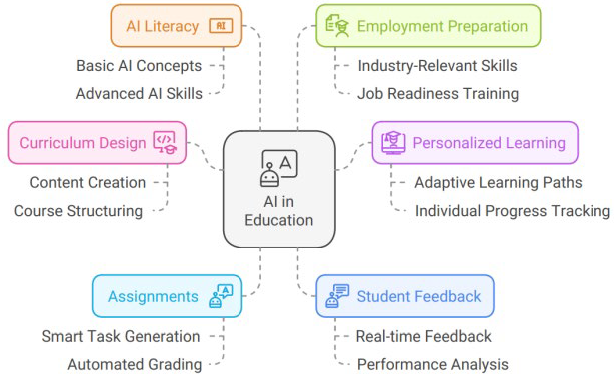
Figure 2.
PRISMA flow-chart.
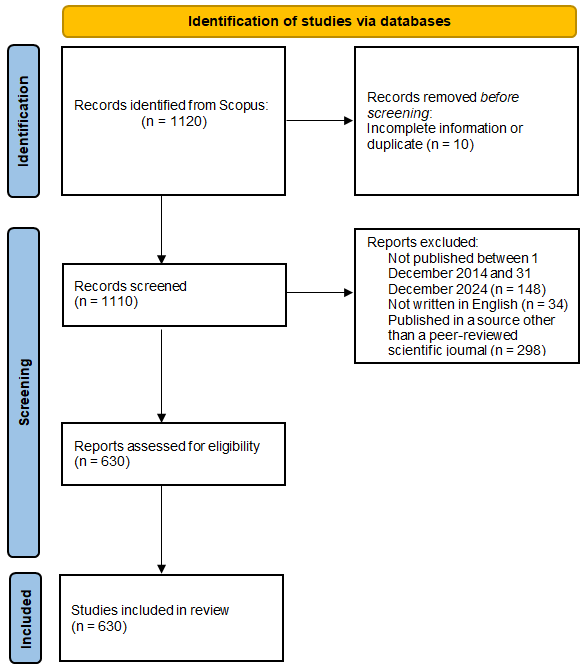
Figure 3.
Overview of the resulting database (2014-2024).
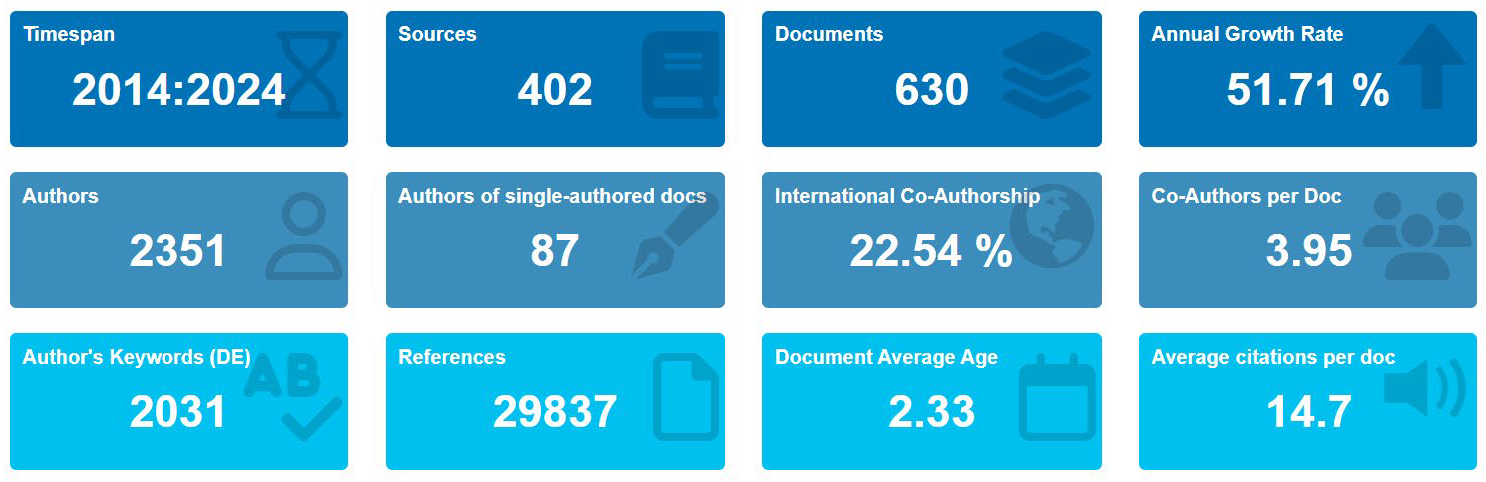
Figure 4.
Documents by year.
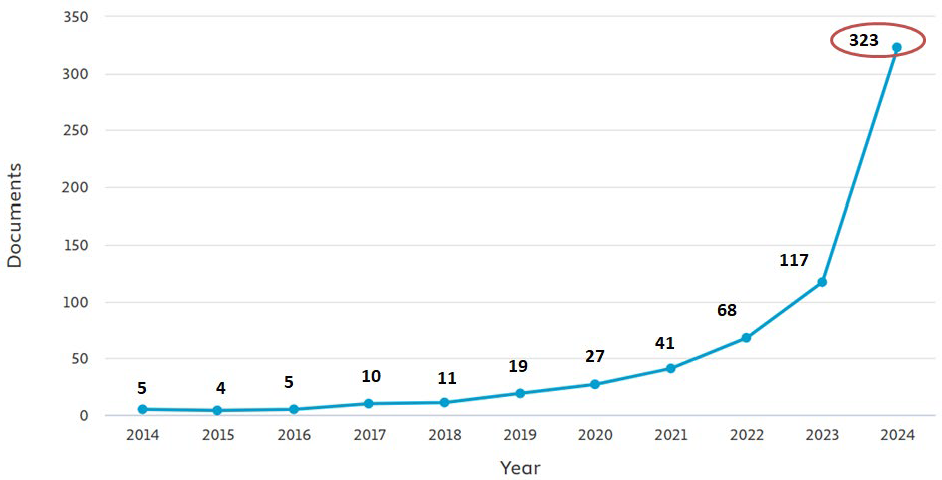
Figure 5.
Co-authorship network by country.
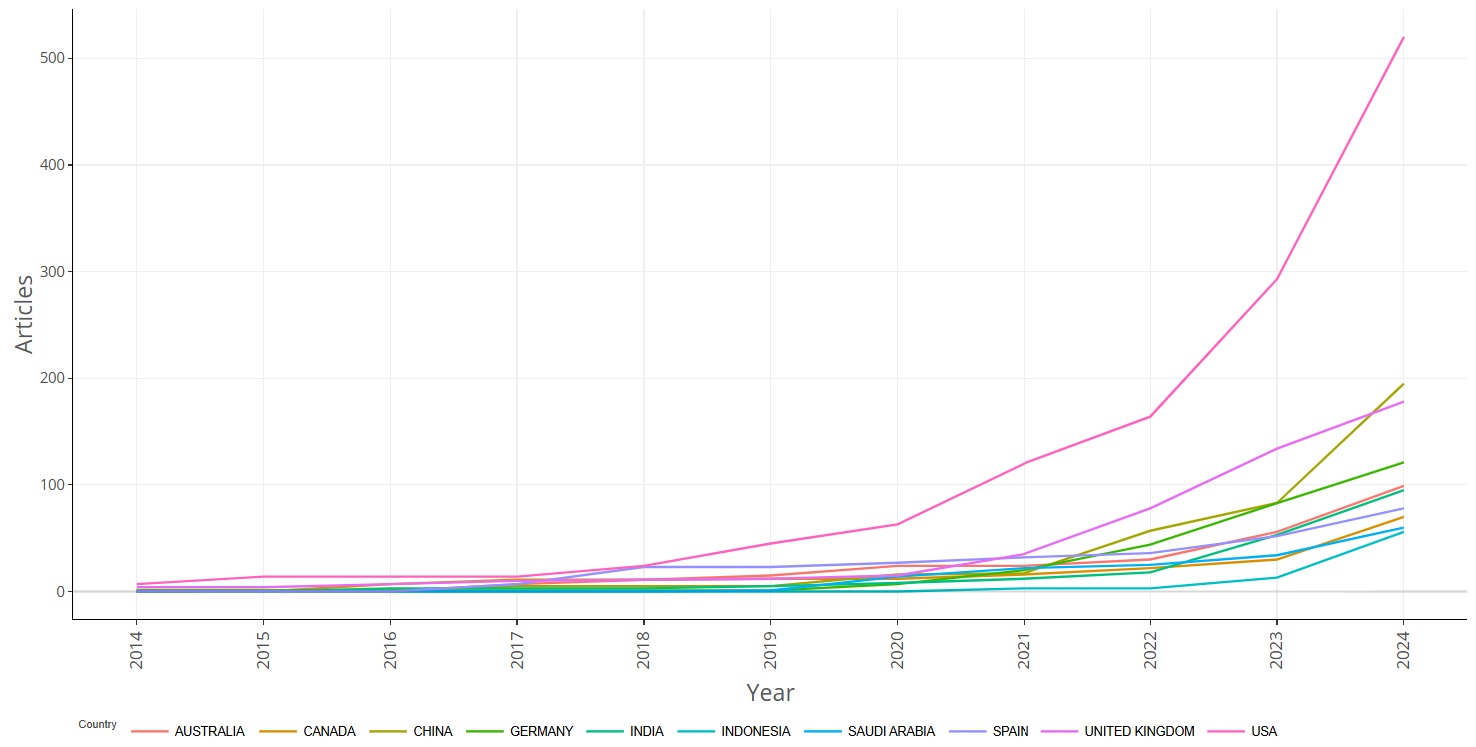
Figure 6.
Co-authorship network by country.
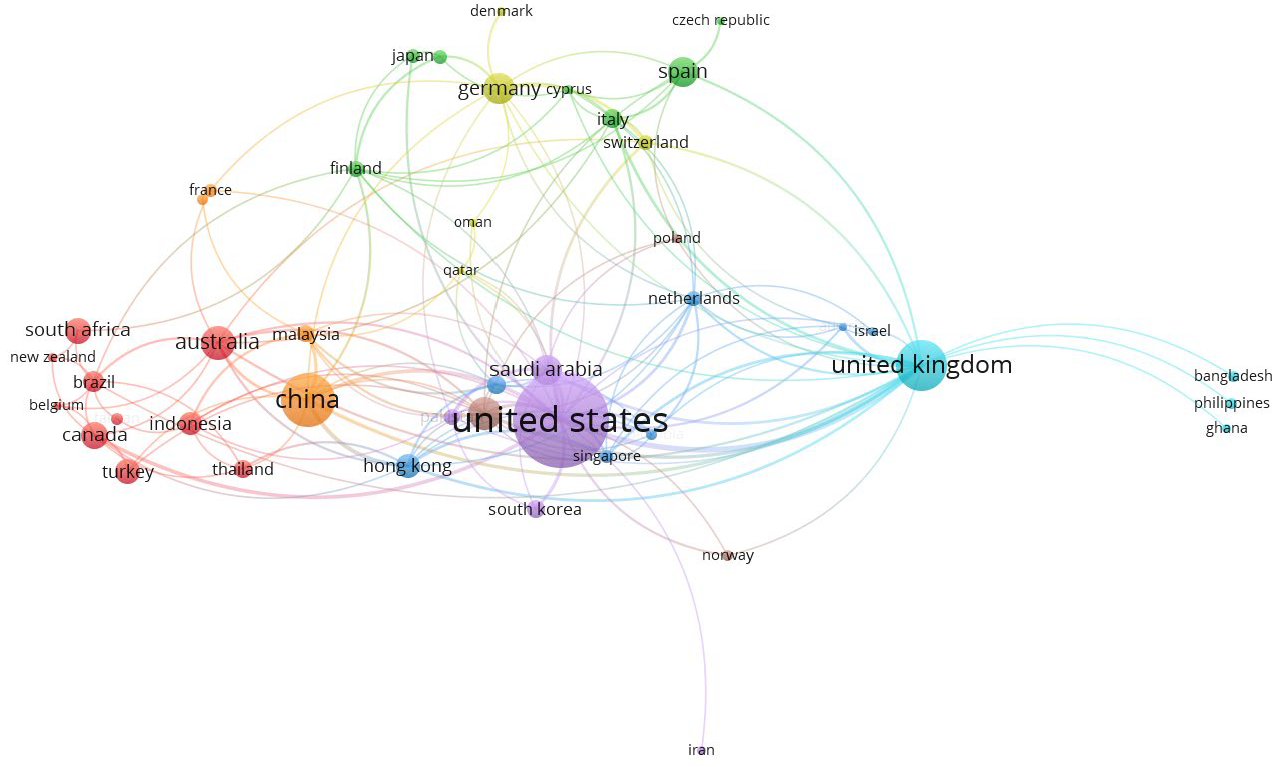
Figure 7.
Historical network of direct citations.
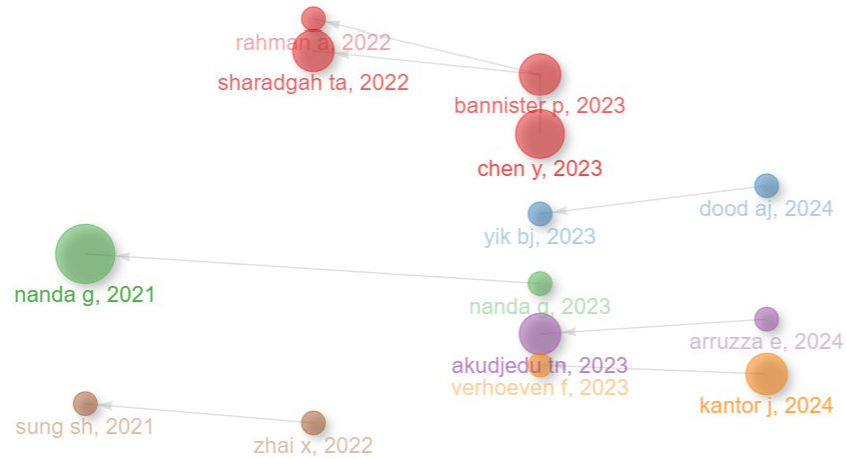
Figure 8.
Keyword co-occurrence network.
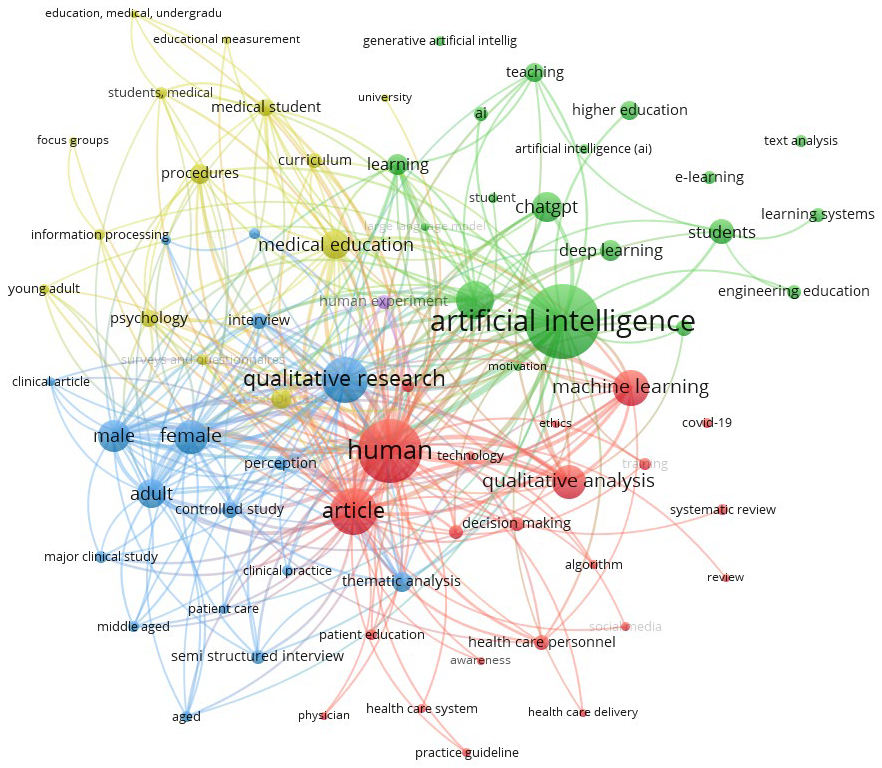
Figure 9.
Thematic map of AI in education using qualitative methods.
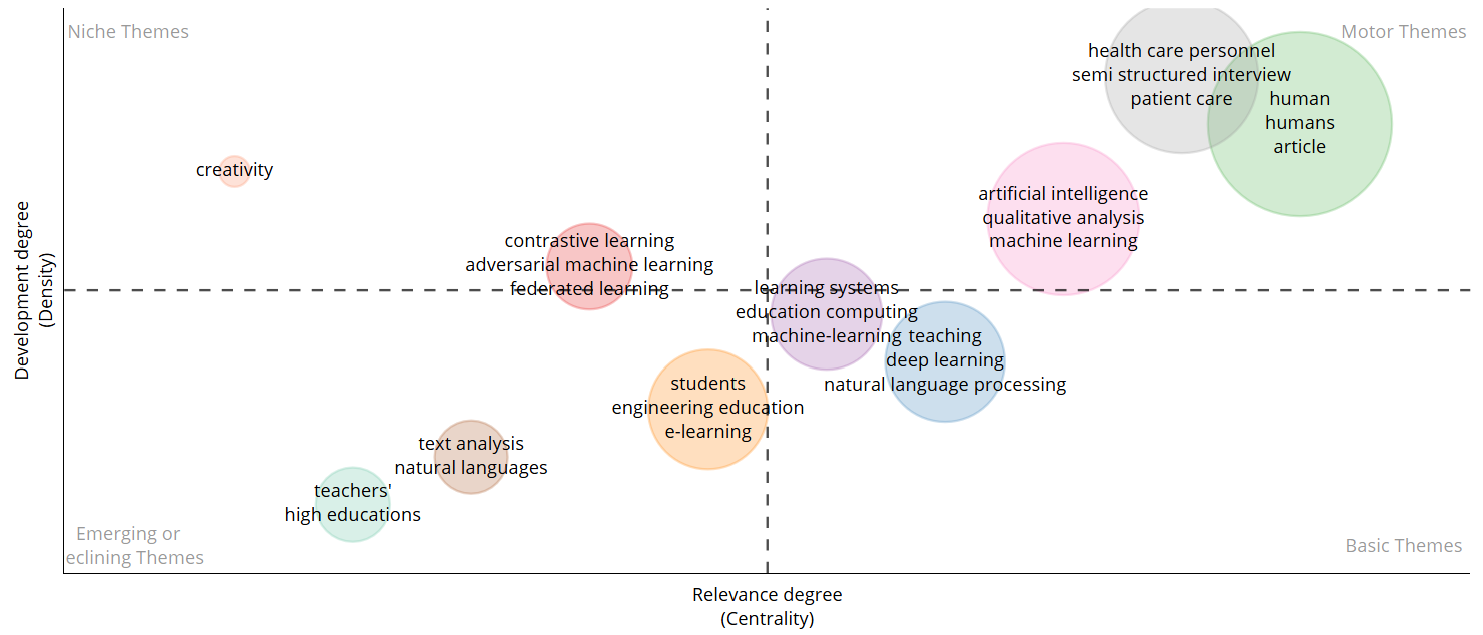
Table 1.
List of the 10 most productive authors in the field of AI in education using qualitative methods, emphasizing their contributions and influence based on the number of publications, h-index, and total citations (SP = Searched publications; TP = Total Publications; TC = Total Citations).
Table 1.
List of the 10 most productive authors in the field of AI in education using qualitative methods, emphasizing their contributions and influence based on the number of publications, h-index, and total citations (SP = Searched publications; TP = Total Publications; TC = Total Citations).
| Author | SP | TP | h-index | TC | Current affiliation | Country | |
|---|---|---|---|---|---|---|---|
| 1 | Magana, Alejandra J. | 4 | 214 | 26 | 2,161 | Purdue University | United States |
| 2 | Bannister, Peter | 3 | 7 | 7 | 36 | International University of La Rioja | Spain |
| 3 | Kantor, Jonathan | 3 | 167 | 23 | 2,833 | University of Oxford | United States |
| 4 | Nanda, Gaurav | 3 | 39 | 8 | 256 | Purdue University | United States |
| 5 | Abisado, Mideth B. | 2 | 100 | 9 | 268 | National University | Philippines |
| 6 | Zou, Di | 2 | 193 | 35 | 5,254 | Lingnan University | Hong Kong |
| 7 | Zheng, Lanqin | 2 | 78 | 20 | 1,213 | Beijing Normal University | China |
| 8 | Zhai, Xiaoming | 2 | 71 | 21 | 1,632 | University of Georgia | United States |
| 9 | Wulff, Peter | 2 | 18 | 12 | 255 | Pädagogische Hochschule Heidelberg | Germany |
| 10 | Williamson, Victoria | 2 | 79 | 21 | 1,896 | King’s College London | United Kingdom |
Table 2.
The top 12 highly productive journals on research on AI in education using qualitative methods in the years (2014–2024) (SP = Searched publications; CD = Citations to date 2024; BQ = Best SRJ 2023 Quartil).
Table 2.
The top 12 highly productive journals on research on AI in education using qualitative methods in the years (2014–2024) (SP = Searched publications; CD = Citations to date 2024; BQ = Best SRJ 2023 Quartil).
| Journal | SP | CD | CiteScore 2023 | SJR 2023 | BQ | Publisher | |
|---|---|---|---|---|---|---|---|
| 1 | PLOS one | 13 | 337.945 | 6.2 | 0.839 | Q1 | Public Library of Science |
| 2 | Computers and Education: Artificial Intelligence | 11 | 8.810 | 18.8 | 3.227 | Q1 | Elsevier |
| 3 | Journal of Medical Internet Research | 11 | 45.742 | 14.4 | 2.020 | Q1 | JMIR Publications Inc |
| 4 | Education and Information Technologies | 10 | 28.189 | 10 | 1.301 | Q1 | Springer Nature |
| 5 | BMC Medical Education | 9 | 17.254 | 4.9 | 0.935 | Q1 | Springer Nature |
| 6 | International Journal of Environmental Research and Public Health | 8 | 328.899 | 7.3 | 0.808 | Q2 | MDPI |
| 7 | Nurse Education in Practice | 7 | 5.352 | 5.4 | 0.869 | Q1 | Elsevier |
| 8 | Education Sciences | 6 | 23.307 | 4.8 | 0.669 | Q2 | MDPI |
| 9 | Frontiers in Education | 6 | 13.136 | 2.9 | 0.627 | Q2 | Frontiers Media S.A. |
| 10 | Frontiers in Psychology | 6 | 135.179 | 5.3 | 0.800 | Q2 | Frontiers Media S.A. |
| 11 | International Journal of Learning, Teaching and Educational Research | 6 | 2.564 | 2.1 | 0.287 | Q3 | Society for Research and Knowledge Management |
| 12 | International Journal of Learning, Teaching and Educational Research | 6 | 2.564 | 2.1 | 0.287 | Q3 | Society for Research and Knowledge Management |
Disclaimer/Publisher’s Note: The statements, opinions and data contained in all publications are solely those of the individual author(s) and contributor(s) and not of MDPI and/or the editor(s). MDPI and/or the editor(s) disclaim responsibility for any injury to people or property resulting from any ideas, methods, instructions or products referred to in the content. |
© 2025 by the author. Licensee MDPI, Basel, Switzerland. This article is an open access article distributed under the terms and conditions of the Creative Commons Attribution (CC BY) license (http://creativecommons.org/licenses/by/4.0/).
Copyright: This open access article is published under a Creative Commons CC BY 4.0 license, which permit the free download, distribution, and reuse, provided that the author and preprint are cited in any reuse.


