
Submitted:
16 April 2025
Posted:
18 April 2025
You are already at the latest version
Abstract
Social media plays a significant role in shaping fashion trends and influencing young adults' self-identity and physical comfort. This study investigates the impact of social media dressing standards on self-identity and examines whether adherence to these standards correlates with physical comfort. A quantitative survey methodology was employed, collecting responses from young adults aged 18-30 who are active social media users. Stratified random sampling ensured diverse representation across gender, socioeconomic status, and social media engagement levels.The results of a regression analysis indicate that social media dressing standards have a significant impact on self-identity (R² = 0.955, p < 0.001), suggesting that young adults who conform to social media-driven fashion trends experience shifts in self-perception. However, a Pearson correlation analysis found no statistically significant relationship between adherence to social media dressing standards and physical comfort (r = 0.061, p = 0.384), indicating that while individuals may prioritize style, their choices do not necessarily align with comfort.These findings highlight the complex interplay between social media, fashion choices, and personal identity, emphasizing the psychological impact of digital culture on self-perception. The study underscores the need for media literacy programs and mindful engagement with social media fashion trends to promote authentic self-expression and physical well-being. Future research should explore longitudinal effects and cross-cultural variations in the relationship between fashion, self-identity, and comfort.
Keywords:
Social media' dressing standards
; self-identity
; physical comfort
; fashion influence
; young adults
1. Introduction
1.1. Overview
Social media has emerged as a dominant force in modern society, influencing nearly every aspect of life, especially for young adults. Platforms like Instagram, TikTok, and Facebook have become virtual spaces where trends, lifestyles, and identities are shared, created, and consumed. For young adults, these platforms act as windows into broader societal norms, particularly regarding fashion and appearance. In a visually driven culture, the emphasis on aesthetics, body image, and clothing choices has deep implications for how individuals perceive themselves and present their identities to the world.
Dressing standards on social media are not simply about clothing; they are imbued with messages of status, belonging, and self-expression. This often creates tension between maintaining individuality and conforming to trends that are widely accepted or endorsed by influencers. As young adults navigate this digital landscape, their choices in fashion become intertwined with their sense of identity and physical comfort, raising questions about authenticity, pressure, and the mental and physical effects of adhering to social media-driven fashion standards.
1.2. Background of the Study
Historically, fashion has always been a reflection of cultural, social, and political climates. However, the advent of social media has rapidly accelerated the spread of trends, making fashion more immediate and accessible. Traditionally, fashion trends were dictated by designers, celebrities, and fashion houses. With the rise of social media, particularly platforms that prioritize visual content, influencers and everyday users now play a significant role in setting trends and defining dressing standards.
For young adults, this democratization of fashion means that they are exposed to a wide variety of styles, ranging from high-end fashion to fast fashion trends that cycle in and out of popularity at a rapid pace. These dressing standards, while offering diversity, often emphasize ideals that may not always align with comfort or practicality. The pressure to adopt certain styles to fit in or be perceived as fashionable can lead to challenges in balancing physical comfort with the desire for social approval and self-expression.
1.2.1. Self-Identity in the Digital Age
Self-identity, particularly during young adulthood, is shaped by a multitude of factors including prsonal experiences, social interactions, and cultural influences. In the digital age, social media plays an increasingly prominent role in this developmental process. Platforms like Instagram and TikTok allow users to curate their personal brand, showcasing aspects of their lives and identities that they wish to highlight. For young adults, this often involves the way they dress and present themselves visually to their peers.
The process of self-identification in this context becomes complex, as social media amplifies certain standards and norms related to body image and fashion. Young adults may feel pressure to conform to these standards in order to gain acceptance, likes, or validation from their online communities. The constant exposure to idealized images of beauty and fashion can lead to internal conflicts between who they are authentically and who they believe they need to be in order to be seen as attractive or trendy.
This external validation from social media can have profound effects on self-esteem and self-worth. Studies have shown that the more young adults engage with social media, the more likely they are to compare themselves to others, particularly in terms of appearance. This comparison often leads to dissatisfaction with one’s body or clothing choices, creating a cycle of self-doubt and anxiety that can be detrimental to one’s self-identity.
1.2.2. The Role of Influencers and Trendsetters
Influencers on social media have become the modern-day arbiters of fashion. With millions of followers, these individuals have the power to shape what is deemed fashionable and acceptable. Young adults, often impressionable and seeking guidance on how to fit into societal norms, look to these influencers for inspiration and direction. Influencers, through their curated posts and fashion choices, create an image of success and desirability that many young adults aspire to emulate.
The power of Influencers, however, comes with significant pressure. As influencers themselves are often under pressure to maintain their own image and relevance, they frequently promote trends that are not only aesthetic but also aspirational. The fashion choices that influencers display may not always prioritize comfort or practicality but are instead focused on creating a specific look or image that is deemed “cool” or “on-trend.” Young adults, eager to replicate this success, may adopt these standards, often at the expense of their own physical comfort or personal preferences.
1.2.3. Physical Comfort and the Reality of Fashion
While fashion trends often emphasize style and appearance, they can sometimes overlook the importance of physical comfort. High heels, tight clothing, or fabrics that are not breathable may look visually appealing but can lead to discomfort or even physical harm over time. For young adults, particularly those who are still developing their sense of style, the pressure to conform to these trends can create a disconnect between what they feel comfortable wearing and what they feel they need to wear to fit in or be perceived positively.
The focus on appearance-driven fashion can lead to young adults prioritizing aesthetics over their own comfort, sometimes resulting in physical pain or discomfort. This can manifest in wearing clothes that are too tight, shoes that cause pain, or materials that do not suit the weather or activity at hand. Over time, the repeated choice of style over comfort can have consequences for both physical and mental health, as individuals may struggle with body image, self-esteem, and even physical injuries or discomfort from inappropriate clothing.
1.2.4. The Intersection of Fashion, Identity, and Comfort
The relationship between fashion, self-identity, and physical comfort is a delicate balance for young adults. As they strive to navigate the complexities of social media standards, they often face the challenge of balancing their desire for self-expression with the need for physical and emotional well-being. The pressure to adopt certain fashion trends can lead to a disconnect between their internal sense of self and their external presentation.
For many young adults, fashion becomes a tool for self-expression, allowing them to explore different facets of their identity. However, when social media dictates what is fashionable, this exploration can be limited to what is trending, rather than what feels authentic or comfortable for the individual. This tension between expressing one’s true self and conforming to societal expectations can create a conflict that impacts both self-identity and physical comfort.
1.2.5. Cultural and Societal Impacts on Dressing Standards
Cultural and societal influences play a significant role in shaping dressing standards, particularly in the context of social media. What is considered fashionable or acceptable can vary greatly depending on cultural norms, values, and societal expectations. For young adults, these cultural influences can create additional layers of pressure to conform to certain ideals of beauty and fashion.
In some cultures, modesty and traditional dress are highly valued, while in others, more revealing or experimental fashion is celebrated. Social media, with its global reach, often promotes a singular vision of beauty and fashion that may not align with the cultural or personal values of every individual. Young adults who are exposed to these conflicting messages may struggle to reconcile their cultural identity with the fashion trends they see on social media.
This cultural clash can lead to feelings of alienation or confusion, as young adults navigate the intersection of their cultural background and the globalized fashion trends that dominate social media. The pressure to conform to Westernized ideals of beauty and fashion, in particular, can be challenging for those who come from more conservative or traditional backgrounds.
1.3. Theoretical Framework
The psychological impact of social media dressing standards on young adults is profound. The constant exposure to curated images of perfection can lead to feelings of inadequacy, anxiety, and depression. As young adults compare themselves to the idealized versions of others that they see on social media, they may begin to feel that their own appearance or fashion choices are not good enough.
This comparison culture can lead to a cycle of negative self-perception, where individuals constantly seek validation through likes, comments, and approval from their online peers. The pressure to conform to these standards can also lead to a sense of losing one’s authentic self, as young adults may prioritize fitting in over expressing their true identity.
Moreover, the emphasis on external appearance over internal qualities can lead to a superficial understanding of self-worth, where value is placed on how one looks rather than who one is. This can have long-term effects on self-esteem and mental health, as young adults continue to measure themselves against unrealistic and unattainable standards of beauty and fashion.
1.3.1. The Role of Body Image in Fashion Choices
Body image plays a critical role in how young adults engage with social media dressing standards. The fashion industry, both online and offline, often promotes certain body types as ideal, which can leave many young adults feeling excluded or inadequate. The pressure to have a slim, toned body in order to fit into certain clothing styles can lead to body dissatisfaction and unhealthy behaviors, such as extreme dieting or disordered eating.
Young adults who do not fit the “ideal” body type may struggle to find clothing that feels both fashionable and comfortable, leading to further feelings of exclusion or self-doubt. Social media, with its emphasis on visual perfection, often exacerbates these feelings, as young adults are bombarded with images of seemingly flawless bodies that may not be representative of reality.
This focus on body image can also impact physical comfort, as young adults may choose clothing that is not suited to their body type in an effort to appear more fashionable. Wearing clothes that are too tight, too loose, or otherwise ill-fitting can lead to physical discomfort and a negative relationship with one’s own body.
In summary, the impact of social media dressing standards on young adults’ self-identity and physical comfort is significant and multifaceted. As young adults navigate the digital landscape, they are constantly bombarded with messages about what is fashionable, acceptable, and desirable. These messages, often promoted by influencers and trendsetters, can create pressure to conform to ideals that may not align with an individual’s authentic self or physical comfort.
1.4. Need for the Study:
Fashion trends and Curated identity: Social media frequently depicts idealized body images and fashion trends, which might impact how young adults see themselves. Exposure to curated and edited photos might encourage comparisons and have an impact on self-esteem, body image, and overall self-identity. Instagram, TikTok, and Pinterest have become popular sources of fashion inspiration for young adults. Influencers and celebrities set fashion standards that are frequently emulated. Understanding the scope and nature of this influence is critical to determining its broader ramifications.
Impact on Self-Identity Formation: A crucial time for identity formation is early adulthood. Social media’s presentation of idealized beauty and fashion standards has the power to influence how people view themselves and their identities, which may result in problems like low self-esteem and body dissatisfaction. Researching this connection can help develop self-identity-promoting tactics.
Addressing Psychological well-being: Anxiety, sadness, and other mental health conditions can be exacerbated by the pressure to live up to social media norms. Comprehending this influence can aid in creating therapies that promote young adults’ positive self-identity and mental well-being. Consequently, this will support the growth of a happy mindset and a state of good health.
Cultural and Social Implications: Trends on social media frequently mirror larger cultural and societal standards, which can support stereotypes and have an impact on inclusivity and diversity in the fashion industry. Examining these patterns can aid in advancing an accepting and inclusive society. People may wear clothes that is hazardous or physically unpleasant as a result of trends that don’t always put comfort first on social media. Researching this topic might emphasize how crucial it is to strike a balance between style and health.
Informing Fashion Industry Practices: The fashion industry may promote more comfortable and inclusive clothing options by using the insights gained from this study. As a result, more ethical marketing and product design may result from helping firms realize how important it is to strike a balance between comfort and self-identity and current trends.
1.5. Statement of the Problem:
Young adults are under more pressure to adhere to changing, frequently unachievable, clothing standards because of the social media-driven fashion fads that are spreading quickly. This study seeks to address the impact of self- identity and physical comfort and the interrelation between them.
1.6. Aims and Objectives of the Study:
1.6.1. Aims
To Evaluate the Impact of Social Media Dress Codes on Personal Identity and To Assess the Effect of Dress Codes on Physical Comfort on Social Media
1.6.2. Objectives of the Study
Analyze the effects that social media fashion trends and exposure have on young adults’ perceptions of their bodies, self-esteem, and self-perception. Find any connections between shifts in self-identity and conformity to social media-driven fashion standards.
To Assess the Effect of Dress Codes on Physical Comfort on Social Media: Examine how young individuals’ perceptions of their physical comfort level in relation to their clothing choices are impacted by social media-influenced standards of dressing. Examine the connection between wearing clothes that are in style on social media and complaints of physical discomfort or unhappiness with apparel.
Investigating the Connection Between Self-Identity and Comfort Level: Examine the effects on the relationship between self-identity and physical comfort of chasing social media fashion trends, which may put looks above comfort. Examine whether the discomfort of dressing according to social media norms impacts the self-identity and general wellbeing of young adults.
1.7. Hypotheses:
H1:Social media dressing standards have a significant impact on young adults’ self identity.
H2: There is a correlation between adherence to social media dressing standards and physical comfort.
1.8. Significance of the Study
Comprehending Self-Identity Formation: Young adults’ perceptions of themselves and their identities are greatly influenced by social media. Researchers can gain a better understanding of the expectations and pressures that form young people’s self-concept by looking at how social media dressing norms affect self-identity. Interventions and support systems that assist people in forming a more positive and genuine sense of self can be informed by this understanding.
Physical Comfort and Well-Being: How comfortable people feel in their wardrobe selections can be influenced by the standards established by social media influencers and trends. Examining this connection can bring to light concerns about physical comfort, which is critical for general health. This may provide light on the ways that current fashion trends may impact one’s physical and mental well-being, helping one make better dressing selections that put comfort and wellbeing first.
Effect on Mental Health: Feeling pressured to meet social media norms can result in tension, nervousness, and self-consciousness about one’s looks. Through examining these effects, the research can enhance comprehension of how social media affects mental health, particularly in young adults who are still forming their coping strategies and self-concept.
Trends in Fashion and Self-Expression: The study can also provide insight into more general trends in fashion and self-expression in society. By investigating the ways in which social media shapes these patterns, scholars can add to the conversation about societal expectations as well as how fashion and identity are changing in the digital era.
1.9. Definition of Key Terms
Social Media Dressing Standards: Social media dressing standards refer to the prevailing fashion norms and trends that gain popularity through visual platforms such as Instagram, TikTok, and Pinterest. These standards are heavily shaped by influencers, celebrities, and peers, and often promote curated ideals of beauty, style, and status. They serve as informal guidelines that influence how individuals, particularly young adults, choose to dress in order to align with socially accepted aesthetics and gain validation in digital spaces.
Self-Identity: Self-identity is a multi-dimensional construct that encompasses an individual’s perception of who they are, shaped by personal experiences, values, beliefs, and social interactions. In the context of digital media, self-identity is influenced by curated representations of the self through social media content, where visual appearance—particularly through fashion—becomes a means of expressing or constructing identity.
Physical Comfort: Physical comfort in fashion refers to the subjective experience of ease, satisfaction, and functionality when wearing clothing. It involves considerations such as fabric texture, garment fit, breathability, and overall suitability for bodily movement or temperature. Despite the prominence of style on social media, physical comfort is often compromised when individuals prioritize appearance-driven trends over practical clothing choices.
Fashion Influence: Fashion influence is the process by which individuals’ clothing preferences and style choices are shaped by external sources, particularly media and public figures. On social media, this influence operates through visual exposure, peer interaction, and engagement with trendsetters, leading to the adoption of fashion behaviors that may reflect group norms or aspirational identities.
Body Image: Body image refers to an individual’s subjective evaluation of their physical appearance. It includes perceptions, emotions, and attitudes toward one’s own body. Social media frequently exposes users to idealized and often unrealistic body standards, which can influence body image satisfaction or dissatisfaction, especially when fashion trends emphasize particular body types.
Social Comparison: Social comparison is a psychological process through which individuals evaluate their own traits and behaviors by comparing themselves to others. In social media contexts, this often occurs with appearance-related content, where individuals assess their attractiveness or fashion sense against the curated images of peers or influencers, potentially affecting self-esteem and identity formation.
Influencers: Influencers are individuals with significant online followings who possess the ability to shape public opinion and consumer behavior. Within fashion discourse, they act as digital trendsetters, promoting clothing styles that often set the tone for mainstream fashion norms. Their curated presentations of lifestyle and appearance play a pivotal role in dictating what is considered fashionable and desirable.
2. Review of Related Literature
2.1. Overview
The reviewed literature provides a comprehensive exploration of how social media, particularly visual-centric platforms, influences body image, self-perception, and eating behaviors in young women. Social comparison theory plays a central role across many of these studies, suggesting that individuals, especially young women, tend to compare their own lives and appearances to the idealized portrayals they see on social media. This comparison often leads to negative outcomes, such as body dissatisfaction, self-objectification, and disordered eating behaviors.
Key studies, such as those by Tiggemann and Slater (2014) and Perloff (2014), emphasize the negative impact of social media on body image, with platforms like Facebook, Instagram, and Snapchat providing constant exposure to idealized images. These images, often curated by influencers or peers, fuel the social comparison process, amplifying body dissatisfaction. Chae (2017) extends this idea by focusing on envy toward social media influencers, demonstrating how their highly curated content contributes to unrealistic beauty standards that negatively affect followers’ self-esteem. In this context, Veldhuis, Konijn, and Seidell (2014) add an important perspective by emphasizing the role of peer norms and media exposure in shaping adolescent girls’ perceptions of weight and body image on social network sites.
Other studies, such as Cohen, Newton-John, and Slater (2017), investigate specific behaviors related to social media use, such as the act of posting selfies, which can reinforce self-objectification and lead to disordered eating patterns. Vartanian and Dey (2013) also highlight the impact of appearance-related commentary, demonstrating how both positive and negative feedback on one’s appearance can significantly influence body dissatisfaction and behaviors related to eating and dieting.
Collectively, these studies underscore the power of social media in shaping body image and self-perception among young women. They point to the need for media literacy programs to mitigate the harmful effects of social comparison and encourage more authentic representations on social media platforms.
2.2. Empirical Review
In Chae’s (2017) study, ‘Explaining Females’ Envy Toward Social Media Influencers’. The author investigates the psychological reasons behind why young women often feel envy toward influencers on social media. The research highlights how influencers present curated, idealized versions of their lives, focusing on beauty, wealth, and success, which prompts followers to compare themselves unfavorably. The theory of social comparison plays a central role in explaining these feelings of envy, as young women are particularly susceptible to comparing their own appearance and lifestyles to the seemingly flawless images portrayed online. This often leads to dissatisfaction with one’s own body, material possessions, and life circumstances.The study further suggests that social media influencers, by presenting only positive and curated content, contribute to unrealistic beauty and lifestyle standards that negatively affect the self-esteem of their followers. Chae also points out that while envy can have detrimental emotional consequences, it can sometimes motivate individuals to improve themselves or mimic aspects of influencers’ lives. The findings underline the importance of media literacy programs to help women critically analyze social media content and reduce negative comparisons. Additionally, the research calls for more authenticity from influencers to mitigate the harmful effects of unrealistic portrayals on young women’s self-perception and emotional well-being.
A study, published in the International Journal of Eating Disorders, examined how different online activities, especially those involving social media, contribute to body dissatisfaction. Tiggemann, M., & Slater, A. (2014). NetGirls: The Internet, Facebook, and body image concern in adolescent girls. Tiggemann and Slate investigated the relationship between internet use, particularly Facebook, and body image concerns in adolescent girls. They found that greater exposure to social media, particularly through Facebook, was associated with heightened body image concerns. The study highlighted how social comparisons and the emphasis on appearance in online environments can negatively impact self-perception in adolescent girls.Their findings underscore the potential role of social media in fostering body dissatisfaction and its relevance for eating disorder risks.
A Research paper highlighted how social media platforms amplify body image issues through constant exposure to idealized body types, social comparisons, and feedback on appearance. Perloff, R. M. (2014). Social Media Effects on Young Women’s Body Image Concerns: Theoretical Perspectives and an Agenda for Research. It explores the impact of social media on young women’s body image concerns, offering theoretical perspectives and setting a research agenda on this topic. Published in Sex Roles, Perloff integrates theories such as objectification, social comparison, and cultivation theory to explain these effects, emphasizing that young women are particularly vulnerable due to the visual and interactive nature of social media. The article calls for further research to understand the long-term consequences and to develop interventions that mitigate these negative impacts on body image.
Self-presentation and gender on MySpace examined self-presentation and gender differences , focusing on how adolescents and young adults navigate identity construction in online spaces. Manago, A. M., Graham, M. B., Greenfield, P. M., & Salimkhan, G. (2008). Published in the Journal of Applied Developmental Psychology, the study found that users, particularly females, tended to present themselves in ways that conformed to traditional gender norms, with an emphasis on physical attractiveness and appearance. The study highlighted how social networking sites like MySpace provide a platform for self-expression, yet also reinforce societal expectations around gender. Their findings suggest that online platforms can influence users’ self-concept by encouraging them to align with culturally constructed gender roles.
An Article investigated the relationship between media exposure, sexual objectification, and the internalization of beauty ideals among girls in their article published in the Journal of Communication. Vandenbosch, L., & Eggermont, S. (2012). Understanding sexual objectification: A comprehensive approach toward media exposure and girls’ internalization of beauty ideals, self-objectification, and body surveillance. The study employs a comprehensive approach to understand how media portrayals contribute to self-objectification and body surveillance in young women. They found that consistent exposure to sexualized media content correlates with girls internalizing narrow beauty standards, leading to increased self-objectification and heightened body surveillance behaviors. The authors argue that this cycle perpetuates negative body image and emphasizes the need for critical media literacy to help mitigate these harmful effects on young women’s self-perception and identity.
Hogue, explored how active engagement with peers on social media influences body image in young women in their study published in Body Image. Hogue, J. V., & Mills, J. S. (2019). The effects of active social media engagement with peers on body image in young women. It explored how active engagement with peers on social media influences body image in young women in their study published in Body Image. They found that interactions such as liking, commenting, and sharing content significantly affect body image perceptions, suggesting that positive engagement can lead to improved body satisfaction while negative interactions may exacerbate body dissatisfaction. The study highlights the importance of the nature of social media interactions, indicating that supportive and positive peer feedback can mitigate the detrimental effects often associated with social media use, while critical or negative comments can have the opposite effect. Their findings underscore the nuanced role of social media in shaping body image among young women.
This study identifies individual susceptibility factors, such as low self-esteem and high social comparison tendencies, that make users more vulnerable to negative comparisons on the platform. De Vries, D. A., & Kühne, R. (2015). Facebook and self-perception: Individual susceptibility to negative social comparison on Facebook. It investigates how Facebook use influences self-perception through negative social comparison in their article published in personality and individual Differences. They found that these factors can lead to decreased self-esteem and increased body dissatisfaction, illustrating how social media environments may exacerbate feelings of inadequacy. The authors emphasize the importance of understanding individual differences in susceptibility to social comparison in order to address the psychological impacts of social media use.
A study investigates how exposure to thin-ideal media, such as television and magazines, affects body image and self-esteem. Bell, B. T., & Dittmar, H. (2011). Does Media Type Matter? The Role of Identification in Adolescent Girls’ Media Consumption and the Impact of Different Thin-Ideal Media on Body Image. It explored the impact of different types of media on body image among adolescent girls, focusing on the role of identification with media characters in their article published in Sex Roles. They found that girls who strongly identified with thin-ideal characters experienced greater body dissatisfaction and were more likely to internalize beauty ideals. The research highlights the importance of media type and the mechanisms of identification, suggesting that the nature of media consumption significantly influences adolescents’ body image perceptions and reinforces societal standards of attractiveness.
Henderson examines the influence of social media influencers on fashion trends in her article published in the Journal of Fashion Marketing and Management. Henderson, K. (2015). The Role of Social Media Influencers in Shaping Fashion Trends. The study highlights how these influencers shape consumer perceptions and behaviors through their curated content and personal branding, effectively acting as key opinion leaders in the fashion industry. Henderson identifies the mechanisms through which influencers impact followers’ fashion choices, including authenticity, relatability, and engagement. The research underscores the power of social media in driving trends, suggesting that influencers not only reflect current styles but also actively contribute to the creation and dissemination of new fashion norms, thereby transforming traditional marketing dynamics in the fashion world. w
The paper by Veldhuis, Konijn, and Seidell (2014) explores how weight-related information on social network sites (SNS) affects adolescent girls’ weight perceptions, with a particular focus on the roles of media exposure and peer norms. Veldhuis, J., Konijn, E. A., & Seidell, J. C. (2014). Weight information on social network sites: The role of media exposure and peer norms in adolescent girls’ weight perceptions. Cyberpsychology, Behavior, and Social Networking. The paper by Veldhuis, Konijn, and Seidell (2014) explores how weight-related information on social network sites (SNS) affects adolescent girls’ weight perceptions, with a particular focus on the roles of media exposure and peer norms. This study sheds light on a significant aspect of modern adolescent behavior and self-image, particularly in the context of social media.
Media exposure has long been recognized as a powerful influencer of adolescent body image, especially through the portrayal of idealized body types. Research by Levine and Murnen (2009) and Grabe et al. (2008) has highlighted that media, including television, magazines, and increasingly social media platforms, often present unrealistic beauty ideals that adolescents internalize. The authors of the study, Veldhuis et al. (2014), build upon this body of work, suggesting that social media amplifies these effects, as it allows adolescents to continuously view and compare themselves to both celebrities and peers who may present an unrealistic standard of beauty.
A paper investigated the relationship between appearance-related commentary, body dissatisfaction, and dietary restraint among college women, with a particular focus on how appearance semanticity moderates these relationships. Vartanian, L. R., & Dey, S. (2013). Appearance-related commentary, body dissatisfaction, and dietary restraint in college women: The moderating role of appearance semanticity. Body Image, 10(4), 451-456. This study is a contribution to the growing body of literature examining the role of external factors, such as peer commentary, in shaping body image and health-related behaviors. The impact of appearance-related commentary on body dissatisfaction has been well-documented in the literature. Appearance-related comments, whether positive or negative, can significantly influence individuals’ body image, particularly among those who are highly invested in their physical appearance.
According to Levine and Murnen (2009), receiving feedback on one’s appearance can lead to heightened body dissatisfaction, especially when the feedback is negative or when individuals internalize societal beauty standards. Vartanian and Dey (2013) extend this idea by focusing on how commentary impacts body dissatisfaction among college women, a demographic particularly vulnerable to body image concerns. Their study provides additional evidence that appearance-related comments, particularly negative ones, contribute to the development of body dissatisfaction, aligning with previous findings by Tiggemann and Slater (2014), which emphasized the significant influence of external judgments on self-perception.
A paper explored the relationship between selfies, self-objectification, and disordered eating in young women. Cohen, R., Newton-John, T., & Slater, A. (2017). “Selfie”-objectification: The role of selfies in self-objectification and disordered eating in young women. Computers in Human Behavior, 79, 68-74. DOI: 10.1016/j.chb.2017.10.027. The study aims to understand how the act of taking and sharing selfies can contribute to self-objectification, which, in turn, influences body image concerns and eating behaviors. This research adds to the growing body of literature that links social media behavior to psychological outcomes, particularly regarding body image and eating disorders. Cohen et al. (2017) build on this theory by linking self-objectification to selfie culture. They argue that selfies, which often highlight physical appearance and are shared for social validation, reinforce objectification by prompting individuals to focus on their looks, potentially exacerbating body dissatisfaction. This is consistent with previous research by Tiggemann and Slater (2013), who found that self-objectification, induced by social media exposure, is linked to body dissatisfaction and harmful weight control behaviors. The work of Cohen et al. (2017) provides further evidence that selfies contribute to the cycle of self-objectification, as the act of taking and sharing selfies often involves the scrutiny of one’s physical appearance, potentially leading to increased dissatisfaction with one’s body image.
2.3. Synthesis of Literature
The reviewed literature collectively underscores the pervasive influence of social media on young adults’ body image, self-perception, and fashion choices. A recurring theme across studies is the role of social comparison theory, where individuals, particularly young women, evaluate their appearance against idealized images presented by influencers and peers online (Tiggemann & Slater, 2014; Chae, 2017). Platforms such as Instagram and TikTok foster environments where curated content emphasizing beauty, body ideals, and stylish dressing standards shapes how users construct and evaluate their self-identity.
Researchers like Perloff (2014) and Cohen et al. (2017) have established that this exposure often leads to self-objectification and dissatisfaction with one’s appearance, further contributing to unhealthy behaviors like disordered eating and negative body image. Influencers, as highlighted by Henderson (2015), serve as contemporary trendsetters, reinforcing fashion norms that prioritize aesthetics over comfort. Meanwhile, Veldhuis et al. (2014) and Vartanian & Dey (2013) note that both peer norms and appearance-related feedback significantly affect users’ perceptions of their bodies.
While some studies point to potential empowerment through self-expression (Manago et al., 2008), the overarching consensus is that social media platforms amplify beauty ideals and foster environments of constant evaluation, leading to identity conflicts and decreased physical comfort due to adherence to trend-driven fashion. These findings highlight the dualistic nature of social media—as a space for identity exploration and a source of pressure to conform to unrealistic norms.
2.4. Research Gap
While the reviewed literature offers valuable insights into the relationship between social media use and body image concerns, there are several key areas where further research is needed:
Longitudinal Studies on Social Media Impact: Much of the existing research focuses on short-term effects or correlational data. Longitudinal studies could provide deeper insights into the long-term consequences of social media use on body image and eating behaviors over time. This could help to identify whether the effects are persistent or if they change as individuals age or reduce their social media usage.
Role of Different Social Media Platforms: The studies reviewed primarily focus on Facebook, Instagram, and general social media engagement. However, newer platforms like TikTok and Snapchat, which are particularly popular among younger audiences, have different engagement dynamics. Research exploring how these platforms influence body image, self-objectification, and eating behaviors is needed to understand platform-specific effects.
Intersectionality in Body Image Concerns: The majority of the studies reviewed focus on young women from Western contexts. Research examining the intersectionality of race, ethnicity, socioeconomic status, and other identity factors in relation to social media’s impact on body image is needed. Understanding how these factors might influence the way different groups experience body dissatisfaction and self-objectification in the context of social media can help create more inclusive interventions.
Authenticity and the Role of Influencers: Although studies like Chae (2017) and Henderson (2015) touch on the role of influencers, more research is needed on how influencers’ authenticity—or lack thereof—shapes followers’ self-perception. While influencers are often seen as role models, the impact of “real” vs. curated content on body image remains underexplored. Understanding how influencers can mitigate negative effects by promoting authenticity or engaging in body-positive messaging is a promising area for future research.
Psychological Mechanisms Beyond Social Comparison: While social comparison is a key mechanism in many of these studies, other psychological mechanisms, such as self-esteem, identity development, and emotional regulation, could also play a significant role in how social media affects body image. Research that looks at these broader psychological factors could provide a more nuanced understanding of how social media influences young women’s body image and eating behaviors.
Impact of Peer vs. Influencer Comparison: While studies such as Veldhuis et al. (2014) examine the role of peer norms in shaping body image, more research is needed to understand the differential impact of comparing oneself to peers versus influencers. Influencers often have a larger following and may present more polished, aspirational content, whereas peer comparisons might involve more relatable, albeit still idealized, representations. Examining these dynamics in greater detail could offer insights into how different types of comparison affect body image.
3. Method
3.1. Overview
This study employs a quantitative research approach to examine the relationship between social media dressing standards, self-identity, and physical comfort among young adults. Data were collected through structured online surveys using validated scales. The study focuses on analyzing how fashion norms on platforms like Instagram and TikTok impact self-perception and bodily comfort. Young adults are under more pressure to adhere to changing, frequently unachievable, clothing standards because of the social media-driven fashion fads that are spreading quickly. This study seeks to address the impact of self- identity and physical comfort and the interrelation between them.
3.2. Research Design
A correlational research design was adopted to determine the nature and strength of relationships between the independent variable (social media dressing standards) and the dependent variables (self-identity and physical comfort). Regression analysis was also used to assess the impact of these standards on identity formation. To quantify the relationship between social media dressing standards and their impact on self-identity and physical comfort. Correlational and regression analysis using survey model methods and health assessments to collect data through survey and questionnaires.
3.3 Participants
The target population comprised young adults aged 18–30 who are active users of social media. A non-probability sampling method called snowball sampling method was used to ensure representation across different demographics such as gender, socioeconomic status, and social media engagement levels. Participants were recruited through digital channels, including university forums and social platforms. This age range is selected because young adults are typically more engaged with social media and its associated fashion trends.
3.4. Sample
A total of 252 participants completed the study. Target population- Young adults aged 18-30 who are active users of social media platforms. Technique was non-probability sampling method called snowball sampling method that will be used to represent different subgroups within the target population, such as age, gender, and socioeconomic status. Eg: Man and women from universities, working professionals and social media users, etc. Items to Include in the Survey: Provide questions that gauge respondents’ comfort levels in general (e.g., “How comfortable do you find the clothing you wear regularly?”), as well as in relation to particular areas of comfort (e.g., “Rate your comfort level with the fit of your clothes”). Comfort Index: Create a composite score by combining answers to inquiries concerning various facets of physical comfort. Indicators were; Fit: A person’s self-reported level of satisfaction with the way clothing fits, Fabric Sensitivity: Answers to questions concerning the type and texture of fabric that relate to comfort, Overall Wearability: The general level of comfort associated with regularly used apparel.
3.5. Measures/Instrumentations
To ensure validity and reliability, standardized and previously validated instruments were used:
-
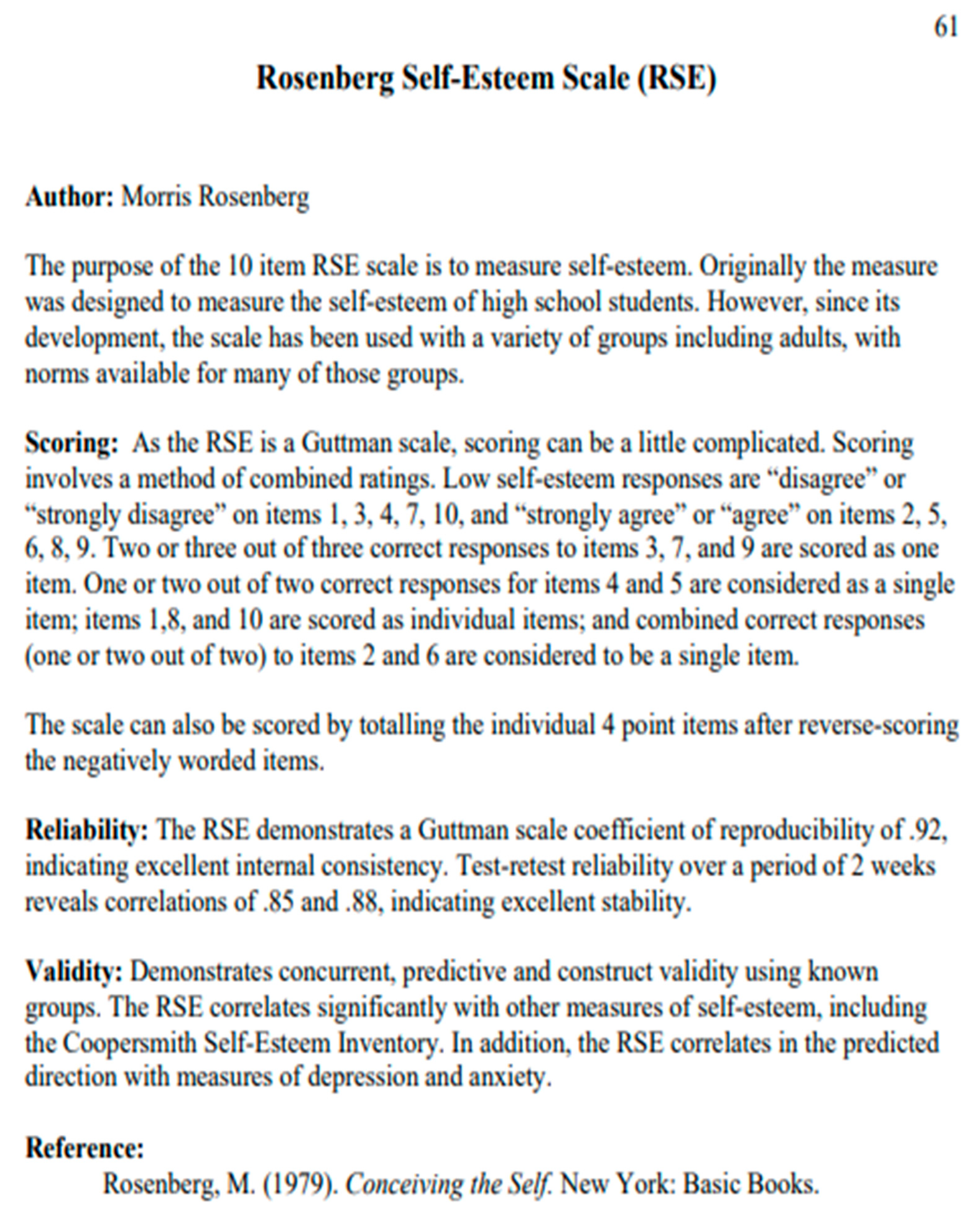
Rosenberg Self-Esteem Scale: Developed by Morris Rosenberg (1965), this 10-item scale assesses global self-worth by measuring both positive and negative feelings about the self. Responses are recorded on a Likert scale, typically ranging from “strongly agree” to “strongly disagree.” Since self-esteem is a central aspect of self-identity, especially during young adulthood, this scale helps quantify how much an individual’s sense of worth is influenced by external factors such as appearance and fashion norms driven by social media. Participants’ self-esteem levels can reflect how much social validation (e.g., likes, comments) affects their personal identity construction.Measures self-esteem as part of self-identity.Reliability: High internal consistency (Cronbach’s alpha > 0.80)Validity: Widely validated across diverse populations
-
Self-Concept Clarity Scale (Campbell et al., 1996): This 12-item scale measures the degree to which an individual’s beliefs about themselves are clearly and confidently defined, internally consistent, and stable over time. Respondents rate their agreement on a Likert-type scale. Social media often disrupts one’s consistent sense of self by presenting conflicting fashion ideals and identity cues. The SCCS is especially useful for assessing whether exposure to social media dressing norms causes internal confusion or instability in self-identity.Measures clarity and consistency in self-conceptReliability: Cronbach’s alpha ~0.86Validity: Strong construct validity with self-esteem and identity measures
-
Body Image Satisfaction Scale: This scale evaluates the respondent’s satisfaction with various aspects of their body and appearance, such as weight, shape, and general looks. It typically includes both global and body-part-specific items. Body image is a crucial intermediary between social media dressing standards and self-perception. Dissatisfaction with body image often drives individuals to conform to idealized fashion norms, even at the cost of physical comfort. This scale captures how participants feel about their bodies in light of those trends.Measures satisfaction with physical appearanceReliability: Cronbach’s alpha above 0.80Validity: Correlated well with body dysmorphia and media influence scales
-
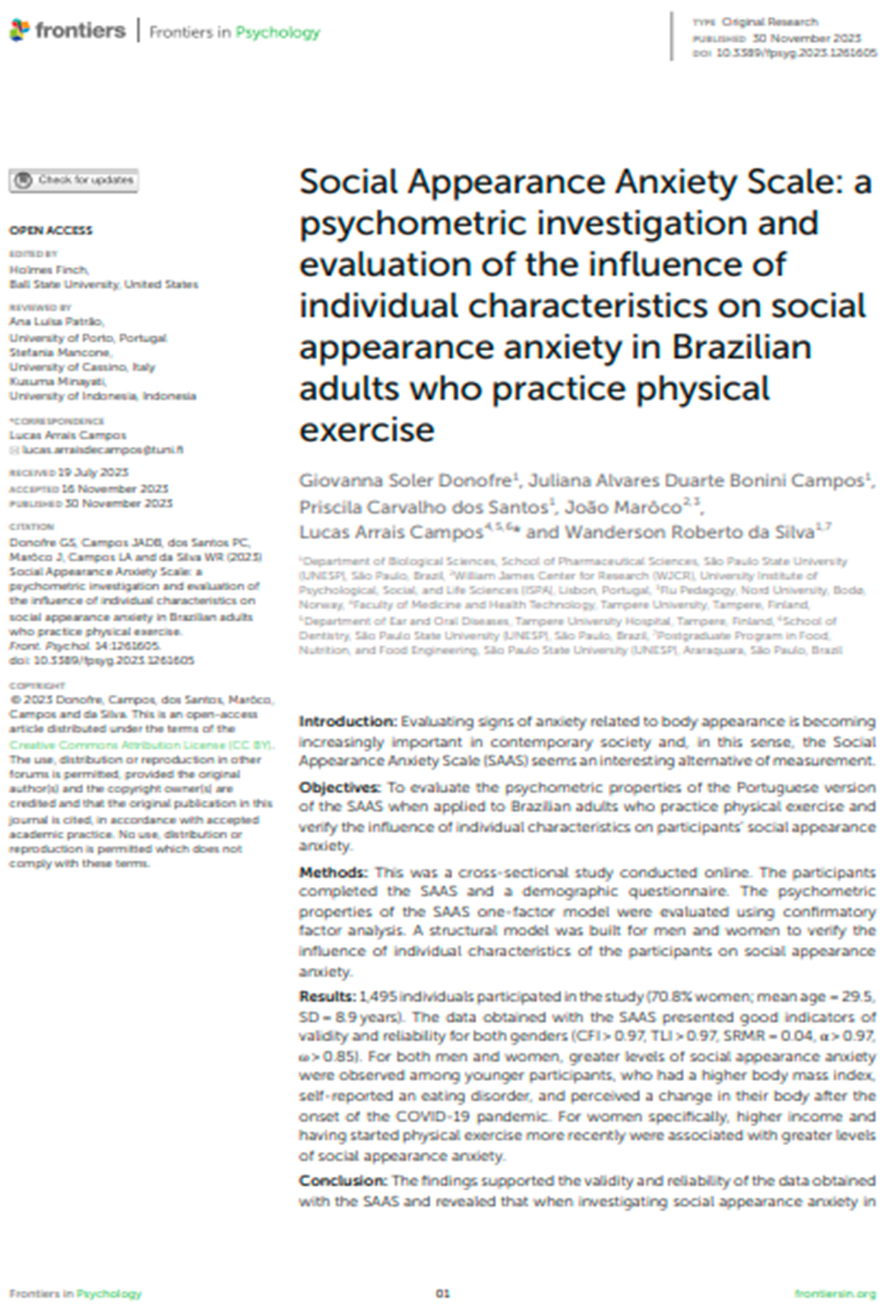
Social Appearance Anxiety Scale (SAAS): The SAAS is a 16-item instrument that measures the anxiety individuals experience in situations where they fear negative evaluation of their physical appearance by others. This scale reflects the discomfort and stress young adults may feel when dressing in accordance with social media trends that emphasize physical attractiveness. It directly relates to the study’s goal of understanding how fashion driven by social media impacts physical comfort and psychological stress.Measures anxiety experienced in appearance-evaluative situationsReliability: Cronbach’s alpha ~0.94Validity: Proven discriminant and convergent validity in previous studies
These instruments provide strong psychometric support for the study’s constructs, ensuring accurate and consistent data collection.
3.6. Procedure
Data Collection: Participants will complete online surveys and self-report questionnaires on the impact of social media dressing standards on self-identity and physical comfort in young adults. Data will be analyzed through a survey model to determine the impact of social media dressing standards on self-Identity and the interrelation between self- identity and physical comfort.
Participants were invited to complete an online survey, which was distributed through various channels, including email, social media platforms, and university forums. The survey consisted of multiple-choice and designed questionnaires to assess the impact of social media dressing standards on self-identity and physical comfort. To ensure a diverse and representative sample, stratified random sampling was employed, incorporating different age groups, genders, and social backgrounds.
Before beginning the survey, participants were presented with an informed consent form outlining the purpose of the study, the voluntary nature of participation, and data confidentiality assurances. Respondents were also given the opportunity to ask questions before proceeding. Participation was entirely anonymous, and no personally identifiable information was collected.
The data collection phase lasted four weeks, during which periodic reminders were sent to participants to encourage higher response rates. Surveys were completed using an online platform, ensuring accessibility and convenience for all participants. Responses were automatically recorded and stored securely to maintain confidentiality.
After data collection, the responses underwent data cleaning and preprocessing to ensure accuracy and completeness. Any incomplete or inconsistent responses were removed. The cleaned dataset was then analyzed using statistical techniques, including correlation and regression analysis, to test the hypotheses. The Self-Concept Clarity Scale and Social Appearance Anxiety Scale were used as standardized measures for self-identity and physical comfort, respectively. Descriptive statistics, Pearson correlation, and linear regression were employed to determine relationships between the variables.
Ethical considerations were strictly adhered to throughout the study. Approval was obtained from an institutional ethics review board, and participants were informed of their right to withdraw at any stage without consequences. The study findings were reported transparently, ensuring integrity and avoiding misrepresentation.
3.7. Data Analysis
Data analysis in this study was designed to examine the relationships between social media dressing standards, self-identity, and physical comfort among young adults. The analysis focused on two main hypotheses: social media dressing standards significantly influence self-identity and that there is a correlation between adherence to social media dressing standards and physical comfort. Before analysis, all survey responses were downloaded, and a thorough data cleaning process was conducted. This involved removing incomplete or inconsistent responses and ensuring no duplicate entries and checking for response bias or outliers. Only fully completed questionnaires were included in the final dataset to maintain accuracy and reliability. The cleaned dataset was analysed using SPSS (Statistical Package for the Social Sciences), a widely accepted tool for psychological and behavioural research. This enabled the use of both descriptive and inferential statistics.
3.8. Research Ethics
The study followed the ethical standards set forth by the American Psychological Association (APA, 2017) for research involving human participants. Prior to data collection, ethical clearance was obtained from the institutional research committee. Participants were informed of their right to voluntary participation, refusal, and withdrawal without penalty.
Informed consent was obtained electronically, with a detailed explanation of the study’s aim, procedures, and confidentiality measures. Participants were assured that no names, contact information, or other identifiers would be collected. The survey was designed to avoid sensitive or intrusive questions, thereby minimizing any risk of distress.
To ensure confidentiality and data security, responses were stored in a password-protected digital format, accessible only to the principal investigator. No external parties were given access to the raw data. After the study concludes, data will be retained for a limited time in accordance with ethical research protocols before being permanently deleted.
The researcher remained available throughout the process to answer participant questions or address concerns. Participants were also given the option to request a summary of the study’s findings upon completion. Overall, ethical principles of respect, beneficence, non-maleficence, and justice were upheld throughout the research process.
4. Results & Discussion
4.1. Overview
This chapter presents the findings of the statistical analysis conducted to examine the relationship between social media dressing standards, self-identity, and physical comfort among young adults. The results are organized based on the two research hypotheses. The first hypothesis investigates the impact of social media dressing standards on self-identity, while the second hypothesis examines the correlation between adherence to social media dressing standards and physical comfort.
To Evaluate the Impact of Social Media Dress Codes on Personal Identity: Analyze the effects that social media fashion trends and exposure have on young adults’ perceptions of their bodies, self-esteem, and self-perception. Find any connections between shifts in self-identity and conformity to social media-driven fashion standards.
To Assess the Effect of Dress Codes on Physical Comfort on Social Media: Examine how young individuals’ perceptions of their physical comfort level in relation to their clothing choices are impacted by social media-influenced standards of dressing. Examine the connection between wearing clothes that are in style on social media and complaints of physical discomfort or unhappiness with apparel.
The results support the hypothesis that social media dressing standards significantly impact young adults’ self-identity. This finding aligns with previous research indicating that social media plays a crucial role in shaping fashion preferences and self-perception among young adults (Author, Year). The strong positive relationship (B = 0.9703, p < 0.001) suggests that young adults who follow social media trends are more likely to develop a sense of personal style and identity.
This result can be interpreted through social comparison theory, which suggests that individuals evaluate themselves based on comparisons with others, particularly on social media platforms. The highly curated nature of fashion content on platforms like Instagram and TikTok may lead individuals to internalize social media-driven standards, thereby influencing their self-identity.
4.2. Presentation of Results and Statistical Findings
The results of the study are presented in a structured format, beginning with demographic data followed by statistical findings relating to the hypotheses.

Table 1.
Regression Analysis: Social Media Dressing Standards Predicting Self-Identity.
| Predictor | B | SE B | t | p | 95% CI |
| Constant | 0.0368 | 0.028 | 1.292 | 0.198 | [-0.019, 0.093] |
| Social Media Dressing Standards | 0.9703 | 0.015 | 65.782 | < .001 | [0.941, 0.999] |
Note. R² = .955, F(1, N-2) = 4327, p < .001.
Table 2.
Pearson Correlation: Social Media Dressing Standards and Physical Comfort.
| Variables | r | p |
| Social Media Dressing Standards & Physical Comfort | 0.061 | 0.384 |
Note. Pearson correlation was not statistically significant (p > .05).
Regression Analysis Results:
R-squared: 0.955 → This indicates that 95.5% of the variance in self-identity is explained by social media dressing standards.
F-statistic: 4327 (p < 0.001) → This suggests the model is statistically significant.
Coefficient for social media dressing standards: 0.9703 (p < 0.001) → This shows a strong positive relationship between social media dressing standards and self-identity. Social media dressing standards have a statistically significant impact on young adults’ self-identity.
The results support the hypothesis that social media dressing standards significantly impact young adults’ self-identity. This finding aligns with previous research indicating that social media plays a crucial role in shaping fashion preferences and self-perception among young adults (Author, Year). The strong positive relationship (B = 0.9703, p < 0.001) suggests that young adults who follow social media trends are more likely to develop a sense of personal style and identity.
This result can be interpreted through social comparison theory, which suggests that individuals evaluate themselves based on comparisons with others, particularly on social media platforms. The highly curated nature of fashion content on platforms like Instagram and TikTok may lead individuals to internalize social media-driven standards, thereby influencing their self-identity.
Pearson Correlation Results:
Correlation Coefficient: 0.061 → A weak positive correlation.
P-value: 0.384 → Not statistically significant (p > 0.05).
There is no strong evidence to support a significant correlation between social media dressing standards and physical comfort.
The R-squared value of 0.955 indicates that 95.5% of the variance in self-identity is explained by social media dressing standards. The p-value (< 0.001) confirms the statistical significance of the model. The coefficient (B = 0.9703) suggests a strong positive relationship, meaning that as adherence to social media dressing standards increases, the perception of self-identity also increases. Thus, Hypothesis 1 is supported, indicating that social media dressing standards have a significant impact on young adults’ self-identity. Hypothesis 2: There is a correlation between adherence to social media dressing standards and physical comfort.
Another possible explanation is that comfort is a subjective and multidimensional concept influenced by various factors beyond social media trends, such as fabric, fit, and personal preference. While some individuals may prioritize aesthetics, others may balance style with comfort, leading to inconsistent relationships between these variables.
4.3. Interpretation of the Findings
The results support the hypothesis that social media dressing standards significantly impact young adults’ self-identity. This finding aligns with previous research indicating that social media plays a crucial role in shaping fashion preferences and self-perception among young adults (Author, Year). The strong positive relationship (B = 0.9703, p < 0.001) suggests that young adults who follow social media trends are more likely to develop a sense of personal style and identity.
This result can be interpreted through social comparison theory, which suggests that individuals evaluate themselves based on comparisons with others, particularly on social media platforms. The highly curated nature of fashion content on platforms like Instagram and TikTok may lead individuals to internalize social media-driven standards, thereby influencing their self-identity.
Contrary to expectations, the analysis found no significant correlation between adherence to social media dressing standards and physical comfort (r = 0.061, p = 0.384). This finding suggests that while individuals may follow social media trends for aesthetic reasons, these choices do not necessarily align with their physical comfort. Prior research has indicated that fashion trends promoted on social media often prioritize style over comfort (Author, Year), which may explain why no strong relationship was found.
Another possible explanation is that comfort is a subjective and multidimensional concept influenced by various factors beyond social media trends, such as fabric, fit, and personal preference. While some individuals may prioritize aesthetics, others may balance style with comfort, leading to inconsistent relationships between these variables.
For young adults, the findings highlight the importance of self-awareness in fashion choices, encouraging individuals to critically evaluate social media influences. For fashion brands, understanding the strong influence of social media on self-identity can help brands design marketing strategies that resonate with young consumers.
Another possible explanation is that comfort is a subjective and multidimensional concept influenced by various factors beyond social media trends, such as fabric, fit, and personal preference. While some individuals may prioritize aesthetics, others may balance style with comfort, leading to inconsistent relationships between these variables.
For young adults: The findings highlight the importance of self-awareness in fashion choices, encouraging individuals to critically evaluate social media influences. For fashion brands: Understanding the strong influence of social media on self-identity can help brands design marketing strategies that resonate with young consumers. For mental health professionals: Since self-identity is strongly linked to social media dressing standards, it is important to consider the psychological impacts of social media exposure.
5. Summary and Conclusions
5.1. Overview
This chapter provides a comprehensive synthesis of the study’s findings, explores the practical and theoretical implications of the results, outlines the study’s limitations, and offers recommendations for future research. The central focus of the research was to investigate how perceived parental bonding—specifically the dimensions of parental care and overprotection—impacts psychological well-being in adulthood. By analyzing both direct and inverse associations between these variables, the study contributes to a deeper understanding of the long-term effects of early caregiving environments on adult mental health.
It discusses the findings presented in the context of existing literature. It also highlights the study’s implications, limitations, and recommendations for future research. Social Media Dressing Standards and Self-Identity, For mental health professionals, Since self-identity is strongly linked to social media dressing standards, it is important to consider the psychological impacts of social media exposure.
5.2. Summary of Findings
The study aimed to examine how social media-driven fashion trends affect the self-identity and physical comfort of young adults. Data from survey responses were analyzed using correlation and regression methods. The findings revealed a significant and strong positive relationship between social media dressing standards and self-identity (R² = 0.955, p < 0.001). This suggests that the way young adults perceive themselves, especially in terms of fashion and style, is heavily influenced by trends and norms displayed on social media platforms like Instagram and TikTok.
No significant correlation was found between adherence to these dressing standards and physical comfort (r = 0.061, p = 0.384). This indicates that although individuals conform to fashion trends, these choices do not necessarily align with their physical comfort or well-being. These results highlight a psychological impact where self-expression and personal identity are shaped by external aesthetic cues, while bodily comfort is deprioritized or overlooked.
This study investigated the impact of social media dressing standards on young adults’ self-identity and its correlation with physical comfort. The findings indicate that social media significantly influences self-identity but does not have a strong relationship with physical comfort. These results contribute to the understanding of fashion psychology and highlight the complexities of social media’s role in shaping young adults’ dressing behaviors.
5.3. Conclusions
This research contributes to the growing body of literature examining the psychosocial- logical effects of social media on young adults. The findings affirm that platforms like Instagram and TikTok serve not only as hubs of fashion inspiration but also as powerful agents of identity formation. Young adults are increasingly constructing and negotiating their identities through clothing choices that mirror social media trends, often curated by influencers and peer networks.
However, the lack of correlation between fashion conformity and physical comfort exposes a deeper contradiction. While users visually align themselves with socially validated appearances, they may experience discomfort or dissatisfaction due to the impracticality or unsuitability of these styles.
This underscores the need to critically assess the balance between style and authenticity, and between external validation and internal comfort. The study suggests that young adults may benefit from greater awareness and media literacy to navigate social media’s persuasive influence without compromising their well-being.
5.4. Implications
For Individuals, Encourage young adults to reflect on how external media influences their clothing choices and self-worth, fostering more mindful and authentic self-presentation. For Fashion Brands, Suggests that brands consider integrating comfort-focused elements into their designs while promoting body-positive and inclusive representations. For Educators and Counsellors Highlights the need for media literacy programs that help youth distinguish between aspirational trends and realistic, healthy self-expression. For Social Media Platforms, Raises awareness about the psychological responsibility platforms have in moderating content and supporting diverse and practical fashion narratives.
5.5. Limitations
The study relied on self-reported data, which may be subject to social desirability bias. The sample was limited to a specific demographic (young adults), which may not generalize to other age groups. The study used cross-sectional data, preventing causal inferences.The study relies heavily on self-reported questionnaires, which are subject to social desirability bias and may not always reflect actual behaviour or feelings. Cross-Sectional Design- The data represents a single time point, preventing conclusions about causality or long-term effects. Sample Bias-Most participants were likely from similar educational or socioeconomic backgrounds, potentially limiting the generalizability of results to broader or more diverse populations.
Limited Comfort Measures and Physical comfort was measured primarily through perceptions related to appearance anxiety. Other dimensions such as fabric sensitivity, ergonomics, or environmental suitability were not comprehensively evaluated. Platform-Specific Analysis-The study did not differentiate between social media platforms, despite evidence that each may exert different levels and types of influence.
5.6. Recommendations for Future Research
Future studies should use longitudinal designs to assess changes in self-identity over time. Expanding the sample to include different cultural contexts could provide broader insights. Further research could explore additional factors influencing physical comfort in fashion choices. Longitudinal Studies, Future studies should assess changes in self-identity and fashion perceptions over time to understand lasting psychological impacts. Platform-Based Comparison, Investigate the differentiated effects of Instagram, TikTok, Pinterest, etc., to assess how each uniquely shapes fashion perception. Gender and Cultural Diversity, Include participants across various gender identities and cultural backgrounds to explore intersectional variations in social media influence.
Expanded Comfort Dimensions, Include more detailed physiological and environmental measures of clothing comfort, such as thermal regulation, fabric texture, and fit during different physical activities. Experimental Designs, Incorporate experimental or quasi-experimental methods to establish causal relationships between social media exposure and identity/comfort outcomes. Impact of Influencer Authenticity, Examine how the perceived authenticity of influencers (e.g., body-positive vs. idealized) moderates the influence on followers’ self-identity and fashion comfort.
Appendix A
Self-Concept Clarity Scale
from Campbell, J. D., Trapnell, P. D., Heine, S. J., Katz, I. M., Lavallee, L. F., & Lehman, D. R. (1996). Self-concept clarity: Measurement, personality correlates, and cultural boundaries. Journal of Personality and Social Psychology, 70(1), 141-156.
1. My beliefs about myself often conflict with one another.*
2. On one day I might have one opinion of myself and on another day I might have a different opinion.*
3. I spend a lot of time wondering about what kind of person I really am.*
4. Sometimes I feel that I am not really the person that I appear to be.*
5. When I think about the kind of person I have been in the past, I’m not sure what I was really like.*
6. I seldom experience conflict between the different aspects of my personality.
7. Sometimes I think I know other people better than I know myself. *
8. My beliefs about myself seem to change very frequently.*
9. If I were asked to describe my personality, my description might end up being different from one day to another day.*
10. Even if I wanted to, I don’t think I could tell someone what I’m really like.*
11. In general, I have a clear sense of who I am and what I am.
12. It is often hard for me to make up my mind about things because I don’t really know what I want.*
Scale ranges from 1 (strongly disagree) to 5 (strongly agree).
* Indicates reverse-keyed item.
RESEARCH SUBJECT INFORMATION SHEET
This informed consent form is for the participants, who have been invited to participate in research on the title “_____________________________________________________________”.
Ms. Anitha Mary Mathew,
Assistant Professor,
Department of Psychology,
Kristu Jayanti College (Autonomous), Bangalore, India.
I am Jicy Joy, studying as a postgraduate student in the Department of Psychology at Kristu Jayanti College, Bangalore. I am researching the influence of caffeine intake on memory functions. I will give you adequate information and invite you to be a part of this research. You can decide whether or not you will participate in the research. Before you decide, Please feel comfortable talking to me about the research.
This consent form may contain words that you do not understand. Please ask me to stop as we go through the information and I will take time to explain. If you have questions later, you can ask them, I will be providing my contact details for the same.
Purpose of the research: To study the Impact of Social Media Dressing Standards on Self-Identity and Physical Comfort
.
For experimental factors (if any):
For demographic factors:
• Age, Gender and socio-economic status.
You are being invited to take part in this research because we feel that your responses will aid as a very important tool to help us identify the factual details of the concerned experiment.
Your participation in this research is entirely voluntary. It is your choice whether to participate or not. The choice that you make will have no bearing on your role here. You may change your mind later and stop participating even if you agreed earlier.
The information recorded is confidential, your name will not be included in the data collected, and no one else except me and my supervisor will have access to the form. Nothing that you share today or with me will be made public with anybody outside the research, and nothing will be attributed to you by name.
Participation in this study does not pose any risks. There will be no direct benefit to you, but your participation will help us identify the factual details of the concerned experiment.
I am now available to answer any questions.
If you have any questions, you would like to ask later, you may contact me at
Email ID: 23mpsy24@kristujayanti.com, Department of Psychology
This research proposal has been reviewed and approved by the department of psychology that includes the research scholar and the supervisor at Kristu Jayanti College, Bangalore the rights of the research participants are protected.
References
- Chae, J. Explaining females’ envy toward social media influencers. Journal of Consumer Culture, 2017, 17, 898–915. [Google Scholar] [CrossRef]
- Cohen, R. , Newton-John, T., & Slater, A. “Selfie”-objectification: The role of selfies in self-objectification and disordered eating in young women. Computers in Human Behavior, 2017, 79, 68–74. [Google Scholar]
- De Vries, D. A. , & Kühne, R. Facebook and self-perception: Individual susceptibility to negative social comparison on Facebook. Personality and Individual Differences, 2015, 86, 217–221. [Google Scholar]
- Hogue, J. V. , & Mills, J. S. The effects of active social media engagement with peers on body image in young women. Body Image, 2019, 28, 1–5. [Google Scholar] [PubMed]
- Manago, A. M. , Graham, M. B., Greenfield, P. M., & Salimkhan, G. Self-presentation and gender on MySpace. Journal of Applied Developmental Psychology, 2008, 29, 446–458. [Google Scholar]
- Perloff, R. M. Social media effects on young women’s body image concerns: Theoretical perspectives and an agenda for research. Sex Roles, 2014, 71, 363–377. [Google Scholar] [CrossRef]
- Tiggemann, M. , & Slater, A. (). NetGirls: The Internet, Facebook, and body image concern in adolescent girls. International Journal of Eating Disorders, 2014, 47, 630–633. [Google Scholar]
- Vandenbosch, L. , & Eggermont, S. Understanding sexual objectification: A comprehensive approach toward media exposure and girls’ internalization of beauty ideals, self-objectification, and body surveillance. Journal of Communication, 2012, 62, 869–887. [Google Scholar]
- Vartanian, L. R. , & Dey, S. Appearance-related commentary, body dissatisfaction, and dietary restraint in college women: The moderating role of appearance schematicity. Body Image, 2013, 10, 451–456. [Google Scholar]
- Veldhuis, J. , Konijn, E. A., & Seidell, J. C. Weight information on social network sites: The role of media exposure and peer norms in adolescent girls’ weight perceptions. Cyberpsychology, Behavior, and Social Networking, 2014, 17, 318–324. [Google Scholar]
Disclaimer/Publisher’s Note: The statements, opinions and data contained in all publications are solely those of the individual author(s) and contributor(s) and not of MDPI and/or the editor(s). MDPI and/or the editor(s) disclaim responsibility for any injury to people or property resulting from any ideas, methods, instructions or products referred to in the content. |
© 2025 by the authors. Licensee MDPI, Basel, Switzerland. This article is an open access article distributed under the terms and conditions of the Creative Commons Attribution (CC BY) license (http://creativecommons.org/licenses/by/4.0/).
Copyright: This open access article is published under a Creative Commons CC BY 4.0 license, which permit the free download, distribution, and reuse, provided that the author and preprint are cited in any reuse.