
Submitted:
02 April 2025
Posted:
03 April 2025
You are already at the latest version
Abstract
Zoonoses are diseases that are transmissible between animals and humans. This study aimed to evaluate the perception of high school students from private (n=62) and public (n=70) schools about the prevention and control of zoonoses through a questionnaire with socioeconomic questions and knowledge about zoonoses. It was found that 98% of the students were between 15 and 18 years old, and that they lived with their families, which were mostly made up of four to seven people. The main activity of the families of students from private schools was commerce, while that of public schools varied. Dogs were the animal most mentioned as domestic animals in the residence by students (71%) and they lived inside the houses. Most of the animals did not receive frequent veterinary care. Lack of knowledge of the concept of zoonoses was found in 66% of students from public schools and 48% of students from private schools. Education of the population and improved sanitation were the alternatives most chosen by interviewees as measures that would help prevent zoonoses. The results obtained emphasize the importance of university outreach programs involving professionals, faculty, and students committed to sharing quality information with the community, particularly those lacking access to such knowledge. In conclusion, it is essential to focus on increasing the flow of information and implementing actions in schools to provide students with concise knowledge about One Health and zoonotic diseases prevention.
Keywords:
one health
; social education
; veterinary medicine
; zoonosis
; public health
; pet care
; high school students
1. Introduction
Zoonoses are diseases that are naturally transmitted from animals to humans, either through direct contact or by ingesting contaminated food [1]. They can be caused by a diverse range of agents, including arthropods, helminths, viruses, bacteria, fungi, and protozoa, the latter group encompassing over 250 diseases [1,2]. It is known that, currently in Brazil, there are 16 zoonotic diseases that are subject to mandatory reporting [3].
In recent years, there has been increased attention to the issue of zoonoses, focusing on the factors that contribute to their occurrence and their public health implications. The human-animal relationship has become closer in recent years, which is one of the most significant contributing factors. Pets have gained an important place within families, and this contact has sparked considerable interest in parasitism studies [4,5].
Although access to information is facilitated by the continuous modernization of communication technologies and social media, much of the information surrounding zoonoses remains superficial or inaccurately disseminated [6]. The practice of citizenship through scientific communication and health promotion actions can effectively change people's knowledge, as well as contribute positively to the control and prevention of zoonoses and other diseases by disseminating accurate information.
The concept of "One Health" encompasses the interconnection of animal, human, and environmental health, and by extension, public health. It is well established that when one of these pillars faces challenges, such as zoonoses, it directly impacts public health. Some researchers highlight the importance of health education, health promotion, and scientific communication in facilitating the spread of knowledge. According to Lima et al. [7], these efforts allow for more active community involvement in solving specific problems. However, we recognize that some communities require more information than others. Therefore, it is essential for certain groups to receive targeted attention, as educational strategies promoted by higher education institutions can improve their living conditions [8]. Baltazar et al. [9] assert that for a healthy human-animal relationship to be established, it is crucial to strengthen the teaching-learning dynamic. Mass education via various communication channels can reach a broad audience, resulting in effective learning. Utilizing spaces such as schools, healthcare units, and public events to disseminate knowledge is an effective way to instigate change [10].
Thus, this study aimed to investigate the perception of high school students (from both private and public schools) regarding their knowledge of zoonotic diseases, thereby integrating the concept of One Health.
2. Materials and Methods
The first step involved obtaining approval from the Research Ethics Committee (CEP) of Uni-Anhanguera - Centro Universitário de Goiás (CEP – Opinion 3.479.072/2019). Subsequently, the organization of the activities was initiated.
2.1. Target Population and Survey Locations
The research was conducted through questionnaires directed to second-year high school students from two schools in the Goiânia metropolitan region, Goiás. These schools were randomly selected, one of public education and one of private education. A total of 132 students participated in the study: 62 from the private school (here named as “CP”), and 70 from the public school (here named as “CE”.
2.2. Questionnaires
The questionnaires were divided into three sections: 1) Sociodemographic Questionnaire; 2) Questionnaire on Inter-species Relationships with Potential for Zoonotic Disease Occurrence; and 3) Questionnaire on Knowledge of Zoonoses.
Most of the questions were by multiple-choice, with some allowing students to select more than one option. In certain questions, an "Other" field was provided to allow students to write in an answer that had not been addressed by the available options. Additionally, a short-answer question was included, asking students to explain what a zoonosis is, should they have knowledge of any.
Some questions in the questionnaires explored the students' level of interaction with animals, the types of animals most found in households and surrounding areas, and the community's knowledge of the primary zoonotic diseases transmitted by mammals and birds cohabiting with the participating students.
2.3. Statistical Analysis
The data were tabulated and analyzed using descriptive methods, employing Excel® 365 (Microsoft) software.
3. Results
Of the total number of students surveyed (n = 132) across both institutions, the age range of the students was between 15 and 18 years (98%), with only 2% of the sample being over 18 years of age. Figure 1 presents the total number of individuals residing in the same household with the studens. It was observed that the results were highly similar across both schools, with most of the families of the participating students consisting of 4 to 7 members, followed by families with 1 to 3 members, and very few households with more than 8 members. The families from the private school (CP) predominantly reported a source of income from formal employment, mainly in the retail sector (46%). The remaining responses were fairly distributed across other categories, with liberal professionals or teachers representing the largest group at 15%. In contrast, at the public school (CE), the primary sources of income were highly variable, with informal sources predominating. These included domestic workers (15%), masons, electricians, and other trades (14%), along with those who did not fit into any of the provided categories (21%). Only 1% were employed in the healthcare sector.
When the students were questioned about which animal species frequents inside their homes (Figure 2), it can be observed that approximately 69% of students from the CE reported having dogs, and 37% reported having cats. In comparison, at the CP, 73% of students reported having dogs, while 21% reported having cats. Less than 1% of students reported owning pets such as hamsters, fish, or rabbits.
Most respondents reported that their pets sleep on the rug (47% - CE and 53% - CP) and jump on the sofa (33% - CE and 45% - CP). Additionally, in response to the question about the freedom of movement within the household, we received answers related to behaviors associated with the animal's basic physiological needs within the home, including eating food scraps directly from the owners' plates. These behaviors were reported more frequently in the households of students from the private institution (Figure 3).
Regarding pet care, students from CE reported giving their pets a bath approximately once a week (47%), in addition to treating them for ticks with baths (44%) or tablets (37%). It was observed that vaccination was mentioned in less than 30% of the responses. Among students from CP (private school), weekly baths ranked third (42%), with the most frequent responses being rabies vaccination through campaigns or at private healthcare providers (95%), or with polyvalent vaccines (53%). However, regarding rabies vaccination through state campaigns, both CP (40%) and CE (27%) reported relatively low values (Figure 4).
The students' animals are only taken to the veterinarian when they are in very poor health (CP = 47%; CE = 33%), with both institutions showing significant percentages (Figure 5). However, several students reported taking their animals to the veterinarian once a month (CP = 13%; CE = 21%) or at least once a year (CP = 15%; CE = 10%). Some students also indicated that they never took their animals due to financial constraints (CP = 10%; CE = 7%) or simply because they did not believe it was necessary to consult a veterinarian regularly (CP = 2%; CE = 9%).
Fifty-two percent of private school students demonstrated an accurate understanding of the concept of zoonoses, whereas only 21% of public-school students identified the concept correctly. Among CE students, 66% reported having never heard of zoonoses, while 48% of CP students stated they were unfamiliar with the topic (Figure 6). When asked whether they agreed with the statement, "Zoonoses are diseases that affect only poor people," 23% of public-school students answered affirmatively, compared to 32% of private school students (Figure 7). Approximately 15% to 20% of students from each school indicated that poor hygiene promotes contamination. Fewer than 5% of students agreed that animals always pose a risk to human health.
The penultimate question presented a list of zoonotic diseases for the students to identify those they were familiar with. The diseases that received the most responses were rabies, taeniasis, leptospirosis, tuberculosis, cysticercosis, and cutaneous larva migrans (Figure 8). However, when asked to briefly describe the diseases they claimed to know about, a significant portion of students from both schools either left the space blank or provided incorrect or superficial information. Examples include statements such as “sporotrichosis is the pigeon disease,” “leptospirosis is transmitted through rat urine,” “taeniasis is the disease caused by pigs,” and “tuberculosis causes lung problems.”
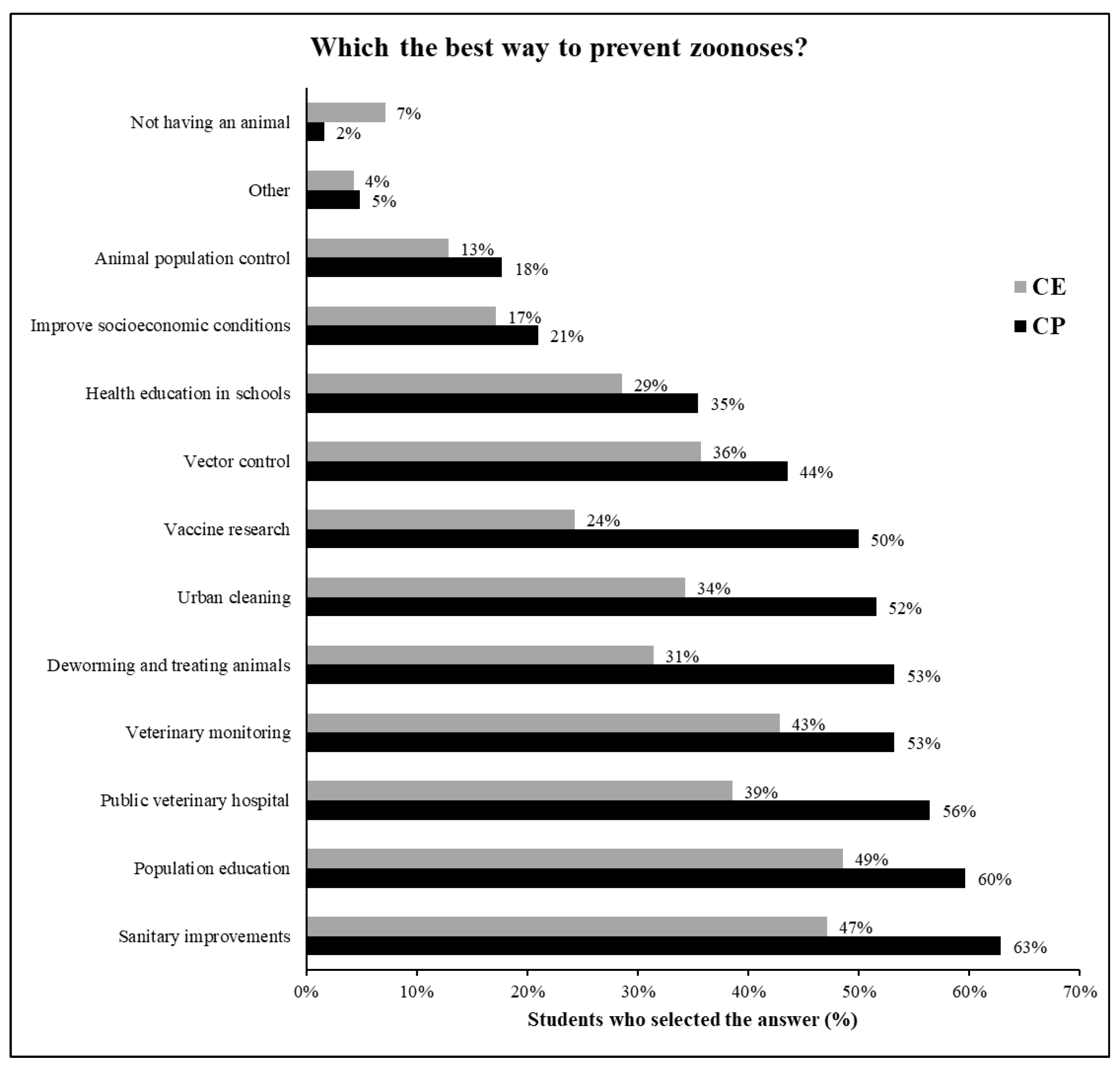
Finally, at the end of the questionnaire, students answered questions about measures that could help prevent zoonoses. Public education (CP = 60%; CE = 49%) and improved sanitation (CP = 60%; CE = 47%) were the most frequently selected options at both schools, followed by public veterinary hospitals (CP = 56%; CE = 39%), veterinary monitoring (CP = 53%; CE = 43%), urban cleaning (CP = 52%; CE = 34%), and deworming/treatment of animals (CP = 53%; CE = 31%) (Figure 9).
4. Discussion
This study analyzed the perceptions of students from two schools in Goiás state—one public and one private—regarding factors related to zoonotic diseases. The questionnaire enabled the profiling of these students' knowledge and attitudes, revealing socioeconomic influences on their responses, as discussed below.
In public school students' households, pets generally have a more distant relationship with humans compared to the closer integration observed in private school households. Despite their limited understanding of zoonotic diseases, students provided appropriate and effective answers regarding preventive measures for most zoonoses. According to Neto and Coelho [11], the veterinarians have an important role in the knowledge of small animal’s tutors, acting directly on the One Health concept.
Dogs were the most common pets in both schools, reaffirming that dog ownership remains more prevalent than cat ownership in most Brazilian households [12,13]. Many of these pets had unrestricted access to the home, shared feeding areas with their owners, and relieved themselves indoors. These behaviors were especially common among private school students. The increasing integration of pets into households results from the domestication process. However, without preventive measures or public education, dogs can become significant disease vectors [14].
As contact between humans and animals becomes increasingly closer, educating owners about the main zoonoses related to the species in question, in addition to providing information on measures to prevent these diseases, is even more important. Konflanz and Meirelles [15], when evaluating the knowledge of high school students about zoonotic diseases, were able to perceive that the public health problem is closely related to the population's lack of knowledge, reinforcing the urgency of implementing public policies that raise awareness and educate the population, especially young people and children, about this topic.
Differences in bathing practices, veterinary care, and pet vaccination rates were observed between public and private school students, likely reflecting socioeconomic disparities. Veterinary care, grooming services, and vaccines—especially polyvalent ones—are costly. The lack of vaccination campaigns, as in 2019, coupled with limited public awareness, further reduced vaccination rates, even for vaccines freely distributed through the Unified Health System (SUS). This is concerning, as free vaccines should be accessible to all. These findings suggest that barriers are not solely economic but also include gaps in public awareness and adherence to “Responsible Pet Ownership” practices [16,17].
Veterinarians perform generalist functions regarding animal health, human health and environmental health, that is, One Health [18]. Despite the competences of veterinarians, little is known about their role in epidemiological and environmental health surveillance. It is desirable, as an exercise of citizenship, that the professional be recognized and be able to contribute to the population having access to health, thus developing activities related to the prevention, protection and promotion of human health, mainly related to the risks of transmission of zoonoses [19,20]. However, many people are still unaware of the importance of visiting the veterinarian frequently, taking their animal to these professionals with a focus on education and disease prevention, especially zoonotic diseases. On the other hand, many veterinary professionals also do not understand their importance in One Health and do not try to be multipliers of information for the prevention of zoonoses.
Some students believed that zoonoses primarily affect low-income populations. While zoonotic diseases are indeed more prevalent in low-income areas, this is also associated with environmental degradation, poor sanitation, and inadequate housing. These factors create conditions conducive to the emergence and spread of diseases [7]. Importantly, zoonoses are closely linked to sanitation education, access to information, and quality public health services [21,22].
Although many students recognized the names of zoonotic diseases, their understanding of the causes and transmission pathways was limited, underscoring the need for broader dissemination of information. Private school students demonstrated greater awareness of effective prevention practices compared to public school students, likely reflecting disparities in the quality of education. According to the Ministry of Health, schools play a critical role in disseminating knowledge. When well-informed, the population can identify and adopt preventive measures, including those for zoonoses [23]. Thus, schools contribute significantly to building knowledge about zoonoses. However, the educational gap between public and private schools, highlighted in this study, reinforces the need to address disparities in teaching quality.
Most surveyed students lacked a clear understanding of zoonoses, with a marked difference between public and private school students. This highlights the importance of integrating more curriculum content on zoonoses into school programs to bridge this knowledge gap.
In conclusion, the coexistence with animals is steadily increasing, yet a significant information gap persists, hindering effective control of zoonotic diseases. Therefore, it is essential to focus on increasing the flow of information and implementing actions in schools to provide students with concise knowledge about One Health. The results obtained emphasize the importance of university outreach programs involving professionals, faculty, and students committed to sharing quality information with the community, particularly those lacking access to such knowledge.
Author Contributions
Conceptualization, Ronaldo Pereira-Junior and Lorena Ferreira; Data curation, Ronaldo Pereira-Junior, Isabella Nascimento and Maria Eduarda Barbiéri-Machado; Formal analysis, Ronaldo Pereira-Junior, Isabella Nascimento, Maria Eduarda Barbiéri-Machado and Lorena Ferreira; Funding acquisition, Lorena Ferreira; Investigation, Ronaldo Pereira-Junior and Isabella Nascimento; Methodology, Ronaldo Pereira-Junior and Lorena Ferreira; Project administration, Ronaldo Pereira-Junior; Resources, Ronaldo Pereira-Junior; Supervision, Ronaldo Pereira-Junior and Lorena Ferreira; Validation, Ronaldo Pereira-Junior, Isabella Nascimento and Lorena Ferreira; Visualization, Ronaldo Pereira-Junior; Writing – original draft, Ronaldo Pereira-Junior, Isabella Nascimento, Maria Eduarda Barbiéri-Machado and Lorena Ferreira; Writing – review & editing, Ronaldo Pereira-Junior, Maria Eduarda Barbiéri-Machado and Lorena Ferreira. All authors have read and agreed to the published version of the manuscript.”.
Funding
This research was funded by Centro Universitário de Goiás – UNIGOIÁS, by scholarship to Isabella Marques Nascimento.
Institutional Review Board Statement
The study was approved by the Research Ethics Committee (CEP) of Uni-Anhanguera - Centro Universitário de Goiás (CEP 3.479.072/2019).
Informed Consent Statement
Informed consent was obtained from all subjects involved in the study. Written informed consent has been obtained from the students to publish this paper.
Acknowledgments
We extend our gratitude to the Centro Universitário de Goiás – Uni-Anhanguera for its financial support and for providing research scholarships to students Alessandra and Isabella. We also thank both schools for enabling the data collection necessary for the development of this study.
Conflicts of Interest
The authors declare no conflicts of interest. The funders had no role in the design of the study; in the collection, analyses, or interpretation of data; in the writing of the manuscript; or in the decision to publish the results.
Abbreviations
The following abbreviations are used in this manuscript:
| CP | Private high school |
| CE | Public high school |
References
- Silva E. C.; Ishikura J. I.; Cordeiro C. T.; Santos L. G.; Oliveira S. T. Aplicação de questionário para uma amostra de professores da rede pública e privada do município de Curitiba, estado do Paraná, Brasil, acerca de conhecimentos básicos sobre zoonoses. Rev. de Educ. Cont. em Med. Vet. e Zootec. do CRMV-SP. 2017, 15:1, p. 90.
- Schwabe, C. W. Veterinary medicine and human health. 3.ed. Baltimore: Williams & Wilkins, p. 680. 1984.
- Brasil. Manual de vigilância, prevenção e controle de zoonoses normas técnicas e operacionais, 2016. Brasília Ministério da Saúde, 2016.
- Santos, S, V; Castro, J.M. Ocorrência de Agentes Parasitários com Potencial Zoonótico de Transmissão em Fezes de Cães Domiciliados do Município de Guarulhos. SP. Arq. Inst. Biol. 2006, 73: 255-257. [CrossRef]
- Vasconcellos, M. C; Barros, J. S. L; Oliveira C. S. Parasitas gastrointestinais em cães institucionalizados no Rio de Janeiro, RJ. Rev. Saúde Púb. 2006, 40, 321-323. [CrossRef]
- Langoni, H. A.; Joaquim, S. F.; Batista, T. G. S.; Sartori, R. A.; Castilho Júnior, L. C.; Rolim, L. S.; Latosinski, G. S.; Barrosa, N. C. Santos, J. R. Educação em saúde nas escolas: o papel do médico veterinário no controle das zoonoses. 8º Congresso de extensão universitária da UNESP, p. 1-4, 2015. Disponível em: <http://hdl.handle.net/11449/142571>.
- Lima, A. M. A.; Alves, L. C.; Faustino, M. A. G.; Lira, N. M. S. Percepção sobre o conhecimento e profilaxia das zoonoses e posse responsável em pais de alunos do pré-escolar de escolas situadas na comunidade localizada no bairro de Dois Irmãos na cidade do Recife, PE. Ciência e Saúde. 2010, 15(supl.1), 1457-1464.
- Silva Neto, E.J., Mangueira, S.O., Freitas, S.V. et al. Educação popular como meio de prevenção de zoonoses. In: Congresso Brasileiro de Extensão Universitária, João Pessoa:EDUFPB, 5 p., 2002.
- Baltazar, C., Correa, T.P., Fernandes, I.B., Dias, R.A., Ferreira, F. Pinheiro, S.R. Formação de multiplicadores na área de saúde pública e higiene de alimentos. Rev. Ciênc. Ext. 2004, 1:1, p.79.
- Flores, e.m.T. Conhecimentos, percepções, comportamentos e representações de saúde e doença bucal dos adolescentes de escolas públicas de dois bairros de Porto Alegre. Ciên. Saúde Colet. 2003; 8:3, 743-752.
- Neto, G.; Coelho, A. C. Importância do médico veterinário no conhecimento dos proprietários de pequenos animais sobre zoonoses numa perspectiva da “One Health” em Portugal. REDVET – Ver. Electr. de Vet. 2016, 17:7, p. 1-13.
- IBGE (Instituto Brasileiro de Geografia e Estatística). População de Animais de Estimação no Brasil. <http://www.agricultura.gov.br/assuntos/camaras-setoriais-tematicas/documentos/camaras-tematicas/insumos-agropecuarios/anos-anteriores/ibge-populacao-de-animais-de-estimacao-no-brasil-2013-abinpet-79.pdf/view> Accessed in 2022.
- ABINPET. Associação Brasileira da Indústria de Produtos para Animais de Estimação. Dados de Mercado Pet/ 2018. Disponível em: http://abinpet.org.br/mercado.
- Oliveira, K. S. Manual de boas práticas na criação de animais de estimação: cães e gatos, 2019. Goiânia, Cir gráfica e editora.
- Konflanz, C. G.; Meirelles M. Será a temática das zoonoses um problema de saúde pública ou um problema pedagógico? Rev. Educ. Contin. em Med. Vet. e Zootec. do CRMV-SP. 2017, 15:1, p. 80.
- Nogueira, F. T. A. Posse Responsável de animais de estimação no bairro da Graúna-Paraty, RJ. Rev. Educ. Amb. 2009, vol. 2, BE-597.
- Santana, L. R.; Macgregor, E.; Souza, M. F. A; Oliveira, T. P; Posse responsável e dignidade dos animais. 8º Congresso Internacional de Direito Ambiental. 2004.
- Gibbs, E. P. J. The evolution of One Health: a decade of progress and challenges for the future. Vet. Record. 2014, 174, p. 85-91. [CrossRef]
- Pfuetzenreiter, M. R., Zylbersztajn, Avila-Pires, F. D. Evolução histórica da medicina veterinária preventiva e saúde pública. Ciênc. Rur. 2004, 34:5, p.1661-1668. [CrossRef]
- Sprenger M. L. O papel do médico-veterinário como profissional da equipe de estratégia de saúde da família no município de Porto Alegre, estado do Rio Grande do Sul, Brasil. Rev. Educ. Contin. em Med. Vet. e Zootec. do CRMV-SP. 2017, 15:1, p. 82.
- Eccker, F. M.; Chaffe, A. B. P.; Chalá, C. S. A.; Pinto, F. R.; Madrid, I. M. Avaliação do conhecimento sobre zoonoses em professores e alunos da rede municipal de ensino fundamental do município de Pelotas, estado do Rio Grande do Sul, Brasil – resultados preliminares. Rev. Educ. Contin. em Med. Vet. e Zootec. do CRMV-SP. 2017, 15:3, p. 71-72.
- Santos, C. P.; Almeida, R.; Zanella, A.; Capitanio, L.; Canto, J. I.; Alves, L. P. Conhecimento sobre zoonoses em uma amostra dos professores do ensino fundamental do município de Passo Fundo, estado do Rio Grande do Sul, Brasil. Rev. Educ. Contin. em Med. Vet. e Zootec. do CRMV-SP. 2017, 15:1, p. 94.
- Carvalho, G. F.; Mayorga, G. R. S. Zoonoses e posse responsável de animais domésticos: percepção do conhecimento dos alunos em escolas no município de Teresópolis- RJ. Revista da JOPIC. 2016, 1:1, 84-90.
Figure 1.
Total number of people living in the same home as the students, in %. (CP = private school/ CE = public school).
Figure 1.
Total number of people living in the same home as the students, in %. (CP = private school/ CE = public school).
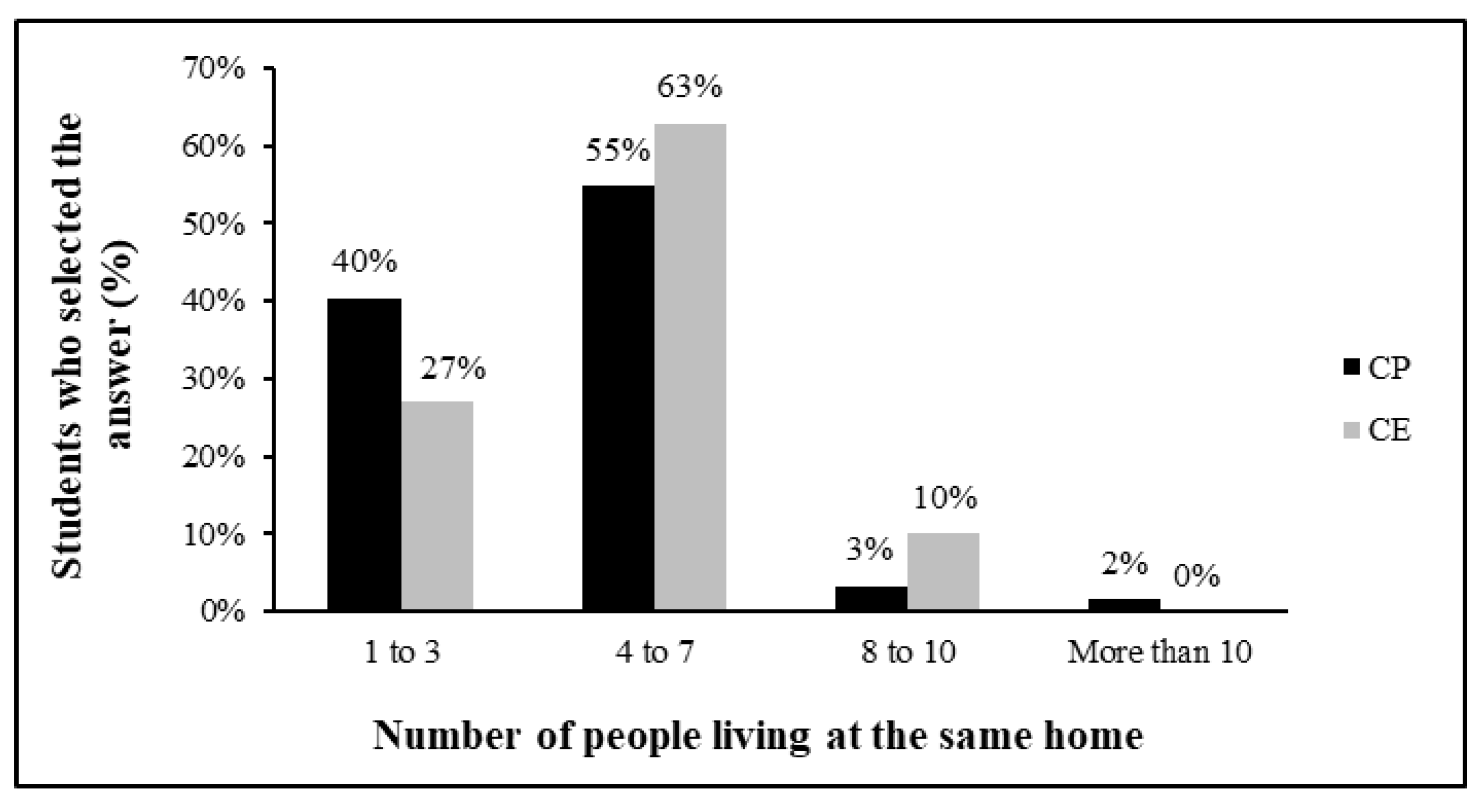
Figure 2.
Animal species that frequents the interior of the students house’s. (CP = private school/ CE = public school).
Figure 2.
Animal species that frequents the interior of the students house’s. (CP = private school/ CE = public school).
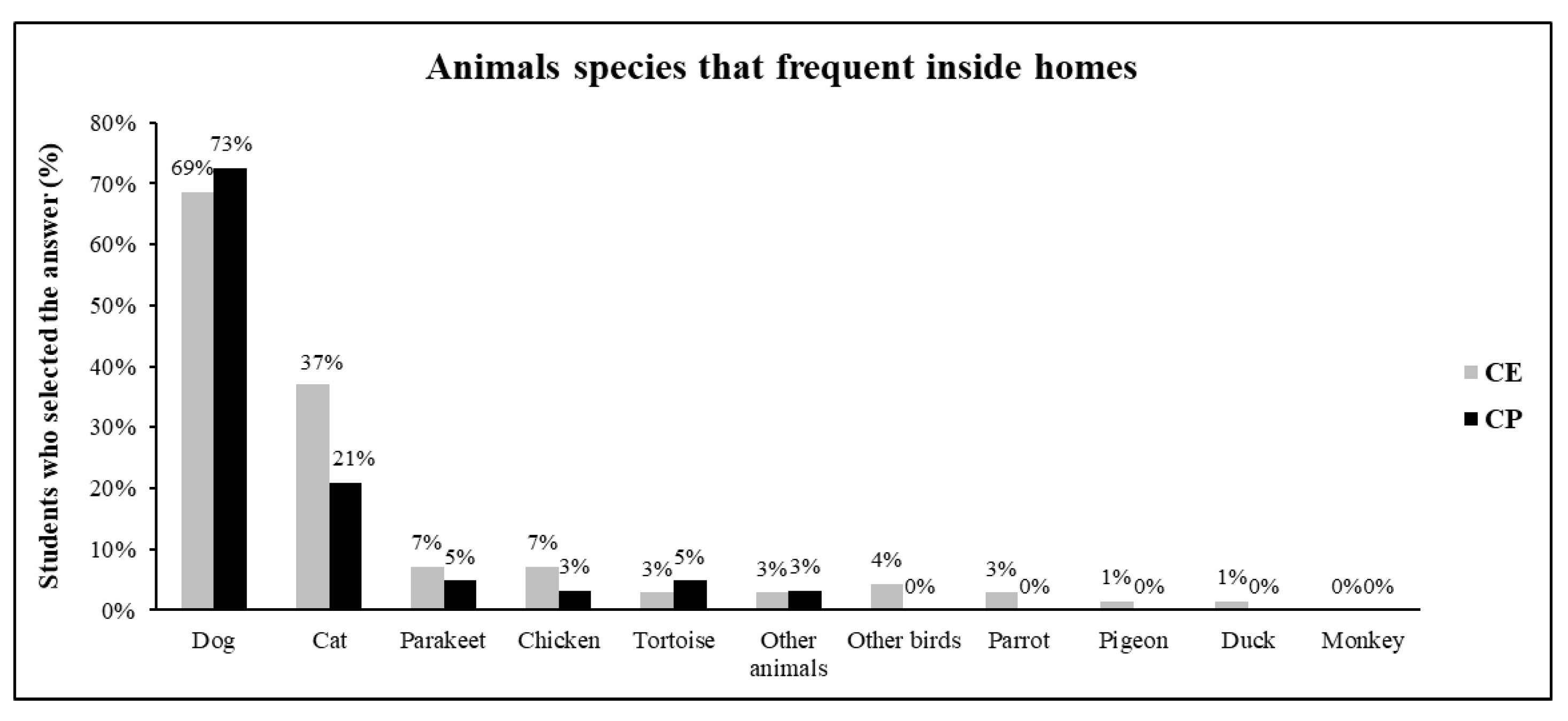
Figure 3.
Freedom of animals inside the homes of surveyed public and private school students. (CP = private school/ CE = public school).
Figure 3.
Freedom of animals inside the homes of surveyed public and private school students. (CP = private school/ CE = public school).
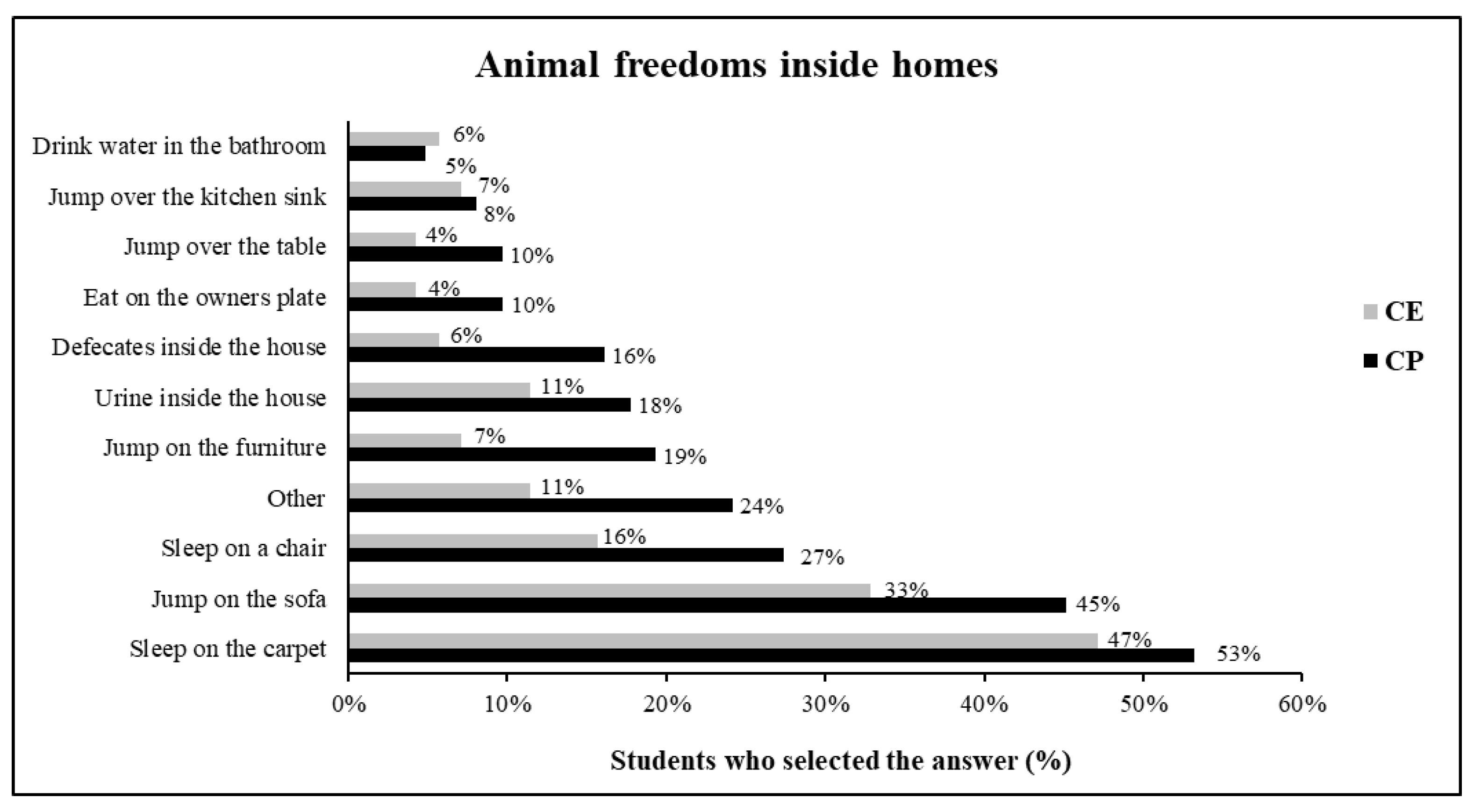
Figure 4.
Care provided by the surveyed public and private school students for their animals. (CP = private school/ CE = public school).
Figure 4.
Care provided by the surveyed public and private school students for their animals. (CP = private school/ CE = public school).
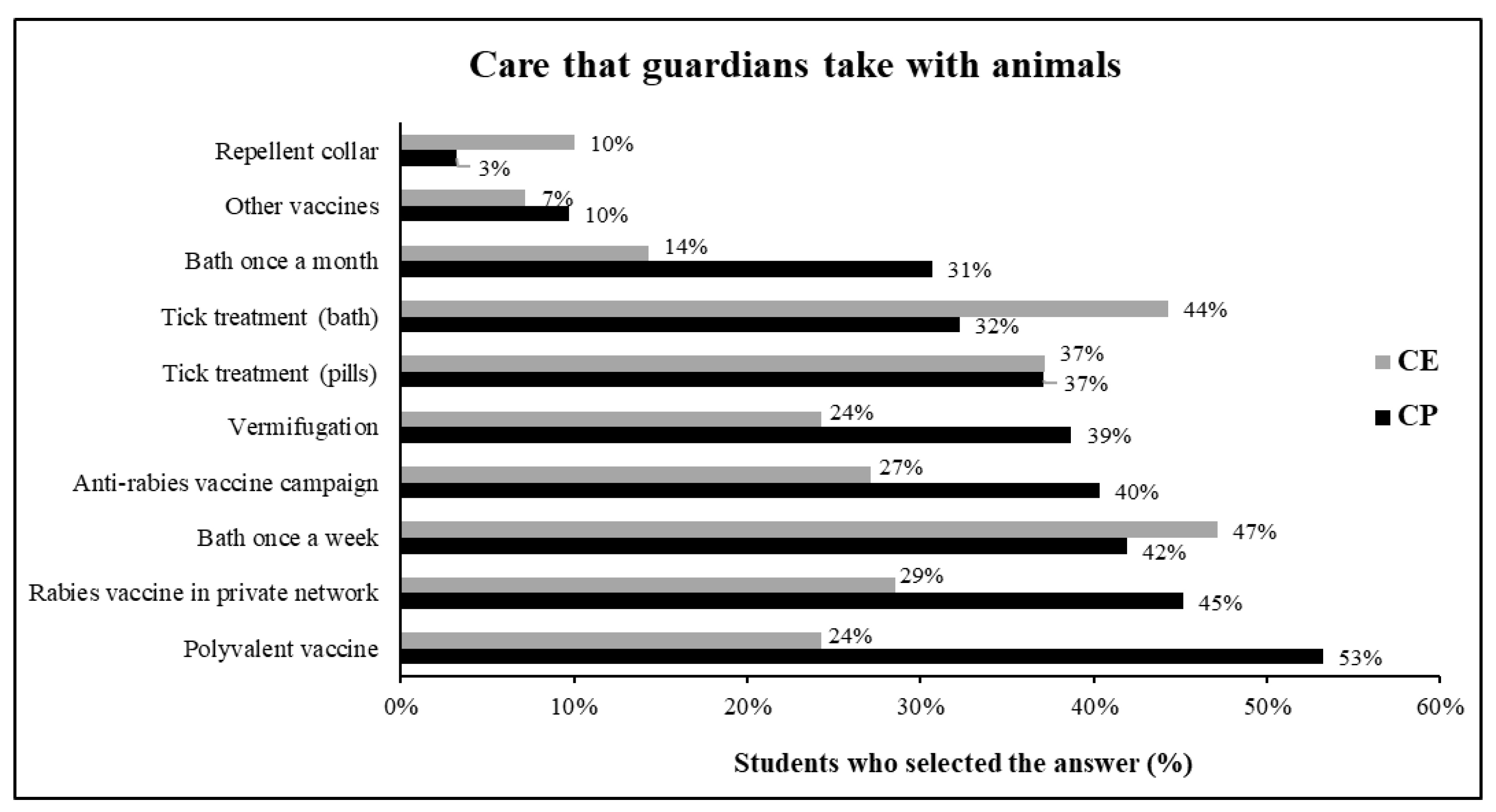
Figure 5.
Care provided by the surveyed public and private school students for their animals. (CP = private school/ CE = public school).
Figure 5.
Care provided by the surveyed public and private school students for their animals. (CP = private school/ CE = public school).
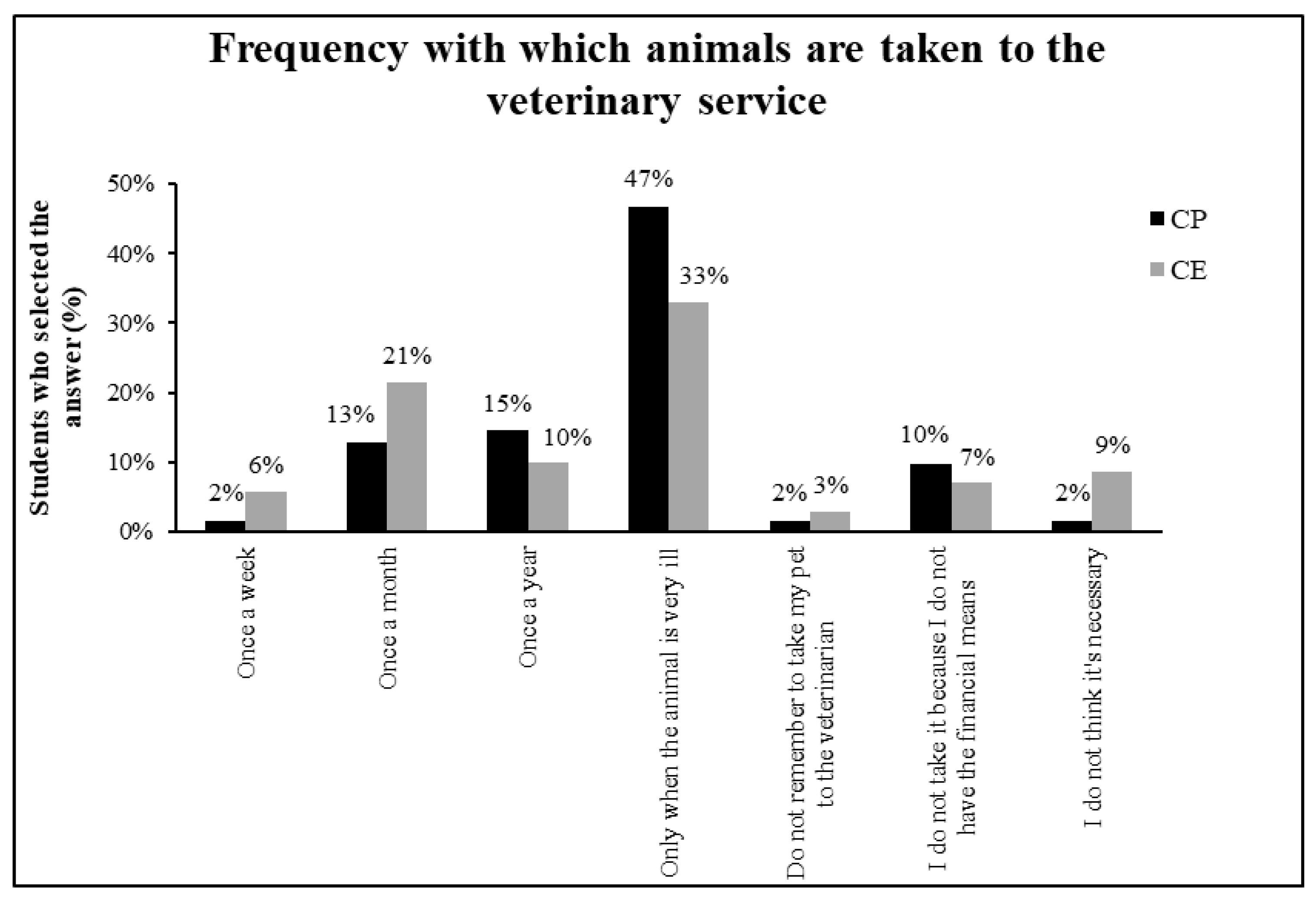
Figure 6.
Students' knowledge about zoonoses. (CP = private school/ CE = public school).
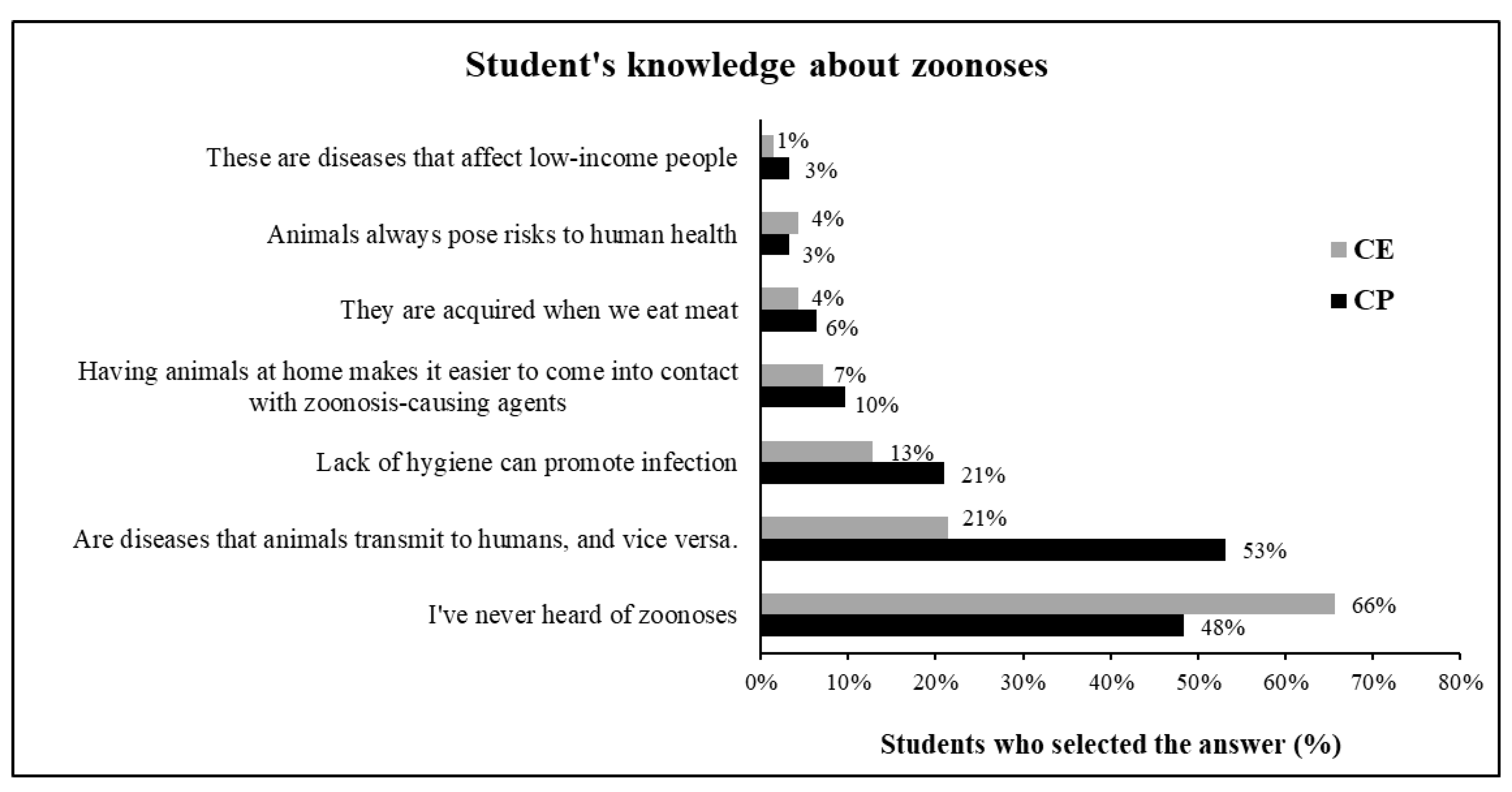
Figure 7.
Students' responses, in %, to the question “Are zoonoses diseases that affect poor people?” (CP = private school/ CE = public school).
Figure 7.
Students' responses, in %, to the question “Are zoonoses diseases that affect poor people?” (CP = private school/ CE = public school).
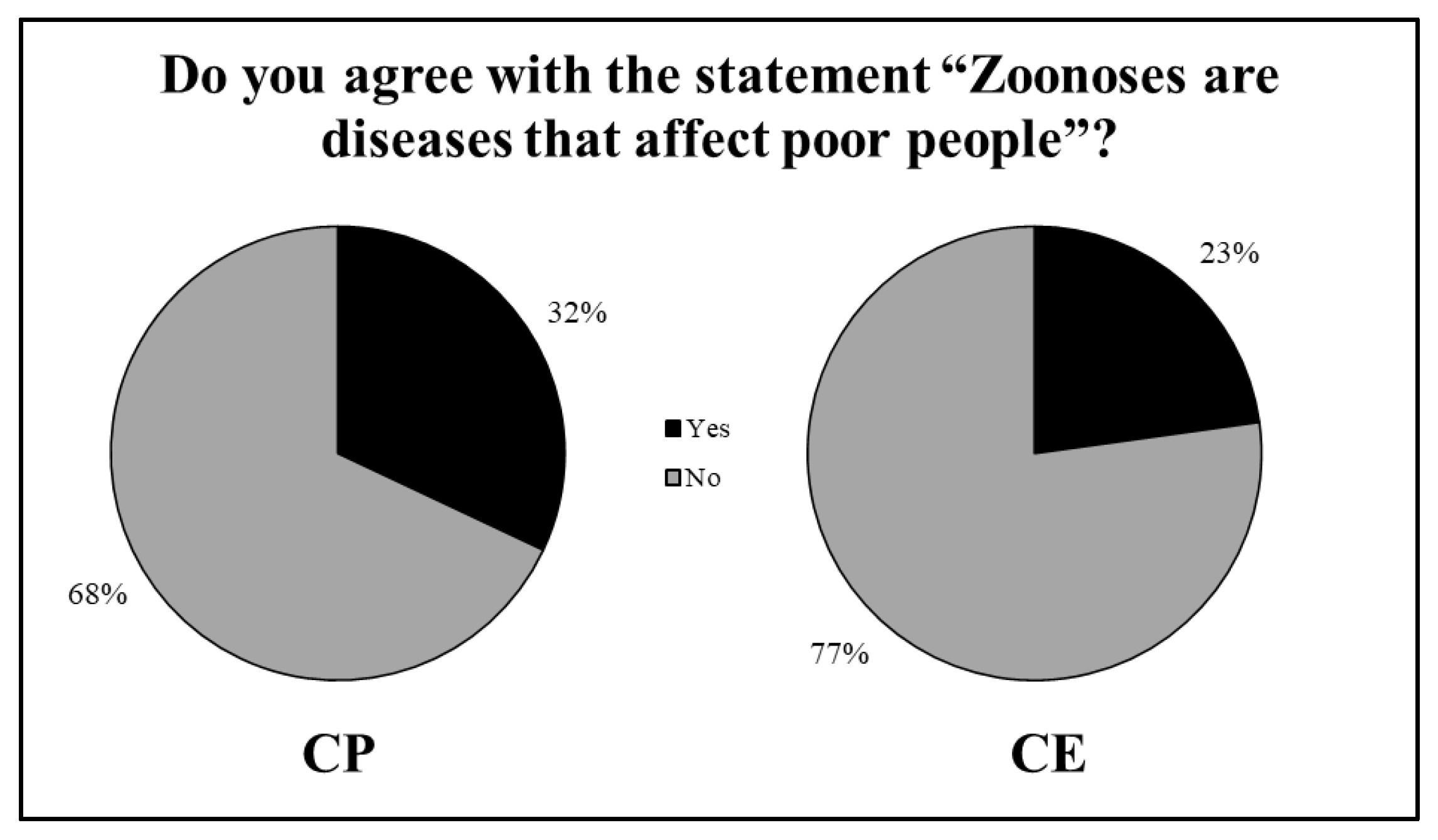
Figure 8.
Zoonoses that the surveyed students have heard something about. (CP = private school/ CE = public school).
Figure 8.
Zoonoses that the surveyed students have heard something about. (CP = private school/ CE = public school).
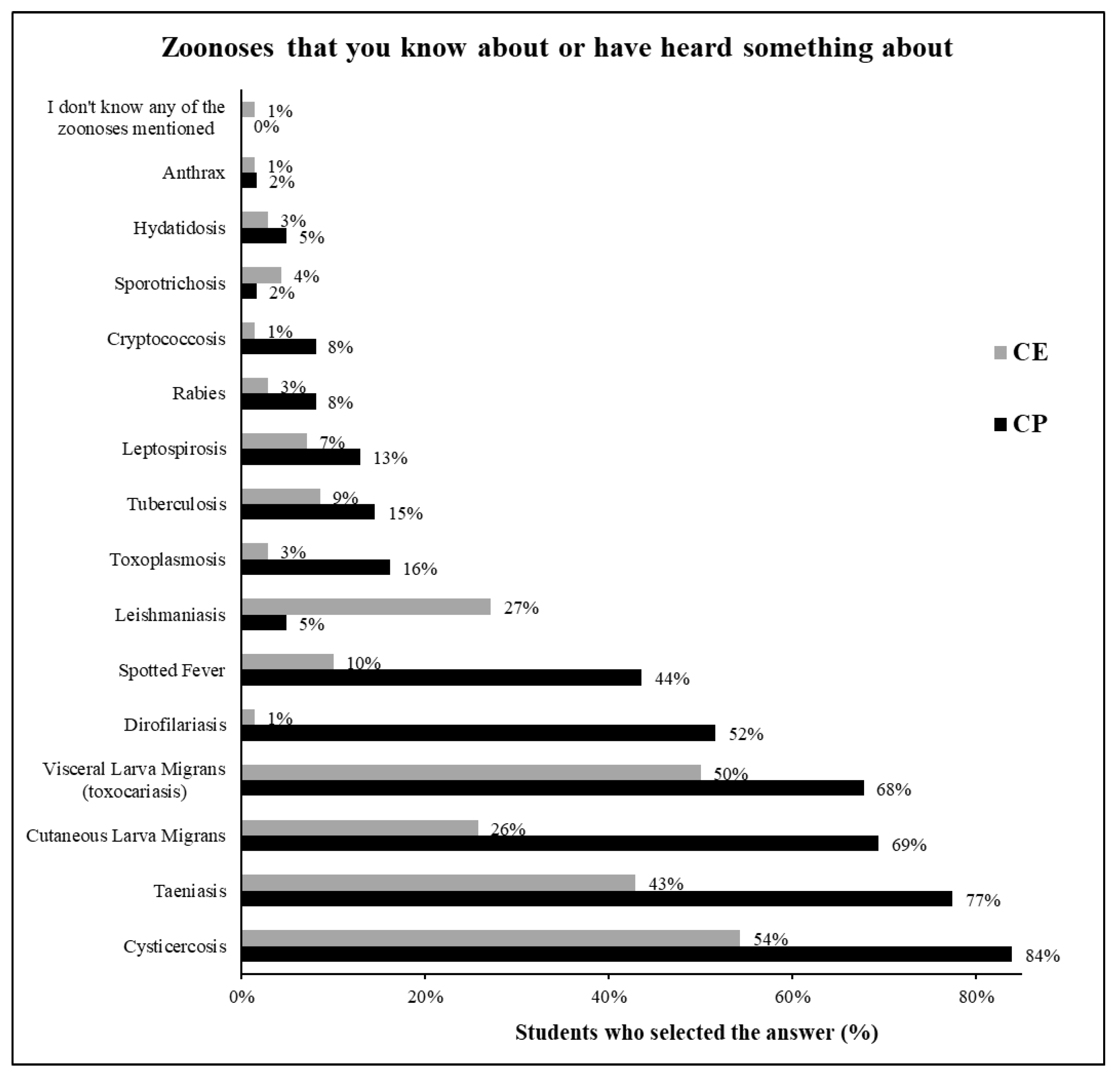
Figure 9.
Responses of the surveyed students regarding the best way to prevent zoonoses. (CP = private school/ CE = public school).
Figure 9.
Responses of the surveyed students regarding the best way to prevent zoonoses. (CP = private school/ CE = public school).
Disclaimer/Publisher’s Note: The statements, opinions and data contained in all publications are solely those of the individual author(s) and contributor(s) and not of MDPI and/or the editor(s). MDPI and/or the editor(s) disclaim responsibility for any injury to people or property resulting from any ideas, methods, instructions or products referred to in the content. |
© 2025 by the authors. Licensee MDPI, Basel, Switzerland. This article is an open access article distributed under the terms and conditions of the Creative Commons Attribution (CC BY) license (http://creativecommons.org/licenses/by/4.0/).
Copyright: This open access article is published under a Creative Commons CC BY 4.0 license, which permit the free download, distribution, and reuse, provided that the author and preprint are cited in any reuse.


