

Submitted:
14 March 2025
Posted:
18 March 2025
You are already at the latest version
Abstract
This research explores the potential of green encapsules uploaded with eucalypt essential oil (EEO) 9 in enhancing their functionality and application in pest control, focusing on suitable ecotype selec-10 tion and optimizing extraction processes. Eucalypt hybrids’ leaves were collected from three differ-11 ent sites and the EEOs were extracted using microwave-assisted steam distillation (MASD) and elec-12 tric steam distillation (ESD) techniques. The physical and chemical properties of the EEO were de-13 termined. The identification of volatile chemical ingredients in the resulting EEO was conducted 14 using GC/MS after saponification and methylation procedures and were compared to those ob-15 tained from Eucalyptus globulus Labill, the ideal species containing the 1, 8-cineol, the principal com-16 pound in its essential oil. The 1,8-cineole was found to be the major chemical constituent of the EEO 17 interfered with other minor components such as 3-carene, α-pinene, α-myrcene, D-limonene, and 18 α-terpinene. Eucalypt ecotypes grown at Hada Al-Sham village had the highest cineole content 19 (59.29%) among the other sites studied. Compared to the ESD, the essential oils extracted by the 20 MASD showed much promise, defining it as potential industrial essential oil extraction. Microcap-21 sules of either guar gum crosslinked by borax or sodium alginate crosslinked by calcium chloride 22 were fabricated. Moreover, bioassay screening of the polymeric encapsules uploaded with 1, 8-cin-23 eole were evaluated against termite infection. They were found to be versatile tools with a wide 24 range of applications with the superior for the alginate encapsules. Furthermore, regardless the en-25 capsule type and the exposure duration, the mortality (%) of the insects were exceeded significantly 26 for the high cineol concentrations comparing to the lower ones for both ABE and GGBE. The higher 27 the cineol concentrations, the higher the mortality percent of the termites This finding can be at-28 tributed to the rapid toxic effect of the cineol compound at the higher concentrations.
Keywords:
Eucalyptus ecotypes
; essential oil
; 1
; 8 cineole
; microcapsules
; alginate
; guar gum
; bioassay screening
1. Introduction
The choice of eucalypt ecotype can have a profound impact on the quality and quantity of essential oil obtained, as well as its suitability for different applications. In addition, variability in both the composition and production of essential oils can be attributed to intrinsic factors such as genetics, subspecies, and the age of the plant, as well as extrinsic factors like climate, cultivation conditions (including geographical origin), and the methods employed for isolation [1,2]. Eucalyptus essential oil (EEO) is produced as a result of the secondary metabolic activities of their leaves [3]. For instance, Eucalyptus globulus oil is characterized by its prominent component, 1,8-cineole (eucalyptol), a monoterpene found in the essential oils of various plants, was determined to be 60 %-85 % for copious trees as indicated by several researchers [4,5,6,7,8].
From a chemical composition perspective, the volatile oil of Eucalyptus citriodora has been documented to predominantly contain citronellal, and its concentration has been observed to vary seasonally [9,10]. The fluctuating levels of this compound serve as valuable indicators for accurately distinguishing E. citriodora essential oil from that of other Eucalyptus species.
Concerning usage and applications of the EEOs, they have gained interest due to their biocidal properties and medicinal attributes. Moreover, they were reported to be useful for cosmetics, aromatherapy, pesticide industries and as honeybee pastures. Furthermore, it has potential utilizations as either an anaesthetic, antiseptic or astringent [6,11,12,13].
They are popular in the food industry for antioxidant and antimicrobial properties, as well as their pleasant flavors. They are also used in pharmaceutical products, with extensive research exploring their biotic actions and components [14,15,16]. The antibacterial efficacy of the preparations, as well as individual/pure essential oils, can be influenced by the presence and concentration of α-pinene [2,17,19].
Eucalyptus oil extraction involves crushing, drying, and distillation. Traditional methods like maceration, oil infusion, and steam distillation are labor-intensive and expensive [20]. Microwave-assisted steam distillation (MASD) is a fast and efficient alternative to traditional methods, combining steam distillation with microwave heating. MASD shortens extraction time, enhances selectivity, and increases essential oil yields. It has gained attention as an efficient and environmentally friendly alternative for extracting essential oils from botanical sources. In a microwave reactor, electromagnetic energy is transformed into heat, causing the sample to rupture and release essential oil [21,22].
Essential oil extraction is a complex process involving classical and innovative techniques. Classical methods like hydro-distillation and steam distillation rely on heat and water, while green methods like ultrasound-assisted and microwave-assisted extraction use energy-efficient sources. Supercritical fluid and subcritical liquid extraction allow non-polar components to be extracted. Hydro-distillation is the most commonly used method due to its accessibility and cost-effectiveness [23,24].
Microwave-assisted extraction is a sustainable and energy-efficient alternative to traditional methods. This technique involves placing samples in a microwave reactor without solvent, converting electromagnetic radiation into heat within a frequency range of 300 MHz to 300 GHz., increasing cell temperature, and releasing essential oils. This method has been successful in extracting essential oils from various plant materials, including orange, laurel, lemon, mint, rosemary, and basil [25,26,27,28,29,30,31,32,33,34] reducing extraction duration, and improved specificity [35,36].
Microcapsules have numerous applications in daily life, including drug delivery, cell therapy, food industry, biotechnology, cosmetics, and wastewater treatment. They allow controlled release of pharmaceuticals, protect against degradation, immobilize enzymes for biocatalysis, and remove pollutants or heavy metals in cosmetic products [37,38,39]. It is a technological process centered around the enveloping of solid, liquid, or gaseous particles with an encapsulating agent, serving as a protective barrier that entirely shields the core material from the surrounding external environment. It is widely used in the food and pharmaceutical industries to protect and deliver bioactive compounds, including essential oils, in a controlled and targeted manner [40,41]. Arabic gum, agar, alginate, proteins, and dextrins are among the materials employed as encapsulating agents in the microencapsulation process [42,43].
The physicochemical properties of microcapsules are determined by the encapsulating and active agents, with wall material forming a cohesive film. Common materials include proteins, carbohydrates, and lipids, and the encapsulating agent must remain chemically inert [44,45].
There are several advantages of the alginate-based encapsules, especially biocompatibility, whereby they are generally well-tolerated by the body, ease of formation simply and inexpensively, their gelation occurs under mild conditions (room temperature, neutral pH), which is suitable for encapsulating sensitive substances, and concerning tunable properties, the properties can be tailored by adjusting the process parameters.
Microencapsulation allows for regulated, precise, and controlled discharge of active ingredients, triggered by temperature fluctuations, solubility changes, pH levels, or wall material biodegradation, and can occur at specific times or under specific conditions [46].
Microencapsulation methods, categorized into chemical, physicochemical, and mechanical, are characterized by speed, ease of use, reproducibility, and scalability for industrial applications, with spray drying and coacervation being popular techniques [47]. Microencapsulation emerges as a viable solution to address numerous challenges associated with the utilization of essential oils. The use of essential oils is considerably impeded by their pronounced volatility and chemically unstable attributes [48,49,50].
Sodium alginate is a natural polysaccharide derived from brown algae. It is the main component forming the microcapsule shell. Moreover, it is a linear polymer composed of mannuronic acid and guluronic acid residues. Calcium chloride (CaCl₂) is the source of calcium ions (Ca²⁺) essential for crosslinking the alginate molecules. The encapsulated substance (cargo) is the material that is to be protected or delivered such as essential oil, drugs, cells, enzymes, flavors, etc. Optional materials may be used in encapsulating systems such as Emulsifiers/Surfactants: Used to create a stable emulsion when encapsulating hydrophobic substances. Coating materials (e.g., chitosan, gelatin) can be applied for additional properties like improved stability or controlled release [51].
Regarding bioassay screening of cineole against termites, it has been examined for its efficacy as a natural insecticide. Bioassay screening for cineole's effectiveness against termites can contribute to developing environmentally friendly pest control strategies.
Mortality Assessment was performed to study factors affect termite mortality and behavior, namely 1) mortality rates, and 2) cineole’s dose-response the effectiveness of cineole as a natural insecticide. Exposure time allows termites to be exposed to cineole for various periods (e.g., 1, 24, and 48 hours) to evaluate both immediate and prolonged effects. Data collection was done by monitoring and recording termite mortality after treatment at specified intervals (e.g., 24, 48, and 72 hours) as well as observing behavioral responses for repellency, such as changes in movement, feeding behavior, or avoidance of treated areas [52,53,54]
The objectives of the study were confined to identify the eucalyptus species with the highest cineol concentration, investigating the potential of microwave-based heating for constructing cost-effective, large-scale machinery, thus facilitating the efficient mass production of essential oils and exploring potential applications of the microencapsulated eucalyptus essential oil in guar gum or calcium alginate for efficacy and stability in pest control applications.
2. Materials and Methods
2.1. The Management Plan
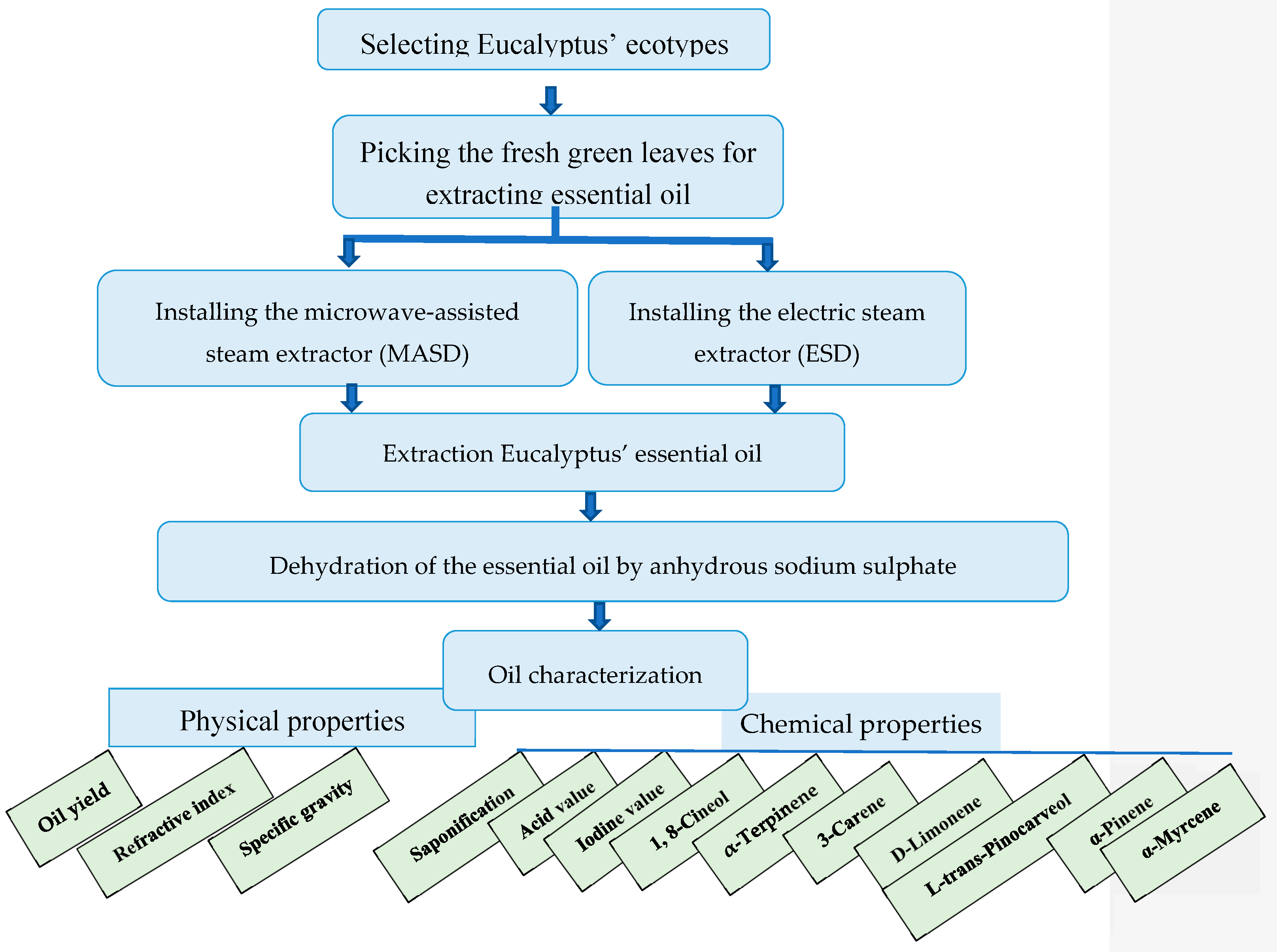
The management strategy for synthesis and evaluation of the Eucalyptus’ essential oil using the two extraction methods, namely microwave-assisted steam distillation and electric steam distillation was outlined in Figure A1. Furthermore, preparation protocol of methyl esters of the essential oils for accurate analysing by GC-MS was shown in Figure S1.
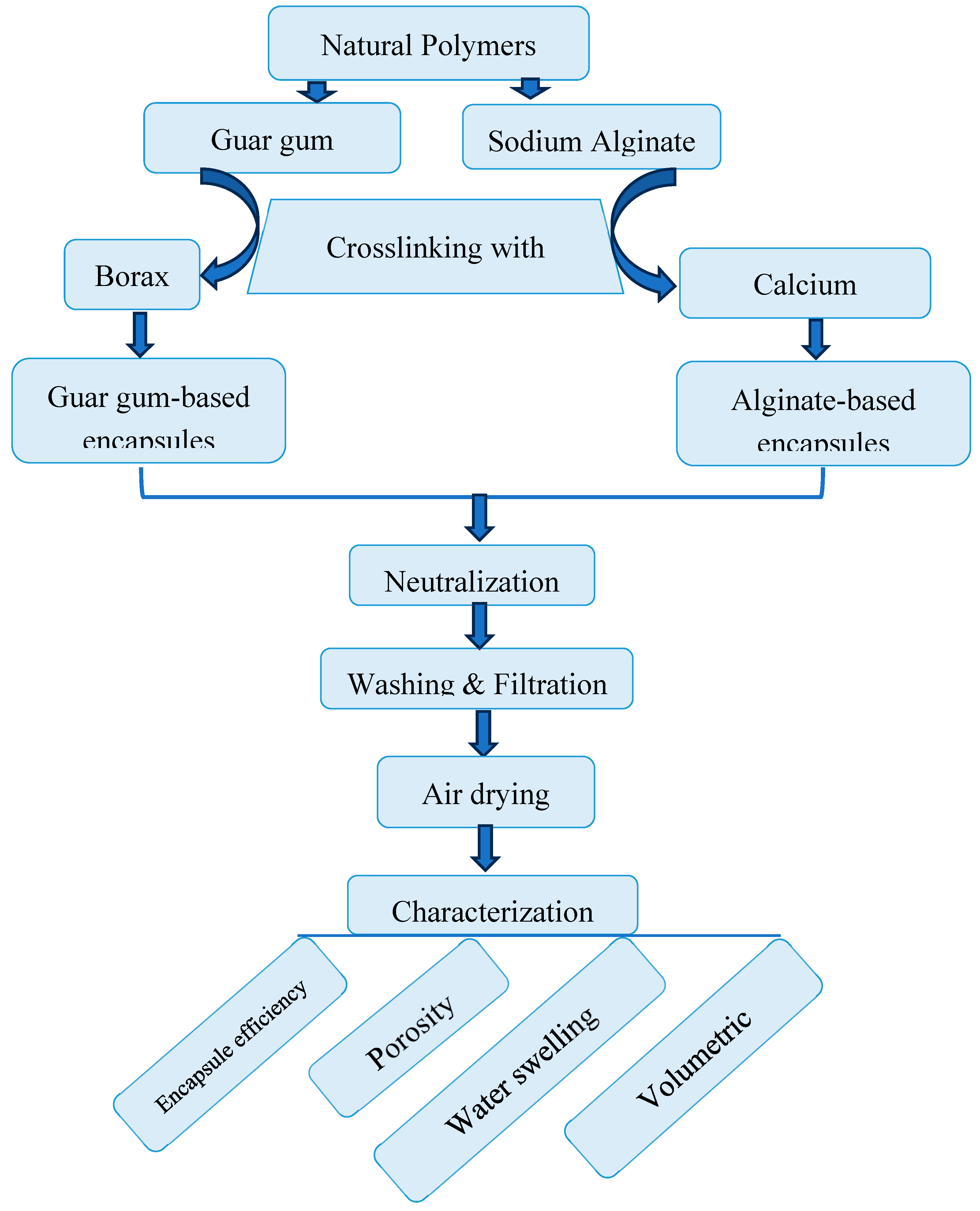
The management strategy illustrating the techniques for investigating the polymeric encapsules fabricated from each of the polymeric encapsules used (guar gum and alginate) uploaded with 1, 8-cineol was presented at Figure A2.
The evaluation steps of the efficacy of innovative microwave aided steam distillation and electric extraction techniques for the extraction of high yield and quality essential oils from various Eucalypt was conducted based on the procedural stages outlined in Figure S1.
2.2. Tree Species
Eucalyptus ecotypes were selected (Figure 1), identified botanically, and were specified for the present investigation.
The trees were selected from three sites in the western region of Saudi Arabia, namely a) King Abdullaziz University (KAU) campus (Figure 1a-c) Agricultural Research Station (ARS) belongs to the KAU at Hada Al-Sham village in Al-Jomoom Governate, about 120 km far from Jeddah located at a latitude of 21° 46'.839N and a longitude of 39° 39'.911E above the sea level by 206 m, as shown in Figures 1b,1c, and d) The recreation forest at Briman distinct (Figure 1d). In addition, Eucalyptus globulus Labill trees were chosen from those grown at the ARS.
2.2.1. Sprouts of the Selected Trees
Three sprouts (two-years old) were chosen from each tree. The diameter outside bark of the selected trees ranged from 8-10 cm. Each of the selected sprouts was cut at height of 10 cm above its base connection with the main trunk. The height between the sprout base and ground level ranged from 30-40 cm.
2.2.2. Leaves’ Raw Materials
The Eucalyptus’ leaves were collected randomly in April 2023 and used to extract essential oils. Three trees were selected from each of the three locations. The ages of the selected trees were about 15 years except for those grown at the KAU campus whereby their age was about 20 years.
The green leave samples were botanically identified, weighed, and were cleaned to exclude any extraneous substances. The sequential steps included in the preparation and extraction process of essential oil from eucalyptus leaves are presented at Figure A1. After that, the collected leaves were air-dried and the resultant essential oil were collected, purified and characterized. Extraction Apparatus
Several techniques available traditionally are presented at Table S1. In the current study, two methods were used for heating the extraction tank (the autoclave vessel), namely electric steam distillation (ESD) and Microwave-Assisted Steam distillation (MASD), utilized the same steam distillation apparatus although they diverge in terms of the heating instrument required to heat the extruder's colander inside the machine.
2.2.3. The Microwave-Assisted Steam Distillation (MASD)
The equipment used for the extraction of Eucalyptus essential oil (EEO) consists of an autoclave apparatus, a microwave device, a Clevenger distillation apparatus, and a flask (oil receivoir). The microwave oven plays a crucial function in the creation of heat. The plant material is introduced into the flask and thereafter subjected to microwave irradiation inside the microwave oven. The device is used to separate the oil and aqueous phases, which occur externally to the oven.
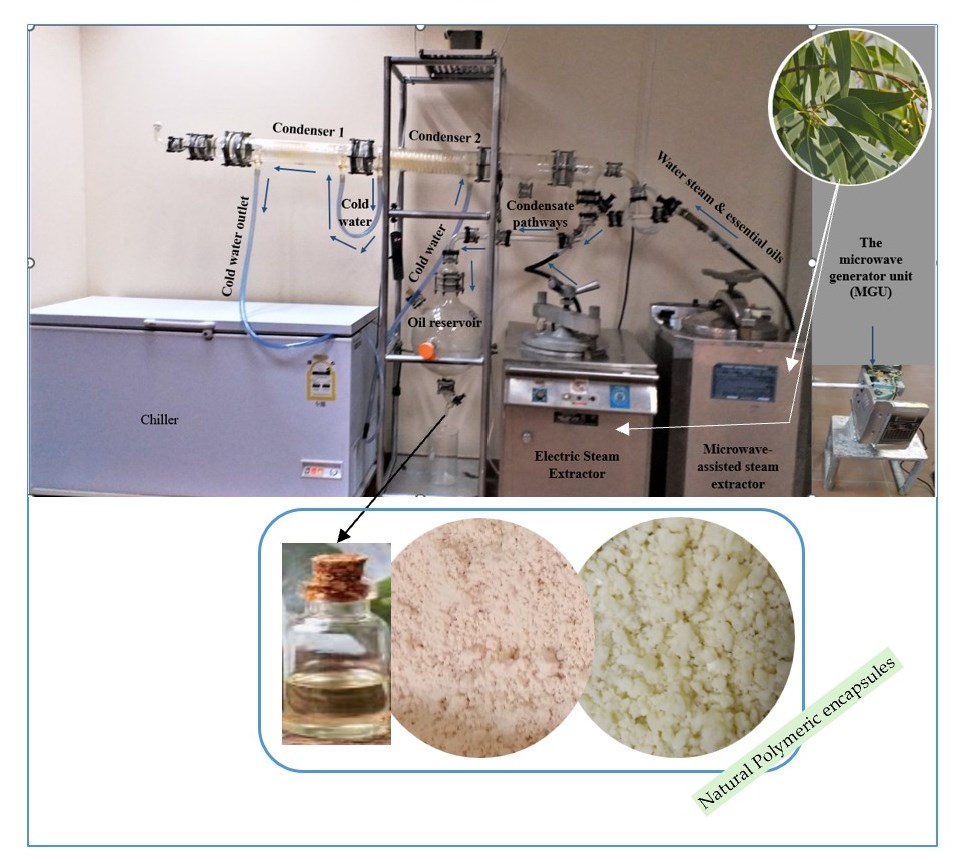
The MASD was designed to rely on a microwave generating unit that emits microwave beams to achieve the desired temperature of the extraction process, as shown in Figure 2. The installation of MASD was carried out, followed by omitting the electric heater and the autoclave was allowed to be heated by a microwave beam directed towards using an ideal waveguide.
Subsequently, a water-distillation process was conducted using a Clevenger-type device, resulting in the extraction of greenish-yellow oil. The extraction process was conducted for a duration of three hours, and the resulting essential oil was subjected to dehydration using anhydrous sodium sulphate. Subsequently, the oil was kept at a temperature of 4 ºC prior to analysis [55]. In order to decrease the viscosity of oil inside leaf tissues and hence optimize oil production [56,57], a microwave beam was applied to the leaves for a duration of about 10 minutes. (Figure 2) utilizing two distinct equipment for extraction: microwave-assisted steam distillation (MASD) and electric steam distillation (ESD). Following a one-hour settling period, the oily supernatants were separately collected and subjected to filtration using vacuum filters to eliminate any impurities present in the oil. The use of hydraulic pressure was employed to facilitate the extraction of the residual oil from the compacted cake, as documented in reference [58].
The microwave generator unit (MGU) is tasked with the conversion of alternating electric current (AC) into microwave radiation. It consists of five components, namely magnetron, transformer, capacitor, diode, and waveguide. The unit shown in Figure 3a comprises the following components: i) The magnetron 2M214 39F(06B), specifically coded as 2B71732E, is designed for use in LG microwave ovens. It operates at a power of 900W, with an anode voltage of 4.20 kVp and a frequency of 2460 MHz (Figure 3b). ii) The high voltage transformer, identified as 1000E-1E, is intended for use with a power supply of 220V and a frequency of 60Hz (Figure 3c). iii) The high voltage capacitor is rated for an alternating current (AC) voltage of 2100V, with a capacitance of 1µF±3%. It is designed to operate at a frequency of 50/60 Hz and has a resistance of 10 MΩ (Figure 3d).
Concerning the Magnetron, its cavity is a vacuum tube characterized by its high-power output and ability to function as a self-excited microwave oscillator. This device can convert high-voltage electric energy into a focused microwave beam, as shown in the current invention. The magnetron uses the interaction between electron and magnetic fields to provide the necessary high-power output for radar devices. According to, the multi-cavity devices have the potential to serve as radar transmitters, functioning as either pulsed or continuous wave (CW) oscillators. The magnetron served as the primary and only means of producing microwave energy for the microwave generating unit (MGU) in the current innovation (Figure 3b). The source of extraction was a previously used household microwave oven. The magnetron's technical parameters include a power output of 900 W, an anode voltage of 4.20 kVp, and a frequency of 2.46 GHz [59,60].
The power source used in this context is often a high-voltage device, such as a basic transformer or an electronic power converter. This power source is responsible for transferring energy to the magnetron, as seen in Figure 3c. The high-voltage transformer (HVT) has the following technical specifications: 1000E-1E, 220V, and 60Hz. The magnetron is responsible for the conversion of high voltage alternating current (AC) into the specific frequency of 2.45 GHz. According to [61], magnetrons operating at a frequency of 915 megahertz are used in the stimulation of expansive oven cavities found in the context of industrial and commercial settings.
A high-voltage capacitor was interconnected with the magnetron, transformer, and, via the use of a diode, linked to the output of the waveguide (Figure 3d).
A diode is an electrical component with two terminals that exhibits a largely unidirectional current conduction behavior, characterized by asymmetric conductance. In addition, it exhibits little resistance, preferably approaching zero, when current flows in one direction, while displaying significant resistance, ideally approaching infinity, when current flows in the other way. In addition, a compact fan was used to mitigate the temperature of the transformer and magnetron by circulating air in their vicinity. Furthermore, in this experimental setup, a compact metallic waveguide was used to facilitate the transmission of microwave power from the magnetron to the extraction vessel containing aromatic tissues in the extraction apparatus [59,60].
2.2.4. Electric Steam Distillation (ESD) Apparatus
The ESD was used for distilling the essential oil from Eucalyptus’ leaves (Figure 2). It uses an indirect electric current heater for this function.
2.3. Essential Oil Extraction Process
The fresh leaves (2 kg) were distilled in a steam-water distiller having an internal vessel of 72 liters in volume using about 10 liters of distilled water (Figure 2) for 3 h. The collected essential oil was dehydrated over anhydrous sodium sulphate and stored at 4 ºC before analysis [55].
Following a settling period of one hour, the oily supernatants were separately collected and subjected to filtration using vacuum filters to eliminate impurities presented at the oil. The hydraulic pressure as a means to extract the residual oil from the settled cake [58]. After the crude oil was received, it underwent weighing and subsequent storage prior to undergoing various characterizations. A collection of oil specifications was established via the use of methodologies documented in standard procedures or employed by researchers operating within similar and interconnected disciplines.
2.4. Characterizations Essential Oils
Determination of oil specifications were determined according to the procedures provided by other researchers [62,63,64]. In addition, the ASTM standard methods applied for specific gravity (SG), saponification value (SV), the acid value (AV), iodine number (IN) according to ASTMs [65,66,67,68].
2.4.1. Physical Characterization of the Essential Oil
Concerning the yield of the essential oil, it was calculated using the equation presented at Table A3 [55]. Moreover, relating to the specific gravity of the EEO, a known weight-glass tube (W) was filled first with essential oil and weighed (W1). Subsequently. The same tube glass was filled up to the same volume of deionized water and weighed (W2). Then, the specific gravity (δ) was calculated using the formula shown in Figure A3 [62,63,64]. Furthermore, considering the refractive index (RI), a refractometer model No. 922313 (Bellingham and Stanley Ltd., London) was used for the determination of the eucalyptus essential oils’ RI at 40 °C as illustrated at Table A3 [63,64].
2.4.2. Chemical Analysis
- I.
- Chemi.cal Behaviour of the EEO
The saponification value (SV) was measured using a method involving dissolving the oil (~ 0.5 g) in 10 mL of 100% ethanol, adding 2.5N potassium hydroxide, refluxing for two hours, and cooling. The remaining KOH was quantified using oxalic acid and phenolphthalein, and the saponification value was determined using a mathematical expression presented at Table A3.
The determination of the acid value (AV) of EEO involved dissolving approximately 0.5g of the oil in 10 ml of 95% ethanol, with the addition of 2-3 drops of phenolphthalein. Following this, the unbound acid was titrated in a controlled manner using a solution of NaOH (0.1N) at a consistent rate of 30 drops of alkali per minute. The solution underwent continual agitation until the initial manifestation of a distinct red hue exhibited no discernible fading within a duration of 10 seconds. The AV was determined using the equation provided in Table A3 [60,69].
The iodine number (IN) is a quantitative measure of the degree of unsaturation, specifically the presented of double bonds, in a given essential oil. It was determined by the quantity of iodine that undergoes reaction with 100 g of the oil. Oils characterized by a higher iodine number (IN) exhibit a greater abundance of double bonds [70]. The IN was determined by measuring the amount of iodine as g I2/100 g of oil using the procedure outlined by [57,60,69,71]. Moreover, A blank test was done using the same methodology.
- II.
- Fractionated Compounds by GC-MS Analysis
The EEO was analyzed on a Shimadzu GC-17A gas chromatograph coupled to a mass spectrometer operated in negative chemical ionization mode. A fused-silica capillarity column (30 m, 0.25 mm I.D., 0.25 mm film thickness) with chemically bonded phases DB1(J&W Scientific) was used for the GC separation which was coated by 5% phenyl 95% methyl polysiloxane stationary. The syringe was washed with 8 mL of chloroform and 2 mL essential oil solution and was injected through autosampler and analyzed with HP5 MS column [Table 1]. The yields of the chemical constituents of the volatile oils were determined using the peak area normalization method [64,72,73,74,75].
Mass spectra were compared with those from the National Institute of Standards and Technology (NIST), USA, and retention indices were compared with data from the scientific literature to determine the composition of the sample [73,74]. The peak area normalisation technique was used to calculate the yields of the chemical components present in the volatile oils [72,73,74,75,76].
2.4.3. Anatomical Features of the Leave-Tissues Bearing the Essential Oil
Optical Microscopy
The preparation of anatomical samples for microscopy involved three processes: prefiltration, infiltration, and polymerization. The samples were dehydrated in 70% ethanol, then in a 1:1 propylene oxide-resin blend for 30-40 minutes, and finally embedded into a pure resin block. Concerning sectioning and slide preparation, Lecia HistoCore Nanocut microtome was used to make an ultrafine section (~10 µm) of a leaf tissue using a diamond cutting knife with an angle of 3–8°. Then, slices were collected and stained using toluidine blue. Once a golden ring appears on the outside of pigment droplet, the staining was completed. The optical speculation system is consisted of a light microscope (CE– MC200A) with suitable vision system (OPTIKA PRO 5 Digital Camera– 4083.12) using a Vision PRO 4 software.
Scanning Electron Microscopy (SEM)
The surface appearance and anatomical features of biopolymeric structured leave tissues were examined using SEM imaging technology and the ensuing image analysis and were proved to be highly successful [4].
A compact portion of a leaf, aboit 3 mm in length, was isolated, air-dried before embedding and fixation, attached to a double-sided carbon tape and sputtered by gold to enhance its electric conductivity. Subsequently, the sample to be examined by the SEM was placed on an aluminum stub analysis. A Quanta FEG 450 scanning electron microscope (SEM) type, produced by FEI, based in Amsterdam, the Netherlands, was used to examine the materials. The accelerating voltage used to test the microscope ranged from 5 to 20 kV.
2.5. Microencapsulation
Each of the two microcapsules’ systems of alginate-based hydrogel as well as guar gum-based hydrogel was synthesized by crosslinking with calcium chloride and borax, respectively due to their known biocompatibility, ease of formation, and ability to encapsulate Eucalyptus’ essential oil. Accordingly, the following compounds were used: a) commercial guar gum (Foods Alive, USA), b) borax (di-sodium tetraborate decahydrate, 99.0 %, purity), c) sodium alginate (Cavex, Netherlands), and d) calcium chloride, 94 % (Al Rakah Al Shamiyah Dist., Dammam, KSA) as presented at Figure A3.
The alginate solution is dropped or sprayed into the calcium chloride solution. A device with two or more concentric nozzles is used. The alginate solution is typically in the core and is sprayed out together with another fluid (like an oil) to form a core/shell structure.
2.5.1. Preparation of Microcapsules
The management plan for investigating the microcapsules fabricated from each of alginate-based hydrogel (ABH) and guar gum-based hydrogel (GGBH) can be seen from Figure 4 and Figure A2.
Regarding alginate-based hydrogel (ABH), sodium alginate powder was dissolved in deionized water to create a solution in a concentration that depends on desired microcapsule properties such as size, shell thickness, capsules’ porosity and mechanical strength using calcium chloride solution (5 %, wt/wt) as a crosslinkers agent.
Furthermore, for guar gum-based hydrogel (GGBH), since the guar gum is hydrophilic polysaccharide extracted from the guar bean, it was encapsulated using borax (sodium borate) as a crosslinking agent by reacting the [B(OH)₄]⁻ anion with the guar gum molecule.
2.5.2. Uploading the Essential Oil’ s Solution Within the Microcapsules
Figure 4.
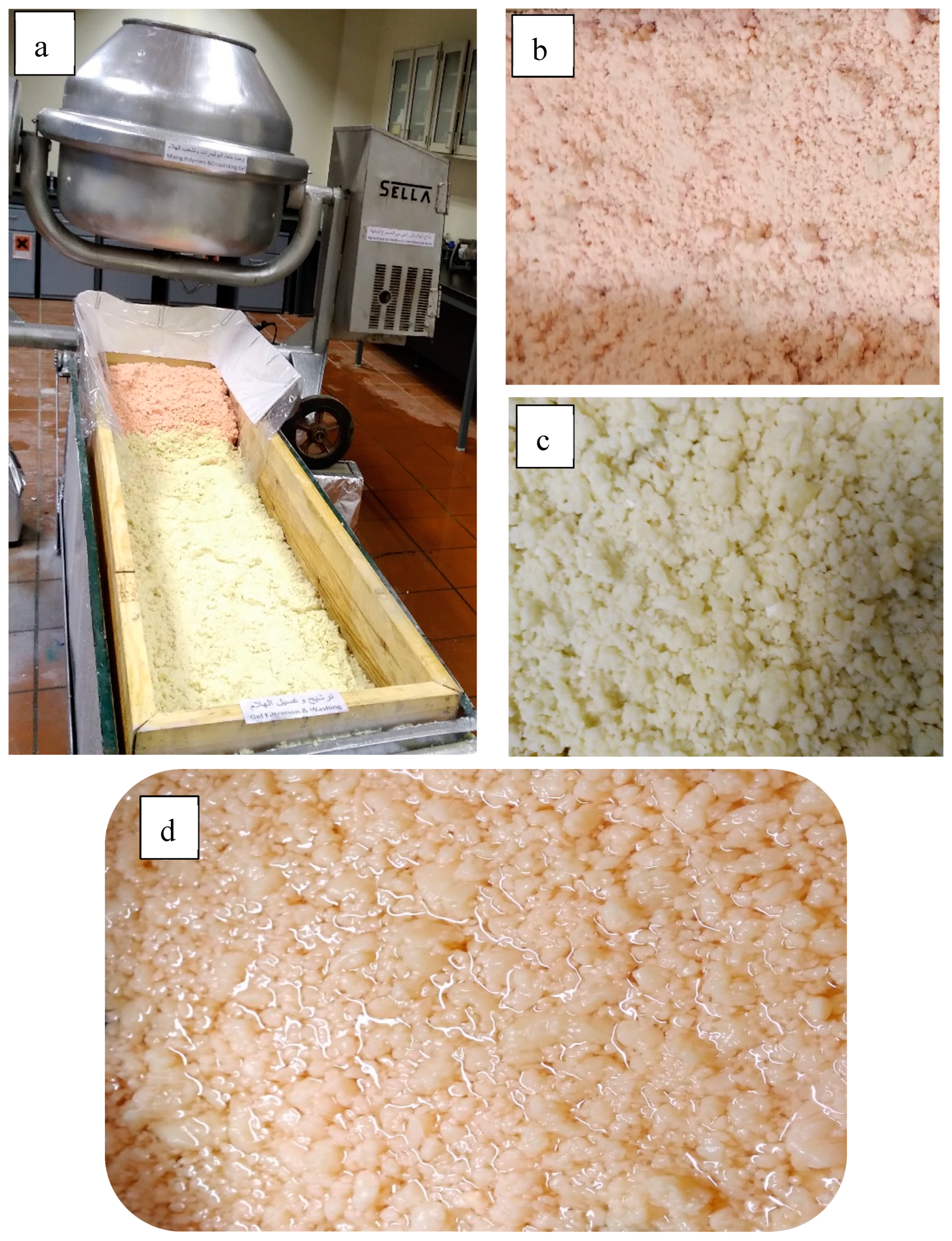
Microcapsules’ fabrication process: a) the mechanical mixer used to blend polymeric matrix, b) the air-dried alginate-based encapsules (ABE), c) the air-dried guar gum-based encapsules (GGBE), and d) immersing ABE in essential oil solution.
Figure 4.
Microcapsules’ fabrication process: a) the mechanical mixer used to blend polymeric matrix, b) the air-dried alginate-based encapsules (ABE), c) the air-dried guar gum-based encapsules (GGBE), and d) immersing ABE in essential oil solution.
2.5.3. Characterization of the Microcapsules
The encapsulation efficiency (EE) percentage property was calculated as described at Table A3 by dividing the volume of the essential oil in the encapsule after a known period over its initial volume within the same encapsule [77].
Porosity
Concerning porosity percentage of encapsules, it was determined using mercury displacement using Amsler volume meter and their data were presented at.
Water Swelling Capacity (WSC) of an encapsule refers to its ability to absorb water and swell in volume as a result. This property is crucial for several applications, including drug delivery systems, hydrogels, environmental remediation, and other advanced materials.
Put one gram of the encapsules were immersed in about one liter of deionized water (). After an adequate period, the solution was filtered to separate microcapsules from the solution. Wiping the microcapsules was gently considered using tissue to remove any remaining liquid in encapsules surface and were then weighed to determine their mass in swollen state [51]. Their WSC was calculated using the formula shown in Table A3.
Volumetric Shrinkage (VS) refers to the reduction in encapsules’ volume as they undergo changes in phase, temperature, moisture content, or curing conditions. It was determined based on saturated volume of the encapsules (Table A3).
2.5.4. Bioassay Screening of the Encapsules Against Termite Control [52,53,54]
Collecting termite workers among the most common wood in the Hada Al-Sham region, namely Ziziphus spina var Christi (ceder trees). First, the ceder woody blocks of about 20 × 6 × 2 cm were prepared according to Alavijeh et al [52], then they were put in an infested soil. The termites were then separated using a brush and placed in a well-ventilated container (Figure 12a-c) with filter paper that had been saturated with distilled water to provide hydration and nourishment. Prior to biometrics experiments, the plates were in the dark for 24 hours at 28 ± 2 °C and 85 ± 5% relative humidity to reduce termite stress.
In order to study the difference between the two polymeric encapsules, namely guar gum-based encapsules (GGBE) and alginate-based encapsules (ABE) uploaded with a natural pesticide, 1,8-cineol was chosen in four different concentrations (50, 100, 150 and 200 μL) for a duration of 1, 1.5, and 2h. Concentrations of the 1, 8-cineol applied for the trials (50, 100, 150 and 200 μL) were prepared using methanol .
Mortality was recorded after each duration and the traits were repeated three times to represent different replicates.
Statistical Work
Two statistical designs were conducted in the present study. The first experiment was conducted as a split plot design in three replicates to explore the extraction methods’ efficiency of the essential oils obtained from Eucalyptus hybrids grown at three locations (Table S2). Moreover, the second experiment was designed to be split-split plot one in three replicates for microencapsulation target (Table S3). The purpose of this study was to identify and analyses the variations among the essential oils derived from Eucalyptus leaves using the MASD and ESD technique. Furthermore, the statistical analysis used the least significant difference at a 95% level of confidence approach to assess and compare the variations among the means of different species for all the attributes under investigation [78].
3. Results and Discussion
The eucalypt essential oils (EEOs) were extracted from the ecotypes grown at each location of Hada A-Sham (HAS), Briman and King Abdulaziz University (KAU) campus by using each of MASD and ESD apparatus. Their physical qualities (oil yield, refractive index and specific gravity) were investigated and presented at Figure 5. In addition, their chemical properties were shown in Figure 6, Figure 7, Figure 8 and Figure 9.
3.1. Physical Properties of the Essential Oils
3.1.1. Essential Oil Yield (EOY)
Based on the data presented in Figure 5a, it is evident that the EOY varies among the three different locations studied (HAS, briman, KAU) when employing each of heating techniques (MASD or ESD). Specifically, the analysis reveals that HAS leaves exhibit the highest yield, with values of 2.57% and 2.36% for MASD and ESD, respectively. The yield obtained from Briman leaves was lower, measuring 2.09% and 1.88% for MASD and ESD, respectively. Similarly, KAU leaves yield even lower amounts of essential oil, with values of 1.85% and 1.64% for MASD and ESD, respectively. Based on the analysis of the Eucalyptus species investigated in this work, it is evident that the MASD process demonstrates high efficacy in extracting essential oil of superior quality with maintaining the integrity of bioactive ingredients compared to that obtained by the ESD. However, the resulted data was approaches to that obtained by other researchers [34,79,80,81,82,83,84,85,86]
3.1.2. Refractive Index (RI)
Statistical analysis revealed significant variations in the essential oil's RI values across the different eucalypt ecotypes introduced into the three locations examined using each of the two distillation procedures ) as shown in Figure 5b. The RI values within the location factor indicates that Briman leaves exhibited the highest index values at the MASD and ESD methods (1.47 and 1.65, respectively) compared to those obtained from Hada Al-Sham (1.45 and 1.55, respectively) and KAU (1.46 and 1.55, respectively (Figure 5). In general, the ESD yields higher results than the MASD for species with similar levels of oiliness (Figure 5). The RI of Briman leaves oil (1.47) falls within the range of values reported by [87]. However, it was observed to be greater than the range when the oil was extracted using the ESD technique. This finding suggests that using MASD did not result in any significant variation in the refractive index (RI) of the essential oils obtained. This outcome validates the appropriateness of the current research for its intended industrial implementation.
The results of the RI were found to be lied within the normal scale found by several researches [71,79),88]. The ESD measurements show elevated values (ranging from 1.55 to 1.65) in relation to the various species obtained from the Hada Al-Sham, Briman, and KAU locations. The greater RI value may be attributed to the elevated temperatures created by the ESD approach. The biological content of essential oils may be influenced by the extraction process used during their manufacturing [86]. The variability in high temperatures throughout the extraction process significantly impacts the quality of the fundamental component. The use of the water distillation process at temperatures over 100˚C for extracting oil from Eucalyptus camendulis leaves has been seen to decrease the quantity of oil obtained and may impact the RI as referred to [88]. When Briman leaves oil was tested, it was found that the most significant RI value observed was 1.47, which is within the permissible range of values. It can be inferred that the MASD approach yielded comparable results to those obtained using the same amount of oily species. Consequently, it can be concluded that the MASD method did not introduce any discernible variations in the refractive index of the resulting essential oils [60].
3.1.3. Specific Gravity (SG)
Statistically significant variations in SG values were observed across Eucalyptus species, which were impacted by the extraction techniques used and their combinations. However, no significant variations were found between and within the species (Figure 5). Using the MASD technique to compare the SG values among the three locations considered reveals that Eucalyptus leaves provide the lowest value (0.90 in Briman and 0.91 in another two species), whereas ESD gives the most excellent value (0.93 in all three species). The average specific gravity value obtained in the current experiment using both of the approaches falls within the range of 0.957–0.968 specified by the ASTM [65] as reported by [60]. The MASD and ESD procedures provide similar results for oily species at the same level (Figure 5). It is suggests that both approaches do not alter the resulting essential oils' specific gravity and highlights this innovative study's economic significance.
Various extraction processes and physical circumstances were reported to influence the quality and amount of essential oil production [83]. The SG determination in essential oils has significant importance as it serves as a valuable indication of their purity and enables the differentiation of various oily solutions, as noted by [71]. They also noticed that when an oil spill happens, the chemicals released into the water have a higher specific gravity than the oil itself. The use of the microwave- extraction method in this investigation resulted in the presence of contaminants within the Eucalyptus leaves oil, which might perhaps account for the slight variations seen in the specified results [60,71].
3.2. Chemical Properties of the Essential Oils
Regarding saponification value (SV) of the EEO, the extraction methods, Eucalyptus species and their combinations significantly influenced the essential oil's saponification value (SV) as clear in Figure 6 and Figure 7. The result revealed that leaves collected from Hada Al-Sham had the highest SV value for both MASD and ESD (112.64 and 74.80, respectively) compared to the other resources examined, namely from Briman (91.65 and 70.46, respectively) and KAU (81.86 and 65.41). Among all the sources, leaves collected from Hada Al-Sham contain higher SV, followed by Briman and KAU under the extraction methods mentioned. In addition, MASD produced approximately 50.59% more SV in the essential oil collected from Hada Al-Sham compared to the action of the ESD (Figures 6, 7).
The EEO results show diverse SR-results, with the extraction process, plant components, species variety, and harvest timing all contributing to the quality and amount of essential oil, potentially influencing its biochemical composition and functionality [79,80,81,82]. It was reported that the SR correlates the molecular weight (MW) of triglycerides, with higher SV values corresponding to lower MW values [60,71].
Consequently, it was anticipated that Eucalyptus oil would possess a reduced molecular weight of triglycerides compared to other essential oils exhibiting a lower saponification value. The results shown in Figure 6 and Figure 7 indicate that the SV value of EEO fell within the ASTM [67] range of 175-187 SV units, demonstrating its high SV. This finding is consistent with other studies published [71,89,90].
The analysis of the acid value (AV) indicated that the methods of extraction, namely MASD and ESD, had a notable impact on the EEO. However, the influence of within-eucalypt’s ecotypes variations and their combination was statistically insignificant (Figure 6 and Figure 7). Using the ESD technique, the Eucalyptus leaves obtained from the Briman and KAU regions had the greatest acid value (AV) of about 1.14 mg KOH/g oil. This AV was found to be 93.22% higher compared to the AV of the Eucalyptus leaves collected from the Hada Al-Sham and Briman regions, which had an AV of around 0.59 mg KOH/g oil (Figure 6 and Figure 7). Both approaches yielded comparable findings for the Eucalyptus’ ecotypes, with values ranging from 0.58 to 0.59 mg KOH/g oil in the MASD method and 1.13 to 1.14 mg KOH/g oil in the ESD method.
In the current investigation, the highest acid value (AV) of the essential oil (1.14 mg KOH/g oil) falls within the specified range of [68] (0.4–4.0 mg KOH/g oil), as shown in previous studies [71,91]. The Eucalyptus oil had a low concentration of free fatty acids, as shown by the Acid Value (AV), which indicates the carboxylic acid groups present in the fatty acids comprising the oil.
Additionally, the AV quantifies the quantity of free fatty acids (data not provided). The present investigation yielded a lower average value (AV) for Eucalyptus essential oil compared to the AV for castor oil seed determined previously by Hindi et al [60]. They state that the seeds were gathered from the ground and underwent a curing process for a specific duration. Subsequently, the seeds were subjected to an adequate quantity of lipase enzyme, facilitating the hydrolysis of their triglycerides into free fatty acids. This enzymatic process increased the seeds' acid content.
In relation to the iodine value (IV), a notable observation was noticed regarding the MASD and ESD methods applied to Eucalyptus essential oil. Specifically, the Briman species exhibited a higher IV of 80.04 g I2/100 g oil, while the Hada Al-Sham species had an IV of 79.50 g I2/100 g oil, and the KAU species had an IN of 79.99 g I2/100 g oil (Figure 2). Similarly, in the ESD method, the Briman species had a higher IV of 51.91 g I2/100 g oil, compared to the Hada Al-Sham species with an IV of 51.65 g I2/100 g oil, and the KAU species with an IV of 50.63 g I2/100 g oil. Moreover, the IN values acquired with the MASD approach yielded greater INs compared to the species recovered using the ESD technique. Furthermore, when considering both intra-species and combinations, no statistically significant variations were seen among the various investigated species (Figure 6 and Figure 7). The IV values for all species (ranges 50.63 to 51.91 g I2/100 g oil) were lower than the 100 IN-unit for ESD, as Figure 6 and Figure 7 illustrates, but they are still within the ASTM [66]-specification limit (82–88 g I2/100 g oil). Conversely, MASD's highest IV readings (79.50 to 80.04 g I2/100 g oil) were all lower than the standard range for all species.
The lower iodine number (IN) readings may be ascribed to the higher concentration of saturated fatty acids that did not undergo a chemical reaction with the Hanus iodine solution, as reported by [71]. The eucalyptus species exhibited potential for producing high-quality essential oil in this study. It is attributed to the higher IN values observed, which fall within the specified ranges outlined by ASTM [66]. The elevated levels of unsaturation indicated by the values suggest a greater capacity for unsaturated acids to absorb iodine. Consequently, eucalyptus oil derived from the ESD species possesses characteristics that make them well-suited for use as non-drying oils in the cosmetic industry. However, their compatibility with the paint industry may be limited, while their suitability for the soap industry remains favorable [92]. Since unsaturation is directly related to the IV and the RI, the oil's moderate RI value aligns with its reasonable iodine number [60].
3.3. Chemical Constituents of the Essential oil
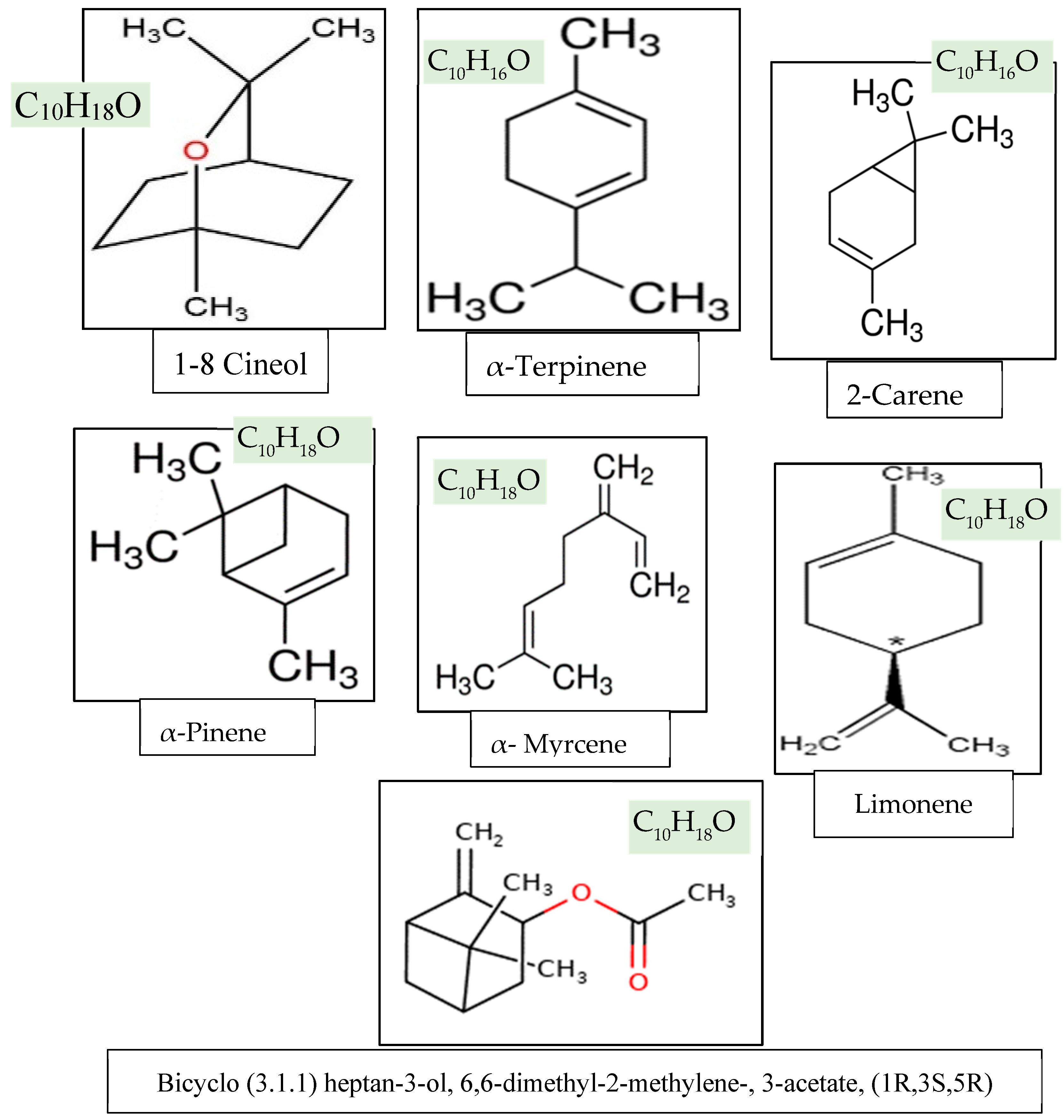
The volatile chemical composition of essential oil was investigated using GC/MS. Seven significant chemicals were identified, which mainly consisted of 1,8-Cineol, α-terpinene, D-limonene, α-pinene, 3-carene, α-myrcene, and L-trans-pinocarveol. The compounds constitute the majority of the total essential oil (Figure 8 and Figure 9 and Table 3).
The essential oils extracted from the leaves of Eucalyptus hybrids grown at the three different sites were differed at their chemical composition. Their differences may be attributed to the fact that the trees grown in different regimes may exhibit differences in their chemical constituents [74] as well as their botanical difference.
The MASD and ESD procedures were shown to be appropriate for extracting some of the key compounds present in Eucalyptus leaves. It is evident that one of the main constituents was 1,8-cineole, which is often referred to as eucalyptol. Previous studies have shown comparable compositions of essential oils (EOs) derived from the Eucalyptus variety [93]. The studies have identified α-pinene (17.45%), β-pinene (0.28%), 4-terpineol (0.33%), and spathulenol (1.87%) as the predominant constituents of the EOs. The compound 1,8-cineole plays a crucial role in determining the economic worth of the oil and its importance as a primary resource for many businesses. Various studies have shown varying amounts of 1,8-cineole in the leaf oil of Eucalyptus globulus, ranging from 47% to 87%, across various nations [94,95].
The extraction techniques, as well as the specific Eucalyptus ecotypes and their combined effect, substantially impacted the chemical makeup of the extracted essential oils (Table 3). The findings of this study indicate that the volatile oil derived from each species of Eucalyptus has a distinct chemical makeup in terms of quantity and quality. As per the findings, the most prevalent chemical was eucalyptol (1,8-cineole), constituting the highest proportion. Nevertheless, many additional compounds were relatively abundant, including α-terpinene, D-limonene, 3-carene, and L-trans-pinocarveol. On the other hand, α-Pinene and α-Myrcene were identified as less abundant compounds (Figure 8 and Figure 9 and Table 3).
The volatile oil derived from Eucalyptus leaves is mostly composed of a higher ingredient commonly found in most Hada Al-Sham species. However, there are variations seen in the quantities of some essential oil molecules among the species. The observed variances in the mentioned phenomenon may be attributed to genetic factors [95]. Additionally, geographical and meteorological circumstances have been identified as potential contributing factors, along with other variables like as the time of harvest, age of the plant, and the technique of distillation [96,97].
The current results align with previous studies conducted by Tsiri et al. [98] and Cimanga et al. [99], which demonstrated that the primary constituents of Eucalyptus oils were mostly composed of 1,8-cineole. The chemical compositions of many different species of Eucalyptus have been documented in a publication by Batista-Pereira et al. [100] and the findings are consistent with the results obtained in this study. The observed variation might perhaps be attributed to disparities in the chemical composition of the plants. Previous research has corroborated the current results of the study [101].
The majority of the chemicals classified as monoterpene alcohols comprised the predominant class within the overall oil composition. In a study, [102] identified oxygen-containing monoterpenoids as the predominant constituents in 20 distinct kinds of Eucalyptus oil. The chemical ingredients of the EEO isolated in this research have potential use in medical therapy. Eucalyptol, also known as 1,8-cineol, has been identified as a predominant component (44-84%) in the essential oil derived from several species of Eucalyptus. The significant study conducted by Sebei et al. [95] and Sahi [103] has shown the noteworthy antioxidant and antibacterial properties associated with this chemical. Furthermore, it is worth noting that the eucalyptus essential oil has a significant proportion of eucalyptol, around 70%, as indicated by the European and British Pharmacopoeia [104]. This particular composition makes it highly suitable for employment in therapeutic applications.
One significant monoterpene ester identified in the EEO is α-terpinyl acetate. The substance has antibacterial properties and possesses a pleasant scent characterised by a sweet, flowery floral and lavender aroma [87]. Therefore, α-terpinyl acetate is extensively used as a significant component in air fresheners, laundry detergents, dishwashing solutions, deodorizers, soaps, shampoos, and lotions. In addition, α-terpinyl acetate serves as a food flavoring ingredient in various baked goods, beverages, fruit-based ice creams, sugar confections, chewing gum, gelatin-based products, and puddings [105].
It is clear that 1,8-cineole (eucalyptol) was the primary constituent in all the species obtained from Hada Al-Sham, Briman, and KAU using both extraction procedures. The leaves obtained from Hada Al-Sham have a high concentration of 1,8-cineole, with a content of 76.15% as determined by MASD and 72.15% as determined by ESD. In contrast, MASD and ESD methods yielded extraction efficiencies of 67.12% and 63.12% (Briman) and 56.19% and 55.85% (KAU) for the compound 1,8-cineole, as shown in Figure 8 and Table 3.
The extraction procedures had a substantial impact on the components α-Terpinene and 3-Carene across all Eucalyptus species, however, their combined effect was found to be non-significant (Table 8). The leaves obtained from Hada Al-Sham exhibited the highest levels of α-Terpinene (6.42% and 5.59%) and 3-Carene (4.51% and 4.14%) when analysed using the MASD and ESD techniques, respectively. D-Limonene (3.60%) and L-trans-Pinocarveol (3.66%) were found to be present in significant quantities as major constituents in the species obtained from Hada Al-Sham (Figure 8 and Table 3).
Additionally, α-Pinene and α-Myrcene comprise a small but significant portion of the oil's overall composition. Briman and KAU species have very low concentrations of them. The species taken from Hada Al-Sham exhibited the highest concentrations of α-Pinene (1.69%) and α-Myrcene (3.18%) among all samples, regardless of the extraction technique used (Table 8). The MASD approach generally has more promise for quantifying the volatile component of the essential oil derived from Eucalyptus leaves.
The MS of 1, 8-eucalyptol in the essential oil of Eucalyptus globulus Labill leaves as compared to that from NIST-02-library data of the GC-MS system is showed in Figure 9.
3.4. Microwave Theory Operation
In order to investigate the impact of microwave irradiation on biopolymeric structured tissues, an anatomical examination of the leaves precursors was conducted using scanning electron microscopy (SEM). The results of this examination are shown in Figure 10 and Figure 11 for optical and SEM micrographs, respectively [106,107,108,109,110,111].
It is worth mentioning that Figure 2 shows the electric- and microwave-assisted steam distillation apparatus used for extracting the essential oil from leaves of eucalypt ecotypes. Moreover, Figure 3 provides technical details pertaining to the microwave irradiation equipment that has replaced conventional electric heating coils in a traditional autoclave apparatus used for extracting the eucalypt essential oils (EEO). The provided illustration depicts the components of the microwave generating unit (MGU), referred to as a high-voltage magnetron, together with the high voltage-transformer, high voltage-capacitor, and the method used to direct the microwave beam to the distillation vessel through a dedicated waveguide.
Microwave wavelengths cover a range of about one meter to one millimeter, exhibiting frequencies that vary from 300 MHz (1 m) to 300 GHz (1 mm). Electromagnetic waves have distinct wave properties, although they also manifest particle properties when seen at high frequencies. [60]. Academics are exploring microwave irradiation for oil extraction from plants using a high-voltage transformer, which operates at a voltage of 220 V and a frequency of 60 Hz [60,106)-109]. To get the desired frequency of 2.45 GHz, the magnetron undergoes a conversion process whereby it transforms high voltage alternating current (AC). According to reports, magnetrons operating at a frequency of 915 megahertz are used in industrial and commercial ovens to stimulate the bigger cavities present inside the ovens [59,60,69].
It is worth mentioning that microwave beams are transmitted through leaf tissues using the microwave generator. Microwave beams typically exhibit a frequency of 2.46 GHz, corresponding to a wavelength of 12.24 cm. During the process of dielectric heating, the water, fat, fixed oils, proteins, and/or sugar molecules present in leaves exhibit absorption of microwave radiation. The microwave beam generates an oscillating electric field, inducing molecular rotation and alignment with the alternating electric field. This effect is seen in several molecules, including water molecules. Consequently, the generation of heat occurs as a result of the absorption of electromagnetic radiation by dipolar molecules. This absorption leads to intense molecular vibrations, which in turn produce friction. The friction then causes a quick increase in temperature, facilitating the efficient processes of water evaporation and/or fat melting.
Therefore, there is a significant augmentation in the vapor pressure gradient between the innermost region and the outer surface of the biopolymeric tissue, hence facilitating rapid diffusion of moisture and/or essential oil from the tissue. Therefore, it can be inferred that microwave drying and microwave hot pressing techniques exhibit superior characteristics in terms of speed, uniformity, and energy efficiency when compared to conventional methods [60,110].
Electromagnetic waves, characterized by their electric and magnetic fields, have the capability to introduce energy into a given system [59,60,69]. The generation of thermal energy occurs due to molecular rotation, when molecules collide with one another and transfer kinetic energy, initiating their motion. Liquid water is considered to be the most effective medium for microwave heating due to its high efficiency. In contrast, substances such as fats and sugars, which possess less molecular dipole moments, as well as frozen water, where molecular rotation is restricted, exhibit lower efficiency in this regard. Electromagnetic waves, characterized by their electric and magnetic fields, have the capability to introduce energy into a given system. In addition to exerting force and moving charges in the system, the fields may also conduct work on the charges. The transmission of energy is significantly enhanced when the frequency of an electromagnetic wave aligns with the inherent frequency of the system, as shown by the resonance frequency of water molecules and the utilization of microwaves. The energy is directly proportional to the square root of the amplitude. Greater electric and magnetic fields impose increased pressures and possess enhanced capacity to do work in the context of electromagnetic waves. Furthermore, it should be noted that microwave beams have variations in temperature distribution, resulting in localized areas of high and low temperatures. Consequently, this characteristic renders them inappropriate for the purpose of heating the colander of the extruder.
The detection of this phenomena may be achieved by exposing moist thermal paper to a microwave beam. Upon analyzing the propagation line, or baseline, of the microwave sinusoidal curve, it becomes evident that the cold spots, which represent damping, may be likened to the sites of intersection between the magnetic and electric wave curves. The elimination of hot spots has been achieved by the constant rotation of the extruder, which effectively alternates the damper sites.
Concerning heat transfer upon using the distillation process, in the context of the ESD, the primary mode of heat transport is conduction, as governed by Fourier's law. In contrast, the MASD mostly facilitates heat transmission by conduction, as described by Fourier's law, convection, as outlined by Newton's law of cooling, and a certain degree of heat transfer occurs through radiation, as governed by Kirchhoff's law of thermal radiation. Consequently, the use of the MASD is an optimal mean for facilitating heat transmission, thereby effectively heating the leaves’ tissues, and enhancing the output of essential oil. Moreover, conduction heat transfer facilitates the movement of heat from the outer regions of leaf tissues to their inner cores. On the other hand, convection involves the combination of conduction heat transfer and circulation, resulting in the displacement of air molecules from hotter zones to cooler ones. Furthermore, radiation refers to the phenomenon in which thermal and electromagnetic waves impinge onto and permeate food. Consequently, there is an absence of direct physical interaction between the heat source and the item being cooked. The microwave hot pressing machine is considered to be an optimal instrument for facilitating heat transmission. Consequently, the use of this machine to heat the leaf tissues has been shown to enhance the production of essential oil, as supported by previous studies [111].
3.5. Effect of Microwave Irradiation on the Leaves’ Tissues Bearing the Essential Oil
Studying the microstructure of various organelles found in oily seeds will be beneficial in enhancing the efficacy of lipid isolation and characterization processes. The understanding of seed microstructure has significance in industrial processing, particularly in assessing the feasibility of substituting microwave irradiation with conventional heating methods in the oil extraction process [112]. In contrast to traditional techniques, the use of microwave treatment for oil extraction has several benefits. The advantages include enhanced yield and quality of the extracted oil, the capacity to directly extract oil, decreased energy consumption, accelerated processing time, and reduced solvent contents [60,69,107]. The observed outcomes may be ascribed to the use of microwave irradiation, which presents a promising option for inducing stress responses in the highly organized tissues seen in oil seeds. The use of microwave radiation on oil seeds has been shown to generate greater extraction rates and enhanced mass transfer coefficients due to the more pronounced rupture of the cell membrane. In addition to this, permanent pores were formed in a manner consistent with the movement of oil through permeable cell walls [91,113].
3.6. Characterization of the Microcapsules
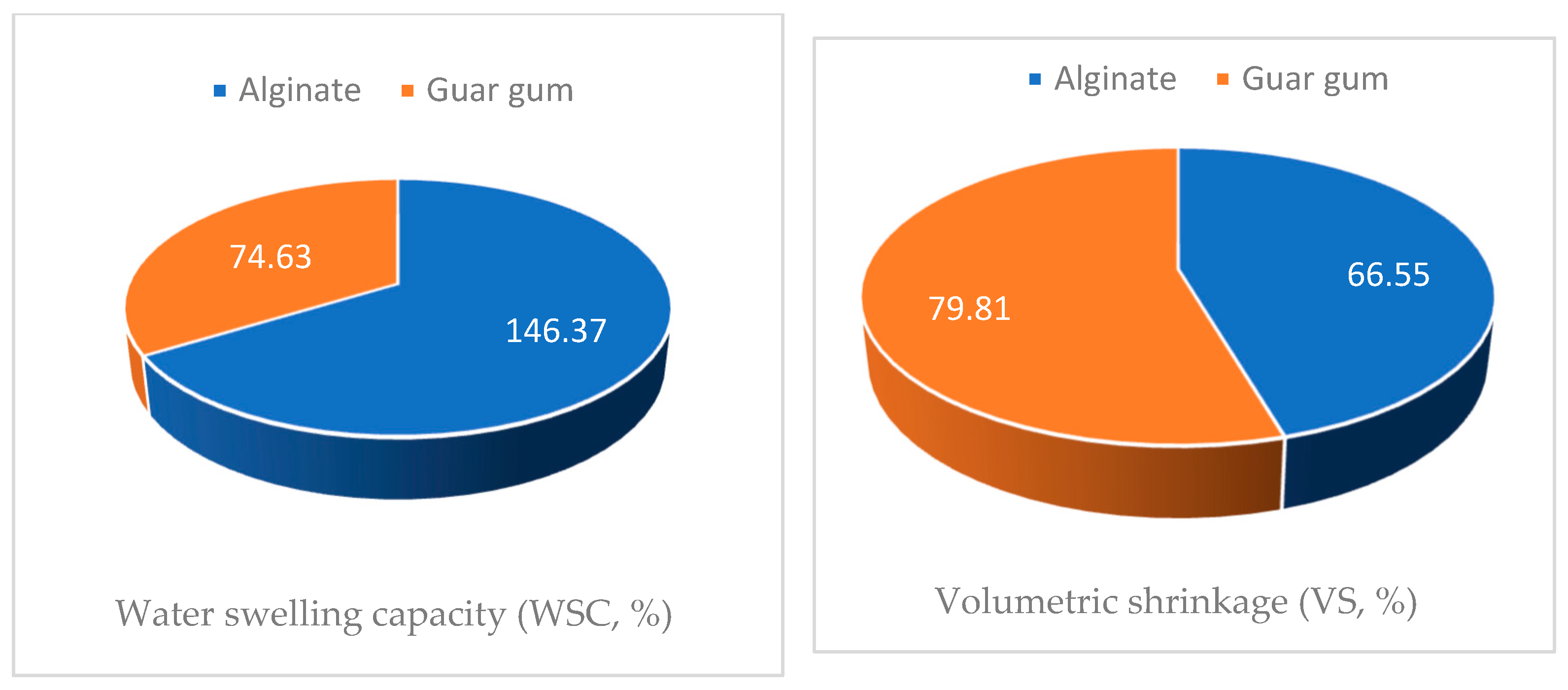
Moisture Content (MC), Water Swelling Capacity (WSC) and Volumetric Shrinkage (VS) were investigated as presented at Table 3 in accordance with Wibowo et al [77].
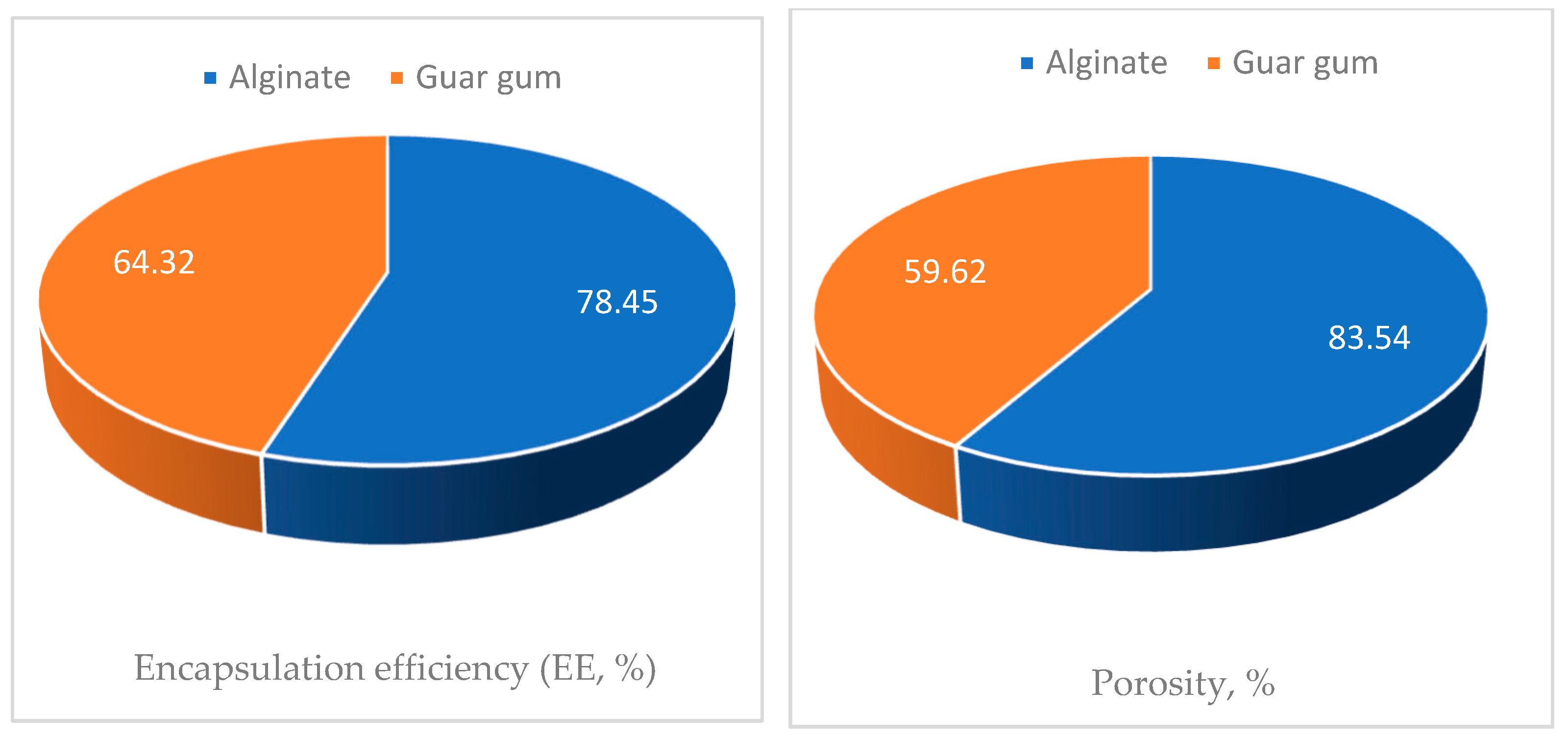
The obtained mercury intrusion data presented at Figure 12 indicated that Alginate encapsules had higher porosity values compared to the guar gum ones (83.54 and 59.62, respectively). This finding illustrates the superior behavior in controlling termites due to its higher uploading of the cineol biopecticide related to its higher porosity compared to the guar gum encapsules.
Figure 12.
Mean values 1,2 of the physical properties of the polymeric encapsules fabricated from each of guar gum and alginate and uploaded with 1, 8-cineol.
Figure 12.
Mean values 1,2 of the physical properties of the polymeric encapsules fabricated from each of guar gum and alginate and uploaded with 1, 8-cineol.
3.7. Bioassay Screening of the Encapsules Against Termite Control
Investigating the encapsulation process was performed to study the difference between two polymeric encapsules, namely guar gum-based encapsules (GGBE) and alginate-based encapsules (ABE) which were uploaded with different concentrations of 1,8-cineol in a concentration of 50, 100, 150 and 200 μL for a duration of 1, 1.5, and 2h as repeated for three blocks [Table S3].
Bioassay screening of the polymeric encapsules uploaded with 1, 8-cineol against termite infection: a) infected tunnels fabricated within a Ziziphus spina-christi’s trunk, b) close-up image of alive termite workers, c) a bulk of dead insects after espoused to cineol within a good-ventilated discant, d, e) mortality of termite workers after the cineol treatments with guar gum- and alginate-based polymeric encapsules, respectively (Figure 13).
Collecting termite workers among the most common wood in the Hada Al-Sham region, namely Ziziphus spina var Christi (ceder trees). First, the ceder woody blocks of about 20 × 6 × 2 cm were prepared according to Alavijeh et al [52], then they were put in an infested soil. The termites were then separated using a brush and placed in a well-ventilated container (Figure 13a-c) with filter paper that had been saturated with distilled water to provide hydration and nourishment. Prior to biometrics experiments, the plates were in the dark for 24 hours at 28 ± 2 °C and 85 ± 5% relative humidity to reduce termite stress.
In order to study the difference between the two polymeric encapsules, namely guar gum-based encapsules (GGBE) and alginate-based encapsules (ABE) uploaded with a natural pesticide, 1,8-cineol was chosen in four different concentrations (50, 100, 150 and 200 μL) for a duration of 1, 1.5, and 2h. Concentrations of the 1, 8-cineol applied for the trials (50, 100, 150 and 200 μL) were prepared using methanol.
Mortality was recorded after each duration and the traits were repeated three times to represent different replicates.
Concerning the efficiency of polymeric hydrogels studied as biopesticides for termite control, it is clear from Figure 13 d,e that the ABE was more efficient than the GGBE regardless cineol concentration and the duration exposure. This evaluation was based on the higher mortality of termite workers exposed to the ABE than the GGBE.
Furthermore, regardless the encapsule type and the exposure duration, the mortality percent of the insects were exceeded significantly for the high cineol concentrations comparing to the lower concentrations for both ABE and GGBE. The higher the cineol concentrations, the higher the mortality percent of the termites (Figure 13 d,e). This finding can be attributed to the rapid toxic effect of the cineol compound at the higher concentrations.
Extending to presenting the pest controlling’s bioassay effort, It can be seen from Figure 12 d,e that time of exposure to the encapsule by the termite works affected their mortality percent that permits insects to breath more bio-insecticide than that within shorter periods.
4. Conclusions
In the present work, several constituents of the essential oil from Eucalyptus (E.) hybrids and were compared to those detected in the E. globulus Labill grown in three locations of the Eastern region of KSA.
The present research investigated the impact of different eucalypt ecotypes on essential oil components. The experiment was achieved using a novel microwave-assisted steam distillation reactor (MASD) to extract the essential oil, and the results were compared with those obtained by electric steam distillation (ESD). Leaves from four distinct Eucalyptus ecotypes originating from two distinct locations in the Western part of Saudi Arabia, namely Hada Al-Sham village and the King Abdulaziz University court, were used to extract essential oil. The essential oil yield differs across several Eucalyptus species under similar heating processes, with Hada Al-Sham leaves demonstrating the highest yield, followed by Briman and KAU leaves. The findings also indicated a notable variation in the chemical makeup of the essential oil, which was shown to be contingent upon the specific ecotype. The extraction methods and the species of Eucalyptus utilized notably influence the chemical composition of essential oils. The eucalyptus species raised at Hada Al-Sham village had the highest quantity of cineol (59.29%) compared to the other three locations investigated. The concentrations of α-Pinene and α-Myrcene exhibit variation between different species, with Hada Al-Sham demonstrating the greatest amounts among them. The extraction methods significantly influence the concentrations of α-Terpinene and 3-Carene compounds, with Hada Al-Sham leaves showing the most elevated amounts. Hada Al-Sham species exhibit notable levels of D-Limonene and L-trans-Pinocarveol. The quality and quantity of oils are influenced by several factors, including the extraction procedure, specific plant components utilized, and species diversity. The main component identified using GC-MS analysis was eucalyptol (1,8-cineole) in all species. Given the growing consumer interest in natural goods, eucalyptol might be a viable alternative to alcohol-based hand sanitizers. Furthermore, it is noteworthy that the essential oil derived from eucalyptus plant species has a significant proportion of eucalyptol, constituting around 70% of its composition. This chemical composition renders eucalyptus essential oil very suitable for various therapeutic applications. The findings suggest that the MASD technique has the potential for the quantitative analysis of the volatile constituents present in Eucalyptus essential oils. The present study confirmed that the use of microwave irradiation is simple, facile, more environmentally friendly, cost-effective, keeps oils true to their original form, and allows for the warming of larger machines and spaces, thus welcoming a new era of industrialization in the oil extraction field. Moreover, Concerning the efficiency of polymeric hydrogels studied as biopesticides for termite control, it is clear from Figure 12 d,e that the ABE was more efficient than the GGBE regardless cineol concentration and the duration exposure. This evaluation was based on the higher mortality of termite workers exposed to the ABE than the GGBE. The time of exposure to the encapsule by the termite works affected their mortality percent that permits insects to breath more bio-insecticide than that within shorter periods. Regardless the encapsule type and the exposure duration, the mortality percent of the insects were exceeded significantly for the high cineol concentrations comparing to the lower concentrations for both capsules’ materials. This finding can be attributed to the rapid toxic effect of the cineol compound at the higher concentrations as well as the higher porosity of alginate comparing to the guar gum that allowing higher uploading of the biopesticide for alginate hydrogel.
5. Future Perspectives
More study is required into the possible commercial uses of essential oils extracted from various Eucalyptus species concerning their medicinal, aromatic, or aesthetic potential may include looking into their antibacterial, antioxidant, or other therapeutic characteristics. Concerning the bioassay screening of the polymeric microcapsules, it is important to investigate the action mechanism of cineole for termite control. reducing reliance on synthetic insecticides in ideal formulation and concentration singularity or reinforced with other natural compounds.
6. Patents
Supplementary Materials
The following supporting information can be downloaded at: Preprints.org, Figure S1. Preparation of methyl esters of the essential oils for analysis by GC-MS; Table S1. Comparisons between extraction methods of essential oils; Table S2. Statistical design of split-plot for studying the essential oil extracted from Eucalyptus hybrids grown at each of the campus of King Abdulaziz University (KAU), Hada Al-Sham, and Briman by using two extraction methods, namely microwave-assisted steam extraction (MASD), and electric-steam extraction (ESD) as repeated for three blocks; Table S3. Statistical design of split-split plot for the encapsulation investigation to study the difference between two polymeric encapsules, namely guar gum-based encapsules (GGBE) and alginate-based encapsules (ABE) which were uploaded with different concentrations of 1,8-cineol in a concentration of 50, 100, 150 and 200 μL for a duration of 1, 1.5, and 2h as repeated for three blocks.
Funding
This work was funded by the Deanship of Scientific Research [DSR], KAU, Jeddah under grant no. DF-116-155-1441.
Institutional Review Board Statement
Not applicable.
Data Availability Statement
The original contributions presented in the study are included in the article/Supplementary Material, further inquiries can be directed to the corresponding author.
Acknowledgments
The authors are deeply thankful to the DSR, KAU, Jeddah for funding this research work.
Conflicts of Interest
The authors declare no conflicts of interest.
Nomenclature
| Symbol | Definition | Symbol | Definition |
| AC | Alternate current | MAEO | Microwave-assisted extracted oil |
| ACS | The American Chemical Society | MFT | Maximum final temperature |
| ADB | Air-dried membranes | MGU | Microwave generator unit |
| AFM | Atomic force microscopy | MHPM | Microwave hot pressing machine |
| ANOVA | The analysis of variance | ||
| ASTM | American Society for Testing and Materials | NDB | Nanodehydrated-bioplastic membrane |
| AV | Acid value | NIST | The National Institute of Standards and Technology |
| BST | Biopolymeric Structured-Tissues | NPS | Nanometric particle Size |
| OY | Oil yield | ||
| CI | Crystallinity index | PD | Pore diameter |
| CLB | Compound lipid bodies | pH | The acidity or basicity number |
| CW | Cell walls | PS | Particle size |
| CY | Cytoplasm | PubChem | An open chemistry database managed by the National Institutes of Health (NHI) |
| DC | Direct current | PVA | Polyvinyl alcohol |
| DSC | Differential scanning calorimetry | ||
| DTA | Differential thermal analysis | RI | Refractive index |
| EC | Endosperm cells | RT | Residence time |
| EHPO | Electric hot pressed oil | ||
| EHPM | Electric-hot pressing machine | SD | Standard deviation |
| ES | Essential oil | SEM | Scanning electron microscopy |
| ESD | Electric steam distillation | ||
| FEG | Field Emission Gun in the SEM | SEP | Self-electrostatic peeling |
| FEI | Field Electron and Ion US-Company | SG | Specific gravity |
| FOY | Fixed Oil Yield | SLB | Singular lipid bodies |
| SOV | Source of variation | ||
| FTIR | Fourier transform infrared spectroscopy | SP | Statistical parameters |
| GC-MS | Gas Chromatography-Mass spectrometer | SR | Surface roughness |
| GHz | Frequency | SV | Saponification value |
| HC | Heat change in µVs/mg | SWC | Sinusoidal wave curve |
| HPM | Hot pressing machine | TGA | Thermogravimetric analysis |
| HVT | High voltage transformer | TR | Temperature range |
| IN | Iodine number | VFHF | Vibrated-free horizontal flow |
| LSD | Least significant differencce | VV | Void volume |
| XRD | X-Ray diffraction |
Appendix A
Figure A1.
The management strategy outlines the techniques for synthesis and evaluation of the Eucalyptus’ essential oil investigating the effectiveness of two extraction methods: microwave-assisted steam distillation and electric steam distillation.
Figure A1.
The management strategy outlines the techniques for synthesis and evaluation of the Eucalyptus’ essential oil investigating the effectiveness of two extraction methods: microwave-assisted steam distillation and electric steam distillation.
Appendix B
Figure A2.
The management strategy outlines the techniques for investigating the polymeric encapsules fabricated from each of guar gum and alginate and uploaded with 1, 8-cineol.
Figure A2.
The management strategy outlines the techniques for investigating the polymeric encapsules fabricated from each of guar gum and alginate and uploaded with 1, 8-cineol.
Appendix C

Table A3.
Calculation of different chemical and physical properties of the seeds and the extracted fixed oils.
Table A3.
Calculation of different chemical and physical properties of the seeds and the extracted fixed oils.
| Equation | Definitions |
|---|---|
| 1 EOY, % = (W1/W2) ×100 | W1: The essential oil weight, g., W2: The fresh leaves weight, g. |
| 2 SGEO, % = (V1 / V2)× 100 | |
| 3 IN = 12.69×C ×(V1-V2)/W | C, V1, V2: Parameters of sodium thiosulphate. C: Concentration. V1: The volume used for the blank test. V2: The volume used for the fixed oil. W: The fixed oil weight. |
| 4 SV = 56.1N × (V1-V2)/W | V1: The solution volume used for the blank test. V2: The solution volume used for fixed oil. N: The actual normality of the HCl used. W: The fixed oil weight. |
| 5 AV=5.61(V×N)/W | V: Volume of KOH IN mL. N: normality of KOH. W: the fixed oil weight. |
| 6 EE, % = [(W1-W2)/W2] × 100 | W1: Volume of the essential oil in the encapsule after a known period, cm3. W2: Volume of the initial volume of essential oil within the same encapsule, cm3. |
| 7 VVE, % = (1- Vod) × 100 | Vod: Oven-dried volume of the encapsules. |
| 8 WSC, %= [(Ws-Wᴼ)/ Wᴼ] × 100 | Ws: the weight of microcapsule in swollen state. Wᴼ : the initial weight of microcapsules. |
| 9 VSE, % = [(Vad -Vod)/ Vod] × 100 | Vad: Air-dried certain volume of encapsules. Vod: Oven-dried volume of the encapsules. |
1 Essential oil yield; 2 Specific gravity of essential oil; 3 Iodine number of essential oil; 4 Saponification value of essential oil; 5 Acid value; 6 Encapsule efficiency; 7 Void volume of encapsule; 8 Water swelling capacity; 9 Volumetric shrinkage of encapsule.
Appendix D
Figure A4.
Chemical formulas and chemical structures of the important constituents of the essential oil extracted from leaves of Eucalyptus ecotypes [114].
Figure A4.
Chemical formulas and chemical structures of the important constituents of the essential oil extracted from leaves of Eucalyptus ecotypes [114].
Appendix E
Table A5.
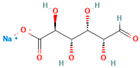
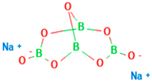
Chemical information of the two polymers and their crosslinkers used for synthesis of the encapsules’ hydrogels.
Table A5.
Chemical information of the two polymers and their crosslinkers used for synthesis of the encapsules’ hydrogels.
| Property | Chemical compound | ||||
|---|---|---|---|---|---|
| Polymer | Crosslinker | ||||
| Guar gum | Alginate | Borax | Calcium chloride | ||
| Chemical structure | 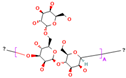 |
 |
 |
 |
|
| Chemical formula | C10H14N5Na2O12P3 | (C6 H7 O6Na)n | Na₂B₄O₇. 10 H₂O | CaCl₂ | |
| Molar mass, g/mol | 50,000 to 8,000,000 | 10000 - 600000 | 381.37 | 111 | |
| Density, g/cm3 | 0.8-1.0 | 1-1.03 | 1.73 | 2.15 | |
| Melting Point | at 1.013 hPa, °C | > 100 | 99 | 75 | 775 ° |
| Boiling Point | 220 | 495.2 °C | 1575 | 1935 | |
| pH (in aqueous solution: 100 g/l, 20 °C) | 5.5-6.2 | 5.5-7.5 | 9-9.5 | 8 – 10 | |
| Solubility, g/l | Soluble in hot water (95 °C) | Slowly soluble in water forming a viscous, colloidal solution, practically insoluble in ethanol (96 per cent) | 49.74 | 745 | |
| Color | Yellow White | Dark yellow | White | White | |
| Odor | Odorless | Odorless | Odorless | Odorless | |
| IUPAC Name | Sodium 3,4,5,6-tetrahydroxyoxane-2-carboxylate | disodium;3,7-dioxido-2,4,6,8,9-pentaoxa-1,3,5,7-tetraborabicyclo [3.3.1]nonane | Calcium dichloride | ||
References
- Ribeiro, B.S.; Ferreira, M. de F.; Moreira, J.L.; Santos, L. Simultaneous distillation–extraction of essential oils from Rosmarinus officinalis L. Cosmetics. 2021, 8, 117. [CrossRef]
- Ahmad, R.S.; Imran, M.; Ahmad, M.H.; et al. Eucalyptus essential oils. Essent. Oils Extr. Charact. Appl. 2023, 217–239. [Google Scholar] [CrossRef]
- Rassem, H.H.A; Nour, A.H.; Yunus, R.M. Australian Journal of basic and applied sciences techniques for extraction of essential oils from plants: A Review. Aust. J. Basic Appl. Sci. 2016, 10, 117–127. [Google Scholar]
- Babu, G. D. K.; Singh, B. Simulation of Eucalyptus cinerea oil distillation: A study on optimization of 1,8-cineole production. Biochemical Engineering Journal 2009, 44, 226–231. [Google Scholar] [CrossRef]
- Manguro, L.O.A.; Opiyo, S.A.; Asefa, A.; et al. Chemical constituents of essential oils from three Eucalyptus species acclimatized in Ethiopia and Kenya. J. Essent. Oil Bear Plants. 2010, 13:561–567. 5: 13. [CrossRef]
- Manika, N.; Chanotiya, C.S.; Negi, M.P.S.; Bagchi, G.D. Copious shoots as a potential source for the production of essential oil in Eucalyptus globulus. Indust. Crops Prod. 2013, 46, 80–84. [Google Scholar] [CrossRef]
- Goodger. J.Q.D.; Senaratne, S.L.; Nicolle, D.; Woodrow, I.E. Correction: Foliar eessential oil glands of Eucalyptus Subgenus Eucalyptus (Myrtaceae) are a rich source of flavonoids and related non-volatile constituents. PLoS One. 2016, 11, e0155568. [CrossRef]
- Nguyen, H.T.T.; Miyamoto, A.; Nguyen, H.T.; et al. Short communication: Antibacterial effects of essential oils from Cinnamomum cassia bark and Eucalyptus globulus leaves–The involvements of major constituents. PLoS One. 2023, 18, e0288787. [Google Scholar] [CrossRef] [PubMed]
- Maciel, M.V.; Morais, S.M.; Bevilaqua, C.M.L.; et al. Chemical composition of Eucalyptus spp. essential oils and their insecticidal effects on Lutzomyia longipalpis. Vet Parasitol. 2010, 167, 1–7. [Google Scholar] [CrossRef]
- Gbenou, J.D.; Ahounou, J.F.; Akakpo, H.B.; et al. Phytochemical composition of Cymbopogon citratus and Eucalyptus citriodora essential oils and their anti-inflammatory and analgesic properties on Wistar rats. Mol Biol Rep. 2013, 40, 1127–1134. [Google Scholar] [CrossRef] [PubMed]
- Boland, D.J.; Brooker, M.I.H.; Chippendale, G.M.; Hall, N.; Hyland, B.P.M.; Johnston, R.D.; Kleinig, D.A.; Turner, J.D. Forest trees of Australia, Nelson and CSIRO, Melbourne (1984). J.C. Shieh, i. Taiwan J. For. Sc 1996, 11, 149. [Google Scholar]
- Ayinde, B. A. Essential oils in food preservation, flavor and safety. In Chapter 46: Eucalyptus (Eucalyptus citriodora Hook., Myrtaceae) Oils. Academic Press, 2016, 413-419.
- Silva, X.; Asiegbu, F.O. Eucalyptus fungal diseases. Forest microbiology, tree diseases and pests. 2023, 3, 313-337.
- Bakkali, F.; Averbeck, S.; Averbeck, D.; Idaomar, M. Biological effects of essential oils – A review. Food Chem Toxicol 2008, 46, 446–475. [Google Scholar] [CrossRef]
- Warnke, P.H.; Becker, S.T.; Podschun, R.; et al. The battle against multi-resistant strains: Renaissance of antimicrobial essential oils as a promising force to fight hospital-acquired infections. J Cranio-Maxillo-Facial Surg. 2009, 37,392–397. [CrossRef]
- Fokou, J.B.H.; Dongmo, P.M.J.; Boyom, F.F.; et al. Essential oil’s chemical composition and pharmacological properties. Essent Oils - Oils Nat. 2020. [CrossRef]
- Karimi Karemu C; Ndung’U MW; Githua M. Repellent effects of essential oils from selected eucalyptus species and their major constituents against Sitophilus zeamais (Coleoptera: Curculionidae). Int. J. Trop. Insect. Sci. 2013, 33, 188–194. [CrossRef]
- Sandner, G.; Heckmann, M.; Weghuber, J. Immunomodulatory activities of selected essential oils. Biomolec. 2020, 10, 1–16. [Google Scholar] [CrossRef]
- Turek, C.; Stintzing, F.C. Stability of Essential Oils: A Review. Compr. Rev. Food Sci. Food Saf. 2013, 12, 40–53. [Google Scholar] [CrossRef]
- Hiew, C.W.; Lee, L.J.; Junus, S.; et al. Optimization of microwave-assisted extraction and the effect of microencapsulation on mangosteen (Garcinia mangostana L.) rind extract. Food Sci. Technol. 2021, 42, e35521. [CrossRef]
- Saoud, A.A.; Yunus, R.M.; Aziz, R.A.; Rahmat, A.R. Study of eucalyptus essential oil acquired by microwave extraction. Acta. Hortic. 2005, 679, 173–179. [Google Scholar] [CrossRef]
- Sousa, V.I.; Parente, J.F.; Marques, J.F.; et al. Microencapsulation of Essential Oils: A Review. Polym. 2022, 14, 1730. [Google Scholar] [CrossRef]
- Asbahani, A. El; Miladi, K.; Badri, W.; et al. Essential oils: From extraction to encapsulation. Int. J. Pharm. 2015, 483, 220–243. [Google Scholar] [CrossRef] [PubMed]
- Osaili, T.M.; Dhanasekaran, D.K.; Zeb, F.; et al. A Status Review on Health-Promoting Properties and Global Regulation of Essential Oils. Molecules. 2023, 28, 1809. [Google Scholar] [CrossRef]
- Lucchesi ME; Chemat, F.; Smadja, J. Solvent-free microwave extraction of essential oil from aromatic herbs: comparison with conventional hydro-distillation. J. Chromatogr. A. 2004, 1043, 323–327. [CrossRef]
- Ferhat. M.A.; Meklati, B.Y.; Smadja, J.; Chemat, F. An improved microwave Clevenger apparatus for distillation of essential oils from orange peel. J Chromatogr A. 2006, 1112, 121–126. [CrossRef]
- Golmakani, M.T.; Rezaei, K. Comparison of microwave-assisted hydrodistillation with the traditional hydrodistillation method in the extractionof essential oils from Thymus vulgaris L. Food Chem. 2008, 109, 925–930. [Google Scholar] [CrossRef] [PubMed]
- Meireles, M.A.A.; Braga, M.; Leal, P.; et al. Low-Pressure Solvent Extraction (Solid‚ÄìLiquid Extraction, Microwave Assisted, and Ultrasound Assisted) from Condimentary Plants. 2008, 137–218.
- Chan, C.H.; Yusoff, R.; Ngoh, G.C.; Kung, F.W.L. Microwave-assisted extractions of active ingredients from plants. J. Chromatogr 2011, 1218, 6213–6225. [Google Scholar] [CrossRef]
- Yang, G.; Wang, G.; Li, X.; Zhang, M. Study on new extraction technology and chemical composition of litsea cubeba essential oil. Open Mater Sci J. 2011, 5, 93–99. [Google Scholar] [CrossRef]
- Filly, A.; Fernandez, X.; Minuti, M.; et al. Solvent-free microwave extraction of essential oil from aromatic herbs: From laboratory to pilot and industrial scale. Food Chem. 2014, 150, 193–198. [Google Scholar] [CrossRef]
- Abd El-Gaber, A.S.; El Gendy, A.N.G.; Elkhateeb, A.; et al. Microwave extraction of essential oil from Anastatica hierochuntica (L): Comparison with conventional hydro-distillation and steam distillation. J Essent Oil Bear Plants. 2018, 21, 1003–1010. [Google Scholar] [CrossRef]
- Franco-Vega, A.; Ramírez-Corona, N.; López-Malo, A.; Palou, E. Studying microwave assisted extraction of Laurus nobilis essential oil: Static and dynamic modeling. J. Food Eng. 2019, 247, 1–8. [Google Scholar] [CrossRef]
- Tran, T.H.; Ngo, T.C.Q.; Dao, T.P.; et al. Optimizatoin of microwave-assisted extraction and compositional determination of essential oil from leaves of Eucalyptus globulus. IOP Conf. Ser. Mater. Sci. Eng. 2020, 736. [Google Scholar] [CrossRef]
- Chen, F.; Sun, Y.; Zhao, G.; et al. Optimization of ultrasound-assisted extraction of anthocyanins in red raspberries and identification of anthocyanins in extract using high-performance liquid chromatography–mass spectrometry. Ultrason. Sonochem. 2007, 14, 767–778. [Google Scholar] [CrossRef]
- Doran, J.C.; Macdonell, P.F.; Brophy, J.J.; Davis, R. Eucalyptus bakeri: a potential source species for eucalyptus oil production in the subtropics. Aust. For. 2021, 84, 182–190. [Google Scholar] [CrossRef]
- Singh, M.N.; Hemant, K.S.Y.; Ram, M.; Shivakumar, H.G. Microencapsulation: A promising technique for controlled drug delivery. Res. Pharm. Sci. 2010, 5, 65. [Google Scholar] [CrossRef] [PubMed]
- Dima, C.; Dima, S. Essential oils in foods: extraction, stabilization, and toxicity. Curr. Opin. Food. Sci. 2015, 5, 29–35. [Google Scholar] [CrossRef]
- Gonçalves, A.; Estevinho, B.N.; Rocha, F. Microencapsulation of vitamin A: A review. Trends Food Sci. Technol. 2016, 51, 76–87. [Google Scholar] [CrossRef]
- Casanova, F.; Santos, L. Encapsulation of cosmetic active ingredients for topical application – a review. J. Microencapsul. 2016, 33, 1–17. [Google Scholar] [CrossRef]
- Carvalho, I.T.; Estevinho, B.N.; Santos, L. Application of microencapsulated essential oils in cosmetic and personal healthcare products - a review. Int J Cosmet. Sci. 2016, 38, 109–119. [Google Scholar] [CrossRef]
- Saberi-Riseh, R.; Moradi-Pour, M.; Mohammadinejad, R.; Thakur, V.K. Biopolymers for biological control of plant pathogens: Advances in microencapsulation of beneficial microorganisms. Polym. 2021, 13, 1938. [Google Scholar] [CrossRef] [PubMed]
- Mehta, N.; Kumar, P.; Verma, A.K.; et al. Microencapsulation as a noble technique for the application of bioactive compounds in the Food Industry: A Comprehensive Review. Appl. Sci. 2022, 12, 1424. [Google Scholar] [CrossRef]
- Nesterenko A, Alric I, Silvestre F, Durrieu V (2013) Vegetable proteins in microencapsulation: A review of recent interventions and their effectiveness. Ind Crops Prod. 2022, 42, 469–479. [CrossRef]
- Paulo, F.; Santos, L. Design of experiments for microencapsulation applications: A review. Mater. Sci. Eng. C. 2017, 77, 77,1327–1340. [Google Scholar] [CrossRef] [PubMed]
- Hoyos-Leyva, J.D.; Bello-Pérez, L.A.; Alvarez-Ramirez, J.; Garcia, H.S. Microencapsulation using starch as wall material: A review. Food Rev. Int. 2018, 34, 148–161. [Google Scholar] [CrossRef]
- Jamekhorshid, A.; Sadrameli, S.M.; Farid, M. A review of microencapsulation methods of phase change materials (PCMs) as a thermal energy storage (TES) medium. Renew. Sustain. Energy. Rev. 2014, 31, 531–542. [Google Scholar] [CrossRef]
- Bakry AM; Abbas S; Ali B; et al. Microencapsulation of Oils: A Comprehensive Review of Benefits, Techniques, and Applications. Compr. Rev. Food Sci. Food Saf. 2016, 15:143–182. [CrossRef]
- Aguiar MCS; das Graças Fernandes da Silva MF; Fernandes JB; Forim M.R. Evaluation of the microencapsulation of orange essential oil in biopolymers by using a spray-drying process. Sci Reports 2020, 101 10:1–11. 1: 10. [CrossRef]
- Pardini FM; Faccia PA; Amalvy JI; et al Microencapsulation of essential oils by single and coaxial electrospraying in poly ε-caprolactone microcapsules: characterization and oil release behavior. Int J Polym Mater Polym Biomater. 2023. [CrossRef]
- Anjari, H.M.; Sarjono, I.J.; Danarto, Y.C. Studies of encapsulation efficiency and swelling behavior of briboflavin encapsulated by alginate and chitosan. J. Phys. Conference Series Journal of Physics: Conference Series. IOP Publishing. 2344. 2022, 012009. [CrossRef]
- Alavijeh, E.S.; Habibpour, B.; Moharramipour, S.; Arash Rasekh, A. Bioactivity of Eucalyptus camaldulensis essential oil against Microcerotermes diversus (Isoptera: Termitidae). J. Crop Protection. 2014, 3, 1-11.
- Amri, I.; Khammassi, M.; Ben Ayed, R.; Khedhri, S.; Mansour, M.B.; Kochti, O.; Pieracci, Y.; Flamini, G.; Mabrouk, Y.; Gargouri, S.; et al. Essential Oils and Biological Activities of Eucalyptus falcata, E. sideroxylon and E. citriodora Growing in Tunisia. Plants 2023, 12, 816. [Google Scholar] [CrossRef]
- Danna, C.; Malaspina, P.; Cornara, L.; Smeriglio, L.; Trombetta, D.; De Feo, V.; Stefano Vanin, S. Eucalyptus essential oils in pest control: a review of chemical composition and applications against insects and mites. Crop Protec. J. 2024, 176, 106319. [Google Scholar] [CrossRef]
- Costa, O.B. da; Del Menezzi, C.H.S.; Benedito, L.E.C.; et al. Essential oil constituents and yields from leaves of Blepharocalyx salicifolius (Kunt) O. Berg and Myracrodruon urundeuva (Allemão) collected during daytime. Int. J. For. Res. 2014, 1–6. [CrossRef]
- Alenyorege, E.A.; Hussein, Y.A.; Adongo, T.A. Extraction yield, efficiency and loss of the traditional hot water floatation (HWF) method of oil extraction from the seeds of Allanblackia floribunda. Int. J. Sci. Technol. Res. 2015, 4, 92–95. [Google Scholar]
- Keneni, Y.G.; Bahiru, L.A.; Marchetti, J.M. Effects of different extraction solvents on oil extracted from jatropha seeds and the potential of seed residues as a heat provider. Bioenergy Res. 2021, 14, 1207–1222. [Google Scholar] [CrossRef]
- Abitogun, A.; Alademeyin, O.J.; Oloye, D. Extraction and characterization of castor seed oil. Internet. J. Nutr. Wellness. 2008, 8. [Google Scholar] [CrossRef]
- Hindi, S.S.; Dawoud, U.M.; Asiry, K.A. Bioplastic floss of a novel microwave-thermospun shellac: Synthesis and bleaching for some dental applications. Polym. 2022, 15. [Google Scholar] [CrossRef]
- Hindi, S.S.; Dawoud, U.M.; Ismail, I.M.; et al. A novel microwave hot pressing machine for production of fixed oils from different biopolymeric structured tissues. Polym. 2023, 15. [Google Scholar] [CrossRef]
- Whelan, A. Polymer Technology Dictionary. Springer Science & Business Media, 2012, 555 pp.
- Guenther, E. The essential oils (Vol III). Toronto, New York and London: D. Van Nostrand Comp., INC., Toronto, New York and London. 1960.
- Ashraf, M.; Ali, Q.; Anwar, F.; Hussain, A. I. Composition of leaf essential oil of Eucalyptus camaldulensis. Asian J. Chem. 2010, 22, 1779–1786. [Google Scholar]
- Paudyal, M.P.; Rajbhandari, M.; Basnet, P.; et al. Quality assessment of the essential oils from Nardostachys jatamansi (d. Don) dc and Nardostachys chinensis batal obtained from Kathmandu valley market. Sci. World 2012, 10:13–16. [CrossRef]
- ASTM D 2395 − 83; Specific gravity of wood and wood–base materials. ASTM: Philadelphia, PA, USA, 2021. ASTM D5355-95(2021) - ASTM D5355-95(2021) (accessed on 14 February 2025).
- ASTM D 5768 – 02; Determination of iodine value of tall oil fatty acids. ASTM: Philadelphia, PA, USA, 2022. ASTM D5768-02(2022) - ASTM D5768-02(2022) (accessed on 11 February 2025).
- ASTM D 5558 – 95; Standard test method for determination of the saponification value of fats and oils. ASTM: Philadelphia, PA, USA, 2023.
- ASTM D1980 – 87; Standard test method for acid value of fatty acids and polymerized fatty acids. ASTM: Philadelphia, PA, USA, 1998. https://www.scribd.com/document/519054029/ASTM-D1980-acid-value (accessed on 11 March 2025).
- Hindi S.S; Dawoud, U. Characterization of hot pressed-fixed oil extracted from Ricinus communis L. Seeds. 2019, 1015680/IJIRSET20190810044 8:10172–10191.
- Thomas, A.; Matthäus, B.; Fiebig H.-J. Fats and fatty oils. Ullmann’s Encycl. Ind. Chem. 2015,1–84. [CrossRef]
- Omari, A.; Mgani, Q.A.; Mubofu, E.B.; et al. Fatty acid profile and physico-chemical parameters of castor oils in Tanzania. Green Sustain. Chem. 2015, 5, 154–163. [Google Scholar] [CrossRef]
- Li, H.; Madden, J.L. Analysis of leaves oils from a Eucalyptus species Trial. Biochem Syst Ecol, 1995, 23, 167-77.
- Silvestre, A. J. D.; Cavaleiro, J. A. S.; Delmond, B.; Filliatre, C. , Bourgeois, G. Analysis of the variation of the essential oil composition of Eucalyptus globulus Labill from Portugal using multivariate statistical analysis. Ind. Crop Prod. 1997, 6, 27–33. [Google Scholar] [CrossRef]
- Song, A.; Wang, Y.; Liu, Y. Study on the chemical constituents of the essential oil of the leaves of Eucalyptus globulus Labill from China. Asian J. Trad. Medicines. 2009, 4, 134–140. [Google Scholar]
- Joshi, A.; Sharma, A.; Bachheti, R.; Pandey, D.P. A Comparative study of the chemical composition of the essential oil from Eucalyptus globulus growing in Dehradun (India) and around the world. Oriental J. Chem. 2016, 32, 331-340. [CrossRef]
- Silva RAC da, Lemos TLG de, Ferreira DA, Monte FJQ (2018) Chemical Study of the Seeds of Ximenia americana: Analysis of Methyl Esters by Gas Chromatography Coupled to Mass Spectrometry. J. Anal. Pharm. Res. 2018, 7. [CrossRef]
- Wibowo, A.A.; Suryandari, A.S.; Naryono, E.; Pratiwi, V.M.; Suharto, M.; Adiba, N. Encapsulation of clove oil within ca-alginate-gelatine complex: Effect of process variables on encapsulation efficiency. J. Teknik Kimia dan Lingkungan. 2021, 5, 71–77. [Google Scholar] [CrossRef]
- Hindi, S.S.; Bakhashwain, A.A.; El-Feel, A. (2010) Physico-chemical characterization of some Saudi lignocellulosic natural resources and their suitability for fiber production. JKAU Met., Env. Arid L. Agric. Sci. 2010, 21, 45–55. [CrossRef]
- Immaroh NZ; Kuliahsari DE; Nugraheni SD. Review: Eucalyptus globulus essential oil extraction method. IOP Conf Ser Earth Environ Sci 2021, 733; 12103. [CrossRef]
- Emara, K.S.; Shalaby, A.E. Seasonal variation of fixed and volatile oil percentage of four Eucalyptus spp. related to lamina anatomy. African J Plant Sci 2011, 5, 353–359. [Google Scholar]
- Silva, S.M.; Abe, S.Y.; Murakami, F.S.; et al. Essential oils from different plant parts of Eucalyptus cinerea F. Muell. ex Benth. (Myrtaceae) as a source of 1,8-cineole and their bioactivities. Pharm 2011, 4, 1535-1550. [CrossRef]
- Naafi Achmad H; Rana HE; Fadilla I, et al. Determination of yield, productivity and chemical composition of Eucalyptus oil from different species and locations in Indonesia. Chem. Nat. Resour. Eng. J. 2018, 1, 36–49.
- Abed, K.M.; Naife, T.M. Extraction of essential oil from Iraqi Eucalyptus camadulensis leaves by water distillation methods. IOP Conf. Ser. Mater. Sci. Eng. 2018, 454. [Google Scholar] [CrossRef]
- Lainez-Cerón, E.; López-Malo, A.; Palou, E.; Ramírez-Corona, N. Dynamic performance of optimized microwave assisted extraction to obtain Eucalyptus essential oil: Energy requirements and environmental impact. Int J Food Eng. 2022, 18, 129–142. [Google Scholar] [CrossRef]
- Mahfud, M.; Masum, Z.; Bhuana, D.S.; et al. A comparison of essential oil extraction from the leaves of lemongrass (Cymbopogon nardus L.) using two microwave-assisted methods. J. Appl. Eng. Sci. 2022, 20, 881–888. [CrossRef]
- Iswahyono; Saleh, A.S.; Djamila, S.; et al. The design and build of ohmic heated hydro distillation for the essential oil extraction of eucalyptus leaves. IOP Conf. Ser. Earth Environ. Sci. 2021, 672, 012017. [CrossRef]
- Javed S; Bibi A; Shoaib A; et al. Essential oil of Eucalyptus citriodora: Physio-chemical analysis, formulation with hand sanitizer gel and antibacterial activity. Adv. Life Sci. 2022, 9, 510–515.
- Abdul-Majeed, B.A.; Hassan, A.A.; Kurji, B.M. Extraction of oil from Eucalyptus camaldulensis using water distillation method. Iraqi J. Chem. Pet. Eng. 2013, 14, 7–12. [Google Scholar] [CrossRef]
- Yunus O, Özcanlı S 1-M, Serin -Hasan, et al. Biodiesel production from Ricinus communis oil and its blends with soybean biodiesel. Strojniški vestnik-J. Mech. Eng. 2010, 56, 811–816.
- Uzoh, C.F.; Nwabanne, J.T.; Uzoh, C.F.; Nwabanne, J.T. Investigating the effect of catalyst type and concentration on the functional group conversion in castor seed oil alkyd resin production. Adv. Chem. Eng. Sci. 2016, 6, 190–200. [Google Scholar] [CrossRef]
- Muzenda E, Kabuba J, Mdletye P, Belaid M Optimization of process parameters for castor oil production. In: In Lecture Notes in Engineering and Computer Science. Newswood Limited. 2012, 1586–1589.
- Odoom W, Edusei VO Evaluation of saponification value, Iodine value and insoluble impurities in coconut oils from Jomoro District of the Western Region of Ghana. Asian J. Agric. Food Sci. 2015, 3, 2321–1571.
- Goldbeck, J.C.; do Nascimento, J.E.; Jacob, R.G.; et al. Bioactivity of essential oils from Eucalyptus globulus and Eucalyptus urograndis against planktonic cells and biofilms of Streptococcus mutans. Ind. Crops Prod. 2014, 60, 304–309. [Google Scholar] [CrossRef]
- Viturro, C.I.; Molina, A.C.; Heit CI. Volatile components of Eucalyptus globulus Labill from Jujuy, Argentina. J Essent Oil Res 2003, 15:206–208. [CrossRef]
- Sebei K, Sakouhi F, Herchi W, et al (2015) Chemical composition and antibacterial activities of seven Eucalyptus species essential oils leaves. Biol Res 2015, 48, 1–5. [CrossRef]
- Boukhatem, M.N.; Ferhat, M.A.; Kameli, A.; et al. Quality Assessment of the Essential Oil from Eucalyptus globulus Labill of Blida (Algeria) Origin. Int. Lett. Chem. Phys. Astron. 2014, 36, 303–315. [Google Scholar] [CrossRef]
- Lainez-Cerón, E.; Jiménez-Munguía, M.T.; López-Malo, A.; Ramírez-Corona, N. Effect of process variables on heating profiles and extraction mechanisms during hydrodistillation of eucalyptus essential oil. Heliyon. 2021, 7, e08234. [Google Scholar] [CrossRef] [PubMed]
- Tsiri, D.; Kretsi, O.; Chinou, I.B.; Spyropoulos, C.G. Composition of fruit volatiles and annual changes in the volatiles of leaves of Eucalyptus camaldulensis Dehn. growing in Greece. Flavour Fragr. J. 2003, 18:244–24. [CrossRef]
- Cimanga, K.; Kambu, K.; Tona L.; et al. Correlation between chemical composition and antibacterial activity of essential oils of some aromatic medicinal plants growing in the Democratic Republic of Congo. J Ethnopharmacol. 2002, 79:213–22. [CrossRef]
- Batista-Pereira, L.G.; Fernandes, J.B.; Corrêa, A.G.; et al. Electrophysiological responses of Eucalyptus Brown Looper Thyrinteina arnobia to essential oils of seven Eucalyptus species. J. Braz. Chem. Soc. 2006, 17, 555–561. [Google Scholar] [CrossRef]
- Coppen, J.J.W. Eucalyptus: The genus Eucalyptus, 1st ed. CRC Press, London. 2002.
- Elaissi A; Rouis Z; Mabrouk S; et al. Correlation between chemical composition and antibacterial activity of essential oils from fifteen Eucalyptus species growing in the Korbous and Jbel Abderrahman arboreta (Northeast Tunisia). Molecules, 3044. [CrossRef]
- Sahi NM (2016) Evaluation of insecticidal activity of bioactive compounds from eucalyptus citriodora against Tribolium castaneum. Int J Pharmacogn Phytochem Res 2016, 8, 8,1256–1270.
- Darshan, S.; Doreswamy, R. Patented antiinflammatory plant drug development from traditional medicine. Phytother Res 2004, 18:343–357. [CrossRef]
- Vaičiulytė, V.; Ložienė, K.; Švedienė, J.; et al. α-Terpinyl acetate: Occurrence in essential oils bearing thymus pulegioides, phytotoxicity, and Antimicrobial Effects. Molecules 2021, 26, 1065. [Google Scholar] [CrossRef]
- Farag, R.S.; Hewedi, F.M.; Abu-Raiia, S.H.; El-Baroty, G.S. Comparative study on the deterioration of oils by microwave and conventional heating. J Food Prot 1992, 55:722–727. [CrossRef]
- Takagi, S.; Ienaga H; Tsuchiya C. Yoshida H. Microwave roasting effects on the composition of tocopherols and acyl lipids within each structural part and section of a soya bean. J. Sci. Food Agric. 1999, 79, 1155–1162. [Google Scholar] [CrossRef]
- Takagi, S.; Yoshida, H. Microwave heating influences on fatty acid distributions of triacylglycerols and phospholipids in hypocotyl of soybeans (glycine max L.). Food Chem, 1999, 66, 345–351. [Google Scholar] [CrossRef]
- Uquiche, E.; Jeréz, M.; Ortíz, J. Effect of pretreatment with microwaves on mechanical extraction yield and quality of vegetable oil from Chilean hazelnuts (Gevuina avellana Mol). Innov Food Sci Emerg Technol 2008, 9, 495–500. [Google Scholar] [CrossRef]
- Rakesh V, Seo Y, Datta AK, et al (2010) Heat transfer during microwave combination heating: Computational modeling and MRI experiments. AIChE J. 2010, 56, 2468–2478. [CrossRef]
- Watanabe, S.; Karakawa, M.; Hashimoto, O. Temperature of a heated material in a microwave oven considering change of complex relative permittivity. The 39th Eur Microw Conf EuMC. 2009, 798–801. [Google Scholar] [CrossRef]
- Perea-Flores MJ; Chanona-Pérez JJ; Garibay-Febles V; et al. Microscopy techniques and image analysis for evaluation of some chemical and physical properties and morphological features for seeds of the castor oil plant (Ricinus communis). Ind. Crops Prod, 2011. [CrossRef]
- Azadmard-Damirchi S; Alirezalu K; Achachlouei BF. Microwave pretreatment of seeds to extract high quality vegetable oil. World Acad. Sci. Eng. Technol. Int. J. Biol. Biomol. Agric. Food Biotechnol. Eng. 2011.
- Anonymous. PubChem, National Library of Medicine, National Center for Biotechnology Information. PubChem (nih.gov). 2021. Available online: a) https://pubchem.ncbi.nlm.nih.gov/compound/Guar-Gum, b) https://pubchem.ncbi.nlm.nih.gov/substance/135336954, c) https://pubchem.ncbi.nlm.nih.gov/compound/Sodium-Borate, and d) https://pubchem.ncbi.nlm.nih.gov/compound/Calcium-Chloride. (accessed on 22 February 2025).
Figure 1.
The eucalypt ecotypes grown at: a) KAU campus, b,c) Hada Al-Sham (HAS) and d) Briman, used for extracting essential oil from their leaves.
Figure 1.
The eucalypt ecotypes grown at: a) KAU campus, b,c) Hada Al-Sham (HAS) and d) Briman, used for extracting essential oil from their leaves.
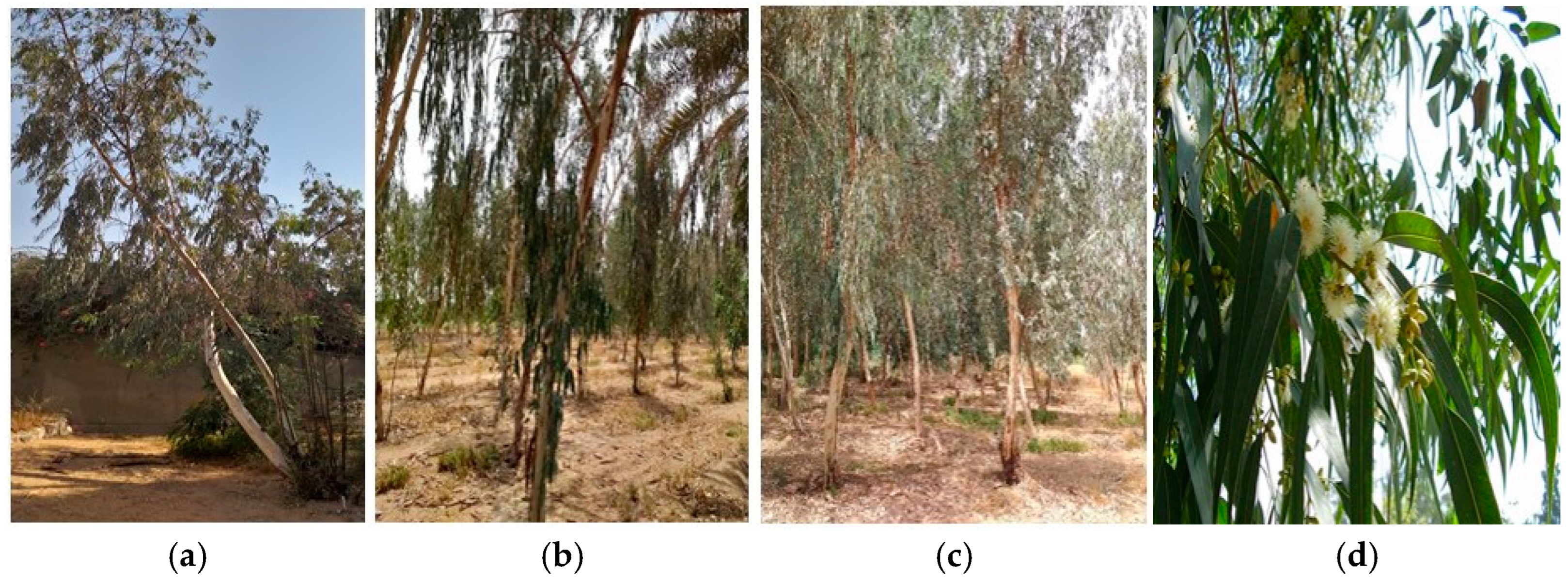
Figure 2.
Electric- and microwave-assisted steam distillation apparatus used for distilling the essential oil from Eucalyptus leaves.
Figure 2.
Electric- and microwave-assisted steam distillation apparatus used for distilling the essential oil from Eucalyptus leaves.
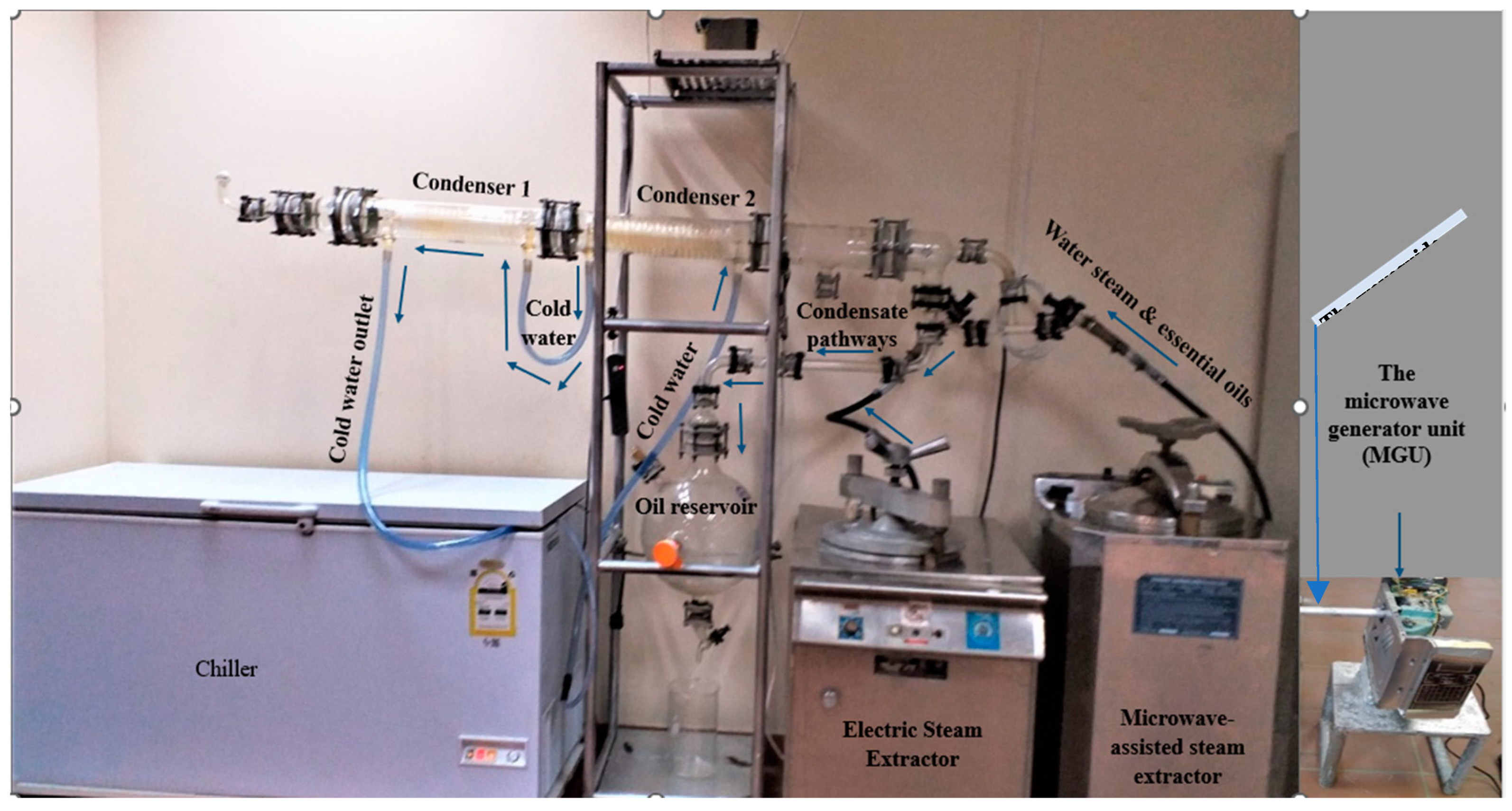
Figure 3.
The electric components of the microwave generator unit (MGU) used for heating the extraction vessel of the MASA: a) overall image of the MGU, b) the high voltage-magnetron, c) the high voltage-transformer, and d) the high voltage-capacitor.
Figure 3.
The electric components of the microwave generator unit (MGU) used for heating the extraction vessel of the MASA: a) overall image of the MGU, b) the high voltage-magnetron, c) the high voltage-transformer, and d) the high voltage-capacitor.
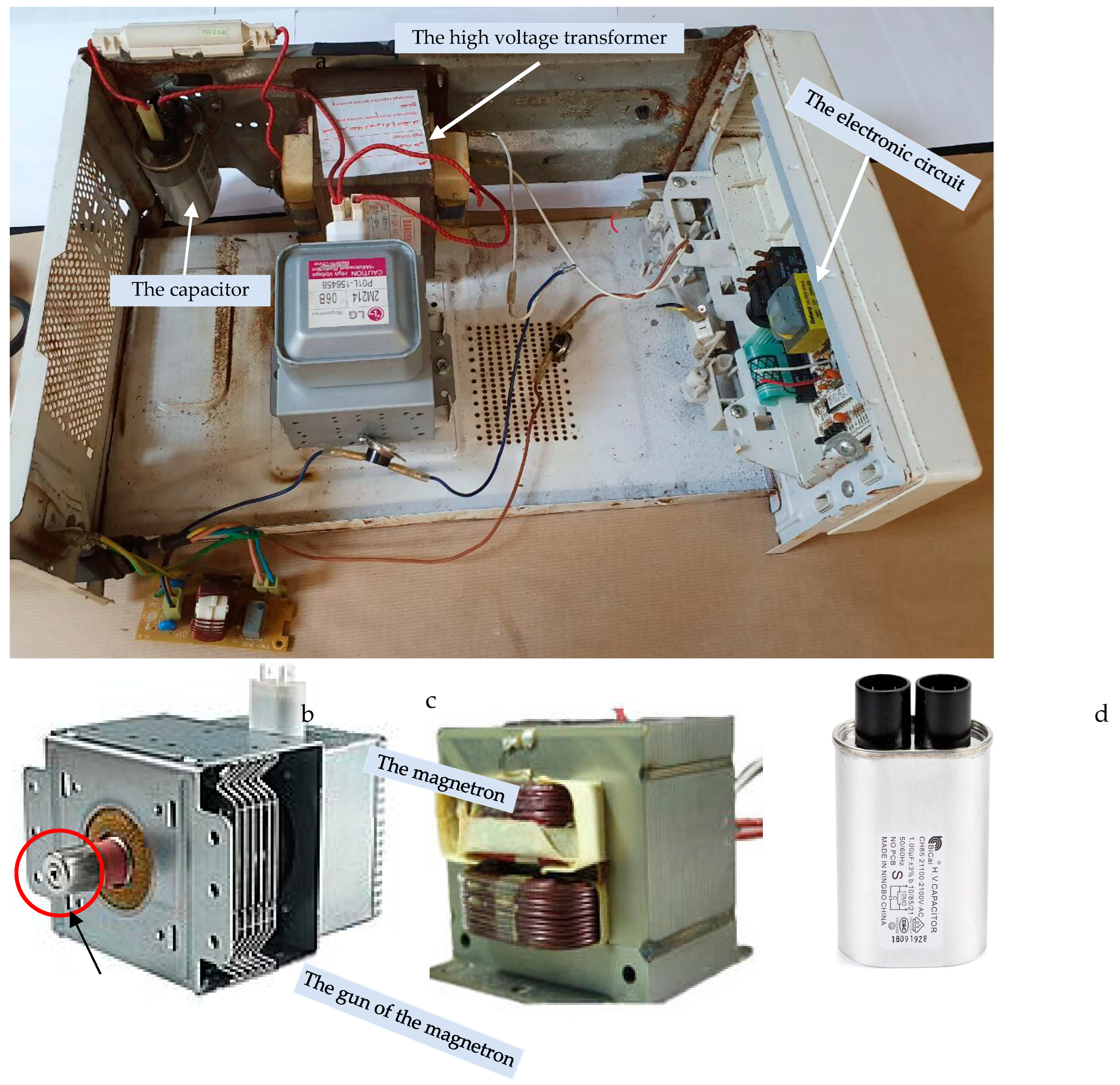
Figure 5.
Oil yield, refractive index, and specific gravity of the eucalyptus’ essential oil extracted using microwave-assisted steam distillation (MASD) and electric steam distillation (ESD) from the three Eucalyptus ecotypes’ sites, namely Hada Al-Sham (HAS), Briman, and King Abdulaziz University (KAU) campus.
Figure 5.
Oil yield, refractive index, and specific gravity of the eucalyptus’ essential oil extracted using microwave-assisted steam distillation (MASD) and electric steam distillation (ESD) from the three Eucalyptus ecotypes’ sites, namely Hada Al-Sham (HAS), Briman, and King Abdulaziz University (KAU) campus.
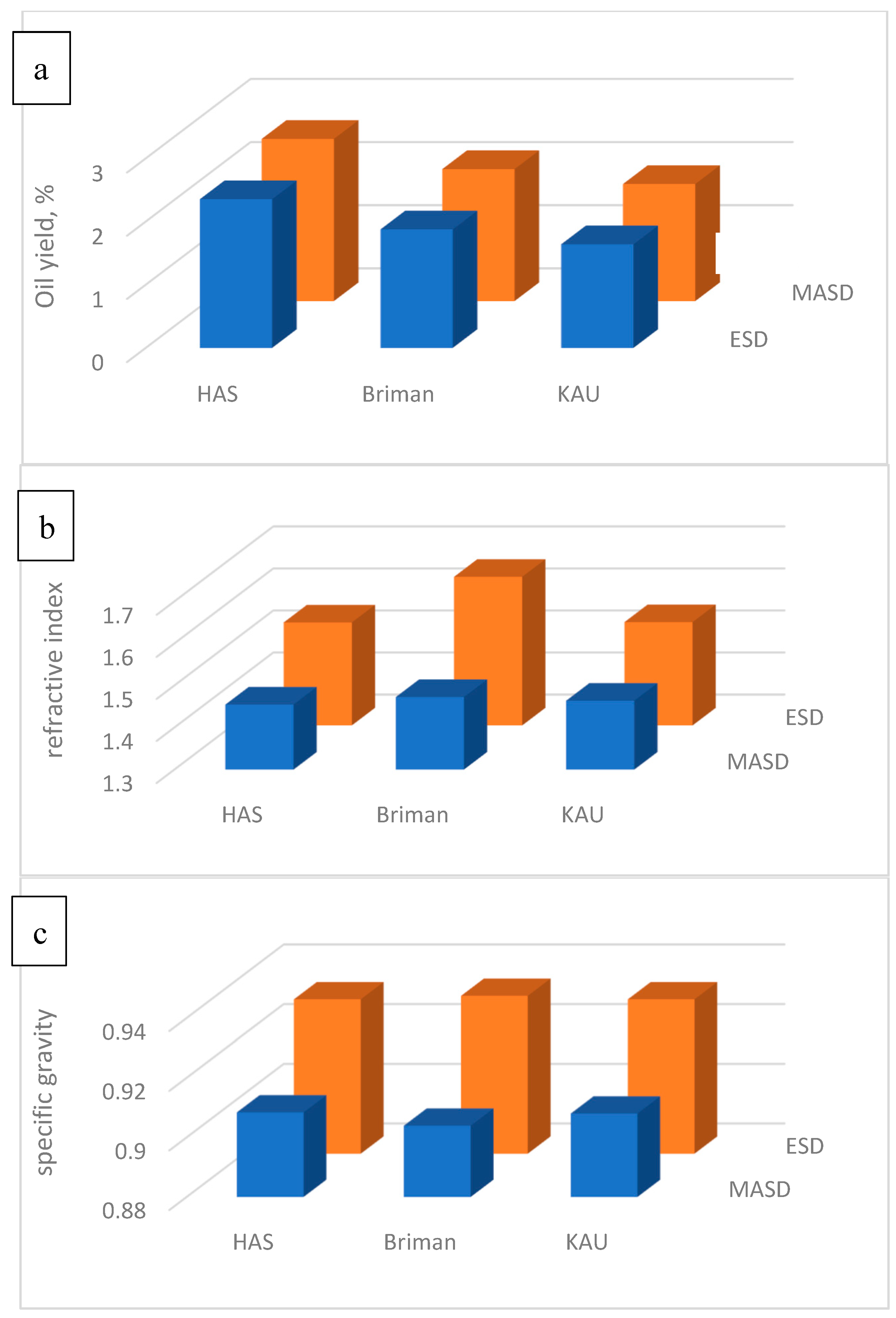
Figure 6.
Chemical properties of the Eucalyptus essential oils of saponification value (SV, mg KOH/g oil), acid value (AV, mg KOH/g oil) and iodine value (IV, g I2/100 g oil) extracted using a-c) microwave-assisted steam distillation (MASD) from the three Eucalyptus ecotypes’ sites; a) Hada Al-Sham (HAS), b) Briman, and c) King Abdulaziz University (KAU) campus as well as d-f) electric steam distillation (ESD): d) HAS, e) Briman, and f) KAU.
Figure 6.
Chemical properties of the Eucalyptus essential oils of saponification value (SV, mg KOH/g oil), acid value (AV, mg KOH/g oil) and iodine value (IV, g I2/100 g oil) extracted using a-c) microwave-assisted steam distillation (MASD) from the three Eucalyptus ecotypes’ sites; a) Hada Al-Sham (HAS), b) Briman, and c) King Abdulaziz University (KAU) campus as well as d-f) electric steam distillation (ESD): d) HAS, e) Briman, and f) KAU.
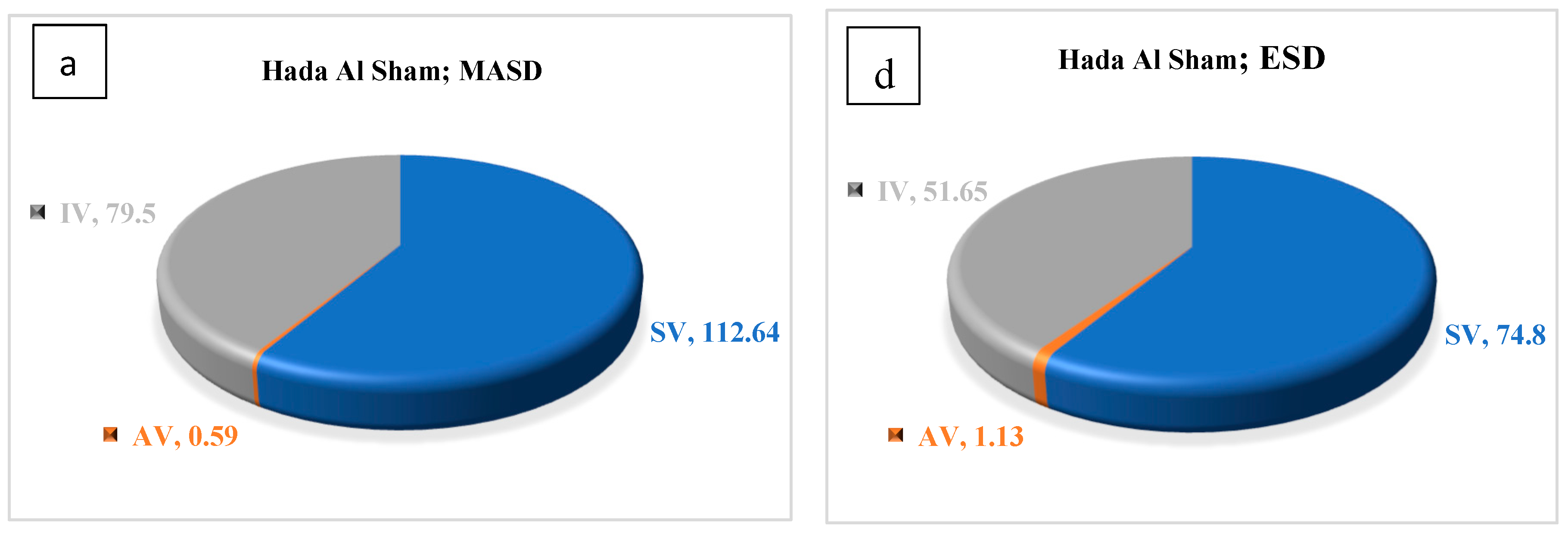
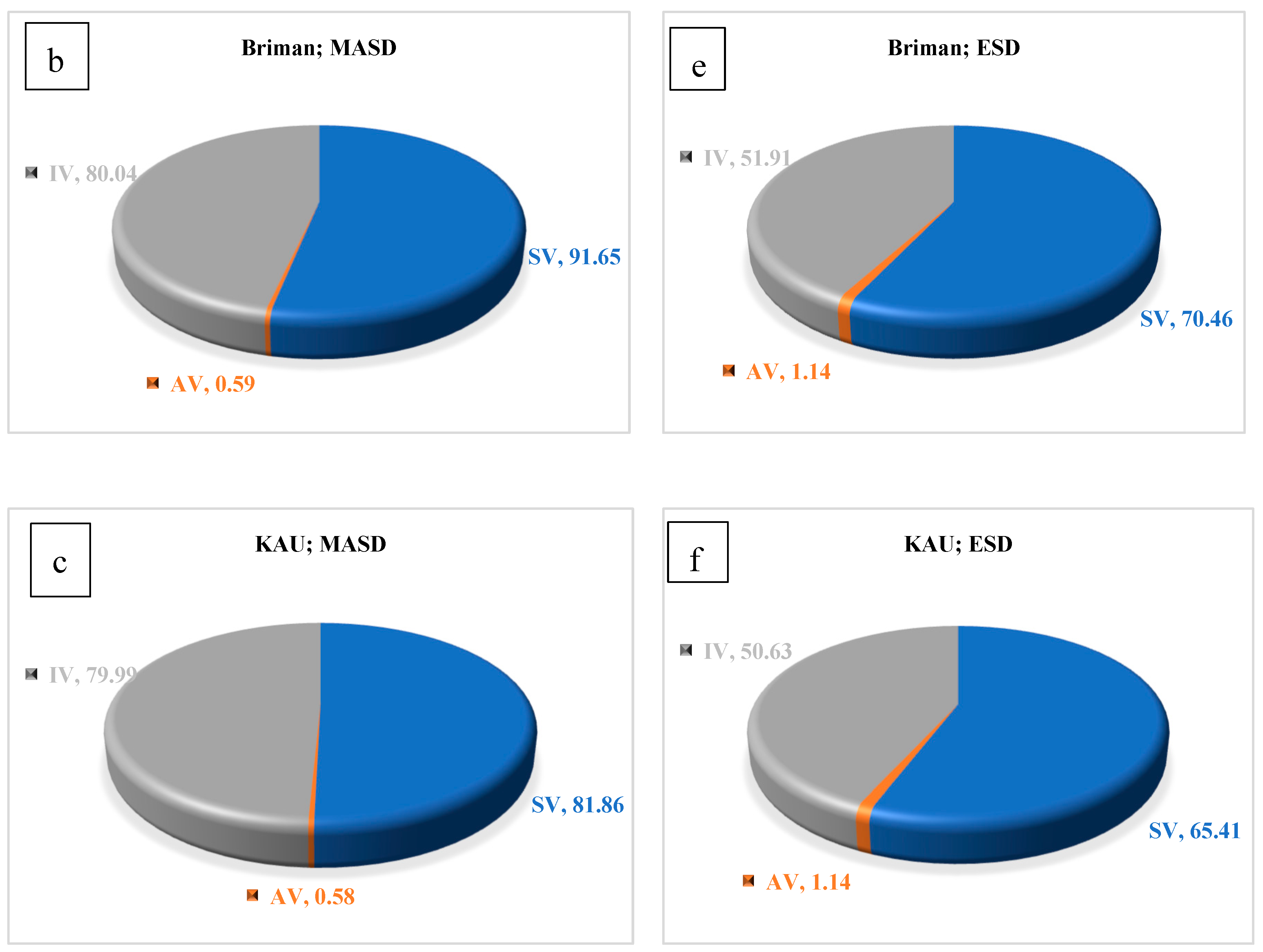
Figure 7.
Chemical properties of the Eucalyptus essential oils of: a) saponification value (SV, mg KOH/g oil), b) acid value (AV, mg KOH/g oil), and c) iodine value (IV, g I2/100 g oil) extracted using each of microwave-assisted steam distillation (MASD) and electric steam distillation (ESD) from the three Eucalyptus ecotypes’ sites, namely Hada Al-Sham (HAS), Briman, and King Abdulaziz University (KAU) campus.
Figure 7.
Chemical properties of the Eucalyptus essential oils of: a) saponification value (SV, mg KOH/g oil), b) acid value (AV, mg KOH/g oil), and c) iodine value (IV, g I2/100 g oil) extracted using each of microwave-assisted steam distillation (MASD) and electric steam distillation (ESD) from the three Eucalyptus ecotypes’ sites, namely Hada Al-Sham (HAS), Briman, and King Abdulaziz University (KAU) campus.
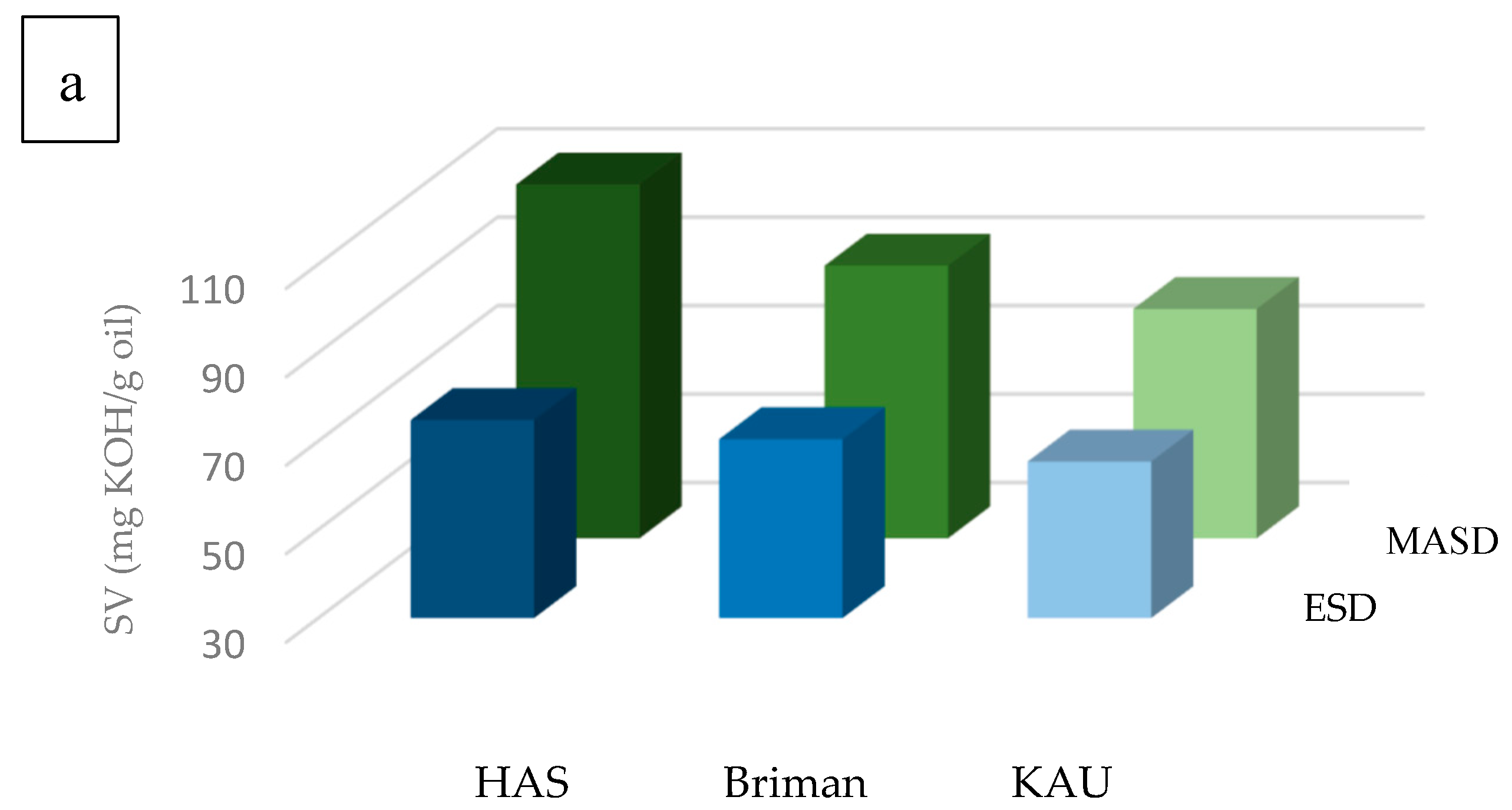
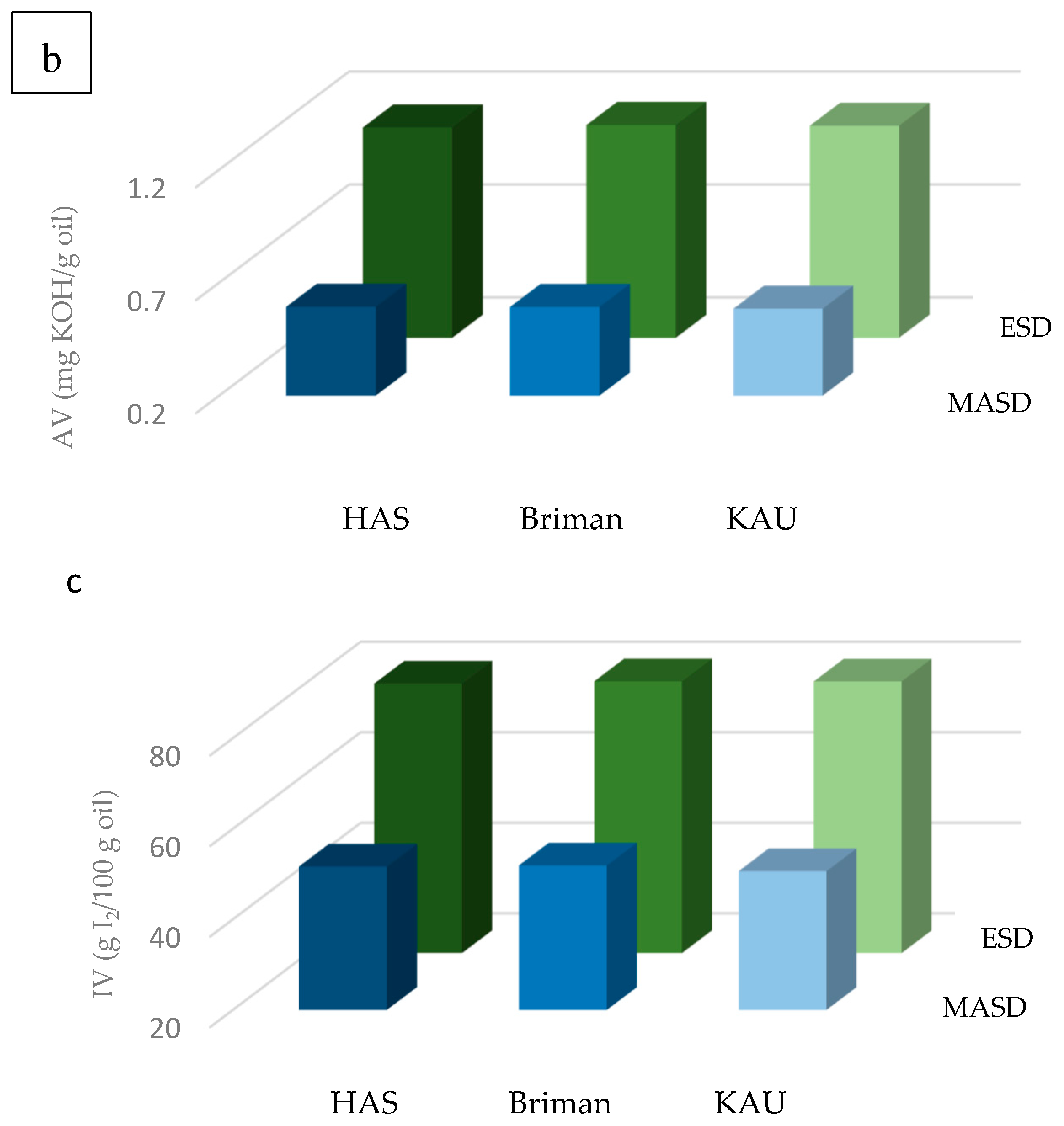
Figure 8.
Chemical constituents of the essential oil extracted from different Eucalyptus ecotypes compared with the reference species “Eucalyptus globulus Labill” detected at Briman region.
Figure 8.
Chemical constituents of the essential oil extracted from different Eucalyptus ecotypes compared with the reference species “Eucalyptus globulus Labill” detected at Briman region.
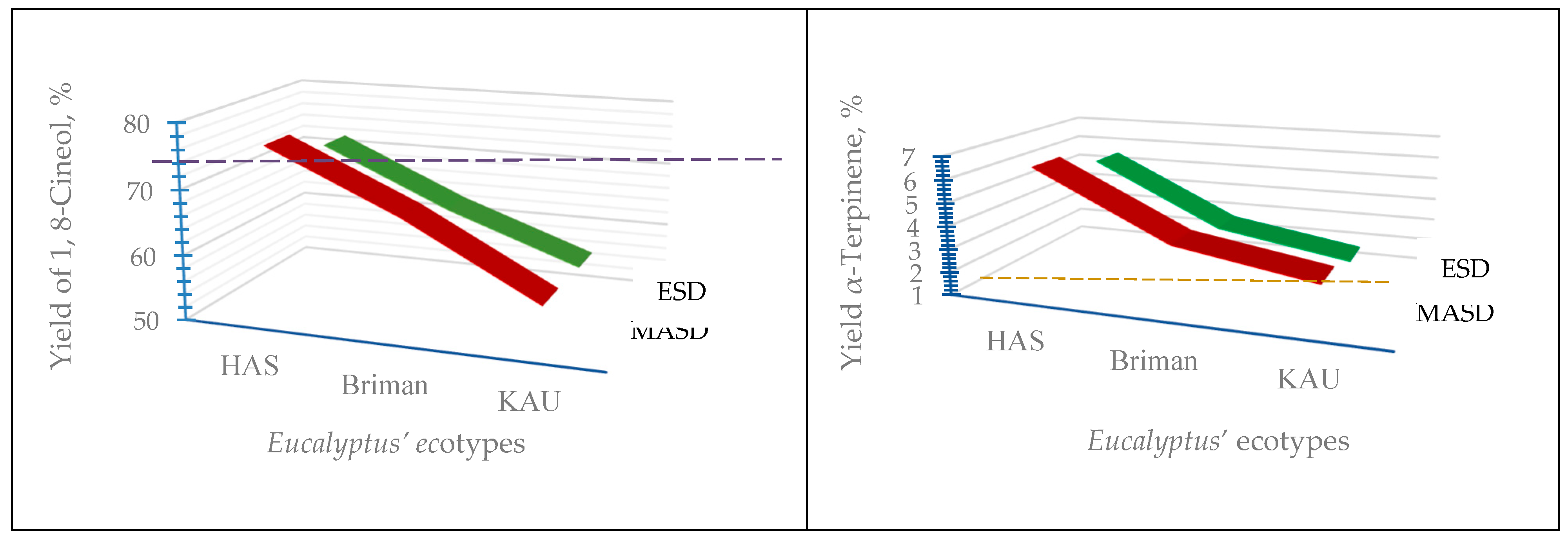
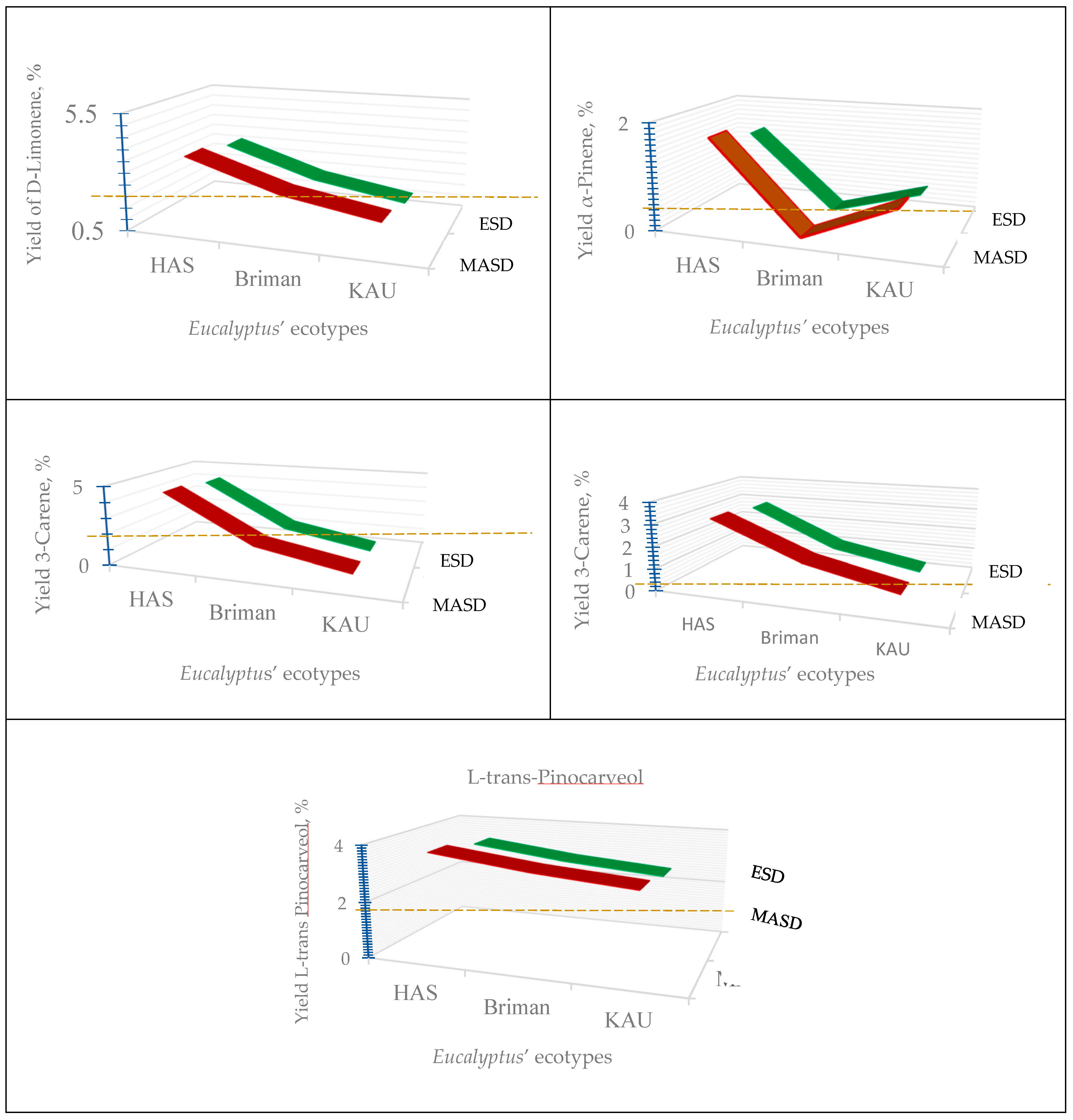
Figure 9.
The MS of 1-8, cineol: a) in the essential oil extracted from leaves of Eucalyptus hybrids., b) in NIST-02-library data of the GC-MS system.
Figure 9.
The MS of 1-8, cineol: a) in the essential oil extracted from leaves of Eucalyptus hybrids., b) in NIST-02-library data of the GC-MS system.
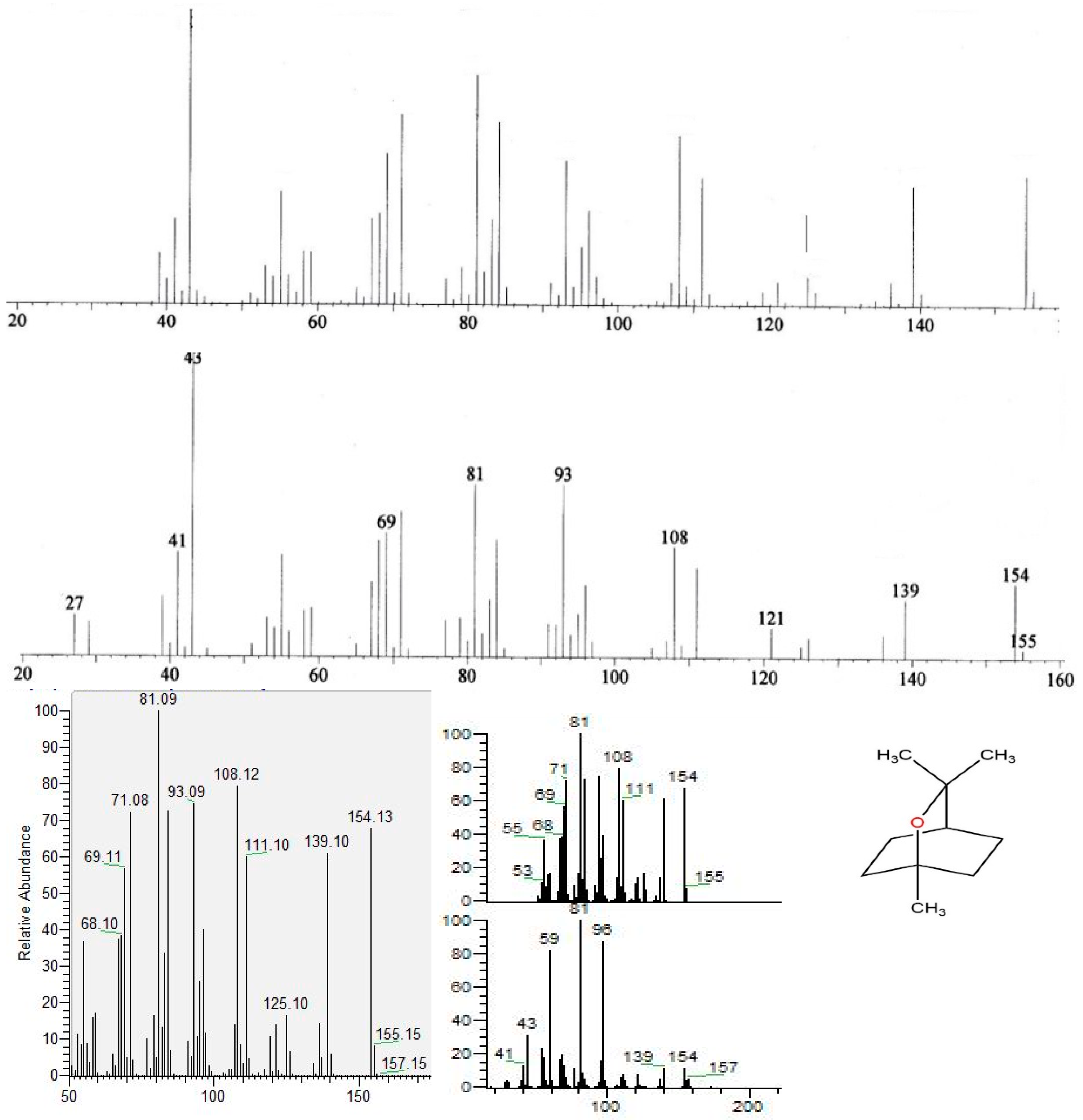
Figure 10.
Optical micrographs of anatomical structure of the Eucalyptus leaves collected from the three ecotypes showing: a-d) Guide cells, oil bodies, stomata, parenchyma cells, collenchyma cells, secondary veins and oil bodies.
Figure 10.
Optical micrographs of anatomical structure of the Eucalyptus leaves collected from the three ecotypes showing: a-d) Guide cells, oil bodies, stomata, parenchyma cells, collenchyma cells, secondary veins and oil bodies.
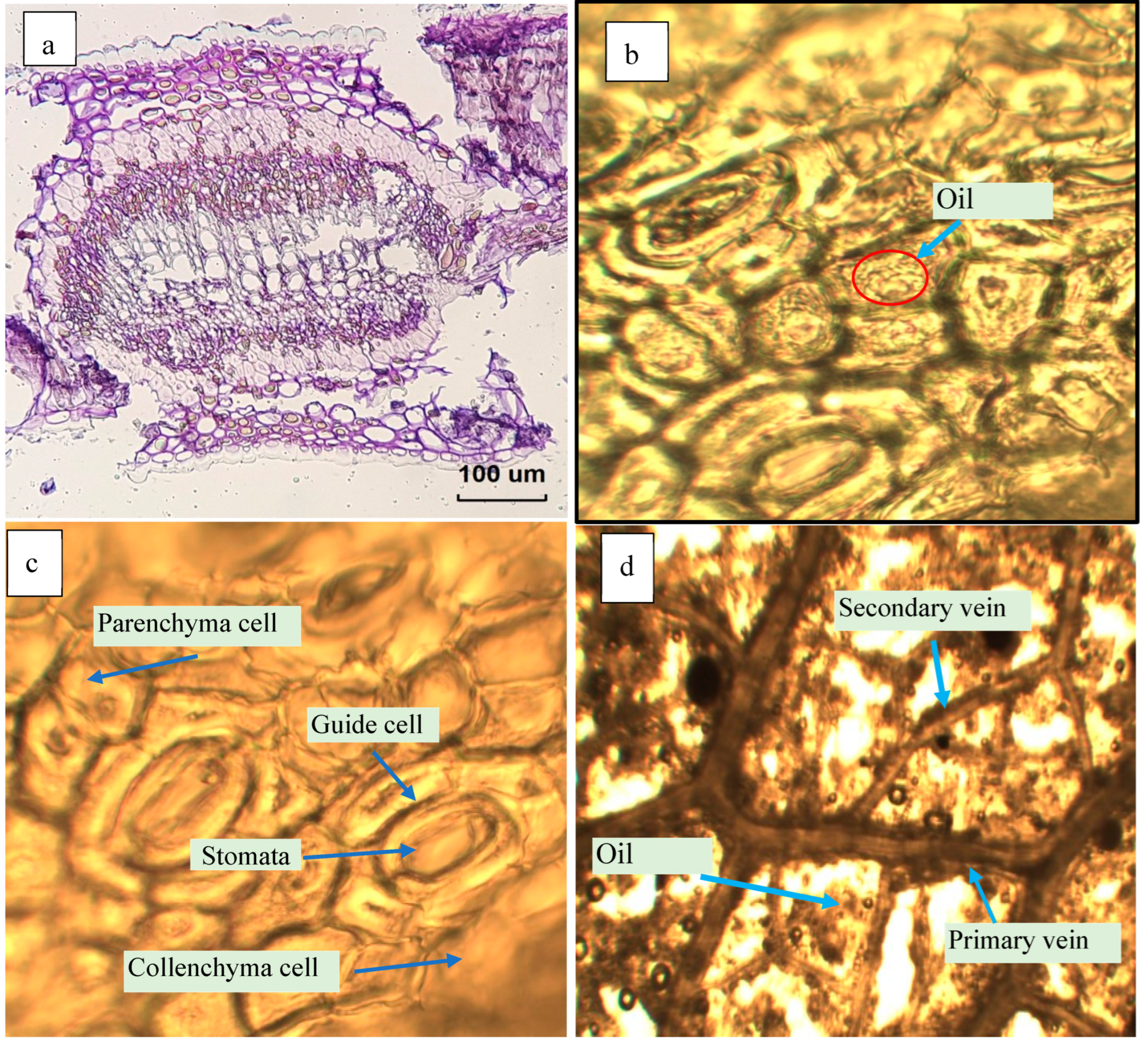
Figure 11.
Scanning electron microscopy (SEM) micrographs of anatomical structure of the Eucalyptus leaves collected from the three ecotypes showing: a-f) guide cells, oil bodies, stomata, parenchyma cells, collenchyma cells, secondary veins and oil bodies.
Figure 11.
Scanning electron microscopy (SEM) micrographs of anatomical structure of the Eucalyptus leaves collected from the three ecotypes showing: a-f) guide cells, oil bodies, stomata, parenchyma cells, collenchyma cells, secondary veins and oil bodies.
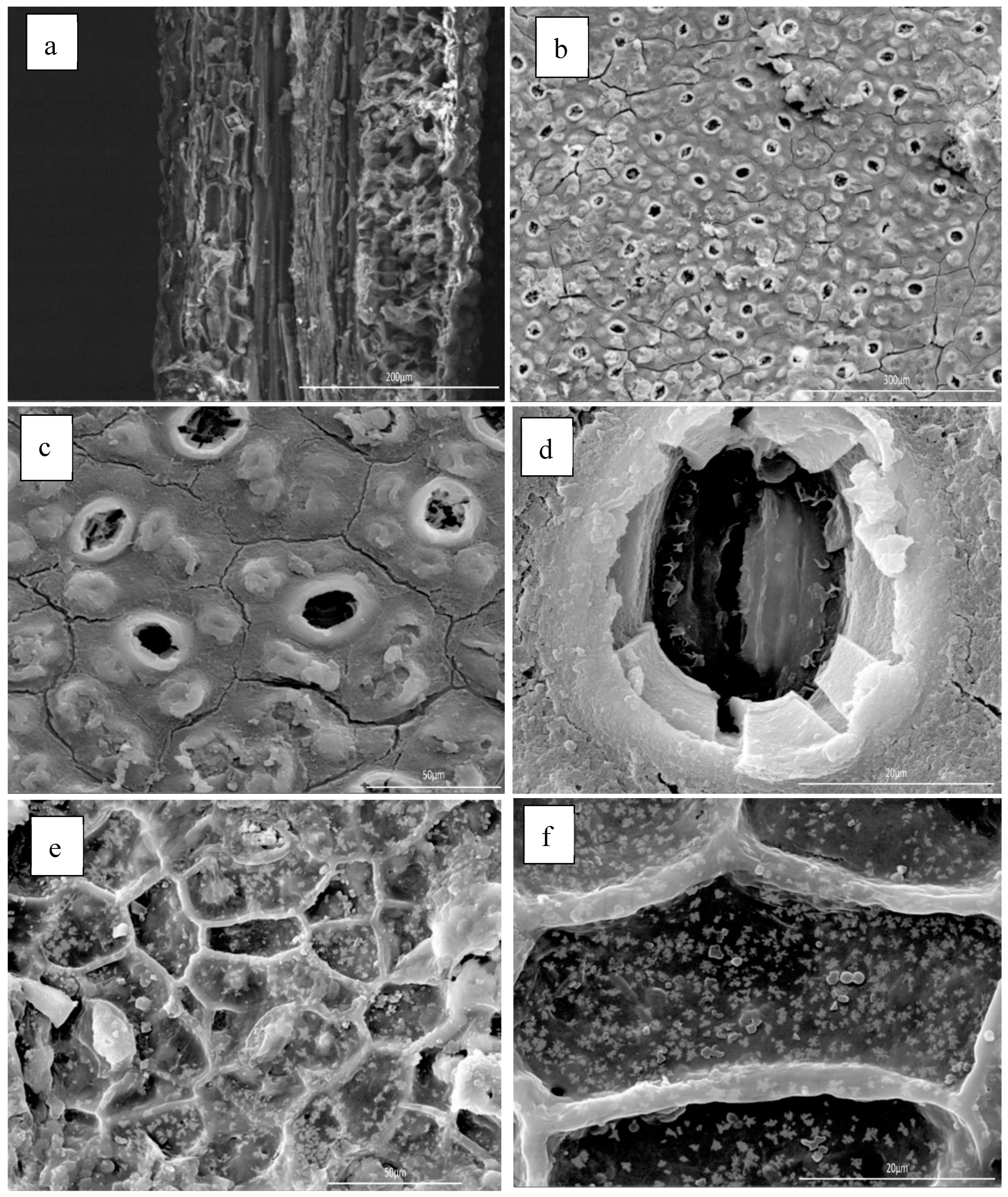
Figure 13.
Bioassay screening of the polymeric encapsules uploaded with 1, 8-cineol against termite infection: a) infected tunnels fabricated within a Ziziphus spina-christi’s trunk, b) close-up image of alive termite workers, c) a bulk of dead insects after espoused to cineol within a good-ventilated discant, d, e) mortality of termite workers after the cineol treatments with guar gum- and alginate-based polymeric encapsules, respectively.
Figure 13.
Bioassay screening of the polymeric encapsules uploaded with 1, 8-cineol against termite infection: a) infected tunnels fabricated within a Ziziphus spina-christi’s trunk, b) close-up image of alive termite workers, c) a bulk of dead insects after espoused to cineol within a good-ventilated discant, d, e) mortality of termite workers after the cineol treatments with guar gum- and alginate-based polymeric encapsules, respectively.
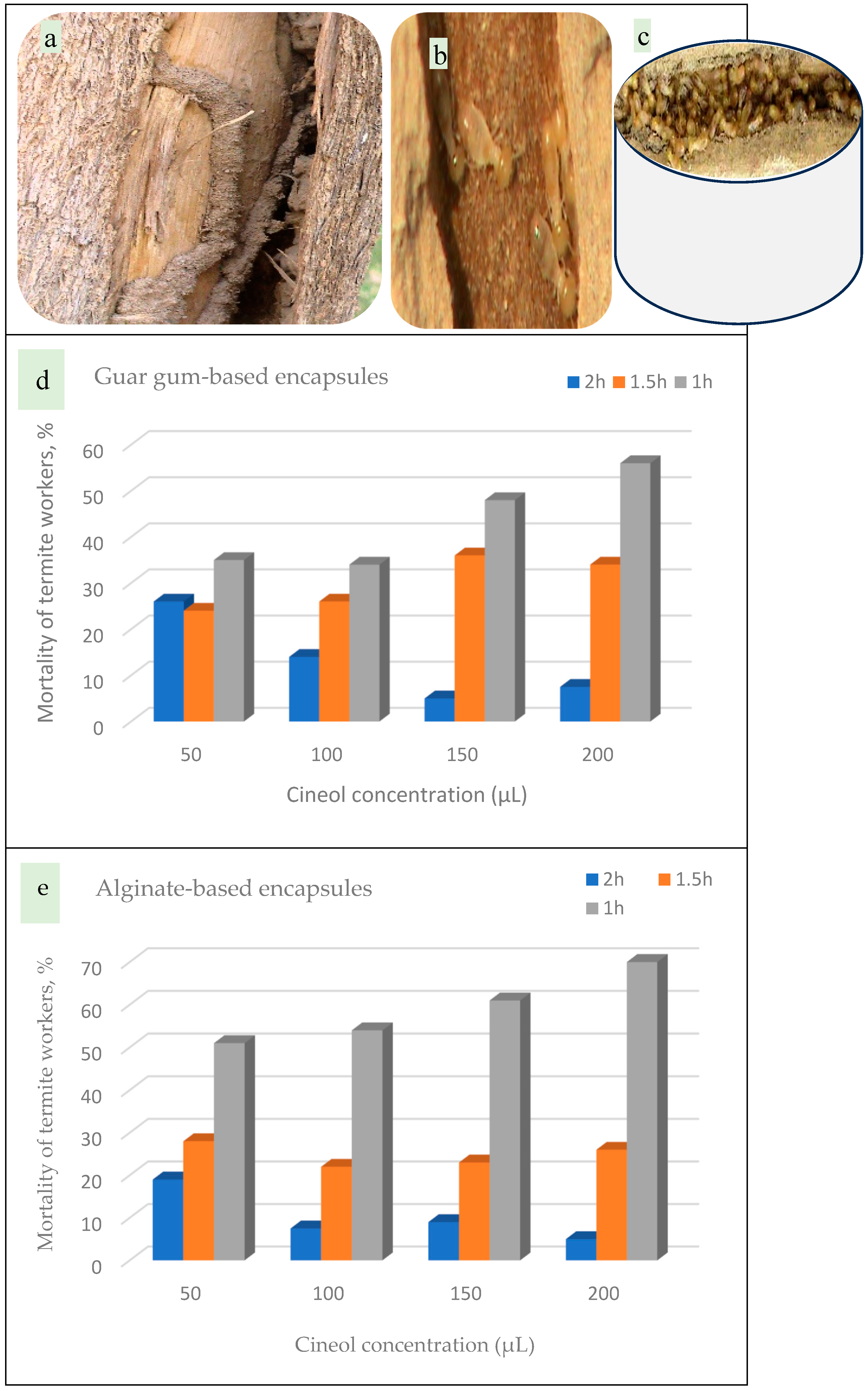
Table 1.
The GC-MS settings that were utilized to analyze the essential oils.
| Parameter | Value | ||
|---|---|---|---|
| GC | Column dimension | Length | 30 m |
| Internal diameters | 0.25 mm | ||
| Solvent’s thickness film | 0.25 μm | ||
| Column temperature | Initial temperature (IT) | 40 oC | |
| Residence time (RT) of the IT | 4 min | ||
| Maximum final temperature (MFT) | 220 oC | ||
| RT of the MFT | 15 min | ||
| Heating rate | 4 oC/min | ||
| Injector temperature | 250oC | ||
| Injection volume | 1 μl | ||
| Flow rate of the carrier gas (helium) | 20 ml/min | ||
| Transfer temperature | 280 oC | ||
| MS | Electron ionization (EI) mode | Negative chemical ionization | |
| Ionization voltage | 70 eV | ||
| Ion source temperature | 180oC | ||
| Scanning range | 50-600 Da | ||
Table 3.
Mean values* of volatie chemical properties of the Eucalyptus essential oils from the leaves collected from Hada Al-Sham, Briman and KAU extracted by microwave and electric extraction methods.
Table 3.
Mean values* of volatie chemical properties of the Eucalyptus essential oils from the leaves collected from Hada Al-Sham, Briman and KAU extracted by microwave and electric extraction methods.
| Chemical compound |
Extraction Methods | Eucalyptus globulus Labill. | |||||
|---|---|---|---|---|---|---|---|
| MASD | MASD | ||||||
| Hada Al-Sham |
Briman | KAU | Hada Al-Sham |
Briman | KAU | ||
| 1-8 Cineol | 76.15 ±0.885 |
67.12 ±0.834 |
56.19 ±1.700 |
72.15 ±0.885 |
63.12 ±0.834 |
55.85 ±1.032 |
72.26 ±1.88 |
| α-Terpinene | 6.42 ±0.431 |
3.61 ±0.291 |
2.63 ±0.200 |
5.59 ±0.431 |
2.78 ±0.291 |
1.80 ±0.200 |
2.61 ±0.114 |
| 3-Carene | 4.51 ±0.118 |
1.61 ±0.073 |
0.59 ±0.050 |
4.14 ±0.118 |
1.24 ±0.073 |
0.22 ±0.050 |
3.28 ±0.024 |
| D-Limonene | 3.60 ±0.176 |
2.34 ±0.097 |
1.65 ±0.093 |
3.18 ±0.176 |
1.92 ±0.097 |
1.23 ±0.093 |
1.78 ±0.019 |
| L-trans-Pinocarveol | 3.66 ±0.031 |
3.23 ±0.068 |
2.94 ±0.042 |
3.32 ±0.031 |
2.89 ±0.068 |
2.60 ±0.042 |
2.69 ±0.865 |
| α-Pinene | 1.69 ±0.043 |
1.18 ±0.040 |
0.73 ±0.026 |
1.45 ±0.043 |
0.94 ±0.040 |
0.49 ±0.026 |
9.89 ±0.172 |
| α-Myrcene | 3.18 ±0.057 |
1.41 ±0.132 |
0.65 ±0.051 |
2.91 ±0.057 |
1.14 ±0.132 |
0.38 ±0.051 |
0.36 ±0.035 |
| LSD0.05 | 1.155 | 0.417 | 1.097 | 2.356 | 0.947 | 1.249 | 1.291 |
* Each value is an average of 5 samples ± standard deviation. MASD: microwave-assisted steam distillation, ESD: electric steam distillation. 1 Bicyclo (3.1.1) heptan-3-ol, 6,6-dimethyl-2-methylene-, 3-acetate, (1R,3S,5R)-; 2 Limonene oxide, trans; 3 Trans-3-Caren-2-ol; 4Trifluoroacetyl-α-terpineol. Each value is an average of 4 samples ± standard deviation.
Disclaimer/Publisher’s Note: The statements, opinions and data contained in all publications are solely those of the individual author(s) and contributor(s) and not of MDPI and/or the editor(s). MDPI and/or the editor(s) disclaim responsibility for any injury to people or property resulting from any ideas, methods, instructions or products referred to in the content. |
© 2025 by the authors. Licensee MDPI, Basel, Switzerland. This article is an open access article distributed under the terms and conditions of the Creative Commons Attribution (CC BY) license (http://creativecommons.org/licenses/by/4.0/).
Copyright: This open access article is published under a Creative Commons CC BY 4.0 license, which permit the free download, distribution, and reuse, provided that the author and preprint are cited in any reuse.


