

Submitted:
14 March 2025
Posted:
17 March 2025
You are already at the latest version
Abstract
Herbert D. Athearn (1923-2011) was an avid student of freshwater mollusks. He named his private shell collection “The Museum of Fluviatile Mollusks,” which was meticulously organized at his residence. This collection was curated at current museum standards with detailed labels, all lots with catalog numbers, and all unionoid valves with catalog numbers in india ink. Specimens span collecting dates between 1850 and 2005, with 23,344 cataloged lots containing over 3,000 lots of imperiled and extinct taxa. Many lots contain growth series from the smallest juveniles to the largest specimens seen. He traded extensively with collectors worldwide, obtaining specimens from 84 countries. This collection was donated to the North Carolina Museum of Natural Sciences in 2007. Approximately 60 percent of this collection has been databased, totaling an estimated 585,000 specimens. The collection consists of freshwater bivalves, primarily Unionidae, Margaritiferidae, Sphaeriidae, and gastropods, represented by 40 families, with the greatest abundance representing the freshwater Pleuroceridae. The Athearn collection donation included his correspondence, his library, field notes, and USGS topographic maps with marked field localities.
Keywords:
Unionidae
; Margaritiferidae
; Sphaeriidae
; freshwater mollusks
; Pleuroceridae
1. Introduction
Shell collecting has been around for over 10,000 years; the first documented collector was the Roman Emperor Caligula, who thought he had captured the ocean by collecting shells. Something in humans drives us to know more about what is out there, and there is this inner need to bring something back to remind us of our journey. The role of the non-professional malacologist or shell collector has long been recognized as necessary to the study of mollusks. These individuals have a deep appreciation for mollusks, and their col-lections reflect a broad spectrum of interests, ranging from general mollusks to more specialized focuses on specific genera, families, or mollusks from limited geographic locales. As an example, William J. Clench, former Curator of Mollusks at the Museum of Comparative Zoology (MCZ) at Harvard University, observed that MCZ’s mollusk collection was started by John G. Anthony, an amateur who worked as an accountant [1]. Clench [1] remarked that nearly 50 percent of the accessions of the MCZ mollusk collection were the results of amateur collections. He also remarked that many major museum mollusk collections are based on or contain significant contributions from amateur collections. The assessment of the recent mollusk collections of North America reported by Solem [2] who observed:
“one unusual feature of malacological work is the great number and size of private collections and the large degree to which systematic and faunistic work on mollusks is dependent upon collecting efforts and publications by “non-professionals,” people not employed as malacologists and univer-sity biologists. Probably 85% of the mollusks in major institutional collections today are materials collected by amateurs rather than professional biologists.”
Solem [2] summarized the locations, size, and resources of significant mollusks collections and in-cluded a section on private collections of recent mollusks. He enumerated 12 extensive collections of the time, including Leslie Hubricht’s collection of 25,000 lots and 300,000 specimens of land snails (now at the Field Museum of Natural History, Chicago, IL) and the H.D. Athearn freshwater mollusks of eastern North America with 13,000 lots and 328,000 specimens.
2. Materials and Methods: Herbert D. Athearn's Background
Herbert D. Athearn (1923-2011) was a passionate researcher of freshwater mollusks and a distin-guished private shell collector, contributing significantly to the appreciation and understanding of these remarkable organisms [3]. He was born in Fall River, Massachusetts, U.S.A. Athearn began keeping field notes on his freshwater collecting in 1940, interrupted by his service during World War II. After the war, Athearn returned home and, for seven years, volunteered with Dr. William J. Clench in the Mollusk Section of the Museum of Comparative Zoology, Harvard University, learning the basics of museum curation. In 1955, he and his family moved to Cleveland, Tennessee, where he spent the rest of his life working primarily for the U.S. Postal Service. Most of his spare time, weekends, and holidays were spent either collecting freshwater mollusks across the southeastern United States or curating his collection. He made two trips to Mexico and worked with Arthur H. Clark, collecting freshwater mollusks across Canada. His collection of Sphaeriids is noteworthy because many specimens were collected and/or identified by the late Reverend H.B. Herrington, a recognized authority in this group. Athearn remarked on field notes that the exactness of collection localities should be based on distance from the post office in town, not the city limits, which change with time. He reported ecological conditions for each site visited, noting if no mollusks were col-lected and why he thought they were absent. Athearn collected USGS 7.5-minute quadrangle topographic maps for the areas he was collecting, marking the areas he collected as highly beneficial in finding the more challenging locals. Athearn was collecting when few malacologists were active and during significant dam construction in the southeastern United States. When a dam was completed, he would have his daughter, Marjorie, outline the high-water level of the reservoir and then collect from the dam upstream to the top of the reservoir.
Athearn was awarded one of the first two Freshwater Mollusk Conservation Society Willam J. Clench Memorial Awards in 2001 (Figure 1). This award is for “singular accomplishments and long-term contri-butions that have advanced the natural history and understanding of freshwater mollusks. ” Athearn pub-lished 16 papers in 6 different journals. (1952-2004) [3]. He described three new species of southeastern United States Unionidae. He was honored with four eponyms: two Pleuroceridae, one Physidae, and one Unionidae. His cataloged collection contained specimens of freshwater bivalves and gastropods in 23,344 lots. The freshwater bivalves are all dry, mostly live collected. The gastropods were preserved in methyl alcohol and allowed to dry, so many still have dried tissue that might be used in current genetic research. The cataloged entries began in July 1940 and stopped on 27 June 2000.
3. Results: Museum of Fluviatile Mollusks
Athearn‘s collection, The Museum of Fluviatile Mollusks (MFM), was well curated, containing specimens collected between 1850 and 2005. The Museum was contained in his house in Cleveland, Ten-nessee (Figure 2). The museum cabinets occupied much of the house and were custom-built into it. (Figure 3). The cabinets and drawers were styled after the old cabinets in the Mollusk Collection at the MCZ (Figure 4 and Figure 5).
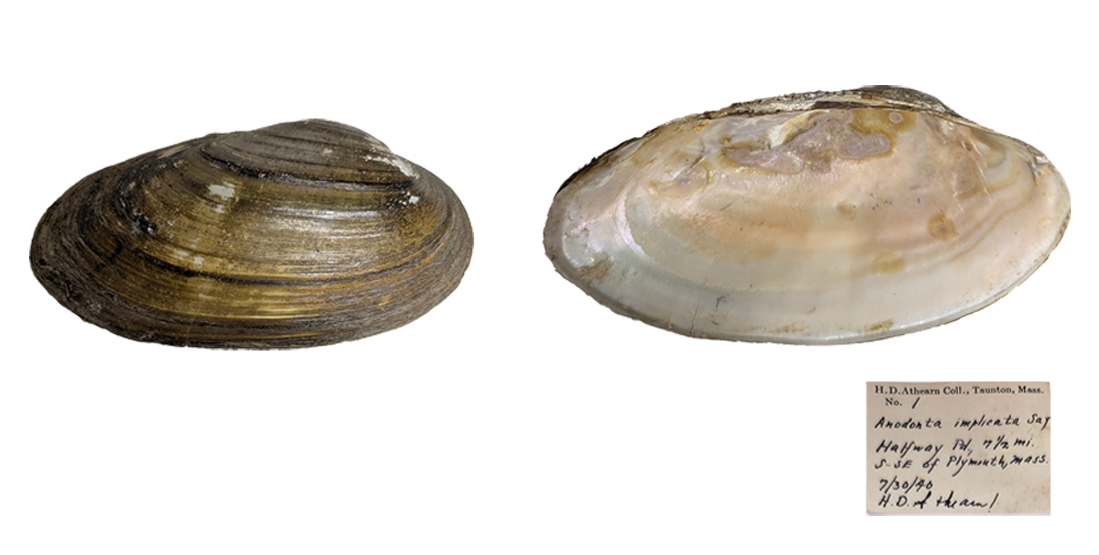
The first specimen cataloged was one Anodonta implicata Say, 1829 [now Utterbackiana implicata]. The first gift to the MFM was an Elliptio complanata from R.I. Johnson in December 1940.
The handwritten museum catalog entries extended across two adjoining pages, detailing his collection of 23,344 lots. The last lot Athearn cataloged was on 27 June 2000. He used printed labels first with “H.D. Athearn Coll. Taunton Mass” and later printed labels with “Museum of Fluviatile Mollusks” across the top. Athearn then hand-wrote the identification, date collected, collectors, and locality on them.
4. Discussion
This collection contains over 3,000 lots of imperiled and extinct taxa. He traded extensively with collectors worldwide, obtaining specimens from 84 countries, and his collection contained 7,238 localities worldwide (Figure 6).
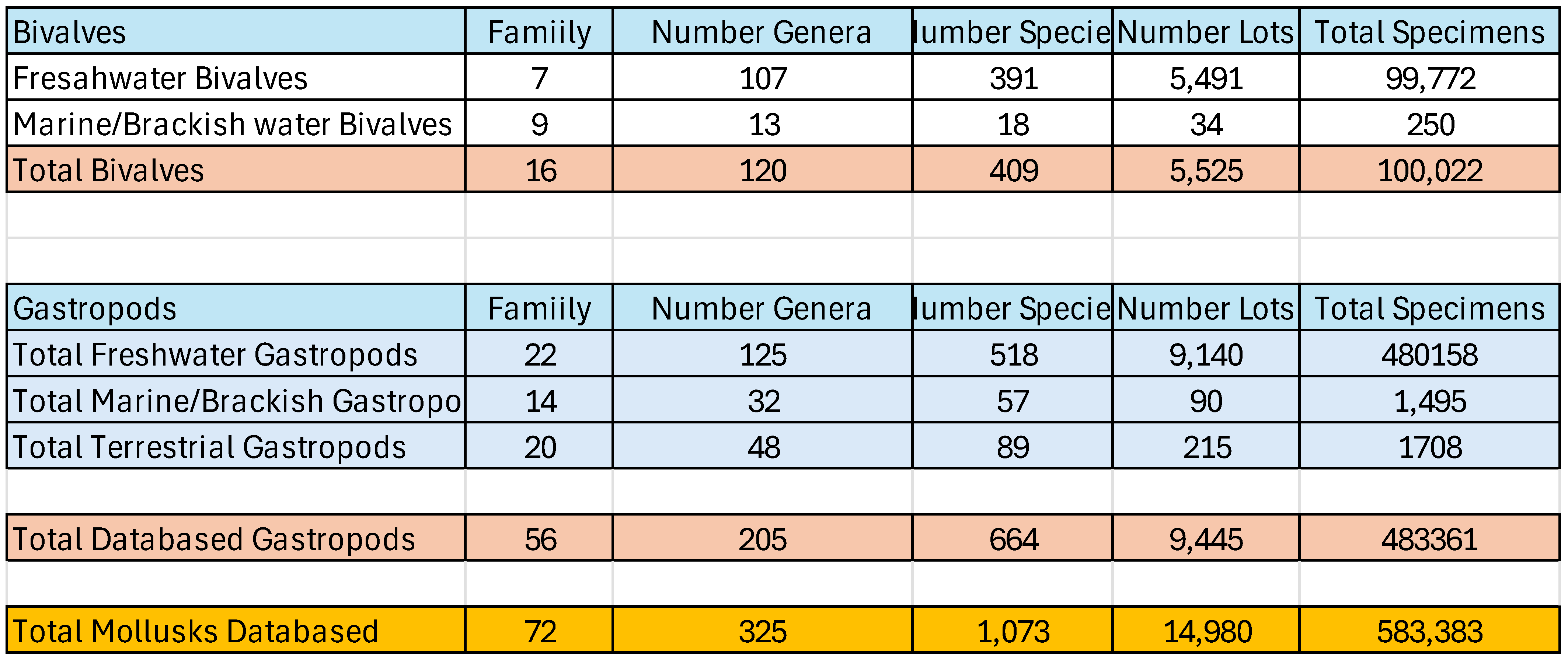
In 2007, the Museum of Fluviatile Mollusks collection was donated by Athearn to the North Carolina Museum of Natural Sciences [4,5,6]. The total databased portion represents 64% of the cataloged collection, totaling 583,383 specimens (Table 1, Table 2 and Table 3; Supplemental Table 1). The collection contains bivalves from 16 families, primarily in the families Unionidae, Margaritiferidae, and Sphaeriidae (Table 1, Supplemental Table 1, and gastropods (Table 2), represented by 56 families, with the most abundant being the freshwater Pleuroceridae (Table 2). Taxa from both Terrestrial and brackish and marine environments were also included in the collection (Table 1 and Table 2). The databased portion of the Museum of Fluviatile Mollusks rerpresented by freshwater mollusks is 99.4%.
The Museum of Fluviatile Mollusks also contained 52 type lots. The collection is focused on the Eastern United States, Canada, and some from Mexico, as well as other countries for a total of 58 countries represented in the bivalve section and 62 countries represented in the gastropod section for a total of 84 countries represented in the Museum of Fluviatile Mollusks.
The donation of the Athearn collection included the cataloged specimens and his correspondence, a library of books, a journal, reprints, and duplicate specimens from 2000 cataloged bivalves and gastropods lots that he used for trading. The collection contained around 3,500 USGS topographic maps covering var-ious regions across the United States and Canada, along with his original field notebooks. Also included were approximately 700 field collections of freshwater mollusks made during the 1970s that were wrapped in newspapers and stored on the second floor of his house. These unprocessed collections have not been opened, washed, or identified. It is known that these collections from the eastern United States contain rare, endangered, and extinct freshwater mussels and a great variety of freshwater gastropods. We have found that one lot contained five female Epioblasma haysiana (Lea,1834) specimens, a species now extinct. This col-lection includes the largest known specimen of Alasmidonta arcula (Lea, 1838) and a growth series of El-liptio spinosa (Lea, 1836). These collections all have the Athearn field number with them. These field numbers are found in his field notebooks, which contain a wealth of data and observations.
Athearn’s fieldnotes and catalogs present a gold mine of information, collecting conditions, growth series, other animals observed, and some of the last specimens of some extinct species, such as the “Last Call for Gyrotoma” in the Coosa River. Athearn noted in his museum catalog when cataloging the collection he made in 1965
“24 shells, dry. This was the last call to collect Apella from a creek anywhere in the World. In a few weeks, this station was inundated by Lock 3 Reservoir. The genus does not live above this shoal. I strongly suspect it also was not found in any other creek. As the water level was high today, only species which move to the stream margin at high water were collected.” May 2, 1965.
Apella Anthony, 1843 is an invalid name based on an unknown species and was later shown to be a synonym of Gyrotoma Shuttleworth, 1845 in the freshwater gastropod family Pleuroceridae. All six recognized spe-cies of Gyrotoma were restricted to the Coosa River in Alabama and are considered extinct [7,8,9].
5. Conclusions
Digitizing the Athearn cataloged specimens is still in progress, with about 60 percent of the collection completed. Over 350 duplicate or “stock” lots of bivalves and gastropods have been reassociated with their original lots and have been incorporated into the NCSM collection, with another 800 Unionidae lots of “stock” lots to be reassociated. The 1970’s collections await curation and databasing. The Athearn collection, library, maps, and archives are available for study. The databased information is available for search on the North Carolina Museum of Natural Sciences website https://naturalsciences.org/research-collections/collections/mollusks-collection.
Author Contributions
Conceptualization, A.E.B., J.M.S., and C.M.B.; methodology, A.E.B. and J.M.S.; software, J.MS.; data curation, J.M.S. writing—original draft preparation, A.E.B.; writing—review and editing, A.E.B., J.M.S., and C.M.B. All authors have read and agreed to the published version of the manuscript.
Funding
This research/digitization of the Athearn Collection was funded by National Science Foundation, grant number [NSF 0844873]. A.E.B. and J.M.S. were funded by the grant “Computerization of Orphaned Aquatic Collections” – North Carolina State Museum of Natural Sciences (NCSM) with Principal Investigators W.C. Starnes and A.E. Bogan.
Data Availability Statement
The Museum of Fluviatile Mollusks will be available online on the North Carolina Museum of Natural Sciences website under the Mollusk Section. https://naturalsciences.org/research-collections/collections/mollusks-collection.
Acknowledgments
We thank the late Herbert D. Athearn for donating his collection to the North Carolina Museum of Natural Sciences. Marjorie and Larry Gates are thanked for their time and assistance in completing the donation of the supporting materials for this collection and discussing their recollections of the collecting associated with the development of the collection.
Conflicts of Interest
The authors declare no conflicts of interest.
References
- Clench, W.J. The importance of the amateur. Am. Malaco. Union Ann. Rept. 1957 1958, 23, 9–10. [Google Scholar]
- Solem, A. The recent mollusk collection resources of North America. The Veliger 1975, 18, 222–236. [Google Scholar]
- Bogan, A.E.; Johnson, P.D. Obituary—Herbert D. Athearn (1923-2011). Ellipsaria 2011, 13, 31–33. [Google Scholar]
- Bogan, C.M.; Smith, J.M. Museum acquires extensive freshwater mollusk collection. N.C. Naturalist 2007, 15, 13. [Google Scholar]
- Bogan, A.E.; Smith, J.M.; Bogan, C.M. The H.D. Athearn Museum of Fluviatile Mollusks, Cleveland, Tennessee. Tentacle, The Newsletter of the IUCN/SSC Mollusc Specialist Group 2008, 16, 14–15. Available online: https://www.hawaii.edu/cowielab/tentacle/tentacle_16.pdf.
- Bogan, A.E.; Smith, J.M.; Bogan, C.M. The H.D. Athearn Museum of Fluviatile Mollusks, Cleveland, Tennessee. Am. Malaco. Soc. Newsl. 2008, 39, 4–5. [Google Scholar]
- Freshwater Mollusk Conservation Society [FMCS]. Appendix 1. The 2023 FMCS checklist of freshwater mussels (Mollusca: Bivalvia: Unionida) of the United States and Canada. Considered and approved by the Bivalve Names Subcommittee in October 2023. Available online: https://molluskconservation.org/Library/Committees/Names/Appendix_1_Bivalves_Revised_Names_List_20230928_draft.pdf.
- Johnson, P.D.; Bogan, A.E.; Brown, K.M.; Burkhead, N.M.; Cordiero, J.R.; Garner, J.T.; Hartfield, P.D.; W. Lepitzki, D.A.; Mackie, G.L.; Pip, E.; et al. Conservation status of freshwater gastropods of Canada and the United States. Fisheries 2013, 38, 247–282. [Google Scholar] [CrossRef]
- Whelan, N.V.; Johnson, P.D.; Garner, J.T.; Garrison, N.L.; Strong, E.E. Prodigious polyphyly In Pleuroceridae (Gastropoda: Cerithioidea). Bull. Soc. Syst. Biol. 2022, 1, 8419. [Google Scholar] [CrossRef]
Figure 1.
Herbert D. Athearn in front of his home with the Freshwater Mollusk Conservation Society Willam J. Clench Memorial Award, 2001.
Figure 1.
Herbert D. Athearn in front of his home with the Freshwater Mollusk Conservation Society Willam J. Clench Memorial Award, 2001.
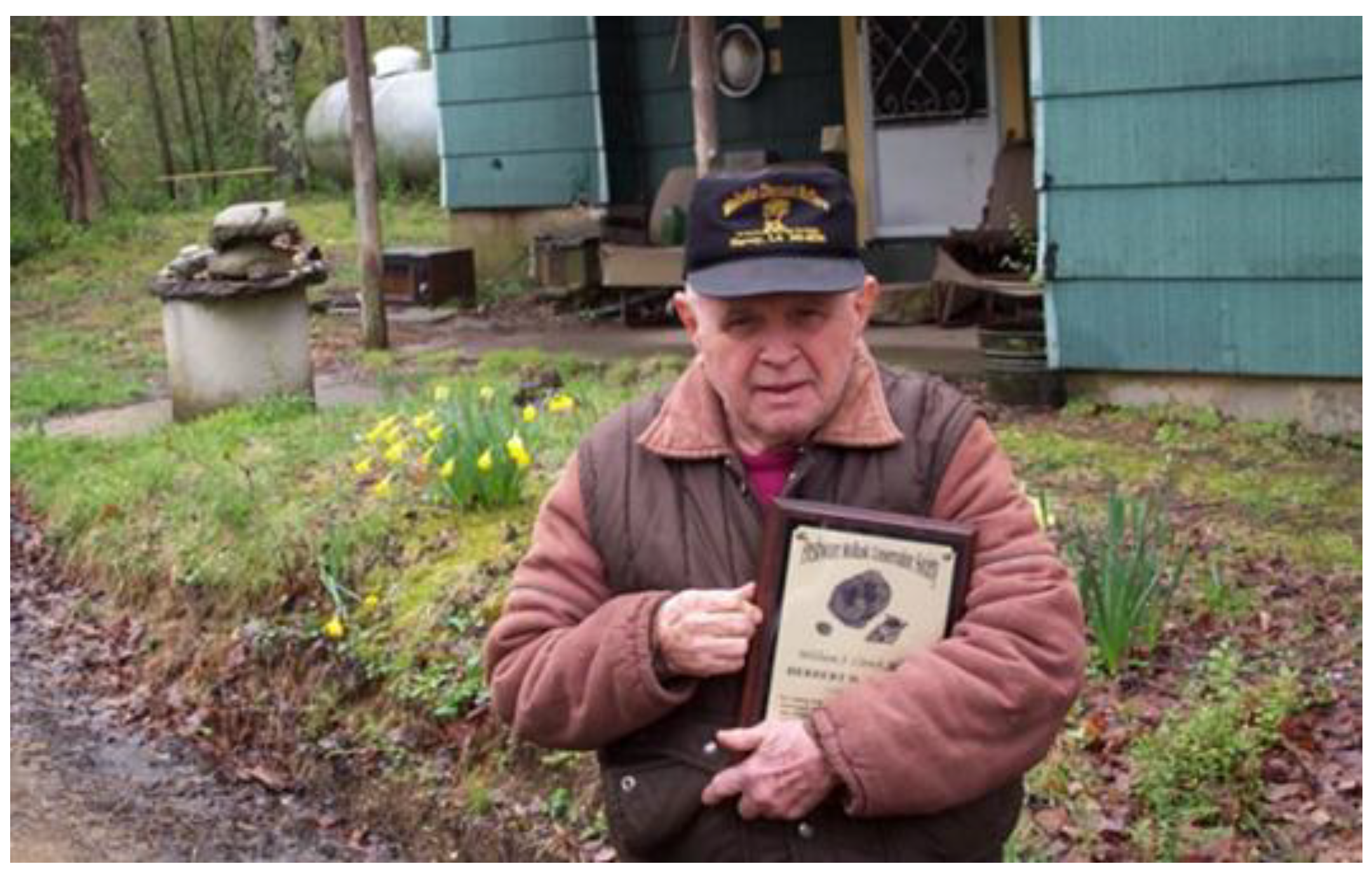
Figure 2.
View of the Athearn home and the Museum of Fluviatile Mollusks.
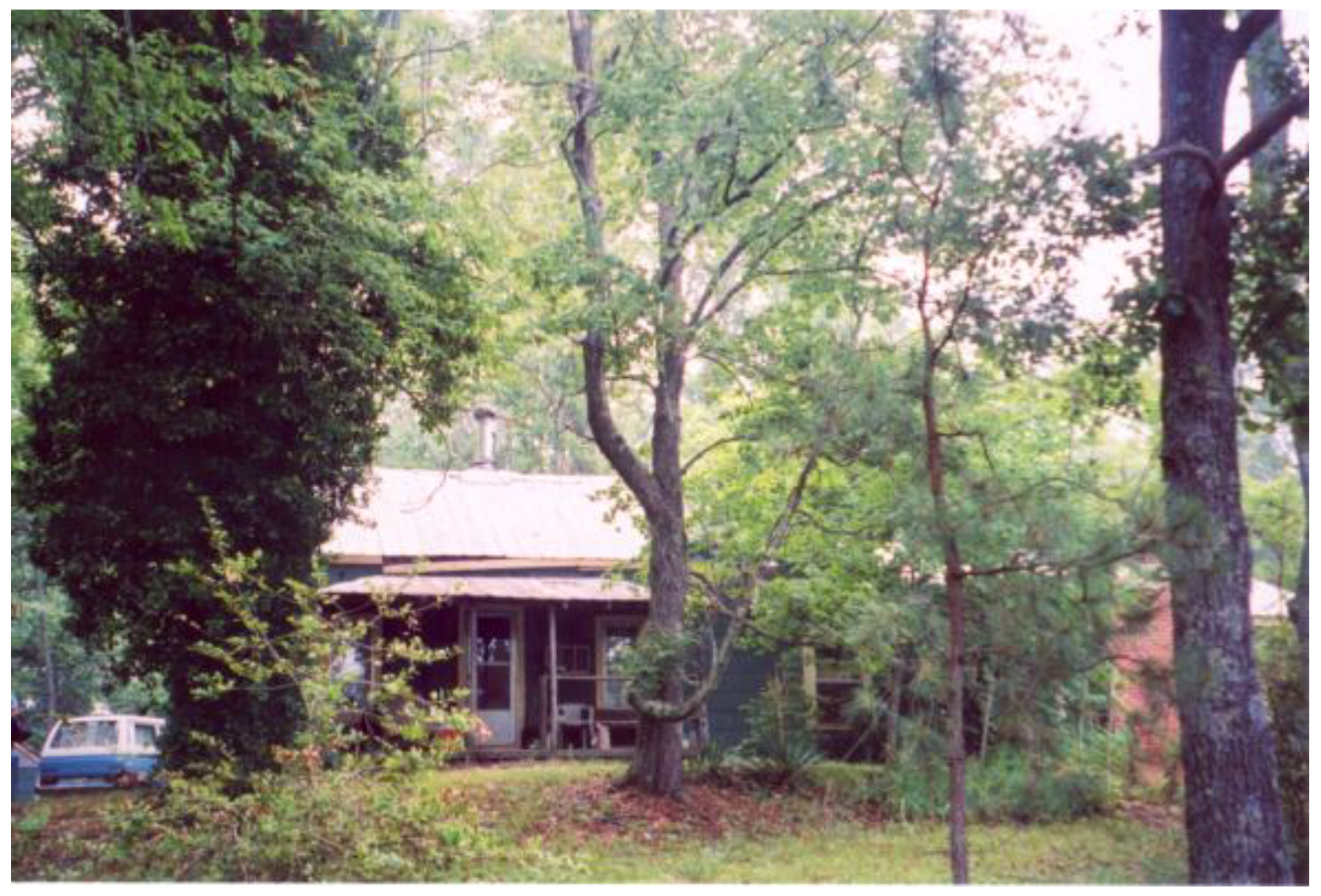
Figure 3.
The floor plan of the H.D. Athearn home and cabinets in the Museum of Fluviatile Mollusks, Cleveland, Tennessee.
Figure 3.
The floor plan of the H.D. Athearn home and cabinets in the Museum of Fluviatile Mollusks, Cleveland, Tennessee.
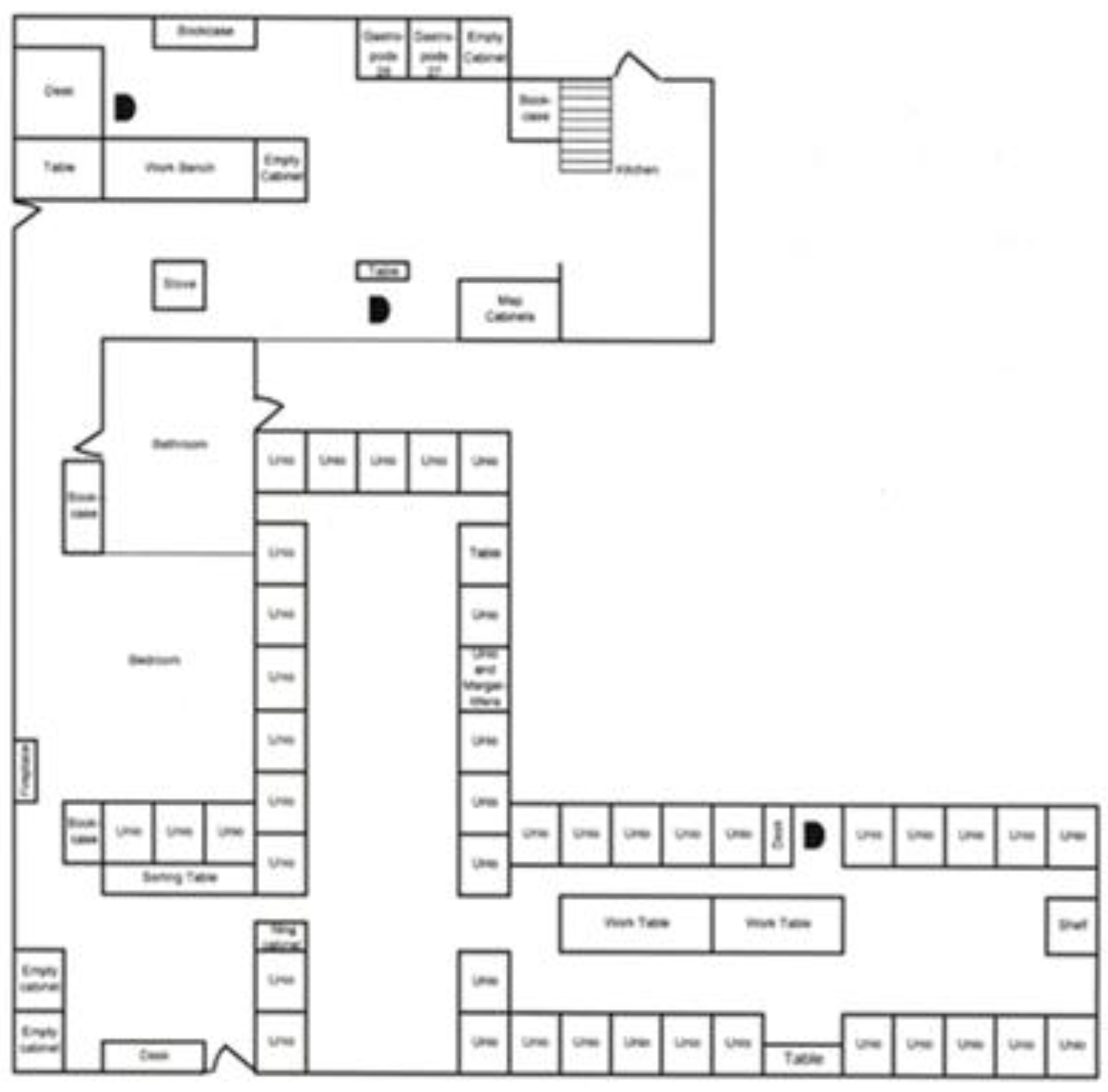
Figure 4.
Built-in mollusk cabinets in the Museum of Fluviatile Mollusks.
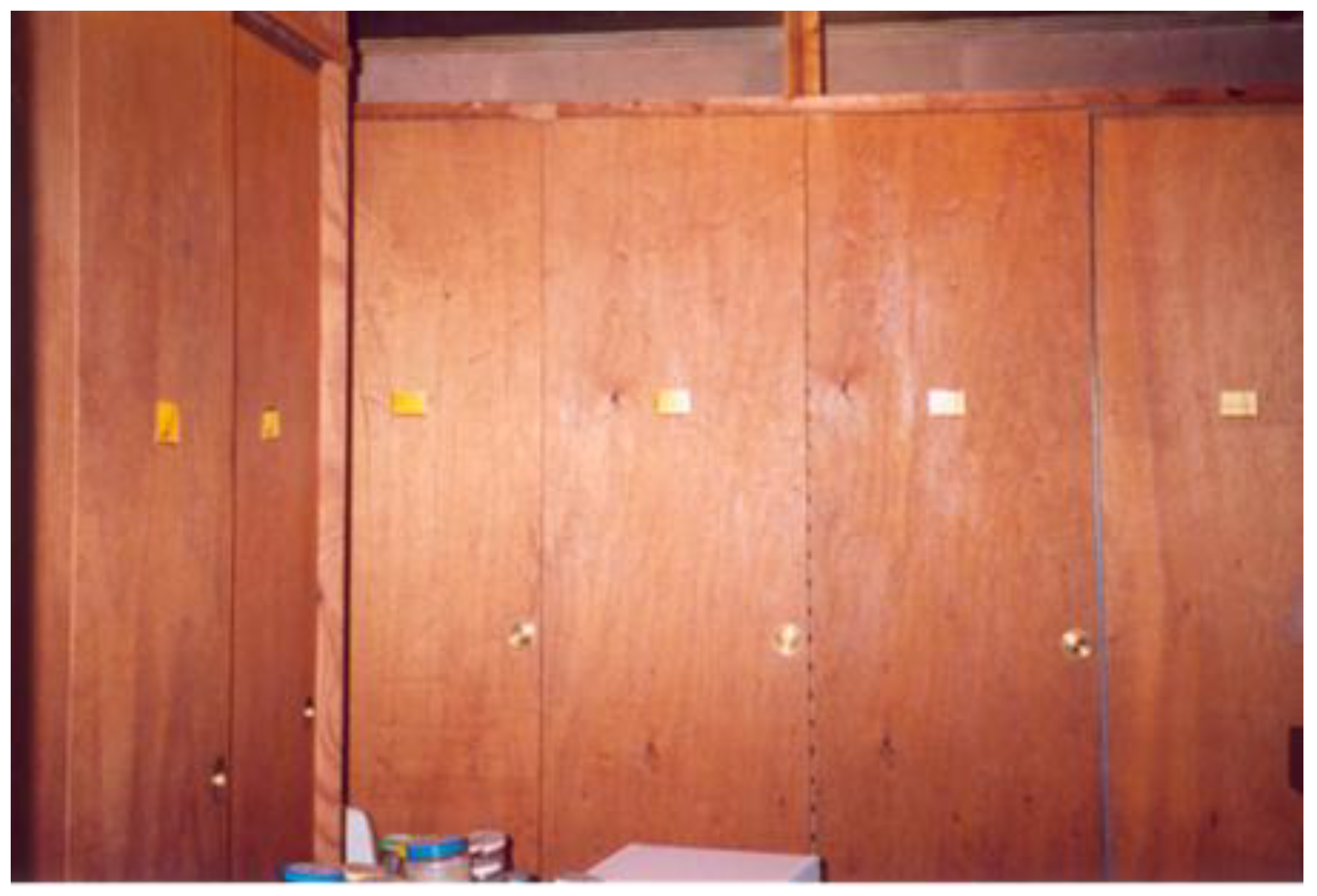
Figure 5.
Drawers of freshwater mussels in the built-in cabinets in the Museum of Fluviatle Mollusks.
Figure 5.
Drawers of freshwater mussels in the built-in cabinets in the Museum of Fluviatle Mollusks.
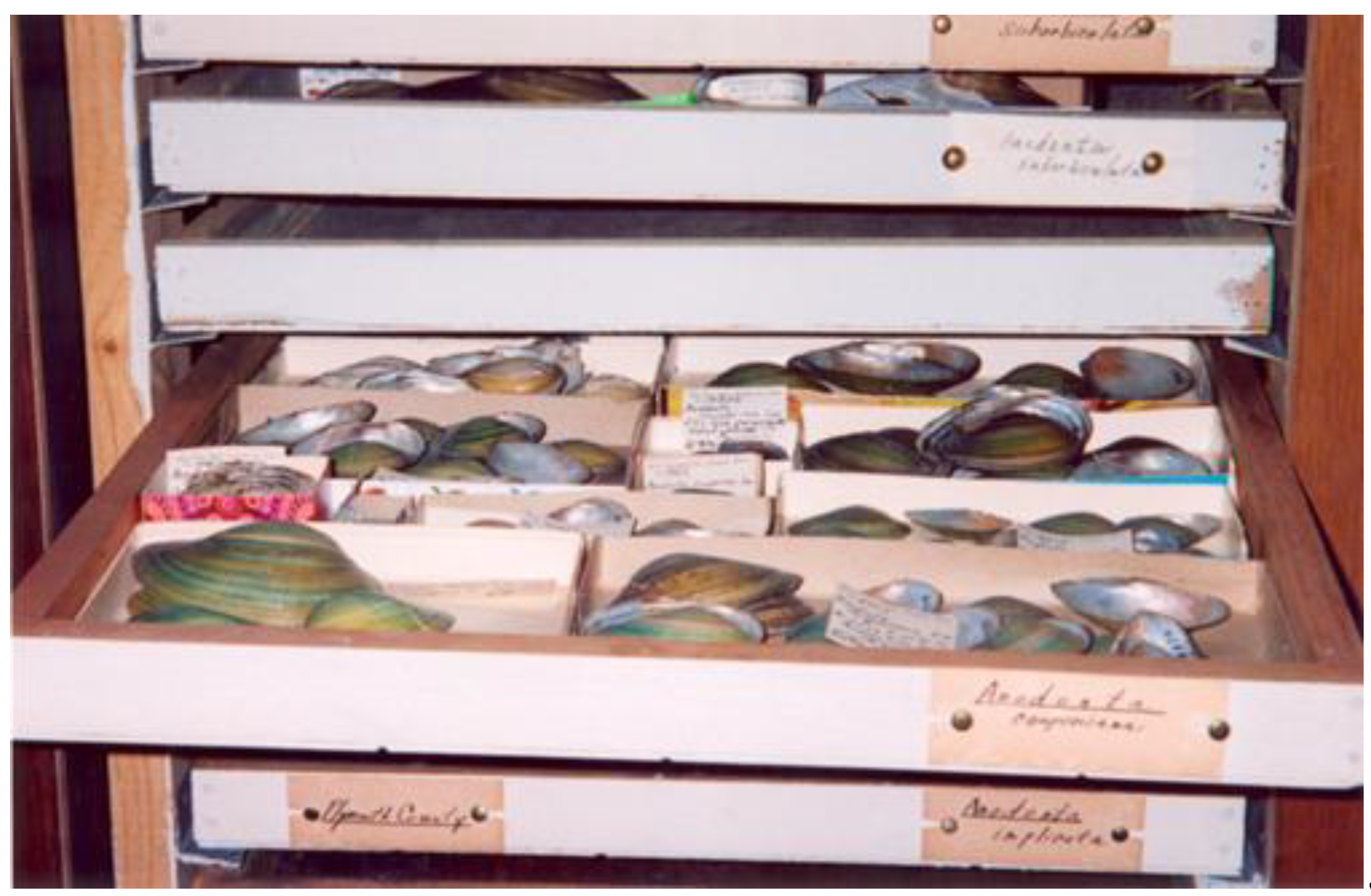
Figure 6.
Map of the distribution of cataloged localities contained in the Museum of Fluviatile Mollusks.
Figure 6.
Map of the distribution of cataloged localities contained in the Museum of Fluviatile Mollusks.
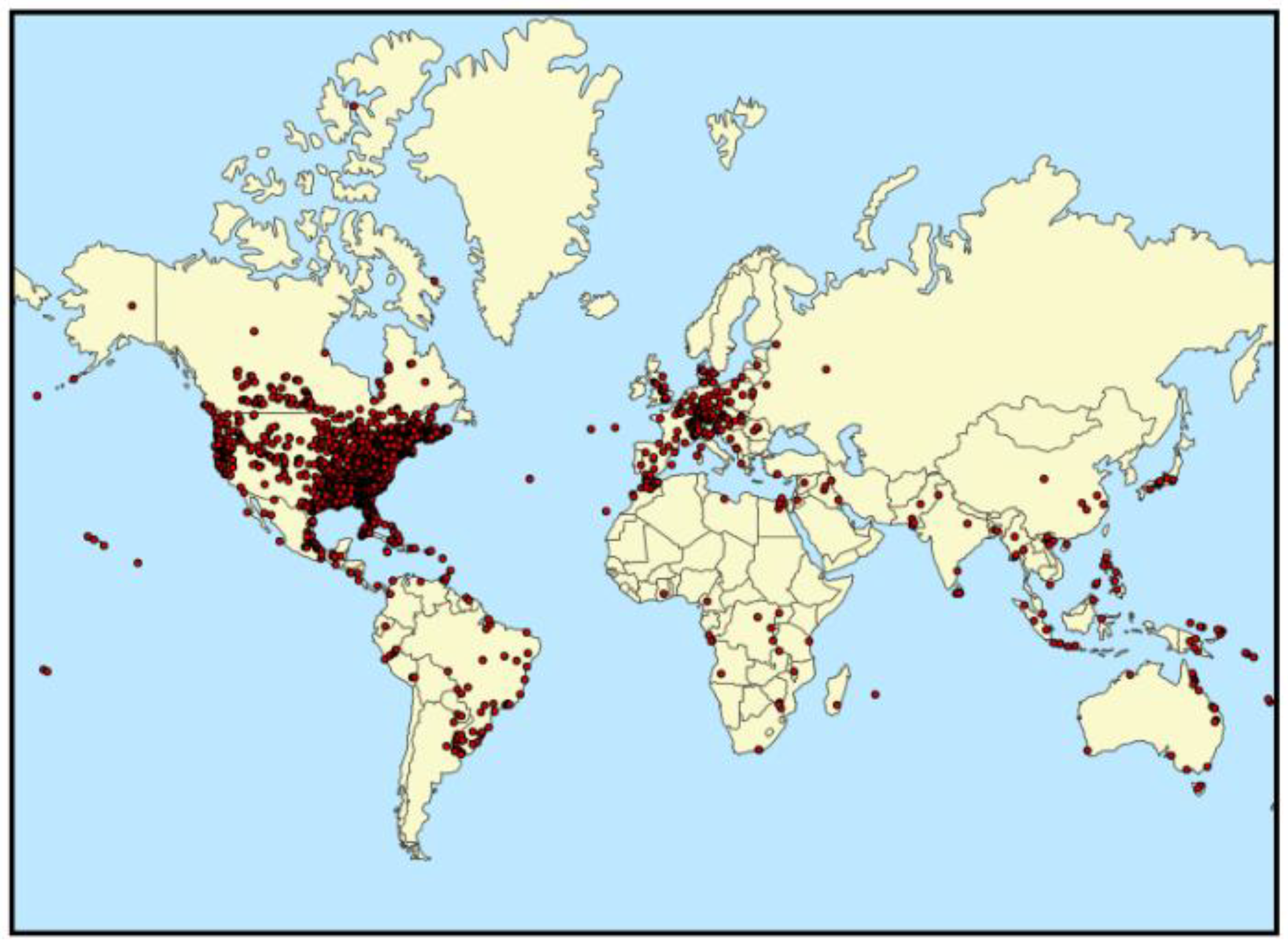

Table 1.
Summary of the currently databased bivalve lots in the Museum of Fluviatile Mollusks.
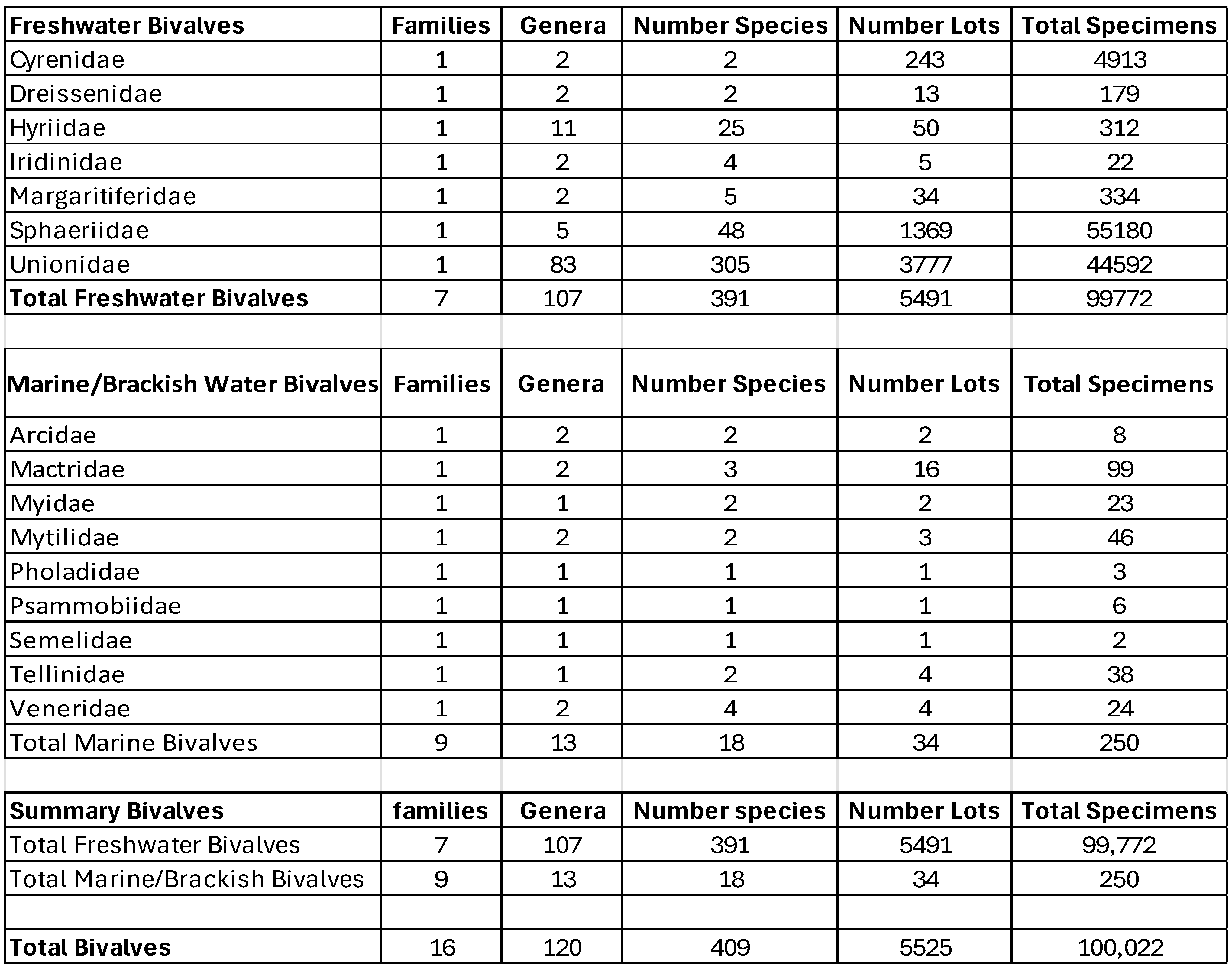
Table 2.
Summary of the databased gastropod lots in the Museum of Fluviatile Mollusks.
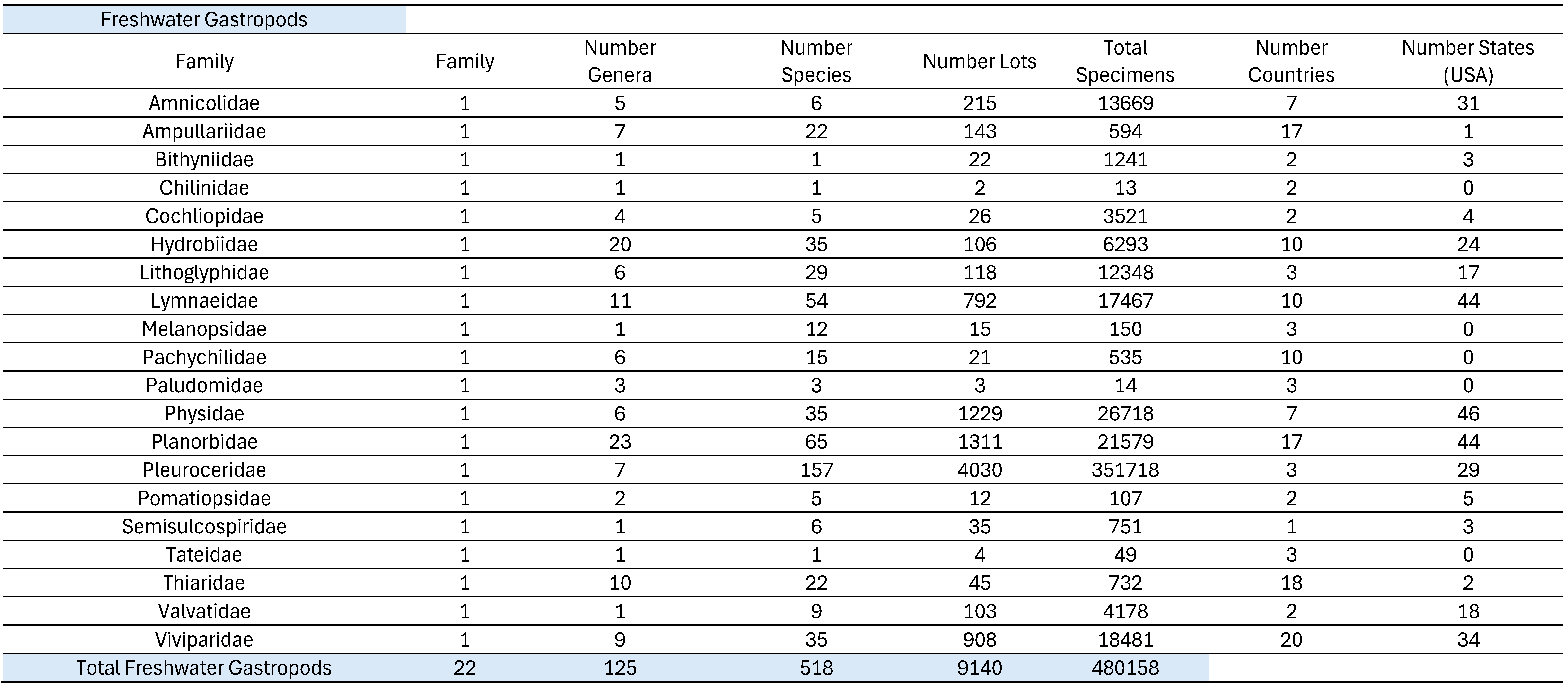
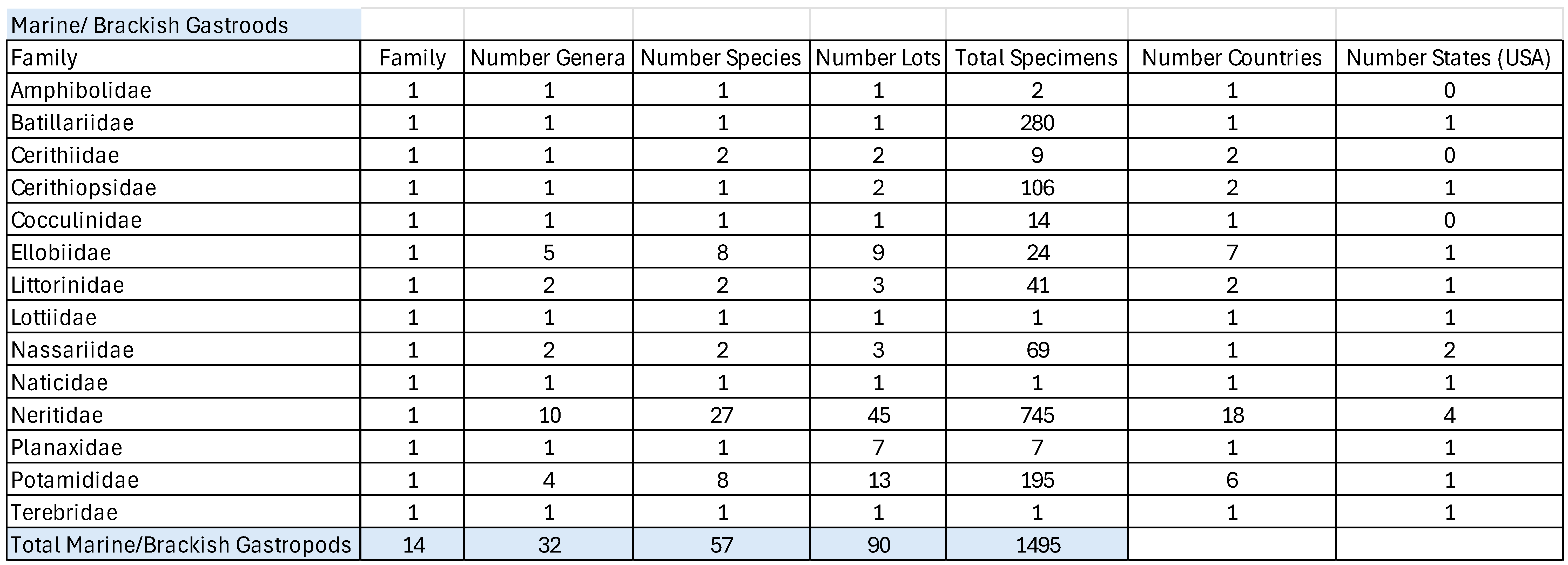
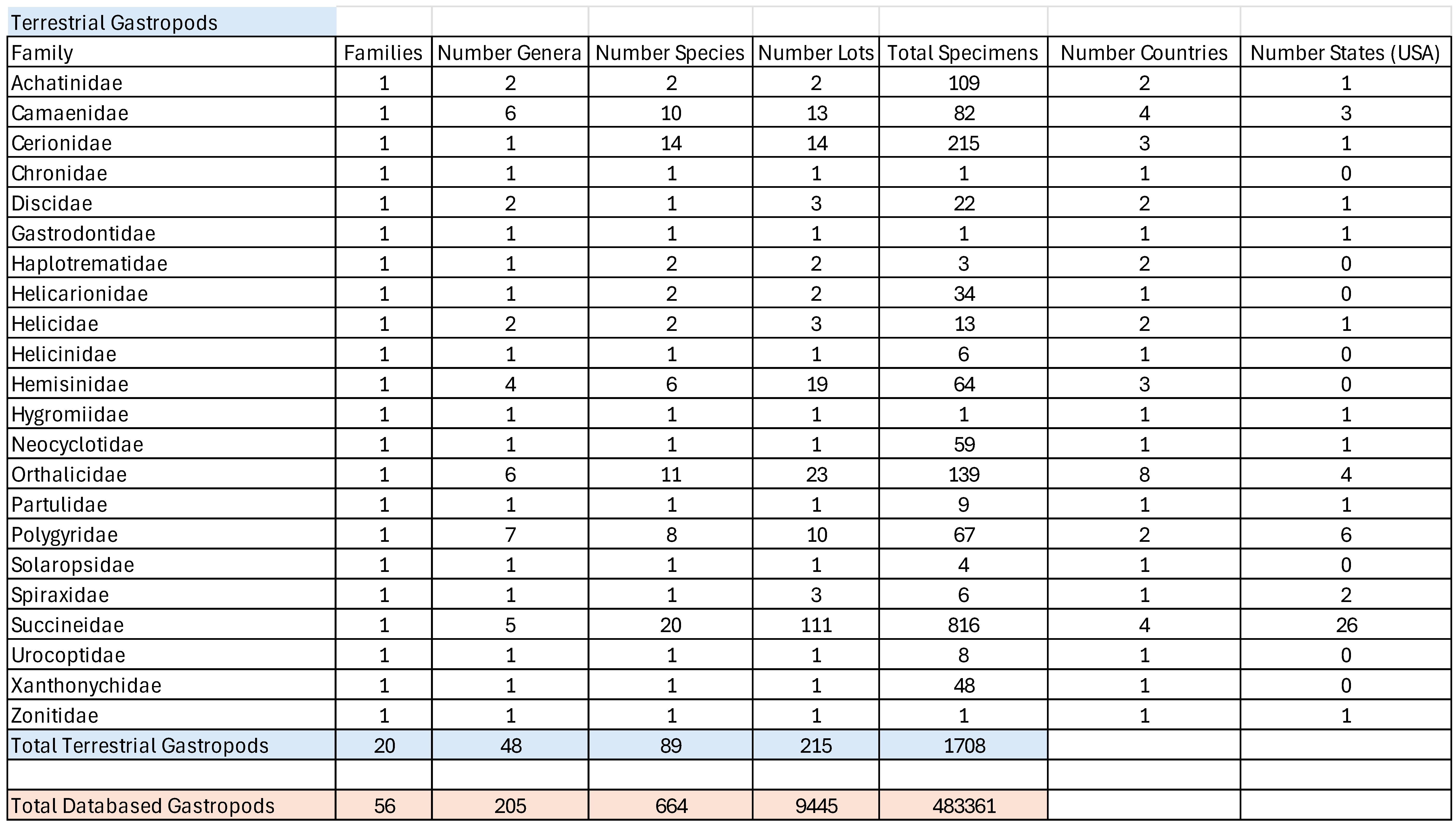
Table 3.
Summary of the currently databased bivalve lots in the Museum of Fluviatile Mollusks.
Disclaimer/Publisher’s Note: The statements, opinions and data contained in all publications are solely those of the individual author(s) and contributor(s) and not of MDPI and/or the editor(s). MDPI and/or the editor(s) disclaim responsibility for any injury to people or property resulting from any ideas, methods, instructions or products referred to in the content. |
© 2025 by the authors. Licensee MDPI, Basel, Switzerland. This article is an open access article distributed under the terms and conditions of the Creative Commons Attribution (CC BY) license (http://creativecommons.org/licenses/by/4.0/).
Copyright: This open access article is published under a Creative Commons CC BY 4.0 license, which permit the free download, distribution, and reuse, provided that the author and preprint are cited in any reuse.