Preprint
Article

This version is not peer-reviewed.

Barriers to Open Innovation in Asia: A Review and Future Challenges

Submitted:

05 March 2025

Posted:

05 March 2025

You are already at the latest version

Abstract

This study aims to identify, categorize, and structure all types of barriers to the process of implementing Open Innovation (OI) in the Asian region. The literature review method was used to answer two main research questions: (RQ1) What are the types and categories of barriers to OI implementation in countries in the Asian region? And (RQ2) What are the most dominant categories of barriers to OI implementation in the Asian region? The process of identifying and selecting journal articles in this literature study used the Google Scholar (GS) publication database. The selected papers have all been published in international journals between 2009 and 2023. This study has succeeded in identifying types of barriers to implementing OI in Asian countries and has divided these barriers into five categories, namely: external, inter-organizational, intra-organizational, organizational, and individual barriers. Analysis of the results of this study shows that the dominant categories of barriers to implementing OI in Asian countries are individual and organizational barriers. Therefore, it can be said that the challenges to implementing OI in Asia are posed more by internal barriers than external ones and the internal barriers that are very influential are the limitations of individual companies and very limited organizational management. The results of this research are expected to provide practical input for various parties, especially in terms of efforts to broaden and deepen the understanding of various barriers to the OI implementation process in a more systematic and comprehensive manner, especially company managers so that they can prepare steps in anticipation of adopting the OI approach in the Asian region.

Keywords: 
;  ;  

1. Introduction

Currently, Open Innovation (OI) has become a very important concept that is widely recognized among academics, industry, and state policymakers [1] this is especially so in the post-COVID-19 era [2]. OI is considered the best innovation model to achieve competitive advantage in a world that continues to be turbulent and changes very quickly [3]. According to a recent report published by The Economist, 95% of companies have adopted or are ready to implement OI practices by starting to open company boundaries which were previously more closed to collaborative innovation [4]. Technological change and complexity, accelerated digitalization, intense levels of competition, scarcity of resources, and increasingly expensive innovation activities and processes have forced companies to change and adopt a more open and cooperative approach to improve innovation performance and build their competitive advantage [5]. On the other hand, as Chesbrough [6] has stated, to overcome the trend of increasing product development costs and increasingly short product life cycles, companies must act creatively to develop new business models by using ideas, technology, and resources from external sources for their internal product development and allow more and more intellectual property from within their companies to be commercialized in collaboration with external parties. In such a situation, each company can no longer simply be confident in its own strengths and advantages, and it will no longer be relevant if it only works alone in engaging in innovation activities. Since Chesbrough [7] popularized the concept of OI, studies on this topic have been numerous and diverse and the research has become more mature with a consolidated theoretical basis [8]
However, a comprehensive understanding of aspects of OI’s implementation process, especially regarding barriers and obstacles to it, is still relatively limited and fragmented [9]. Greco et al. [10] state that the focus of OI is usually only on its benefits and success. There is still relatively little evidence based on research and investigations regarding the obstacles that may occur at each stage of its implementation. Chaudhary et al. [11] emphasize that studies regarding theoretical benefits and positive aspects—as well as success stories about OI—are not sufficient to help company managers understand and adopt the OI approach. Concern about OI’s dark side and stories of failure in its implementation need to continue to be studied comprehensively and used as lessons for improving the implementation of OI in the future. De Faria et al. [12] emphasize the need for company managers to broaden and deepen their understanding of how OI is often hampered in its implementation, both by obstacles originating from within the company and from those that are external to the company. In this context, a number of studies have investigated the barriers and obstacles to the implementation of OI. The barriers identified are very diverse and include difficulty finding partners to collaborate [13], unsupportive organizational culture [14], fear of risk and failure [15], inadequate support from top management [16] organizational and managerial complexity [4], high costs of implementing OI [17], lack of understanding of OI [18] the absence of an adequate innovation strategy [19,20] and limited R&D activities [21]. Apart from these, Chaudhary et al. [11] show that obstacles in implementing OI are both formal—such as problems related to regulating ownership of intellectual property rights between cooperation partners—and informal—such as trust and social capabilities to build relationships with partners. On the other hand, Tekik and Willoughby [22] have discussed obstacles and failures in each form of OI (that is to say, inbound, outbound, and coupled). Even though various obstructive factors have been identified, a comprehensive understanding and systematic mapping of the categories of these obstacles facing each stage of OI implementation is not yet adequate [23].
Therefore, to address this lack of a systemic understanding of the factors influencing OI implementation, we conducted a review of the published literature. The novelty of this study is that we identify and categorize, systematically and comprehensively, the barriers to OI into five categories: external, inter-organizational, intra-organizational, organizational, and individual barriers. External barriers are obstacles that come from outside the company or organization, such as the industrial sector, the role of government, community groups, and innovation systems [24]. Inter-organizational barriers are obstacles that originate from inter-organizational collaboration processes, such as collaboration with customers, suppliers, and universities [11,24]. Intra-organizational barriers are obstacles that originate from within the company, such as departments, divisions, teams, and a company’s internal projects [11,24]. Organizational barriers are obstacles that originate from the unique conditions and characteristics of an organization, such as cultural aspects and innovation policies that are different in each company [24]. Meanwhile, individual obstacles are obstacles that originate from each individual—both from inside and outside the company—such as the previous experience and knowledge of individuals, as well as their emotions, creativity, and individual perceptions [11].
The choice of the Asian region as the subject of this study is because the adoption of the OI approach is increasing and growing in this region. Meanwhile, the Asian region still has a lot of potential as well as challenges in increasing the use of OI, especially because the countries in this region are very diverse [25], ranging from least developed to highly developed countries [26]. In addition, compared to countries in Europe and North America, discussions about barriers to OI implementation in Asia are still relatively limited.
Based on the description above, there are two research questions posed by this study, namely: (RQ1) What are the types and categories of barriers to OI implementation in countries in the Asian region? And (RQ2) What are the most dominant categories of barriers to OI implementation in the Asian region? The aim of this literature study is to try to identify, categorize, and structure all types of obstacles to the OI implementation process in the Asian region. It is hoped that the results of this study will provide significant theoretical and practical contributions in an effort to broaden and deepen understanding of various obstacles to the implementation of OI in a more systematic and comprehensive manner, so that all parties—especially company managers— can prepare anticipatory steps when adopting the OI approach.

2. Literature Review

2.1. Open Innovation (OI)

Open Innovation (OI) can be understood as an innovation strategy carried out by a company when it accesses, utilizes, and absorbs the flow of knowledge, technology, and external resources across company boundaries. This use of inflows and outflows of knowledge, technology, and resources is deliberate and planned to accelerate internal innovation and expand markets [27]. Oumlil and Juiz, [16] state that OI is a new paradigm in innovation where companies, together with external partners, develop innovation activities jointly by sharing the risks and results obtained. Meanwhile, Yun et al. [28] state that OI is a holistic innovation management approach that systematically encourages, explores, and combines various internal and external sources to obtain much greater innovation opportunities. Over the last three decades, OI has become a very important and very useful concept for academics, practitioners, and policymakers, especially entering the current post-COVID-19 era [2]. In addition, the very diverse, inclusive, and open concept and application of OI makes it an approach that stands out from other theories, concepts, and paradigms [29]. Audretsch and Belitski [30] state that the main motivation for companies using an OI approach is to increase their ability to generate knowledge spillovers and create new products more quickly in collaboration with external partners. In this context, OI can be defined as a concept that includes new challenges, norms, and practices in innovation processes and strategies with the aim of increasing opportunities for the complementarity of knowledge, technology, and resources, leading to faster and better quality innovation with higher levels of productivity. In line with this definition, Rouyre & Fernandez [31]; state that the OI approach will help companies to gain external knowledge which can be combined with internal knowledge to improve the innovation process, and then they can expect a higher level of innovation performance than if they use traditional innovation approaches. On the other hand, Camilleri et al., [32] state that, by implementing the OI approach, companies will benefit from the capabilities and competencies of external parties to diversify their business and/or develop innovative products and services so that they can improve their financial performance in terms of margin and return on assets. Seeing the aforementioned major benefits of OI, more and more companies nowadays are starting to adopt OI practices [33]. Apart from the benefits that are obtained, the complexity of knowledge today means that companies can no longer only rely on limited internal knowledge or monopolize innovation activities in increasing and maintaining their competitiveness [34].
At a fundamental level, OI can take three different forms: inbound OI, outbound OI, and coupled OI [35]. In the inbound (outside-in) form, company innovation managers complement their internal knowledge base by integrating and exploring external knowledge with the aim of improving the company’s innovation performance. External knowledge is used as part of the internal innovation process to enrich existing organizational knowledge and resources through partnerships with suppliers, customers, consulting companies, competing companies, and other external knowledge sources [11]. Referring to the flow of external resources and knowledge into the company from outside, inbound OI activities can take the form of in-sourcing and in-licensing, minority equity investments, acquisitions, joint ventures, R&D collaborations, research funding, purchasing technical and scientific services from outside the company, as well as engagement of the company’s customers [27]. Meanwhile, outbound OI is a process from the inside out, where the organization allows parties external to the company to use creative ideas that may be underutilized (or not utilized) in the company’s own business activity. In other words, outbound OI means that internal resources and knowledge flow out of the company or external organizations are allowed to commercialize internal assets. Companies that carry out outbound OI basically focus on externalizing their innovation efforts and bringing internal ideas to market more quickly [36], Outbound OI can take the form of selling company licenses, selling innovation projects, joint ventures for technology commercialization, supplying technical and scientific services to external parties, and venture capital investment [27]. Finally, the coupled form of OI essentially involves the creation of joint efforts by companies with complementary partners through alliances, collaborations, and joint ventures. Companies that use hybrid forms combine outside-in processes (to gain external knowledge) with inside-out processes (to bring creative ideas to the market) to jointly develop and commercialize innovation results. Rouyre & Fernandez [31]; define coupled OI as a multi-directional knowledge flow that results in shared value creation.

2.2. Barrier to Open Innovation

The barriers to the implementation of OI are a topic that is often discussed in the various studies that constitute the literature on OI. [24] defines barriers to OI as factors that negatively influence and hinder the OI adoption process. Moya [37] states that there are many stumbling blocks and obstacles to the process of implementing and spreading OI practices. Apart from that, Albats et al. [38] posit that the process behind implementing OI, which involves many actors, is indeed very complex and difficult to understand, so the process encounters various obstacles and challenges. A number of studies have investigated these obstacles in various contexts. Several previous studies have also succeeded in presenting the types and categories of barriers systematically and quite comprehensively. In research on barriers to OI in small and medium-sized enterprises (SMEs), Hashimy et al. [39] structure the barriers to implementation in two stages, namely the search stage and the management stage. During the search stage, there are two obstacles. First, internal obstacles include limited company resources, cultural and human nature challenges, and obstacles to inadequate company systems and infrastructure. Secondly, there are external barriers that are quite diverse; they include limited information, limited financial support, problems related to cooperation contracts, lack of consumer demand, consumer perceptions of innovation, and the influence of aspects of the company’s external environment such as government regulations and regulations regarding intellectual property rights. Then, at the management stage there are two types of obstacles, namely the inability to build networks, the inability to manage collaboration, and problems related to administration/control such as adoption problems, leadership perceptions of OI, and the inability to manage employees’ creative ideas.
On the other hand, Moya [37] tries to categorize the challenges of implementing OI into two main groups of factors, namely internal and external ones. Internal barriers are mostly related to problems related to employee capabilities, poor planning systems, difficulties in selecting partners, high costs of innovation, high resistance to change, and concerns about losing control over the knowledge and innovation produced. Meanwhile, many external obstacles are related to unsupportive government regulations, limited access to funding sources, continuously developing market conditions, and complexity in the collaboration process. Using the same categories, Dubouloz et al. [27] find that the main internal barriers in various industrial sectors and forms of OI consist of deficiencies in terms of time, financial resources, expertise, and skills, along with cultural barriers. Meanwhile, the main external obstacles consist of difficulties in finding partners—because of differences in values, a lack of trust, differences in work tempo, past experiences of collaboration, and lack of social closeness—and institutional barriers. On the other hand, Sugandini et al. [40] in their research on barriers to implementing OI in SMEs in Indonesia, find three main obstacles, namely resource constraints, knowledge constraints, and constraints in terms of mechanisms for collaboration with partners. Albats et al. [38] state that the process of creating and capturing value that is carried out openly in the OI business model is determined by many factors that are very complex and difficult to understand, especially in the context of SMEs.
In the context of large-scale companies, fewer challenges are found compared to small and medium companies. However, Pihlajamaa [41] states that almost all companies have experienced difficulties in reaping the benefits of OI and, generally, large companies are also dissatisfied with their OI practices; Greco et al. [42] even state that many OI projects run by large-scale companies have failed and been abandoned due to managerial difficulties. With a fairly comprehensive approach, Oumlil and Juiz [16] re-categorize the barriers to OI implementation, into six types, namely managerial and operational barriers, process and legal barriers, human resource (HR) barriers, cultural barriers, business environment barriers, and financial barriers. Managerial and operational barriers generally stem from inadequate support for open innovation from top management. Process and legal obstacles are caused by limited legal procedures. HR obstacles are mostly caused by insufficient resources and a lack of open innovation skills both internally and externally. Cultural barriers are often due to a company’s lack of internal commitment to OI. Business environmental barriers are usually due to the professional business environment, and when a company does not have support or standards regarding the OI process.
Meanwhile, financial obstacles are generally due to an insufficient budget to support the implementation of OI. In the context of determining critical factors in implementing OI, de Oliveira et al. [9] propose six critical factors that could become obstacles to implementation, namely leadership factors (leaders’ capabilities, management capabilities, employee commitment, and ability to manage external partners), internal innovation capability factors (dynamic capabilities, technical competencies), network and relationships factors (management of intellectual property rights, relationships management, trusting relationships), strategy factors (absorptive capacity, innovation strategies, and internal and external resource management strategies), technology management factors (readiness and technological maturity, evaluation of costs in technology development, company participation in technology networks), and cultural factors (OI culture, a culture of readiness for change, organizational learning culture, social cohesion). In the context of comparing the implementation of OI in the public and private sectors, Smith [24] categorizes OI barriers into four types; namely, external barriers, inter-organizational barriers, organizational barriers, and intra-organizational barriers. The results of this research state that the obstacles and challenges to implementing OI in the public sector are greater than in the private sector. This is in line with the view of Fu et al. [43] who state that the barriers and challenges to implementing OI will be very different for each type of company. Apart from the obstacles that are often expressed at the company level, Chaudhary et al., [11] propose two levels of challenges in implementing OI; namely, firm-level challenges (knowledge management, intra-firm, and inter-firm problems) and individual-level challenges (employees, customers, and users). This concept creates a balance between firm-centric and individual-centric approaches to the study of barriers to OI implementation.
This study will adopt this approach with a more comprehensive study. OI implementation is a complex process and usually experiences failure, not only due to problems related to intra-organization, inter-organization, conditions that are external to the company, and organizational characteristics but also because it is strongly influenced by problems at the individual level [11]. At the company level, the literature review reveals many intra-firm, inter-firm mechanisms and firm characteristics that can hinder the success of OI, such as organizational and knowledge-related barriers [22], organizational culture barriers [14] weak innovation strategy [19,44], limited R&D activities [21] the company’s business model being incompatible with external parties [45] the company’s technological capabilities are not equal to those of external partners [46], difficulty with collaboration between companies [13], fear of risk and failure [15], top management support [16], organizational and managerial complexity [4], management’s lack of understanding about OI [47] difficulties in regulating ownership of intellectual property rights [11], and the company’s image in fostering trust in potential partners [48].
Meanwhile, at the individual level, the literature review also shows that many individual-related aspects are barriers to the OI implementation process, such as employee emotional competence [49], limited roles of customers and users [50], lack of employee understanding about OI [18], employee capabilities [37], limited knowledge and skills [27], negative employee attitudes towards OI [51], the mental attitude and character of employees; [52,53], the inability of employees and customers to create something jointly [54], the role of individual experience and previous knowledge [55], and individual perceptions [56]. Human side factors are always an interesting issue that is often discussed in the OI implementation process, both in terms of members of the company and as individuals. Bogers et al. [57] state that differences in employees’ education levels have a positive influence on a company’s level of openness in collaborating with other partners. A company’s ability to recognize and acquire external knowledge is highly dependent on the similarity of the knowledge base of employees across the organization [58]. To improve the role of human side factors, Greco et al. [36] state that companies must invest in efforts to increase employees’ capabilities, especially in the field of research and development, so that each employee has sufficient ability to understand external knowledge.

3. Method

The literature review method was used to answer two main research questions, namely: (RQ1) What are the types and categories of barriers to OI implementation in the Asian region? And (RQ2) What are the most dominant categories of barriers to OI implementation in the Asian region? The process of identifying and selecting journal articles in this literature study uses the keywords “barriers to open innovation” OR “constraints to open innovation” OR “inhibitors to open innovation” OR “lack of open innovation” OR “obstacles to open innovation” from the Google Scholar (GS) publication database. GS is one of the best databases for studies of the research literature because it is very comprehensive, easy to use, fast, and free to access; [59,60]. The papers selected are those in English and published in international journals during a period of 15 years between 2009 and 2023. The papers obtained during this initial step (search date 25 April 2024) numbered 536. Three exclusion criteria were then applied to filter out papers with unchecked citations (EC1), papers that did not include empirical research and did not have an explicit mention of research locations in Asian countries in the title and abstract of the article (EC2), and papers that did not contain and discuss OI and obstacles to its implementation (EC3). The article selection process is described in Table 1 as follows.
The remaining articles numbered 23. The next step was to review the contents of the selected articles by identifying and recording various types of barriers to OI implementation. Next, the results of the review were analyzed and studied by carrying out a categorization, mapping, and formulation process using the scheme that we propose as follows:
Table 2. Categorization and description of barriers to Open Innovation.
Categories of Barriers Description Source
Individual Barriers that originate from each individual both from within and outside the company, such as knowledge and skills, mental attitude, creativity, and individual perception Hsu et al. [54]; Chaudhary et al. [11]
Intra-organizational Barriers that originate from parts of the company, such as departments, divisions, teams, and companies’ internal work groups Smith [24]; Chaudhary et al. [11]
Organization Barriers that originate from unique conditions and organizational characteristics, such as culture and innovation policies that are different in each company Smith [24]
Inter-organizational Barriers that originate from inter-organizational collaboration processes, such as collaboration with customers, suppliers, and universities Smith [24]; Chaudhary et al. [11]
External Barriers that originate from outside the company organization, such as the industrial sector, the role of government, community groups, and the innovation system. Smith [24]

4. Results & Discussion

According to the results of the literature study, it is clear that of the 23 articles selected and published in 19 journals are as follows:
Table 3. List of Journal Names of Selected Articles.
No Journal Number
1 Sustainability 3
2 Global Business Review 2
3 Journal of Open Innovation 2
4 Journal of Management & Organization 1
5 Journal of Technology Management & Innovation 1
6 Asian Economic Papers 1
7 International Journal Management and Enterprise Development 1
8 Quality & Quantity 1
9 Industrial Management & Data System 1
10 International Journal of Policy Studies 1
11 International Journal of Innovation Management 1
12 SSRN 1
13 Journal of Asian Finance, Economics and Business 1
14 Europian Journal of Innovation Management 1
15 Technological Forecasting & Social Change 1
16 The International Journal of Technology, Knowledge, and Society 1
17 International Journal of Technology 1
18 European Journal of Family Business 1
19 Interdisciplinary Journal of Information, Knowledge, and Management 1
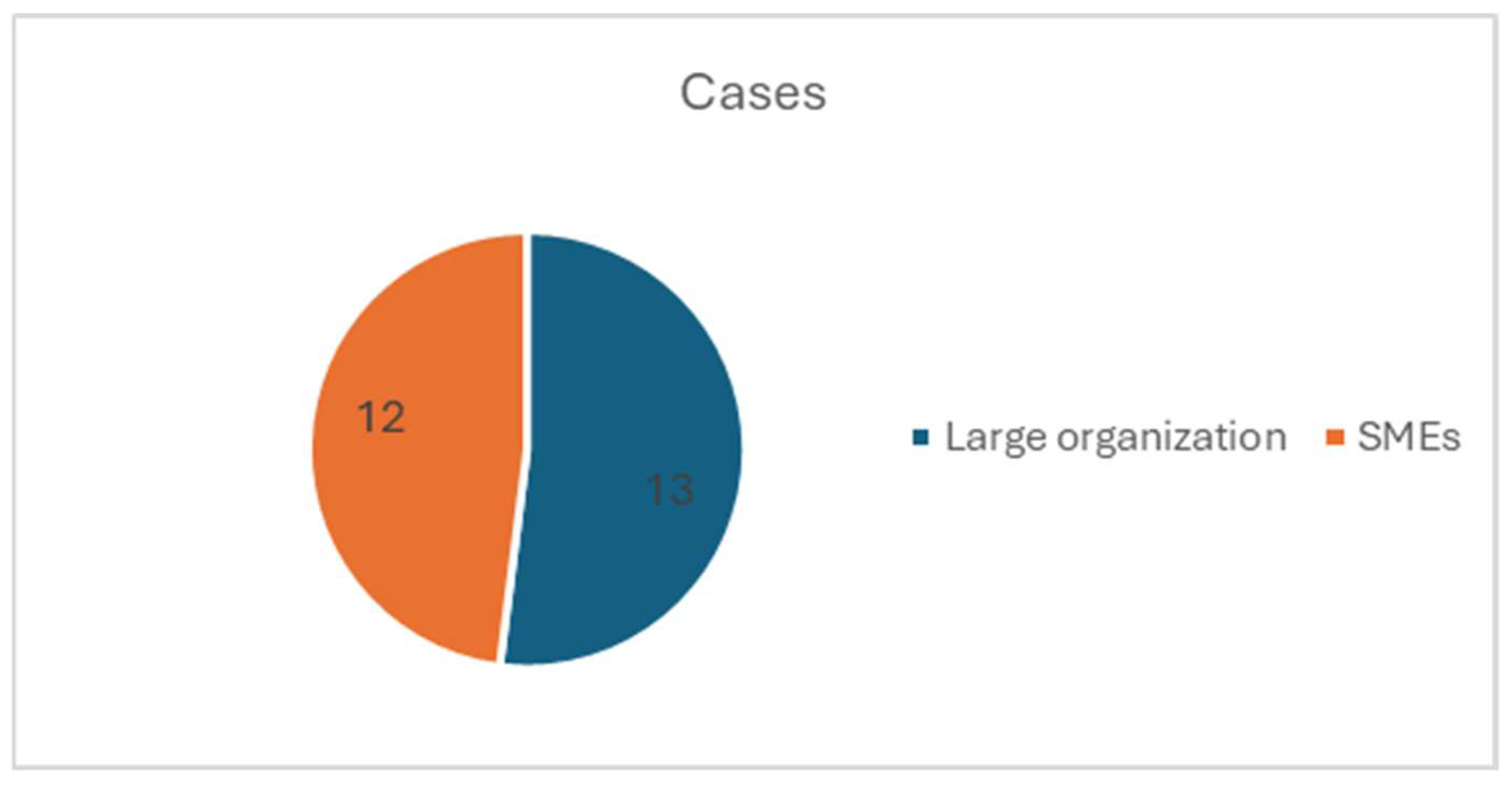
An overview of the distribution of countries and the number of articles can be seen in Figure 1. Figure 1 shows that the 23 articles presented empirical research discussing barriers to implementing OI were found in only 10 countries in Asia during the 2009-2023 period. There were six articles with research located in China, followed by Malaysia and South Korea with four articles each, then Pakistan with two articles, while in each of the other countries, there was only one article. The implementation of OI in China, especially in the large-scale manufacturing sector, is currently growing very rapidly [61]. Meanwhile, in other countries, more research has been conducted on large-scale companies and SMEs in various fields. Of the 23 articles, the proportion of research on large-scale industries covered 13 industries and most of them were in various sectors of the manufacturing industry and high-tech industry. Meanwhile, 12 studies were conducted on SMEs in various industrial sectors. There were two articles that discuss and compare the challenges of implementing OI at both industrial scales simultaneously. An illustration of the scale proportions of the research’s case study companies can be seen in Figure 2.
This study succeeded in mapping various types of barriers to the implementation of OI in 10 Asian countries. Furthermore, this study also succeeded in grouping these types of barriers into five categories; namely, barriers at the individual level, and barriers at the organizational level consisting of intra-organizational, inter-organizational, organizational, and external barriers. The mapping results can be seen in Table 4.
The findings above answer the first research question (RQ1) regarding the types and categories of barriers to OI implementation in Asian countries. China and South Korea are countries that have various types of barriers in all categories. Apart from that, it appears that almost all countries have barriers related to organizational and individual barriers, except for Hong Kong which actually has more challenges related to external and inter-organizational barriers. Some countries do not have problems and barriers related to external barriers in implementing OI, such as Malaysia, Pakistan, United Arab Emirates, Bangladesh, Indonesia, and Thailand.
This study has succeeded in recapitulating various types of barriers to OI implementation in all countries based on five categories. Next, this study has determined the dominant categories of OI barriers in Asia in accordance with the second research question (RQ2). The recapitulation of these results can be seen in Table 5 below:
According to the results of the recapitulation and mapping of the types and categories of barriers to OI in Asia, it appears that the two dominant categories of barriers to the implementation of OI in Asian countries are the individual barriers and organizational barriers. Several studies on barriers to implementing OI also show that individual barriers and organizational management-related barriers are often the main problems; [27,57,83]. These two categories can be said to be internal company barriers; although individual barriers may come from outside the company, the results of this literature study show that all of these individual barriers originate from within the company, both at the employee level, such as employee competency, commitment, motivation, mindset, behavior, attitude, insufficient collaborative and learning skills, knowledge, qualifications and skills. The second category of barriers is at the leadership level, such as CEO traits and attitudes, executive commitment, and weak leadership. The results of this research support the opinion that human side factors are always a barrier to the OI implementation process, both as members of the company and as individuals. Bogers et al. [57] state that differences in employees’ education levels have a significant influence on the company’s level of openness when collaborating with other partners. In addition, a company’s ability to recognize and acquire external knowledge is highly dependent on the similarity of the knowledge base of employees across the organization [58].
Research in other countries, aside from those in Asia, has yielded the same results showing that aspects related to individual limitations are the main barriers to the OI implementation process, especially in SMEs companies. Dubouloz et al. [27] in their research on seven SMEs, find that internal barriers were much more difficult than external barriers and that the most influential internal barriers were the very limited knowledge and skills of employees and organizational management. Bilichenko et al. [84] say that OI processes and activities can run well if they are carried out by employees who have good qualifications and are talented. Besides that, Marzi et al. [85] emphasize that, to be able to absorb and exchange knowledge and technology with various external parties, each employee must have the skills to screen, interpret, and assimilate knowledge received from external parties. Of course, if the knowledge and skill qualifications are inadequate, this is difficult to do. Furthermore, the results of this study also show that employee commitment, motivation, mindset, employee behavior, and attitude are big challenges for countries in Asia in implementing OI. Even though according to Bogers et al. [57] individual behavior and attitude greatly influence innovation processes and activities. The same opinion is expressed in several related studies. Even though employees are qualified in terms of good knowledge and skill, the following aspects can become major barriers to implementing OI, such as: negative employee attitudes towards OI [51] employees’ mental attitudes and character [52], employees’ negative mindset about OI [83], and individual perceptions [54].
The results of this research have also found that there are individual barriers at the leadership level, such as CEO traits and attitudes, executive commitment, and weak leadership that pose challenges to the OI adoption process in Asian countries. Faridian [86] states that leadership factors are very crucial in the OI adoption process. David et al. [87] also say that transformative leaders can influence a company’s innovation culture and absorptive capacity which can then support the OI adoption process. Apart from that, managerial mindset has a very vital role in supporting the success of the OI adoption process [83]. De Oliveira et al. [9] also conclude that one of the critical factors can also be the main barrier to the implementation of OI, namely individuals’ leadership factors (such as leader commitment, leader capability, managerial capability, and ability to manage external partners). Oumlil and Juiz [16] even conclude that the main barrier leading to the failure of the OI adoption process are generally caused by inadequate support from top management. A leader’s inadequate understanding of OI often leads to misperceptions of the level of risk and costs of implementing it, which in turn tends to cause the decision-making process regarding the OI adoption process to be hampered [85]. This leadership aspect needs serious attention and will be a big challenge for the OI implementation process in Asian countries. The results of research conducted in several countries in the region show that leadership is a key factor for the success of innovation activities in companies [88,89,90]. Apart from individual barriers, another very dominant category of OI barriers is organizational barriers. The results of this study show that almost all Asian countries have organizational barriers to the implementation of OI. The main and most frequently occurring types of barriers are related to cultural restrictions, organizational learning, inadequate management support, a lack of innovation strategy, and a lack of absorption capacity. The results of this study are in line with the results of previous research which identified barriers to the implementation of OI at the organizational level, such as an unsupportive organizational culture [14], the inability of corporate culture to change the mindset of employees who are resistant to OI [84], a lack of organizational learning capabilities would have a positive influence on the success of inbound and outbound OI [91] a lack of innovation strategy and organizational culture that exert strong dependent power on the success of OI implementation [2], a lack of absorptive capacity factors and innovation strategies that are critical factors in the OI implementation process [9].
Another barrier to the process of implementing OI which is often found in several Asian countries is inter-organizational barriers, such as transactional costs, inter-organization ties, trust, sustainable relations, institutional mechanisms, external networks, and partnerships. Inter-organizational barriers originate from inter-organizational collaboration processes, such as collaboration with customers, suppliers, and universities [11]. Lianto [92] suggests that there are three forms of inter-organizational collaboration that have an influence on increasing company innovation capabilities in manufacturing industry in Indonesia, namely forward linkage (with customers), backward linkage (with suppliers), and public linkage (with universities and government). Not all forms of collaboration, such as horizontal linkage and informal linkage, have a positive influence on increasing the company’s innovation capabilities. Terhorst et al. [34] state that the trust aspect is very crucial for both tacit and explicit knowledge sharing between collaborating parties. Trust can grow if there is a sustainable relationship. Loyal customers, suppliers who have collaborated for a long time, and experts from universities who already have good relationships will really help the success of inter-organizational collaboration. Therefore, de Oliveira et al. [9] emphasize that network and relationship factors, such as the existence of good relationship management and reliable trusting relationships, will strengthen inter-organizational ties which ultimately really helps companies carry out inter-organizational collaboration in supporting the implementation process. In some cases, OI can even cause very minimal transactional costs. The results of this study have also found that several countries in Asia, such as China, South Korea, Hong Kong and Singapore, have challenges in the category of external barriers, including economic system and institutions, financial system, open innovation system, government initiatives and support, innovation policy, market dynamics, and access to external funds. According to [24], external barriers are those that come from outside the company’s organization, such as the industrial sector, the role of government, community groups, and a country’s innovation system that cannot be controlled by the company. Because innovation is created from collaboration with external parties, external resistance is an ever-pressing problem for companies. Moya [37] states the same thing: external barriers to the OI implementation process are mostly related to unsupportive government regulations, limited access to funding sources, market conditions that continue to develop, and complexity in the collaboration process. In their study conducted in Asia, Ullah et al. [93] state that government support and involvement is a critical factor in the innovation adoption process. Meanwhile, Kowalski and Mackiewicz [94] in their research regarding OI clusters in Thailand, Singapore, South Korea and China, also find that these clusters in these countries have similar characteristics, namely a top-down approach where the role of regulations and government decisions along with public sector policies greatly influence the development of the OI cluster. Government initiatives and support, for example, in forming OI clusters, will play an important role in creating an OI implementation process jointly between parties in the cluster. Geographical proximity, similar innovation policies, market information support, and easy access to funding will serve as solutions for implementing OI [29], On the other hand, Oumlil and Juiz [16] say that legal barriers and business environmental barriers which often become obstacles to the collaboration process really require the government to play a role in creating legal and economic systems that can be trusted. As for intra-organizational barriers, this study has found that these obstacles are, relatively speaking, not a big problem in the implementation of OI in Asia. This study has found several barriers that commonly occur within companies, such as departments, divisions, teams, and internal work groups, such as a lack of cooperation within the company, information sharing, workplace incivility, knowledge management, and managerial ties. De Oliveira et al. [9] state that the main problem facing the creation of cooperation between parts of a company is weak social cohesion and the working atmosphere within the company. If the social cohesion is good then information sharing and a culture of learning and sharing can flourish. Apart from that, Hsu, Nguyen, & Huang, [54] state that the inability of employees to create joint efforts between departments often becomes an barrier to intra-organizational cooperation. The role of company leadership and management is very important in creating a conducive climate for good cooperation between parts of the company, for example by holding informal activities (joint tourism, joint sports) and formal activities (joint training, cross-departmental teams) involving employees across departments [88].

4.1. Future Challanges

Sooner or later, the application of OI in the will become increasingly diverse, inclusive, and integrated as the main strategy and new business model in innovation management practices [29]. Technology will continue to change very rapidly; complex digitalization in all aspects of life will become increasingly widespread and fast, resources will become increasingly scarce and expensive, the level of business competition will become increasingly fierce, generations of people will continue to change and will be very different in each generation, and companies will face new and major challenges rooted in global geopolitical problems and they will need to develop strategies to survive and experience growth. Working alone in a closed way is a nonsensical step that will actually lead to the demise of companies. Zhang et al. [5] state that, in the current situation, companies must immediately change and adopt a more open and cooperative approach to improve innovation performance and build their competitive advantage. In fact, Li and Hou [61], in their study conducted in China, state that companies that only rely on their internal resources to carry out innovation activities will face difficulties in adapting to market demand. Companies need to obtain heterogeneous external resources for innovation activities continuously so that they can produce better products and obtain higher profits. Implementing OI provides many opportunities for companies to develop; however, at the same time, there are also various challenges that must be faced, especially how to overcome the barriers that often occur.
Below we outline several challenges to the implementation of OI that companies need to pay attention to in the future, especially in the Asian region.

4.2. The Role of Artificial Intelligence in the Implementation of Open Innovation

Current advances in artificial intelligence (AI) technology are having a huge impact on all aspects of management and business development in various fields and sectors [95]. AI technology has the potential to add significant company value and provide competitive advantages very quickly. Mariani et al. [96] state that AI really enables companies to continue to innovate in the digital era and will continue to influence the way companies innovate in the future. Indeed, Bahoo et al. [97] emphasize that implementing AI requires companies to re-design the innovation process. On the other hand, in the context of the development of AI technology in Asia, we see that its development today and, in the future, will occur very quickly. The surge in the amount of data processed, the rapidly growing coverage area of the internet-user population, the development of more affordable computer processors, the integration of computer technology, smartphones, telecommunication, the internet, and the availability of young talent throughout the Asian region, together, are driving the penetration of the use of AI technology across the continent. The results of a Microsoft Asia survey of 1,400 young people in Australia, China, Hong Kong, India, Indonesia, Japan, South Korea, Malaysia, New Zealand, the Philippines, Singapore, Taiwan, Thailand, and Vietnam show that they understand the role that technology will have in their lives in the future and the number one technological innovation that these young people think is most likely to have the biggest impact on their lives is AI (https://news Microsoft.com).
Several studies on how AI is used in various ways, including in the innovation process, have been carried out in several Asian countries, including in China [55,98], Singapore [99], Japan [100], Indonesia [101], South Korea [102], Pakistan [103], and Australia [104]. The opportunities and challenges for increasing the role of AI in supporting the innovation process, especially the implementation of OI in the future, are very large. Broekhuizen et al. [105] say that AI can play a big role at every stage of OI implementation, starting from the initiation and development and then in the realization stage. At the initiation stage, AI can play a role in the process of selecting potential partners, identifying innovation opportunities, and looking for various appropriate forms of collaboration. Lee et al. [106] emphasizes that big data analysis and text-mining techniques using AI can help and make it easier for companies to overcome excessive information in the search for new, breakthrough ideas and the process of identifying potential partners. On the other hand, Kuzior et al. [95] state that there are two roles for AI in supporting OI implementation, namely support for the OI process and OI management. In the OI process, AI can carry out mapping functions, while in the OI management process, AI can carry out coordination and control functions. The mapping function can be carried out on a company’s internal and external environments by collecting and analyzing large data sets to solve organizational problems or search for new ideas and businesses. Paschen et al. [107] add that AI can be used by a marketing department to identify potential new customer targets, gather ideas and input about product improvement from loyal customers, and simplify the process of recruiting young talent that wants to contribute to the company’s product marketing. In addition, AI can be used to help companies speed up R&D activities and production processes [108], increase the efficiency of resource allocation and supply rate coordination [104] and forecast future demand and demand patterns [105]. Meanwhile, in the role of supporting OI management, AI can assist in the coordination and control process of intra- and inter-organizational collaboration [109] the management of protection of intellectual property rights which is often an obstacle in the implementation of OI in Asia [110], and help carry out customer relationship management (CRM) implementations such as ensuring effective communication, preventing communication breakdowns, and influencing human behavior toward desired results so that AI can be used to detect anomalies and predict future consumer behavior.

4.3. Broker Roles in OI Implementation

The results of this research demonstrate that one of the obstacles to the implementation of OI is the limitations of individuals and organizations in terms of collaboration. Basically, all companies have realized that they can no longer work alone. They need partners and must collaborate with various parties. However, the question that often arises is: How does one initiate it? And who is the right partner? Very often, in reality, finding partners with whom to collaborate is difficult [13] Furthermore, Dubouloz et al. [27] identify several factors that cause difficulties in collaborating, such as differences in values, lack of trust, differences in work tempo, past collaboration experiences, and not having social closeness with certain parties. Small- and medium-scale companies do not have the capacity and confidence to build collaborations with other parties. Apart from that, they do not have a wide collaboration network and it is difficult to gain the trust of other parties. Even large-scale companies do not find it easy to build collaboration. The biggest challenge is finding a company that has the same vision and mission and can be trusted. Many companies want to collaborate, but finding one that has a strong commitment to collaborating in the long term is very difficult. In such conditions, the role of intermediaries becomes very important and strategic. Terhorst et al. [34] say that intermediaries are important catalysts in the OI ecosystem because they accelerate the process of collaboration and exchange of knowledge, technology, and resources in facing complex innovation challenges. Their role is more than just acting as an agent of change; indeed, they increase the amount of knowledge, technology, and external resources exchanged in a focused way, thereby driving faster innovation. On the other hand, Kim et al. [111] state that the role of brokers can help companies expand their collaboration network and get to know potential partners with whom they can collaborate. Several previous studies have also highlighted the important role of intermediaries in disseminating knowledge in innovation networks, with a focus on looking at the role of brokers in bridging different groups (different cultures, company size, geographic distance) in building collaboration; [112,113,114]. Ankrah and Al-Tabbaa [115] state that the intermediary role of third parties—such as technological brokerage companies, industrial associations, government agencies, and liaison offices—is very important in encouraging the collaboration process between universities and industry in encouraging innovation performance.

5. Conclusions

Systematically and comprehensively, this study has succeeded in identifying the types of barriers to implementing OI in Asian countries and grouping them into five categories, namely: external, inter-organizational, intra-organizational, organizational, and individual barriers. China and South Korea are countries that face various types of barriers in all categories. Apart from that, it appears that almost all countries have obstacles related to organizational and individual barriers, except for Hong Kong which actually has more challenges related to external and inter-organizational barriers. Some countries do not have problems and obstacles related to external barriers to implementing OI, such as Malaysia, Pakistan, United Arab Emirates, Bangladesh, Indonesia, and Thailand. Analysis of the results of this study shows that the dominant categories of barriers to the implementation of OI in Asian countries are individual and organizational barriers. These two categories of barriers can be said to be internal obstacles within companies. Although individual barriers may come from outside of companies, the results of this literature study show that all of these individual barriers originate from within the company, both at the employee level and at the leadership level. In simple terms, it can be said that internal barriers are much more difficult and complex than external barriers and the internal barriers that are very influential are the individual limitations of companies (such as knowledge and skills, employee commitment, motivation, mindset, employee behavior and attitude, and leadership factors) and the limitations of organizational management (such as cultural restrictions, organizational learning, inadequate management support, lack of innovation strategy, and absorption capacity). Another type of barrier to the process of implementing OI that often occurs in several Asian countries is inter-organizational barriers, such as collaboration with customers, suppliers, and universities. In this case, it can be said that the trust aspect is very crucial for both tacit and explicit knowledge sharing between collaborating parties. Trust can grow if there is a sustainable relationship. Loyal customers, suppliers who have collaborated for a long time, and experts from universities who already have good relationships will really help the success of inter-organizational collaboration. The results of this study have also found that several countries in Asia, such as China, South Korea, Hong Kong, and Singapore, face challenges in the external barriers category. External barriers to the OI implementation process are mostly related to unsupportive government regulations, limited access to sources of funding, continuously developing market conditions, and the complexities of the collaboration process. On the intra-organizational barriers side, this study has found that these barriers are, relatively speaking, not major problems facing the implementation of OI in Asia. This study has found several barriers that commonly occur within companies, such as departments, divisions, teams, and internal company work groups.

5.1. Practical Implications

The results of this research have three practical implications for companies in Asia when adopting an OI approach. They are as follows. First, (1) every company must be ready to invest in efforts to increase employee capabilities and competencies so that each employee has adequate ability to understand external knowledge and has the capacity to collaborate with external parties; every individual in the company, both employees and individual leaders, must share the same view that the company needs knowledge, technology, and external resources to complement its internal capacity, so that there must be a willingness and a more open nature with external parties. Second, (2) companies must develop a corporate culture that facilitates the exchange of knowledge and information both between internal parts of the company and with parties external to the company. The learning culture of organizational members and the application of knowledge management must continue to be encouraged so that all organizational members always learn and are ready to share with other parties. Finally, (3) companies must continue to encourage increasing the role of AI in supporting the innovation process, especially at each stage of OI implementation, starting from the initiation and development stages to the realization stage, as well as continuing to explore the role of brokers in helping companies to expand their collaboration network and get to know potential partners so that the collaboration process that occurs can take place effectively and sustainably.

5.2. Research Limitations

The process of identifying and selecting journal articles in this literature study used the Google Scholar (GS) publication database. Apart from having several advantages, GS also has limitations that need to be considered in academic research, namely that the GS database does not always contain the most recent academic literature, especially that which has not been indexed by GS. Future research needs to use more than one database and use other sources and documents to produce a more comprehensive study. Apart from that, this study has not determined and separated the barriers to implementing OI in developing and developed countries, which may be different. This is interesting and presents an opportunity for future research.

References

  1. Bertello, A.; De Bernardi, P.; Ricciardi, F. Open Innovation: Status Quo and Quo Vadis - an Analysis of a Research Field. Review of Managerial Science 2024, 18, 633–683. [CrossRef]
  2. Ullah, S.; Jianjun, Z.; Hayat, K.; Palmucci, D.N.; Durana, P. Exploring the Factors for Open Innovation in Post-COVID-19 Conditions by Fuzzy Delphi-ISM-MICMAC Approach. European Journal of Innovation Management 2024, 27, 1679–1703. [CrossRef]
  3. Igartua, J.I.; Garrigós, J.A.; Hervas-Oliver, J.L. How Innovation Management Techniques Support an Open Innovation Strategy. Research Technology Management 2010, 53, 41–52. [CrossRef]
  4. 2022; 4. The Economic Group The Open Innovation Barometer The Open Innovation Barometer 2; 2022.
  5. Zhang, X.; Chu, Z.; Ren, L.; Xing, J. Open Innovation and Sustainable Competitive Advantage: The Role of Organizational Learning. Technol Forecast Soc Change 2023, 186. [CrossRef]
  6. Chesbrough, H.W.; Appleyard, M.M. Open Innovation and Strategy; 2007; Vol. 50.
  7. Chesbrough, H.W. Open Innovation: The New Imperative for Creating and Profiting from Technology; Harvard Business Review: Boston, 2003.
  8. Kovacs, A.; Looy, B. Van; Cassiman, B. Exploring the Scope of Open Innovation: A Bibliometric Review of a Decade of Research Exploring the Scope of Open Innovation: A Bibliometric Review of a Decade of Research 1; 2015.
  9. de Oliveira, L.S.; Echeveste, M.E.; Cortimiglia, M.N. Critical Success Factors for Open Innovation Implementation. Journal of Organizational Change Management 2018, 31, 1283–1294. [CrossRef]
  10. Greco, M.; Strazzullo, S.; Cricelli, L.; Grimaldi, M.; Mignacca, B. The Fine Line between Success and Failure: An Analysis of Open Innovation Projects. European Journal of Innovation Management 2022, 25, 687–715. [CrossRef]
  11. Chaudhary, S.; Kaur, P.; Talwar, S.; Islam, N.; Dhir, A. Way off the Mark? Open Innovation Failures: Decoding What Really Matters to Chart the Future Course of Action. J Bus Res 2022, 142, 1010–1025. [CrossRef]
  12. de Faria, P.; Noseleit, F.; Los, B. The Influence of Internal Barriers on Open Innovation. Ind Innov 2020, 27, 205–209. [CrossRef]
  13. Saguy, I.S. Food SMEs’ Open Innovation: Opportunities and Challenges. Innovation Strategies in the Food Industry: Tools for Implementation, Second Edition 2022, 39–52. [CrossRef]
  14. Malek, J.; Desai, T.N. Prioritization of Sustainable Manufacturing Barriers Using Best Worst Method. J Clean Prod 2019, 226, 589–600. [CrossRef]
  15. Cricelli, L.; Mauriello, R.; Strazzullo, S. Preventing Open Innovation Failures: A Managerial Framework. Technovation 2023, 127. [CrossRef]
  16. Oumlil, R.; Juiz, C.; Zohr, I. An Up-to-Date Survey in Barriers to Open Innovation; 2016; Vol. 11.
  17. Ullah, S.; Ahmad, T.; Kukreti, M.; Sami, A.; Shaukat, M.R. How Organizational Readiness for Green Innovation, Green Innovation Performance and Knowledge Integration Affects Sustainability Performance of Exporting Firms. Journal of Asia Business Studies 2023, 18, 519–537. [CrossRef]
  18. Gupta, H.; Barua, M.K. Evaluation of Manufacturing Organizations Ability to Overcome Internal Barriers to Green Innovations. In; 2021; pp. 139–160.
  19. Ashraf, M.; Ashraf, S.; Ahmed, S.; Ullah, A. Challenges of Online Learning during the COVID-19 Pandemic Encountered by Students in Pakistan. Journal of Pedagogical Sociology and Psychology 2021, 3, 36–44. [CrossRef]
  20. Ullah, H.; Wang, Z.; Bashir, S.; Khan, A.R.; Riaz, M.; Syed, N. Nexus between IT Capability and Green Intellectual Capital on Sustainable Businesses: Evidence from Emerging Economies. Environmental Science and Pollution Research 2021, 28, 27825–27843. [CrossRef]
  21. Novillo-Villegas, S.; Ayala-Andrade, R.; Lopez-Cox, J.P.; Salazar-Oyaneder, J.; Acosta-Vargas, P. A Roadmap for Innovation Capacity in Developing Countries. Sustainability (Switzerland) 2022, 14. [CrossRef]
  22. Tekic, A.; Willoughby, K.W. Configuring Intellectual Property Management Strategies in Co-Creation: A Contextual Perspective. Innovation: Organization and Management 2020, 22, 128–159. [CrossRef]
  23. Cui, T.; Ye, H.; Teo, H.H.; Li, J. Information Technology and Open Innovation: A Strategic Alignment Perspective. Information & Management 2015, 52, 348–358. [CrossRef]
  24. Smith, G. Public Sector Open Innovation Exploring Barriers and How Intermediaries Can Mitigate Them; 2018.
  25. Business and Management in Asia: Digital Innovation and Sustainability; Endress, T., Badir, Y.F., Eds.; Springer Nature Singapore: Singapore, 2023; ISBN 978-981-19-6417-6.
  26. Smith, R.; Perry, M. Is an “Open Innovation” Policy Viable in Southeast Asia? - A Legal Perspective. Athens Journal of Law 2023, 9, 187–210. [CrossRef]
  27. Dubouloz, S.; Bocquet, R.; Balzli, C.E.; Gardet, E.; Gandia, R.; Smes’, R.G. Open Innovation: Applying a Barrier Approach. Calif Manage Rev 2021, 64, 113–137. [CrossRef]
  28. Yun, J.H.J.; Zhao, X.; Jung, K.H.; Yigitcanlar, T. The Culture for Open Innovation Dynamics. Sustainability (Switzerland) 2020, 12. [CrossRef]
  29. Radziwon, A.; Chesbrough, H.; Vanhaverbeke, W.; West, J. The Future of Open Innovation. In The Oxford Handbook of Open Innovation; Oxford University Press, 2024; pp. 914–934.
  30. Audretsch, B.D.; Belitski, M. The Limits to Open Innovation and Its Impact on Innovation Performance. Technovation 2023, 119. [CrossRef]
  31. Rouyre, A.; Fernandez, A.-S. Managing Knowledge Sharing-Protecting Tensions in Coupled Innovation Projects among Several Competitors. Calif Manage Rev 2019, 62, 95–120. [CrossRef]
  32. Camilleri, M.A.; Troise, C.; Strazzullo, S.; Bresciani, S. Creating Shared Value through Open Innovation Approaches: Opportunities and Challenges for Corporate Sustainability. Bus Strategy Environ 2023, 32, 4485–4502. [CrossRef]
  33. Chesbrough, H. Open Innovation Results; Oxford University PressOxford, 2019; ISBN 0198841906.
  34. Terhorst, A.; Wang, P.; Lusher, D.; Bolton, D.; Elsum, I. Broker Roles in Open Innovation. Journal of Open Innovation: Technology, Market, and Complexity 2024, 10. [CrossRef]
  35. Gassmann, O.; Enkel, E. Towards a Theory of Open Innovation: Three Core Process Archetypes; 2004.
  36. Greco, M.; Grimaldi, M.; Cricelli, L. Benefits and Costs of Open Innovation: The BeCO Framework. Technol Anal Strateg Manag 2019, 31, 53–66. [CrossRef]
  37. Moya, J.B. Open Innovation Practices in Colombian SMEs: Current State, Barriers, and Pathways to Success KTH Royal Institute of Technology Industrial Engineering and Management Entrepreneurship and Innovation Management; 2023.
  38. Albats, E.; Podmetina, D.; Vanhaverbeke, W. Open Innovation in SMEs: A Process View towards Business Model Innovation. Journal of Small Business Management 2023, 61, 2519–2560. [CrossRef]
  39. Hashimy, L.; Treiblmaier, H.; Jain, G. Distributed Ledger Technology as a Catalyst for Open Innovation Adoption among Small and Medium-Sized Enterprises. Journal of High Technology Management Research 2021, 32. [CrossRef]
  40. Sugandini, D.; Ghofar, A.; SDA Ambarwati, SDA.; Arundati, R. Limitations of Application Open Innovation for Increasing the Performance of Craft SMEs in Sleman, Indonesia. Review of Integrative Business and Economics Research 2024, 13.
  41. Pihlajamaa, M. What Does It Mean to Be Open? A Typology of Inbound Open Innovation Strategies and Their Dynamic Capability Requirements. Innovation: Organization and Management 2023, 25, 1–24. [CrossRef]
  42. Greco, A.; Eikelenboom, M.; Long, T.B. Innovating for Sustainability through Collaborative Innovation Contests. J Clean Prod 2021, 311. [CrossRef]
  43. Fu, X.; Li, J.; Xiong, H.; Chesbrough, H. Open Innovation as a Response to Constraints and Risks: Evidence from China. Asian Economic Papers 2014, 13, 30–58. [CrossRef]
  44. Ullah, S.; Ahmad, N.; Khan, F.U.; Badulescu, A.; Badulescu, D. Mapping Interactions among Green Innovations Barriers in Manufacturing Industry Using Hybrid Methodology: Insights from a Developing Country. Int J Environ Res Public Health 2021, 18. [CrossRef]
  45. Brunswicker, S.; Chesbrough, H. The Adoption of Open Innovation in Large Firms: Practices, Measures, and RisksA Survey of Large Firms Examines How Firms Approach Open Innovation Strategically and Manage Knowledge Flows at the Project Level. Research Technology Management 2018, 61, 35–45. [CrossRef]
  46. Zhu, X.; Xiao, Z.; Dong, M.C.; Gu, J. The Fit between Firms’ Open Innovation and Business Model for New Product Development Speed: A Contingent Perspective. Technovation 2019, 86–87, 75–85. [CrossRef]
  47. Himanshu Gupta; Mukesh Kumar Barua Evaluation of Manufacturing Organizations Ability to Overcome Internal Barriers to Green Innovations. Indian Institutes of Technology 2021, 139–160.
  48. Hewitt-Dundas, N.; Roper, S. Exploring Market Failures in Open Innovation. International Small Business Journal: Researching Entrepreneurship 2018, 36, 23–40. [CrossRef]
  49. Drewery, D.; Judene, T.; Dana Church, P. Contributions of Work-Integrated Learning Programs to Organizational Talent Pipelines: Insights from Talent Managers; 2020.
  50. Dahlander, L.; Gann, D.M.; Wallin, M.W. How Open Is Innovation? A Retrospective and Ideas Forward. Res Policy 2021, 50. [CrossRef]
  51. Mody, M.A.; Lu, L.; Hanks, L. “It’s Not Worth the Effort”! Examining Service Recovery in Airbnb and Other Homesharing Platforms. International Journal of Contemporary Hospitality Management 2020, 32, 2991–3014. [CrossRef]
  52. Hartono, A. Do Innovation Barriers Drive a Firm to Adopt Open Innovation? Indonesian Firms’ Experiences; 2018; Vol. 17.
  53. Laursen, K.; Salter, A. Who Captures Value from Open Innovation — The Firm or Its Employees? Strategic Management Review 2020, 1, 255–276. [CrossRef]
  54. Hsu, P.-F.; Nguyen, T.K.; Huang, J.-Y. Value Co-Creation and Co-Destruction in Self-Service Technology: A Customer’s Perspective. Electron Commer Res Appl 2021, 46, 101029. [CrossRef]
  55. Liu, J.; Chang, H.; Forrest, J.Y.L.; Yang, B. Influence of Artificial Intelligence on Technological Innovation: Evidence from the Panel Data of China’s Manufacturing Sectors. Technol Forecast Soc Change 2020, 158. [CrossRef]
  56. Davidson, B.A. Open Innovation in Small and Medium-Sized Enterprises: Executive and Employee Perception of Processes and Receptiveness; 2018.
  57. Bogers, M.; Chesbrough, H.; Moedas, C. Open Innovation: Research, Practices, and Policies. Calif Manage Rev 2018, 60, 5–16. [CrossRef]
  58. Gurca, A.; Bagherzadeh, M.; Markovic, S.; Koporcic, N. Managing the Challenges of Business-to-Business Open Innovation in Complex Projects: A Multi-Stage Process Model. Industrial Marketing Management 2021, 94, 202–215. [CrossRef]
  59. Martín-Martín, A.; Thelwall, M.; Orduna-Malea, E.; Delgado López-Cózar, E. Google Scholar, Microsoft Academic, Scopus, Dimensions, Web of Science, and OpenCitations’ COCI: A Multidisciplinary Comparison of Coverage via Citations. Scientometrics 2021, 126, 871–906. [CrossRef]
  60. Setiani Rafika, A.; Yunan Putri, H.; Diah Widiarti, F.; STMIK Raharja Tangerang, D.; STMIK Raharja Tangerang, M.; Jendral Sudirman No, J. ANALISIS MESIN PENCARIAN GOOGLE SCHOLAR SEBAGAI SUMBER BARU UNTUK KUTIPAN. 2017, 3.
  61. Li, D.; Hou, R. Impact of Inbound Open Innovation on Chinese Advanced Manufacturing Enterprise Performance. International Journal of Knowledge Management 2023, 19. [CrossRef]
  62. Gao, W.; Wang, D. Will Increasing Government Subsidies Promote Open Innovation? A Simulation Analysis of China’s Wind Power Industry. Sustainability (Switzerland) 2021, 13. [CrossRef]
  63. Wang, X.; Mitkova, L. Research on China’s Knowledge-Sharing System: Under Open Innovation Framework; 2016; Vol. 15.
  64. Savitskaya, I.; Salmi, P.; Torkkeli, M. Barriers to Open Innovation: Case China; 2010; Vol. 5.
  65. Huang, F.; Rice, J.; Martin, N. Does Open Innovation Apply to China? Exploring the Contingent Role of External Knowledge Sources and Internal Absorptive Capacity in Chinese Large Firms and SMEs. Journal of Management and Organization 2015, 21, 594–613. [CrossRef]
  66. de Oliveira, R.T.; Gentile-Lüdecke, S.; Figueira, S. Barriers to Innovation and Innovation Performance: The Mediating Role of External Knowledge Search in Emerging Economies. Small Business Economics 2022, 58, 1953–1974. [CrossRef]
  67. Naqshbandi, M.M.; Kaur, S. Do Managerial Ties Support or Stifle Open Innovation? Industrial Management and Data Systems 2014, 114, 652–675. [CrossRef]
  68. Naqshbandi, M.M.; Kaur, S.; Ma, P. What Organizational Culture Types Enable and Retard Open Innovation? Qual Quant 2015, 49, 2123–2144. [CrossRef]
  69. Annamalah, S.; Aravindan, K.L.; Raman, M.; Paraman, P. SME Engagement with Open Innovation: Commitments and Challenges towards Collaborative Innovation. Journal of Open Innovation: Technology, Market, and Complexity 2022, 8. [CrossRef]
  70. Naqshbandi, M.M. Organizational Characteristics and Engagement in Open Innovation: Is There a Link? Global Business Review 2018, 19, S1–S20. [CrossRef]
  71. Jung, K.; Andrew, S. Building R&D Collaboration between University-Research Institutes and Small Medium-Sized Enterprises. Int J Soc Econ 2014, 41, 1174–1193. [CrossRef]
  72. Jang, H.; Lee, K.; Yoon, B. Development Of An Open Innovation Model For R&D Collaboration Between Large Firms And Small-Medium Enterprises (Smes) In Manufacturing INDUSTRIES. International Journal of Innovation Management 2017, 21. [CrossRef]
  73. Ko, S.-H.; Kim, J.; Choi, Y. Compassion and Workplace Incivility: Implications for Open Innovation. Journal of Open Innovation: Technology, Market, and Complexity 2021, 7, 95. [CrossRef]
  74. Ahn, J.M.; Mortara, L.; Minshall, T. Linkages between Openness and CEO Characteristics in Innovative SMEs. SSRN Electronic Journal 2013. [CrossRef]
  75. Mehta, A.M.; Ali, A.; Saleem, H.; Qamruzzaman, M.; Khalid, R. The Effect of Technology and Open Innovation on Women-Owned Small and Medium Enterprises in Pakistan. Journal of Asian Finance, Economics and Business 2021, 8, 411–422. [CrossRef]
  76. Zahoor, N.; Adomako, S. Be Open to Failure: Open Innovation Failure in Dynamic Environments. Technol Forecast Soc Change 2023, 193. [CrossRef]
  77. Lingyan, M.; Qamruzzaman, M.; Adow, A.H.E. Technological Adaption and Open Innovation in Smes: An Strategic Assessment for Women-Owned Smes Sustainability in Bangladesh. Sustainability (Switzerland) 2021, 13, 1–23. [CrossRef]
  78. Hartono, A.; Kusumawardhani, R. Innovation Barriers and Their Impact on Innovation: Evidence from Indonesian Manufacturing Firms. Global Business Review 2019, 20, 1196–1213. [CrossRef]
  79. Chi, J.; Lam, K. Open Innovation: A Study of Industry-University Collaboration in Environmental R&D in Hong Kong. Hong Kong The International Journal of Technology, Knowledge, and Society 2012, 8.
  80. Naruetharadhol, P.; Srisathan, W.A.; Gebsombut, N.; Wongthahan, P.; Ketkaew, C. Industry 4.0 for Thai SMEs: Implementing Open Innovation as Innovation Capability Management. International Journal of Technology 2022, 13, 48–57. [CrossRef]
  81. Koh, A.; Kong, E.; Timperio, G. An Analysis of Open Innovation Determinants: The Case Study of Singapore Based Family Owned Enterprises. European Journal of Family Business 2019, 9, 85–101. [CrossRef]
  82. Shahin, M.; Chong, C.W.; Ojo, A.O. The Implications of Knowledge-Based HRM Practices on Open Innovations for SMEs in the Manufacturing Sector. Interdisciplinary Journal of Information, Knowledge, and Management 2023, 18, 521–545. [CrossRef]
  83. Stefan, I.; Hurmelinna-Laukkanen, P.; Vanhaverbeke, W.; Oikarinen, E.L. The Dark Side of Open Innovation: Individual Affective Responses as Hidden Tolls of the Paradox of Openness. J Bus Res 2022, 138, 360–373. [CrossRef]
  84. Bilichenko, O.; Tolmachev, M.; Polozova, T.; Aniskevych, D.; Mohammad, A.L.A.K. Managing Strategic Changes in Personnel Resistance to Open Innovation in Companies. Journal of Open Innovation: Technology, Market, and Complexity 2022, 8. [CrossRef]
  85. Marzi, G.; Fakhar Manesh, M.; Caputo, A.; Pellegrini, M.M.; Vlačić, B. Do or Do Not. Cognitive Configurations Affecting Open Innovation Adoption in SMEs. Technovation 2023, 119. [CrossRef]
  86. Faridian, P.H. Leading Open Innovation: The Role of Strategic Entrepreneurial Leadership in Orchestration of Value Creation and Capture in GitHub Open Source Communities. Technovation 2023, 119. [CrossRef]
  87. David, K.G.; Yang, W.; Pei, C.; Moosa, A. Effect of Transformational Leadership on Open Innovation through Innovation Culture: Exploring the Moderating Role of Absorptive Capacity. Technol Anal Strateg Manag 2021, 35, 613–628. [CrossRef]
  88. Lianto, B.; Dachyar, M.; Soemardi, T.P. Modelling the Continuous Innovation Capability Enablers in Indonesia’s Manufacturing Industry. Journal of Modelling in Management 2020, 17, 66–99. [CrossRef]
  89. Nguyen, N.T.; Hooi, L.W.; Avvari, M.V. Leadership Styles and Organisational Innovation in Vietnam: Does Employee Creativity Matter? International Journal of Productivity and Performance Management 2023, 72, 331–360. [CrossRef]
  90. Liu, R.; Yue, Z.; Ijaz, A.; Lutfi, A.; Mao, J. Sustainable Business Performance: Examining the Role of Green HRM Practices, Green Innovation and Responsible Leadership through the Lens of Pro-Environmental Behavior. Sustainability (Switzerland) 2023, 15. [CrossRef]
  91. Al Nuaimi, F.M.S.; Singh, S.K.; Ahmad, S.Z. Open Innovation in SMEs: A Dynamic Capabilities Perspective. Journal of Knowledge Management 2024, 28, 484–504. [CrossRef]
  92. Lianto, B. Identifying Key Assessment Factors for a Company’s Innovation Capability Based on Intellectual Capital: An Application of the Fuzzy Delphi Method. Sustainability (Switzerland) 2023, 15. [CrossRef]
  93. Ullah, S.; Khan, F.U.; Ahmad, N. Promoting Sustainability through Green Innovation Adoption: A Case of Manufacturing Industry. Environmental Science and Pollution Research 2022, 29, 21119–21139. [CrossRef]
  94. Kowalski, A.M.; Mackiewicz, M. Commonalities and Differences of Cluster Policy of Asian Countries; Discussion on Cluster Open Innovation. Journal of Open Innovation: Technology, Market, and Complexity 2021, 7, 1–14. [CrossRef]
  95. Kuzior, A.; Sira, M.; Brożek, P. Use of Artificial Intelligence in Terms of Open Innovation Process and Management. Sustainability (Switzerland) 2023, 15. [CrossRef]
  96. Mariani, M.M.; Machado, I.; Magrelli, V.; Dwivedi, Y.K. Artificial Intelligence in Innovation Research: A Systematic Review, Conceptual Framework, and Future Research Directions. Technovation 2023, 122. [CrossRef]
  97. Bahoo, S.; Cucculelli, M.; Qamar, D. Artificial Intelligence and Corporate Innovation: A Review and Research Agenda. Technol Forecast Soc Change 2023, 188. [CrossRef]
  98. Cheng, J.; Zeng, J. Shaping AI’s Future? China in Global AI Governance. Journal of Contemporary China 2023, 32, 794–810. [CrossRef]
  99. Heeu, K.G.; Kim, M.; Deng, M. Issue Brief Examining Singapore’s AI Progress; 2023.
  100. Baldwin, R.; Okubo, T. Are Software Automation and Teleworker Substitutes? Preliminary Evidence from Japan. World Economy 2024, 47, 1531–1556. [CrossRef]
  101. Widayanti, R.; Meria, L. Business Modeling Innovation Using Artificial Intelligence Technology; 2023; Vol. 1.
  102. Yun, J.H.J.; Won, D.K.; Jeong, E.S.; Park, K.B.; Yang, J.H.; Park, J.Y. The Relationship between Technology, Business Model, and Market in Autonomous Car and Intelligent Robot Industries. Technol Forecast Soc Change 2016, 103, 142–155. [CrossRef]
  103. Ali, S.; Hamid, R.; Sultan, B.; Ahmad, F.; Hamid, R.; Ahmad, F.; Jinnah, F. Strategic Sustainability: Exploring the Impact of Technological Inclusion of AI in Pakistani Health Care Strategic Sustainability: Exploring the Impact of Technological Inclusion of AI in Pakistani Health Care The Commission on Science and Technology for Sustainable Development in the South (COMSATS) Islamabad. Journal of Workplace Behavior (JWB) 2023, 4, 2023.
  104. Hopkins, J.L. An Investigation into Emerging Industry 4.0 Technologies as Drivers of Supply Chain Innovation in Australia. Comput Ind 2021, 125. [CrossRef]
  105. Broekhuizen, T.; Dekker, H.; de Faria, P.; Firk, S.; Nguyen, D.K.; Sofka, W. AI for Managing Open Innovation: Opportunities, Challenges, and a Research Agenda. J Bus Res 2023, 167. [CrossRef]
  106. Lee, K.; Mo Ahn, J.; Min Lee, K. The Impacts of Cross Functional Team on Innovation Performance and Openness; 2018.
  107. Paschen, U.; Pitt, C.; Kietzmann, J. Artificial Intelligence: Building Blocks and an Innovation Typology. Bus Horiz 2020, 63, 147–155. [CrossRef]
  108. Lou, B.; Wu, L. AI on Drugs: Can Artificial Intelligence Accelerate Drug Development? Evidence from a Large-Scale Examination of Bio-Pharma Firms.
  109. Barbosa, A.P.P.L.; Salerno, M.S.; Brasil, V.C.; Nascimento, P.T. de S. Coordination Approaches to Foster Open Innovation R&D Projects Performance. Journal of Engineering and Technology Management 2020, 58, 101603. [CrossRef]
  110. Saputra, R.; Tiolince, T.; Iswantoro; Sigh, S.K. Artificial Intelligence and Intellectual Property Protection in Indonesia and Japan. Journal of Human Rights, Culture and Legal System 2023, 3, 210–235. [CrossRef]
  111. Kim, K.; Kogler, D.F.; Zabetta, M.C. New Collaborations and Novel Innovations: The Role of Regional Brokerage and Collaboration Intensity. European Planning Studies 2023, 32, 1251–1272. [CrossRef]
  112. Corvello, V.; Felicetti, A.M.; Steiber, A.; Alänge, S. Start-up Collaboration Units as Knowledge Brokers in Corporate Innovation Ecosystems: A Study in the Automotive Industry. Journal of Innovation and Knowledge 2023, 8. [CrossRef]
  113. Song, M.; Peng, L.; Shang, Y.; Zhao, X. Green Technology Progress and Total Factor Productivity of Resource-Based Enterprises: A Perspective of Technical Compensation of Environmental Regulation. Technol Forecast Soc Change 2022, 174, 121276. [CrossRef]
  114. Sousa, C.P. de The Impact of Food Manufacturing Practices on Food Borne Diseases. Brazilian Archives of Biology and Technology 2008, 51, 615–623. [CrossRef]
  115. Ankrah, S.; AL-Tabbaa, O. Universities-Industry Collaboration: A Systematic Review. Scandinavian Journal of Management 2015, 31, 387–408. [CrossRef]
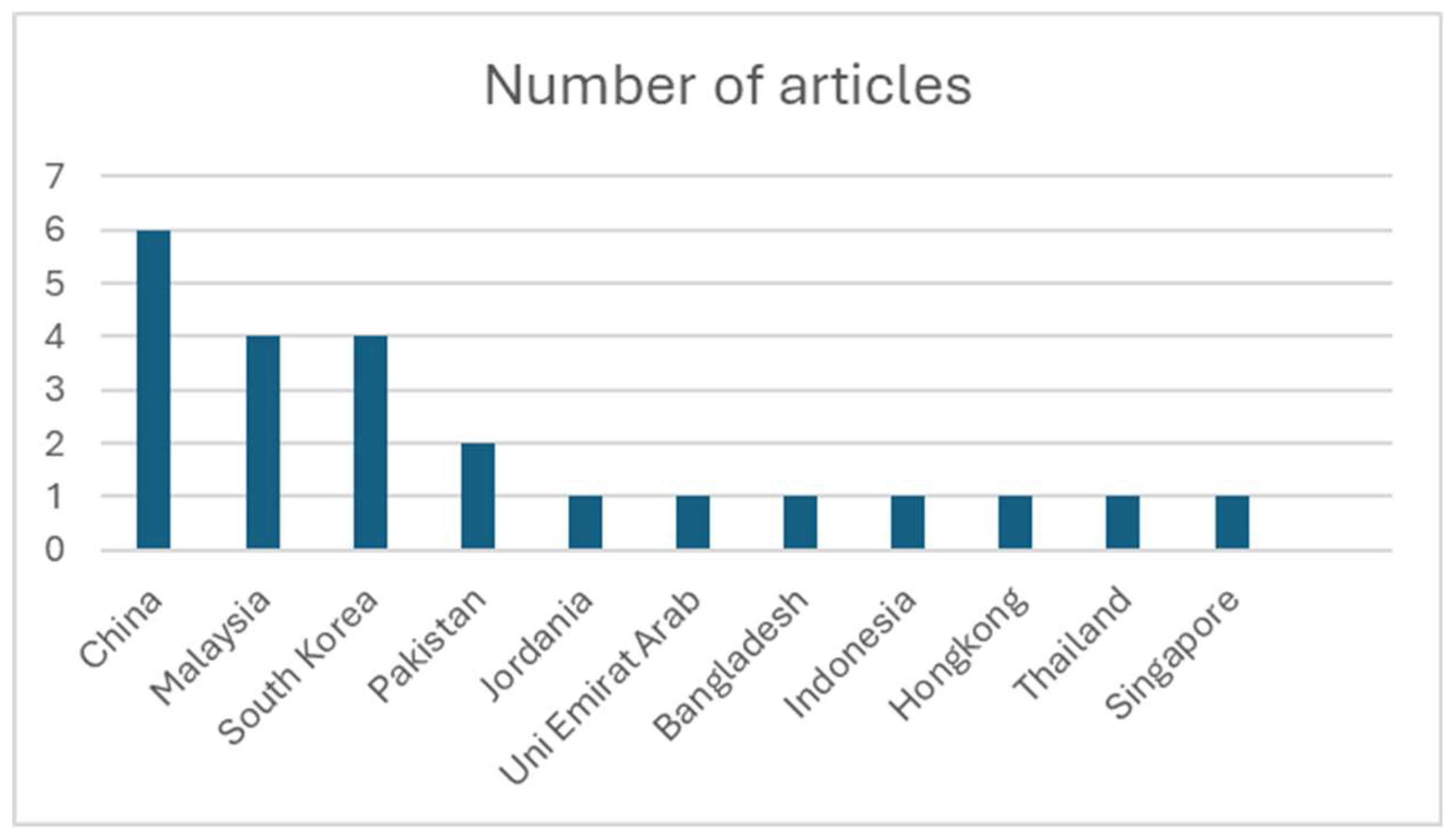
Figure 1. Data on country distribution and number of articles.
Preprints 151360 g001
Figure 2. Proportion of case study company sizes.
Preprints 151360 g002
Table 1. An overview of the article selection process.
No Inclusion
Criteria
Description Result Searching Date: 25 April 2024
1 Databases Google Scholar (GS) publication database Initial papers:
536
2 Keywords “Barriers to open innovation” OR “constraints to open innovation” OR “inhibitors to open innovation” OR “lack of open innovation” OR “obstacles to open innovation”
3 Period 2009–2023
4 Language Papers written in English
No Exclusion
Criteria
Description Result
1 EC 1 Papers with unchecked citations. 530
2 EC 2 Papers that did not include empirical research and did not have an explicit mention of research locations in Asian countries in the title and abstract of the article 34
3 EC3 Papers that did not contain and discuss OI and obstacles to its implementation 23
Table 4. Results of mapping categories of OI barriers in each country in Asia.
No Category of Barriers Sources
Countries Individual External Intra-Organization Inter-
Organization
Organization
1 China Weak research expertise; knowledge & skill; Lack of qualified personnel Economic system and institution; Financial system Lack of cooperation inside the company Trust; Network Absorption capacity; Technological value; Culture restriction; Lack of technical support; Lack of incentive mechanism; Entrepreneurial orientation; Financial support Gao and Wang [62]; Wang and Mitkova [63]; Savitskaya et al. [64]; Huang et al. [65]; Oliveira et al. [66]
2 Malaysia Motivation; Mindset; Employee behavior Managerial Ties; Transactional cost; Inter-organization ties Organizational culture; Firm characteristics Naqshbandi and Kaur [67]; Naqshbandi et al. [68]; Annamalah et al. [69]; Naqshbandi [70]
3 South Korea Employee compassion; Innovative behavior; Positive leadership; CEO traits and attitudes Open Innovation System; Government initiative and support Information sharing; Workplace incivility Trust; Sustainable relation R&D capabilities; Management support Jung and Andrew [71]; Jang et al. [72]; Ko et al. [73]; Ahn et al. [74]
4 Pakistan Employee competence and commitment; Executive commitments Organizational culture; Lack of innovation strategy Mehta et al. [75]; Ullah et al. [17]
5 United Arab Emirates Relational trust Organizational learning culture Zahoor and Adomako [76]
6 Bangladesh Competence and commitment of worker Organization culture Meng et al. [77]
7 Indonesia Employee attitudes Organization attitude Hartono and Kusumawardhani [78]
8 Hong Kong Innovation policy Institutional mechanisms Chi and Lam [79]
9 Thailand Competence and commitment Knowledge management Networks Centralized structure Naruetharadhol et al. [80]
10 Singapore Government support; Market dynamics; Access to external funds External network and partnership Culture Koh et al. [81]
11 Jordan Collaborative and learning skill Training and development system Shahin et al. [82]
Table 5. Recapitulation of types and categories of OI barriers in Asia.
Categories Barriers to Open Innovation Countries
Individual Weak research expertise; knowledge & skill; lack of qualified personnel; motivation; mindset; employee behavior; employee compassion; innovative behavior; positive leadership; CEO traits and attituides; employee competence and commitment; executive commitments; employee attitude; collaborative and learning skill China, Malaysia, South Korea, Pakistan, Bangladesh, Indonesia, Thailand, and Jordan
External Economic system and institution; financial system; open innovation system; government initiative and support; innovation policy; market dynamics; access to external funds China, South Korea, Hong Kong, and Singapore
Intra-Organization Lack of cooperation inside the company; information sharing; workplace incivility; knowledge management; managerial ties China, South Korea, and Thailand
Inter-Organization Transactional cost; inter-organization ties; trust; sustainable relation; institutional mechanisms; external network and partnership Malaysia, South Korea, United Arab Emirates, Hong Kong, Thailand, and Singapore
Organization Absorption capacity; technological value; culture restriction; lack of technical support; lack of incentive mechanism; entrepreneurial orientation; financial support; organization culture; firm characteristic; R&D capabilities; management support; lack of innovation strategy; organizational learning culture; organization attitude; centralized structure; training and development system China, Malaysia, South Korea, Pakistan, United Arab Emirates, Bangladesh, Indonesia, Thailand, Singapore, and Jordan
Disclaimer/Publisher’s Note: The statements, opinions and data contained in all publications are solely those of the individual author(s) and contributor(s) and not of MDPI and/or the editor(s). MDPI and/or the editor(s) disclaim responsibility for any injury to people or property resulting from any ideas, methods, instructions or products referred to in the content.
Copyright: This open access article is published under a Creative Commons CC BY 4.0 license, which permit the free download, distribution, and reuse, provided that the author and preprint are cited in any reuse.
Prerpints.org logo

Preprints.org is a free preprint server supported by MDPI in Basel, Switzerland.

Subscribe

Disclaimer

Terms of Use

Privacy Policy

Privacy Settings

© 2025 MDPI (Basel, Switzerland) unless otherwise stated