3. Results
3.1. Visual Tree Assessment
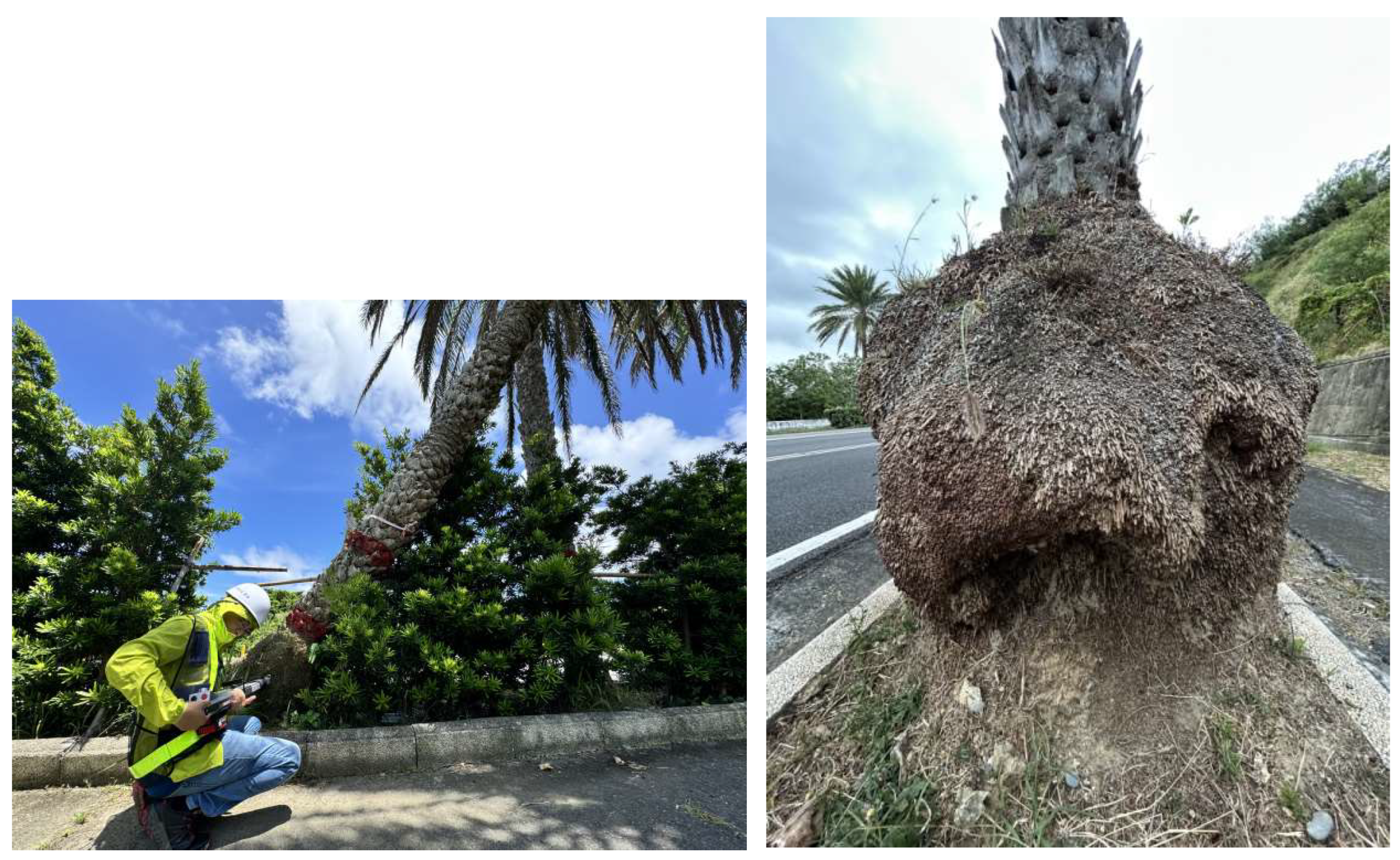
A total of 372 date palm street trees underwent Visual Tree Assessment (VTA), with an average tree height of 768.4 cm and a diameter at breast height (DBH) of 36.4 cm, having standard deviations of 24.4 cm and 5.0 cm, respectively. The inspection results indicated that the main external defects of the trees included: 1 tree with top dieback, 25 trees with leaning, 27 trees with bark beetle damage or decay on the trunk’s exterior, and 1 tree with hollowness, totaling 4 defect categories. In total, 40 trees exhibited one or more of these four hazardous defect categories, with individual trees potentially having multiple defects.
3.2. Aerial Root Observations
Additionally, among the 368 date palms, aerial root growth was observed around the trunk at various heights below approximately 1.3 meters from the ground, with an average growth height of 89.4 cm and a standard deviation of 3.6 cm. Only 4 trees did not exhibit aerial root growth. Therefore, the primary issues identified in the visual assessment of tree defects were the leaning of the trees and the bark beetle damage or decay on the trunk’s exterior. Following the inspection of these trees with visible defects, non-destructive testing and evaluation of the internal conditions will be conducted using other instruments.
3.3. Acoustic Tomography Analysis
After conducting acoustic tomography testing on 30 undamaged date palm trees, data on lateral stress wave velocities were collected.
Table 1 presents the results of the lateral stress wave velocities (V) for these trees, including the maximum velocity (Vmax), average velocity (Vmean), and minimum velocity (Vmin). The data indicate that the stress wave velocities of the trees range from 770 m/s to 2159 m/s, demonstrating variability in the internal structure of the trees.
Specifically, the average stress wave velocity (Vmean) is 1651.7 m/s, suggesting that the overall health of these trees is good. However, the minimum stress wave velocity (Vmin) is 510 m/s, indicating that some trees may have weaknesses in their internal structure. The standard deviation (SD) is 236.7, reflecting the degree of variability in stress wave velocities among the trees.
Further analysis of the data reveals that the diameter of the trees has a certain impact on stress wave velocity. For trees with diameters ranging from 28.0 to 45.9 cm, the stress wave velocity varies with increasing diameter. Trees with diameters between 28.0 and 35.0 cm have an average stress wave velocity of approximately 1200 m/s, indicating relatively low structural stability. As the diameter increases to 35.1 to 40.0 cm, the average stress wave velocity rises to about 1500 m/s, indicating good structural health. For trees with diameters from 40.1 to 45.9 cm, the average stress wave velocity exceeds 1800 m/s, demonstrating superior structural strength and health.
These results indicate a relationship between tree diameter and stress wave velocity, with larger diameter trees typically showing higher stress wave velocities, reflecting their internal structural health and stability. This data provides important references for subsequent tree health assessments and management, particularly in identifying potential diseases and structural issues. By analyzing the stress wave velocities of trees with different diameters, more effective tree protection and management strategies can be developed.
3.4. Stress Wave Imaging of Decayed Date Palm
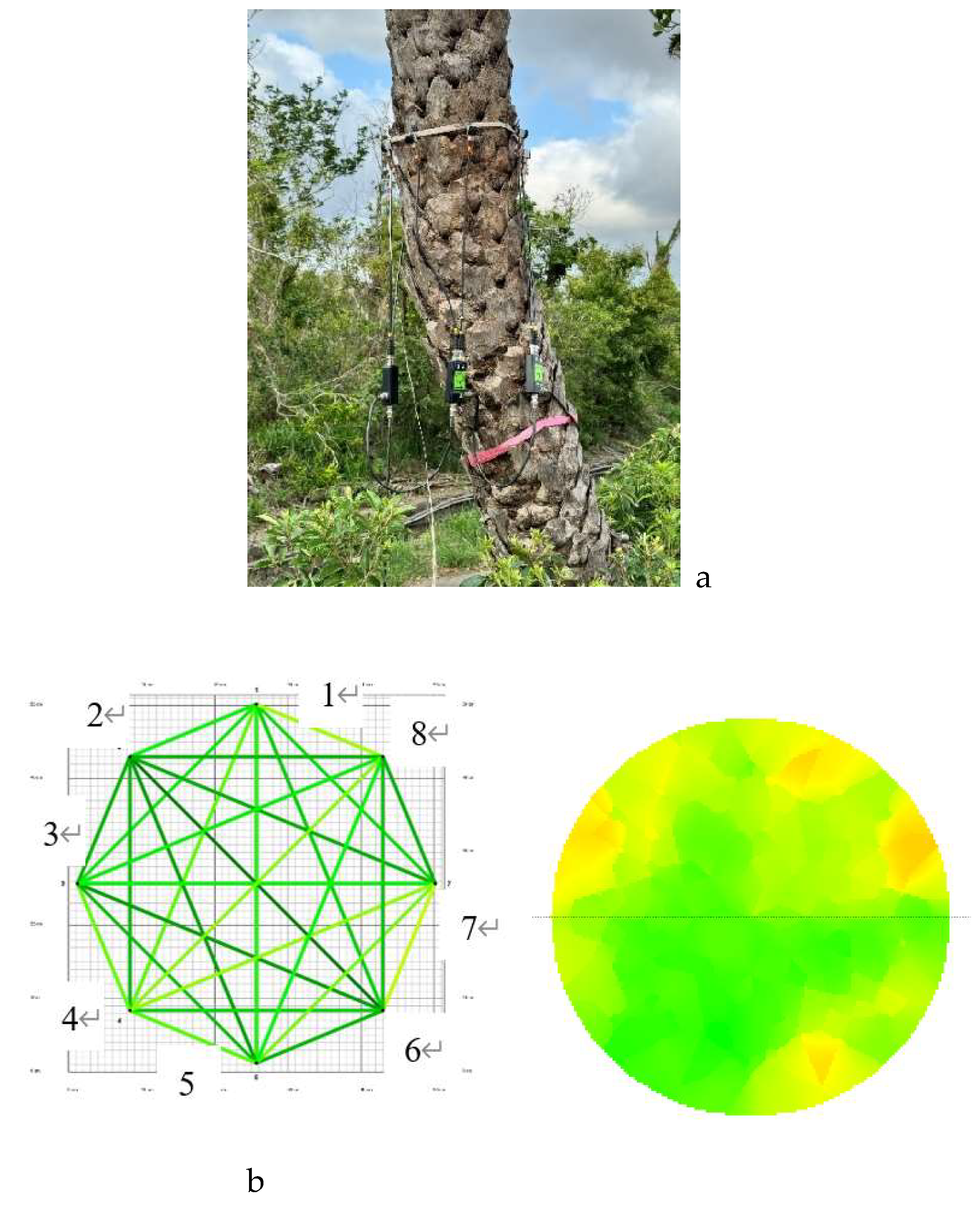
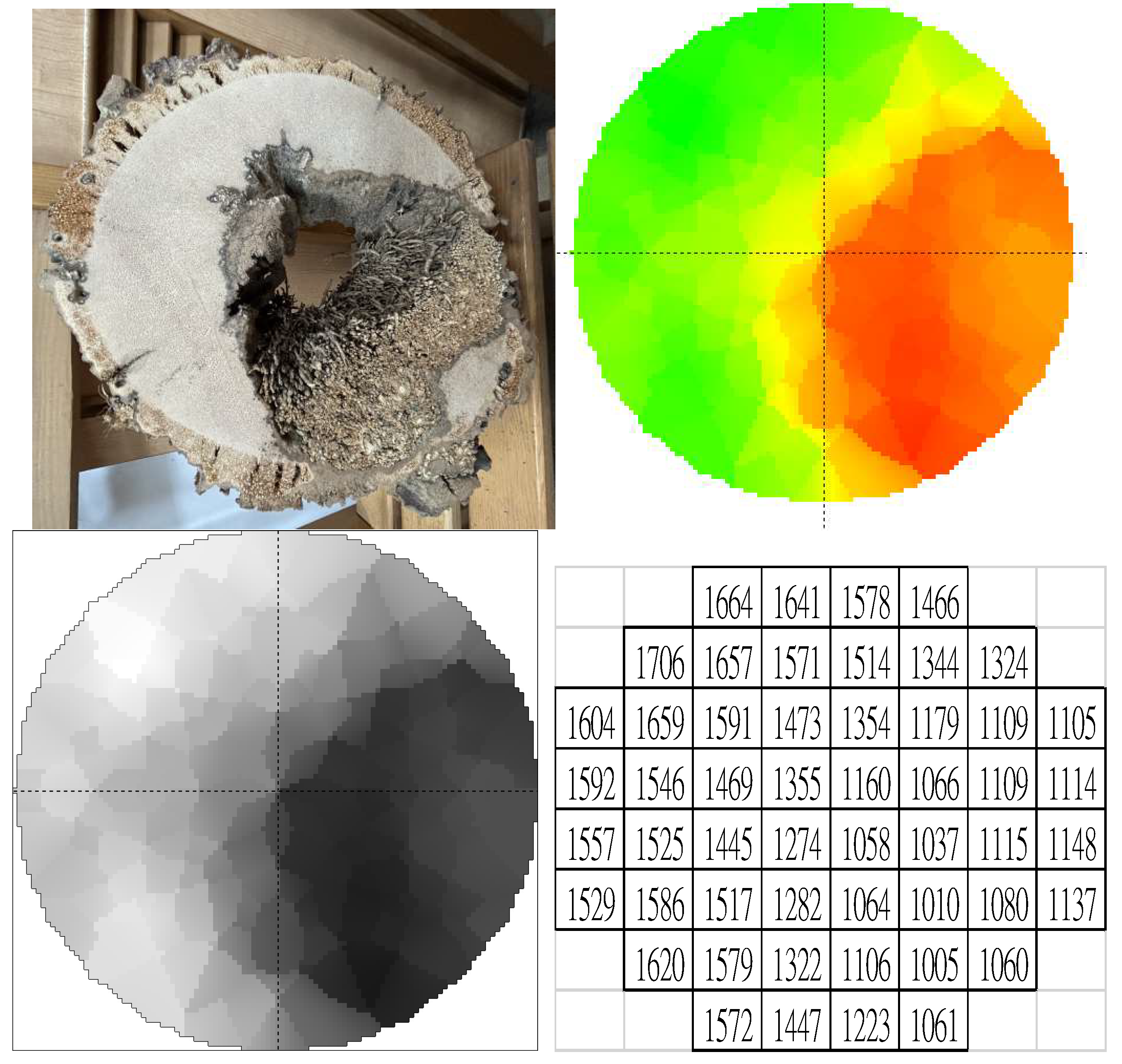
In this study, we conducted stress wave imaging testing on a date palm tree with decayed hollow damage. After completing the assessment, the tree was felled, and a cross-section was taken to observe the extent of the decay and hollow damage. Through this process, we were able to visually understand the internal structural condition of the tree and compare it with the results from the stress wave two-dimensional images.
Firstly, the cross-section of the disc clearly displayed significant decay cavities, with the extent and location of the damage corresponding to the distribution of stress wave speeds shown in the 2D image grids (
Figure 3). The two-dimensional image of stress wave speeds utilized a color scale of green, yellow, and red, indicating variations from the highest to the lowest speeds, ranging from 899 m/s to 1733 m/s. This data provided detailed information about the internal structure of the tree, allowing us to determine the specific locations of the decay cavities and their impact on the overall health of the tree.
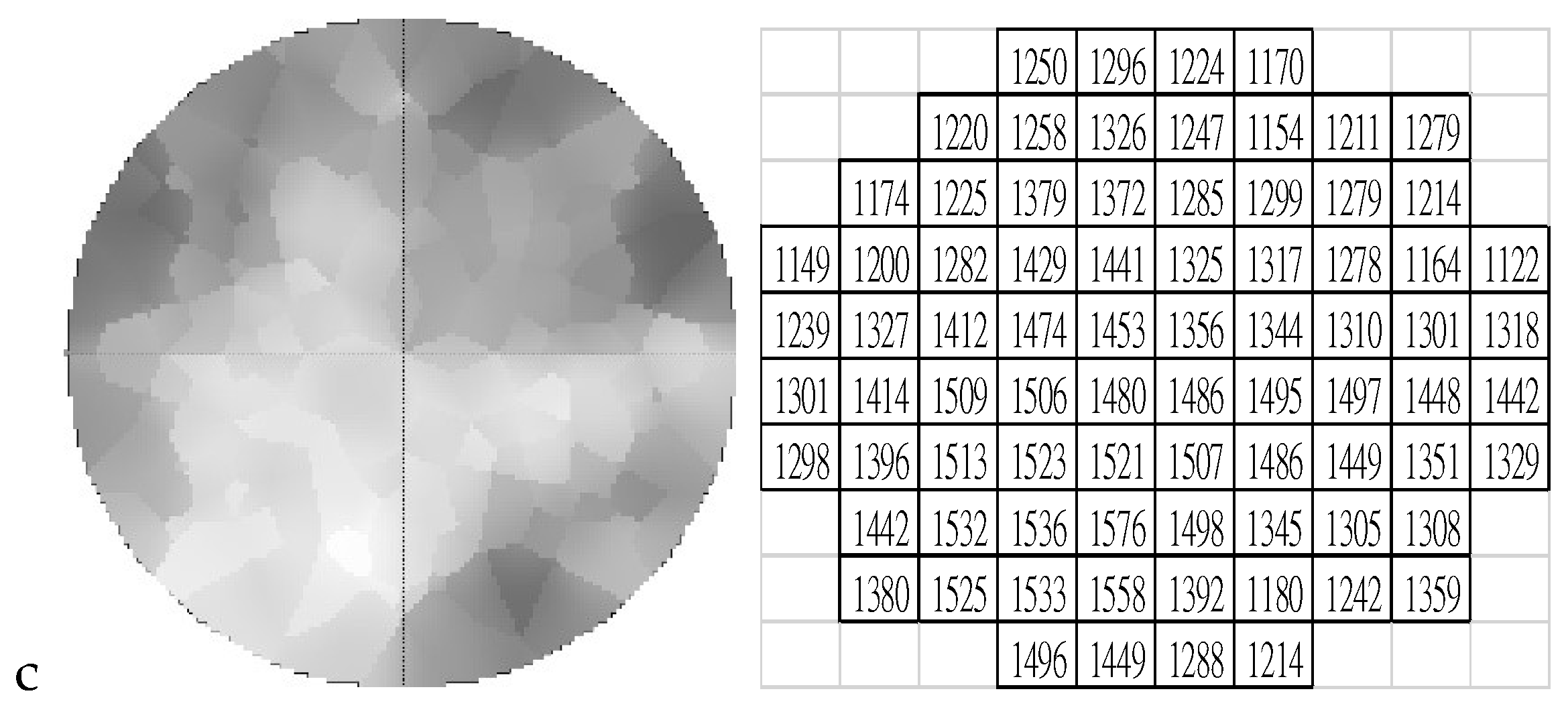
Additionally, we created a grayscale diagram of stress wave speeds, which clearly illustrated the variations in stress wave speeds across the cross-section of the trunk, complemented by the corresponding stress wave speed image grid (30 x 30 mm). This made the assessment of internal damage and its location more accurate. These results not only validated the effectiveness of stress wave imaging in tree health assessment but also provided important references for subsequent tree management and protection. By comparing cross-sectional observations and stress wave imaging, a more comprehensive understanding of the tree’s decay condition can be gained, thereby facilitating the formulation of more effective management strategies.
When comparing the range of stress wave speeds for decayed hollow trees (899 m/s to 1733 m/s) with that of healthy trees (864 m/s to 1651.7 m/s), it was found that the speeds of the decayed trees did not exhibit significantly lower values. This phenomenon can be explained from multiple perspectives. Firstly, it may result from differences in the quantity (area) and distribution of different stress wave speeds. The internal structure of decayed trees shows greater variability, with certain areas still maintaining relatively high stress wave speeds, which could elevate the overall speed range. For example, the density of the wood in the center of a healthy trunk is significantly lower than that of the wood surrounding the bark, thus the attenuation of stress wave speeds in different regions of the cross-section can represent varying degrees and areas of decay, which is an important indicator.
Moreover, the distribution and variability of stress wave speeds are also crucial. Through the analysis of two-dimensional images and grid diagrams, we can more clearly observe the variations in stress wave speeds within the tree and reveal the health status of different areas. These illustrations help us understand the degree of decay in the tree and its impact on stress wave speeds, providing a more comprehensive assessment. However, relying solely on the numerical range of stress wave speeds to determine tree health is insufficient; it is essential to conduct a comprehensive analysis that combines data from two-dimensional images and grid diagrams to achieve more accurate conclusions. Furthermore, the results from acoustic 2D imaging may not be precise or practical enough, necessitating the use of other minimally destructive testing techniques to confirm the degree and location of decay.
3.5. Drilling Amplitude Analysis of Healthy Date Palms
In this study,
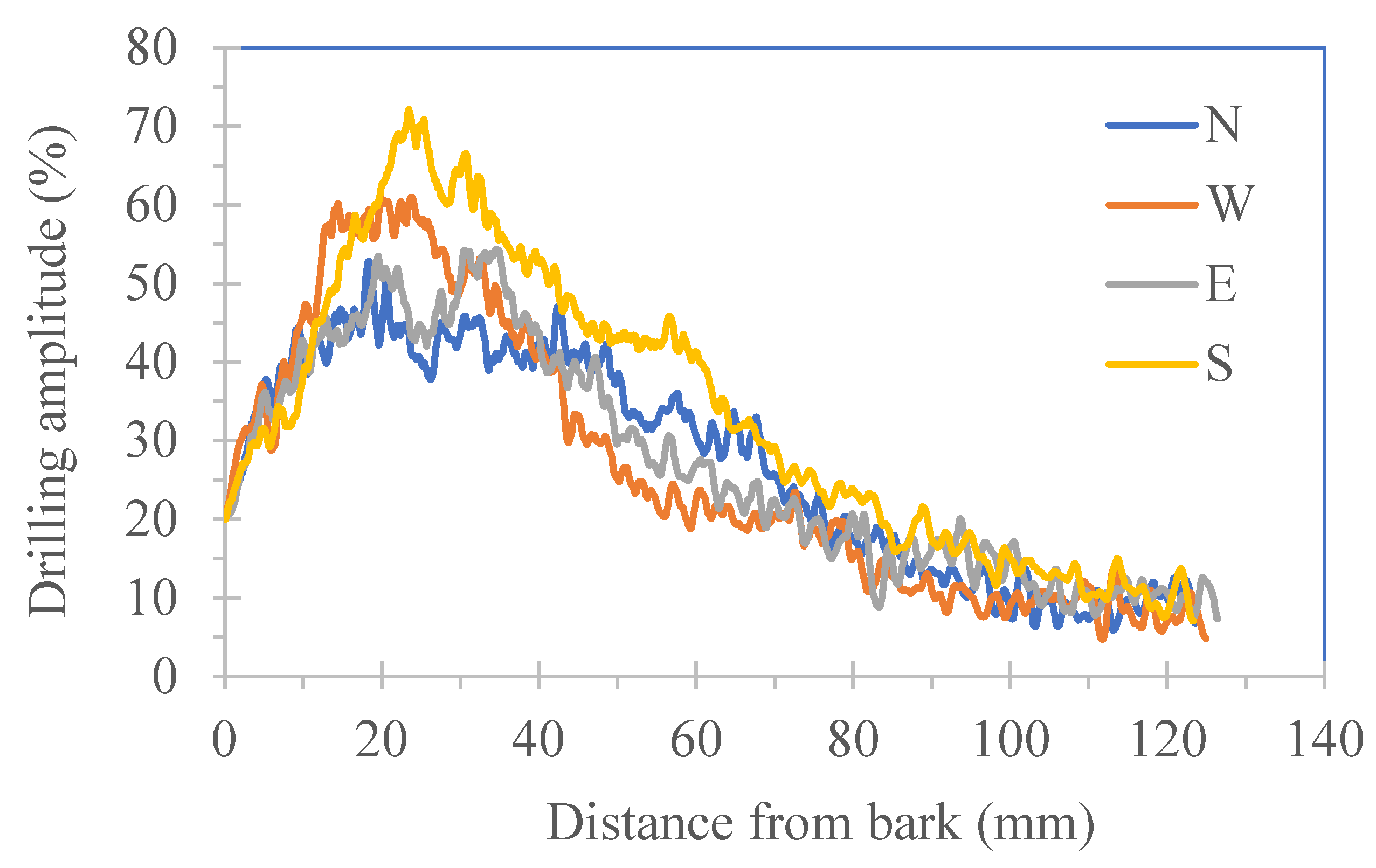
Table 2 presents the drilling amplitude results of five healthy date palm trees at different orientations (North, South, West, East), including percentage data for Average Drilling Amplitude (ADA), Maximum Drilling Amplitude (MDA), and Minimum Drilling Amplitude (MIA). Overall, these data indicate that the trees exhibit a certain level of resistance during the drilling process, with an average drilling amplitude (ADA) of 25.90%, while the maximum drilling amplitude (MDA) is 57.19%. This suggests that the trees in certain locations have relatively strong resistance (amplitude), primarily observed near the xylem within the inner bark close to the trunk’s periphery.
Specifically, the ADA values for the North orientation (N) range from 18.65% to 32.97%, showing variability among different trees. The average ADA for the South orientation (S) is 25.95%, which is relatively high, indicating that trees in this direction demonstrate stronger resistance during drilling. In contrast, the ADA values for the West (W) and East (E) orientations are lower, at 25.84% and 22.47%, respectively, which may be related to the trees’ growing environment or structural characteristics.
Additionally, the standard deviation (SD) data indicate the degree of variation in each orientation, with an ADA standard deviation of 5.96%, an MDA standard deviation of 13.25%, and an MIA standard deviation of 4.17%. This suggests that the MDA data exhibit greater variability, potentially reflecting differences in the internal structure of the trees. Overall, these results not only reveal significant variability in the drilling amplitudes of healthy date palm trees across different orientations but also provide important references for future tree health assessments.
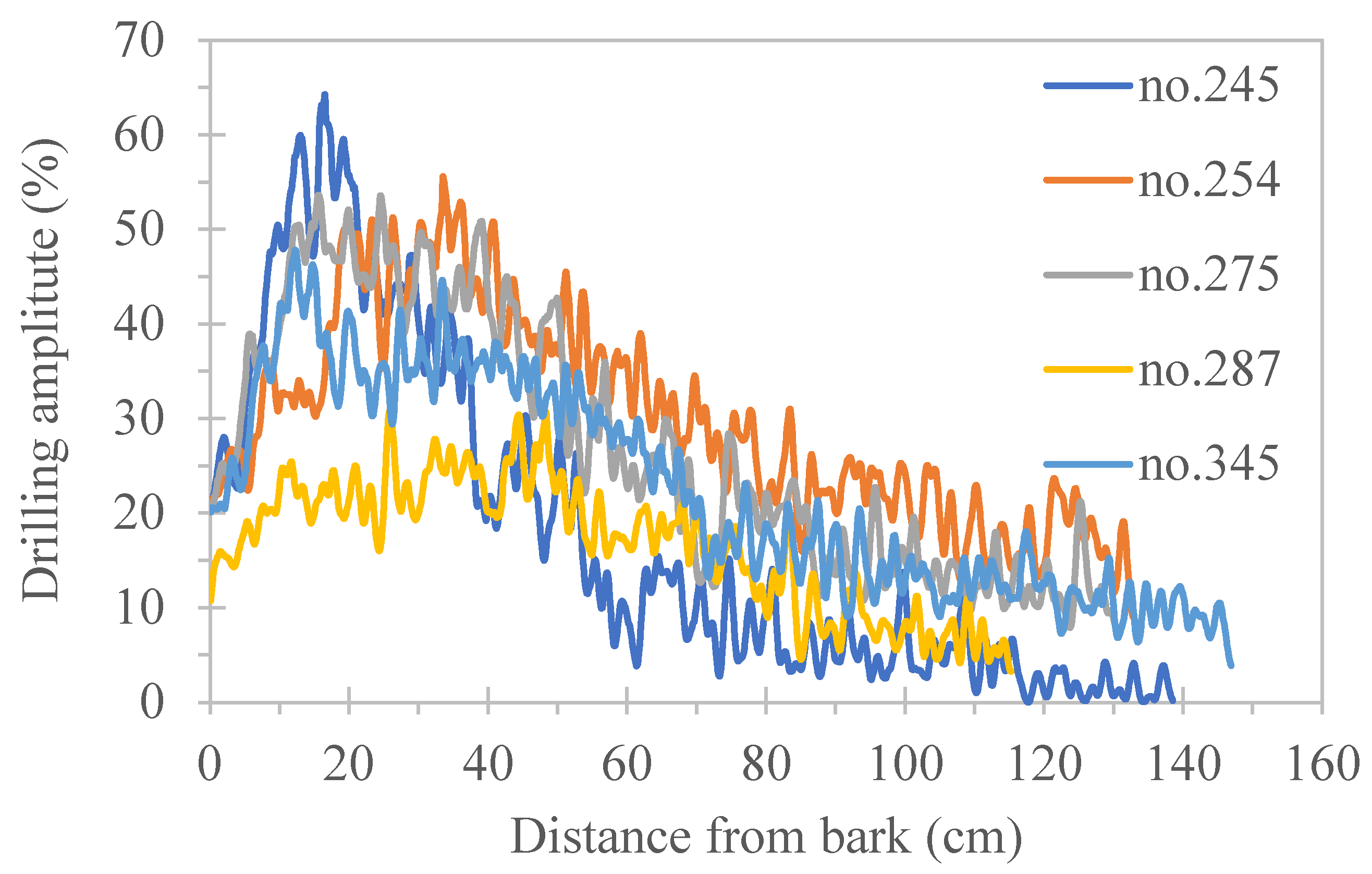
Figure 4 illustrates the variation in drilling resistance amplitude profiles from the bark to the center of the trunk in five healthy date palm trees. The results indicate a clear trend in amplitude changes between the bark layer and the interior of the trunk. Starting from the bark, the amplitude rapidly increases, reaching its peak in the outermost wood portion of the trunk, which suggests that this area exhibits the strongest resistance. As one moves deeper into the trunk, the amplitude gradually decreases, indicating that the internal structure has relatively lower resistance.
This pattern reflects the growth and structural characteristics of the tree. The outer wood of the trunk (i.e., near the xylem just inward from the bark) shows higher resistance due to its density and structural compactness. As one goes deeper into the trunk, the wood structure may become looser or less dense, leading to a decrease in amplitude. This finding is significant for understanding the health status of the tree and its growing environment, and it can serve as a reference for future tree assessments and management.
3.6. Drilling Resistance Amplitude Analysis of Disc Testing
Table 3 presents the drilling resistance amplitude data for a healthy air-dried disc (No. 27) at different orientations (North, South, West, East), including percentage data for Average Drilling Resistance Amplitude (ADA), Maximum Drilling Resistance Amplitude (MDA), and Minimum Drilling Resistance Amplitude (MIA). The data indicate that the ADA for the South orientation (S) is 33.68%, demonstrating that the trees in this direction exhibit the best resistance, while the ADA for the West (W) and East (E) orientations are 26.60% and 26.99%, respectively, which are relatively low.
Overall, the average drilling resistance amplitude (ADA) is 28.66%, while the average maximum drilling resistance amplitude (MDA) is 60.10%. These data show that the tree’s outer structure exhibits higher strength in resisting external pressure, particularly in the outer wood of the trunk (i.e., near the xylem just inward from the bark) in the South orientation. In contrast, the average minimum drilling resistance amplitude (MIA) is 6.29%, indicating that the tree’s resistance is relatively weak in certain orientations.
It is noteworthy that these results are similar to the trend observed in the drilling amplitudes of the five standing trees as they move from the bark toward the interior of the trunk, demonstrating the similarity between disc tests and standing tree tests. This suggests that the data from the disc can effectively reflect the structural characteristics and health status of the tree, providing valuable references for future tree health assessments. Additionally, the standard deviation (SD) data indicate the degree of variation among the orientations, with an ADA standard deviation of 3.36% and an MDA standard deviation of 8.81%, showing that there is a certain variability in resistance among different orientations, which may be related to the tree’s growing environment and structural characteristics.
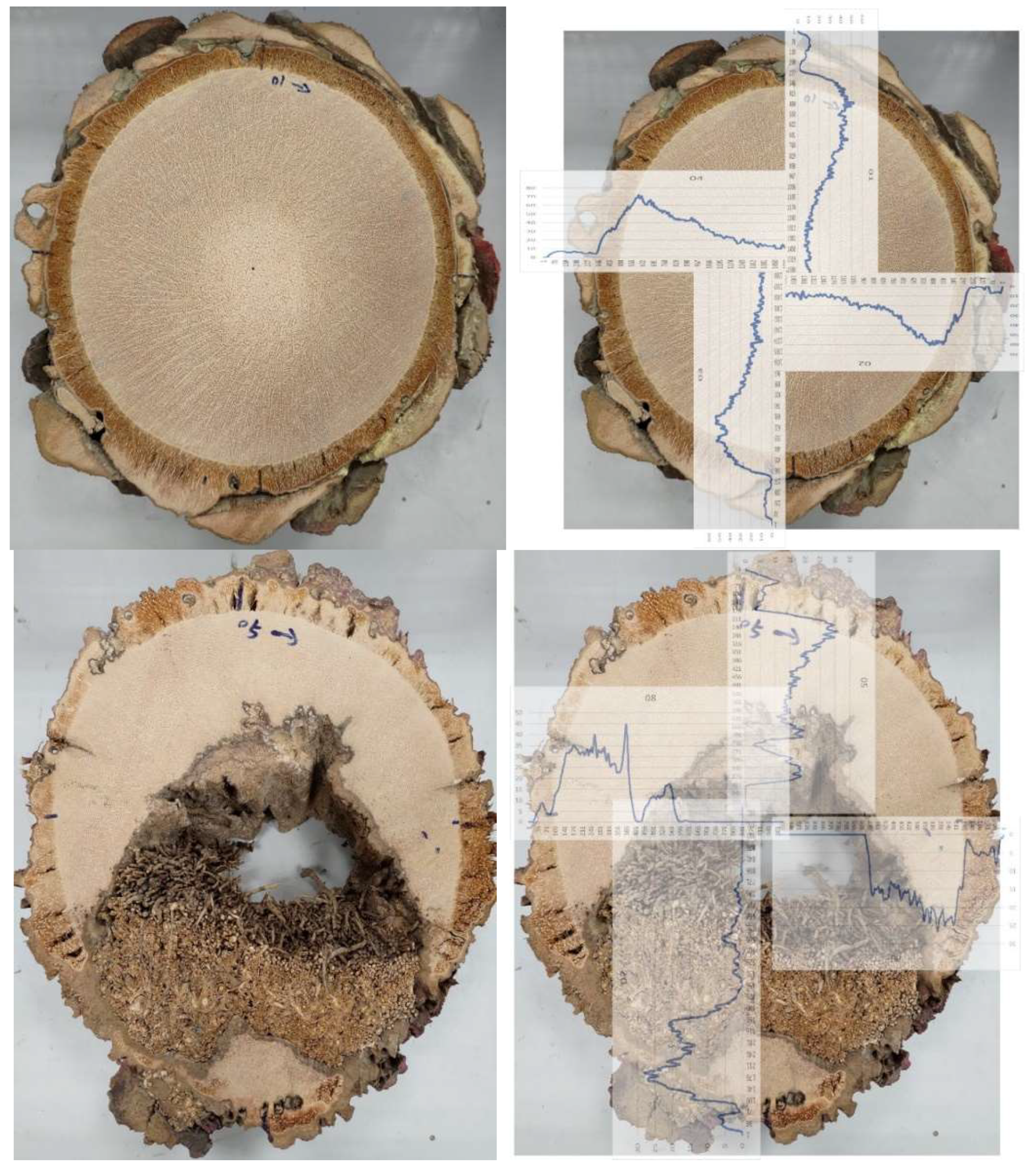
Figure 5 presents the drilling resistance amplitude data for a healthy disc (No. 27) and a decayed disc (No. 78) in the trunk cross-section. The amplitude trend for the healthy disc (
Figure 6) is similar to the results in
Figure 4, showing a pattern where the amplitude rapidly increases from the bark to the center of the trunk and then gradually decreases. This indicates that the outer resistance of the tree is stronger, while the internal structure’s resistance decreases as one moves deeper into the trunk.
In contrast, the data for the decayed disc show a significant decline in amplitude at the center of the trunk (
Figure 5), especially in the decayed hollow areas, reflecting structural weakening or lower wood density in that region, with resistance significantly lower than that of healthy wood. This phenomenon emphasizes the impact of decay on tree structure and highlights the clear differences in physical properties between decayed and healthy wood.
Additionally, at the junction between the decayed hollow and healthy wood, a dark wood band approximately 1-2 mm wide appears, accompanied by higher amplitude resistance. This may represent an adaptive growth phenomenon of the tree in response to the challenges posed by decay. Overall, the results in
Figure 5 not only illustrate the significant differences in amplitude between healthy and decayed discs but also provide insights into how trees respond to external challenges through structural variations, which is crucial for understanding the health status and growth adaptability of trees.
3.7. Visual Inspection of Cross-Sectional Discs
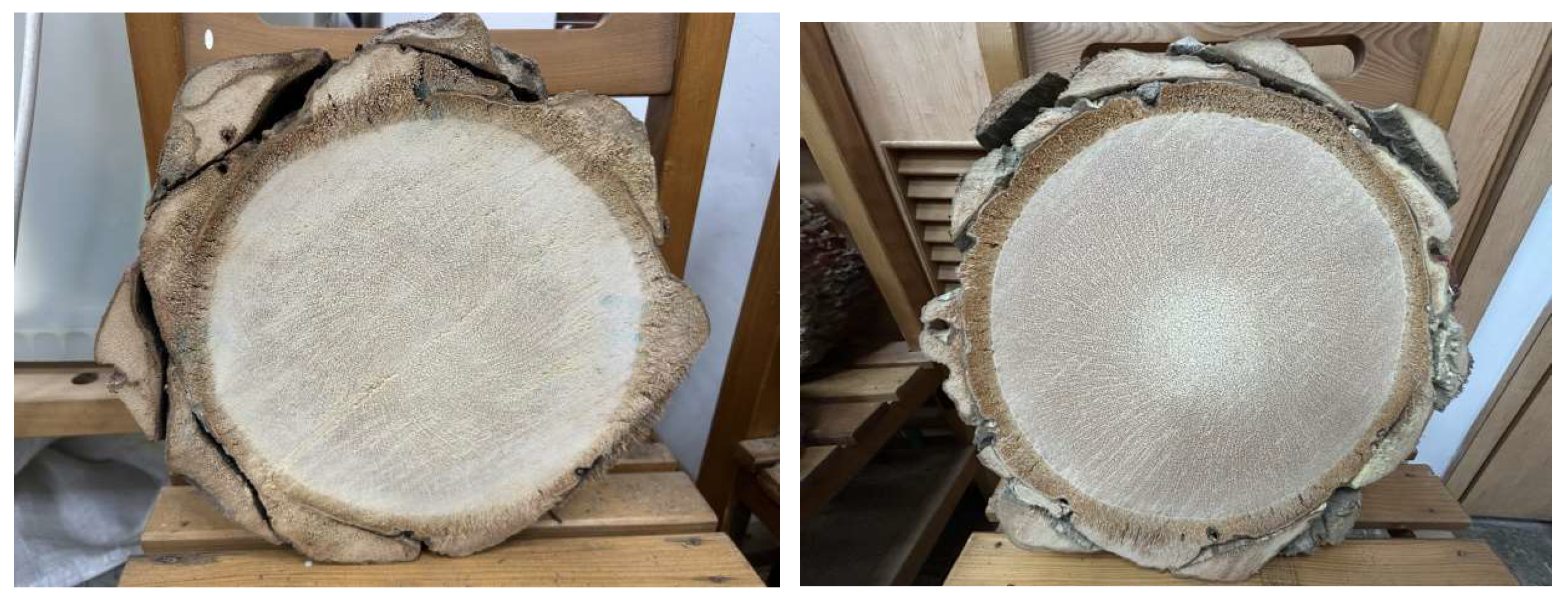
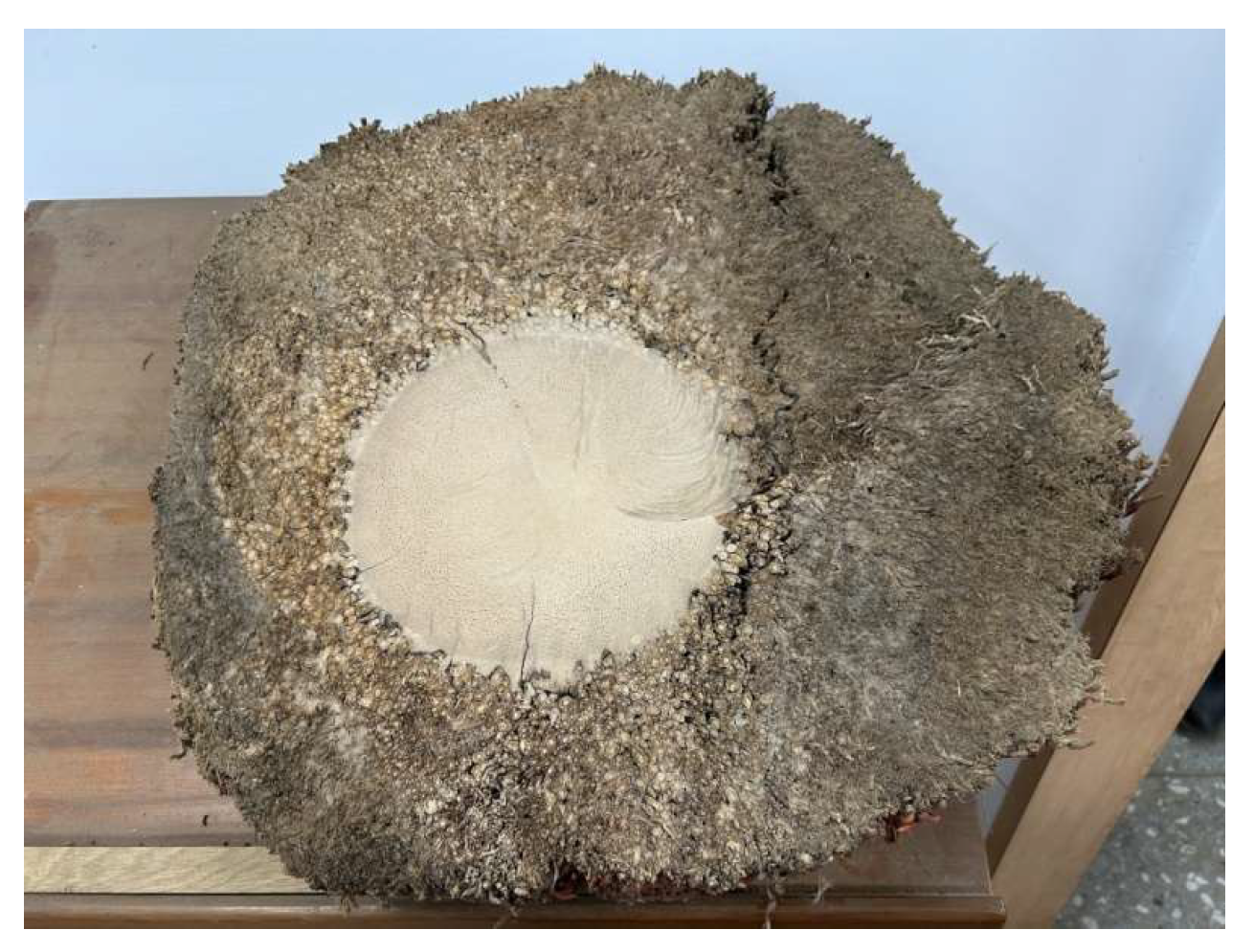
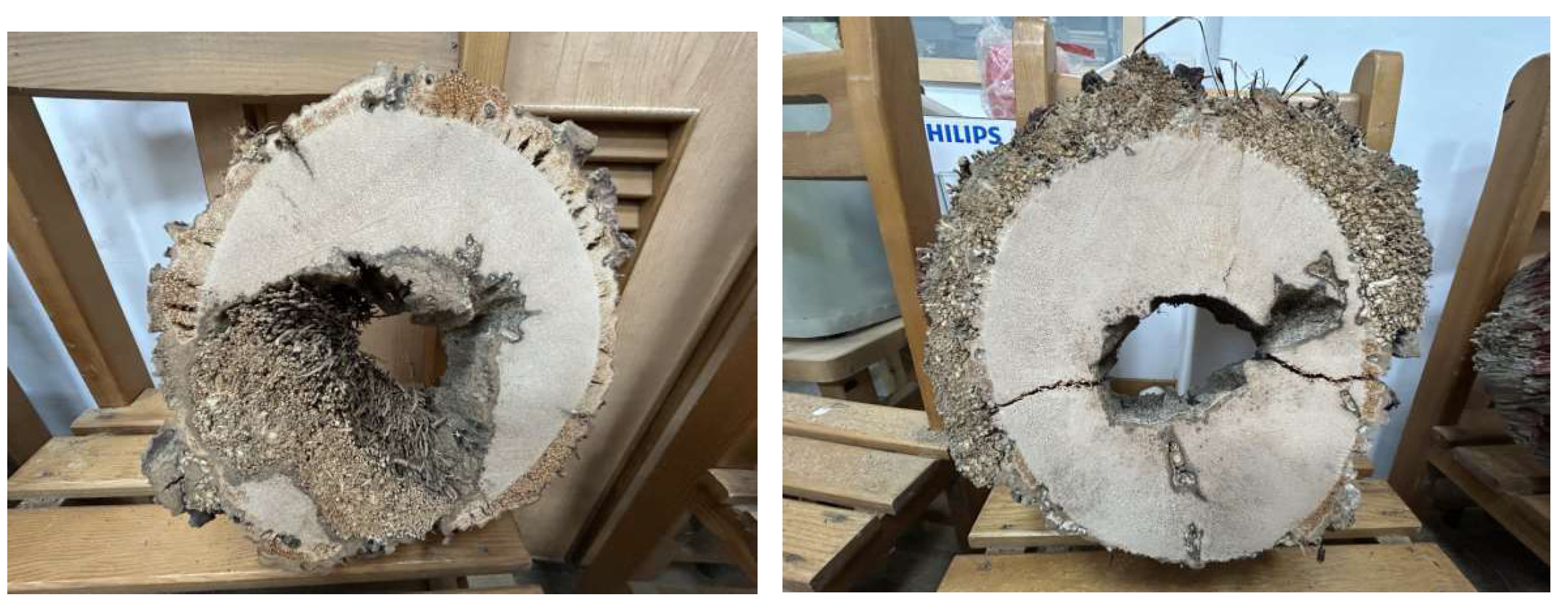
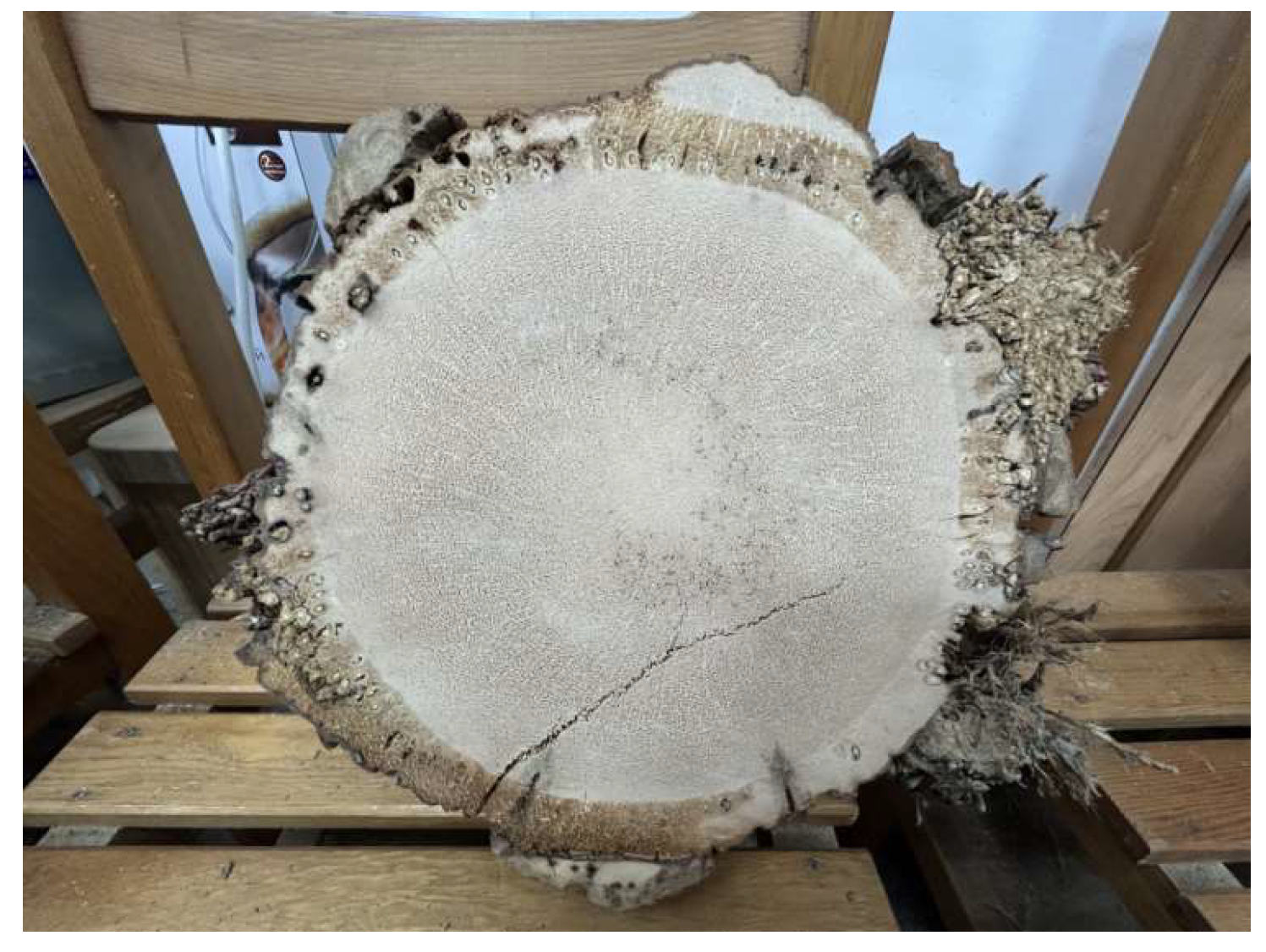
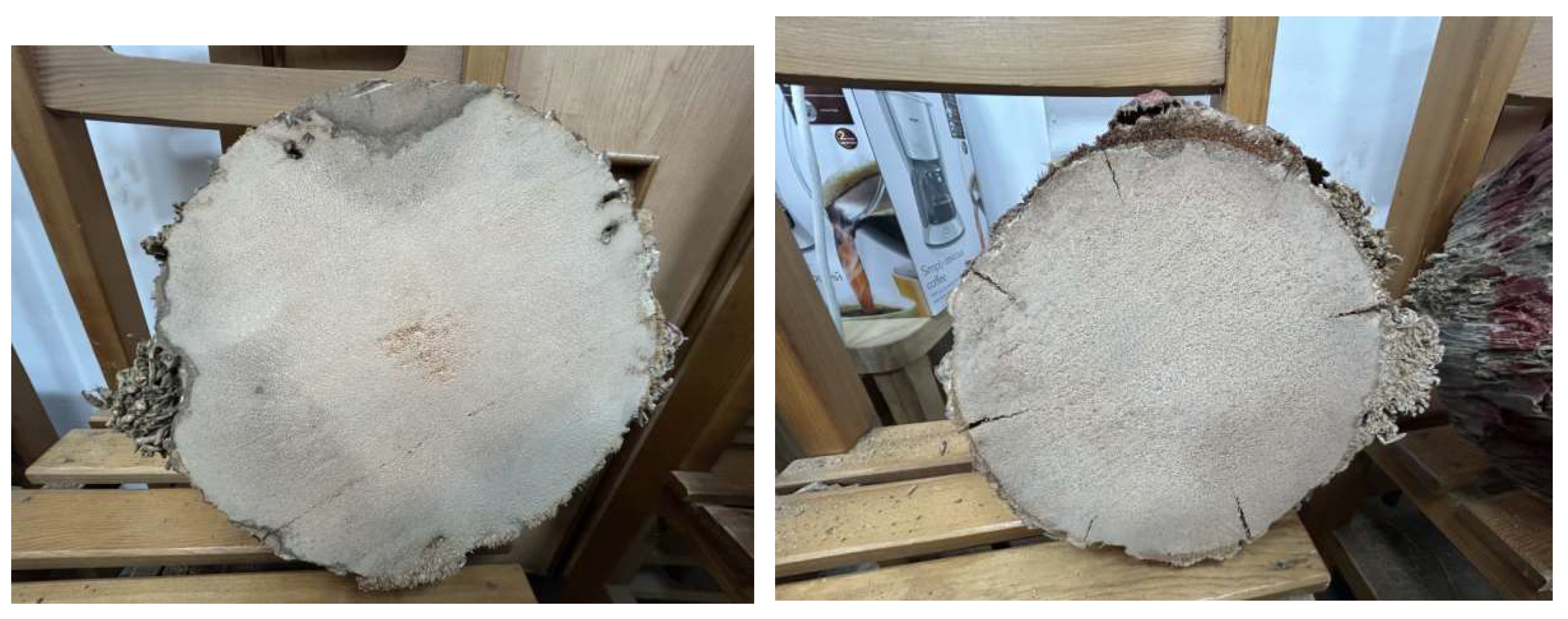
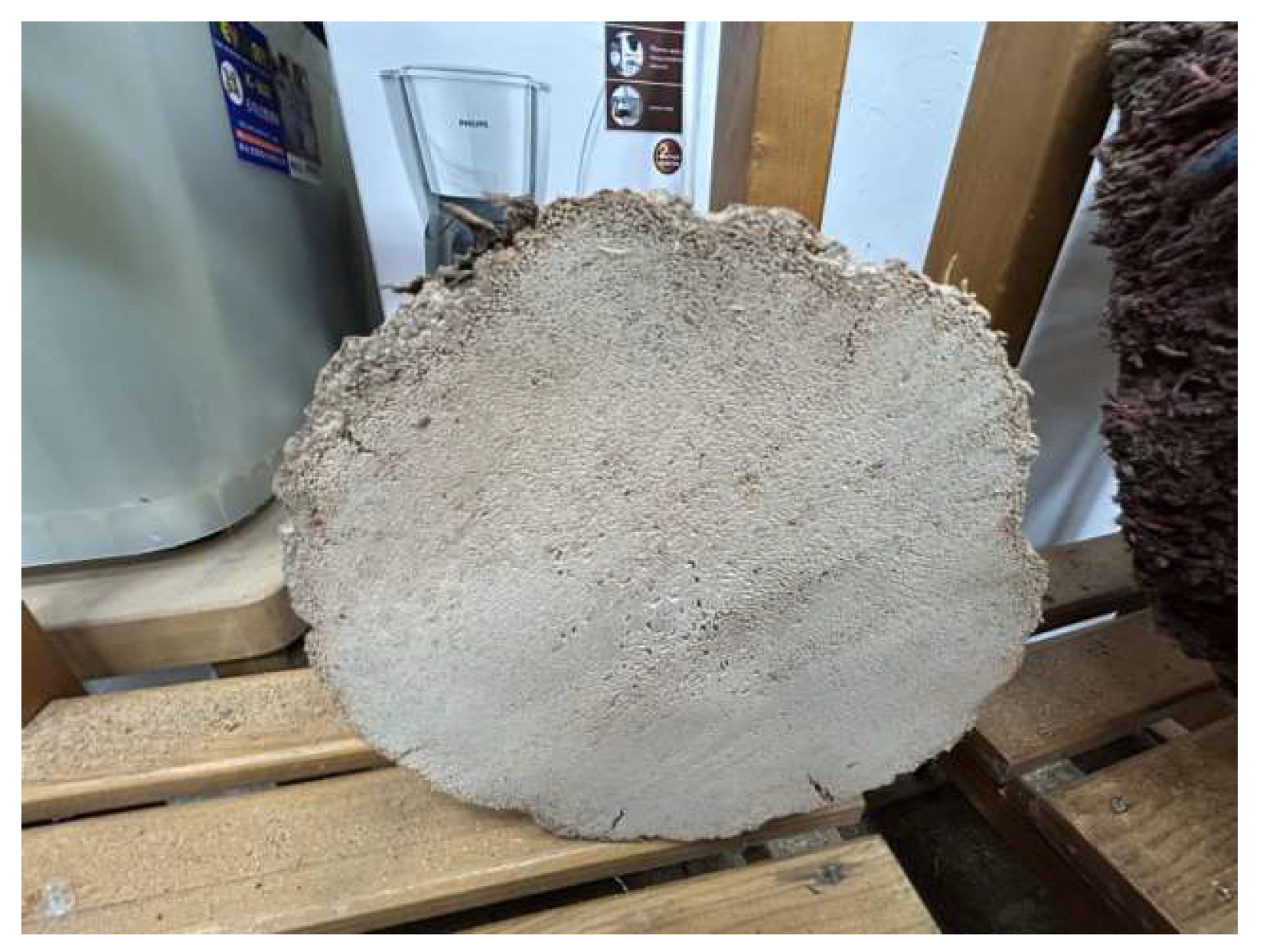
This study conducted a Visual Tree Assessment (VTA) on date palms (Phoenix dactylifera) to examine the health status of the trees and the impact of their surrounding environment on the trunk. After inspection, the date palm street trees were determined to pose an immediate risk and were subsequently removed. After felling, cross-sectional samples of the trunks were processed, and their surface characteristics were observed visually (Figure 7).
During the inspection, the condition of the bark and residual leaf sheaths on the outer side of the trunk was noted. Specifically, healthy trunks exhibited bark and residual leaf sheaths, with the vascular bundles in the trunk’s cross-section displaying spiral or radial patterns, indicating a healthy growth state (see Figure 7-1). However, in some trees, vigorous aerial roots were observed growing on the outer side of the trunk, with no bark or leaf sheaths present, suggesting that the tree’s growing environment may have been affected (see Figure 7-2). Among the 368 date palm street trees visually inspected, varying heights and quantities of aerial roots were found around the trunk below a height of 1.3 meters.
Additionally, some trunks exhibited decay and hollowness in their cross-sections, with aerial roots growing inside the hollows, and a dark wood band (boundary) present between the decayed hollow and healthy wood. This phenomenon may reflect the tree’s adaptive growth mechanisms and the resulting variations in wood structure. However, whether this represents a defensive mechanism of the tree still requires further research (see Figure 7-3). In other trunks, some aerial roots were found growing on the outer side of the trunk, with remnants of bark and leaf scars (see Figure 7-4). These phenomena indicate that trees may be influenced by various environmental factors during their growth, leading to changes in the structure surrounding their trunks.
Further observations revealed that the growth of aerial roots on the outer side of the trunk was accompanied by wood degradation, developing from the outer trunk towards the interior. Additionally, damaged areas on the outer side of the trunk exhibited a dark wood band different from healthy wood, suggesting a phenomenon of wood variation related to the tree’s adaptive growth (see Figure 7-5). As the inspection progressed, it was found that the leaf sheaths and bark on the outer side of the trunk had fallen off, with wood degradation gradually extending into the interior of the trunk’s cross-section (see Figure 7-6).
Overall, the results of this study indicate that the health status of date palms in public landscapes is influenced by various factors, particularly environmental conditions and management practices. It also highlights the phenomenon of wood variation related to the adaptive growth of date palm trees. These findings provide important references for future tree management and conservation efforts.
Figure 7-1.
The outer side of a normal trunk has bark and remnants of leaf sheaths, and the vascular bundles in the cross-section of the trunk exhibit a spiral or radial pattern.
Figure 7-1.
The outer side of a normal trunk has bark and remnants of leaf sheaths, and the vascular bundles in the cross-section of the trunk exhibit a spiral or radial pattern.
Figure 7-2.
The outer side of the trunk of the date palm shows vigorous growth of aerial roots, with no bark or leaf sheaths visible on the outer side.
Figure 7-2.
The outer side of the trunk of the date palm shows vigorous growth of aerial roots, with no bark or leaf sheaths visible on the outer side.
Figure 7-3.
The cross-section of the trunk shows decay and hollowness, with aerial roots growing inside the cavity. There is a dark wood boundary between the decayed hollow and the sound wood, indicating a phenomenon of wood variation due to the adaptive growth of the tree. Whether this is a defensive mechanism of the tree’s tissue remains to be confirmed through further research. The outer side of the trunk has remnants of bark and leaf sheaths.
Figure 7-3.
The cross-section of the trunk shows decay and hollowness, with aerial roots growing inside the cavity. There is a dark wood boundary between the decayed hollow and the sound wood, indicating a phenomenon of wood variation due to the adaptive growth of the tree. Whether this is a defensive mechanism of the tree’s tissue remains to be confirmed through further research. The outer side of the trunk has remnants of bark and leaf sheaths.
Figure 7-4.
Some aerial roots grow on the outer side of the trunk, with remnants of bark and leaf sheaths remaining.
Figure 7-4.
Some aerial roots grow on the outer side of the trunk, with remnants of bark and leaf sheaths remaining.
Figure 7-5.
Some aerial roots are located on the outer side of the trunk, where there is a dark wood boundary indicating damage. This is a phenomenon of wood variation due to the adaptive growth of the tree, and the bark and leaf sheaths have fallen off.
Figure 7-5.
Some aerial roots are located on the outer side of the trunk, where there is a dark wood boundary indicating damage. This is a phenomenon of wood variation due to the adaptive growth of the tree, and the bark and leaf sheaths have fallen off.
Figure 7-6.
The leaf sheaths and bark on the outer side of the trunk have fallen off, and the deterioration of the wood is gradually developing inward toward the cross-section of the trunk.
Figure 7-6.
The leaf sheaths and bark on the outer side of the trunk have fallen off, and the deterioration of the wood is gradually developing inward toward the cross-section of the trunk.
Figure 7. Photos of aerial roots (AR), undamaged wood (UDW), decayed and hollow wood (DW), gradually deteriorating wood (GDW), and wood variation responses (WR) under the adaptive growth of discs in cross-sectional surfaces.