
Submitted:
25 February 2025
Posted:
26 February 2025
You are already at the latest version
Abstract
Conventional cancer therapies pose a toxicity risk to healthy cells, which leads to severe physical and physiological changes in both cancer patients and survivors. These treatments, in combination with phytochemicals, have been found to exhibit minimal side effects and additional anti-oxidant effects. The Indian state of Kerala is well known for its Ayurvedic history and harbors medicinal flora whose phytochemicals have been broadly studied for their anticancer properties. Prompt advancements in preclinical and clinical studies surrounding the bioavailability and stability of bioactive compounds are essential to incorporating phytotherapy into cancer treatment. This review delves into a few rarely discussed yet promising medicinal plants found in Kerala, presenting existing evidence of their anticancer properties, mainly focusing on their phytoconstituents.
Keywords:
Anticancer
; Phytochemicals
; Ayurveda
; Medicinal flora
; Kerala
; Traditional medicine
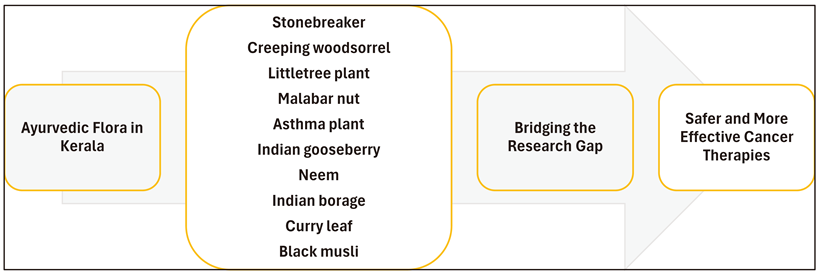
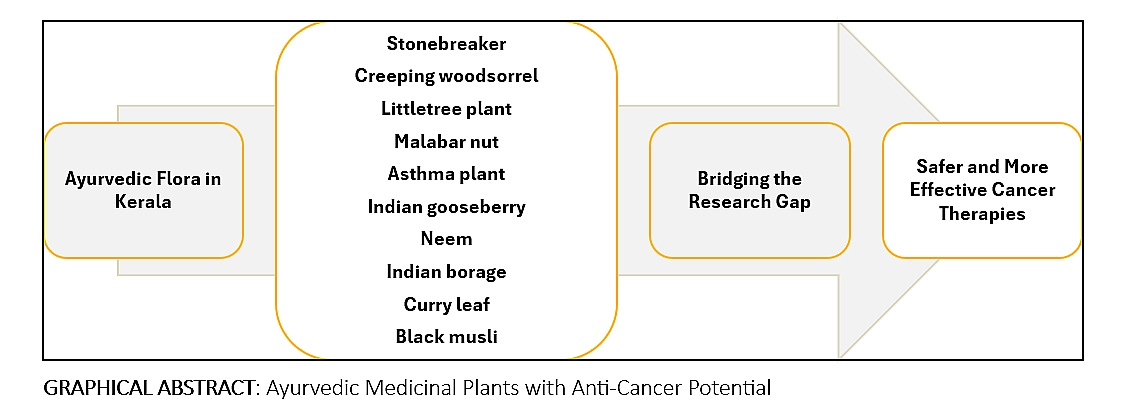
GRAPHICAL ABSTRACT: Ayurvedic Medicinal Plants with Anti-Cancer Potential.
1. Introduction
Curcumin, the phytochemical in turmeric (Curcuma longa), has garnered widespread attention as a “magical compound” in cancer research. Initially studied and documented by Vogel and Pelletier in 1815 (1), turmeric was already an essential part of South Asian kitchens and medical systems like Ayurveda. To date, India continues to be the largest global producer, accounting for over 60% of the turmeric exports in the global market (2). Notably, curcumin is only one of many phytochemicals that hold therapeutic significance in Indian traditions.
Ayurveda, one of the ancient healing systems in the world, is deeply rooted in historical scriptures and integrative approaches. Despite its natural and holistic perspectives gaining global recognition, the lack of scientific validation and clinical trials limits the broader acceptance of the system. This is considerably evident in the treatment of complicated diseases such as cancer, where contemporary scientific research remains insufficient (3).
Cancer persists as a condition with no guaranteed cure, and several factors such as nutrition, contribute significantly to pre- and post-onset cancer management (4). Most of the medicinal plants, which are native species from India, and utilized in Ayurveda, serve as an essential part of the traditional diet. In cancer patients, their antioxidant properties add to the anti-cancer effects by ameliorating oxidative stress in cancer cells. The key components promoting these qualities are primarily the phytochemicals present in the medicinal flora, including polyphenols, alkaloids, flavonoids, tannins, and saponins. The rising interest in Ayurvedic ingredients such as turmeric (curcumin), periwinkle (vincristine and vinblastine), and black pepper (piperine) in cancer research emphasizes their potential to reduce the toxicity of mainstream cancer treatments.
The South Indian state of Kerala is well known for its abundant flora and rich Ayurvedic legacy. The state is home to the cultural tradition of conserving ten ayurvedic plants known as ’Dashapushpam’ (ten flowers) in Malayalam (the official language of Kerala). This includes Aerva lanata, Biophytum sensitivum, Cardiospermum halicacabum, Curculigo orchioides, Cynodon dactylon, Eclipta prostrata, Emilia sonchifolia, Evolvulus alsinoides, Ipomoea obscura, and Cyanthillium cinereum. Another example of how traditional medicine is upheld in Kerala is the ’Oushadhakanji’ (medicinal porridge), generally consumed during the monsoon and packed with Ayurvedic ingredients, believed to boost immunity and help tackle seasonal illnesses. With its Ayurvedic wisdom and optimal climatic conditions for nurturing medicinal vegetation, Kerala continues to be the epicenter of Ayurveda (5).
This review is based on the Ayurvedic medicinal species that are frequently found and used as home remedies in Keralite households. The existing scientific evidence regarding the effects of each species on different cancers is briefly discussed, although extensive research and comprehensive biochemical analyses are still largely lacking for most species. While this is not an exhaustive list, it sheds light on a few traditionally esteemed yet rarely discussed therapeutic plants with immense potential to become the next “golden compound” in cancer research. However, It must be noted that this paper does not offer guidance on these species’ formulation, or administration.
2. Review Method
The plants included in this review were primarily chosen based on my familiarity with them, owing to their frequent use in Keralite households, a knowledge rooted in my upbringing in Kerala. This information was then cross-referenced with the help of sources such as the Indian Systems of Medicine website (Kerala government) (6), and the State Medicinal Plants Board Kerala database (7). Subsequently, I conducted an extensive literature search with keywords related to the plant names and their anticancer properties, thoroughly reviewing contextually important studies. All images included in this review were photographed in Kerala to provide an authentic representation of their appearance in their native environment.
3. Ayurvedic Medicinal Plants: Promising Candidates in Cancer Research
With the widespread interest in phytochemicals in neoplastic research, the exploration of traditional medicinal plants has gained global popularity. The list below consists of traditionally acknowledged medicinal plants that are potential candidates for natural anticancer sources and require further scientific investigation.
3.1. STONEBREAKER (Phyllanthus amarus):
An important medicinal plant in Ayurveda, Phyllanthus amarus (Figure 1) (P. amarus, commonly known as Keezharnelli in Malayalam), is categorized as a weed found across Kerala. Traditionally, the entire plant is believed to have detoxifying properties and is used to treat jaundice with reported benefits for liver health, treating ulcers, and healing wounds.
Spectrophotometric studies have identified several bioactive phytochemicals in P. amarus, with lignans (phyllanthin and hypophyllanthin) playing a key role in its cytotoxicity against cancer cells. Other constituents, flavonoids, and phenolic compounds such as ellagic acid and gallic acid, along with vitamin C, contribute significantly to its antioxidant effects (8). In another study, Lignans in the plant in combination with polyphenols, have also shown apoptotic effects in HCT116 human colorectal cancer cells by regulating a caspase-dependent pathway (9).
As additional evidence supporting its anticancer potential, the P. amarus aqueous extract has exhibited anticarcinogenic effects in vivo, inhibiting tumor growth and boosting survival rates in mice with Dalton’s Lymphoma Ascites (DLA) and Ehrlich Ascites Carcinoma (EAC). The mechanism involves the inhibition of the P-450 enzyme, aniline hydroxylase associated with oxidative activation of carcinogens. In mutant yeast cells, the extract interferes with DNA repair and additionally disrupts cell cycle progression by targeting Cdc25 tyrosine phosphatase (10). As a validation of its established role in Ayurveda, scientific research has explored its potential in liver-related cancers. Interestingly, studies have demonstrated increased survival in hepatocellular carcinoma-induced Wistar rats upon P. amarus extract administration (11). Existing studies suggest that the plant’s anticarcinogenic actions which involve suppressing metabolic activation and cell cycle regulation in the cells highlight its potential to become a valuable ingredient in cancer phytotherapy.
3.2. CREEPING WOODSORREL (Oxalis corniculata):
This Ayurvedic plant, known as Puliyaral (Figure 2) in Malayalam, is a widely grown medicinal herb often found as a weed in Kerala, particularly around gardens. Traditionally, the entire plant is considered medicinal and has been used to treat gastrointestinal (GI) ailments such as diarrhea and various skin conditions, particularly warts.
Oxalis corniculate (O.corniculata) contains abundant phytochemicals, including flavonoids, alkaloids, tannins, saponins, glycosides, polyphenols, and phytosterols. The plant’s ethanolic extract has induced apoptotic effects on the human MCF-7 breast cancer cell line, reportedly due to its flavonoid and polyphenolic content. The extract was found to upregulate the expression of pro-apoptotic genes (p53, bax, and CD95) while downregulating the anti-apoptotic gene bcl-2, thereby inducing apoptosis in breast cancer cells (12).
Recent research has further identified acacetin and luteolin—flavonoids present in O. corniculata—as promising anticancer compounds. These bioactive compounds interact with cancer-related targets, such as PD-L1 and BRAF with their receptors showing high affinity interactions with acacetin and luteolin (13). Additionally, an in vitro study revealed that the plant exhibited selective cytotoxicity against the Hep-G2 human hepatocarcinoma cell line (14). Despite the limited prior investigations on O.corniculata ’s anticancer properties, a growing interest in its therapeutic potential is evident from the rise in recent studies. The plant’s ayurvedic use in improving GI and skin health, along with its established cancer-inhibitory effects demands further analyses into its impact on gastrointestinal and skin cancers.
3.3. LITTLE TREE PLANT (Biophytum sensitivum):
Widely known as Mukkutti (Figure 3) in Kerala, Biophytum sensitivum is considered one of ten sacred plants conserved during the monsoon season in Kerala and is commonly identified as a weed across the state. In traditional usage, the entire plant is believed to have medicinal value and is used to treat diarrhea, heal wounds, and relieve coughs and colds.
B. sensitivum contains key phytochemicals such as isoorientin (a flavonoid), amentoflavone (a biflavone), tannins, and phenolic compounds (15). Among these bioactive compounds, amentoflavone extracted from the plant has been shown to induce apoptosis in B16F-10 melanoma cells while also suppressing nitric oxide and pro-inflammatory cytokine production in both cancer cells and associated macrophages. Moreover, B. sensitivum inhibits lung metastasis hijacking extracellular matrix-modulating enzymes such as MMPs and lysyl oxidase, while also regulating signaling pathways like VEGF and STAT, as well as pro-inflammatory cytokines (16,17). A major study reported cytotoxic effects of the methanolic extract of B. sensitivum on DLA and EAC cells, showing a reduction in solid tumor volume with a 93.3% increase in lifespan in tumor-induced mice (18). The aqueous extract of B. sensitivum also demonstrated significant cytotoxicity against HepG2 liver cancer cells, further reinforcing its broad-spectrum effects across multiple cancer types (19).
3.4. MALABAR NUT (Justicia adhatoda):
Justicia adhatoda (J. adhatoda) (Figure 4) is a shrub known for its extreme bitterness and is locally referred to as Aadalodakam in Kerala. The leaves are the most commonly used part of the plant, typically consumed to treat respiratory tract infections such as whooping cough and asthma.
J. adhatoda contains alkaloids such as vasicine and vasicinone, along with flavonoids, saponins, and phenolics, which are especially abundant in the roots and leaves of the plant (20,21). The alkaloids present in the methanolic extract of J. adhatoda display significant NF-κB inhibitory activity. Additionally, it has been shown to induce apoptosis in MCF-7 breast cancer cells, activating proteins such as caspase-3, Bax, and cleaved-PARP, while also disrupting mitochondrial membrane potential, inhibiting cell migration, and altering NO, ROS, and antioxidant enzyme levels (21).
Furthermore, the ethanolic extract of the plant has been found to regulate anemia and prolong the lifespan of DLA-induced mice (22). With the advent of nanotechnology in cancer studies, phytochemicals have been increasingly utilized to enhance cytotoxicity and stability in targeted therapies. One such study revealed that gold nanoparticles synthesized from J. adhatoda leaf extract significantly inhibited the cell proliferation of A549 lung carcinoma (23). Although J. adhatoda is broadly recognized for its therapeutic potential in cancer studies, its well-established traditional use in respiratory tract ailments has not been directly examined in detail.
3.5. ASTHMA- PLANT (Euphorbia hirta):
Euphorbia hirta (E. hirta) (Figure 5), known as Nilappaala in Kerala, is an annual weed with a hairy appearance. As implied by its name, the whole plant extract has been used in Ayurveda to treat respiratory conditions like asthma and to help regulate hormonal imbalances in women. This plant, along with its closely related species, Euphorbia thymifolia, has been scientifically explored for its anticancer activity at Kottakkal Arya Vaidya Sala, one of the highly acclaimed Ayurvedic centers in Kerala (24).
The major phytochemicals found in E. hirta include phenolic compounds (gallic acid and caffeic acid), flavonoids (quercetin and kaempferol), phytosterols, tannins, saponins, and alkaloids (25,26). In the EL4 T-lymphoma cell line, the plant’s chloroform, and ethanolic extracts have shown substantial antitumor activity, reportedly due to the presence of flavonoids in the species (27). Another study reported the presence of 2,3-dihydro-3,5-dihydroxy-6-methyl-4H-pyran-4-one (DDMP), an important phenolic compound believed to be responsible for the plant’s anticancer properties. For instance, in human colon cancer cells, DDMP exhibited apoptotic effects by regulating nuclear factor (NF)-κB activity. Similarly, the methanolic extract of E. hirta exerted apoptotic effects on MCF-7 breast cancer cells via caspase activation, DNA fragmentation, and cell cycle arrest at the S and G2/M phases (28).
The ethanolic extract of E. hirta has demonstrated significant cytotoxicity against the HL-60 leukemia cell line in vitro (29,30). Meanwhile, in a similar study, the ethanolic leaf extract exhibited potent cytotoxic activity against DLA and EAC cell lines, further supporting its potential as a wide-ranging anticancer agent (31).
3.6. INDIAN GOOSEBERRY (Phyllanthus emblica):
Known as Nellikka (Figure 6) in Kerala, the Indian gooseberry (Phyllanthus emblica (P. emblica), formerly Emblica officinalis), is a widely recognized Ayurvedic ingredient in Keralite households, renowned for its rejuvenating and gut-cleansing properties. In Ayurveda, this anti-diabetic fruit is also considered highly beneficial for urinary tract and eye health. Its fruit, which is a staple in Indian kitchens, is often consumed as a pickle or as chyavanaprasham, a herbal formulation where gooseberry serves as the primary ingredient.
In addition to its rich vitamin C content, P. emblica encompasses several phytochemicals, including tannins (emblicanin A, emblicanin B, and punigluconin), phenolic acids (gallic acid and ellagic acid), flavonoids (quercetin and kaempferol), alkaloids (phyllantidine and phyllantine), and polyphenols such as resveratrol (32–34). Phenolic compounds, geraniin, and iso-corilagin are considered significant contributors to its anticancer activity, as they stimulate immune cell proliferation and exhibit strong cytotoxicity against MCF-7 breast cancer cells (35). Further evidence has revealed the strong antiproliferative effects of P. emblica’s phenolic compounds, in combination with proanthocyanidin polymers, on the B16F10 melanoma cell line(36).
One of the pioneering studies on the anticancer properties of P. emblica demonstrated its potential to reduce both ascitic and solid tumors in DLA mouse models. The aqueous extract significantly prolonged the lifespan of tumor-bearing animals. It inhibited key cell cycle-regulating enzymes, such as cell division cycle 25 (CDC25) phosphatase, suggesting its ability to modulate cell cycle progression (37). Additionally, research has shown that P. emblica fruit extract suppresses activator protein-1 (AP-1) activity and HPV oncogene transcription, resulting in growth inhibition of cervical cancer cells (SiHa and HeLa) and induction of apoptotic cell death, highlighting its potential as a therapeutic agent for HPV-induced cervical cancer (38). P. emblica’s traditional usage as a detoxifying agent has not been much explored scientifically except for one study that showed its cell growth inhibition in HepG2 (liver) and SW620 (colorectal) cell line along with its cytotoxicity on Cholangiocarcinoma (CCA) cells employing mitochondrial apoptotic pathway(39,40).
3.7. NEEM (Azadirachta indica):
Azadirachta indica (A. indica) (Figure 7), locally known as Aryaveppu in Kerala, has been traditionally used to treat chickenpox blisters. Even more bitter than J. adhatoda, A. indica leaves serve multiple purposes in Kerala households, ranging from mosquito repellent to wound healing. The plant is still widely used for treating fungal infections, diarrhea, gum disease, and mouth ulcers. Although various parts of the plant are believed to have medicinal value, the leaves are the most commonly used in home remedies.
A.indica comprises several bioactive compounds such as terpenoids (azadirachtin, nimbin, nimbidin, and gedunin), flavonoids (quercetin), sterols (β-sitosterol), alkaloids, saponins, and tannins (41,42). This plant has been recognized for its anticancer potential for a long time, primarily due to its terpenoids and steroids. Owing to its ability in immunomodulation, apoptosis induction, and cancer prevention mechanisms, scientists have discovered its potential as a cost-effective cancer therapy.
Neem extract modulates molecular pathways including tumor suppressor p53 upregulation and apoptosis induction via caspase activation and Bcl-2 family protein regulation. Additionally, it hampers angiogenesis by downregulating VEGF, thereby preventing tumor growth and metastasis (43). An earlier study investigating the protective effects of methanolic neem leaf extract (MNLE) on cisplatin-induced hepatotoxicity revealed that MNLE alleviated oxidative stress and improved liver histology while controlling apoptosis markers in rats(44). Neem has also demonstrated tumor-inhibitory properties in gynecological, breast, and oral cancers by promoting apoptosis and modulating key molecular pathways, including p53, NF-κB, Bcl-2, MAPK, and PI3K/Akt (45–47). In MDA-MB-231 breast cancer cells, ripe neem seed extract reduced cell viability by decreasing CD44 and CD326 marker expression, inhibiting cell proliferation, and inducing apoptosis (48). Several studies highlight neem’s phytochemical-rich extract as playing a crucial role in silver nanoparticle bio-fabrication, both independently and in combination with chemotherapy drugs, offering an eco-friendly approach that enhances tumor inhibition and reduces side effects (49,50). Neem limonoids have become the focus of recent research, emphasizing their diverse anticancer mechanisms, including hindering cell proliferation, evading apoptosis, and targeting key oncogenic signaling pathways (51).
3.8. INDIAN BORAGE (Plectranthus amboinicus):
Plectranthus amboinicus (P. amboinicus) (Figure 8), also known as Coleus amboinicus or Mexican mint, is a widely recognized succulent herb cultivated in Kerala, where it is referred to as panikkoorkka or kanjikkoorkka in Malayalam. This leaf extract, known for its distinct tingling spiciness, is commonly used as a remedy for colds and intestinal infections, particularly in children.
P. amboinicus, a storehouse of essential oils such as thymol, carvacrol, and β-Caryophyllene, also contains phenolic compounds (caffeic acid, rosemarinic acid, and gallic acid), flavonoids (crisimaritin, salvigenin, luteolin, and quercetin), saponins, tannins, terpenoids, and alkaloids (52,53). In alignment with its traditional usage, the leaf extract of this plant is considered particularly therapeutic, demonstrating significant cancer-inhibiting properties in EAC mice by regulating immune responses and hindering cancer cell growth (52).
Earlier studies primarily focused on the flavonoids to explain the plant’s anticancer potential. However, an important investigation also highlighted the role of the sterol compound, β-sitosterol, present in the plant which has demonstrated anticancer activity against T47D, MCF-7, HeLa, and WiDr cell lines. While flavonoids have been shown to interact with cancer-associated receptors such as phosphatidylinositol-3-kinase (PI3K), P-Glycoprotein-1 (P-gp), Cyclin-Dependent Kinase-2 (CDK2), Cyclooxygenase-2 (COX-2), and Phosphoenolpyruvate Carboxykinase (PEPCK), β-sitosterol exhibits affinity towards epidermal growth factor receptor (EGFR), Human Epidermal Growth Factor Receptor 2 (HER-2), and Estrogen Receptor Alpha and beta (ER-α, β) suggesting its potential to modulate these cancer-related pathways (54,55). Additionally, the methanolic extract has been shown to impart cancer inhibitory effects against WiDr colon cancer cells, reportedly due to an upregulation of pro-apoptotic genes (BAX, P53, Caspase 9) and downregulation of anti-apoptotic genes (BCL2, Caspase 8) (56). According to a recent study on nanoparticles, the leaf extract of P. amboinicus enhances the anticancer activity of copper oxide nanoparticles against HCT 116 colon cancer cells, interfering with cancer-related targets and increasing cytotoxicity (57).
3.9. CURRY LEAF (Murraya koenigii):
A staple in Kerala’s kitchens, Murraya koenigii (M. koenigii) (Figure 9) is cultivated for various purposes, ranging from its role as an essential culinary herb in Kerala cuisine to its use in hair oils. The leaves, in particular, are frequently utilized to promote digestive health, especially in cleansing the gut and improving bowel movements.
M. koenigii contains several important alkaloids, such as mahanine, mahanimbine, koenimbine, murrayanol, murrayone, murrayanine, and girinimbine, which exhibit cytotoxic and anticancer activities. Additionally, it is rich in flavonoids (quercetin, kaempferol, and apigenin), terpenoids such as blumenol A, along with polyphenols, saponins, tannins, and glycosides (58,59). Its alkaloids have been the primary focus of most investigations regarding the plant’s anticancer properties. For instance, mahanimbine demonstrates significant cytotoxicity against MCF-7, P388, and HeLa cell lines, while murrayazoline, O-methylmurrayamine A, and mahanimbine are toxic against DLD-1 cells (60,61). Furthermore, girinimbine, a carbazole alkaloid found in the plant, exhibits cancer-inhibitory effects against HT-29 colon cancer cells, with dose-dependent inhibition of cell proliferation (62).
The plant’s methanolic extract has shown strong cytotoxicity against U373MG glioblastoma cells, effectively inducing cell death and displaying antioxidant activity (63). Supporting its traditional use, scientific evidence suggests its potential as a healthy fermented beverage. This study reported an increase in antioxidant properties and bioactive content, thereby enhancing its anticancer activity against A549 and CHOK1 cell lines (64).
3.10. BLACK MUSLI (Curculigo orchioides):
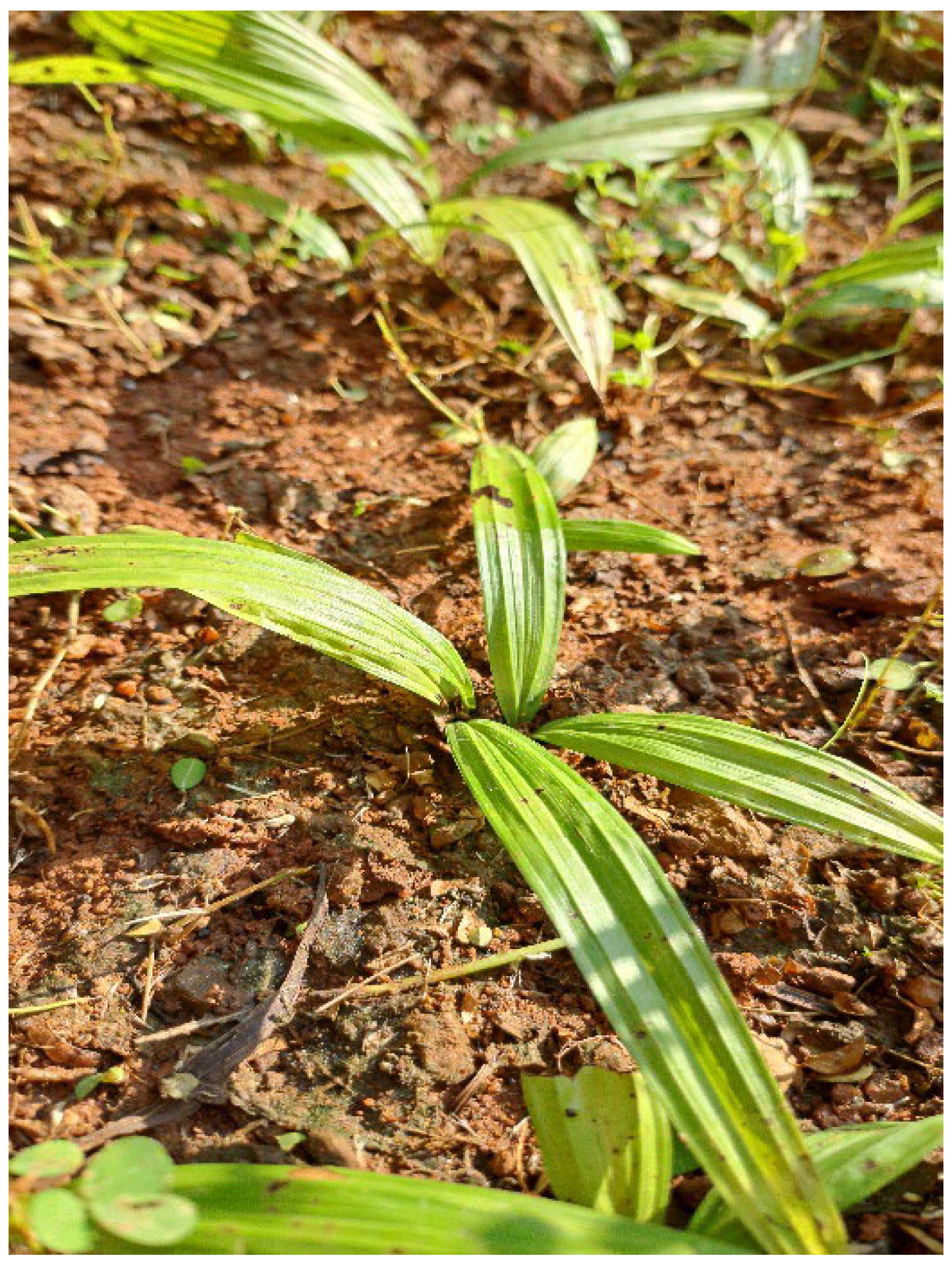
Curculigo orchioides (C. orchioides) (Figure 10), one of the ten culturally significant plants in Kerala, is called nilappana in Malayalam. Traditionally valued for improving immunity and curing skin infections, it’s also an ingredient in the medicinal monsoon porridge consumed by locals in Kerala, and its rhizome is considered exceptionally beneficial. It has been classified as an endangered herb with notable anticancer properties, as highlighted in earlier studies where in vitro experiments were conducted to cultivate the plant, emphasizing its high medicinal value (65).
The plant’s bioactive constituents include phenolic compounds such as curculigosides and curculigines, which are the major active components, along with polysaccharides, flavonoids, tannins, alkaloids, and others (65–67). Polysaccharides extracted from the whole herb of C. orchioides have been shown to upregulate caspase-3, caspase-9, and p53 expression, leading to reduced tumor growth in mice bearing HeLa cells (68). Furthermore, leaf-rhizome extracts have been utilized to create silver nanoparticles which enhanced cytotoxicity in cancer cells (69,70). The cancer inhibitory effects of C. orchioides ethyl acetate and aqueous ethyl acetate fractions in HepG2, HeLa, and MCF-7 cell lines are regulated through apoptosis via upregulation of caspase-3 and caspase-8 and downregulation of Bcl-2 expression(71). Although there is evidence to demonstrate its major role in improving liver health, limited studies have been done on hepatic and related cancers to validate its traditional usage.
4. Conclusion
Phytochemicals derived from Ayurvedic medicinal flora are gaining attention as potential anticancer agents in global research. However, their rapid digestion and metabolism, leading to poor bioavailability and stability within the body, continue to hinder the inhibitory effects demonstrated invitro in cancer therapies. As discussed above, the state of Kerala possesses geographical conditions favorable for the growth of numerous medicinal plants, including those mentioned above, while also harboring endangered species such as Curculigo orchioides. Ayurveda is deeply ingrained in the daily lives of Keralites, preserving indigenous knowledge about Ayurvedic flora, many of which have been grown in households for generations. Kerala and its traditional diet serve as evidence that Ayurveda is more than just a medical system; it follows a holistic approach that emphasizes dietary regulations and lifestyle modifications alongside medicinal consumption.
One of the major advantages of Ayurvedic medicine is its minimal cytotoxicity to normal cells, making it a safer alternative to conventional chemotherapy drugs. The anticancer potential of Ayurvedic medicinal plants is largely attributed to their phytochemicals. Among these, polyphenols and flavonoids are frequently associated with anticancer mechanisms at the molecular level. Nevertheless, since traditional Ayurvedic formulations utilize whole plant material, the beneficial bioactive compounds might not be present in desirable quantities, potentially reducing their therapeutic efficiency. Therefore, the characterization, isolation, and validation of phytochemicals are essential to establish standardized doses and the optimal formulations to enhance their therapeutic effectiveness. Treating cells with a combination of phytochemicals or conventional therapies may further improve their efficacy, while considerably lowering toxicity. Another approach is to incorporate nanotechnology into cancer treatments, which facilitates better delivery of phytochemicals. With an optimal size to hold phytochemicals and penetrate tumor sites, nanoparticles that target cancer cells have become a significant area of interest in cancer biology(72). The findings from this review suggest that recent advancements in anticancer plant research are increasingly centered around nanoparticle-based drug delivery systems.
Overall, with the growing recognition of phytochemicals in both scientific research and commercial markets—such as the widespread availability of functional beverages like curcumin-piperine shots—many more plant-derived compounds are under investigation for their anticancer properties. The medicinal flora discussed in this review represents only a fraction of Kerala’s vast repository of bioactive plants, many of which remain underexplored despite their long-standing traditional use. Further scientific exploration and refinement of traditional medical systems worldwide could pave the way for integrating these therapies into modern oncology, ultimately offering more effective and less toxic treatment options for cancer patients, including survivors who continue to experience long-term side effects from conventional therapies.
Conflicts of Interest
The author declares no conflicts of interest.
References
- Gupta SC, Patchva S, Koh W, Aggarwal BB. Discovery of curcumin, a component of golden spice, and its miraculous biological activities. Clin Exp Pharmacol Physiol. 2012 Mar;39(3):283–99. [accessed 9 Dec 2024] Available from: https://pubmed.ncbi.nlm.nih.gov/22118895/.
- Turmeric (curcuma) exports by country |2022. [accessed 9 Dec 2024] Available from: https://wits.worldbank.org/trade/comtrade/en/country/ALL/year/2022/tradeflow/Exports/partner/WLD/product/091030.
- Ayurvedic Medicine: In Depth Is Ayurvedic Medicine Safe? Is Ayurvedic Medicine Effective? Available from: https://www.nccih.nih.gov/health/ayurvedic-medicine-in-depth.
- Tannenbaum A, Silverstone H. Nutrition in Relation to Cancer. Adv Cancer Res. 1953 Jan 1;1(C):451–501. [CrossRef]
- Variar PR. THE AYURVEDIC HERITAGE OF KERALA. Anc Sci Life. 1985 Jul;5(1):54. [accessed 10 Dec 2024] Available from: https://pmc.ncbi.nlm.nih.gov/articles/PMC3331432/.
- Indian Systems of Medicine - Home. [accessed 28 Jan 2025] Available from: https://www.ism.kerala.gov.in/eng/.
- State Medicinal Plants Board Kerala | SMPB Kerala. [accessed 28 Jan 2025] Available from: https://smpbkerala.in/.
- Nguyen VT, Sakoff JA, Scarlett CJ. Physicochemical Properties, Antioxidant and Cytotoxic Activities of Crude Extracts and Fractions from Phyllanthus amarus. Medicines. 2017 Jun 18;4(2):42. [accessed 21 Dec 2024] Available from: https://pmc.ncbi.nlm.nih.gov/articles/PMC5590078/.
- Mohamed SIA, Jantan I, Nafiah MA, Seyed MA, Chan KM. Lignans and Polyphenols of Phyllanthus amarus Schumach and Thonn Induce Apoptosis in HCT116 Human Colon Cancer Cells through Caspases-Dependent Pathway. Curr Pharm Biotechnol. 2021 Jun 13;22(2):262–73. [accessed 21 Dec 2024] Available from: https://pubmed.ncbi.nlm.nih.gov/32532192/.
- Rajeshkumar N V., Joy KL, Kuttan G, Ramsewak RS, Nair MG, Kuttan R. Antitumour and anticarcinogenic activity of Phyllanthus amarus extract. J Ethnopharmacol. 2002 Jun 1;81(1):17–22. [CrossRef]
- Rajeshkumar N V., Kuttan R. Phyllanthus amarus extract administration increases the life span of rats with hepatocellular carcinoma. J Ethnopharmacol. 2000;73(1–2):215–9. [accessed 21 Dec 2024] Available from: https://pubmed.ncbi.nlm.nih.gov/11025159/.
- Gholipour AR, Jafari L, Ramezanpour M, Evazalipour M, Chavoshi M, Yousefbeyk F, et al. Apoptosis Effects of Oxalis corniculata L. Extract on Human MCF-7 Breast Cancer Cell Line: -. Galen Medical Journal. 2022 Oct 31;11:e2484. [accessed 22 Dec 2024] Available from: https://pmc.ncbi.nlm.nih.gov/articles/PMC9838112/.
- Bharti R, Mujwar S, Priyanka, Gurjeet Singh T, Khatri N. A computational approach for screening of phytochemicals from Oxalis corniculata as promising anti-cancer candidates. J King Saud Univ Sci. 2024 Oct 1;36(9):103383. [CrossRef]
- Gudasi S, Gharge S, Koli R, Patil K. Antioxidant properties and cytotoxic effects of Oxalis corniculata on human Hepatocarcinoma (Hep-G2) cell line: an in vitro and in silico evaluation. Future Journal of Pharmaceutical Sciences 2023 9:1. 2023 Mar 28;9(1):1–13. [accessed 22 Dec 2024] Available from: https://fjps.springeropen.com/articles/10.1186/s43094-023-00476-2.
- Sakthivel KM, Guruvayoorappan C. Biophytum sensitivum: Ancient medicine, modern targets. J Adv Pharm Technol Res. 2012;3(2):83. [accessed 25 Dec 2024] Available from: https://pmc.ncbi.nlm.nih.gov/articles/PMC3401679/.
- Guruvayoorappan C, Kuttan G. Biophytum sensitivum (L.) DC Inhibits Tumor Cell Invasion and Metastasis Through a Mechanism Involving Regulation of MMPs, Prolyl Hydroxylase, Lysyl Oxidase, nm23, ERK-1, ERK-2, STAT-1, and Proinflammatory Cytokine Gene Expression in Metastatic Lung Tissue. 2008 Mar 1;7(1):42–50. [accessed 26 Dec 2024] Available from: https://journals.sagepub.com/doi/abs/10.1177/1534735407313744. [CrossRef]
- Amentoflavone stimulates apoptosis in B16F-10 melanoma cells by regulating bcl-2, p53 as well as caspase-3 genes and regulates the nitric oxide as well as proinflammatory cytokine production in B16F-10 melanoma cells, tumor associated macrophages and peritoneal macrophages. | EBSCOhost. [accessed 26 Dec 2024] Available from: https://openurl.ebsco.com/EPDB%3Agcd%3A11%3A24088507/detailv2?sid=ebsco%3Aplink%3Ascholar&id=ebsco%3Agcd%3A35424684&crl=c&link_origin=scholar.google.com.
- Immunomodulatory and antitumor activity of Biophytum sensitivum extract - PubMed. [accessed 25 Dec 2024] Available from: https://pubmed.ncbi.nlm.nih.gov/17477767/.
- Santhi MP, Saravanan K, Karuppannan P. In Vitro Anticancer Activity of Biophytum sensitivum on Liver Cancer Lines (HEPG2). Drug Development for Cancer and Diabetes. 2020 Aug 30;191–7. [accessed 26 Dec 2024] Available from: https://www.taylorfrancis.com/chapters/edit/10.1201/9780429330490-16/vitro-anticancer-activity-biophytum-sensitivum-liver-cancer-lines-hepg2-santhi-saravanan-karuppannan.
- Gulfraz M, Arshad M, Nayyer N, Kanwal N, Nisar U. Investigation for Bioactive Compounds of Berberis Lyceum Royle and Justicia Adhatoda L. Ethnobotanical Leaflets. 2004 Jan 1;2004(1). [accessed 27 Dec 2024] Available from: https://opensiuc.lib.siu.edu/ebl/vol2004/iss1/5.
- Kumar S, Singh R, Dutta D, Chandel S, Bhattacharya A, Ravichandiran V, et al. In Vitro Anticancer Activity of Methanolic Extract of Justicia adhatoda Leaves with Special Emphasis on Human Breast Cancer Cell Line. Molecules. 2022 Dec 1;27(23):8222. [accessed 27 Dec 2024] Available from: https://www.mdpi.com/1420-3049/27/23/8222/htm.
- East African Scholars Journal of Medical Sciences Abbreviated Key Title: East African Scholars J Med Sci. Available from: http://www.easpublisher.com/easjms/.
- Latha D, Prabu P, Arulvasu C, Manikandan R, Sampurnam S, Narayanan V. Enhanced cytotoxic effect on human lung carcinoma cell line (A549) by gold nanoparticles synthesized from Justicia adhatoda leaf extract. Asian Pac J Trop Biomed. 2018 Nov 1;8(11):540–7. [CrossRef]
- Sulaiman CT, Deepak M, Praveen TK, Lijini KR, Salman M, Sadheeshnakumari S, et al. Metabolite profiling and anti-cancer activity of two medicinally important Euphorbia species. Medicine in Omics. 2023 Mar;7:100018. [accessed 15 Feb 2025] Available from: https://www.aryavaidyasala.com/blogs/two-plants-in-cancer-treatment-breakthrough-in-arya-vaidya-salas-research/.
- Ghosh P, Ghosh C, Das S, Das C, Mandal S, Chatterjee S. Botanical Description, Phytochemical Constituents and Pharmacological Properties of Euphorbia hirta Linn: A Review. International Journal of Health Sciences & Research (www.ijhsr.org). 2019;9:273. [accessed 29 Dec 2024] Available from: www.ijhsr.org.
- Sulaiman CT, Deepak M, Praveen TK, Lijini KR, Salman M, Sadheeshnakumari S, et al. Metabolite profiling and anti-cancer activity of two medicinally important Euphorbia species. Medicine in Omics. 2023 Mar 1;7:100018. [CrossRef]
- Patil SB, Magdum CS. Phytochemical investigation and antitumour activity of Euphorbia hirta Linn. Eur J Exp Biol. 2011;1(1):51–6. [accessed 29 Dec 2024] Available from: www.pelagiaresearchlibrary.com.
- Kwan YP, Saito T, Ibrahim D, Al-Hassan FMS, Ein Oon C, Chen Y, et al. Evaluation of the cytotoxicity, cell-cycle arrest, and apoptotic induction by Euphorbia hirta in MCF-7 breast cancer cells. Pharm Biol. 2016 Jul 2;54(7):1223–36. [accessed 29 Dec 2024] Available from: https://www.tandfonline.com/doi/abs/10.3109/13880209.2015.1064451.
- Jung OB, In GH, Tae MK, Bang YH, Ung SL, Jeong HS, et al. Anti-proliferate and pro-apoptotic effects of 2,3-dihydro-3,5-dihydroxy-6- methyl-4H-pyranone through inactivation of NF-κB in human colon cancer cells. Arch Pharm Res. 2007 Nov 30;30(11):1455–63. [accessed 29 Dec 2024] Available from: https://link.springer.com/article/10.1007/BF02977371.
- Sharma N, Samarakoon KW, Gyawali R, Park YH, Lee SJ, Oh SJ, et al. Evaluation of the Antioxidant, Anti-Inflammatory, and Anticancer Activities of Euphorbia hirta Ethanolic Extract. Molecules. 2014 Sep 15;19(9):14567. [accessed 29 Dec 2024] Available from: https://pmc.ncbi.nlm.nih.gov/articles/PMC6271915/.
- Anitha P, Geegi P, Yogeswari J, Anthoni S. In Vitro Anticancer Activity of Ethanolic Extract of Euphorbia hirta (L.). Science, Technology and Arts Research Journal. 2014 Jun 4;3(1):01–7. [accessed 29 Dec 2024] Available from: https://www.ajol.info/index.php/star/article/view/104009.
- Prananda AT, Dalimunthe A, Harahap U, Simanjuntak Y, Peronika E, Karosekali NE, et al. Phyllanthus emblica: a comprehensive review of its phytochemical composition and pharmacological properties. Front Pharmacol. 2023;14:1288618. [accessed 4 Jan 2025] Available from: https://pmc.ncbi.nlm.nih.gov/articles/PMC10637531/.
- Chanda S, Biswas SM, Kumar Sarkar P, State JBR. Phytochemicals and antiviral properties of five dominant medicinal plant species in Bankura district, West Bengal: An overview. ~ 1420 ~ Journal of Pharmacognosy and Phytochemistry. 2020;9(6):1420–7. [accessed 4 Jan 2025] Available from: www.phytojournal.com.
- Estimation of resveratrol in few native fruits of north-east India | Request PDF. [accessed 4 Jan 2025] Available from: https://www.researchgate.net/publication/281675812_Estimation_of_resveratrol_in_few_native_fruits_of_north-east_India.
- Liu X, Zhao M, Wu K, Chai X, Yu H, Tao Z, et al. Immunomodulatory and anticancer activities of phenolics from emblica fruit (Phyllanthus emblica L.). Food Chem. 2012 Mar 15;131(2):685–90. [CrossRef]
- Zhang YJ, Nagao T, Tanaka T, Yang CR, Okabe H, Kouno I. Antiproliferative Activity of the Main Constituents from Phyllanthus emblica. Biol Pharm Bull. 2004 Feb;27(2):251–5. [CrossRef]
- Jose JK, Kuttan G, Kuttan R. Antitumour activity of Emblica officinalis. J Ethnopharmacol. 2001 May 1;75(2–3):65–9. [CrossRef]
- Mahata S, Pandey A, Shukla S, Tyagi A, Husain SA, Das BC, et al. Anticancer Activity of Phyllanthus emblica Linn. (Indian Gooseberry): Inhibition of Transcription Factor AP-1 and HPV Gene Expression in Cervical Cancer Cells. Nutr Cancer. 2013 Oct 1;65(SUPPL.1):88–97. [accessed 7 Jan 2025] Available from: https://www.tandfonline.com/doi/abs/10.1080/01635581.2013.785008.
- Chekdaengphanao P, Jaiseri D, Sriraj P, Aukkanimart R, Prathumtet J, Udonsan P, et al. Anticancer activity of Terminalia chebula, Terminalia bellirica, and Phyllanthus emblica extracts on cholangiocarcinoma cell proliferation and induction of apoptosis. J Herb Med. 2022 Sep 1;35:100582. [CrossRef]
- Ngamkitidechakul C, Jaijoy K, Hansakul P, Soonthornchareonnon N, Sireeratawong S. Antitumour effects of phyllanthus emblica L.: Induction of cancer cell apoptosis and Inhibition of in vivo tumour promotion and in vitro invasion of human cancer cells. Phytotherapy Research. 2010 Sep 1;24(9):1405–13. [accessed 9 Jan 2025] Available from: https://onlinelibrary.wiley.com/doi/full/10.1002/ptr.3127.
- Khanal S. Qualitative and Quantitative Phytochemical Screening of Azadirachta indica Juss. Plant Parts. Int J Appl Sci Biotechnol. 2021 Jun 28;9(2):122–7. [accessed 12 Jan 2025] Available from: https://www.nepjol.info/index.php/IJASBT/article/view/38050.
- Alzohairy MA. Therapeutics Role of Azadirachta indica (Neem) and Their Active Constituents in Diseases Prevention and Treatment. Evid Based Complement Alternat Med. 2016;2016:7382506. [accessed 12 Jan 2025] Available from: https://pmc.ncbi.nlm.nih.gov/articles/PMC4791507/.
- Paul R, Prasad M, Sah NK. Anticancer biology of Azadirachta indica L (neem): A mini review. www.landesbioscience.com Cancer Biology & Therapy. 2011;12(6):467–76. [accessed 14 Jan 2025] Available from: https://www.tandfonline.com/action/journalInformation?journalCode=kcbt20.
- Dkhil MA, Al-Quraishy S, Aref AM, Othman MS, El-Deib KM, Abdel Moneim AE. The Potential Role of Azadirachta indica Treatment on Cisplatin-Induced Hepatotoxicity and Oxidative Stress in Female Rats. Oxid Med Cell Longev. 2013;2013:741817. [accessed 14 Jan 2025] Available from: https://pmc.ncbi.nlm.nih.gov/articles/PMC3867870/.
- Agrawal S, Bablani Popli D, Sircar K, Chowdhry A. A review of the anticancer activity of Azadirachta indica (Neem) in oral cancer. J Oral Biol Craniofac Res. 2020 Apr 1;10(2):206–9. [CrossRef]
- Moga MA, Bălan A, Anastasiu CV, Dimienescu OG, Neculoiu CD, Gavriș C. An Overview on the Anticancer Activity of Azadirachta indica (Neem) in Gynecological Cancers. International Journal of Molecular Sciences 2018, Vol 19, Page 3898. 2018 Dec 5;19(12):3898. [accessed 14 Jan 2025] Available from: https://www.mdpi.com/1422-0067/19/12/3898/htm.
- Jeba Malar TRJ, Antonyswamy J, Vijayaraghavan P, Ock Kim Y, Al-Ghamdi AA, Elshikh MS, et al. In-vitro phytochemical and pharmacological bio-efficacy studies on Azadirachta indica A. Juss and Melia azedarach Linn for anticancer activity. Saudi J Biol Sci. 2020 Feb 1;27(2):682–8. [CrossRef]
- Guchhait KC, Manna T, Barai M, Karmakar M, Nandi SK, Jana D, et al. Antibiofilm and anticancer activities of unripe and ripe Azadirachta indica (neem) seed extracts. BMC Complement Med Ther. 2022 Dec 1;22(1):1–18. [accessed 15 Jan 2025] Available from: https://link.springer.com/articles/10.1186/s12906-022-03513-4.
- Alharbi NS, Alsubhi NS. Green synthesis and anticancer activity of silver nanoparticles prepared using fruit extract of Azadirachta indica. J Radiat Res Appl Sci. 2022 Sep 1;15(3):335–45. [CrossRef]
- Dutt Y, Pandey RP, Dutt M, Gupta A, Vibhuti A, Raj VS, et al. Silver Nanoparticles Phytofabricated through Azadirachta indica: Anticancer, Apoptotic, and Wound-Healing Properties. Antibiotics 2023, Vol 12, Page 121. 2023 Jan 9;12(1):121. [accessed 15 Jan 2025] Available from: https://www.mdpi.com/2079-6382/12/1/121/htm.
- Nagini S, Palrasu M, Bishayee A. Limonoids from neem (Azadirachta indica A. Juss.) are potential anticancer drug candidates. Med Res Rev. 2024 Mar 1;44(2):457–96. [accessed 15 Jan 2025] Available from: https://onlinelibrary.wiley.com/doi/full/10.1002/med.21988.
- Arumugam G, Swamy MK, Sinniah UR. Plectranthus amboinicus (Lour.) Spreng: Botanical, Phytochemical, Pharmacological and Nutritional Significance. Molecules 2016, Vol 21, Page 369. 2016 Mar 30;21(4):369. [accessed 16 Jan 2025] Available from: https://www.mdpi.com/1420-3049/21/4/369/htm.
- Asif Killedar M. Collection, extraction and phytochemical analysis of Indian borage leaves (Plectranthus amboinicus). ~ 52 ~ International Journal of Plant Pathology and Microbiology. 2024;4(2). [accessed 16 Jan 2025] Available from: https://doi.org/10.22271/27893065.2024.v4.i2a.93.
- Hasibuan PAZ, Sitorus P, Satria D. Anticancer activity of Β-sitosterol from Plectranthus amboinicus (Lour. Spreng.) leaves: In vitro and in silico studies. Asian Journal of Pharmaceutical and Clinical Research. 2017;10(5):306–8. [CrossRef]
- Manurung K, Sulastri D, Zubir N, Ilyas S. In silico Anticancer Activity and in vitro Antioxidant of Flavonoids in Plectranthus amboinicus. Pharmacognosy Journal. 2020 Nov 1;12(6s):1573–7. [CrossRef]
- Laila F, Fardiaz D, Yuliana ND, Damanik MRM, Nur Annisa Dewi F. Methanol Extract of Coleus amboinicus (Lour) Exhibited Antiproliferative Activity and Induced Programmed Cell Death in Colon Cancer Cell WiDr. Int J Food Sci. 2020 Jan 1;2020(1):9068326. [accessed 16 Jan 2025] Available from: https://onlinelibrary.wiley.com/doi/full/10.1155/2020/9068326.
- Mujamammi AH, Sumaily KM, Alnomasy SF, Althafar ZM, AlAfaleq NO, Sabi EM. Phyto-fabrication and Characterization of Coleus amboinicus Inspired Copper Oxide Nanoparticles and Evaluation of Its Apoptotic and Anti-cancerous Activity Against Colon Cancer Cells (HCT 116). J Inorg Organomet Polym Mater. 2024 Jun 1;34(6):2581–95. [accessed 16 Jan 2025] Available from: https://link.springer.com/article/10.1007/s10904-024-02997-6.
- Balakrishnan R, Vijayraja D, Jo SH, Ganesan P, Su-kim I, Choi DK. Medicinal Profile, Phytochemistry, and Pharmacological Activities of Murraya koenigii and its Primary Bioactive Compounds. Antioxidants 2020, Vol 9, Page 101. 2020 Jan 24;9(2):101. [accessed 17 Jan 2025] Available from: https://www.mdpi.com/2076-3921/9/2/101/htm.
- Igara C, Omoboyowa D, Ahuchaogu A, Orji N, Ndukwe M. Phytochemical and nutritional profile of Murraya Koenigii (Linn) Spreng leaf. J Pharmacogn Phytochem. 2016;5(5):07–9. [accessed 18 Jan 2025] Available from: https://www.phytojournal.com/archives/2016.v5.i5.931/phytochemical-and-nutritional-profile-of-murraya-koenigii-linn-spreng-leaf.
- Nagappan T, Ramasamy P, Wahid MEA, Segaran TC, Vairappan CS. Biological Activity of Carbazole Alkaloids and Essential Oil of Murraya koenigii Against Antibiotic Resistant Microbes and Cancer Cell Lines. Molecules 2011, Vol 16, Pages 9651-9664. 2011 Nov 21;16(11):9651–64. [accessed 18 Jan 2025] Available from: https://www.mdpi.com/1420-3049/16/11/9651/htm.
- Arun A, Patel OPS, Saini D, Yadav PP, Konwar R. Anti-colon cancer activity of Murraya koenigii leaves is due to constituent murrayazoline and O-methylmurrayamine A induced mTOR/AKT downregulation and mitochondrial apoptosis. Biomedicine & Pharmacotherapy. 2017 Sep 1;93:510–21. [CrossRef]
- Iman V, Mohan S, Abdelwahab SI, Karimian H, Nordin N, Fadaeinasab M, et al. Anticancer and anti-inflammatory activities of girinimbine isolated from Murraya koenigii. Drug Des Devel Ther. 2017;11:103–21. [accessed 18 Jan 2025] Available from:. [CrossRef]
- Sanaye M, Pagare N, Pagare N, Pagare N. Evaluation of antioxidant effect and anticancer activity against human glioblastoma (U373MG) cell lines of Murraya Koenigii. Pharmacognosy Journal. 2016;8(3):220–5. [CrossRef]
- Bhatt S, Dadwal V, Padwad Y, Gupta M. Study of physicochemical, nutritional, and anticancer activity of Murraya Koenigii extract for its fermented beverage. J Food Process Preserv. 2022 Jan 1;46(1). [CrossRef]
- (PDF) Phytochemical Screening and Variation Studies in Secondary Metabolite Contents in Rhizomes of Curculigo orchioides from Madhya Pradesh State of India. [accessed 21 Jan 2025] Available from: https://www.researchgate.net/publication/363090557_Phytochemical_Screening_and_Variation_Studies_in_Secondary_Metabolite_Contents_in_Rhizomes_of_Curculigo_orchioides_from_Madhya_Pradesh_State_of_India.
- Wu Q, Fu DX, Hou AJ, Lei GQ, Liu ZJ, Chen JK, et al. Antioxidative Phenols and Phenolic Glycosides from Curculigo orchioides. Chem Pharm Bull (Tokyo). 2005;53(8):1065–7. [CrossRef]
- Bhukta P, Ranajit SK, Kumar Sahu P, Rath D. Phytochemistry and pharmacology of Curculigo orchioides Gaertn: A review. J Appl Pharm Sci. 2023;13(10):83–091. [accessed 21 Jan 2025] Available from: http://www.japsonline.com.
- Xia LF, Liang SH, Wen H, Tang J, Huang Y. Anti-tumor effect of polysaccharides from rhizome of Curculigo orchioides Gaertn on cervical cancer. Tropical Journal of Pharmaceutical Research. 2016 Sep 5;15(8):1731–7. [accessed 21 Jan 2025] Available from: https://www.ajol.info/index.php/tjpr/article/view/143351.
- Venkatachalam P, Kayalvizhi T, Udayabanu J, Benelli G, Geetha N. Enhanced Antibacterial and Cytotoxic Activity of Phytochemical Loaded-Silver Nanoparticles Using Curculigo orchioides Leaf Extracts with Different Extraction Techniques. J Clust Sci. 2017 Jan 1;28(1):607–19. [accessed 21 Jan 2025] Available from: https://link.springer.com/article/10.1007/s10876-016-1141-5.
- Kayalvizhi T, Ravikumar S, Venkatachalam P. Green Synthesis of Metallic Silver Nanoparticles Using Curculigo orchioides Rhizome Extracts and Evaluation of Its Antibacterial, Larvicidal, and Anticancer Activity. Journal of Environmental Engineering. 2009 Mar 15;142(9). [CrossRef]
- Hejazi II, Khanam R, Mehdi SH, Bhat AR, Rizvi MMA, Thakur SC, et al. Antioxidative and anti-proliferative potential of Curculigo orchioides Gaertn in oxidative stress induced cytotoxicity: In vitro, ex vivo and in silico studies. Food and Chemical Toxicology. 2018 May 1;115:244–59. [CrossRef]
- Nanotechnology Cancer Therapy and Treatment - NCI. [accessed 8 Feb 2025] Available from: https://www.cancer.gov/nano/cancer-nanotechnology/treatment.
Figure 1.
Phyllanthus amarus (Stone Breaker) photographed in Kerala, India (Photo taken by the author).
Figure 1.
Phyllanthus amarus (Stone Breaker) photographed in Kerala, India (Photo taken by the author).
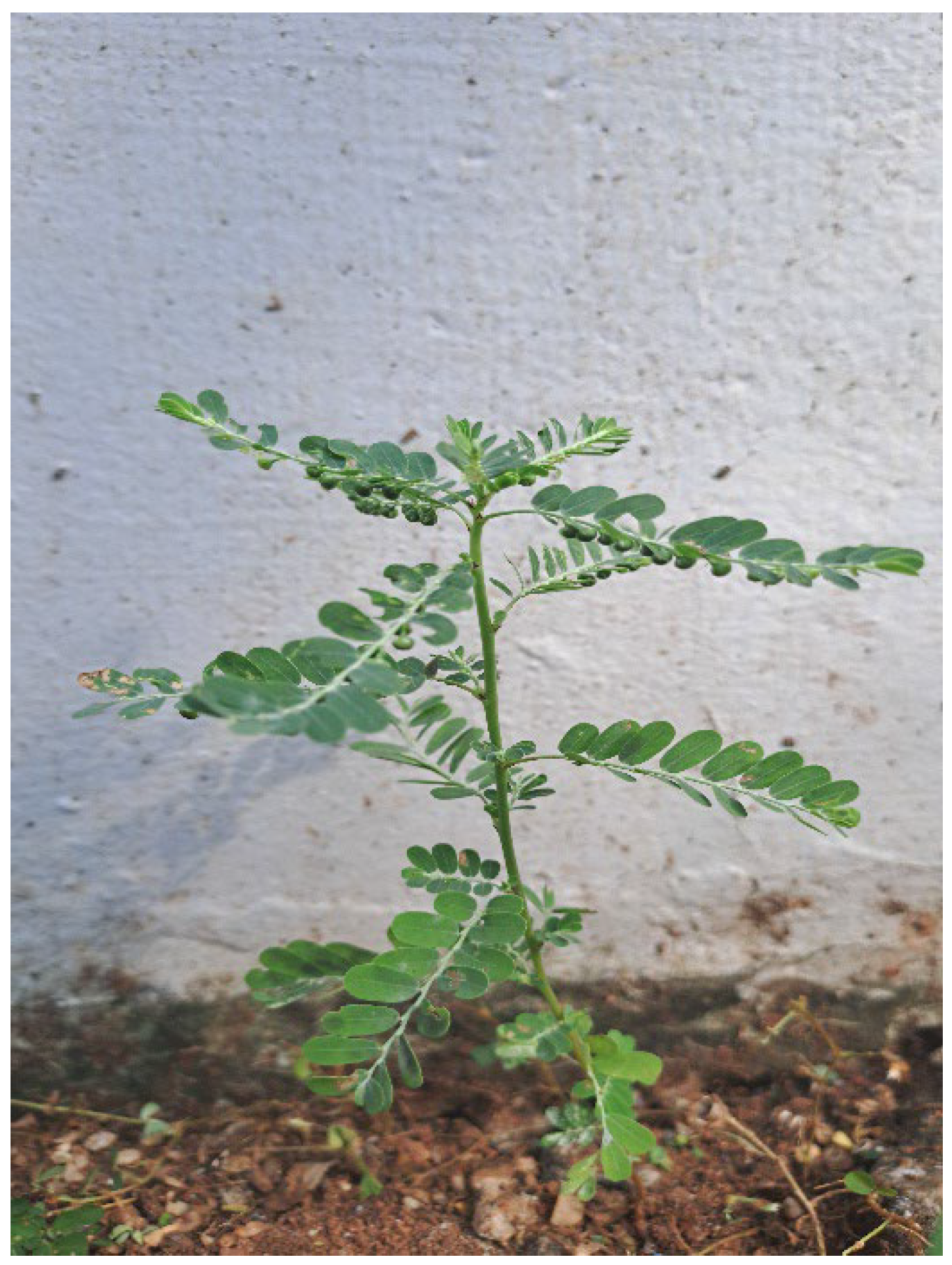
Figure 2.
Oxalis corniculata (Creeping Woodsorrel) photographed in Kerala, India (Photo taken by the author).
Figure 2.
Oxalis corniculata (Creeping Woodsorrel) photographed in Kerala, India (Photo taken by the author).
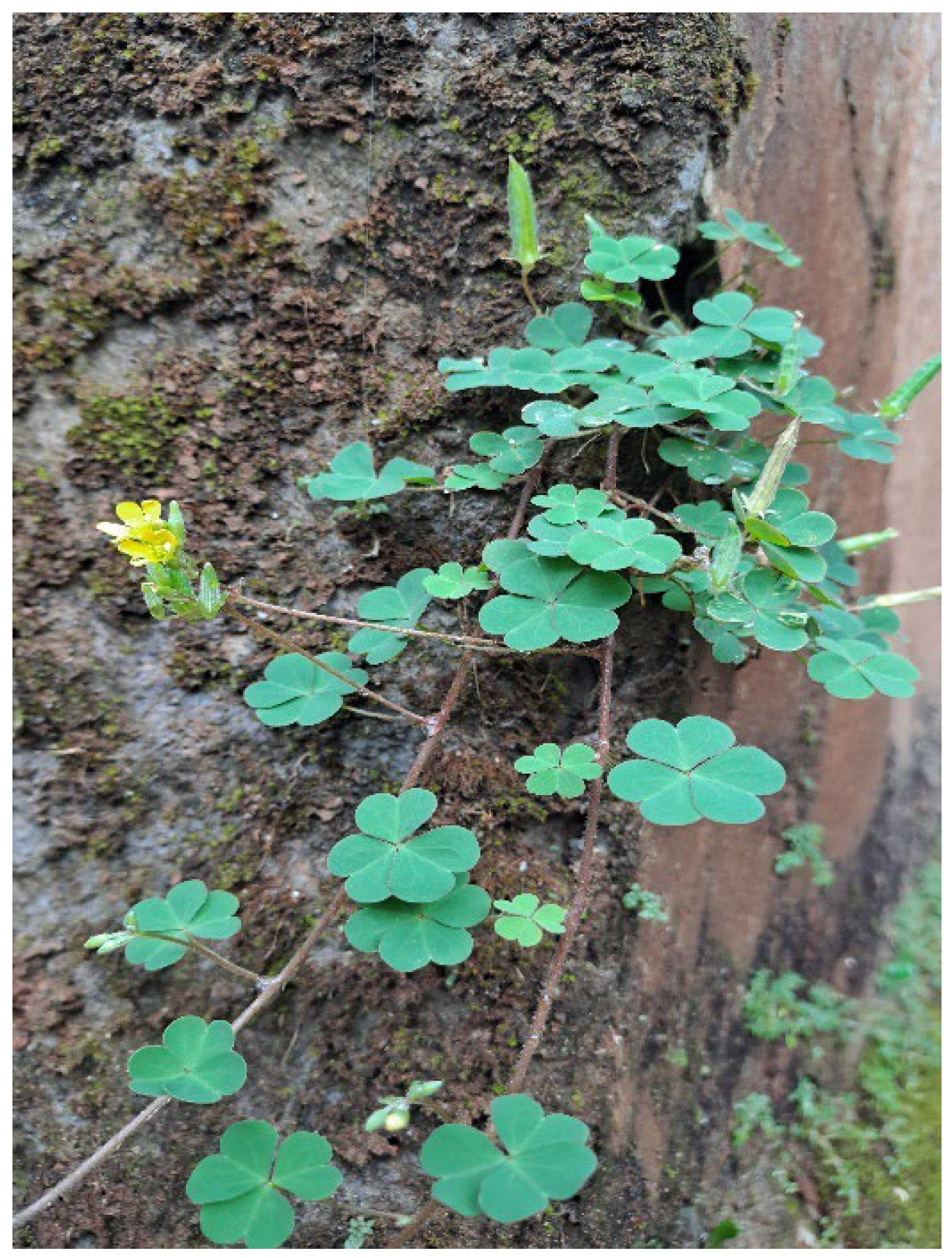
Figure 3.
Biophytum sensitivum (Little Tree Plant) photographed in Kerala, India (Photo taken by the author).
Figure 3.
Biophytum sensitivum (Little Tree Plant) photographed in Kerala, India (Photo taken by the author).
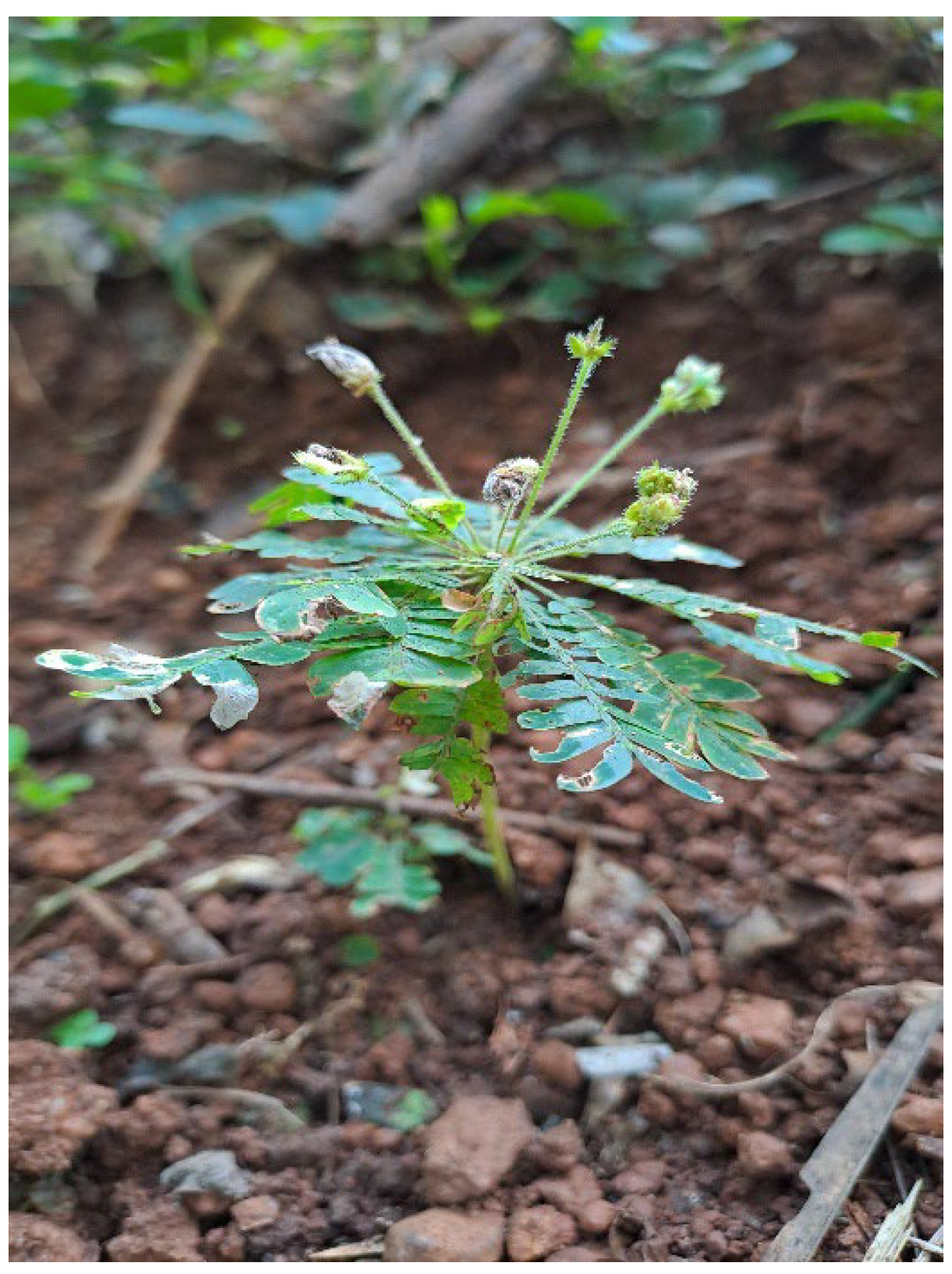
Figure 4.
Justicia adhatoda (Malabar Nut) photographed in Kerala, India (Photo taken by the author).
Figure 4.
Justicia adhatoda (Malabar Nut) photographed in Kerala, India (Photo taken by the author).

Figure 5.
Euphorbia hirta (Asthma Plant) photographed in Kerala, India (Photo taken by the author).
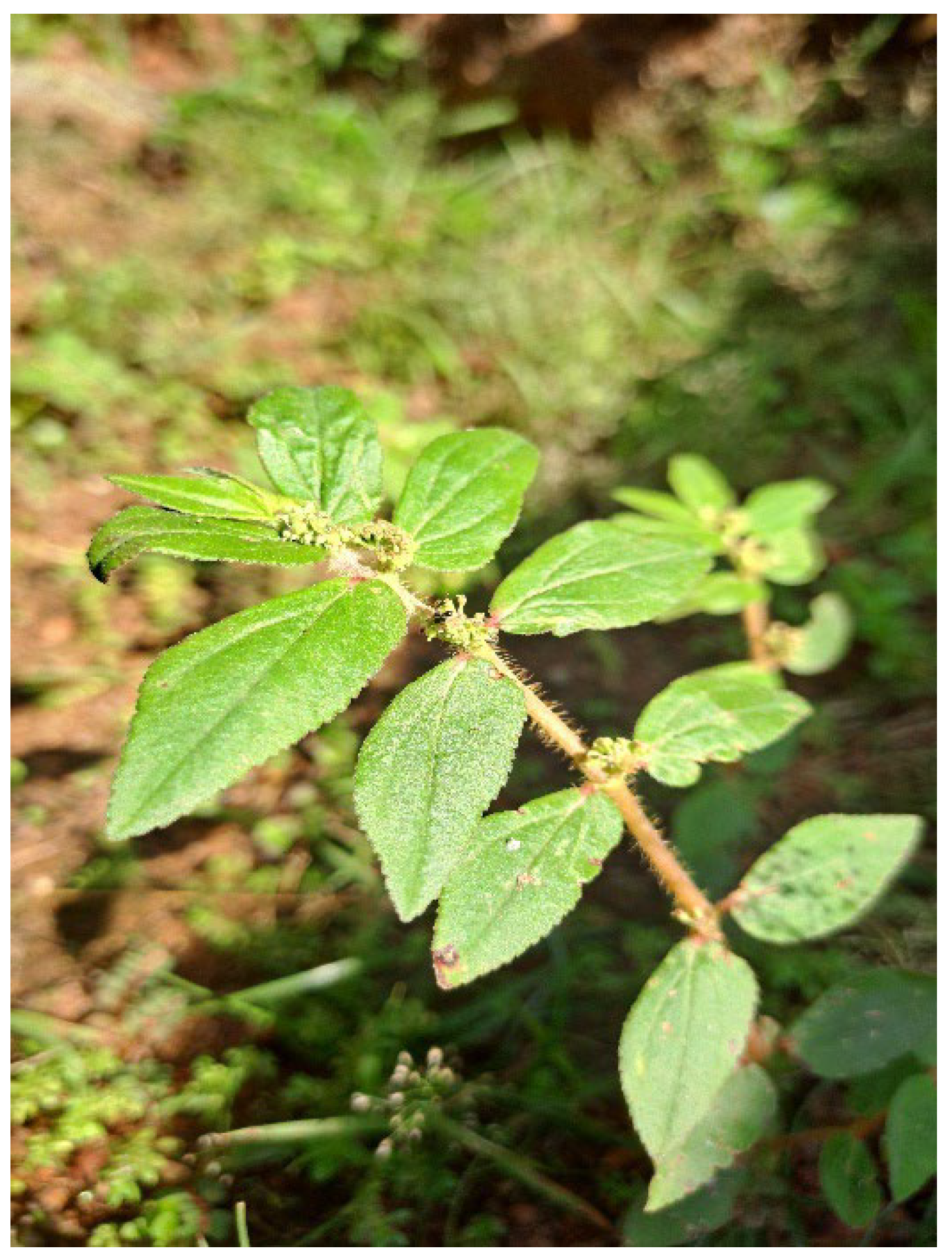
Figure 6.
Phyllanthus emblica (Indian Gooseberry) photographed in Kerala, India (Photo taken by the author).
Figure 6.
Phyllanthus emblica (Indian Gooseberry) photographed in Kerala, India (Photo taken by the author).
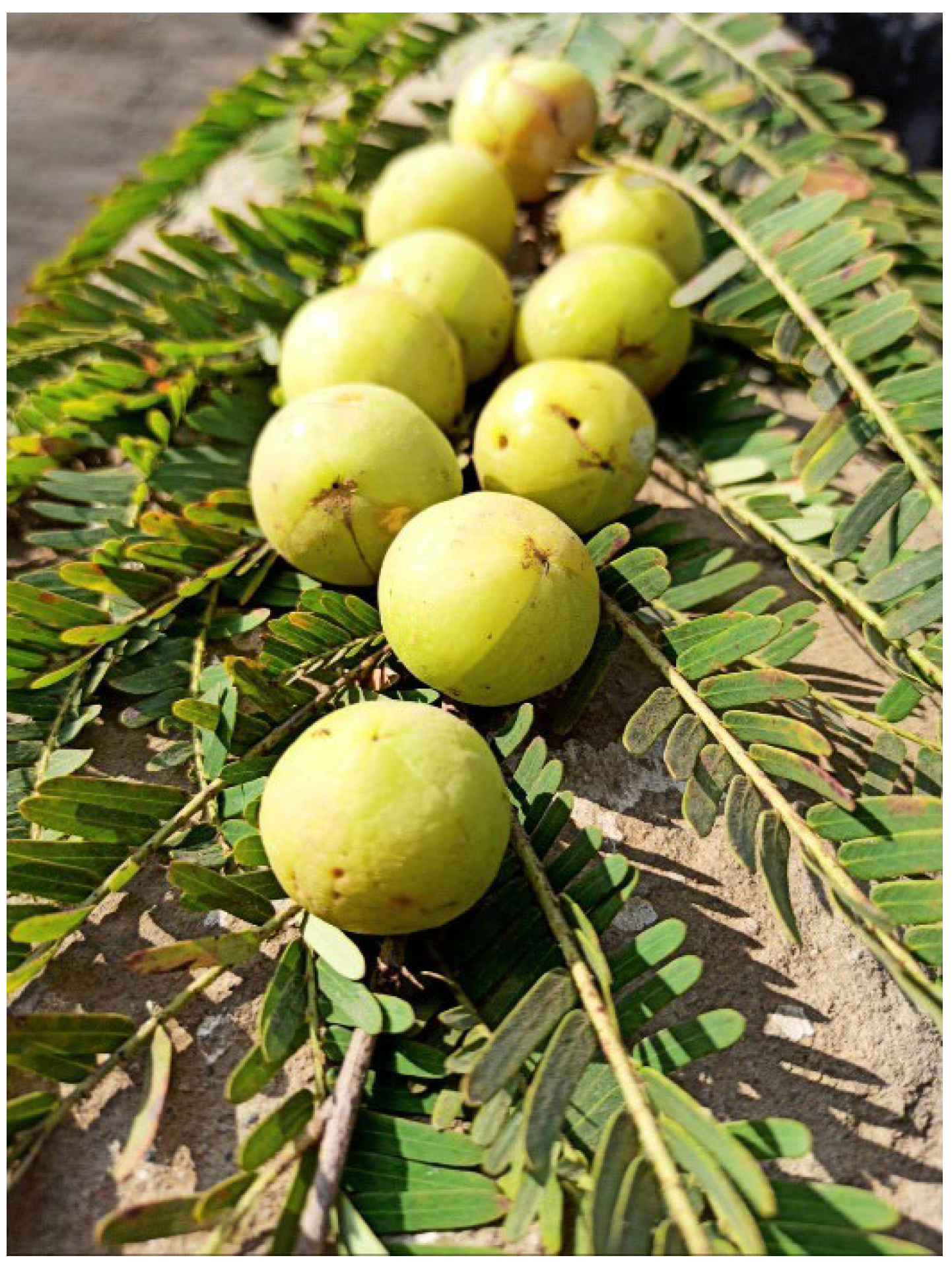
Figure 7.
Azadirachta indica (Neem) photographed in Kerala, India (Photo taken by the author).
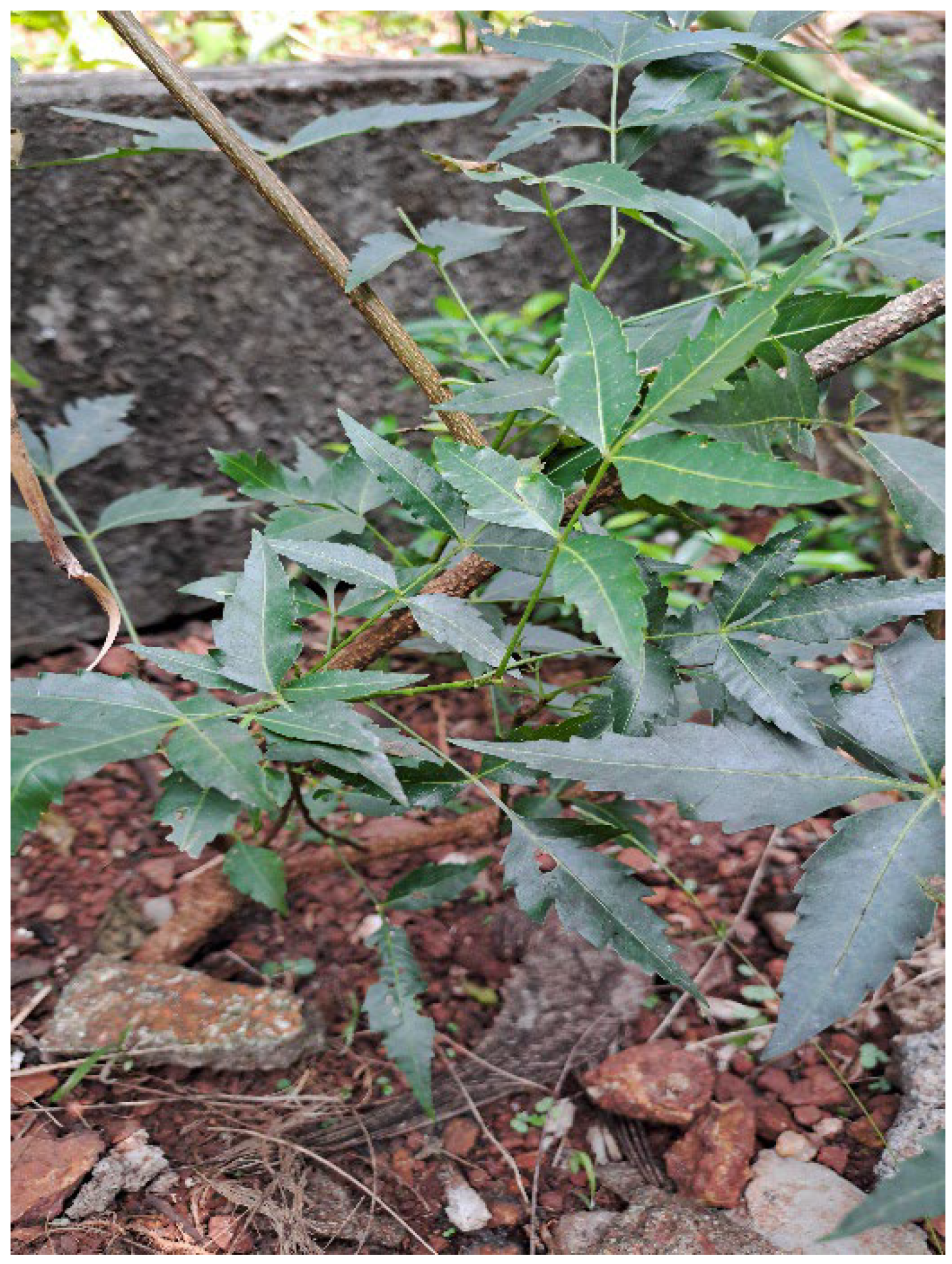
Figure 8.
Plectranthus amboinicus (Indian Borage) photographed in Kerala, India (Photo taken by the author).
Figure 8.
Plectranthus amboinicus (Indian Borage) photographed in Kerala, India (Photo taken by the author).
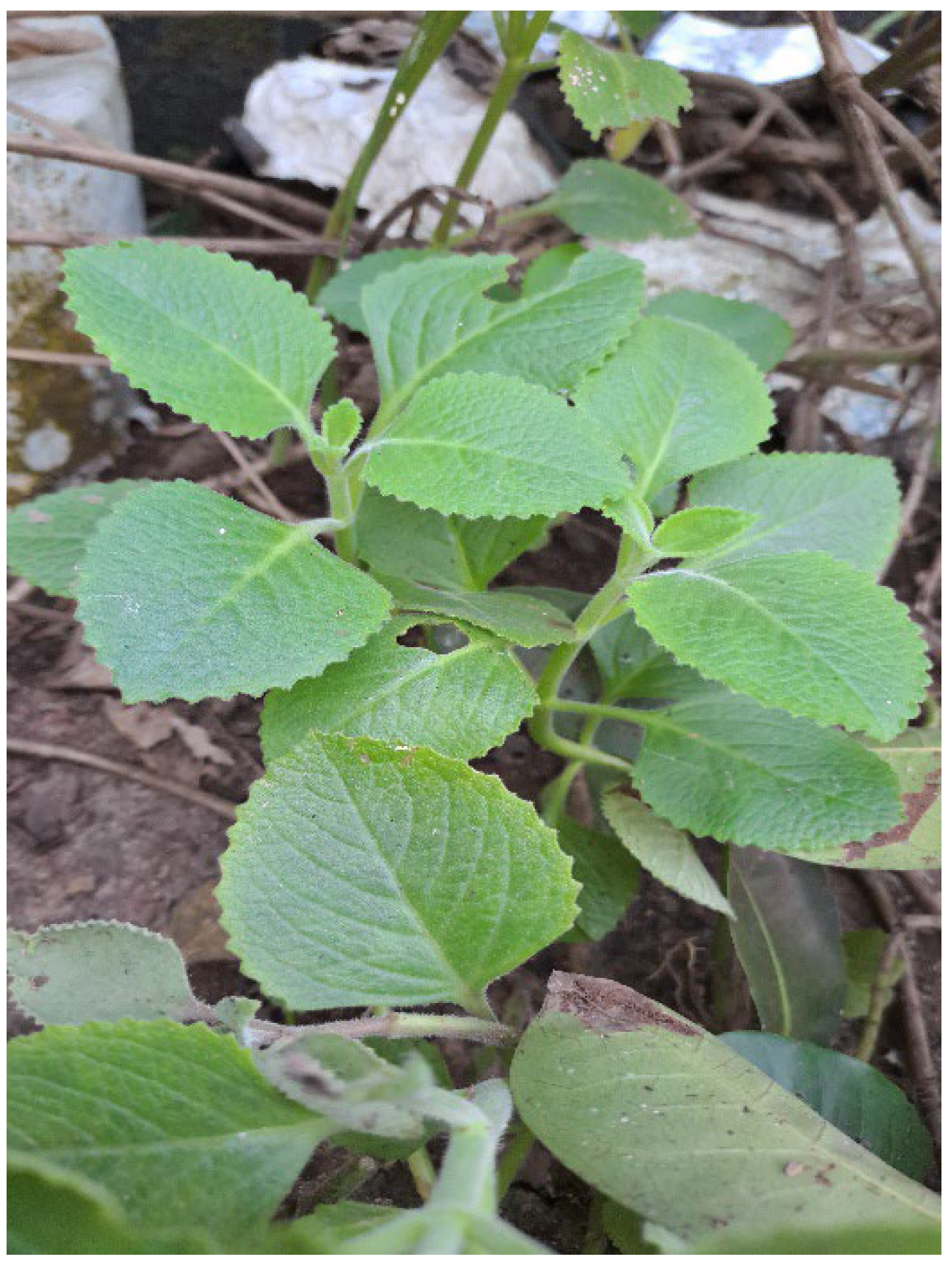
Figure 9.
Murraya koenigii (Curry Leaf) photographed in Kerala, India (Photo taken by the author).
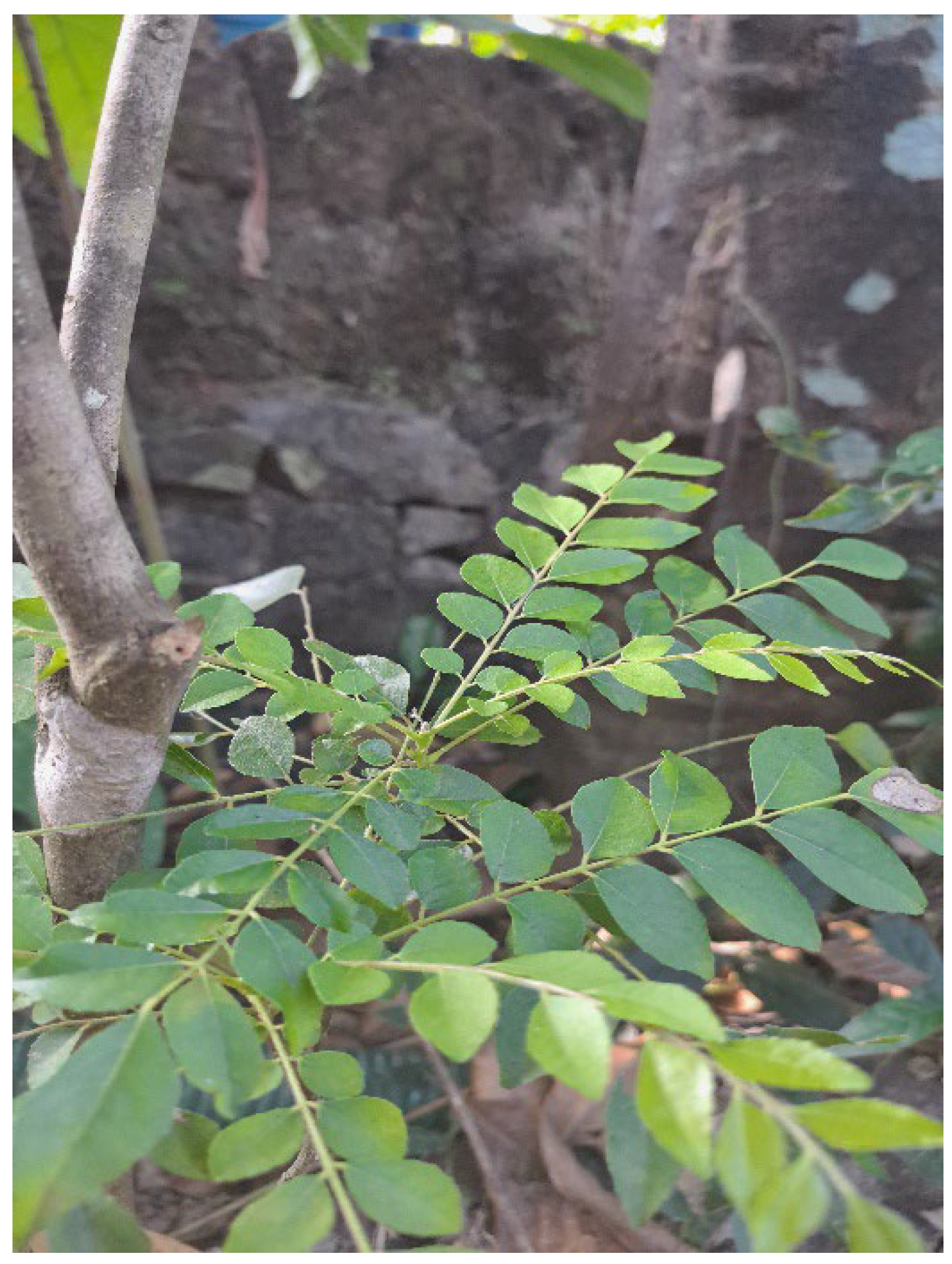
Figure 10.
Curculigo orchioides (Black Musli) photographed in Kerala, India. It has been categorized as an endangered herb by The International Union for Conservation of Nature (IUCN) (Photo taken by the author).
Figure 10.
Curculigo orchioides (Black Musli) photographed in Kerala, India. It has been categorized as an endangered herb by The International Union for Conservation of Nature (IUCN) (Photo taken by the author).
Disclaimer/Publisher’s Note: The statements, opinions and data contained in all publications are solely those of the individual author(s) and contributor(s) and not of MDPI and/or the editor(s). MDPI and/or the editor(s) disclaim responsibility for any injury to people or property resulting from any ideas, methods, instructions or products referred to in the content. |
© 2025 by the authors. Licensee MDPI, Basel, Switzerland. This article is an open access article distributed under the terms and conditions of the Creative Commons Attribution (CC BY) license (http://creativecommons.org/licenses/by/4.0/).
Copyright: This open access article is published under a Creative Commons CC BY 4.0 license, which permit the free download, distribution, and reuse, provided that the author and preprint are cited in any reuse.


