
Preprint
Review

This version is not peer-reviewed.

African Swine Fever Epidemic in Vietnam: A Scoping Review

A peer-reviewed article of this preprint also exists.

Submitted:

02 February 2025

Posted:

03 February 2025

You are already at the latest version

Abstract

African swine fever (ASF) has had a devastating impact on Vietnam’s swine industry since its emergence in 2019, leading to the culling of six million pigs. This paper aimed to review the epidemiological dynamics of ASF in Vietnam and measures applied to control the disease. ASF progressed through an initial epidemic phase (2019-2020) and has transitioned into a more endemic phase (2021-2024). The disease spread rapidly during the epidemic phase, driven by human-mediated transmission routes and inadequate biosecurity practices, particularly on smallholder farms. To control ASF, the Vietnamese government endorsed a national control plan including biosecurity enhancements, disease surveillance, establishing ASF-free compartments, developing ASF vaccines, and strengthening the capacity of veterinary services. While these measures have helped reduce the number of outbreaks, challenges persist, including the emergence of recombinant ASF strains, limited vaccine adoption, and gaps in veterinary infrastructure. ASF has substantially changed Vietnam’s swine industry, shifting toward reducing small-scale household farming and increasing professional households and large-scale farms. As ASF has transitioned into an endemic phase, sustainable strategies focusing on continuous monitoring, improved vaccination coverage, and education programs are essential to mitigate its impacts and ensure the resilience of Vietnam’s swine industry.

Keywords: 
;  ;  ;  ;  ;  ;  

1. Introduction

The African swine fever virus (ASFV) is part of the Asfivirus genus within the Asfarviridae family. It carries a double-stranded DNA genome ranging from 170 to 193 kilobases in length. ASFV has been characterized into 24 distinct genotypes, all of which are endemic to Africa [1] with only genotypes I and II having caused outbreaks outside of Africa [2,3,4]. Swine species within the Suidae family, including both domestic and wild pigs, are susceptible to ASFV. The virus is transmitted through direct contact with infected pigs and, indirect contact such as via consumption of contaminated feed or exposure to contaminated fomites [5,6]. Both long and short distance transmission of ASFV have been mediated by human activities, particularly the movement of infected pigs and feeding infected pork products in swill or garbage feeding, as the virus can survive for long periods in pork products [7]. Additionally, Ornithodoros ticks serve as natural reservoirs for ASFV and can transmit the virus to pigs through blood-feeding [7,8]. ASFV causes a hemorrhagic syndrome in affected swine with mortality rates that can reach up to 100%, depending on factors such as the host, virus dose, and transmission routes [9]. ASFV does not infect humans or other animal species [10]. The disease is reportable to the World Organisation for Animal Health (WOAH, founded as the OIE) and can have significant economic impacts on affected countries, disrupting international pig and pork trade and reducing pig production in affected areas. Consequently, ASF poses a serious threat to the global swine industry [11].
In recent years, ASF has had a global expansion outside of Africa. In 2007, it spread to Eastern Europe, starting in the Caucasus region of Georgia. From there, the virus gradually expanded to neighboring countries, including Armenia, Azerbaijan, Russia, and Belarus, impacting both domestic pigs and wild boars. In 2014, the first outbreak of ASF was reported within the European Union (EU), and since then, numerous EU countries have experienced outbreaks [12]. In 2018, ASF was detected in China [13,14], and since then it quickly spread to many countries in Asia and the Pacific, including Mongolia, Vietnam, Cambodia, Democratic People’s Republic of Korea, Lao People’s Democratic Republic, Myanmar, The Philippines, Republic of Korea, Timor-Leste, Indonesia, Papua New Guinea, India, Malaysia, Bhutan, Thailand, Nepal, Singapore, Bangladesh and Sri Lanka [15]. Additionally, in July 2021, ASF reemerged in the Americas after nearly 40 years, first being detected in the Dominican Republic and subsequently in neighboring Haiti [12].
On February 19, 2019, the first outbreak of ASF in Vietnam was detected on a backyard pig farm in Trung Nghia commune, Hung Yen city of the northern province of Hung Yen. In Vietnam, an outbreak is defined as a commune where at least one pig is confirmed as infected with ASF virus by laboratory testing (RT-PCR) [16], hence, in this paper outbreaks means commune-level outbreaks. As reported by Vietnam Department of Animal Health (DAH), by December 2019 (less than one year since the first report) ASF had impacted 8,553 out of 10,614 communes across 667 of 705 districts in all 63 provinces. Nearly 6 million pigs died or were culled, representing approximately 9% of the total pig population in the country. However, after 2019 the shift in ASF’s epidemiological status to endemic has become increasingly evident since its initial outbreak [17]. In addition, recently recombinant ASFV genotype I and II (rASFV I/II) were detected in Vietnam, which could complicate ongoing mitigation measures in the country [18]. This shift and new recombinant strains of ASFV raises serious concerns about the challenges of managing endemic ASF and the future of Vietnam’s pig industry. This paper aims to review the epidemiological situation of ASF in Vietnam over the past five years, focusing on its transition from an epidemic to an endemic phase, and the mitigation measures implemented during this period.

2. Materials and Methods

2.1. Literature Source and Search Strategy

We searched three academic databases, PubMed, CAB Abstracts, and Agricola, using broad key search terms: “African swine fever” OR “ASF” AND “Vietnam”. We also used reports and grey literature available from the Ministry of Agriculture and Rural Development (MARD), Department of Animal Health (DAH), Department of Livestock and Production (DLP), AgroMonitor, Food and Agriculture Organisation of the United Nations (FAO), and WOAH.

2.2. Inclusion and Exclusion Criteria

Papers were included in the screening process if they were conducted on ASF outbreaks in Vietnam, focusing on epidemiological studies (risk factors, transmission dynamics and epidemiological factors affecting disease spread), mitigation strategies implemented in Vietnam to deal with ASF outbreaks, including ASF vaccines development and use, and written in English and Vietnamese. Studies were excluded if they are not performed in Vietnam and not related to the focus of this review as mentioned above.
In total, 305 records from PubMed (132), Agricola (48), and CAB Abstracts (125) were identified. First, 132 duplicates between databases were removed. Then, titles and abstracts of records were reviewed, of which 107 papers were removed due to not being relevant or because full text were not available. An additional 34 papers were removed for being not relevant after full text were reviewed. In total, after screening, 32 papers in relevant fields were reviewed. Grey literature includes conference presentations/reports (7), laws (1), resolutions (2), decrees (3), decisions (2), and official letters (3).

3. Overview of the Epidemiological Situation of ASF in Vietnam

3.1. Initial Introduction and Epidemic Situation (February 2019-December 2020)
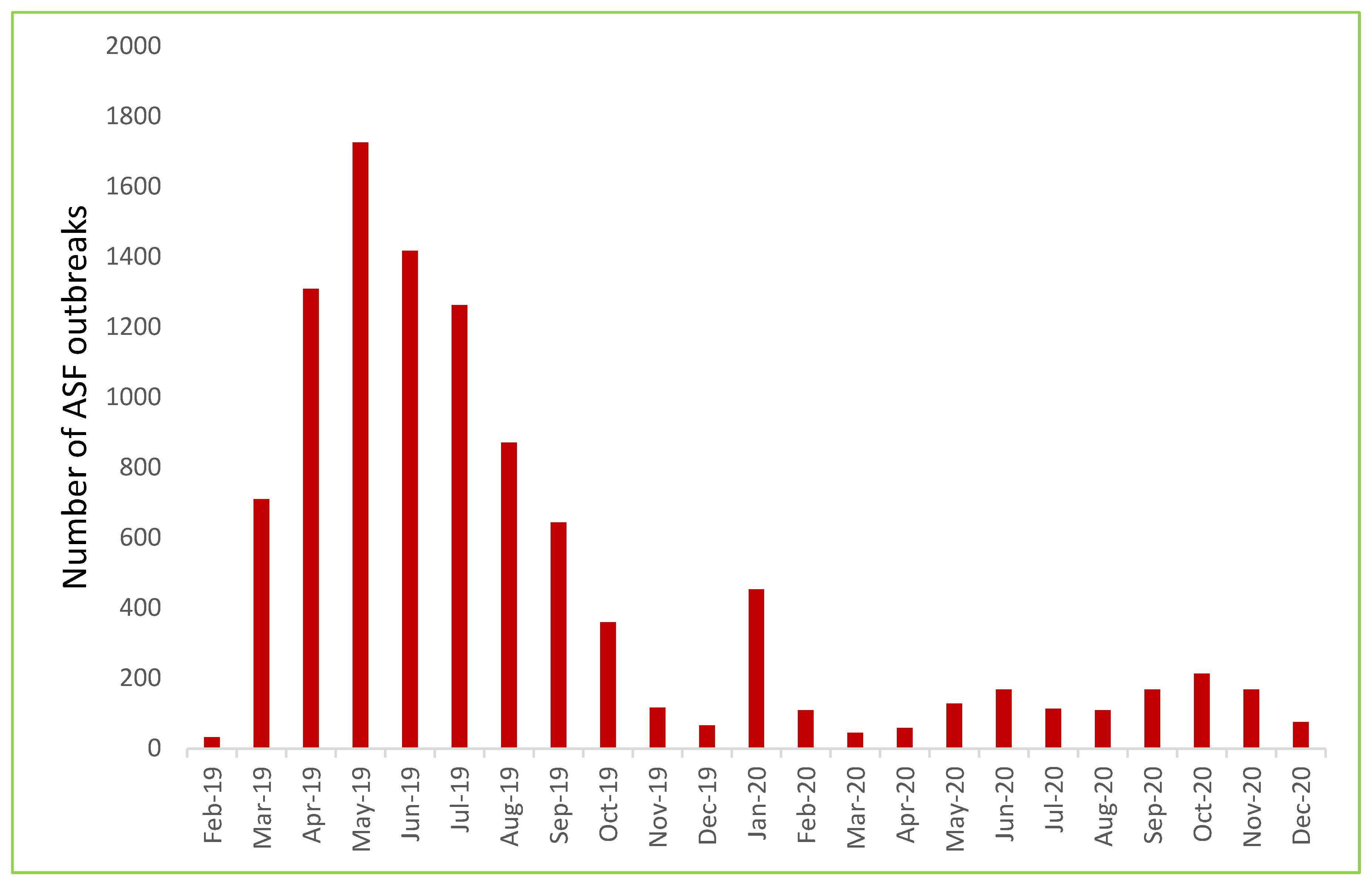
Following the detection of ASF in China in early August 2018, the MARD issued an Emergency Action Plan to respond to ASF (Decision No. 4527/QĐ-BNN-TY dated 15 November 2018). Its objectives included preventing the disease from entering Vietnam, strict monitoring, early detection, and effective containment measures to minimize economic, social, and environmental impacts, if ASF were detected. The plan outlined two scenarios: (1) preemptive measures before ASF entered Vietnam and (2) response protocols upon its detection. The plan emphasized interagency cooperation, resource allocation, public awareness, and compliance with national and international regulations to manage and mitigate ASF risks effectively. Simultaneously, MARD organized a simulation for these scenarios in Lao Cai province, which shares a border with China.
Despite the proactive response from the Vietnamese government to prevent the incursion of the disease, on February 19, 2019, Vietnam confirmed its first ASF case at a backyard pig farm in Hung Yen province, located in the northern region of the country. The clinical signs and lesions observed in the affected pigs were consistent with those reported in prior ASF outbreaks in China and Georgia [19,20]. Simultaneously, ASF outbreaks were reported in five additional northern provinces. By March 2019, 17 provinces in the northern and north-central regions had recorded numerous ASFV-infected farms. By April 2019, Dong Nai province, known as the pig farming capital of southern Vietnam, along with four other provinces, also reported ASF cases. The ASF epidemic in Vietnam reached its peak swiftly in May 2019, with over 24 provinces reporting cases. Ninh Thuan, the province with the country’s smallest pig herd, was the last to report ASF outbreaks in August 2019. ASFV led to high infection and mortality rates among domestic pigs, with the virus spreading rapidly across multiple outbreaks in both open-access (where pigs are exposed to outdoor conditions) and confinement (where pigs are isolated from external environments) farm systems [10]. By December 2019, ASF had impacted 8,553 out of 10,614 communes across 667 of 705 districts in all 63 provinces. Its initial spread in 2019 was characterized by a northeast to southeast trajectory beginning in Thai Binh province and concluding in Ninh Thuan province [21,22,23]. In 2020, there was a sharp reduction to 1,569 outbreaks in 50/63 provinces. Throughout 2020, ASF exhibited more random outbreak patterns and less directional spread. High-risk spatiotemporal clusters were predominantly concentrated in the northern provinces [23].
Figure 1. The number of African swine fever outbreaks in Vietnam by month from February 2019 to December 2020 (Source: DAH, 2024).
Preprints 148039 g001
During the initial phase of the ASF epidemic, nearly 6 million pigs died or were culled. This represented approximately a 25% decrease in the total pig population by December 2019 compared to 2018 [24], with an estimated economic cost exceeding 13,232 billion Vietnam Dong (equivalent to US$ 573 million) [16]. Poor biosecurity in smallholder farms (which account for 70% of pig production in Vietnam) was the main contributing factor to the rapid spread across the country over a short period, resulting in huge economic losses for the pig industry [25]. The acute form of the disease was observed during the first outbreak of ASF in Vietnam in 2019 with high mortality and case fatality rates [26]. Genetic studies have shown that ASFV strains circulating in Vietnam from 2019 to 2020 were of genotype II, displaying complete genetic similarity with Chinese ASFV strains. This similarity suggests that the virus may have entered Vietnam from China through the uncontrolled cross-border trade of live pigs and pork [20,21,27,28,29,30].

3.2. The Second Phase of the Outbreak: From Epidemic to Endemic Stage (January 2021 to December 2023)

From 2021-2023, the ASF outbreaks in Vietnam lacked any clear spatial pattern, though they remained concentrated in the northern provinces [23]. The number of outbreaks increased substantially in 2021, almost double compared to 2020 (1,569 outbreaks), with 3,029 outbreaks reported in 59/63 provinces. This later decreased to 1,229 in 53/63 provinces and 952 in 46/63 provinces outbreaks in 2022 and 2023, respectively. Spatiotemporal analysis identified significant clusters in January-April 2021 in four central provinces, and in February 2022 in the southern provinces, marking a shift in the epicenter of outbreaks. These patterns reflect the evolving dynamics of ASF transmission after its initial introduction, transitioning from the more directed spread observed in earlier phases to a more widespread and less predictable pattern and a more endemic state [17].

3.3. Current Situation of ASF in Vietnam (2024)

Over the past five years, there has been a generally declining trend in the number of ASF outbreaks reported in the country (Table 1). From January 1, 204 to December 18, 2024, 1,590 ASF outbreaks have been reported in 48 provinces. Of these, 1,539 were reported as resolved (passed 21 days from the onset), and 51 outbreaks in 19 provinces are reported as ongoing/active outbreaks (within 21 days from the last culling) [31]. Both resolved and ongoing outbreaks were distributed across the country. Northern Vietnam, particularly in the Red River Delta region, showed a high concentration of resolved outbreaks, reflecting effective but temporary containment measures, as recurring active cases remain a concern. In contrast, the Mekong Delta in southern Vietnam has been as a significant hotspot, with numerous ongoing outbreaks indicating difficulties in controlling ASF in dense pig farming regions. Central Vietnam has exhibited fewer overall outbreaks, but sporadic active cases have still been detected.
Sequencing data from DAH showed that 60% of the ASF strains collected from northern provinces in 2024 carry both the B646L (p72) and E183 (p54) genes belonging to genotype II. The remaining 40% have the B646L (p72) gene belonging to genotype I and the E183L (p54) gene belonging to genotype II. These recombinant ASF strains in Vietnam are 100% identical to the recombinant strains that emerged in China in 2021-2022, Mongolia in 2022, and Cameroon in 2023 [32].

4. Transmission Dynamics and Epidemiological Factors Affecting Disease Spread

Studies have indicated that ASF transmission in Vietnam is primarily driven by human-mediated factors. These have included swill feeding, human/vehicle movements, and poor disinfection practices, accounting for 70-80% of farm-to-farm spread [21,25]. Significant associations were also identified between ASF outbreaks and various farm management practices and social factors, including production type, adherence to all-in-all-out policies, the use of insect nets, transport trucks from slaughterhouses, and water sourced directly from irrigation systems [33]. Risk factors also include the presence of workers, the absence of dressing rooms, wearing work clothes outside the farm, manure application practices, use of human food for pigs, and failure to quarantine visitors for 24 hours prior to farm entry [33]. In addition, the distances from the affected farm to another farm within 500 meters, proximity to irrigation systems within 200 meters, poor hygienic practices by individuals within the farm, and inadequate hygiene at pig loading and unloading locations were identified as risk factors for ASF outbreaks [33]. Moreover, the farms located closer to main roads (< 1,000 m) and at lower elevations (< 500 m) had dramatically higher risks for ASF outbreaks [34].
The level of biosecurity application has been shown to be strongly influenced by farmers’ knowledge, attitudes, and prior experience in managing diseases [35]. Farmers with greater awareness and positive attitudes toward biosecurity measures, as well as those with previous experience in disease outbreaks, were more likely to implement effective biosecurity practices on their farms. Additionally, farms operated by individuals with over 10 years of pig-raising experience were 2.83 times more likely to experience an ASF outbreak compared to those with 5 to 10 years of experience while farms where veterinary care was managed by farmers or agro-vet drug store employees faced significantly higher risks, with 5.33 and 5.70 times greater odds of ASF outbreaks, respectively, compared to farms under the care of professional veterinarians [33].
Animal density and management practices were shown to further influence ASF spread in Vietnam. Barns located less than 10 meters from the living quarters were associated with an 11.14-fold increase in the odds of an ASF outbreak compared to barns situated more than 50 meters away. Among communes positive for ASF in Can Tho province (known as a swine production hub in the Mekong Delta), the within-commune farm-level incidence risk varied widely, ranging from 4.95-100%, with an incidence of 46 ASF-positive farms for every 100 farms at risk [36]. Delays in culling exacerbate infections, as shown by models where culling at 6-16 weeks reduced median infected farms by up to 100% [25].
Several studies have also shown regional and farm-scale variability of ASF transmission dynamics. A study across Hung Yen, Ninh Binh, and Ha Nam provinces estimated the basic reproduction number (R0) using three methods: Exponential Growth (EG), Maximum Likelihood (ML), and Attack Rate (AR). R0 values ranged from 1.01-2.32, with smaller farms (100-299 pigs) exhibiting higher R0 values and earlier infection peaks (days 30-60) compared to larger farms (300-999 pigs). ML-derived values, prioritized for worst-case scenarios, showed rapid spread on smaller farms, with transmission rates (β) ranging between 0.16 and 0.37 [37]. Another study showed R0 increases with infectious duration, peaking at 10.8 in Thai Binh province for a 30-day infectious period, while national-level estimates remained lower. Thai Binh and Hung Yen provinces consistently reported the highest R0 values [38]. On commercial farrow-to-finish farms, ASF transmission dynamics differed between sows and fattening pigs. R0 values for fattening pigs were significantly higher (3.8-4.76) compared to sows (1.55-1.78), thought to be driven by group housing and faster transmission rates [39]. An experiment consisting of 15 pigs (10 experimental and 5 negative control) showed that the R0 values for EG and ML were 2.916 and 4.015, respectively. In addition, the transmission rates (β) were estimated to be 0.729 for EG and 1.004 for ML [40]. Another study evaluated the recovery of 14 gilts acutely infected with ASFV, revealing that all convalescent animals developed long-lasting high serum antibody levels without persistent viremia and did not excrete the virus through nasal discharge post-recovery [41]. Furthermore, there was no evidence of carrier status or disease recurrence in the recovered pigs or their offspring following the acute ASF outbreak.

5. Impact of ASF on the Structure of Vietnam’s Swine Industry
The swine industry in Vietnam is a major component of the country’s agricultural sector, with pork being the primary meat produced and consumed, making up around 64% of total meat consumption [42]. In 2023, Vietnam was recognized as a prominent country in pig farming, ranking 5th in the world in terms of total pig population and 6th in pork production [43](MARD, 2024).
Livestock farming in Vietnam is categorized into farm-based livestock farming and household livestock farming (or backyard farming). The majority of farms are family backyard operations, typically raising 4 to 10 pigs each, and collectively contributing approximately 80% of the nation’s total pig production [44]. Farm-based livestock farming is classified into three main categories, including large-scale, medium-scale and small-scale farms (Animal Husbandry Law, 2018). Decree No. 13/2020/NĐ-CP (January 21, 2020) defined the scale of livestock farming as follows: household farming is under 10 livestock units (one livestock unit is equivalent to 500 kg live animals); small-scale farm livestock farming ranges from 10 to under 30 livestock units; medium-scale farm livestock farming ranges from 30 to under 300 livestock units; and large-scale farm livestock farming is 300 livestock units or more. The majority of commercial pig farms in Vietnam are mid-sized operations, generally housing several hundred to several thousand pigs. These farms are frequently managed independently by farmers or under contracts with private companies. Medium-sized farms mainly serve as suppliers and have strong connections with smaller farms, although it is rare for pigs from small farms to be moved to farms of different sizes within the local vicinity [21,39].
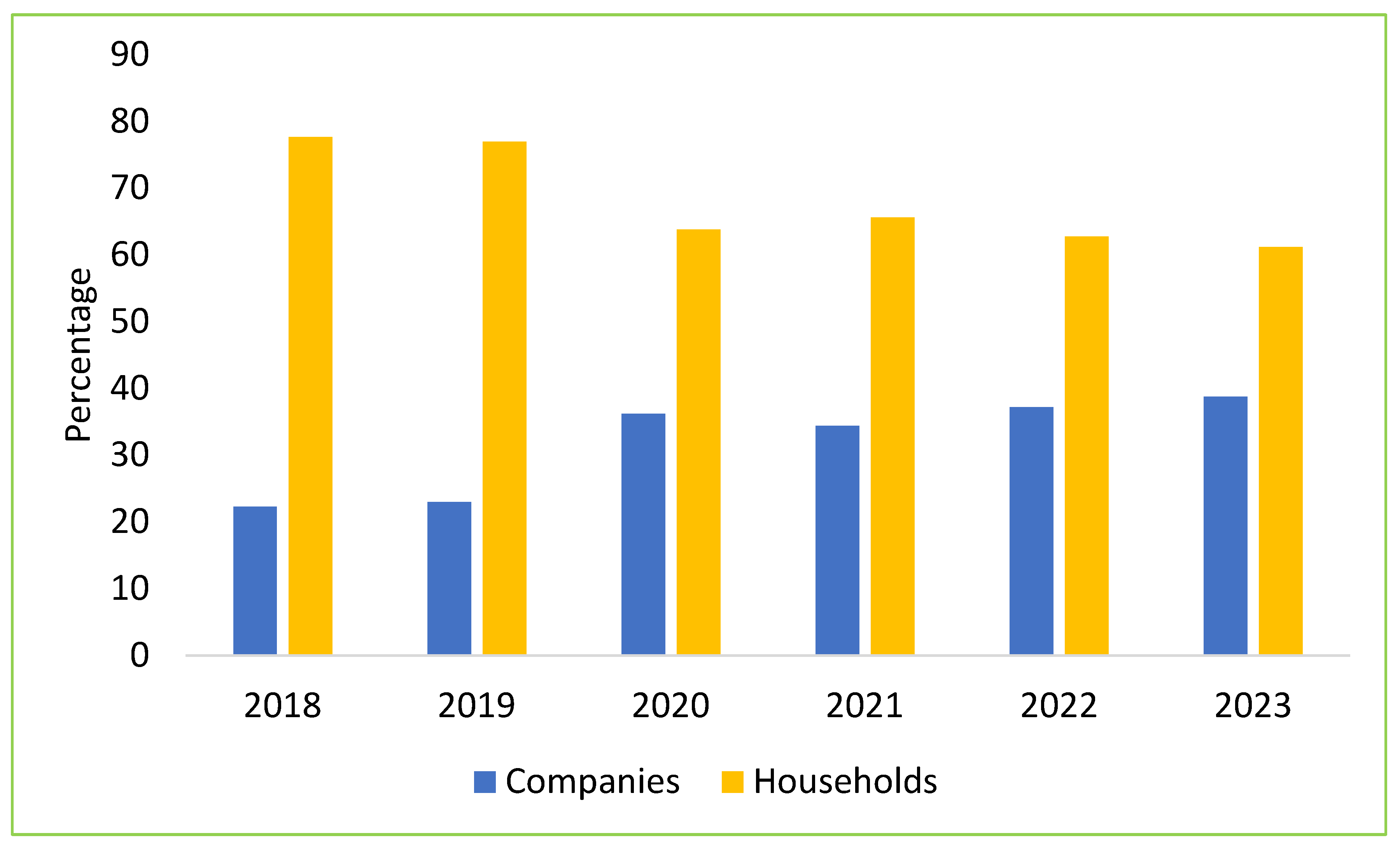
Over the past five years of the ASF outbreaks, livestock farming in Vietnam has significantly shifted toward reducing small-scale household farming and increasing professional households and large-scale farms, with a decrease of household farming by 5-7% per year. Specifically, from 2019 to 2022, small-scale household farms dropped by 15-20%. Currently, the output of pigs from small-scale household farms has decreased to 35-40%, while professional households and large-scale farms now account for 60-65% of pig production [43]. In 2023, the total live pig meat output nationwide reached over 4.8 million tons, an increase of 6.7% compared to 2022. Consequently, the industry is now largely driven by medium-to-large commercial farms, which are operated independently or under contracts with private companies. In 2023, the total number of sows nationwide in Vietnam reached over 3.12 million, accounting for approximately 12% of the total pig herd, with an increase of 3.3% compared to the same period in 2022 [43]; approximately 38.8% of the country’s sow herd was contributed by company-owned farms, with both foreign direct investment (FDI) and domestic firms responsible for around 62% of total pork production [42].
Figure 2. The structure of sow herd by scale in Vietnam from 2018 to 2023 (Source: AgroMonitor, 2024).
Preprints 148039 g002
The Vietnamese swine sector is currently experiencing recovery, with an annual growth rate of 6.3% in pig herds as efforts to rebuild following the impact of ASF continue [43]. The total pig population at the end of 2023 was more than 30 million head, equal to 2018 before the ASF epidemic [42]. The government’s role, combined with private sector investments, aims to strengthen biosecurity, improve production standards, and establish disease-resistant breeding practices to safeguard the industry against future outbreaks.

6. Strategies Implemented to Mitigate the Impacts of ASF

6.1. Initial Response to ASF

Following the first detection of ASF in February 2019, the Vietnamese government established the National Steering Committee on ASF prevention and control in March 2019. The committee issued guidelines for implementing ASF prevention measures and provided guidance on restocking pig herds for stakeholders and producers. Key initiatives included Resolution No. 16/NQ-CP (dated on March 7, 2019), Resolution No. 42/NQ-CP (dated on June 18, 2019), and Decision No. 793/QĐ-TTg (dated on June, 27, 2019), which outlined urgent solutions for ASF prevention and control with specified mechanisms and policies to support funding for disease prevention, including compensation for producers/farmers who were required to depopulate pigs due to ASF (based on Decree No. 02/2017/NĐ-CP dated on January 9, 2017) [45,46]. MARD also timely issued many official letters to regulate and adjust updated solutions aimed at containing the spread of the virus. Specifically, on 7 July 2019, the Prime Minister endorsed the “National Plan for Prevention and Control of African Swine Fever, Period 2020 to 2025” (Decision No. 972/QĐ-TTg), which highlighted 13 strategies for prevention and control of ASF. These included, enhanced biosecurity in pig farming, repopulation, surveillance for early detection of ASF, disposal of ASF infected or suspected pigs, control of pig and pig products movement, study of ASF epidemiological characteristics and ASF vaccines, cleaning and disinfection, pig slaughtering and consumption management, risk communication, and international collaboration. However, as more than 90% of outbreaks occurred in small and medium-sized farms with poor biosecurity practices, this was still a great challenge for the prevention and control of the ASF [23]. As a result, within 8-9 months, ASF outbreaks spread rapidly and were reported in all provinces [21].
In the absence of effective ASF vaccines, biosecurity measures have played a critical role in controlling the spread of the disease. Prompt removal of infected pigs and strict enforcement of movement controls have been essential strategies to prevent the virus from spreading within and between pig farms. However, small-scale pig farms in Vietnam often lack the resources required to implement and sustain effective biosecurity practices, leaving them particularly vulnerable to ASF outbreaks [35,47,48].
At the beginning of the ASF outbreak in Vietnam, rapid detection and complete depopulation of commercial pig farms were employed as an immediate control measure. By the end of 2019, over six million pigs were culled, accounting for more than 25% of the total pig population [49]. However, this approach, combined with the high mortality rate caused by ASF, resulted in the rapid depletion of the national swine population, placing a severe economic burden on pig farmers and disrupting the pork supply chain. In response to these challenges, in July 2019, the MARD amended the ASF control policy to include the possibility of partial and selective culling (also known as spot elimination/removal, “tooth extraction”) which involves the rapid detection and removal of only ASF-infected animals while preserving healthy animals in the herd (official letter No. 5169/BNN-TY, MARD, 2019;). This was done with the intent to save resources, reduce the environmental impact of mass carcass disposal, and allow farmers to protect valuable assets, especially valuable breeding pigs [50]. The main differences between these culling approaches are depicted in Figure 3. The success of the spot elimination method in the field has varied depending on several critical factors, including the contagiousness of the ASF virus strain, the availability of strong veterinary infrastructure, accessible and accurate veterinary diagnostics [50], and the implementation of high biosecurity practices on farms. Additionally, the epidemiological situation of the disease within the affected region has significantly influenced the method’s effectiveness. Spot elimination has proven to be a more resource-efficient strategy compared to total depopulation, but its success is contingent on timely detection, robust management, and the farm’s capacity to prevent further spread of the virus [39]. An analysis of the updated control policy revealed that partial culling could, if conducted successfully, could save on average over 50% of total stock with only an 8-day prolongation in the implementation of control measures. Furthermore, 58% of farms undergoing partial culling scored highly on a time-livelihoods matrix, demonstrating its effectiveness in protecting livelihoods. In contrast, total stamping out did not yield any significant benefits for farmer livelihoods [51].

6.2. Ongoing Management of ASF

On 7 July 2020, the Vietnamese government endorsed the “National Plan for Prevention and Control of African Swine Fever, Period 2020 to 2025”. This plan outlined overall goal is to proactively monitor for early detection, warning, and timely and effective application of measures to prevent and control of ASF, ensuring to apply biosecurity and disease-free measures in livestock production to minimize economic losses, reducing adverse impacts of the pork price on consumer price index (CPI), environment and trading activities of animals and animal products of Vietnam.
The plan emphasizes a multifaceted approach to tackle ASF. Key solutions include enhancing biosecurity in pig production through isolation, disinfection, and the regulation of feed sources; implementing active and passive disease surveillance to detect and respond promptly to outbreaks; and establishing ASF-free farms and production chains to ensure biosecure environments for domestic and export needs. The Plan also focuses on upgrading diagnostic and research facilities, developing ASF vaccines, and strengthening the capacity of veterinary systems. Measures to manage pig movement, slaughter, and disposal aim to prevent disease spread, while cleaning and disinfection campaigns target high-risk areas. Public awareness campaigns, international cooperation, and financial mechanisms further support the effective implementation of ASF control strategies. This is the core legislation basis for the localities to develop their own ASF prevention and control strategies based on specific conditions in each province/city to mobilize necessary resources to deal with ASF outbreaks.
Additionally, while numerous reporting mechanisms exist, electronic real-time reporting platforms offer the fastest solution. In Vietnam, especially following the occurrence of ASF, the DAH has prioritized the development of the Vietnam Animal Health Information System (VAHIS). This flatform has been used widely in all 63 provinces, completely replaced the paper reports or reporting in excel files via emails and it played crucial role for policy makers like DAH to timely propose or introduce mitigation measures based on actual situations or by areas/provinces.

6.3. Vaccine Development and Use in Vietnam

Efforts to develop ASF vaccines in Vietnam have been driven by collaborations between the MARD/DAH, the US. Department of Agriculture (USDA)/Agricultural Research Service (ARS), and domestic vaccine manufacturers (NAVETCO, AVAC, and DABACO) since 2020. The vaccine candidates leverage attenuated strains of the ASF virus derived from the highly virulent Georgia strain, with genetic modifications designed to improve safety and efficacy [52]. The first vaccine candidate, NAVETCO (NAVET-ASFVAC), is based on the ASFV-G-ΔI177L strain. This strain is grown on Peripheral Blood Mononuclear Cells (PBMC) and recommended for pigs 8 weeks of age. AVAC’s vaccine, AVAC ASF Live, utilizes the ASFV-G-ΔMGF strain, which includes deletions in multigene families MGF360 and MGF505, and is propagated on Diep’s Macrophage Cells (DMAC). This vaccine is suitable for pigs as young as 4 weeks. Lastly, the DABACO developed DACOVAC ASF2, which features the ASFV-G-ΔI177L/ΔLVR strain with deletions in the I177L gene and the Left Variable Region containing nine genes. This candidate uses Plum Island Porcine Epithelial Cells (PIPEC) and also intended for pigs from 4 weeks of age [53].
The evaluation of ASF vaccine candidates in Vietnam followed national standards for ASF vaccine testing to evaluate their quality, safety, and efficacy. Laboratory testing began with purity and sterility assessments, where real-time PCR and biochemical tests confirmed that all vaccine batches were free from contamination by other pathogens or microbes. Safety testing was conducted by injecting experimental pigs, sourced from disease-free herds, with a 10X dose of the vaccine to observe potential adverse reactions. The trials showed no abnormalities or side effects. Potency testing measured antibody production 28 days post-vaccination using ELISA tests targeting the major capsid protein p72. Vaccinated pigs were also challenged with a virulent ASFV, and results showed significantly higher survival rates in vaccinated groups compared to the controls [53,54,55].
Field trials were then conducted for further validation of the vaccines. Small-scale trials conducted at farms in the northern and southern regions of Vietnam showed no adverse effects even at 10X doses and demonstrated 100% survival rates in vaccinated pigs. The efficacy trials confirmed antibody production in nearly all vaccinated pigs, with groups showing survival rates of 100% when challenged with the ASFV strain, compared to no survivors in the control groups. These small-scale successes were followed by large-scale field trials involving over 650,000 vaccine doses administered across 40 provinces under regulatory supervision [53,54,55]. Approximately 95% of vaccinated pigs produced antibodies, as detected by serology. Mild side effects, such as low fever and reduced appetite, were observed. No evidence of vaccine strain shedding was detected.
Following these studies, the NAVETCO and AVAC vaccines received official authorization for larger-scale use and export. By June 2024, these companies had produced, distributed, and exported nearly six million doses [32]. Notably, in July 2023, the Philippines imported 300,000 doses of AVAC ASF Live vaccine for further evaluation and the results of field trials provide further evidence that the AVAC ASF Live vaccine is both safe and effective in growing pigs [56].
Additionally, researchers from the Vietnam National University of Agriculture (VNUA) reported the development of two safe and effective live attenuated vaccine candidates, VNUA-ASFV-LAVL2 and VNUA-ASFV-LAVL3. These vaccines were proven to provide complete protection to pigs against virulent contemporary pandemic ASFV infections and demonstrated efficient replication in 3D4/21 cell line. However, a reversion-to-virulence study has yet to be conducted [57,58]. Apart from LAVs, subunit vaccine candidates have been studied by some research groups in Vietnam. The purified CD2v ED_GCN4pII protein has been shown to elicit both humoral and cellular immune responses in mice, comparable to those induced by the live attenuated vaccine ASFV-G-∆I177L. This indicates its potential as a promising plant-based subunit ASF vaccine candidate [59].

7. Discussion

This review examines the epidemiology, impacts, and management of ASF in Vietnam, which has caused significant disruption to the country’s swine industry since its emergence in 2019. The transition from epidemic into endemic phases highlights both progress in disease control and ongoing challenges. Key interventions from the National Plan for Prevention and Control of ASF, Period 2020 to 2025, such as the enhancement of biosecurity measures, applying selective/partial culling, and vaccine development, have reduced outbreaks. However, hurdles like low adoption rates of ASF vaccines and the emergence of recombinant ASF strains impede ASF control. This study underscores the importance of strengthening veterinary infrastructure, enhancing farmer compliance, and advancing research to mitigate ASF’s long-term effects on the country’s swine production sector.
When ASF was officially announced in Vietnam in February 2019, the Vietnamese government swiftly implemented comprehensive control measures as outlined in existing national legislation, including an initial total stamping-out policy for affected farms. Simultaneously, the government and provincial authorities mobilized diverse resources while seeking support from international organizations, such as WOAH and FAO, to effectively contain and prevent the spread of the disease. Despite these efforts, ASF prevention and control remain a significant challenge due to the complex nature of the ASFV, limited knowledge about its transmission routes and risk factors, and the high prevalence of outbreaks (over 90%) occurring in small and medium-sized farms [23]. These farms often lack the resources, infrastructure and awareness needed to implement effective biosecurity measures, leaving them highly vulnerable to ASF transmission and undermining the success of national control strategies. As a result, by the end of 2019, more than 8,500 outbreaks had been reported with over six million pigs dead or culled because of the disease.
Managing multiple ASF outbreaks simultaneously placed an overwhelming burden on veterinary authorities. This burden is due to the substantial resources required for implementing the total culling policy [50], especially veterinary services at the commune and village levels are often underfunded, poorly staffed, and inconsistently trained. Local animal health workers, who play a vital role in disease detection and response, are lacking in many areas due to administrative restructuring and funding shortfalls. This absence of public veterinary services leads to delays in diagnosing and reporting ASF cases, which, in turn, contributes to the spread of the disease. Moreover, the limited diagnostic capacity of veterinary laboratories hinders accurate identification of ASF, further complicating outbreak management [25].
Effective disease control also requires systematic monitoring and real-time recording of livestock movement patterns, which is currently lacking. One of the major challenges identified in ASF management in Vietnam is the lack of reliable data on livestock movement. Limited animal movement data has been available in some provinces, but the accuracy and quality of this information is not well known [25]. This gap is particularly problematic for smallholder farms, which represent the vast majority of pig farming operations in Vietnam and are characterized by low levels of biosecurity. These farms are highly vulnerable to ASF outbreaks, and their limited resources make implementing robust prevention measures difficult. However, the Law on Animal Health mandates that animals and animal products must undergo quarantine at the point of origin before being transported out of the provincial-level area. Consequently, utilizing an online tracking system, similar to VAHIS, could be an effective way to manage data on animal movement. This information is vital for tracing the source in case a disease is detected in transported animals.
Farmers’ behaviors further complicates ASF management efforts. Many smallholder farmers delay reporting suspected ASF cases due to several interlinked issues. First, farmers fear losing their entire herd if even one infected pig is reported, as infected herds are often culled to prevent further spread. Second, compensation rates are low and inconsistent, and the process of receiving financial reimbursement is plagued by lengthy delays and bureaucratic hurdles [46]. In some cases, farmers wait months or even years to receive compensation, creating a disincentive to report infections. Third, the symptoms of ASF can mimic other diseases, such as classical swine fever [35], making diagnosis challenging at the farm level. Finally, the potential reputational damage within local communities deters farmers from acknowledging outbreaks on their farms, leading to further delays in disease control efforts [21]. Reports have also indicated that some small-scale pig-raising households disposed of pig carcasses in unsecured locations, such as rivers and canals near densely populated areas, significantly increasing the risk of further spreading the disease [17]. Additionally, practices such as swill feeding remain common, further increasing transmission risks and leading to a huge challenge to control and prevent the spread of ASF. Conversely, large-scale commercial farms with stringent biosecurity protocols have largely been spared from ASF outbreaks [21]. These farms often employ advanced measures such as controlled access, regular disinfection, and strict monitoring of animal health, which significantly reduce the risk of virus introduction and transmission. This stark difference highlights the critical role that biosecurity plays in disease prevention and management.
The introduction of the live attenuated ASF vaccines has provided more tools for the control of ASF in Vietnam. The vaccine trials, conducted across 40 provinces, reported no ASF outbreaks in vaccinated herds, showcasing its safety and efficacy. Additionally, international trials in the Philippines confirmed a 100% immune response in early phases and high protection in large-scale applications [60]. However, appropriate monitoring and surveillance are needed when applying ASF live attenuated virus-based vaccines to control ASF in the field [61]. Additionally, other challenges persist. These include farmers’ hesitance to adopt new vaccines, competition from inferior products, limited application to growing pigs rather than breeding stock, and the emergence of recombinant ASF strains, particularly those combining genotypes I and II [62,63,64]. The lack of a Differentiating Infected from Vaccinated Animals (DIVA) feature in current vaccines complicates surveillance efforts, as it is difficult to distinguish between infected and vaccinated pigs [65,66,67]. Additionally, smallholder farms often lack resources and biosecurity measures, limiting the impact of vaccination programs [47,54,55,56]. Given the high transmissibility of ASF, achieving herd immunity requires vaccination coverage ranging from 35.71% to 49.70%, depending on farm scale, but small herds may need up to 80% coverage to ensure effective control [37]. These findings underscore the importance of well-planned vaccine deployment strategies to achieve adequate coverage.

8. Conclusions and Future Directions

In the five years since its introduction, the ASF epidemic has profoundly altered Vietnam’s swine industry, accelerating the decline of small-scale household farms and promoting the growth of professional and large-scale operations. Despite progress in controlling the disease, challenges such as the high proportion of households and small-scale farms with low level of biosecurity, a shortage in veterinary personnel at localities, difficulties in the implementation of compensation policy, resource limitations, low adoption rates of ASF vaccines and the persistence of ASFV recombinant strains continue to hinder eradication. Strengthening reporting and surveillance systems, enhancing the application of biosecurity measures, especially for smallholder farms, and advancing vaccine research are essential for sustainable management of ASF in the country.
As ASF is known to cause significant social and economic impacts, it is essential to gain a deeper understanding of the socioeconomics of the disease and the pig and pork value chains, particularly in low-biosecurity settings [68]. Understanding farmer perceptions, attitudes, and decision-making processes is key to designing effective education and outreach programs. This includes examining the economic losses incurred by smallholder farmers, the disruptions in pork supply chains, and the broader implications for food security and livelihoods. However, only few studies have been conducted in this field in Vietnam with limited scopes in some areas. Identifying risks posed by pig value chains and proposing appropriate mitigation measures [69] would be useful, especially for veterinary authorities. Additionally, targeted research into the financial challenges and behavior of stakeholders within low-biosecurity systems could aid in designing more effective and equitable control strategies. Addressing behavioral barriers, such as reluctance to report outbreaks or adopt biosecurity measures, will be critical for improving compliance and cooperation in disease management.
As ASF transitions from a pandemic to an endemic phase, research should focus on sustainable strategies to coexist with the disease while minimizing economic losses. Developing frameworks for continuous monitoring and evaluation of ASF control measures will ensure adaptability and effectiveness over time. These efforts will contribute to building a resilient swine industry capable of managing future ASF challenges.

Author Contributions

Conceptualization, all authors; methodology, all authors; validation, all authors; formal analysis, all authors; data curation, V.D.C., R.A.S., N.V.L., P.Q.M., N.T.D.. B.T.T.N. and A.M.P.; writing - original draft preparation, V.D.C. and R.A.S.; writingreview and editing, all authors.; visualization, V.D.C., R.A.S. and B.T.T.N.; supervision, N.V.L., P.Q.M. and A.M.P. All authors have read and agreed to the published version of the manuscript..

Institutional Review Board Statement

Not applicable.

Informed Consent Statement

Informed consent was obtained from all subjects involved in the study.

Data Availability Statement

Data is available upon request.

Acknowledgements

The authors would like to express gratitude for providing data about ASF outbreaks, the total swine herd, pork production, and pig farms from the Vietnam Department of Animal Health (DAH), the Vietnam Department of Livestock Production (DLP), General Statistics Office (GSO), and AgroMonitor in Vietnam.

Conflicts of Interest

The authors declare no conflicts of interest.

References

  1. Quembo, C.J.; Jori, F.; Vosloo, W.; Heath, L. Genetic Characterization of African Swine Fever Virus Isolates from Soft Ticks at the Wildlife/Domestic Interface in Mozambique and Identification of a Novel Genotype. Transbound. Emerg. Dis. 2018, 65, 420–431. [Google Scholar] [CrossRef] [PubMed]
  2. Arias, M.; De la Torre, A.; Dixon, L.; Gallardo, C.; Jori, F.; Laddomada, A.; Martins, C.; Parkhouse, R.M.; Revilla, Y.; Rodriguez, F. and J.-M.; et al. Approaches and Perspectives for Development of African Swine Fever Virus Vaccines. Vaccines 2017, 5, 35. [Google Scholar] [CrossRef] [PubMed]
  3. Bastos, A.D.S.; Penrith, M.-L.; Crucière, C.; Edrich, J.L.; Hutchings, G.; Roger, F.; Couacy-Hymann, E.; R. Thomson, G. Genotyping Field Strains of African Swine Fever Virus by Partial P72 Gene Characterisation. Arch. Virol. 2003, 148, 693–706. [Google Scholar] [CrossRef]
  4. Gallardo, C.; Reis, A.L.; Kalema-Zikusoka, G.; Malta, J.; Soler, A.; Blanco, E.; Parkhouse, R.M.E.; Leitão, A. Recombinant Antigen Targets for Serodiagnosis of African Swine Fever. Clin. Vaccine Immunol. 2009, 16, 1012–1020. [Google Scholar] [CrossRef]
  5. Brown, V.R.; Bevins, S.N. A Review of African Swine Fever and the Potential for Introduction into the United States and the Possibility of Subsequent Establishment in Feral Swine and Native Ticks. Front. Vet. Sci. 2018, 5, 11. [Google Scholar] [CrossRef]
  6. Burrage, T.G. African Swine Fever Virus Infection in Ornithodoros Ticks. Virus Res. 2013, 173, 131–139. [Google Scholar] [CrossRef] [PubMed]
  7. Dixon, L.K.; Sun, H.; Roberts, H. African Swine Fever. Antiviral Res. 2019, 165, 34–41. [Google Scholar] [CrossRef] [PubMed]
  8. Costard, S.; Wieland, B.; de Glanville, W.; Jori, F.; Rowlands, R.; Vosloo, W.; Roger, F.; Pfeiffer, D.U.; Dixon, L.K. African Swine Fever: How Can Global Spread Be Prevented? Philos. Trans. R. Soc. B Biol. Sci. 2009, 364, 2683–2696. [Google Scholar] [CrossRef]
  9. Costard, S.; Mur, L.; Lubroth, J.; Sanchez-Vizcaino, J.M.; Pfeiffer, D.U. Epidemiology of African Swine Fever Virus. Virus Res. 2013, 173, 191–197. [Google Scholar] [CrossRef] [PubMed]
  10. Lai, D.C.; Le, H.N.T.; Nga, B.T.T.; Do, D.T. Facing the Challenges of Endemic African Swine Fever in Vietnam. CABI Rev. 2022, 2022. [Google Scholar] [CrossRef]
  11. Blome, S.; Gabriel, C.; Beer, M. Pathogenesis of African Swine Fever in Domestic Pigs and European Wild Boar. Virus Res. 2013, 173, 122–130. [Google Scholar] [CrossRef] [PubMed]
  12. African Swine Fever - WOAH - World Organisation for Animal Health. Available online: https://www.woah.org/en/disease/african-swine-fever/#ui-id-2 (accessed on 17 December 2024).
  13. Li, X.; Tian, K. African Swine Fever in China. Vet. Rec. 2018, 183, 300–301. [Google Scholar] [CrossRef] [PubMed]
  14. Zhou, X.; Li, N.; Luo, Y.; Liu, Y.; Miao, F.; Chen, T.; Zhang, S.; Cao, P.; Li, X.; Tian, K.; et al. Emergence of African Swine Fever in China, 2018. Transbound. Emerg. Dis. 2018, 65, 1482–1484. [Google Scholar] [CrossRef] [PubMed]
  15. ASF Situation in Asia & Pacific Update. Available online: https://www.fao.org/animal-health/situation-updates/asf-in-asia-pacific/en (accessed on 30 January 2025).
  16. Bui, N.; Gilleski, S. Vietnam African Swine Fever Update; United States Department of Agriculture: Hanoi, 2020; p. 7. [Google Scholar]
  17. Bui, N. Vietnam African Swine Fever Update; United States Department of Agriculture: Hanoi, 2021; p. 5. [Google Scholar]
  18. Le, V.P.; Nguyen, V.T.; Le, T.B.; Mai, N.T.A.; Nguyen, V.D.; Than, T.T.; Lai, T.N.H.; Cho, K.H.; Hong, S.-K.; Kim, Y.H.; et al. Detection of Recombinant African Swine Fever Virus Strains of P72 Genotypes I and II in Domestic Pigs, Vietnam, 2023. Emerg. Infect. Dis. 2024, 30, 991–994. [Google Scholar] [CrossRef] [PubMed]
  19. Blome, S.; Franzke, K.; Beer, M. African Swine Fever – A Review of Current Knowledge. Virus Res. 2020, 287, 198099. [Google Scholar] [CrossRef] [PubMed]
  20. Le, V.P.; Jeong, D.G.; Yoon, S.-W.; Kwon, H.-M.; Trinh, T.B.N.; Nguyen, T.L.; Bui, T.T.N.; Oh, J.; Kim, J.B.; Cheong, K.M.; et al. Outbreak of African Swine Fever, Vietnam, 2019. Emerg. Infect. Dis. 2019, 25, 1433–1435. [Google Scholar] [CrossRef] [PubMed]
  21. Lee, H.S.; Thakur, K.K.; Bui, V.N.; Pham, T.L.; Bui, A.N.; Dao, T.D.; Thanh, V.T.; Wieland, B. A Stochastic Simulation Model of African Swine Fever Transmission in Domestic Pig Farms in the Red River Delta Region in Vietnam. Transbound. Emerg. Dis. 2021, 68, 1384–1391. [Google Scholar] [CrossRef] [PubMed]
  22. Mighell, E.; Ward, M.P. African Swine Fever Spread across Asia, 2018-2019. Transbound. Emerg. Dis. 2021, 68, 2722–2732. [Google Scholar] [CrossRef] [PubMed]
  23. Shao, Q.; Li, R.; Han, Y.; Han, D.; Qiu, J. Temporal and Spatial Evolution of the African Swine Fever Epidemic in Vietnam. Int. J. Environ. Res. Public. Health 2022, 19, 8001. [Google Scholar] [CrossRef]
  24. Nguyen Ngoc Que; Pham Thi Ngoc Linh; Tran Cong Thang; Nguyen Thi Thuy; Nguyen Thi Thinh; Karl M. Rich; Hung Nguyen-Viet Economic Impacts of African Swine Fever in Vietnam Available online:. Available online: https://www.ilri.org/knowledge/publications/economic-impacts-african-swine-fever-vietnam (accessed on 29 October 2024).
  25. Lee, H.S.; Thakur, K.K.; Pham-Thanh, L.; Dao, T.D.; Bui, A.N.; Bui, V.N.; Quang, H.N. A Stochastic Network-Based Model to Simulate Farm-Level Transmission of African Swine Fever Virus in Vietnam. PloS One 2021, 16, e0247770. [Google Scholar] [CrossRef]
  26. Nga, B.T.T.; Tran Anh Dao, B.; Nguyen Thi, L.; Osaki, M.; Kawashima, K.; Song, D.; Salguero, F.J.; Le, V.P. Clinical and Pathological Study of the First Outbreak Cases of African Swine Fever in Vietnam, 2019. Front. Vet. Sci. 2020, 7, 392. [Google Scholar] [CrossRef] [PubMed]
  27. Hop Q., Nguyen; Duyen M. T., Nguyen; Nam M., Nguyen; Dung N. T., Nguyen; Han Q. T., Luu; Duy, T. Do Genetic Analysis of African Swine Fever Virus Based on Major Genes Encoding P72, P54 and P30. J. Agric. Dev. 2021, 20, 18–25. [Google Scholar] [CrossRef]
  28. Ngan, M.T.; Thi My Le, H.; Xuan Dang, V.; Thi Bich Ngoc, T.; Phan, L.V.; Thi Hoa, N.; Quang Lam, T.; Thi Lan, N.; Notsu, K.; Sekiguchi, S.; et al. Development of a Highly Sensitive Point-of-Care Test for African Swine Fever That Combines EZ-Fast DNA Extraction with LAMP Detection: Evaluation Using Naturally Infected Swine Whole Blood Samples from Vietnam. Vet. Med. Sci. 2023, 9, 1226–1233. [Google Scholar] [CrossRef] [PubMed]
  29. Nguyen, M.N.; Ngo, T.T.N.; Nguyen, D.M.T.; Lai, D.C.; Nguyen, H.N.; Nguyen, T.T.P.; Lee, J.Y.; Nguyen, T.T.; Do, D.T. Genetic Characterization of African Swine Fever Virus in Various Outbreaks in Central and Southern Vietnam During 2019-2021. Curr. Microbiol. 2022, 79, 341. [Google Scholar] [CrossRef] [PubMed]
  30. Tran, H.T.T.; Truong, A.D.; Dang, A.K.; Ly, D.V.; Nguyen, C.T.; Chu, N.T.; Nguyen, H.T.; Dang, H.V. Genetic Characterization of African Swine Fever Viruses Circulating in North Central Region of Vietnam. Transbound. Emerg. Dis. 2021, 68, 1697–1699. [Google Scholar] [CrossRef] [PubMed]
  31. Vietnam Department of Animal Health. Available online: https://vahis.vn/home/login.aspx (accessed on 15 December 2024).
  32. Quang Minh Phan; Nguyen Van Long; Nguyen Thi Diep Report at the Conference on Animal Disease Prevention and Control, Slaughterhouse Management, and Ensuring Food Safety during the Tết Ất Tỵ 2025. Presented at the Hội nghị phòng, chống dịch bệnh động vật và kiểm soát giết mổ, bảo đảm an toàn thực phẩm dịp Tết Nguyên đán Ất Tỵ năm 2025, Hanoi, Vietnam, 2025.
  33. Mai, N.T.; Tuyen, L.A.; Van Truong, L.; Huynh, L.T.M.; Huong, P.T.L.; Hanh, V.D.; Anh, V.V.; Hoa, N.X.; Vui, T.Q.; Sekiguchi, S. Early-Phase Risk Assessments during the First Epidemic Year of African Swine Fever Outbreaks in Vietnamese Pigs. Vet. Med. Sci. 2022, 8, 1993–2004. [Google Scholar] [CrossRef] [PubMed]
  34. Lee, H.S.; Dao, T.D.; Huyen, L.T.T.; Bui, V.N.; Bui, A.N.; Ngo, D.T.; Pham, U.B. Spatiotemporal Analysis and Assessment of Risk Factors in Transmission of African Swine Fever Along the Major Pig Value Chain in Lao Cai Province, Vietnam. Front. Vet. Sci. 2022, 9, 853825. [Google Scholar] [CrossRef]
  35. Na, L.; Thuy, N.N.; Beaulieu, A.; Hanh, T.M.D.; Anh, H.H. Knowledge, Attitude, and Practices of Swine Farmers Related to Livestock Biosecurity: A Case Study of African Swine Fever in Vietnam. J. Agric. Sci. – Sri Lanka 2023, 18, 307–328. [Google Scholar] [CrossRef]
  36. Hien, N.D.; Nguyen, L.T.; Isoda, N.; Sakoda, Y.; Hoang, L.T.; Stevenson, M.A. Descriptive Epidemiology and Spatial Analysis of African Swine Fever Epidemics in Can Tho, Vietnam, 2019. Prev. Vet. Med. 2023, 211, 105819. [Google Scholar] [CrossRef] [PubMed]
  37. Mai, T.N.; Sekiguchi, S.; Huynh, T.M.L.; Cao, T.B.P.; Le, V.P.; Dong, V.H.; Vu, V.A.; Wiratsudakul, A. Dynamic Models of Within-Herd Transmission and Recommendation for Vaccination Coverage Requirement in the Case of African Swine Fever in Vietnam. Vet. Sci. 2022, 9, 292. [Google Scholar] [CrossRef] [PubMed]
  38. Mai, N.T.; Nguyen, T.T.; Vu, V.A.; Vu, T.N.; Huynh, T.M.L. Estimation of the Herd-Level Basic Reproduction Number for African Swine Fever in Vietnam, 2019. Vet. World 2022, 15, 2850–2855. [Google Scholar] [CrossRef] [PubMed]
  39. Mai, N.T.A.; Trinh, T.B.N.; Nguyen, V.T.; Lai, T.N.H.; Le, N.P.; Nguyen, T.T.H.; Nguyen, T.L.; Ambagala, A.; Do, D.L.; Le, V.P. Estimation of Basic Reproduction Number (R0) of African Swine Fever (ASF) in Mid-Size Commercial Pig Farms in Vietnam. Front. Vet. Sci. 2022, 9, 918438. [Google Scholar] [CrossRef] [PubMed]
  40. Oh, S.-I.; Bui, N.A.; Bui, V.N.; Dao, D.T.; Cho, A.; Lee, H.G.; Jung, Y.-H.; Do, Y.J.; Kim, E.; Bok, E.-Y.; et al. Pathobiological Analysis of African Swine Fever Virus Contact-Exposed Pigs and Estimation of the Basic Reproduction Number of the Virus in Vietnam. Porc. Health Manag. 2023, 9, 30. [Google Scholar] [CrossRef]
  41. Oh, T.; Nguyen, T.M.; Ngo, T.T.N.; Thinh, D.; Nguyen, T.T.P.; Do, L.D.; Do, D.T. Long-Term Follow-up of Convalescent Pigs and Their Offspring after an Outbreak of Acute African Swine Fever in Vietnam. Transbound. Emerg. Dis. 2021, 68, 3194–3199. [Google Scholar] [CrossRef]
  42. Phân tích và dự báo thị trường AgroMonitor. Available online: http://agromonitor.vn/ (accessed on 15 December 2024).
  43. Phạm Kim Đăng Báo cáo thực trạng chăn nuôi lợn và giải pháp phát triển bền vững trong tình hình mới. Presented at the Hội nghị “Thực trạng phát triển chăn nuôi lợn và giải pháp phát triển bền vững trong tình hình mới,” 2024.
  44. Nguyen Thi Thuy, M.; Dorny, P.; Lebailly, P.; Le Thi Minh, C.; Nguyen Thi Thu, H.; Dermauw, V. Mapping the Pork Value Chain in Vietnam: A Systematic Review. Trop. Anim. Health Prod. 2020, 52, 2799–2808. [Google Scholar] [CrossRef] [PubMed]
  45. Nga, N.T.D.; Hung, P.V.; Vy, L.T.L.; Huyen, N.T.T.; Ha, D.N.; Huong, G. Swine Production and Challenges in Vietnam after African Swine Fever: A Case Study in Peri-Urban Hanoi, Vietnam. Vietnam J. Agric. Sci. 2021, 4, 965–977. [Google Scholar] [CrossRef]
  46. Nguyen-Thi, T.; Pham-Thi-Ngoc, L.; Nguyen-Ngoc, Q.; Dang-Xuan, S.; Lee, H.S.; Nguyen-Viet, H.; Padungtod, P.; Nguyen-Thu, T.; Nguyen-Thi, T.; Tran-Cong, T.; et al. An Assessment of the Economic Impacts of the 2019 African Swine Fever Outbreaks in Vietnam. Front. Vet. Sci. 2021, 8, 686038. [Google Scholar] [CrossRef]
  47. Nguyen, L.T.; Le, K.T. The Spatiotemporal Epidemiology of African Swine Fever in the Mekong Delta and the Review of Vaccine Development in Vietnam. J. Vet. Epidemiol. 2023, 27, 99–103. [Google Scholar] [CrossRef]
  48. Woonwong, Y.; Do Tien, D.; Thanawongnuwech, R. The Future of the Pig Industry After the Introduction of African Swine Fever into Asia. Anim. Front. Rev. Mag. Anim. Agric. 2020, 10, 30–37. [Google Scholar] [CrossRef] [PubMed]
  49. Vietnam Department of Animal Health Daily Report on Animal Diseases to Minister of MARD;
  50. Nga, B.T.T.; Auer, A.; Padungtod, P.; Dietze, K.; Globig, A.; Rozstalnyy, A.; Hai, T.M.; Depner, K. Evaluation of Selective Culling as a Containment Strategy for African Swine Fever at a Vietnamese Sow Farm. Pathogens 2024, 13, 567. [Google Scholar] [CrossRef] [PubMed]
  51. Nga, B.T.T.; Padungtod, P.; Depner, K.; Chuong, V.D.; Duy, D.T.; Anh, N.D.; Dietze, K. Implications of Partial Culling on African Swine Fever Control Effectiveness in Vietnam. Front. Vet. Sci. 2022, 9, 957918. [Google Scholar] [CrossRef] [PubMed]
  52. Borca, M.V.; Ramirez-Medina, E.; Silva, E.; Vuono, E.; Rai, A.; Pruitt, S.; Holinka, L.G.; Velazquez-Salinas, L.; Zhu, J.; Gladue, D.P. Development of a Highly Effective African Swine Fever Virus Vaccine by Deletion of the I177L Gene Results in Sterile Immunity against the Current Epidemic Eurasia Strain. J. Virol. 2020, 94, 10.1128–jvi.02017. [Google Scholar] [CrossRef]
  53. Ta Hoang Long Summary of Information African Swine Fever Vaccine in Vietnam. 2023.
  54. Nguyen Van Long; Le Toan Thang; Nguyen Van Diep VIET NAM’S EXPERIENCE ON THE DEPLOYMENT OF ASF VACCINES. Presented at the FAO Consultation Conference on ASF, 2023.
  55. Chu Duc Huy VIET NAM’S EXPERIENCE ON THE DEPLOYMENT OF ASF VACCINES.
  56. Nguyen Van Diep CẬP NHẬT TÌNH HÌNH PHÁT TRIỂN, SẢN XUẤT VÀ CUNG ỨNG VẮC XIN DỊCH TẢ LỢN CHÂU PHI AVAC ASF LIVE. Presented at the Hội nghị triển khai các giải pháp phòng, chống dịch bệnh gia súc, gia cầm các tháng cuối năm 2024, Hanoi, Vietnam, 2024.
  57. Truong, Q.L.; Wang, L.; Nguyen, T.A.; Nguyen, H.T.; Tran, S.D.; Vu, A.T.; Le, A.D.; Nguyen, V.G.; Hoang, P.T.; Nguyen, Y.T.; et al. A Cell-Adapted Live-Attenuated Vaccine Candidate Protects Pigs against the Homologous Strain VNUA-ASFV-05L1, a Representative Strain of the Contemporary Pandemic African Swine Fever Virus. Viruses 2023, 15, 2089. [Google Scholar] [CrossRef]
  58. Truong, Q.L.; Wang, L.; Nguyen, T.A.; Nguyen, H.T.; Le, A.D.; Nguyen, G.V.; Vu, A.T.; Hoang, P.T.; Le, T.T.; Nguyen, H.T.; et al. A Non-Hemadsorbing Live-Attenuated Virus Vaccine Candidate Protects Pigs against the Contemporary Pandemic Genotype II African Swine Fever Virus. Viruses 2024, 16, 1326. [Google Scholar] [CrossRef]
  59. Nguyen, G.T.; Le, T.T.; Vu, S.D.T.; Nguyen, T.T.; Le, M.T.T.; Pham, V.T.; Nguyen, H.T.T.; Ho, T.T.; Hoang, H.T.T.; Tran, H.X.; et al. A Plant-Based Oligomeric CD2v Extracellular Domain Antigen Exhibits Equivalent Immunogenicity to the Live Attenuated Vaccine ASFV-G-∆I177L. Med. Microbiol. Immunol. (Berl.) 2024, 213, 22. [Google Scholar] [CrossRef] [PubMed]
  60. Marcos: ASF Vaccine Procurement Underway, Rollout by Midyear Available online:. Available online: https://www.pna.gov.ph/articles/1223224 (accessed on 18 January 2025).
  61. Ambagala, A.; Goonewardene, K.; Kanoa, I.E.; Than, T.T.; Nguyen, V.T.; Lai, T.N.H.; Nguyen, T.L.; Erdelyan, C.N.G.; Robert, E.; Tailor, N.; et al. Characterization of an African Swine Fever Virus Field Isolate from Vietnam with Deletions in the Left Variable Multigene Family Region. Viruses 2024, 16, 571. [Google Scholar] [CrossRef] [PubMed]
  62. Diep, N.V.; Duc, N.V.; Ngoc, N.T.; Dang, V.X.; Tiep, T.N.; Nguyen, V.D.; Than, T.T.; Maydaniuk, D.; Goonewardene, K.; Ambagala, A.; et al. Genotype II Live-Attenuated ASFV Vaccine Strains Unable to Completely Protect Pigs against the Emerging Recombinant ASFV Genotype I/II Strain in Vietnam. Vaccines 2024, 12, 1114. [Google Scholar] [CrossRef] [PubMed]
  63. Duc Hien, N.; Trung Hoang, L.; My Quyen, T.; Phuc Khanh, N.; Thanh Nguyen, L. Molecular Characterization of African Swine Fever Viruses Circulating in Can Tho City, Vietnam. Vet. Med. Int. 2023, 2023, 8992302. [Google Scholar] [CrossRef]
  64. Nguyen, V.T.; Cho, K.-H.; Mai, N.T.A.; Park, J.-Y.; Trinh, T.B.N.; Jang, M.-K.; Nguyen, T.T.H.; Vu, X.D.; Nguyen, T.L.; Nguyen, V.D.; et al. Multiple Variants of African Swine Fever Virus Circulating in Vietnam. Arch. Virol. 2022, 167, 1137–1140. [Google Scholar] [CrossRef] [PubMed]
  65. Wang, L.; Ganges, L.; Dixon, L.K.; Bu, Z.; Zhao, D.; Truong, Q.L.; Richt, J.A.; Jin, M.; Netherton, C.L.; Benarafa, C.; et al. 2023 International African Swine Fever Workshop: Critical Issues That Need to Be Addressed for ASF Control. Viruses 2023, 16, 4. [Google Scholar] [CrossRef] [PubMed]
  66. Wang, T.; Luo, R.; Sun, Y.; Qiu, H.-J. Current Efforts towards Safe and Effective Live Attenuated Vaccines against African Swine Fever: Challenges and Prospects. Infect. Dis. Poverty 2021, 10, 137. [Google Scholar] [CrossRef] [PubMed]
  67. SHIC Reports on African Swine Fever Vaccines Approved in Vietnam – Swine Health Information Center Available online:. Available online: https://www.swinehealth.org/shic-reports-on-african-swine-fever/ (accessed on 30 January 2025).
  68. Global African Swine Fever Research Alliance: Fighting African Swine Fever Together Available online:. Available online: https://www.ars.usda.gov/GARA/ (accessed on 30 January 2025).
  69. Mulumba-Mfumu, L.K.; Saegerman, C.; Dixon, L.K.; Madimba, K.C.; Kazadi, E.; Mukalakata, N.T.; Oura, C.A.L.; Chenais, E.; Masembe, C.; Ståhl, K.; et al. African Swine Fever: Update on Eastern, Central and Southern Africa. Transbound. Emerg. Dis. 2019, 66, 1462–1480. [Google Scholar] [CrossRef] [PubMed]
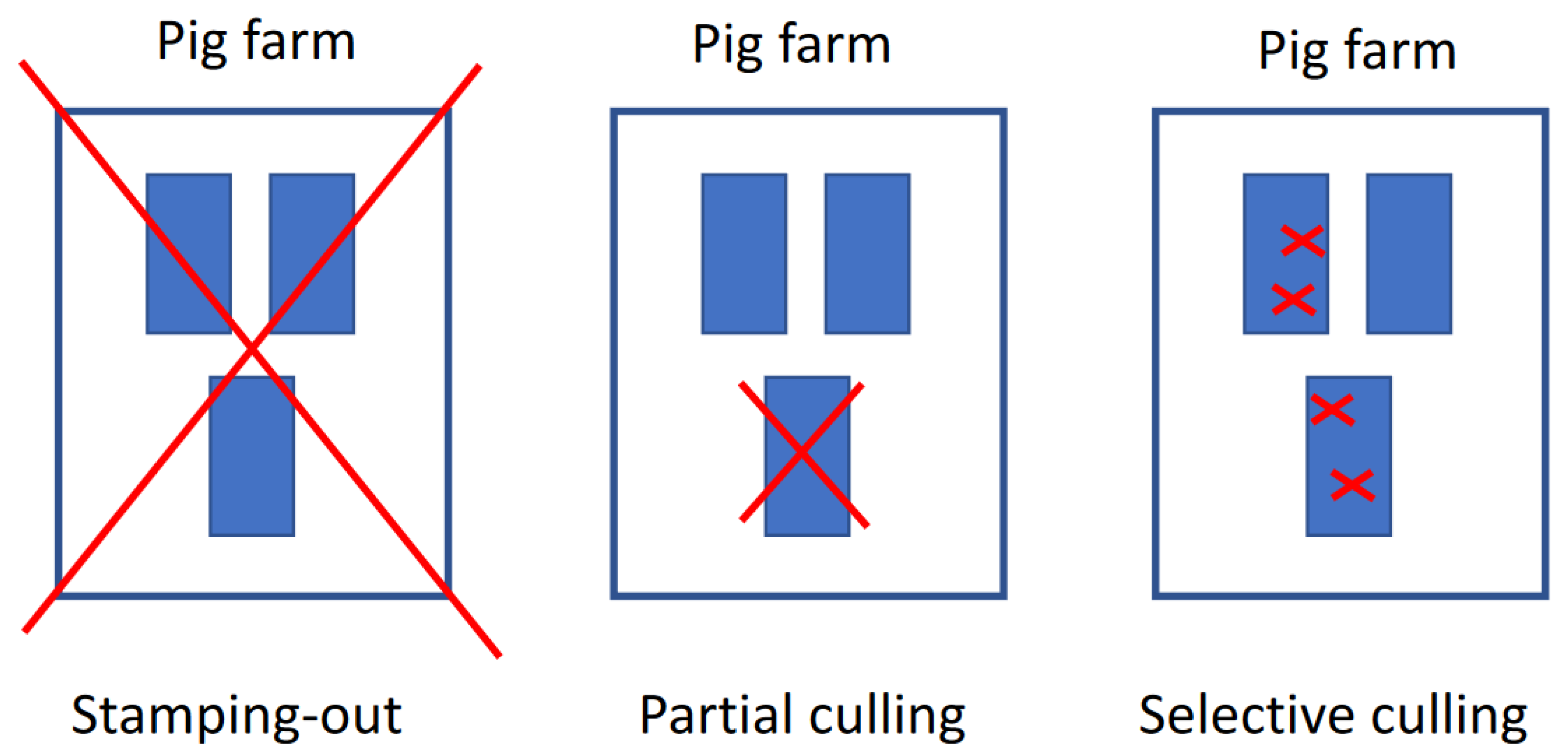
Figure 3. Visual of the total stamping out, partial culling and selective culling (adopted from Nga et al., 2024).
Preprints 148039 g003
Table 1. Summary of the ASF outbreaks from 2019 to 2024 (Source: DAH, 2024).
Year Number of outbreaks Number of ASF-affected provinces/cities Number of pigs dead/culled (heads)
2019 8,500 63/63 6,000,000
2020 1,596 50/63 86,462
2021 3,029 59/63 279,910
2022 1,229 53/63 59,000
2023 952 46/63 44,390
2024 1,669 48/63 92,707
Total 16,975 6,652,469
Disclaimer/Publisher’s Note: The statements, opinions and data contained in all publications are solely those of the individual author(s) and contributor(s) and not of MDPI and/or the editor(s). MDPI and/or the editor(s) disclaim responsibility for any injury to people or property resulting from any ideas, methods, instructions or products referred to in the content.
Copyright: This open access article is published under a Creative Commons CC BY 4.0 license, which permit the free download, distribution, and reuse, provided that the author and preprint are cited in any reuse.
Prerpints.org logo

Preprints.org is a free preprint server supported by MDPI in Basel, Switzerland.

Subscribe

Disclaimer

Terms of Use

Privacy Policy

Privacy Settings

© 2025 MDPI (Basel, Switzerland) unless otherwise stated
