Preprint
Article

This version is not peer-reviewed.

Pneumonia-Related Mortality in the Elderly: A Focus on ICU Outcomes and Risk Factors

Submitted:

31 January 2025

Posted:

31 January 2025

You are already at the latest version

Abstract

Objectives: Individuals aged 80 and above, classified as the oldest old, are a growing population frequently requiring intensive care unit (ICU) admissions due to pneumonia. The disease in this group is complicated by comorbidities, immune dysfunction, and antibiotic-resistant infections. This study aimed to identify factors influencing mortality in elderly ICU patients. Materials and Methods: This retrospective study included 135 patients aged 80+ diagnosed with pneumonia in the ICU. Demographic data, clinical findings, laboratory results, and outcomes were analyzed. APACHE-II and SOFA scores were calculated upon admission. One-month in-hospital mortality was the primary endpoint, and predictors of mortality were examined. Results: The average age was 86.87, with a 39.2% mortality rate. APACHE II and SOFA scores were strong predictors of mortality. Factors associated with increased mortality included hemodialysis(p<0.001), invasive mechanical ventilation(p<0.001), low albumin(p=0.006), high procalcitonin(p=0.003), Neutrophil Percentage/Albumin Ratio (NPAR)(p<0.001), urea (p<0.001), and creatinine(p=0.010). Chronic Obstructive Pulmonary Disease (COPD) emerged as an independent risk factor. Conclusions: Mortality in elderly pneumonia patients is multifactorial. APACHE II, SOFA scores, and markers such as NPAR and COPD significantly affect outcomes. These findings underscore the importance of strategies to prevent organ dysfunction, monitor nutritional status, and manage infections in this vulnerable population.

Keywords: 
;  ;  ;  ;  ;  

1. Introduction

According to the United Nations World Population Prospects report, the global population is expected to grow by another billion by 2030, with 30% of the population being aged 65 and older. With the global increase in life expectancy, the number of individuals aged 80 and above is projected to triple by 2050 [1]. This indicates a growing number of people requiring medical care. In the latest issue of the European Respiratory Review, individuals aged ≥80 years, identified as a specific subgroup referred to as the “oldest old,” were highlighted [2]. These patients have a high risk of complications and mortality from various causes, and intensive care management often becomes necessary in the presence of infections. Consequently, elderly patients now constitute a significant portion of intensive care admissions [3].
In the oldest old, worse outcomes in pneumonia are thought to result from multiple factors, including reduced immune function, high levels of comorbidity, and impaired functional status. Moreover, most prognostic scoring tools use age as a risk factor. Therefore, older adults with similar disease severity receive higher scores, leading to the prediction of higher mortality rates and a greater need for advanced care [4].
Recent studies have reported an increase in pneumonia cases requiring intensive care treatment in elderly patients [5]. Patients benefiting from intensive care admission due to pneumonia are typically critically ill individuals who require organ support or specialized monitoring and have high mortality rates. Identifying this patient group is critical to avoid delays in treatment management. This study was designed to determine the factors influencing mortality in pneumonia patients aged 80 and above.

2. Materials and Methods

2.1. Study Design and Patient Selecetion

This study was designed as a retrospective study conducted between October 1, 2022, and May 31, 2024, on patients aged 80 years and above who were hospitalized in the intensive care clinic of our hospital with a diagnosis of pneumonia. Ethical approval was obtained from the Clinical Research Ethics Committee of Ankara Atatürk Sanatorium Training and Research Hospital (Decision no: 2839, dated 16.07.2024). The study was conducted following the ethical principles outlined in the Helsinki Declaration.
Patients diagnosed with pneumonia were included in the evaluation. The exclusion criteria for the study included patients with a history of diseases that could affect complete blood count parameters, individuals who had received glucocorticoid therapy prior to blood testing, patients who had undergone albumin infusion before testing, diseases associated with hypoalbuminemia, records with missing data, and patients with a follow-up period of less than 24 hours. Figure 1 shows a flowchart detailing the patients included in and excluded from this study.

2.2. Diagnostic Criteria for Pneumonia

The following criteria were used to diagnose pneumonia:
  • Presence of lower respiratory tract infection symptoms: fever (>38°C), cough, purulent sputum, or changes in the characteristics of respiratory secretions.
  • Radiographic infiltration consistent with pneumonia.
  • Laboratory findings compatible with an infection diagnosis: leukocytosis, leukopenia, or increases in acute-phase reactants.
Pneumonia was diagnosed if radiographic infiltration was consistent with pneumonia symptoms and laboratory findings, after excluding alternative diagnoses.

2.3. Data Collection

Patients' comorbid conditions were recorded, and the most common ones were identified. The impact of these diseases on mortality was examined under separate headings. The patients' demographic data, clinical findings, hemogram and biochemical tests obtained within the first 24 hours, acute-phase reactant levels, imaging findings, treatments administered, respiratory and vasopressor support, need for renal replacement therapy, and outcomes were recorded by reviewing patient files and the hospital automation system.

2.4. Microbiological Analysis

Respiratory samples (sputum, endotracheal aspirate, or bronchoalveolar lavage) collected from patients were cultured. Samples with >25 leukocytes and <10 epithelial cells on Gram stain were quantitatively evaluated [6]. A colony count ≥10⁶ for sputum, ≥10⁵ for endotracheal aspirates, and ≥10⁴ for lavage cultures was considered significant [7]. When different bacteria were isolated in the same culture, the microorganism with the highest colony count was identified as the causative agent. Clinically relevant pathogens detected in blood cultures were recorded. Antibiograms of cultures showing growth were reviewed, and microorganisms resistant to ≥3 groups of antibiotics were defined as multidrug-resistant (MDR).

2.5. Sepsis and Severity Scoring

Sepsis was diagnosed according to the International Sepsis Consensus-3 criteria, using the SOFA (Sepsis-related Organ Failure Assessment) score. Patients with pneumonia and a SOFA score ≥2 were considered septic. Septic shock was defined as the need for vasopressors to maintain a mean arterial pressure of ≥65 mmHg despite adequate fluid resuscitation. The APACHE-II (Acute Physiological and Chronic Health Evaluation II) scoring system was used for intensive care severity assessment.

2.6. Statistical Analysis

The data were analyzed using SPSS 27 (Statistical Package for the Social Sciences, Version 27, IBM Co., Chicago, IL, USA). Continuous variables were expressed as mean±standard deviation (Mean±SD) or median (interquartile range, IQR), while categorical variables were summarized as frequency and percentage (%). Depending on the data distribution, continuous variables were compared using the t-test or Mann-Whitney U test, while categorical variables were analyzed with the chi-square test (χ²) or Fisher's exact test. For comparisons involving more than two independent groups under non-parametric conditions, the Kruskal-Wallis test was employed.
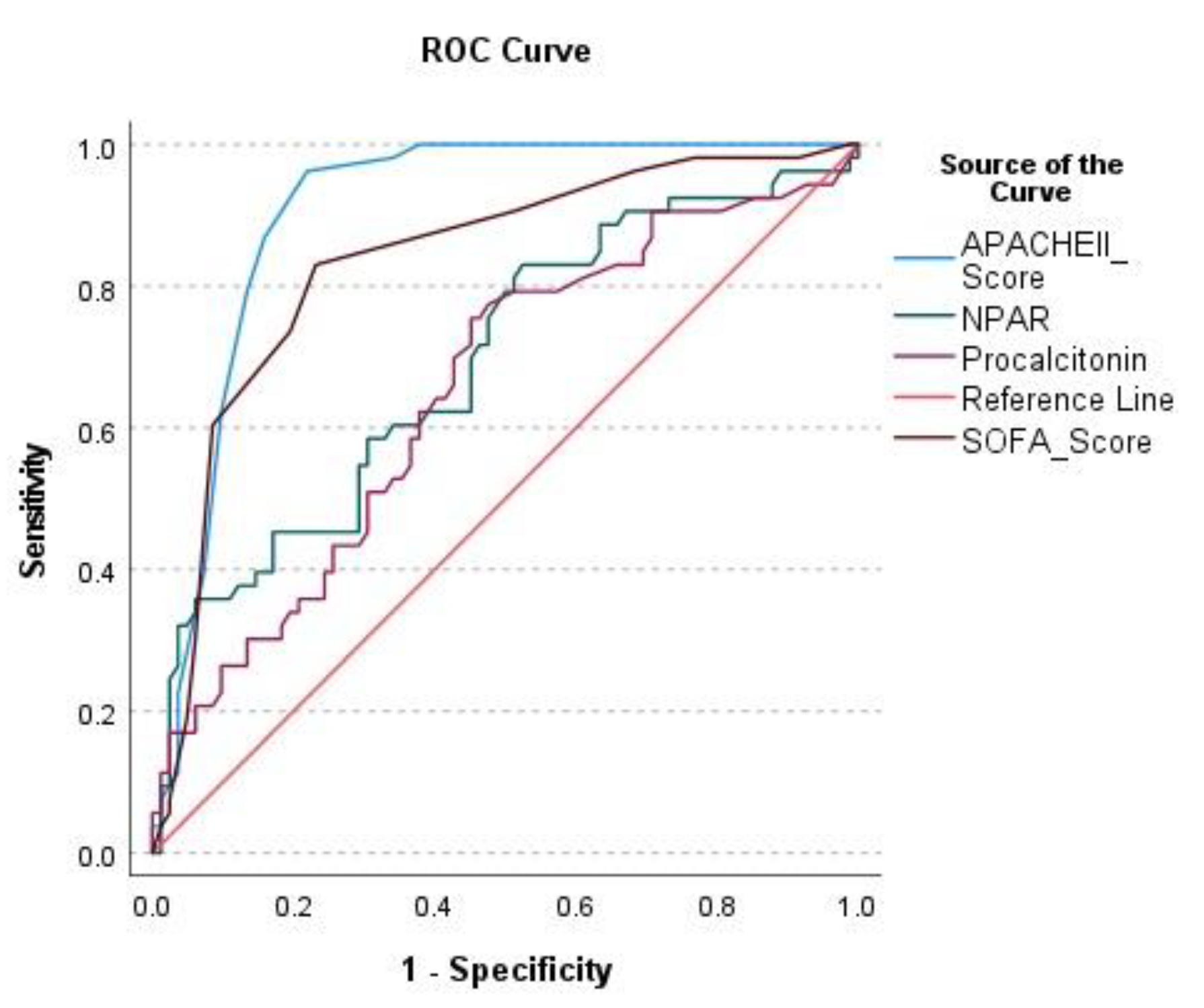
The predictive ability of prognostic markers for mortality was assessed using ROC (Receiver Operating Characteristic) curve analysis, with the area under the curve (AUC) calculated for each variable. Optimal cut-off values, along with sensitivity and specificity, were determined to evaluate the discriminative performance of these markers.
Mortality risk factors were examined using Cox regression analysis. Significant variables identified through univariate analysis were included in the multivariate model. Results were presented as hazard ratios (HR) with 95% confidence intervals (CI), and a p-value <0.05 was considered statistically significant.

3. Results

The medical records of 375 patients aged 80 and above who were followed up in the intensive care unit were reviewed. Among these, 225 patients met the study criteria. A total of 135 patients with complete data were included in the study. The average age of the patients was 86.87 years, and 69 patients (51.1%) were female. The demographic characteristics of the patients are presented in Table 1.
The clinical features influencing mortality among patients included in the study were analyzed. SOFA and APACHE II scores were significantly higher in patients who passed away (p<0.001; p<0.001). When comorbid conditions were assessed separately, the presence of additional diseases was significantly more common among deceased patients (p=0.042). The clinical characteristics affecting mortality are presented in Table 2.
The blood test results obtained at the time of admission for the patients included in the study are presented in Table 3. Among deceased patients, albumin levels were significantly lower, whereas urea, creatinine, procalcitonin, and the neutrophil-to-albumin ratio were significantly higher (p=0.006; p<0.001; p=0.010; p=0.003; p<0.001).
The APACHE II, SOFA, NPAR, and procalcitonin levels were analyzed to evaluate their predictive value for mortality. Significant differences were observed between survivors and deceased patients for all parameters. Cut-off values, sensitivity, specificity, and AUC values for each parameter are summarized in Table 4, and the ROC analysis results are illustrated in Figure 2, demonstrating their respective prognostic performance.
The results of the Cox regression analysis for identifying factors associated with mortality are presented in Table 5. In the univariate analysis, the presence of resistant bacteria in cultures and comorbidities did not show a statistically significant relationship with mortality. Chronic Obstructive Pulmonary Disease (COPD) was identified as a significant factor increasing the risk of mortality, and this was confirmed as an independent risk factor in the multivariate analysis. Although malignancy was associated with mortality in the univariate analysis, this relationship lost its significance in the multivariate model, potentially due to its interaction with other variables. NPAR demonstrated a strong relationship with mortality and remained highly significant in the multivariate analysis as an independent predictor of mortality risk. Details of hazard ratios (HR), confidence intervals (CI), and p-values are summarized in Table 5.

4. Discussion

This study aimed to evaluate the clinical, demographic, and laboratory markers affecting mortality in patients aged 80 years and above who were admitted to the intensive care unit. The findings indicate that mortality in this age group is a multifactorial process, with various clinical and laboratory features playing significant roles in predicting outcomes. The mortality rate was found to be 39.2%, consistent with the high mortality rates reported in the literature for elderly patients admitted to ICUs due to pneumonia.
Both APACHE II and SOFA scores were identified as strong predictors of mortality. For APACHE II, a cut-off value of 23.5 was determined, with 96.2% sensitivity and 78% specificity, making it one of the most robust prognostic factors. This finding aligns with studies in the literature that broadly accept the APACHE II score for overall mortality prediction. Similarly, the SOFA score demonstrated high accuracy in predicting mortality, emphasizing the impact of organ dysfunction and disease severity on outcomes.
Laboratory analyses revealed that low albumin levels and elevated NPAR, urea, creatinine, and procalcitonin levels were strongly associated with mortality. NPAR emerged as an independent predictor of mortality in elderly patients. Multivariate analyses showed a strong association between NPAR and mortality risk (HR: 1.040, 95% CI: 1.021-1.060, p<0.001), highlighting its utility as a prognostic indicator of inflammation and nutritional status.
The presence of comorbidities was generally associated with higher mortality but was not identified as an independent factor. However, COPD was found to be an independent risk factor for mortality (HR: 2.069, 95% CI: 1.162-3.684, p=0.014). This underscores the need for meticulous management of COPD patients during their ICU stay. Although malignancy was associated with mortality in the univariate analysis, this association lost significance in the multivariate analysis, suggesting that its impact on mortality may be influenced by interactions with other factors.
Chronic diseases significantly affect the response to infections in elderly patients, contributing to higher ICU admission rates. Studies in the literature have reported chronic lung diseases, diabetes mellitus, chronic heart diseases, and neurological conditions as the most common comorbidities in this population [5]. These comorbidities not only increase ICU admission rates but are also associated with higher sepsis and mortality rates [8]. In this study, 82.2% of patients had at least one comorbidity, with cardiovascular diseases and COPD being the most frequent. While comorbidity was associated with higher mortality (p=0.042), regression analyses indicated that it was not an independent predictor.
Cancer patients are more likely to develop sepsis, which is a leading cause of ICU admissions and is responsible for approximately 30% of cancer-related deaths. Sepsis is one of the primary reasons for ICU admissions in cancer patients and is estimated to account for around 30% of cancer-related deaths. Additionally, the presence of malignancy in septic patients is associated with a significant increase in mortality risk [9]. In this study, malignancy, as a parameter included in the Pneumonia Severity Index, was found to be associated with increased mortality. However, while malignancy showed a significant relationship with mortality in the univariate analysis, this association was not significant in the multivariate analysis, suggesting that its impact on mortality might be influenced by interactions with other factors.
COPD is not only a major risk factor for pneumonia development but also one of the most commonly reported comorbidities in pneumonia patients. Structural damage in lung parenchyma, reduced pulmonary function, and respiratory failure not only increase the risk of pneumonia development but also elevate mortality rates [10]. This study demonstrated that COPD is an independent risk factor for mortality. The increased mortality risk in COPD patients underscores the need for careful evaluation and management of this patient group during the ICU stay.
According to ICU admission criteria set by the American Thoracic Society (ATS) and Infectious Diseases Society of America (IDSA), the need for vasopressors or mechanical ventilation is among the major criteria [11]. In this study, patients requiring vasopressors and invasive mechanical ventilation were shown to have higher mortality rates. Significant differences were observed in mortality rates based on disease severity, including pneumonia, pneumosepsis, and septic shock (p<0.001). Therefore, for elderly patients, timely ICU transfer is essential in cases of hypotension unresponsive to intravenous hydration and close vital monitoring.
Frequent hospital admissions and comorbid conditions in elderly patients are associated with widespread MDR. The latest ATS/IDSA guideline updates highlight the challenges posed by MDR in diagnosis and treatment management and emphasize the need for new diagnostic tests [12]. In this study, MDR bacteria were detected in 22.2% of cultures. Regression analysis indicated that the presence of resistant bacteria in cultures was not an independent risk factor for mortality. However, the higher prevalence of resistant bacteria in deceased patients suggests that it may indirectly worsen prognosis.
The APACHE score, developed in 1981, remains one of the most important ICU tools for assessing the severity of acute illness [13]. APACHE II, derived from the original APACHE score, is widely used to measure disease severity in critically ill patients admitted to ICUs. The scoring system is based on three factors: the acute physiological condition, age, and chronic diseases. It serves as an early warning score with high sensitivity and specificity for predicting mortality [14]. Similarly, the SOFA score, which evaluates organ dysfunction, is widely used in emergency and intensive care settings. It was initially developed to assess organ dysfunction in septic patients but has also been frequently used to predict mortality [15]. Comparing these scores for mortality prediction, APACHE II has been shown to have 69.0% sensitivity and 60.8% specificity, while SOFA has 53.6% sensitivity and 80.1% specificity [16]. This study confirmed the superiority of APACHE II and SOFA in predicting mortality. The highest mortality rate in patients diagnosed with septic shock emphasizes the importance of early diagnosis and treatment. These results highlight the need for strategies to prevent organ failure in pneumonia patients.
Renal dysfunction is the most common complication in septic patients, affecting more than half of ICU patients [17]. Pneumonia is one of the leading causes of sepsis with high mortality and poor outcomes [18]. This study also demonstrated that renal dysfunction is associated with mortality. Close monitoring of elderly patients is crucial, as their vulnerability to kidney injury due to poor oral intake makes them more prone to damage.
Serum albumin, recently associated with inflammatory processes, is a negative acute-phase reactant [19]. It plays an essential role in immunity and interacts with bioactive lipid mediators with antioxidant properties. Malnutrition has been linked to poor outcomes in pneumonia patients [20]. In this study, hypoalbuminemia was associated with increased mortality. Malnutrition, strongly related to weakened immunity in aging, highlights the need for continuous nutritional assessment and timely intervention.
C-reactive protein (CRP), discovered in the 1930s, is a nonspecific acute-phase protein that rises during severe infections, sepsis, or inflammatory conditions [21,22]. Procalcitonin (PCT), widely used to diagnose bacterial infections and assess severity, has been associated with severe infections and increased mortality in sepsis patients [23]. Studies have shown that adding PCT to validated severity scoring systems for community-acquired pneumonia improves predictions for invasive mechanical ventilation or vasopressor support [24]. The relationship between CRP and PCT with the diagnosis of sepsis and mortality has been a subject of recent debate. In a study conducted by Tan et al., it was reported that PCT is superior in this regard [25]. A more recent study demonstrated that while PCT is superior in diagnosing septic shock, its prognostic value in determining mortality remains low [26]. In our study, no significant relationship was found between CRP levels and mortality; however, elevated PCT levels were associated with increased mortality. These findings suggest that incorporating PCT into scoring systems may not only enhance diagnostic accuracy in sepsis but also aid in guiding ICU needs and mortality predictions, particularly in elderly patients.
Neutrophils, central to systemic inflammatory responses, are closely associated with organ dysfunction in septic shock [27]. NPAR, evaluated recently in cerebrovascular, cardiovascular diseases, and COPD, has been associated with mortality when elevated [28,29,30]. A study on sepsis patients found a relationship between admission NPAR and 28-day mortality [31]. This study demonstrated that elevated NPAR is associated with mortality and is a stronger predictor than PCT. Its sensitivity is comparable to the SOFA score, making it a simple and effective prognostic tool. Future multicenter and prospective studies are needed to explore its prognostic role comprehensively.
This study emphasizes the importance of strategies for preventing and managing organ dysfunction, continuous nutritional assessment, and early identification of infection-related complications in elderly ICU patients.

5. Limitations

This study has some limitations. The retrospective, single-center design may restrict the generalizability of the findings. Additionally, due to the retrospective nature of the study, data regarding the time to ICU admission and initiation of treatment could not be obtained, which may have influenced the outcomes. Future multicenter, prospective studies are necessary to validate these findings and contribute to the development of more effective patient management strategies.

6. Conclusion

This study makes a significant contribution by focusing on ICU patients aged 80 and above and analyzing numerous factors affecting mortality. The findings show that mortality in the elderly is multifactorial, with APACHE II and SOFA scores being strong predictors. Additionally, NPAR emerges as an independent prognostic marker reflecting inflammation and nutritional status. COPD was identified as an independent risk factor, highlighting the need for careful management of this patient group during ICU care.

Author Contributions

Conceptualization, M.A. and A.H.S.; methodology, T.Ö. and M.Y.; software, O.M. and D.Ç.; validation, M.D. and G.E.D.; formal analysis, E.A., H.T.M. and Ö.F.T.; investigation, M.A. and E.U.; resources, M.A. and A.H.S.; data curation, O.M., H.T.M. and Ö.F.T.; writing—original draft preparation, M.A. and A.H.S.; writing—review and editing, M.D. and G.E.D.; visualization, E.U.; supervision, D.Ç.; project administration, M.A. All authors have read and agreed to the published version of the manuscript.

Funding

No funding, grants, or other support was received for conducting this study.

Institutional Review Board Statement

Ethical approval was obtained from the Clinical Research Ethics Committee of Ankara Ataturk Sanatorium Training and Research Hospital (Decision no: 2839, dated 16.07.2024).

Informed Consent Statement

Informed consent was not required due to the retrospective nature of the study.

Data Availability Statement

The original contributions presented in this study are included in the article. Further inquiries can be directed to the corresponding author.

Conflicts of Interest

The authors declare no conflict of interest.

References

  1. United Nations, Department of Economic and Social Affairs, Population Division. World Population Prospects 2019: Ten Key Findings. 2019.
  2. Cillóniz C, Dominedò C, Pericàs JM et al. Community-acquired pneumonia in critically ill very old patients: a growing problem. Eur Respir Rev. 2020;29(155):190126.
  3. Lee SI, Huh JW, Hong SB, Koh Y, Lim CM. Age distribution and clinical results of critically ill patients above 65 years old in an aging society: A retrospective cohort study. Tuberc Respir Dis (Seoul). 2024;87(3):338-348.
  4. Niederman MS. Natural enemy or friend? Pneumonia in the very elderly critically ill patient. Eur Respir Rev. 2020;29(155):200031.
  5. Laporte L, Hermetet C, Jouan Y et al. Ten-year trends in intensive care admissions for respiratory infections in the elderly. Ann Intensive Care. 2018;8(1):84.
  6. Ozturk R, Kinikli S, Cesur S. Diagnosis and treatment of community-acquired pneumonia. Turkish Journal of Clinics and Laboratory. 2015;63-72.
  7. Ulug M, Celen MK, Geyik MG et al. The evaluation of cultures of endotracheal aspirates and isolated bacteria in the diagnosis of ventilator-associated pneumonia. Düzce Medical Journal. 2011;13(1):21-25.
  8. Montull B, Menéndez R, Torres A et al. Predictors of severe sepsis among patients hospitalized for community-acquired pneumonia. PLoS One. 2016;11(1):e0145929.
  9. Williams JC, Ford ML, Coopersmith CM. Cancer and sepsis. Clin Sci (Lond). 2023;137(11):881-893.
  10. Ma H, Liu T, Zhang Y et al. Impact of chronic obstructive pulmonary disease on mortality in community-acquired pneumonia: a meta-analysis. J Comp Eff Res. 2020;9(12):839-848.
  11. Mandell LA, Wunderink RG, Anzueto A et al. Infectious Diseases Society of America; American Thoracic Society. Infectious Diseases Society of America/American Thoracic Society consensus guidelines on the management of community-acquired pneumonia in adults. Clin Infect Dis. 2007;44.
  12. Metlay JP, Waterer GW. Update in adult community-acquired pneumonia: key points from the new American Thoracic Society/Infectious Diseases Society of America 2019 guideline. Curr Opin Pulm Med. 2020;26(3):203-207.
  13. Farajzadeh M, Nasrollahi E, Bahramvand Y et al. The use of APACHE II scoring system for predicting clinical outcome of patients admitted to the intensive care unit: a report from a resource-limited center. Shiraz E-Med J. 2021;22:e102858.
  14. Mumtaz H, Ejaz MK, Tayyab M et al. APACHE scoring as an indicator of mortality rate in ICU patients: a cohort study. Ann Med Surg (Lond). 2023;85(3):416-421.
  15. Shafigh N, Hasheminik M, Shafigh E et al. Prediction of mortality in ICU patients: A comparison between the SOFA score and other indicators. Nurs Crit Care. 2023.
  16. Do SN, Dao CX, Nguyen TA et al. Sequential Organ Failure Assessment (SOFA) score for predicting mortality in patients with sepsis in Vietnamese intensive care units: a multicentre, cross-sectional study. BMJ Open. 2023;13(3):e064870.
  17. Peerapornratana S, Manrique-Caballero CL, Gómez H et al. Acute kidney injury from sepsis: current concepts, epidemiology, pathophysiology, prevention, and treatment. Kidney Int. 2019;96(5):1083-1099.
  18. Chen X, Guo J, Mahmoud S et al. Regulatory roles of SP-A and exosomes in pneumonia-induced acute lung and kidney injuries. Front Immunol. 2023;14:1188023.
  19. Wiedermann CJ. Hypoalbuminemia as surrogate and culprit of infections. Int J Mol Sci. 2021;22(9):4496.
  20. Lin CJ, Chang YC, Tsou MT et al. Factors associated with hospitalization for community-acquired pneumonia in home health care patients in Taiwan. Aging Clin Exp Res. 2020;32(1):149-155.
  21. Cui N, Zhang H, Chen Z et al. Prognostic significance of PCT and CRP evaluation for adult ICU patients with sepsis and septic shock: retrospective analysis of 59 cases. J Int Med Res. 2019;47(4):1573-1579.
  22. Kahveci U, Ozkan S, Melekoglu A et al. The role of plasma presepsin levels in determining the incidence of septic shock and mortality in patients with sepsis. J Infect Dev Ctries. 2021;15(1):123-130.
  23. Maves RC, Enwezor CH. Uses of procalcitonin as a biomarker in critical care medicine. Infect Dis Clin North Am. 2022;36(4):897-909.
  24. Self WH, Grijalva CG, Williams DJ et al. Procalcitonin as an early marker of the need for invasive respiratory or vasopressor support in adults with community-acquired pneumonia. Chest. 2016;150(4):819-828.
  25. Tan M, Lu Y, Jiang H, Zhang L. The diagnostic accuracy of procalcitonin and C-reactive protein for sepsis: A systematic review and meta-analysis. J Cell Biochem. 2019;120(4):5852-5859.
  26. Schupp T, Weidner K, Rusnak J et al. C-reactive protein and procalcitonin during the course of sepsis and septic shock. Ir J Med Sci. 2024;193(1):457-468.
  27. Zhang F, Zhang Z, Ma X. Neutrophil extracellular traps and coagulation dysfunction in sepsis. Zhonghua Wei Zhong Bing Ji Jiu Yi Xue. 2017;29(8):752-755.
  28. Lan CC, Su WL, Yang MC, Chen SY et al. Predictive role of neutrophil-percentage-to-albumin, neutrophil-to-lymphocyte, and eosinophil-to-lymphocyte ratios for mortality in patients with COPD: Evidence from NHANES 2011-2018. Respirology. 2023;28(12):11.
  29. Lv XN, Shen YQ, Li ZQ et al. Neutrophil percentage-to-albumin ratio is associated with stroke-associated pneumonia and poor outcome in patients with spontaneous intracerebral hemorrhage. Front Immunol. 2023;14:1173718.
  30. Wang X, Zhang Y, Wang Y et al. The neutrophil percentage-to-albumin ratio is associated with all-cause mortality in patients with chronic heart failure. BMC Cardiovasc Disord. 2023;23(1):568.
  31. Hu C, He Y, Li J et al. Association between neutrophil percentage-to-albumin ratio and 28-day mortality in Chinese patients with sepsis. J Int Med Res. 2023;51(6):3000605231178512.
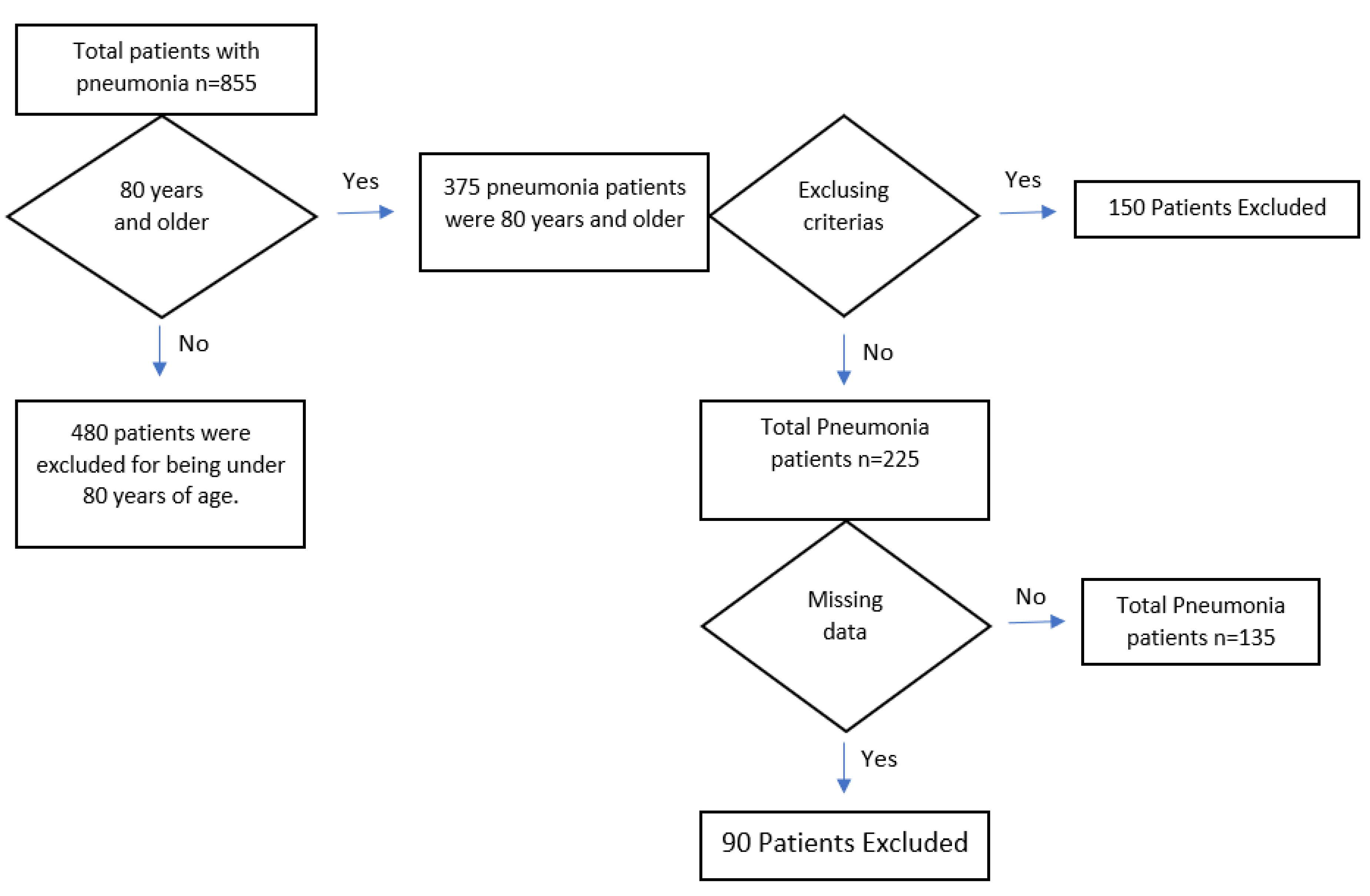
Figure 1. Flowchart of patients included in and excluded from this study.
Preprints 147859 g001
Figure 2. ROC Analysis Results for Predicting Mortality.
Preprints 147859 g002
Table 1. Clinical Characteristics and Comorbidities of the Patients.
Variable All Patients (N=135, %100)
N (%)
Comorbidities 111 (82.2%)
Hypertension 67 (49.6%)
Diabetes Mellitus 25 (18.5%)
Neurological Disease 33 (24.4%)
Chronic Obstructive Pulmonary Disease 46 (34.1%)
Chronic Kidney Disease 19 (14.1%)
Cardiovascular Disease 50 (37%)
Malignancy 10 (7.4%)
Bacterial Growth in Cultures 78 (57.7%)
Multidrug-Resistant Bacteria Growth 30 (22.2%)
Table 2. Clinical Features Affecting Mortality.
Survivors
(N=82, %60.8)
N (%) Mean±SD
Deceased (N=53,%39.2)
N (%) Mean±SD
p-value*
Age (years), 86.37±4.90 87.64±4.97 0.463
Gender
Female 38 (57.6%) 28 (42.4%) 0.163
Male 44 (63.8%) 25 (36.2%)
Presence of resistant bacteria in culture 13 (43.3%) 17 (56.7%) 0.027
SOFA Score 5.59±2.57 8.79±2.56 <0.001
APACHE-II Score 19.35±5.71 28.21±3.73 <0.001
Need for hemodialysis 9 (10.9%) 24 (89.1%) <0.001
Need for vasopressors 11 (12.1%) 32 (87.9%) <0.001
Length of ICU stay (days) 9.39±8.33 10.32±7.09 0.198
Need for invasive mechanical ventilation 12 (14.6%) 48 (85.4%) <0.001
Duration on mechanical ventilation (days) 1.34±4.29 4.43±4.55 <0.001
Presence of comorbidity 63 (76.8%) 48 (90.6%) 0.042
COPD* 22 (26.8%) 24 (45.3%) 0.028
Malignancy 3 (3.7%) 7 (13.2%) 0.039
Severity of illness
Pneumonia 37 (90.1%) 4 (0.9%)
<0.001**
Pneumosepsis 36 (69.2%) 16 (30.8%)
Septic shock 9 (21.4%) 33 (78.6%)
* Chronic obstructive pulmonary disease ** Kruskal-Wallis analysis was performed.
Table 3. Laboratory Findings of the Patients at Admission.
Laboratory Findings All Patients (N=135)
Median
(IQR 25–75)
Survivors (N=82)
Median
(IQR 25–75)
Deceased (N=53)
Median
(IQR 25–75)
p-value
CRP (mg/L) 51 (9.40–141.00) 62.86 (10.37–136.25) 32.20 (8.80–148.00) 0.456
Procalcitonin (ng/mL) 0.30 (0.12–0.92) 0.19 (0.06–0.67) 0.46 (0.21–2.63) 0.003
Albumin (g/dL) 3.00 (2.60–3.50) 3.20 (2.70–3.50) 2.90 (2.40–3.40) 0.006
Neutrophils (˟10³/µL) 10.20 (7.57–14.30) 9.92 (7.35–14.07) 10.60 (7.65–15.70) 0.620
Neutrophil percentage 86.80 (79.60–91.80) 85.00 (78.02–90.90) 89.00 (85.00–92.60) 0.004
NPAR* 3.21 (2.55–25.80) 2.91 (2.44–21.60) 4.22 (2.98–30.92) <0.001
Urea (mg/dL) 60 (36–90) 51 (34–75) 82 (54.50–108) <0.001
Creatinine (mg/dL) 1.29 (1.00–1.95) 1.13 (0.89–1.76) 1.52 (1.18–2.10) 0.010
* NPAR: Neutrophil Percentage/Albumin.
Table 4. ROC Analysis Results for Predicting Mortality.

AUC 95% Confidence Interval Cut-Off Value Sensitivity (%) Specificity (%) PPV NPV LR+ LR- p-value
APACHE II 0.905 0.853–0.957 23.50 96.2 78.0 73.9 97.0 4.38 0.048 <0.001
SOFA 0.834 0.762–0.906 6.50 83.0 76.8 69.8 87.5 3.58 0.22 <0.001
NPAR* 0.692 0.599–0.784 2.86 83.0 47.6 50.6 81.2 1.58 0.36 <0.001
Procalcitonin 0.652 0.557–0.747 0.21 75.5 54.9 51.9 77.6 1.67 0.45 0.002
* NPAR: Neutrophil Percentage/Albumin, AUC: Area Under the Curve, PPV: Positive Predictive Value, NPV: Negative Predictive Value, LR+: Positive Likelihood Ratio, LR-: Negative Likelihood Ratio.
Table 5. Cox Regression Analysis Results.
Variable Univariate Cox Regression Multivariate Cox Regression
HR (95% CI) p-Value HR (95% CI) p-Value
Presence of resistant bacteria in culture 1.447 (0.802–2.610) 0.219 - -
Presence of comorbidities 2.290 (0.911–5.760) 0.078 - -
COPD* 1.765 (1.022–3.046) 0.041 2.069 (1.162–3.684) 0.014
Malignancy 2.456 (1.105–5.460) 0.028 1.824 (0.801–4.152) 0.152
NPAR** 1.035 (1.016–1.055) <0.001 1.040 (1.021–1.060) <0.001
*COPD: Chronic Obstructive Pulmonary Disease, **NPAR: Neutrophil Percentage/Albumin Ratio.
Disclaimer/Publisher’s Note: The statements, opinions and data contained in all publications are solely those of the individual author(s) and contributor(s) and not of MDPI and/or the editor(s). MDPI and/or the editor(s) disclaim responsibility for any injury to people or property resulting from any ideas, methods, instructions or products referred to in the content.
Copyright: This open access article is published under a Creative Commons CC BY 4.0 license, which permit the free download, distribution, and reuse, provided that the author and preprint are cited in any reuse.
Prerpints.org logo

Preprints.org is a free preprint server supported by MDPI in Basel, Switzerland.

Subscribe

Disclaimer

Terms of Use

Privacy Policy

Privacy Settings

© 2025 MDPI (Basel, Switzerland) unless otherwise stated