

Submitted:
17 January 2025
Posted:
21 January 2025
You are already at the latest version
Abstract
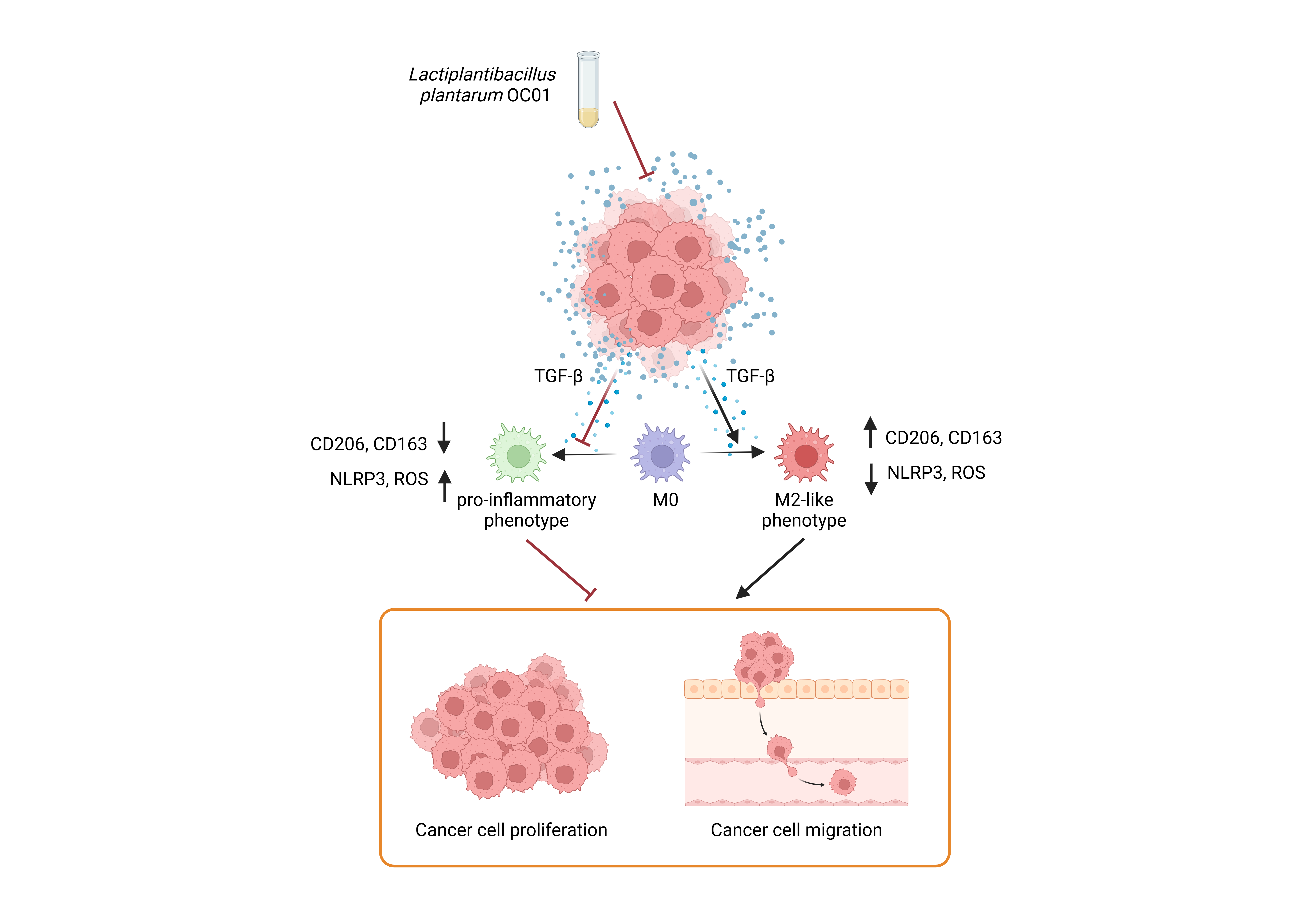
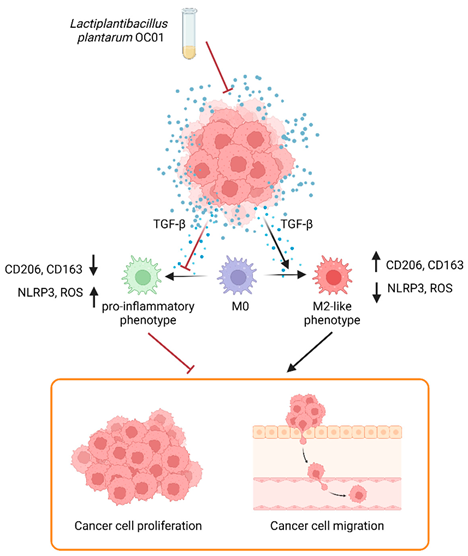
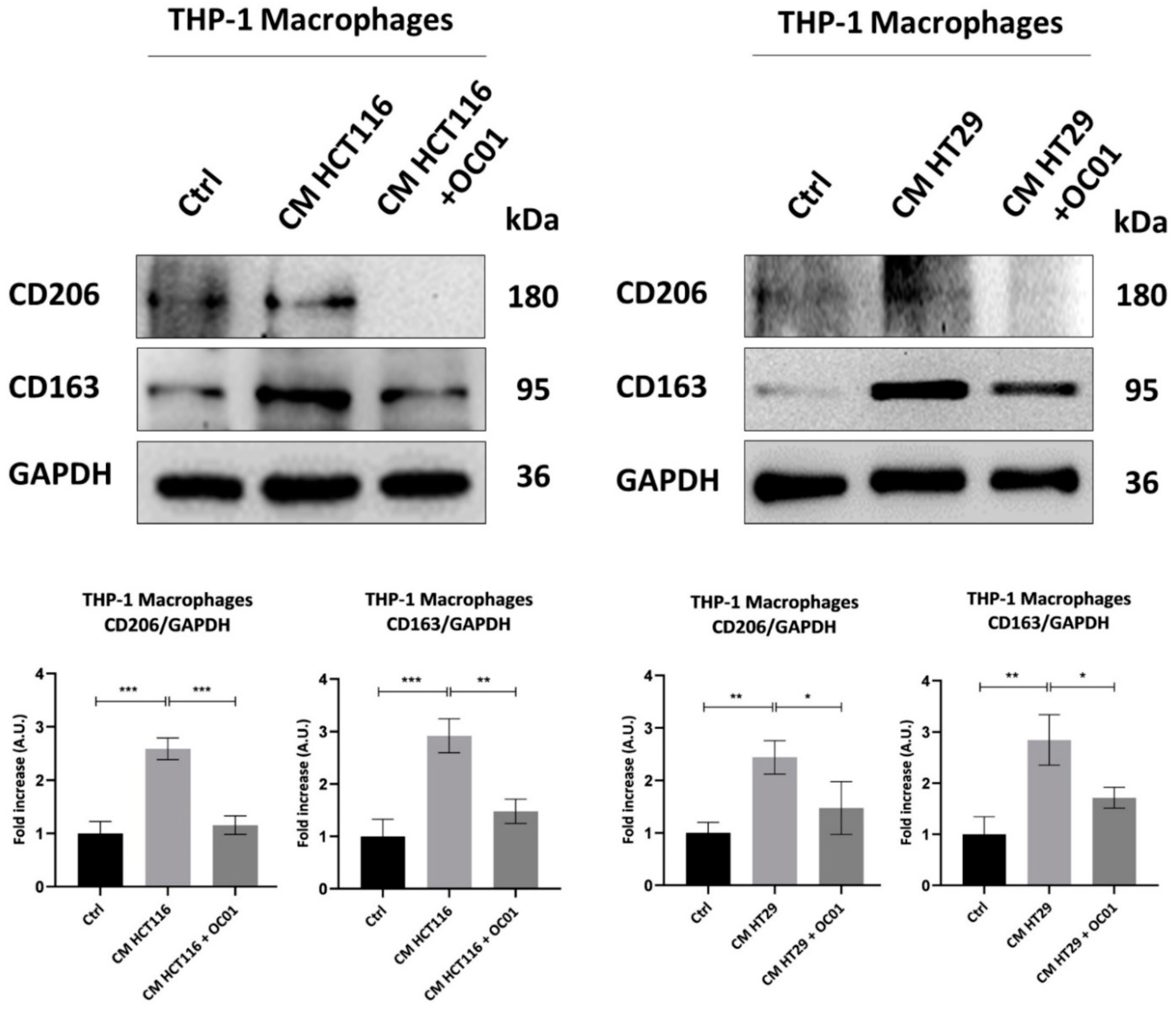
Tumor-associated macrophages (TAMs) are key players in the colorectal cancer (CRC) tumor microenvironment (TME), representing the most abundant immune cells within it. The interplay between the intestinal microbiota, macrophages, and cancer cells significantly impacts tumor progression by driving macrophage polarization. Particularly, the polarization into the pro-tumoral M2-like TAM phenotype promotes the extracellular matrix remodeling, cancer cell proliferation, metastasis, immune suppression, and therapy resistance. Probiotic metabolites can disrupt this crosstalk, possibly reverting the TAM polarization toward a pro-inflammatory anti-tumoral phenotype thus potentially benefiting the intestinal mucosa and opposing CRC progression. Previously, we showed that Lactiplantibacillus plantarum OC01 metabolites counter interleukin (IL)-6-induced CRC proliferation and migration. Here, we explore how probiotics affect TAM polarization, and their influence on CRC malignancy. The conditioning medium (CM) from CRC cells indeed promoted the polarization of macrophage toward the M2-like phenotype, whereas the CM from CRC pre-treated with L. plantarum OC01 metabolites induced a pro-inflammatory macrophage phenotype, characterized by NLRP3 inflammasome activation and reactive oxygen species (ROS) production, and by decreased expression of the M2 phenotype markers CD206 and CD163. Consistently, the expression of tumor growth factor (TGF)-β, a promoter of M2 macrophage polarization, was reduced in CRC cells treated with L. plantarum OC01. The pro-inflammatory macrophages inhibited CRC proliferation and migration. Overall, our study highlights the potential of metabolites from L. plantarum OC01 to reshape the TME by shifting TAMs towards a more inflammatory and anti-tumoral phenotype, emphasizing the promise of probiotics in advancing novel therapeutic approaches for CRC.
Keywords:
1. Introduction
2. Materials and Methods
2.1. Cell Culture and Treatment
2.2. Probiotic Formulation
2.3. Collection of the Colorectal Cancer Cell Conditioning Media (CRC Cell CM)
2.4. Antibodies
2.5. Western Blotting Analysis
2.6. Immunofluorescence Assay
2.7. Phagocytosis Study
2.8. Anion Superoxide Production by MitoSOX™ Fluorescence Assay
2.9. RNA Isolation and Quantitative PCR
2.10. Macrophages and Colorectal Cancer Cell Lines Co-Culture System Assay
2.11. Statistical Analysis
3. Results
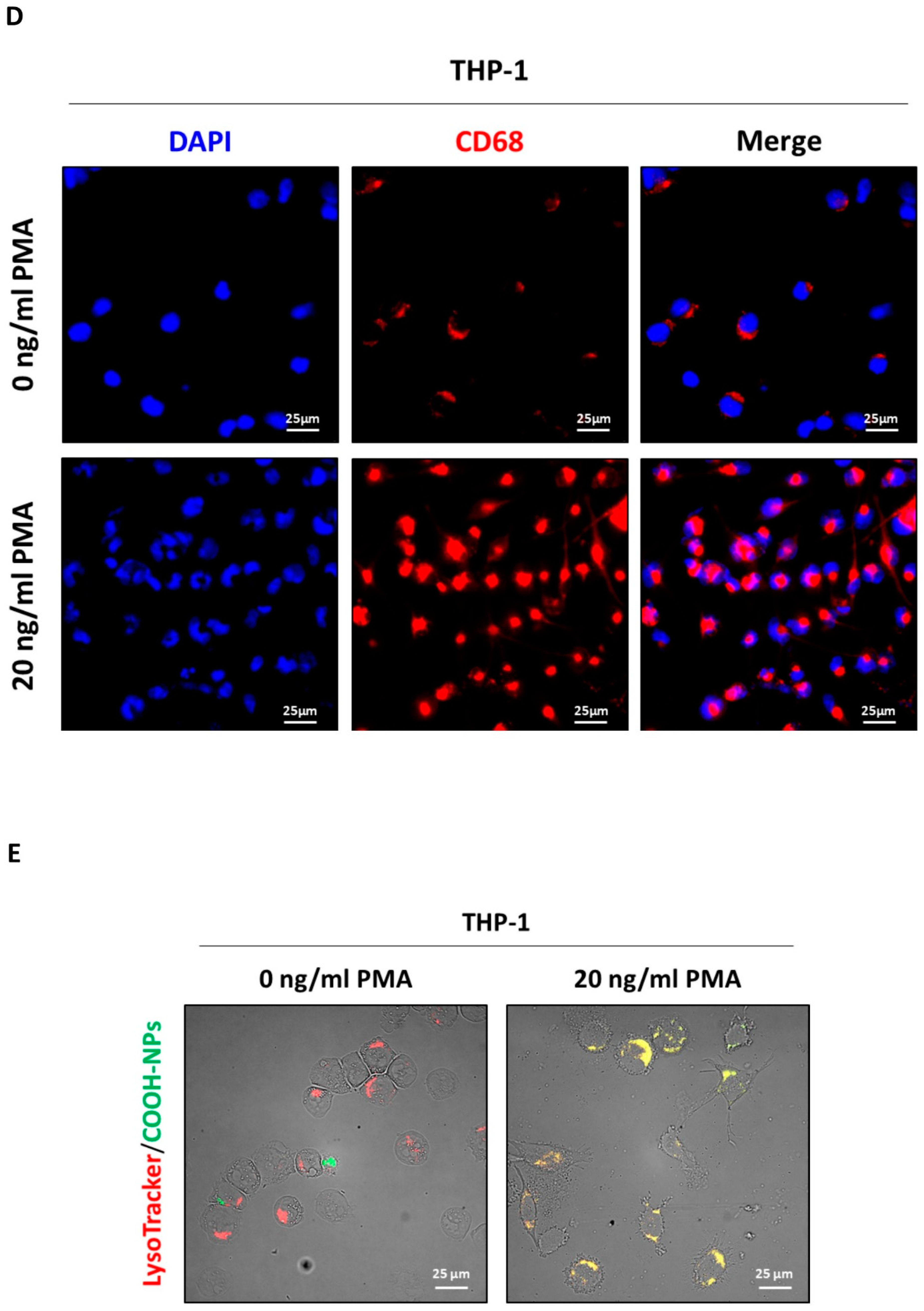
3.1. Differentiation of THP-1 into Macrophage-like Phenotype
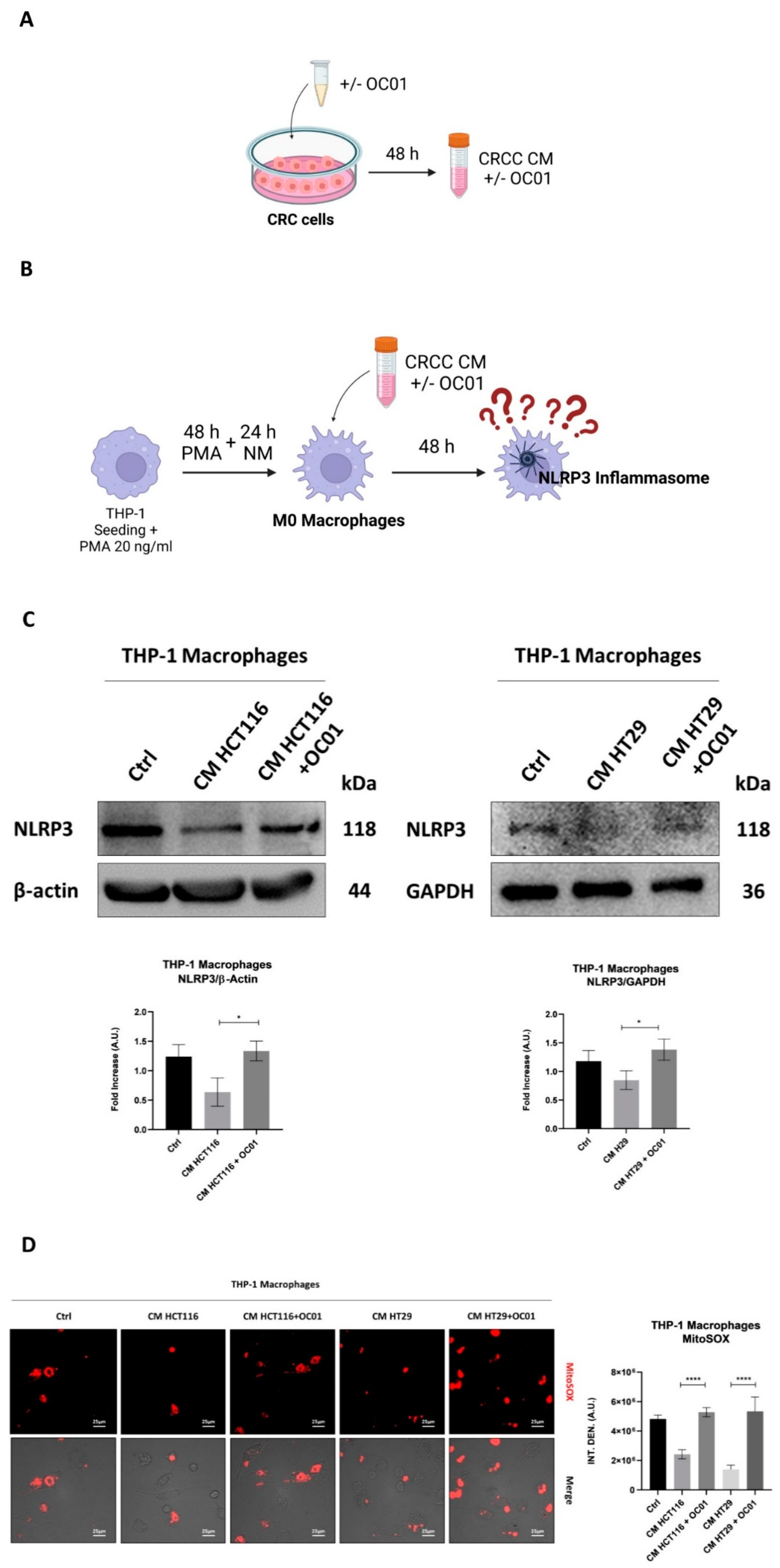
3.2. Conditioning Medium from Lactiplantibacillus plantarum OC01-Treated Colorectal Cancer Cells Promotes Macrophage Inflammatory Phenotypes via NLRP3 Activation
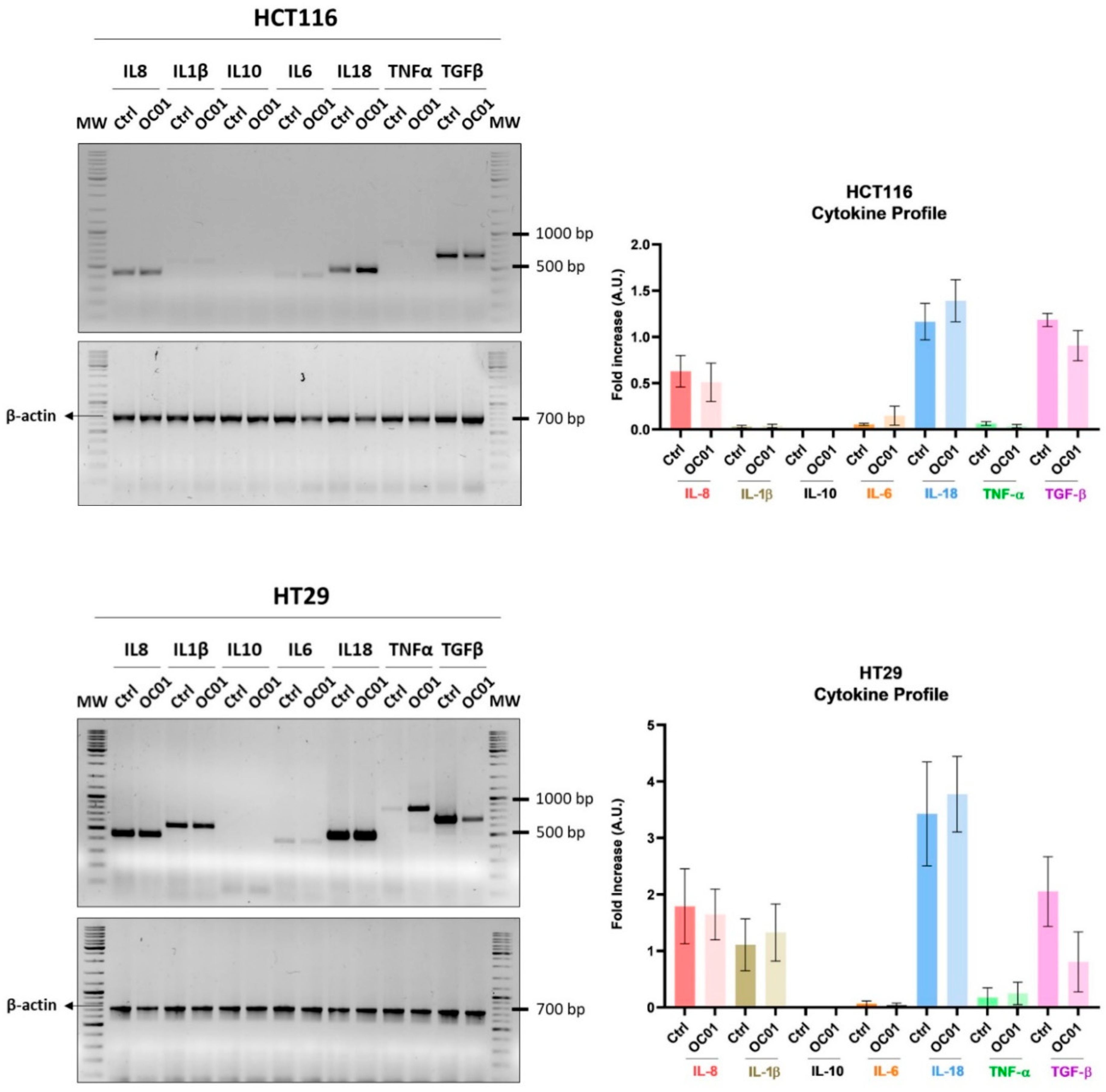
3.3. Lactiplantibacillus plantarum OC01 Metabolites Reduce the Expression of TGF-β in Colorectal Cancer Cells
3.4. Conditioning Medium from Lactiplantibacillus plantarum OC01-Treated Colorectal Cancer Cells Reduces the Polarization of Macrophages into the M2-like Phenotype
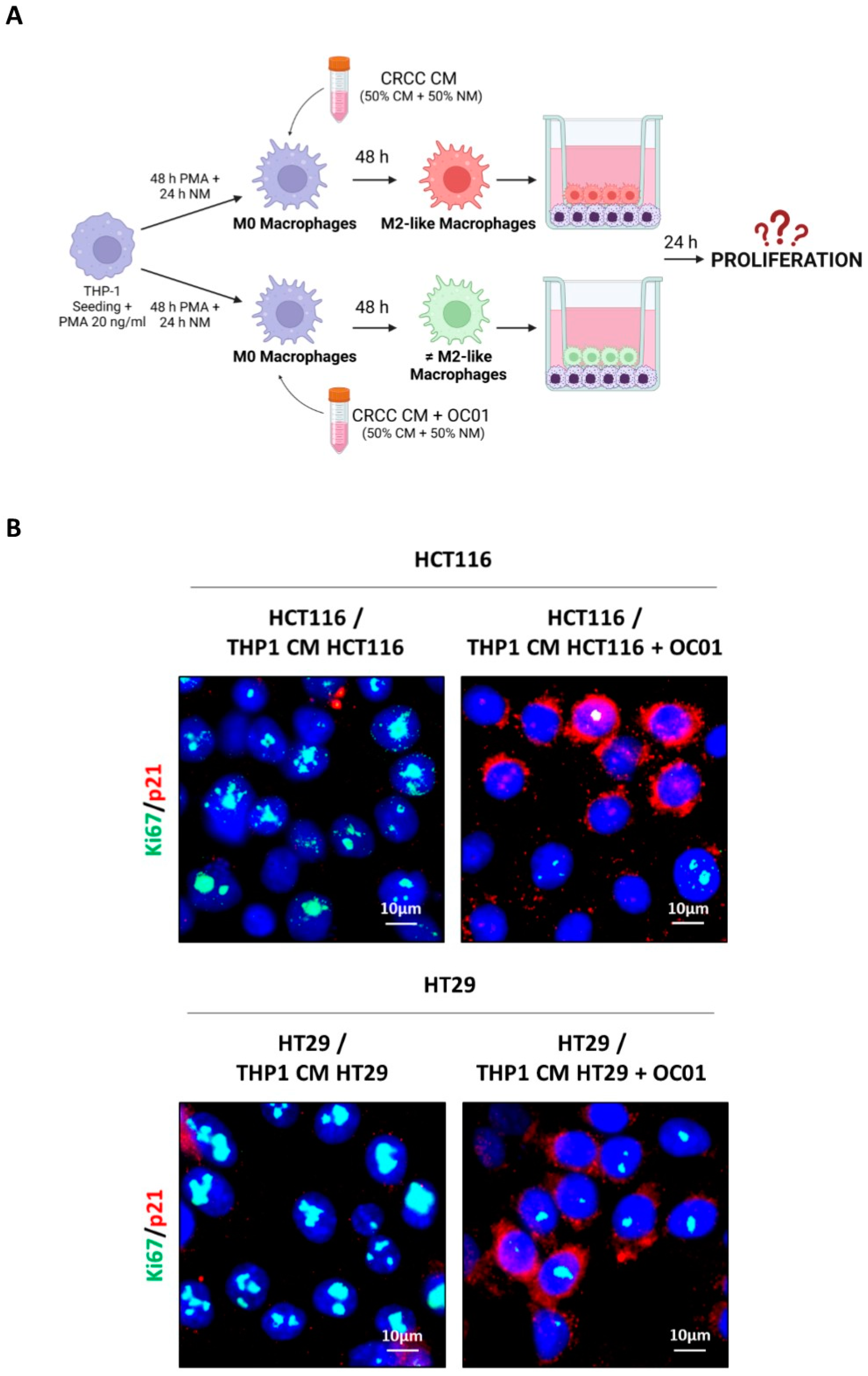
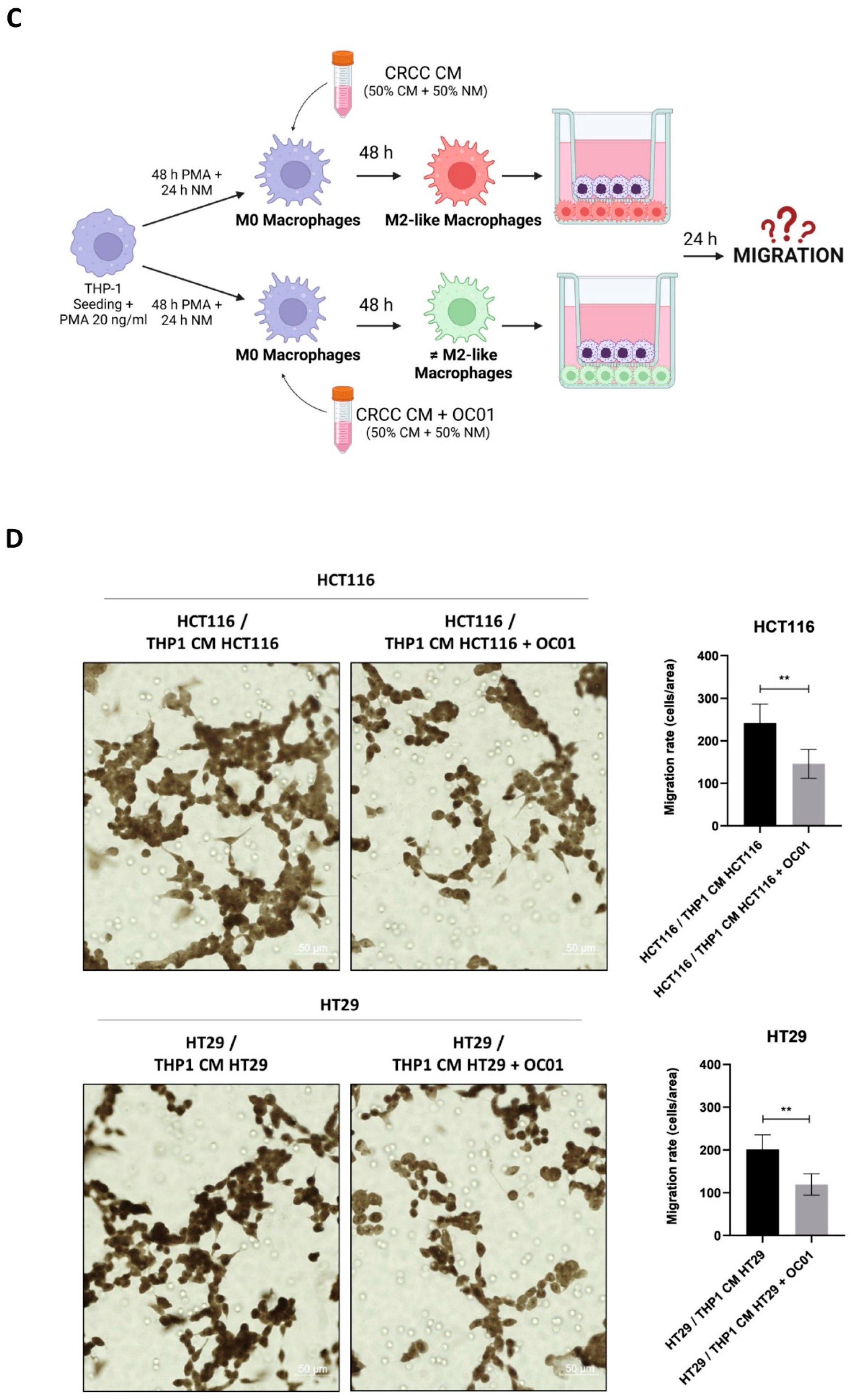
3.5. Lactiplantibacillus plantarum OC01 Supernatant-Induced Macrophage Reprogramming Reduces Proliferation and Migration of HCT116 and HT29 Colorectal Cancer Cells
4. Discussion
Author Contributions
Funding
Data Availability Statement
Acknowledgments
Conflicts of Interest
Abbreviations
| TAMs CRC TME IL CM TGF ECM TNF ROS PMA COOH-NPs NM CSF-1 |
Tumor-associated macrophages Colorectal cancer Tumor microenvironment Interleukin Conditioning medium Tumor growth factor Extracellular matrix Tumor necrosis factor Reactive oxygen species Phorbol-12-Myristate-13-Acetate carboxy-functionalized nanoparticles Normal media colony-stimulating factor-1 |
References
- Bray, F.; Laversanne, M.; Sung, H.; Ferlay, J.; Siegel, R.L.; Soerjomataram, I.; Jemal, A. Global cancer statistics 2022: GLOBOCAN estimates of incidence and mortality worldwide for 36 cancers in 185 countries. CA Cancer J Clin. 2024 May-Jun;74(3):229-263. [CrossRef] [PubMed]
- Wong, S.H.; Kwong, T.N.Y.; Wu, C.Y.; Yu, J. Clinical applications of gut microbiota in cancer biology. Semin Cancer Biol. 2019 Apr;55:28-36. [CrossRef] [PubMed]
- Kovács, T.; Mikó, E.; Ujlaki, G.; Sári, Z.; Bai, P. The Microbiome as a Component of the Tumor Microenvironment. Adv Exp Med Biol. 2020;1225:137-153. [CrossRef] [PubMed]
- Gagnière, J.; Raisch, J.; Veziant, J.; Barnich, N.; Bonnet, R.; Buc, E.; Bringer, M.A.; Pezet, D.; Bonnet, M. Gut microbiota imbalance and colorectal cancer. World J Gastroenterol. 2016 Jan 14;22(2):501-18. [CrossRef] [PubMed]
- Gomaa, E.Z. Human gut microbiota/microbiome in health and diseases: a review. Antonie Van Leeuwenhoek. 2020 Dec;113(12):2019-2040. [CrossRef] [PubMed]
- Han, J.; Zhang, B.; Zhang, Y.; Yin, T.; Cui, Y.; Liu, J.; Yang, Y.; Song, H.; Shang, D. Gut microbiome: decision-makers in the microenvironment of colorectal cancer. Front Cell Infect Microbiol. 2023 Dec 12;13:1299977. [CrossRef] [PubMed]
- Rossi, T.; Vergara, D.; Fanini, F.; Maffia, M.; Bravaccini, S.; Pirini, F. Microbiota-Derived Metabolites in Tumor Progression and Metastasis. Int J Mol Sci. 2020 Aug 12;21(16):5786. [CrossRef] [PubMed]
- Gomes, S.; Rodrigues, A.C.; Pazienza, V.; Preto, A. Modulation of the Tumor Microenvironment by Microbiota-Derived Short-Chain Fatty Acids: Impact in Colorectal Cancer Therapy. Int J Mol Sci. 2023 Mar 7;24(6):5069. [CrossRef] [PubMed]
- Anderson, N.M.; Simon, M.C. The tumor microenvironment. Curr Biol. 2020 Aug 17;30(16):R921-R925. [CrossRef] [PubMed]
- Liu, Y.; Cao, X. The origin and function of tumor-associated macrophages. Cell Mol Immunol. 2015 Jan;12(1):1-4. [CrossRef] [PubMed]
- Chanmee, T.; Ontong, P.; Konno, K.; Itano, N. Tumor-associated macrophages as major players in the tumor microenvironment. Cancers (Basel). 2014 Aug 13;6(3):1670-90. [CrossRef] [PubMed]
- Mantovani, A.; Allavena, P.; Sica, A.; Balkwill, F. Cancer-related inflammation. Nature. 2008 Jul 24;454(7203):436-44. [CrossRef] [PubMed]
- Wei, C.; Yang, C.; Wang, S.; Shi, D.; Zhang, C.; Lin, X.; Liu, Q.; Dou, R.; Xiong, B. Crosstalk between cancer cells and tumor associated macrophages is required for mesenchymal circulating tumor cell-mediated colorectal cancer metastasis. Mol Cancer. 2019 Mar 30;18(1):64. [CrossRef] [PubMed]
- Mantovani, A.; Sica, A.; Sozzani, S.; Allavena, P.; Vecchi, A.; Locati, M. The chemokine system in diverse forms of macrophage activation and polarization. Trends Immunol. 2004 Dec;25(12):677-86. [CrossRef] [PubMed]
- Orecchioni, M.; Ghosheh, Y.; Pramod, A.B.; Ley, K. Macrophage Polarization: Different Gene Signatures in M1(LPS+) vs. Classically and M2(LPS-) vs. Alternatively Activated Macrophages. Front Immunol. 2019 May 24;10:1084. https://doi.org/10.3389/fimmu.2019.01084. Erratum in: Front Immunol. 2020 Feb 25;11:234. PMID: 31178859; PMCID: PMC6543837. [CrossRef]
- Martinez, F.O.; Sica, A.; Mantovani, A.; Locati, M. Macrophage activation and polarization. Front Biosci. 2008 Jan 1;13:453-61. [CrossRef] [PubMed]
- Wang, S.; Liu, G.; Li, Y.; Pan, Y. Metabolic Reprogramming Induces Macrophage Polarization in the Tumor Microenvironment. Front Immunol. 2022 Jul 7;13:840029. [CrossRef] [PubMed]
- Zhang J, Liu X, Wan C, Liu Y, Wang Y, Meng C, Zhang Y, Jiang C. NLRP3 inflammasome mediates M1 macrophage polarization and IL-1β production in inflammatory root resorption. J Clin Periodontol. 2020 Apr;47(4):451-460. [CrossRef] [PubMed]
- Zhu, X.; Xu, Y.; Wang, J.; Xue, Z.; Qiu, T.; Chen, J. Loss of NLRP3 reduces oxidative stress and polarizes intratumor macrophages to attenuate immune attack on endometrial cancer. Front Immunol. 2023 Apr 3;14:1165602. [CrossRef] [PubMed]
- Sun, J.; Zeng, Q.; Wu, Z.; Huang, L.; Sun, T.; Ling, C.; Zhang, B.; Chen, C.; Wang, H. Berberine inhibits NLRP3 inflammasome activation and proinflammatory macrophage M1 polarization to accelerate peripheral nerve regeneration. Neurotherapeutics. 2024 Jul;21(4):e00347. [CrossRef] [PubMed]
- Kelley, N.; Jeltema, D.; Duan, Y.; He, Y. The NLRP3 Inflammasome: An Overview of Mechanisms of Activation and Regulation. Int J Mol Sci. 2019 Jul 6;20(13):3328. [CrossRef] [PubMed]
- Wisitpongpun, P.; Potup, P.; Usuwanthim, K. Oleamide-Mediated Polarization of M1 Macrophages and IL-1β Production by Regulating NLRP3-Inflammasome Activation in Primary Human Monocyte-Derived Macrophages. Front Immunol. 2022 Apr 19;13:856296. [CrossRef] [PubMed]
- Liu, W.; Kuang, T.; Liu, L.; Deng, W. The role of innate immune cells in the colorectal cancer tumor microenvironment and advances in anti-tumor therapy research. Front Immunol. 2024 Jul 19;15:1407449. [CrossRef] [PubMed]
- Zhou, D.; Li, Y. Gut microbiota and tumor-associated macrophages: potential in tumor diagnosis and treatment. Gut Microbes. 2023 Dec;15(2):2276314. [CrossRef] [PubMed]
- Deng, X.; Yang, J.; Zhang, Y.; Chen, X.; Wang, C.; Suo, H.; Song, J. An Update on the Pivotal Roles of Probiotics, Their Components, and Metabolites in Preventing Colon Cancer. Foods. 2023 Oct 9;12(19):3706. [CrossRef] [PubMed]
- Zhao, J.; Liao, Y.; Wei, C.; Ma, Y.; Wang, F.; Chen, Y.; Zhao, B.; Ji, H.; Wang, D.; Tang, D. Potential Ability of Probiotics in the Prevention and Treatment of Colorectal Cancer. Clin Med Insights Oncol. 2023 Aug 17;17:11795549231188225. [CrossRef] [PubMed]
- Vallino, L.; Garavaglia, B.; Visciglia, A.; Amoruso, A.; Pane, M.; Ferraresi, A.; Isidoro, C. Cell-free Lactiplantibacillus plantarum OC01 supernatant suppresses IL-6-induced proliferation and invasion of human colorectal cancer cells: Effect on β-Catenin degradation and induction of autophagy. J Tradit Complement Med. 2023 Feb 21;13(2):193-206. [CrossRef] [PubMed]
- Ferraresi, A.; Girone, C.; Maheshwari, C.; Vallino, L.; Dhanasekaran, D.N.; Isidoro, C. Ovarian Cancer Cell-Conditioning Medium Induces Cancer-Associated Fibroblast Phenoconversion through Glucose-Dependent Inhibition of Autophagy. Int J Mol Sci. 2024 May 23;25(11):5691. [CrossRef] [PubMed]
- Garavaglia, B.; Vallino, L.; Ferraresi, A.; Esposito, A.; Salwa, A.; Vidoni, C.; Gentilli, S.; Isidoro, C. Butyrate Inhibits Colorectal Cancer Cell Proliferation through Autophagy Degradation of β-Catenin Regardless of APC and β-Catenin Mutational Status. Biomedicines. 2022 May 13;10(5):1131. [CrossRef] [PubMed]
- Ekkapongpisit, M.; Giovia, A.; Nicotra, G.; Ozzano, M.; Caputo, G.; Isidoro, C. Labeling and exocytosis of secretory compartments in RBL mastocytes by polystyrene and mesoporous silica nanoparticles. Int J Nanomedicine. 2012;7:1829-40. [CrossRef] [PubMed]
- Vidoni, C.; Secomandi, E.; Castiglioni, A.; Melone, M.A.B.; Isidoro, C. Resveratrol protects neuronal-like cells expressing mutant Huntingtin from dopamine toxicity by rescuing ATG4-mediated autophagosome formation. Neurochem Int. 2018 Jul;117:174-187. [CrossRef] [PubMed]
- Choconta, J.L.; Labi, V.; Dumbraveanu, C.; Kalpachidou, T.; Kummer, K.K.; Kress, M. Age-related neuroimmune signatures in dorsal root ganglia of a Fabry disease mouse model. Immun Ageing. 2023 May 12;20(1):22. [CrossRef] [PubMed]
- Zhong, X.; Chen, B.; Yang, Z. The Role of Tumor-Associated Macrophages in Colorectal Carcinoma Progression. Cell Physiol Biochem. 2018;45(1):356-365. https://doi.org/10.1159/000486816. Epub 2018 Jan 19. Erratum in: Cell Physiol Biochem. 2018;48(6):2659. [CrossRef] [PubMed]
- Swanson, K.V.; Deng, M.; Ting, J.P. The NLRP3 inflammasome: molecular activation and regulation to therapeutics. Nat Rev Immunol. 2019 Aug;19(8):477-489. [CrossRef] [PubMed]
- Arango Duque, G.; Descoteaux, A. Macrophage cytokines: involvement in immunity and infectious diseases. Front Immunol. 2014 Oct 7;5:491. [CrossRef] [PubMed]
- Zhang F, Wang H, Wang X, Jiang G, Liu H, Zhang G, Wang H, Fang R, Bu X, Cai S, Du J. TGF-β induces M2-like macrophage polarization via SNAIL-mediated suppression of a pro-inflammatory phenotype. Oncotarget. 2016 Aug 9;7(32):52294-52306. [CrossRef] [PubMed]
- Ruytinx, P.; Proost, P.; Van Damme, J.; Struyf, S. Chemokine-Induced Macrophage Polarization in Inflammatory Conditions. Front Immunol. 2018 Sep 7;9:1930. [CrossRef] [PubMed]
- Waldner MJ, Neurath MF. TGFβ and the Tumor Microenvironment in Colorectal Cancer. Cells. 2023 Apr 12;12(8):1139. [CrossRef] [PubMed]
- Morris, R.M.; Mortimer, T.O.; O'Neill, K.L. Cytokines: Can Cancer Get the Message? Cancers (Basel). 2022 Apr 27;14(9):2178. [CrossRef] [PubMed]
- Yang, L.; Zhang, Y. Tumor-associated macrophages: from basic research to clinical application. J Hematol Oncol. 2017 Feb 28;10(1):58. [CrossRef] [PubMed]
- Mantovani, A.; Allavena, P.; Marchesi, F.; Garlanda, C. Macrophages as tools and targets in cancer therapy. Nat Rev Drug Discov. 2022 Nov;21(11):799-820. [CrossRef] [PubMed]
- Sun, X.; Li, Y.; Deng, Q.; Hu, Y.; Dong, J.; Wang, W.; Wang, Y.; Li, C. Macrophage Polarization, Metabolic Reprogramming, and Inflammatory Effects in Ischemic Heart Disease. Front Immunol. 2022 Jul 18;13:934040. [CrossRef] [PubMed]
- Mola, S.; Pandolfo, C.; Sica, A.; Porta, C. The Macrophages-Microbiota Interplay in Colorectal Cancer (CRC)-Related Inflammation: Prognostic and Therapeutic Significance. Int J Mol Sci. 2020 Sep 18;21(18):6866. [CrossRef] [PubMed]
- Mehla, K.; Singh, P.K. Metabolic Regulation of Macrophage Polarization in Cancer. Trends Cancer. 2019 Dec;5(12):822-834. [CrossRef] [PubMed]
- Wang LX, Zhang SX, Wu HJ, Rong XL, Guo J. M2b macrophage polarization and its roles in diseases. J Leukoc Biol. 2019 Aug;106(2):345-358. [CrossRef] [PubMed]

| Primer | Amplicon Lenght |
Forward 5’ -> 3’ |
Reverse 3’ -> 5’ |
| IL-8 | 455 bp | GGACAAGAGCCAGGAAGAAA | CCTACAACAGACCCACACAATA |
| IL-1β | 567 bp | ATGACCTGAGCACCTTCTTTC | TCTCTGGGTACAGCTCTCTTTA |
| IL-10 | 677 bp | GAACCAAGACCCAGACATCAA | CCAAGCCCAGAGACAAGATAAA |
| IL-6 | 427 bp | CAGCTATGAACTCCTTCTCCAC | CTGGCTTGTTCCTCACTACTC |
| IL-18 | 505 bp | CCAAGGAAATCGGCCTCTATT | GTCTTGAACACCTGACCTCTG |
| TNF-α | 828 bp | ATCTACTCCCAGGTCCTCTTC | CCCGGTCTCCCAAATAAATACA |
| TGF-β | 662 bp | GTGGAAACCCACAACGAAATC | GTGTCCAGGCTCCAAATGTA |
| β-actin | 719 bp | GATCAAGATCATTGCTCCTCCTGAGCGCA | GTCTCAAGTCAGTGTACAGGTAAGCCCT |
Disclaimer/Publisher’s Note: The statements, opinions and data contained in all publications are solely those of the individual author(s) and contributor(s) and not of MDPI and/or the editor(s). MDPI and/or the editor(s) disclaim responsibility for any injury to people or property resulting from any ideas, methods, instructions or products referred to in the content. |
© 2025 by the authors. Licensee MDPI, Basel, Switzerland. This article is an open access article distributed under the terms and conditions of the Creative Commons Attribution (CC BY) license (http://creativecommons.org/licenses/by/4.0/).