

Submitted:
17 January 2025
Posted:
20 January 2025
You are already at the latest version
Abstract
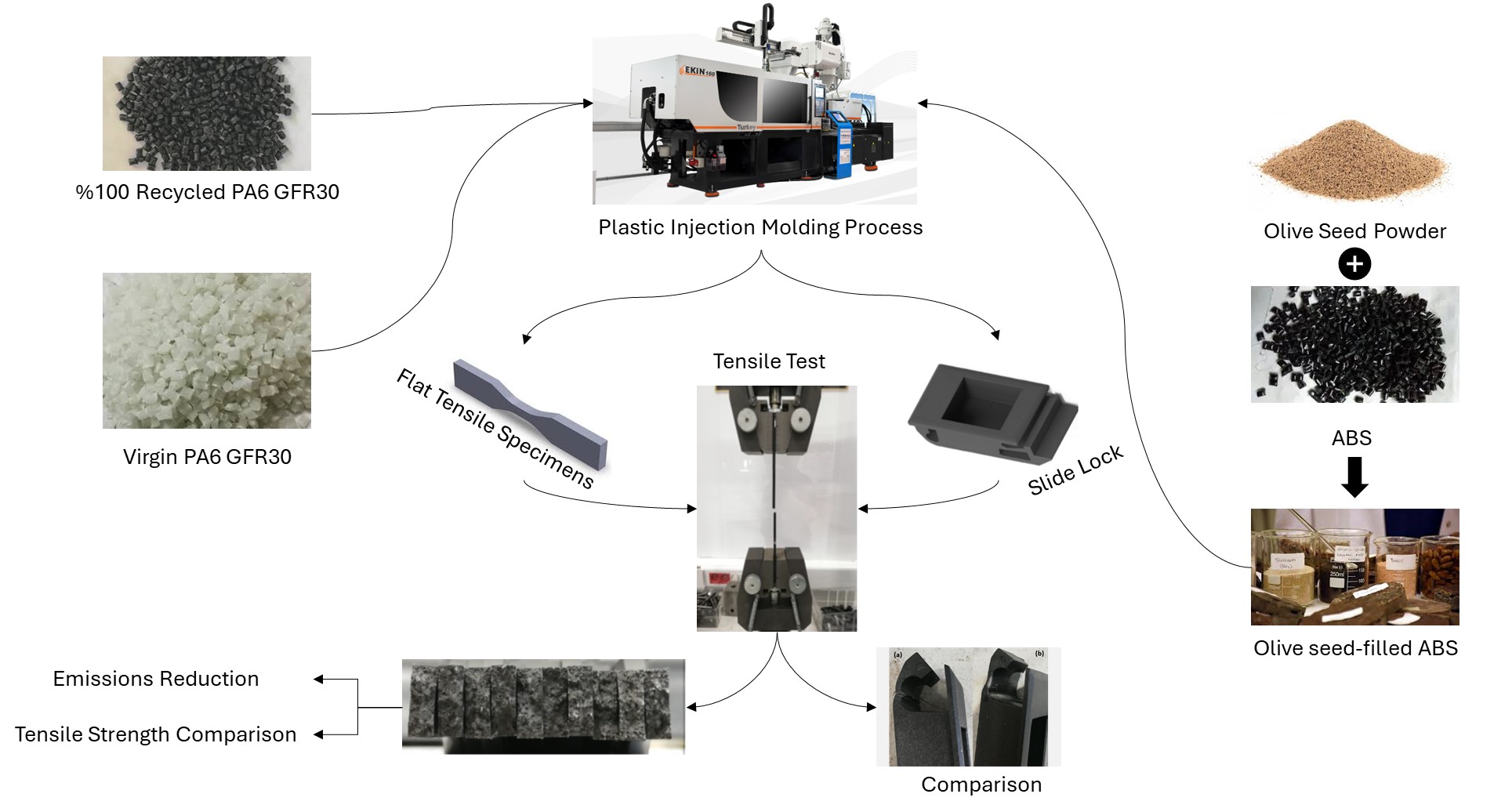
Global issues such as environmental pollution and climate change have made the use of sustainable materials in industrial production processes inevitable nowadays. The persistence of traditional polymers in nature and the inadequacies of recycling processes exacerbate the plastic waste problem. Consequently, the use of recyclable and biodegradable polymers emerges as an eco-friendly solution. Integrating sustainable polymers into industrial processes is particularly crucial for reducing plastic waste and lowering the carbon footprint. This study highlights the importance of sustainable polymer use in reducing plastic waste, based on experiments conducted at a company specializing in industrial lock manufacturing. Experimental studies on processing 30% glass fiber-reinforced recycled Polyamide 6 and 10% olive seed-reinforced ABS demonstrate how effectively eco-friendly alternatives can be utilized in industrial processes. The study includes an extensive literature review on biopolymers and a comparative properties table created because of this review. In addition to evaluating the performance of alternatives compared to traditional raw materials, the study also considers sustainability criteria such as carbon and water footprint.
Keywords:
Biopolymer
; bio-additive polymers
; recycled polymer
; mechanical analysis
1. Introduction
Biopolymers are of great importance in terms of environmental sustainability and renewability. These biologically derived materials, which can replace traditional petroleum-based polymers, stand out due to their biodegradability and the fact that they can be produced from renewable resources [1,2]. The potential to address environmental pollution caused by plastic waste enhances the importance of biopolymers [3]. Experimental studies with sustainable plastics not only support businesses in reducing their environmental footprint but also further advance the company's goal of using renewable, recyclable, and biodegradable materials [4].
This paper comprehensively discusses the definitions, production methods, advantages and disadvantages, environmental impacts, historical development, and current significance of biopolymers. The study also evaluates the performance of alternatives in comparison to traditional raw materials, while considering sustainability criteria such as carbon and water footprints [5,6,7].
2. Biopolymers and Applications
The history of biopolymers indicates that natural polymers are as old as human history [8]. However, the scientific and industrial development of modern biopolymers began in the late 20th century [9]. In the 1920s, the first synthetic biopolymers were produced [10]. Since the 1980s, biopolymers have gained more attention with the growing environmental awareness and have started to be used in various industrial applications [11]. Today, biopolymers have a wide range of applications, especially as environmentally friendly materials, and sustainability solutions [12]. The importance of biopolymers today has increased with the rise of environmental consciousness and the adoption of sustainability-focused approaches [13]. Efforts to find solutions to environmental pollution issues and the demand for renewable materials are expanding the significance and application areas of biopolymers [14]. Furthermore, biopolymers are used in medical applications, food packaging, and various industrial products [15].
2.1. Polymer Materials
Polymers are large molecules formed by the chemical bonding of smaller units called monomers, which come together to form long chains [16]. Polymers can be natural or synthetic and offer a wide range of applications [17]. Everyday examples of polymers include products such as plastics, rubber, fibers, and various coating materials [18].
The production methods of polymers vary depending on the type of monomers used and the desired properties of the polymer. Polymerization reactions are primarily carried out through two main methods: addition polymerization and condensation polymerization [19]. In addition, polymerization, monomers are added sequentially to form the polymer chain [20]. In condensation polymerization, small molecules (such as water) are released during the addition of each monomer unit [21].
The main advantages of polymers are their light weight, high strength, and ease of processing [22]. Additionally, the ability to adjust their chemical and physical properties across a wide range allows polymers to be used in a variety of applications [23]. However, a large portion of polymers are not biodegradable, which can lead to environmental pollution [24]. Scott et al., in their study, point out that some of the chemicals used in the production process of certain polymers can be toxic and pose health risks [26].
Al-Marzouqi and colleagues have discussed the need to evaluate the environmental impacts of polymers throughout their entire lifecycle, from production to disposal. The production of traditional petroleum-based polymers is dependent on fossil fuel consumption, which results in a high carbon footprint [27]. Eriksen et al., in their study, emphasize that non-biodegradable polymers present a significant waste management problem and can lead to serious environmental issues such as ocean pollution [28].
2.2. Biopolymer Materials
Biopolymers are polymers derived from biological sources and are biodegradable in nature. Biopolymers can be categorized into two main types: bio-based polymers and bio-filled polymers [29].
Bio-based polymers are polymers obtained entirely from biological sources. These polymers are produced from renewable resources such as plants, microorganisms, or animals [30]. Examples of natural biopolymers include starch, cellulose, chitosan, and alginate [31]. Additionally, polymers such as polylactic acid (PLA) and polyhydroxyalkanoates (PHA), produced through microbial fermentation, also fall into this category [32].
Bio-filled polymers are produced by adding biologically degradable additives to traditional polymers [33]. Nasrollahzadeh et al. found that these additives increase the biodegradability of polymers and reduce their environmental impact [34]. Mistretta et al. studied the properties of polymers modified with biological additives (polypropylene, polyethylene, polylactic acid, polyurethane). A 20% starch additive increased tensile strength by 15%, while cellulose increased it by 18%. A 10% natural oil additive improved flexibility by 22%, and a 30% additive improved it by 30%. Thermal stability increased by 8% with 20% cellulose addition and by 5% with 20% starch addition. The degradation time of these modified polymers was found to be 40% shorter, with a 25% lower carbon footprint. The study shows that biological additives offer eco-friendly and effective alternatives [35].
Kamble et al. examined the extraction methods and industrial applications of natural biopolymers like chitosan, alginate, pectin, and cellulose. Acid-base hydrolysis for biopolymer extraction achieved 85% efficiency, while enzymatic processes reached 90% efficiency. Chitosan exhibited 92% antibacterial activity, alginate showed 78% water retention capacity, pectin had 90% gel formation capacity, and cellulose demonstrated 70% mechanical strength. These findings reveal that natural biopolymers offer sustainable industrial alternatives [36].
Martau et al. present a comprehensive review of the properties, sources, and applications of natural biopolymers. The reviewed biopolymers include cellulose (80% biodegradability), chitosan (90% antibacterial activity), pectin (70% water retention capacity), alginate (75% gelling ability), and hemicellulose (65% biodegradability). These biopolymers have significant potential as eco-friendly materials in food packaging, medical applications, and agriculture [37].
Ragitha et al. detail the advantages and limitations of biopolymers in terms of sustainability. Biopolymers, produced from plants like corn and sugarcane or microorganisms, emit 20-30% less carbon compared to petrochemical-based polymers. Their applications include packaging, medicine, agriculture, and textiles, where biodegradability is important. In terms of environmental impact, biopolymers cause 60-70% less environmental harm than traditional plastics. However, some production processes' high energy requirements indicate that environmental costs have not been eliminated. Overall, the study highlights that while biopolymers offer an eco-friendly alternative, production processes need to be made more efficient [38].
Cheng et al. address the environmental and industrial advantages of biodegradable polymers produced through microbial fermentation. The study focuses on polyhydroxyalkanoates (PHA, PHB), polylactic acid (PLA), polyglycolic acid (PGA), and cellulose-based polymers. Particularly, PHB is biodegradable in 6-12 months, with tensile strength ranging from 25-40 MPa and elongation between 5-8%. It is used in packaging and biomedical fields. PLA is compostable in 6-9 months, has tensile strength between 50-70 MPa, and is heat-resistant up to 60-70°C. PGA is water-degradable in 1-2 months, with tensile strength between 80-100 MPa, and is commonly used in biomedical sutures. Cellulose-based polymers biodegrade in 3-6 months and are used in food packaging and paper coatings. Biodegradable polymers have a 40-50% lower carbon footprint compared to petrochemical-based polymers. These properties make biodegradable polymers an eco-friendly and sustainable alternative [39].
Akdogan et al. produced wood powder-reinforced LDPE composites using an extrusion method and evaluated the effects of production parameters on material quality. The tensile strength of the obtained products increased by 67% compared to pure LDPE, and the elongation at break was 1/37. The average cycle time was found to be as high as 7.5 m/min [40].
Sarul et al. synthesized lignocellulosic composite materials using a mixture of ground lignocellulosic material (40% by weight) and HDPE (60% by weight). The biggest advantage of biopolymers is their biodegradability, which helps reduce environmental pollution [41].
Silva et al. demonstrated that biopolymers, obtained from renewable sources, provide significant advantages in terms of sustainability [42]. Boopathi et al. studied their use in medical applications due to their biocompatibility [43].
However, there are some disadvantages of biopolymers. Kumar et al. research presents several numerical data highlighting the properties and applications of various biopolymers in the medical field. PLA is characterized by a glass transition temperature between 40-70°C and a melting point between 130-180°C. Its tensile strength is reported to be between 44-59 MPa, and it degrades in approximately 18-24 months. PGA, with its anionic structure, has unique structural properties, and production methods like gamma-irradiation or chemical crosslinking are critical for obtaining desired scaffold properties. Studies on silk fibroin indicate that silk scaffolds show excellent mechanical properties and significant improvements in compression strength compared to previously reported values. The importance of extracellular matrix protein coatings (such as fibronectin) on silk scaffolds for enhancing cell adhesion and proliferation is also emphasized. Compared to traditional polymers, the mechanical properties are generally lower, and production costs are higher [44].
Moreover, some biopolymers are sensitive to environmental conditions, and their lifespan is limited. Hedar and Sadasivuni et al. discuss the challenges and properties of biopolymer processing and applications. Biopolymers obtained from renewable sources are noteworthy due to their potential to replace traditional petroleum-based plastics. However, they point out the challenges in biopolymer processing, including thermal sensitivity and varying properties depending on the source material, which make industrial scalability difficult. Biopolymers (especially starch, chitosan, carrageenan, PLA, and cellulose) may exhibit advantageous properties such as biodegradability, biocompatibility, and reduced toxicity compared to traditional plastics. However, they may have shortcomings in terms of mechanical durability and barrier properties, which are crucial for applications like food packaging. While biopolymers offer a promising alternative to traditional materials, various processing and performance challenges require further research and development [45,46].
The environmental impacts of biopolymers should be evaluated throughout their production processes and lifespan. The renewable resources used in biopolymer production reduce fossil fuel consumption and lower the carbon footprint. Furthermore, their biodegradability offers solutions to waste management problems. However, the sustainability of agricultural land and water resources used in biopolymer production should also be considered [47].
2.3. Commercial Polymers vs Biopolymers
In this paper, most of the literature studies reviewed focus on the usage-related properties of biopolymers, such as density, melting point, tensile strength, elasticity modulus, impact resistance, biodegradability, and composition. Table 1 is compiled to show a comparison of various mechanical, physical, and chemical properties of standard/commercial polymers and biopolymers used in the examined studies.
3. Experimental Studies
Businesses pursuing Sustainable Development Goals place great importance on sustainability efforts. Companies focus on objectives such as improving resource and energy efficiency, reducing emissions, and developing products from renewable sources. In this context, an experimental study using sustainable plastics could play a critical role for businesses.
An experimental study conducted with sustainable plastics not only supports companies' efforts to reduce their environmental footprint but also advances their goals of using renewable, recyclable, and biodegradable materials. Such studies help strengthen the innovation culture of the industrial key company where the experimental studies in this paper were conducted, while minimizing the environmental impact of products and offering sustainable solutions. Additionally, this study contributes to a more ethical and sustainable approach in both the supply chain and customer relations, which is of great importance for long-term business growth and societal benefit.
Experimental studies on sustainable plastics can significantly contribute to companies reaching their sustainability goals and gaining a leading position in the industry. For this purpose, at the beginning of the study, an analysis of plastic raw material usage for 2023 was conducted within the company. The results of this analysis are provided in the graph in Figure 1.
Initially, research and market studies on sustainable raw materials were conducted for Polyamide 6 with 30% glass fiber, which has the highest consumption. The use of Polyamide 6 GFR 30 at relatively high temperatures during the process leads to the burning of organic additives and causes a reduction in strength, which has a negative impact on the production of bio-additive or bio-based sustainable materials. Due to the inability to find a supplier capable of providing bio-additive or bio-based alternative raw materials, the focus was placed on the use of recycled Polyamide 6 with 30% glass fiber.
Recycled raw material supply was secured from the EPSAN, Turkey, company with the commercial name Eplon+. Accordingly, tensile test samples were produced using the existing raw materials in the current formula (%30 recycled plastic from the process + %70 pure Polyamide 6 GFR30) and 100% recycled Eplon+ raw material. The recipes used for producing the samples were identified as summarized below.
Experimental Recipes:
Recipe 1: Eplon+ (100%)
Recipe 2: Eplon+ (70%) / Process-Recycled (runners, etc.) (30%)
Recipe 3: Polyamide 6 GFR30 (100%) (Supplier A)
Recipe 4: Polyamide 6 GFR30 (100%) (Supplier B)
Tensile test samples were produced according to ASTM E8 (Date) standard, with 10 flat samples per recipe. The standard sample dimensions are shown in Figure 2 and Table 2 below.
The tensile samples were tested using the tensile testing device of the Kalitest Machine with a capacity of 20 kN. Visuals of the test application and the fracture surfaces are provided in Figure 3.
The average values of the repeated tensile test results for the recipes are shown in Table 3.
When the test results are compared, it has been observed that the tensile strength achieved with the recipe created using 70% pure material and 30% process recycled material is in 99% alignment. The tensile strength is 88% closer to the product of Supplier A and 91% closer to the product of Supplier B.
According to EPSAN’s declaration, considering the consumption of Polyamide 6 GFR30 in 2023, the following graphs illustrate the reduction of carbon and water footprints. Figure 4 shows the carbon footprint reduction results based on 2023 consumption, and Figure 5 displays the water footprint reduction results based on 2023 consumption.
The second part of the experimental studies in this paper focuses on testing 10% olive seed-filled ABS material as an alternative to ABS polymer, which has the second highest consumption according to the Pareto analysis in Figure 1. In the market, there are many bio-filled ABS materials such as olive seed, wood sawdust, and seashells. Due to the lower processing temperature of ABS compared to Polyamide 6 GFR30, the production of bio-filled ABS is relatively easier. Therefore, this study was conducted to investigate the behavior of the less commonly used olive seed biocomposite under processing conditions.
In this study, ABS filled with 10% ground olive seeds, obtained from IMS Polymer, Turkey, was used to produce test samples under different process parameters, along with standard ABS raw material. In the experiment, a type of sliding lock, which is most produced with ABS at Mesan Locks, was manufactured using the selected materials. General information about the product is shown in Figure 6.
In the trial productions, production was carried out using the standard ABS process parameter set, as well as five different process parameter sets for 10% olive seed-filled ABS with the injection molding method. The regional parameter values for this process are shown in Table 4, and a visual of the Ekin, Turkey, brand Orion 160 machine used for production is shown in Figure 7.
Before each trial, after setting the machine's process parameters, 10 prints were made after 25 cycle presses. In a product with a 4-cavity mold, the first cavity of each print was subjected to a tensile test. The tensile test was applied to the area shown in Figure 8, which is the region that undergoes a static force continuously due to the spring used in it and is the only part that moves under force during the product’s transition to the sheet.
A pin passed through this specified point is attached to the jaw of the tensile testing machine, and the product is fixed at the lower jaw point. The application of the test is shown in Figure 9.
The tensile test results of 10 products from each trial set are shown in Table 5.
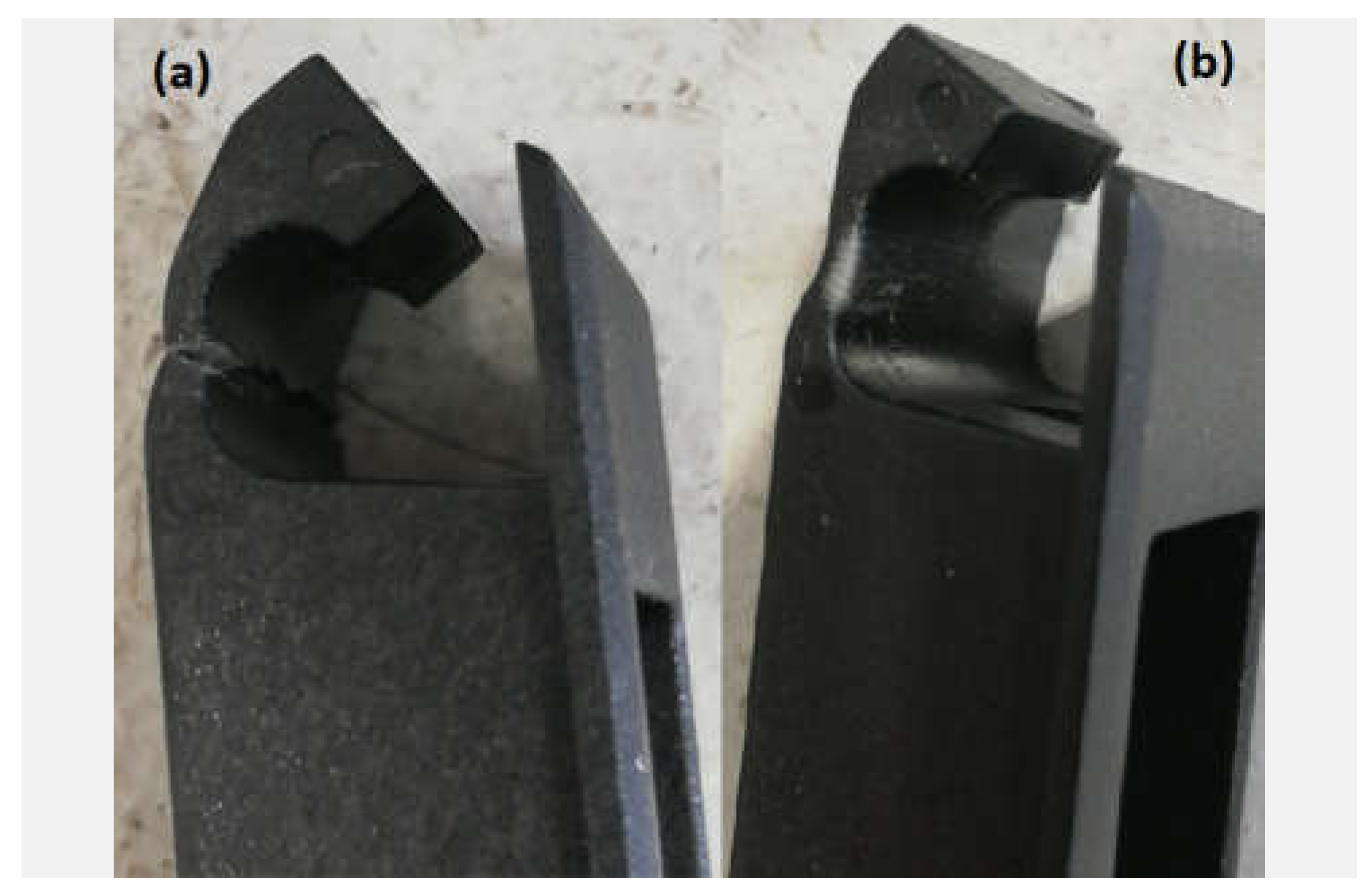
When evaluating the test results, it was observed that the process parameter set used in the first trial yielded products with tensile strength values closest to those of the standard ABS.
In the production with olive seed-filled ABS, a relatively matte surface was obtained, while a brighter surface was achieved with standard ABS.
Additionally, in terms of sustainable ABS usage, it was observed that lower process temperatures and pressure requirements were needed in the 1st trial compared to the 6th trial.
Figure 10.
Images of the tensile test results of the 10% olive seed-filled ABS product from the 1st trial (a) and the samples from the 6th trial produced with standard ABS raw material (b) after the tensile test.
Figure 10.
Images of the tensile test results of the 10% olive seed-filled ABS product from the 1st trial (a) and the samples from the 6th trial produced with standard ABS raw material (b) after the tensile test.
4. Results
In this study, a literature review was conducted on sustainable alternatives for polymer raw materials used in plastic injection molding.
Based on the scientific research, experimental studies were carried out for the polymers PA6 GFR30 and ABS consumed by a local industrial lock manufacturer. The experimental studies were conducted for pure polymers and bio-based composite materials.
The results obtained are summarized below.
- 1.
- The use of recycled polymer raw materials for the sustainable production of PA6 GFR30 has been studied. As a result:
- Considering the consumption in 2023, it was observed that approximately 690 tons of carbon footprint reduction could be achieved.
- When evaluated in terms of mechanical strength, it was determined that the tensile strength of the current recipe and raw materials from the current supplier was achieved within the range of 88-99%.
- Considering the consumption in 2023, it was calculated that approximately 909 tons of water footprint reduction could be achieved.
- 2.
- In the study with 10% olive seed reinforced ABS, it was determined that the tensile strength of pure ABS was achieved at a rate of 96.45 In the study conducted with olive seed-filled (10%) ABS, it was found that the tensile strength of the pure ABS was achieved within the range of 96.45%.
- Thanks to the lower process parameters, it was predicted that energy consumption, or in other words, the carbon footprint, would be lower.
- It was determined that the olive seed additive in the products caused a decrease in tensile strength due to burning of the olive seed additive at high process temperatures. Additionally, it was observed that the products broke without deformation due to the lower elongation at break of the additive.
- It was determined that the olive seed additive in the products caused a decrease in tensile strength due to the burning of the olive seed additive at high process temperatures. Additionally, it was observed that the products broke without deformation due to the lower elongation at break of the additive.
References
- Wankhade, V. Animal-derived biopolymers in food and biomedical technology. Biopolymer-Based Formulations: Biomedical and Food Applications 2020, 139–152. [Google Scholar]
- Biswas, M.C.; Jony, B.; Nandy, P.K.; Chowdhury, R.A.; Halder, S.; Kumar, D.; Ramakrishna, S.; Hassan, M.; Ahsan, M.A.; Hoque, M.E.; et al. Recent Advancement of Biopolymers and Their Potential Biomedical Applications. Journal of Polymers and the Environment 2022, 51–74. [Google Scholar] [CrossRef]
- Baranwal, J.; Barse, B.; Fais, A.; Delogu, G.L.; Kumar, A. Biopolymer: A Sustainable Material for Food and Medical Applications. Polymers 2022. [Google Scholar] [CrossRef]
- Zhu, Q.; Sun, E.; Zhao, Z.; Wu, T.; Meng, S.; Ma, Z.; Shoaib, M.; Ur Rehman, H.; Cao, X.; Wang, N. Biopolymer Materials in Triboelectric Nanogenerators: A Review. Polymers 2024. [Google Scholar] [CrossRef]
- Chavan, P.P.; Roy, R.; Pandit, P.; Chandrakar, K.; Maity, S. Marine biopolymers in textile applications. Marine Biopolymers: Processing, Functionality and Applications 2024, 805–832. [Google Scholar]
- Getahun, M.J.; Kassie, B.B.; Alemu, T.S. Recent advances in biopolymer synthesis, properties, & commercial applications: a review. Process Biochemistry 2024, 261–287. [Google Scholar]
- Amenorfe, L.P.; Agorku, E.S.; Sarpong, F.; Voegborlo, R.B. Innovative exploration of additive incorporated biopolymer-based composites. Scientific African 2022. [Google Scholar] [CrossRef]
- Gobi, R.; Ravichandiran, P.; Babu, R.S.; Yoo, D.-J. Biopolymer and synthetic polymer-based nanocomposites in wound dressing applications: A review. Polymers 2021. [Google Scholar] [CrossRef] [PubMed]
- Patti, A.; Acierno, D. Towards the Sustainability of the Plastic Industry through Biopolymers: Properties and Potential Applications to the Textiles World. Polymers 2022. [Google Scholar] [CrossRef] [PubMed]
- Grover, L.M.; Smith, A.M. Hydrocolloids and Medicinal Chemistry Applications. Modern Biopolymer Science: Bridging the Divide between Fundamental Treatise and Industrial Application. Modern Biopolymer Science 2009, 595–618. [Google Scholar]
- Kiran, S.; Shahzaib; Iqbal, S.; Munir, B.; Hafiz, I. Introduction to biopolymers and their potential in the textile industry. Biopolymers in the Textile Industry: Opportunities and Limitations 2024, 1–28. [Google Scholar]
- Abdul, B.A.A.; Adel, M.; Karimi, P.; Abbaszadeh, M.; Kamaludeen, A.; Meera Moydeen, A. Recent advantages of biopolymer preparation and applications in bio-industry. Industrial Applications of Marine Biopolymers 2017, 229–242. [Google Scholar]
- Thomas, B.; Melethil, K. Biopolymers: State of the Art and New Challenges. In Handbook of Biopolymers; 2023; pp. 3–24. [Google Scholar]
- Umesh, M.; Shanmugam, S.; Kikas, T.; Lan Chi, N.T.; Pugazhendhi, A. Progress in bio-based biodegradable polymer as the effective replacement for the engineering applicators. Journal of Cleaner Production 2022. [Google Scholar] [CrossRef]
- Dirpan, A.; Ainani, A.F.; Djalal, M. A Review on Biopolymer-Based Biodegradable Film for Food Packaging: Trends over the Last Decade and Future Research. Polymers 2023. [Google Scholar] [CrossRef] [PubMed]
- Celik, S.; Akyuz, S.; Ozel, A.E. The importance of polymers in medicine and their FTIR and Raman spectroscopic investigations. In Development, Properties, and Industrial Applications of 3D Printed Polymer Composites; 2023; pp. 170–187. [Google Scholar]
- dos Santos, V.; Brandalise, R.N.; Savaris, M. Polymeric Biomaterials. Topics in Mining, Metallurgy and Materials Engineering; 2017; pp. 39–50. [Google Scholar]
- Mikitaev, A.K.; Ligidov, M.K.; Zaikov, G.E. Polymers, Polymer Blends, Polymer Composites and Filled Polymers: Synthesis, Properties and Applications; 2006; pp. 1-222.
- Francis, R.; Joy, N.; Sivadas, A. Synthetic Biodegradable Polymers for Medical and Clinical Applications. Biomedical Applications of Polymeric Materials and Composites 2016, 361–382. [Google Scholar]
- Grethe, T. Biodegradable synthetic polymers in textiles – what lies beyond pla and medical applications? A review.; [Biorazgradljivi sintetični polimeri v tekstilstvu – kaj sledi pla in medicinskim načinom uporabe? Pregled.]. Tekstilec 2021, 32–46. [Google Scholar] [CrossRef]
- Zaikov, G.E.; Jimenez, A.; Monakov, Y.B. Trends in polymer research. Trends in Polymer Research 2009, 1–142. [Google Scholar]
- Shen, Y.; Wang, K. Polymer applications in drug delivery. Journal of Physics: Conference Series 2023. [Google Scholar] [CrossRef]
- Damodaran, V.B.; Bhatnagar, D.; Murthy, N.S. Biomedical polymers: An overview. In Biomedical Polymers; Springer Briefs in Applied Sciences and Technology; 2016; pp. 1–22. [Google Scholar]
- Brandstetter, F.; Assmann, J. Polymers. In Technology Guide: Principles - Applications – Trends; 2009; pp. 18–23. [Google Scholar]
- AlMaadeed, M.A.A.; Ponnamma, D.; El-Samak, A.A. Polymers to improve the world and lifestyle: physical, mechanical, and chemical needs. Polymer Science and Innovative Applications: Materials, Techniques, and Future Developments 2020, 1–19. [Google Scholar]
- Sharma, S.; Sudhakara, P.; Omran, A.A.B.; Singh, J.; Ilyas, R.A. Recent trends and developments in conducting polymer nanocomposites for multifunctional applications. Polymers 2021. [Google Scholar] [CrossRef] [PubMed]
- Depan, D. Biodegradable Polymeric Nanocomposites: Advances in Biomedical Applications; 2015; pp. 1–252. [Google Scholar]
- Thadepalli, S. Review of multifarious applications of polymers in medical and health care textiles. Materials Today: Proceedings.
- Nogueira, G.F.; de Oliveira, R.A.; Velasco, J.I.; Fakhouri, F.M. Methods of incorporating plant-derived bioactive compounds into films made with agro-based polymers for application as food packaging: A brief review. Polymers 2020, 1–34. [Google Scholar] [CrossRef] [PubMed]
- Moohan, J.; Stewart, S.A.; Espinosa, E.; Rosal, A.; Rodríguez, A.; Larrañeta, E.; Donnelly, R.F.; Domínguez-Robles, J. Cellulose nanofibers and other biopolymers for biomedical applications. A review. Applied Sciences 2020. [Google Scholar] [CrossRef]
- Kumar, S.; Rana, N.; Kumar, M.; Sharma, A.; Katoch, P.; Rana, A.; Thakur, S.S. Biopolymer modifications using ionic liquids for industrial and environmental applications. In Modified Biopolymers: Challenges and Opportunities; 2017; pp. 285–308. [Google Scholar]
- Rahman, M.R.; Bin Bakri, M.K.; Huda, D.; Othman, A.-K.; Kuok, K.K.; Uddin, J. Activated montmorillonite nanocarbon from aspen wood sawdust and its biocomposites. Advanced Nanocarbon Polymer Biocomposites: Sustainability Towards Zero Biowaste 2024, 551–624. [Google Scholar]
- Gupta, D.K.; Phanisree, M.H.M.; Penchalaraju, M.; Babu, A.S. Edible and Biodegradable Polymeric Materials for Food Packaging or Coatings. Food Coatings and Preservation Technologies 2024, 51–84. [Google Scholar]
- Nasrollahzadeh, M.; Nezafat, Z.; Shafiei, N.; Soleimani, F. Biodegradability properties of biopolymers. In Biopolymer-Based Metal Nanoparticle Chemistry for Sustainable Applications: Volume 1: Classification, Properties and Synthesis; 2021; pp. 231–251. [Google Scholar]
- Mistretta, M.C.; Botta, L.; Morreale, M.; Rifici, S.; Ceraulo, M.; La Mantia, F.P. Injection molding and mechanical properties of bio-based polymer nanocomposites. Materials 2018. [Google Scholar] [CrossRef]
- Kamble, M.G.; Singh, A.; Singh, S.V.; Dar, A.H.; Kamble, M.G.; Pandey, S. Plant-Based Biopolymers in Food Industry: Sources, Extraction Methods, and Applications. Biopolymers in Pharmaceutical and Food Applications 2024, 1, 269–291. [Google Scholar]
- Martau, G.A.; Mihai, M.; Vodnar, D.C. The use of chitosan, alginate, and pectin in the biomedical and food sector-biocompatibility, bioadhesiveness, and biodegradability. Polymers 2019. [Google Scholar] [CrossRef]
- Ragitha, V.M.; Edison, L.K. Safety Issues, Environmental Impacts, and Health Effects of Biopolymers. In Handbook of Biopolymers; 2023; pp. 1469–1495. [Google Scholar]
- Cheng, J.; Gao, R.; Zhu, Y.; Lin, Q. Applications of biodegradable materials in food packaging: A review. Alexandria Engineering Journal 2024, 70–83. [Google Scholar] [CrossRef]
- Akdogan, A.; Vanli, A.S. Production Performance of Wood Flour Reinforced Polymer Composites in Extrusion Process. International Advances in Applied Physics and Materials Science 2018, 134, 18–20. [Google Scholar]
- Sarul, T.I.; Akdogan, A.; Koyun, A. Alternative Production Methods for Lignocellulosic Composite Materials. Journal of Thermoplastic Composite Materials 2010, 23. [Google Scholar] [CrossRef]
- Silva, S.S.; Rodrigues, L.C.; Fernandes, E.M.; Reis, R.L. Fundamentals on biopolymers and global demand. Biopolymer Membranes and Films: Health, Food, Environment, and Energy Applications 2020, 3–34. [Google Scholar]
- Boopathi, S. Sustainable biopolymers: Applications and case studies in pharmaceuticals, medical, and food industries. Artificial Intelligence and Metaverse through Data Engineering 2024, 109–140. [Google Scholar]
- Kumar, M.; Rathour, R.; Singh, R.; Sun, Y.; Pandey, A.; Gnansounou, E.; Andrew Lin, K.-Y.; Tsang, D.C.W.; Thakur, I.S. Bacterial polyhydroxyalkanoates: Opportunities, challenges, and prospects. Journal of Cleaner Production 2020. [Google Scholar] [CrossRef]
- Hedar, M.; Intisar, A.; Hussain, T.; Hussain, N.; Bilal, M. Challenges and Issues in Biopolymer Applications. In Handbook of Biopolymers; 2023; pp. 1497–1511. [Google Scholar]
- Sadasivuni, K.K.; Saha, P.; Adhikari, J.; Deshmukh, K.; Ahamed, M.B.; Cabibihan, J.-J. Recent advances in mechanical properties of biopolymer composites: a review. Polymer Composites 2020, 32–59. [Google Scholar] [CrossRef]
- Ali, N.; Rashid, M.I.; Rehan, M.; Shah Eqani, S.A.M.A.; Summan, A.S.A.; Ismail, I.M.I.; Koller, M.; Ali, A.M.; Shahzad, K. Environmental evaluation of polyhydroxyalkanoates from animal slaughtering waste using Material Input Per Service Unit. New Biotechnology 2023, 40–51. [Google Scholar] [CrossRef] [PubMed]
- Mesan Locks Catalogue. 2022. Available online: https://www.mesanlocks.com/en/urun/sliding-lock-1236.
Figure 1.
Pareto Analysis of Plastic Raw Materials Consumed in 2023 at Mesan Locks, Turkey.
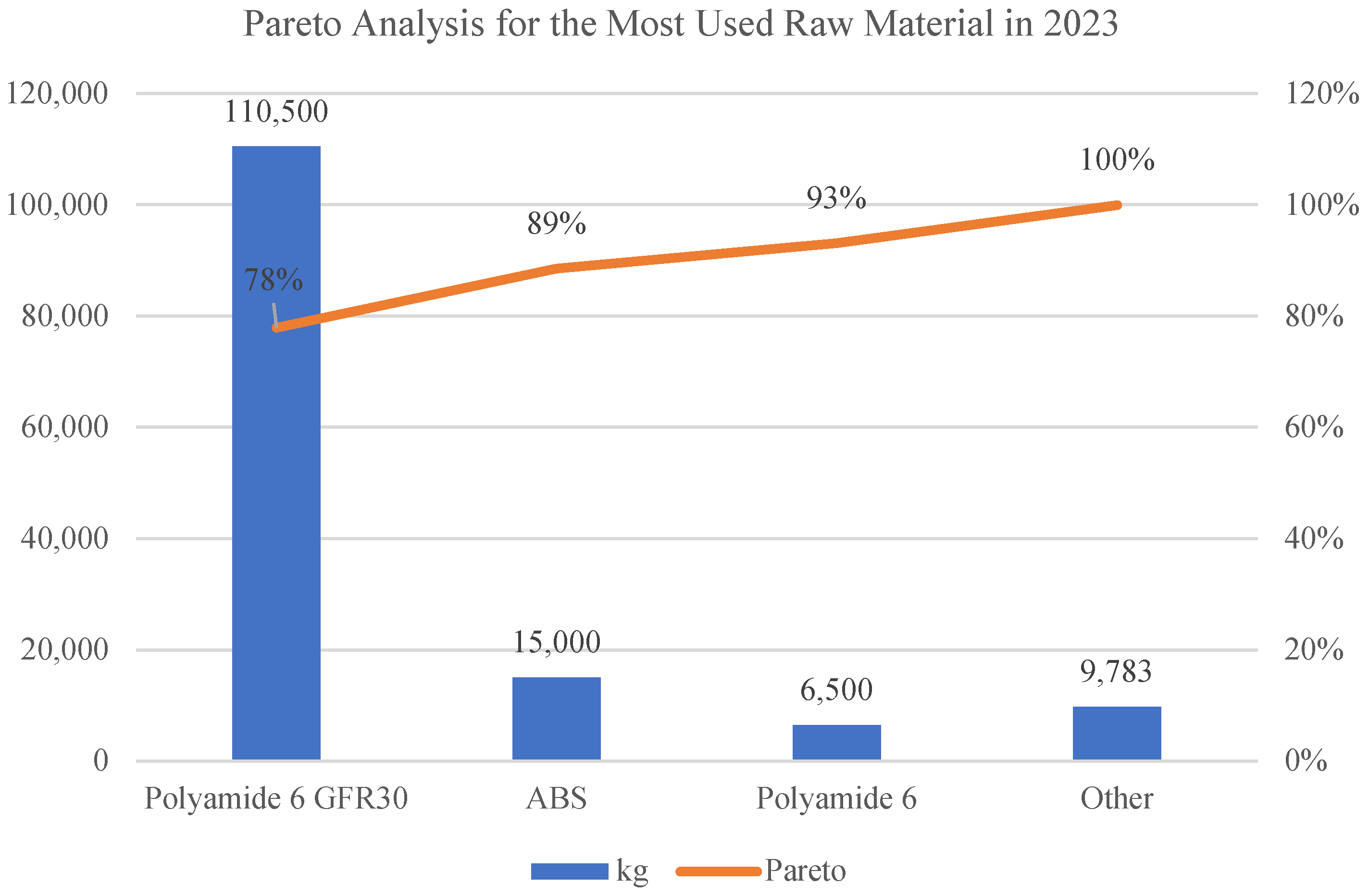
Figure 2.
Flat tensile test image according to ASTM E8 standard.
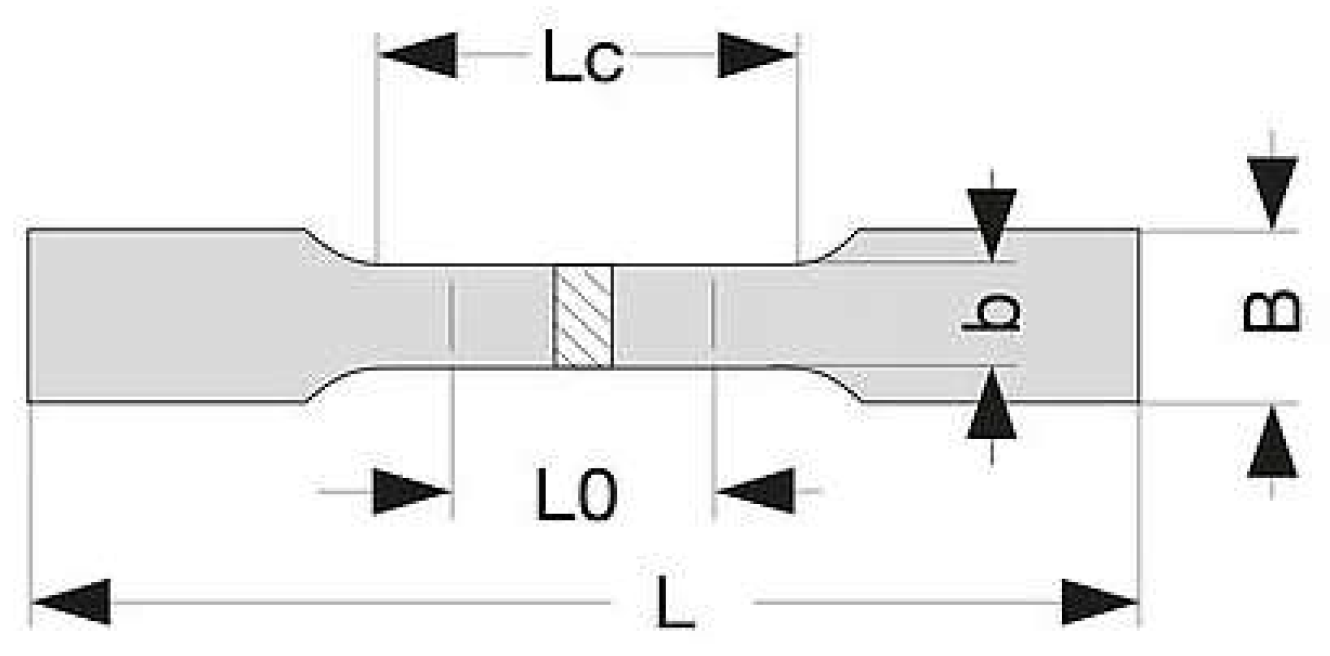
Figure 3.
Application of the tensile test and visuals of the fracture surfaces on the 20kN capacity testing device of Kalitest Machine.
Figure 3.
Application of the tensile test and visuals of the fracture surfaces on the 20kN capacity testing device of Kalitest Machine.
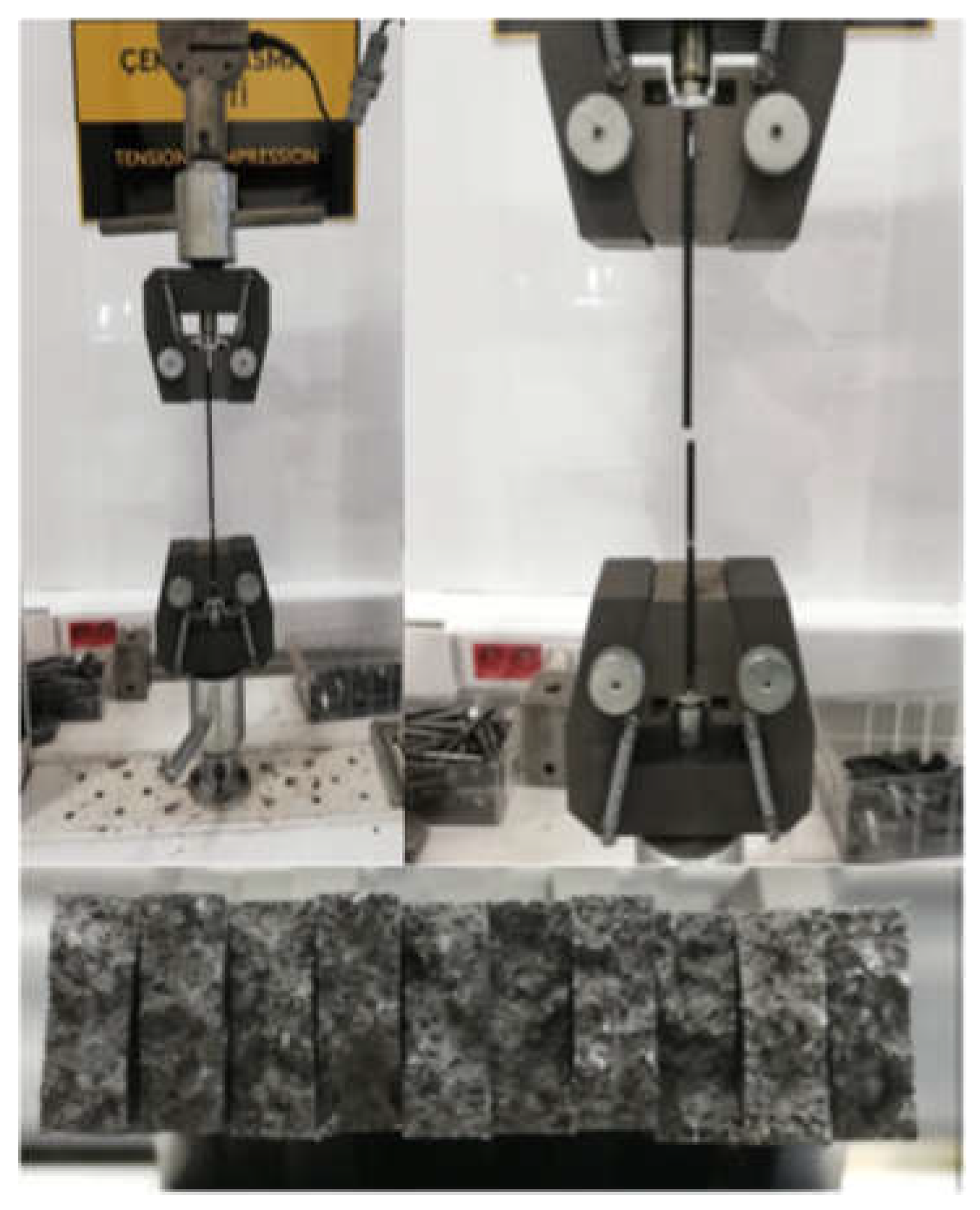
Figure 4.
Estimated carbon footprint reduction based on 2023 raw material consumption.
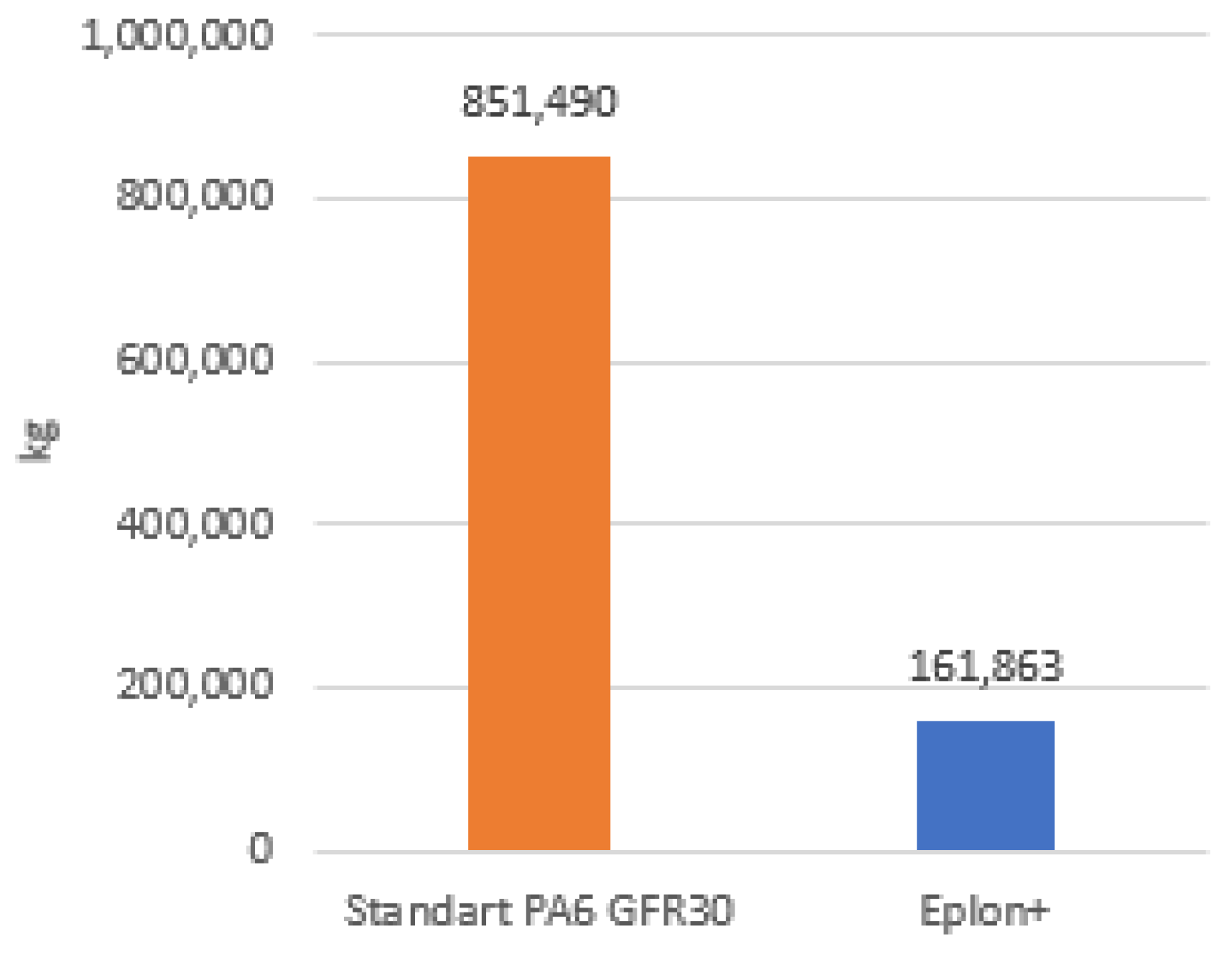
Figure 5.
Estimated water footprint reduction based on 2023 raw material consumption.
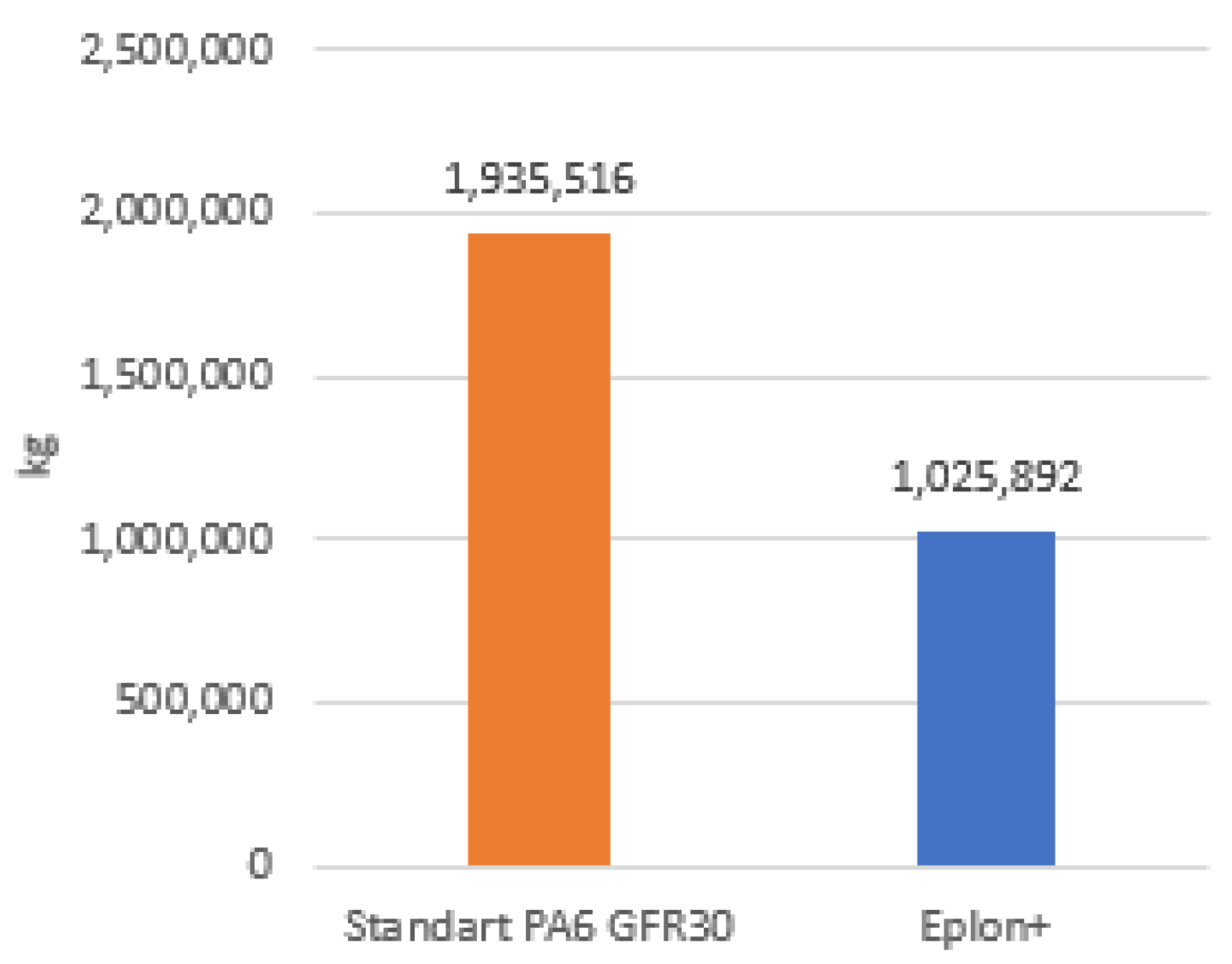
Figure 6.
Slide lock and critical measurements [48].
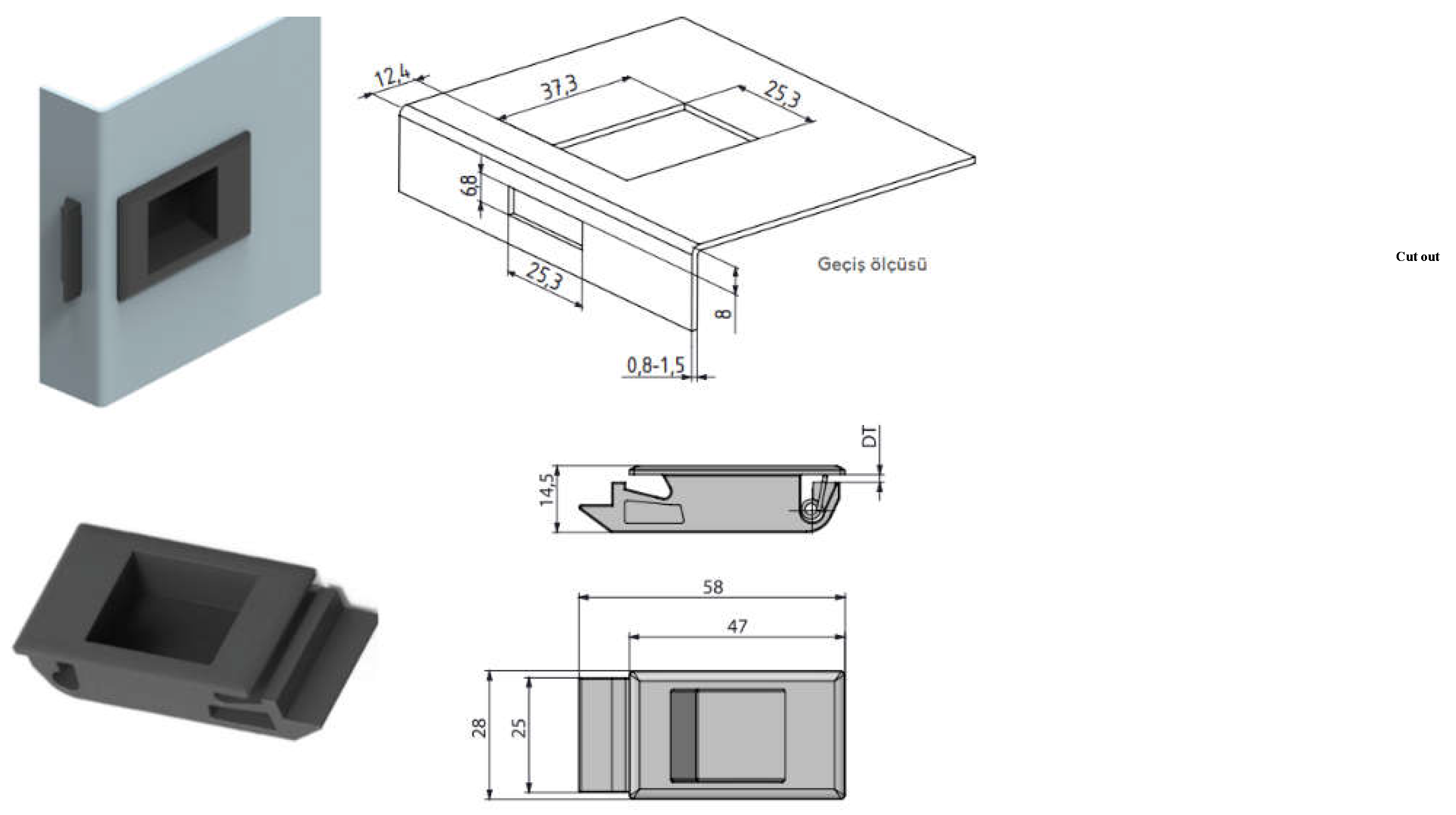
Figure 7.
Horizontal plastic injection molding machine used for the trials.
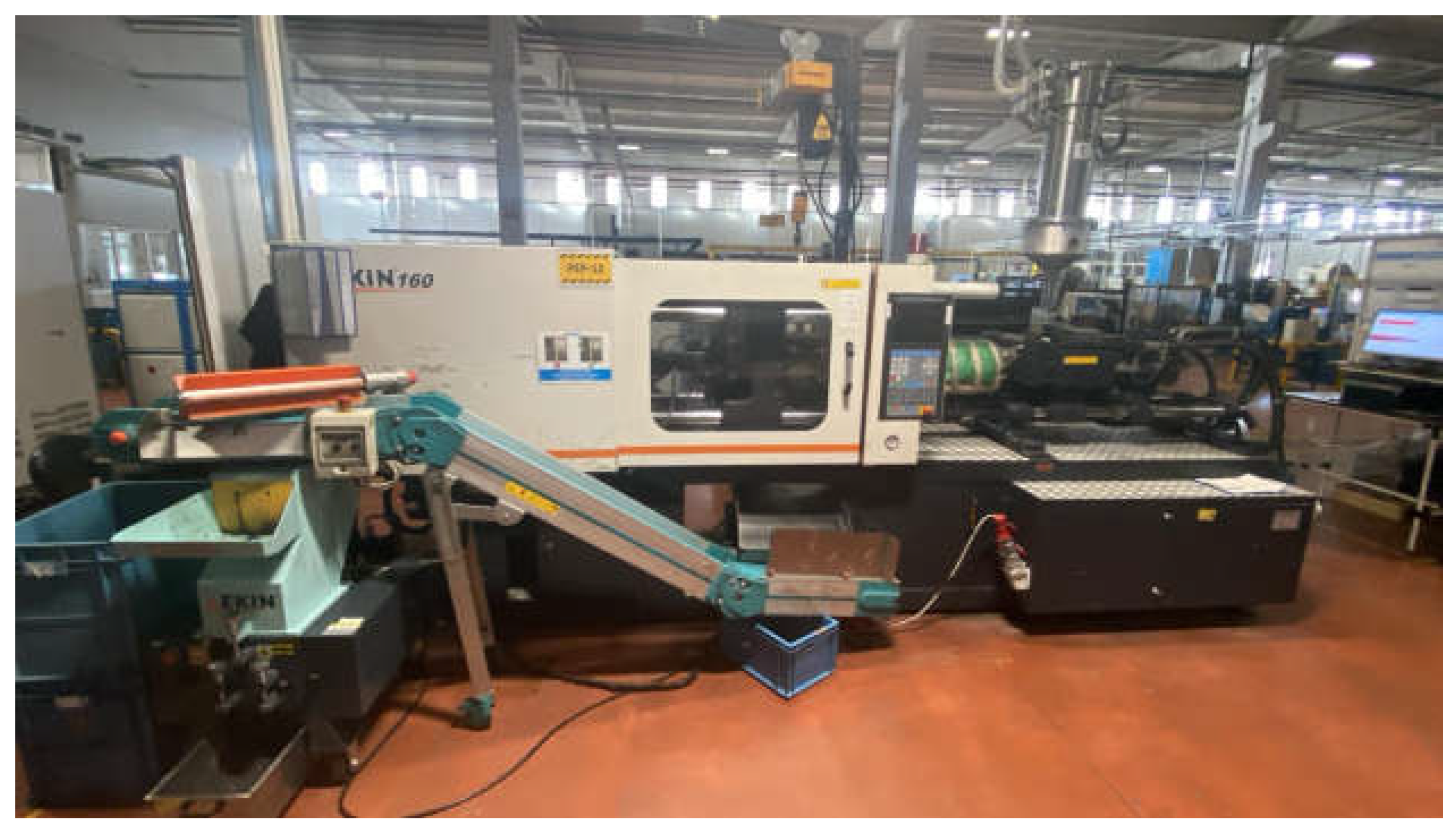
Figure 8.
The area where the tensile test was applied on the sliding lock.
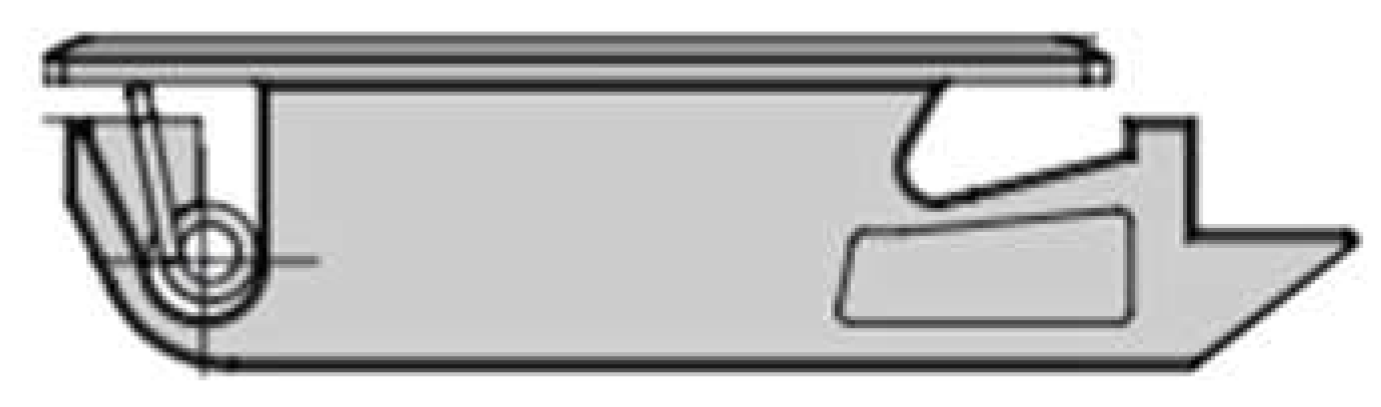
Figure 9.
Attachment of the slide lock to the tensile testing machine.
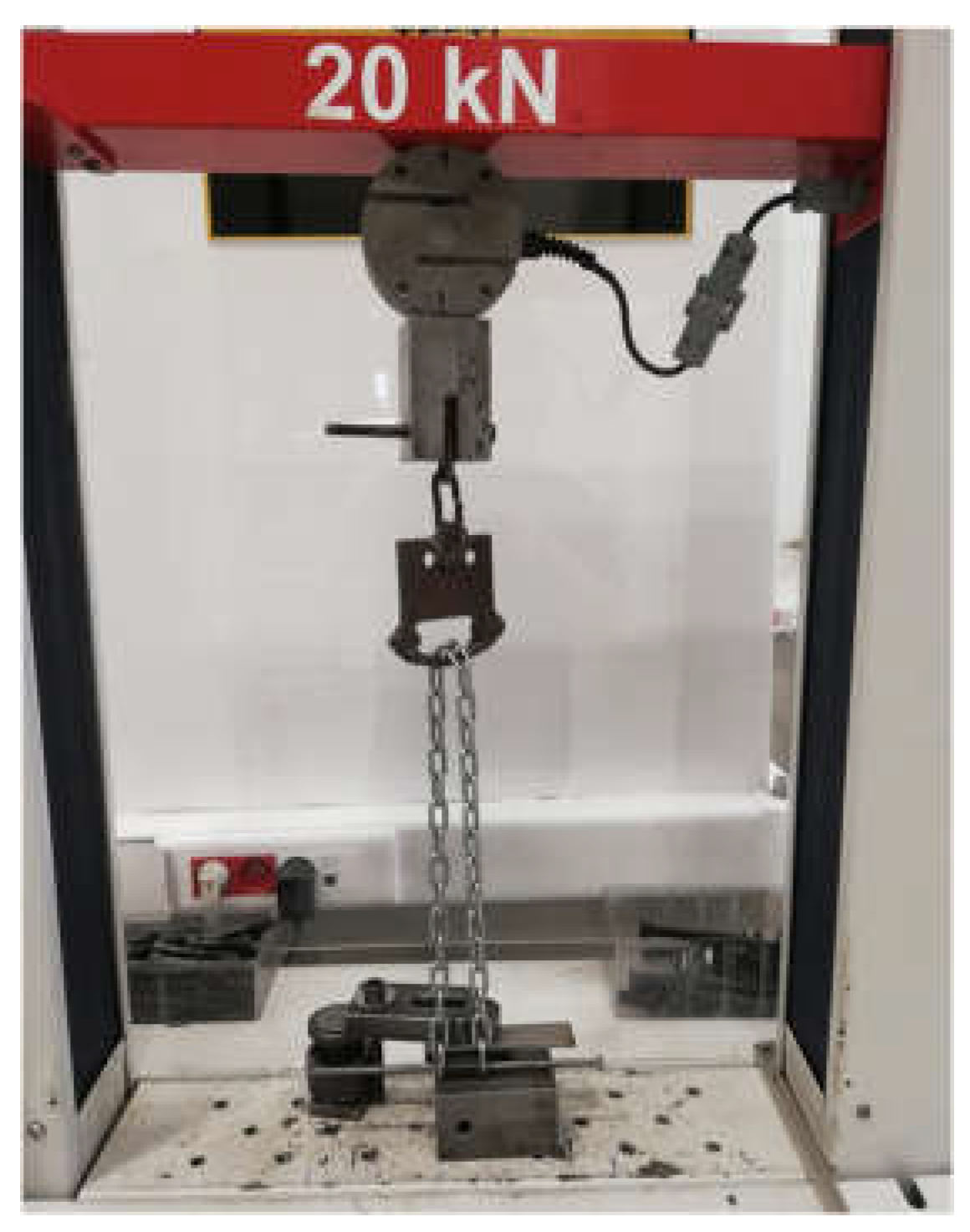

Table 1.
Properties of standard raw materials vs. bio-based/bio-filled plastic raw materials.
| Properties | LDPE | HDPE | Polyamide (Nylon) | ABS | PLA | PHA | Starch-Based PLA | Corn Starch-Modified PP | Olive Seed-Modified ABS | Chitosan-based Polymer | Alginate-based Polymer |
| Density (g/cm³) | 0.91 - 0.94 | 0.94 - 0.97 | 1.14 | 1.04 - 1.07 | 1.25 | 1.25 | 1.20 | 1.30 | 1.08 | 1.30 | 1.35 |
| Melting Point (°C) | 105 - 115 | 120 - 130 | 190 - 350 | 190 - 230 | 160 - 170 | 150 - 175 | 160 | 175 | 200 | 180 | 170 |
| Tensile Strength (MPa) | 8 - 12 | 20 - 35 | 45 - 80 | 40 - 50 | 50 - 70 | 20 - 40 | 55 | 45 | 40 | 60 | 35 |
| Elasticity Modulus (GPa) | 0.2 - 0.5 | 0.8 - 1.5 | 2.0 - 3.0 | 1.5 - 3.0 | 2.5 | 1.8 | 2.0 | 1.5 | 2.0 | 1.6 | 1.8 |
| Impact Resistance (kJ/m²) | 5 - 7 | 20 - 30 | 30 - 50 | 10 - 15 | 10 | 5 - 10 | 15 | 10 | 8 | 15 | 10 |
| Biodegradability | No | No | No | No | Yes | Yes | Yes | Yes | Yes | Yes | Yes |
| Raw Material | Petroleum-based | Petroleum-based | Petroleum-based | Petroleum-based | Corn Starch | Sugarcane | Corn Starch | Corn Starch | Olive Seed | Shellfish | Algae |
Table 2.
Dimensions of the flat tensile test specimen (mm) according to ASTM E8.
| b | L0 | B | Lc | L |
|---|---|---|---|---|
| 12,5 | 50 | 20 | 60 | 200 |
Table 3.
Tensile test results according to the recipes.
| Recipes | Tensile Force (N) | Elongation (mm) |
|---|---|---|
| Eplon+ (%100) | 5.661 | 7,453 |
| Eplon+ (%70) / Recycled (%30) | 5.716 | 7,451 |
| Polyamide 6 GFR30 (%100) (A Supplier) | 6.403 | 8,011 |
| Polyamide 6 GFR30 (%100) (B Supplier) | 6.214 | 7,858 |
Table 4.
Process parameters used in the production with Olive seed-filled ABS and standard ABS.
| Trials | Temperature - Celcius | Bar | Raw Material | |||
|---|---|---|---|---|---|---|
| No | 1. Zone | 2. Zone | 3. Zone | Nozzle | Pressure | Status |
| 1. Trial | 210 | 200 | 195 | 35 | 70 | %10 Olive seed-filled ABS |
| 2. Trial | 220 | 215 | 210 | 40 | 80 | %10 Olive seed-filled ABS |
| 3. Trial | 195 | 190 | 185 | 35 | 70 | %10 Olive seed-filled ABS |
| 4. Trial | 220 | 215 | 210 | 40 | 100 | %10 Olive seed-filled ABS |
| 5. Trial | 220 | 215 | 210 | 40 | 70 | %10 Olive seed-filled ABS |
| 6. Trial | 220 | 215 | 210 | 40 | 80 | Standard ABS |
Table 5.
Tensile test results of the samples obtained from the trials.
| Trial | Raw | Tensile Force (N) | ||||||||||
|---|---|---|---|---|---|---|---|---|---|---|---|---|
| No | Material | 1 | 2 | 3 | 4 | 5 | 6 | 7 | 8 | 9 | 10 | Average |
| 1. | %10 Olive seed-filled ABS | 265 | 254 | 262 | 309 | 272 | 266 | 302 | 309 | 233 | 251 | 272.3 |
| 2. | %10 Olive seed-filled ABS | 267 | 262 | 246 | 272 | 231 | 286 | 256 | 248 | 243 | 222 | 253.3 |
| 3. | %10 Olive seed-filled ABS | 265 | 275 | 259 | 246 | 253 | 238 | 260 | 244 | 258 | 248 | 254.6 |
| 4. | %10 Olive seed-filled ABS | 255 | 244 | 256 | 257 | 249 | 223 | 250 | 259 | 247 | 244 | 248.4 |
| 5. | %10 Olive seed-filled ABS | 253 | 284 | 295 | 269 | 256 | 276 | 260 | 276 | 257 | 244 | 267.0 |
| 6. | Standard ABS | 278 | 273 | 275 | 303 | 269 | 303 | 302 | 242 | 253 | 317 | 281.5 |
Disclaimer/Publisher’s Note: The statements, opinions and data contained in all publications are solely those of the individual author(s) and contributor(s) and not of MDPI and/or the editor(s). MDPI and/or the editor(s) disclaim responsibility for any injury to people or property resulting from any ideas, methods, instructions or products referred to in the content. |
© 2025 by the authors. Licensee MDPI, Basel, Switzerland. This article is an open access article distributed under the terms and conditions of the Creative Commons Attribution (CC BY) license (http://creativecommons.org/licenses/by/4.0/).
Copyright: This open access article is published under a Creative Commons CC BY 4.0 license, which permit the free download, distribution, and reuse, provided that the author and preprint are cited in any reuse.


