
Submitted:
12 January 2025
Posted:
13 January 2025
You are already at the latest version
Preprints on COVID-19 and SARS-CoV-2
Abstract
The COVID-19 pandemic has presented unprecedented global challenges, underscoring the essential role of effective governance and accountability in crisis management and recovery. This paper evaluates the governance frameworks and accountability mechanisms implemented by the United Arab Emirates (UAE) during the COVID-19 pandemic, assessing their effectiveness in managing the health crisis and stabilising the economy from February 2020 to February 2022. A qualitative content analysis was conducted using data from official government documents, public health communications, policy statements, and reputable secondary sources. The paper focused on identifying and categorising key policy actions and their outcomes, including government initiatives, public health messaging, accountability measures, and crisis governance strategies. The UAE's coordinated response, characterised by transparent decision-making and adaptive policy adjustments, resulted in a remarkably low case fatality rate of 0.31%, significantly below global averages. By March 2021, over half of the UAE population had received at least one COVID-19 vaccine dose, facilitating effective virus containment and public health stabilisation.
Additionally, targeted economic interventions and support mechanisms enabled a swift economic recovery, ensuring resilience amid global disruptions. This paper provides valuable insights into the UAE’s governance and accountability mechanisms during the pandemic. It highlights the importance of transparent governance and flexible policies in mitigating health risks and maintaining economic stability. The findings offer a reference for policymakers and health authorities to enhance preparedness for future health emergencies.
Keywords:
healthcare policy
; governance
; accountability
; covid-19
; crisis management
; UAE
1. Introduction
The global outbreak of the severe acute respiratory syndrome coronavirus 2 (SARS-CoV-2), known as COVID-19, was officially declared a pandemic by the World Health Organization (WHO) on March 11, 2020 [57]. Since its emergence, the pandemic has posed unparalleled challenges, resulting in over 100 million infections and 2.22 million deaths by early February 2021 [57]. Managing such a health crisis effectively is crucial to prevent economic destabilisation and handle the surge in infected individuals. The pandemic has profoundly impacted businesses, governments, public institutions, and non-profit sectors globally, highlighting the critical role of risk management, internal controls, and accountability systems within disaster management, business continuity planning, and corporate governance frameworks [47]. Recent research has underscored the evolution of accountability practices in crisis contexts. [36] identified the emergence of performative accountability forms that prioritise human rights and social welfare, particularly in the clothing sector. These forms of accountability encompass political, moral, and organisational dimensions, emphasising the importance of human rights and self-reflection during crises. Similarly, [47] demonstrated that organisations with robust business continuity plans are better equipped to adapt strategies and processes to change legislation during crises than those lacking such plans.
Governments worldwide have struggled to manage COVID-19 due to the virus’s severity and urgency, which has disrupted global trade and necessitated coordinated national responses [29]. Accountability and financial mechanisms have also begun to address broader environmental issues, such as biodiversity loss, species extinction, and habitat destruction, through responsible investing and accountability frameworks [28]. The zoonotic transmission of coronaviruses from animals to humans further underscores the necessity for comprehensive governance mechanisms to minimise such transmission risks. The rapid spread of COVID-19 precipitated a global health crisis, compelling governments to implement drastic measures to safeguard public health. These measures included nationwide lockdowns, movement restrictions, suspension of public transportation, and closure of most businesses [37]. The economic repercussions of these measures prompted many governments to introduce substantial stimulus packages. However, the focus on health and safety also created opportunities for fraudulent financial activities, such as a 33% increase in money laundering during the pandemic [18]. In developing countries, the absence of robust institutions, family governance systems, and underdeveloped financial markets exacerbated these challenges, raising concerns about the adequacy of existing governance and accountability mechanisms.
The successful implementation of vaccination programs rekindled hopes for a return to normalcy by late 2020. However, the global vaccination rollout revealed significant disparities between developed and developing countries, reflecting the broader divide between the Global North and Global South [40]. Empirical studies have confirmed that vaccines significantly reduced COVID-19 cases and fatalities [26,34]. Nevertheless, the pandemic has had pervasive negative impacts on societies, economies, and governance systems [11]. Existing research underscores the necessity for further studies examining the pandemic’s effects on country-specific crises and societal responses [4]. Accounting research has addressed various crises, including the global financial downturn of 2008 [5,8,10] and the implementation of accounting and accountability systems during emergencies, such as COVID-19 [2,3]. Additionally, accounting approaches have been utilised by non-profit organisations and businesses to navigate the pandemic’s challenges [13,16,42]. Recent studies have also examined how accounting practices have exacerbated existing inequalities during the pandemic (7, 14, 39]. This study addresses the gap in understanding the UAE’s specific governance and accountability mechanisms during the COVID-19 pandemic. By analysing the UAE’s strategic responses, this research provides insights into effective crisis management and economic stabilisation practices, offering valuable lessons for future policymaking and emergency preparedness efforts.
Methods
2.1. Data Sources
A qualitative content analysis examined the governance and accountability practices in the UAE during the COVID-19 pandemic. Data were sourced from authoritative channels to ensure accuracy and comprehensiveness. Primary quantitative data were obtained from public databases, including the World Health Organization’s COVID-19 dashboard [57], the Johns Hopkins University Coronavirus Resource Center [47], and the UAE Ministry of Health and Prevention’s COVID-19 portal [50], providing up-to-date statistics on cases, mortality rates, and recoveries. Complementary qualitative data were derived from official government reports and publications from entities such as the UAE Ministry of Health and Prevention and the National Emergency Crisis and Disaster Management Authority [54]. These documents detailed preparedness measures, intervention strategies, and the socio-economic impacts of the pandemic. Additionally, strategic policy documents, including the UAE National Disinfection Program and the National Vaccination Program [53], were analysed to understand the policy frameworks and initiatives implemented to mitigate the pandemic’s effects. Diverse news media sources, including reputable newspapers and online platforms [23], were reviewed to capture public sentiment and media portrayal of the UAE’s response. Reports from international health organisations, such as the WHO and the Centers for Disease Control and Prevention [43], were incorporated to benchmark the UAE’s response against global best practices, providing a broader context for evaluating the UAE’s strategies.
2.2. Analytical Framework and Content Analysis
A systematic qualitative content analysis, informed by the methodologies of [17] and [30], was employed to evaluate the effectiveness of the UAE government’s policies in response to COVID-19 from February 2020 to February 2022. This analysis focused on health-related issues, institutional policies, and accountability mechanisms by thoroughly examining official government documents, public health communications, policy statements, and reputable secondary sources. The process involved data familiarisation, developing a comprehensive coding scheme to identify specific keywords and phrases related to government actions, public health messaging, accountability measures, and crisis governance strategies, followed by systematic coding and theme identification. For instance, social distancing, vaccination mandates, and public compliance strategies were meticulously scrutinised to assess their roles in managing the pandemic. This qualitative assessment provided a detailed overview of the policy landscape, highlighting the strengths and weaknesses of various institutional responses and offering valuable insights into effective governance practices during public health emergencies. Incorporating additional methodological references, such as [22] and [44], further enhanced the study’s rigour, ensuring the validity and reliability of the content analysis approach.
3. Theoretical Background
3.1. UAE COVID-19 Response Timeline
The UAE, comprising seven emirates, initiated multiple health interventions in early 2020 following the WHO’s declaration of the COVID-19 pandemic on March 11, 2020 [57]. Prompt and systematic measures, including travel restrictions, mass testing, the establishment of quarantine facilities, and the rollout of vaccination campaigns, characterised the country’s response. On January 23, 2020, the UAE introduced temperature screenings for passengers arriving from China at major international airports in Abu Dhabi and Dubai, less than a week after COVID-19 cases emerged in Wuhan, China [43]. By January 29, the UAE confirmed its first COVID-19 case, involving a family travelling from Wuhan, highlighting the nation’s vulnerability to early international transmission [27]. This initial case prompted heightened public health measures, including distributing face masks and launching public awareness campaigns [20].
On March 23, 2020, the UAE reported 45 new cases, raising the total number of confirmed cases to 198. Consequently, a national directive advised individuals to remain home except for emergencies or essential work [24]. This directive led to the closing of shopping centres and markets and the imposition of flight restrictions, marking the beginning of stringent mobility controls [24,25]. On March 30, 2020, the UAE launched the world’s largest COVID-19 testing laboratory outside China in collaboration with G42 and BGI Group, significantly enhancing testing capacity [15]. Further efforts included the Ministry of Health and Prevention (MoH&P) launching a home testing program on April 12, 2020, to improve accessibility for people with disabilities. The development of intelligent applications, such as an interactive health map detailing test centres, hospitals, and clinics, facilitated efficient resource allocation and case tracking [1]. These proactive measures contributed to maintaining a low mortality rate compared to global averages.
The UAE’s vaccination campaign initially commenced in December 2020, targeting healthcare workers and vulnerable populations. By early 2021, a mass vaccination drive aimed to inoculate 50% of the population by March 2021. Empirical data indicated that the vaccination campaign significantly reduced infection rates, with a 30% decrease in new cases reported between February and May 2021 [6]. Despite these successes, challenges such as vaccine hesitancy emerged, with approximately 12% of residents expressing concerns over side effects, particularly among Arab parents [6]. In response, the government intensified public information campaigns to address misconceptions, increasing vaccine uptake by mid-2021.
3.2. Governance and Accountability in Crisis Management
The governance frameworks employed by the UAE during the pandemic were evaluated to assess their effectiveness in crisis management. While the government swiftly implemented measures to curb the virus’s spread, gaps in preparedness were identified, particularly concerning the rapid decision-making process that occasionally lacked community engagement. Nevertheless, the UAE’s approach demonstrated resilience, especially in public health response and technological adoption. The rapid establishment of large-scale testing facilities and the implementation of home-testing programs underscored a commitment to public health [6]. Integrating artificial intelligence in health monitoring and data management, including the development of mobile health applications, facilitated efficient case tracking and resource allocation [19]. A comparative analysis with other regional nations revealed that the UAE’s digital tools and centralised governance enabled a faster and more coordinated response than countries with decentralised governance systems [28].
However, the absence of a comprehensive emergency preparedness plan became apparent in the initial stages, particularly regarding flight bans and quarantine regulations, leading to confusion and delays [38]. This study emphasises the need for an updated and robust governance framework incorporating lessons from the pandemic to address such shortcomings. The UAE’s governance structures demonstrated adaptability to the evolving nature of the pandemic. Collaboration between government entities and private firms, such as G42, played a pivotal role in mitigating the pandemic’s effects [19]. Furthermore, introducing financial support packages for businesses and individuals showcased the government’s comprehensive approach to addressing health concerns and economic disruptions [10].
3.3. Implications for Future Crisis Preparedness
The findings highlight the critical importance of flexible and responsive governance structures in managing rapidly evolving crises. The UAE’s adoption of technological solutions, including the rapid construction of testing facilities, the use of artificial intelligence, and the implementation of a mass vaccination campaign, serves as a model for other nations facing similar challenges [4]. However, effective governance also requires robust community engagement and transparency to strengthen accountability. Future public health preparedness frameworks should incorporate mechanisms for enhanced public communication, stakeholder involvement, and an agile policy-making process that can accommodate emerging information [13]. Additionally, the integration of economic resilience with public health measures is essential. Financial support packages provided during the pandemic played a crucial role in maintaining economic stability and could be further optimised through broader stakeholder consultation and targeted relief measures [42].
4. Empirical Results Analysis
Despite the UAE’s economic, geographical, and demographic diversity, no other Middle Eastern country demonstrated a swift or effective response to the COVID-19 pandemic [16]. By February 28, 2021, Saudi Arabia reported 391,524 COVID-19 cases and 1,221 deaths, making it the Gulf Cooperation Council (GCC) state with the highest numbers, followed by the UAE. In contrast, other GCC countries faced significant social, economic, and health challenges. The UAE government exhibited effective policy and governance capabilities by adopting proactive decisions and acting promptly to curb the virus’s spread. These policy measures and their practical implementation resulted in the UAE being ranked first in the Middle East and third globally for public satisfaction with COVID-19 strategies [48].
The UAE government prioritised mitigating the pandemic’s impact through widespread vaccination. Substantial measures were introduced to facilitate residents’ transition from pandemic response to vaccination acceptance and adoption [54]. Key measures included maintaining social distancing at 2.5 meters, promoting hygiene practices such as frequent handwashing, instituting internal and external travel restrictions, imposing a night curfew, cancelling public gatherings, closing non-essential businesses, and deploying extensive public awareness campaigns. Table 1 outlines the timeline of COVID-19 measures and outcomes in the UAE, highlighting critical events from the first recorded case to achieving high vaccination rates.
Accounting and management practices were pivotal in exceptional decision-making during global emergencies like the COVID-19 pandemic. Recent studies [12,33,35] have underscored the limited understanding of accounting and management roles in global emergencies. While existing research on accounting and management during natural and humanitarian disasters, such as financial crises, may not fully explain responses to global health emergencies like COVID-19 [38], recent efforts by [9] and [10] have begun to address these gaps by investigating the role of accounting in crisis management. These studies demonstrate that governance and accounting practices significantly support exceptional decision-making at the organisational level during the pandemic. [45] posited that accountability enhances mutual trust in recovery actions, a notion supported by the UAE’s experience. As primary healthcare providers, hospitals were at the forefront of managing COVID-19 patients. Research indicates hospitals established an “accounting infrastructure” to manage resources such as testing kits, ventilators, and intensive care beds [31]. The number of intensive care beds emerged as a critical indicator for decision-making, highlighting the importance of accounting in managing health crises.
Public accountability during crises is also critical. Recent studies have examined challenges to public accountability systems during the pandemic. For instance, [64] found that accountability mechanisms in the UK faced obstacles, emphasising the importance of civil society actors in ensuring public accountability. Similarly, in the UAE, effective communication with the public has been pivotal in fostering compliance with pandemic-related directives and implementing containment strategies. The UAE government’s test, trace, and protect strategy has been instrumental in controlling the spread of COVID-19. The “Al Hosn” app was launched to enable contact tracing, becoming a critical component of the pandemic response [54]. Vaccination was also prioritised, with the first campaign commencing in December 2020. By early 2022, over 76% of the population had been fully vaccinated. Figure 1 presents key COVID-19 statistics in the UAE, including active cases, recoveries, and fatalities.
Stringent enforcement policies have also underpinned the public health measures adopted during the pandemic. The UAE government implemented a mandatory containment approach to manage the epidemic, empowering police and other authorities to enforce public cooperation. The COVID-19 Government Response Stringency Index, ranging from 0 to 100 (with 100 being the strictest response), indicated a stringency level of 89.33% in April 2020, decreasing to 58.33% by January 2022. Penalties for non-compliance with quarantine and social distancing measures ranged from 50,000 to 100,000 dirhams, depending on the number of offences committed [21,55]. These findings suggest that timely and effective policy measures for testing, vaccination, and isolation were essential in limiting COVID-19 transmission and maintaining a low case fatality rate. Figure 2 compares the COVID-19 response stringency in the UAE, UK, and US, illustrating the UAE’s high initial level of containment, followed by gradual relaxation in response to declining infection rates.
Figure 3 illustrates the positive test rates and reproduction rates of COVID-19 in the UAE compared to the UK and US. On February 5, 2020, the UAE reported a 0.20% positive test rate, which increased to 0.47% by February 1, 2022, reflecting an absolute change of +0.27 COVID-19 cases per million residents. In contrast, the UK experienced an increase from 26.55% on April 7, 2020, to 6.03% on February 1, 2022, indicating an absolute change of -20.52. The US saw an increase from a 10.80% positive test rate on March 7, 2020, to 22.20% on January 27, 2022, marking an absolute change of +11.40. However, following the UAE government’s reopening for foreign tourists in January 2021, a substantial spike in cases occurred during the second wave. Additionally, Figure 3 reveals changes in reproduction rates: On March 19, 2020, the UAE had a reproduction rate of 1.47, which decreased to 0.88 by January 31, 2022, indicating an absolute change of -0.59 COVID-19 cases per million residents. This is lower than the UK, which had a reproduction rate of 2.15 on March 3, 2020, and increased to 3.63 by January 31, 2022, reflecting an absolute change of +1.48. The US had a reproduction rate of 3.61 on March 5, 2020, decreasing to -2.86 by January 31, 2022, indicating an absolute change of -2.86.
5. Discussion
The UAE demonstrated exceptional efficiency in its COVID-19 vaccine distribution, ranking second globally with an average of 6.06 doses per 100 individuals [48]. Furthermore, the UAE became the first country to surpass its total population in the number of COVID-19 tests conducted, completing approximately 24.7 million tests since the pandemic’s onset [48]. As illustrated in Figure 4, the number of vaccine doses administered per 100 individuals surged from 8.27% on January 5, 2021, to 236.05% by February 2, 2022, reflecting an absolute increase of +227.78%. The proportion of individuals receiving at least one vaccine dose rose from 8.37% on January 10, 2021, to 98.37% on February 2, 2022, indicating an absolute change of +90.00%. Booster doses also significantly increased from 18.45% on January 15, 2021, to 43.71% by February 2, 2022, marking an absolute change of +25.26%. Additionally, the percentage of fully vaccinated individuals surged from 2.50% on January 10, 2021, to 93.35% on February 2, 2022, demonstrating an absolute change of +90.85%. These vaccination rates substantially outpaced those of other countries, including the United Kingdom, underscoring the effectiveness of the UAE’s vaccination strategy (Figure 4).
The UAE government implemented extensive measures to prevent the spread of the virus, including widespread testing, contact tracing, and a comprehensive vaccination campaign. Efforts focused on strengthening physical and technical infrastructure and utilising analytical tools to collect and analyse large volumes of data. This strategic response significantly mitigated the pandemic’s impact. Recognised as one of the most developed countries in the Arab Gulf, the UAE boasts a high GDP per capita. According to the World Economic Forum’s 2019 Global Competitiveness Report, the UAE ranked 25th globally and second in the MENA region [56]. Despite economic diversification, the country remains heavily reliant on commodities, with oil and natural gas accounting for 40% of total exports and 38% of GDP. Healthcare spending in the UAE increased by 8.8% between 2011 and 2019, with projections indicating a rise to $2.4 billion by 2025 and $3.6 billion by 2030 [55]. Before the global financial crisis in 2007, the UAE experienced rapid GDP growth, averaging 8% from 2003 to 2006, with a compound annual growth rate (CAGR) of 21.9% from 2005 to 2008, driven by tourism, oil, and real estate revenues. However, the 2008 financial crisis led to a GDP contraction of -5.23% in 2009. Following the crisis, GDP growth averaged 5.17% from 2011 to 2015, supported by increased oil production and high prices.
Figure 5.
UAE: Real GDP growth and inflation rate (per cent change) from 2000 to 2026. Source: [32].
Figure 5.
UAE: Real GDP growth and inflation rate (per cent change) from 2000 to 2026. Source: [32].
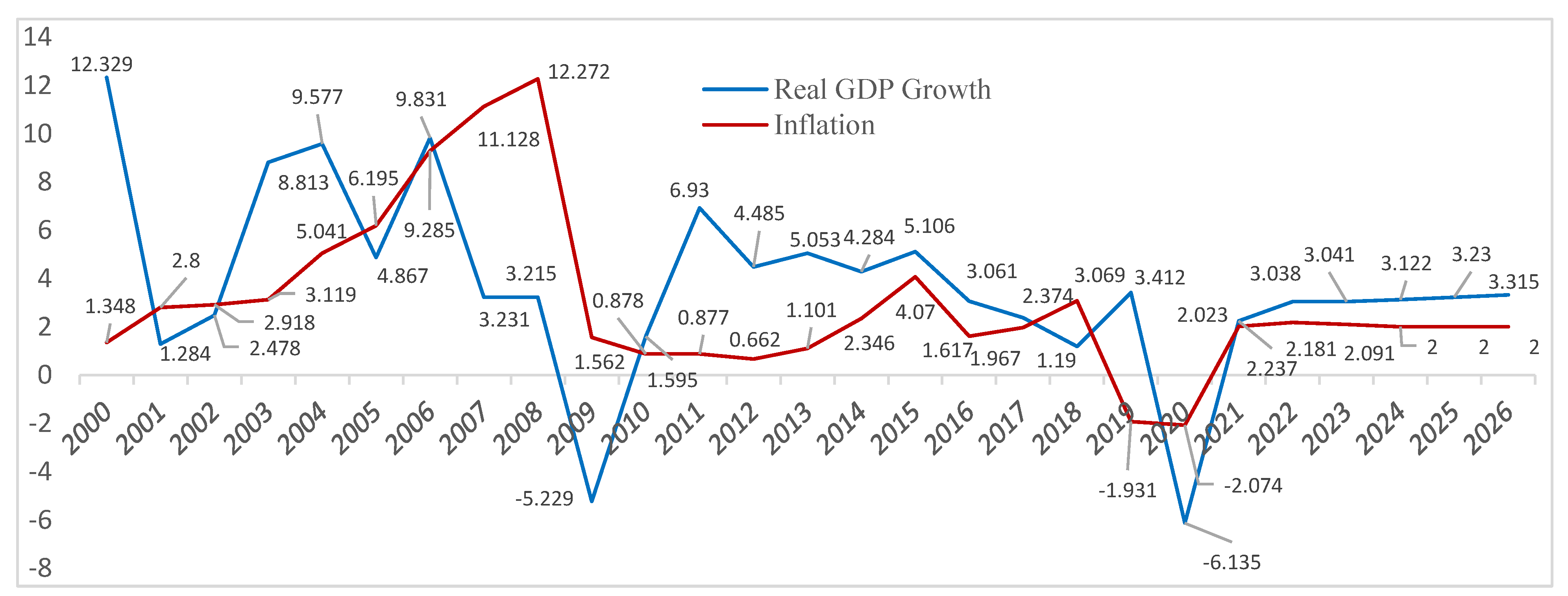
Figure 6 illustrates daily COVID-19 cases in the UAE from March 2020 to late 2024. The first significant rise in cases occurred in early 2021, peaking at over 350 daily cases, coinciding with a global surge in the pandemic. Mid-2021 saw another spike attributed to the Delta variant, with daily cases climbing to approximately 300. A third sharp increase occurred by March 2022, reaching nearly 250 daily cases linked to the Omicron variant. Following the widespread rollout of vaccinations and other public health measures, daily cases decreased significantly to nearly zero by late 2022. From mid-2023 onward, daily cases remained low with only minor fluctuations, suggesting effective pandemic control due to widespread vaccination and population immunity.
In 2019, the UAE’s inflation rate was -1.93%, attributed to falling housing prices and the introduction of VAT. After peaking at over 3.07% in 2018, inflation decreased to around 2% by 2022. During 2021-2022, inflation averaged +2%, driven by higher energy prices and global supply-chain disruptions. The pandemic challenged the “Dubai model,” which had established Dubai as a vital regional commercial and transport hub. In response, Dubai announced a 1.5 billion AED ($0.4 billion) package on July 11, 2020, including tax refunds for hotels, financial assistance for businesses, and the cancellation of certain government fines. A package worth 500 million AED ($136.14 million) was announced in late October 2020, bringing the total stimulus to 6.8 billion AED ($1.851 billion). The UAE Central Bank also implemented a 50 billion AED ($13.614 billion) financial support plan to enhance domestic fiscal policies [37].
Initially, the UAE implemented a coercive mitigation program with strict lockdowns, prioritising health over economic activities. However, the pandemic revealed deficiencies in healthcare system quality and emergency planning, underscoring the need for improvements to address potential future challenges. The UAE’s model for managing the COVID-19 crisis offers several lessons, particularly in governance policies and accountability practices. From the onset of the pandemic, leadership demonstrated a solid commitment to the population, fostering public reassurance and emphasising efforts to provide healthcare and contain the virus. Despite some areas lacking prior preparedness, the UAE effectively contained the crisis through a suppressive strategy, centralised decision-making, and collaboration among federal, administrative, and health sectors. Effective communication with citizens and residents was a critical factor in the Emirati model, with continuous media briefings and dissemination of protocols to provide essential information and enhance public safety. These protocols included home and office working guidelines, travel, quarantine, social distancing, and mandatory mask usage. Furthermore, the success of the UAE model heavily relied on integrating government measures with public cooperation, with public adherence to safety protocols complementing governmental efforts and contributing to overall success.
The UAE undertook significant measures to mitigate the economic impact of the pandemic, introducing substantial economic stimulus packages, job insurance, and social assistance measures to protect vulnerable groups, including migrant workers. The economic strain of the pandemic affected approximately 70% of small and medium-sized enterprises, leading to closures and job losses. Collaborative governance between federal bodies such as the National Emergency Crisis and Disaster Management Authority (NCEMA), the Ministry of Health and Prevention, the Ministry of Finance, and security forces proved instrumental in ensuring public compliance with control measures. Digital technology also played a pivotal role in managing the crisis. The UAE capitalised on investments in digital infrastructure, utilising applications such as the Al-Hosn mobile app for vaccination records and contact tracing. This digital infrastructure enabled the implementation of a colour-coded system indicating immunisation status, facilitating entry to public places. The ‘telemedicine’ program provided digital health consultations to reduce hospital visits, helping prevent virus spread. Moreover, the UAE demonstrated commendable leadership on the global stage by extending humanitarian support during the pandemic. By July 2021, it had provided more than 2,154 tons of medical aid to 135 countries. Establishing the Coalition of Hope in 2020 facilitated vaccine distribution to countries with limited cold storage capacity, highlighting the UAE’s commitment to global solidarity and support during a crisis.
6. Conclusions
The UAE’s effective governance and accountability mechanisms in managing the COVID-19 pandemic yielded significant health and economic outcomes. Implementing comprehensive governance frameworks, characterised by transparent decision-making and adaptive policy responses, was instrumental in maintaining a remarkably low case fatality rate of 0.31%. The rapid execution of mass vaccination campaigns, achieving over 50% population coverage by March 2021, was crucial in controlling virus transmission. Furthermore, it integrates advanced technological solutions, such as the Al Hosn app for contact tracing, enhanced case management efficiency, and resource distribution. These measures underscore the importance of robust governance structures in effectively navigating public health crises and position the UAE’s strategic approach as a model for future pandemic preparedness.
6.1. Theoretical Contributions
This study contributes to the theoretical framework of crisis management by elucidating the interplay between governance, accountability, and technological innovation within a pandemic context. It extends the existing literature on healthcare policy by providing empirical evidence on how centralised governance and transparent accountability mechanisms can lead to superior health outcomes during crises. Additionally, the research advances the accounting field by demonstrating the critical role of financial accountability and resource management in sustaining economic stability amidst a health emergency. The findings also enhance the understanding of performative accountability, illustrating its impact on public trust and compliance, essential for successfully implementing health directives during unprecedented times.
6.2. Managerial Implications
The findings offer valuable insights for policymakers and healthcare administrators seeking to enhance crisis management strategies. The UAE’s success highlights the importance of investing in robust healthcare infrastructure and leveraging technology to improve public health responses. Transparent communication and stakeholder engagement emerged as key factors in fostering public trust and ensuring compliance with health measures. Additionally, providing economic support to businesses and vulnerable populations underscores the necessity of integrating economic resilience with public health initiatives. These lessons can inform the development of comprehensive governance frameworks that are both flexible and resilient, enabling swift and effective responses to future health emergencies.
6.3. Limitations and Future Directions
This study provides a comprehensive analysis of the UAE’s response to the COVID-19 pandemic; however, it is limited by its reliance on publicly available data, which may not fully capture internal decision-making processes and the nuanced effects of specific policies. Additionally, focusing solely on the UAE restricts the generalizability of the findings to other countries with different governance structures and socio-economic contexts. Future research should undertake comparative analyses across diverse national settings to identify universal principles and context-specific strategies in pandemic response. Longitudinal studies are necessary to evaluate the long-term impacts of governance and accountability measures on public health outcomes and economic recovery. Furthermore, exploring the role of emerging technologies and data analytics in enhancing crisis management could provide deeper insights into optimising future pandemic preparedness and response strategies. Strengthening accounting capabilities is recommended to foster greater accountability and improve financial resilience post-pandemic. Ultimately, this study underscores the critical role of robust governance, accounting, and accountability systems in effectively managing health crises, highlighting the need for ongoing efforts to enhance these areas for better future preparedness.
Author Contributions
The author has conducted all the work on this manuscript.
Funding
This research received no external funding.
Institutional Review Board Statement
Not applicable.
Informed Consent Statement
Not applicable.
Data Availability Statement
Data supporting the findings of this study are available upon request.
Conflicts of Interest
The author declares no conflict of interest.
References
- Addustour. UAE ‘G42’ and ‘BGI’ international are establishing a modern laboratory with superior diagnostic capabilities to combat ‘COVID-19’. Addustour, 2020. Available online: https://www.addustour.com/articles/1142913?s=4a1d8fd6a82b09286f188995a8ab90eb (accessed on 10 January 2023).
- Ahmad, S.; Connolly, C.; Demirag, I. Testing times: Governing a pandemic with numbers. Accounting, Auditing and Accountability Journal, 1362. [Google Scholar] [CrossRef]
- Ahn, P.D.; Wickramasinghe, D. Pushing the limits of accountability: Big data analytics containing and controlling COVID-19 in South Korea. Accounting, Auditing and Accountability Journal, 1320. [Google Scholar] [CrossRef]
- Ahrens, T.; Ferry, L. Accounting and accountability practices in times of crisis: A Foucauldian perspective on the UK government’s response to COVID-19 for England. Accounting, Auditing and Accountability Journal, 1332. [Google Scholar] [CrossRef]
- Al Mahameed, M.; Belal, A.; Gebreiter, F.; Lowe, A. Social accounting in the context of profound political, social and economic crisis: The case of the Arab Spring. Accounting, Auditing and Accountability Journal, 1080. [Google Scholar] [CrossRef]
- Alsuwaidi, A.R.; Elbarazi, I.; Al-Hamad, S.; Aldhaheri, R.; Sheek-Hussein, M.; Narchi, H. Vaccine hesitancy and its determinants among Arab parents: A cross-sectional survey in the United Arab Emirates. Human Vaccines & Immunotherapeutics, 3163. [Google Scholar] [CrossRef]
- Andrew, J.; Baker, M.; Guthrie, J. Accounting, inequality and COVID-19 in Australia. Accounting, Auditing and Accountability Journal, 1471. [Google Scholar] [CrossRef]
- Barbera, C.; Guarini, E.; Steccolini, I. How do governments cope with austerity? The roles of accounting in shaping governmental financial resilience. Accounting, Auditing and Accountability Journal. [CrossRef]
- Barbera, C.; Jones, M.; Korac, S.; Saliterer, I.; Steccolini, I. Local government strategies in the face of shocks and crises: The role of anticipatory capacities and financial vulnerability. International Review of Administrative Sciences 2021, 87(1), 154–170. [Google Scholar] [CrossRef]
- Bracci, E.; Saliterer, I.; Sicilia, M.; Steccolini, I. Accounting for (public) value(s): Reconsidering publicness in accounting research and practice. Accounting, Auditing and Accountability Journal, 1513. [Google Scholar] [CrossRef]
- Brammer, S.; Branicki, L.; Linnenluecke, M.K. COVID-19, societalization, and the future of business in society. Academy of Management Perspectives 2020, 34(4), 493–507. [Google Scholar] [CrossRef]
- Capelo, M.; Araújo, P. Ad hoc accounting and accountability for the local governance of an epidemic crisis: The yellow fever in Cádiz in 1800. De Computis - Revista Española de Historia de la Contabilidad. [CrossRef]
- Carungu, J.; Di Pietra, R.; Molinari, M. The impact of a humanitarian disaster on the working approach of accountants: A study of contingent effect. Accounting, Auditing and Accountability Journal, 1388. [Google Scholar] [CrossRef]
- Christ, K.L.; Burritt, R.L. Accounting for modern slavery risk in the time of COVID-19: Challenges and opportunities. Accounting, Auditing and Accountability Journal, 1484. [Google Scholar] [CrossRef]
- CNN Arabic. Watch. Build a laboratory to conduct coronavirus tests in the Emirates in 14 days. CNN Arabic, 1 April 2020. Available online: https://arabic.cnn.com/amphtml/health/video/2020/04/01/v87125-uae-based-covid-19-testing-lab-built-in-14-days (accessed on 12 January 2023).
- Delfino, G.F.; van der Kolk, B. Remote working, management control changes and employee responses during the COVID-19 crisis. Accounting, Auditing and Accountability Journal, 1376. [Google Scholar] [CrossRef]
- Elo, S.; Kyngäs, H. The qualitative content analysis process. Journal of Advanced Nursing 2008, 62(1), 107–115. [Google Scholar] [CrossRef] [PubMed]
- Experian. Fraud rate rises 33% during the Covid lockdown. Experian, 2020. Available online: https://www.experianplc.com/media/news/2020/fraud-rate-rises-33-during-covid-19-lockdown/ (accessed on 12 March 2023).
- G42 Healthcare Innovations. AI in Healthcare; G42 Healthcare Innovations: Abu Dhabi, UAE, 2023. [Google Scholar]
- Gautam, S. Coronavirus: Face masks sell out across the UAE. The National, 2020. Available online: https://www.thenational.ae/uae/health/coronavirus-face-masks-sell-out-across-the-uae-1.971394 (accessed on 16 March 2023).
- Government of Dubai. Home isolation and quarantine guidelines during coronavirus (COVID-19) Pandemic, Third Issue. Government of Dubai, 2020, p. 1. Available online: https://www.dhcc.ae/gallery/COVID19_HomeIsolationGuidelines_v15.pdf (accessed on 29 January 2023).
- Graneheim, U.H.; Lundman, B. Qualitative content analysis in nursing research: Concepts, procedures, and measures to achieve trustworthiness. Nurse Education Today 2004, 24(2), 105–112. [Google Scholar] [CrossRef] [PubMed]
- Gulf News. COVID-19: UAE announces 45 new coronavirus cases. Gulf News, 2020. Available online: https://gulfnews.com/uae/covid-19-uae-announces-45-new-coronavirus-cases-1.1584969735068 (accessed on 12 December 2022).
- Gulf News. Coronavirus: UAE urges people to stay in their homes. Gulf News, 2020. Available online: https://gulfnews.com/uae/government/coronavirus-uae-urges-people-to-stay-in-their-homes-1.1584916668613 (accessed on 8 December 2022).
- Gulf News. Coronavirus: UAE suspends all passenger and transit flights. Gulf News, 2020. Available online: https://gulfnews.com/business/aviation/coronavirus-uae-suspends-all-passenger-and-transit-flights-1.1584917287850 (accessed on 19 April 2023).
- Haas, E.J.; Angulo, F.J.; McLaughlin, J.M.; Anis, E.; Singer, S.R.; Khan, F.; et al. Impact and effectiveness of mRNA BNT162b2 vaccine against SARS-CoV-2 infections and COVID-19 cases, hospitalisations, and deaths following a nationwide vaccination campaign in Israel: An observational study using national surveillance data. The Lancet 2021, 397(10287), 1819–1829. [Google Scholar] [CrossRef] [PubMed]
- Hammond, A.; Chaudhary, S.B.; Hilotin, J. Watch: How the first coronavirus case in UAE was cured. Gulf News, 2020. Available online: https://gulfnews.com/uae/health/watch-how-the-first-coronavirus-case-in-uae-was-cured-1.1581323524356 (accessed on 22 January 2023).
- Hassan, A.; Nando, M.; Roberts, L. Does loss of biodiversity by businesses cause COVID-19? European Association for the Study of the UK, 2020. Available online: https://www.eauc.org.uk/does_loss_of_biodiversity_by_businesses_cause_c (accessed on 17 February 2023).
- Hassan, A.; Nando, M.; Roberts, L.; Elamer, A.; Lodh, S. The future of business reporting: Learning from financial and COVID-19 crises. Corporate Social Responsibility and Environmental Management. [CrossRef]
- Hsieh, H.F.; Shannon, S.E. Three approaches to qualitative content analysis. Qualitative Health Research 2005, 15(9), 1277–1288. [Google Scholar] [CrossRef] [PubMed]
- Huber, C.; Gerhardt, N.; Reilley, J. Organizing care during the COVID-19 pandemic: The role of accounting in German hospitals. Accounting, Auditing and Accountability Journal. [CrossRef]
- International Monetary Fund (IMF). International Monetary Fund, UAE, 2022. Available online: https://www.imf.org/en/Countries/ARE (accessed on 18 May 2023).
- Lai, A.; Leoni, G.; Stacchezzini, R. The socialising effects of accounting in flood recovery. Critical Perspectives on Accounting 2014, 25(7), 579–603. [Google Scholar] [CrossRef]
- Ledford, H. Six months of COVID vaccines: What 1.7 billion doses have taught scientists. 7 billion doses have taught scientists. Nature 2021, 594(7862), 164–167. [Google Scholar] [CrossRef] [PubMed]
- Leider, J.P.; DeBruin, D.; Reynolds, N.; Koch, A.; Seaberg, J. Ethical guidance for disaster response, specifically around crisis standards of care: A systematic review. American Journal of Public Health 2017, 107(9), e9–e9. [Google Scholar] [CrossRef] [PubMed]
- Li, Y.; McKernan, J.; Chen, M. Turning around accountability. Accounting, Auditing and Accountability Journal. [CrossRef]
- Masoud, N.; Bohra, O.P. Challenges and opportunities of distance learning during COVID-19 in UAE. Academy of Accounting and Financial Studies Journal 2020, 24(1), 1–12. [Google Scholar] [CrossRef]
- Matilal, S.; Adhikari, P. Accounting in Bhopal: Making catastrophe. Critical Perspectives on Accounting 2019, 72, 1–24. [Google Scholar] [CrossRef]
- Nikidehaghani, M.; Cortese, C. (Job) keeping up appearances. Accounting, Auditing and Accountability Journal, 1502. [Google Scholar] [CrossRef]
- Organisation for Economic Co-operation and Development (OECD). Enhancing public trust in COVID-19 vaccination: The role of governments. OECD, 2021. Available online: https://read.oecd-ilibrary.org/view/?ref=1094_1094290-a0n03doefx&title=Enhancing-public-trust-in-COVID-19-vaccination-The-role-of-governments (accessed on 23 August 2022).
- Our World in Data. Policy responses to the coronavirus pandemic. University of Oxford, 2020. Available online: https://www.ourworldindata.org/policy-responses-covid (accessed on 18 November 2022).
- Passetti, E.; Battaglia, M.; Bianchi, L.; Annesi, N. Coping with the COVID-19 pandemic: The technical, moral and facilitating role of management control. Accounting, Auditing and Accountability Journal, 1430. [Google Scholar] [CrossRef]
- Reuters. COVID-19 Tracker. Reuters, 2022. Available online: https://graphics.reuters.com/world-coronavirus-tracker-and-maps/countries-and-territories/united-arab-emirates/ (accessed on 24 January 2023).
- Schreier, M. Qualitative Content Analysis in Practice. Sage Publications Ltd., 2012.
- Sciulli, N. Weathering the storm: Accountability implications for flood relief and recovery from a local government perspective. Financial Accountability & Management. [CrossRef]
- Sian, S.; Smyth, S. Supreme emergencies and public accountability: The case of procurement in the UK during the COVID-19 pandemic. Accounting, Auditing and Accountability Journal. [CrossRef]
- Solomon, J.F. Corporate Governance and Accountability, 5th ed.; John Wiley & Sons Inc., 2021.
- TAG911. Covid-19: Updates from UAE Government Media Briefing. TAG911, 2021. Available online: https://www.tag911.ae/news/local-news/covid-19-updates-from-uaegovernment-media- (accessed on 12 October 2022).
- United Arab Emirates. Vaccines against COVID-19 in the UAE. UAE Government, 2021. Available online: https://u.ae/en/information-and-services/justice-safety-and-the-law/handling-the-covid-19-outbreak/vaccines-against-covid-19-in-the-uae (accessed on 17 January 2023).
- UAE Health Data Hub. Annual Report. UAE Health Data Hub, 2023.
- UAE Ministry of Health and Prevention. Annual Report on COVID-19 Response. UAE Ministry of Health and Prevention, 2020.
- UAE Ministry of Health and Prevention. COVID-19 Portal. UAE Ministry of Health and Prevention, 2023. Available online: https://www.mohap.gov.ae/ (accessed on 17 March 2023).
- UAE Ministry of Health and Prevention. Strategic Health Initiatives. UAE Ministry of Health and Prevention, 2024.
- UAE National Vaccination Program. Strategic Plan Document. UAE National Vaccination Program, 2020.
- WAM. Referral of 129 quarantine violators to the Attorney General (In Arabic). WAM, 2020. Available online: https://www.wam.ae/ar/details/1395302835874 (accessed on 18 January 2023).
- World Economic Forum. Insight Report: The Global Competitiveness Report 2019. World Economic Forum, 2019. Available online: http://www3.weforum.org/docs/WEF_TheGlobalCompetitivenessReport2019.pdf (accessed on 28 December 2022).
- World Health Organization. COVID-19 Dashboard. World Health Organization, 2024. Available online: https://covid19.who.int/ (accessed on 24 January 2023).
Figure 1.
UAE: Number of active cases, number of people recovered, deaths, and the total number of infected people. Source: [41].
Figure 1.
UAE: Number of active cases, number of people recovered, deaths, and the total number of infected people. Source: [41].
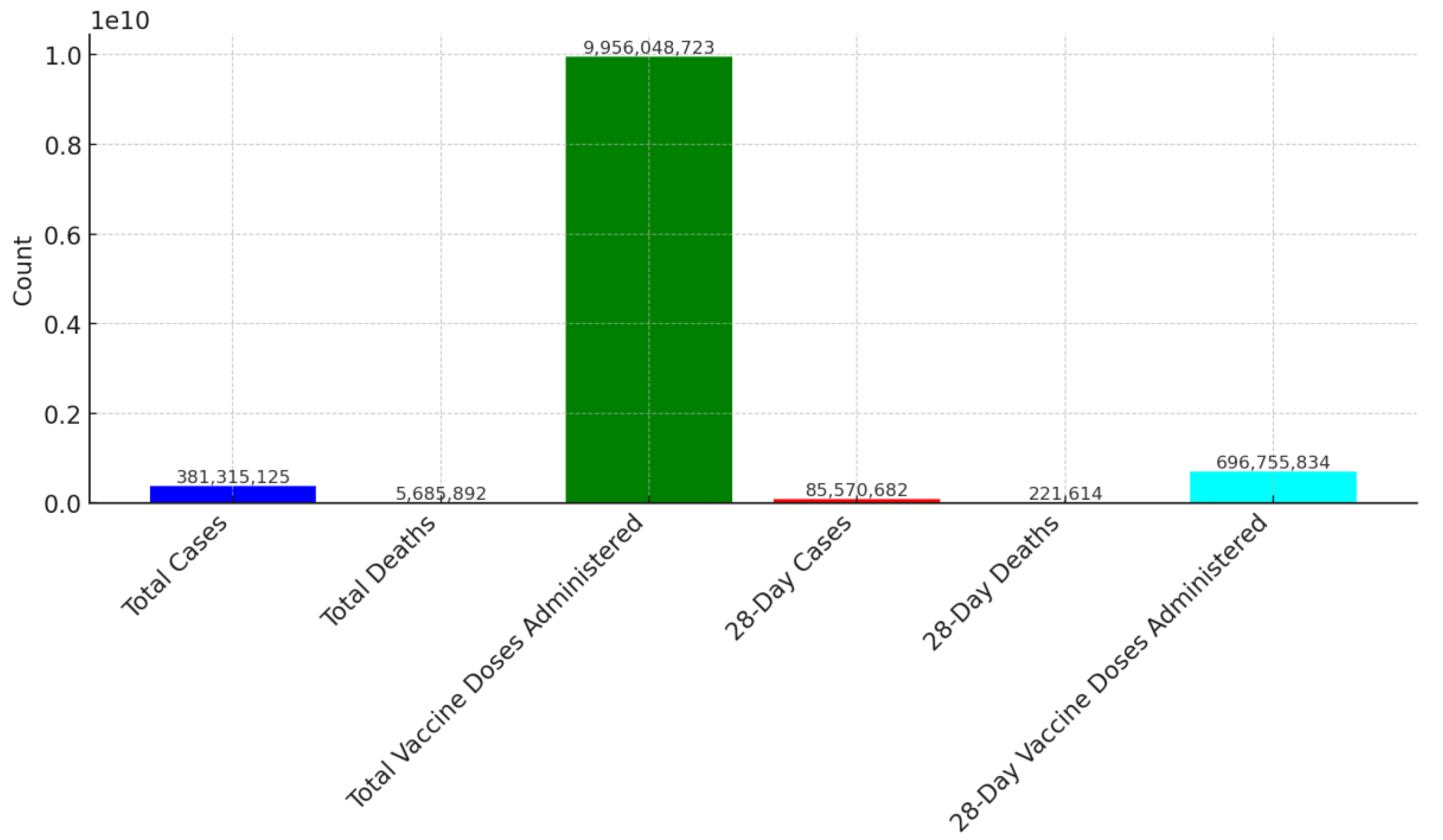
Figure 2.
COVID-19 stringency index, UAE. Source: [41].
Figure 2.
COVID-19 stringency index, UAE. Source: [41].
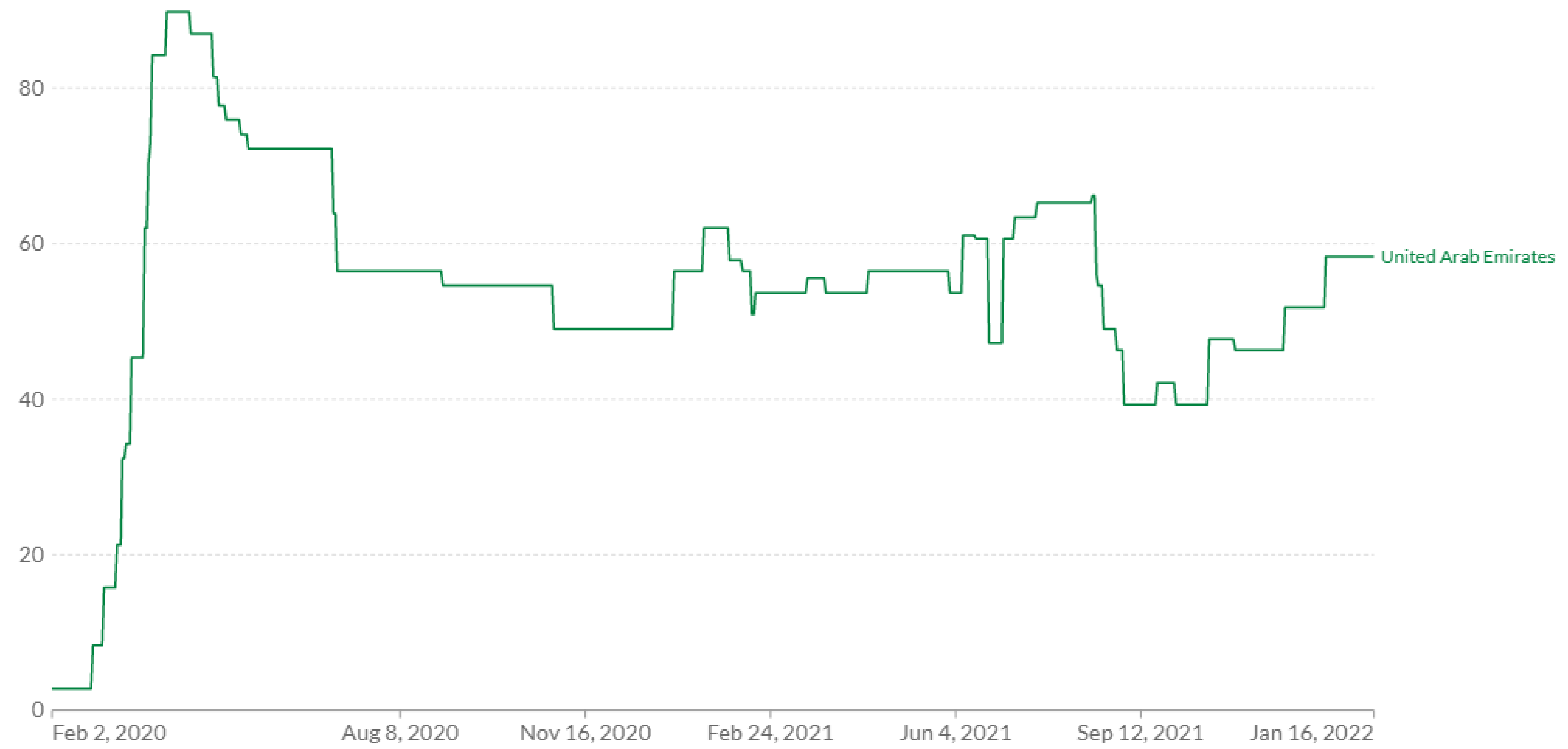
Figure 3.
Daily new confirmed COVID-19 cases and positive test rates (UAE, UK, US). Source: [41].
Figure 3.
Daily new confirmed COVID-19 cases and positive test rates (UAE, UK, US). Source: [41].
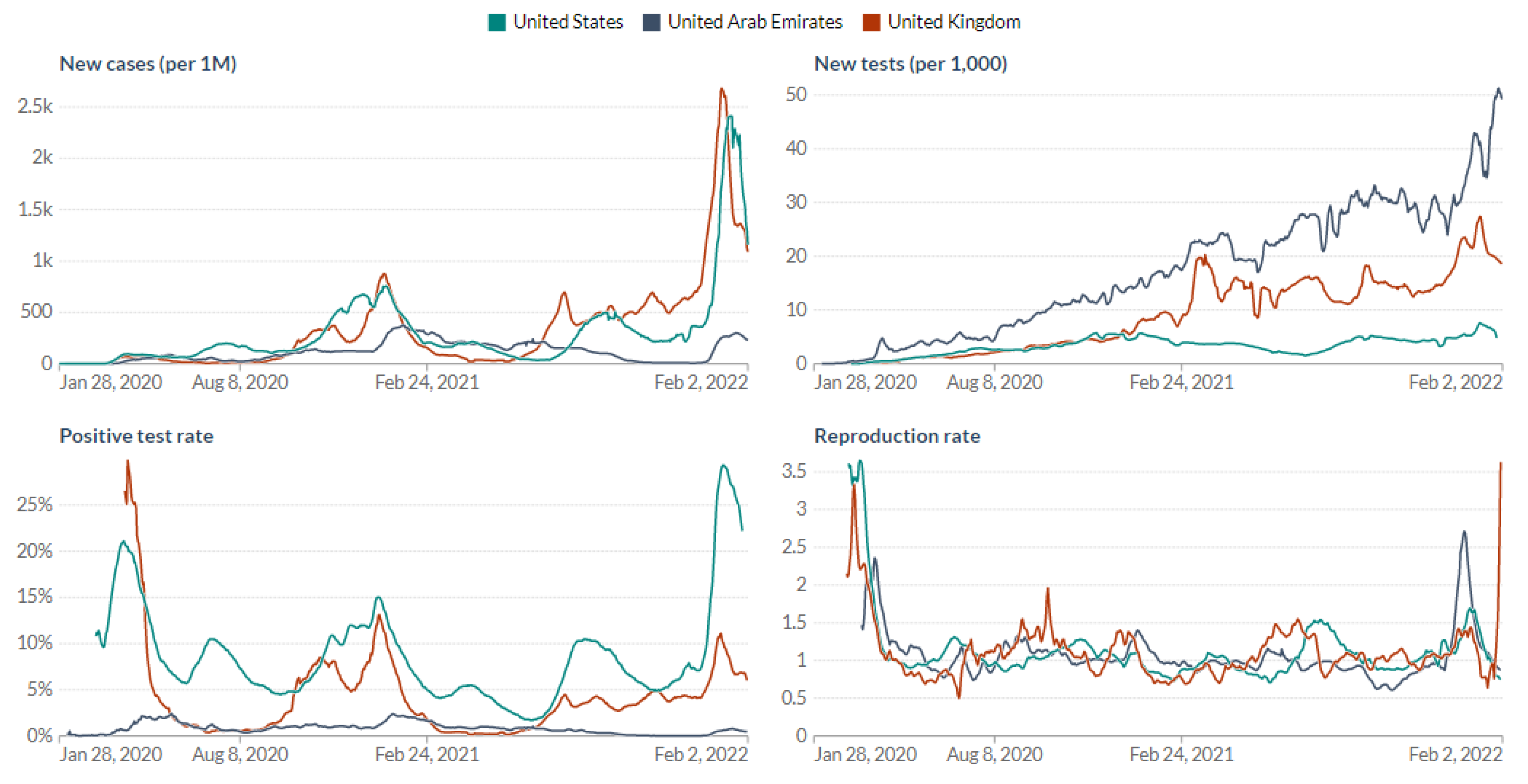
Figure 4.
Daily COVID-19 vaccine metrics in UAE and UK. Source: [41].
Figure 4.
Daily COVID-19 vaccine metrics in UAE and UK. Source: [41].
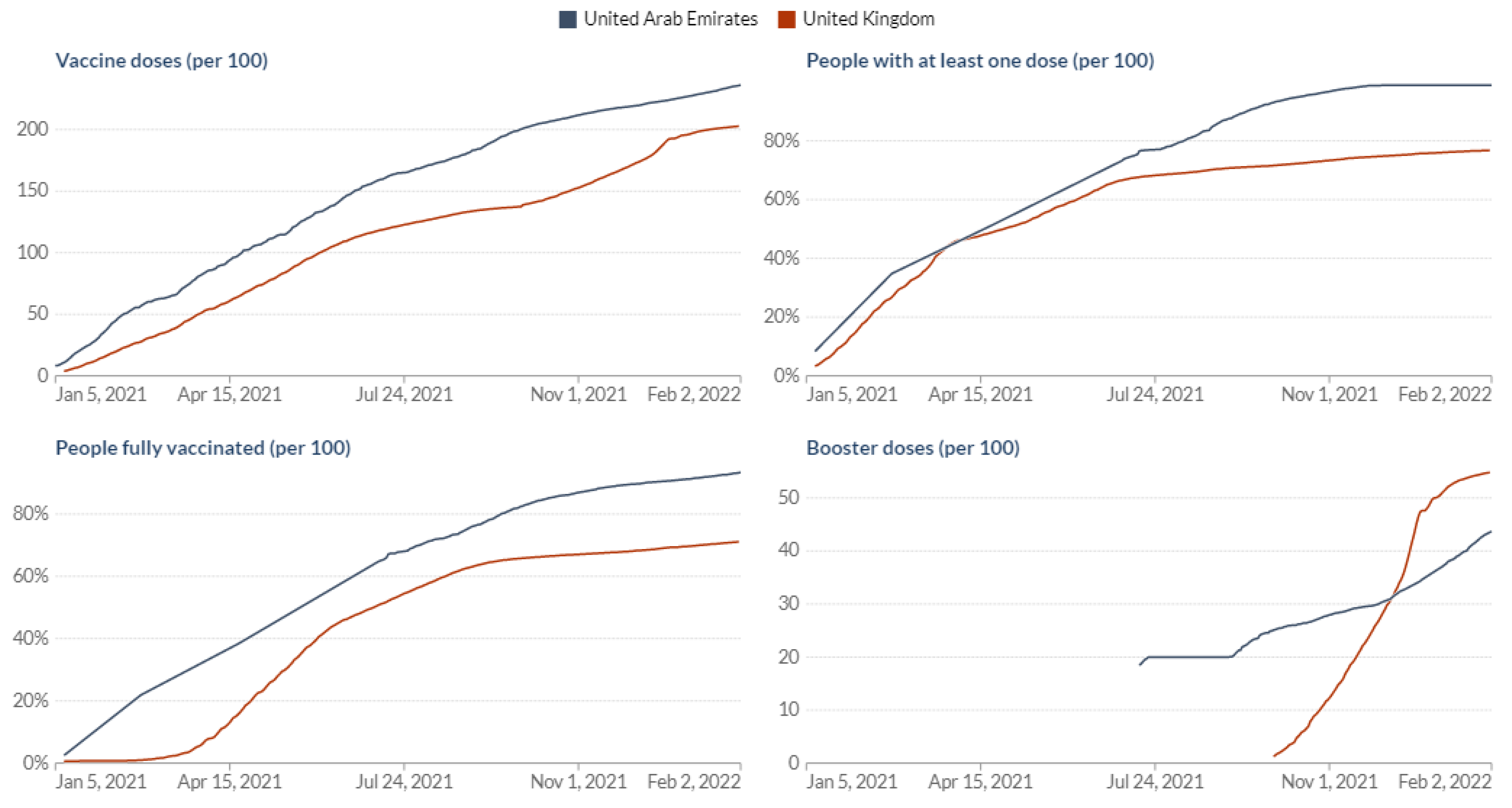
Figure 6.
The trend of daily COVID-19 cases in the UAE (2020–2024). source: [57].
Figure 6.
The trend of daily COVID-19 cases in the UAE (2020–2024). source: [57].
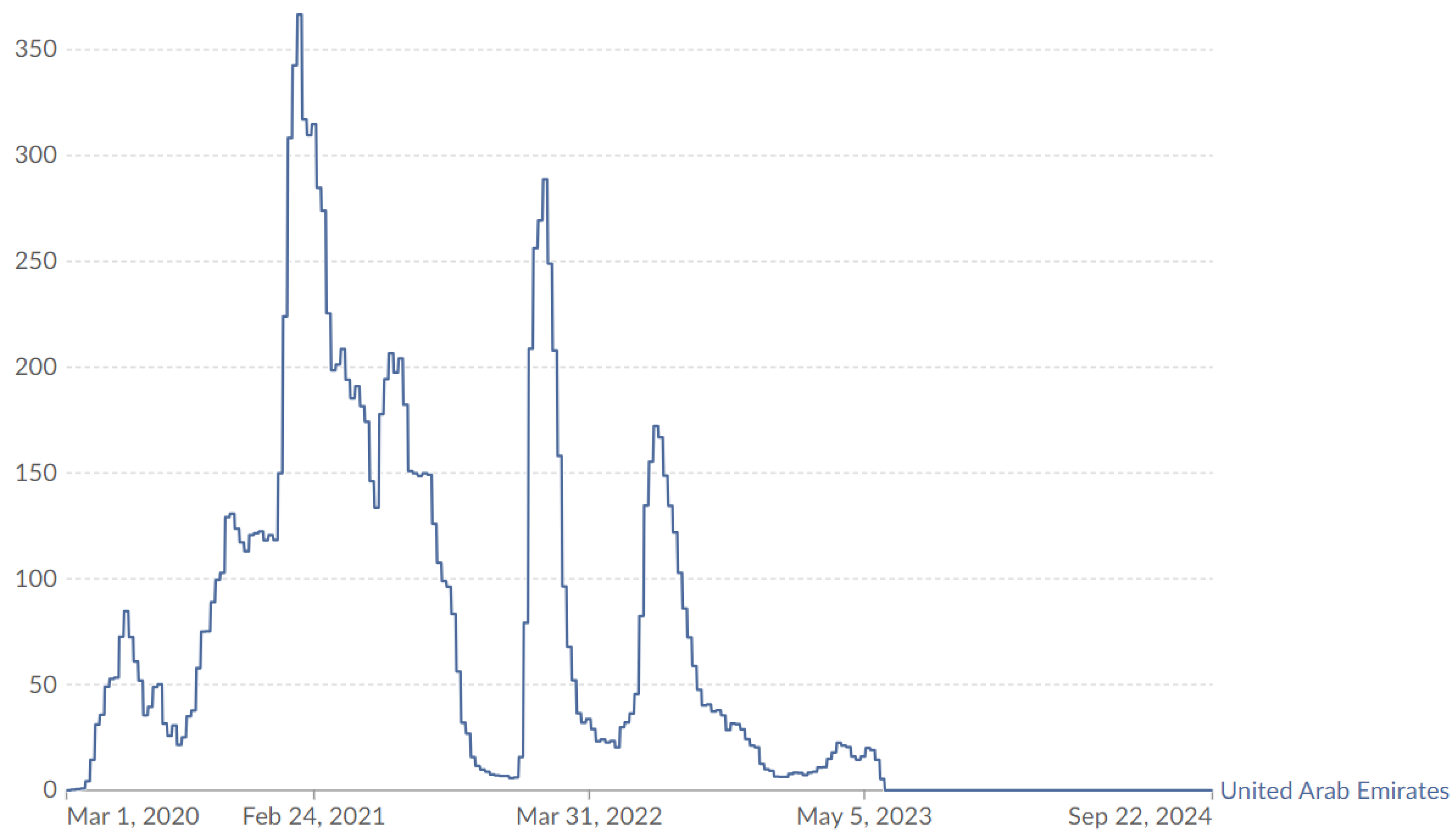

Table 1.
Devolved timeline and COVID-19 outcomes in the UAE.
| Measures taken | Timeline |
|---|---|
| First recorded case | January 29, 2020 |
| First recorded death | March 21, 2020 |
| Confirmed cases as of February 28, 2021 | 391,524 |
| Rate of infection per million people | 295 |
| Confirmed deaths as of February 28, 2021 | 1,221 |
| Case fatality rate | 0.31% |
| Closure of schools and universities | March 8, 2020 |
| Lockdown introduced | March 22, 2020 |
| Cancellation of public events and gatherings | March 22, 2020 |
| started educating students at schools and higher education institutes through distance learning | March 22, 2020 |
| International and domestic travel restrictions | March 23, 2020 |
| Gatherings during the first phase of lockdown Maximum | 30% |
| Stay-at-home restrictions | April 4, 2020 |
| SEHA opens 13 additional drive-through COVID-19 testing centres | April 9, 2020 |
| MOHAP hosts the world’s first Phase III clinical trials of an inactivated vaccine to combat COVID-19 | June16, 2020 |
| Reopening for international tourists | July 7, 2020 |
| UAE authorises emergency use of COVID-19 vaccine for frontline health workers | September 16, 2020 |
| Vaccination launched for the residents to get free vaccination | December 14, 2020 |
| School reopening | February 14, 2021 |
| Social distancing | 2.5m |
| More than 50 % of the UAE population is vaccinated | March 17, 2021 |
| Reopening of schools with total capacity | August 29, 2021 |
| - COVID-19 infections down by 62% compared to January 2021- More than 76% of the population is fully vaccinated | August 31, 2021 |
| Al Hosn app gets global recognition as ‘App of the Year’ in the COVID-19 response category. | February 1, 2022 |
Disclaimer/Publisher’s Note: The statements, opinions and data contained in all publications are solely those of the individual author(s) and contributor(s) and not of MDPI and/or the editor(s). MDPI and/or the editor(s) disclaim responsibility for any injury to people or property resulting from any ideas, methods, instructions or products referred to in the content. |
© 2025 by the authors. Licensee MDPI, Basel, Switzerland. This article is an open access article distributed under the terms and conditions of the Creative Commons Attribution (CC BY) license (http://creativecommons.org/licenses/by/4.0/).
Copyright: This open access article is published under a Creative Commons CC BY 4.0 license, which permit the free download, distribution, and reuse, provided that the author and preprint are cited in any reuse.


