

Submitted:
02 January 2025
Posted:
03 January 2025
You are already at the latest version
Abstract
Water contamination results in dangerous risks to ecosystems and human populations, mostly in areas heavily reliant on vulnerable water sources. Lake Chivero is known as a primary water reservoir for the capital of Zimbabwe which is Harare. An unfortunate event occurred in Zimbabwe, which resulted in severe contamination in Lake Chivero. Several deaths of several wildlife species were reported, including rhinos, zebras, and wildebeests. This case study highlights the ecological and public health dangers posed by such contamination, focusing on cyanobacterial blooms and nutrient overloading. Focusing on recent reports and published literature, it underscores the impacts of eutrophication, microbial contamination, and toxin production, which jeopardize aquatic biodiversity, food safety, and human health. By synthesizing existing data and recent incidents, the aim is to inform the scientific community about the consequences of these events, emphasizing the urgent need for interdisciplinary approaches to mitigate water contamination risks.
Keywords:
Lake Chivero
; water contamination
; cyanobacterial blooms
; eutrophication
; public health
; biodiversity loss
; water resource management
; ecological crisis
; Zimbabwe 2024
Introduction
Lake Chivero serves as a critical water source for Harare, Zimbabwe’s capital city, and its surrounding areas. However, this vital reservoir has faced several pollution challenges over the years. The contamination event in 2024, marked by the proliferation of cyanobacterial blooms, brought renewed attention to the ecological and public health implications of water quality deterioration. Wildlife deaths, including four rhinos, three zebras, and four wildebeests, have been directly linked to the toxins produced by cyanobacteria, illustrating the severe consequences of unchecked eutrophication and pollution. (Zimbabwe Mail, 2024)
The contamination of Lake Chivero underscores the complex dangers associated with water pollution. Cyanobacterial blooms, driven by nutrient overloading and eutrophication, release harmful toxins into the water. These toxins unfortunately pose significant risks to aquatic life, disrupt ecosystems, and endanger human populations reliant on contaminated water for drinking, fishing, and recreation. This case study aims to highlight these dangers, drawing on existing scientific literature and recent reports to provide a comprehensive understanding of the event’s implications for both local and global contexts. (VOA News, 2024)
Objectives
The primary objectives of this case study are:
- To assess the ecological impacts of Lake Chivero’s recent contamination event on aquatic ecosystems and terrestrial wildlife.
- To evaluate the public health risks associated with cyanobacterial toxins and other pollutants.
- To synthesize existing literature and recent reports to inform the scientific community about the broader implications of such water contamination events.
- To highlight lessons and strategies for preventing similar crises globally.
Methodology
This case study will use a desk based research approach, focusing on secondary data from scientific articles, environmental reports, and credible news sources. The methodology involves:
- Conducting a systematic review of literature related to Lake Chivero’s water quality issues.
- Analyzing recent reports on wildlife deaths and public health risks linked to the contamination event.
- Identifying knowledge gaps and highlighting areas for further research.
The findings are presented in a structured manner to provide clear insights into the dangers of water contamination and its cascading effects on ecosystems and human health.
Findings and Discussion
A. Causes of Pollution
Lake Chivero’s pollution has been predominantly attributed to untreated sewage discharge, agricultural runoff, and industrial effluents. These sources introduce high levels of nitrogen and phosphorus into the water, fueling eutrophication. The resulting cyanobacterial blooms release harmful toxins, such as microcystins, which pose acute risks to aquatic organisms and humans. Recent reports link these blooms to the deaths of several wildlife species, highlighting the dire ecological consequences. (Herald, 2024)
B. Ecological Impacts
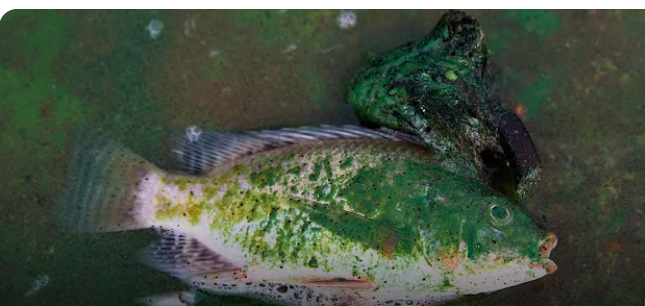
The degradation of Lake Chivero’s water quality has led to significant biodiversity loss. Wildlife deaths from cyanotoxins, including four rhinos, three zebras, and four wildebeests, underscore the severity of the crisis. Aquatic life, particularly fish species sensitive to hypoxia, has also been severely affected, further disrupting the lake’s ecosystem dynamics. (Zimbabwe Mail, 2024)
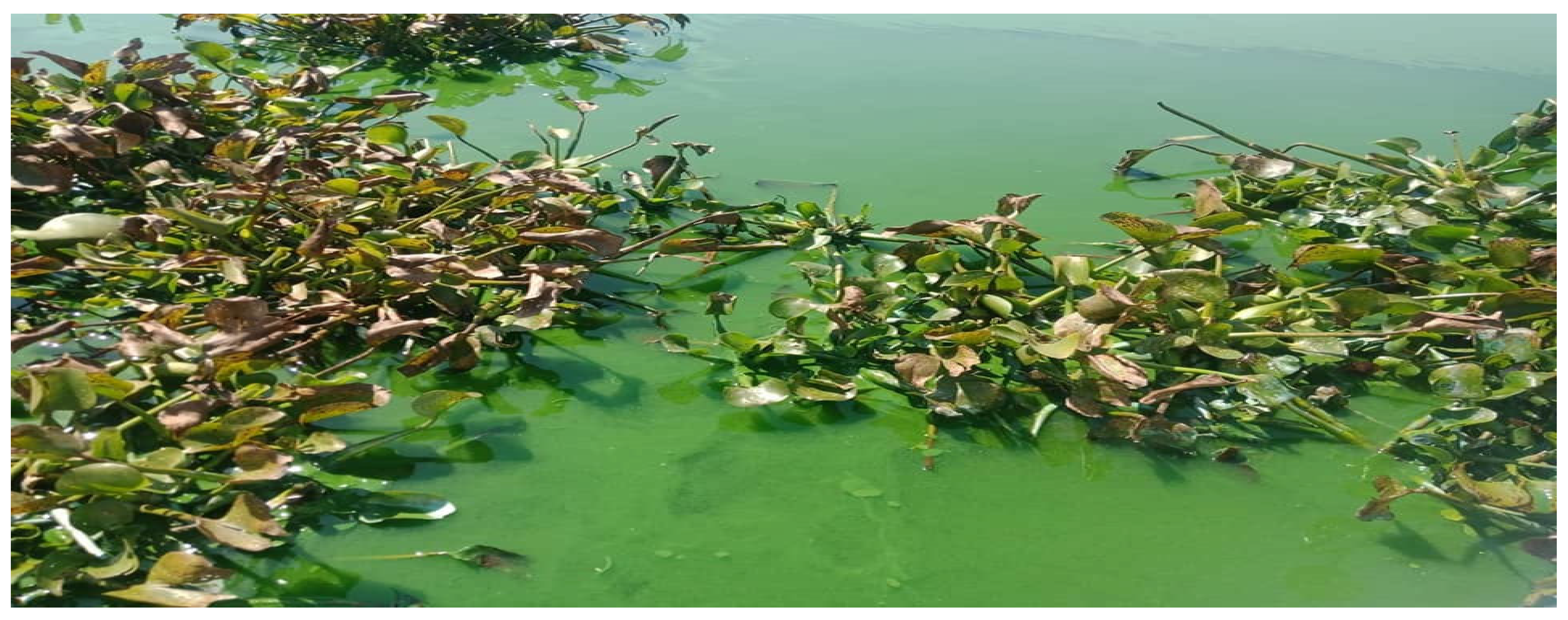
Figure 1.
Water turns green in Lake Chivero due to contamination. (Source: iHarare, 2024).
C. Public Health Risks
Humans relying on Lake Chivero for drinking water face exposure to harmful cyanobacterial toxins. These toxins can cause acute health issues, including gastrointestinal distress, liver damage, and, in extreme cases, death. Long-term exposure is linked to chronic diseases such as liver cancer. Recent concerns about tap water safety in Harare highlight the potential for widespread public health crises if contamination persists. (VOA News, 2024)
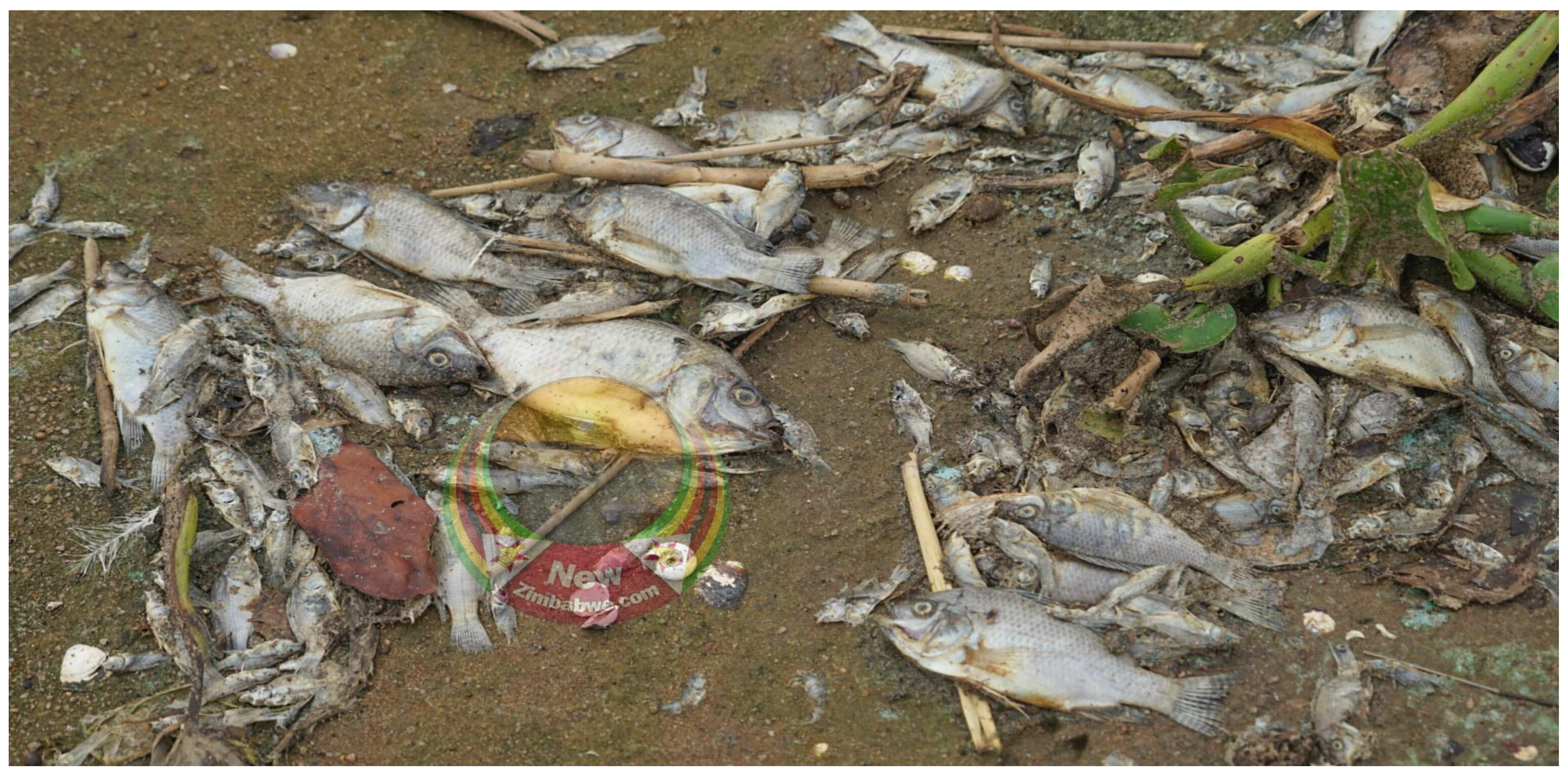
Figure 2.
Thousands of fish killed by cyanobacteria contamination. (Source: New Zimbabwe, 2024).
D. Knowledge Gaps and Research Needs
While significant research has documented the causes and effects of Lake Chivero’s pollution, gaps remain in understanding the long-term ecological impacts and effective mitigation strategies. Further studies are needed to explore the socioeconomic consequences of water contamination on local communities and to develop cost-effective remediation techniques.
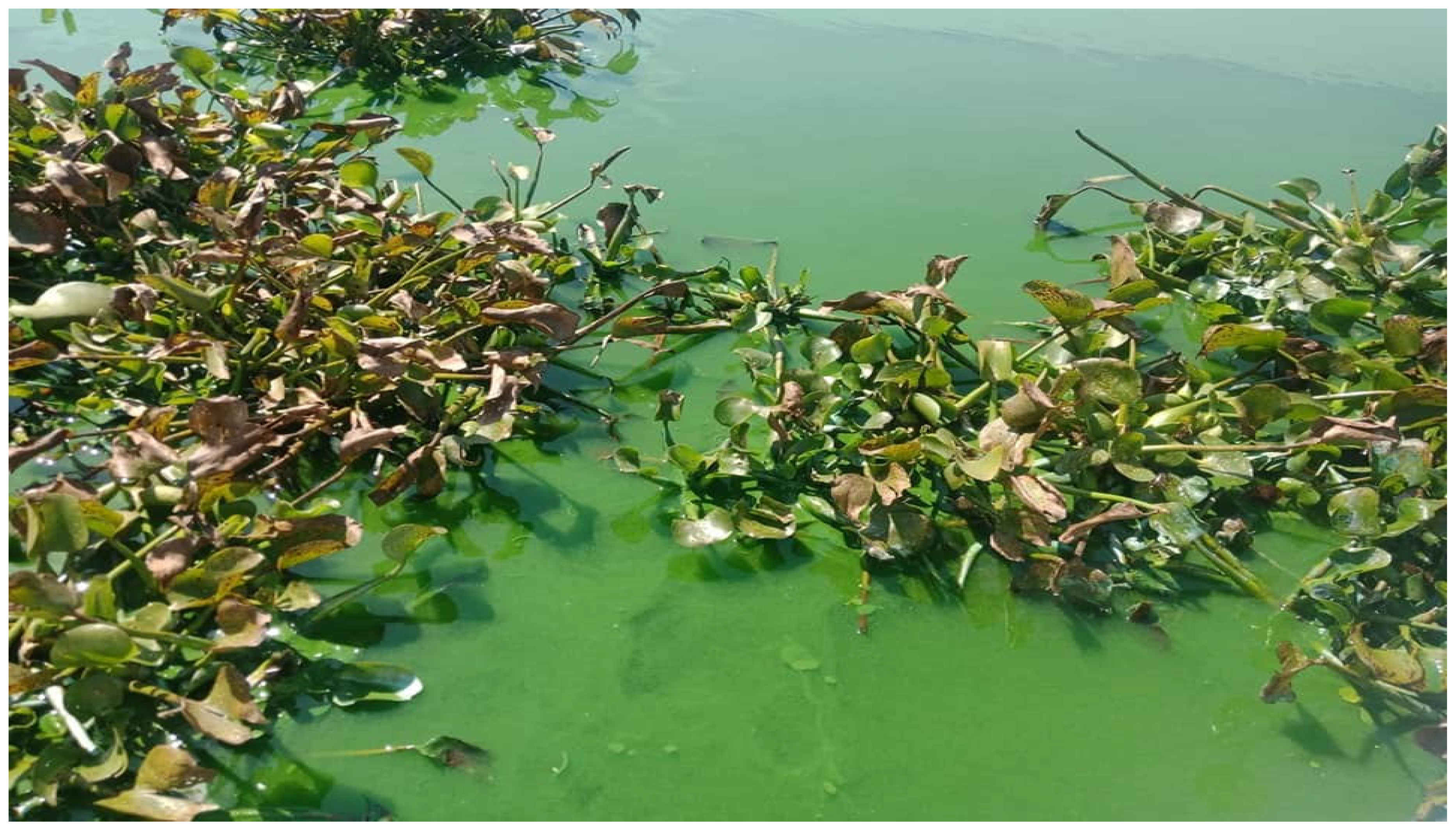
Figure 3.
Cyanobacterial bloom affecting the water surface. (Source: iHarare, 2024).
E. Multimedia Evidence
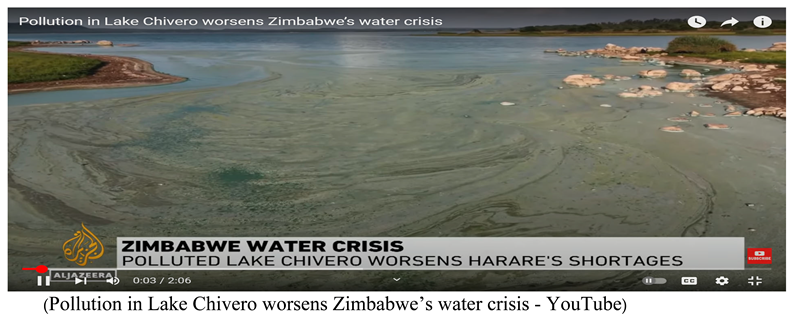
Video evidence from Al Jazeera showcases the dire state of Lake Chivero and the effects of pollution on local communities and ecosystems. The following video highlights Zimbabwe's worsening water crisis, exacerbated by severe droughts and pollution. Lake Chivero, the main reservoir supplying Harare, is heavily contaminated due to raw sewage discharge, leading to toxic water conditions that have killed livestock and endangered wildlife, including rhinos and zebras. The destruction of wetlands, crucial for filtering pollutants and maintaining water flow, further aggravates the situation as urban expansion encroaches on these ecosystems. The resulting pollution has caused recurrent waterborne diseases and poses a long-term threat of irreversible environmental damage if urgent measures are not taken.
Conclusions
The contamination of Lake Chivero in 2024 serves as a stark reminder of the dangers posed by water pollution. The recent wildlife deaths and public health concerns underscore the urgent need for coordinated efforts to avoid such crises. This case study not only highlights the immediate consequences of water contamination but also emphasizes the importance of proactive measures to prevent similar events globally. By sharing these lessons, the scientific community and policymakers can work together to promote sustainable water resource management and safeguard ecosystems and human populations from the cascading impacts of pollution.
Recommendation
Addressing the contamination crisis at Lake Chivero requires an approach that integrates scientific, policy, and community-driven initiatives. Firstly, it is imperative to establish robust monitoring and regulatory frameworks to track water quality and ensure adherence to pollution control standards. This includes stringent enforcement against industries and municipalities responsible for untreated waste discharge. Secondly, there is a need for targeted investments in water treatment infrastructure and technologies, such as bioremediation and constructed wetlands, which can effectively mitigate nutrient loading and reduce the frequency of cyanobacterial blooms. Public awareness campaigns should also be implemented to educate local communities about sustainable waste management practices and the consequences of water pollution. Furthermore, fostering international collaboration for knowledge exchange and research partnerships can yield innovative solutions tailored to the region’s challenges. Lastly, integrating water resource management policies with broader environmental conservation strategies will provide a holistic framework for addressing both immediate and long-term ecological and public health risks. By adopting these measures, the lessons from Lake Chivero can serve as a blueprint for mitigating water contamination crises globally
References
- Herald. (2024). “Lake Chivero Ecological Disaster: Health Scare as Wildlife Dies.” Retrieved from https://www.herald.co.zw/lake-chivero-ecological-disaster-health-scare-as-wildlife-dies.
- NewsDay. (2024). “Lake Chivero Disaster: A Lesson in the Importance of Environmental Protection.” Retrieved from https://www.newsday.co.zw/thestandard/standardpeople/article/200036334/lake-chivero-disaster-a-lesson-in-the-importance-of-environmentalprotection.
- VOA News. (2024) “Mayor of Zimbabwe’s Capital Declares Wrongfully that City Tap Water is Safe for Human Consumption.” Retrieved from https://www.voanews.com/a/mayor-of-zimbabwe-s-capital-declares-wrongfully-that-city--tap-water-is-safe-for-human-consumption/7918941.html.
- Zimbabwe Mail. (2024) “Cyanobacteria Outbreak in Lake Chivero Kills Four Rhinos and Other Wildlife” Retrieved from https://www.thezimbabwemail.com/zimbabwe/cyanobacteriaoutbreak- in-lake-chivero-kills-four-rhinos-and-other-wildlife.
- iHarare. (2024). “ Deplorable State of Lake Chivero.” Retrieved from https://iharare.com/deplorable-state-of-lake-chivero/.
- New Zimbabwe. (2024). “In Pictures: Thousands of Fish Die After Contamination of Lake Chivero with Cyanobacteria.” Retrieved from https://www.newzimbabwe.com/in-picturesthousands- of-fish-die-after-contamination-of-lake-chivero-with-cyanobacteria/.
- Al Jazeera. (2024). “Lake Chivero Pollution Video.” Retrieved from https://www.bing.com/videos/riverview/relatedvideo?q=lake+chivero+pollution+video+aljazee ra.
Disclaimer/Publisher’s Note: The statements, opinions and data contained in all publications are solely those of the individual author(s) and contributor(s) and not of MDPI and/or the editor(s). MDPI and/or the editor(s) disclaim responsibility for any injury to people or property resulting from any ideas, methods, instructions or products referred to in the content. |
© 2025 by the authors. Licensee MDPI, Basel, Switzerland. This article is an open access article distributed under the terms and conditions of the Creative Commons Attribution (CC BY) license (http://creativecommons.org/licenses/by/4.0/).
Copyright: This open access article is published under a Creative Commons CC BY 4.0 license, which permit the free download, distribution, and reuse, provided that the author and preprint are cited in any reuse.


