

Submitted:
29 December 2024
Posted:
30 December 2024
You are already at the latest version
Abstract
Biopesticides are alternatives to synthetic ones, repel insects and control diseases in a sustainable way. The objective was to evaluate the efficiency and efficacy of a biopesticide. In apples in 2023 and walnut in 2024, both in Coahuila, Mexico. In 2023, with: A.- Without application and B.- With application of 2 L of biopesticide one liter at the beginning and the second 10 days later, with three repetitions. In Walnut A.- With synthetic insecticide and fungicide and B.- With the application of the biopesticide. The repellency index at 20 days after application (DDA) the control reached 5.3 and the biopesticide with 1 butterfly, the repellency index at 20 DDA, 0.39 and the effectiveness of the biopesticide was 75.3%. In walnut, the repellency of the synthetic was 0.25 at 20 DDA and of the biopesticide was 1.5. In apple tree diseases, the severity without application was 6.75 % and the biopesticide 1.67 %, in walnut with synthetic the severity was 2.0 % and the biopesticide 5.21, %, the effectiveness of the biopesticide was 61.6%. The repellency is less than one and the effectiveness is greater than 60% with Mexican standards.
Keywords:
Sustainability
; Efficacy
; Repellency
1. Introduction
In the last 50 years, the most common, intensive, and extensive method of pest control has been the use of synthetic chemical insecticides. The use of pesticides increased from 1940 onwards, starting with DDT (dichlorodiphenyltrichloroethane), followed by organochlorine insecticides, organ phosphorus and carbamates. In 1960 the green revolution began and in 1970 wheat was tolerated to abiotic and biotic stress conditions that allowed food production to double worldwide, increasing the use of agrochemicals in agriculture. But chemical-synthetic insecticides are overused and have caused deterioration of soil and ecosystem fertility.
Adverse impacts have been due to the excessive use of pesticides on water quality, soil health, problems such as resistance and tolerance of pest insects, genetic variation in plants, toxic residues in food and food have created tools such as integrated pest management (IPM). When soil microorganisms are affected by synthetic insecticides, organic matter mineralization, nitrogen fixation, nitrification, denitrification, ammonification, and phosphorus solubilization processes are affected as the enzymatic activity of microorganisms is deactivated [56].
The increase in temperature to more than 2°C globally has led to an abrupt loss of ice at the poles, coral reefs are dying, the Amazon Forest is drying up and the boreal forest, the ice at the north pole are collapsing [3]. Insects are poikilothermic, which grow with temperature, which has led to an increase in pest insects and disease-vectoring insects.
Alternative
The sustainable and balanced agriculture system of food production consists of improving and preserving the health and productivity of dependent communities, that is, soils, plants, animals and human beings, which use natural resources in a sustainable way.
Biological control includes the use of extracts from various plant species that have toxic effects on plant pathogens. This control of plant pathogens encompasses the induction or stimulation of plant defense mechanisms (formation of proteins associated with pathogenesis, phytoalexins, formation of histological barriers, etc.) using so-called defense activators or elicitors [26].
Biopesticides have a different effect in the laboratory than in the field, since crop production is significantly lower in field conditions due to the fact that it depends on numerous physical and chemical processes that occur in the soil and the environment. The efficiency of natural extracts is influenced by the temperature and pH values of the soil, the organic matter content in the soil and the incidence of direct solar radiation.
The effect of Nordihydroguaiaretic Acid (NDGA) on pests: Spodopera littoralis (Black Doughnut) had a control of 24%, in Myzus persicae (Green Aphid) it had a repellency effect of 6.3% and a control of 31% and Rophalosiphum padi (Stem Aphid) with a repellency of 54.8% and a control of 72% at a dose of 10 mg/mL (10,000 mg/kg), which indicates that NDGA even at very high concentrations has a lower effect on pest control [40].
Kaempferol causes plasma membrane disruption and affects nucleic acid synthesis, protein synthesis, and inhibits mitochondrial function of the fungi Aspergillus fumigatus, Aspergillus niger, Candida, Albicans, and Saccharomyces cerevisiae, at a concentration of 256 μg/mL [29]. In potato tubers (Solanum tuberosum L.), kaempferol reduces damage to Pectobacterium atrosepticum, a necrotrophic bacterial pathogen, and to Erwinia carotovora subsp. carotovora at very low doses [43]. Kaempferol has a control of Rhizoctonia solani, of 49.5%, and of Fusarium oxysporum through inhibition of mycelial growth and structural activity relationships (SAR) [49].
Quercetin controls the oriental leafworm (Spodoptera litura), in the pupal and larval phases it has its greatest control with 625 mg/kg, reducing survival and pupation [22], but with a concentration of 6,030.02 mg/kg, quercetin should be better controlled as a biopesticide. The use of keratin with beneficial microorganisms such as Trichoderma viride, Pseudomonas fluorescens, Metarhizium anisopliae, Bauveria bassiana and Bacillus thuringiensis because it is a flavanol increases the concentration of signals in the symbiosis between the beneficial microorganism and the plant for the control of pathogenic fungi and bacteria, and once in symbiosis increases the duration of control [4], in environmental microbiology, quercetin as a flavanol acts on molecular interaction signals for symbiosis between microorganisms and plants [19].
Allicin inhibits spore germination, protein and DNA synthesis, mycotoxin production, denatures the membrane and its functions, modifies the hyphae and mycelium of the fungus [39]. Allicin prevents the insect from feeding, is repellent, inhibitor of its body renewal in the insect's larval and respiration stage, alteration of the cuticle and reduction of the fecundity of the pest insect [42].
Azadirachtin has no insecticidal effect at a concentration of 4.5%, at a concentration of 20% it has a repellent effect, while it has an insecticidal effect at 80% on the pest Stephanitis pyrioides [48]. The application of azadirachtin at a concentration of 80% for Diaphania hyalinata (L.) in melon had a control of 96% at 7 days in the 1st application and 100% in the 2nd application at the same time. For the control of Thrips palmi in cucumber culture, 89% at 7 days in the 1st application and 96% in the 2nd application at the same time; and for the control of Bemisia tabaci in tomato cultivation of 97% at 3 days in a single application [33].
Cinnamaldehyde has been effective in the control of Colletotrichum gloeosporioides, Gliocephalotrichum microchlamydosporum and Botryodiplodia theobromae, in application of 30 mg/kg, covering the culture with the solution [47]. Cinamaldehyde has a lethal dose of LC50 = 25.43 ± 1.0423 μg/cm3, causing a mortality of 96% of Dermanyssus gallinae in larvae and eggs, but without affecting the entomopathogenic fungus Beauveria bassiana [5], so the use of Cinamaldehyde is a sustainable control.
Capsaicin has antimicrobial and antioxidant [44] and antifungal [36] properties. Capsaicin has repellency for Bemisia tabaci, showed a repellency of 95% at a capsaicin concentration of 40%, in a period of 8 h, indicating that mortality is less than an hour and repellency with up to eight hours of duration and from there, the repellency effect is lost [8].
Biopesticides containing metabolites or microorganisms should be applied to crops at night, when there is no direct sunlight, or during the day if it is cloudy. The optimal temperature for its application is 24–28 °C because its effectiveness decreases at temperatures below 13–14°C or above 32–38 °C [24].
The apple moth (Cydia pomonella L.), is the most important pest worldwide in pear and apple trees; it is a pest of direct, persistent, endemic damage, of annual incidence, which is why the greatest application of insecticides is carried out, because without control the damage by fruits bored by the larvae ranges between 20 and 70% and with control does not exceed 1% [45].
Apple scab (Venturia inaequalis) exists worldwide, but is most severe in areas with cool, wet springs and summers. The damage of the fungus to leaves, young and ripe fruits is caused by asci and ascospores with subcuticular lesions, its control is with synthetic fungicides after petal fall with applications every 10 to 14 days depending on the intensity of rainfall [1].
The aim of the study was to evaluate the efficiency and effectiveness of a biopesticide based on natural organic compounds in apple and walnut cultivation.
2. Materials and Methods
In apples, the study was carried out in an apple orchard located in the Rancho Nuevo ejido, in the town of Los Lirios, in Arteaga, Coahuila, during the spring-summer 2023 cycle. Two treatments were carried out: A.- Without application and B.- With application of 1 L of biopesticide and with a second application 10 days after the first application, each with three repetitions.
The biopesticide is made up of NDGA, kaempferol, quercetin, allicin, azadirachtin, cinnamaldehyde and capsaicin, sampling the concentration of each ingredient in the plant species where the highest concentration of each ingredient was obtained in the best locality for its production in the country [10,12–17], and was used by dividing into two applications, the first with repellent and the second with biofungicide, the treatments are shown in Table 1.
The treatments evaluated in the field were: 0 and 2 L/ha of the biopesticide product, irrigation sections were used and the samplings were in the central part of the unit to avoid the effect of boarding, for which a block design was had with 3 replications and 2 treatments.
For scab sampling, the sample size was 4 leaves from the middle part of the tree, in 5 trees for a total of 20 leaves per repetition and 60 leaves per treatment.
The variables to be measured for diseases [34], were measured on July 27, of 2023, which corresponds to 31 days after applying the biopesticide and this was due to the fact that the effects occurred after July 10 due to the presence of rains that stimulated the incidence of scab and are:
Where:
n = number of leaves in each index category
V= numerical value in each index category
N = Number of leaves in the sample for each repetition = 20
Category = is the highest value of the index = 6 and is shown in Table 2.
The effectiveness of the biopesticide was measured with the following model
Where:
mt= is the severity in the control or synthetic
mtra= is the severity in the Biopesticide
For the sampling of moth, it was made in barley wing traps with pheromone and was made in readings on a daily basis, during the study period, which was 20 days.
The repellency effect is measured as:
Where:
G= is the percentage of insects in the treatment.
P = is the percentage of insects in the control.
The repellency index is classified as neutral if the index is equal to one, attractant if it is greater than one, and repellent if it is less than one.
The analysis was made with the SAS program [50].
In Walnut Tree, the biopesticide was evaluated with the producer's management in the Santa Martha walnut orchard, located in the municipality of Zaragoza, Coahuila in 2024. The biopesticide (Table 1), at the same dose applied to the apple tree with the repellent at the beginning and the biofungicide 10 days later, for pests it was used against the nut screwworm (Acrobasis nuxvorella), and for diseases it was used in hairy spot (Mycosphaerella caryigena), the percentage of infection, effectiveness and repellency index described above were determined. The producer used the insecticide Azodrin ((Dimethyl (E)-1-methyl-2-(methyl carbamoyl) vinyl phosphate) 56.00%, against screwworm and fungicide Tilt (Propiconazole 25%), against hairy spot. The samplings were carried out for 20 days and it is presented in an apple-like form.
3. Results
3.1. Apple
In apple trees, the treatments had a significant difference between the control and the biopesticide. The effect on pest insects was a sampling of the apple moth and began on June 26 with the capture of two moths. This population is considered the summer flight as the moth is an insect and the repellent is for insects, 1 liter of repellent was applied and the second application 10 DDA, on July 6.
In Figure 1, it can be seen that the initial incidence was two moths, at 10 days the control had four and the biopesticide had one, but after 20 days the control reached 5.3 and in the biopesticide with a moth, showing the goodness in the use of biopesticides over synthetic insecticides.
The repellency index is shown in Figure 2, where at 10 DDA there is a 0.51 repellency index and at 20 DDA, it reaches 0.39, as mentioned, the repellency index should be less than 1, and according to its values there is greater repellency at 20 DDA. The effect of a biopesticide will never exceed the effect of a synthetic insecticide, whose function is to eliminate the pest.
In apple established in Israel, Bacillus thuringiensis was used to control the moth, with a control of 70% that considers it a biopesticide based on beneficial microorganisms [23].
The effect of the biopesticide on diseases such as apple scab is shown in Figure 3, where the severity of the scab in the control was 6.75 % and that of the biopesticide was 1.67 % with a difference of 5.8 percent. The effect of the biopesticide is not similar to the synthetic agrochemical, because even with the application of the biopesticide there was an incidence of scab, of more than 20%, although at a very low value.
3.2. Walnut
In walnut trees, the repellent effect at 10 DDAs (Figure 4) was 1.8, compared to the synthetic insecticide, which was 1, which indicates that the repellent effect is reduced with the application of synthetic insecticide, even when it was applied in a contiguous crop area.
The repellency effect at 20 DDA was 1.5, compared to the synthetic insecticide of 0.25, which indicates that the repellency effect when a synthetic insecticide is applied is reduced because the insecticide kills the pest and the biopesticide repels it.
The repellency index (Figure 5) is reduced to 2.01 at 10 DDA and from 2 at 20 DDA, which indicates that biopesticides do not have the effect of synthetic insecticide, and trying to apply them together in another section of the crop, alternately or individually, will not have the control effect of synthetic insecticide.
Regarding the severity of the hairy spot, it is shown in Figure 6, where the severity of the synthetic insecticide was 2.0 lower than the severity obtained by the biopesticide, which was 5.21, a difference of 3.21, which indicates that the synthetic fungicide presented greater control than the biopesticide, and what happens, synthetic products are to eliminate insects and kill pathogenic fungi and bacteria, and will always be more efficient than the biopesticide, so the biopesticide presented an efficacy of 61.6%.
4. Discussion
With the severity values, the effectiveness of the biopesticide was estimated, which resulted in 75.3% in apple trees, and 61.6% in walnut, according to the criteria of SENASICA [46], which indicates that an organic product must have an effectiveness greater than 60% in walnut and apple trees, but as observed in walnut, it will never be the same as that of a synthetic pesticide.
Only azadirachtin has reports of toxicity in bees of LC50 (%) (72 h): 1.64 [7]. It has been observed that azadirachtin increases the increase in male bee production and lower food intake [9], the apple tree requires bees for pollination, the biopesticide was already applied in fruit formation, so there was no effect. Azadirachtin is considered an insecticide that controls aphids, thrips, whiteflies, weevils, and leafhoppers [18].
Capsaicin acts as a repellent for the apple tree aphid (Eriosoma lanigerum), applying an extract of 500 mg of hot chili pepper at an efficiency of 51% after 7 days of application [54].
The microorganism Pseudomonas Fluorescens is used as a biopesticide for the control of scab with a control of more than 60%, lower than that obtained in this study [27]. The use of cinnamon oil with 60% cinnamaldehyde at a dose of 1 L/ha showed a 60% lower control of scab in apple trees than the biopesticide used [53]. Cinnamon oil from leaves and stems has a control of Penicillium digitatum in the inhibition halo of 61.71 % and growth of 100 % with 500 μL in culture medium, indicating that cinnamaldehyde has an effect on this fungus.
Allicin has an effect on the apple snail (Pomacea canaliculata L) which is a mollusk that parasitizes the tree, with a control of 60% after 24 h of application [38]. In the control of Bipolaris sorokiniana, in wheat, at a dose of 0.87 mg/L of allicin in three applications every 8 days, it had one of the best controls and with 4.32 mg/L, it would be expected to have better results [2], a dose of 20 μL of allicin + 30 μL of glycerol as an adjuvant presented a 91% control of Botrytis cinerea in bunches of grapes at 8 days [6], the application of 3 macerated garlic in 150 mL, and the extract was applied daily to the fruit fly (Bactrocera dorsalis) to have a control at 20 DDA of 60% in mango and in orange of 100% [21,31] and the concentration of allicin in the biopesticide was greater than 50 mg/L, with two applications and for which, it was more than 70% effective.
Nordihydroguaiaretic acid (NDGA) has an effect on Aspergillus flavus, Aspergillus niger, Penicillium chrysogenum, Penicillium expansum and Fusarium moniliforme under controlled conditions with a low effect of prolonged toxicity [25], with a dose of 231.7 mg/kg, it can control these bacteria, but its effect in the field was not determined. Dose of 0.78 mg/mL (780 mg/kg) of NDGA, inhibits the concentration to a minimum of the bacteria Clavibacter michiganensis sbsp. michiganensis, Pseudomonas syringae, and Xanthomonas campestris [40]. The concentrations of NDGA in the biopesticide were 325 and 708 mg/kg, it is in the range of these studies, but even with applications of 10 mg/mL (10,000 mg/kg) the effectiveness is 72% [33], never exceeding a synthetic. Another advantage of NDGA is its association with abscisic acid (ABA) that participates in coloration, total soluble solids, and fruit firmness [30].
Kempferol, when applied to apples, increases the intrinsic quality of the fruits, increasing shelf life [55]. By applying quercetin at 1.36 mg/kg, phenolic acids, unsaturated fatty acids, ursolic and oleanolic acid acetates, and catechin in apple are increased, for healthy human nutrition [41]. Kempferol and quercetin are flavanols that activate plant defense mechanisms, heterodimers such as quercetin/NDGA 5′− 5′, have greater antimicrobial activity against L. monocytogenes, S. aureus, Escherichia coli and Enterobacter cloacae [37].
The ingredients of the biopesticide have demonstrated their effect individually, but as a biopesticide its effect in the field was 75.3% effective, which is unlikely to exceed 80% because it cannot compete with a synthetic insecticide [51].
The biopesticide showed its usefulness, which leads to the conclusion that this biopesticide is a good alternative for environmental deterioration due to synthetic insecticides. Insect damage has a greater effect when temperature increases because insects are poikilotherms, so their population increases with temperature [11]. With global warming, their populations have increased and as a consequence they are affecting crops in their development, quality and production, which is why the use of pesticides from synthetic chemicals has increased.
The effect on diseases is when there is a high temperature and relative humidity, which favor the incidence of diseases [1], the effect of insects was first and we had to wait until it rained to see the effect on diseases, and it could only be determined in leaves and no damage was observed in the fruit that is developing. A biopesticide is more useful for rural development with producers who have lower incomes and smaller surface area, if business producers begin to see the benefit that their crops are more sustainable, and that these products can be more economical and through training and monitoring, the adoption of biopesticides increases [32], in this case the biopesticide species have a cost and all were obtained from studies of localities and vegetative parts, a situation that must be considered to have the cost of the biopesticide.
Biopesticides can be made from natural products, that is, plants, as in the case of this study, because their use has increased from 2011 to 2021 by 71.24% worldwide [28], which leads to the conclusion that this study of generating a biopesticide is a good alternative for environmental deterioration due to synthetic pesticides.
To increase the application and availability of biopesticides, it is necessary to improve efficacy and stability through new bioactive substances and improved formulations, and from this biopesticide study, the possibilities of using new active substances and improving formulations can be discussed [52].
The biopesticide showed its beneficial effect on insects and diseases, but its results for insects when it does not rain and diseases when it rains, creates uncertainty about when the biopesticide should be applied.
The answer then is that the biopesticide should be applied when you have pest insects and when you have diseases, which leads to the fact that instead of being two applications it would have to be three, and it would have to work with the concept of "Insecticides a la carte" [20], to repel insects, control insects and another to control diseases. by the ingredients contained in the biopesticide and the combinations of the concentration of each compound.
The use of biopesticides, although an alternative, has not had the necessary impact because the marketing rate is low (3%), while insecticides are 60% and fungicides are 19%.
5. Conclusions
The biopesticide was effective in repellent pest insects and efficacy in diseases in apple crops because it activates the defense mechanisms induced against pathogens, but shows its goodness with beneficial insects and entomopathogenic fungi.
The ingredients that make up the biopesticide, individually show their goodness in use, but it is usually under controlled conditions and not under field conditions, so their response in effectiveness exceeded Mexican standards.
In walnut with the adjacent application of synthetics, the biopesticide reduces its effect, but even so, it is the minimum of efficacy, but it is shown that it will never be able to replace synthetics, and its use should be in a change from synthetic agriculture with sustainable, regenerative or environmental agriculture.
Its use should include two applications for insects and another for diseases, because the incidence of both is not at the same time, which means that there are no diseases when there are pest insects, and damage was only observed in leaves, but not in fruit during the study period, in apple trees, but in walnuts they did occur in an associated way.
References
- Agrios, G. E. Plant pathology. 5th Ed. Elsevier Academic Press. 2005. 922 p.
- Antoniazzi, N.; C. Deschamps. Análise de crescimento de duas cultivares de cevada após tratamentos com elicitores e fungicidas. Ciência Rural, Santa María. 2006. 36(4): 1065-1071.
- Armstrong McKay, D. I., Staal, A., Abrams, J. F., Winkelmann, R., Sakschewski, B., Loriani, S., Fetzer, I., Cornell, S. E., Rockström, J., Lenton, T. M. Exceeding 1.5°C global warming could trigger multiple climate tipping points. Science 2022. 377, 1171. [CrossRef]
- Bora, P., Bora, L. C., Bhuyan, R. P., Hashem, A., Abd-Allah, E. F. Bioagent consortia assisted suppression in grey blight disease with enhanced leaf nutrients and biochemical properties of tea (Camellia sinensis). Biological Control 2022. 170, 104907. [CrossRef]
- Bordin, C., D. Santos A., L. F. Angeli A., M. Silva O., J. Ascari, D. Riva S. Fumigant activity of essential oils from Cinnamomum and Citrus spp. and pure compounds against Dermanyssus gallinae (De Geer) (Acari: Dermanyssidae) and toxicity toward the nontarget organism Beauveria bassiana (Vuill.). Veterinary Parasitology 2021. 290, 109341. [CrossRef]
- Campa-Siqueiros, P., S. Vallejo-Cohen, C. Corrales-Maldonado, M. Á. Martínez-Téllez, I. Vargas-Arispuro, G. Ávila-Quezada. Reduction in the incidence of grey mold in table grapes due to the volatile effect of a garlic extract. Revista Mexicana de Fitopatología 2017. 35(3):494-508. [CrossRef]
- Catania, R., Pereira L., M. A., Potrich, M., Sgolastra, F., Lucia Zappalà. L. and Gaetana Mazzeo, G. Are Botanical Biopesticides Safe for Bees (Hymenoptera, Apoidea)? Insects 2023, 14, 247. [CrossRef]
- Castillo-Sánchez, L. E.; J. J. Jiménez-Osornio; M. A. Delgado-Herrera. Actividad biológica in vitro del extracto de Capsicum chinense Jacq contra Bemisia tabaci Genn. Revista Chapingo Serie Horticultura 2012. 18(3): 345-356.
- Chavana; J. and Joshi, N. K. Toxicity and risk of biopesticides to insect pollinators in urban and agricultural landscapes. Agrochemicals 2024, 3, 70–93. [CrossRef]
- Covarrubias R., J. M, Díaz J., L; García G., S. J. Determinación de cinamaldehido en canela de dos localidades mediante HPLC. Orona Castillo, I. et al. (editores) Memoria de XXXIV Semana Internacional de Agronomía UJED-FAZ-DEP. Venecia Durango, México. 2022. 34:145-151.
- Damos, P. T., Soulopoulou, P., Gkouderis, D., Monastiridis, D., Vrettou, M., Dimitrios Sakellariou, D., Thomidis. Degree-day risk thresholds for predicting the occurrence of Anarsia lineatella, Grapholita molesta and Adoxophyes orana in northern Greece peach orchards. Plant Protection Science, 2022. 58(3): 234–244. [CrossRef]
- Díaz J., L.; Covarrubias R., J. M., Carlos H., S. Cuantificación de alicina en ajo de dos localidades empleando cuatro extractantes. Orona Castillo, I. et al. (editores) Memoria de XXXIV Semana Internacional de Agronomía UJED-FAZ-DEP. Venecia Durango, México. 2022. 34:128-132.
- Díaz J., L.; Covarrubias R., J. M., Carlos H., S. Evaluación de la concentración de capsaicina en cuatro variedades de chile. Orona Castillo, I. et al. (editores) Memoria de XXXIV Semana Internacional de Agronomía UJED-FAZ-DEP. Venecia Durango, México. 2022. 34:133-138.
- Díaz J., L.; Covarrubias R., J. M., Carlos H., S. Comparación de solventes para la extracción de azadiractina de hojas y semillas de neem. Orona Castillo, I. et al. (editores). Memoria de XXXIV Semana Internacional de Agronomía UJED-FAZ-DEP. Venecia Durango, México. 2022. 34:139-144.
- Díaz J., L.; Covarrubias R., J. M. Ácido nordihidroguaiaretico como biopesticida extraído de hojas y tallos de Larrea tridentada de dos localidades. Vázquez V., C. et al (editores). Memoria de XXXVI Semana Internacional de Agronomía UJED-FAZ-DEP. Venecia Durango, México. 2024. 36:145-151.
- Díaz J., L.; Covarrubias R., J. M. Cuantificación de kaempferol obtenido de hojas y tallos de Larrea tridentada en dos localidades. Vázquez V., C. et al (editores). Memoria de XXXVI Semana Internacional de Agronomía UJED-FAZ-DEP. Venecia Durango, México. 2024. 36:138-144.
- Díaz J., L.; Covarrubias R., J. M. Biopesticida de quercetina obtenido de hoja y tallo de Larrea tridentada en dos localidades. Vázquez V., C. et al (editores). Memoria de XXXVI Semana Internacional de Agronomía UJED-FAZ-DEP. Venecia Durango, México. 2024. 36:131-137.
- Ellickel H. H., Thampi; M., Rebello; S., Sheikhmoideen, J. M. Biopesticides: A Green Approach Towards Agricultural Pests. Applied Biochemistry and Biotechnology. 2023. [CrossRef]
- Ferrera-Cerrato, R., Delgadillo-Martínez, J., Alarcón. Microbiología aplicada a la agricultura y agroecosistemas. Principios y técnicas para su investigación. Colegio De Postgraduados, 2021. 628 p. ISBN: 9786077154129.
- Galache, K. Diseño de insecticidas a la carta. Avance y perspectiva. Ciencias Naturales y de la Salud, Zona Abierta. CIVESTAV. 2023. 9(1):1-7.
- Gandarilla-Pacheco; F. L., Torres-Caraballo, S., De Luna- Santillana, E. J., Quintero-Zapata; I., Arroyo-González, N. Inhibitory effect of essential oils on the mycelial growth of Penicillium digitatum (PERS.) sacc. isolated from sweet orange (Citrus sinensis OSBECK). Agrociencia 2020. 54: 209-225.
- Gautam, S., Samiksha, Chimni, S S., Arora, S., Sohal, S. K. Toxic effects of purified phenolic compounds from Acacia nilotica against common cutworm. Toxicon. 2021. 203:22–29. [CrossRef]
- Glazer, I., Mendel, Z., Ment, D. Biopesticides in Israel: exploration, development, and applications. In: Development and Commercialization of Biopesticides. Costs and Benefits. Koul, O. Ed. Elsevier Inc. 2023. pp: 257-295. [CrossRef]
- Golijan-Pantović, J., Sečanski, M. Biopesticides in organic agriculture. Contemporary. Agriculture, 2022. 71(1-2): 141-154. [CrossRef]
- Herrera M., R. E., Álvarez F., G. Contreras S., C and García L., J. C. Creosote Bush (Larrea tridentata) Phytochemical Traits and its Different uses: A Review. Journal of Applied Life Sciences International. 2021. 24(2): 34-45.
- Hajnal Jafari T., Stamenov D., Đurić, S. Proizvodnja i primena biopreparata. Poljoprivredni fakultet, Univerzitet u Novom Sadu. 2020.
- Hamrouni, R., Regus, F., Farnet-Da Silva, A. M., Orsiere, T., Boudenne, J. L., Laffont-Schwob, I., Christen, P. and Dupuy, N. Current status and future trends of microbial and nematode-based biopesticides for biocontrol of crop pathogens. Critical Reviews in Biotechnology. 2024. https://www.tandfonline.com/action/showCitFormats?doi=10.1080/07388551.2024.2370370. [CrossRef]
- Hernández-Tenorio, F., Miranda, A. M., Rodríguez, C. A., Giraldo-Estrada, C. and Sáez, A. A. Potential Strategies in the Biopesticide Formulations: A Bibliometric Analysis. Agronomy, 12, 2022. 2665. [CrossRef]
- Jan, R., Khan, M., Asaf, S., Lubna, Asif, S. y Kim, K. M. Bioactivity and Therapeutic Potential of Kaempferol and Quercetin: New Insights for Plant and Human Health. Plants 2022. 11, 2623. [CrossRef]
- Jia, M., Feng, J., Zhang; L., Zhang, S., and Xi, W. PaPYL9 is involved in the regulation of apricot fruit ripening through ABA signaling pathway. Horticultural Plant Journal. 2022. 8(4): 461-473. [CrossRef]
- Keita, N. D., Jacques Sarr, A. G. R., Diome, T., Cissokho B. and Sembene, M. Study of the effects of biological extracts of «heals everything» Gymnanthemum amygdalinum and garlic Allium sativum on fruit flies Bactrocera dorsalis and their stage L3 larvae. Journal of Entomology and Zoology Studies. 2024. 12(1): 38-43. [CrossRef]
- Liu, Y., Shi, R., Peng, Y., Wei Wang, W. and Fu, X. Impacts of Technology Training Provided by Agricultural Cooperatives on Farmers’ Adoption of Biopesticides in China. Agriculture 2022. 12, 316. [CrossRef]
- López Díaz, M. T. y Estrada Ortiz, J. Los bioinsecticidas de nim en el control de plagas de insectos en cultivos económicos. La Habana (cuba). Revista de la Facultad de Ciencias Agrarias. 2005. 37(2): 41-50.
- Mendoza Z. C. Diagnóstico de enfermedades fungosas. Departamento de Parasitología Agrícola, UACh. Chapingo, México. 1990. pp 155-157.
- Morales U., A. L., Rivero P., N., Ávila R., F., Aquino T., E., Prieto M., Hetta, H. F., El-Saber B., G. and Zaragoza B., A. Bactericidal Activity of Larrea tridentata Hydroalcoholic Extract against Phytopathogenic Bacteria. Agronomy 2021.11(5),957. [CrossRef]
- Moreno-Limón, S., S.M. Salcedo-Martínez, M.L. Cárdenas-Ávila, J.L. Hernández-Piñero y M.A. Núñez-González. Efecto antifúngico de capsaicina y extractos de chile piquín (Capsicum annuum l. var. aviculare) sobre el crecimiento in vitro de aspergillus flavus. Polibotanica 2012. 34:191-204.
- Ngubane, S., Permaul, K., Kudanga, T. Characterisation of inhibition and thermodynamic properties of Trametes pubescens laccase and application in the synthesis of hybrid antioxidants. Process Biochemistry 2022. 122 (2022) 181–193. [CrossRef]
- Pascual, J. L. Bioactive components of Allium sativum (L.) and Tinospora crispa (L.) as organic molluscicidal agents. TWIST, 2024. 19(2) pp. 604-609.
- Perelló A., Noll U., Slusarenko A. J. In vitro efficacy of garlic extract to control fungal pathogens of wheat. Journal of Medicinal Plants Research, 2013. 24: 1809-1817.
- Pérez L., R., Torres R., M., Flores C., M. A., González F., A. C., Hernández R., A., Soto P., J. M., Robles H., L. Phytotoxic and dissuasive activity of Chihuahua desert plant. Notulae Botanicae Horti Agrobotanici Cluj-Napoca 2020. 48(1):426-435. [CrossRef]
- Petkova. N., Bileva, T., Valcheva, E., Dobrevska, G., Grozeva, N., Todorova; M. and Vladislav Popov, V. Non-polar fraction constituents, phenolic acids, flavonoids and antioxidant activity in fruits from florina apple variety grown under different agriculture management. Nat. Life Sci. Commun. 2023. 22(1): e2023012. https://cmuj.cmu.ac.th/.
- Pratap Divekar. Botanical Pesticides: An Eco-Friendly Approach for Management of Insect Pests. Acta Scientific Agriculture 2023. 7(2): 75-81.
- Ramaroson. M. L., Koutouan, C., Helesbeux ; J. J., Le Clerc. V., Hamama; L., Geoffriau. E. and Briard, M. Role of Phenylpropanoids and Flavonoids in Plant Resistance to Pests and Diseases. Molecules 2022. 27, 8371. [CrossRef]
- Riquelme, N. and S. Matiacevich.. Characterization and evaluation of some properties of oleoresin from Capsicum annuum var. cacho de cabra. CyTA – Journal of Food 2017 15(3):344–351. [CrossRef]
- Sánchez V., V. M.; Cerda G., P. A.; Martínez D., F.; Landeros F., J. Manejo integrado de la palomilla de la manzana (Cydia Pomonella L.). Manual para productores. UAAAN. Buenavista, Saltillo, Coah. 2000. 31 p.
- Servicio Nacional de Sanidad, Inocuidad y Calidad Agroalimentaria (SENASICA). Dirección General de Inocuidad Agroalimentaria, Acuícola y Pesquera, (DGIAAP). Criterios de evaluación para la aprobación y seguimiento de los laboratorios de prueba para realizar estudios de efectividad biológica de plaguicidas de uso agrícola en México, con fines de registro. Secretaria de Agricultura y Desarrollo Rural (SADER). Ciudad de México, México. 2023. 17 p.
- Sivakumar, D., R.S. Wilson W., R.L.C. Wijesundera, M. Abeyesekere. Control of postharvest diseases of rambutan using cinnamaldehyde. Crop Protection 2002. 21:847–852.
- Shimat V., Joseph. Repellent effects of insecticides on Stephanitis pyrioides Scott (Hemiptera:Tingidae) under laboratory conditions. Crop Protection 2020. 127:1-9. [CrossRef]
- Song; Z., Chen, W., Du, X., Zhang, H., Lin, L., Xu., H. Chemical constituents of Picea neoveitchii. Phytochemistry 2011. 72(6): 490-494. [CrossRef]
- Statical Analysis System (SAS). Software 9.4 (TS1M7). SAS Institute Inc. Cary, N.C. USA. 2022.
- Suganthy M. and Sudha A. Management of diseases and nematodes under natural farming. In: Natural farming for sustainable agriculture. Suganthy, Renuka and Sharma (eds) Tamil Nadu Agricultural University, Coimbatore & National Institute of Agricultural Extension Management (MANAGE), Hyderabad, India. 2023. pp 113-121.
- Šunjka D. and Mechora, Š. An alternative source of biopesticides and improvement in their formulation—recent advances. Plants, 2022. 11, 3172. [CrossRef]
- Tianna-DuPont, S., Cox. K., Johnson, K., Peter, K., Smith, T., Munir, M., Baro, A. Evaluation of biopesticides for the control of Erwinia amylovora in apple and pear. Journal of Plant Pathology. 2023. [CrossRef]
- Vashisth, S., Verma, S., Verma S. C., Inder Dev, I., and Chandel, R. S. Woolly Apple Aphid in Dry Temperate Zone with Natural Farming. Prospects. Indian Horticulture, 2024. pp 16-18.
- Wang Z., Song M., Wang, Z., Chen S., Ma H. Metabolome and transcriptome analysis of flavor components and flavonoid biosynthesis in fig fruit (Ficus Carica L.) after bagging. Research Square. 2020. [CrossRef]
- Yadav, R., Singh, S., Singh, A. N. Biopesticides: Current status and future prospects. Proceedings of the International Academy of Ecology and Environmental Sciences, 2022, 12(3): 211-233.
Figure 1.
Incidence of apple moth due to the effect of biopesticide.
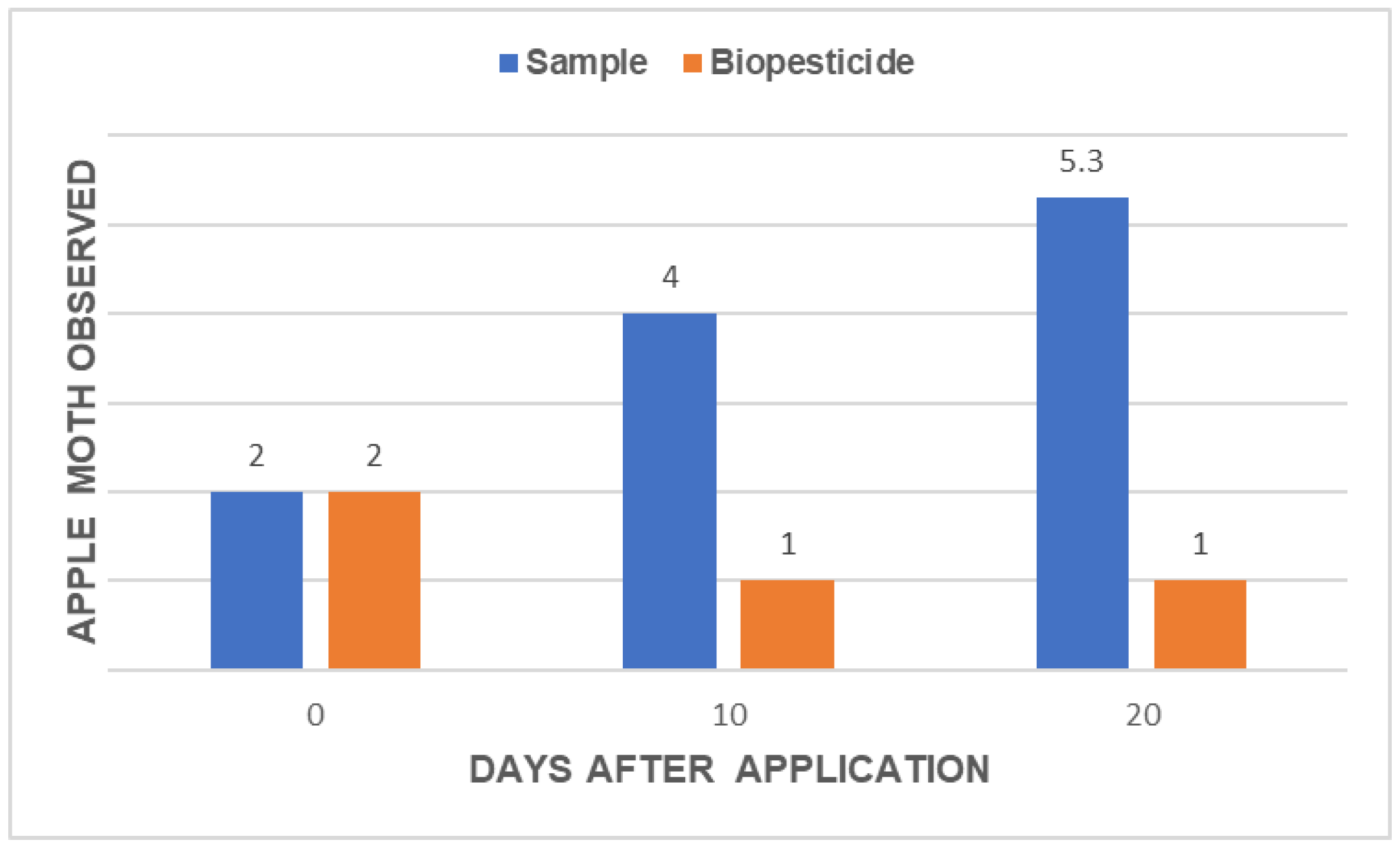
Figure 2.
Repellency index due to the effect of biopesticide.
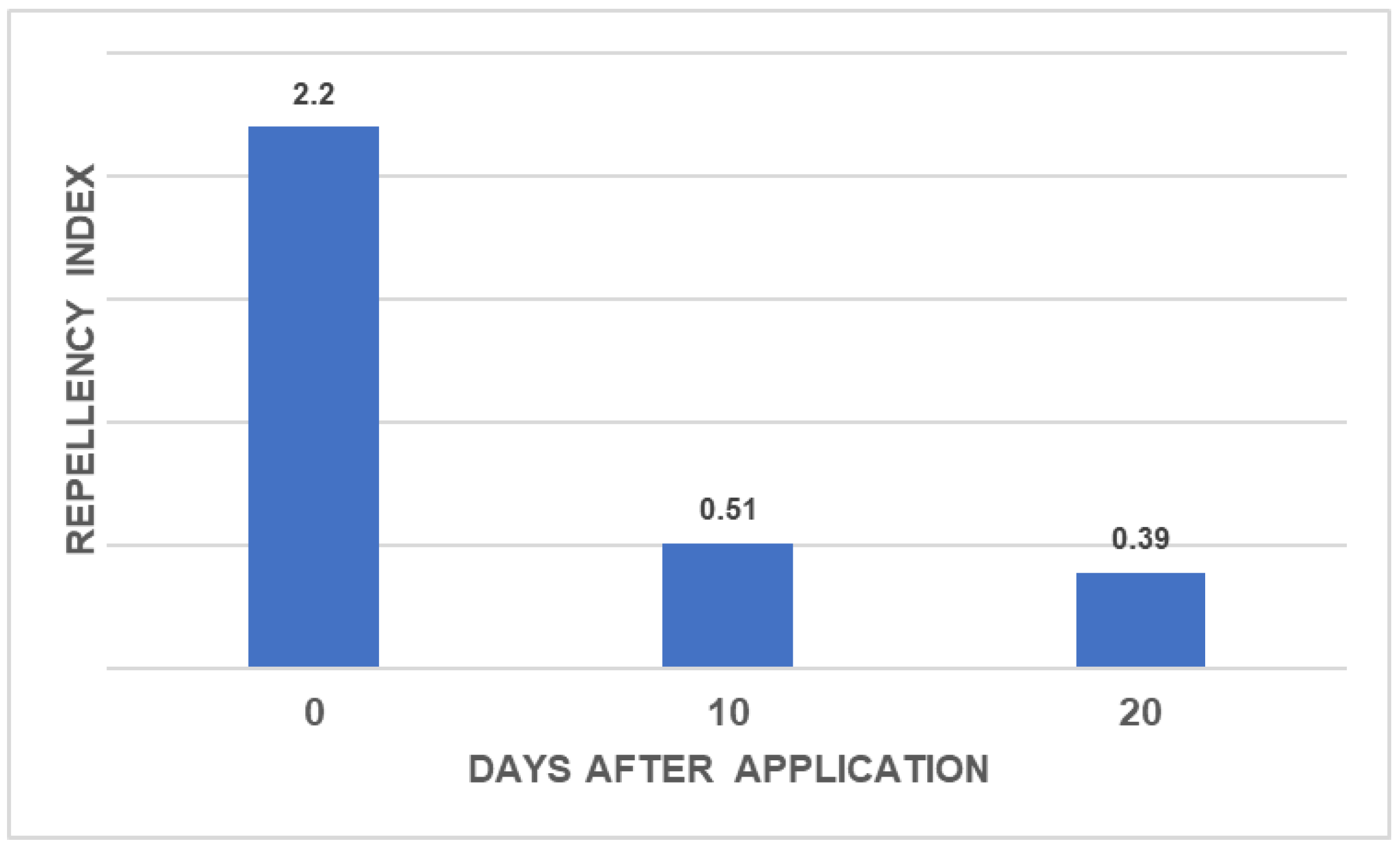
Figure 3.
Percentage of severity of apple scab with biopesticide application.
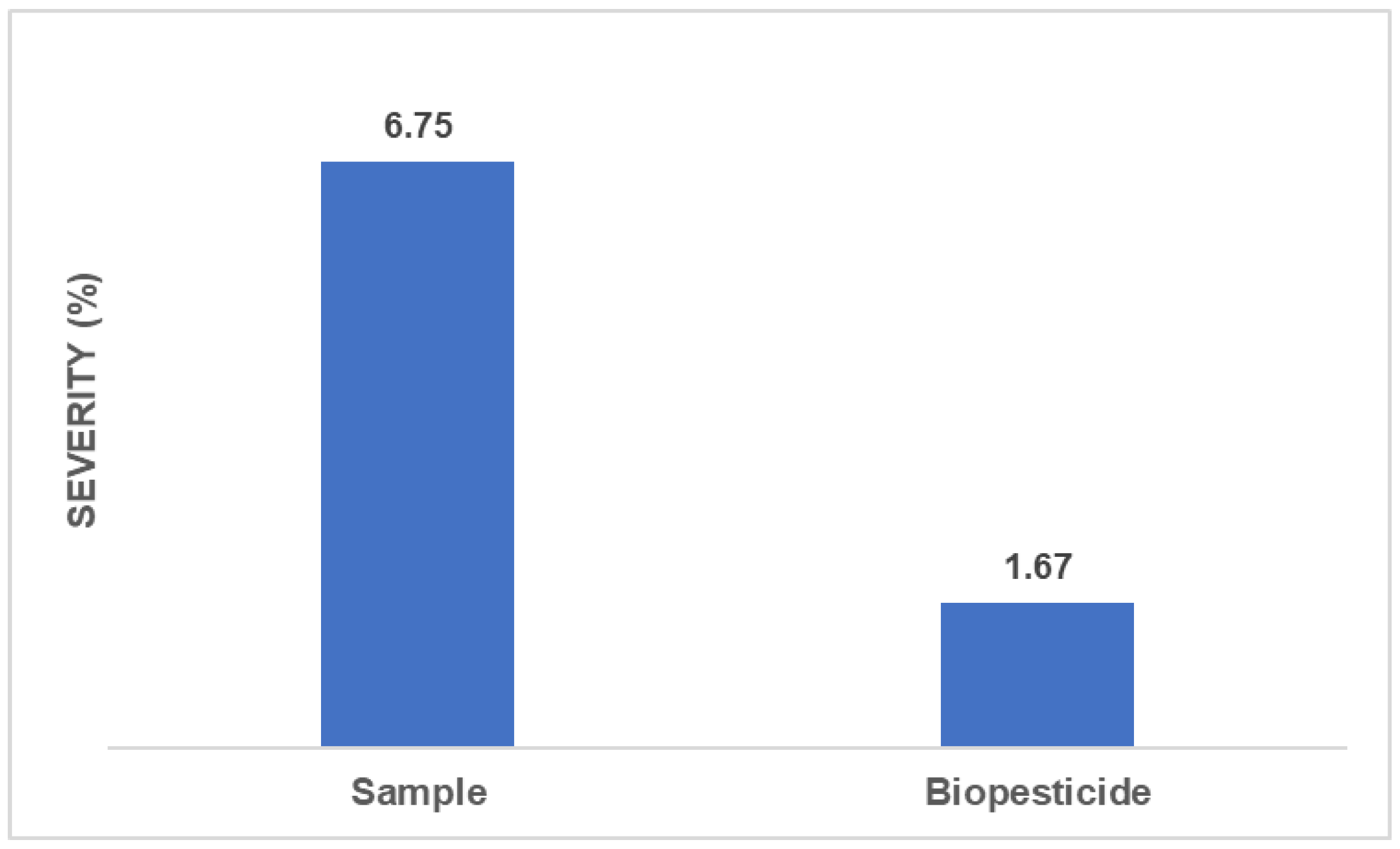
Figure 4.
Incidence of walnut screwworm due to the effect of biopesticides.
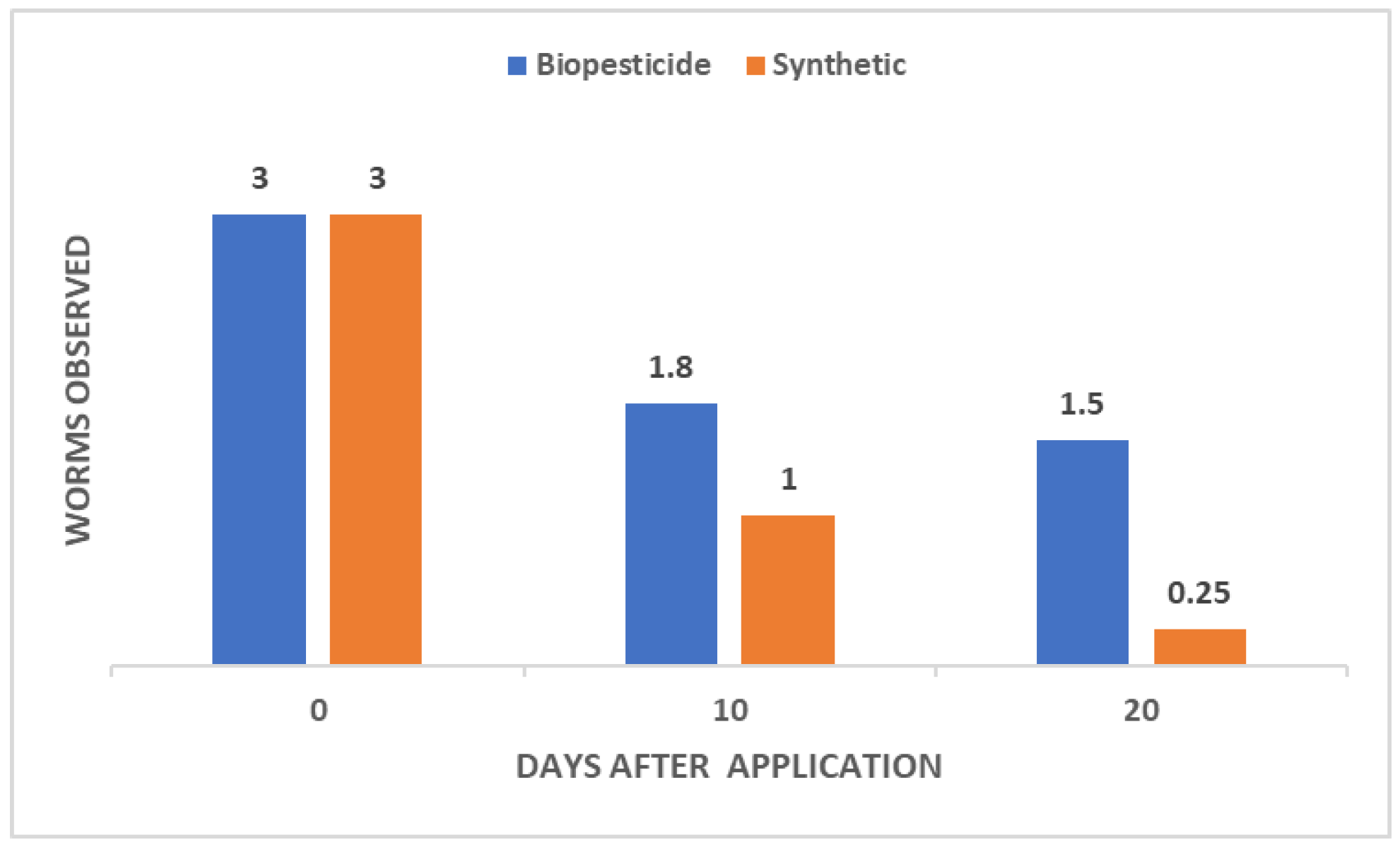
Figure 5.
Repellency index due to the effect of biopesticide.
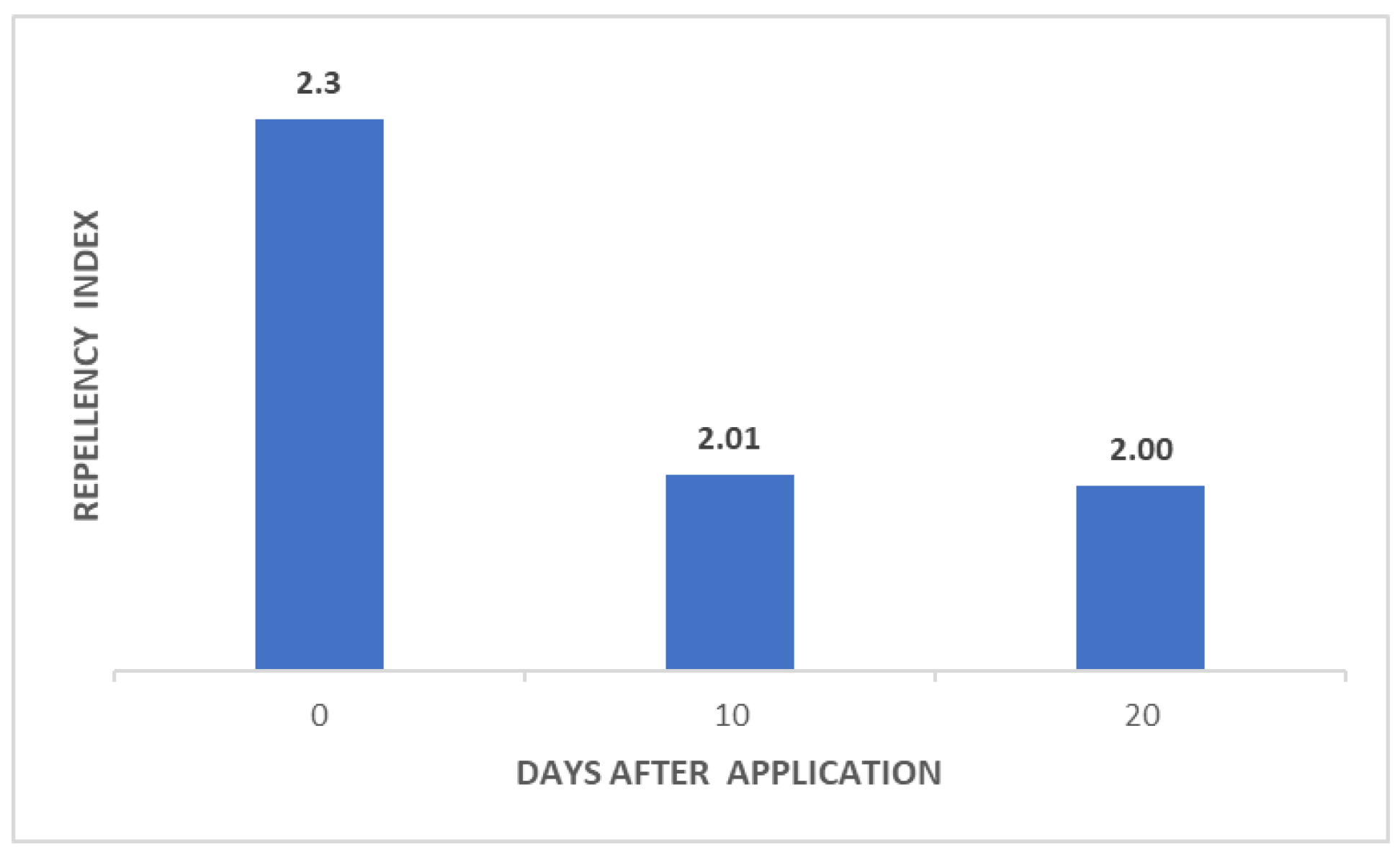
Figure 6.
Percentage severity of walnut hairy spot with biopesticide application.
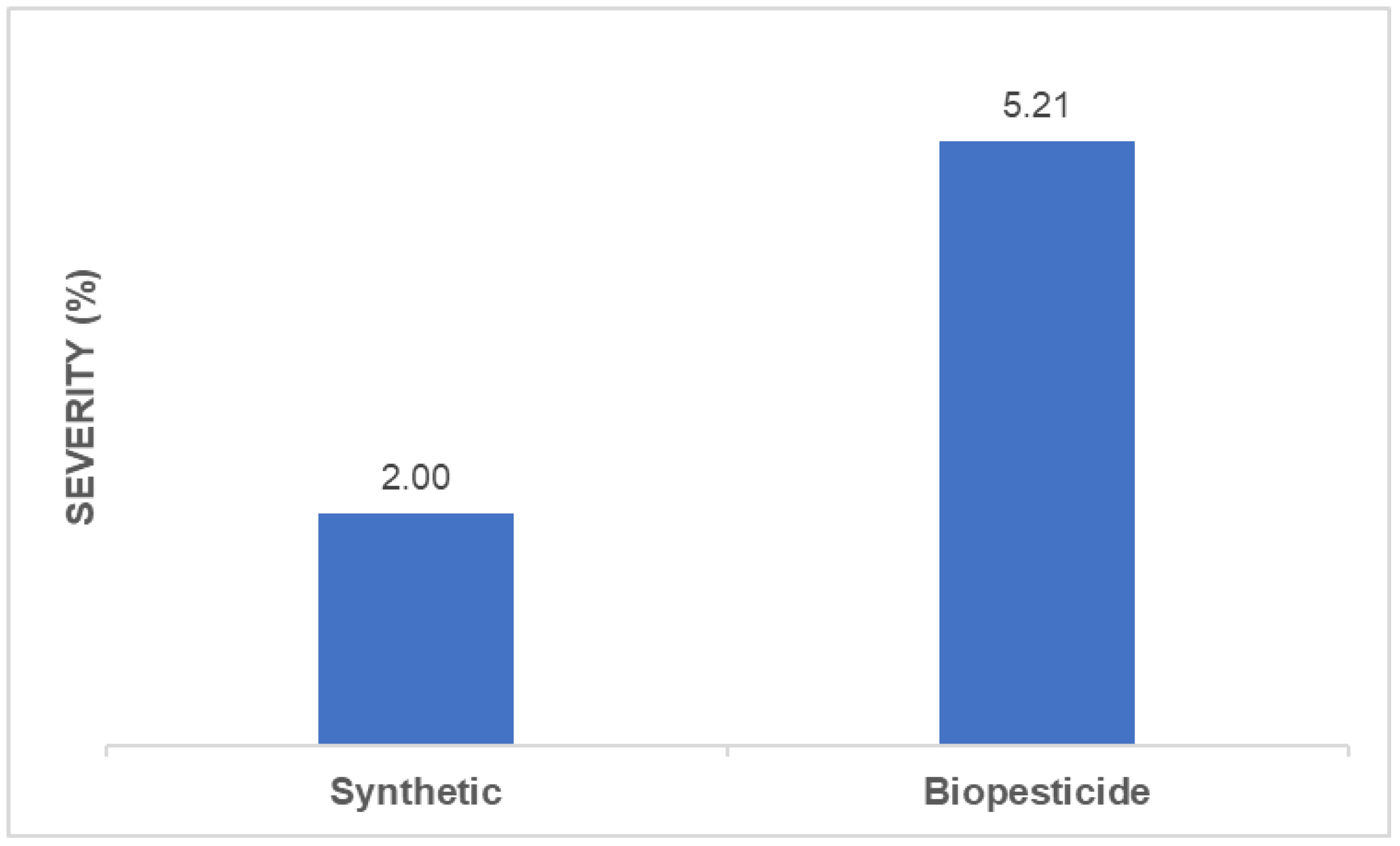

Table 1.
Concentration of biopesticides applied to apple and walnut trees.
| Ingredient | Repellent | Biofungicide |
|---|---|---|
| mg/kg | ||
| Nordihydroguaiaretic Acid | 325 | 708 |
| Kaempferol | 44 | 49 |
| Quercetin | 4,868 | 9,742 |
| Capsaicin | 4,005 | 80 |
| Allicin | 59 | 55 |
| Cinnamaldehyde | 542 | 104 |
| Azadirachtin | 2.5 | 1.5 |
Table 2.
Severity indices for foliar damage.
| Índex | % of foliar surface |
| 0 | No damage |
| 1 | 0.1 - 1.0 |
| 2 | 1.1-12.5 |
| 3 | 12.6-25.0 |
| 4 | 25.1-50.0 |
| 5 | 50.1 -75.0 |
| 6 | 75.1 -100 |
Disclaimer/Publisher’s Note: The statements, opinions and data contained in all publications are solely those of the individual author(s) and contributor(s) and not of MDPI and/or the editor(s). MDPI and/or the editor(s) disclaim responsibility for any injury to people or property resulting from any ideas, methods, instructions or products referred to in the content. |
© 2024 by the authors. Licensee MDPI, Basel, Switzerland. This article is an open access article distributed under the terms and conditions of the Creative Commons Attribution (CC BY) license (http://creativecommons.org/licenses/by/4.0/).
Copyright: This open access article is published under a Creative Commons CC BY 4.0 license, which permit the free download, distribution, and reuse, provided that the author and preprint are cited in any reuse.


