

Submitted:
27 December 2024
Posted:
27 December 2024
You are already at the latest version
Abstract
The use of augmented reality, assistive technology (AT) and augmentative and alternative communication (AAC) presents an opportunity to significantly enhance the general reading abilities of students with specific learning disorders (SLD) by providing effective learning tools. This study aimed to assess students’ learning experiences to understand the effectiveness of AT and AAC in language skills development and identify the AT tools and devices used in classroom-settings, to better inform practitioners. A literature search was performed using various databases. The review included 22 articles, focusing on multiple implications of AT and AAC. Common factors associated with AT use in teaching students with SLD were identified, and a thematic investigation revealed recurring data on the impact of AT solutions on students with SLD. The findings indicate notable improvements in language skills among students with SLD. However, two articles reported limited effects or no effects on language skills, self-efficacy, and self-esteem. This review shows that AT and AAC effectively support language skills development and outcomes (vocabulary, spelling, orthography, phonological awareness, and reading comprehension) for students with SLD. Given the limited number of studies and the complexity of explored factors, this conclusion should be interpreted with caution.
Keywords:
Augmentative and Alternative Communication
; Aided Communication
; Assistive Communication
; Specific Learning Disorders
1. Introduction
Communication is crucial to the learning process and its independence. Once oral language was established, it became easier to pass knowledge from older generations to younger ones. The discovery of written language further revolutionized this process, making knowledge transmission more efficient and accelerating human progress. The knowledge that one generation acquires is not lost. Therefore, communication and language skills, including the acquisition of reading, writing, and understanding mathematical language, are fundamental to academic learning [1]. Language acquisition is a complex process, often taken for granted by teachers and parents. However, some children face significant challenges in acquiring reading and writing skills, which may be due to specific learning disorders (SLD).
The prevalence of school-age children across different languages and cultures who struggle with learning language is around 5%-15% [2], making SLD one of the most widespread and significant disorders affecting school-age children [3]. Language deficits in students struggling with SLD are correlated with significant impairments in academic and social skills [3].
SLD refers to a range of difficulties that affect the acquisition of key academic skills, such as reading (dyslexia), writing (dysgraphia), and arithmetic (dyscalculia), all of which are essential for learning [2]. SLD serves as an umbrella term for a group of neurodevelopmental disorders that share common symptoms. The primary challenge faced by individuals with SLD is the inability to attain and maintain fluency in language skills, including spoken, written, sign language, or mathematical language, due to deficits in comprehension or production [2]. Children with SLD encounter difficulties in fluent and efficient reading, particularly in terms of speed, automaticity, or executive coordination [2]. These challenges typically arise during the early years of formal education and, without proper support, can significantly hinder learning [4]. Symptoms commonly include word decoding and spelling, phonological processing and orthographic-phonological integration [2]. As a result, the overall profile of reading and writing skills for students with SLD often falls below the level expected for their intelligence, motivation to learn, socio-cultural environment, and available learning opportunities [2].
In addition to difficulties with language and academic skills, researchers identified other challenges that students with SLD face in school settings. These include challenges in academic learning requiring reading skills [5], attention deficits and short attention span, poor motor skills [6], difficulties with coordination and spatial reasoning, poor time management, planning, and organisational skills [7], difficulties with processing and organising information [6]. Despite long-term intervention and remediation, these difficulties persist [8], and teachers report a significant gap between a student's potential and their actual performance [9]. As academic learning that happens in schools is mostly based on literacy skills, it becomes crucial for students to practice using language in oral and written form, which is effortful for children with SLD, and their academic success is strongly correlated with personalised, intensive and continuous educational support [10,11,12]. Therefore, students with SLD would greatly benefit from individualised learning pathways and rehabilitation strategies to compensate for the challenges that a learning disorder may pose to the learning process. However, research is needed to provide a personalised user experience for the specific needs and challenges of students with SLD, based on a viable mechanism that can adapt to individual differences and specific learning and verbal behaviours, different interaction modalities and customised types of multimedia feedback [13]. The use of AAC and the adoption of new technologies offer potentially viable solutions for improving and enhancing literacy skills and communication for students with SLD [14].
AAC systems refer to any system that supports (augmentative) or replaces (alternative) oral communication, any type of communication system other than natural speech [15]. The incorporation of AAC in education is intended to improve communication and make it effective. Language helps to (1) expresse and understand, by using words to build sentences, and sentences to build conversations; (2) arrange information in the right order to obtain meaning and significance; (3) understand and capture the meaning of others' discourse [16]. AAC systems have been developed as a need to compensate when natural communication is challenged and individuals are unable to use verbal language to meet all their communication needs. AAC can be used either to augment communication or to provide an alternative as a primary means of communication [17]. The American Speech-Language-Hearing Association [18] describes AAC as a tool to compensate temporarily or permanently for disabilities, activity limitations, and participation restrictions in verbal production, both oral and written. AAC systems are used by people who are unable to use verbal language for a limited or unlimited period of time [17,19,20].
AAC refers not only to aided and unaided systems of communication, but also eto various strategies and techniques that use symbols and low and high tech aids to augment, support or replace natural language production [15,21]. AAC is therefore used to support the communication for individuals with unintelligible speech and to provide an alternative means of communication for those who have no oral language or who have not developed sufficient verbal expressive skills to communicate effectively. AAC users include people with congenital and/or acquired disabilities that affect their ability to communicate verbally, such as individuals with autism, cerebral palsy, dual sensory impairment, intellectual disabilities, multiple disabilities and strokes. For example, a child with Down syndrome who has not yet developed intelligible speech may use an augmentative communication device or system to improve understanding and expression. As their oral language becomes more intelligible, the use of these devices may only be necessary in new or complex communication situations.
Recent technological developments have led to the development ofdifferent AAC solutions to facilitate language development and speech production for different communication needs of individuals and/or communities. The augmented reality (AR) paradigm [22] and the use of AAC and assistive technology (AT) could significantly improve students' general reading skills [14,23] by providing effective learning tools. There is no need to propose an alternative to verbal language (oral and written), which remains the primary goal of the speech and language development and learning process. AAC should not be viewed as a replacement for spoken or written language in students with SLD. Instead, the development of verbal language (both oral and written) remains the primary goal of intervention strategies for this population. AAC can be used as a supportive tool to enhance literacy experiences and to complement oral language development in students with SLD, rather than as a substitute for spoken or written language, as in populations with more severe communication impairments who rely on AAC for primary communication. Therefore, AAC tools can improve literacy experience.
The number of studies on the use of AAC in designing intervention strategies for students with SLD is limted; however, they are useful in informing educators, teachers, and policymakers in making research-based decisions about educational interventions. Three research questions were raised in this SLR (systematic Literature review):
RQ 1: What types of barriers, limitations were identified by teachers in using AAC and ATwhen working with students?
RQ 2: What features of AAC and AT should be assessed to ensure its feasibility and usability by students with SLD?
RQ3: How can the process of written language skills development benefit from AAC or AT?
The aim was to assess students’ learning experiences in relation to the effectiveness of AAC in developing language skills and what AAC tools and devices are used in classroom settings to better inform practitioners.
2. Materials and Methods
A literature review was undertaken to summarise the current body of research on the impact of using AAC with students with SLD and the intervention strategies implemented, and to provide guidance for further research. The rationale of conducting this SLR was to ensure reliable and rigorous knowledge for educators, professionals working with students with SLD, and parents about where and how to use AAC.
The methodology of this SLR was based on the Preferred Reporting Items for Systematic Reviews and Meta-Analyses (PRISMA methodology) [24]. The inclusion, exclusion and quality criteria are listed below. The articles selected for the review were coded according to the coding categories and criteria presented below.
2.1. Inclusion and Exclusion Criteria
Due to the diversity of studies conducted in AAC use, several inclusion and exclusion criteria were established to identify relevant studies. The inclusion criteria were: (a) peer-reviewed publications; (b) studies on the use of AAC in classrooms with students with SLD; (c) timeline of the papers: January 1, 2012 – August 1, 2022; and (d) target groups: teachers and professionals working with students with SLD. The inclusion of studies published from 2012 onwards was guided by the rapid advances in technology and educational tools over the past decade. AAC technologies, as well as assistive technologies more broadly, have evolved significantly in recent years, particularly in their applications to support language and literacy development. By focusing on studies from 2012 onwards, we aimed to ensure the inclusion of research that reflects contemporary tools, methodologies and pedagogical practices that are most relevant to current educational contexts. Exclusion criteria were: (a) articles not related to the use of AAC with students with SLD; and (b) articles not exploring the use of AAC in school settings.
2.2. Quality Criteria
After the initial search, articles were assessed for quality using the Mixed Methods Appraisal Tool (MMAT) [25], taking into account the inclusion and exclusion criteria. The quality criteria were validated by a group of experts from author’ institution to ensure an efficient selection of articles. A qualitative synthesis was conducted to organise, analyse, and interpret all relevant data through interpretive, comparative, pattern, and relational analyses [26]. The abstracts of the 176 articles were screened according to the inclusion criteria. Studies that did not meet the established criteria were excluded, resulting in 45 articles being selected (131 excluded studies). The remaining 45 studies were divided into two sections, which were screened by two independent experts based according to quality criteria. After this step, a further 33studies were excluded. In total, twelve studies were included in the final review.
2.3. Search Methods
To address the above research questions, it was necessary to identify a sample of articles. The following electronic databases were selected for this purpose: Web of Science (WOS), PsycINFO, ScienceDirect, EBSCO, and SCOPUS. The following search string was used: ("augmentative and alternative communication" OR "assistive technology" OR "AAC") AND ("specific learning disorder" OR "SLD" OR "dyslexia" OR "learning disorders") AND ("reading disorder" OR "reading difficulty" OR "reading impairment").The literature search process involved several stages, including identifying relevant studies to our research aims, assessing their quality, and identifying patterns and significant results, and discussing the degree of on the research questions raised. A total of 176 articles were identified, out of which 12 were selected based on the criteria. Due to the limited number of studies investigating the use of AAC for SLD, a further stage was added which involved screening the reference list of the 12 articles initially selected. The remaining ten articles were added to provide further input to our SLR, resulting in a research sample of 22 papers. The selection process is shown in Figure 1.
3. Results
This SLR summarizes the findings of the 22 selected papers that explored the research questions posed in the initial research phase. Table 1 provides a summary of the articles that explored several characteristics, including research questions or aims, study methodology, participant characteristics (age, diagnosis, language profiency profile), type and role of AAC, and key findings. Only a limited number of articles exploring the use of AAC in the development of language skills in students with SLD were identified. The SLR was based on 22 articles, following the purpose of our study to investigate AAC options in the development of students’ language skills in school settings.
The articles in the sample group included a variety of methodological approaches, the most common being experimental studies (n=7), followed by exploratory analysis (n=6), study case and multi-case study (n=3), theoretical studies (n=3), cross-sectional analysis (n=2) and mixed methods approach (n=1). The largest number of theoretical and experimental studies is probably explained by the need to explore and assess the effectiveness of AAC options in the development of language skills in students with SLD. All included articles were analysed in terms of factors associated with the impact of AAC on the language skills development of SLD in classroom-settings. Out of the total sample of 22 papers, 15 studies (77.27%) focused on the improvement of language skills (reading and writing), 22.73% explored AAC options available for language development and made some recommendations and suggestions, while 13.63% provided information on the impact of AAC on the well-being and psychological health of students with SLD. The extracted data were summarised using a qualitative meta-summary [47] and were coded deductively according to specific quality criteria where a factor was found to be relevant to our SLR (type of AAC, role of AAC, students profile, positive/neutral/negative outcomes, language skills, barriers, strengths).
4. Discussion
In this literature review, we identified common factors associated with the use of AAC in the classroom for students with SLD. The thematic investigation provided some recurring data on the impact of AAC solutions on students with SLD, their language development, and recommendations for the selection and use of AAC in classroom-settings, as well as the types of support and improvements needed to support the language development of students with SLD (Table 2).
4.1. Use of AAC with Students with Specific Learning Disorders
To answer our research questions, all 22 papers were reviewed using qualitative thematic analysis to identify patterns across the research samples. However, we identified a lack of studies exploring teachers' perceptions, attitudes, and preferences for the AAC system in our SLR. The selected papers do not provide much insight into teachers' perceptions of AAC applications and their feedback on the effectiveness of using AAC with students with SLD.
However, three studies [30,31,44] reported insufficient training on AAC selection, assessment, adaptation, and implementation. Teachers reported facing some technical issues, such as low digital literacy and poor digital infrastructure [31], insufficient training [30,44], insufficient knowledge of how to integrate assistive technology and AAC into their teaching practice, and how to adapt the curriculum [30,31], and teachers' reluctance to adopt ACC due to extra workload [30]. Another aspect identified in the above papers is the fact that incorporating AAC into their teaching is time-consuming. However, teachers reported that students were generally enthusiastic about the use of assistive technology and AAC in the classroom [48]. The increase in motivation and self-confidence was most noticeable in school activities that were predominantly reading-based [31,35].
Preschool teachers reported using PECS as the main AAC tool for communicating with preschool children with complex communication needs, followed by signing and speech-generating devices [46]. However, they admitted that they used AAC inconsistently and informally. Preschool children with complex communication need to be prompted and encouraged to use AAC in both structured and unstructured settings, as their spontaneous use of AAC is low [46].
AAC can be implemented in assessment activities due to its low-pressure focus on speech production and visual-based reading aids, and its ability to encourage non-speech responses or limited verbal instructions, which can be challenging for some students [8,49]. High-tech AAC solutions provide more dynamic settings, immediate feedback, and computerised administration.
4.2. Barriers and Limitations to Using AAC with Students with Specific Learning Disorders
Only one paper from the research sample explored and identified some barriers and limitations that teachers face when using AAC with students with SLD to answer our second research question, "What types of barriers and limitations have teachers identified when using AAC and AT while working with students?" (RQ1). Cado [30] identified several barriers to integrating AAC into the education of students with SLD, including: (1) a lack of digital infrastructure for children and their families; (2) insufficient human resources such as teaching assistants, occupational therapists, and teachers available in the classroom to assess, identify, adapt, and implement AAC solutions for students with SLD; (3) the cost of equipment; (4) a wide range of AAC solutions available with specific characteristics; (5) the readiness and ability of the child to learn how to use AAC; and (6) time-consuming implementation.
Similarly, Leckenby and Ebbage-Taylor [50] identified significant barriers to the integration of AAC in the classroom and emphasised the need for systematic training for educators, better collaboration between professionals, and increased investment in digital tools and resources to support students with speech, language and communication needs.
4.3. Feasibility and Usability of ACC in Teaching Students with Specific Learning Disorders and Improving their Language Skills
A larger number of studies (n=19) provided data on how to assess, use, and adapt AAC to provide better services to students with SLD, which helped to answer the second research question, "What features of AAC and AT should be assessed to ensure its feasibility and usability by students with SLD?" (RQ2).
4.4. Characteristics of Studies of Inclusive Settings and the Role of AAC
AAC options are varied and can be challenging, time-consuming, and sometimes expensive to navigate. It is essential to identify the most efficient AAC system [51], that the child will find easier and more effective. Some high-tech devices require gross and fine motor skills, which can be problematic for children with SLD, including those with dyspraxia. This may also explain the low integration of AAC in the learning process of students with SLD. Motivational factors also need to be considered in relation to teachers’, parents’ and students’ preferences for AAC [52]. The process of exploring AAC opportunities can take time and effort, and the motivational drive is crucial to maintaining the exploration process [33,53].
Several studies, including Barker et al. [46], showed a lack of professional training in AAC for teachers and educators. This leads to insufficient knowledge in assessing the communication needs of their students and identifying the best solutions to successfully implement AAC in the development of language and communication skills. The lack of professional training is the reason for the low use of AAC in the learning process of students with SLD reported by teachers and the relatively small number of studies in this area. Promoting the use of AAC and providing training and support for teachers and parents in the use of AAC is particularly important given the dynamic development of technologically mediated learning environments and the impact of AAC options available in schools [46].
4.5. AAC Assessment to Better Meet the Needs of Students
Researchers such as Tariq and Latif [38] and Wang [22] are interested in improving AAC systems and making them more effective for a wider range of users, including students with SLD. The development of artificial intelligence (AI) has led to a proliferation of AAC solutions, which can make it difficult for teachers and parents to identify the best assistive alternatives. However, all updated versions of AAC systems are based on the Shannon communication device paradigm [54], which aims to improve communication and language skills.
AAC systems are subject to an evaluation process to assess their usability and appropriateness to the needs of SLD specificity. AAC devices should be tailored and adapted to the needs of their users. In this study, the focus is on students with SLD. From the very beginning of AAC systems design, the design process should be learner-centred, and all elements of the tool should support the students’ learning process and help improve their language skills. Tariq & Latif [38] proposed a technological framework designed to address specific users barriers: (1) phonological barriers, by recommending that children become familiar with phonemes; (2) reading barriers, which can be reduced by introducing the visualisation of concepts to improve memory skills; (3) writing barriers, by adapting a learning algorithm to assess the students’ writing performance. Some principles for selecting AAC options are presented in Figure 2. Another important element to include in the design of AAC systems is the ability to provide immediate feedback on the progress of students with SLD to increase motivation for language practice [38].
4.6. AAC Modalities and Interventions to Improve the Learning Process for Learners with Dyslexia
The use of AAC systems to communicate with peers improved the positive experiences of students with SLD and increased the number of opportunities for interaction. This is likely to improve children’s language development, which helped us to answer the third research question (How can the process of written language skills development benefit from AAC and AT?? - RQ3). This is explained by an increased amount of communication contexts and opportunities, and exposure to AAC models in addition to teacher modelling during classroom interactions (Brady et al. [56]. At the same time, AAC was associated to improvements in children’s language outcomes [49]. The incorporation of AAC systems increased the number of peers communicating partners i, which in turn increased opportunities for language practice, as reflected in higher language scores [49].
Reading and Reading Comprehension. Students with SLD, struggle to comprehend a text due to their inability to master reading at a fluency level. For students with SLD, the reading process is challenging because reading requires a complex task of recognition/decoding and identifying meaning. Reading comprehension characterises the ability to process a text, fully understand its meaning and integrate it with what the reader already knows, based on a vocabulary stockade and good oral comprehension [57,58]. For students with SLD, the decoding process is impaired, slow and inaccurate, which is reflected in the reading comprehension.
AAC systems and AT can assist and facilitate the decoding process by ensuring optimal audio-visual integration and maintaining attention through eye-tracking technology. This “audio-visual integration might improve verbal and visual information processing on working memory, increasing the mental resources that can be devoted to comprehension. This might help readers construct and maintain a situational model of the text information, connecting incoming information with the representation of the previous information in the text with the reader’s own prior knowledge” [23, p.883]. Therefore, the use of AAC to support reading to improve comprehension is a viable solution. Staels and Van den Broeck [40] reported in their research that children scored highest on comprehension tasks.
Students with SLD have difficulties choosing the correct spelling from two visually presented homophones. Reading comprehension is enhanced when the reading process is atomized, consequently technology-assisted reading significantly improves the reading process of people with acquired dyslexia [31,34] and students with SLD [13,23,31]. Reading-aloud techniques, (i.e., GARY, an eye-tracking enhanced read-aloud tool), improved the reading comprehension of students with SLD (dyslexia) by 24% on a reading comprehension-standardized instrument [23,59]. Allowing readers to control the pace of reading by linking it to eye gaze reduces the reading effort for students with SLD, improving their reading experience and their reading comprehension outcomes [60,61,62]. AAC systems assist students with SLD in reading tasks by simplifying text to reduce its complexity and improve readability and comprehension, making the reading process less effortful [36]. Augmenta11y is an application that can assist students with SLD in reading and listening activities, thereby improving their overall language competences [28]. Improved reading skills lead to greater openness and willingness to learn. Studies suggest that text simplification applications are effective tools for supporting students with SLD and with low literacy skills [13].
Naming Task and Vocabulary Building. Vocabulary learning for children with communication and language impairment is hindered by comprehension deficits that reduce their engagement in communicative contexts and limit their opportunities to practise new words [32]. "Limited symbol vocabulary is often a barrier to communicative development" [33], p. 9. The use of AAC helps children to name objects at an increased rate; however, in real-life conversations children rely on adults to identify and select the missing word and to support vocabulary building [32]. Another study [33] presented evidence that students with developmental disabilities and language delays can learn new words and build up their vocabulary (symbol-referent relationships) using AAC (Blissymbols and computer-based symbol set of lexigrams). However, the use of AAC may raise concerns about the impact on children's spontaneous engagement with more competent communicative companions, thereby hindering vocabulary development through the construction of meaning in natural communicative contexts that are more relevant. Other studies show that text-to-speech software had no significant main effect on the naming task, item type (target vs. homophone) [40]. However, the use of a technology-based system of symbols can be efficient in increasing students ‘vocabulary and its use in natural communicative interactions [33].
Spelling Task. Share’s [639] self-teaching paradigm – AAC provides tools for learners and communicators to improve their communication skills through independent learning and practice, not in a formal setting but in more natural speech conditions.
Phonological Representations. The phonological representation consists of the morphemic composition of the word and the phonemic composition of the morphemes in the specific language and is the basis for inner speech construction, along with semantic and syntactic representations [63,64]. The AAC tool for speech output of speech-generating devices was proven to support the use of phonological forms and is used to promote verbal labelling in adults with disabilities [45], for whom phonological encoding operates even in short-term memory.
Expressive Syntax. Findings from the research conducted by King et al. [39] provide evidence that AAC can support and provide tools for dynamic assessment of expressive syntax, such as evaluating children's ability to sequence simple, rule-based messages using graphic symbols. Assessments performed through AAC systems are significantly enriched, making the process dynamic and more accurate in predicting future language performance, even in the production of expressive syntax and assisted semantic-syntactic structure formation.
Orthograph Task. The overall proportion of correct choices on the orthographic choice task and the proportion of completely correctly spelled target words in the spelling task of children in the experimental condition of a study conducted by Staels and Van den Broeck [40] were reported to be significantly higher when using text-to-speech software, “well beyond chance” [40, p. 46]. A positive relationship was found between the decoding ability of students with SLD and the level of orthographic awareness.
Writing Skills. There is evidence [35] of gender differences regarding the impact of AAC on spelling self-efficacy and writing self-perception, with better results for boys. Therefore, boys are more likely to use technological support, which improves their sense of self-efficacy in writing, but increases the three dimensions of anxiety in assessments (social depreciation, cognitive blockage, and body tension) [35,65].The difficulties and scores regarding cognitive blockage are interpreted as a processing difficulty for students with SLD and poor motor skills [6], due to the dual task of written production and the use of AAC tools [35]. In the long term, technological support seems to contribute to subjective well-being by improving the sense of self-efficacy in writing for students with SLD, regardless of their gender [35,66]. However, in a study by Lindeblad et al. [37], assistive technology had no impact on students’ self-esteem.
5. Conclusions
In conclusion, this SLR captured practices that address core intervention strategies and result in AAC outcomes that are effective in supporting students with SLD. The findings directly address the research questions by identifying core intervention strategies and demonstrating that AAC tools can contribute to improvements in specific language outcomes, including vocabulary, spelling, orthography, phonological awareness, reading comprehension, and overall language acquisition.
Regarding the first research question, the review found that AAC systems can be effectively integrated into educational interventions to enhance language development activities for students with SLD. The review identified 22 studies demonstrating that AAC systems are effectively integrated into interventions aimed at improving specific language outcomes, including vocabulary, spelling, orthography, phonological awareness, and reading comprehension. These tools have shown potential for enhancing both written and oral language skills, offering a viable complement to traditional intervention. For the second research question, the findings suggest that as AAC technologies become increasingly diverse, there is a need for teachers and parents to acquire targeted knowledge to identify and implement appropriate AAC systems tailored to the individual educational needs of these students. Finally, addressing the third research question, the review highlights the benefits of AAC in reducing barriers to language skills development and fostering a more inclusive learning environment. However, the analysis also revealed a significant gap in the literature on the use of AAC in classroom settings, emphasizing the urgent need for further evidence-based research to inform practical and scalable interventions.
As the number of AAC options continues to grow, teachers and parents should acquire specific knowledge in identifying appropriate AAC systems to accommodate and meet the educational needs of students with SLD [67]. The urgent need for evidence-based intervention is reinforced by the lack of studies on the use of AAC in the classroom. AAC has been shown to reduce barriers to language skills development by fostering inclusive learning environments and providing scaffolding for students struggling with traditional methods of instruction. The review indicates that AAC can enhance language acquisition and support broader educational goals for students with SLD. The SLR revealed some relevant data on the AAC systems available to students with SLD that can enhance language acquisition, reduce barriers to language skills development and learning, and create a more inclusive environment in schools.
6. Limitations and Future Directions
According to Staels and Van den Broeck [40], the use of text-to-speech software is recommended only to assist students with SLD to compensate for poor reading skills. They discouraged the use of text-to-speech software in the early years in favour of naturalistic reading experiences with the active participation of students with SLD. Other researchers have raised concerns about reading-aloud tools that fail to support students by not keeping track of the text being visually processed by the reader, which can lead to incongruence between what the student reads and what they hear [23]. However, multimodality is recommended, and simultaneous listening to and reading of text improves comprehension [68]. Some limitations of this SLR should be noted. First, this SLR relied on a relatively small number of studies that addressed the use of AAC with students with SLD, and some implications were discussed for studies conducted with students or adults with complex communication needs were discussed. Another limitation relates to the unlikelihood of a study reporting negative or neutral effects of AAC on childrens’ language development. Based on this SLR, further research should focus more on exploring modalities that facilitate peer interactions and create opportunities for engagement in natural communicative settings for students with SLD and use AAC as a support tool to promote language and dialogical skills. There is a need conduct research to develop more effective AAC systems to support literacy and address the comprehension challenges posed by different language impairments.
Funding
This research received no external funding
Institutional Review Board Statement
Not applicable.
Informed Consent Statement
Not applicable.
Data Availability Statement
The author confirms that the data supporting the findings of this study are available within the article.
Conflicts of Interest
The author reports no conflict of interest.
* Studies included in this review.
References
- Abdelraouf ER, Kilany A, Hashish AF, et al. Investigating the influence of ubiquinone blood level on the abilities of children with specific learning disorder. Egypt J Neurol Psychiatry Neurosurg. 2018;54(1):39-43. [CrossRef]
- American Psychiatric Association. Diagnostic and Statistical Manual of Mental Disorders (5th Edition). Arlington: APA Publishing; 2013.
- Khodeir MS, El-Sady SR, Mohammed HAER. The prevalence of psychiatric comorbid disorders among children with specific learning disorders: a systematic review. Egypt J Otolaryngol. 2020;36(1):57-67. [CrossRef]
- Perdue MV, Mahaffy K, Vlahcevic K, et al. Reading intervention and neuroplasticity: A systematic review and meta-analysis of brain changes associated with reading intervention. Neurosci Biobehav Rev. 2022;132:465-494. [CrossRef]
- Miciak J, Ahmed Y, Capin P, et al. The reading profiles of late elementary English learners with and without risk for dyslexia. Ann Dyslexia. 2022;72(2):276–300. [CrossRef]
- Toffalini E, Giofrè D, Cornoldi C. Strengths and Weaknesses in the Intellectual Profile of Different Subtypes of Specific Learning Disorder: A Study on 1,049 Diagnosed Children. Clin Psychol Sci. 2017; 5(2):402-409. [CrossRef]
- Hendriksen JG, Keulers EH, Feron FJ, et al. Subtypes of learning disabilities: neuropsychological and behavioural functioning of 495 children referred for multidisciplinary assessment. Eur Child Adolesc Psychiatry. 2007;16(8):517-24. [CrossRef]
- Cleugh MF, Kirk SA. Educating Exceptional Children. Br J Educ Stud. 1963;12(1):108-109. [CrossRef]
- Rohmer O, Doignon-Camus N, Audusseau J, et al. Removing the academic framing in student evaluations improves achievement in children with dyslexia: The mediating role of self-judgement of competence. Dyslexia. 2022; 28(3):309-324. [CrossRef]
- Benney CM, Cavender SC, McClain MB, et al. Adding Mindfulness to an Evidence-Based Reading Intervention for a Student with SLD: a Pilot Study. Contemp Sch Psychol. 2021; 26(3):410–421. [CrossRef]
- Al-Dababneh KA, Al-Zboon EK. Using assistive technologies in the curriculum of children with specific learning disabilities served in inclusion settings: teachers’ beliefs and professionalism. Disabil Rehabil: Assist Technol. 2020; 17(1):23-33. [CrossRef]
- Dhingra K, Aggarwal R, Garg A, et al. Mathlete: an adaptive assistive technology tool for children with dyscalculia. Disabil Rehabil: Assist Technol. 2022[2023 Jan 12]. [CrossRef]
- Al-Thanyyan SS, Azmi AM. Automated Text Simplification. ACM Comput Surv. 2021; 54(2):1-36. [CrossRef]
- Wood SG, Moxley JH, Tighe EL et al. Does Use of Text-to-Speech and Related Read-Aloud Tools Improve Reading Comprehension for Students with Reading Disabilities? A Meta-Analysis. J Learn Disabil. 2018; 51(1):73-84. [CrossRef]
- Beukelman DR, Light JC. Augmentative & alternative communication. Supporting children and adults with complex communication needs. Fifth Edition. Baltimore: Brookes Publishing Co; 2020.
- Leeds-Hurwitz W. Semiotics and Communication: Signs, Codes, Cultures. New York: Routledge; 1993.
- Andzik NR, Chung YC. Augmentative and Alternative Communication for Adults with Complex Communication Needs: A Review of Single-Case Research. Commun Disord Q. 2022; 43(3):182–194. [CrossRef]
- ASHA. Guidelines for meeting the communication needs of persons with severe disabilities. National Joint Committee for the Communicative Needs of Persons with Severe Disabilities. ASHA Suppl. 1992;(7):1-8. PMID: 1350439. [cited 2022, Aug 15]. Available from: [Internet] https://pubs.asha.org/doi/pdf/10.1044/nsshla_19_41.
- Burnham SPL, Finak P, Henderson JT, et al. Models and frameworks for guiding assessment for aided Augmentative and Alternative communication (AAC): a scoping review. Disabil Rehabil Assist Technol. 2023 [cited 2023, Jul 12]:1-15. [CrossRef]
- Broomfield K, Harrop D, Jones GL, et al. A qualitative evidence synthesis of the experiences and perspectives of communicating using augmentative and alternative communication (AAC). Disabil Rehabil Assist Technol. 2022 [cited 2022, Nov 17]:1-15. [CrossRef]
- Holyfield C, Caron J, Lorah E, et al. Effect of Low-Tech Augmentative and Alternative Communication Intervention on Intentional Triadic Gaze as Alternative Access by School-Age Children with Multiple Disabilities. Lang Speech Hear Serv Sch. 2023; 54(3):914-926. [CrossRef]
- Wang M, Muthu BA, Sivaparthipan CB. Smart assistance to dyslexia students using artificial intelligence based augmentative alternative communication. Int J Speech Technol. 2022; 25(2):343-353. [CrossRef]
- *Schiavo G, Mana N, Mich O, et al. Attention-driven read-aloud technology increases reading comprehension in children with reading disabilities. J Comput Assist Learn. 2021; 37(3):875-886. [CrossRef]
- Moher D, Shamseer L, Clarke M, et al. (2016). Preferred reporting items for systematic review and meta-analysis protocols (PRISMA-P) 2015 statement. Syst Rev. 2015;4(1):1. [CrossRef]
- Pluye P, Gagnon MP, Griffiths F, Johnson-Lafleur J. A scoring system for appraising mixed methods research, and concomitantly appraising qualitative, quantitative and mixed methods primary studies in Mixed Studies Reviews. Int J Nurs Stud. 2009; 46(4):529-46. [CrossRef]
- Bazeley PAT. Qualitative data analysis: Practical Strategies. London: Sage; 2013.
- *Lerga R, Candrlic S, Jakupovic A. A Review on Assistive Technologies for Students with Dyslexia. In: Csapó B, Uhomoibhi J, editors. Proceedings of the 13th International Conference on Computer Supported Education; 2021 Apr 23-25; Online: SciTePress; 2021. p. 64-72. [CrossRef]
- *Gupta T, Aflatoony L, Leonard L. Augmental1y: A Reading Assistant Application for Children with Dyslexia. In: Lazar J, Feng JH, Hwang F, editors. Proceedings of the 23rd International ACM SIGACCESS Conference on Computers and Accessibility (ASSETS '21); 2021 Oct 18-22; New York. New York: Association for Computing Machinery; 2021. p 1- 3.
- 29. doi:10.1145/3441852.3476530. [CrossRef]
- *Burac MAP, Dela Cruz J. Development and Usability Evaluation on Individualized Reading Enhancing Application for Dyslexia (IREAD): A Mobile Assistive Application. In: Hidayat T, Idris M, Rahma F, editors. International Conference on Information Technology and Digital Applications IOP Conference Series: Materials Science and Engineering; 2019 Nov 15; Yogyakarta: IOP Publishing; 2020. p. 012015. [CrossRef]
- *Cado A, Nicli J, Bourgois B, et al. Assessing assistive technology requirements in children with written language disorders. A decision tree to guide counseling. Arch Pediatr. 2019; 26(1):48-54. [CrossRef]
- *Lindeblad E, Nilsson S, Gustafson S, et al. Self-concepts and psychological health in children and adolescents with reading difficulties and the impact of assistive technology to compensate and facilitate reading ability. Cogent Psychol. 2019;6(1): 1647601. [CrossRef]
- *Deliberato D, Jennische M, Oxley J, et al. Vocabulary comprehension and strategies in name construction among children using aided communication. Augment Altern Comm. 2018; 34(1):16-29. [CrossRef]
- *Sevcik, R. A., Barton-Hulsey, A., Romski, M. A., & Hyatt Fonseca, A. (2018). Visual-graphic symbol acquisition in school age children with developmental and language delays. Augment Altern Comm. 34(4). doi:1080/07434618.2018.1522547.
- *Caute A, Cruice M, Marshall J, et al. Assistive technology approaches to reading therapy for people with acquired dyslexia. Aphasiology. 2018; 32(S1):40-42. [CrossRef]
- *Rousseau N, Dumont M, Paquin S, et al. Le sentiment de bien-être subjectif d’élèves dyslexiques et dysorthographiques en situation d’écriture : Quel apport des technologies d’aide ? [The feeling of subjective well-being of dyslexic and dysorthographic students in a writing situation: What contribution of assistive technologies?] ANAE. 2017; 29(148):353-364. French.
- *Paetzold GH, Specia L. A survey on lexical simplification. J Artif Intell Res. 2017; 60:549-593. [CrossRef]
- *Lindeblad E, Nilsson S, Gustafson S, et al. Assistive technology as reading interventions for children with reading impairments with a one-year follow-up. Disabil Rehabil Assist Technol. 2017; 12(7):713-724. [CrossRef]
- *Tariq R, Latif S. A mobile application to improve learning performance of dyslexic children with writing difficulties. Educ Technol Soc, 2016:19(4): 151-166. [cited 2022, Aug 13]. Available from: [Internet] http://www.jstor.org/stable/jeductechsoci.19.4.151.
- *King MR, Binger C, Kent-Walsh J. Using dynamic assessment to evaluate the expressive syntax of children who use augmentative and alternative communication. Augment Altern Comm. 2015; 31(1):1-14. [CrossRef]
- *Staels E, Van den Broeck W. Orthographic learning and the role of text-to-speech software in Dutch disabled readers. J Learn Disabil. 2015; 48(1):39-50. [CrossRef]
- *Kennedy MJ, Thomas CN, Meyer JP, et al. Using evidence-based multimedia to improve vocabulary performance of adolescents with LD: A UDL approach. Learn Disabil Q. 2014; 37(2):115-130. [CrossRef]
- *Rello L, Bayarri C, Otal Y, et al. A computer-based method to improve the spelling of children with dyslexia. In Kurniawan S, Richards J, editors. Proceedings of the 16th International ACM SIGACCESS Conference on Computers & Accessibility - ASSETS ’14, 2014 Oct 20-22; Rochester. New York: Association for Computing Machinery; 2015. p. 153–160. [CrossRef]
- *Dukhovny E, Gahl S. Manual motor-plan similarity affects lexical recall on a speech-generating device: Implications for AAC users. J Commun Disord. 2014; 48(1): 52-60. [CrossRef]
- *Barker RM, Bridges MS, Saunders KJ. Validity of a non-speech dynamic assessment of phonemic awareness via the alphabetic principle. Augment Altern Comm. 2014; 30(1): 71-82. [CrossRef]
- *Dukhovny E, Soto G. Speech generating devices and modality of short-term word storage. Augment Altern Comm. 2013; 29(3): 246-258. [CrossRef]
- *Barker RM, Akaba S, Brady NC, et al. Support for AAC use in preschool, and growth in language skills, for young children with developmental disabilities. Augment Altern Comm. 2013; 29(4): 334-346. [CrossRef]
- Sandelowski M, Baroso, J. Handbook for Synthesizing Qualitative Research. New York: Springer; 2006.
- Joginder Singh S, Loo ZL. The use of augmentative and alternative communication by children with developmental disability in the classroom: a case study. Disabil Rehabil Assist Technol. 2023; 5 [cited 2023, June 15]:1-9. [CrossRef]
- Leckenby, K., & Ebbage-Taylor, M. (2024). AAC and Aided Language in the Classroom: Breaking Down Barriers for Learners with Speech, Language and Communication Needs. Taylor & Francis.
- Flores MM, Hott BL. Introduction to a Special Series on Single Research Case Design: Information for Peer Reviewers and Researchers Designing Behavioral Interventions for Students with SLD. Learn Disabil Q. 2022; 0(0):. [CrossRef]
- Batorowicz B, Campbell F, von Tetzchner S, et al. Social participation of school-aged children who use communication aids: the views of children and parents. Augment Altern Commun. 2014; 30(3): 237-251. [CrossRef]
- Light J, McNaughton D. Communicative Competence for Individuals who require Augmentative and Alternative Communication: A New Definition for a New Era of Communication? Augment Altern Commun. 2014; 30(1): 1-18. [CrossRef]
- Shannon CE. A Mathematical Theory of Communication. BSTJ. 1948; 27: 379-423, 623-656, [cited 2022, Aug 15]. Available from: [Internet] https://people.math.harvard.edu/~ctm/home/text/others/shannon/entropy/entropy.pdf.
- Nielsen J. Usability engineering. Mountain View: Academic Press; 1994.
- Brady, N. C., Herynk, J. W., & Fleming, K. (2010). Communication Input Matters: Lessons from Prelinguistic Children Learning to Use AAC in Preschool Environments. Early Childhood Services (San Diego, Calif.), 4(3).
- Brady NC, Herynk JW, Fleming K. Communication Input Matters: Lessons from Prelinguistic Children Learning to Use AAC in Preschool Environments. Early Child Serv (San Diego). 2010; 4(3): 141-154. PMID: 21442020; PMCID: PMC3063120.
- Baker DL, Alberto PC, Macaya MM, et al. Relation Between the Essential Components of Reading and Reading Comprehension in Monolingual Spanish-Speaking Children: A Meta-analysis. Educ Psychol Rev. 2022; 34: 2661-2696. [CrossRef]
- Alqahtani, S. S. (2023). Ipad text-to-speech and repeated reading to improve reading comprehension for students with SLD. Reading & Writing Quarterly, 39(1), 1-15. [CrossRef]
- Gough PB, Tunmer WE. Decoding, Reading, and Reading Disability. Remedial Spec Educ. 1986; 7(1): 6-10. [CrossRef]
- Keelor, J. L., Creaghead, N. A., Silbert, N. H., Breit, A. D., & Horowitz-Kraus, T. (2023). Impact of text-to-speech features on the reading comprehension of children with reading and language difficulties. Annals of Dyslexia, 73(3), 469-486. [CrossRef]
- Hall-Mills S, Marante L, Tonello B, et al. Improving Reading Comprehension for Adolescents with Language and Learning Disorders. Commun Disord Q. 2022; 44(1): 62-71. [CrossRef]
- Share DL. Phonological Recoding and Orthographic Learning: A Direct Test of the Self-Teaching Hypothesis. J. Exp. Child Psychol. 1999; 72(2): 95-129. [CrossRef]
- Alderson-Day B, Fernyhough C. Inner Speech: Development, Cognitive Functions, Phenomenology, and Neurobiology. Psychol Bull. 2015;141(5): 931-65. [CrossRef]
- Turriziani, L., Vartellini, R., Barcello, M. G., Di Cara, M., & Cucinotta, F. (2024). Tact Training with Augmentative Gestural Support for Language Disorder and Challenging Behaviors: A Case Study in an Italian Community-Based Setting. Journal of Clinical Medicine, 13(22), 6790. [CrossRef]
- Schaur, M., & Koutny, R. (2024). Dyslexia, Reading/Writing Disorders: Assistive Technology and Accessibility: Introduction to the Special Thematic Session. In International Conference on Computers Helping People with Special Needs (pp. 269-274). Cham: Springer Nature Switzerland. [CrossRef]
- McCall J, Van der Stelt CM, DeMarco A, et al. Distinguishing semantic control and phonological control and their role in aphasic deficits: A task switching investigation. Neuropsychologia. 2022; 13(173): 108302. [CrossRef]
- Curtis H, Neate T, Vazquez Gonzalez C. State of the Art in AAC: A Systematic Review and Taxonomy. In Froehlich J, Shinohara K, Ludi S, editors. Proceedings of the 24th International ACM SIGACCESS Conference on Computers and Accessibility. 2022 Oct 23-26; Athens. New York: Association for Computing Machinery; 2022. p. 1-22. [CrossRef]
Figure 1.
PRISMA flowchart of the SLR.
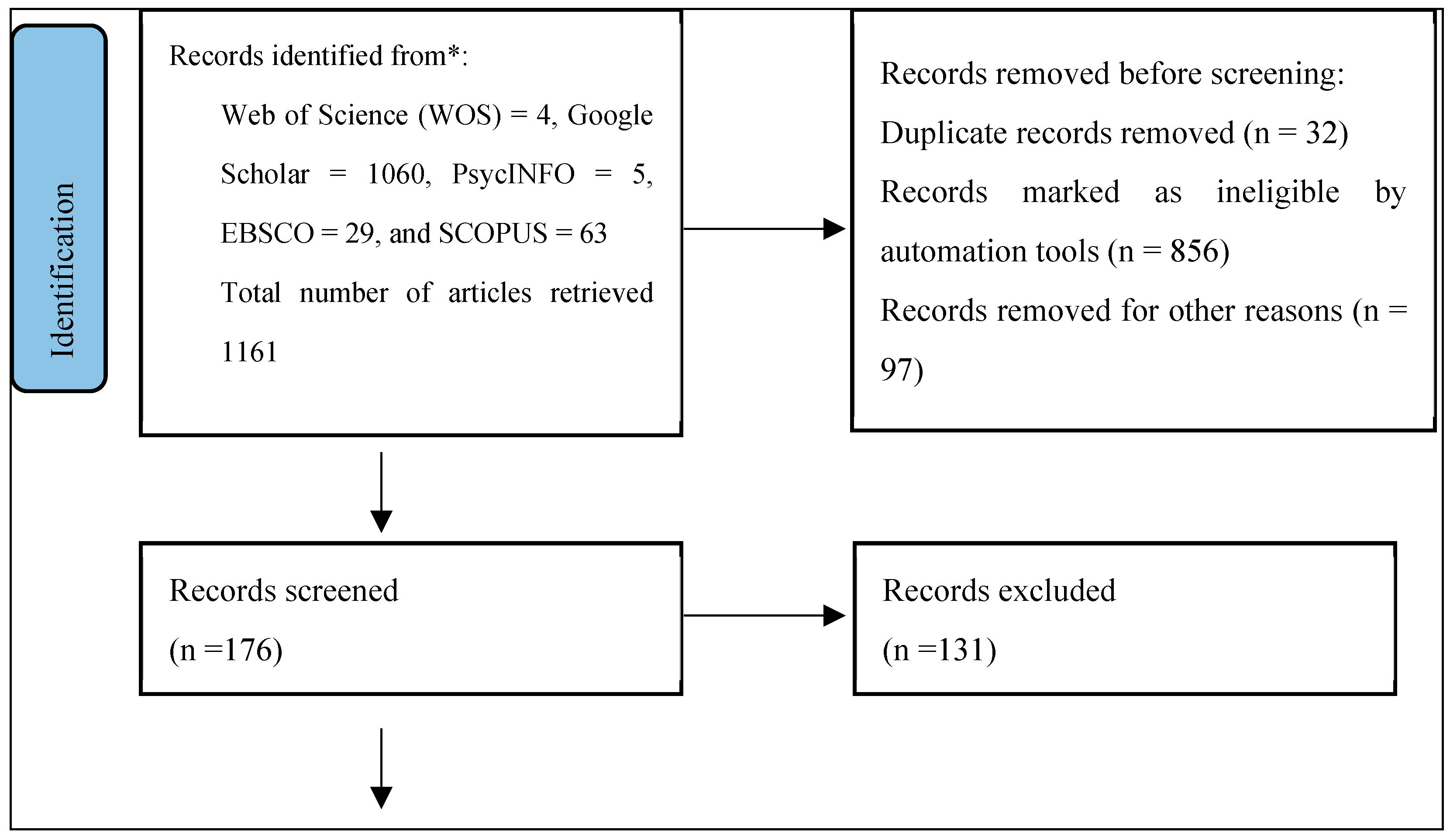
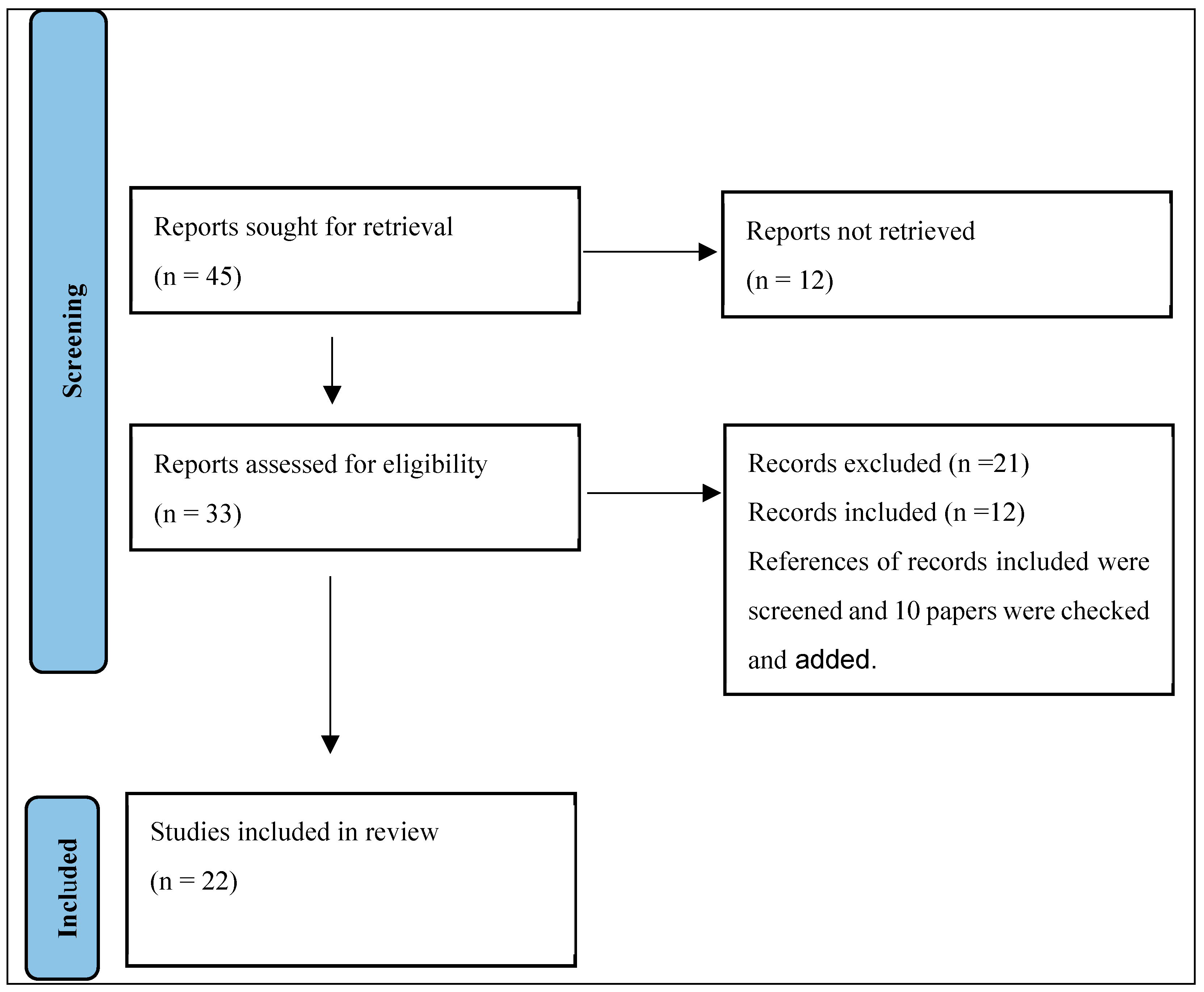
Figure 2.
Checklist for adapting the user experience (based on the System Acceptability Framework proposed by Nielsen [55].
Figure 2.
Checklist for adapting the user experience (based on the System Acceptability Framework proposed by Nielsen [55].
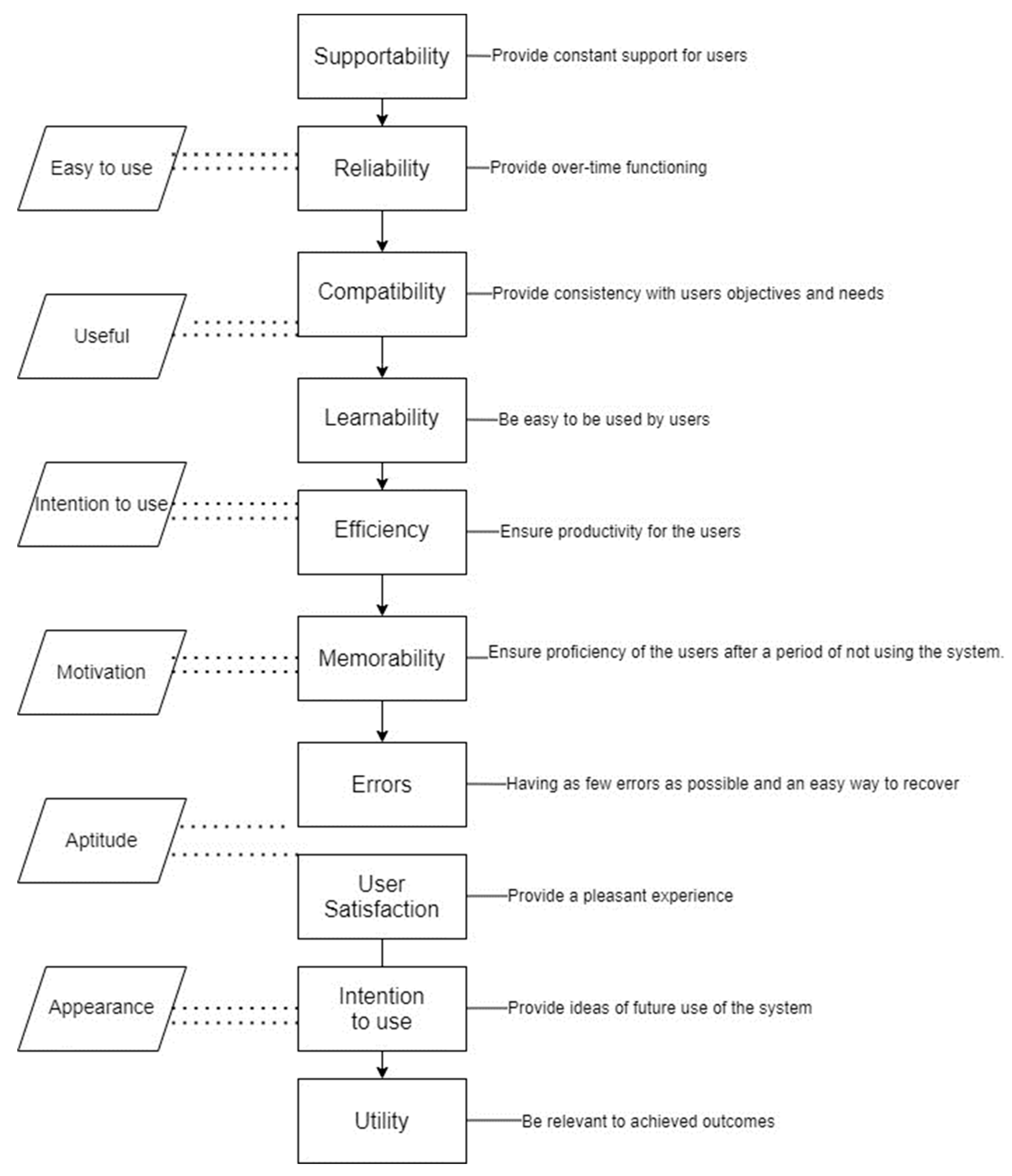

Table 1.
Key characteristics of included studies in SLR.
| Authors/ | Research questions or research aims | Study methodology |
Participant characteristics | Type of AAC | Role of AAC |
|---|---|---|---|---|---|
| Wang et al. [22] | Explore the integration and upgrade of learning assistance technologies with innovative Artificial Intelligence (AI) to reinvigorate AAC systems for students with specific learning disorders. | Experimental design | Students with dyslexia | AI-based AAC systems model | Improving learning behaviours |
| Schiavo et al. [23] | Exploring the possibility of using gaze position as a proxy for attention in a reading task to automatically synchronize the reading aloud of the text to the actual reading of the text and to support the integration of visual and auditory information. | Experimental design | Children aged 8-10 years with a diagnosis of dyslexia (n=20) Children with typical reading abilities (n=20) |
Read-aloud techniques (GARY) | Improving reading skills |
| Lerga et al. [27] | Research gap addressed: the lack of a human–computer user interface to better match students’ specific educational needs. Research aim: improve students with specific learning disorders reading skills. |
Literature review Cross-sectional analysis Testing of a high-tech reading tool. |
Primary students with dyslexia | High-tech, a multimodal m-learning tool based on cloud computing technology | Learning tool Verbal communication facilitator |
| Gupta et al. [28] | Providing design requirements for assisted reading tools for students with specific learning disorders. | Literature review and competitive analysis | Students with specific learning disorders | Augmenta11y | Assist the reading process |
| Burac and Dela Cruz [29] | Exploring teachers’ perceptions on Individualized Reading Enhancing Application for Dyslexia (IREAD). | Cross-sectional analysis | Special Education Teachers (n=10) | Individualized Reading Enhancing Application for Dyslexia (IREAD) | Improving reading and writing skills |
| Cado et al. [30] | Exploring assistive tools to improve writing skills of students with specific learning disorders. | Literature review | Students with specific learning disorders | Proofreading programs | Improving writing skills |
| Lindeblad et al. [31] | Exploring the impact Assistive Technology (AT) on self-concept and psychological health. | Experimental design | Children and adolescents with reading difficulties (n=137) | Reading-facilitation tools | Improving self-concept and well-being |
| Deliberato et al [32] | Understanding the use of graphic symbols in a group of young, aided communicators. | Exploratory analysis | Children from 16 countries, having the following characteristics: a) were between 5 and 15 years of age, (b) absent and low speech production, (c) adequate speech comprehension, (d) experience in using communication aid(s) at least one year. |
Students’ own communication aids | Vocabulary learning and vocabulary knowledge |
| Sevcik et al. [33] | Examining intrinsic and extrinsic factors (symbol arbitrariness, speech comprehension skills and use of symbols for communication) that may influence the language development process for children with developmental disabilities. | Observational computerized experience sessions | School-aged children with language delay | Iconic Blissymbols, Arbitrary symbol set of lexigrams |
Vocabulary learning |
| Caute et al. [34] | Evaluating the effects of technology-enhanced reading therapy for people with acquired dyslexia. | Quasi-randomized waitlist-controlled design |
People with acquired dyslexia following stroke (n=12) | Claro Software™ | Reading comprehension |
| Rousseau et al. [35] | Evaluating the impact of AAC on the written production and on some components of the subjective well-being of students with specific learning disorders. | Multi-case study |
Schools (n = 3) Students with specific learning disorders (dyslexia and dysorthographia) (n=28) |
Antidote Word Q Lexibar |
Development of writing skills |
| Paetzold and Specia [36] | Providing a benchmarking of existing approaches for these steps on publicly available datasets. | Benchmarking | Dyslexic and Aphasic users | Text simplification apps | Reading comprehension |
| Lindeblad et al. [37] | Investigation of the possible transfer effect on reading ability in children with reading difficulties by using applications in smartphones and tablets. | Pilot study | Students aged 10–12 years with reading difficulties (n=35) Parents Teachers |
Prizmo Easy writer Dragon Search Voice Reader Web |
Improving reading skills |
| Tariq and Latif [38] | Identifying some research gaps in assistive technology for dyslexic students. | Qualitative analysis | Remedial teachers (n=10) Parents with dyslexic children (n=5) |
Writing mobile apps | Improve learning outcomes, Improve handwriting skills |
| King et al. [39] | Investigating the effect of an intervention designed to facilitate rule-based, multi-word messages produced by preschool children via graphic symbol-based speech generating devices. | Retrospective analysis and experimental design | Children, aged 5 to 11 with good receptive language but with impairments in expressive language (25 words) (n=4) | AAC iPad app | Assessing expressive syntax |
| Staels and Van den Broeck [40] | Testing the effect of the use of text-to-speech software on orthographic learning. |
Experimental design | Disabled Dutch readers (n=65) | Text-to-Speech Software | Orthographic Learning |
| Kennedy et al. [41] | To what extent has UDL similarly affected the practice of general and special educators working with students with specific learning disabilities (LD)? |
Quasi-experimental design | Urban high school students (n=141), from which n=27 students with specific learning disorders | Content Acquisition Podcast (CAP) | Vocabulary enhancer |
| Rello et al. [42] | Improve the spelling of children with dyslexia through assistive technology. | Within-subject experimental design | Children with dyslexia (n=48) | DysEggxia (an Ipad game) | Improve the spelling of children with dyslexia |
| Dukhovny and Gahl [43] | Searching the presence of Speech Generating Device based encoding of words during short-term list recall. |
Experimental design | Twenty neurotypical, monolingual native English speakers, adults (age 18–53, average age 23, 12 female and 8 male) with no experience in using Speech Generating Devices. | Speech Generating Devices | Support in phonological representation |
| Barker et al. [44] | Establishing the concurrent and convergent validity of phonological awareness measured using Dynamic Assessment of Phonemic Awareness via the Alphabetic Principle (DAPA-AP). | Mixed methods approach | Adults with mild to moderate intellectual disabilities (n=17) with enough speech skills to respond to standard assessments | Pictures or icons selecting, Spelling on a keyboard | Support in assessing phonemic awareness |
| Dukhovny & Soto [45] | What are the effects of response via Speech Generating Device and Modality on phonological short-term encoding and short-term word storage? | Experimental design | Adults with and without disabilities (n=24) | Speech Generating Devices | Support in phonological short-term encoding and in short-term word storage |
| Barker et al. [46] | Exploring the link between the use of and available supports for AAC and language development for children with developmental disabilities. | Longitudinal study | Children with developmental disabilities (n=83) Preschool teachers (n=78) |
PECS, Signing, Speech Generating Devices |
Support of language skills development and language outcomes of preschool children |
Table 2.
Frequency of themes and subthemes of the impact of AAC on the language skills of students with SLD.
Table 2.
Frequency of themes and subthemes of the impact of AAC on the language skills of students with SLD.
| Theme | Subtheme | Number of studies (n=22) |
|---|---|---|
| Reading skills | Reading fluency | 7 |
| Listening skills | 2 | |
| Phonological awareness | 3 | |
| Phonological recognition | 1 | |
| Word decoding | 2 | |
| Reading comprehension | 4 | |
| Learning how to read | 1 | |
| Writing skills | Motor skills and handwriting skills | 2 |
| Writing organization | 2 | |
| Written expression | 4 | |
| Evaluation of writing production | 2 | |
| Grammar | Orthography | 1 |
| Spelling | 3 | |
| Expressive syntax | 1 | |
| Vocabulary | Receptive vocabulary | 4 |
| Expressive vocabulary | 3 | |
| Memory skills | Word recalling | 1 |
| Short-term encoding | 1 | |
| Short-term word storage | 1 | |
| Daily communication | Spontaneous communication with peers | 2 |
Disclaimer/Publisher’s Note: The statements, opinions and data contained in all publications are solely those of the individual author(s) and contributor(s) and not of MDPI and/or the editor(s). MDPI and/or the editor(s) disclaim responsibility for any injury to people or property resulting from any ideas, methods, instructions or products referred to in the content. |
© 2025 by the author. Licensee MDPI, Basel, Switzerland. This article is an open access article distributed under the terms and conditions of the Creative Commons Attribution (CC BY) license (https://creativecommons.org/licenses/by/4.0/).
Copyright: This open access article is published under a Creative Commons CC BY 4.0 license, which permit the free download, distribution, and reuse, provided that the author and preprint are cited in any reuse.


