Preprint
Article

This version is not peer-reviewed.

The Characteristics and Estimation of Greenhouse Gas Emission in the Urban Sewer System

A peer-reviewed article of this preprint also exists.

Submitted:

13 December 2024

Posted:

16 December 2024

You are already at the latest version

Abstract

The carbon emission fluxes in the urban sewer systems and the microbial community structure in sewer sediments remain unclear. In this study, a sewer system located in southern China was utilized to investigate the water quality characteristics, carbon emission flux, and microbial community structure in sediment. The results showed that the chemical oxygen demand loss rates in the branch pipe and sub-main pipe were 27.1% and 14.1 %, respectively. The estimated carbon emission flux revealed a total carbon emission flux from the sewer system was 1.39 kg CO2-eq/m3 and the emissions fluxes of methane and carbon dioxide were 0.87 kg CO2-eq/m3 and 0.51 kg CO2-eq/m3, accounted for 62% and 36.4%. Microbial community structure analysis revealed that methanogenic archaea in the sediments of the branch pipes and sub-main pipes were Methanobacterium, Methanosaeta, and Methanobrevibacter. The methanogenic activity of sewer sediments was further assessed. This study further confirmed that the branch pipe and sub-main pipe were the main sources of carbon emission and methane and carbon dioxide are the main greenhouse gases in the sewer system. This study furnishes novel insights for the control of carbon emissions in municipal sewage systems.

Keywords: 
;  ;  ;  ;  

1. Introduction

The urban sewer system was the key infrastructure of urban environmental protection, which was mainly responsible for the realization of urban sewage collection, transportation, and treatment [1]. However, many studies have reported that the sewer systems were also a huge bioreactor, and the sediment at the bottom of the sewer pipe and the biofilm attached to the pipe wall can produce carbon dioxide (CO2), nitrous oxide (N2O), and methane (CH4) [2,3]. The discharge of these greenhouse gases (GHG) into the environment from the sewer system can have a non-negligible impact on the environment and human health [4]. Moreover, it has been proved that CH4 is not only a greenhouse gas with a strong greenhouse effect but also a serious threat to public health and safety due to its low explosive limit [5]. Consequently, the impacts of the large amount of GHG emitted by the sewer system on the global have garnered increasing attention in recent years.
In the past decades, the sewer system has been extensively development in China and has made great contributions to urban development and cleanliness [6,7]. However, these sewer systems also inevitably emit large amounts of GHG in the process of transporting sewage [8]. For instance, it was reported that the total GHG emissions of the 37 km municipal sewer system of Xi’an City amounted to 199 t/d [9]. Besides, the average concentration of methane emission from four drainage pipelines in Shanghai city center was 10.52±9.39 mg/L [10]. Additionally, the type of urban sewer system, including gravity sewers and pressure sewers, has a significant impact on greenhouse gas emissions [11]. It is reported that up to 100 mg COD/L of methane was produced in a rising main pipe in Australia [12]. Moreover, it was estimated that force main reaches contributed 30% of total sewer-generated methane compared to gravity pipe [13]. The vast amount of GHG emitted by municipal sewers cannot be ignored in China. Currently, the Chinese government has adopted strategies to reduce carbon emissions from sewage treatment facilities [14,15,16]. However, the complexity and variability of the environment make it difficult to accurately estimate GHG emissions from the sewer system, which limits the implementation of effective measures [17]. It is reported that the composition of domestic sewage and the surrounding environmental conditions have an impact on greenhouse gas emissions in the sewer system [18]. Studies have shown that the anaerobic environment could be destroyed by the high DO concentrations in domestic sewage, inhibit microbial activity, and eventually lead to a decrease in methane production [19,20,21]. Moreover, the concentration of organic matter contained in domestic sewage has an impact on the carbon emission of sewer systems. Additionally, many studies have confirmed that CH4 and CO2 emissions from urban sewer systems were related to microbial respiration and energy metabolism [22]. The abundance of hydrolytic, fermentative bacteria and methanogenic archaea in sewer systems has a significant impact on sewer methane and carbon dioxide emissions [23]. Nitrogen-converting microorganisms contained in the biofilm attached to the sewer system also release a small amount of N2O [24]. Therefore, it is necessary to accurately estimate the greenhouse gas emissions of sewer systems and take effective measures to control the greenhouse gas emissions.
Currently, the Intergovernmental Panel on Climate Change (IPCC) has proposed authoritative global framework standards and mathematical models based on emission factors that provide a method for estimating GHG in sewer systems [25]. Nevertheless, according to the IPCC, CO2 produced through biochemical cycles such as animal and plant respiration is classified as biogenic CO2. Therefore, the CO2 produced in the sewage treatment process comes from the biological decomposition process of organic matter in the sewage. This biological carbon (Bio-C) does not cause a net increase in atmospheric CO2 and is therefore not counted in the national greenhouse gas inventory. However, studies in recent years have found that because about 20% of the organic carbon in sewage treatment, especially in domestic sewage, belongs to mineral sources (mainly related to detergents), CO2 in sewage treatment should be included in the accounting system [6]. Further research has also confirmed that on a global scale, the carbon emissions generated by 20% of the carbon sourced from the ore have a very significant impact on the global greenhouse effect [7]. Furthermore, many studies have proved that it was a feasible method to estimate the greenhouse gas quantity of sewage networks based on emission factors [26,27]. Nevertheless, the greenhouse gas emissions of most sewer systems were quantitatively assessed on the carbon emissions of urban sewer systems and were briefly calculated based on the principle of local gas production and method application [28]. These reports emphasize the isolated effects of factors on the wastewater treatment process and ignore the mechanistic effects of microorganisms on greenhouse gas production [29,30]. Many studies have confirmed that the interaction of different microbial species in sewers is the main pathway of methane and hydrogen sulfide production [31]. Moreover, the estimation and control of greenhouse gas emissions by the sewer system were also rarely reported in China. Therefore, it is of great significance to accurately estimate GHG emissions in China’s sewage network based on the emission factor method and analyze the role of biofilm microorganisms in GHG emissions.
In this study, a sewer system located in southern China was selected to analyze the composition of domestic sewage. The GHG emission fluxes were estimated based on the IPCC emission factor method. The sediments of the sewer system were collected to evaluate the methanogenic activity of sewer sediments. The microbial community structure in the sediment was analyzed by the 16S rRNA. This study can provide some suggestions and guidance for the study of greenhouse gas emissions and production mechanisms in sewer systems.

2. Materials and Methods

2.1. Study Area

An approximately 7 km long sewer system located in Xiamen Jimei district, China, was used to study the water quality characteristics of sewage and the greenhouse gas emissions fluxes (Figure 1). This sewer system was used to collect domestic sewage from various communities and deliver it to the downstream wastewater treatment plant (WWTP). The sewer system was the rain and pollution diversion system, and the main drainage system was the gravity pipe network system. The sewer system consists of branch pipes, sub-main pipes, and main pipes. A total of 10 sampling points were set up for sample collection and data analysis. As shown in Figure 1, W1 was the outlet of a community, W2-W4 was the branch pipe sampling point, W4-W7 was the sub-main pipe sampling point, W7-W10 was the municipal main pipe sampling point, and W10 was the WWTP inlet sampling point.

2.2. Sampling Collection

An automatic sampler was set up at each sample point (W1-W10) to collect mixed samples of sewage to avoid the instantaneous effects of samples. Each water sample was taken three times and then transported to the laboratory. The water samples were filtered with a 0.45 μm filter membrane for determination of chemical oxygen demand (COD), total nitrogen (TN), and ammonia nitrogen (NH4+-N). Approximately 20 g of the sediment samples in W2, W5, and W9 were scraped with a sterile sampler and stored in a sterile centrifuge tube. The sediment samples used for microbial community structure analysis were centrifuged at 5000 rpm and stored at -80℃ for future use. The remaining sediment samples were used in batch experiments to analyze methanogenic activity. The water flow rate at each point was determined by a portable flowmeter (HACH-av9000, USA). At the sampling site, the values of temperature, pH, and ORP were measured by portable monitors (WTW multi 3620, Germany)

2.3. GHG Emission Flux Measurements and Calculations

The carbon emission accounting of sewer systems was based on the standard method [] and the findings of Jin et al. [23] in this study. There was no pumping station along the pipe network system. This study only considers the direct carbon emissions generated by the sewer system in the process of transporting sewage. According to the IPCC [17], the potential value of CO2 is considered as 1, the carbon emission equivalent of CH4 is 28, and the carbon emission equivalent of N2O is 265. Consequently, the total carbon emission in the urban sewer system was calculated according to the Equation (1):
C E S G H G = C E S C O 2 h g + C E S C H 4 + C E S N 2 O
where the C E S G H G is the total GHG emission flux (kg CO2-eq/m3); C E S C O 2 h g is the CO2 emission flux (kg CO2-eq/m3); C E S C H 4 is the CH4 emission flux (kg CO2-eq/m3); C E S N 2 O is the N2O emission flux (kg CO2-eq/m3).

2.3.1. Methods for Calculating CO2 Flux

The proportion of CO2 emission from petrochemical sources in the sewage network was calculated according to Equations (2)–(4):
C E S C O 2 h g = F C E × E F C O 2 × C O D l o s s × ( 1 1 1 + × t )
C O D l o s s = C O D i n i t i a l C O D f i n a l
η T = η 20 · ε T 20
where the C E S C O 2 h g is the CO2 emission flux, (kg CO2-eq/m3);   F C E is the proportion of emissions from fossil sources, 10% was used in this study (IPCC: 5%-20%); E F C O 2 is CO2 emission factor, 1.47 kg-CO2/ kg-COD;   C O D l o s s (kg-COD/m3) is the loss of COD in the pipe network; C O D i n i t i a l   and C O D f i n a l are the initial and final concentration of COD in the urban sewer system; η T is the anaerobic conversion rate of C O D l o s s ; t is the hydraulic retention time, (d); η 20 is the anaerobic conversion rate of COD at 20 ℃, 0.221; the value of ε is 1.117; T is the temperature in sewer system, ℃.

2.3.2. Methods for Calculating CH4 Flux

The proportion of CH4 emission in the sewage network was calculated according to the Equation (5):
C E S C H 4 = E F C H 4 × C O D l o s s × 1 1 1 + η T × t × 28
where the C E S C H 4 is the CH4 emission flux, (kg CO2-eq/ m3);   E F C H 4 is CH4 emission factor, 0.25 kg-CO2/ kg-COD;   C O D l o s s (kg-COD/m3) is the loss of COD in the pipe network and it was calculated according to Equation (3); η T is the anaerobic conversion rate of COD and it was calculated according to Equation (4); 28 is the global warming potential of CH4.

2.3.3. Methods for Calculating N2O Flux

The proportion of CH4 emission in the sewage network was calculated according to the Equation (6):
C E S N 2 O = E F N 2 O × T N O T N E × 265
where the C E S N 2 O is the N2O emission flux, (kg CO2-eq/ m3);   E F N 2 O is N2O emission factor, 0.005 kg- N2O/kg-N;   T N O is the initial concentration of N in the urban sewer system, (kg-N/m3); T N E is the final concentration of N in the urban sewer system, (kg-N/m3); 265 is the global warming potential of N2O.

2.4. Assessment of Methane Production Rate in Sewer Sediments

A batch experiment was designed to assess the methane production rate in sewer sediments. The domestic sewage of the residential building (i.e., W1) was collected and filtered with a 0.22 μm filter membrane to remove microorganisms in the sewage. 200 ml of filtered sewage and 5 g of sediment samples were placed in a 500 ml serum bottle and thoroughly shaken to mix. Sediment samples were collected from the branch pipe (W2), sub-main pipe (W5), and main pipe (W9), respectively. Fully aerate with helium for 20 min to remove oxygen from the serum bottle. The samples were incubated in an incubator sheltered from light for 12 h under the 21±0.2 ℃, respectively. After 12 h, the headspace gas sample of the serum bottle was collected to determine the concentration of methane in the gas phase. For dissolved methane, a 2.5 ml water sample was filtered by a 0.22 μm membrane and quickly transferred into a 10 ml sealed vacuum tube. The tube was left at room temperature for 24 h to achieve gas-liquid equilibrium [21]. A gas chromatograph (GC, Agilent 7890A) equipped with a flame ionization detector (FID) was used to determine the concentration of methane. The concentration of dissolved methane in the liquid phase was calculated using mass balance and Henry’s law according to Liu et al. [24].

2.5. DNA Extraction and 16S rRNA Sequencing

To determine the microbial community structure at the branch pipe, sub-main pipe, and main pipe in the sewer system, the sediment samples of W2, W5, and W9 were collected to sequence the 16S ribosomal RNA gene (16S rRNA gene). The genomic DNA of the sediment sample was extracted using the Qiagen DNeasy PowerSoil Kit (Qiagen, Hilden, Germany) following the manufacturer’s instructions. The genomic DNA was sequenced at Majorbio Technology Co., LTD (Shanghai, China). The universal primers were used for the amplification of the 16S rRNA gene: 515FmodF (5′ - GTGYCAGCMGCCGCGGTAA- 3′) and 806RmodR (5′ -GGACTACNVGGGTWTCTAAT- 3′). The PCR amplification was conducted below: 5-minute pre-denaturation at 94 ℃, and then 30-second denaturation at 95 ℃, cycled 35 times, 30-second annealing at 55.5 ℃, and 5-minute final extension at 72 ℃. The alignment sequences were demultiplexed and filtered by QIIME (version 1.17). Sequences of 97% similarity of operational units (OTUs) were clustered using UPARSE, and UCHIME was used to identify and remove chimeras. The classification of each 16S rRNA gene sequence was used at a 70% confidence threshold by the RDP classifier [22].

2.6. Statistical Analysis

The standard methods were used to determine the concentrations of COD, TN, and NH4+-N [26]. The gas phase methane produced by the sediment was collected into the sealed air collection bag and measured with an Agilent 8890 gas chromatograph equipped with a flame ionization detector (GC-FID). The dissolved methane sample was measured according to Yin et al. [27]. Software Origin 9.0 was used to one-way analysis of variance (ANOVA). Significance analysis was conducted to software of IBM SPSS Statistics (version 27.0). A p-value of less than 0.01 and 0.05 was considered extremely significant and significant.

3. Results and Discussion

3.1. Septage Composition Characteristics in the Sewer System

The septage composition characteristics of the sewer network are closely related to greenhouse gas emissions [25]. Therefore, the sewage composition characteristics of 10 sampling points (W1-W10) including branch pipe, sub-main pipe, and main pipe were further estimated. The sewage composition of 10 sampling points of the sewer system was shown in Table 1. As shown in Table 1, the temperature range of the sewer system was 21.4-22.4 ℃. The pH in the sewer was within the operating range of anaerobic digestion (neutral pH) [26]. The concentrations of dissolved oxygen (DO) and the value of ORP at the pipe network inlet (W1) were 4.39 mg/L and -154.6 mv, respectively. That means the inlet well of the sewer was not in a strictly anaerobic environment [27]. The low DO concentration and ORP indicated that the sampling sites W2-W9 were under anaerobic conditions [26]. This result indicated that there may be active anaerobic digestion in this section of the pipe network [28]. Interestingly, reoxygenation occurred at W10, and the DO concentration was approximately 5.01 mg/L. W10 was the influent well of the WWTP, and the unsealed W10 destroys the strict anaerobic environment of the pipe network. Many studies have also found that large amounts of CH4 transported by sewer systems can be released into the environment at unsealed entrances to wastewater treatment plants [24]. Simultaneously, the results in Table 1 showed that the COD loss in the branch pipe and sub-main pipe were 118.6 mg/L and 61.6 mg/L. The corresponding loss rates were 27.1% and 14.1 %, respectively. There was almost no loss of COD in the municipal main pipe. This showed that the main organic loss of the sewer system occurs in the branch pipe and sub-main pipe with a low flow rate, which was consistent with many reports [21,22,23,24,25,26,27,28,29,30,31,32]. Some studies believe that the organic matter consumed in the sewer network not only be used by microorganisms attached to the pipe network to release CH4 and H2S but also leads to insufficient carbon sources of the downstream WWTP, affecting the pollutant treatment efficiency of the sewage treatment plant [2,33]. At present, many sewage treatment plants in China are facing a shortage of carbon sources for influent water. A large amount of additional carbon source was required to maintain the stable operation of the WWTP, which incurred a large additional cost [34,35]. According to the results of this study, the loss of organic carbon sources in the sewage transportation process mainly occurs in the branch pipe and sub-main pipes of the pipe network (approximately 41.2%). Therefore, effective strategies should be taken to improve sewage transportation efficiency and reduce the loss of organic carbon sources in the future. Additionally, the flow rates of the branch pipe (W1-W4), sub-main pipe (W4-W7), and main pipe (W7-W10) in the pipe network were 0-0.32 m/s, 0.19-0.42 m/s, 0.41-1.05 m/s (Table 1), respectively. Low flow rate not only leads to the sedimentation of particulate organic matter (PCOD) in sewage but also increases the efficiency of anaerobic biofilm microorganisms using organic matter for life metabolism. Moreover, the sewage discharge in the community is significantly lower at night than during the day [36]. In the period of low sewage discharge, it is reported that the hydraulic residence time (HRT) of sewage in the pipe network could be extended, which improved the COD utilization efficiency of active microorganisms in the pipe network system [37]. On the one hand, the slow flow rate leads to the deposition of PCOD in the branch pipe and sub-main pipe. On the other hand, the extension of HRT of the biological sewage in the branch pipe of the community increased the utilization efficiency of microorganisms to dissolved organic matter (SCOD). Therefore, the reason for the high COD loss at the branch pipe may be caused by the deposition of PCOD and the consumption of organic matter by microorganisms. The results in Table 1 further showed that there was almost no change in the concentration of nitrogen during pipe network transportation.

3.2. Analysis of GHG Emission Flux in the Sewer System

3.2.1. Emission Fluxes of CH4, CO2 and N2O in the Sewer System

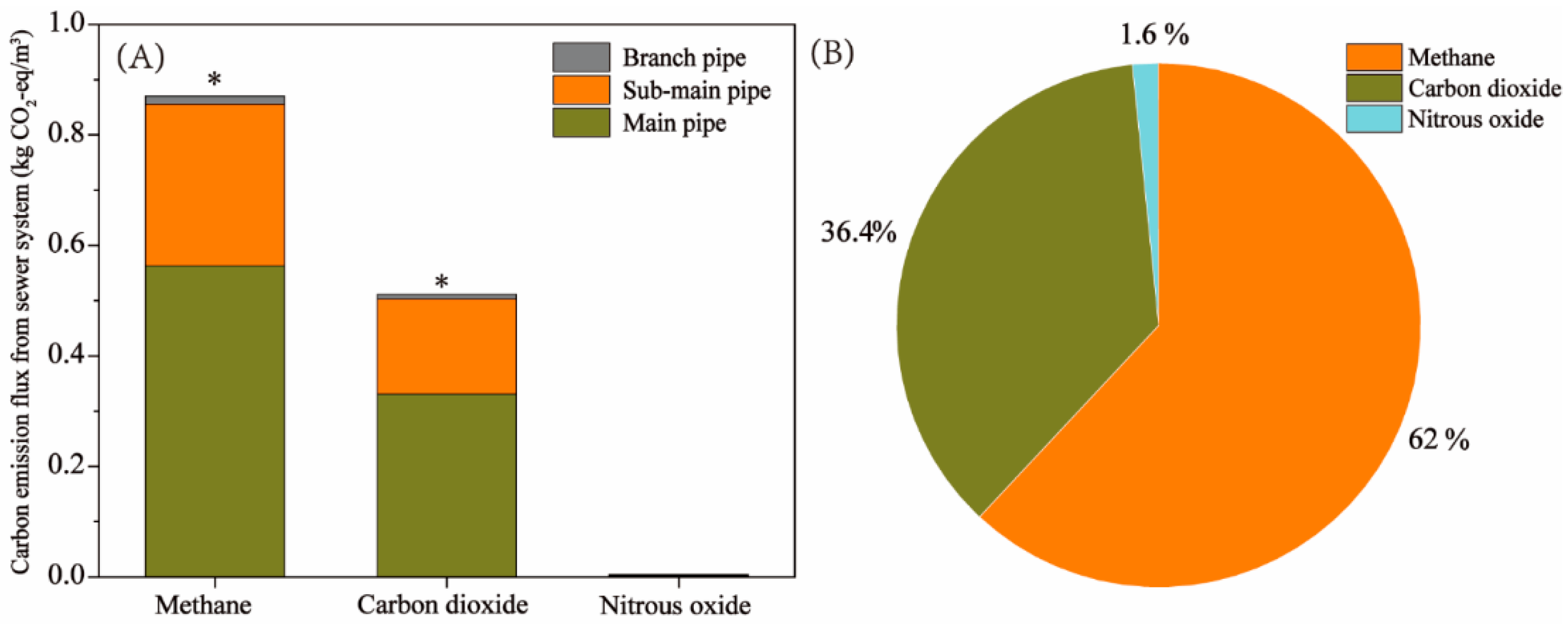
Sewer systems are a critical source of carbon emissions, especially methane [38]. It is of great significance to calculate the carbon emission flux of sewer systems for taking effective measures to control the carbon emission. As shown in Figure 2, the main forms of carbon emissions in sewer systems were methane and carbon dioxide, and nitrous oxide was almost negligible (approximately 1.6%). The emissions fluxes of methane and carbon dioxide from the sewer system were 0.87 kg CO2-eq/m3 and 0.51 kg CO2-eq/m3 (Figure 2A), respectively, accounting for 62% and 36.4% of the total greenhouse gas emissions. The statistical results showed that the emission equivalent of methane and carbon dioxide is significantly higher than that of nitrous oxide (Figure 2). Furthermore, methane and carbon dioxide emissions account for 98.4% of total greenhouse gas emissions (Figure 2B). This was consistent with the results of many studies [1]. For instance, the results according to Jin et al. [38] showed that the main forms of emission were methane (approximately 33.0%) and carbon dioxide (approximately 66.9%) in the sewer systems. The production and discharge of nitrous oxide in sewer systems were rarely reported. This may be due to the almost non-existence of denitrification in the sewage network [36]. Moreover, it is reported that septic tanks also produce many CH4 and CO2 emissions. For instance, Loi Tan Huynh et al. [29] found that methane and carbon dioxide emission rates of the septic tanks were 11.92 and 20.24 g/cap/day, respectively, whereas nitrous oxide emission was negligible. Nevertheless, most studies on nitrous oxide emissions from sewage facilities have identified wastewater treatment plants as significant sources of nitrous oxide emissions [37]. For methane, 62% of GHG emissions were in the form of methane (Figure 2B), which may be due to the anaerobic environment of the branch pipe and sub-main pipe being conducive to the growth and energy metabolism of methanogenic archaea [1]. It is reported that methanogenic archaea were sensitive to oxygen and easily inhibited by oxygen [39]. Methane generated in sewer systems not only leads to many carbon emissions but also has an important impact on the influent carbon source concentration and methane emission in downstream wastewater treatment plants [24]. In general, microorganisms can convert organic matter into volatile fatty acids (VFA) through hydrolysis fermentation under an anaerobic environment, and then methanogens can metabolize methane using VFA as substrates, such as acetic acid [40]. Methane production in sewers consumed organic matter in sewage, resulting in low COD concentrations in wastewater treatment plant influents. Furthermore, the result according to Yin et al. [27] showed that about 90% of methane emissions from wastewater treatment plants were related to sewer system transport. The study further confirmed that about 58% of wastewater plant methane emissions come from dissolved methane delivered by sewer systems, and about 32% of methane emissions come from sewer headspace [41]. Therefore, it is of great significance to continuously pay attention to the methane emission of sewer systems and take effective measures to control methane production for the carbon emission of urban sewage facilities.

3.2.2. Location Analysis of GHG Emissions in the Sewer System

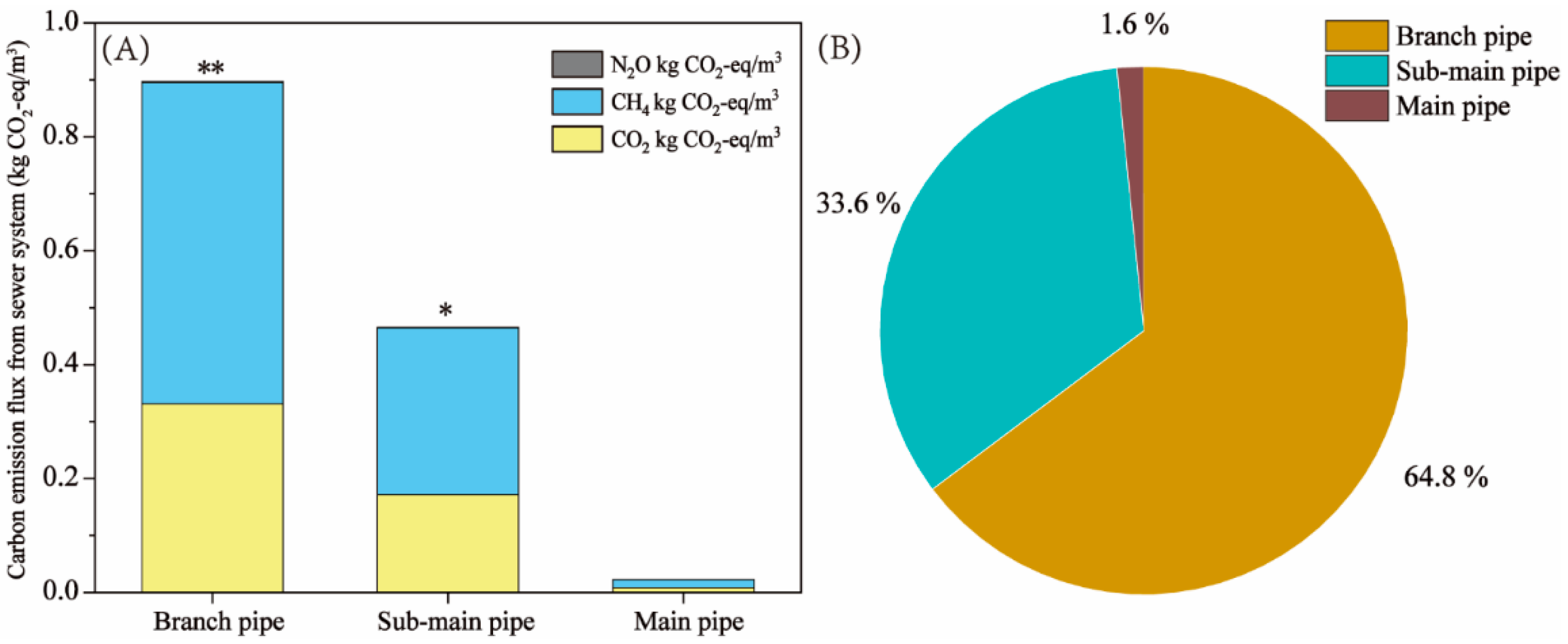
The location analysis of GHG emissions in the sewer system contributed to taking measures to reduce carbon emissions. Figure 3 shows the carbon emission fluxes of the branch pipe, sub-main pipe, and main pipe in the sewer system. As shown in Figure 3A, the carbon emission fluxes from the branch pipe and the sub-main pipe were 0.89 kg CO2-eq/m3 and 0.47 kg CO2-eq/m3, respectively. The corresponding carbon emission ratios of the branch pipe and sub-main pipe were 64.8%, and 33.6%, respectively (Figure 3B). This indicated that the carbon emission of the sewer system was mainly distributed in the branch pipe and the sub-main pipe. Simultaneously, the statistical results showed the GHG emission flux of the branch pipe was extremely significantly higher than that of the main pipe, and the GHG emission flux of the sub-main pipe was significantly higher than that of the main pipe. The results suggested that more attention should be paid to carbon emissions at the community level in the control of GHG emissions in sewage networks. The results of septage composition characteristics showed that the flow rate was low in the branch pipe and the sub-main pipe (Table 1). The low flow rate in the process of sewage transportation leads to the settlement of particulate organic matter and the formation of sediment in the sewer. It was reported that the sewer sediment was shaped by enriched biologically active substrates involving syntrophic interactions among fermentation bacteria and methanogens [42]. Liu et al. [14] also found that methane and sulfide production in sewer networks are mainly located in the sediment interface layer. The low flow rate leads to the sedimentation of particulate organic matter [43]. The active organic matter in the biofilm is hydrolyzed, fermented, and finally produces methane. Therefore, the significantly higher GHG emission fluxes at the branch pipe and sub-main pipes than the main pipe the lower the water flow rate. Furthermore, the carbon emission flux from the main pipe was only 0.023 kg CO2-eq/m and the corresponding carbon emission ratio was 1.6%. The flow rate of the municipal main pipe was usually high, resulting in a reoxygenation phenomenon (Table 1). It may be concluded that these characteristics of the main pipe lead to low methane production and emission. Therefore, the results indicated that effective measures should be taken to reduce the GHG emission of sewer systems for branch pipes and sub-main pipes.

3.3. Assessment of Methane Production Rate in Sewer Sediments

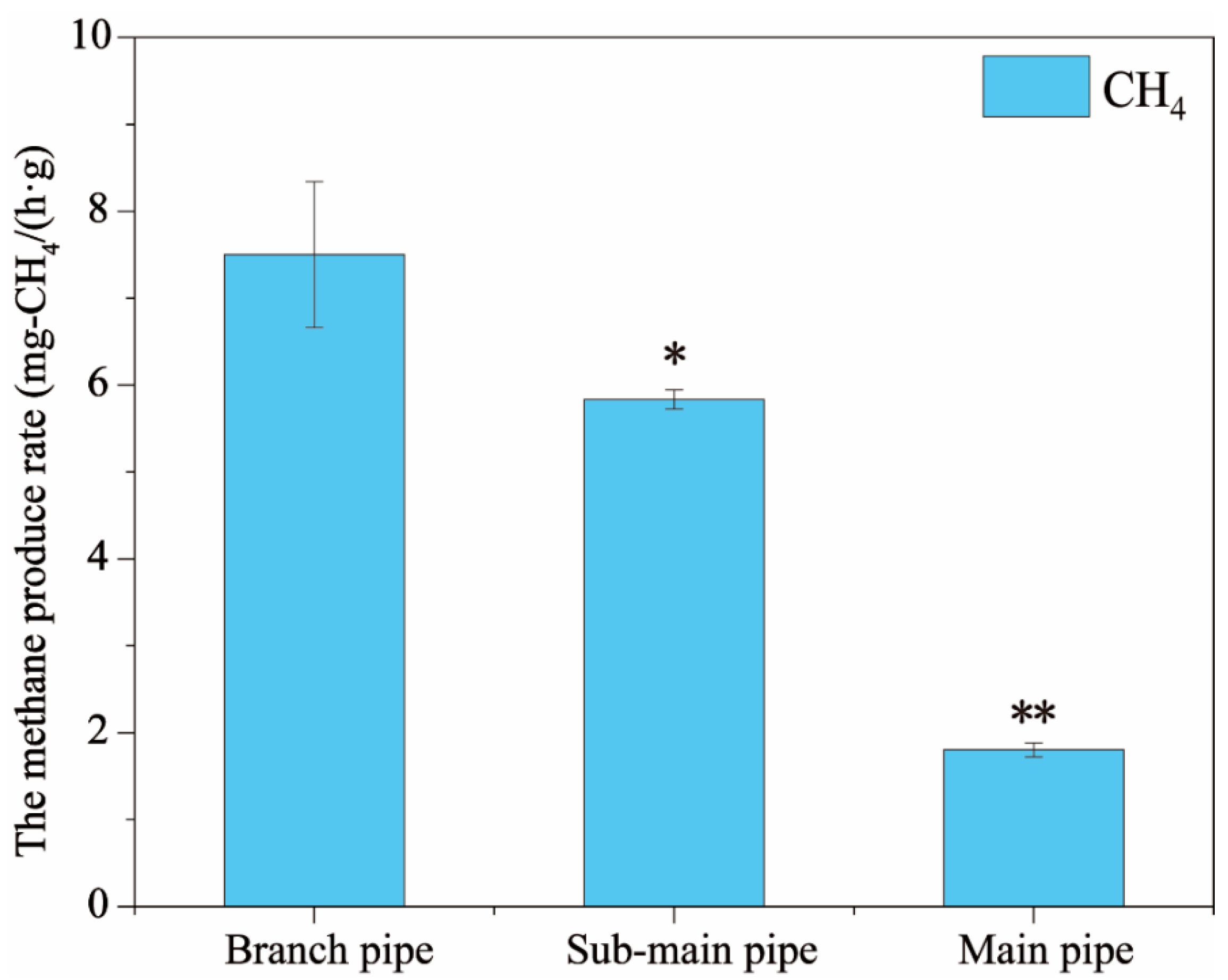
The methane emitted by sewer systems was mainly produced by microorganisms in sediments [41]. Recent studies have demonstrated that the contributions of sewer sediments to methane production cannot be ignored when evaluating methane emissions [21]. Therefore, it is of great significance to evaluate the methane production activity of sediment in sewers for the assessment of methane emission flux. Sediment samples from branch pipe (W2), sub-main pipe (W5), and main pipe (W9) were collected and the methane production rate of sewer sediments was further evaluated by a batch experiment. As shown in Figure 4, the highest methane production rate in sewer sediments was W2, followed by W5, and the lowest was W9. The methane production rates of the sediment samples in W2 and W5 were 7.5 mg-CH4/(g·h) and 5.8 mg-CH4/(g·h), respectively. The results indicated that the sediments in the branch pipe and sub-main pipe had high methanogenic activity. However, the methane production rate in this study was less than that reported by Liu et al. [36]. Liu et al. [36] found that the average methane production rate was 1.56 ± 0.14 g CH4/(m2·d) in the sewer sediment. The reason may be the methane yield of mixed samples of sewer sediments assessed in this study, while Liu et al. [24] study assessed the methane yield of the active layer at the water-sediment interface. Moreover, many studies have confirmed that the water-sediment interface layer of sewage was rich in microorganisms and had a high methane production rate [18]. According to Foley et al. [12], the average methane production rate of 1.56 ± 0.14 g CH4/m2 in a rising main sewer pipe. This suggested that the active interface is the main area of methane production in both the rise and gravity networks. Therefore, most of the strategies adopted to control hydrogen sulfide and methane emissions in sewers were achieved by inhibiting microbial activity in the water-solid interface layer [44,45]. The methane production rate of the sediment sample in W9 was significantly lower than that of W2 and W5 sediment samples (Figure 4), approximately 1.8 mg-CH4/(g·h). This suggested that the result of the estimated methane emission flux in the main pipe, being lower than in the branch pipe and sub-main pipe was credible (Figure 3). Nevertheless, it was reported that sediment was not the only source of methane in the sewer system, biofilms attached to the inner walls of pipe networks were also important sources of methane production [1].

3.4. Microbial Community Structure Analysis

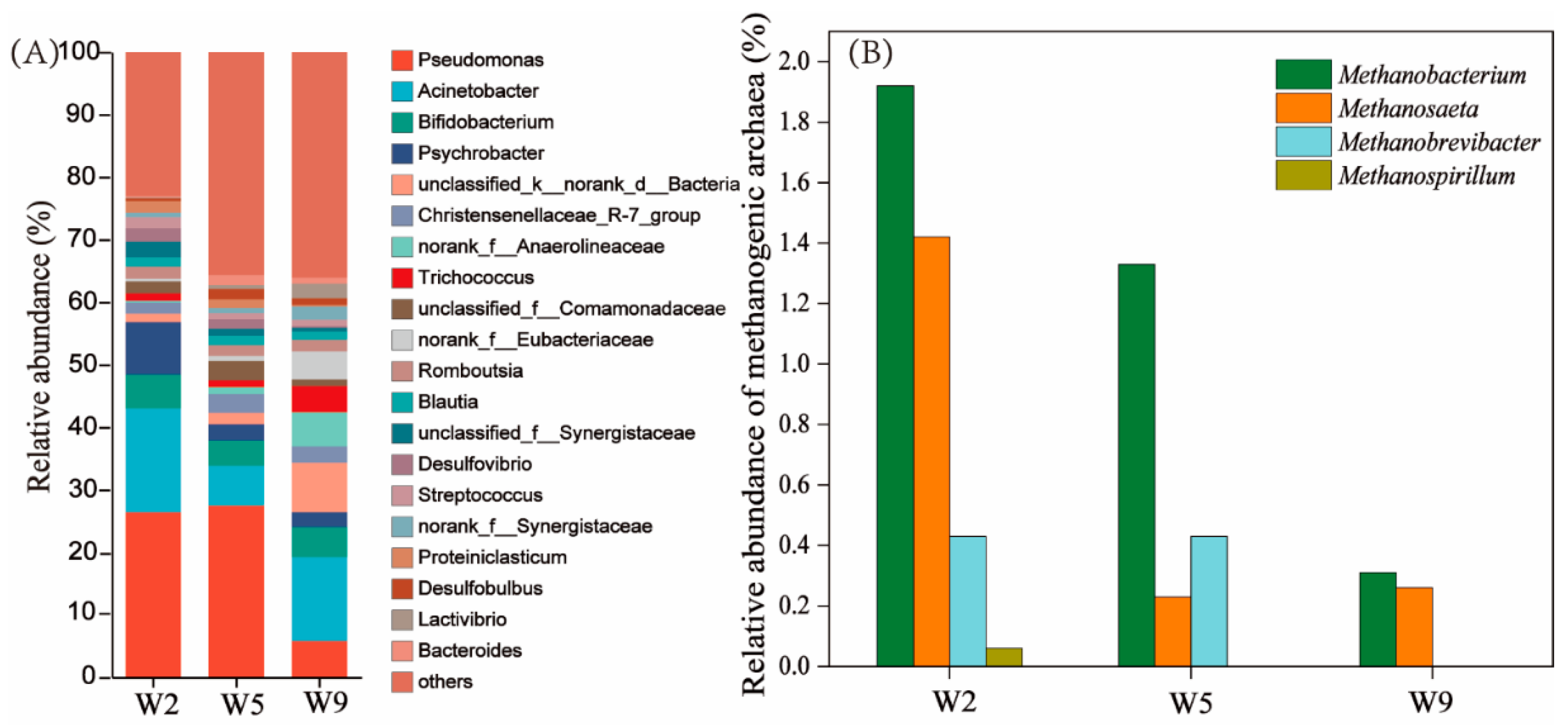
The methane discharged from the sewer system was produced by the synergistic hydrolytic microorganisms, fermentation microorganisms, and methanogens in the sediment [21]. In this study, sediment samples located in the branch pipe (W2), sub-main pipe (W5), and the main pipe (W9) were collected to analyze the microbial community structure. As shown in Figure 5A, the microbial structure of the branch pipe, the sub-main pipe, and the main pipe were similar. The dominant bacteria genus in the sewer system were Pseudomonas, Acinetobacter, and Bifidobacterium. Pseudomonas and Acinetobacter, which efficiently break down protein and glucose, are common microorganisms in sewer systems [46]. Domestic sewage is rich in protein and cellulose, which are compounds that cannot be directly used by microorganisms. Macromolecular organic matter such as protein and cellulose need to be hydrolyzed into monosaccharides by hydrolyzing microorganisms before they can be used by microorganisms [47,48]. As shown in Figure 5A, in W2 and W5, Pseudomonas accounts for 26.3% and 27.4%, and Acinetobacter accounts for 16.6% and 6.3%, respectively. The water flow rate of the W2 and W5 pipes was low (Table 1), and many particulate organic matter was deposited in W2 and W5. The large molecular organics were deposited at low flow rates upstream (i.e., branch pipe and sub-main pipe) and were hydrolyzed to small molecular organics by hydrolyzing microorganisms. These macromolecules of organic matter are hydrolyzed by hydrolyzing microorganisms into small molecules of organic matter, which are then utilized by fermentation microorganisms and produce VFA. Therefore, it is reasonable that a high relative abundance of microorganisms with the function of hydrolyzing macromolecular organics are widely distributed in the sediments of W2 and W5 pipes. As shown in Figure 5A, the relative abundance of Pseudomonas dropped to 5.8% in W9. This may be due to the fast flow of water and less sediment at W9. As shown in Figure 5B, the distribution analysis of methanogenic archaea showed that methanogenic bacteria in W2 mainly included Methanobacterium, Methanosaeta, Methanobrevibacter, and Methanospirillum. The relative abundance of these methanogenic archaea was 1.92%, 1.42%, 0.43%, and 0.06%, respectively. In the sub-main pipe in the sewer system (W5), the dominant methanogenic archaea were Methanobacterium, Methanosaeta, and Methanobrevibacter with relative abundance of 1.33%, 0.23%, and 0.43%, respectively. However, the species of methanogenic archaea in W9 only include Methanobacterium and Methanosaeta with relative abundance of 0.31% and 0.26%. The high flow rate of W9 and the increase in DO concentration may be the reason for the decrease of methanogenic archaea relative abundance. These results indicated that the sediments of the sewer branch have active methane-producing activity. These results further confirm that the higher methanogenic activity of sediment in the sewer system was in the branch pipe and the sub-main pipe. Additionally, Desulfobulbus, sulfate-reducing bacteria (SRB), was also detected in the sewer system (Figure 5A). The relative abundance of Desulfobulbus in the W2, W5, and W9 were 2.1%, 1.5%, and 0.3%, respectively. SRB can reduce sulfates in sewage to hydrogen sulfide (H2S), and gaseous H2S not only produces a foul odor but also poses a hazard to human health [49]. In this study, it was found that the carbon emission of the sewer system was mainly concentrated in the branch pipe and the sub-main pipe. The low water flow rate in these parts would lead to the deposition of particulate organic matter in the sewage, which would be utilized by microorganisms in the biofilm to produce carbon dioxide and methane emissions. Furthermore, the sediment in the low-flow zone of the pipeline network also contains rich SRB, which can produce hydrogen sulfide gas. Therefore, it is necessary to achieve the control of greenhouse gas emissions and hydrogen sulfide odor gas in the branch pipe and sub-main pipe in the sewer system.
In conclusion, the contemporary urban sewage network of China faces a myriad of problems. It is pivotal to improve both the quality and transport efficiency of the sewer system. On the one hand, the loss of carbon sources caused by pipe networks hampers the treatment efficiency of WWTP. Efficient removal of pollutants can only occur after numerous additional carbon sources are added to the wastewater treatment process. This results in additional carbon source costs and extra GHG emissions. On the other hand, the urban sewer system was predominantly a source of methane emissions. Large amounts of methane emissions exacerbate the greenhouse effect and cause serious environmental problems while also posing potential threats to urban safety and human health. Significant improvements to the holistic quality and efficiency of urban sewage networks are necessary to reduce the loss of organic carbon sources and methane emissions during sewage transportation. Unfortunately, the transformation of urban sewer systems necessitates relatively high monetary costs and time. Especially in some underdeveloped areas, it is very difficult to maintain efficient and regular maintenance of the sewer system. Because it costs many municipal management resources, including personnel and money. Therefore, in the construction of the sewer system, effective municipal planning and adhering to the separation of rain and pollution may be the way to improve the efficiency of sewage pipe network transportation in less developed areas. It is worth noting that the municipal sewer system selected in this study located in southern China. Regional differences and living habits may have impacts on GHG emissions of municipal sewer system in different regions. In addition, in the rain season, the seepage of the urban sewer may lead to the increase of the water network and the speed of water flow. Therefore, it is necessary to further explore the greenhouse gas emission characteristics of municipal pipe network in different seasons. The results of this study showcased that the carbon source loss and methane emission of urban sewer systems are predominantly concentrated in the branch pipe section at the community level. More attention should therefore be paid to improving the quality and efficiency of the branch pipe section at this juncture. In the future, more accurate assessment of GHG emission fluxes and sources in urban sewage network systems is of great significance. A method to estimate total sewer methane based on emission factors and official statistics proved feasible [11]. Additionally, life cycle assessment (LCA) is also widely used in environmental risk assessment and greenhouse gas emission control of wastewater plants [50,51]. In the future, the LCA method is a reasonable method to evaluate and control greenhouse gas emissions of sewage network.

4. Conclusions

In this study, the water quality characteristics, carbon emission flux, and microbial community structure in the sewer system were estimated. The results indicated that the COD loss rates in the branch pipe and sub-main pipe were 27.1% and 14.1 %, respectively. The total carbon emission flux from the sewer system was 1.39 kg CO2-eq/m3 and the carbon emissions in the branch pipe and sub-main accounted for 64.8%, and 33.6% of the total greenhouse gas emissions. Microbial community structure analysis showed that methanogenic archaea in the sediments of the branch pipes and sub-main pipes were Methanobacterium, Methanosaeta, and Methanobrevibacter.

Author Contributions

Conceptualization, L.L. and X.M.; methodology, L.L.; software, Y.S.; validation, X.M.; formal analysis, X.W.; investigation, X.W. and TZ; resources, L.L.; data curation, J.R.; writing—original draft preparation, L.L.; funding acquisition, X.M.

Funding

The author(s) declare financial support was received for the research, authorship, and/or publication of this article. This research was supported by the Project Funded by the PriorityAcademic Program Development of Jiangsu Higher Education Institutions (PAPD); the Natural Science Foundation of Jiangsu Province (No. BK20220682); the Project funded by China Postdoctoral Science Foundation (2022M721398); the Project funded by Postdoctoral Science Foundation of Lianyungang (LYG20230005); the Innovation and Entrepreneurship Project of Jiangsu Ocean University (SZ202311641631004).

Conflicts of Interest

The authors declare no conflicts of interest.

References

  1. Gao, Y.; Shi, X.; Jin, X.; Wang, X.C.; Jin, P. A critical review of wastewater quality variation and in-sewer processes during conveyance in sewer systems. Water Res. 2023, 228, 119398. [Google Scholar] [CrossRef] [PubMed]
  2. Khabiri, B.; Ferdowsi, M.; Buelna, G.; Jones, J.P.; Heitz, M. Bioelimination of low methane concentrations emitted from wastewater treatment plants: a review. Crit. Rev. Biotechnol. 2022, 42(3), 450–467. [Google Scholar] [CrossRef] [PubMed]
  3. Zhang, G.; Wang, G.; Zhou, Y.; Zhu, D.Z.; Zhang, Y.; Zhang, T. Simultaneous use of nitrate and calcium peroxide to control sulfide and greenhouse gas emission in sewers. Sci. Total Environ. 2023a, 855, 158913. [Google Scholar] [CrossRef]
  4. Shi, X.; Liu, W.; Xu, D.; Hou, Y.; Ren, B.; Jin, X.; Jin, P. Metagenomics analysis of ecosystem integrating methane and sulfide generation in urban sewer systems. J.Clean. Prod. 2023, 382, 135372. [Google Scholar] [CrossRef]
  5. Gholkar, P.; Shastri, Y.; Tanksale, A. Renewable hydrogen and methane production from microalgae: A techno-economic and life cycle assessment study. J. Clean. Prod. 2021, 279. [Google Scholar] [CrossRef]
  6. Griffith, D. R., Barnes, R. T., & Raymond, P. A. (2009). Inputs of fossil carbon from wastewater treatment plants to US rivers and oceans. Environmental Science & Technology, 43(15), 5647-5651.
  7. Rodriguez-Garcia, G., Hospido, A., Bagley, D. M., Moreira, M. T., & Feijoo, G. (2012). A methodology to estimate greenhouse gases emissions in life cycle inventories of wastewater treatment plants. Environmental Impact Assessment Review, 37, 37-46.
  8. Liao, Z.; Chu, J.; Zhou, S.; Chen, H. Evaluation of the pollutant interactions between different overlying water and sediment in simulated urban sewer system by excitation-emission matrix fluorescence spectroscopy. Environ. Sci. Pollut. R. 2022, 29(30), 46188–46199. [Google Scholar] [CrossRef]
  9. Chen, J.J.; Wang, H.C.; Yin, W.X.; Wang, Y.Q.; Lv, J.Q.; Wang, A.J. Deciphering carbon emissions in urban sewer networks: Bridging urban sewer networks with city-wide environmental dynamics. Water Res. 2024, 121576. [Google Scholar] [CrossRef]
  10. Du, W. J.; Lu, J.Y.; Hu, Y.-R.; Xiao, J.; Yang, C.; Wu, J.; Huang, B.; Cui, S.; Wang, Y.; Li, W.W. Spatiotemporal pattern of greenhouse gas emissions in China’s wastewater sector and pathways towards carbon neutrality. Nat. Water 2023, 166–175. [Google Scholar] [CrossRef]
  11. Zhu, H., Wang, Q., Liu, J., Zheng, X., Xu, M. Closing the gap in methane emission from urban wastewater sewer system in China. J. Clean. Prod. 2024, 437, 140722.
  12. Foley, J., Yuan, Z., Lant, P. Dissolved methane in rising main sewer systems: field measurements and simple model development for estimating greenhouse gas emissions. Water Sci. Technol. 2009, 60(11), 2963-2971.
  13. Beelen, B., Parker, W. A probabilistic approach to the quantification of methane generation in sewer networks. Journal of Environmental Management 2022, 320, 115775. [CrossRef]
  14. Liu, S. , Liu, K., Wang, K., Chen, X., Wu, K. Fossil-fuel and food systems equally dominate anthropogenic methane emissions in China. Environ. Sci. Technol. 2023, 57(6), 2495–2505. [Google Scholar] [CrossRef]
  15. McIlroy, S.J.; Leu, A.O.; Zhang, X.; Newell, R.; Woodcroft, B.J.; Yuan, Z.; Hu, S.; Tyson, G.W. Anaerobic methanotroph ‘Candidatus Methanoperedens nitroreducens’ has a pleomorphic life cycle. Nat. Microbiol. 2023, 8(2), 321–331. [Google Scholar] [CrossRef] [PubMed]
  16. Moore, D.P.; Li, N.P.; Wendt, L.P.; Castaneda, S.R.; Falinski, M.M.; Zhu, J.J.; Song, C.; Ren, Z.J.; Zondlo, M.A. Underestimation of sector-wide methane emissions from United States wastewater treatment. Environ. Sci. Technol. 2023, 57(10), 4082–4090. [Google Scholar] [CrossRef] [PubMed]
  17. IPCC (2007) Direct global warming potentials - AR4 WGI Chapter 2: changes in atmospheric constituents and in radiative forcing. http://www.ipcc.ch/publications _and_data/ar4/wg1/ en/ch2s2–10-2.html.
  18. Singh, V.; Phuleria, H. C.; Chandel, M.K. Estimation of greenhouse gas emissions from municipal wastewater treatment systems in India. Water. Environ. J. 2017, 31(4), 537–544. [Google Scholar] [CrossRef]
  19. Guidelines for carbon accounting and emission reduction in the urban water sector. 2022.
  20. Cen, X.; Li, J.; Jiang, G.; Zheng, M. A critical review of chemical uses in urban sewer systems. Water Res. 2023, 120108. [Google Scholar] [CrossRef]
  21. Gao, R.; Zhang, Z.; Zhang, T.; Liu, J.; Lu, J. Upstream Natural Pulsed Ventilation: A simple measure to control the sulfide and methane production in gravity sewer. Sci. Total. Environ. 2020, 742, 140579. [Google Scholar] [CrossRef]
  22. Ren, B.; Shi, X.; Chi, Y.; Ren, T.X. , Wang, X.C.; Jin, P.A comprehensive assessment of fungi in urban sewer biofilms: community structure, environmental factors, and symbiosis patterns. Sci. Total. Environ. 2022, 806, 150728. [Google Scholar] [CrossRef]
  23. Jin, P.; Gu, Y.; Shi, X.; Yang, W. Non-negligible greenhouse gases from urban sewer system. Biotechnol. Biofuels 2019, 12, 100. [Google Scholar] [CrossRef]
  24. Liu, Y.; Ni, B.J.; Ganigue, R.; Werner, U.; Sharma, K.R.; Yuan, Z. Sulfide and methane production in sewer sediments. Water Res. 2015a, 70, 350–359. [Google Scholar] [CrossRef]
  25. Li, J.; Xu, K.; Liu, T.; Bai, G.; Liu, Y.; Wang, C.; Zheng, M. Achieving stable partial nitritation in an acidic nitrifying bioreactor. Environ. Sci. Technol. 2020, 54(1), 456–463. [Google Scholar] [CrossRef]
  26. APHA. Standard methods for the examination of water and wastewater. 2017. USA, Washington, D.C.
  27. Yin, Y.; Qi, X.; Gao, L.; Lu, X.; Yang, X.; Xiao, K.; Liang, P. Quantifying methane influx from sewer into wastewater treatment processes. Environ. Sci. Technol. 2024. [Google Scholar] [CrossRef]
  28. He, C.; Li, J.; Jiang, G.; Chen, S.; Niel, C.; Yuan, Z.; Mueller, J.F.; Thai, P. Transformation of phthalates and their metabolites in wastewater under different sewer conditions. Water Res. 2021, 190. [Google Scholar] [CrossRef] [PubMed]
  29. Huynh, L.T.; Harada, H.; Fujii, S.; Nguyen, L.P.H.; Hoang, T.H.T.; Huynh, H.T. Greenhouse gas emissions from blackwater septic systems. Environ. Sci. Technol. 2021, 55(2), 1209–1217. [Google Scholar] [CrossRef] [PubMed]
  30. Jia, Y.; Zheng, F.; Maier, H.R.; Ostfeld, A.; Creaco, E.; Savic, D.; Langeveld, J.; Kapelan, Z. Water quality modeling in sewer networks: Review and future research directions. Water Res. 2021, 202, 117419. [Google Scholar] [CrossRef] [PubMed]
  31. Zhao, Z.; Yin, H.; Xu, Z.; Peng, J.; Yu, Z. Pin-pointing groundwater infiltration into urban sewers using chemical tracer in conjunction with physically based optimization model. Water Res. 2020, 175, 115689. [Google Scholar] [CrossRef]
  32. Lu, X.; Yan, G.; Fu, L.; Cui, B.; Wang, J.; Zhou, D. A review of filamentous sludge bulking controls from conventional methods to emerging quorum quenching strategies. Water Res. 2023, 119922. [Google Scholar] [CrossRef]
  33. Kulandaivelu, J.; Choi, P.M.; Shrestha, S.; Li, X.; Song, Y.; Li, J.; Jiang, G. Assessing the removal of organic micropollutants from wastewater by discharging drinking water sludge to sewers. Water Res. 2020, 181, 115945. [Google Scholar] [CrossRef]
  34. Jin, P.; Wang, B.; Jiao, D.; Sun, G.; Wang, B.; Wang, X.C. Characterization of microflora and transformation of organic matters in urban sewer system. Water Res. 2015, 84, 112–119. [Google Scholar] [CrossRef]
  35. Chen, H.; Ye, J.; Zhou, Y.; Wang, Z.; Jia, Q.; Nie, Y.; Benoit, G. Variations in CH4 and CO2 productions and emissions driven by pollution sources in municipal sewers: An assessment of the role of dissolved organic matter components and microbiota. Environ. Pollut. 2020, 263, 114489. [Google Scholar] [CrossRef]
  36. Liu, S.; Liu, K.; Wang, K.; Chen, X.; Wu, K. Fossil-fuel and food systems equally dominate anthropogenic methane emissions in China. Environ. Sci. Technol. 2023, 57(6), 2495–2505. [Google Scholar] [CrossRef]
  37. Somlai, C.; Knappe, J.; Gill, L. Spatial and temporal variation of CO2 and CH4 emissions from a septic tank soakaway. Sci. Total. Environ. 2019, 679, 185–195. [Google Scholar] [CrossRef]
  38. Jin, P.; Gu, Y.; Shi, X.; Yang, W. Non-negligible greenhouse gases from urban sewer system. Biotechnol. Biofuels 2019, 12, 100. [Google Scholar] [CrossRef] [PubMed]
  39. Liu, Y.; Ni, B.J.; Sharma, K.R., Yuan, Z. Methane emission from sewers. Sci. Total. Environ. 2015b, 524–525, 40–51.
  40. Singh, V.; Phuleria, H.C.; Chandel, M.K. Estimation of greenhouse gas emissions from municipal wastewater treatment systems in India. Water. Environ. J. 2017, 31(4), 537–544. [Google Scholar] [CrossRef]
  41. Laso-Perez, R.; Wu, F.; Cremiere, A.; Speth, D.R.; Magyar, J.S.; Zhao, K.; Krupovic, M.; Orphan, V.J. Evolutionary diversification of methanotrophic ANME-1 archaea and their expansive virome. Nat. Microbiol. 2023, 8(2), 231–245. [Google Scholar] [CrossRef] [PubMed]
  42. Sharma, E.; Sivakumar, M.; Kelso, C.; Zhang, S.; Shi, J.; Gao, J.; Gao, S.; Zhou, X.; Jiang, G. Effects of sewer biofilms on the degradability of carbapenems in wastewater using laboratory scale bioreactors. Water Res. 2023, 233, 119796. [Google Scholar] [CrossRef]
  43. Chen, H.; Wang, Z.; Liu, H.; Nie, Y.; Zhu, Y.; Jia, Q.; and Ye, J. Variable sediment methane production in response to different source-associated sewer sediment types and hydrological patterns: Role of the sediment microbiome. Water Res. 2021, 190, 116670. [Google Scholar] [CrossRef]
  44. Zuo, Z.; Xing, Y.; Duan, H.; Ren, D.; Zheng, M.; Liu, Y.; Huang, X. Reducing sulfide and methane production in gravity sewer sediments through urine separation, collection and intermittent dosing. Water Res. 2023, 234, 119820. [Google Scholar] [CrossRef]
  45. Zuo, Z.; Liu, T.; Zheng, M.; Xing, Y.; Ren, D.; Li, H.; Huang, X. Recovery of ammonium nitrate solution from urine wastewater via novel free nitrous acid (FNA)-mediated two-stage processes. Chem. Eng. J. 2022, 440, 135826. [Google Scholar] [CrossRef]
  46. Xin, K.; Chen, X.; Zhang, Z.; Zhang, Z.; Pang, H.; Yang, J.; Lu, J. Trace antibiotics increase the risk of antibiotic resistance genes transmission by regulating the biofilm extracellular polymeric substances and microbial community in the sewer. J. Hazard.Mater. 2022, 432, 128634. [Google Scholar] [CrossRef]
  47. Zamri, M.F.M.A.; Hasmady, S.; Akhiar, A.; Ideris, F.; Shamsuddin, A.H.; Mofijur, M.; Mahlia, T.M.I. A comprehensive review on anaerobic digestion of organic fraction of municipal solid waste. Renew. Sust. Energ. Rev. 2021, 137, 110637. [Google Scholar] [CrossRef]
  48. Cen, X.; Li, J.; Jiang, G.; Zheng, M. A critical review of chemical uses in urban sewer systems. Water Res. 2023, 120108. [Google Scholar] [CrossRef]
  49. Zheng, T.; Li, W.; Ma, Y.; Liu, J. Time-based succession existed in rural sewer biofilms: bacterial communities, sulfate-reducing bacteria and methanogenic archaea, and sulfide and methane generation. Sci. Total. Environ. 2021, 765, 144397. [Google Scholar] [CrossRef]
  50. Castagnoli, A., Ahmed, M. S., Desideri, U., Pecorini, I. Environmental assessment of gasification and green hydrogen potential role in waste management decarbonization. J. Clean. Prod. 2024, 144174.
  51. Roldán, M., Bouzas, A., Seco, A., Mena, E., Mayor, Á., & Barat, R. An integral approach to sludge handling in a WWTP operated for EBPR aiming phosphorus recovery: simulation of alternatives, LCA and LCC analyses. Water Res. 2020, 175, 115647.
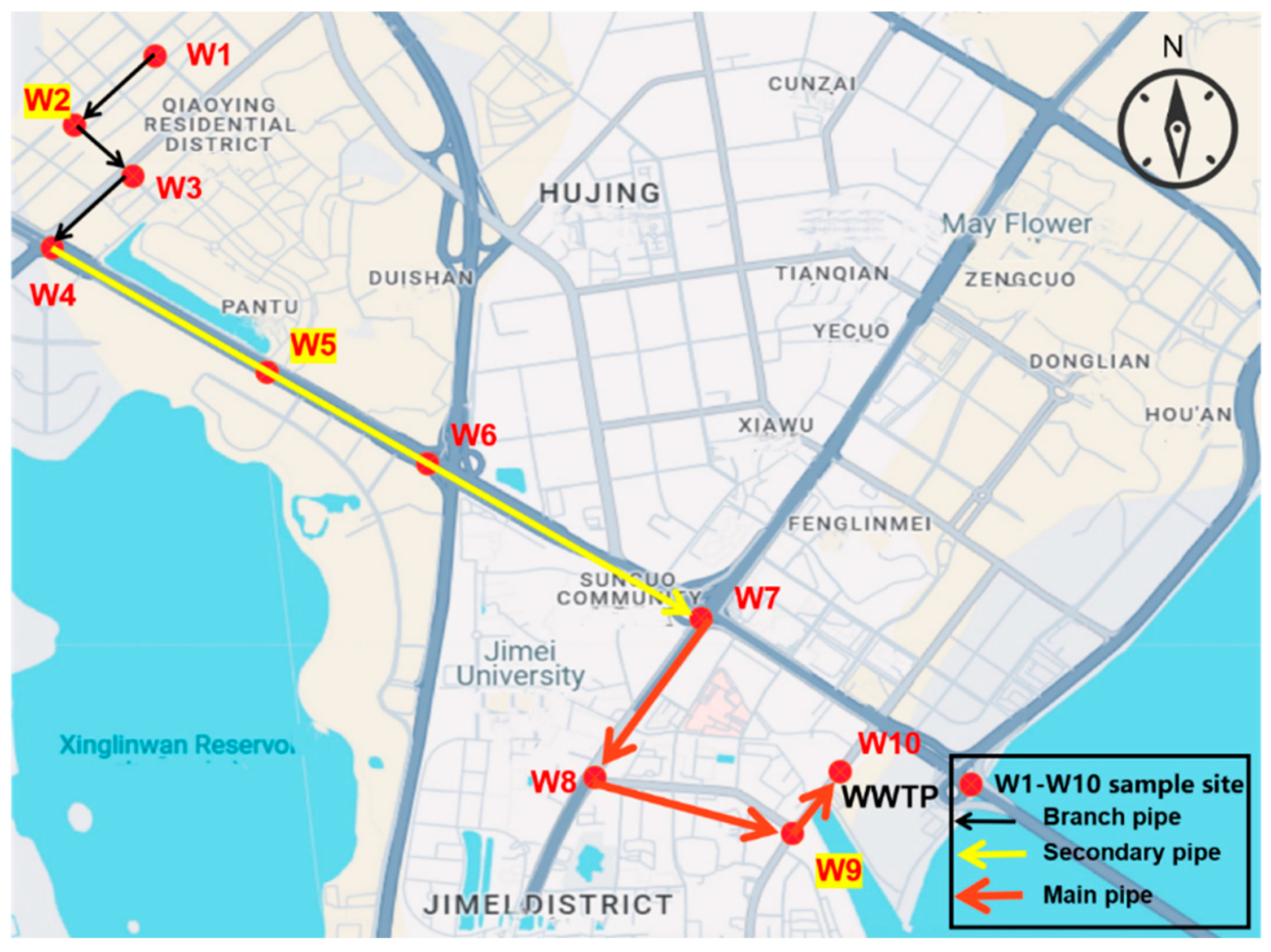
Figure 1. Study area for the water quality characteristics and greenhouse gas (GHG) emissions measurements in the Xiamen Jimei district.
Preprints 142811 g001
Figure 2. GHG (CH4, CO2, and N2O) emission fluxes and emission ratios in the sewer system. (A) Emission fluxes of CH4, CO2, and N2O in the sewer system. (B) Carbon emission ratios of CH4, CO2, and N2O in the sewer system. * denotes a significant level.
Preprints 142811 g002
Figure 3. Carbon emission fluxes and emission ratios in the sewer system. (A) Carbon emission fluxes of branch pipe, sub-main pipe, and main pipe in the sewer system. (B) Carbon emission ratios of branch pipe, sub-main pipe, and main pipe in sewer system. * means a significant level and ** means an extremely significant level.
Preprints 142811 g003
Figure 4. The methane production potential in the sediments of branch pipe, sub-main pipe, and main pipe. * means a significant level, ** means extremely significant level.
Preprints 142811 g004
Figure 5. (A) The relative abundance of microbiomes in the sewer system. (B) Relative abundance of methanogenic archaea in the sewer system.
Preprints 142811 g005
Table 1. Septage composition and relevant sewer system conditions in the sampling site of W1−W10.
Sample
site
T (℃) pH DO ( mg/L) ORP (mV) (m/S) COD (mg/L) TN (mg/L) NH4+-N (mg/L)
W1 22.4 8.3 4.39 -154.6 0-0.11 437.3 67.8 52.6
W2 21.5 7.7 1.55 -252.3 0.12-0.3 355.7 66.4 53.6
W3 21.6 7.7 1.64 -296.6 0.11-0.31 305.1 67.2 60.9
W4 21.5 7.5 2.12 -256.8 0.19-0.32 318.7 65.7 63.4
W5 21.4 7.8 2.45 -232.4 0.21-0.41 265.4 65.8 64.8
W6 21.7 7.7 2.69 -218.6 0.2-0.42 274.1 66.3 56.9
W7 21.5 7.6 2.38 -237.0 0.41-0.72 257.1 64.8 63.6
W8 21.5 7.7 3.01 -214.2 0.57-1.02 266.7 66.2 64.8
W9 21.4 7.7 3.16 -201.6 0.61-1.05 262.5 65.7 65.9
W10 21.5 7.6 5.01 -157.2 0.61-1.02 254.1 64.9 61.4
Disclaimer/Publisher’s Note: The statements, opinions and data contained in all publications are solely those of the individual author(s) and contributor(s) and not of MDPI and/or the editor(s). MDPI and/or the editor(s) disclaim responsibility for any injury to people or property resulting from any ideas, methods, instructions or products referred to in the content.
Copyright: This open access article is published under a Creative Commons CC BY 4.0 license, which permit the free download, distribution, and reuse, provided that the author and preprint are cited in any reuse.
Prerpints.org logo

Preprints.org is a free preprint server supported by MDPI in Basel, Switzerland.

Subscribe

Disclaimer

Terms of Use

Privacy Policy

Privacy Settings

© 2025 MDPI (Basel, Switzerland) unless otherwise stated