
Submitted:
05 December 2024
Posted:
06 December 2024
You are already at the latest version
Abstract
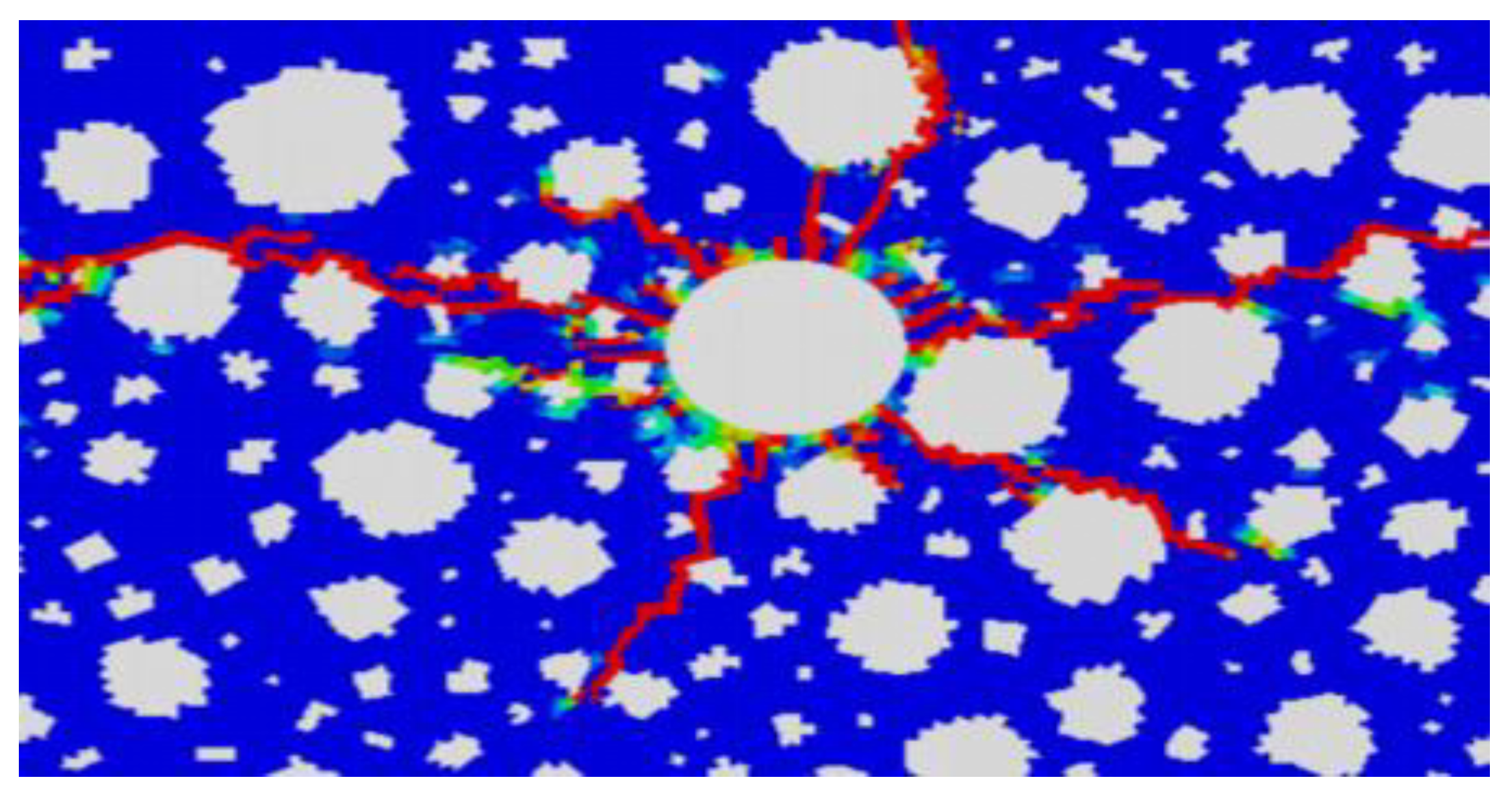
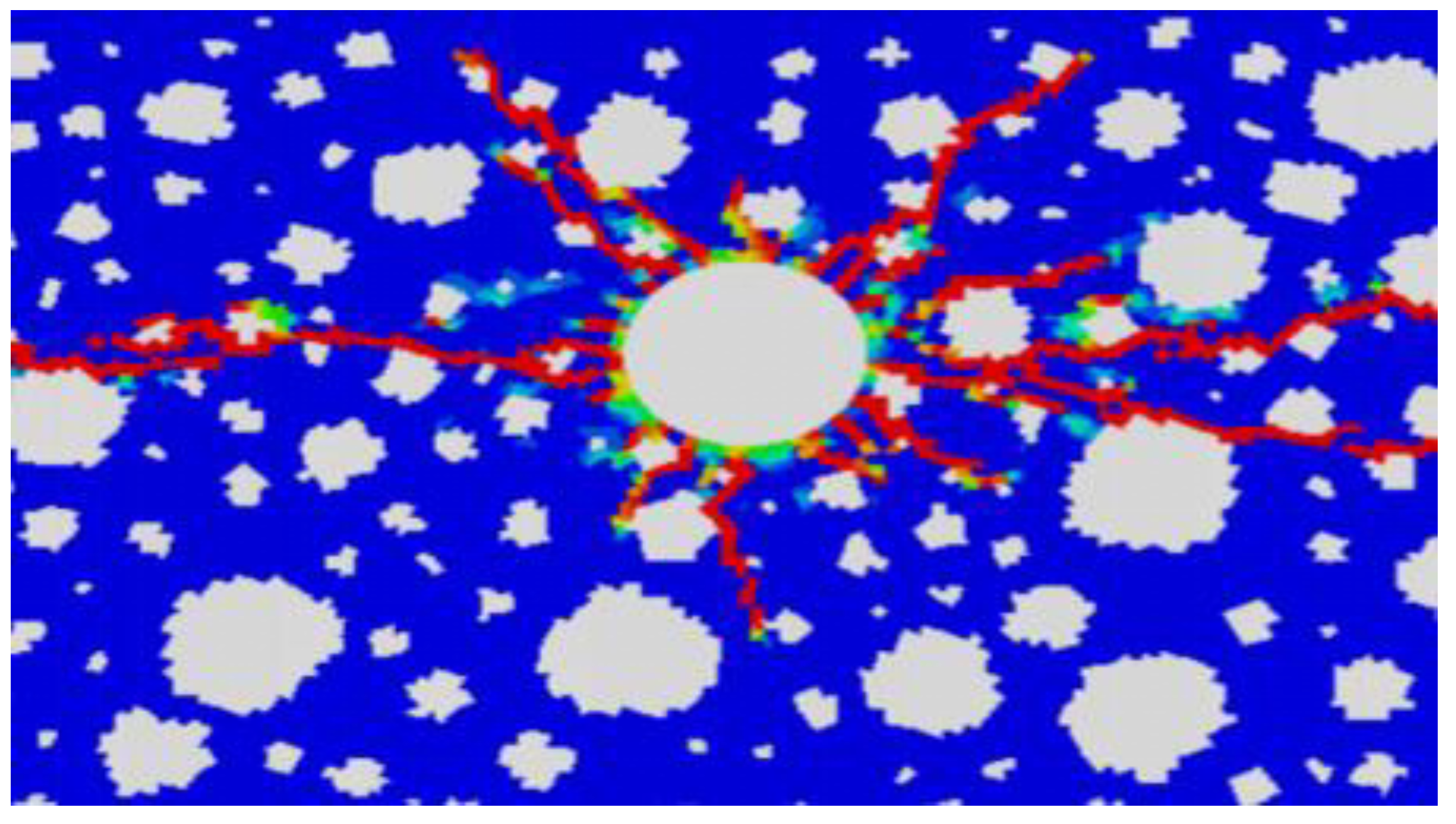
Gravel sandstone reservoirs are characterized by low porosity, low permeability, and strong heterogeneity, presenting significant challenges for hydraulic fracturing. This study investigates the fracture propagation mechanisms in gravel sandstone formations using a combination of laboratory experiments, numerical simulations, and theoretical modeling. The findings reveal that gravel size, strength, and distribution significantly influence fracture morphology and propagation behavior. Under low stress differences, cracks tend to wind around gravel, while under high stress differences, cracks are more likely to penetrate gravel. Numerical simulations highlight the complex fracture network caused by high gravel content, leading to increased filtration loss, accelerated energy dissipation, and reduced fracture length. A quantitative model was developed to describe trans-gravel behavior, offering theoretical support for optimizing hydraulic fracturing designs in gravel sandstone reservoirs. This work provides valuable insights into the coupling mechanisms between gravel properties, stress conditions, and fracture propagation, contributing to more effective stimulation strategies for complex reservoirs.
Keywords:
1. Introduction
2. Models
2.1. Mechanical Properties

| ID | Lithology | Well | Depth (m) |
Core Orientation |
Confining Pressure (MPa) | Elastic Modulus (Gpa) |
Poisson's Ratio | Compressive Strength (MPa) |
|---|---|---|---|---|---|---|---|---|
| 1 | Gravel Sandstone | BZ19-X | 4432.19 | Horizontal | 0 | 11.0641 | 0.224 | 56.583 |
| 2 | 4432.35 | Horizontal | 10 | 21.4211 | 0.247 | 101.647 | ||
| 3 | 4432.86 | Horizontal | 20 | 28.0938 | 0.258 | 169.249 |
2.2. Laboratory Experiment
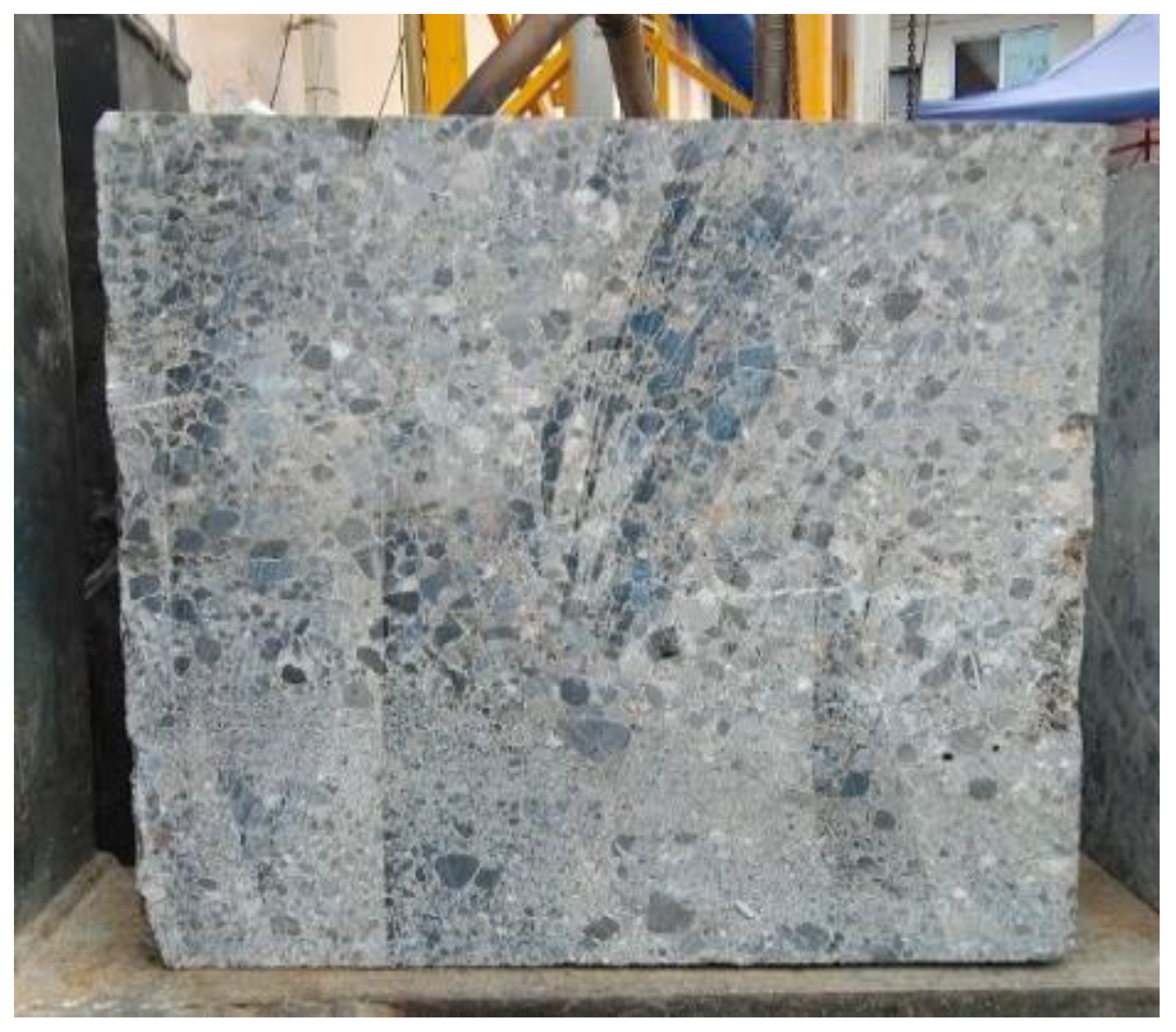
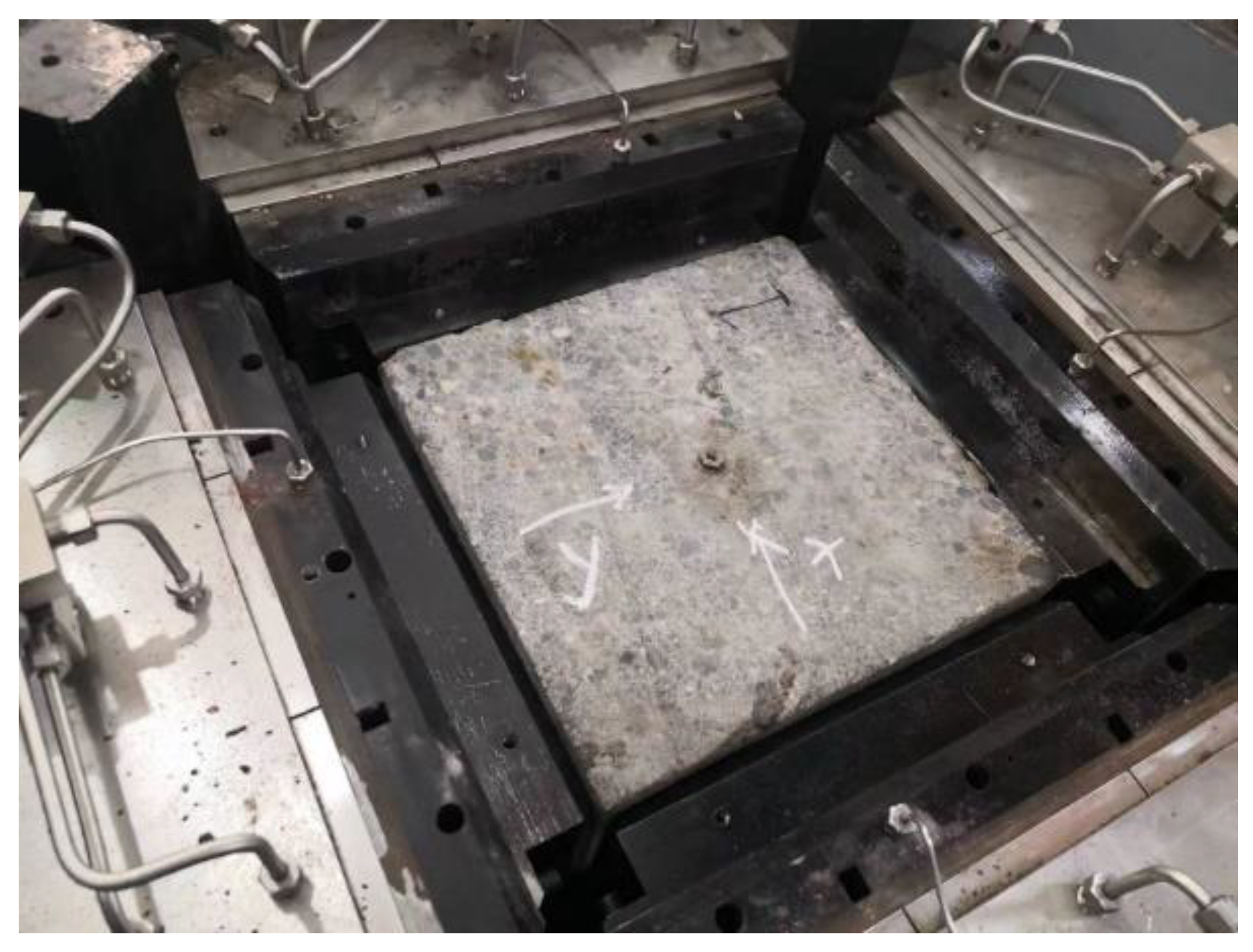
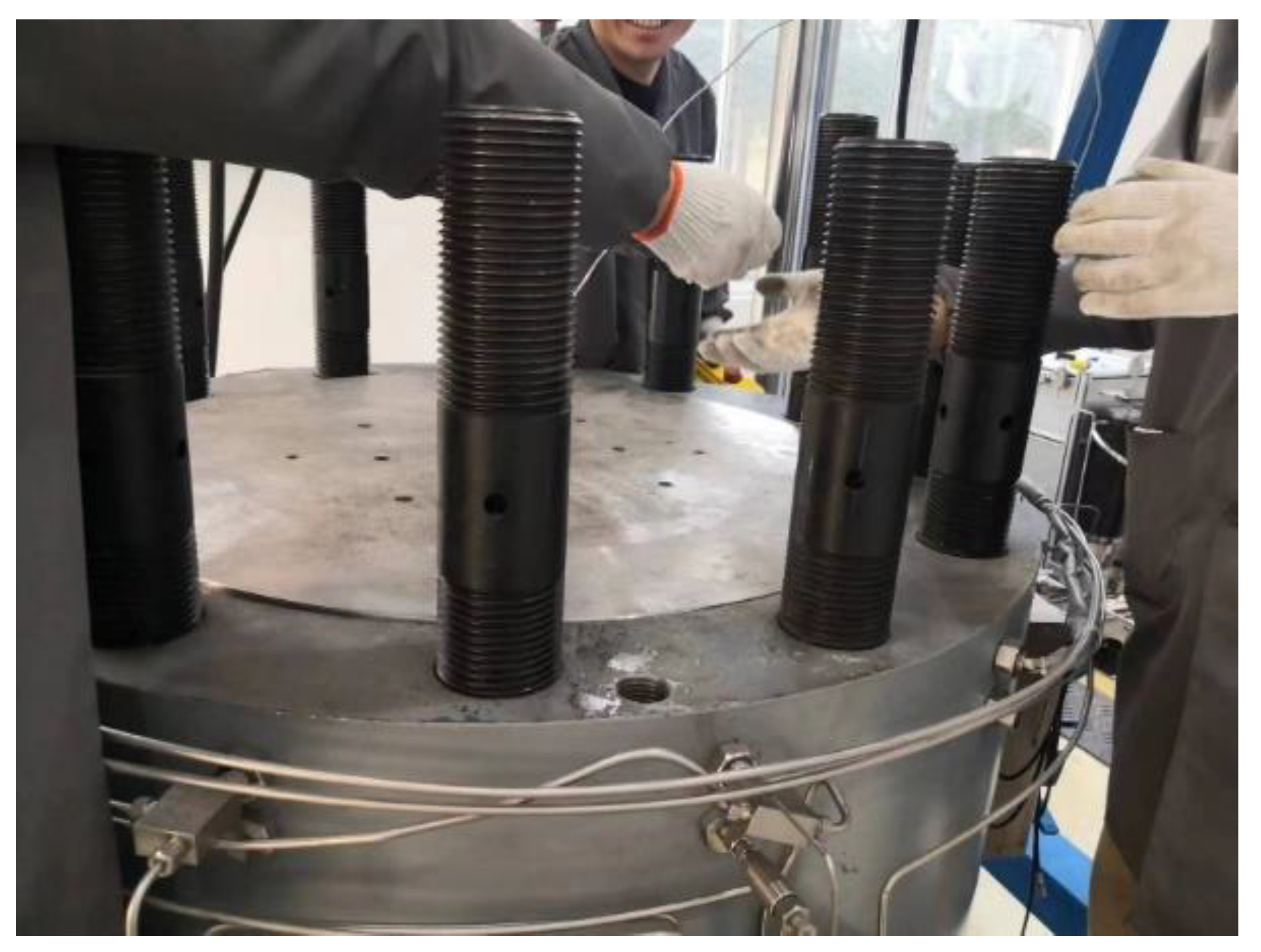
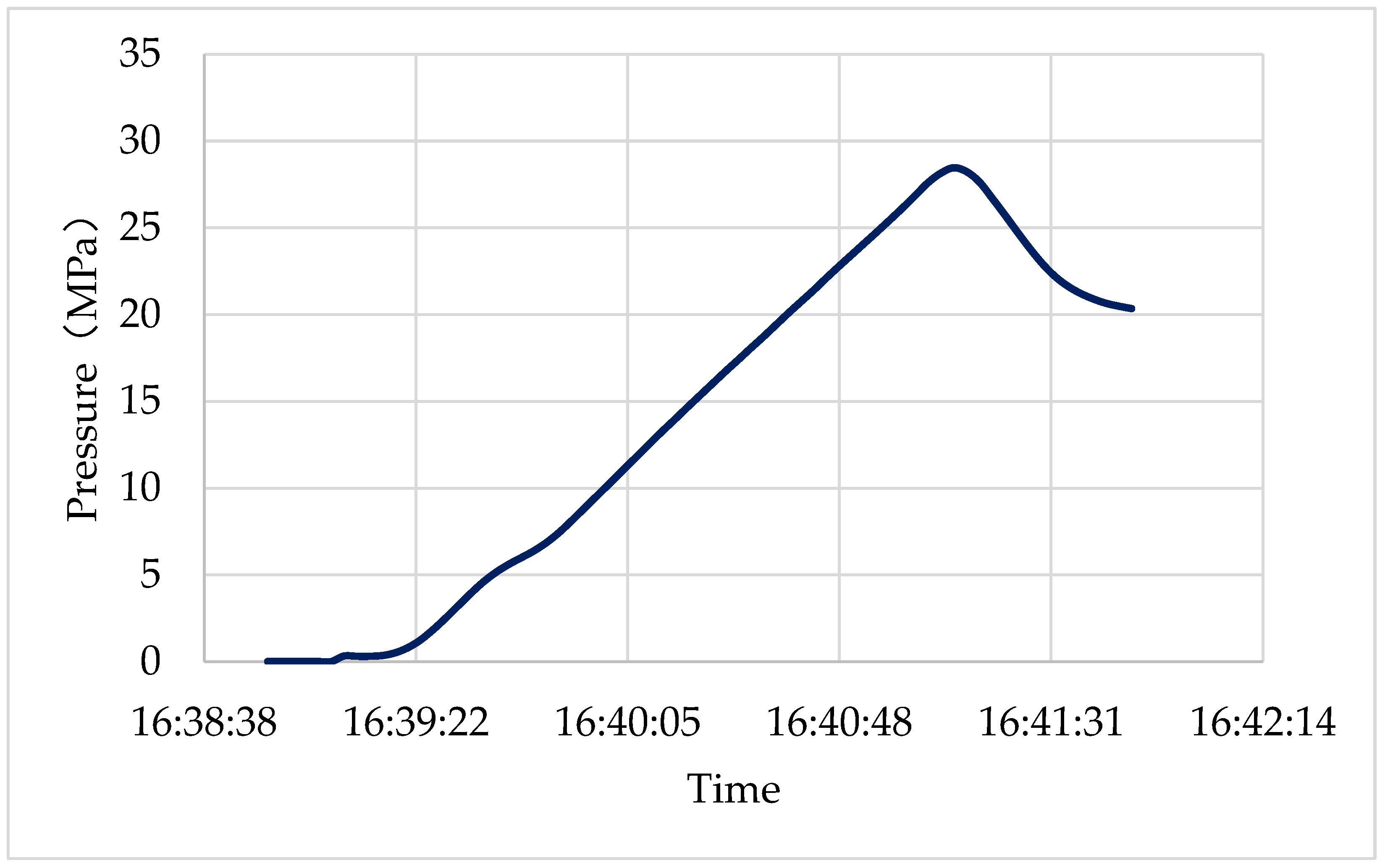
2.3. Theoretical Model
3. Simulation Analysis Results
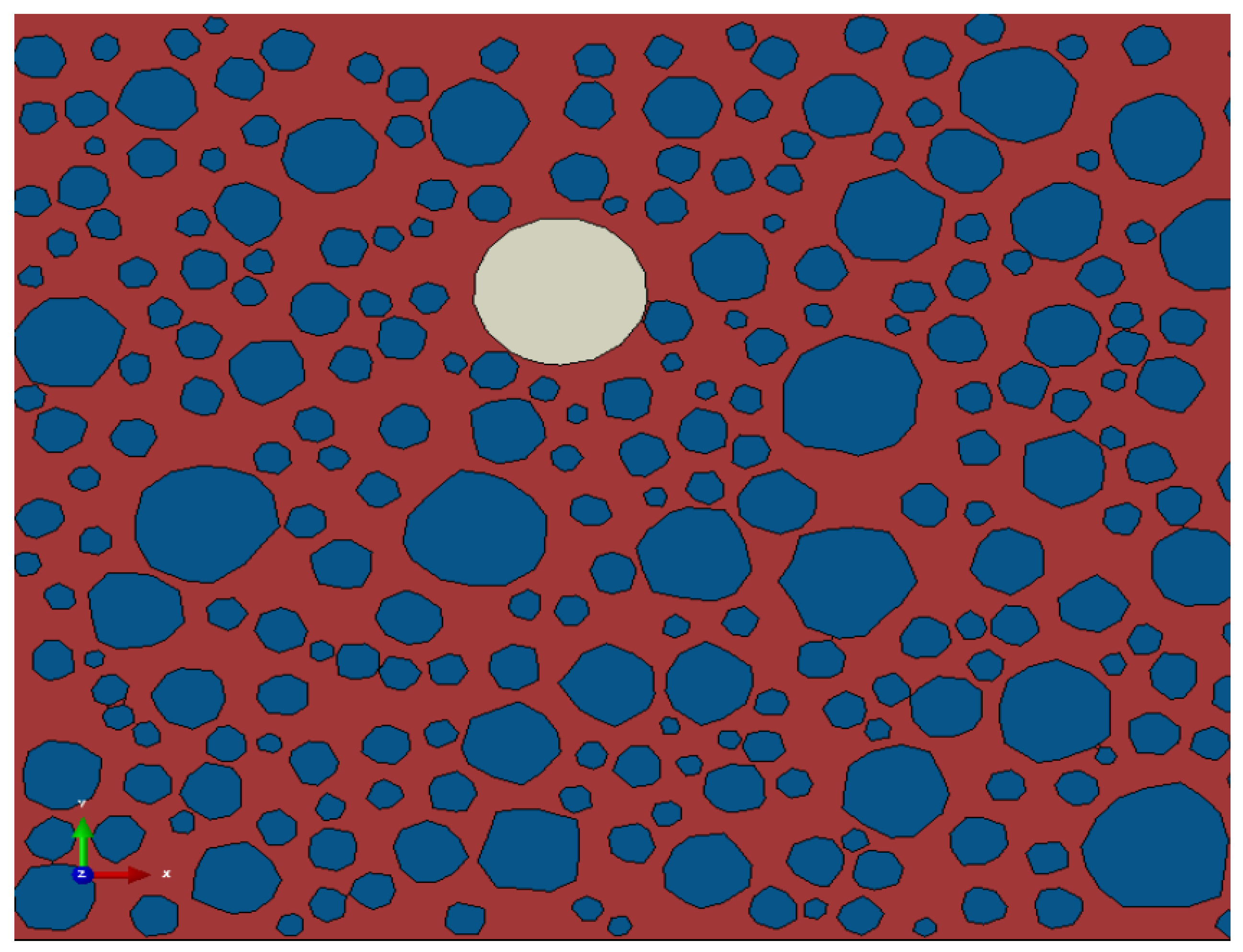
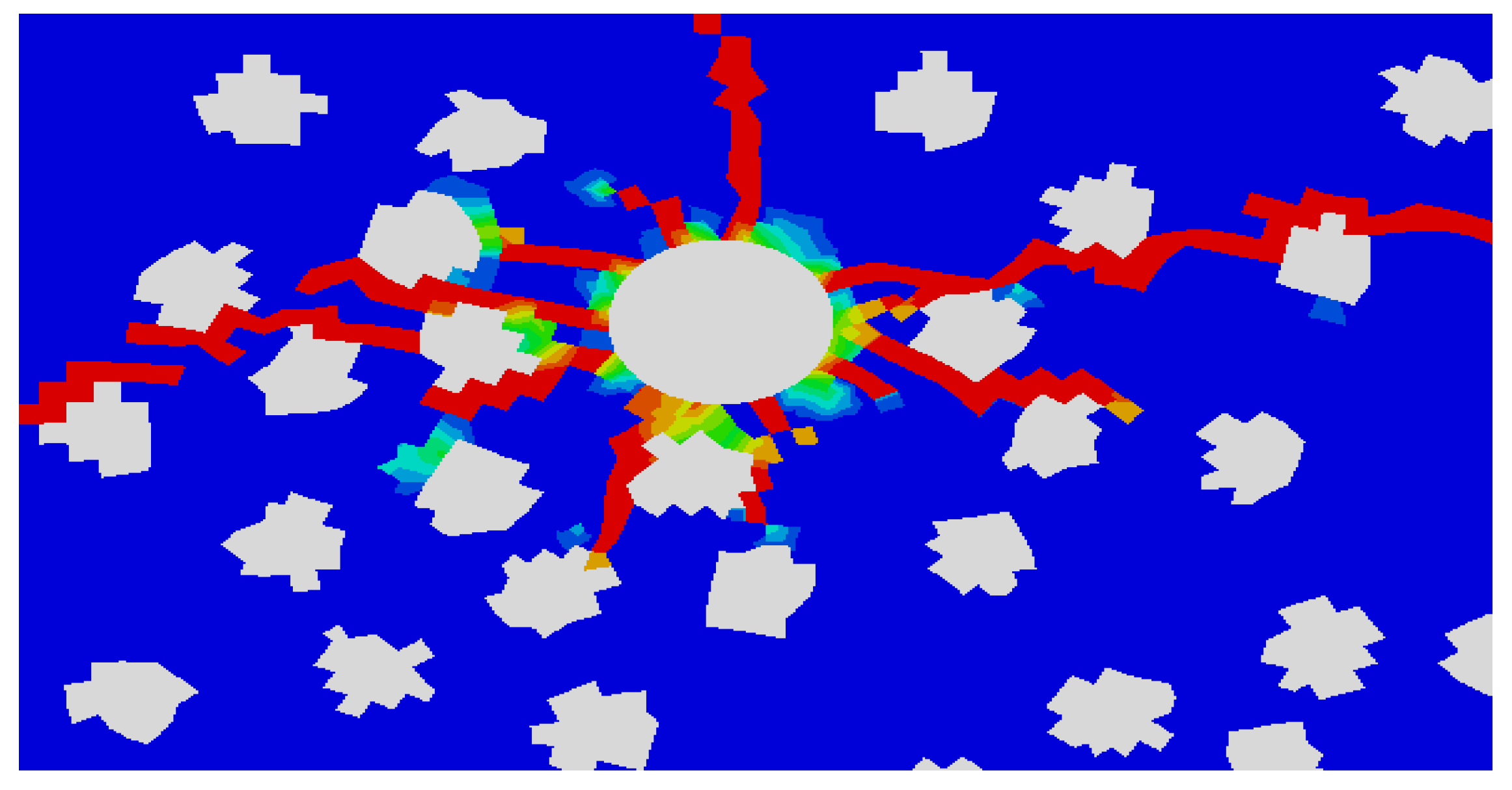
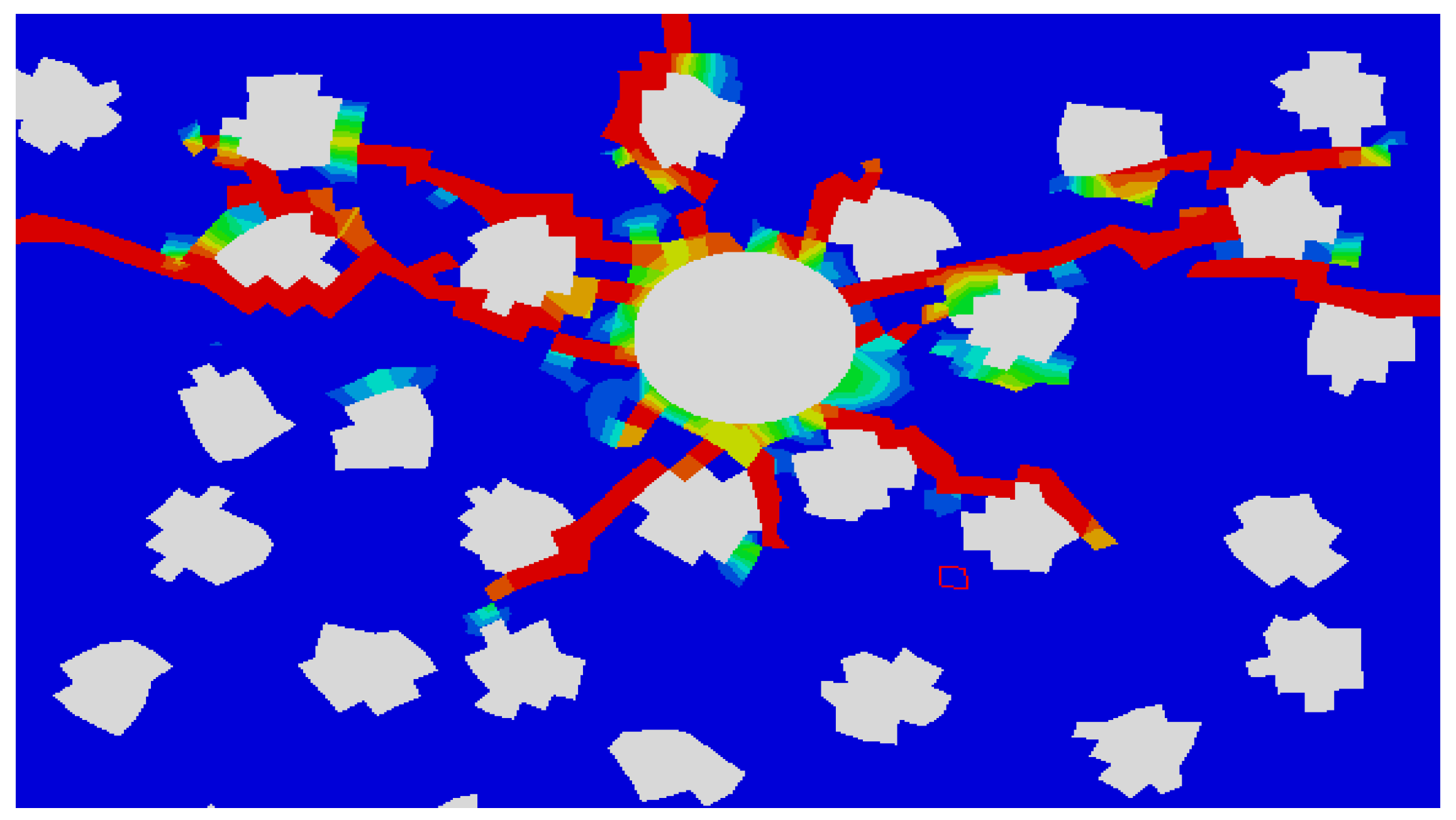
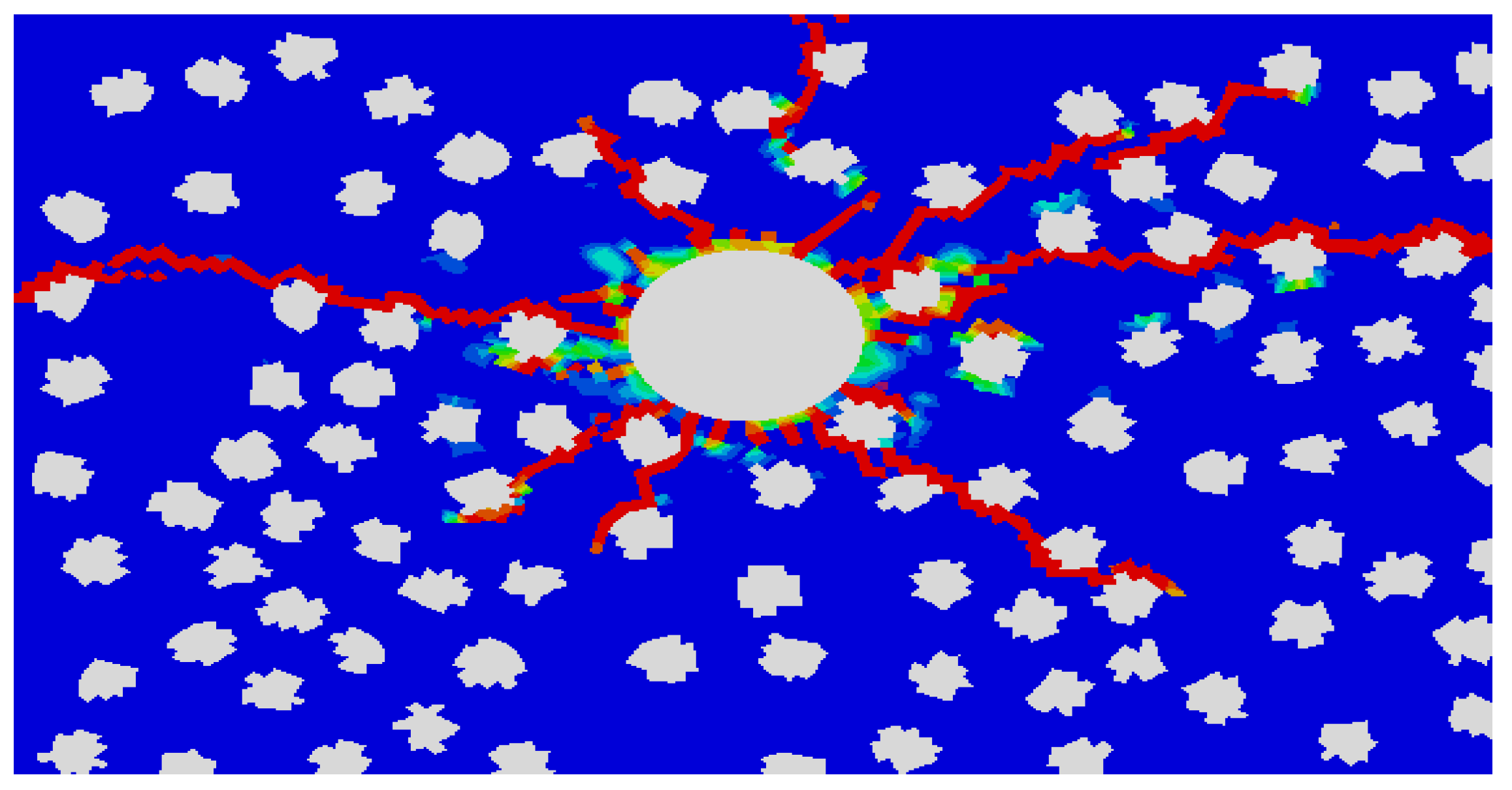
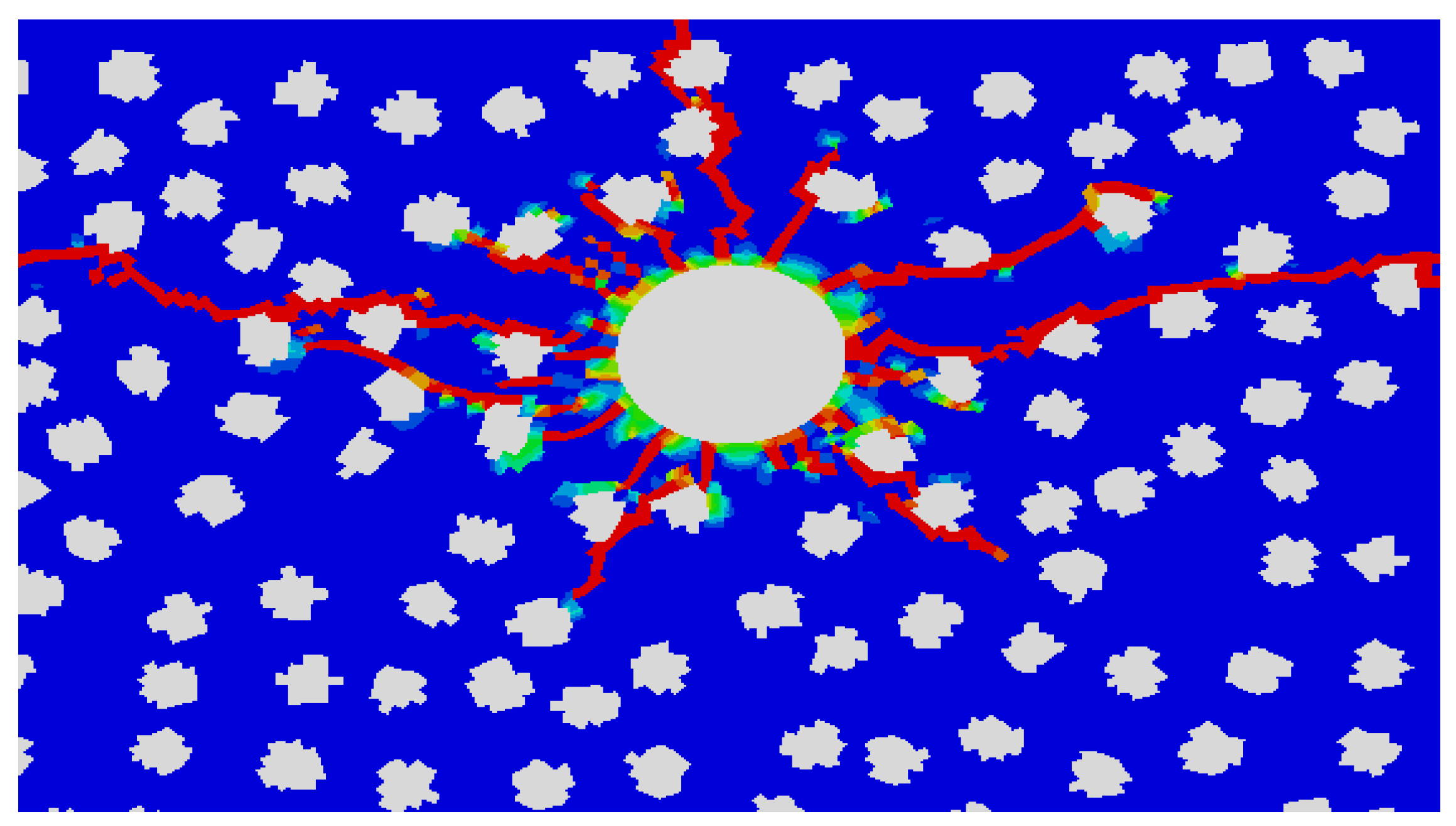
| Parameter Name | Elastic Modulus (GPa) | Poisson's Ratio | Permeability (md) | Compressive Strength (MPa) | Permeability Coefficient (m/s) | Filtration Coefficient (m/Pas) | Fracturing Fluid Viscosity (Pas) | Flow Rate (m³/min) |
| Value | 25 | 0.23 | 0.01 | 100 | 1e-7 | 1e-14 | 0.03 | 3.5 |
5. Conclusions
References
- Luo, S.; Zhao, Y.; Zhang, L.; Chen, Z.; Zhang, X. Integrated simulation for hydraulic fracturing, productivity prediction, and optimization in tight conglomerate reservoirs. Energ Fuel 2021, 35, 14658–14670. [Google Scholar] [CrossRef]
- Chuanzhen, Z.; Jiang, H.; Shanzhi, S.; Jianmin, L.I.; Yushi, Z.; Zhang, S.; Gang, T.; Peng, Y. An analysis of the uniformity of multi-fracture initiation based on downhole video imaging technology: A case study of Mahu tight conglomerate in Junggar Basin, NW China. Petroleum Exploration and Development 2022, 49, 448–457. [Google Scholar]
- Liu, H.; Jiang, Z.; Zhang, R.; Zhou, H. Gravels in the Daxing conglomerate and their effect on reservoirs in the Oligocene Langgu Depression of the Bohai Bay Basin, North China. Mar Petrol Geol 2012, 29, 192–203. [Google Scholar] [CrossRef]
- Xiao, M.; Wu, S.; Yuan, X.; Xie, Z. Conglomerate reservoir pore evolution characteristics and favorable area prediction: A case study of the lower triassic baikouquan formation in the northwest margin of the Junggar Basin, China. J Earth Sci-China 2021, 32, 998–1010. [Google Scholar] [CrossRef]
- Rui, Z.; Guo, T.; Feng, Q.; Qu, Z.; Qi, N.; Gong, F. Influence of gravel on the propagation pattern of hydraulic fracture in the glutenite reservoir. J Petrol Sci Eng 2018, 165, 627–639. [Google Scholar] [CrossRef]
- Ma, X.; Zou, Y.; Li, N.; Chen, M.; Zhang, Y.; Liu, Z. Experimental study on the mechanism of hydraulic fracture growth in a glutenite reservoir. J Struct Geol 2017, 97, 37–47. [Google Scholar] [CrossRef]
- Shi, X.; Qin, Y.; Gao, Q.; Liu, S.; Xu, H.; Yu, T. Experimental study on hydraulic fracture propagation in heterogeneous glutenite rock. Geoenergy Science and Engineering 2023, 225, 211673. [Google Scholar] [CrossRef]
- Li, J.; Duan, K.; Meng, H.; Wang, J.; Zhang, Q.; Wang, L. On the mechanical properties and failure mechanism of conglomerate specimens subjected to triaxial compression tests. Rock Mech Rock Eng 2023, 56, 973–995. [Google Scholar] [CrossRef]
- Li, X.; Ji, H.; Chen, L.; Li, M.; Xu, K.; Jiang, X.; Zhang, Z.; Zhang, Z.; Guo, X. Hydraulic fractures evaluation of the glutenite and the effects of gravel heterogeneity based on cores. Int J Rock Mech Min 2022, 160, 105264. [Google Scholar] [CrossRef]
- Wei, J.; Liao, H.; Li, N.; Liang, H.; Chen, K.; Yan, H.; Fan, Y.; Zhao, X. Effect of the three-dimensional static pre-stress on the dynamic behaviours of conglomerate: True triaxial Hopkinson pressure bar tests. Geoenergy Science and Engineering 2023, 227, 211810. [Google Scholar] [CrossRef]
- Liu, J.; Ge, H.; Zhang, Z.; Wang, X.; Wang, J. Influence of mechanical contrast between the matrix and gravel on fracture propagation of glutenite. J Petrol Sci Eng 2022, 208, 109639. [Google Scholar] [CrossRef]
- Zhao, A.; Du, S. Hydration-induced damage of tight conglomerates. Chem Eng J 2024, 495, 153426. [Google Scholar] [CrossRef]
- Zhang, Z.; Ge, H.; Wang, J.; Liu, J.; Liu, D.; Teng, W.; Shen, Y. Influence of gravel content and cement on conglomerate fracture. Petrol Sci 2023, 20, 1724–1741. [Google Scholar] [CrossRef]
- Liu, J.; Wang, J.; Ge, H.; Zhou, W.; Chen, B.; Li, X.; Xue, X.; Luo, S. Effect of gravel on rock failure in glutenite reservoirs under different confining pressures. Petrol Sci 2023, 20, 3022–3036. [Google Scholar] [CrossRef]
- Wang, J.; Ge, H.; Liu, J.; Shen, Y.; Zhang, Z.; Luo, S.; Liu, D. Effects of gravel size and content on the mechanical properties of conglomerate. Rock Mech Rock Eng 2022, 55, 2493–2502. [Google Scholar] [CrossRef]
- Tang, H.; Liang, H.; Zhang, L.; Qin, J.; Li, Y.; Zhang, J. Hydraulic fracture extension patterns of conglomerate reservoirs and relevant influencing factors. Acta Petrolei Sinica 2022, 43, 871. [Google Scholar]
- Tang, J.; Liu, B.; Zhang, G. Investigation on the propagation mechanisms of a hydraulic fracture in glutenite reservoirs using DEM. Energies 2022, 15, 7709. [Google Scholar] [CrossRef]
- Xu, Z.; Liu, X.; Liang, L. Numerical investigation of hydraulic fracture propagation morphology in the conglomerate reservoir. Geofluids 2022, 2022, 6811300. [Google Scholar] [CrossRef]
- Huang, L.; He, R.; Yang, Z.; Tan, P.; Chen, W.; Li, X.; Cao, A. Exploring hydraulic fracture behavior in glutenite formation with strong heterogeneity and variable lithology based on DEM simulation. Eng Fract Mech 2023, 278, 109020. [Google Scholar] [CrossRef]
- Ju, Y.; Liu, P.; Chen, J.; Yang, Y.; Ranjith, P.G. CDEM-based analysis of the 3D initiation and propagation of hydrofracturing cracks in heterogeneous glutenites. J Nat Gas Sci Eng 2016, 35, 614–623. [Google Scholar] [CrossRef]
- Ma, D.; Wu, Y.; Hu, X.; Li, D.; Geng, H.; Hao, Y. DEM simulation of injection-induced micro-cracks behaviors in the heterogeneous glutenite by fluid–solid coupling. Comput Part Mech 2024, 11, 1529–1545. [Google Scholar] [CrossRef]
- Shi, X.; Qin, Y.; Xu, H.; Feng, Q.; Wang, S.; Xu, P.; Han, S. Numerical simulation of hydraulic fracture propagation in conglomerate reservoirs. Eng Fract Mech 2021, 248, 107738. [Google Scholar] [CrossRef]
- Zhang, G.; Sun, S.; Chao, K.; Niu, R.; Liu, B.; Li, Y.; Wang, F. Investigation of the nucleation, propagation and coalescence of hydraulic fractures in glutenite reservoirs using a coupled fluid flow-DEM approach. Powder Technol 2019, 354, 301–313. [Google Scholar] [CrossRef]
Disclaimer/Publisher’s Note: The statements, opinions and data contained in all publications are solely those of the individual author(s) and contributor(s) and not of MDPI and/or the editor(s). MDPI and/or the editor(s) disclaim responsibility for any injury to people or property resulting from any ideas, methods, instructions or products referred to in the content. |
© 2024 by the authors. Licensee MDPI, Basel, Switzerland. This article is an open access article distributed under the terms and conditions of the Creative Commons Attribution (CC BY) license (http://creativecommons.org/licenses/by/4.0/).


