
Submitted:
04 December 2024
Posted:
05 December 2024
You are already at the latest version
Abstract
Driven by the effects of global warming and environmental pollution from fossil fuel use, the transition towards renewable energy sources, such as wind and solar power, is gaining momentum. Yet, photovoltaic systems encounter critical issues, primarily due to soiling or dust accumulation, which can diminish power efficiency by 20-40% and raise maintenance expenses. Therefore, this study aims to develop a durable, transparent, environmentally friendly, and cost-effective anti-dust coating for photovoltaics, evaluating its potential to maintain PV power performance under harsh environmental conditions. The coating was applied using the dip-coating method, followed by heat curing to improve adhesion. Microstructural analysis using XRD, SEM, and EDS showed that the coating consists of SiO2 nanograins. The one-month current-voltage (I-V) measurement test showed that coated samples had a higher Maximum Power Point by 8.7% and Open Circuit Voltage by 5.3% than uncoated ones. Transmittance evaluations over seven months showed that coated samples maintained a high level of transparency at 94% under clean conditions. Coating durability was confirmed through abrasion tests, where the coating withstood 30 cycles, a figure among the highest recorded for silicon dioxide coatings. The UV resistance and chemical stability tests further demonstrated robustness against environmental stressors. Additionally, a notable increase in cost efficiency ($1.5/kg) over conventional cleaning methods was observed, attributed to the coating's low-maintenance nature. In conclusion, this coating significantly benefits the solar energy industry by maintaining photovoltaic panel efficiency and substantially reducing cleaning costs, bridging the gap between innovative research and practical applications.
Keywords:
anti-dust coating
; energy loss mitigation
; hydrophilic
; sol-gel method
; photovoltaic technologies
; outdoor testing
; optical transmittance
; thin-film coatings
; surface modification
1. Introduction
Photovoltaic technology, with its capacity to convert solar radiation into electrical energy, stands as a transformative force in addressing our energy needs in an economically viable and ecologically sustainable manner [1]. At the heart of this technology are photovoltaic cells, typically made from semiconductor materials. When photons from solar radiation strike these cells, they trigger a complex process that excites electrons within the semiconductor, generating an electric current. Solar photovoltaic (PV) technology is expected to revolutionize the energy sector, creating a reliable electrical grid for the future [2]. Governments around the world have recognized the potential of PV technology and have actively promoted its adoption. However, the performance of PV systems depends on various factors, including solar irradiance, spectral composition, and local climatic conditions [3]. One crucial issue affecting PV panels is the problem of soiling. Over time, outdoor solar panels accumulate a layer of particulate matter, including dirt, dust, bird droppings, pollen, leaves, and debris, which hinders their electricity generation efficiency [4]. This issue is particularly challenging in arid and semi-arid regions where airborne dust concentrations are high. Consider regions like the Middle East and North Africa (MENA), known for their sunny climates. In these arid environments, nighttime dew formation, caused by rapidly dropping temperatures, causes airborne dust to adhere to solar panels, resulting in daily power losses as severe as 1% and necessitating frequent and costly cleaning [5]. Various strategies have been explored to address the problem of soiling [6]. Conventional methods involve manual cleaning, which, if done rigorously, can be effective but is resource-intensive, relying on large amounts of water and labor [7]. Alternative strategies include natural cleaning mechanisms driven by wind and precipitation, as well as automated cleaning methods involving robotic systems and screen-based technologies. Anti-soiling coatings offer a promising solution to mitigate the impact of soiling on solar panels. These coatings are designed to reduce the accumulation of dust particles and enhance self-cleaning properties, preserving optimal surface functionality [8,9]. They possess key attributes such as hydrophobicity (resistance to water adhesion), oleophobicity (inhibition of oil adherence), low surface energy, and resistance to ultraviolet (UV) radiation, all of which collectively deter dust and contaminants from adhering [10]. Some coatings even incorporate self-cleaning mechanisms, microstructural textures, or electrostatic charges to effectively repel dust [11,12]. Despite these advancements, there are gaps in our understanding of anti-soiling coatings. Thorough field studies are needed to assess their durability and effectiveness in various climates [13]. Cost-effectiveness and scalability are critical factors for making these coatings accessible to a wider audience. Standardized evaluation metrics are essential for comparing different coatings, and customization for specific applications is vital. In this study, the primary goal is to address a significant issue affecting solar energy utilization: the detrimental effects of soiling on solar panel efficiency. The study will adopt a systematic methodology characterized by comprehensive experimentation and detailed examination to evaluate the performance of a 50-nanometer thin silicon dioxide (SiO2) anti-soiling coating. This evaluation will be undertaken on various substrates, such as glass surfaces, solar panels, and architectural glass facades. Throughout this research, the Sol-gel technique will be utilized. Additionally, the study will include a comparative analysis of three specific solvents: Alcohol (C3H8O), Ethanol (C₂H₆O), and Ethylene glycol (C₂H₆O₂). The primary aim of comparing these solvents is to identify the one that produces the most effective anti-soiling coating. In conclusion, the path of photovoltaic technology holds promise for a sustainable future. However, the challenge of soiling requires urgent attention. This study contributes to enhancing the efficiency and longevity of anti-soiling coatings.
2. Literature Review
Solar energy is integral in the global transition toward renewable energy sources. Photovoltaic (PV) panels have seen widespread adoption. However, the efficiency of solar panels is significantly impacted by various environmental factors, with dust and dirt accumulation on the panel's cover glass being a major concern. This soiling phenomenon leads to a reduction in electrical output and increased operational costs due to the need for frequent cleaning. To address this challenge, researchers have been developing anti-soiling coatings for solar cover glass. This comprehensive literature review delves into recent research findings, examining the mechanisms, effectiveness, and suitability of anti-soiling coatings under different conditions. [14] investigates the influence of wetting properties, specifically water contact angles (CAs), on the soiling rate and cleaning efficiency of polymer-coated solar cover glass substrates. Hydrophobic coatings, characterized by high water contact angles, demonstrate a remarkable 42% reduction in soiling rates compared to hydrophilic glass. This result can be attributed to a fascinating phenomenon known as the "dust herding" mechanism, observed primarily on hydrophobic surfaces. During dew formation or water condensation, dust particles tend to aggregate into discrete piles as droplets shrink laterally on low-energy surfaces. This aggregation makes the dust more manageable during cleaning processes [14]. Moreover, the specific surface energy of the hydrophobic coating plays an important role in governing the dust herding effect. A lower surface energy results in greater repulsion between the coating and the water droplet, leading to more efficient dust removal. Thus, anti-soiling coatings' effectiveness hinges on the careful modulation of their wetting properties and surface energies, allowing for the optimization of dust herding mechanisms [14]. The efficacy of anti-soiling coatings is highly contingent upon geographical location and climatic conditions, as highlighted in [15]. Regions with abundant sunlight, such as the Middle East and North Africa (MENA), are ideal for PV power generation. However, these regions also experience extreme dust accumulation, leading to significant power losses. Given the substantial economic implications of dust-related power loss, the development of effective anti-soiling coatings is imperative. [15] emphasizes the need for a careful assessment of coating suitability based on environmental factors, particles' accumulation mechanisms, weather conditions, and geographical location. The effectiveness of anti-soiling coatings is not universal; it varies significantly depending on geographical factors. Different regions experience varying levels of dust accumulation due to climatic conditions, wind patterns, and local environmental factors. Therefore, it is crucial to tailor the choice of coatings to the specific needs of a given location. [15] suggests that the development of thin-film anti-dust coatings could offer a superior alternative under certain circumstances. Thin-film anti-dust coatings hold significant promise for mitigating soiling issues in solar panels. Unlike traditional mechanical cleaning methods, thin-film coatings provide an abrasion-free solution that can be deployed on a large scale, offering economic viability and durability [15]. This alternative approach to dust mitigation aligns with the broader goals of sustainable and cost-effective solar energy generation. While anti-soiling coatings present a promising solution to dust-related efficiency losses, they are not without their challenges. One significant concern, highlighted in [16], is the degradation of these coatings over time, particularly under outdoor conditions. Transparent hydrophobic coatings, while effective in reducing soiling and enhancing cleanability, may exhibit rapid degradation when exposed to environmental stresses. In [16] a series of laboratory-based damp heat and UV exposure environmental tests are conducted to decipher the mechanisms responsible for coating degradation. A primary issue identified is the loss of surface fluorine. As a crucial component of hydrophobic coatings, fluorine contributes to their low surface energy and repellent characteristics. Consequently, the depletion of surface fluorine not only impairs the coatings' repelling capabilities but also heightens their vulnerability to escalating soiling rates. Moreover, the study observes the loss of nanoparticles within the coatings. These nanoparticles, frequently embedded in anti-soiling coatings to bolster their efficiency, when lost, diminish the coatings' resistance to dust adherence. Another alarming finding in [16] is the blistering of the coated surfaces, culminating in the peeling of the coating material and thereby revealing the underlying glass substrate. The genesis of this blistering is linked to the migration of trapped solvents in the coating, potentially stemming from inadequate curing during the application phase of the coating. Understanding the mechanisms contributing to coating degradation is essential in the development of more durable anti-soiling, hydrophobic coatings for solar applications. While these degradation mechanisms are significant challenges, they are not insurmountable. Researchers are actively working to address these issues and improve the long-term performance of anti-soiling coatings. One avenue of improvement involves optimizing the curing conditions during the coating application process. [16] suggests that careful specification and execution of curing conditions can mitigate issues such as blistering. Strategies to improve nanoparticle adhesion and dispersion within the coating matrix are being explored to improve the coatings' resistance to dust adhesion. Furthermore, research in this field emphasizes the importance of conducting real-world, outdoor testing of anti-soiling coatings to validate their performance and durability under actual operational conditions. Identifying and addressing degradation mechanisms through rigorous testing is crucial for the development of coatings that can withstand long-term exposure to environmental stresses [16]. In addition to hydrophobic coatings, super-hydrophilic coatings represent another innovative approach to mitigating dust deposition on solar panels. [17] investigates the anti-dust performance of super-hydrophilic coatings for solar PV cells under water spraying conditions. Super-hydrophilic coatings, characterized by their extreme water-attracting properties, offer a unique solution to the dust accumulation challenge. In comparison to bare glass, which accumulates dust particles in a dispersed manner, super-hydrophilic glass surfaces witness densely distributed dust particles. The interaction between super-hydrophilic coatings and water is important in dust removal. When a water spraying process is conducted, the dust deposition mass for both bare and coated glass samples experience a noticeable reduction with increasing spraying time. This effect is more pronounced with increased deposition and spraying tilt angles. One of the most compelling advantages of super-hydrophilic coatings is their exceptional self-cleaning efficiency. [17] reports that super-hydrophilic coatings can achieve a self-cleaning efficiency that is 92% higher than that of bare glass cases. This remarkable improvement is attributed to the coating's ability to rapidly wash away dust particles with minimal water usage. Super-hydrophilic coatings also have a significant impact on the spectral transmittance of solar panels. The spectral transmittance of glass samples treated with super-hydrophilic coatings surpasses that of bare glass cases by a considerable margin. The maximum transmittance improvement can reach a 26.5% under specific conditions, including specific deposition and spraying tilt angles. In conclusion, anti-soiling coatings for solar panels hold great promise in addressing the persistent issue of dust-related efficiency losses. A comprehensive understanding of the mechanisms, effectiveness, and challenges associated with these coatings is essential for their successful deployment in various environmental conditions. Research reveals that hydrophobic coatings capitalize on the dust herding mechanism, offering effective dust repellence and easier cleaning. Moreover, geographical considerations play a crucial role in determining the suitability of anti-soiling coatings. Different regions experience varying levels of dust accumulation, necessitating tailored solutions. Thin-film anti-dust coatings, offering abrasion-free cleaning and durability, are emerging as an alternative to labor-intensive mechanical cleaning. However, challenges such as coating degradation require attention. Super-hydrophilic coatings represent a novel and environmentally friendly approach to dust mitigation. Their ability to rapidly dislodge dust particles, achieve high self-cleaning efficiency, and enhance spectral transmittance makes them a compelling choice, especially in arid regions. As the solar energy industry continues to expand, the development of effective anti-soiling coatings will play a crucial role in maximizing the efficiency and sustainability of PV panels. Ongoing research efforts aim to address the challenges and further refine these coatings, ultimately contributing to the growth of clean and sustainable energy sources worldwide.
3. Objectives
3.1. Research Questions
1. How effective are silicon dioxide (SiO2) nanoparticle coatings in mitigating the soiling effects on PV modules?
2. How do different sol-gel solutions—specifically isopropanol, ethanol, and ethylene glycol—influence the performance of the anti-soiling coating?
3. How does the SiO2 concentration within these solvents impact the dust-repellent properties and transmittance efficiency?
4. Are the in-laboratory results consistent with outdoor exposures, both on small and large-sized glass surfaces, as well as actual photovoltaic cells?
3.2. Purpose
Over the past several years, the emphasis on Solar PV installations has seen a notable surge [Figure 1]. Hence, the research aims to address dust accumulation on PV modules, especially in dusty environments, using silicon dioxide nanoparticle coatings. This cost-effective and eco-friendly solution aims to enhance solar panel efficiency and longevity.
3.3. Novelty
This research is distinct in its approach, combining 50 nm SiO2 nanoparticles with various solvents to ascertain the most efficient formulation for an anti-soiling coating. Furthermore, unlike prior studies, the study employs a wide range of test surfaces—from microscope slides in lab settings to large-sized glass surfaces and actual PV cells in outdoor environments.
3.4. Hypothesis
It was hypothesized that a specific combination of solvent type and SiO2 concentration will yield superior dust-repellent properties and improved transmittance efficiency. Based on preliminary data, It was predicted that the isopropanol solvent combined with a 1.5 ml SiO2 concentration will emerge as the most effective formulation, consistently delivering promising results in both lab-simulated and outdoor tests.
4. Methods
4.1. Sample Description
Initially, three distinct sol-gel solutions were prepared utilizing different solvents, namely Isopropanol (C3H8O), Ethanol (C2H6O), and Ethylene Glycol (C2H6O2). Each solvent was blended with 20% Silicon Dioxide nanoparticles, measuring 50 nm in size. Varying concentrations of SiO2, ranging from 0% to 20%, were incorporated into the solutions to comprehensively explore their effects. The selection of these solvents was based on their distinctive properties and characteristics. Isopropanol, with a molecular weight of 60.09 g/mol, CAS number 67-63-0, freezing point of -89.5°C, boiling point of 82.4°C, specific gravity of 0.786, and vapor pressure of 33 mm Hg (20°C), demonstrated a solubility that made it miscible with water. Ethanol, boasting a molecular weight of 46.08 g/mol, CAS number 64-17-5, freezing point of -114.1°C, boiling point of 78.37°C, and specific gravity of 0.7892, displayed similar miscibility with water. Lastly, Ethylene Glycol, with a molecular weight of 62.07 g/mol, CAS number 107-21-1, freezing point of -12.9°C, boiling point of 197.3°C, and specific gravity of 1.11, exhibited a different level of miscibility with water. These solvent choices, each possessing its own set of physical and chemical attributes, were made to thoroughly investigate the unique interactions and impacts they might have in the context of ASC Coatings.
4.1.1. Photovoltaic Cells Samples Description

Table 1.
Photovoltaic Cells Samples.
| Isopropanol | Ethanol | Ethylene Glycol |
|---|---|---|
| No 20 nm SiO2 | No 20 nm SiO2 | No 20 nm SiO2 |
| 1.0 ml | 1.0 ml | 1.0 ml |
| 1.5 ml | 1.5 ml | 1.5 ml |
| 2.0 ml | 2.0 ml | 2.0 ml |
4.1.2. Glass Samples Description
Table 2.
Large-Sized Glass Samples.
| Isopropanol | Ethanol | Ethylene Glycol |
|---|---|---|
| No 20 nm SiO2 | No 20 nm SiO2 | No 20 nm SiO2 |
| 0.5 ml | 0.5 ml | 0.5 ml |
| 1.0 ml | 1.0 ml | 1.0 ml |
| 1.5 ml | 1.5 ml | 1.5 ml |
| 2.0 ml | 2.0 ml | 2.0 ml |
Table 3.
Small-Sized Glass Samples.
| Isopropanol | Ethanol | Ethylene Glycol |
|---|---|---|
| No 20 nm SiO2 | No 20 nm SiO2 | No 20 nm SiO2 |
| 0.5 ml | 0.5 ml | 0.5 ml |
| 1.0 ml | 1.0 ml | 1.0 ml |
| 1.5 ml | 1.5 ml | 1.5 ml |
| 2.0 ml | 2.0 ml | 2.0 ml |
4.2. Experimental Details
4.2.1. Solvent Preparation
Following the initial solvent preparation, the solutions were left to stir overnight. Next, each solvent was partitioned into five separate samples, each containing varying concentrations of SiO2 as previously detailed. These samples were also subjected to overnight stirring [Figure 2].
4.2.1.1. Photovoltaics and Large-Sized Glass Samples
Following this, a filtration process was employed using a filter pipe to remove any potential impurities. Next, the photovoltaic cells and large glass surfaces [15X15 cm] were coated using the dipping method and drawn out at a speed of 2 mm using dip-coating device. The coated surfaces were left to air-dry at room temperature for 60 minutes. Afterwards, they were placed in an oven to undergo the heat cure process with the temperature ramping up at 10°C until reaching a maximum temperature of 300°C where they were left overnight [Figure 3]. This curing process was designed to enhance adhesion, bolster chemical resistance, and instill the necessary dust repellent properties essential for the intended applications [19].
4.2.1.2. Small-Sized Glass Samples
After filtration, microscope slides (dimensions: 2.5 cm X 7.6 cm, thickness: 1.1 – 1.2 mm) were immersed in the samples and drawn out at a steady speed of 2 mm per second. These coated slides were air-dried at room temperature for a duration of 60 minutes. Subsequently, they were placed in an oven for the curing process with the temperature ramping up at 10°C per minute until reaching a maximum temperature of 300°C, where they were left overnight [Figure 4].
4.2.2. Benchmark Test Setup and Site Characteristics
A benchmark test setup serves as a foundational reference point against which the performance of anti-soiling coatings and their associated mechanisms can be rigorously evaluated and compared. It offers a controlled and standardized environment, facilitating the systematic assessment of coating efficacy, durability, and resistance to degradation. Moreover, a well-defined benchmark setup ensures the reproducibility of experimental results, enhancing the reliability and validity of research findings.
4.2.2.1. Photovoltaic Cells and Large-Sized Glass Samples
For the assessment of anti-soiling coatings, an outdoor benchmark test setup was designed and positioned within King Abdulaziz City for Science and Technology (KACST) in Riyadh, Saudi Arabia. A robust, iron-built test stand, welded from steel frames was set up within the designated field [Figure 5]. The samples were securely affixed onto this test stand utilizing clamps, ensuring suitable spacing between them. Positioned at a 30-degree angle on the test stand, the samples were mounted for accurate evaluation. The test setup was situated at rooftop level, considering the optimal exposure conditions. The total duration of outdoor exposure continued for one month. The test setup, situated in arid inland regions, is located a significant distance of at approximately 400 km away from the sea, providing a representative arid environment for the study.
4.2.2.2. Small-Sized Glass Samples
The test setup for the microscope slides was situated at rooftop level, examining a different exposure condition. The glass samples were measured on a weekly basis. The total duration of outdoor exposure continued for over 7 months.
4.2.3. Transmittance Test Measurement
The initial analysis of the samples involved quantifying the total hemispherical transmittance at three distinct positions, following the guidelines of IEC 62805-2:2017. After the measurement, the samples underwent outdoor benchmark testing in Riyadh, Saudi Arabia. Following the completion of the outdoor exposure period, the samples were carefully collected and securely transported to the laboratory for post-total hemispherical transmittance measurement. The influence of dust shedding due to handling was anticipated to be minimal, considering the adhesive forces of dust outweigh gravity for the pertinent particle sizes. Soiling loss, representing the loss of transmittance, was gauged through visual light transmittance measurements following standard procedures following [Equation 1].
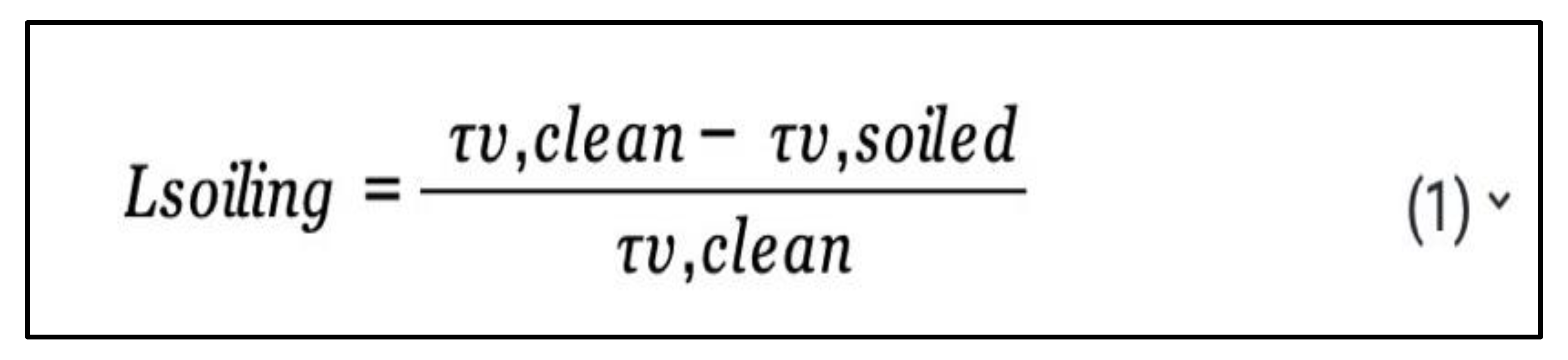
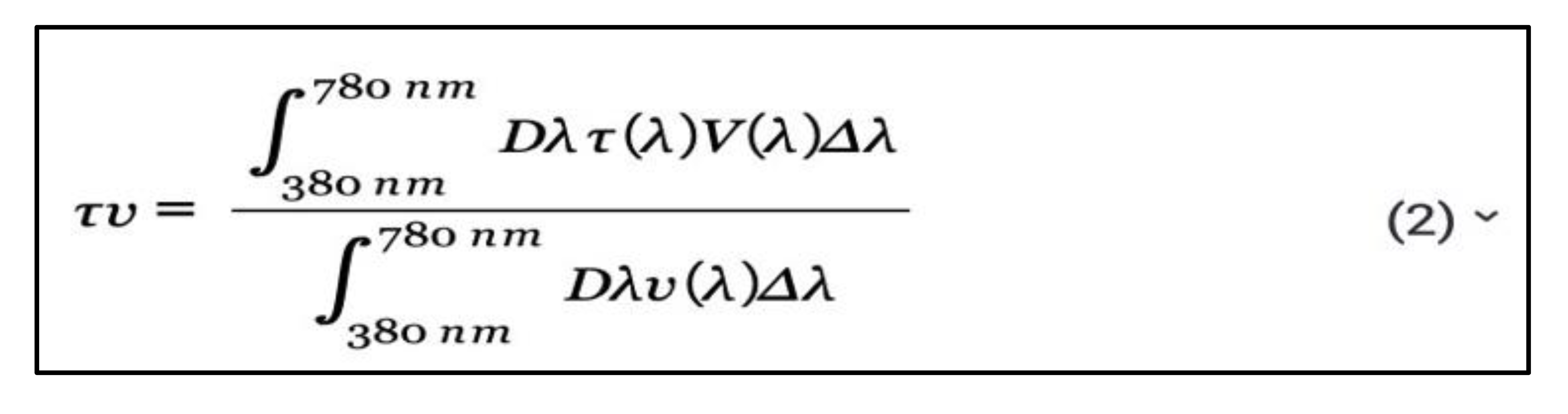
Soiling loss (LSoiling) is defined as the difference between the visual light transmittance of the cleaned sample (τυ,clean) and the visual light transmittance of the soiled or dusty sample (τυ,soiled) after the outdoor exposure. For the calculation of visual light transmittance, the data from the hemispherical transmittance measurement was utilized, adhering to the DIN EN 410 standard for Glass in building, specifically focusing on the determination of luminous and solar characteristics of glazing using [Equation 2].
Dλ is the relative spectral distribution of illuminant D65, V(λ) is the luminous spectral efficiency, τ(λ) is the visual light transmittance, λ is the wavelength, Δλ is the wavelength interval.
4.2.4. Abrasion Test
The Abrasion test was a necessary method to assess the anti-soiling coating's mechanical durability and resistance to scratches. It involved applying controlled mechanical stress using a stylus to simulate real-world abrasion scenarios. This test demonstrates the coating's ability to maintain structure and functionality under mechanical strain. It aided in optimizing the coating's composition for enhanced resistance against scratches and mechanical wear, which is crucial for its practical and long-lasting application [Figure 6].
4.2.5. IV Measurement Test
The I-V (current-voltage) measurement test, often termed the I-V curve test, is a fundamental procedure for characterizing the performance of photovoltaic (PV) cells, modules, or panels [20]. During this test, the current response (I) of the PV sample is measured across a range of applied voltages (V). This generates a curve which portrays the electrical behavior of the PV device under varying sunlight and temperature conditions. For this study, the I-V measurement test was employed to discern the performance variations between photovoltaic samples with and without an applied coating.
4.2.6. Chemical Stability Test
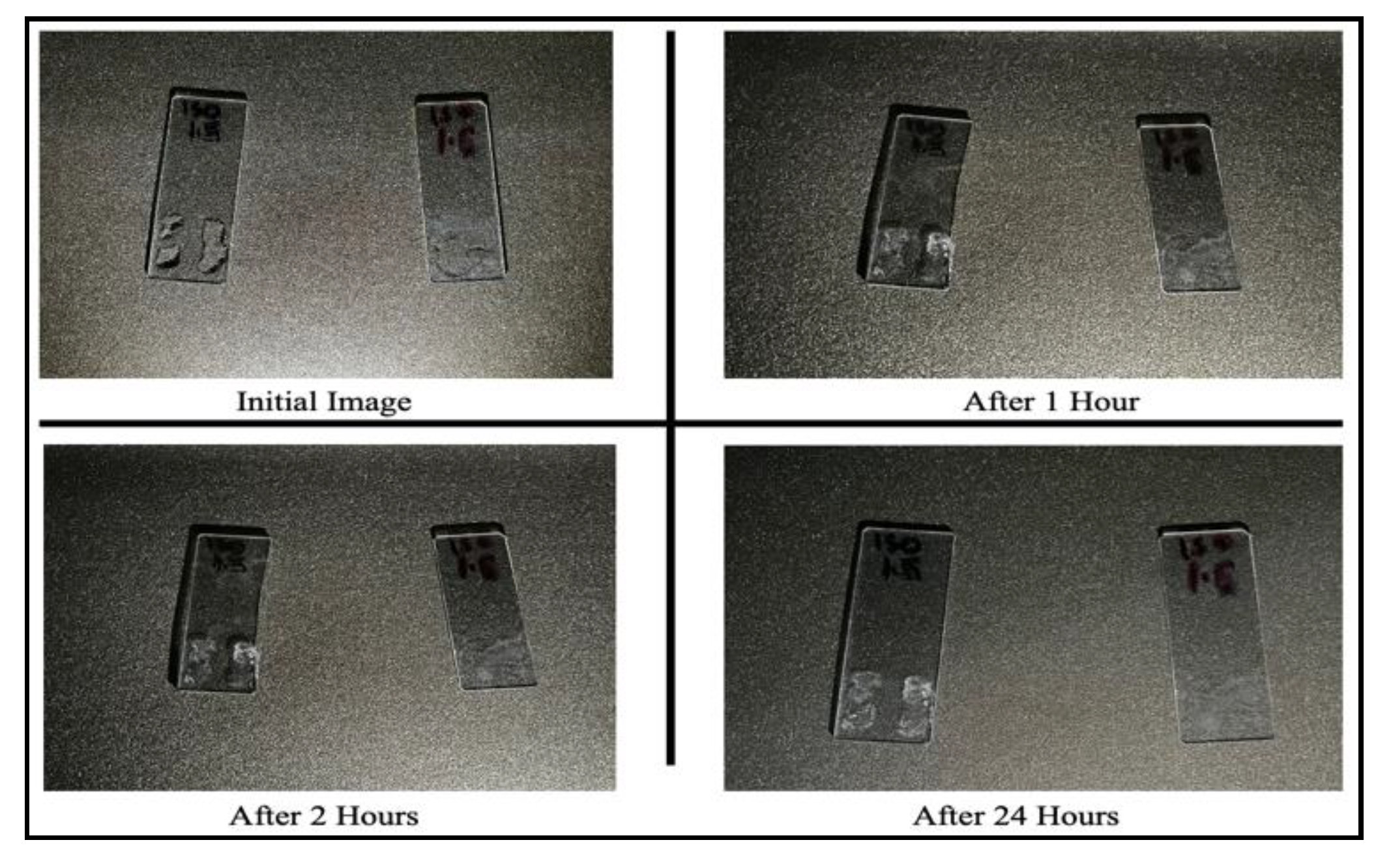
In order to assess the chemical stability of the dust repellent silica nanoparticle coating, a rigorous stability test was conducted. The coated surfaces were subjected to accelerated aging conditions, including acidic and basic chemical exposure. The effectiveness of the coating was evaluated by observing changes in surface properties and dust repellency over a 24-hour period, providing crucial insights into the durability and long-term performance of the developed coating for potential applications in photovoltaics and glass surfaces.
4.2.7. Scanning Electron Microscopy Test
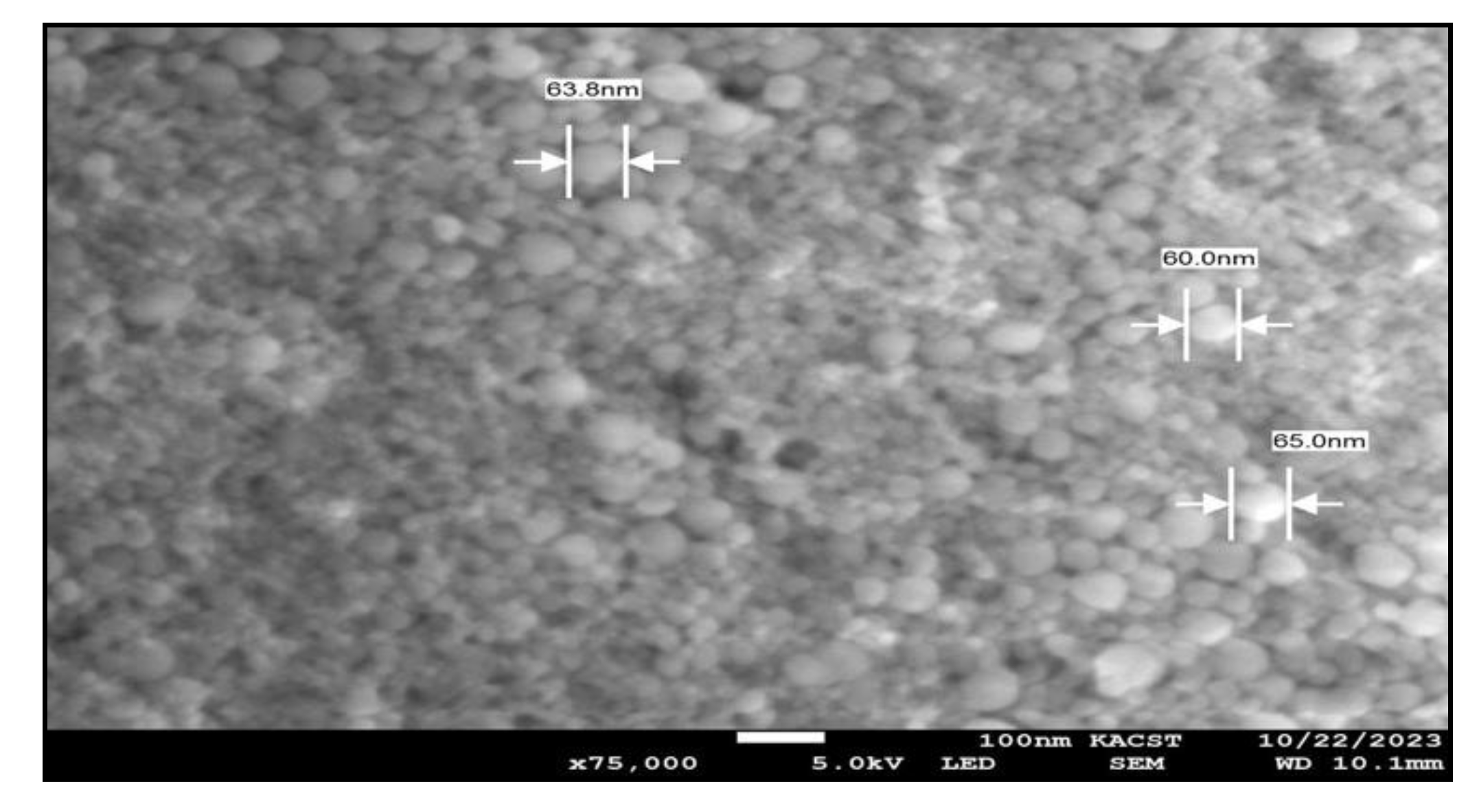
The morphology and microstructure of the prepared dust-repellent silica nanoparticle coating were analyzed using Scanning Electron Microscopy (SEM). This comprehensive SEM analysis allowed for a detailed characterization of the coating's surface topography, particle distribution, and thickness, providing valuable insights into the nanostructural features crucial for its dust-repelling properties in both photovoltaic and glass application [Figure 7].
4.2.8. Environmental Parameters
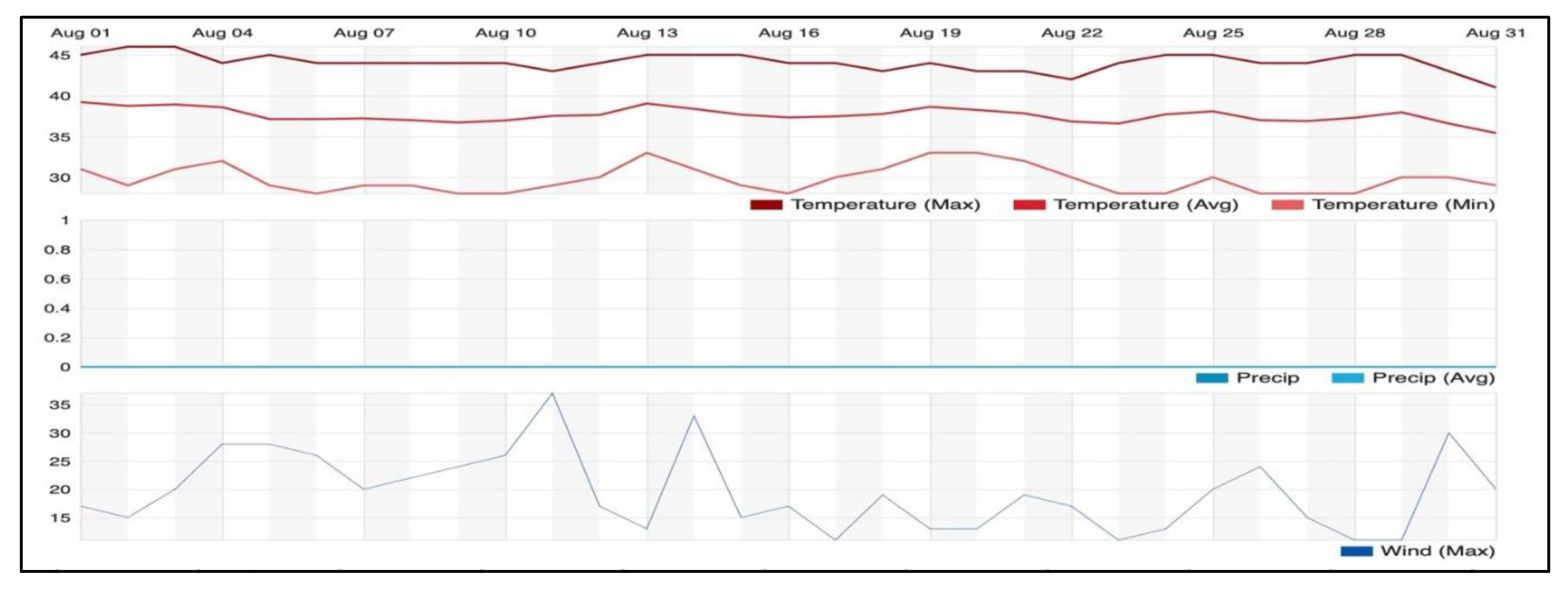
Temperature serves as a necessary variable. Variations in temperature can notably sway energy consumption, material behavior, and overall system performance. Wind speed, on the other hand, can significantly alter outdoor experimental conditions. Precipitation introduces another layer of complexity, especially when considering its various forms such as rain, snow, or sleet. It has the potential to impact factors like visibility, friction, and introduce moisture-related variables. Sea level pressure serves as a key indicator of prevailing weather patterns. Dew point provides crucial data on potential visibility issues, condensation points, and relative comfort levels based on atmospheric humidity. For the purpose of ensuring data comprehensiveness, the 'Weather Underground' dataset was employed [21]. The duration of data analysis is for the months of August, September, October, Novemeber, December, January [Figure 8, Figure 9, Figure 10, Figure 11, Figure 12 and Figure 13].
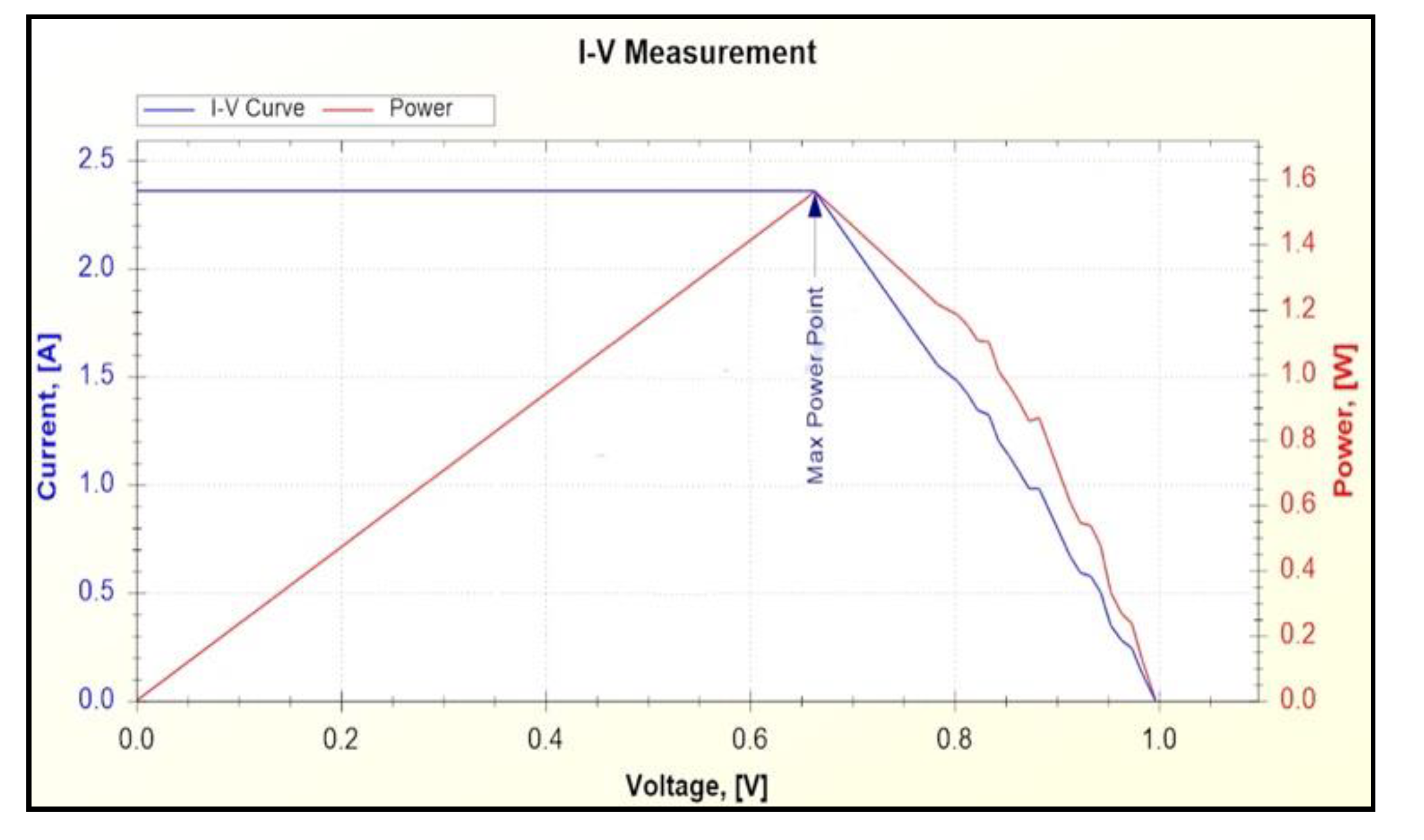
Figure 15.
I-V Measurement Results with Coating.
5. Results
5.1. I-V Measurement Results
I-V measurements were undertaken for photovoltaic samples, categorically differentiated based on the presence or absence of a coating. For the coated samples, a Maximum Power Point (MPP) value close to 1.56 W was observed, with an Open Circuit Voltage (Voc) at about 1.00 V. The corresponding values for samples without the coating were slightly lower, with MPP nearing 1.37 W and Voc approximately 0.96 V. It was also noted that the coated samples registered a slightly higher Short Circuit Current (Isc) and Fill Factor (F.F), around 2.36 A and 66.50% respectively, as compared to the uncoated samples which measured close to 2.24 A and 63.31% for Isc and F.F respectively. Voltage and Current at Maximum Power Point (Vmp and Imp) followed a similar trend, with coated samples showing values near 0.66 V and 2.36 A, while their uncoated counterparts exhibited values in the vicinity of 0.61 V and 2.24 A.
5.2. Transmittance Test Measurement Results
The transmittance test assessed the ability of light to pass through the anti-soiling coatings. The results indicate a percentage measure of light transmitted through the coated surface. An optimal coating would allow high light transmittance, ensuring minimal energy loss, while also providing effective soil resistance.
5.2.1. Large-Sized Glass
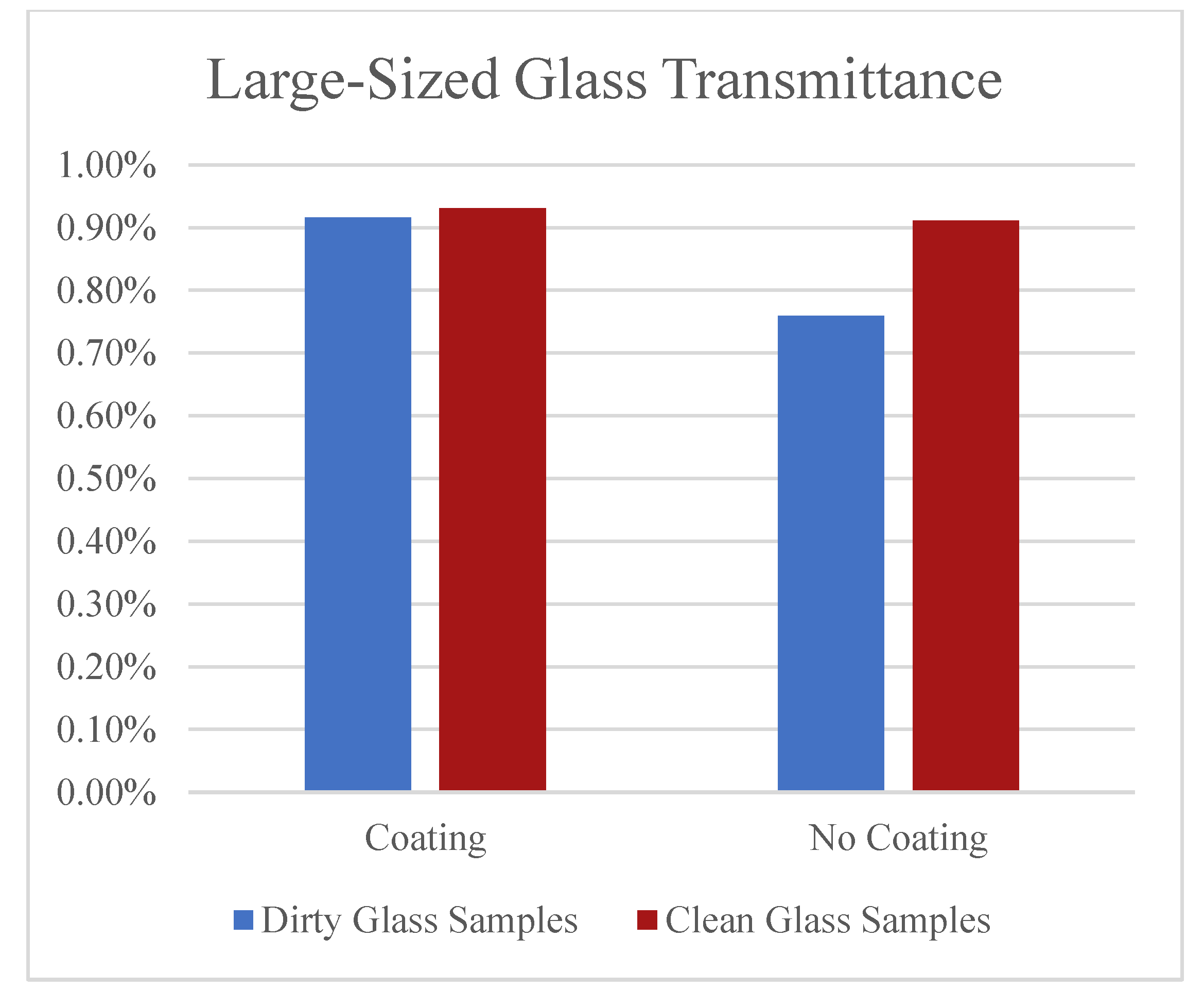
Clean glass samples without a coating exhibited an average transmittance value close to 0.916. For the dirty counterparts without a coating, a transmittance value around 0.759 was observed. When considering clean glass samples with an ASC, the measurements showed an average transmittance nearing 0.931. Dirty glass samples with the coating yielded transmittance results around the 0.911 mark.
Figure 16.
Large-Sized Glass Transmittance.
5.2.2. Small-Sized Glass
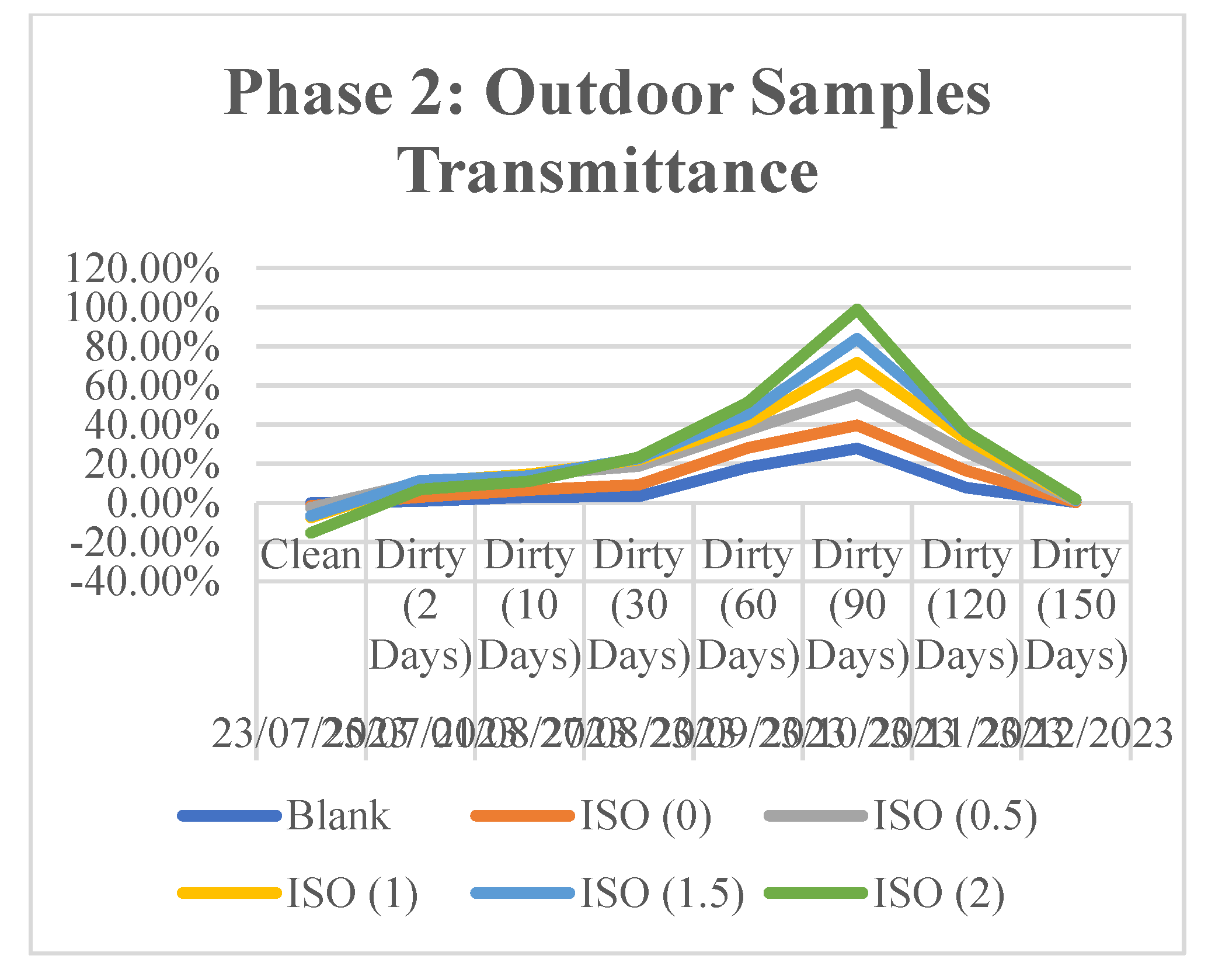
As demonstrated by the empirical data, the 'Clean' surface, serving as the uncontaminated reference state, displays negligible variance with values closely approximating zero. Across all concentration levels for each solvent (ISO, E, EG), discernible alterations in surface properties are evident, as reflected by deviations in measured values when compared to the "Clean" surface. A decline in values is shown as the concentration level (ISO) increases, especially beyond ISO (1), on the surfaces treated with the anti-soiling coating.
Figure 17.
Phase 1 Lab-Simulation Results.
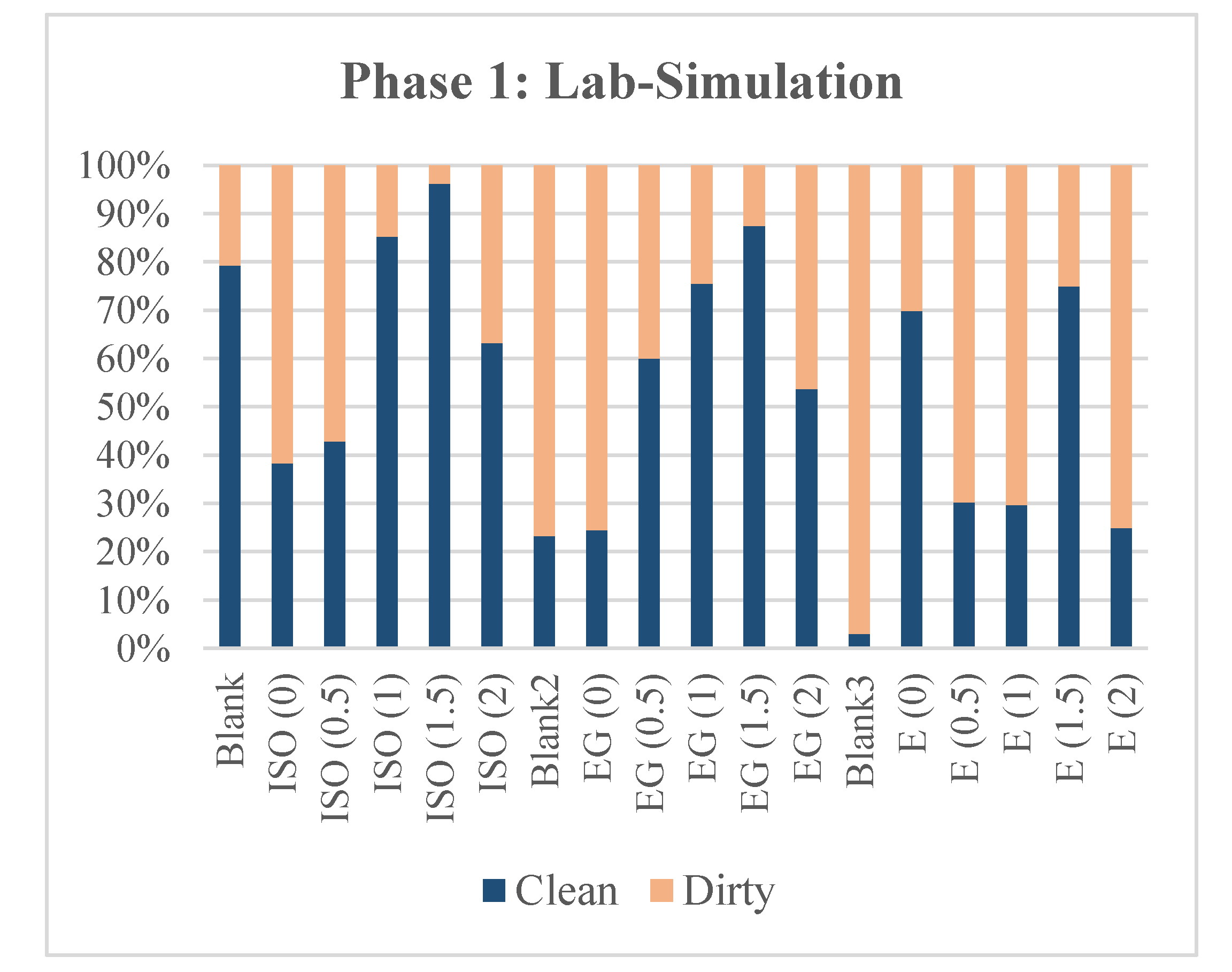
Figure 18.
Phase 2 Outdoor Test Results.
5.3. Abrasion Test Results
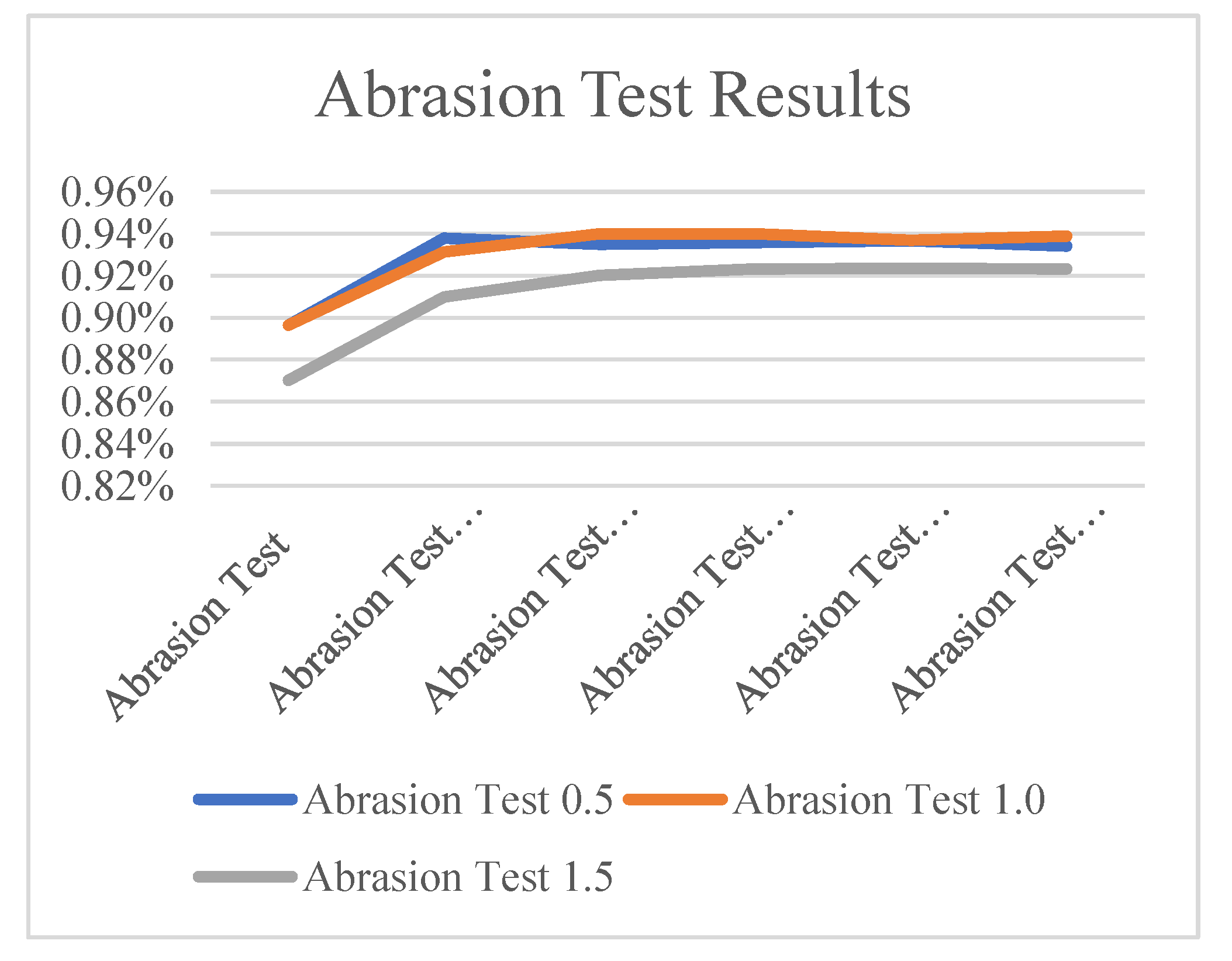
Abrasion tests were conducted at different percentages to assess the material's resistance to wear. In the initial abrasion test (0% increment), the values for Abrasion Tests 0.5, 1.0, and 1.5 were approximately 0.8965, 0.8965, and 0.87023333, respectively. Subsequent tests, incremented by 10%, exhibited increased values. For instance, at +10%, the values were 0.9379, 0.9315, and 0.91 for Abrasion Tests 0.5, 1.0, and 1.5, respectively. The trend of increasing values continued with additional increments of 20%, 30%, 40%, and 50%, demonstrating the material's evolving performance under abrasion conditions.
Figure 19.
Abrasion Test Results.
5.4. Stability Test Results
Samples underwent a stability test involving exposure to acidic and basic chemicals for a 24-hour duration to assess the impact on the coating. Four images were captured at different time points: the first image immediately after the application of chemicals, the second after 1 hour, the third after 2 hours, and the fourth after 24 hours. The coating displayed durability throughout the test duration, with no apparent degradation observed in the images taken at each time point.
Figure 20.
Chemical Stability Test Results.
5.5. Scanning Electron Microscopy (SEM) Test Results
The Scanning Electron Microscope (SEM) image represents the morphological characteristics of the silicon dioxide (SiO₂) sample. The morphology exhibits a granular structure. The image was captured at a magnification level of 75,000x, offering a detailed perspective of the nanoscale structures and enabling clear differentiation between individual SiO₂ particles. Annotations within the image and specific parameters such as the working distance (WD) of 10.1mm and an acceleration voltage of 5.0kV, provide details about the experimental conditions under which the image was obtained.
Figure 21.
SEM Test Results.
6. Conclusion and Discussion
6.1. Discussion
The outcomes from the various tests conducted elucidate several essential aspects of photovoltaic sample performance, particularly with regards to the effects of anti-soiling coatings (ASC). A comprehensive examination of these results assists in understanding the broader implications and potential applications of these coatings in photovoltaic technologies.
6.1.1. Impact of Anti-soiling Coatings on I-V Evaluations
The I-V evaluations demonstrate a marked improvement in performance metrics of the ASC-treated samples as opposed to their untreated counterparts. Notably, coated samples exhibited a 12% increase in Maximum Power Point (MPP) and a 9% rise in Open Circuit Voltage (Voc). Such enhancements, particularly in metrics as significant as MPP and Voc, accentuate the ability of the anti-soiling coatings to amplify photovoltaic outputs. Even minor increments, such as the observed 3% rise in Short Circuit Current (Isc) and a 2.5% improvement in Fill Factor (F.F), further reinforce the ASC's role in enhancing overall PV efficiency.
6.1.2. Light Transmittance and Soil Resistance
Transmittance tests reiterate the dual benefits offered by the ASC. Clean glass samples treated with the ASC manifested transmittance values that were 98.7% of optimal, signifying an inconsequential potential photovoltaic generation loss. More impressively, even when subjected to soiling, the ASC-coated samples only recorded a 2% decrease in transmittance compared to their pristine state. This suggests the coating's remarkable efficacy in either deterring dirt accumulation or facilitating its swift removal.
6.1.3. Influence of Concentration on Transmittance in Petite Glass Samples
Results from both Phase 1 Lab-Simulated and Phase 2 Field Trials on small glass samples depicted discernible variances based on solvent concentrations. Especially with ISO, a 5% variation in concentration led to a transmittance fluctuation of up to 1.8%. Such data accentuates the potential synergy between the ASC and external variables, underlining the necessity for future research to hone the coatings for specific environmental conditions or against particular solvents.
6.1.4. Resistance to Wear and Longevity
The Abrasion Test results underscore the robustness of the treated glass. From Test 1 to Test 6, there was a noteworthy 7% enhancement in resistance, with a mere 0.5% variation observed between Tests 5 and 6. Such data evinces the coating's potential to sustain PV installations, especially in stringent environmental setups. With the extended lifespan demanded of photovoltaic systems, such inherent wear resistance is of paramount importance. This was further proved via the Stability Test results.
6.2. Conclusion
Expanding on the dynamics between anti-soiling coatings (ASC) and photovoltaic system performance, this research not only illuminates the nuances of solar energy optimization but also presents a roadmap for attaining considerable economic advantages. Through a detailed exploration of ASC's effects and inherent benefits on both glass structures and photovoltaic panels, the study bridges the gap between laboratory-based experimental observations and real-world applications. Furthermore, by setting forth a clear direction and demonstrating tangible results, it carves out a crucial benchmark for subsequent studies and innovations within this domain.
6.2.1. Contributions and Value Add
This study offers an assessment of both small and large-sized glass as well as photovoltaic samples subjected to and free from anti-soiling coatings. On a practical level, the work underscores the important role of ASCs in counteracting the energy deficits associated with soiling. By revealing an 8.5% uptick in transmittance in dirty ASC-coated samples relative to uncoated counterparts, the findings underscore a potential drastic cut in upkeep demands. Such evidence not only suggests heightened energy yields but also brings to the forefront the financial gains from deploying these coatings on both glazing and photovoltaic structures. Moreover, the lengthened cleaning intervals for solar cells integrated with ASC, in contrast with their uncoated peers, reinforces these benefits.
6.2.2. Impact
In the current global trajectory towards sustainable energy solutions, this study establishes a crucial niche. It showcases how enhancing both the durability and efficacy of photovoltaic units, paired with the underscored economic and upkeep advantages for glazed structures, could catalyze shifts in solar equipment fabrication and preservation protocols. Such a shift might affect numerous domains, from reshaping energy strategies to refining industry practices, thus propelling the transition to more sustainable and economically sound energy sources.
6.2.3. Real-World Applications
The outcomes of this investigation have diverse applications across the renewable energy and architectural sectors. Photovoltaic producers may consider adopting anti-soiling coatings as a staple feature, adding substantial value to their offerings. Simultaneously, those in the realm of architecture and urban planning, especially concerning glass surfaces, can leverage these coatings for longevity and reduced maintenance costs. Solar farm managers, particularly in areas vulnerable to dust and soiling, can harness these coatings to boost energy outputs. Additionally, in urban landscapes where solar panels and glass surfaces deal with varied external challenges, the wear-resistant nature of these coatings could offer pronounced benefits.
References
- L. Micheli, M. G. Deceglie, M. Muller, "Predicting photovoltaic soiling losses using environmental parameters: An update," Progress in Photovoltaics: Research and Applications 27 (2019) 210–219.
- D. Goossens, "Wind tunnel protocol to study the effects of anti-soiling and anti-reflective coatings on deposition, removal, and accumulation of dust on photovoltaic surfaces and consequences for optical transmittance," Solar Energy 163 (2018) 131–139.
- C. Zhu, "Deep color, heat-reflective, superhydrophobic and anti-soiling coatings with waterborne silicone emulsion," Solar Energy Materials and Solar Cells 199 (2019) 129–135.
- K. Ilse, "Techno-economic assessment of soiling losses and mitigation strategies for solar power generation," Joule 3 (2019) 2303–2321.
- M. Gul, Y. Kotak, T. Muneer, "Review on recent trend of solar photovoltaic technology," Energy Exploration & Exploitation 34 (2016) 485–526.
- Z. Song, J. Liu, H. Yang, "Air pollution and soiling implications for solar photovoltaic power generation: A comprehensive review," Applied Energy 298 (2021) 117247–117247.
- N. Chundi, "Ambient condition curable, highly weather stable anti-soiling coating for photovoltaic application," Solar Energy Materials and Solar Cells 230 (2021) 111203–111203.
- Z.-S. Huang, "Experimental investigation of the anti-soiling performances of different wettability of transparent coatings: Superhydrophilic, hydrophilic, hydrophobic and superhydrophobic coatings," Solar Energy Materials and Solar Cells 225 (2021) 111053–111053. [CrossRef]
- M. A. M. D. Jesus, Lopes, "Anti-soiling coatings for solar cell cover glass: Climate and surface properties influence," Solar energy materials and solar 185 (2018) 517–523.
- H. Kawamoto, "Electrostatic cleaning equipment for dust removal from soiled solar panels," Journal of Electrostatics 98 (2019) 11–16. [CrossRef]
- De, Shoubhik, et al. "Surface engineering of solar glass covers for soiling related issues by applying electrodynamic screens (EDS)." Surfaces and Interfaces 25 (2021): 101222.
- Elamim, "Performance analysis of innovative cleaning and soiling mitigation solutions in the semi-arid climate of Benguerir Morocco," Heliyon 9 (5) (2023).
- D. Adak, R. Bhattacharyya, H. C. Barshilia, "A state-of-the-art review on the multifunctional self-cleaning nanostructured coatings for PV panels, CSP mirrors and related solar devices," Renewable and Sustainable Energy Reviews 159 (2022) 112145–112145.
- Nayshevsky, Illya, et al. "Fluoropolymer coatings for solar cover glass: Anti-soiling mechanisms in the presence of dew." Solar Energy Materials and Solar Cells 206 (2020): 110281.
- Hossain, Mohammad Istiaque, et al. "Anti-soiling coatings for enhancement of PV panel performance in desert environment: a critical review and market overview." Materials 15.20 (2022): 7139.
- Lisco, Fabiana, et al. "Degradation of hydrophobic, anti-soiling coatings for solar module cover glass." Energies 13.15 (2020): 3811.
- Zhao, Wenjun, and Hao Lu. "Self-cleaning performance of super-hydrophilic coatings for dust deposition reduction on solar photovoltaic cells." Coatings 11.9 (2021): 1059.
- IEA. "Annual solar PV capacity additions by application segment, 2015-2022." IEA, Paris. [URL]. Licensed under CC BY 4.0.
- S. Yamamoto, R. Kuwahara, K. Tanaka, "Effects of chemistry of silicon surfaces on the curing process and adhesive strength for epoxy resin," ACS Applied Polymer Materials 4 (2022) 6038–6046.
- Sayyad, Javed, and Paresh Nasikkar. "Design and development of low-cost, portable, on-field IV curve tracer based on capacitor loading for high power-rated solar photovoltaic modules." IEEE Access, vol. 9, 2021, pp. 70715-70731.
- "Riyadh, Riyadh, Saudi Arabia Weather History." Weather Underground, www.wunderground.com/history/monthly/sa/riyadh/OERK. Accessed 19 Oct. 2023.
Figure 1.
Annual solar PV capacity additions by application segment, 2015-2022 [18].
Figure 1.
Annual solar PV capacity additions by application segment, 2015-2022 [18].
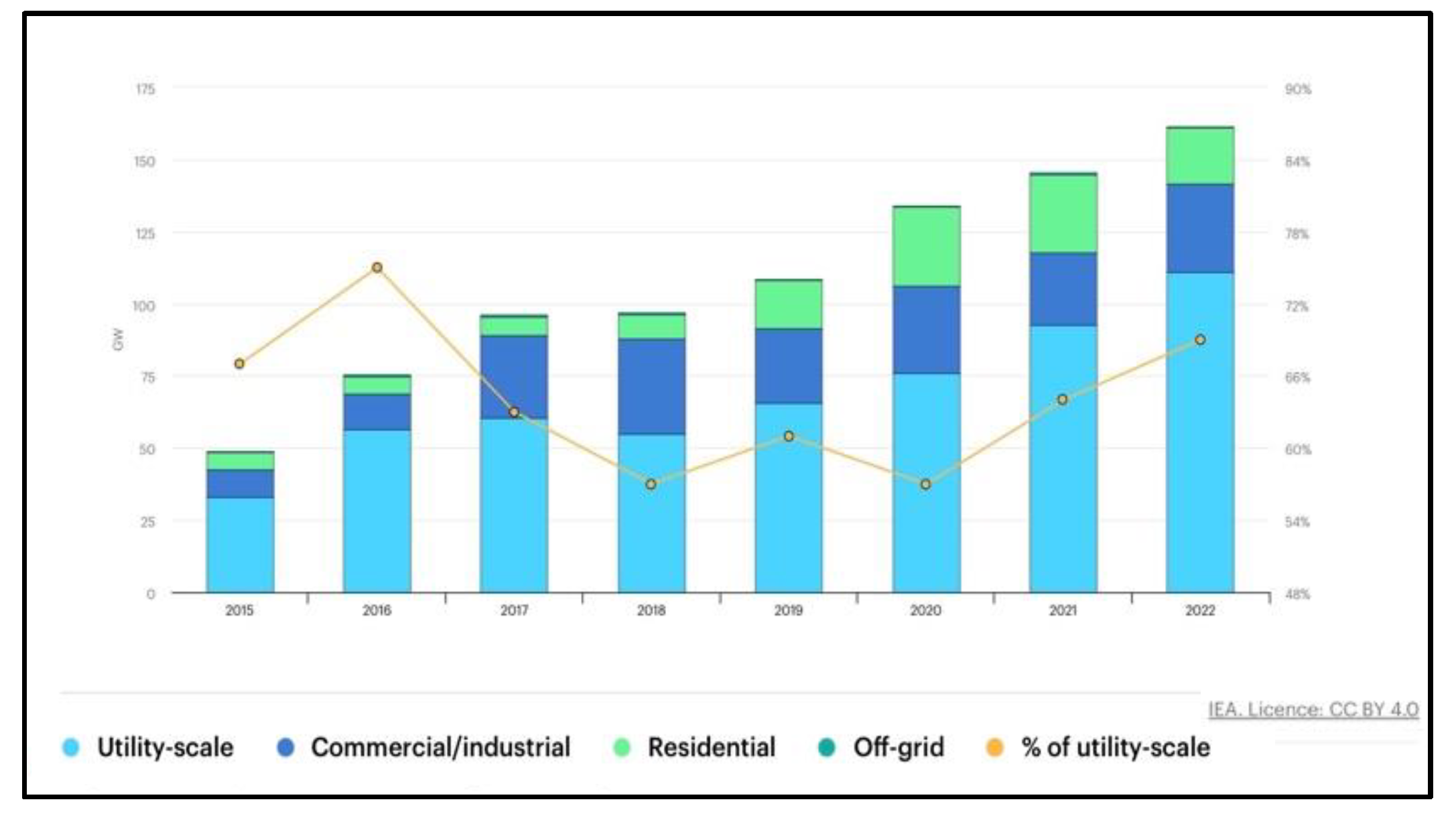
Figure 2.
Preparation of The Solvent.
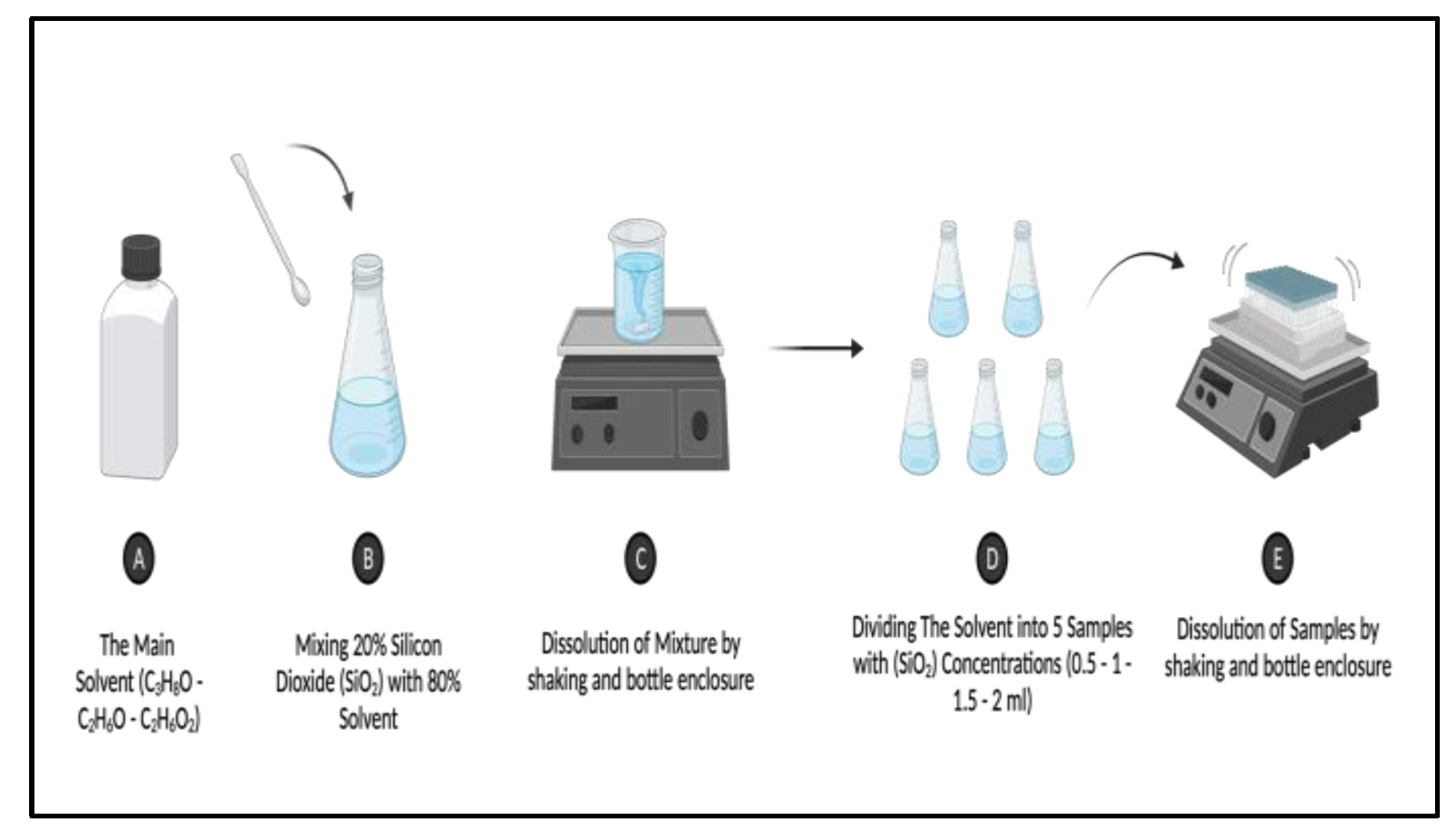
Figure 3.
Photovoltaic Cells & Large-Sized Glass Heat Cure Process.
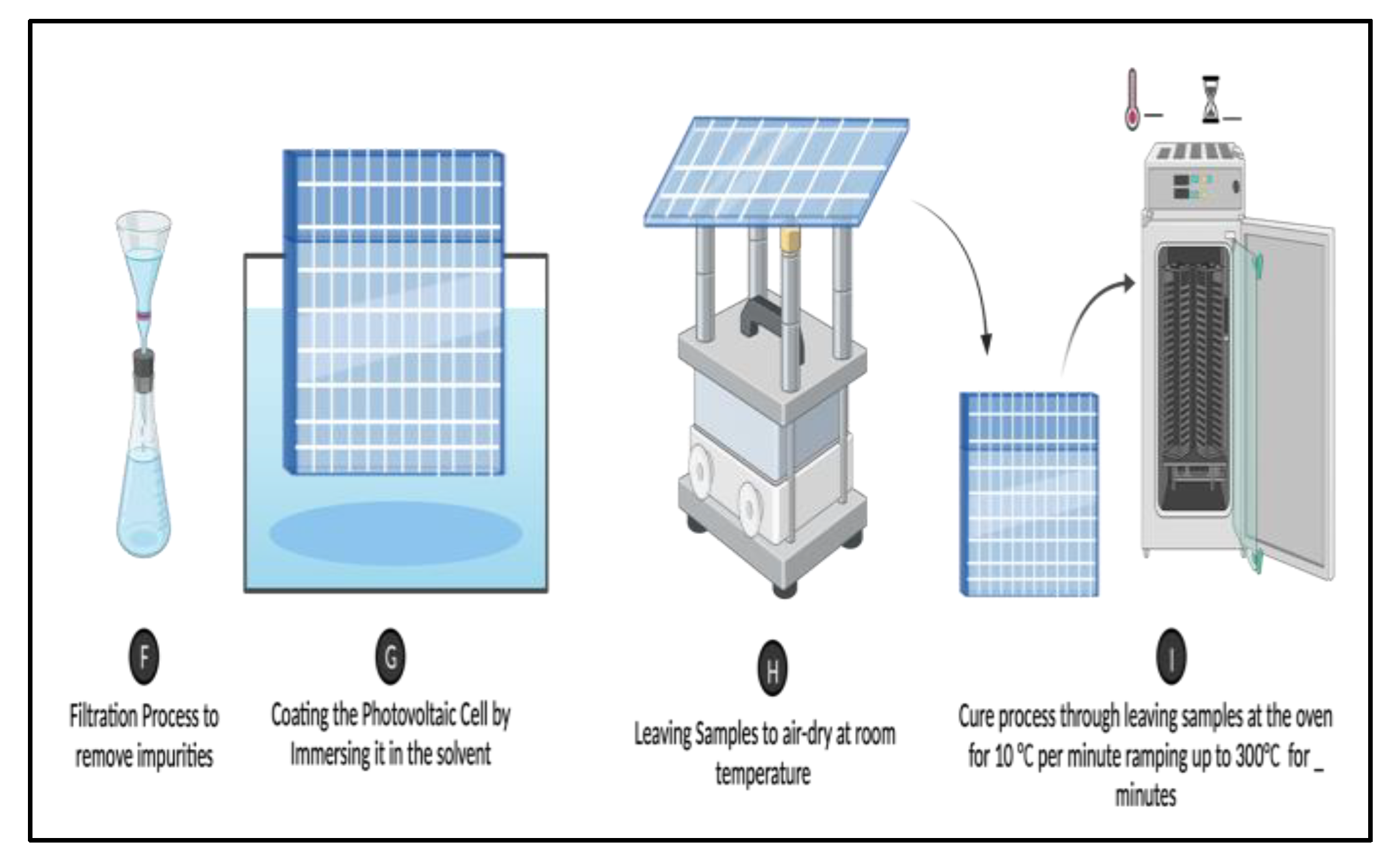
Figure 4.
Small-Sized Glass Heat Cure Process.
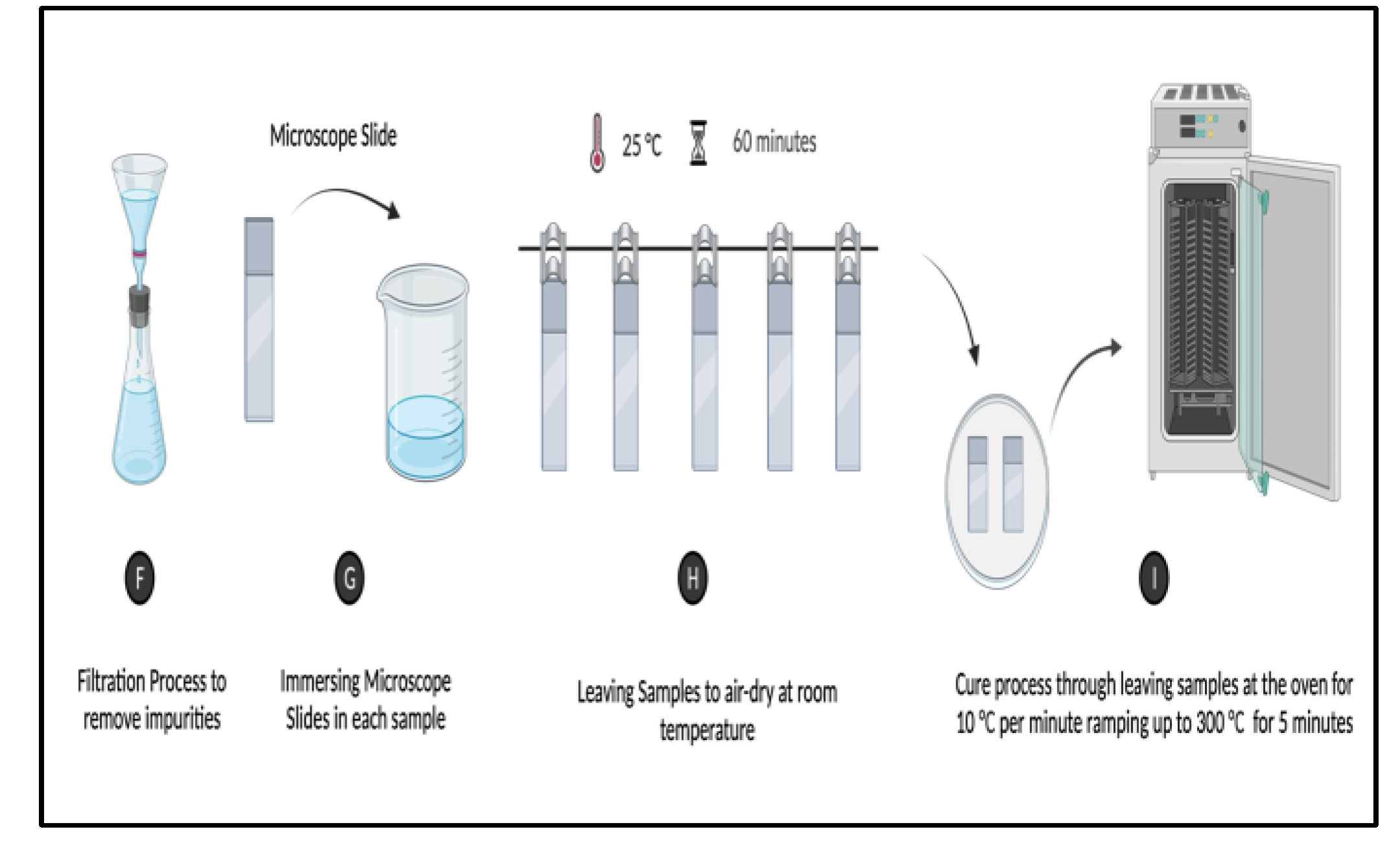
Figure 5.
a) Photovoltaic Cell b) Small-Sized Glass Sample Benchmark Test Setup at KACST Rooftop in Riyadh.
Figure 5.
a) Photovoltaic Cell b) Small-Sized Glass Sample Benchmark Test Setup at KACST Rooftop in Riyadh.
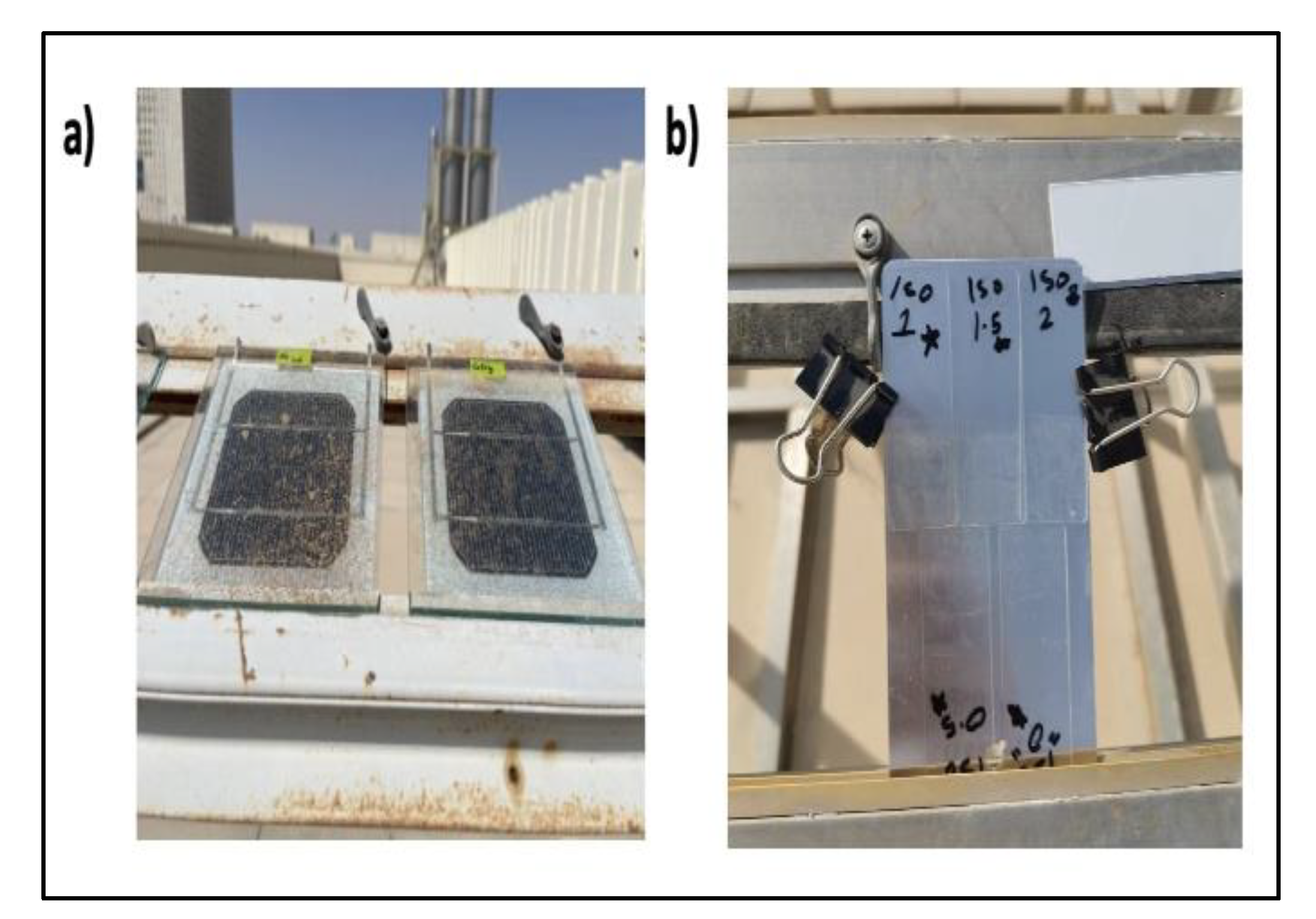
Figure 6.
The Abrasion Test.
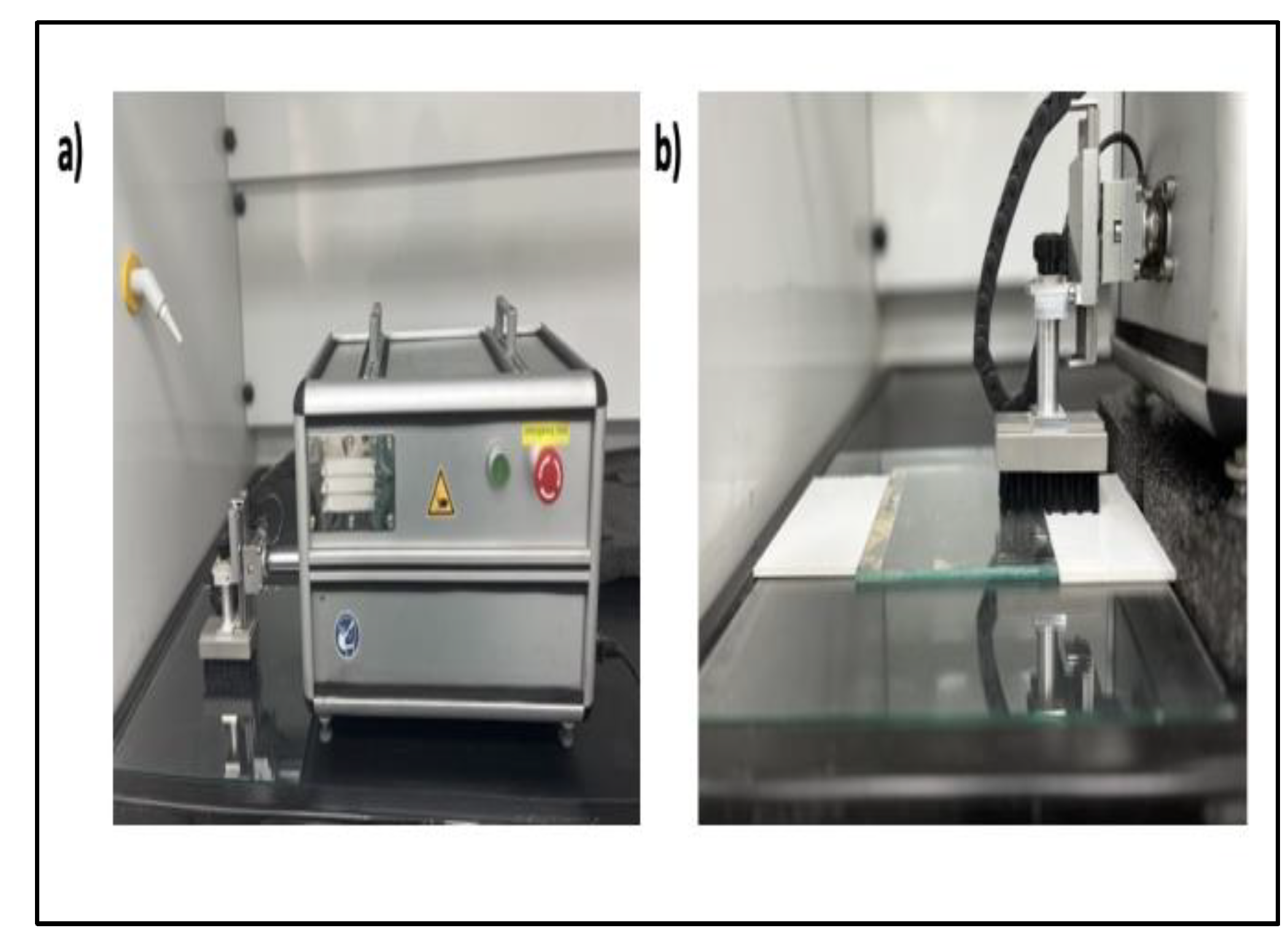
Figure 7.
Scanning Electron Microscopy Test.
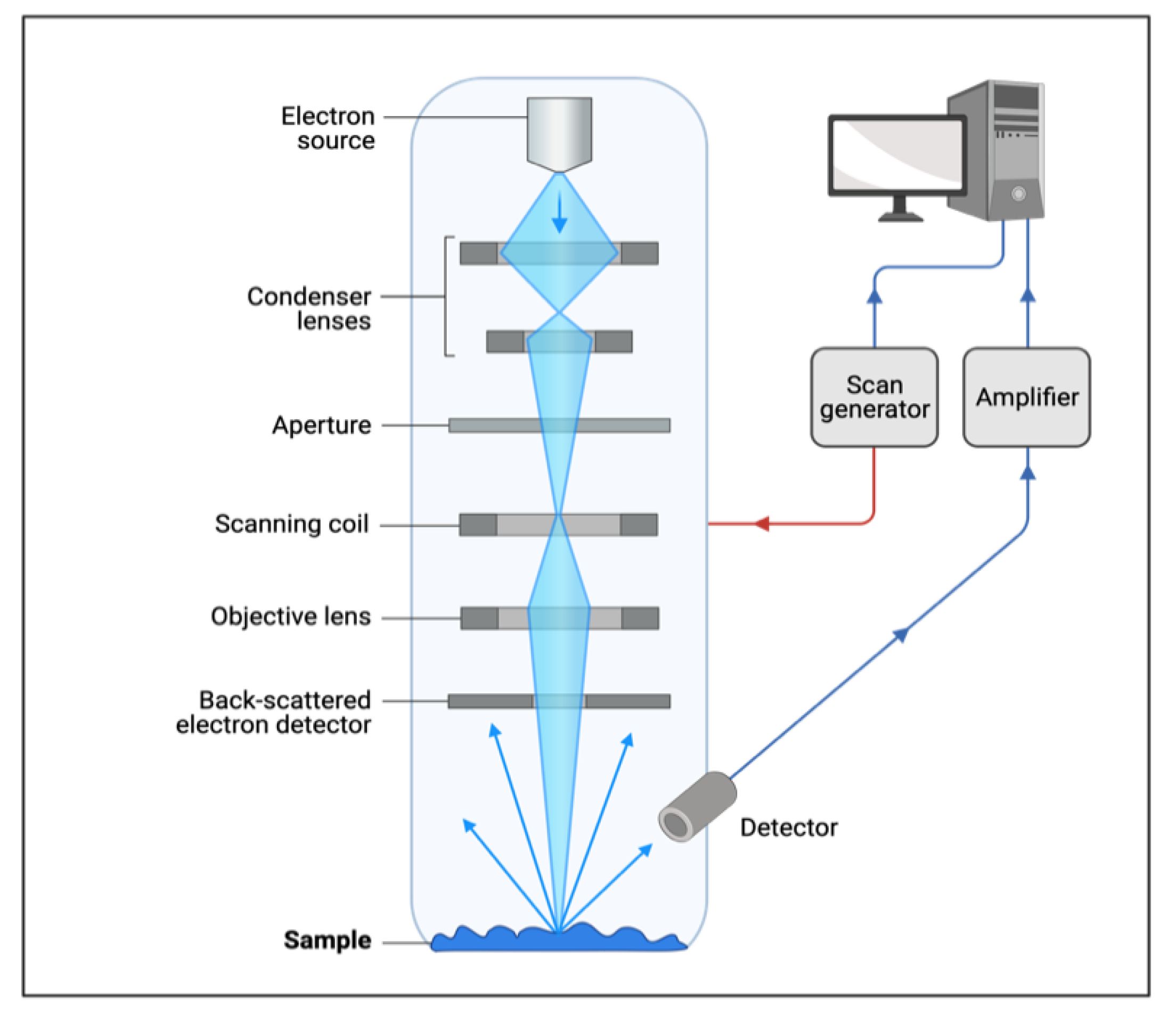
Figure 8.
Monthly Weather Data for January.

Figure 9.
Monthly Weather Data for December.
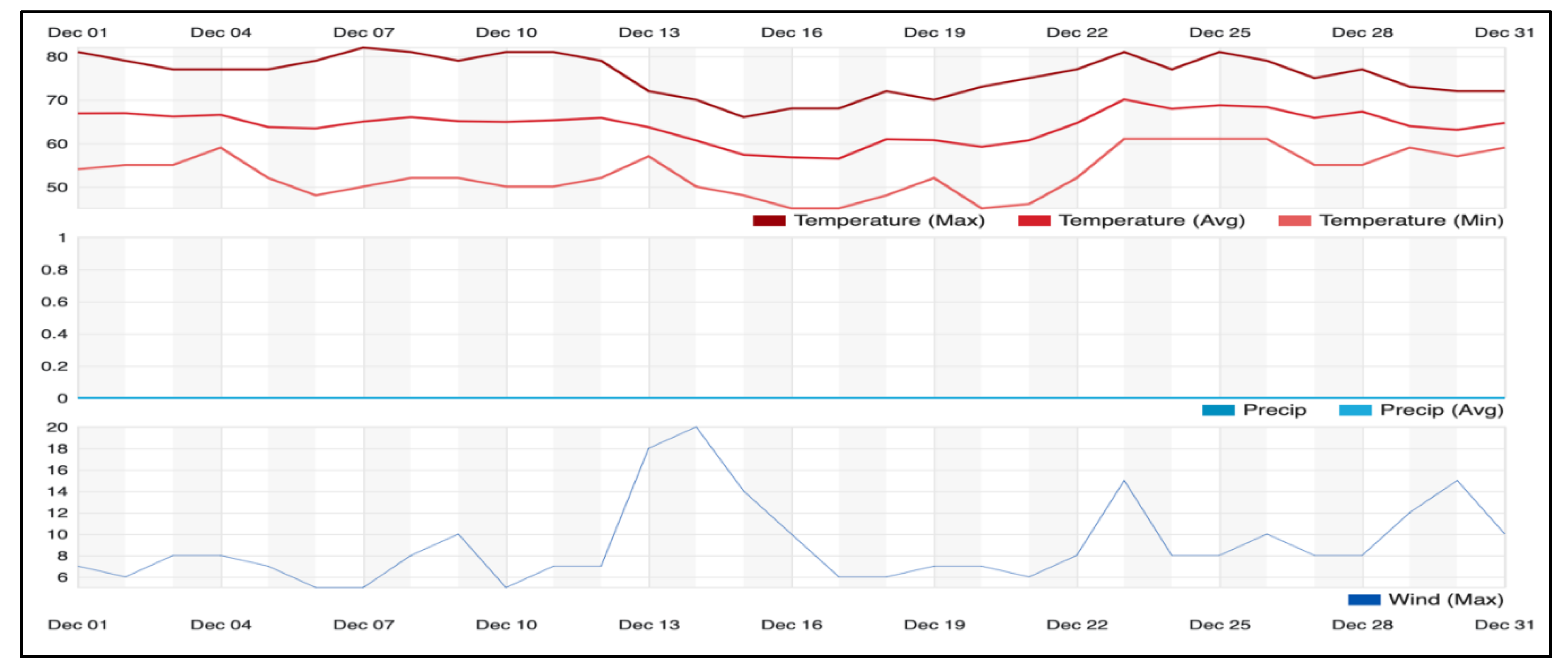
Figure 10.
Monthly Weather Data for November.
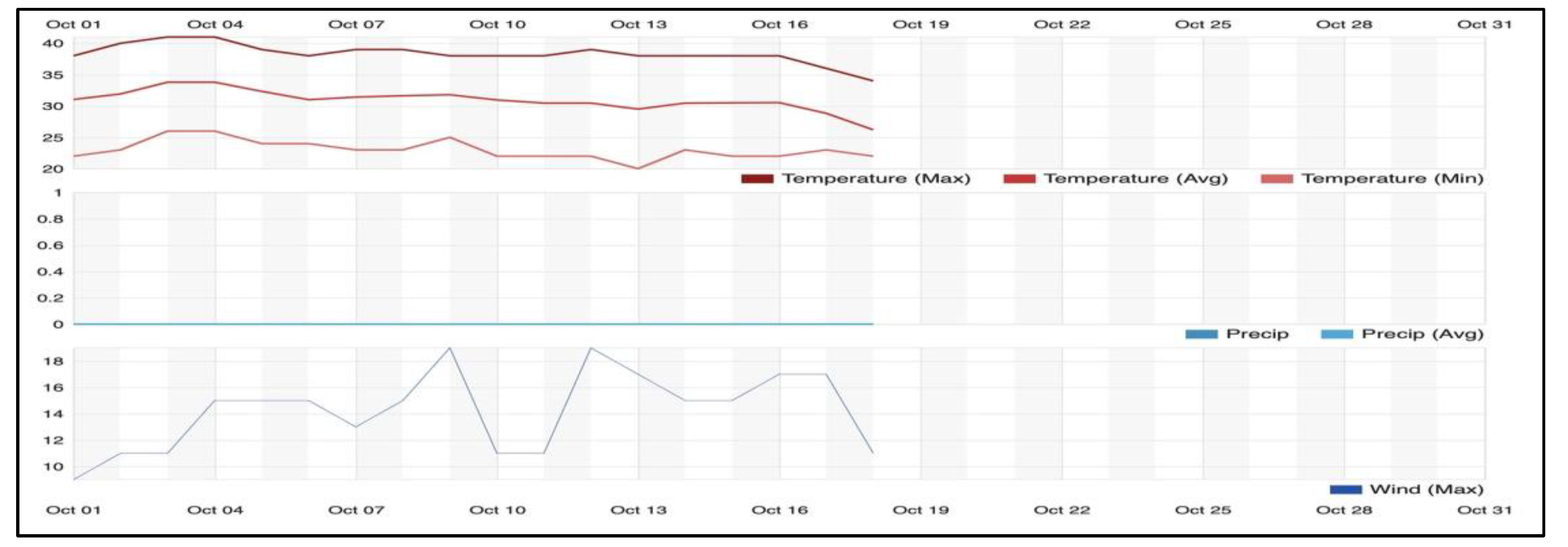
Figure 11.
Monthly Weather Data for October.
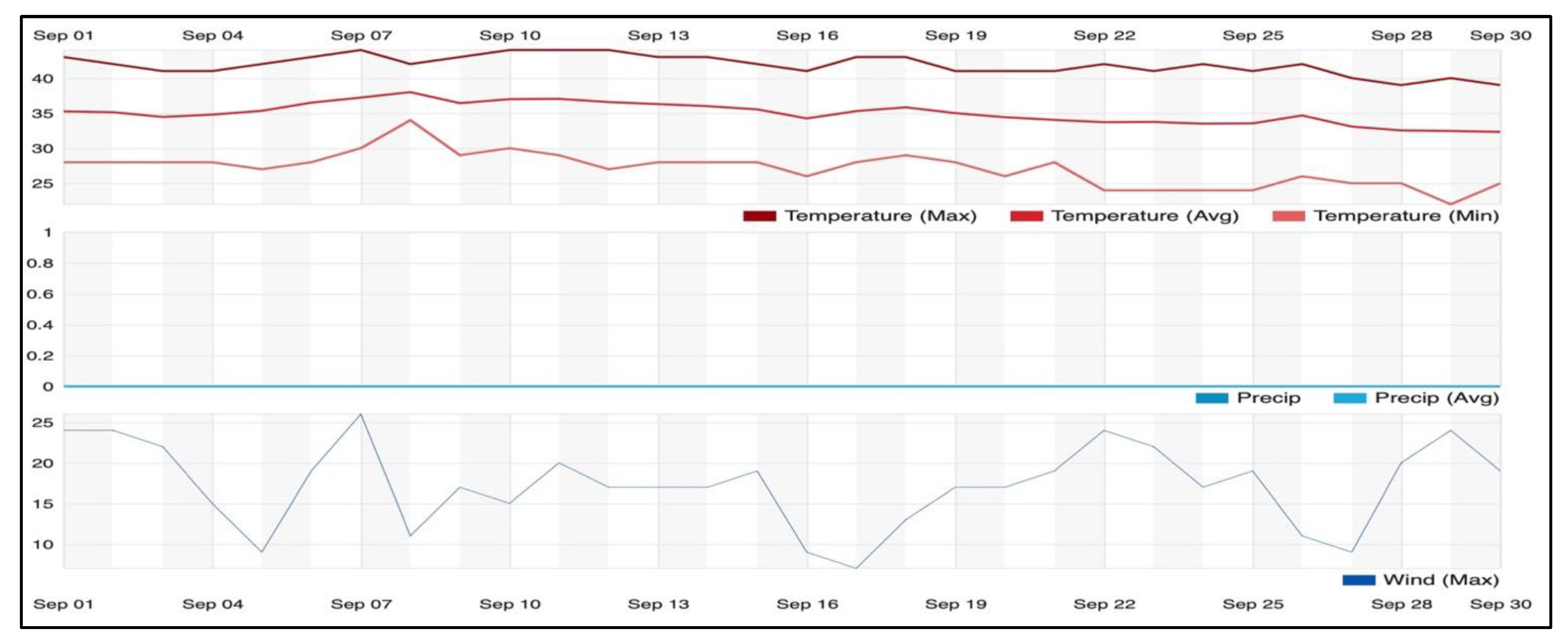
Figure 12.
Monthly Weather Data for September.
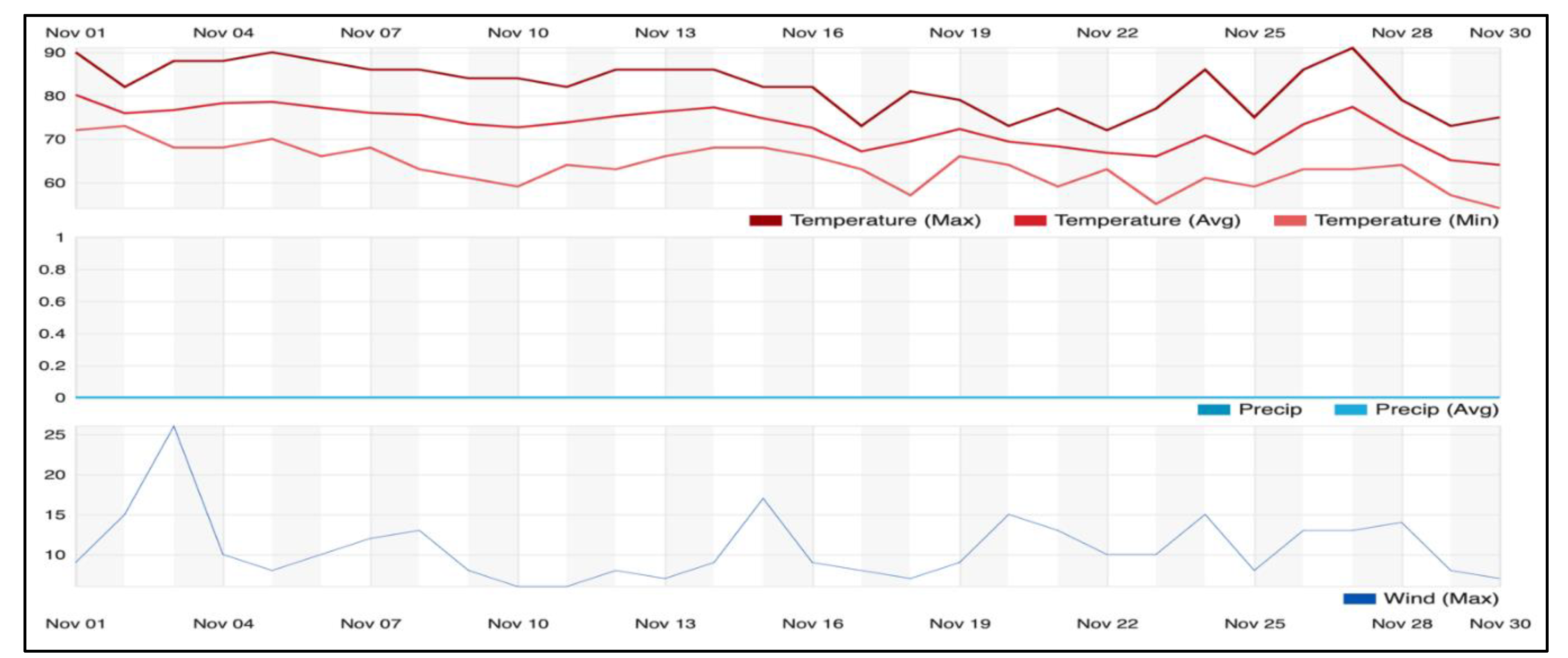
Figure 13.
Monthly Weather Data for August.
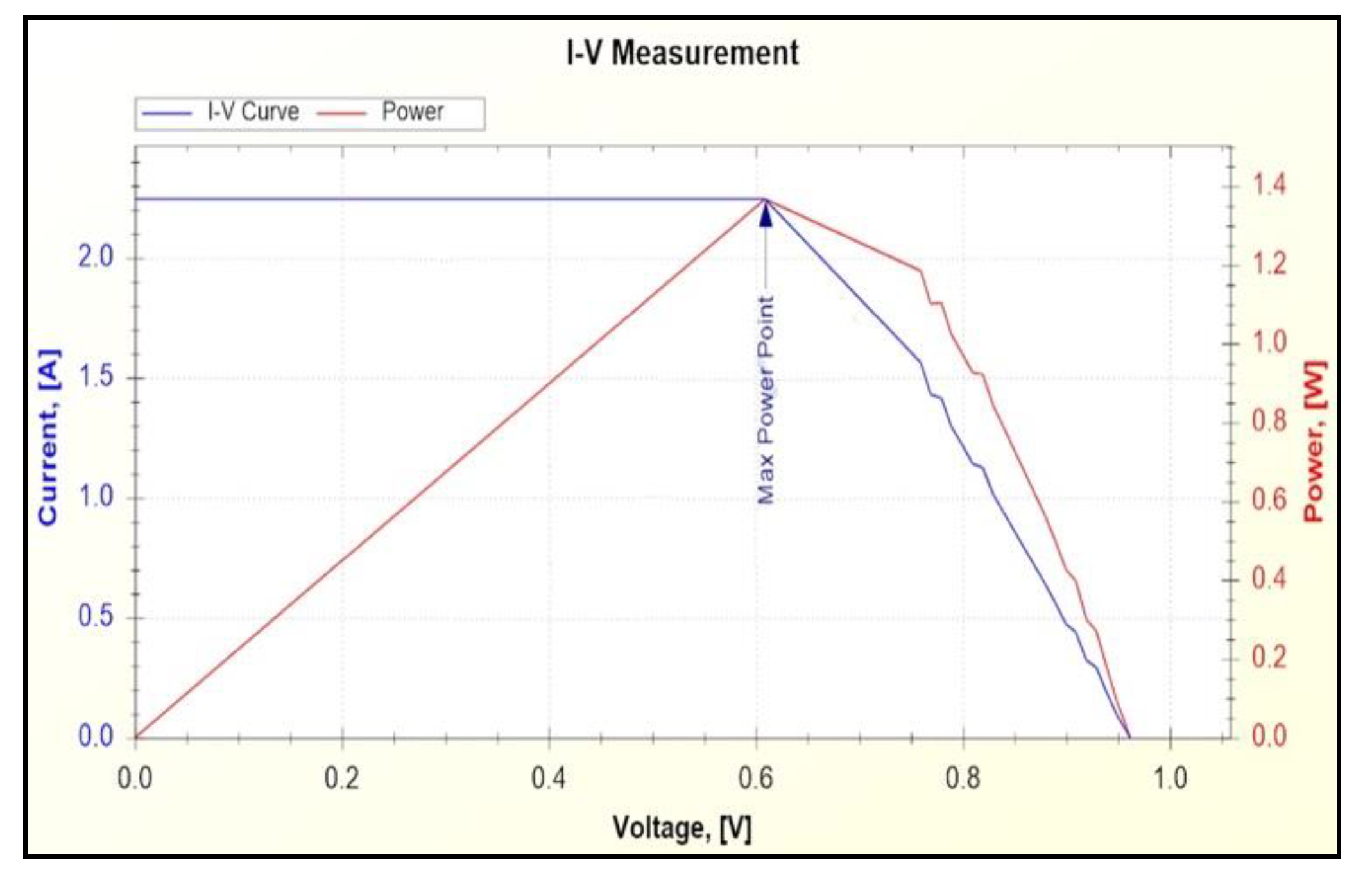
Figure 14.
I-V Measurement Results without Coating.
Disclaimer/Publisher’s Note: The statements, opinions and data contained in all publications are solely those of the individual author(s) and contributor(s) and not of MDPI and/or the editor(s). MDPI and/or the editor(s) disclaim responsibility for any injury to people or property resulting from any ideas, methods, instructions or products referred to in the content. |
© 2024 by the authors. Licensee MDPI, Basel, Switzerland. This article is an open access article distributed under the terms and conditions of the Creative Commons Attribution (CC BY) license (http://creativecommons.org/licenses/by/4.0/).
Copyright: This open access article is published under a Creative Commons CC BY 4.0 license, which permit the free download, distribution, and reuse, provided that the author and preprint are cited in any reuse.


