

Submitted:
28 November 2024
Posted:
28 November 2024
You are already at the latest version
Abstract
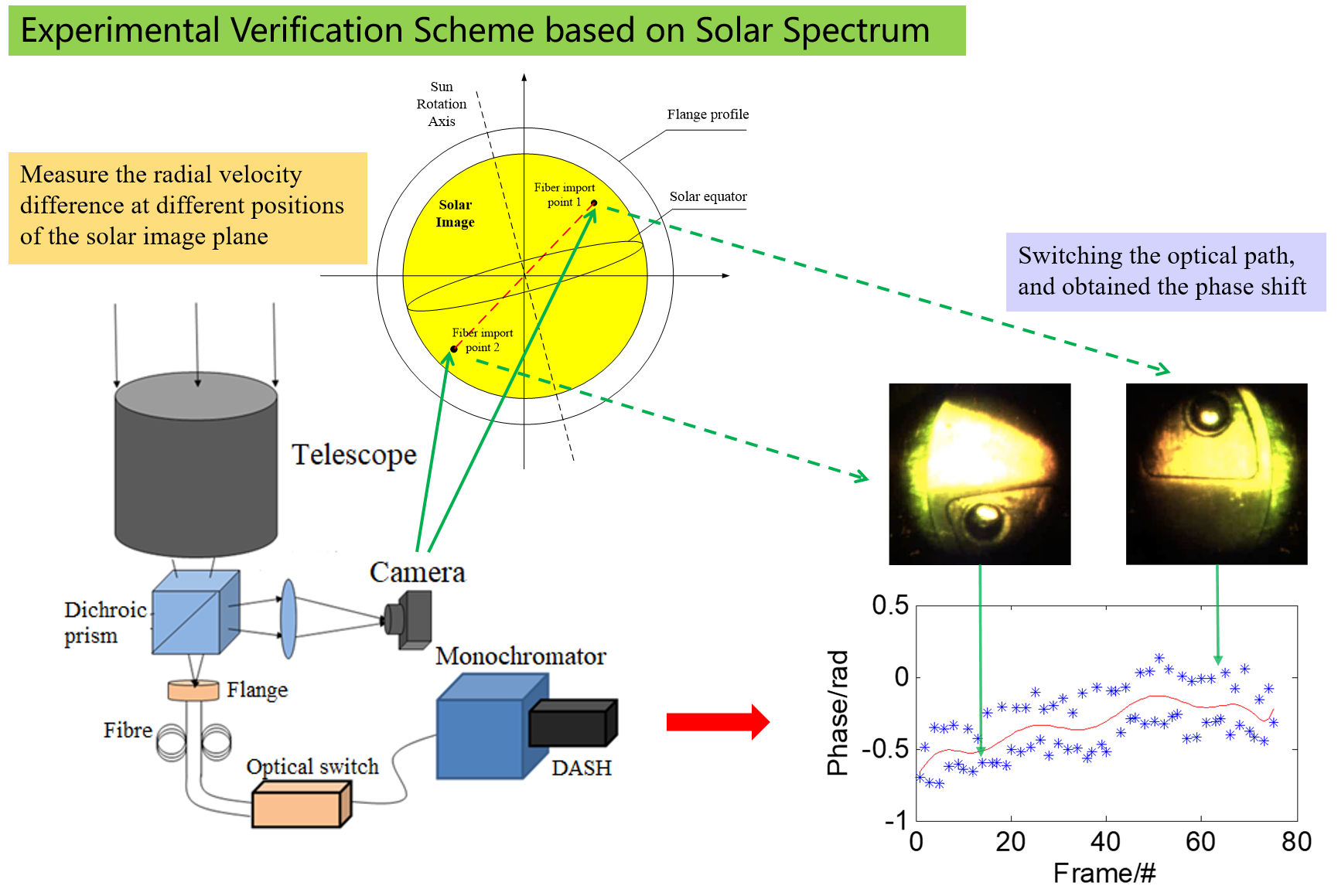
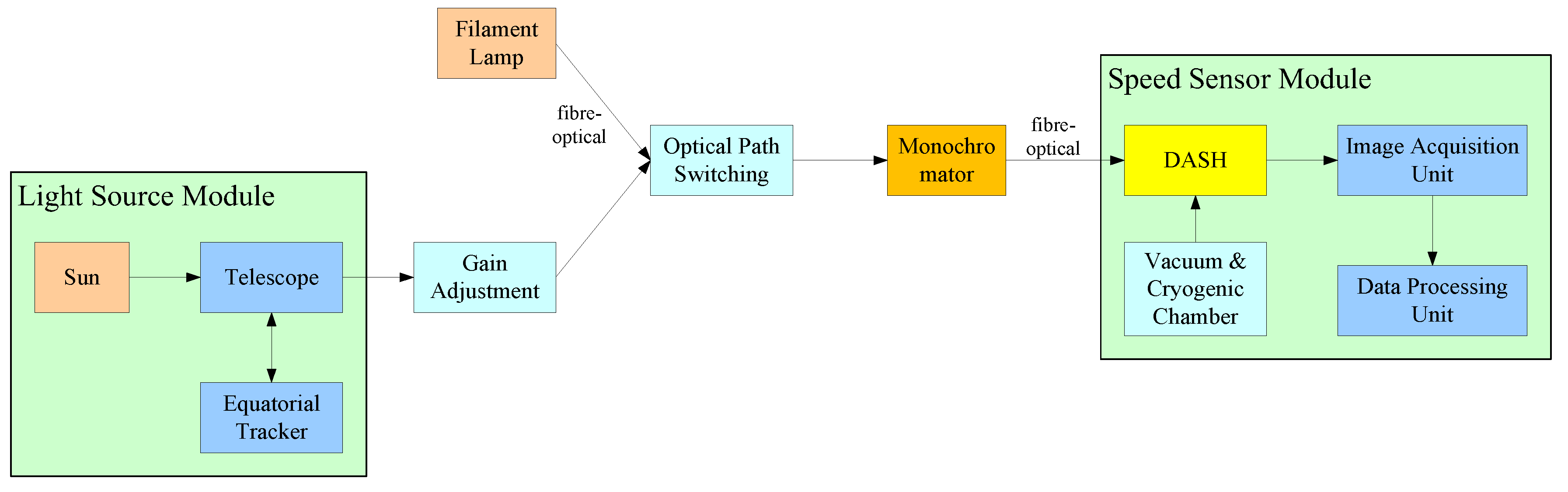
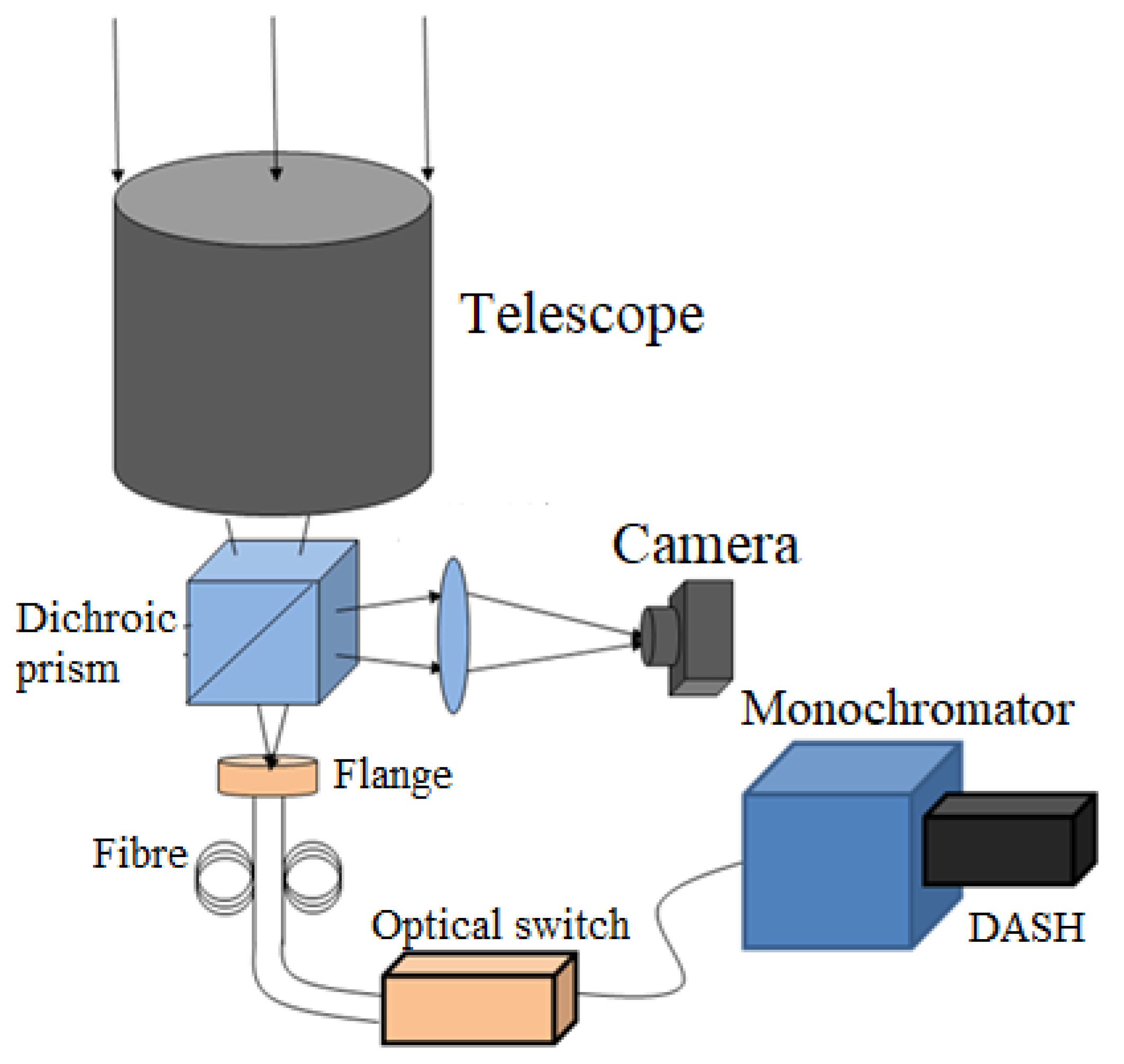
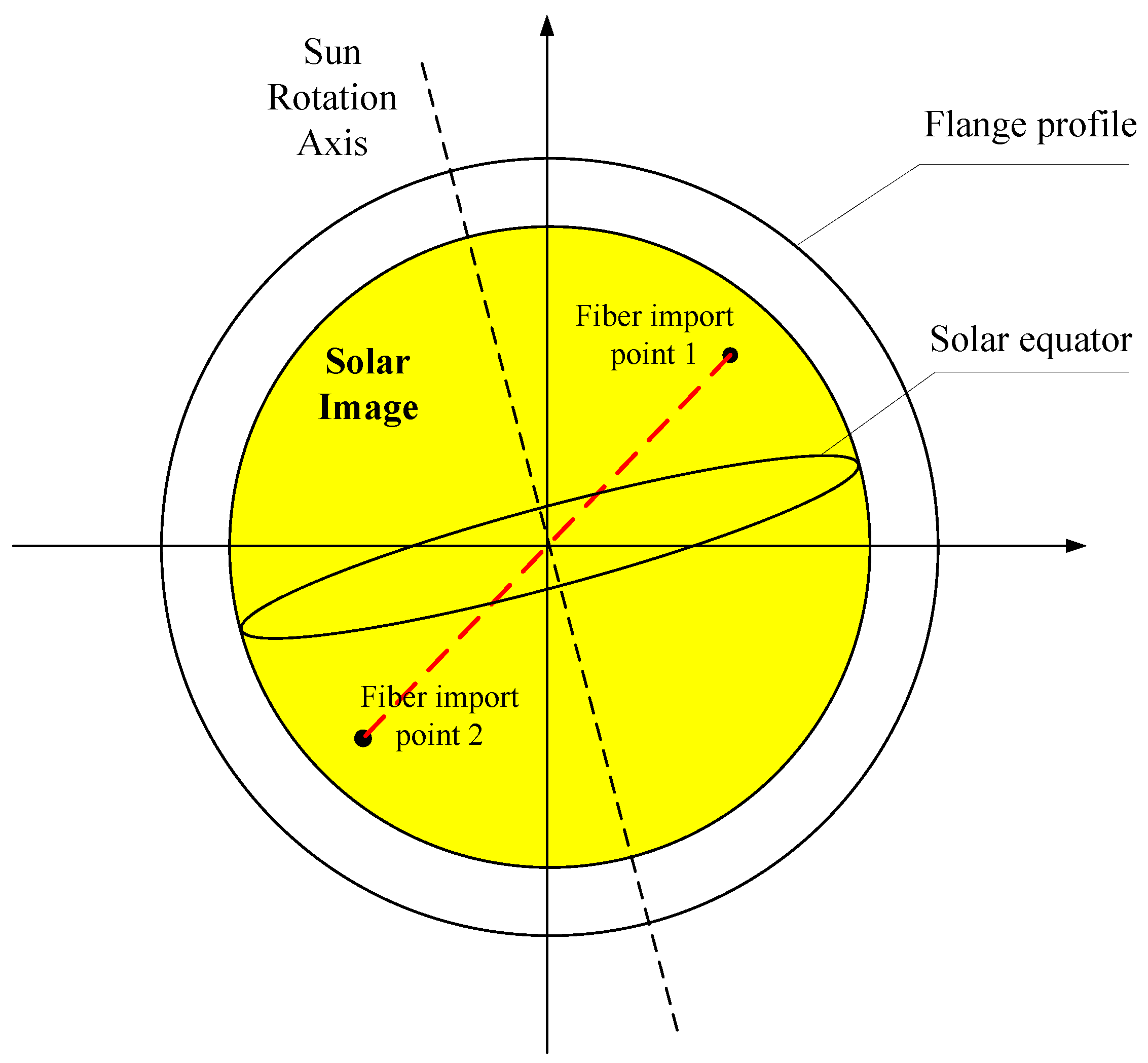
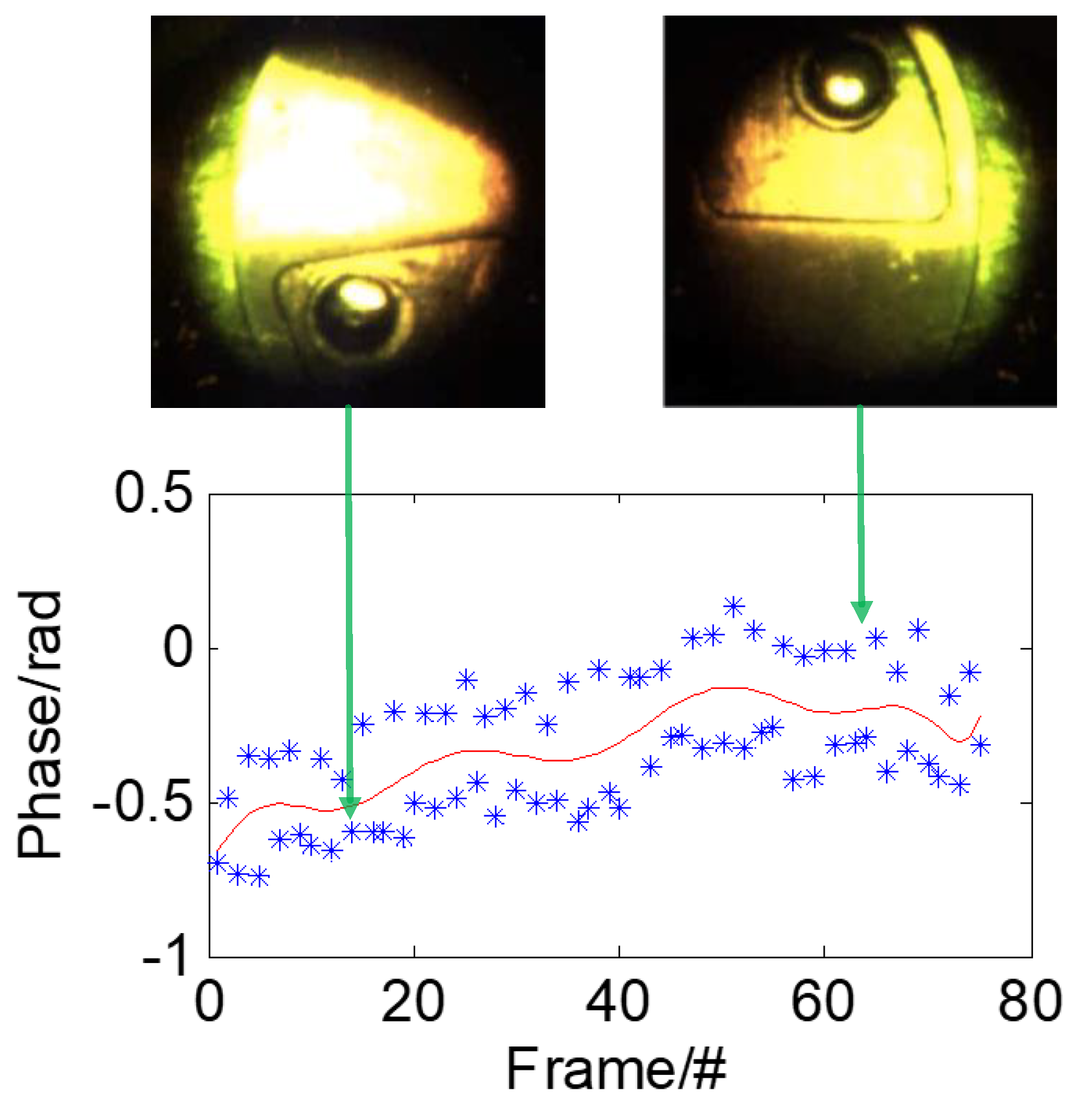
Deep space exploration is one of the key development directions in aerospace field. With the significant increase of detection distance, the traditional space exploration methods may be ineffective by effects such as signal energy attenuation and channel delay. There is an urgent need for a miniaturized, quasi real time, high-precision space velocity measurement instrument to be mounted on deep space aircraft and providing autonomous navigation. Spatial heterodyne spectral velocimetry technology is a newly proposed high-precision velocimetry method in recent years, and relevant research units have also obtained excellent measurement results in applications. However, this technology originally used laser light sources for active detection, which differs from the passive detection based on stellar light sources required for deep space vehicles in terms of prerequisites. Therefore, this article focuses on the technical route and feasibility exploration of using spatial heterodyne spectral velocimetry technology for stellar absorption spectrum, and proposes a practical measurement scheme based on the technical principle of background light synchronous cancellation method. With measured the radial velocity difference caused by the sun's rotation at different positions on the solar image plane through outside validation experiments built in a simulated environment on the ground. The experimental results indicate that, under the current stability conditions of ground-based solar observation, we have achieved the same level measurement accuracy as large ground-based telescopes by using instruments and equipment much smaller size. It can be considered that the spatial heterodyne spectral velocity measurement scheme proposed in this article has achieved feasibility verification based on stellar spectral detection capability under the premise of instrument miniaturization and quasi real-time processing. The research content provides a preliminary verification for the development of spatial heterodyne spectral velocimetry technology in the aerospace field, and also provides reference for the realization of high-precision autonomous navigation capability in the future aerospace technology.
Keywords:
1. Introduction
2. Characteristic Analysis of Solar Spectrum
3. The Spatial Heterodyne Spectral Velocimetry Theory
4. Experimental Verification Scheme Based on Solar Absorption Spectrum
4.1. Basic Principle Architecture of the Experimental Scheme
4.2. Generation of the Speed to Be Measured
4.3. Selection of Measurement Spectrum Segment
5. Experimental Data Processing and Analysis
6. Conclusions
Supplementary Materials
Author Contributions
Funding
Data Availability Statement
Acknowledgments
Conflicts of Interest
References
- Y.P. Guo. Self-contained autonomous navigation system for deep space missions [C]. In: AAS/AIAA Space Flight Mechanics Meeting, Breckenridge, Colorado, USA, 7-9 February 1999.
- W. You; W. Zhang; G.F. Ma. Analysis on error propagation in velocity vector synthesis of deep-space celestial autonomous navigation based on radial velocity measurement [J]. Journal of Chinese Inertial Technology 2017, 25(3), pp. 338-342. [CrossRef]
- Lathuillère C; Menvielle M; Lilensten J; et al. From the Sun’s atmosphere to the Earth’s atmosphere: an overview of scientific models available for space weather developments [J]. Annales Geophysicae 2017, 20(7), pp. 1081-1104. [CrossRef]
- Y. Li; M.D. Ding; Y. Guo; et al. On the Nature of the Extreme-Ultraviolet Late Phase of Solar Flares [J]. The Astrophysical Journal 2014, 793(2), pp. 1458-1466. [CrossRef]
- J.P. Li; A.H. Zhou; X.D. Wang. Study of temporal evolution of emission spectrum in a steeply rising submillimeter burst [J]. Research in Astronomy and Astrophysics 2015, 16(1), pp. 67-72. [CrossRef]
- Englert C.R.; Harlander J.M.; Babcock D.D.; et al. Doppler asymmetric spatial heterodyne spectroscopy (DASH): an innovative concept for measuring winds in planetary atmospheres [C]. In: Atmospheric Optical Modeling Measurement and Simulation II, San Diego, California, USA, 15-16 August 2006.
- Englert C.R.; Babcock D.D.; Harlander J.M. Doppler asymmetric spatial heterodyne spectroscopy (DASH): concept and experimental demonstration [J]. Applied optics 2007, 46(29), pp. 7297–7307. [CrossRef]
- Mierkiewicz E.J.; Roesler F.L.; Harlander J.M.; et al. First light performance of a near-UV spatial heterodyne spectrometer for interstellar emission line studies [C]. In: Ground-based Instrumentation for Astronomy, Glasgow, Scotland, United Kingdom 21-25 June, 2004.
- Sunghoon J.; Sub C.S. Gravitational-Wave Fringes at LIGO: Detecting Compact Dark Matter by Gravitational Lensing [J]. Physical review letters 2019, 122(4), 041103. [CrossRef]
- X. Peng; E.H. Liu; S.L. Tian; et al. Signal model analysis of asymmetric spatial heterodyne spectral velocimetry [C]. Proc. SPIE 12781(2F):1-9, In: International Conference on Opto-electronic Information and Functional Materials, Guangzhou, China, 10-12 March, 2023.
- Harlander J.M.; Englert C.R.; Babcock D.D.; et al. Design and laboratory tests of a Doppler Asymmetric Spatial Heterodyne (DASH): interferometer for upper atmospheric wind and temperature observations [J], Optics Express 2010, 18(25), pp. 26430-26440. [CrossRef]
- Englert C.R.; Harlander J.M.; Emmert J.T.; et al. Initial ground-based thermospheric wind measurements using Doppler Asymmetric Spatial Heterodyne spectroscopy (DASH) [J], Optics Express 2010, 18(26), pp. 27416-27430. [CrossRef]
- Englert C.R.; Harlander J.M.; Brown C.M.; et al. Spatial heterodyne spectroscopy at the Naval Research Laboratory [J], Applied Optics 2015, 54(31), pp. 158-163. [CrossRef]
- Z.W. Li; W. Xiong; H.L. Shi; et al. Study on Asymmetric Spatial Heterodyne Spectroscopy [J], Spectroscopy and Spectral Analysis 2016, 36(7), pp. 2291-2295.
- J. Shen; W. Xiong; H.L. Shi; et al. Data Processing Method of Asymmetric Spatial Heterodyne Interferogram for Wind Measurement [J], Spectroscopy and Spectral Analysis 2016, 36(9), pp. 3014-3019.
- H.Y. Luo; W. Xiong; H.L. Shi; et al. Study for Signal-to-Noise Ratio of Spatial Heterodyne Spectrometer [J], Acta Optica Sinica 2017, 37(6), pp. 1-7. [CrossRef]
- X. Peng; E.H. Liu; S.L. Tian; et al. Study of high-precision velocimetry technique based on absorption spectrum for deep space exploration [J]. Acta Astronautica 2022, 199, pp. 327-336. [CrossRef]
- D. Li; Q.M. Zhang; Y. Huang; et al. Quasi-periodic pulsations with periods that change depending on whether the pulsations have thermal or nonthermal components [J]. Astronomy & Astrophysics 2016, 597(1), L4. [CrossRef]
- C. Xing; H.C. Li; B. Jiang; et al. Two Types of Long-duration Quasi-static Evolution of Solar Filaments [J]. Astrophysical Journal 2018, 857(2), L14. [CrossRef]
- Harlander J.M.; Englert C.R.; Marr K.D.; et al. On the uncertainties in determining fringe phase in Doppler asymmetric spatial heterodyne spectroscopy, Applied Optics 2019, 58(13), pp. 3613-3619. [CrossRef]
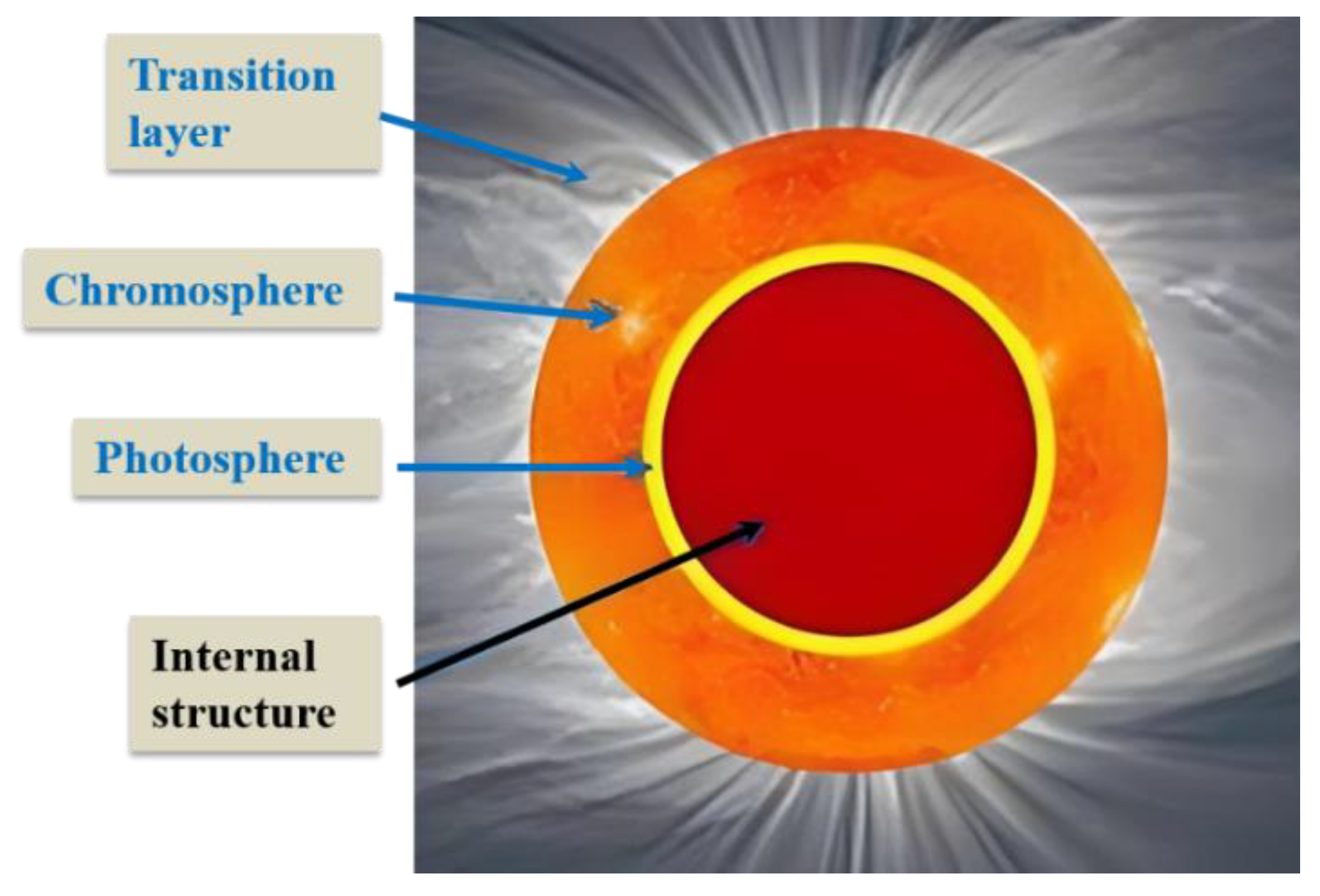


| Light Source Position | Spectral Stability | Source of Data |
|---|---|---|
| photosphere | 50 m/s | The observation results of the Nanjing University team based on the New Vacuum Solar Tower (NVST) |
| chromosphere | 1 km/s | Spectral data from the Extreme-ultraviolet Variability Experiment (EVE) onboard the Solar Dynamics Observatory (SDO) of NASA [4] |
| transition | 6.18 km/s | Observational data from the Interface Region Imaging Spectrograph (IRIS) on the solar exploration satellite of NASA [5] |
| Years | Telescopes | Aperture | Spectral Resolution | Measurement Accuracy |
|---|---|---|---|---|
| 1980~2000 | Keck-HIRES, VLT-UVES、Gemini-HROS, Subaru-HDS | 4~10 m | 67000~180000 | 3~4 m/s |
| 2000~2013 | ESO-HARPS | 4~10 m | 100000 | 1 m/s |
| 2013~2016 | ESPRESSO | 8~16 m | 225000 | 0.1 m/s |
| 2016~2023 | CODEX | 40 m | 400000 | 0.02 m/s |
| Component | Parameter | Value |
|---|---|---|
| collimator | focal distance | 40 mm |
| splitter | size | 25 mm × 25 mm |
| transparent/inverse ratio | 50 / 50 | |
| blazed grating | size | 25.4 mm × 25.4 mm |
| groove density | 1000 lines / mm | |
| tilt angle | 17° | |
| imaging lens | focal distance | 100 mm |
| detection camera | resolution | 1024 × 1024 |
| pixel size | 13 μm | |
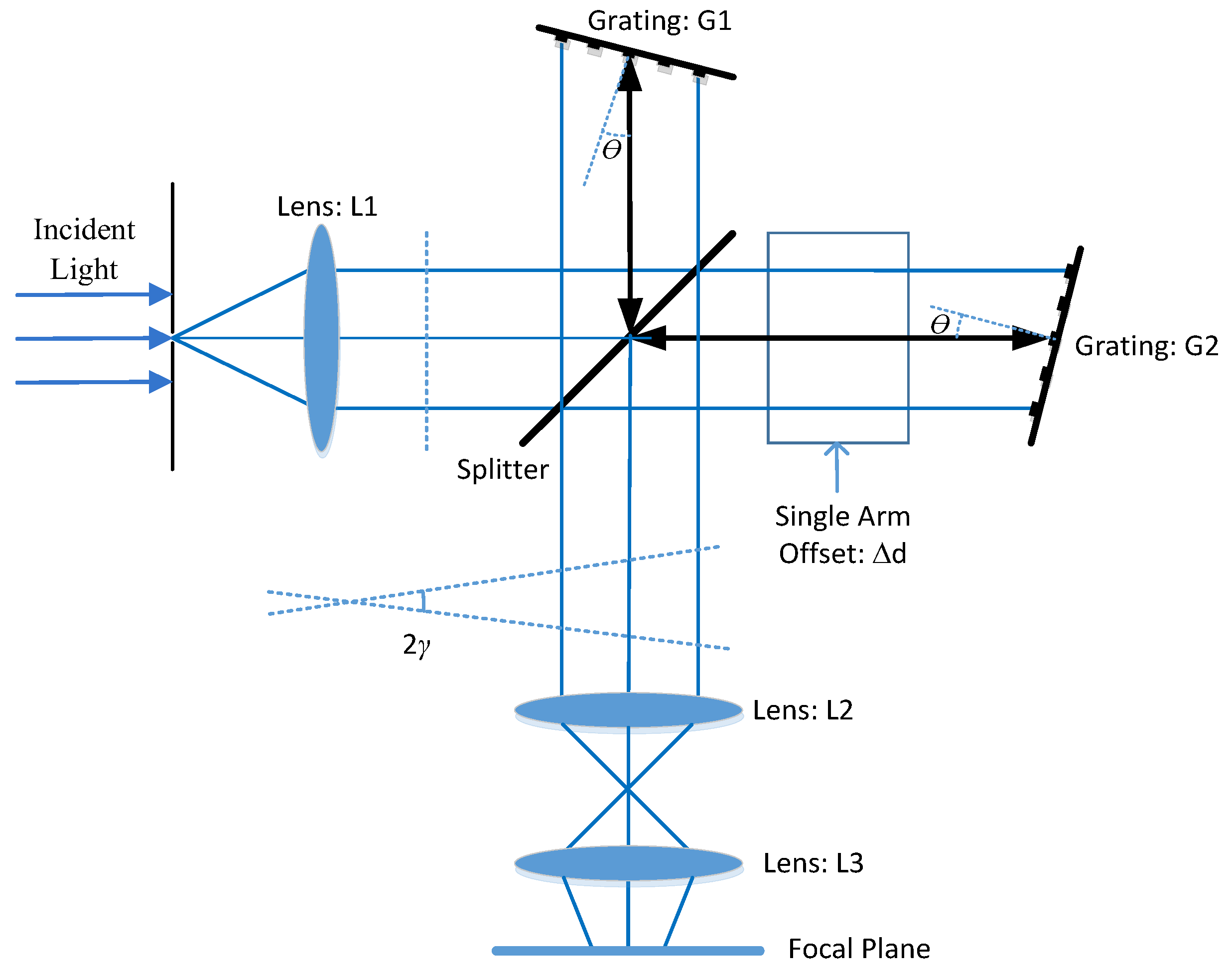
| --- | single arm offset | 1.5 mm |
| Order Number | Measured Phase Value (rad) | Calculated Speed Value (m/s) | Velocimetry Standard Deviation (m/s) |
|---|---|---|---|
| 1 | 0.258 | 1766.56 | 47.93 |
| 2 | 0.298 | 2040.45 | 27.39 |
| 3 | 0.288 | 1971.97 | 47.93 |
| ︙ | ︙ | ︙ | ︙ |
| 69 | 0.277 | 1896.66 | 68.47 |
| 70 | 0.273 | 1869.27 | 47.93 |
| average value | 0.30 | 2066.75 | 55.26 |
Disclaimer/Publisher’s Note: The statements, opinions and data contained in all publications are solely those of the individual author(s) and contributor(s) and not of MDPI and/or the editor(s). MDPI and/or the editor(s) disclaim responsibility for any injury to people or property resulting from any ideas, methods, instructions or products referred to in the content. |
© 2024 by the authors. Licensee MDPI, Basel, Switzerland. This article is an open access article distributed under the terms and conditions of the Creative Commons Attribution (CC BY) license (http://creativecommons.org/licenses/by/4.0/).


