

Submitted:
17 November 2024
Posted:
19 November 2024
You are already at the latest version
Abstract
Cockroaches serve as mechanical vectors for medically important pathogens, and their presence in hospitals is a common occurrence. Describe the pathogens and their resistance mechanisms carried by cockroaches collected in hospitals in different parts of the world during the period 2000-2023. This will be achieved through a systematic review of the indexed literature. The studies were identified through a search of the Google Scholar search engine and in electronic databases related to health: LILACS, Scielo Regional, and PubMed. The search strategy was conducted in accordance with the principles for systematic reviews and meta-analysis (PRISMA). The review encompassed 22 studies conducted during the specified period. Blattella germanica and Periplaneta americana are referenced in 15 and 13 of the analyzed studies, respectively. A variety of pathogens, including bacteria, fungi, protozoa, helminths, and rotavirus, were isolated and identified from the external and internal body parts of cockroaches. Bacteria represent the most frequently identified group. The species that appear most frequently in the selected articles are Escherichia coli (11 articles), Staphylococcus aureus (9 articles), Klebsiella pneumoniae (7 articles), and Pseudomonas aeruginosa (6 articles). E. coli and S. aureus bacteria were found to be resistant to antibiotics in 19% and 12% of articles, respectively. Conventional techniques, including seeding in culture media, Gram staining (GS), conventional biochemical tests (CBT), direct parasitological methods, and disc diffusion, have historically been the primary methods for identifying microorganisms and determining antibiotic susceptibility profiles in bacteria. However, there is a paucity of studies that use molecular tech-niques for bacterial identification and resistance mechanism detection. The identification of pathogens carried by cockroaches collected in hospitals suggests a potential risk of these insects in the transmission of healthcare-associated infections.
Keywords:
cockroach
; bacteria
; hospital
; pathogenic parasites
; antibiotic resistance
1. Introduction
Cockroaches are ancient insects, with fossil evidence indicating that their lineage can be traced back to the Upper Carboniferous period. [1] Despite the passage of time, modern species have retained a high degree of morphological and physiological similarity to their ancestors. These insects possess the capacity to adapt to a diverse array of habitats, a trait that has enabled their survival in a multitude of environments. [2,3,4]
The majority of these insects inhabit tropical and subtropical regions of the globe. [4,5] Approximately 4,600 species have been identified, with over 99% classified as non-domestic. [6] Two notable examples are Blatella germanica (Linnaeus, 1767) and Periplaneta americana (Linnaeus, 1758) which are among the most common synanthropic cockroaches due to its abundance and cosmopolitan distribution. [5,7,8,9] The species in question inhabits a variety of environments that provide optimal conditions for its survival, including residential buildings, commercial premises, healthcare facilities, educational institutions, and food-handling establishments.10 These insects are omnivorous, with a preference for foods rich in starch and sugars. [3]
The World Health Organization (WHO) considers cockroaches a significant public health concern due to their role as mechanical vectors, capable of carrying potential pathogens on external and internal parts of their bodies. These pathogens include bacteria, fungi, protozoa, helminths, and viruses. [3,5,11]
The contamination of food, surfaces, and objects of human use with pathogens carried by cockroaches occurs when these insects come into contact with them and regurgitate portions of their partially digested food or deposit their feces on them. [3,12,13] Pathogens from these insects can cause diseases such as bacterial dysentery, giardiasis, amebiasis, and toxoplasmosis, as well as symptoms such as nausea, abdominal pain, vomiting, and diarrhea. [14,15] The presence of cockroaches is a common occurrence in hospitals, which raises concerns about the potential adverse implications for the health of patients and workers. [10,16,17,18]
In this regard, the World Health Organization (WHO) reports that healthcare-associated infections (HAIs) are responsible for approximately 40,000 deaths annually. It is estimated that 25% of HAIs occur in developing nations and between 5% and 15% in developed countries.[19] The predominant group of pathogens that cause these types of infections are bacteria, many of which are resistant to multiple antibiotics and have been isolated and identified from the bodies of cockroaches. [16,20,21,22,23]
The phenomenon of antibiotic resistance (AR) represents a significant global public health concern, with documented associations with elevated mortality rates, prolonged hospitalizations, diminished therapeutic options, increased economic costs, and the potential for hospital-acquired outbreaks. [24] The gravity of this issue is underscored by projections indicating that by 2050, AR is likely to account for 10 million deaths and inflict substantial financial burdens, with a disproportionate impact on low- and middle-income countries.[25]
The bacteria that most frequently cause infections in hospitalized patients include S. aureus, Streptococcus sp., Acinetobacter sp., S. coagulase negative, P. aeruginosa, E. coli, Proteus mirabilis, and K. pneumoniae. Some of these bacteria represent a global threat due to their increasing resistance to available antibiotics and their role in transmitting such resistance between bacteria of the same and different species. [26,27]
Over the past decade, there has been a notable increase in research related to the pathogens carried by cockroaches collected in various environments, including hospitals [6]. However; there has been a paucity of studies that have synthesized this information with the aim of facilitating access to it and enhancing the understanding and comprehension of personnel working in such health institutions. Accordingly, the objective of the present study was to describe the pathogens carried by cockroaches collected in hospitals in different parts of the world during the period 2000-2023 and their resistance mechanisms by means of a systematic review of the indexed literature.
2. Materials and Methods
2.1. Design
A systematic review of the literature was conducted to identify the pathogens and resistance mechanisms carried by cockroaches collected from hospitals in various parts of the world.
2.2. Methodology Used in the Search for Relevant Studies
The search strategy was conducted in accordance with the guidelines set forth in the PRISMA 2020 statement and through manual examination [28].
- The following keywords were established: cockroach, bacteria, hospital, pathogenic parasites, and antibiotic resistance. In order to optimize the retrieval of relevant information, the bibliographic citations of the articles examined were selected.
- The literature search was conducted using Google Scholar and electronic databases pertinent to the field of health, namely LILACS, the SciELO portal, and PubMed.
- The articles were identified based on their title, language, date of publication, and the time interval between January 2000 and April 2023 (the extreme years of the interval were included).
- Reports that met at least one of the exclusion criteria proposed by the authors of this study were excluded.
- The selected articles were found to meet all the inclusion criteria established by the authors of this work.
2.3. Inclusion Criteria for Studies
- Reports of isolation and identification of pathogenic organisms of medical importance from external or internal parts of cockroaches.
- Articles published in the period from January 1, 2000 to April 30, 2023. For the establishment of this period of time, we took into account what was described by Guzman et al.[6] who express that since 2000 there has been an increase in publications in Pubmed related to the topic of cockroaches and the pathogens identified from the body of these insects.
- Studies carried out with cockroaches collected in hospital environments, although the research also describes the capture of these insects in other places such as homes, hotels, markets, schools, or restaurants.
- Scientific reports from anywhere in the world that are published in the form of a thesis, scientific article or letter to the editor in English, Spanish or Portuguese.
2.4. Exclusion Criteria for Studies
- Articles in which the scientific name of the cockroach species collected is absent.
- Exclusively experimental research studies conducted in a laboratory setting on pathogens isolated from cockroaches collected in hospital settings.
- Publications that constitute review articles.
2.4. Statistical Analysis
- Microsoft Office Excel 2007 version was used to present the results in tables and figures.
3. Results
3.1. Search for Information
Figure 1 shows the flowchart of the selection process of the reports that make up the review based on the updated PRISMA guide [28]. Initially, using the established keywords, their combinations, date of publication and languages, 109 records on the subject were identified. Thirty-four articles were excluded because they were considered duplicates. In addition, 22 were eliminated because they were dissertations, conferences and book data.
The 53 reports resulting from the screening of the records were examined based on the inclusion and exclusion criteria previously established by the authors. Finally, 22 articles were selected for review. Most of the articles were published in Pubmed 65/109 (59.6%).
3.2. Distribution of Articles by Continent and Country
Table 1 shows that 95.4% of the research comprising the present review was conducted in developing nations [29]. Of these, 45.4% were published in countries on the Asian continent, while 39% and 23% were in African and American nations, respectively. Iran, Brazil and Ethiopia accounted for 59% of the studies involved in this review.
3.3. Cockroach Species Collected and Identified in the Studies Analyzed
Figure 2 shows that five cockroach species were identified in the 22 articles included in the review. [17,30,31,32,33,34,35,36,37,38,39,40,41,42,43,44,45,46,47,48,49,50] B. germanica and P. americana were the most common, reported in 15 (68%) and 13 (59%) of the studies described, respectively. [17,30,31,32,33,34,35,36,37,38,39,40,41,42,43,44,45,46,47,48,49,50] In seven studies (32%) more than one cockroach species was captured in the same hospital environment. [17,36,37,41,46,48,50]
B. germ: Blattella germanica; P: Periplaneta; P. amer: Periplaneta americana
3.4. Microorganisms Isolated and Identified from Cockroaches Collected in Hospitals
Table 1 shows the microorganisms isolated and identified from the bodies of cockroaches collected in hospitals. Bacteria represented the predominant group, being reported in 89% of the articles included in the review, followed by fungi and helminths with 13% and protozoa with 9%.
Bacteria of potential medical importance appearing in the greatest number of articles were: E. coli (11 articles), S. aureus (9 articles), Enterobacter aerogenes and K. pneumoniae (7 articles), P. aeruginosa and Citrobacter freundii (6 articles) and Enterobacter cloacae, Klebsiella oxytoca and Proteus vulgaris (5 articles). Enterococcus faecalis, Morganella morganii, Proteus mirabilis, Staphylococcus epidermidis, Streptococcus pneumoniae, Streptococcus pyogenes and Streptococcus agalactiae appear less frequently (Table 1).
Regarding fungi, two articles reported the identification of the species Aspergillus niger from the external part of cockroaches, while Candida glabrata, Candida krusei and Aspergillus fumigans were isolated in a different study from those analyzed in the review. The remaining members of this group were not classified at the species level but at the genus level, such as Mucor spp, Penicillium spp and Rhizopus spp (Table 1).
Helminths harmful to human health were identified: Enterobius vermicularis (eggs, larvae and adults) and Ancylostoma duodenale (larvae) in two and one of the studies analyzed, respectively. In addition, the presence of organisms belonging to the genera Ascaris (adults) and Taenia were detected (Table 1).
Regarding protozoa, the presence of Lophomonas blattarum and Entamoeba coli was identified in two and one of the studies, respectively. In other studies, organisms such as Blastocystis spp., Cyclospora spp., and Cystoisospora spp. were reported (Table 1).
Isolation and identification of medically important microorganisms from the external and internal parts of cockroaches was reported in 12 (55%) of the 22 articles reviewed. In all studies, pathogens were detected in both body parts of these vectors. [17,32,33,34,39,40,42,43,44,45,47,50]
One article (4.5%) reported the identification of viruses (rotavirus) carried by cockroaches on the external and internal parts of their bodies. [40]
3.5. Antibiotic Resistance and Mechanisms of Resistance in Bacteria Identified in Cockroaches
Antibiotic resistance in bacteria isolated and identified from cockroaches collected in hospitals was addressed in 64% (14/22) of the studies included in this review (Table 1).
Figure 3 shows that gram-negative bacteria were identified in the highest percentage of the articles analyzed where AR is reported. In this regard, E. coli stands out with 8 studies (57%), followed by K. pneumoniae and P. aeruginosa, which are described in 4 (29%) and E. cloacae in 3 (21%). In the case of gram-positive bacteria, S. aureus appears in 5 studies (36%).
AR in bacteria was frequently observed in antibiotic groups such as penicillins, cephalosporins, aminoglycosides, amphenicols, tetracyclines and quinolones. [17,30,31,32,33,39,40,45,46]
Regarding antibiotic resistance mechanisms, the BlaZ gene coding for beta-lactamase enzymes and the production of extended-spectrum beta-lactamases were detected in one and two studies, respectively. [17,45,50] These enzymes are responsible for the resistance mechanism characterized by inactivation of the antibiotic. [51] On the other hand, the presence of genes coding for Penicillin-binding proteins involved in the resistance mechanism called target site modification [51], appears in one investigation. [48] Two articles reported the presence of tet (K) and tet (L) genes encoding proteins involved in the mechanism of antibiotic efflux through the energy-dependent pump. In addition, these studies were able to identify the tet (M) and tet (O) genes involved in the mechanism of target site alteration that protects the ribosome from the action of the antibiotic.[17,48,52] Finally, the mechanism of resistance (target site modification) to colistin mediated by the mcr-1 gene was detected in E. coli isolates. [50,53]
3.6. Methods Used in the Identification of Microorganisms Identified in Cockroaches
Table 1 shows that in 17 of the 18 studies (94%) bacteria were identified by seeding in culture media (general and differential), Gram staining (GS) and Conventional Biochemical Tests (CBT). In addition, five of the 17 articles referred above (29.4%) used other techniques such as Analytical Profile Index (API), Serological Tests and PCR. In one of the 18 investigations, only the culture media seeding method and MALDI-TOF technology were used.
For the identification of fungi, methods based on seeding in culture media and examination of macroscopic and microscopic characteristics of the growths were used. Protozoa and helminths were classified using direct parasitologic methods, and rotaviruses were identified using ELISA technology (Table 1).
3.7. Methods Used to Detect Antibiotic Resistance and its Mechanisms in Bacteria Identified in Cockroaches
As shown in Table 1, the predominant method used to detect antimicrobial resistance was the use of disk diffusion (Kirby Bauer). This method was used in 12 of the 14 studies in which AR was investigated. On the other hand, PCR was used in three of the 12 articles (25%) and the Etest method in one of the 14 studies (7.1%). It is worth noting that one of the studies reviewed did not report the method used to detect AR (Table 1).
The detection of genes and enzymes that indicate the antibiotic resistance mechanism present in the bacteria analyzed was performed in five of the 22 studies (22.7%). [17,37,45,48,50] The PCR technique was used in three of them, [17,37,48] in one the Double Disc Synergy Test (DDST) [45] and in another article RT-PCR and DDST. [50]
4. Discussion
A systematic review of pathogens of medical importance isolated from cockroaches collected in hospitals in different parts of the world over a 24-year period was performed. A literature search strategy similar to that used by other authors in reviews of isolated fly, cockroach, and beetle pathogens was established for the selection of studies. [54,55,56] This allowed a thorough process of identification, screening, and selection of articles based on the inclusion and exclusion criteria proposed by these authors.
Ninety-five percent of the studies in the review come from developing countries [29] in the Americas, Africa, and Asia. [17,30,31,32,33,34,35,36,38,39,40,41,42,43,44,45,46,47,48,49,50]. Similar findings have been reported by different authors in their respective review articles. [55,56,57] In the countries where these studies were conducted, there are socioeconomic factors that negatively affect the health conditions found in second and third level hospital facilities. [17,30,38,39,40,58] The presence of cockroaches in hospitals, parasites in their integument and gastrointestinal tract is an indicator of poor sanitation in health facilities. [1,44] On the other hand, there are reports of cockroaches collected in hospitals in Japan, France, and Poland [37,59,60] showing that this phenomenon is independent of the geographical location and economic situation of nations, which becomes an epidemiological alert for developed countries.
B. germanica and P. americana were the predominant cockroach species in the studies included in this review. [17,30,31,32,33,34,35,36,37,38,39,40,41,42,43,44,45,46,47,48,49,50] Both are recognized as the most abundant of this group of insects worldwide. [7,8,9] Trade and the ability of both species to adapt to a wide range of conditions have played a key role in their distribution. [1,2,3,4,5,11,61] Blatta orientalis, Periplaneta fuliginosa, and Periplaneta japonica are other species considered to be of medical importance with limited worldwide distribution reported in the articles reviewed. [1,2,36,37,48,50]
In seven of the 22 articles analyzed (32%), several species of cockroaches coexisting in the same hospital facility and carrying pathogens of medical importance were captured. [17,36,37,41,46,48,50] This fact could increase the likelihood of the spread and mechanical transmission of these organisms in the hospital environment. The high infestation of P. americana in the drainage system of hospitals, as well as its size, 3 to 4 times larger than B. germanica, could facilitate this phenomenon. [17] On the other hand, Karimi et al. [36] collected 305 cockroaches in three hospitals in Iran belonging to the species P. americana (65.6%), B. germanica (12.1%) and Blatta. orientalis (22.3%). The first and second mentioned species were caught in corridors, laundry rooms, basements, food stores, and facilities. However, the third species predominates in places where the temperature is colder in relation to the collection sites of the other two species. The difference in habitat is another aspect that favors the spread of pathogens by cockroaches.
Cockroaches host and carry a variety of pathogens on the external and internal parts of their bodies, such as bacteria, infective forms of helminths, fungi, protozoa, and rotavirus, as reported by several authors. [55,57] The nocturnal habits of these vectors, their reproductive capacity, the ease with which they enter synanthropic places (homes, restaurants, hospitals, etc.), the ingestion of a wide variety of foods, including waste, and their free movement over a wide range of surfaces such as floors, tables, pipes, ceilings, cracks, and corridors condition the contact with ubiquitous microorganisms. [1,11,23,58] In addition, many pathogens can persist for months on dry inanimate surfaces, depending on the optimal conditions of temperature, humidity and amount of inoculum, which facilitates the contact of cockroaches with them and consequently favors their mechanical vector capacity. [1,3,11,37,44,61,62] In this sense, different authors in their research do not find statistically significant differences between the distribution of potentially pathogenic bacteria identified on the outside and inside of the body of cockroaches captured in hospitals. [17,33,39,40,43]
In fact, bacteria were the most frequently identified group in the studies included in the review. Several authors acknowledge the predominance of these microorganisms among the pathogens isolated from cockroaches. [1,5,11] This finding is not surprising given the high prevalence of these infectious agents in healthcare-associated infections. [19,20] However, Elgderi et al. [32] captured specimens of P. americana from hospitals and homes in Tripoli, Libya, show no evidence that insects from hospitals are more likely to carry bacteria than those from homes. This suggests that the presence of these pathogens in these insects is primarily related to the sanitary conditions of the environments they inhabit.
Bacteria commonly identified in the review articles were: E. coli, S. aureus, E. aerogenes, K. pneumoniae, P. aeruginosa, C. freundii, E. cloacae, K. oxytoca, and P. vulgaris, all of which are known to cause human infections, particularly in the hospital setting. [63,64,65,66,67] K. pneumoniae and S. aureus cause nosocomial pneumonia; P. aeruginosa causes surgical wound and burn infections; E. coli causes urinary tract infections; and both E. aerogenes and E. cloacae are opportunistic microorganisms that commonly cause infections in patients admitted to health care facilities. [54,63] These pathogens have been isolated from cockroaches collected from various parts of the hospital, such as the operating room, intensive care unit, and neonatal unit. [30,31,39]
Several review articles suggest that cockroaches may play an important role in hospital-acquired parasitosis. Carzola et al. [44] identified enteroparasites of medical importance in P. americana cockroaches captured in Venezuela. Among the parasites identified were E. vermicularis and trophozoites of the protozoan Lophomona blattarum isolated from patients with pulmonary disease in Iran, China, Spain, India, and Peru. [49,68]
The studies analyzed in this research show the presence of fungi of medical importance carried by cockroaches collected in hospitals. Mycoses in hospital environments are common over the world, mainly caused by Aspergillus spp. and Candida spp. [57] In the same line, Motevali et al. [41] demonstrated the presence of different species of fungi A. flavus, A. niger, A. fumigatus, C. albicans and C. glabrata in B. germanica and P. americana collected from three hospitals in Iran.
Viruses (rotaviruses) were identified in only one study in this review. This finding is the first report of identification of these infectious agents in cockroaches collected from hospitals in Ghana. [40] Rotavirus causes severe and fatal diarrhea in young patients worldwide and accounts for half of all hospitalizations for this condition in children under 5 years of age in developed countries. It is also responsible for approximately 25% of all hospital-acquired viral infections, particularly in immunocompromised children. [57] However, the scarce detection of viruses in the articles included in this review may be due to the fact that the identification of pathogens in cockroaches tends to focus on bacteria, helminths, fungi and protozoa due to the availability of resources and ease of diagnosis. [1,11,40,58]
AR in bacteria is responsible for 70,000 patient deaths annually. [25] This phenomenon is reported in 14 articles in the current study, and mainly in bacteria of the ESKAPE group (Enterobacter spp., E. coli, K. pneumoniae, S. aureus and P. aeruginosa). [69] Moreover, other bacteria that are potentially harmful to humans have also been described: H. alvei, P. vulgaris, S. marcescens, S. pneumoniae, S. agalactiae, and S. pyogenes. These factors combine to create a global health risk associated with AR.
Bacterial resistance in cockroach species to a wide range of antibiotics such as penicillin, tetracycline, gentamicin, ceftaroline, aztreonam, chloramphenicol, cefepime, ceftazidime, erythromycin, ampicillin, and amickacin is highlighted. [17,30,31,32,33,38,39,44,45] Prado et al. [30] isolated 15 species of enterobacteria from P. americana captured in a public hospital in Brazil. Antibiotic susceptibility testing revealed resistance to most of the antimicrobials tested in the study. Abdolmalekiet et al. [17] provided the first report of phenotypic and genotypic evaluation of antibiotic resistance in Methicillin-Resistant Staphylococcus aureus (MRSA) isolates from external and internal parts of P. americana and B. germanica collected in hospitals. The isolates also showed a high prevalence of resistance to the antibiotic penicillin, ceftaroline, tetracycline, gentamicin and trimethoprim-sulfamethoxazole. In the neonatal ward of a hospital in the capital of Ethiopia, 400 cockroaches of the species B. germanica were collected. Of these, K. pneumoniae, K. oxytoca, Providencia rettgeri, C. diversus, Citrobacter spp., E. cloacae, P. aeruginosa, E. coli, E. aeroginosa, S. aureus, and Acinetobacter spp. were identified, and multidrug resistance was observed in all of them. [45] The above indicates that cockroaches may be involved in the spread of AR among bacteria. [70]
A bacterial strain may develop multiple mechanisms of resistance to one or more antibiotics, and an antibiotic may be inactivated by different mechanisms in different bacterial species. Therefore, knowledge of these mechanisms is necessary as a fundamental step for the effective treatment of diseases with antimicrobial drugs. [69] In this review, the detection of AR mechanisms in bacteria was found in five of the 18 studies dealing with antibiotic resistance [17,37,45,48,50].
In Nigeria, using phenotypic methods, they found a mechanism of inactivation of beta-lactam drugs by the expression of extended-spectrum beta-lactamases (ESBL). [45] Chehelgerdi et al. [48] described for the first time antibiotic resistance in Iran by phenotypic and genotypic pathways in Streptococcus spp. isolated from cockroaches collected from hospital environments. These authors identified genes involved in the mechanisms of resistance to penicillins (pbp), tetracyclines (tet K, tet M, tet O, and tet L ), macrolides (erm and mef), and streptogramins A and B (rplV) using PCR technique. In Tunisia, the production of BLEE (blaCTX-M1) and the presence of mcr-1 genes responsible for the colistin resistance mechanism in the E. coli ST648 lineage were described for the first time. [50]
In terms of the methods used to identify microorganisms and determine antibiotic susceptibility profiles in bacteria, conventional technologies such as seeding in culture media, Gram staining, conventional biochemical tests, and direct parasitological methods predominated. A possible explanation for this phenomenon is that these are the techniques used in developing countries, which were the basic scenarios in which the research was carried out. On the other hand, advanced technologies that provide better diagnostic quality and faster results (API [32,37,42], PCR [17,48,50] and MALDI-TOF [50]) were not available to most of the laboratories in the studies analyzed in this review. This fact affects the quality of the results, since in many cases the microorganism can only be identified at the genus level, which prevents us from knowing whether they are of medical importance. In addition, there are probably other pathogens that cannot be identified due to technological limitations.
On the other hand, in the detection of enzymes and genes that indicate the presence of antibiotic resistance mechanisms, it was observed that four articles included in this review employ the PCR technique, three of which correspond to developing countries [17,48,50] carried out in the period 2017-2021. However, in Japan, this technology was used for the same purpose in 2009. [37] It is undeniable that these studies allow the identification of new pharmacological targets and the design of specific antibiotics to provide more precise treatments to combat infections caused by bacteria. [71]
The current research has the following limitation: in many studies, the nomenclature of the identified microorganisms was described down to the genus, which did not allow us to know the species and, consequently, its medical importance. For this reason, the analysis of the results emphasizes pathogens identified down to the species level.
5. Conclusions
Cockroaches in hospitals all over the world might carry potentially pathogenic organisms, which are recognized as etiological agents of human diseases belonging to the groups of bacteria, fungi, helminths, and protozoa. This reinforced the notion that the presence of these insects in healthcare facilities represents a potential risk due to their involvement in healthcare associated infections and as reservoirs of multidrug-resistant bacteria. Given the scarcity of publications on the subject addressed in this review, it is necessary to increase and deepen the study of pathogens of medical importance in cockroaches, a topic of importance for global health. .
Author Contributions
Conceptualization, A.C. and Y.A.R; methodology, V.C, E.I, L.F and EJ.C; validation, A.P.H, C-L.C.A, J.P.M and H-R.P.G; writing—original draft preparation, A.C, V.C, C-L.C.A and Y.A.R.; writing—review and editing, J.P.M, E.I, L.F, A.P.H; supervision, EJ.C and H-R.P.G; funding acquisition, Y.A.R and H-R.P.G. All authors have read and agreed to the published version of the manuscript.
Funding
This research received no external funding.
Conflicts of Interest
This manuscript has not been published and is not under consideration for publication elsewhere. The authors declare that there are no conflicts of interest.
References
- Cochran DG. Cockroaches their biology, distribution and control. World Health Organization, Communicable Diseases Prevention and Control and WHO Pesticide Evaluation Scheme [Internet]. 1999 [cited May 4, 2023]; (WHOPES)WHO/CDS/CPC/WHOPES/99.3:1-83. Avalaible in: https://scholar.google.com.
- Cochran DG. Blattodea. In: Resh HV, Cardé RT, editor. Encyclopedia of INSECTS [Internet]. 2a ed. California, Estados Unidos. 2009 [cited May 4, 2023];108-111. Avalaible in: https://scholar.google.com.
- Ponce G, Cantú PC, Flores A, Badii M, Barragán A, Zapata R, et al. Cucarachas: Biología e Importancia en Salud Pública. RESPYN [Internet]. 2005 [cited May 4, 2023];6 (3). Avalaible in: https://scholar.google.com.
- Majekodunmi A, HowardMT, ShahV.The perceived importance of cockroach infestation to social housing residents. J Environ Health Res. [Internet]. 2002 [cited May 4, 2023]; 1(2):27-34. Avalaible in: https://google.com.
- Atiokeng RJ, Tsila HG, Wabo J. Medically Important Parasites Carried by Cockroaches in Melong Subdivision, Littoral, Cameroon. J Parasitol. [Internet]. 2017 [cited May 4, 2023]. Avalaible in: https://pubmed.ncbi.nlm.nih.gov.
- Guzman J, Vilcinskas A. Bacteria associated with cockroaches: health risk or biotechnological opportunity? Appl Microbiol Biotechnol.[Internet].2020 [cited May 6, 2023]; 104:10369–10387. Avalaible in: https://pubmed.ncbi.nlm.nih.gov.
- Adenusi A, Akinyemi M, Akinsanya D. Domiciliary cockroaches as carriers of human intestinal parasites in lagos Metropoli, Southwest Nigeria: Implications for public health. J Arthropod-Borne Dis. [Internet].2018 [cited May 6, 2023]; 12(2): 141-151. Avalaible in: https://pubmed.ncbi.nlm.nih.gov.
- Nasirian H, Salehzadeh A. Control of Cockroaches (Blattaria) in Sewers: A Practical Approach Systematic Review. J Med Entomol. [Internet]. 2019 [cited May 6, 2023];56(1):181–191. Avalaible in: https://scholar.google.com.
- Maketon M, Hominchan A, Hotaka D. Control of American cockroach (Periplaneta americana) and German cockroach (Blattella germanica) by entomopathogenic nematodes. Rev Colomb Entomol. [Internet]. 2010 [cited May 6, 2023];6(2):249-253. Avalaible in: https://scholar.google.com.
- Concepción A. Estudio y evaluación de los patógenos de cucarachas (Insecta: Blattodea) urbanas en la Provincia de Buenos Aires, como potenciales agentes de control. [Tesis Doctoral en Internet]. Buenos Aires: Universidad Nacional de La Plata; 2015 [cited May 7, 2023]. Avalaible in: https://scholar.google.com.
- Ramírez J. La cucaracha como vector de agentes patógenos. Bol of Sanit Panam. [Internet]. 1989 [cited May 7, 2023]; 107(1). Avalaible in: https://scholar.google.com.
- Talgi TY. Determinación de la presencia de ooquistes de Toxoplasma gondii en cucarachas Periplaneta americana que habitan en el Mercado Colón de la Ciudad de Guatemala. [Tesis de Grado en Internet]. Guatemala: Universidad de San Carlos; 2016 [cited May 7, 2023]. Avalaible in: https://scholar.google.com.
- Sramova H, Daniel M, Absolonova V, Dedicova D, Jedlickova Z, Lhotova H, et al. Epidemiological role of arthropods detectable in health facilities. J. Hosp.Infect. [Internet]. 1992 [cited May 7, 2023]; 20: 281-292. Avalaible in: https://pubmed.ncbi.nlm.nih.gov.
- Graczyk TK, Knight R, Tamang L. Mechanical transmission of human protozoan parasites by insects.Clin Microbiol Rev. [Internet]. 2005 [cited May 10, 2023];18 (1):128-132. Avalaible in: https://pubmed.ncbi.nlm.nih.gov.
- Moreano B Sh, Velásquez RA. Detección molecular por PCR de Giardia sp., Hymenolepis sp. y Entamoeba sp. en excreta de cucarachas de centro de abastos público en Cusco. [Tesis de Grado en Internet] Perú: Universidad Nacional de San Antonio Abad del Cusco Facultad de Ciencias; 2018 [cited May 10, 2023]. . Available in: https://scholar.google.com.
- Camones M, Cabello AM. Perfil de susceptibilidad en bacterias colonizantes aisladas de cucarachas en un hospital de lima metropolitana. Rev Cient Alas Peruanas [Internet]. 2017 [cited May 19, 2023]; 3(2). Available in: https://scholar.google.com.
- Abdolmaleki Z, Mashak Z, Dehkordi FS. Phenotypic and genotypic characterization of antibiotic resistance in the methicillin-resistant Staphylococcus aureus strains isolated from hospital cockroaches. Antimicrob Resist Infect Control [Internet]. 2019 [citedad May 19, 2023]; 8:54. Available in: https://pubmed.ncbi.nlm.nih.gov.
- Jaramillo GI, Pavas NC, Cárdenas JC, Gutiérrez P, Oliveros WA, Pinilla MA. Blattella germanica (Blattodea: Blattellidae) como potencial vector mecánico de Infecciones Asociadas a la Atención en Salud (IAAS) en un centro hospitalario de Villavicencio (Meta-Colombia). NOVA [Internet]. 2016 [cited May 19, 2023]: 19-25. Available in: https://scholar.google.com.
- Lemiech-Mirowska E, Kiersnowska ZM, Michałkiewicz M, Depta A, Marczak M. Nosocomial infections as one of the most important problems of the healthcare system. Ann Agric Environ Med. [Internet]. 2021 [cited May 23, 2023 ]; 28(3):361–366. Available in: https://www.aaem.pl.
- Xia J, Gao J, Tang W. Nosocomial infection and its molecular mechanisms of antibiotic resistance. BioScience Trends. [Internet]. 2016 [cited May 23, 2023]; 10 (1):14-21. Available in: https://scholar.google.com.
- Hamu H, Debalke S, Zemene E, Birlie B, Mekonnen Z, Yewhalaw D. Isolation of Intestinal Parasites of Public Health Importance from Cockroaches (Blattella germanica) in Jimma Town Southwestern Ethiopia. J Parasitol Res. [Internet]. 2014 [cited May 22, 2023]. Available in: https://pubmed.ncbi.nlm.nih.gov.
- Zarchi AA, Vatani H. A survey on species and prevalence rate of bacterial agents isolated from cockroaches in three Hospitals. Vector Borne Zoonotic Dis. [Internet]. 2009 [cited May 22, 2023];9(2):197–200. Available in: https://www.ncbi.nlm.nih.gov.
- Moges F, Esthetie S, Endris M, Huruy K, Muluye D, Feleke T, et al. Cockroaches as a Source of High Bacterial Pathogens with Multidrug Resistant Strains in Gondar Town, Ethiopia. Bio Med Res. Int. [Internet]. 2016 [cited May 22, 2023]. Available in: https://www.ncbi.nlm.nih.gov.
- Tamayo VR, Guevara AP, Cadena SA, Paz EA, Ruiz VA, Zambrano AK. Estudio de Revisión. Genes involucrados con resistencia antimicrobiana en hospitales del Ecuador. CAMbios. [Internet]. 2022 [cited May 22, 2023]; 21 (2): e863. Available in: https://revistahcam.iess.gob.ec/index.php/cambios/issue/archiv.
- Kebede B, Yihunie W, Abebe D, Tegegne BA, Belayneh. A Gram-negative bacteria isolates and their antibiotic-resistance patterns among pediatrics patients in Ethiopia: A systematic review. SAGE Open Med. [Internet]. 2022 [cited May 23, 2023]; 10:1–9. Available in.
- Arango A, López S, Vera D, Castellanos E, Rodríguez PH, Rodríguez MB. Epidemiología de las Infecciones Asociadas a la Asistencia Sanitaria. Acta Méd. Centro [Internet]. 2018 [cited May 23, 2023];12(3). Available in: https://scholar.google.com.
- Lupo A, Haenni M, Madec JY. Antimicrobial Resistance in Acinetobacter spp. and Pseudomonas spp. Microbiol. Spectr. [Internet]. 2018 [cited May 23, 2023]; 6(3). Available in. [CrossRef]
- Page MJ, McKenzie JE, Bossuyt PM, Boutron I, Hoffmann TC, Mulrow CD, et al. The PRISMA 2020 statement: an updated guideline for reporting systematic reviews. BMJ. [Internet]. 2021 [cited May 23, 2023]; 372(71). Available in: http://www.bmj.com/.
- Países en vía de desarrollo. Datos Mundial.com [Internet]. [cited May 25, 2023]. Available in: https://www.datosmundial.com.
- Prado MA, Pimenta FC, Hayashid M, Souza MR, Pereira MS, Gir E. Enterobactérias isoladas de baratas (Periplaneta americana) capturadas em um hospital brasileiro. Pan American Journal of Public Health [Internet]. 2002 [cited May 25, 2023];11 (2). Available in: https://www.scielosp.org.
- Prado MA, Gir E, Pereira MS, Reis C, Pimienta FC. Profile of Antimicrobial Resistance of Bacteria Isolated from Cockroaches (Periplaneta americana) in a Brazilian Health Care Institution. BJID [Internet]. 2006 [cited May 25, 2023];10. Available in: https://www.scielosp.org.
- Elgderi RM, Ghenghesh KS, Berbash N. Carriage by the German cockroach (Blattella germanica) of multiple –antibiotic-resistant bacteria that are potentially pathogenic to humans, in hospitals and households in Tripoli, Libya. Annals Tropical Medicine. [Internet]. 2006 [cited May 26, 2023]; 100(1):55-62. Available in: https://pubmed.ncbi.nlm.nih.gov.
- Tachbele E, Erku W, Gebre-Michael T, Ashenafi M. Cockroach-associated food-borne bacterial pathogens from some hospitals and restaurants in Addis Ababa, Ethiopia: Distribution and antibiograms. J Rural Health [Internet]. 2006 [cited May 26, 2023];5:34-41. Journal of Vector Borne Diseases: Available in: https://pubmed.ncbi.nlm.nih.gov.
- Salehzadeh A, Tavacolb P, Mahjub H. Bacterial, fungal and parasitic contamination of cockroaches in public hospitals of Hamadan, Iran. J Vector Borne Dis. [Internet]. 2007 [cited May 26, 2023]; 44:105–110. Available in: https://pubmed.ncbi.nlm.nih.gov.
- Miranda RA, Silva JP. Enterobactérias isoladas de Periplaneta americana capturadas em um ambiente hospitalar. Ciência et Praxis [Internet]. 2008 [cited May 26, 2023];5(1). Available in: https://www.scielosp.org.
- Karimi AA, Vatani H. A survey on species and prevalence rate of bacterial agents isolated from cockoaches in three hospitals. Vector Borne Zoonotic Dis. [Internet]. 2009 [cited May 26, 2023];9(2):197-200. Available in: https://pubmed.ncbi.nlm.nih.gov.
- Saitou K, Furuhata K, Kawakami Y, Fukuyama M. Isolation of Pseudomona aeruginosa from cockroaches captured in Hospitals in Japan, and their Antibiotic Susceptibility. Biocontrol Sci. [Internet]. 2009 [cited May 26, 2023]; 14(4):155-159. Available in: https://pubmed.ncbi.nlm.nih.gov.
- Risco G, Díaz C, Fuentes O, Martínez MD, Fernández C, Cordoví R, et al. Blatella germanica as a possible cockroach vector of micro-organisms in a hospital. J Hosp Infec. [Internet]. 2010 [cited May 28, 2023];74(1):93-95. Available in: https://pubmed.ncbi.nlm.nih.gov.
- Tilahun B, Worku B, Tachbele E, Terefe S, Kloos H, Legesse W. High load of multi-drug resistant nosocomial neonatal pathogens carried by cockroaches in a neonatal intensive care unit at Tikur Anbessa specialized hospital, Addis Ababa, Ethiopia. Antimicrob. Resist Infect Control [Internet]. 2009 [cited May 25, 2023]; 1:12. Available in: https://pubmed.ncbi.nlm.nih.gov.
- Tetteh-Quarcoo PB, Donkor ES, Attah SK, Duedu KO, Afutu E, Boamah I, et al. Microbial carriage of cockroaches at a tertiary care hospital in Ghana. Environ Health Insights. [Internet]. 2013 [cited May 25, 2023]; 7:59-66. Available in: https://pubmed.ncbi.nlm.nih.gov.
- Motevali SF, Aghili SR, Gholami Sh, Salmanian B, Nikokar SH, Khangolzadeh M, et al. Isolation of medically important fungi from cockroaches trapped at hospitals of Sari, Iran. Bull Env Pharmacol Life Sci. [Internet]. 2014 [cited May 25, 2023]:29-36. Available in: https://pubmed.ncbi.nlm.nih.gov.
- Menasria T, Moussa F, El-Hamza S, Tine S, Megri R, Chenchouni H. Bacterial load of German cockroach (Blattella germanica) found in hospital environment. Pathog Glob. Health [Internet]. 2014 [cited May 25, 2023]; 108 (39):141-147. Available in: https://pubmed.ncbi.nlm.nih.gov.
- Suresh K, Mathiyazhagan N, Selvam R. Cockroach-associated food-borne bacterial pathogens from some hospitals and restaurants in Hosur, Tamilnadu: Distribution and antibiograms. Mesop Environ J. [Internet]. 2015 [cited May 28, 2023]; 2(1):87-99. Available in: https://pubmed.ncbi.nlm.nih.gov.
- Cazorla D, Morales P, Navas P. Aislamiento de parásitos intestinales en la cucaracha americana (Periplaneta americana) en Coro, estado Falcón, Venezuela. Boletín de Malariología y Salud Ambiental. [Internet]. 2015 [cited May 28, 2023];55(2):184-19. Available in: https://www.scielosp.org.
- Ikechukwu O, Ifeanyichukwu I, Chika E, Okapi E, Ogbonnaya O. Cockroaches (Periplaneta americana) as possible reservoirs of extended spectrum beta-lactamase (ESBL)-producing pathogenic bacteria. Int J Res. Biosciences, [Internet]. 2017 [cited May 29, 2023]; 6(3), 41-49. Available in: https://scholar.google.com.
- Nazari S, Habibi F, Nazari S, Hosseini SM, Nazari M. Bacterial contamination of external surface of cockroaches and their antibiotic resistance in hospitals of Hamadan, Iran. J Postgrad. Med Inst [Internet]. 2020 [cited May 29, 2023];34(2):104-9. Available in: https://scholar.google.com.
- Khodabandeh M, Shirani-Bidabadi L, Madani M, Zahraei-Ramazani A. Study on Periplaneta americana (Blattodea: Blattidae) Fungal Infections in Hospital Sewer System, Esfahan City, Iran, 2017. J Pathog. [Internet]. 2020 [cited May 29, 2023]; 34(2). Available in: https://pubmed.ncbi.nlm.nih.gov.
- Chehelgerdi M, Reza Ranjbar R. Virulence factors and antibiotic resistance properties of Streptococcus species isolated from hospital cockroaches. Biotech [Internet]. 2021 [cited May 29, 2023];11:321. Available in: https://pubmed.ncbi.nlm.nih.gov.
- Motevalli-Haghi SF, dian ASh, Nakhaei M, Faridnia R, Dehghan O, Shafaroudi M M. First report of Lophomonas spp. in German cockroaches (Blattella germanica) trapped in hospitals, northern Iran. J Parasit Dis [Internet]. 2021 [cited May 29, 2023]; 45(4):937–943. Available in: https://pubmed.ncbi.nlm.nih.gov.
- Landolsi S, Selmi R, Hadjadj L, Haj AB, Romdhane KB, Messadi L, et al. First Report of Extended-Spectrum b-Lactamase (blaCTX-M1) and Colistin Resistance Gene mcr-1 in E. coli of Lineage ST648 from Cockroaches in Tunisia. Microbiol Spectr. [Internet]. 2022 [cited May 29, 2023];10(2). Available in: https://pubmed.ncbi.nlm.nih.gov.
- Castellano MJ, Perozo-Mena AJ. Mecanismos de resistencia a antibióticos ß-lactámicos en Staphylococcus aureus. Kasmera [Internet]. 2010 [cited May 29, 2023]; 38(1): 18 – 35. Available in: http://ve.scielo.org.
- Galarce NE. Detección de tres genes de resistencia a antimicrobianos en cepas de Staphylococcus coagulasa positivas aisladas desde gatos [Tesis de Grado en Internet] Chile: Universidad de Chile: Facultad de Ciencias Veterinarias y Pecuarias. Escuela de Ciencias Veterinarias. 2011 [cited May 29, 2023]. Available in: https://repositorio.uchile.cl.
- Ugarte RG, Olivo JM, Corso A, Pasteran F, Albornoz E, Sahuanay ZP. Resistencia a colistín mediado por el gen mcr-1 identifcado en cepas de Escherichia coli y Klebsiella pneumoniae. Primeros reportes en el Perú. An Fac med. [Internet]. 2018 [cited May 29, 2023]; 79(3):213-7. Available in:. [CrossRef]
- Khamesipour F, Lankarani KB, Honarvar B, Kwenti TE. A systematic review of human pathogens carried by the housefly (Musca domestica L.). BMC Public Health [Internet]. 2018 [cited May 29, 2023]; 18:1049. Available in. [CrossRef]
- Molewa ML, Barnard T, Naicker N. A potential role of cockroaches in the transmission of pathogenic bacteria with antibiotic resistance: A scoping review. J Infect Dev Ctries. [Internet]. 2022 [cited May 30, 2023]; 16(11):1671-1678. Available in:. [CrossRef]
- Patel A, Jenkins M, Rhoden K, Barnes AN. A Systematic Review of Zoonotic Enteric Parasites Carried by Flies, Cockroaches, and Dung Beetles. Pathogens [Internet]. 2022 [cited May 30, 2023]; 11: 90. Available in. [CrossRef]
- Donkor ES. Nosocomial Pathogens: An In-Depth Analysis of the Vectorial Potential of Cockroaches. Trop Med Infect Dis. [Internet]. 2019 [cited May 30, 2023]; 4:14. Available in:. [CrossRef]
- Lucha contra vectores y plagas urbanas [Internet]. Ginebra, Suiza. Organización Mundial de la Salud; 1988 [cited May 30, 2023].767. Available in: http://apps.who.int/iris/.
- Le Guyader A, Rivault C, Chaperon J. Microbial organisms carried by brown banded cockroaches in relation to their spatial distribution in a hospital. Epidemiol Infect. [Internet].1989 [cited May 25, 2023];102: 485–492. Available in: https://pubmed.ncbi.nlm.nih.gov.
- Gliniewicz A, Czajka E, Laudy AE, Kochman M, Grzegorzak K, Ziółkowska K, et al. German Cockroaches (Blattella GermanicaL.) as a potential source of pathogens causing nosocomialinfections. Indoor Built Environ [Internet] 2003 [cited May 30, 2023]; 12: 55–60. Available in: https://www.researchgate.net.
- Ejimadu LC, Goselle ON, Ahmadu YM, James-Rugu NN. Specialization of Periplaneta americana (American Cockroach) and Blattella Germanica (German cockroach) Towards Intestinal Parasites: A Public Health Concern. Journal of Pharmacy and Biological Sciences [Internet]. 2016 [cited May 30, 2023]; 10(6). Available in: https://www.iosrjournals.org.
- Kramer A, Schwebke I, Kamp G. How long do nosocomial pathogens persist on inanimate surface? A systematic review. BMC Infections Disease [Internet]. 2006 [cited May 30, 2023]; 6:130. Available in: https://pubmed.ncbi.nlm.nih.gov.
- Leralta C. Infecciones nosocomiales, importancia de Pseudomonas aeruginosa. [Bachelor Thesis [Internet]. Madrid: Facultad de Farmacia, Universidad Complutense. 2017 [cited May 30, 2023]. Available in: https://eprints.ucm.es.
- Xia J, Gao J, Tang W. Nosocomial infection and its molecular mechanisms of antibiotic resistance. BioScience Trends [Internet]. 2016 [cited May 30, 2023]; 10(1):14-21. Available in:. [CrossRef]
- Ortega LM, Duque M, Valdés J, Verdasquera D. Sepsis grave en la Unidad de Terapia Intensiva del Instituto de Medicina Tropical “Pedro Kourí". RCSP. [Internet]. 2018 [cited May 31, 2023]; 44(2):213-223. Available in: http://scielo.sld.cu.
- Tolera M, Abate D, Dheresa M, Marami D. Bacterial Nosocomial Infections and Antimicrobial Susceptibility Pattern among Patients Admitted at Hiwot Fana Specialized University Hospital, Eastern Ethiopia. Advances in Medicine [Internet]. 2018 [cited May 31, 2023]. Available in:. [CrossRef]
- De Florio L, Riva E, Giona A, Dedej E, Fogolari M, Cella E, et al. MALDI-TOF MS Identification and Clustering Applied to Enterobacter Species in Nosocomial Setting. Front Microbiology [Internet]. 2018 [cited May 31, 2023];19. Available in: https://www.frontiersin.org.
- Camargo-Assis F, Máttar S, González M. Lophomonas blattarum parásito de cucarachas que causa neumonías infrecuentes en humanos. Rev. MVZ Cordoba [Internet]. 2020 [cited May 31, 2023]; 25(1):e1948. Available in:. [CrossRef]
- Boucher H, Talbot G, Bradley J, Edwards J, Gilbert D, Rice L, et al. Bad Bugs, No Drugs: No ESKAPE!. An Update from the Infectious Diseases Society of America. Clin Infec Dis. [Internet]. 2009 [cited , 2023]; 48:112. [CrossRef]
- Pérez RM. Resistencia bacteriana a antimicrobianos: su importancia en la toma de decisiones en la práctica diaria. Inf Ter Sist Nac Salud. [Internet]. 1998 [cited May 31, 2023]; 22(3): 57-67. Available in: https://scholar.google.com.
- Garza-Ramos U, Silva-Sánchez J, Martínez-Romero E. Genética y genómica enfocadas en el estudio de la resistencia bacteriana. Salud Pública de México. [Internet]. 2009 [cited May 31, 2023]; 53(3). Available in: https://scholar.google.com.
Figure 1.
Flowchart of the report selection process based on the PRISMA guide.
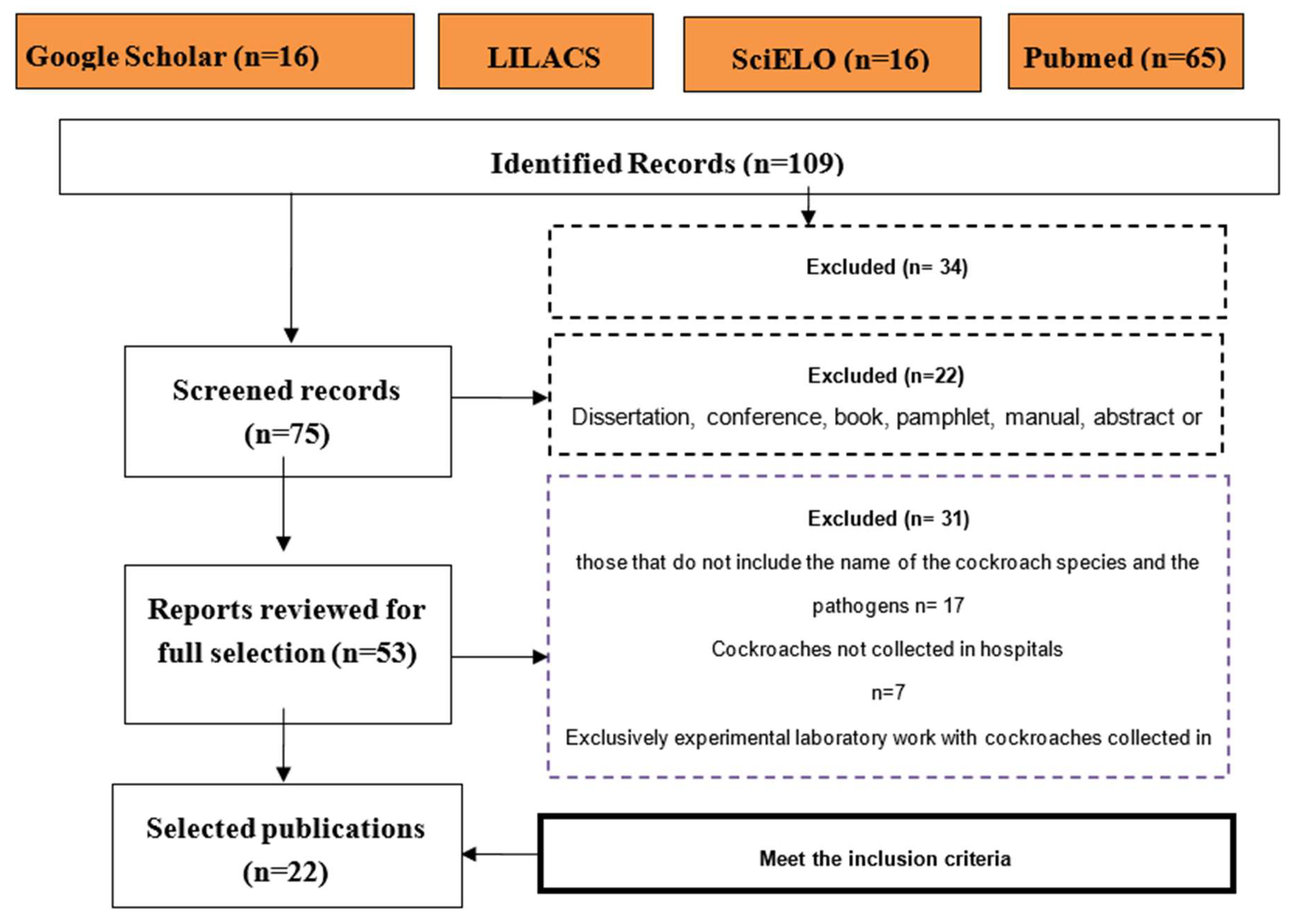
Figure 2.
Distribution of studies by species or group of cockroach species identified.
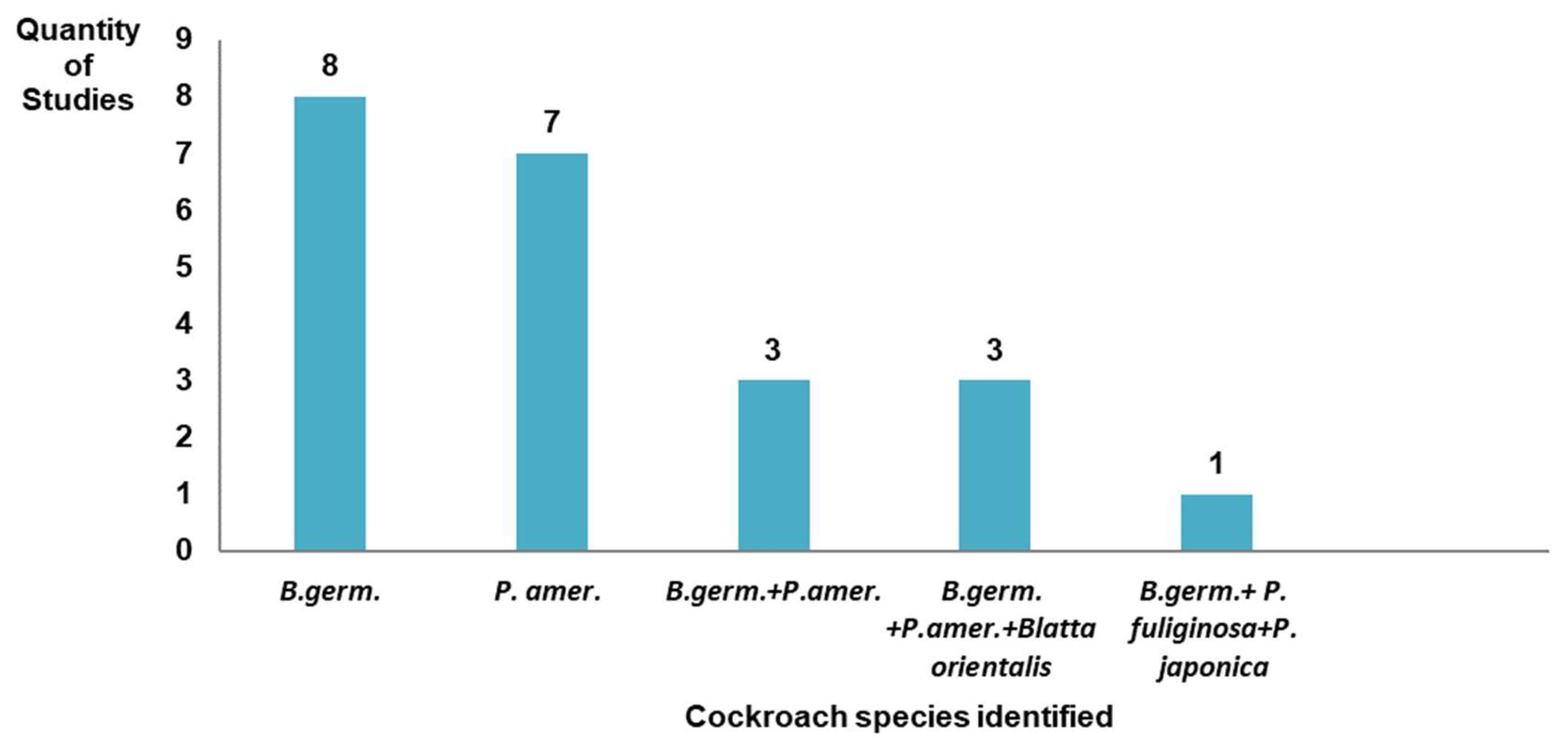
Figure 3.
Distribution of bacterial species with antibiotic resistance in the articles analyzed.
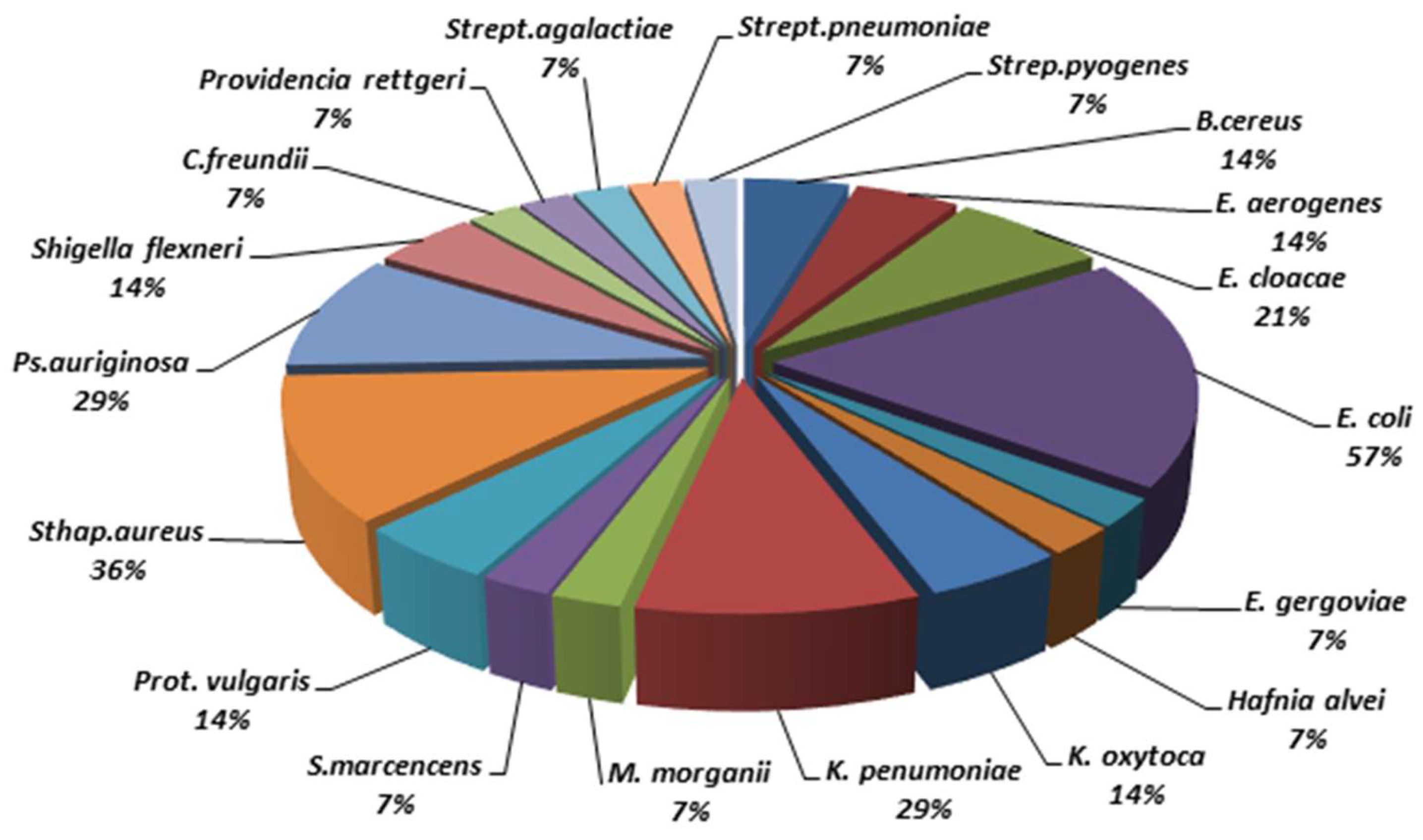

Table 1.
Microorganisms isolated and identified from cockroaches collected from hospitals in different parts of the world, 2000 - 2023.
Table 1.
Microorganisms isolated and identified from cockroaches collected from hospitals in different parts of the world, 2000 - 2023.
| Author, year, reference number | Country | Microorganisms isolated and identified from cockroaches | Methods used in the identification of microorganisms, determination of antimicrobial susceptibility profile and antibiotic resistance mechanisms. |
|---|---|---|---|
| Prado et al., 2002 (30) |
Brazil | Bacteria: E. coli, K. pneumoniae, E. cloacae, S. marcescens, H. alvei, E. gegorviae, Serratia spp., K. oxytoca, P. vulgaris, Morganella morganii |
IM (Bacteria): Seeding in culture media (general and differential), Gram stain (TG) and conventional biochemical tests (CBT). PSA (Bacteria): Disc Diffusion Method (Kirby Bauer). |
| Marinésia et al., 2006 (31) | Brazil |
Bacteria: S. coagulase-negative, E. aerogenes, S. marcescens, H. alvei, E. cloacae, E. gergoviae, Serratia spp. Fungi: Yeast and Filamentous fungi |
IM (Bacteria): Seeding in culture media (general and differential) and PBC. PSA (Bacteria): Disc Diffusion Method (Kirby Bauer). IM (Fungi): Seeding in Sabouraud agar medium and observation of macro and microscopic morphological characteristics of the sample. |
| Elgderi et al., 2006 (32) |
Libya | Bacteria: E. coli, K. pneumoniae, K. oxytoca, K. ornithinolytica, E. cloacae, E. aerogenes, Pantoea sp., C. freundii, C. braakii, C. youngae, C. amalonaticu, S. marcescens, S. liquefaciens, P. mirabilis, P. vulgaris, M. morganii, H. alvei, Buttiauxlla agrestis, Aeromonas hydrophila, Aeromonas caviae, P. aeruginosa, Acinetobacter sp., Streptococcus.sp. | IM (Bacteria): Seeding in culture media (general and differential), PBC y API. PSA (Bacteria): Disc Diffusion Method (Kirby Bauer). |
| Tachbele et al., 2006 (33) |
Ethiopia | Bacteria: Shigella flexneri, E. coli O15717, S. aureus, Bacillus cereus. |
IM (Bacteria): Seeding in culture media (general and differential), TG, PBC and Serological Tests. PSA (Bacteria): Disc Diffusion Method (Kirby Bauer). |
| Salehzadeh et al., 2007 (34) |
Iran | Bacterias: E. coli, Haemophilus spp., S. hemolítico group A y B. Fungi: Candida spp., Mucor spp., Aspergillus niger, Rhizopus spp., Penicillium spp., Aspergillus fumigans Helminths: Enterobius vermicularis, Ascaris spp. |
IM (Bacteria): Seeding in culture media (general and differential), TG y PBC. PSA (Bacteria): Seeding in culture media (general and differential) (Kirby Bauer). IM (Fungi): Seeding in Sabouraud agar medium and observation of macro and microscopic morphological characteristics of the sample. IM (Helminths): Direct parasitologic methods (saline and Lugol) and observation of the sample under the light microscope. |
| Aparecida et al., 2008 (35) |
Brazil | Bacteria: Salmonella spp., E. coli, C. freundii, H. alvei, S. aureus, E. aerogenes, Serratia spp. |
IM (Bacteria): Seeding in culture media (general and differential), TG y PBC. PSA (Bacteria): the method used is not shown. |
| Karimi et al., 2009 (36) |
Iran | Bacteria: E. coli, K. pneumoniae, K. oxytoca, E. cloaceae, E. aerogenes, P. mirabilis, P. vulgaris, M. morganii, C. freundii. C. diversus, Edwardsiellae trada, S. aureus, S. epidermidis, S. saprophyticus, S. group D, P. eruginosa | IM (Bacteria): Seeding in culture media (general and differential), TG y PBC. |
| Saitou et al., 2009 (37) |
Japan | Bacteria: P. aeruginosa | IM (Bacteria): Seeding in culture media (general and differential), PBC y API. PSA (Bacteria): Using the Etest.MRA: PCR. |
| Risco et al., 2010 (38) | Cuba |
Bacteria: Acinetobacter calcoaceticus, Alcaligenes faecalis, C. diversus, C. freundii, E. aerogenes, E. agglomerans, E. cloacae, Enterococcus sp., E. coli, K. oxytoca, K. pneumoniae, P. mirabilis, P. vulgaris, P. stuartii, P. aeruginosa, S. marcescens, S. aureus, S. epidermidis. Fungi: Aspergillus spp., Mucor spp., Rizopus spp. |
IM (Bacteria): Seeding in culture media (general and differential), TG y PBC. IM (Fungi): Seeding in Sabouraud agar medium and observation of macro and microscopic morphological characteristics of the sample. |
| Tilahun et al., 2012 (39) |
Ethiopia | Bacteria: K. oxytoca, K. pneumoniae, E. cloacae, C. diversus, P. aeruginosa, Providencia rettgeri, K. ozaenae, E. aerogenes, S. aureus, E. coli, Shigella flexneri, Enterococcus faecalis. |
IM (Bacteria): Seeding in culture media (general and differential), TG y PBC. PSA (Bacteria): Disc Diffusion Method (Kirby Bauer). |
| Tetteh-Quarcoo et al., 2013 (40) |
Ghana |
Bact eria: K. pneumoniae, E. coli, P. vulgaris, C. ferundii, E. cloacae, P. aeruginosa, Enterococcus faecalis, K. oxytoca. Helminths: Ancylostoma duodenale, Taenia spp. Virus: Rotavirus |
IM (Bacteria): Seeding in culture media (general and differential), TG y PBC. IM (Helminths): Staining of the sample with lugol and observation under a light microscope. IM (Rotavirus): ELISA PSA (Bacterias): Disc Diffusion Method (Kirby Bauer). |
| Motevali et al., 2014 (41) |
Iran | Fungi: Candida spp., Rhodotorula spp., Aspergillus spp., Fusarium spp., Penicillium spp. Geotrichum spp., Alternaria spp., Cladosporium spp., Trichoderma spp., Mucor spp., Chrysosporium spp. | IM (Fungi): Seeding in Sabouraud's dextrose agar with chloramphenicol, tube germination test (yeast) and observation of macro and microscopic morphological characteristics of the sample. . |
| Menasria et al., 2014 (42) |
Argelia | Bacteria: S. aureus, C. erundii, E. cloacae, E. aerogenes, K. pneumoniae, S. marcescens. | IM (Bacteria): PBC y API. |
| Suresh et al., 2015 (43) |
India | Bacteria: Salmonella B, Salmonella D, Salmonella E, Shigella B, E. coli, S. aureus. |
IM (Bacteria): Seeding in culture media (general and differential), TG, PBC y Pruebas Serológicas. PSA (Bacteria): Disc Diffusion Method (Kirby Bauer). |
| Cazorla et al., 2015 (44) |
Venezuela | Protozoans: Entamoeba blattae, Nycthoterus ovalis, Leptomonas spp., Cyclospora spp., Entamoeba coli, Cystoisospora spp., Lophomonas blattarum, Lophomonas striata Helminths: Enterobius vermicularis, Thelastoma spp., Hammerschmidtiella spp. |
IM (Protozoans and Helminths): Direct parasitologic methods: samples paired in saline, Lugol stained, then light microscoped. |
|
Ikechukwu et al., 2017 (45) |
Nigeria | Bacteria: E. coli, Salmonella spp., Shigella spp. |
IM (Bacteria): Seeding in culture media (general and differential), TG y PBC. PSA (Bacteria): Disc Diffusion Method (Kirby Bauer). MRA (Bacteria): DDST |
| Abdolmalek et al., 2017 (17) |
Iran | Bacteria: S. aureus |
IM (Bacterias): Seeding in culture media (general and differential), TG y PBC. PSA (Bacterias): Disc Diffusion Method (Kirby Bauer) and PCR. MRA (Bacterias): PCR |
| Nazari et al., 2020 (46) |
Iran | Bacteria: E. coli, S. coagulasa-negativa, Proteus spp., Enterococcus spp., Micrococcus spp., Pseudomona spp., Serratia spp.,Streptococcus.B, Streptococcus A, S. aureus. |
IM (Bacteria): Seeding in culture media (general and differential), TG y PBC. PSA (Bacteria): Disc Diffusion Method (Kirby Bauer) |
| Khodabandeh et al., 2020 (47) |
Iran | Fungi:Aspergillus niger, Rhizopus spp., Penicillium spp., Mucor spp., Candida glabrata, Candida krusei | IM (Protozoans): Seeding in different culture media; observation of macro and microscopic morphological characteristics of the sample. |
| Chehelgerdi et al., 2021 (48) |
Iran | Bacteria: S. pneumoniae, S. pyogenes, S. agalactiae |
IM (Bacterias): Seeding in culture media (general and differential), TG, PBC y PCR. PSA (Bacteria): Disc Diffusion Method (Kirby Bauer) and PCR. MRA (Bacteria): PCR |
| Farzad et al., 2021 (49) |
Iran | Protozoans: Gregarina sp., Lophomonas blattarum. Entamoeba sp. Blastocystis sp. Nyctotherus sp. | IM (Protozoans): Direct parasitologic methods: samples paired in saline, Lugol stained, then light microscoped. |
| Landolsi et al., 2022 (50) |
Tunisia | Bacteria: K. pneumoniae, E. coli, E. cloacae, C. sedlaki |
IM (Bacteria): Seeding in different culture media and mass spectrometry (MALDI-TOF). PSA (Bacteria): Disc Diffusion Method (Kirby Bauer) and PCR. MRA (Bacteria): DDST and Real Time PCR |
Disclaimer/Publisher’s Note: The statements, opinions and data contained in all publications are solely those of the individual author(s) and contributor(s) and not of MDPI and/or the editor(s). MDPI and/or the editor(s) disclaim responsibility for any injury to people or property resulting from any ideas, methods, instructions or products referred to in the content. |
© 2024 by the authors. Licensee MDPI, Basel, Switzerland. This article is an open access article distributed under the terms and conditions of the Creative Commons Attribution (CC BY) license (http://creativecommons.org/licenses/by/4.0/).
Copyright: This open access article is published under a Creative Commons CC BY 4.0 license, which permit the free download, distribution, and reuse, provided that the author and preprint are cited in any reuse.


