Preprint
Article

This version is not peer-reviewed.

Hemoglobin, Albumin, Lymphocyte, and Platelet Score Correlates with the Occurrence and Prognosis of Diabetic Kidney Disease Patients: Data from Two Large Cohorts

Submitted:

09 November 2024

Posted:

11 November 2024

You are already at the latest version

Abstract

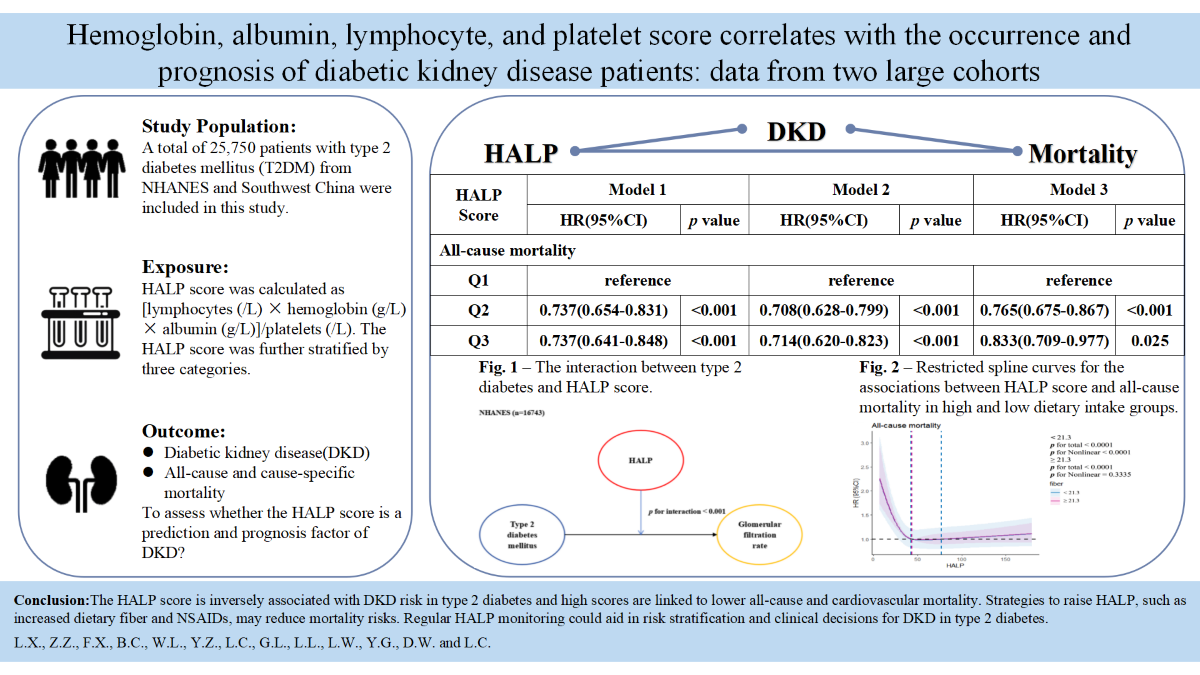
This study is intended to explore the relationship between the HALP score and the incidence as well as mortality of DKD in type 2 diabetes. We also evaluated whether reversing the HALP score could reduce mortality outcomes. This study included 25,750 type 2 diabetes patients from NHANES (1999–2018) and Southwest China (2013–2022). HALP score was calculated as [hemoglobin (g/L) × albumin (g/L)×lymphocytes (/L)]/platelets (/L). DKD was diagnosed based on ACR ≥30 mg/g and/or eGFR <60 mL/min/1.73m². The relationship between HALP score and DKD was explored using logistic regression model, and Cox regression models were used to evaluate its association with all-cause and cause-specific mortality. Subgroup analyses explored the effects of dietary fiber intake and NSAIDs use on HALP score and mortality. Higher HALP score were significantly associated with a lower risk of DKD (NHANES, HR 0.502; Southwest China, HR 0.528) in an antagonist manner. Additionally, higher HALP score was related to decreased all-cause (HR 0.765, p <0.001) and CVD-related mortality(HR 0.667, p <0.001).We also discovered the same outcome in DKD patients with low dietary fiber intake (HR 0.695, p <0.001) or NSAIDs use (HR 0.733, p <0.001). The magnitude of associations was not materially altered in any of the sensitivity analyses. High HALP score was independently associated with risk of DKD and its all-cause and cardiovascular mortality. Regular HALP monitoring could aid in risk stratification and clinical decisions for DKD in type 2 diabetes.
Keywords: 
;  ;  ;  ;  ;  ;  ;  ;  

1. Introduction

TheDKD is a common complication of type 2 diabetes. Its progression is driven by mechanisms such as polyol pathway enhancement and protein kinase C activation [1,2,3], which contribute to chronic inflammation, malnutrition, and increased all-cause and cardiovascular-related mortality [4,5,6,7]. Chronic inflammation, closely linked to malnutrition, exacerbates insulin resistance and β-cell dysfunction [8], impairing blood glucose control and accelerating DKD progression [9]. Therefore, chronic inflammation and malnutrition may contribute to the onset and progression of DKD. Comprehensive and regular evaluation of nutritional and inflammatory levels to manage the risk and progression of DKD is necessary.
HALP score is a simple, convenient indicator requiring only a complete blood count and albumin value, reflecting both inflammation and nutritional status. Compelling evidence suggests that the HALP score is an effective predictor of mortality, especially in patients with kidney cancers and stroke survivors [10,11]. Notably, HALP score was proved to be independently associated with cardiovascular and all-cause mortality in both hemodialysis patients and the general population [12,13]. A recent study indicates that the HALP score has an L-shaped correlation with the risk of diabetic retinopathy (DR) [14], suggesting it may be associated with complications of type 2 diabetes.
Current studies suggest that increased dietary fiber intake may reduce DKD incidence, while anti-inflammatory drugs like pentoxifylline can improve glycemic control, enhance insulin sensitivity, and relieve inflammation, thereby slowing subclinical atherosclerosis progression in patients with type 2 diabetes and chronic kidney disease [15,16]. However, evidence regarding the role of HALP in the incidence and mortality of patients with DKD remains insufficient. Adequate consumption of dietary fiber and the use of anti-inflammatory drugs such as NSAIDs could enhance the HALP score, but it remains unclear whether they modify the influence of the HALP score on the mortality of DKD.
To address this gap, we aim to evaluate the association of the HALP score with the incidence and mortality in DKD patients with type 2 diabetes from the National Health and Nutrition Examination Survey (NHANES) 1999–2018 and the Southwest China cohort 2013–2022.

2. Materials and Methods

2.1. Study Population

The This is a multicenter retrospective study utilizing data from NHANES 1999–2018 [17] and Southwest China 2013-2022 (the Big Data Intelligence Platform jointly built by Chongqing Medical University and Yidu Cloud Company) [18]. Written informed consent was obtained, and the ethics were approved by the Ethics Review Board of the National Center for Health Statistics and the Ethics Committee of Chongqing Medical University. A total of 135,310 people from NHANES and 50,000 people from Southwest China were included at the time of enrollment. In the end, a total of 25,750 patients with type 2 diabetes were included in this study according to the inclusion and exclusion criteria.

2.2. Ascertainment of Outcomes

For the association of DKD with the HALP score in NHANES and Southwest China, DKD was diagnosed based on urine albumin to creatinine ratio (ACR) ≥30 mg/g and/or estimated glomerular filtration rate (eGFR) <60 mL/min/1.73m² [19]. eGFR was calculated using the CKD-EPI algorithm in NHANES and the cystatin C-based CKD-EPI equation combined with serum creatinine (CKD-EPIscr-cys) in Southwest China [20,21].
For the relationship of the HALP score with all-cause and cause-specific mortality for DKD in NHANES, the primary outcome was all-cause mortality, while secondary outcomes were cause-specific mortality, including CVD-related, malignancy-related, and cerebrovascular-related mortality. Mortality data were obtained from the 2019 Public-Use Linked files of the National Death Index (1999–2019) [22].

2.3. Assessment of Exposure

The exposure variable was the HALP score, which was calculated using the following formula: [hemoglobin (g/L) × albumin (g/L)×lymphocytes (/L)]/platelets (/L) [10]. Classification of patients was based on the different thresholds using the triplet method: 1) ≤35.85(Q1), 2) 35.85 to 64.88(Q2), and 3) >64.88(Q3) in the NHANES, while 1) ≤30.19(Q1), 2) 30.19 to 70.53(Q2), 3) >70.53(Q3) in the Southwest China.

2.4. Assessment of Covariates

The data for baseline demographic characteristics and laboratory values were obtained from NHANES and Southwest China, respectively. Structured questionnaires were conducted to collect information about age, sex, ethnicity, drinking status, smoking status, weight, height, systolic blood pressure, diastolic blood pressure, and body mass index (BMI). Chronic kidney disease (CKD) was defined as eGFR < 60 mL/(1.73 m² * min). In addition, strict laboratory analyses were performed, including the assessment of hemoglobin, albumin, lymphocyte, platelet, fasting glucose, HbA1c, white blood cell, serum creatinine, uric acid, triglyceride, high-density lipoprotein cholesterol, low-density lipoprotein cholesterol, eosinophilic granulocyte, neutrophilic granulocyte, monocyte, and red blood cell. Examined prescription NSAIDs include common drugs like ibuprofen, naproxen, and diclofenac, as well as less common ones like diflunisal and meclofenamate sodium (Supplementary Table 1-2). Dietary intake was assessed using two 24-hour recalls, with fiber intake calculated from the USDA’s Food and Nutrient Database, either averaged over two recalls or based on one recall when only a single recall was available. Further details of these covariates were documented in the NHANES Laboratory Medical Technologists Procedures Manual [17] and the Dynamically Updated Big Data Intelligence Platform Using Electronic Medical Records [18].

2.5. Statistical Analyses

Baseline characteristics were summarized as mean ± SD for normally distributed continuous variables, medians (interquartile ranges) for non-normally distributed variables, and frequencies (percentages) for categorical variables. The difference among groups was assessed using t-tests, ANOVA, or Kruskal-Wallis tests, and missing data were imputed using multiple imputation with chained equations. The missing rates of covariates were summarized (Supplementary Table 3). Spearman’s rank correlation was used to evaluate the relationship between HALP score and selected parameters.
Univariate and multivariate logistic regression models were used to evaluate the association between the HALP score and DKD, with estimated odds ratios (OR) and 95% confidence intervals (CI). Linear regression examined the relationship between HALP score and eGFR. Mediation and interaction models were employed to explore the relationship among type 2 diabetes, HALP score, and eGFR. The bootstrap method was employed to evaluate the significance of mediation effects. Nonlinear associations between HALP score and DKD were evaluated using restricted cubic spline (RCS) models, and logistic regression further examined the contribution of hemoglobin, albumin, lymphocytes, and platelets, both as continuous and categorical variables.
Kaplan-Meier curves and log-rank tests were employed to assess the relationship between HALP score and all-cause or cause-specific mortality in DKD patients. Cox regression models, adjusted for confounders, were used to evaluate the independent effect of HALP score on mortality, with proportional hazards being tested by Schoenfeld residuals. Nonlinear associations were explored using restricted cubic splines and two-piecewise linear regression models, and the influence of dietary fiber intake and NSAIDs use on HALP score and mortality outcomes was examined through subgroup analyses. Hazard ratios (HRs) and 95% CIs were computed for these associations.
All statistical analyses were conducted using SPSS (version 27.0), GraphPad Prism (version 9.5.1), or R software (version 4.3.1). P value of <0.05 was considered statistically significant.

2.6. Sensitivity Analyses

Several sensitivity analyses were conducted: (i) To reduce potential bias from the COVID-19 pandemic, diabetes patients in Southwest China were reanalyzed before and after January 15, 2020 using logistic regression; (ii)Subgroup analyses were conducted to evaluate whether the association between HALP score and DKD remained consistent; (iii) The association between HALP score and cause-specific mortality was reanalyzed after excluding participants who died from cause-specific events within the first year of follow-up. To minimize reverse causality, Cox models were reanalyzed with additional adjustments for baseline illnesses, followed by restricting the sample to participants without baseline cardiovascular risks.(iv) To account for the competing risks between all-cause and cause-specific mortality, the main analyses were repeated using a competing risk model [23]; (v) As renal morphology changes in diabetes patients have not been confirmed by biopsy, a decline in eGFR was used as an indicator of DKD. Given the controversy over eGFR cut-off values for defining DKD, different calculation formulas and thresholds were applied to the NHANES and Southwest China datasets, incorporating race and gender-specific parameters [20,21]; (vi) The main analyses were repeated after defining HALP score as a continuous variable; (vii) The robustness and potential variations in the association between HALP score and all-cause and cause-specific mortality were tested across different subgroups.

3. Results

3.1. Baseline Characteristics

The screening strategy for participants is shown in Figure 1.A total of 7,252 participants from NHANES (50.3% female, mean age: 61.51 years) and 18,498 participants with type 2 diabetes from Southwest China (47.9% female, mean age: 69.65 years) were included in the baseline analysis. In NHANES, 2,802 patients died, 4,276 survived, and 174 had missing follow-up data. Significant differences were observed in ethnic composition, drinking status, and smoking status across HALP tertiles. The lowest HALP tertile (<35.85) had significantly lower eGFR (p <0.001), indicating a greater decline in renal function. This group also had the lowest levels of HGB, ALB, and LYM, and the highest PLT levels compared to other tertiles (Table 1). Additionally, Spearman’s rank correlation analysis revealed a positive correlation between eGFR and HALP score (Supplementary Table 4). HALP score distributions for NHANES and Southwest China are shown in Supplementary Figure. 1.

3.2. HALP Score and Risk of DKD in Type 2 Diabetes

Logistic regression was performed to examine the association between HALP score and DKD in type 2 diabetes. The confounding factors and HALP, identified through univariate screening (p <0.05) (Supplementary Table 5), would be utilized to construct Model 3. Participants in the middle HALP tertile had a significantly reduced risk of DKD compared with the lowest tertile in Model 3 (NHANES: HR 0.611, 95% CI 0.513–0.713; Southwest China: HR 0.612, 95% CI 0.554–0.676). A further reduction in risk was observed in the highest tertile (NHANES: HR 0.502, 95% CI 0.478–0.530; Southwest China: HR 0.528, 95% CI 0.451–0.617). Trend analysis confirmed a decreasing risk of DKD with increasing HALP score in both cohorts (all p for trend <0.001) (Table 2). Besides, nonlinear dose-response relationships between HALP score and DKD were evident in NHANES (p for nonlinearity <0.05), with a similar linear pattern in males. This relationship was not observed across different age groups (<64 and >64) (Supplementary Figure. 2), and a threshold effect was identified only in males (Supplementary Table 6).
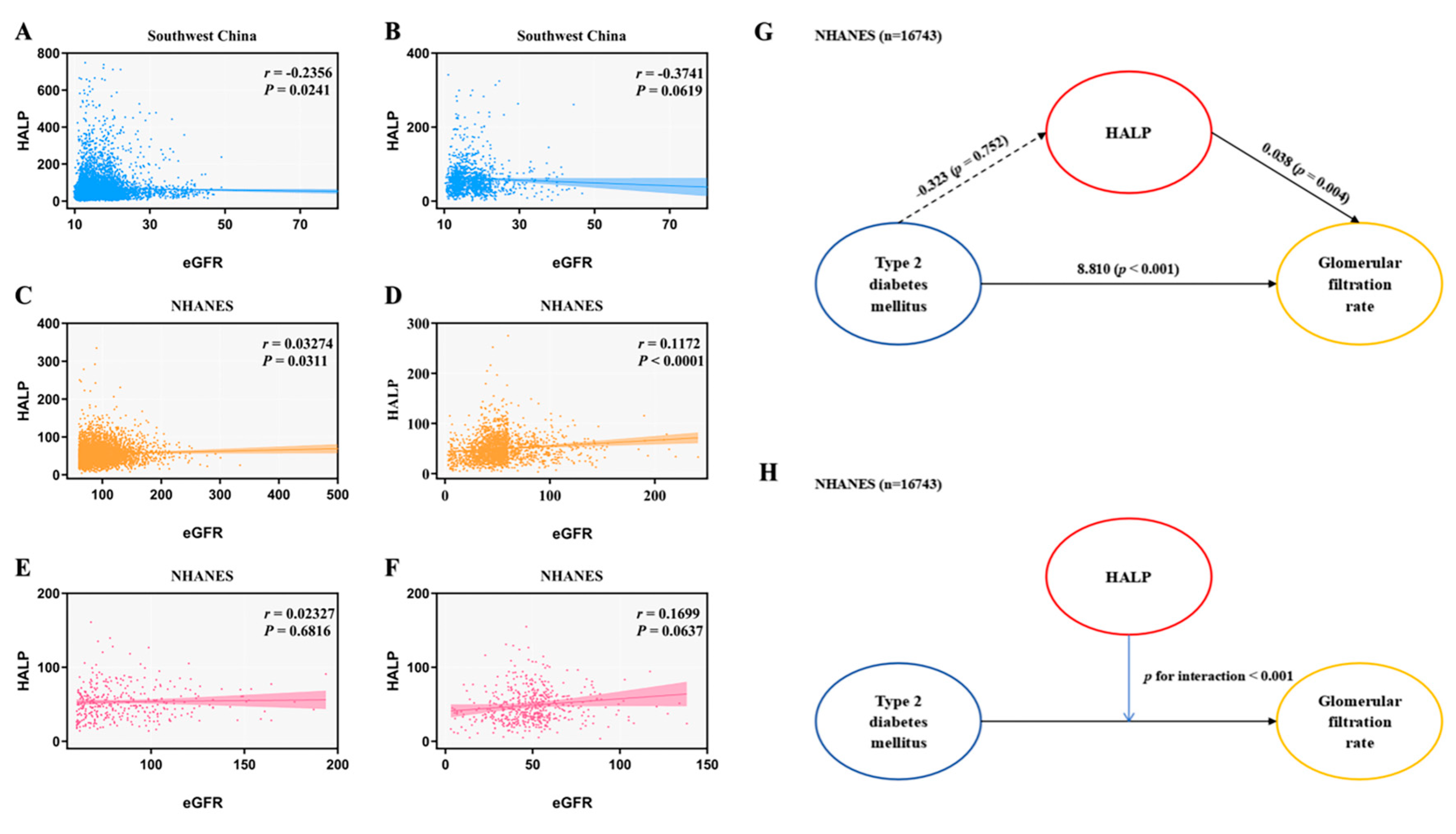
In the NHANES cohort, HALP score was positively correlated with eGFR in both DKD (r = 0.0327) and non-DKD populations (r = 0.1172). Mediation analysis indicated no significant mediation effect of HALP score on the relationship between type 2 diabetes and DKD (β = -0.323, p = 0.752). However, a significant interaction between HALP score and eGFR was observed in the diabetic population (p for interaction <0.001) (Figure 2).
An analysis of the association of four components of HALP score and the decline in renal function in patients with type 2 diabetes was added. After adjusting for variables, HGB (NHANES, OR 0.668, 95% CI 0.631–0.707; Southwest China, HR 0.808, 95% CI 0.772–0.846) and ALB (NHANES, HR 0.732, 95% CI 0.696–0.770; Southwest China, HR 0.706, 95% CI 0.676–0.718) were independently associated with DKD. LYM showed a weaker association in Southwest China (HR 0.958, 95% CI 0.917–1.000, p = 0.051), while PLT had no significant correlation (all p >0.05) (Supplementary Tables 7-10).

3.3. HALP Score and Risk of Mortality with DKD in Type 2 Diabetes

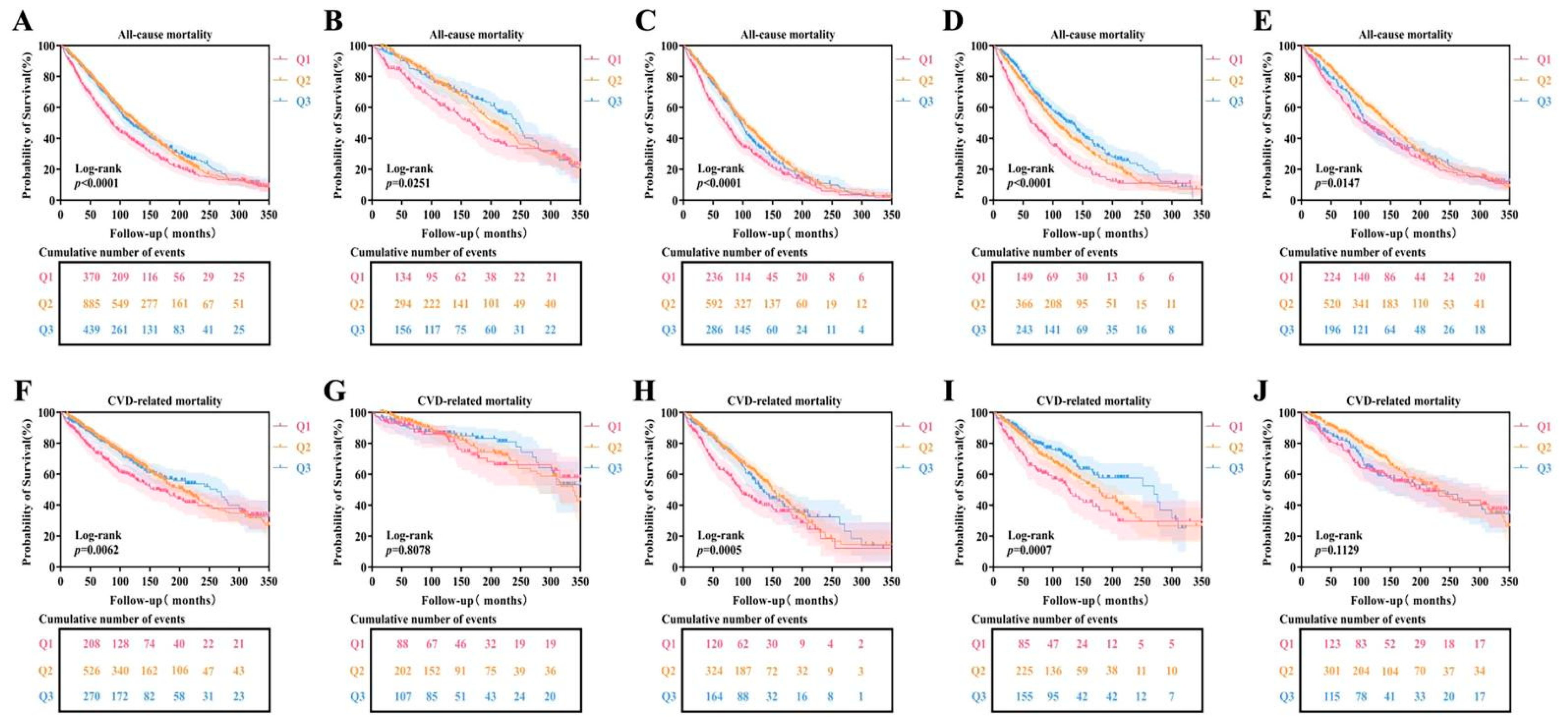
During a median follow-up of 90 months (interquartile range 45, 149), all-cause mortality developed in 2,802 participants, including 893 cases of CVD-related mortality, 408 cases of malignancy-related mortality, and 173 cases of cerebrovascular-related mortality. Kaplan-Meier curves showed significant differences in risk of adverse outcomes among different age and gender groups (Figure 3 and Supplementary Figure. 3).
Confounding factors and HALP score, identified through univariate Cox regression analysis screening (p <0.05) (Supplementary Table 11), were used to construct Model 3. Multivariable-adjusted Cox regression analysis showed that, compared with participants in the lowest HALP tertile, those in the midrange tertile had a reduced risk of all-cause mortality (HR 0.765, 95% CI 0.675–0.867), CVD-related mortality (HR 0.667, 95% CI 0.538–0.827), malignancy-related mortality (HR 0.524, 95% CI 0.275–0.999), and cerebrovascular-related mortality (HR 0.597, 95% CI 0.375–0.950). For participants in the highest HALP tertile, the corresponding HRs were 0.833 (95% CI 0.709–0.977), 0.610 (95% CI 0.464–0.801), 0.460 (95% CI 0.231–0.917), and 0.568 (95% CI 0.317–1.016) (Table 3).
Linear dose-response relationships of HALP score with all-cause mortality and CVD-related mortality were demonstrated (all p for non-linearity <0.05), except for CVD-related mortality in the younger group(age <64 years).There was only a weak correlation between HALP score and malignancy-related or cerebrovascular-related mortality (Supplementary Figure 4–5).
Threshold effect analysis identified critical inflection points influencing the correlation between variables. We then evaluated the relationships between independent and dependent variables before and after these points. Significant threshold effects were observed in different models for all-cause and CVD-related mortality (Supplementary Table 12).

3.4. HALP Score and Risk of Mortality in Different Dietary Fiber Intake and NSAIDs Groups

In the low dietary fiber intake group, after adjusting for age, sex, and race, a higher HALP score was significantly associated with a reduced risk of all-cause mortality (Q2 vs. Q1: OR 0.695, p <0.001; Q3 vs. Q1: OR 0.780, p =0.002) and CVD-related mortality (Q2 vs. Q1: OR 0.659, p <0.001; Q3 vs. Q1: OR 0.676, p =0.006). These associations were not observed in the high dietary fiber intake group across all multivariate models (all p >0.05). Similar results were seen in different NSAIDs groups (Table 4).
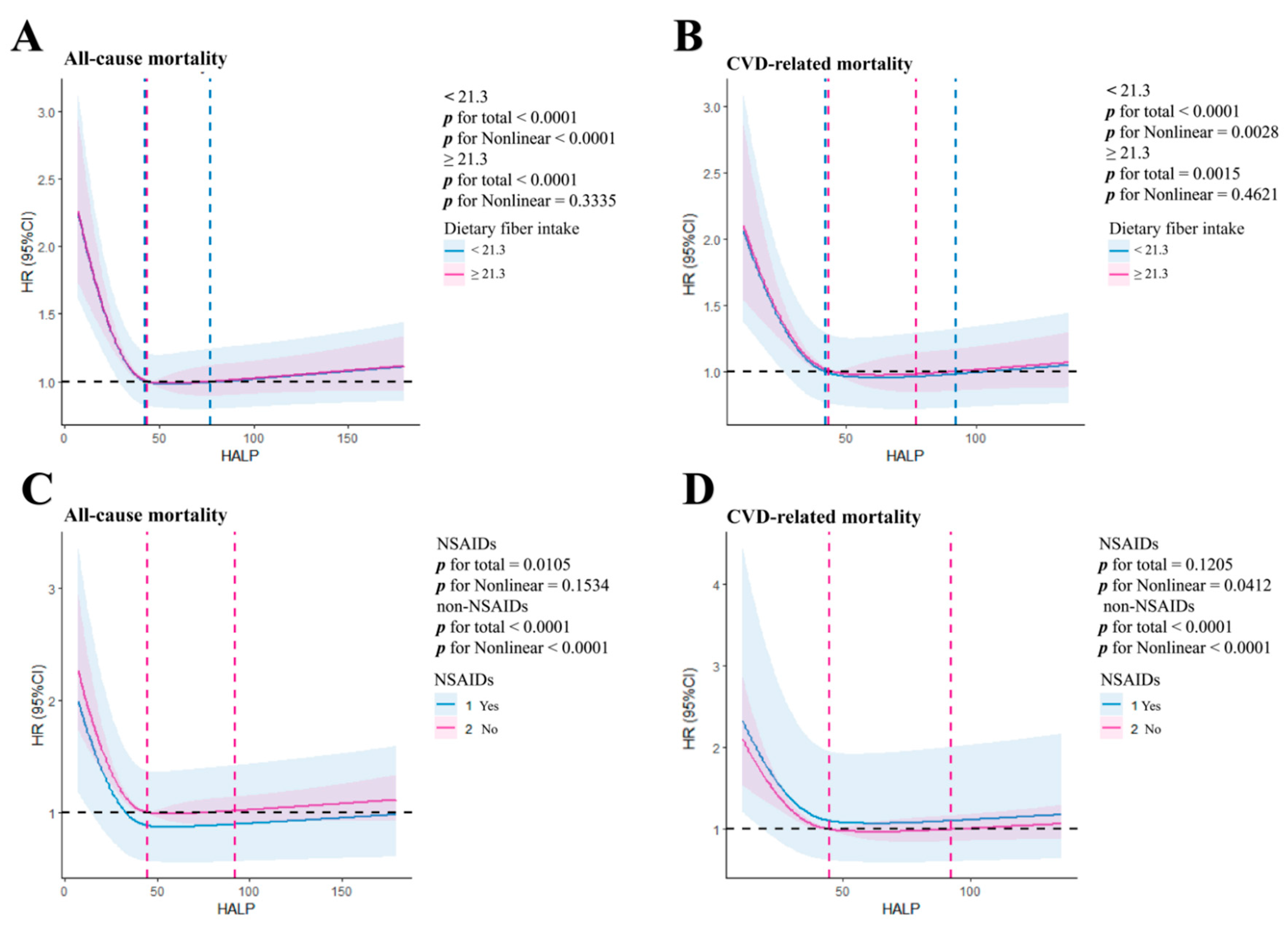
An L-shaped dose-response relationship was identified between HALP score and the risk of CVD-related and all-cause mortality in the low dietary fiber intake group (p overall <0.0001; p for non-linearity <0.01) and the non-NSAIDs group (p for total <0.001; p non-linear <0.0001). No significant dose-response relationship was found in the high dietary fiber intake or NSAIDs groups (Figure 4).

3.5. Sensitivity Analyses

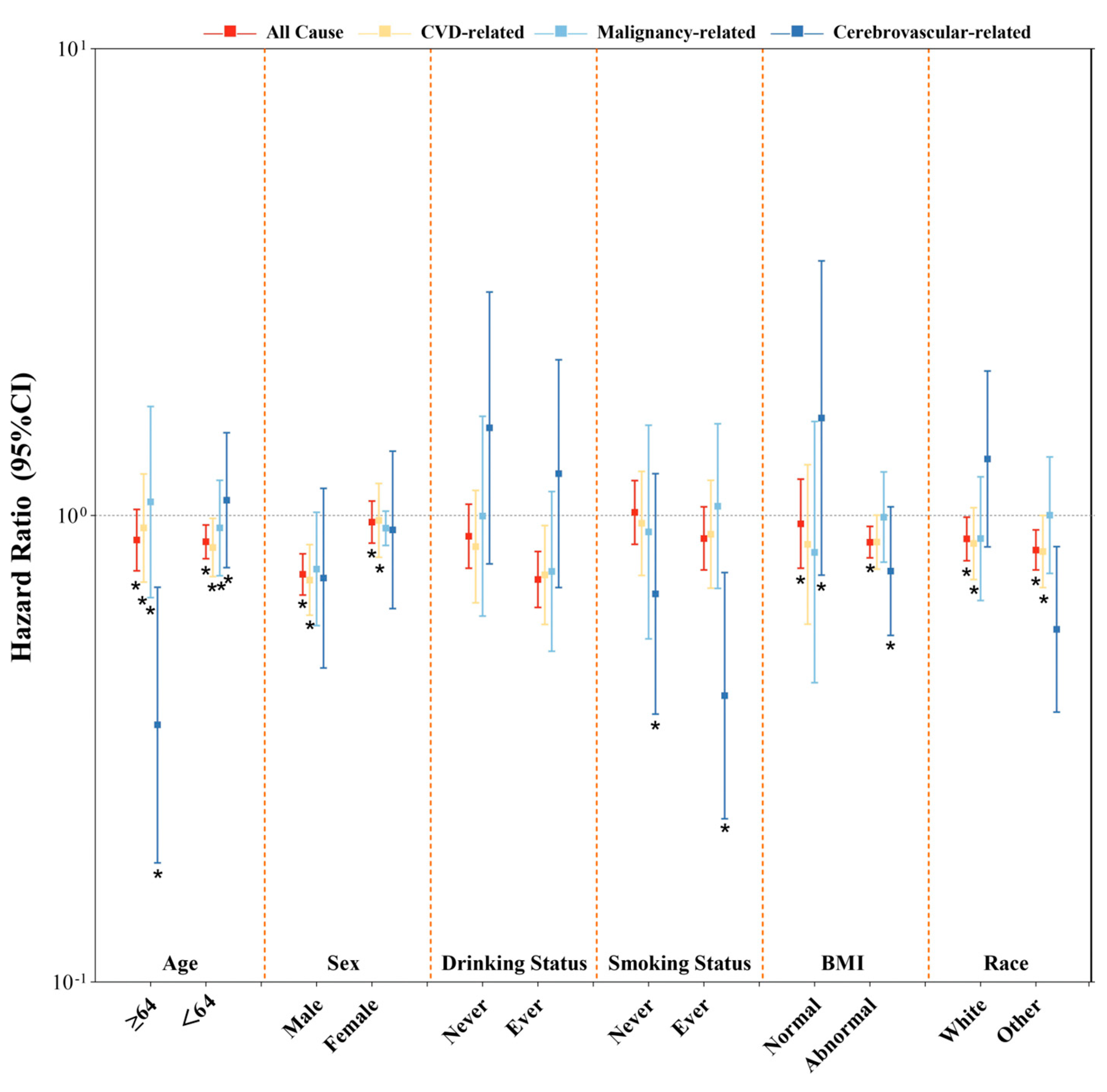
Most results remained consistent across all sensitivity analyses. For example, the association between HALP score and DKD in type 2 diabetes persisted after censoring data up to January 15, 2020, when COVID-19 emerged in Southwest China (Supplementary Table 13, Table 14 and Table 15). In stratified analyses, the association was stronger among participants from other racial groups, including the Tujia, Miao, Hui, and other ethnic minorities (p for interaction <0.001). Consistent results were found in analyses stratified by age, sex, drinking, smoking, and BMI (all p for interaction >0.05) (Supplementary Figure 6). The findings still held after excluding participants with cardiovascular and cerebrovascular diseases at baseline (Supplementary Figure 7–8, Supplementary Table 16, Table 17 and Table 18), excluding participants whose cause-specific death occurred within the first two years of follow-up (Supplementary Table 19), and performing competing risk analyses for cause-specific deaths (Supplementary Table 20). While the association between HALP score and mortality from malignant neoplasms and cerebrovascular diseases was slightly attenuated when HALP was redefined as a continuous variable, the overall results remained robust (Supplementary Tables 21–32). Similar findings were observed in the stratified analyses of HALP score associations with all-cause and cause-specific mortality (Figure 5 and Supplementary Table 33).

4. Discussion

Our study used data from the 1999–2018 NHANES multicenter retrospective cohort and the 2013–2022 Southwest China multicenter cross-sectional study to investigate the relationship between HALP score, renal function impairment in type 2 diabetes, and all-cause and cause-specific mortality in DKD patients. The findings suggest that HALP score was inversely associated with DKD incidence in type 2 diabetes. Although HALP score was not identified as a mediator in DKD, it significantly impacted the progression of DKD. Among the four HALP components, hemoglobin and albumin, key markers of nutritional status, showed the strongest association with renal impairment. Furthermore, higher HALP score were associated with decreased all-cause and CVD-related mortality in DKD. Additionally, this relationship may be modified by NSAIDs use and dietary fiber intake.
The HALP score, a novel immune-nutritional marker, has been studied in diabetic complications such as DR [24], while its relationship with DKD remains unexplored [14]. Current research mainly focuses on the predictive value of HALP in cancer and cardiovascular outcomes [25], leaving a gap in its implications for DKD and related mortality. This highlights the need for further research to determine whether the HALP score can serve as a reliable biomarker for assessing the risk of DKD and its associated all-cause and CVD-related mortality.
DKD in type 2 diabetes is closely linked to chronic low-grade inflammation, as elevated glucose and insulin resistance trigger inflammatory responses, further worsening insulin resistance and β-cell dysfunction [26]. Studies have also shown increased macrophage infiltration in the atherosclerotic lesions of DKD patients, likely driven by elevated cytokine levels. Activated macrophages release additional cytokines, promoting the synthesis of platelet-activating factors and adhesion molecules, further aggravating atherosclerosis [27]. This highlights the critical role of inflammation as a therapeutic target in managing CVD-related mortality in DKD patients. Additionally, diabetic patients often experience malnutrition due to a poor diet, digestive issues, or medication side effects. This worsens glycemic control, complicates diabetes management, and increases the risk of nephropathy progression [28]. Growing evidence shows that protein malnutrition is closely linked to the development and prognosis of renal disease [29]. Chronic inflammation combined with malnutrition significantly increases the risks of infection and mortality in DKD patients, leading to a poor prognosis [30–32]. The rational use of the HALP score in clinical practice for early assessment of inflammation and nutrition is essential for slowing nephropathy progression and reducing all-cause and CVD-related mortality in DKD patients.
We initially hypothesized that the HALP score might serve as an intermediary between diabetes and diabetic nephropathy; however, our findings did not support a mediating effect. This outcome may be attributed to data limitations, such as insufficient sample size and other contributing factors. Notably, further analysis revealed that HALP score played a significant antagonistic role in the progression of renal function impairment in type 2 diabetes. This may be attributed to the close relationship between the HALP score components (hemoglobin, albumin, lymphocyte count, platelet count) and DKD progression. First, lower hemoglobin levels, common in diabetic nephropathy, reflect impaired renal function due to reduced erythropoietin production and malnutrition in chronic disease states [33,34]. Second, hypoalbuminemia, commonly linked to massive proteinuria in diabetic nephropathy, results from significant protein loss in the urine, leading to decreased serum albumin levels. Hypoalbuminemia not only reflects severely impaired renal filtration but also contributes to edema, malnutrition, and increased infection risk, further accelerating the progression of diabetic nephropathy [35]. Third, changes in lymphocyte count, critical for immune regulation, may reflect immune dysfunction in DKD. Abnormal lymphocyte levels can influence inflammatory responses, infection, and other factors, contributing to the progression of diabetic nephropathy [36]. Accumulating evidence suggests that chronic inflammation and neutrophils play pathogenic roles in DKD. Elevated circulating neutrophil counts are significantly associated with renal abnormalities in patients with type 2 diabetes and DKD, and are also linked to higher all-cause and CVD-related mortality in this population [37]. Fourth, platelet count has limited diagnostic value in identifying patients with type 2 diabetes at risk of developing DKD [38]. The findings align with previous studies, showing that hemoglobin and albumin are stronger indicators of nephropathy progression risk, with lymphocytes playing a secondary role and platelets having a weaker influence.
These findings underscore the critical roles of both nutrition and inflammation in the progression of diabetic nephropathy, highlighting the need to address both factors in managing the disease prognosis. First, adjusting dietary fiber intake supports nutritional management. Previous studies have shown that a high-fiber diet regulates blood glucose, slows carbohydrate digestion, and reduces postprandial glucose spikes, with soluble fibers particularly effective in lowering blood lipids and reducing cardiovascular burden [39]. Second, anti-inflammatory drugs can reduce inflammation, enhance insulin sensitivity, improve glucose control, and lower the risk of complications such as DKD [40]. Our findings support this, showing that HALP is linked to higher all-cause and CVD-related mortality in patients with type 2 diabetes, especially in those with low fiber intake and no NSAIDs use. Thus, our study confirms that the HALP score is a comprehensive indicator of nutritional and inflammatory status, underscoring the importance of assessing anti-inflammatory drug use, such as NSAIDs, and fiber intake to slow disease progression.
This study has significant clinical and public health implications. First, HALP should be incorporated into the routine management of type 2 diabetes, especially in DKD. As a dual indicator, HALP provides a more comprehensive assessment of patients’ nutritional and inflammatory status, aiding in early identification of high-risk individuals and enabling timely preventive measures to delay disease progression. Additionally, both nutrition and inflammation are reversible factors. Dietary fiber and anti-inflammatory drugs can modify HALP levels, potentially slowing disease progression and reducing adverse outcomes. Monitoring HALP provides an early indication of diabetic nephropathy and serves as a simple, effective biomarker for predicting prognosis.
To the best of our knowledge, this is the first study to demonstrate the association between HALP score and DKD progression, with additional mediation and interaction analyses.It is also the first to assess the HALP score in relation to all-cause and cause-specific mortality in DKD. This multicenter cohort study, conducted in China and the US, included diverse ethnicities, a rigorous design, and large sample sizes. Extensive sensitivity analyses further ensured the robustness of our findings.
This study has several limitations. First, NHANES provides validated diagnoses, but other variables are self-reported, which introduces the potential for bias. Second, causal inference is limited due to the observational nature of the study. Third, despite adjusting for multiple confounders, residual confounding, such as genetic susceptibility and medication use, may remain. Fourth, HALP score was only evaluated at enrollment, with no follow-up assessments over time. Finally, the lack of follow-up data in the Southwest China cohort limits further analysis. NHANES currently does not collect information on OTC medications, which could result in misclassifying participants exposed to OTC NSAIDs but not taking prescription NSAIDs. However, this bias is likely minimal when prescription NSAID use is low (below 35%) compared to OTC NSAIDs use [41].

5. Conclusions

In conclusion, the HALP score is inversely associated with DKD risk in type 2 diabetes, with higher scores linked to lower all-cause and CVD-related mortality. Strategies to raise HALP, such as increased dietary fiber intake and NSAIDs use, may help reduce mortality risks. Regular monitoring of the HALP score could aid in risk stratification and clinical decisions for managing DKD in type 2 diabetes.

Supplementary Materials

The following supporting information can be downloaded at website of this paper posted on Preprints.org, Supplemental Figures: Supplementary Figure 1-8; Supplementary Tables: Supplementary Table 1-33.

Author Contributions

Conceptualization, L.X., F.X. and Z.Z.; Formal analysis, L.X., W.L., Y.Z., L.C. and G.L.; Writing - Original Draft, L.X., B.C., W.L. and Y.Z.; Project administration, L.X.; Funding acquisition, F.X., Z.Z. and L.C.; Software, B.C.,; Methodology, L.L.; Data Curation, L.W.; Writing - Review & Editing, Y.G., D.W. and L.C.; Project administration, D.W.; Resources, L.C.; Supervision, L.C. All authors have read and agreed to the published version of the manuscript.

Funding

This research was funded by the National Training Program of Innovation and Entrepreneurship for Undergraduates (grant number 202410631002) and the project of Tutorial System of Excellent Medical Undergraduate in Lab Teaching and Management Center at Chongqing Medical University (grant number LTMCMTS202216).

Institutional Review Board Statement

Not applicable

Informed Consent Statement

Patient consent was exempted due to the retrospective nature of
this study.

Data Availability Statement

Publicly available datasets were analyzed in this study. Data from the National Health and Nutrition Examination Survey (NHANES) can be found here: https://www.cdc.gov/nchs/nhanes/index.htm. And data from the Southwest China can be accessed here: https://www.yiducloud.com.cn/research/index.html.

Acknowledgments

The authors thank all of the survey teams and all of the study participants in the National Health and Nutrition Examination Survey for their contributions and dedication to this study. We thank all of the study participants, professional doctors, informatics technicians, and software engineers from Yidu Cloud Company (a technology company) who involved in the construction of the Southwest China database.

Conflicts of Interest

The authors declare that they have no known competing financial interests or personal relationships that could have appeared to influence the work reported in this paper.

References

  1. American Diabetes Association. 10. Microvascular Complications and Foot Care: Standards of Medical Care in Diabetes-2018. Diabetes Care. 2018;41(Suppl 1):S105-S118. [CrossRef]
  2. Tuttle KR, Bakris GL, Bilous RW, et al. Diabetic kidney disease: a report from an ADA Consensus Conference. Diabetes Care. 2014;37(10):2864-2883. [CrossRef]
  3. Afkarian M, Zelnick LR, Hall YN, et al. Clinical Manifestations of Kidney Disease Among US Adults With Diabetes, 1988-2014. JAMA. 2016;316(6):602-610. [CrossRef]
  4. Shim K, Begum R, Yang C, Wang H. Complement activation in obesity, insulin resistance, and type 2 diabetes. World J Diabetes. 2020;11(1):1-12. [CrossRef]
  5. Tesch GH. Diabetic nephropathy - is this an immune disorder?. Clin Sci (Lond). 2017;131(16):2183-2199. Published 2017 Jul 31. [CrossRef]
  6. Zhang J, Chen Y, Zou L, Gong R. Prognostic nutritional index as a risk factor for diabetic kidney disease and mortality in patients with type 2 diabetes . Acta Diabetol. 2023;60(2):235-245. [CrossRef]
  7. Xie R, Bishai DM, Lui DTW, Lee PCH, Yap DYH. Higher Circulating Neutrophil Counts Is Associated with Increased Risk of All-Cause Mortality and Cardiovascular Disease in Patients with Diabetic Kidney Disease. Biomedicines. 2024;12(8):1907. [CrossRef]
  8. Shoelson, S. E., Lee, J., & Goldfine, A. B. (2006). Inflammation and insulin resistance. The Journal of clinical investigation, 116(7), 1793–1801. [CrossRef]
  9. Muhammed D , Adebiyi Y H , Odey B O ,et al.Nutritional Management of Diabetes Mellitus: An appraisal of the role of Medicinal plants[J]. 2021. [CrossRef]
  10. Peng D, Zhang C, Tang Q, Zhang L, Yang K, Yu X, et al. Prognostic significance of the combination of preoperative hemoglobin and albumin levels and lymphocyte and platelet counts (Halp) in patients with renal cell carcinoma after nephrectomy. BMC Urol (2018) 18(1):20. [CrossRef]
  11. Chen X, Xue L, Wang W, Chen H, Zhang W, Liu K, et al. Prognostic significance of the combination of preoperative hemoglobin, albumin, lymphocyte and platelet in patients with gastric carcinoma: a retrospective cohort study. Oncotarget (2015) 6(38):41370–82. [CrossRef]
  12. Zhang F, Li L, Shi T, Liu Y, Xie J, Yu L. The hemoglobin, albumin, lymphocyte, and platelet (HALP) is a potent indicator for the prognosis in hemodialysis patients. Medicine (Baltimore). 2023;102(19):e33650. [CrossRef]
  13. Pan H, Lin SS. Association of hemoglobin, albumin, lymphocyte, and platelet score with risk of cerebrovascular, cardiovascular, and all-cause mortality in the general population: results from the NHANES 1999-2018. Front Endocrinol (Lausanne). (2023) 14:1173399. [CrossRef]
  14. Ding R, Zeng Y, Wei Z, et al. The L-shape relationship between hemoglobin, albumin, lymphocyte, platelet score and the risk of diabetic retinopathy in the US population. Front Endocrinol (Lausanne). 2024;15:1356929. Published 2024 May 10. [CrossRef]
  15. Jia XH, Wang SY, Sun AQ. Dietary fiber intake and its association with diabetic kidney disease in American adults with diabetes: A cross-sectional study. World J Diabetes. 2024;15(3):475-487. [15]. [CrossRef]
  16. Donate-Correa J, Ferri CM, Mora-Fernández C, Pérez-Delgado N, González-Luis A, Navarro-González JF. Pentoxifylline ameliorates subclinical atherosclerosis progression in patients with type 2 diabetes and chronic kidney disease: a randomized pilot trial. Cardiovasc Diabetol. 2024;23(1):314. [CrossRef]
  17. Center for Disease Control and Prevention. study. Available online: https://www.cdc.gov/nchs/nhanes/index.htm.
  18. Yidu Cloud Research Collaboration Platform.Available online: https://www.yiducloud.com.cn/research/index.html.
  19. de Boer IH, Rue TC, Hall YN, Heagerty PJ, Weiss NS, Himmelfarb J.Temporal trends in the prevalence of diabetic kidney disease in the united states. Jama (2011) 305(24):2532–9. [CrossRef]
  20. Levey AS, Stevens LA, Schmid CH, Zhang YL, Castro AF3rd, Feldman HI, et al. A new equation to estimate glomerular filtration rate. Ann Intern Med (2009) 150(9):604–12. [CrossRef]
  21. Yang M, Zou Y, Lu T, et al. Revised Equations to Estimate Glomerular Filtration Rate from Serum Creatinine and Cystatin C in China. Kidney Blood Press Res. 2019;44(4):553-564. [CrossRef]
  22. Conway, R. B. N., Armistead, M. G., Denney, M. J., & Smith, G. S. (2021).Validating the matching of patients in the linkage of a large hospital system’s EHR with state and national death databases. Applied Clinical Informatics, 12(1), 82–89. [CrossRef]
  23. Gerds TA, Scheike TH, Andersen PK. Absolute risk regression for competing risks: interpretation, link functions, and prediction. Stat Med 2012;31:3921–30. [CrossRef]
  24. Wang S, Jia B, Niu S, Chen S. Relationship Between the Hemoglobin, Albumin, Lymphocyte Count, Platelet Count (HALP) Score and Type 2 Diabetes Retinopathy. Diabetes Metab Syndr Obes. 2024;17:2693-2706. Published 2024 Jul 10. [CrossRef]
  25. Pan H, Lin S. Association of hemoglobin, albumin, lymphocyte, and platelet score with risk of cerebrovascular, cardiovascular, and all-cause mortality in the general population: results from the NHANES 1999-2018. Front Endocrinol (Lausanne). 2023;14:1173399. [CrossRef]
  26. Shoelson SE, Lee J, Goldfine AB. Inflammation and insulin resistance. J Clin Invest. 2006 Jul;116(7):1793-801. [CrossRef]
  27. Eckel RH, Wassef M, Chait A, et al. Prevention Conference VI: Diabetes and Cardiovascular Disease: Writing Group II: pathogenesis of atherosclerosis in diabetes. Circulation. 2002;105(18):e138-e143. [CrossRef]
  28. Mullins AP, Arjmandi BH. Health Benefits of Plant-Based Nutrition: Focus on Beans in Cardiometabolic Diseases. Nutrients. 2021;13(2):519. [CrossRef]
  29. Tauchi E, Hanai K, Babazono T. Effects of dietary protein intake on renal outcome and mortality in patients with advanced diabetic nephropathy. Clin Exp Nephrol. 2020 Feb;24(2):119-125. [CrossRef]
  30. Liu W, Zheng S, Du X. Association of Systemic Immune-Inflammation Index and Systemic Inflammation Response Index with Diabetic Kidney Disease in Patients with type 2 diabetes . Diabetes Metab Syndr Obes. 2024 Feb 1;17:517-531. [CrossRef]
  31. Fouque D, Laville M. Low protein diets for chronic kidney disease in non diabetic adults. Cochrane Database Syst Rev. 2009 Jul 8;(3):CD001892. [CrossRef]
  32. Chapter 3: Management of progression and complications of CKD. (2013). Kidney international supplements, 3(1), 73–90. [CrossRef]
  33. Yang B, Zhao XH, Ma GB. Role of serum β2-microglobulin, glycosylated hemoglobin, and vascular endothelial growth factor levels in diabetic nephropathy. World J Clin Cases. 2022 Aug 16;10(23):8205-8211. [CrossRef]
  34. Caro JJ, Salas M, Ward A, Goss G. Anemia as an independent prognostic factor for survival in patients with cancer: a systemic, quantitative review. Cancer. 2001;91(12):2214-2221. [CrossRef]
  35. Zhang R, Wang Q, Li Y, Li Q, Zhou X, Chen X, Dong Z. A new perspective on proteinuria and drug therapy for diabetic kidney disease. Front Pharmacol. 2024 Jul 31;15:1349022. [CrossRef]
  36. Song S, Sun Y, Yu J. Causal relationship between 731 immune cells and the risk of diabetic nephropathy: a two-sample bidirectional Mendelian randomization study. Ren Fail. 2024 Dec;46(2):2387208. [CrossRef]
  37. Yay F, Bayram E, Aggul H, Güçlü CÖ, Ayan D. Can immature granulocytes and neutrophil-lymphocyte ratio be biomarkers to evaluate diabetic nephropathy?: A cross-sectional study. J Diabetes Complications. 2024;38(9):108807. [CrossRef]
  38. Wei S, Pan X, Xiao Y, Chen R, Wei J. The unique association between the level of plateletcrit and the prevalence of diabetic kidney disease: a cross-sectional study. Front Endocrinol (Lausanne). 2024 Apr 25;15:1345293. [CrossRef]
  39. Sulaiman MK. Diabetic nephropathy: recent advances in pathophysiology and challenges in dietary management. Diabetol Metab Syndr. 2019 Jan 23;11:7. [CrossRef]
  40. Zhang R, Wang Q, Li Y, Li Q, Zhou X, Chen X, Dong Z. A new perspective on proteinuria and drug therapy for diabetic kidney disease. Front Pharmacol. 2024 Jul 31;15:1349022. [CrossRef]
  41. Yood MU, Campbell UB, Rothman KJ, et al. Using prescription claims data for drugs available over-the-counter (OTC). Pharmacoepidemiol Drug Saf. 2007;16(9):961-968. [CrossRef]
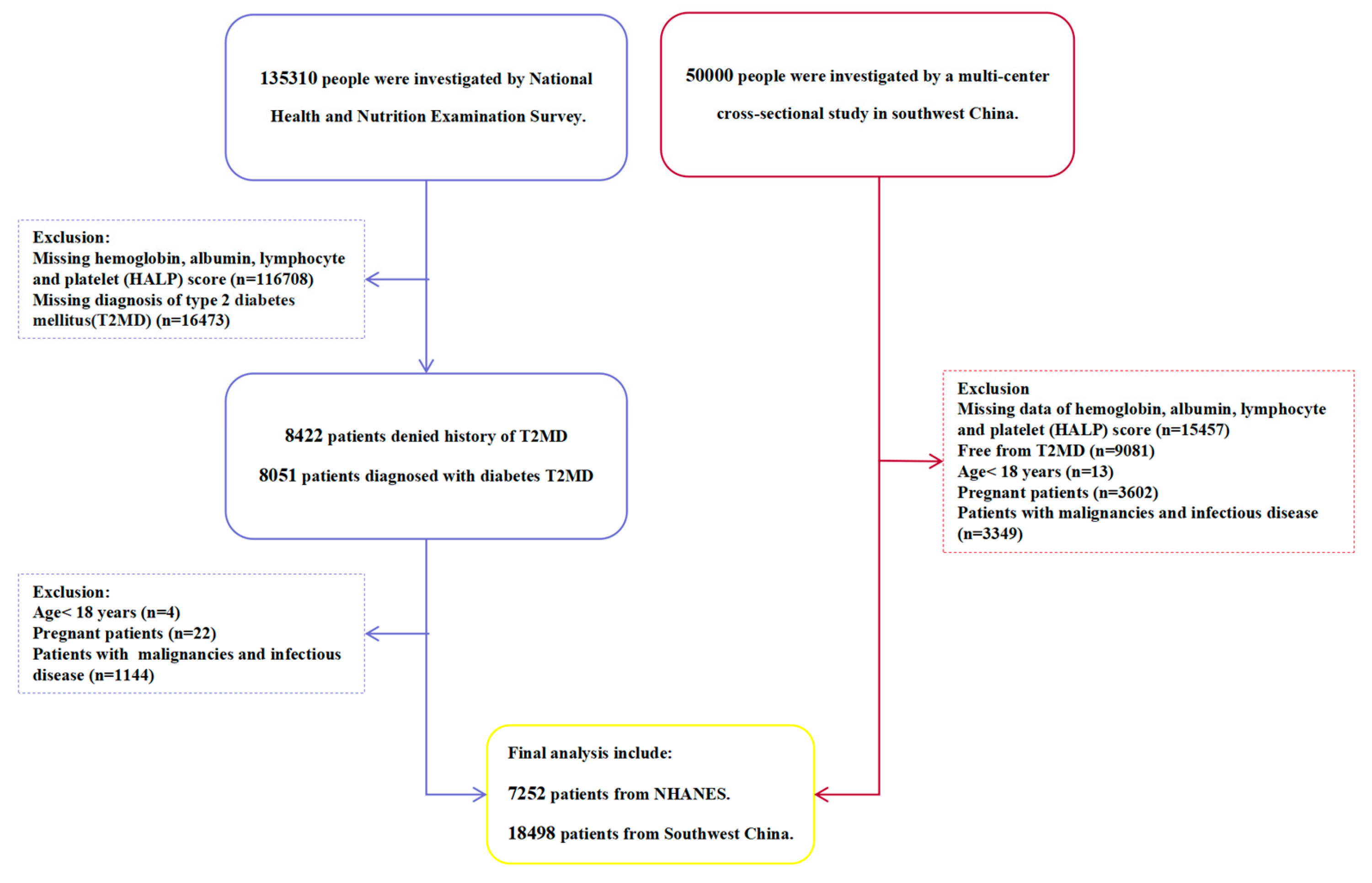
Figure 1. Flowchart of the current study. HALP score, hemoglobin, albumin, lymphocyte, and platelet score; T2DM, type 2 diabetes mellitus.
Preprints 139039 g001
Figure 2. Association of type 2 diabetes, HALP score and glomerular filtration rate. (A) Relationship between HALP and eGFR in type 2 diabetes patients from Southwest China ; (B) Relationship between HALP and eGFR in diabetic kidney disease patients from Southwest China; (C) Relationship between HALP and eGFR in type 2 diabetes patients from NHANES ; (D) Relationship between HALP and eGFR in diabetic kidney disease patients from NHANES; (E) Relationship between HALP and eGFR in type 2 diabetes patients from NHANES(CVD-related mortality in type 2 diabetes patients) ; (F) Relationship between HALP and eGFR in diabetic kidney disease patients from NHANES(CVD-related mortality in diabetic kidney disease patients); (G) Mediation analysis model; (H) The interaction between type 2 diabetes and HALP score.
Preprints 139039 g002
Figure 3. Kaplan-Meier curves of all-cause mortality and CVD-related mortality based on HALP score. Patients were divided into three categories: Q1 (HALP ≤ 32.12), Q2 (32.12 < HALP ≤ 60.43), and Q3 (HALP > 60.43). (A) Kaplan-Meier curves of all-cause mortality; (B) Kaplan-Meier curves of all-cause mortality in patients under 64 years of age ; (C) Kaplan-Meier curves of all-cause mortality in patients over 64 years of age; (D) Kaplan-Meier curves of all-cause mortality in male patients; (E) Kaplan-Meier curves of all-cause mortality in female patients; (F) Kaplan-Meier curves of CVD-related mortality; (G) Kaplan-Meier curves of CVD-related mortality in patients under 64 years of age; (H) Kaplan-Meier curves of CVD-related mortality in patients over 64 years of age; (I) Kaplan-Meier curves of CVD-related mortality in male patients; (J) Kaplan-Meier curves of CVD-related mortality in female patients.
Preprints 139039 g003
Figure 4. Restricted spline curves for the associations between HALP score with mortality in different groups. Lines represent the HR (hazard ratio), and transparent areas represent the 95% confidence intervals. HR (95% CI) were adjusted for various adverse events in Cox analysis using age,sex and race. (A) Restricted spline curves for the associations between HALP score and all-cause mortality in high and low dietary intake groups; (B) Restricted spline curves for the associations between HALP score and CVD-related mortality in high and low dietary intake groups; (C) Restricted spline curves for the associations between HALP score and all-cause mortality in the NSAIDs and non-NSAIDs groups; (D) Restricted spline curves for the associations between HALP score and CVD-related mortality in the NSAIDs and non-NSAIDs groups.
Preprints 139039 g004
Figure 5. Stratified analyses of the associations of HALP score wtih all-cause mortality and cause-specific death in T2DM with impaired kidney function in NHANES.The Hazard Ratio was derived using Cox proportional hazard regression. *P for interaction <0.05.
Preprints 139039 g005
Table 1. Baseline characteristics of people with type 2 diabetes by category of HALP score in NHANES and Southwest China.
Variables NHANES(n=7252) Southwest China(n=18498)
Total HALP≤35.85 35.85<HALP<64.88 HALP≥64.88 p value Total HALP≤30.19 30.19<HALP<70.53 HALP≥70.53 p value
Clinical characteristics
Age, years 61.51±14.31 63.34±14.76 61.14±14.25 60.51±13.80 <0.001 69.65±13.98 72.60±14.07 69.21±13.73 67.57±13.90 0.033
Sex <0.001 <0.001
Male 3606(49.70) 733(40.40) 1751(48.30) 1122(61.90) 9639(52.10) 2353(50.90) 4548(49.20) 2738(59.20)
Female 3646(50.30) 1080(59.60) 1875(51.70) 691(38.10) 8859(47.90) 2271(49.10) 4701(50.80) 1887(40.80)
Race <0.001 <0.001
1 1674(23.10) 364(20.10) 847(23.40) 463(25.20) 18290(98.90) 4578(99.00) 9152(99.00) 4560(98.60)
2 524(7.20) 99(5.50) 284(7.80) 141(7.80) 85(0.50) 24(0.50) 34(0.40) 27(0.60)
3 2609(36.00) 674(37.20) 1262(34.80) 673(37.10) 30(0.20) 7(0.20) 13(0.10) 10(0.20)
4 1867(25.70) 558(30.80) 922(25.40) 387(21.30) 21(0.10) 7(0.20) 11(0.10) 3(0.10)
5 578(8.00) 118(6.50) 311(8.60) 149(8.20) 72(0.40) 8(0.20) 39(0.40) 25(0.50)
Drinking status <0.001 <0.001
Never drinkers 2922(40.30) 827(45.60) 1444(39.80) 651(35.90) 13347(72.10) 3378(73.10) 6807(73.60) 3162(68.40)
Ever drinkers 4330(59.70) 986(54.40) 2182(60.20) 1162(64.10) 5151(27.80) 1246(26.90) 2442(26.40) 1463(31.60)
Smoking status <0.001 <0.001
Never smokers 3228(44.50) 903(49.80) 1627(44.90) 698(38.50) 12337(66.70) 3120(67.90) 6398(69.20) 2819(61.00)
Ever smokers 4024(55.50) 910(50.20) 1999(55.10) 1115(61.50) 6161(33.30) 1504(32.10) 2851(30.80) 1806(39.00)
SBP, mmHg 134.13±21.84 135.71±23.31 133.90±21.57 133.02±20.75 <0.001 136.53±36.12 137.54±41.95 137.20±30.03 134.18±40.58 0.039
DBP,mmHg 68.94±14.99 66.45±16.04 69.34±14.61 70.62±14.33 <0.001 78.78±16.42 77.61±13.42 79.55±16.92 78.40±17.96 <0.001
BMI, kg/m2 31.60±7.33 31.57±8.03 31.55±7.20 31.72±6.84 0.733 25.61±3.86 24.66±3.59 25.58±3.89 25.83±4.20 0.639
CKD history <0.001 <0.001
Suffer from CKD 2509(34.60) 850(46.90) 1164(32.10) 495(27.30) 15140(82.20) 3473(75.60) 7709(83.60) 3958(85.90)
Free from CKD 4743(65.40) 963(53.10) 2462(67.90) 1318(72.70) 3281(17.80) 1120(24.40) 1513(16.40) 648(14.10)
Laboratory data
HGB, g/L 133.00(120.00,146.00) 119.00(101.00.133.00) 135.00(123.00,146.00) 143.00(130.00,157.00) <0.001 136.77±40.96 116.93±28.55 136.24±28.21 157.68±53.95 <0.001
ALB, g/L 40.85±3.78 38.93±4.12 41.16±3.34 42.24±3.48 <0.001 46.27±67.47 35.40±9.28 41.51±7.33 66.66±132.05 <0.001
LYM, 10^9/L 2.21±1.06 1.59±0.56 2.17±0.62 2.90±1.61 <0.001 1.69±11.21 0.99±0.53 1.58±0.53 2.61±22.38 <0.001
PLT, 10^9/L 249.10±74.82 289.64±85.83 249.65±63.53 207.44±59.80 <0.001 183.35±75.67 220.36±90.63 186.70±60.49 139.67±63.84 <0.001
GLU, mmol/L 8.58±5.05 9.08±5.17 9.65±5.19 9.82±5.18 <0.001 11.32±25.78 11.82±18.22 11.07±30.08 11.34±22.72 <0.001
HbA1c, % 8.60(6.80,11.54) 9.10(6.80,11.54) 8.50(6.80,11.54) 8.40(6.87,11.54) <0.001 16.10(10.00,22.05) 14.99(10.00,21.09) 15.89(10.00,21.84) 17.47(10.00,23.36) 0.002
WBC, 10^9/L 7.60±2.32 7.03±2.26 7.49±2.05 8.39±2.65 <0.001 15.10±262.25 22.09±475.26 13.20±142.37 11.93±93.22 0.035
SCR, mg/dL 1.08±0.83 1.26±1.14 1.03±0.74 1.00±0.57 <0.001 0.92(0.76,1.17) 1.00(0.80,1.30) 0.90(0.74,1.12) 0.90(0.76,1.10) <0.001
UA, umol/L 335.67±96.58 341.76±108.03 332.10±93.09 336.70±90.88 <0.001 342.91±119.47 341.60±138.80 339.70±114.32 350.63±107.79 <0.001
TG, mmol/L 1.99±1.76 1.90±1.90 1.92±1.63 2.23±1.83 0.002 1.69(1.02,2.69) 1.54(0.95,2.53) 1.67(1.01,2.59) 1.91(1.15,3.02) <0.001
HDL-C, mmol/L 1.24±0.38 1.30±0.40 1.25±0.38 1.16±0.35 <0.001 1.18(0.98,1.44) 1.22(1.03,1.53) 1.19(1.01,1.44) 1.11(0.93,1.34) <0.001
LDL-C, mmol/L 2.82±1.05 2.74±1.08 2.83±1.04 2.86±1.06 0.001 2.78(2.06,3.50) 2.66(1.98,3.44) 2.82(2.10,3.51) 2.82(2.11,3.53) 0.189
EOS, 10^9/L 0.22±0.17 0.21±0.17 0.22±0.17 0.23±0.18 <0.001 0.20(0.10,0.30) 0.20(0.10,0.30) 0.20(0.10,0.30) 0.20(0.10,0.30) 0.036
NEU, 10^9/L 4.52(3.19,5.39) 4.84(3.90,7.35) 4.31(3.15,5.09) 3.98(2.80,4.84) <0.001 4.30(3.40,5.50) 4.30(3.30,5.50) 4.30(3.30,5.45) 4.40(3.53,5.60) 0.032
MON, 10^9/L 0.58±0.20 0.54±0.20 0.57±0.20 0.63±0.22 <0.001 0.41±0.23 0.44±0.26 0.40±0.21 0.38±0.22 <0.001
RBC, 10^9/L 4.60±0.54 4.33±0.54 4.62±0.49 4.83±0.50 <0.001 7.74±402.15 16.25±799.17 5.09±64.18 4.54±8.94 <0.001
eGFR, mL/min/1.73 m2 81.43±36.15 72.04±35.75 83.39±36.32 86.90±34.45 <0.001 92.8±10.52 78.7±12.45 97.1±9.72 98.3±9.78 <0.001
Notes:Data are presented as n (%), mean ± SD, or median (interquartile range). Abbreviations:NHANES, National Health and Nutrition Examination Survey; Southwest China, A multi-center cross-sectional study in Southwest China; the race in NHANES include 1, Mexican American people, 2, other Hispanic people, 3, non-Hispanic White people, 4, non-Hispanic Black people, 5, multi-racial people; the race in Southwest China include 1, the Han ethnic group, 2, the Tujia ethnic group, 3, the Miao ethnic group, 4, the Hui ethnic group, 5, other ethnic minorties; SBP, systolic blood pressure; DBP, diastolic blood pressure; BMI, body mass index; CKD, chronic kidney disease; HGB, hemoglobin; ALB, albumin; LYM, lymphocyte; PLT, platelet; Glu, glucose; HbA1c, glycated hemoglobin A1c; WBC, white blood cell; SCR, serum creatinine; UA, uric acid; TG, triglyceride; HDL-C, high lipoprotein cholesterol; LDL-C, low density lipoprotein cholesterol; EOS, eosinophile; NEU, neutrophile; MON, monocyte; RBC, red blood cell; eGFR, estimated glomerular filtration rate.
Table 2. This Association between HALP score and risk of diabetic kidney disease in type 2 diabetes patients.
HALP Score NHANES
Model 1 Model 2 Model 3
OR(95%CI) p value OR(95%CI) p value OR(95%CI) p value
Q1 reference reference reference
Q2 0.536(0.477-0.601) <0.001 0.573(0.506-0.650) <0.001 0.611(0.513-0.713) <0.001
Q3 0.425(0.370-0.489) <0.001 0.479(0.412-0.556) <0.001 0.502(0.478-0.530) <0.001
HALP Score Southwest China
Model 1 Model 2 Model 3
OR(95%CI) p value OR(95%CI) p value OR(95%CI) p value
Q1 reference reference reference
Q2 0.609(0.558-0.664) <0.001 0.588(0.539-0.642) <0.001 0.612(0.554-0.676) <0.001
Q3 0.508(0.456-0.565) <0.001 0.478(0.429-0.533) <0.001 0.528(0.451-0.617) <0.001
Notes:NHANES: Q1(HALP ≤ 35.85), Q2(35.85 < HALP ≤ 64.88), Q3(HALP > 64.88). Model 1 adjusted for none; Model 2 adjusted for age and sex; Model 3 adjusted for age, sex, Race, Drinking status, SBP, DBP, BMI, HbAlc, LYM, WBC, PLT, SCR, UA, TG, EOS, NEU, MON, RBC and HALP. Southwest China: Q1(HALP ≤ 30.19), Q2(30.19 < HALP ≤ 70.53), Q3(HALP > 70.53). Model 1 adjusted for none.; Model 2 adjusted for age and sex.; Model 3 adjusted for age,sex,SBP,HGB,PLT,HbAlc,SCR,UA and EOS. Abbreviations:NHANES, National Health and Nutrition Examination Survey; Southwest China, A multi-center cross-sectional study in southwest china; OR,odds ratios; 95% CI,95% confidence intervals; SBP, systolic blood pressure; DBP, diastolic blood pressure; BMI, body mass index; HGB, hemoglobin; LYM, lymphocyte; PLT, platelet; HbA1c, glycated hemoglobin A1c; WBC, white blood cell; SCR, serum creatinine; UA, uric acid; TG, triglyceride; EOS, eosinophile; NEU, neutrophile; MON, Monocyte; RBC, red blood cell; eGFR, estimated glomerular filtration rate; HALP score, hemoglobin, albumin,lymphocyte, and platelet score.
Table 3. Multivariate Cox analysis of all-cause and cause-specific mortality in patients with diabetic kidney disease.
HALP Score Model 1 Model 2 Model 3
HR(95%CI) p value HR(95%CI) p value HR(95%CI) p value
All-cause mortality
Q1 reference reference reference
Q2 0.737(0.654-0.831) <0.001 0.708(0.628-0.799) <0.001 0.765(0.675-0.867) <0.001
Q3 0.737(0.641-0.848) <0.001 0.714(0.620-0.823) <0.001 0.833(0.709-0.977) 0.025
CVD-related mortality
Q1 reference reference reference
Q2 0.734(0.596-0.903) 0.003 0.674(0.547-0.830) <0.001 0.667(0.538-0.827) <0.001
Q3 0.722(0.567-0.920) 0.008 0.678(0.531-0.866) 0.002 0.610(0.464-0.801) <0.001
Malignancy-related mortality
Q1 reference reference reference
Q2 0.912(0.634-1.312) 0.621 0.773(0.536-1.113) 0.166 0.524(0.275-0.999) 0.050
Q3 0.812(0.532-1.240) 0.336 0.769(0.501-1.179) 0.228 0.460(0.231-0.917) 0.027
Cerebrovascular-related mortality
Q1 reference reference reference
Q2 0.723(0.457-1.145) 0.167 0.617(0.388-0.981) 0.041 0.597(0.375-0.950) 0.030
Q3 0.549(0.308-0.980) 0.043 0.554(0.307-0.998) 0.049 0.568(0.317-1.016) 0.057
Notes:Divide patients into three groups, Q1(HALP ≤ 32.12), Q2(32.12 < HALP ≤ 60.43), Q3(HALP > 60.43). All-cause mortality: Model 1 adjusted for none. Model 2 adjusted for age and sex. Model 3 adjusted for age, sex, SBP, DBP, BMI, WBC, SCR, UA, NEU, MON, RBC, eGFR and ACR. CVD-related mortality: Model 1 adjusted for none. Model 2 adjusted for age and sex. Model 3 adjusted for age, sex, SBP, DBP, BMI, WBC, SCR, UA, LDL-C, RBC and eGFR. Malignancy-related mortality: Model 1 adjusted for none. Model 2 adjusted for age and sex. Model 3 adjusted for age, sex, Smoking status, SBP, BMI, WBC, UA, RBC and eGFR. Cerebrovascular-related mortality: Model 1 adjusted for none. Model 2 adjusted for age and sex. Model 3 adjusted for age, SBP, BMI, eGFR and ACR. Abbreviations:HR, hazard ratios,95% CI,95% confidence intervals; SBP, systolic blood pressure; DBP, diastolic blood pressure; BMI, body mass index;WBC, white blood cell; SCR, serum creatinine; UA, uric acid; NEU, neutrophile; MON, monocyte; RBC, red blood cell; eGFR, estimated glomerular filtration rate; ACR, albumin to creatinine ratio; HALP score,hemoglobin, albumin,lymphocyte, and platelet score.
Table 4. The relationship between HALP score and all-cause and CVD-related mortality in patients with diabetic kidney disease in different groups.
All-cause mortality CVD-related mortality
Variables Model 1 Model 2 Variables Model 1 Model 2
HR(95% CI) p value HR(95% CI) p value HR(95% CI) p value HR(95% CI) p value
High dietary fiber intake(n=463) High dietary fiber intake(n=281)
Q1 reference 0.308 reference 0.687 Q1 reference 0.096 reference 0.261
Q2 0.820(0.631-1.067) 0.140 0.893(0.684-1.164) 0.402 Q2 0.623(0.386-1.004) 0.052 0.680(0.419-1.104) 0.119
Q3 0.839(0.608-1.157) 0.284 0.904(0.651-1.256) 0.548 Q3 1.003(0.580-1.734) 0.991 0.933(0.531-1.641) 0.810
Low dietary fiber intake(n=2046) Low dietary fiber intake(n=1190)
Q1 reference <0.001 reference <0.001 Q1 reference 0.001 reference <0.001
Q2 0.714(0.632-0.806) <0.001 0.695(0.614-0.785) <0.001 Q2 0.687(0.559-0.844) <0.001 0.659(0.535-0.811) <0.001
Q3 0.813(0.697-0.950) 0.009 0.780(0.667-0.912) 0.002 Q3 0.739(0.562-0.971) 0.03 0.676(0.511-0.894) 0.006
Use of NSAIDs drugs(n=26) Use of NSAIDs drugs(n=19)
Q1 reference 0.358 reference 0.468 Q1 reference 0.177 reference 0.796
Q2 0.521(0.204-1.334) 0.174 1.663(0.453-6.114) 0.444 Q2 0.314(0.093-1.063) 0.063 0.487(0.061-3.915) 0.499
Q3 0.435(0.053-3.541) 0.436 0.355(0.035-3.627) 0.382 Q3 0.000(0.000-0.000) 0.987 0.001(0.000-0.000) 0.994
Non-use of NSAIDs drugs(n=2483) Non-use of NSAIDs drugs(n=1452)
Q1 reference <0.001 reference <0.001 Q1 reference 0.005 reference 0.001
Q2 0.741(0.662-0.830) <0.001 0.733(0.654-0.821) <0.001 Q2 0.724(0.595-0.881) 0.001 0.692(0.569-0.843) <0.001
Q3 0.821(0.712-0.946) 0.006 0.794(0.688-0.917) 0.002 Q3 0.836(0.655-1.068) 0.151 0.775(0.605-0.993) 0.044
Notes:Model 1 adjusted for none; Model 2 adjusted for age,sex and race. High dietary fiber intake was defined fiber intake ≥ 21.30 g/day and low dietary fiber intake was defined fiber intake < 21.30 g/day. Divide patients into three groups, Q1(HALP ≤ 32.12), Q2(32.12 < HALP ≤ 60.43), Q3(HALP > 60.43). Abbreviations:HR (95% CI), hazard ratios and 95% confidence interval. NSAIDs, non-steroidal antiinflammatory drugs.
Disclaimer/Publisher’s Note: The statements, opinions and data contained in all publications are solely those of the individual author(s) and contributor(s) and not of MDPI and/or the editor(s). MDPI and/or the editor(s) disclaim responsibility for any injury to people or property resulting from any ideas, methods, instructions or products referred to in the content.
Copyright: This open access article is published under a Creative Commons CC BY 4.0 license, which permit the free download, distribution, and reuse, provided that the author and preprint are cited in any reuse.
Prerpints.org logo

Preprints.org is a free preprint server supported by MDPI in Basel, Switzerland.

Subscribe

Disclaimer

Terms of Use

Privacy Policy

Privacy Settings

© 2025 MDPI (Basel, Switzerland) unless otherwise stated